From 11:00 pm to 12:00 pm EST ( 8:00 pm to 9:00 pm PST ) on January 6th, the website will be under maintenance. We are sorry for the inconvenience. Please arrange your schedule properly.
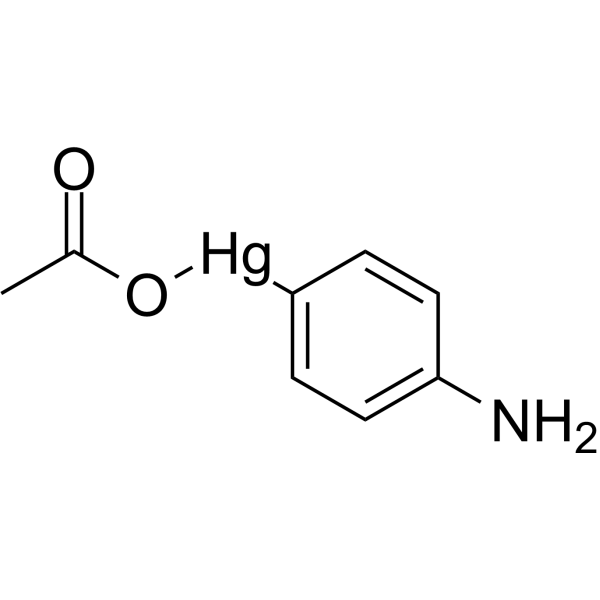
p-Aminophenylmercuric acetate is an organomercurial activator of matrix metalloproteinases (MMP). P-Aminophenylmercuric acetate participates in the activation and inhibition of MMP-8 by attacking protein sulfhydryl or inducing cysteine switching reaction. p-Aminophenylmercuric acetate promotes the shedding of betacellulin precursor (pro-BTC). p-Aminophenylmercuric acetate influences the binding of agonists and antagonists to the opiate receptor .
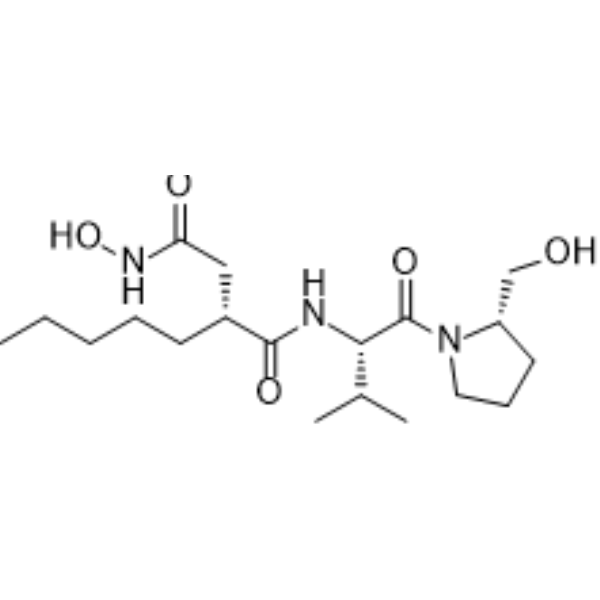
Actinonin ((-)-Actinonin) is a naturally occurring antibacterial agent produced by Actinomyces. Actinonin inhibits aminopeptidase M, aminopeptidase N and leucine aminopeptidase. Actinonin is a potent reversible peptide deformylase (PDF) inhibitor with a Ki of 0.28 nM. Actinonin also inhibits MMP-1, MMP-3, MMP-8, MMP-9, and hmeprin α with Ki values of 300 nM, 1,700 nM, 190 nM, 330 nM, and 20 nM, respectively. Actinonin is an apoptosis inducer. Actinonin has antiproliferative and antitumor activities .
KP-457 is a selective a disintegrin and metalloproteinase 17 (ADAM17) inhibitor, with higher selectivity for ADAM17 than for other MMPs and ADAM10, and IC50s are 11.1 nM (ADAM17), 748 nM (ADAM10), 717 nM (MMP2), 9760 nM (MMP3), 2200 nM (MMP8), 5410 nM (MMP9), 930 nM (MMP13), 2140 nM (MMP14), and 7100 nM (MMP17), respectively.
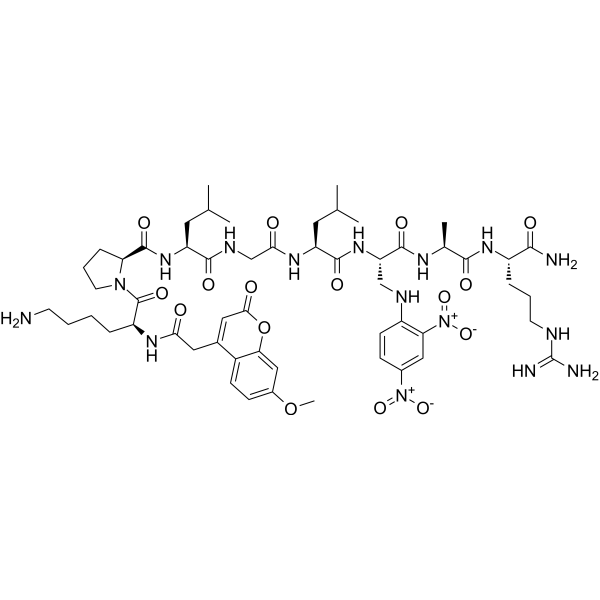
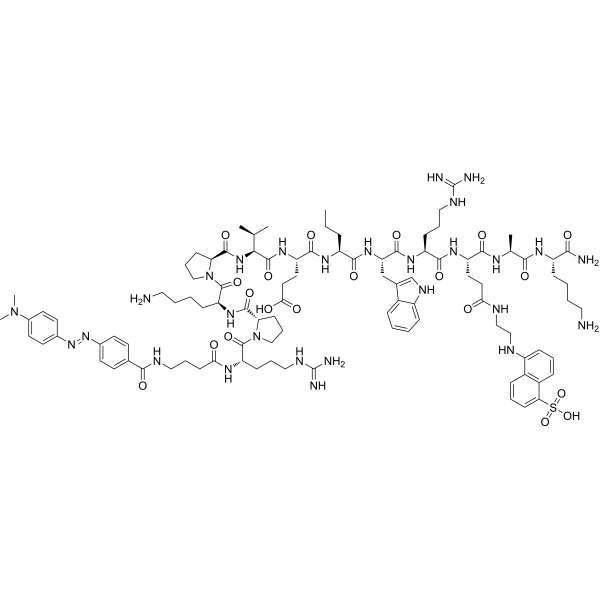
Mca-Lys-Pro-Leu-Gly-Leu-Dap(Dnp)-Ala-Arg-NH2 (FS-6) is a fluorescent peptide that is a quenched MMP peptide substrate. Mca-Lys-Pro-Leu-Gly-Leu-Dap(Dnp)-Ala-Arg-NH2 can be used for real-time quantification of MMP enzymatic activity. Mca-Lys-Pro-Leu-Gly-Leu-Dap(Dnp)-Ala-Arg-NH2 is an elongated peptide of MMP substrate (FS-1) and is active against collagenases (MMP-1, MMP-8, MMP-13 ) and MT1-MMP with higher specificity constants than FS-1 . (Ex/Em=325 nm/400 nm)
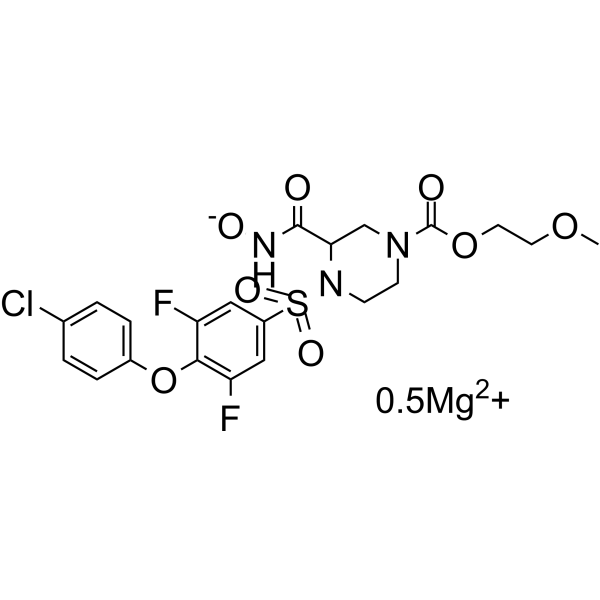
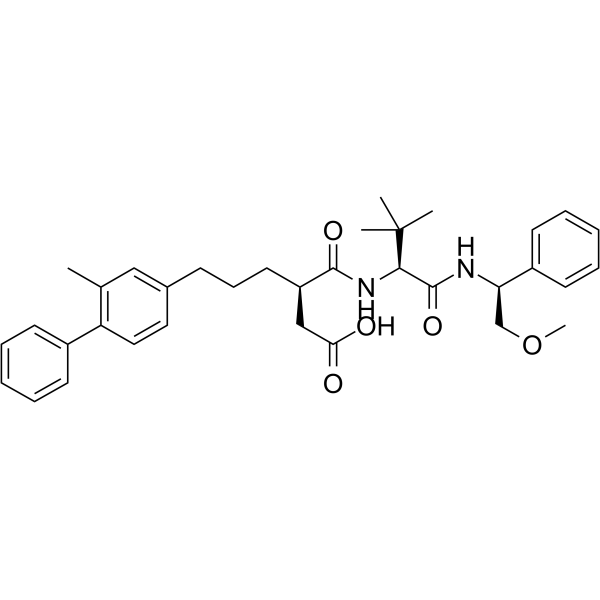
UK-370106 is a potent and highly selective MMP-3 (IC50 of 23 nM) and MMP-12 (IC50 of 42 nM) inhibitor with >1200-fold higher potency than MMP-1, MMP-2, MMP-9, and MMP-14, and about 100-fold than MMP-13 and MMP-8. UK-370106 potently inhibits cleavage of [ 3H]-fibronectin by MMP-3 (IC50 of 320 nM) and has little effect on keratinocyte migration in vitro .
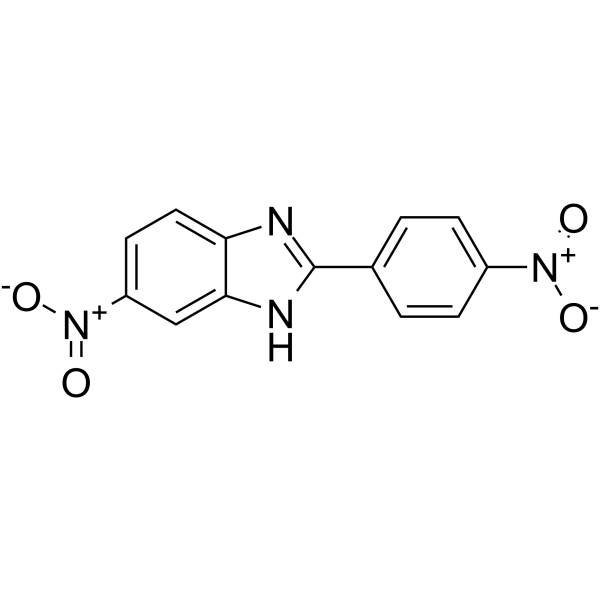
MMP2-IN-2 (compound 42) is a potent and selective MMP-2 (matrix metalloproteinases) inhibitor, with an IC50 of 4.2 μM. MMP2-IN-2 also shows inhibitory activity against MMP-13, MMP-9 and MMP-8, with IC50 values of 12, 23.3, and 25 μM, respectively .
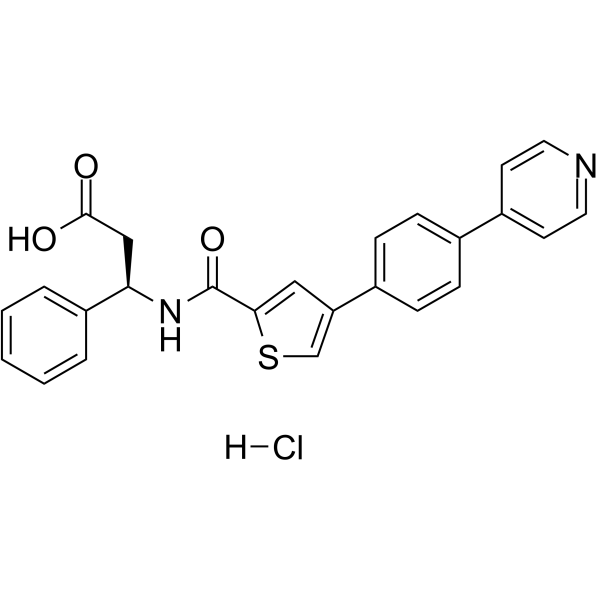
PF-00356231 hydrochloride is a specific, non-peptidic, non-zinc chelating ligand and inhibitor of matrix metalloproteinase MMP-12 (IC50=1.4 μM). PF-00356231 hydrochloride binds to MMP-12 and forms PF-00356231/MMP-12 complex. PF-00356231 hydrochloride shows potency against MMP-13, MMP-8, MMP-9, MMP-3 with IC50s of 0.00065, 1.7, 0.98, 0.39 μM, respectively .
MMP8 Human Pre-designed siRNA Set A contains three designed siRNAs for MMP8 gene (Human), as well as a negative control, a positive control, and a FAM-labeled negative control.
Mmp8 Mouse Pre-designed siRNA Set A contains three designed siRNAs for Mmp8 gene (Mouse), as well as a negative control, a positive control, and a FAM-labeled negative control.
Mmp8 Rat Pre-designed siRNA Set A contains three designed siRNAs for Mmp8 gene (Rat), as well as a negative control, a positive control, and a FAM-labeled negative control.
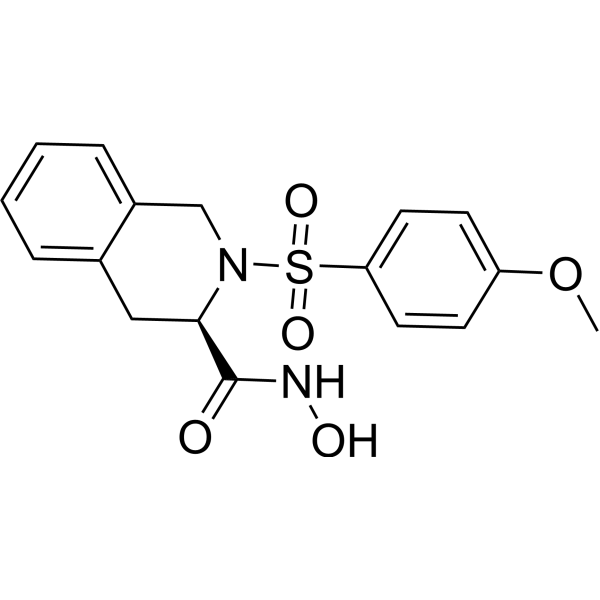
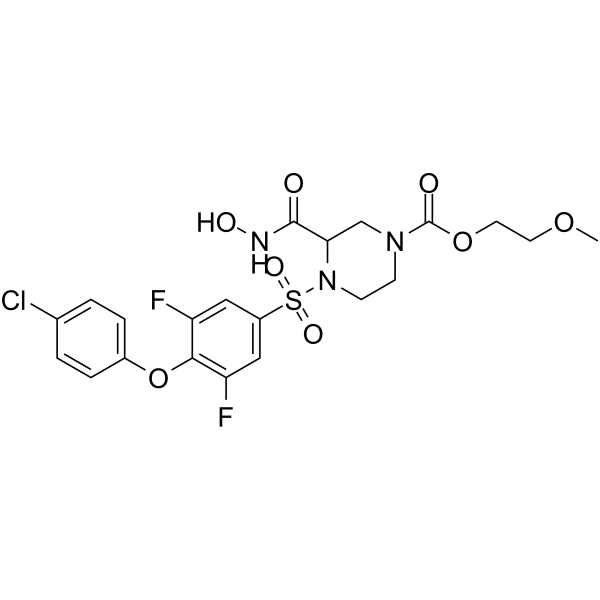
XL-784 free base is a selective matrix metalloproteinases (MMP) inhibitor, with IC50s of ~1900, 0.81, 120, 10.8, 18, 0.56 nM for MMP-1, MMP-2, MMP-3, MMP-8, MMP-9 and MMP-13, respectively .
TNO003 is a selective fluorogenic substrate for stromelysin-1 (MMP-3). TNO003 has higher selectivity for MMP-3 than MMP-1, MMP-2, MMP-7, MMP-8, MMP-9 and MMP-13. TNO003 can be used for the determination of stromelysin activity (Ex/Em = 360/490 nm) .
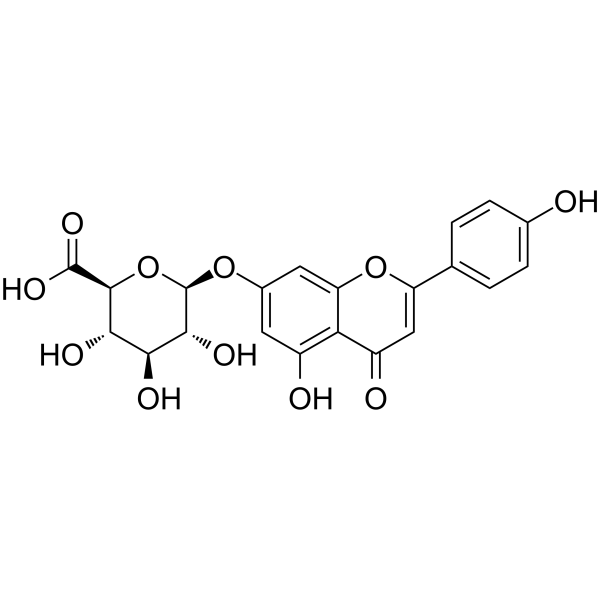
Apigenin-7-glucuronide (Standard) is the analytical standard of Apigenin-7-glucuronide. This product is intended for research and analytical applications. Apigenin-7-glucuronide could inhibit Matrix Metalloproteinases (MMP) activities, with IC50s of 12.87, 22.39, 17.52, 0.27 μM for MMP-3, MMP-8, MMP-9, MMP-13, respectively.
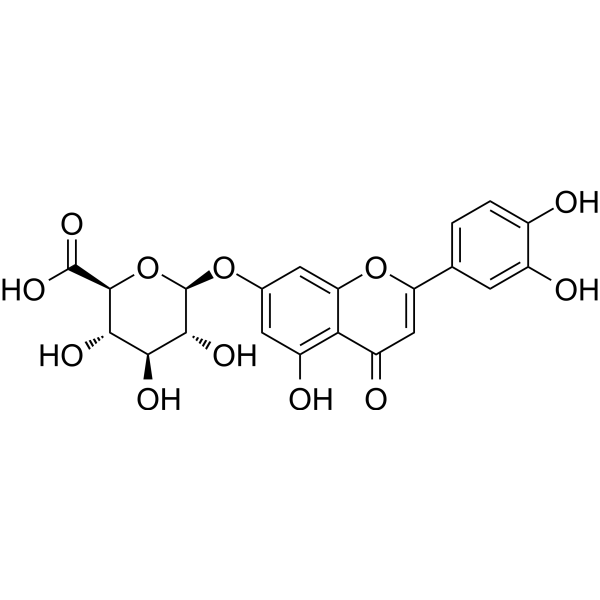
Luteolin 7-O-glucuronide (Standard) is the analytical standard of Luteolin 7-O-glucuronide. This product is intended for research and analytical applications. Luteolin 7-O-glucuronide could inhibit Matrix Metalloproteinases (MMP) activities, with IC50s of 17.63, 7.99, 11.42, 12.85, 0.03 μM for MMP-1, MMP-3, MMP-8, MMP-9, MMP-13, respectively .
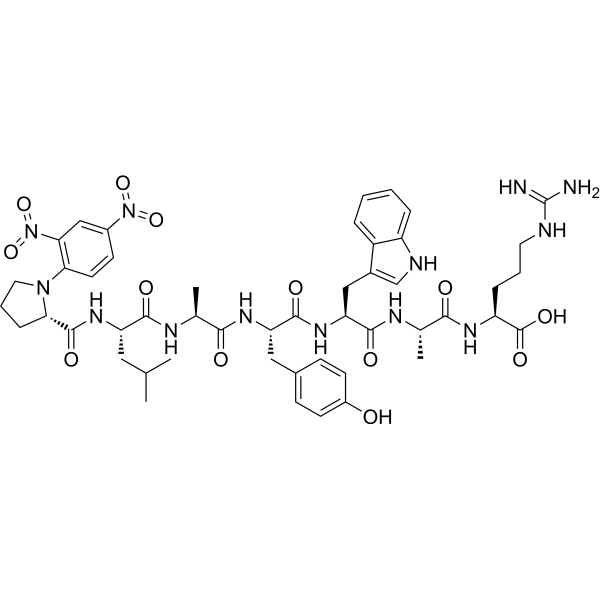
MMP-8/MMP-26 Fluorogenic substrate (DNP-Pro-Leu-Ala-Tyr-Trp-Ala-Arg) is a matrix metalloproteinase-8 (MMP-8) fluorogenic substrate. MMP-8/MMP-26 Fluorogenic substrate can be used for the research of atherosclerosis, pulmonary fibrosis, and sepsis .
GIP (22-51) human (Glucose-dependent Insulinotropic Peptide (22-51) human) is a potent proatherosclerotic peptide hormone consisting of 30 amino acids. GIP (22-51) human can activate the NF-κB signaling pathway, promote the expression of MMP-8, and induce the expression of proinflammatory and proatherosclerotic proteins. GIP (22-51) human can also increase the level of intracellular free Ca 2+ in THP-1-induced macrophages. GIP (22-51) human can be used in the research of atherosclerosis .
10-Butyl Ether Minocycline (BEM), a Minocycline (HY-17412A) derivative, is an MMP-8 and MMP-9 inhibitor with IC50s of 69.4 µM and 47.0 µM, respectively. 10-Butyl Ether Minocycline suppresses LPS (HY-D1056)-induced microglial activation. 10-Butyl Ether Minocycline inhibits VEGF-induced endothelial cell migration and L-Glutamine (HY-N0390)-induced ROS levels. 10-Butyl Ether Minocycline significantly reduces alcohol consumption in the Chronic Intermittent Ethanol (CIE) mouse model of alcohol dependence. 10-Butyl Ether Minocycline can be used for the study of neuroimmune-inflammatory diseases and Alcohol use disorder (AUD) .
KP-457 (GMP) is KP-457 (HY-110397) produced by using GMP guidelines. GMP small molecules work appropriately as an auxiliary reagent for cell therapy manufacture.KP-457 is a selective a disintegrin and metalloproteinase 17 (ADAM17) inhibitor, with higher selectivity for ADAM17 than for other MMPs and ADAM10, and IC50s are 11.1 nM (ADAM17), 748 nM (ADAM10), 717 nM (MMP2), 9760 nM (MMP3), 2200 nM (MMP8), 5410 nM (MMP9), 930 nM (MMP13), 2140 nM (MMP14), and 7100 nM (MMP17), respectively .
3-Aminobenzene-1,2-diol (compound C8) is a matrix metalloproteinase (MMP) inhibitor with IC50 values of 20, 26, 16 and 16.3 μM for MMP-2, MMP-8, MMP-9 and MMP-14, respectively .
MMP2-IN-3 (compound 2) is a potent MMP-2 (matrix metalloproteinases) inhibitor, with an IC50 of 31 μM. MMP2-IN-3 also shows inhibitory activity against MMP-9 and MMP-8, with IC50 values of 26.6, and 32 μM, respectively .
BR351 precursor is a precursor of BR351. BR351 is a brain penetrant MMP inhibitor with IC50s of 4, 2, 11, 50 nM for MMP2, MMP8, MMP9 and MMP13, respectively .
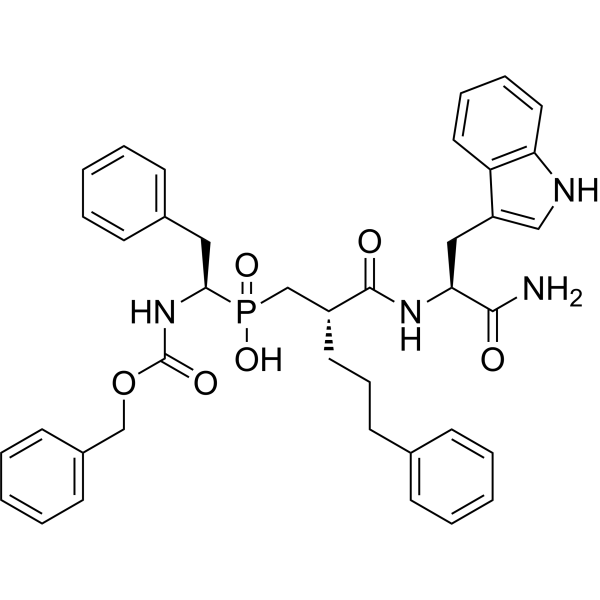
SD-2590 hydrochloride is a potent MMP inhibitor with IC50 values of ﹤0.1, ﹤0.1, 0.18, and 1.7 nM for MMP2, MMP13, MMP9, and MMP8, respectively. SD-2590 hydrochloride inhibits dilation of the left ventricle in rats .
TNO003 TFA is a selective fluorogenic substrate for stromelysin-1 (MMP-3). TNO003 TFA has higher selectivity for MMP-3 than MMP-1, MMP-2, MMP-7, MMP-8, MMP-9 and MMP-13. TNO003 TFA can be used for the determination of stromelysin activity (Ex/Em = 360/490 nm) .
DH-18 is a matrix metalloproteinase-2 (MMP-2) inhibitor with the IC50 values of 139.45 nM, 518.11 nM and 833.34 nM for MMP-2, MMP-9 and MMP-8, respectively. DH-18 induces cell apoptosis and arrests cell cycle in the G0/G1 phase. DH-18 inhibits cell growth and can be used for study of chronic myeloid leukemia .
PF-00356231 hydrochloride is a specific, non-peptidic, non-zinc chelating ligand and inhibitor of matrix metalloproteinase MMP-12 (IC50=1.4 μM). PF-00356231 hydrochloride binds to MMP-12 and forms PF-00356231/MMP-12 complex. PF-00356231 hydrochloride shows potency against MMP-13, MMP-8, MMP-9, MMP-3 with IC50s of 0.00065, 1.7, 0.98, 0.39 μM, respectively .
Actinonin (Standard) is the analytical standard of Actinonin. This product is intended for research and analytical applications. Actinonin ((-)-Actinonin) is a naturally occurring antibacterial agent produced by Actinomyces. Actinonin inhibits aminopeptidase M, aminopeptidase N and leucine aminopeptidase. Actinonin is a potent reversible peptide deformylase (PDF) inhibitor with a Ki of 0.28 nM. Actinonin also inhibits MMP-1, MMP-3, MMP-8, MMP-9, and hmeprin α with Ki values of 300 nM, 1,700 nM, 190 nM, 330 nM, and 20 nM, respectively. Actinonin is an apoptosis inducer. Actinonin has antiproliferative and antitumor activities[1][2][3][4][5].
Ageladine A dihydrochloride is an inhibitor of matrix metalloproteinase (MMP) isolated from the marine sponge Agelas nakamurai, possessing anti-angiogenic activity. Ageladine A dihydrochloride not only inhibits MMP-2 but also MMP-1, MMP-8, MMP-9, MMP-12, and MMP-13, with IC50 values of 4.65 μM, 2.79 μM, 907.12 nM, 1.83 μM, 767.57 nM, and 1.09 μM, respectively. Additionally, Ageladine A dihydrochloride is a pH-sensitive membrane-permeable dye that emits fluorescence in the blue-green range upon UV excitation, featuring a maximum absorption peak at 370 nm. Furthermore, Ageladine A dihydrochloride serves as a reliable and stable fluorescent pH sensor for detecting changes in intracellular pH values .
Colchicine derivative-1 is a colchicine derivative. Colchicine derivative-1 exhibits cytotoxicity against various cells. Colchicine derivative-1 arrests cancer cells at the G2/M phase of the cell cycle. Colchicine derivative-1 increases the levels of MMP-2, MMP-8, MMP-9, IL-2, IL-6, IL-17A, IL-22, IL-4, and IL-5 in the blood, inhibits the gene expression of hepatic fibrinogen α, β, γ and TGF-β1, and alleviates hepatic fibrosis symptoms in mice. Colchicine derivative-1 has antifibrotic activity and can be used in studies related to hepatic fibrosis .
Colchicine-O-CO-Enyl(Me)-Enyl-Enyl(Me)-Enyl-1,3,3-trimethylcyclohex-1-ene (compound L2) is a lipophilic colchicinoid formulation targeting hepatic stellate cells (HSC). Colchicine-O-CO-Enyl(Me)-Enyl-Enyl(Me)-Enyl-1,3,3-trimethylcyclohex-1-ene increases the levels of MMP2, MMP8 and MMP9, demonstrating the protective effect in tissue remodeling. Colchicine-O-CO-Enyl(Me)-Enyl-Enyl(Me)-Enyl-1,3,3-trimethylcyclohex-1-ene exhibits anti-fibrotic activity in CCL4-induced liver fibrosis (LF) mouse model. Colchicine-O-CO-Enyl(Me)-Enyl-Enyl(Me)-Enyl-1,3,3-trimethylcyclohex-1-ene can be used for LF research .
KP-457 (GMP) is KP-457 (HY-110397) produced by using GMP guidelines. GMP small molecules work appropriately as an auxiliary reagent for cell therapy manufacture.KP-457 is a selective a disintegrin and metalloproteinase 17 (ADAM17) inhibitor, with higher selectivity for ADAM17 than for other MMPs and ADAM10, and IC50s are 11.1 nM (ADAM17), 748 nM (ADAM10), 717 nM (MMP2), 9760 nM (MMP3), 2200 nM (MMP8), 5410 nM (MMP9), 930 nM (MMP13), 2140 nM (MMP14), and 7100 nM (MMP17), respectively .
p-Aminophenylmercuric acetate is an organomercurial activator of matrix metalloproteinases (MMP). P-Aminophenylmercuric acetate participates in the activation and inhibition of MMP-8 by attacking protein sulfhydryl or inducing cysteine switching reaction. p-Aminophenylmercuric acetate promotes the shedding of betacellulin precursor (pro-BTC). p-Aminophenylmercuric acetate influences the binding of agonists and antagonists to the opiate receptor .
KP-457 (GMP) is KP-457 (HY-110397) produced by using GMP guidelines. GMP small molecules work appropriately as an auxiliary reagent for cell therapy manufacture.KP-457 is a selective a disintegrin and metalloproteinase 17 (ADAM17) inhibitor, with higher selectivity for ADAM17 than for other MMPs and ADAM10, and IC50s are 11.1 nM (ADAM17), 748 nM (ADAM10), 717 nM (MMP2), 9760 nM (MMP3), 2200 nM (MMP8), 5410 nM (MMP9), 930 nM (MMP13), 2140 nM (MMP14), and 7100 nM (MMP17), respectively .
Mca-Lys-Pro-Leu-Gly-Leu-Dap(Dnp)-Ala-Arg-NH2 (FS-6) is a fluorescent peptide that is a quenched MMP peptide substrate. Mca-Lys-Pro-Leu-Gly-Leu-Dap(Dnp)-Ala-Arg-NH2 can be used for real-time quantification of MMP enzymatic activity. Mca-Lys-Pro-Leu-Gly-Leu-Dap(Dnp)-Ala-Arg-NH2 is an elongated peptide of MMP substrate (FS-1) and is active against collagenases (MMP-1, MMP-8, MMP-13 ) and MT1-MMP with higher specificity constants than FS-1 . (Ex/Em=325 nm/400 nm)
TNO003 is a selective fluorogenic substrate for stromelysin-1 (MMP-3). TNO003 has higher selectivity for MMP-3 than MMP-1, MMP-2, MMP-7, MMP-8, MMP-9 and MMP-13. TNO003 can be used for the determination of stromelysin activity (Ex/Em = 360/490 nm) .
MMP-8/MMP-26 Fluorogenic substrate (DNP-Pro-Leu-Ala-Tyr-Trp-Ala-Arg) is a matrix metalloproteinase-8 (MMP-8) fluorogenic substrate. MMP-8/MMP-26 Fluorogenic substrate can be used for the research of atherosclerosis, pulmonary fibrosis, and sepsis .
GIP (22-51) human (Glucose-dependent Insulinotropic Peptide (22-51) human) is a potent proatherosclerotic peptide hormone consisting of 30 amino acids. GIP (22-51) human can activate the NF-κB signaling pathway, promote the expression of MMP-8, and induce the expression of proinflammatory and proatherosclerotic proteins. GIP (22-51) human can also increase the level of intracellular free Ca 2+ in THP-1-induced macrophages. GIP (22-51) human can be used in the research of atherosclerosis .
Actinonin ((-)-Actinonin) is a naturally occurring antibacterial agent produced by Actinomyces. Actinonin inhibits aminopeptidase M, aminopeptidase N and leucine aminopeptidase. Actinonin is a potent reversible peptide deformylase (PDF) inhibitor with a Ki of 0.28 nM. Actinonin also inhibits MMP-1, MMP-3, MMP-8, MMP-9, and hmeprin α with Ki values of 300 nM, 1,700 nM, 190 nM, 330 nM, and 20 nM, respectively. Actinonin is an apoptosis inducer. Actinonin has antiproliferative and antitumor activities .
Apigenin-7-glucuronide (Standard) is the analytical standard of Apigenin-7-glucuronide. This product is intended for research and analytical applications. Apigenin-7-glucuronide could inhibit Matrix Metalloproteinases (MMP) activities, with IC50s of 12.87, 22.39, 17.52, 0.27 μM for MMP-3, MMP-8, MMP-9, MMP-13, respectively.
Luteolin 7-O-glucuronide (Standard) is the analytical standard of Luteolin 7-O-glucuronide. This product is intended for research and analytical applications. Luteolin 7-O-glucuronide could inhibit Matrix Metalloproteinases (MMP) activities, with IC50s of 17.63, 7.99, 11.42, 12.85, 0.03 μM for MMP-1, MMP-3, MMP-8, MMP-9, MMP-13, respectively .
Actinonin (Standard) is the analytical standard of Actinonin. This product is intended for research and analytical applications. Actinonin ((-)-Actinonin) is a naturally occurring antibacterial agent produced by Actinomyces. Actinonin inhibits aminopeptidase M, aminopeptidase N and leucine aminopeptidase. Actinonin is a potent reversible peptide deformylase (PDF) inhibitor with a Ki of 0.28 nM. Actinonin also inhibits MMP-1, MMP-3, MMP-8, MMP-9, and hmeprin α with Ki values of 300 nM, 1,700 nM, 190 nM, 330 nM, and 20 nM, respectively. Actinonin is an apoptosis inducer. Actinonin has antiproliferative and antitumor activities[1][2][3][4][5].
MMP-8 protein degrades different fibrillar collagens, such as type I, II, and III.It is implicated in the breakdown of collagen fibers during uterine involution.MMP-8 Protein, Mouse (HEK293, His) is the recombinant mouse-derived MMP-8 protein, expressed by HEK293 , with C-His labeled tag.
MMP-8, also known as matrix metalloproteinase-8 or collagenase-2, is recognized for its enzymatic abilities, particularly its ability to break down fibrillar types I, II, and III collagen. This enzymatic activity suggests that MMP-8 plays an important role in the remodeling and turnover of collagen-rich tissues such as connective tissue, cartilage, and bone. MMP-8 Protein, Human (HEK293, His) is the recombinant human-derived MMP-8 protein, expressed by HEK293 , with C-10*His labeled tag.
MMP-8 protein degrades different fibrillar collagens, such as type I, II, and III.It is implicated in the breakdown of collagen fibers during uterine involution.MMP-8 Protein, Mouse (HEK293) is the recombinant mouse-derived MMP-8 protein, expressed by HEK293 , with tag free.
MMP-8 protein degrades different fibrillar collagens, such as type I, II, and III.It is implicated in the breakdown of collagen fibers during uterine involution.MMP-8 Protein, Mouse (CHO, His) is the recombinant mouse-derived MMP-8 protein, expressed by CHO , with C-His labeled tag.
MMP-8, also known as matrix metalloproteinase-8 or collagenase-2, is recognized for its enzymatic abilities, particularly its ability to break down fibrillar types I, II, and III collagen. This enzymatic activity suggests that MMP-8 plays an important role in the remodeling and turnover of collagen-rich tissues such as connective tissue, cartilage, and bone. MMP-8 Protein, Human (HEK293) is the recombinant human-derived MMP-8 protein, expressed by HEK293 , with N-Met labeled tag.
MMP-8 protein degrades different fibrillar collagens, such as type I, II, and III. It is implicated in the breakdown of collagen fibers during uterine involution. MMP-8 Protein, Mouse (242a.a, HEK293, His) is the recombinant mouse-derived MMP-8 protein, expressed by HEK293, with C-His labeled tag.
MMP-8, also known as matrix metalloproteinase-8 or collagenase-2, is recognized for its enzymatic abilities, particularly its ability to break down fibrillar types I, II, and III collagen. This enzymatic activity suggests that MMP-8 plays an important role in the remodeling and turnover of collagen-rich tissues such as connective tissue, cartilage, and bone. MMP-8 Protein, Cynomolgus (HEK293, His) is the recombinant cynomolgus-derived MMP-8 protein, expressed by HEK293 , with C-His labeled tag.
MMP8 Human Pre-designed siRNA Set A contains three designed siRNAs for MMP8 gene (Human), as well as a negative control, a positive control, and a FAM-labeled negative control.
Mmp8 Mouse Pre-designed siRNA Set A contains three designed siRNAs for Mmp8 gene (Mouse), as well as a negative control, a positive control, and a FAM-labeled negative control.
Mmp8 Rat Pre-designed siRNA Set A contains three designed siRNAs for Mmp8 gene (Rat), as well as a negative control, a positive control, and a FAM-labeled negative control.
KP-457 (GMP) is KP-457 (HY-110397) produced by using GMP guidelines. GMP small molecules work appropriately as an auxiliary reagent for cell therapy manufacture.KP-457 is a selective a disintegrin and metalloproteinase 17 (ADAM17) inhibitor, with higher selectivity for ADAM17 than for other MMPs and ADAM10, and IC50s are 11.1 nM (ADAM17), 748 nM (ADAM10), 717 nM (MMP2), 9760 nM (MMP3), 2200 nM (MMP8), 5410 nM (MMP9), 930 nM (MMP13), 2140 nM (MMP14), and 7100 nM (MMP17), respectively .
Inquiry Online
Your information is safe with us. * Required Fields.
Western blot analysis of extracts from THP-1(lane 2(20μg), Jurkat (lane 3(20μg) and NIH3T3(lane 4(20μg) using FOXO1A (HY-P80132) Rabbit mAb. Proteins were transferred
to a PVDF membrane and blocked with 5% non-fat milk in TBST for 2 hour at room temperature. The primary antibody (1/1000) and Loading control antibody (Beta Actin, HY-P80438, 1/10000) was
used in 5% non-fat milk in TBST at 4°C overnight. Goat Anti-Mouse/Rabbit IgG-HRP Secondary Antibody (1/10000) was used for 1 hour at room temperature.
Western blot analysis of extracts from THP-1(lane 2(20μg), Jurkat (lane 3(20μg) and NIH3T3(lane 4(20μg) using FOXO1A (HY-P80132) Rabbit mAb. Proteins were transferred
to a PVDF membrane and blocked with 5% non-fat milk in TBST for 2 hour at room temperature. The primary antibody (1/1000) and Loading control antibody (Beta Actin, HY-P80438, 1/10000) was
used in 5% non-fat milk in TBST at 4°C overnight. Goat Anti-Mouse/Rabbit IgG-HRP Secondary Antibody (1/10000) was used for 1 hour at room temperature.
Western blot analysis of extracts from THP-1(lane 2(20μg), Jurkat (lane 3(20μg) and NIH3T3(lane 4(20μg) using FOXO1A (HY-P80132) Rabbit mAb. Proteins were transferred
to a PVDF membrane and blocked with 5% non-fat milk in TBST for 2 hour at room temperature. The primary antibody (1/1000) and Loading control antibody (Beta Actin, HY-P80438, 1/10000) was
used in 5% non-fat milk in TBST at 4°C overnight. Goat Anti-Mouse/Rabbit IgG-HRP Secondary Antibody (1/10000) was used for 1 hour at room temperature.
Western blot analysis of extracts from THP-1(lane 2(20μg), Jurkat (lane 3(20μg) and NIH3T3(lane 4(20μg) using FOXO1A (HY-P80132) Rabbit mAb. Proteins were transferred
to a PVDF membrane and blocked with 5% non-fat milk in TBST for 2 hour at room temperature. The primary antibody (1/1000) and Loading control antibody (Beta Actin, HY-P80438, 1/10000) was
MedchemExpress Validation 03
Western blot analysis of extracts from THP-1(lane 2(20μg), Jurkat (lane 3(20μg) and NIH3T3(lane 4(20μg) using FOXO1A (HY-P80132) Rabbit mAb. Proteins were transferred
MedchemExpress Validation 04
Western blot analysis of extracts from THP-1(lane 2(20μg), Jurkat (lane 3(20μg) and NIH3T3(lane 4(20μg) using FOXO1A (HY-P80132) Rabbit mAb. Proteins were transferred
to a PVDF membrane and blocked with 5% non-fat milk in TBST for 2 hour at room temperature. The primary antibody (1/1000) and Loading control antibody (Beta Actin, HY-P80438, 1/10000) was
used in 5% non-fat milk in TBST at 4°C overnight. Goat Anti-Mouse/Rabbit IgG-HRP Secondary Antibody (1/10000) was used for 1 hour at room temperature.
MedchemExpress Validation
Western blot analysis of extracts from THP-1(lane 2(20μg), Jurkat (lane 3(20μg) and NIH3T3(lane 4(20μg) using FOXO1A (HY-P80132) Rabbit mAb. Proteins were transferred
to a PVDF membrane and blocked with 5% non-fat milk in TBST for 2 hour at room temperature. The primary antibody (1/1000) and Loading control antibody (Beta Actin, HY-P80438, 1/10000) was
used in 5% non-fat milk in TBST at 4°C overnight. Goat Anti-Mouse/Rabbit IgG-HRP Secondary Antibody (1/10000) was used for 1 hour at room temperature.
Western blot analysis of extracts from THP-1(lane 2(20μg), Jurkat (lane 3(20μg) and NIH3T3(lane 4(20μg) using FOXO1A (HY-P80132) Rabbit mAb. Proteins were transferred
to a PVDF membrane and blocked with 5% non-fat milk in TBST for 2 hour at room temperature. The primary antibody (1/1000) and Loading control antibody (Beta Actin, HY-P80438, 1/10000) was
used in 5% non-fat milk in TBST at 4°C overnight. Goat Anti-Mouse/Rabbit IgG-HRP Secondary Antibody (1/10000) was used for 1 hour at room temperature.
MedchemExpress Validation
Western blot analysis of extracts from THP-1(lane 2(20μg), Jurkat (lane 3(20μg) and NIH3T3(lane 4(20μg) using FOXO1A (HY-P80132) Rabbit mAb. Proteins were transferred
to a PVDF membrane and blocked with 5% non-fat milk in TBST for 2 hour at room temperature. The primary antibody (1/1000) and Loading control antibody (Beta Actin, HY-P80438, 1/10000) was
used in 5% non-fat milk in TBST at 4°C overnight. Goat Anti-Mouse/Rabbit IgG-HRP Secondary Antibody (1/10000) was used for 1 hour at room temperature.
MedchemExpress Validation
Western blot analysis of extracts from THP-1(lane 2(20μg), Jurkat (lane 3(20μg) and NIH3T3(lane 4(20μg) using FOXO1A (HY-P80132) Rabbit mAb. Proteins were transferred
to a PVDF membrane and blocked with 5% non-fat milk in TBST for 2 hour at room temperature. The primary antibody (1/1000) and Loading control antibody (Beta Actin, HY-P80438, 1/10000) was
used in 5% non-fat milk in TBST at 4°C overnight. Goat Anti-Mouse/Rabbit IgG-HRP Secondary Antibody (1/10000) was used for 1 hour at room temperature.
MedchemExpress Validation
Western blot analysis of extracts from THP-1(lane 2(20μg), Jurkat (lane 3(20μg) and NIH3T3(lane 4(20μg) using FOXO1A (HY-P80132) Rabbit mAb. Proteins were transferred
to a PVDF membrane and blocked with 5% non-fat milk in TBST for 2 hour at room temperature. The primary antibody (1/1000) and Loading control antibody (Beta Actin, HY-P80438, 1/10000) was
used in 5% non-fat milk in TBST at 4°C overnight. Goat Anti-Mouse/Rabbit IgG-HRP Secondary Antibody (1/10000) was used for 1 hour at room temperature.
MedchemExpress Validation
Western blot analysis of extracts from THP-1(lane 2(20μg), Jurkat (lane 3(20μg) and NIH3T3(lane 4(20μg) using FOXO1A (HY-P80132) Rabbit mAb. Proteins were transferred
to a PVDF membrane and blocked with 5% non-fat milk in TBST for 2 hour at room temperature. The primary antibody (1/1000) and Loading control antibody (Beta Actin, HY-P80438, 1/10000) was
used in 5% non-fat milk in TBST at 4°C overnight. Goat Anti-Mouse/Rabbit IgG-HRP Secondary Antibody (1/10000) was used for 1 hour at room temperature.
MedchemExpress Validation
Western blot analysis of extracts from THP-1(lane 2(20μg), Jurkat (lane 3(20μg) and NIH3T3(lane 4(20μg) using FOXO1A (HY-P80132) Rabbit mAb. Proteins were transferred
to a PVDF membrane and blocked with 5% non-fat milk in TBST for 2 hour at room temperature. The primary antibody (1/1000) and Loading control antibody (Beta Actin, HY-P80438, 1/10000) was
used in 5% non-fat milk in TBST at 4°C overnight. Goat Anti-Mouse/Rabbit IgG-HRP Secondary Antibody (1/10000) was used for 1 hour at room temperature.
MedchemExpress Validation
Western blot analysis of extracts from THP-1(lane 2(20μg), Jurkat (lane 3(20μg) and NIH3T3(lane 4(20μg) using FOXO1A (HY-P80132) Rabbit mAb. Proteins were transferred
to a PVDF membrane and blocked with 5% non-fat milk in TBST for 2 hour at room temperature. The primary antibody (1/1000) and Loading control antibody (Beta Actin, HY-P80438, 1/10000) was
used in 5% non-fat milk in TBST at 4°C overnight. Goat Anti-Mouse/Rabbit IgG-HRP Secondary Antibody (1/10000) was used for 1 hour at room temperature.
MedChemExpress values your privacy and your trust is important to us. We use cookies to enhance your website experience. Some cookies are necessary to run the website.
Privacy and Cookie Policy

