1. Search Result
Search Result
Pathways Recommended: Membrane Transporter/Ion Channel
Results for "

Membrane selectivity

" in MedChemExpress (MCE) Product Catalog:

389

Inhibitors & Agonists

2

Screening Libraries

18

Fluorescent Dyes

8

Biochemical Assay Reagents

57

Peptides

2

MCE Kits

2

Inhibitory Antibodies

25

Natural
Products

20

Isotope-Labeled Compounds

1

Click Chemistry

2

Oligonucleotides

1

GMP Molecules

Targets Recommended:
Cat. No. Product Name Target Research Areas Chemical Structure
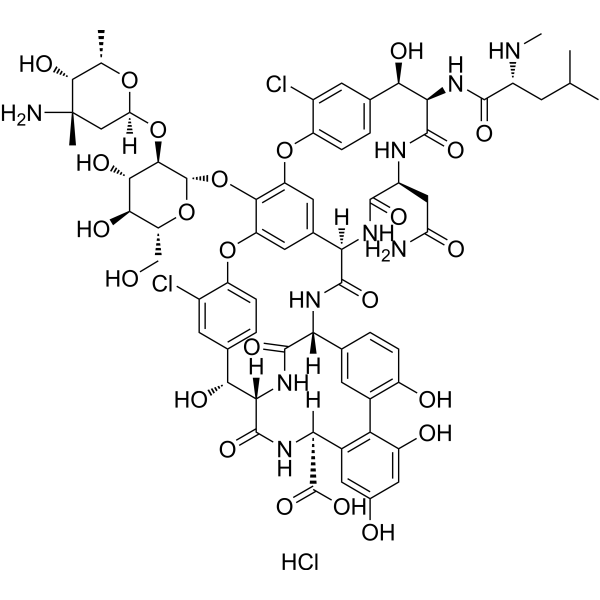
  • HY-17362
    Vancomycin hydrochloride
    Maximum Cited Publications
    94 Publications Verification

    Bacterial Autophagy Antibiotic Infection Cancer
    Vancomycin hydrochloride is an antibiotic for the treatment of bacterial infections. It acts by inhibiting the second stage of cell wall synthesis of susceptible bacteria. Vancomycin also alters the permeability of the cell membrane and selectively inhibits ribonucleic acid synthesis.
    Vancomycin hydrochloride
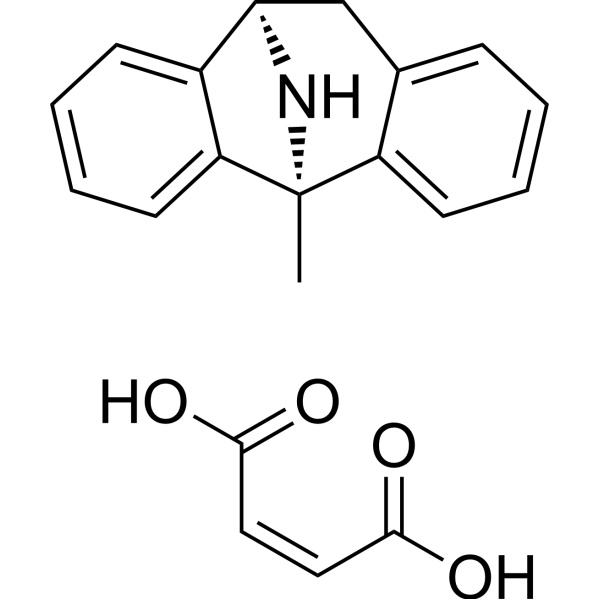
  • HY-15084
    Dizocilpine maleate
    40+ Cited Publications

    (+)-MK 801 Maleate

    iGluR Neurological Disease
    Dizocilpine maleate (MK-801 maleate) is a potent, selective and non-competitive NMDA receptor antagonist with Kd of 37.2 nM in rat brain membranes.
    Dizocilpine maleate
  • HY-103466
    FM4-64
    20+ Cited Publications

    Fluorescent Dye Others
    FM4-64 is a very lipophilic, water-soluble styrene dyes, can specifically bind to cell membranes and inner membrane organelles to produce fluorescence. FM4-64 is widely used in endocytic and exospic membrane structure markers.
    FM4-64
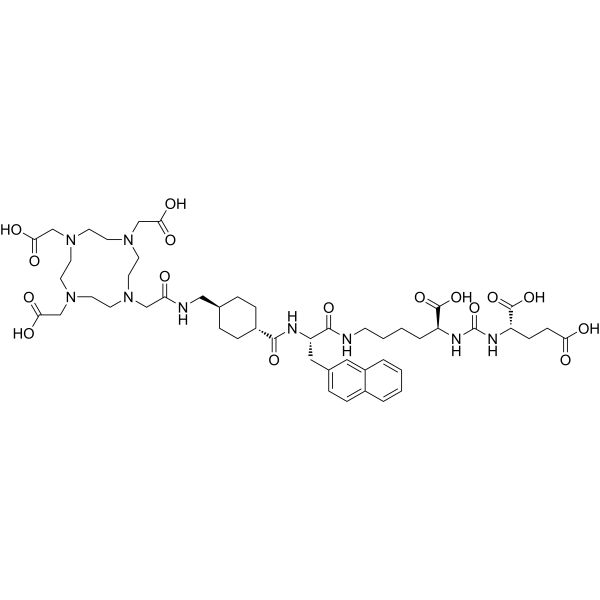
  • HY-117410
    Vipivotide tetraxetan
    15+ Cited Publications

    PSMA-617

    Drug-Linker Conjugates for ADC Cancer
    Vipivotide tetraxetan (PSMA-617) is a high potent prostate-specific membrane antigen (PSMA) inhibitor, with a Ki of 0.37 nM. Vipivotide tetraxetan (PSMA-617) is designed consisting of three components: the pharmacophore Glutamate-urea-Lysine, the chelator DOTA able to complex both 68Ga or 177Lu, and a linker connecting these two entities. Glutamate-urea-Lysine is the selective pharmacophore to bind to prostate specific membrane antigen.
    Vipivotide tetraxetan
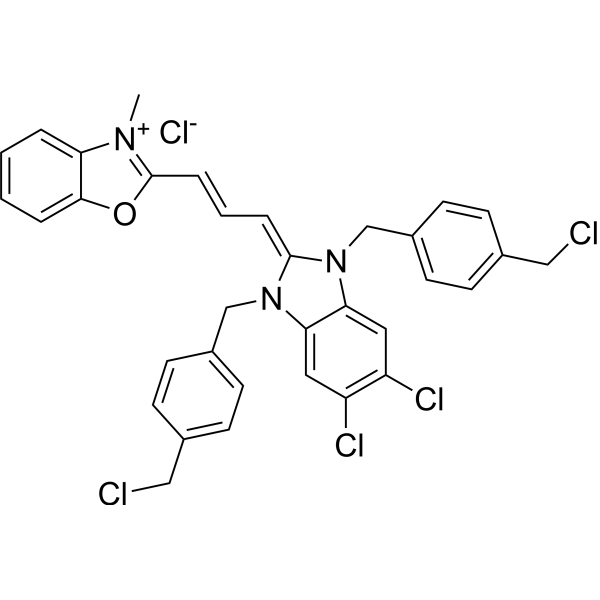
  • HY-D1783
    MitoTracker Deep Red FM
    10+ Cited Publications

    MTDR FM

    Fluorescent Dye Others
    MitoTracker Deep Red (MTDR) FM fluorescent dye that selectively accumulates in the mitochondrial matrix. MitoTracker Deep Red FM covalently binds mitochondrial proteins by reacting with free mercaptan of cysteine residues, allowing staining of mitochondrial membrane potential independent of membrane potential. Excitation/emission wavelength 644/665 nm . MitoTracker Deep Red dyes have an excitation/emission wavelength of 633/650-750 nm .
    The Ex/Em of MitoTracker Deep Red (MTDR) FM is 644/665 nm.
    MitoTracker Deep Red FM
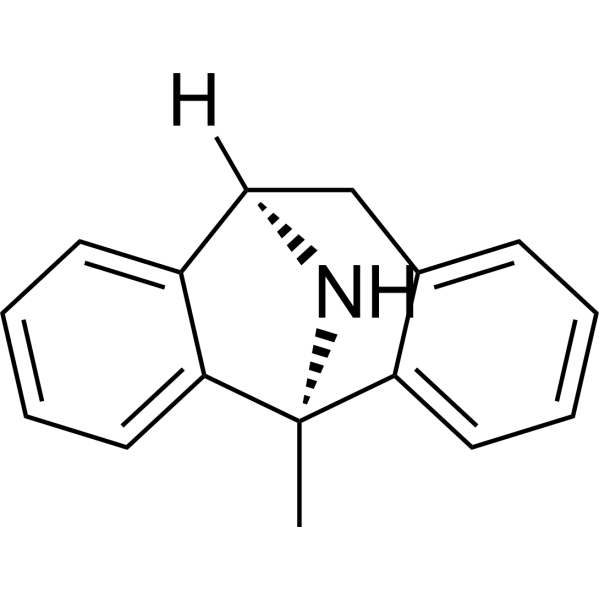
  • HY-15084B
    Dizocilpine
    40+ Cited Publications

    MK-801

    iGluR Neurological Disease
    Dizocilpine (MK-801), a potent anticonvulsant, is a selective and non-competitive NMDA receptor antagonist, with a Kd of 37.2 nM in rat brain membranes. Dizocilpine acts by binding to a site located within the NMDA associated ion channel and thus prevents Ca 2+ flux .
    Dizocilpine
  • HY-115768
    Compound 48/80
    5 Publications Verification

    Poly-p-methoxyphenethylmethylamine

    Phospholipase Neurological Disease Cancer
    Compound 48/80 (Poly-p-methoxyphenethylmethylamine) is widely used in animal and tissue models as a "selective" mast cell activator. Compound 48/80 acts at the mast cell membrane to stimulate trimeric G-proteins and induces degranulation via phospholipase C and D pathways .
    Compound 48/80
  • HY-135056
    MitoTracker Green FM
    20+ Cited Publications

    Fluorescent Dye Others
    Mito-Tracker Green is a green fluorescent dye that selectively accumulates in the mitochondrial matrix. MitoTracker Green FM covalently binds mitochondrial proteins by reacting with free mercaptan of cysteine residues, allowing staining of mitochondrial membrane potential independent of membrane potential. Excitation/emission wavelength 490/523 nm.
    MitoTracker Green FM
  • HY-B0495
    Lamotrigine
    5+ Cited Publications

    LTG; BW430C

    Sodium Channel Autophagy Neurological Disease Cancer
    Lamotrigine (BW430C) is a potent and orally active anticonvulsant or antiepileptic agent. Lamotrigine selectively blocks voltage-gated Na + channels, stabilizing presynaptic neuronal membranes and inhibiting glutamate release. Lamotrigine can be used for the research of epilepsy, focal seizure, et al .
    Lamotrigine
  • HY-14136
    Rimonabant
    10+ Cited Publications

    SR141716

    Cannabinoid Receptor Bacterial Infection Metabolic Disease Cancer
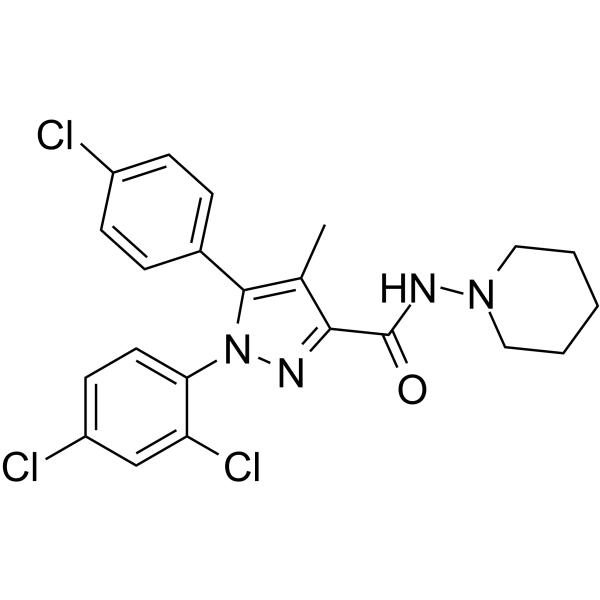
    Rimonabant (SR141716) is a highly potent, brain penetrated and selective central cannabinoid receptor (CB1) antagonist with a Ki of 1.8 nM. Rimonabant (SR141716) also inhibits Mycobacterial membrane protein Large 3 (MMPL3).
    Rimonabant
  • HY-15249
    JZL 184
    5+ Cited Publications

    MAGL Neurological Disease
    JZL 184 is a potent, selective and irreversible MAGL inhibitor that blocks 2-Arachidonoylglycerol (2-AG) hydrolysis in brain membranes (IC50 of 8 nM). JZL 184 displays >300-fold selectivity for MAGL over FAAH .
    JZL 184
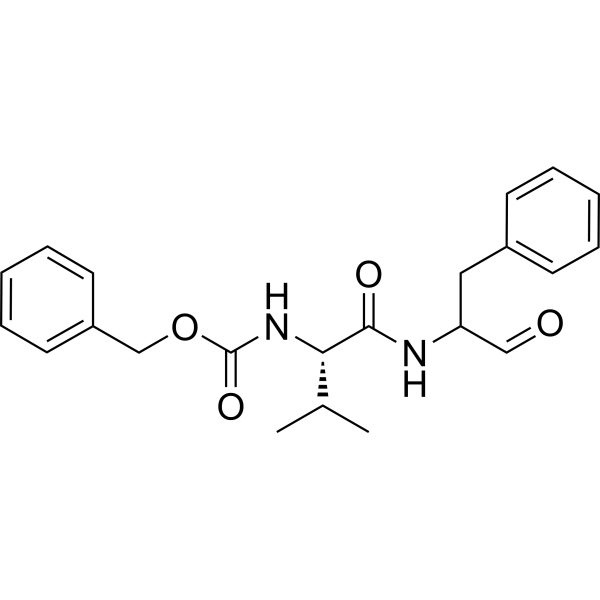
  • HY-18236
    MDL-28170
    15+ Cited Publications

    Calpain Inhibitor III

    Proteasome Neurological Disease Inflammation/Immunology
    MDL-28170 (Calpain Inhibitor III) is a potent, selective and membrane-permeable cysteine protease inhibitor of calpain that rapidly penetrates the blood-brain barrier following systemic administration . MDL-28170 also block γ-secretase .
    MDL-28170
  • HY-100937
    DPCPX
    5+ Cited Publications

    PD 116948

    Adenosine Receptor Cardiovascular Disease
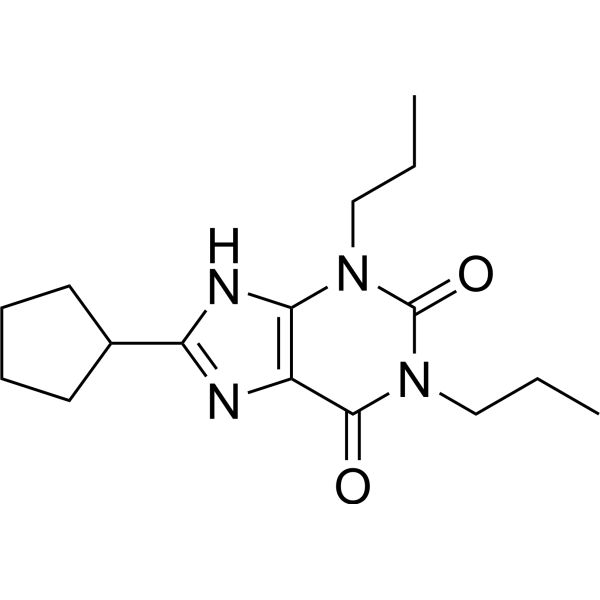
    DPCPX (PD 116948), a xanthine derivative, is a highly potent and selective Adenosine A1 receptor antagonist, with a Ki of 0.46 nM in 3H-CHA binding to A1 receptors in rat whole brain membranes .
    DPCPX
  • HY-14137
    Rimonabant Hydrochloride
    10+ Cited Publications

    SR 141716A Hydrochloride

    Cannabinoid Receptor Bacterial Infection Metabolic Disease Cancer
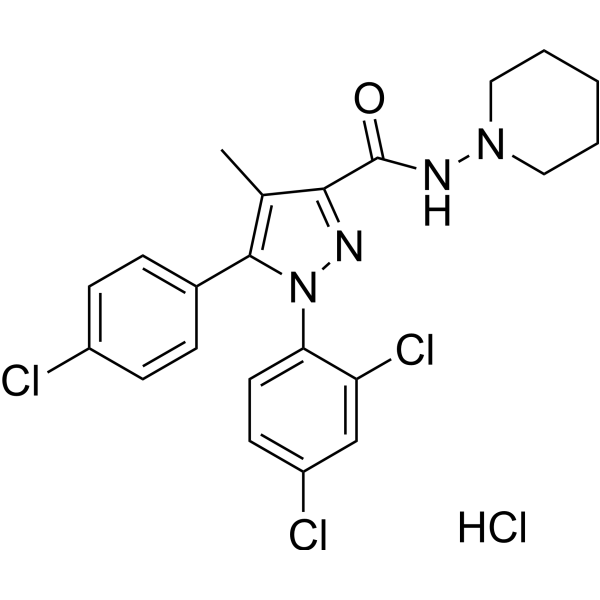
    Rimonabant Hydrochloride (SR 141716A Hydrochloride) is a highly potent and selective central cannabinoid receptor (CB1) antagonist with an Ki of 1.8 nM. Rimonabant Hydrochloride (SR 141716A Hydrochloride) also inhibits Mycobacterial membrane protein Large 3 (MMPL3).
    Rimonabant Hydrochloride
  • HY-102064
    SR 57227A
    1 Publications Verification

    5-HT Receptor Neurological Disease
    SR 57227A is a potent, orally active and selective 5-HT3 receptor agonist, with ability to cross the blood brain barrier. SR 57227A has affinities (IC50) varying between 2.8 and 250 nM for 5-HT3 receptor binding sites in rat cortical membranes and on whole NG 108-15 cells or their membranes. Anti-depressant effects .
    SR 57227A
  • HY-15720A
    H-1152 dihydrochloride
    4 Publications Verification

    ROCK Neurological Disease
    H-1152 dihydrochloride is a membrane-permeable and selective ROCK inhibitor, with a Ki value of 1.6 nM, and an IC50 value of 12 nM for ROCK2.
    H-1152 dihydrochloride
  • HY-10114
    TGX-221
    15+ Cited Publications

    PI3K Cancer
    TGX-221 is a potent, selective, and cell membrane permeable inhibitor of the PI3K p110β catalytic subunit, used for cancer treatment.
    TGX-221
  • HY-15834A
    Eprosartan mesylate
    4 Publications Verification

    SKF-108566J

    Angiotensin Receptor Cardiovascular Disease Endocrinology
    Eprosartan mesylate (SKF-108566J) is a selective, competitive, nonpeptid and orally active angiotensin II receptor antagonist, used as an antihypertensive. Eprosartan mesylate binds angiotensin II receptor with IC50s of 9.2 nM and 3.9 nM in rat and human adrenal cortical membranes, respectively .
    Eprosartan mesylate
  • HY-151813

    Fluorescent Dye Cancer
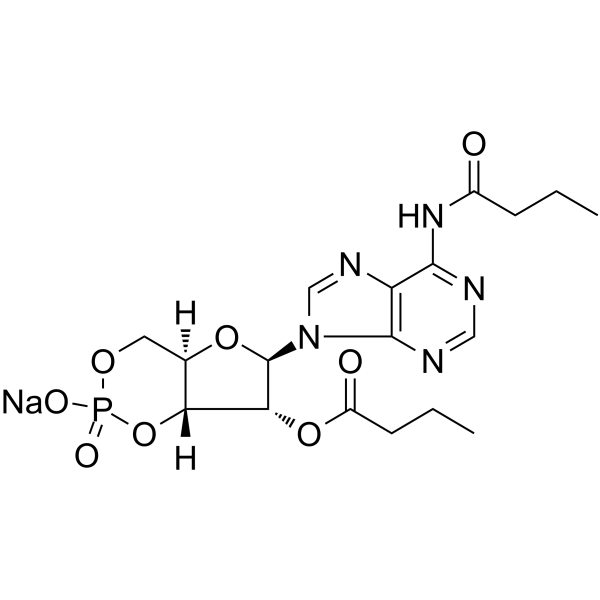
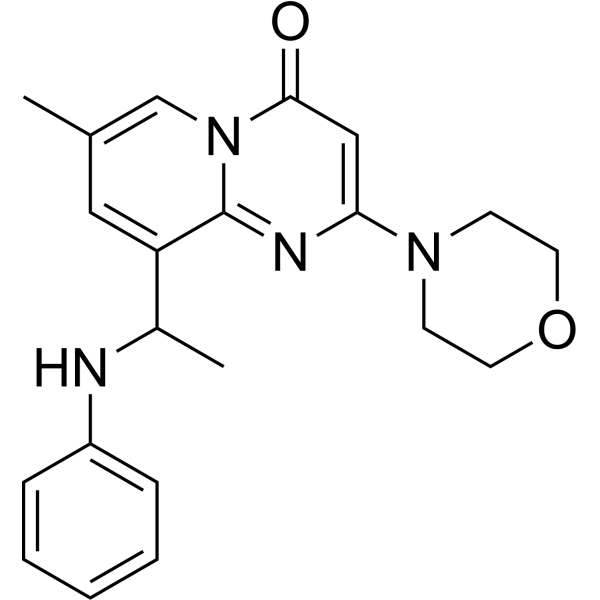
    NNMT-IN-4 (compound 38) is a selective, uncompetitive and membrane permeability nicotinamide N-methyltransferase (NNMT) inhibitor with IC50 values of 42 and 38 nM in vitro biochemical and cell-based assays, respectively. NNMT-IN-4 shows favorable PK/PD and safety profiles as well as excellent oral bioavailability and pharmaceutical properties. NNMT-IN-4 can be used as a vivo chemical probe of NNMT .
    NNMT-IN-4
  • HY-P5712
    Gramicidin S
    1 Publications Verification

    Gramicidin soviet

    Antibiotic Bacterial Na+/K+ ATPase Infection
    Gramicidin S (Gramicidin soviet) is a cationic cyclic peptide antibiotic that selectively targets bacterial cell membranes and has anticancer activity. Gramicidin S also exerts antibacterial activity by destroying membrane integrity and interfering with membrane protein function. Gramicidin S inserts into the phospholipid bilayer through hydrophobic amino acid residues, specifically binds to negatively charged membrane lipids and disrupts membrane structure, thereby inhibiting cell division and cell wall synthesis, and ultimately causing bacterial death. Gramicidin S also inhibits ion channels, with IC50s of 41 μM, 24 μM, and 3 μM for Na +/K +-ATPase, tobacco leaf plasma membrane Mg 2+/K +-ATPase, and rat heart plasma membrane Ca 2+-ATPase, respectively .
    Gramicidin S
  • HY-136615

    Potassium Channel Neurological Disease
    5-Hydroxydecanoate sodium is a selective ATP-sensitive K + (KATP) channel blocker (IC50 of ~30 μM). 5-Hydroxydecanoate sodium is a substrate for mitochondrial outer membrane acyl-CoA synthetase and has antioxidant activity .
    5-Hydroxydecanoate sodium
  • HY-108682
    EMPA
    10+ Cited Publications

    Orexin Receptor (OX Receptor) Neurological Disease
    EMPA is a high-affinity, reversible and selective orexin OX2 receptor antagonist. [ 3H]EMPA binds to human and rat OX2-HEK293 membranes with KD values of 1.1 and 1.4 nM respectively .
    EMPA
  • HY-D2318

    Fluorescent Dye Others
    Flipper-TR 5 is a Flipper probe containing a terminal carboxylate for retention on the plasma membrane. Flipper-TR 5 selectively labels the cytoplasmic membrane, and exhibits excellent mechanical sensitivity, negligible cytotoxicity and controllable phototoxicity .
    Flipper-TR 5
  • HY-15720
    H-1152
    4 Publications Verification

    ROCK Neurological Disease
    H-1152 is a membrane-permeable and selective ROCK inhibitor, with a Ki value of 1.6 nM, and an IC50 value of 12 nM for ROCK2.
    H-1152
  • HY-N10661

    Ipom-F

    SARS-CoV Infection Cancer
    Ipomoeassin F is a potent and selective endoplasmic reticulum (ER) protein-translocation inhibitor by targeting the pore-forming subunit of the Sec61 complex (Sec61α) at the ER membrane. Ipomoeassin F selectively inhibits the ER membrane translocation of SARS-CoV-2 proteins. Ipomoeassin F block the ER translocation of secretory proteins and type I transmembrane proteins (TMPs), but not type III TMPs .
    Ipomoeassin F
  • HY-DY1032

    Fluorescent Dye Others
    Mito-Tracker Green (solution) is a green fluorescent dye that selectively accumulates in the mitochondrial matrix. MitoTracker Green FM covalently binds mitochondrial proteins by reacting with free mercaptan of cysteine residues, allowing staining of mitochondrial membrane potential independent of membrane potential. Excitation/emission wavelength 490/523 nm.
    Solvent and concentration: DMSO: 1 mM
    MitoTracker Green FM (solution)
  • HY-136460

    ETH 1001

    Calcium Channel Others
    Calcium ionophore I (ETH 1001) is a selective Ca 2+ ionophore for biological membranes. Calcium ionophore I can be used in Ca2+-selective microelectrodes that can be used for quantitative intracellular measurements of resting Ca2+-activities and of slowly changing Ca2+-levels .
    Calcium ionophore I
  • HY-D1694

    Fluorescent Dye Others
    LysoTracker Yellow HCK 123 is a potent yellow membrane-permeable fluorescent probe. LysoTracker Yellow HCK 123 is a weakly basic amine that selectively accumulates in cellular compartments with low luminal pH .
    LysoTracker Yellow HCK 123
  • HY-DY1031

    Fluorescent Dye Others
    FM4-64 (solution) is a very lipophilic, water-soluble styrene dyes, can specifically bind to cell membranes and inner membrane organelles to produce fluorescence. FM4-64 is widely used in endocytic and exospic membrane structure markers.
    Solvent and concentration: DMSO: 5 mM
    FM4-64 (solution)
  • HY-13510
    Cutamesine dihydrochloride
    5+ Cited Publications

    SA4503 dihydrochloride; AGY94806 dihydrochloride

    Sigma Receptor Neurological Disease
    Cutamesine (SA4503) dihydrochloride is a potent and selective sigma 1 receptor agonist with an IC50 of 17.4 nM in guinea pig brain membranes. Cutamesine dihydrochloride shows >100-fold less affinity for the sigma 2 receptor (IC50 of 1784 nM). Cutamesine dihydrochloride has antidepressant effects .
    Cutamesine dihydrochloride
  • HY-70068

    Orexin Receptor (OX Receptor) Neurological Disease Endocrinology
    SB-408124 is a non-peptide OX1 receptor antagonist with Kis of 57 nM and 27 nM in whole cell and membrane, respectively. SB-408124 exhibits 50-fold selectivity over OX2 receptor .
    SB-408124
  • HY-D0127

    Fluorescent Dye Others
    Merocyanin 540 is a fluorescent membrane probe that selectively stains the membranes of a wide variety of electrically excitable cells, but not those of nonexcitable cells (Ex/Em: 540/580 nm) .
    Merocyanin 540
  • HY-126220

    Fluorescent Dye Others
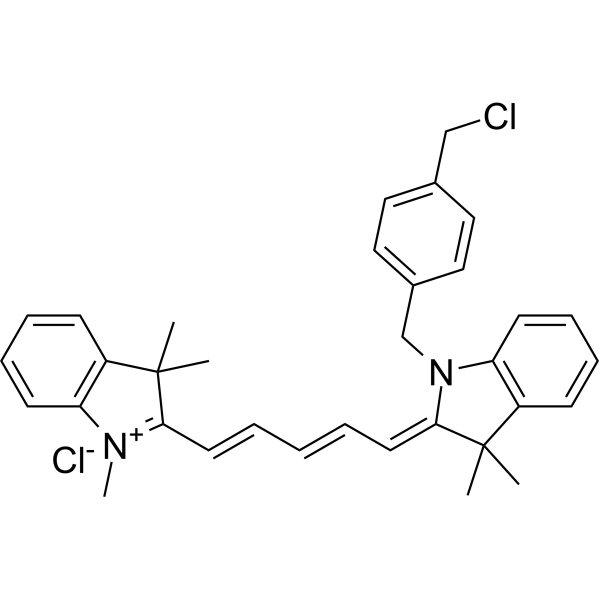
    KMG-301AM is the acetoxy methyl esterified form of KMG-301. KMG-301AM successfully accumulates in mitochondria and then it is hydrolyzed to KMG-301. KMG-301 is an Mg 2+-selective fluorescent probe functional in mitochondria in intact cells. Since the mitochondrial membrane is impermeable to KMG-301, it is not released upon depolarization of the mitochondrial membrane potential. KMG-301 can indicate changes in mitochondrial Mg2+ concentration and shows Mg 2+ transport across the mitochondrial membrane in the early phases of a cellular model .
    KMG-301AM
  • HY-10655
    Palosuran
    4 Publications Verification

    ACT-058362

    Urotensin Receptor Cardiovascular Disease
    Palosuran (ACT-058362) is a potent, selective, and orally active antagonist of urotensin II receptor, with an IC50 of 3.6 nM for CHO cell membranes expressing human recombinant receptors. Palosuran can improves pancreatic and renal function in diabetic rats .
    Palosuran
  • HY-147652

    DNA Stain Others
    G-quadruplex DNA fluorescence probe 1 (Compound E1) is a selective G-quadruplex DNA targeting fluorescent probe. G-quadruplex DNA fluorescence probe 1 can pass through membrane and enter living cells with low cytotoxicity .
    G-quadruplex DNA fluorescence probe 1
  • HY-14813
    Cutamesine
    5+ Cited Publications

    SA4503; AGY 94806

    Sigma Receptor Neurological Disease
    Cutamesine (SA4503) is a potent and selective sigma 1 receptor agonist with an IC50 of 17.4 nM in guinea pig brain membranes. Cutamesine shows >100-fold less affinity for the sigma 2 receptor (IC50 of 1784 nM). Cutamesine has antidepressant effects .
    Cutamesine
  • HY-17362R

    Reference Standards Bacterial Autophagy Antibiotic Infection Cancer
    Vancomycin (hydrochloride) (Standard) is the analytical standard of Vancomycin (hydrochloride). This product is intended for research and analytical applications. Vancomycin hydrochloride is an antibiotic for the treatment of bacterial infections. It acts by inhibiting the second stage of cell wall synthesis of susceptible bacteria. Vancomycin also alters the permeability of the cell membrane and selectively inhibits ribonucleic acid synthesis.
    Vancomycin hydrochloride (Standard)
  • HY-D2346

    Fluorescent Dye Others
    HBmito Crimson is a deep red fluorescent probe (λex: 658 nm, λem: 678 nm) for the inner mitochondrial membrane. HBmito Crimson is a cell membrane-permeable probe with high selectivity for the mitochondrial inner membrane, suitable for specific fluorescence staining of the inner mitochondrial membrane in living cells. HBmito Crimson has high photostability and brightness, suitable for long-term dynamic fluorescence imaging.
    HBmito Crimson
  • HY-101998

    Mitochondrial Metabolism Metabolic Disease
    CTP inhibitor (Compound 792949) is a potent and selective CTP inhibitor. CTP inhibitor inhibits the plasma membrane citrate transporter (PMCT) .
    CTP inhibitor
  • HY-126220A

    Fluorescent Dye Others
    KMG-301AM TFA is the acetoxy methyl esterified form of KMG-301. KMG-301AM TFA successfully accumulates in mitochondria and then it is hydrolyzed to KMG-301. KMG-301 is an Mg 2+-selective fluorescent probe functional in mitochondria in intact cells. Since the mitochondrial membrane is impermeable to KMG-301, it is not released upon depolarization of the mitochondrial membrane potential. KMG-301 can indicate changes in mitochondrial Mg2+ concentration and shows Mg 2+ transport across the mitochondrial membrane in the early phases of a cellular model .
    KMG-301AM TFA
  • HY-101336

    RS-17053

    Adrenergic Receptor Metabolic Disease Endocrinology
    RS 17053 hydrochloride is a potent and selective α1A adrenoceptor antagonist, with a pKi value of 9.1 in native cell membrane and a pA2 value of 9.8 in functional assays.
    RS 17053 hydrochloride
  • HY-143896

    STING Cancer
    STING agonist-7 is a non-nucleotide STING agonist. STING agonist-7 binds selectively to mouse STING but not human STING. STING agonist-7 penetrates cell membrane poorly .
    STING agonist-7
  • HY-103316A
    Ned 19
    3 Publications Verification

    Calcium Channel Cardiovascular Disease Cancer
    Ned 19 is a selective membrane-permeant non competitive NAADP antagonist and inhibits NAADP-mediated Ca 2+ signaling, with an IC50 of 65 nM . Ned 19 strongly inhibits tumor growth and vascularization as well as lung metastases in mice .
    Ned 19
  • HY-150221

    PARP Cancer
    DB008 is potent and selective PARP16 inhibitor with an IC50 value of 0.27 μM, containing an acrylamide electrophilic reagent. DB008 is membrane-permeable and marks PARP16 selectively . DB008 is a click chemistry reagent, it contains an Alkyne group and can undergo copper-catalyzed azide-alkyne cycloaddition (CuAAc) with molecules containing Azide groups.
    DB008
  • HY-14460

    FLAP Inflammation/Immunology
    AM679 is a potent, selective 5-lipoxygenase-activating protein (FLAP) inhibitor with an IC50 of 2 nM in a human FLAP membrane binding assay. AM679 markedly reduces the respiratory syncytial virus-driven ocular pathology as well as the synthesis of cysteinyl leukotrienes (CysLTs) in the eye .
    AM679
  • HY-123824

    Sodium Channel Neurological Disease
    GNE-0439 is a novel Nav1.7-selective inhibitor with IC50 of 0.34 uM and inhibits Nav1.5 with an IC50 of 38.3 μM. GNE-0439 inhibits mutant N1742K channels (IC50=0.37 uM) in membrane potential assays. GNE-0439 possesses a carboxylic acid group, binds outside of the channel pore, and is unique compared with known selective VSD4 binders .
    GNE-0439
  • HY-15404

    Lu-135252

    Endothelin Receptor Cardiovascular Disease Endocrinology
    Darusentan (Lu-135252) is a selective endothelin receptor A (ET-A) receptor antagonist, which binds with a Ki of 1.4 nM to the ET-A receptor and a Ki of 184 nM to ET-B receptor, respectively with a 100-fold selectivity for ETA rather than ETB receptors . Darusentan competes for radiolabeled endothelin binding in rat aortic vascular smooth muscle cells (RAVSMs) membranes with single-site kinetics, exhibiting a Ki of 13 nM .
    Darusentan
  • HY-P10862A

    Exosomes Virus Protease Infection Cancer
    AH-D peptide TFA is an antiviral peptide that selectively disrupts membrane structures within the size range of exosomes, inducing T-EXO depletion and enhancing cancer immunotherapy .
    AH-D peptide TFA
  • HY-15249R

    MAGL Reference Standards Neurological Disease
    JZL 184 (Standard) is the analytical standard of JZL 184. This product is intended for research and analytical applications. JZL 184 is a potent, selective and irreversible MAGL inhibitor that blocks 2-Arachidonoylglycerol (2-AG) hydrolysis in brain membranes (IC50 of 8 nM). JZL 184 displays >300-fold selectivity for MAGL over FAAH .
    JZL 184 (Standard)
  • HY-P5753

    Bacterial Infection
    JB-95, a β-hairpin macrocyclic peptide, exhibits potent antimicrobial activity against Escherichia coli. JB-95 can selectively disrupt the outer membrane but not the inner membrane of E. coli .
    JB-95

Inquiry Online

Your information is safe with us. * Required Fields.

Salutation


Country or Region *

Applicant Name *


Organization Name *

Department *


Email Address *


Product Name *

Cat. No.


Requested quantity *

Phone Number *


Remarks

Inquiry Online

Inquiry Information

Product Name:
Cat. No.:
Quantity:
MCE Japan Authorized Agent:

