65 Results for "

NFATc

" in MedChemExpress (MCE) Product Catalog:
Products (65)

65 Results for "NFATc" in MCE Product Catalog:

4
4 Cited Publications
Cat. No.: HY-147369
CAS No.: 1912422-56-0
Purity:  99.97%
Research Areas:  

Others

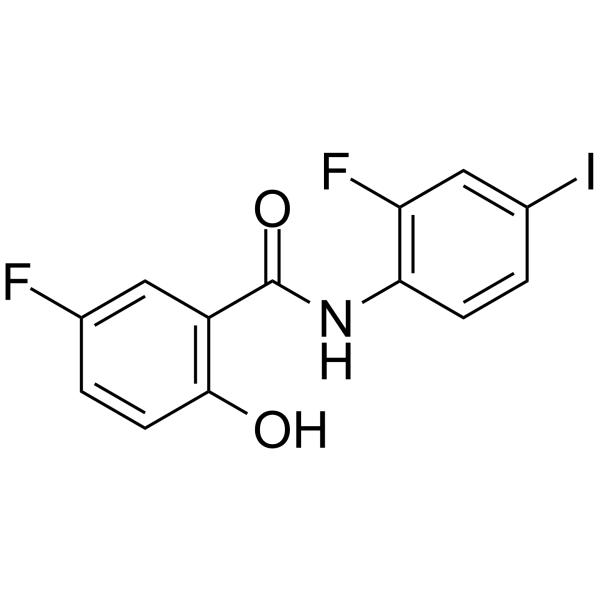
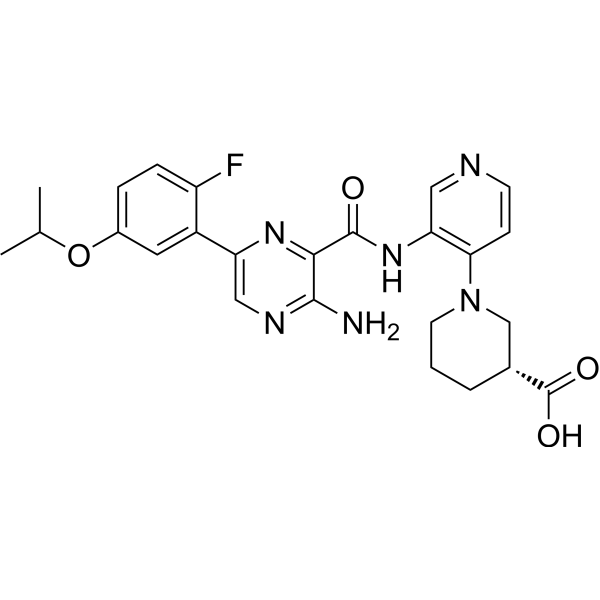
NFATc1-IN-1 (compound A04) is a potent inhibitor of RANKL-induced osteoclast formation, with an IC50 of 1.57 μM. NFATc1-IN-1 shows anti-osteoclastogenic effects through reducing the RANKL-induced nuclear translocation of NFATc1. NFATc1-IN-1 can be used for osteoclastic diseases research .
4
4 Cited Publications
Cat. No.: HY-N1910
CAS No.: 20784-60-5
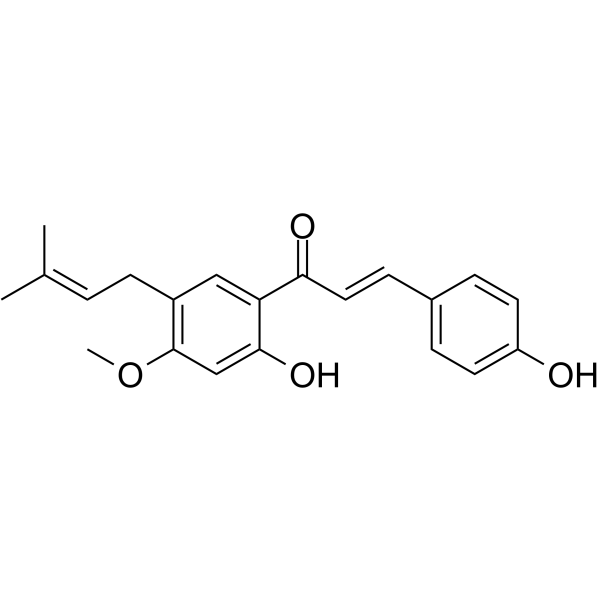
4'-O-Methylbavachalcone is an orally active prenylated flavonoid that inhibits the activity of SARS-CoV papain-like protease (PLpro), with an IC50 of 10.1 μM and a Ki of 4.6 μM. 4'-O-Methylbavachalcone inhibits poly (ADP-ribose) polymerase-mediated cell death (parthanatos), reduces cerebral infarct volume, binds to the orthosteric site of SUCNR1, blocks the interaction between succinate and SUCNR1, inhibits SUCNR1 activity, blocks the nuclear translocation of NFATc4, suppresses the activation of the ERK1/2 signaling pathway, inhibits cardiomyocyte hypertrophy and restores the expression of α-actinin. 4'-O-Methylbavachalcone can be used in studies related to ischemic stroke, SARS-CoV and cardiomyocyte hypertrophy .
3
3 Cited Publications
Cat. No.: HY-N2119
CAS No.: 521-34-6
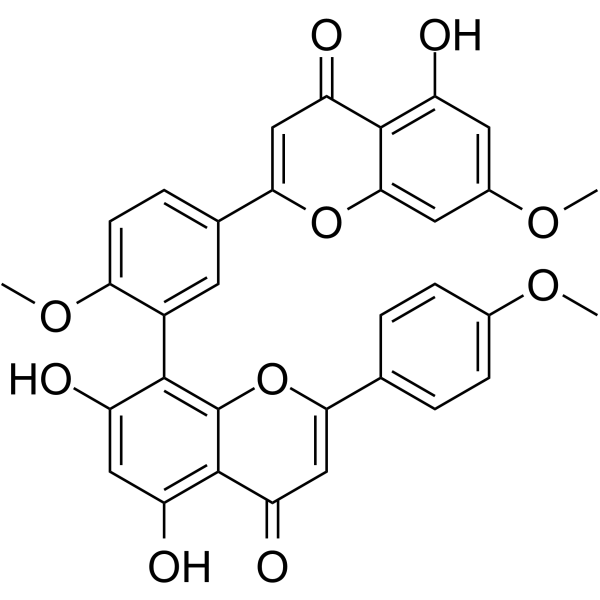
Sciadopitysin is a type of biflavonoids in leaves from ginkgo biloba . Sciadopitysi inhibits RANKL-induced osteoclastogenesis and bone loss by inhibiting NF-κB activation and reducing the expression of c-Fos and NFATc1 .
2
2 Cited Publications
Cat. No.: HY-P0254
CAS No.: 374675-21-5
Target:  

Kisspeptin Receptor

Research Areas:  

Cardiovascular Disease Cancer

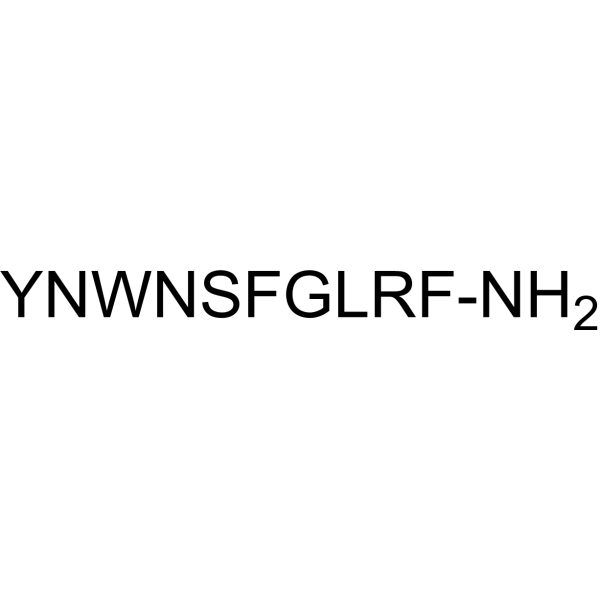
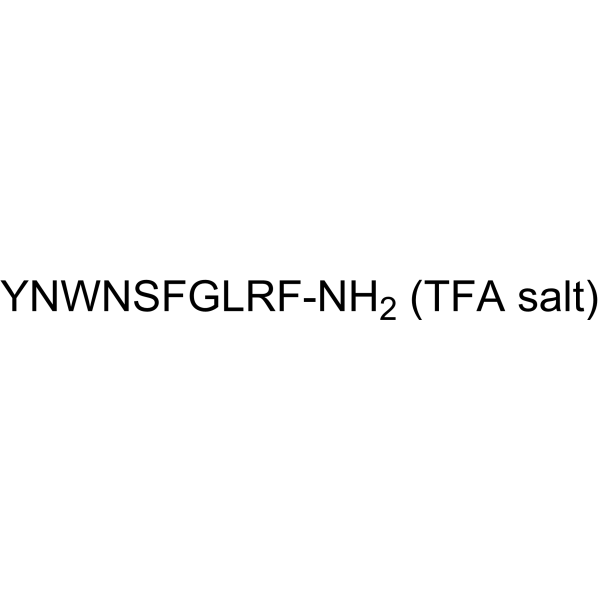
Kisspeptin-10, human is a potent vasoconstrictor and inhibitor of angiogenesis. Kisspeptin-10, human acts as a tumor metastasis suppressor via its receptor GPR54. Kisspeptin-10-GPR54 system plays an important role in embryonic kidney development. Kisspeptin-10/GPR54 signaling induces osteoblast differentiation via NFATc4-mediated BMP2 expression .
2
2 Cited Publications
Cat. No.: HY-N1353
CAS No.: 569-92-6
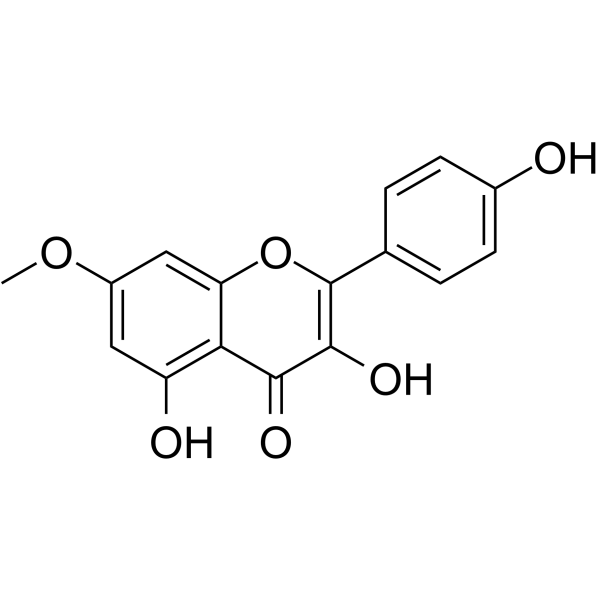
Rhamnocitrin is an anti-inflammatory and antioxidant agent that targets STIM-1, NFATc3 and MAPK pathways and can scavenge DPPH (IC50=28.38 mM). Rhamnocitrin selectively inhibits oxidative stress and inflammatory responses in vascular endothelial cells and neurons. Rhamnocitrin up-regulates miR-185 to inhibit STIM-1-mediated store-operated calcium entry (SOCE), thereby blocking NFATc3 nuclear translocation and downstream inflammatory factor expression, while inducing heme oxygenase HO-1 expression and regulating the ERK/p38 MAPK pathway, inhibiting antioxidant and pro-inflammatory cytokines (such as IL-6, IL-8) and adhesion molecules (such as ICAM-1, VCAM-1). Rhamnocitrin can be used in the study of endothelial-related inflammatory diseases (such as sepsis, acute lung injury, atherosclerosis) and neuroprotection (such as oxidative damage of PC12 cells) .
2
2 Cited Publications
Cat. No.: HY-N0231
CAS No.: 28448-85-3
Synonyms: Broussochalcone B
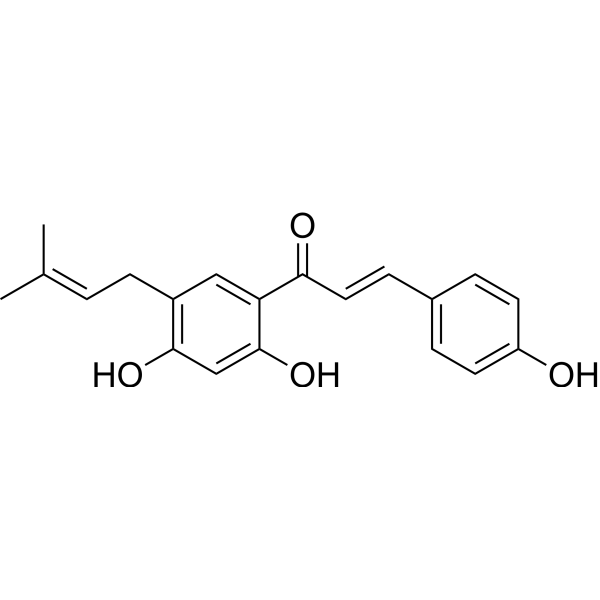
Bavachalcone is a potent inducer of apoptosis. Bavachalcone exerts anticancer activity by promoting autophagy and apoptosis in HepG2 cells. Bavachalcone acts as an anti-neuroinflammatory and antidepressant through the NF-κB pathway. Bavachalcone inhibits osteoclasts by interfering with ERK and Akt signaling pathways and the expression of c-Fos and NFATc1. Bavachalcone exhibits a significant inhibitory effect on baculovirus-expressed BACE-1 in vitro .
2
2 Cited Publications
Cat. No.: HY-N0656
CAS No.: 125-46-2
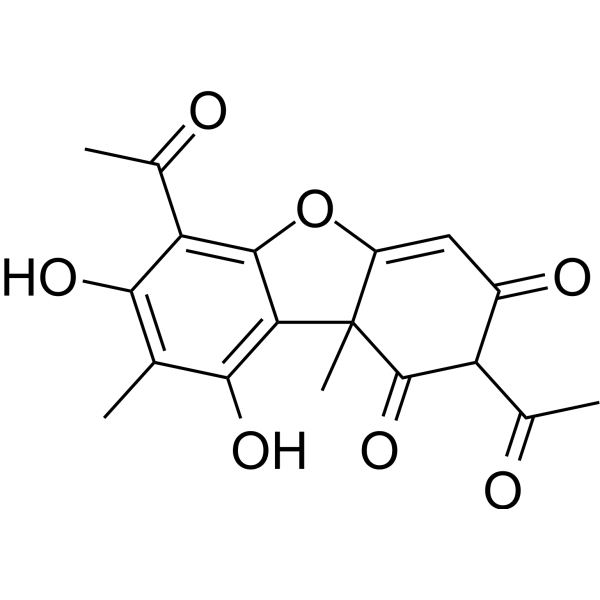
Usnic acid is a secondary metabolite of lichens with a unique dibenzofuran skeleton. Usnic acid inhibits DNA/RNA synthesis and has antibacterial activity. Usnic acid induces cell cycle arrest and apoptosis and has anticancer activity. Usnic acid inhibits RANKL-mediated osteoclast formation and function by reducing the transcriptional and translational expression of NFATc1. Usnic acid has antioxidant and anti-inflammatory activities by inhibiting lipid peroxidation and myeloperoxidase .
2
2 Cited Publications
Cat. No.: HY-P0254A
Target:  

Kisspeptin Receptor

Research Areas:  

Cardiovascular Disease Cancer

Kisspeptin-10, human TFA is a potent vasoconstrictor and inhibitor of angiogenesis. Kisspeptin-10, human TFA acts as a tumor metastasis suppressor via its receptor GPR54. Kisspeptin-10-GPR54 system plays an important role in embryonic kidney development. Kisspeptin-10/GPR54 signaling induces osteoblast differentiation via NFATc4-mediated BMP2 expression .
1
1 Cited Publications
Cat. No.: HY-129492
CAS No.: 2041073-22-5
Purity:  99.78%
Target:  

DYRK GSK-3

Research Areas:  

Metabolic Disease

GNF4877 is a potent DYRK1A and GSK3β inhibitor with IC50s of 6 nM and 16 nM, respectively, which leads to blockade of nuclear factor of activated T-cells (NFATc) nuclear export and increased β-cell proliferation (EC50 of 0.66 μM for mouse β (R7T1) cells) .
1
1 Cited Publications
Cat. No.: HY-N0481
CAS No.: 6812-81-3
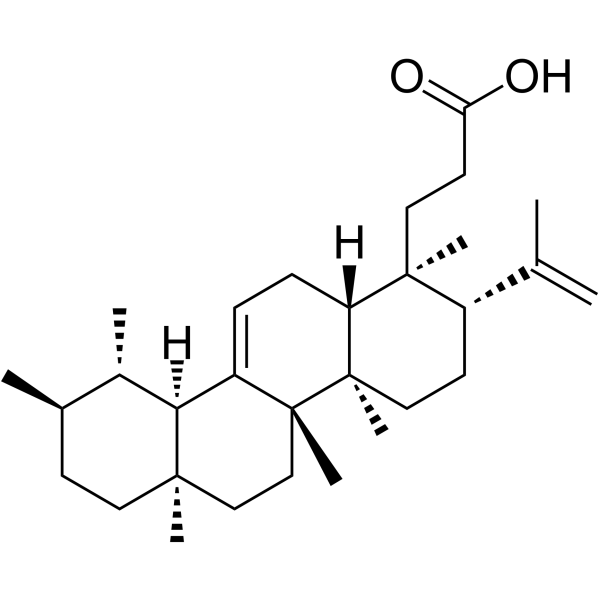
Roburic acid acts as an anti-inflammatory, anti-tumor and osteoclastogenesis inhibitor, with a Ki of 7.066 μM against human TNF, an IC50 of 9 μM against human COX-2, and an IC50 of 5 μM against ovine COX-1. Roburic acid reduces the production of inflammatory mediators such as NO and IL-6 in macrophages by inhibiting the NF-κB and MAPK (p38/JNK) pathways. By competitively inhibiting the TNF-TNF-R1 interaction, Roburic acid blocks the downstream NF-κB signaling pathway, thereby inducing cell cycle arrest and apoptosis in cancer cells. Roburic acid specifically inhibits osteoclastogenesis and bone resorption by suppressing the RANKL/TRAF6/NF-κB/NFATc1 axis. Roburic acid can be used in research related to osteolytic diseases such as osteoporosis, colorectal cancer and inflammatory diseases .
1
1 Cited Publications
Cat. No.: HY-N0026
CAS No.: 94492-24-7
Synonyms: 2'-AA
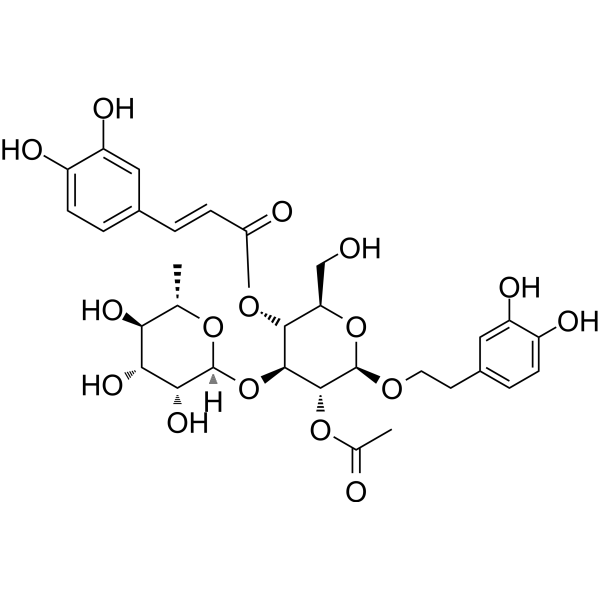
2'-Acetylacteoside (2'-AA) is a natural compound with oral activity and blood-brain barrier permeability. 2'-Acetylacteosideexhibits MAO‑B inhibitory activity (IC50 = 17.71 μM, Ki = 13.81 μM). 2'-Acetylacteoside downregulates the expression of RANK, TRAF6, NF‑κB, NFATc1 and IKKβ, disrupts the RANKL/RANK interaction, blocks downstream signaling pathways, and increases the level of phosphorylated Akt. 2'-Acetylacteoside possesses potent anti-osteoclastogenic, anti-bone resorptive, pro-neurogenic, neuroprotective and antioxidant activities. 2'-Acetylacteoside can be used in the research of osteoporosis, ischemic stroke and Parkinson's disease .
1
1 Cited Publications
Cat. No.: HY-N2736
CAS No.: 2150-11-0
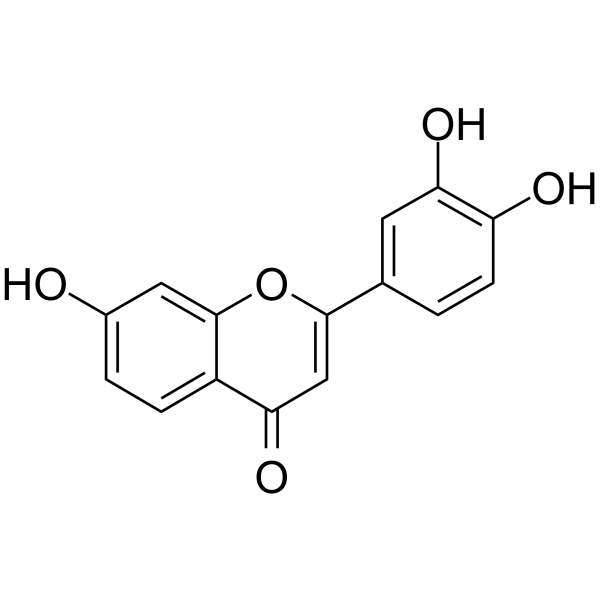
3′,4′,7-Trihydroxyflavone is an orally active inhibitor of OXA-48 (IC50 = 1.89 μM) and COX-1 (IC50 = 36.37 μM). 3′,4′,7-Trihydroxyflavone exhibits antioxidant and anti-inflammatory properties, inhibiting the release of inflammatory cytokines such as IL-6, IL-8, and TNF-α. 3′,4′,7-Trihydroxyflavone inhibits H2O2-induced neuronal apoptosis and ROS accumulation, and exerts anti-neuroinflammatory effects by suppressing the JNK-STAT1 pathway. 3′,4′,7-Trihydroxyflavone exhibits antimicrobial and antibiotic-modifying activities against multidrug-resistant Gram-negative enteric bacteria. 3′,4′,7-Trihydroxyflavone inhibits RANKL-induced osteoclast formation via NFATc1. 3′,4′,7-Trihydroxyflavone activates the CREB-BDNF axis and restores scopolamine (HY-N0296)-induced memory deficits in mice .
1
1 Cited Publications
Cat. No.: HY-113756A
CAS No.: 41639-83-2
Purity:  99.62%
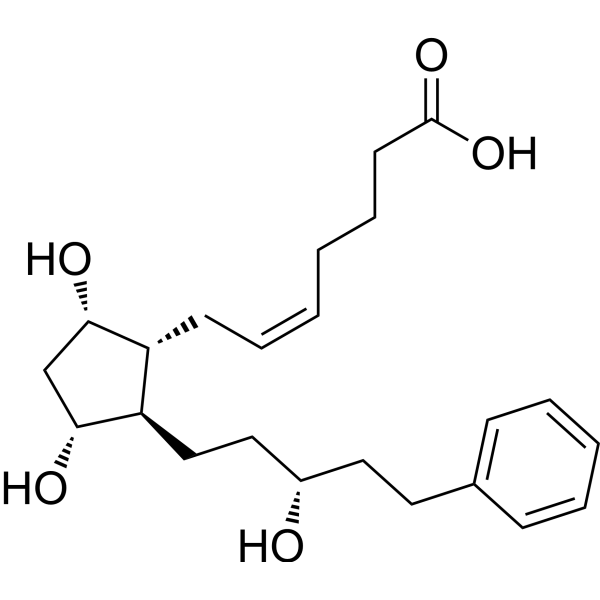
Latanoprost acid, an analog of prostaglandin (PG) F2α, is an selective prostanoid receptor (FP) agonist that specifically activates the FP-PG receptor . Latanoprost acid inhibits RANKL-induced osteoclastgenesis and function by inhibiting ERK, AKT, JNK, and p38 cascade, following by the c-fos/NFATc1 pathway. Latanoprost acid is a medication which works to lower pressure inside the eyes .
1
1 Cited Publications
Cat. No.: HY-N0381
CAS No.: 19908-48-6
Synonyms: DL-​Maackiain
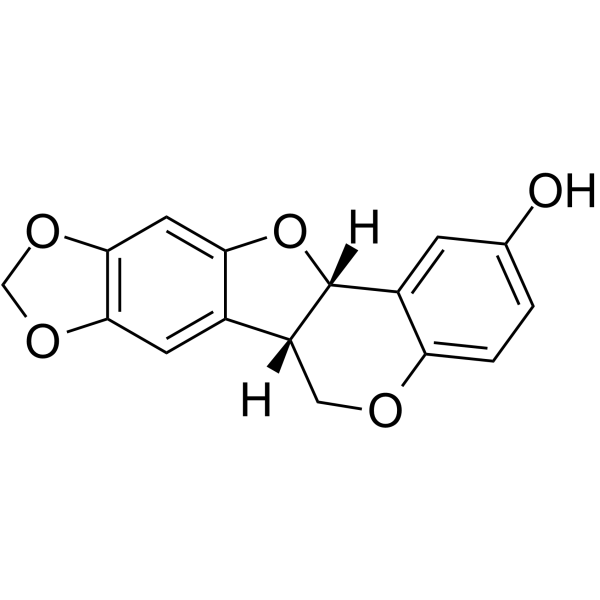
Maackiain (DL-Maackiain) is an orally active multi-target inhibitor with anti-tumor activity and neuroprotective effects. Maackiain activates the AMPK, NLRP3 and Nrf2/HO-1 pathways, and inhibits key targets such as NF-κB, mTOR, MAO-B, NFATc1 and PKCδ, thereby precisely regulating processes including apoptosis, autophagy and pyroptosis. Maackiain also effectively inhibits microglial activation, osteoclast formation, and proliferation and invasion of tumor cells, and protects dopaminergic neurons from damage. Maackiain is applicable to the research of various diseases such as Alzheimer's disease, osteoporosis, sepsis and dengue fever 。
1
1 Cited Publications
Cat. No.: HY-N2157
CAS No.: 13161-75-6
Synonyms: (+)-Pteryxin
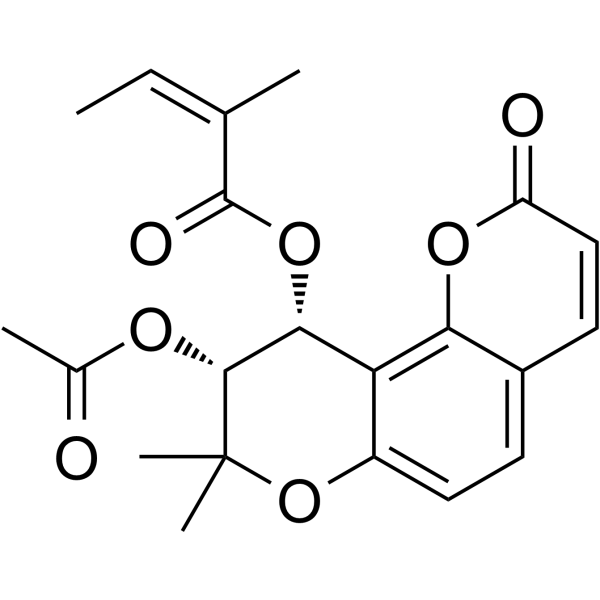
Pteryxin ((+)-Pteryxin) is an orally active multi-target inhibitor that targets NF-κB, MAPK, NLRP3 inflammasome, and Nrf2/ARE pathways. Pteryxin is also a BChE inhibitor (IC50=12.96 μg/mL) with a low inhibitory efficiency on AChE. Pteryxin inhibits the Ca 2+-calcineurin-NFATc1 pathway by blocking NF-κB/MAPK signaling, inhibiting NLRP3 inflammasome activation, and reducing ROS generation, and activates Nrf2-mediated antioxidant enzyme expression. Pteryxin has anti-inflammatory, antioxidant, and osteoclastogenesis inhibitory activities. Pteryxin can be used in the study of inflammatory diseases, osteoporosis, diabetes, and Alzheimer's disease .
1
1 Cited Publications
Cat. No.: HY-N0805A
CAS No.: 18649-93-9
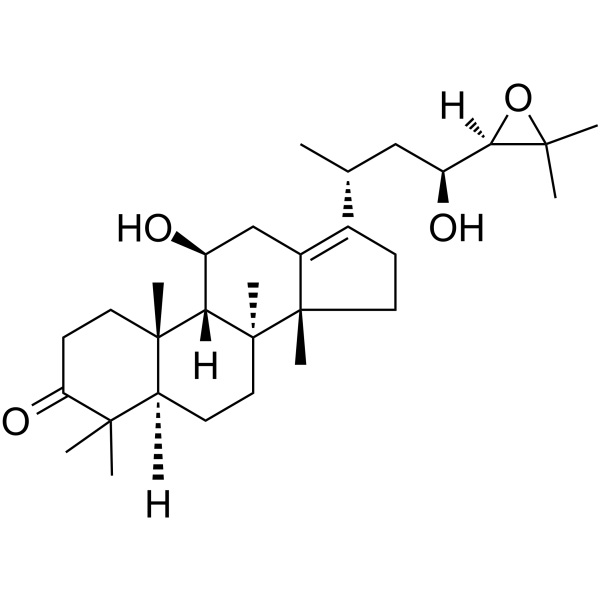
Alisol B is a triterpene with diverse biological activities. Alisol B binds human soluble epoxide hydrolase (sEH) with a Ki of 5.97 μM and reduces sEH activity. Alisol B inhibits RANKL-induced JNK phosphorylation, NFATc1 and c-Fos expression, osteoclast formation, mature osteoclast pit-forming and actin ring activity, and SERCA pump activity. Alisol B induces calcium mobilization, CaMKK-AMPK-mTOR pathway activation, autophagic flux, autophagosome formation, G1 phase cell cycle arrest, endoplasmic reticulum stress, unfolded protein responses, and cancer cell apoptosis. Alisol B can be used for the research of hypercalcemia, osteoporosis, rheumatoid arthritis, periodontitis, acute kidney injury, and breast cancer .
1
1 Cited Publications
Cat. No.: HY-N0853A
CAS No.: 18674-16-3
Synonyms: Alisol A 24-monoacetate; Alisol A monoacetate
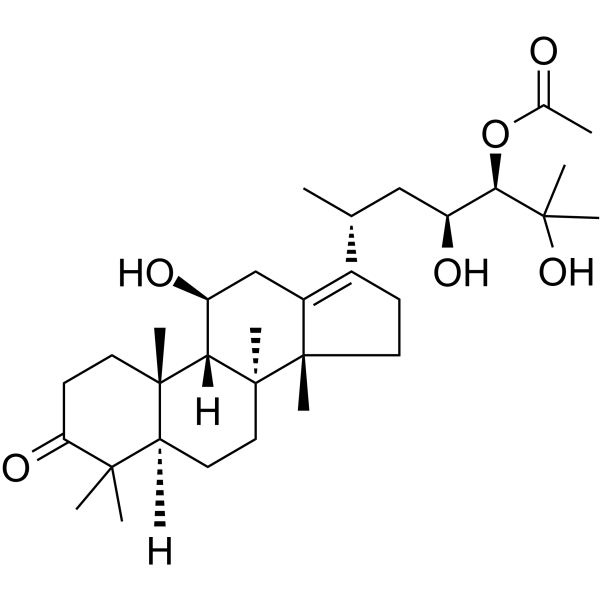
Alisol A 24-acetate (Alisol A monoacetate) is an orally active derivative of protostane-type tetracyclic triterpenoid. Alisol A 24-acetate upregulates the expression of adiponectin, AMPKα, CPT1, and ACOX1; downregulates the expression of SREBP-1c, ACC, FAS, Bcl-2, Bcl-xl, PPAR-γ, perilipin A, and NFATc1; inhibits the activity of PI3K/Akt/mTOR and HMGR; and activates the PKA and ERK signaling pathways. Alisol A 24-acetate regulates cell apoptosis (apoptosis), autophagy (Autophagy, hepatic lipid accumulation, inflammatory response, neuroprotection, MRSA membrane integrity, and osteoclast differentiation. Alisol A 24-acetate can be used in research related to non-alcoholic fatty liver disease, nephrotoxicity, obesity, global cerebral ischemia-reperfusion injury, bacterial infection, and osteoporosis .
Cat. No.: HY-165126
CAS No.: 9050-67-3
Synonyms: SPG
Schizophyllan (SPG) is an orally active extracellular β-glucan produced by the fungus Schizophyllum commune. Schizophyllan improves mitochondrial function and protects against metabolic liver injury by activating the SIRT3 pathway. Schizophyllan inhibits osteoclastogenesis and promotes osteoblast differentiation by suppressing the phosphorylation of JNK/p38, as well as downregulating PGC1β/PPARγ, c-Fos and NFATc1. Recognized via Dectin-1, schizophyllan enables precise delivery of oligonucleotide drugs and antigens to antigen-presenting cells, thus holding great potential in the treatment of inflammatory diseases and vaccine development .
Cat. No.: HY-15001G
CAS No.: 1227633-49-9
Synonyms: SR1 (GMP)
Stemregenin 1 (SR1) (GMP) is a GMP-grade Stemregenin 1 (HY-15001). GMP-grade small molecules can be used as adjuvants in cell therapy. Stemregenin 1 is a potent aryl hydrocarbon receptor (AhR) antagonist with an IC50 of 127 nM. Stemregenin 1 (GMP) can competitively bind to AhR and inhibit its nuclear translocation, inhibiting osteoclastogenesis and promoting hematopoietic progenitor cell expansion by blocking the AhR-c-src-NF-κB/p-ERK MAPK-NFATc1 signaling pathway. Stemregenin 1 (GMP) can be used for the study of osteoporosis, in vitro expansion of hematopoietic stem cells, and the study of the mechanism of bone metabolic diseases .
Cat. No.: HY-N5048
CAS No.: 122965-41-7
Synonyms: 6'-O-Galloyl paeoniflorin
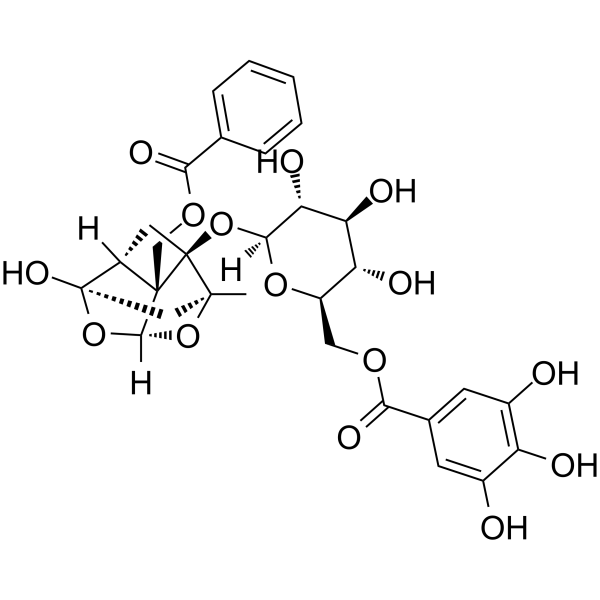
Galloylpaeoniflorin (6'-O-Galloyl paeoniflorin) is an orally active galloylated derivative of Paeoniflorin (HY-N0293) found in peony roots with various anti-inflammatory and antioxidant activities. Galloylpaeoniflorin suppresses RANKL-induced activation of ERK, JNK, c-Fos, c-Jun, and NFATc1, and reduces osteoclast-specific gene expression. Galloylpaeoniflorin activates Nrf2 and PI3K/Akt pathways, inhibits NF-κB activation, and scavenges ROS to reduce oxidative DNA, lipid, and protein damage. Galloylpaeoniflorin attenuates neuroinflammation, inhibits apoptosis, reduces Helicobacter pylori-induced gastric mucosa injury and UVB-induced cell damage. Galloylpaeoniflorin can be used for the research of osteoporosis, gastritis, ischemic stroke and skin diseases .

