1. Search Result
Search Result
Results for "

Nrf2/HO-1 signaling pathway

" in MedChemExpress (MCE) Product Catalog:

42

Inhibitors & Agonists

1

Biochemical Assay Reagents

26

Natural
Products

1

Isotope-Labeled Compounds

Cat. No. Nombre del producto Target Áreas de investigación Chemical Structure
  • HY-13755
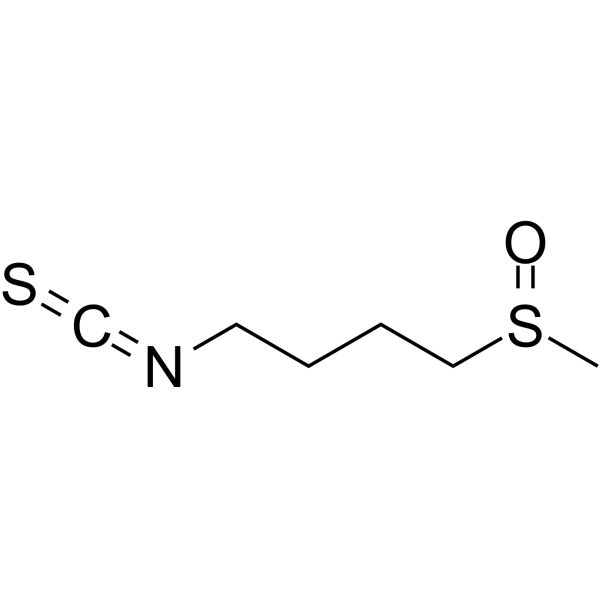
    Sulforaphane
    Maximum Cited Publications
    69 Publications Verification

    HDAC Keap1-Nrf2 Apoptosis Bcl-2 Family Caspase Reactive Oxygen Species (ROS) Inflammation/Immunology Cancer
    Sulforaphane is an orally active inducer of the Keap1/Nrf2/ARE pathway. Sulforaphane promotes the transcription of tumor-suppressing proteins and effectively inhibits the activity of HDACs. Through the activation of the Keap1/Nrf2/ARE pathway and further induction of HO-1 expression, Sulforaphane protects the heart. Sulforaphane suppresses high glucose-induced pancreatic cancer through AMPK-dependent signal transmission. Sulforaphane exhibits both anticancer and anti-inflammatory properties .
    Sulforaphane
  • HY-N0147
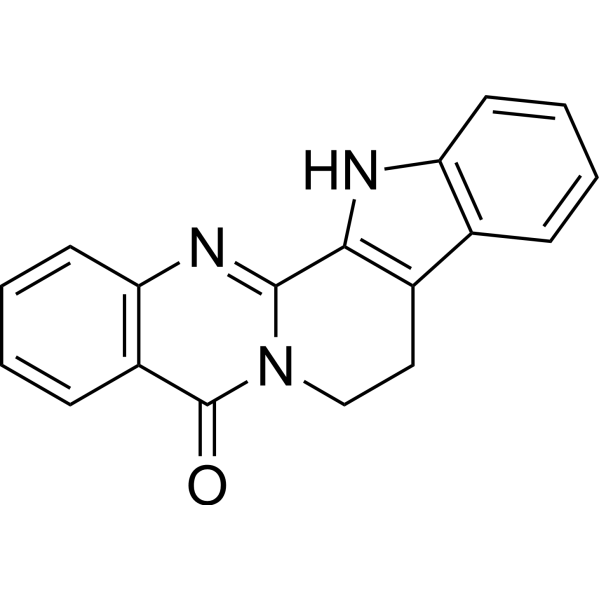
    Rutaecarpine
    5+ Cited Publications

    Rutecarpine

    COX Keap1-Nrf2 Neurological Disease Inflammation/Immunology Cancer
    Rutaecarpine, an alkaloid of Evodia rutaecarpa, is an inhibitor of COX-2 with an IC50 value of 0.28 μM. Rutaecarpine can target and activate the NRF2/HO-1 pathway to reduce craniofacial injury. Rutaecarpine sttenuates oxidative stress-induced traumatic brain injury (TBI) and reduces secondary injury via the PGK1/KEAP1/NRF2 signaling pathway. Rutaecarpine can cross the blood-brain barrier (BBB).
    Rutaecarpine
  • HY-N0512
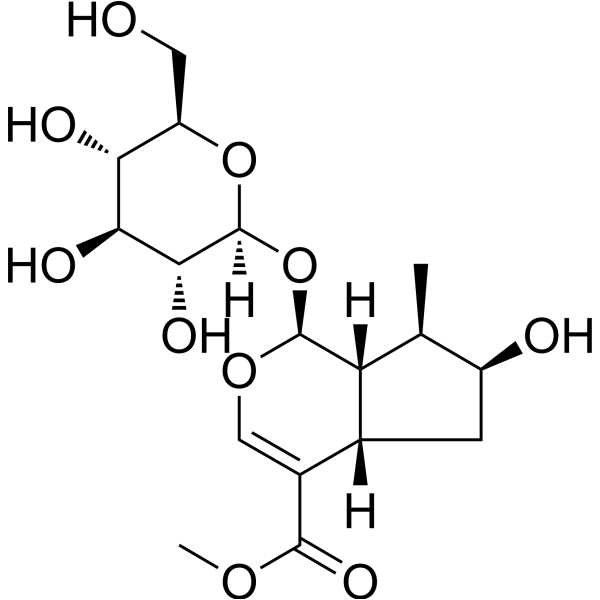
    Loganin
    5 Publications Verification

    Loganoside

    Reactive Oxygen Species (ROS) TNF Receptor Interleukin Related Neurological Disease Inflammation/Immunology Cancer
    Loganin is a type of iridoid glycoside compound that possesses anti-inflammatory, antioxidant, and antitumor properties, and offers protective effects against acute lung injury and pulmonary fibrosis. Loganin exerts its protective effects against LPS (HY-D1056)-mediated inflammation and oxidative stress by upregulating the Nrf2/HO-1 signaling pathway, and it reduces neuroinflammation caused by spinal cord injury (SCI) .
    Loganin
  • HY-N0028
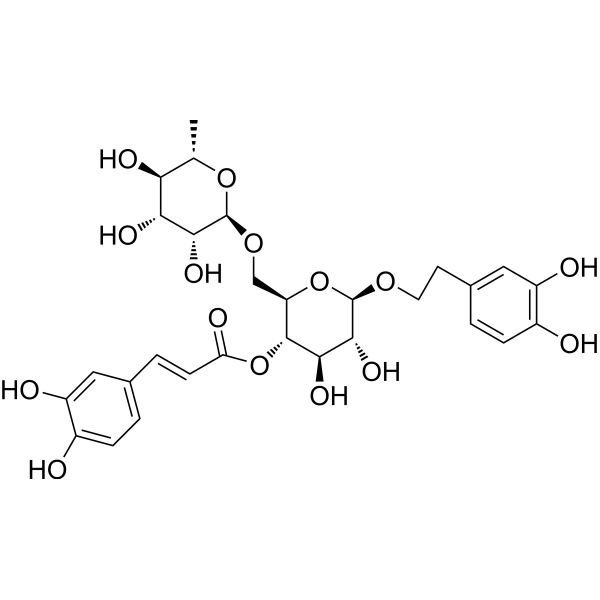
    Forsythiaside A
    5 Publications Verification

    Others Inflammation/Immunology
    Forsythiaside A is an orally active phenylethanoid glycoside isolated from the dried fruits of Forsythia suspensa. Forsythiaside A is also an inhibitor of COX-2 and has anti-inflammatory, antioxidant and neuroprotective effects. Forsythiaside A prevents neuroinflammation and apoptosis caused by Aβ25-35 damage and may be used in Alzheimer's disease (AD) research. Forsythiaside A also activates the Nrf2/HO-1 signaling pathway and inhibits OVA-induced asthma in mice. Forsythiaside A inhibits the interaction between KLRB1 and CLEC2D .
    Forsythiaside A
  • HY-N0103
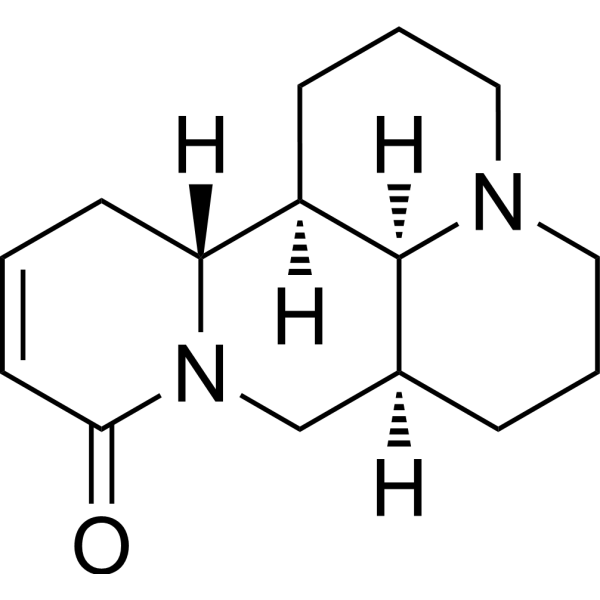
    Sophocarpine
    10+ Cited Publications

    Autophagy Apoptosis NF-κB PI3K Akt MEK ERK PTEN Cardiovascular Disease Inflammation/Immunology Cancer
    Sophocarpine is a PTEN activator and an inhibitor of PI3K/Akt, MEK/ERK, and NF-κB signaling pathways. Sophocarpine upregulates PTEN expression and inhibits PI3K/Akt phosphorylation, arrests tumor cell cycle and induces apoptosis. Sophocarpine inhibits MEK/ERK phosphorylation and VEGF secretion, reducing tumor cell migration. Sophocarpine can also inhibit NF-κB activation and p38 and JNK phosphorylation, reduce the expression of inflammatory factors such as iNOS and COX-2, and activate the Nrf2/HO-1 pathway to reduce oxidative stress. Sophocarpine has anti-tumor, anti-inflammatory, antioxidant and anti-apoptotic effects, and can be used in the research of cancers such as glioblastoma and colorectal cancer, inflammation-related diseases, and Doxorubicin (HY-15142A)-induced cardiac damage .
    Sophocarpine
  • HY-Y1325I

    Environmental Pollutants Biochemical Assay Reagents Apoptosis NO Synthase p38 MAPK Heme Oxygenase (HO) Keap1-Nrf2 Wnt β-catenin Metabolic Disease Inflammation/Immunology Cancer
    Sodium acetate trihydrate, 99.5% is a short-chain fatty acid salt with multiple biological activities. Sodium acetate trihydrate, 99.5% serves as a direct precursor of acetyl-CoA, and it extensively affects gene expression by promoting histone acetylation. Sodium acetate trihydrate, 99.5% can activate the p38 MAPK pathway to induce cancer cell apoptosis. Sodium acetate trihydrate, 99.5% can activate the Wnt/β-catenin signaling pathway to stimulate the proliferation and migration of cecal epithelial cells, thereby improving intestinal health. Sodium acetate trihydrate, 99.5% alleviates lead accumulation and oxidative damage by upregulating the testosterone-dependent eNOS/NO/cGMP signaling pathway, as well as activating the Nrf2/HO-1 pathway and its downstream antioxidant enzymes .
    Sodium acetate trihydrate, 99.5%
  • HY-N0353
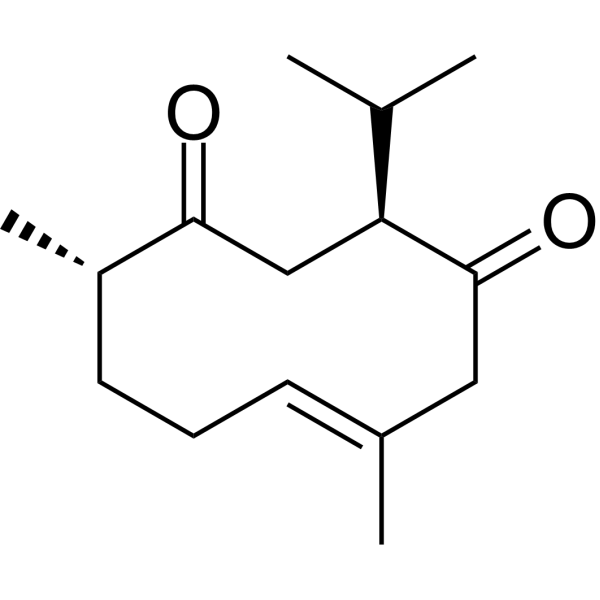
    Curdione
    2 Publications Verification

    (+)-Curdione

    Ferroptosis Apoptosis Reactive Oxygen Species (ROS) Autophagy Glutathione Peroxidase Keap1-Nrf2 Heme Oxygenase (HO) TGF-β Receptor Indoleamine 2,3-Dioxygenase (IDO) Cardiovascular Disease Neurological Disease Cancer
    Curdione ((+)-Curdione) is an orally active sesquiterpenoid. Curdione inhibits platelet aggregation. Curdione induces ferroptosis in colorectal cancer via m6A methylation mediated by METTL14 and YTHDF2. Curdione inhibits ferroptosis in Isoproterenol (HY-B0468)-induced myocardial infarction by regulating the Keap1/Trx1/GPX4 signaling pathway, suppressing oxidative stress (ROS) and apoptosis. Curdione ameliorates Doxorubicin (HY-15142)-induced cardiotoxicity by inhibiting oxidative stress (ROS) and activating the Nrf2/HO-1 pathway. Curdione ameliorates sepsis-induced lung injury by inhibiting platelet-mediated neutrophil extracellular trap formation. Curdione ameliorates Bleomycin (HY-17565A)-induced pulmonary fibrosis by inhibiting TGF-β-induced fibroblast-to-myofibroblast differentiation. Curdione exhibits neuroprotective effects against focal cerebral ischemia-reperfusion injury in rats. Curdione exerts antiproliferative effects against human uterine leiomyosarcoma by targeting IDO1. Curdione protects vascular endothelial cells and atherosclerosis by regulating DNMT1-mediated ERBB4 promoter methylation. Curdione inhibits inducible prostaglandin E2 production (IC50 = 1.1 μM) and cyclooxygenase 2 expression .
    Curdione
  • HY-N0648
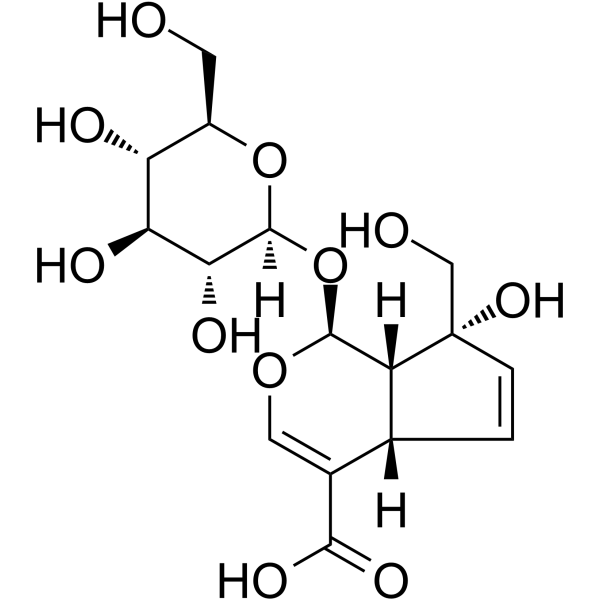
    Monotropein
    2 Publications Verification

    Interleukin Related Keap1-Nrf2 Heme Oxygenase (HO) NF-κB Apoptosis Inflammation/Immunology
    Monotropein is an iridoid glycoside that can be isolated from the roots of Morinda officinalis. Monotropein inhibits the expression of inflammatory mediators in dextran sulfate sodium (DSS)-induced colitis mouse model. Monotropein exerts protective effects against IL-1β-induced apoptosis and catabolic responses on osteoarthritis chondrocytes. Monotropein has cartilage protective activity. Monotropein can alleviate Cisplatin (HY-17394)-induced acute kidney injury by inhibiting oxidative damage, inflammation and apoptosis through activation of Nrf2/HO-1 pathway and inhibition of NF-κB signaling. Monotropein can be studied in research for osteoarthritis, acute kidney injury and acute lung injury .
    Monotropein
  • HY-131592
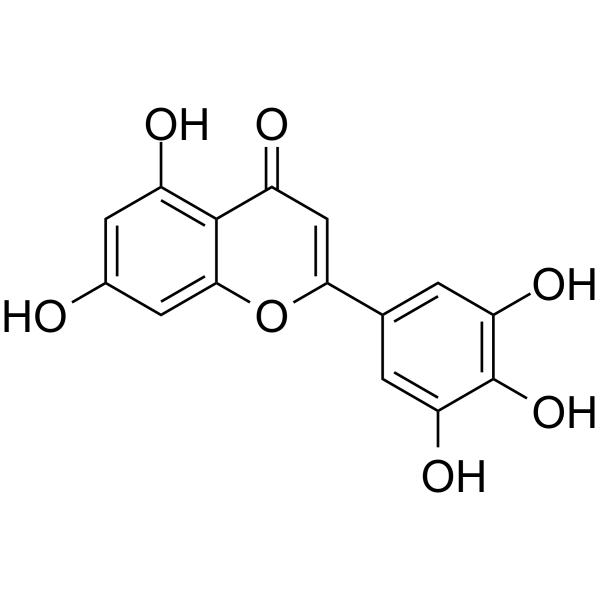
    Tricetin
    1 Publications Verification

    Apoptosis Keap1-Nrf2 Neurological Disease Inflammation/Immunology Cancer
    Tricetin is a potent competitive inhibitor of the Keap1-Nrf2 Protein Protein Interaction (PPI). Tricetin protects against 6-OHDA-induced neurotoxicity in Parkinson's disease model by activating Nrf2/HO-1 signaling pathway and preventing mitochondria-dependent apoptosis pathway .
    Tricetin
  • HY-N3097

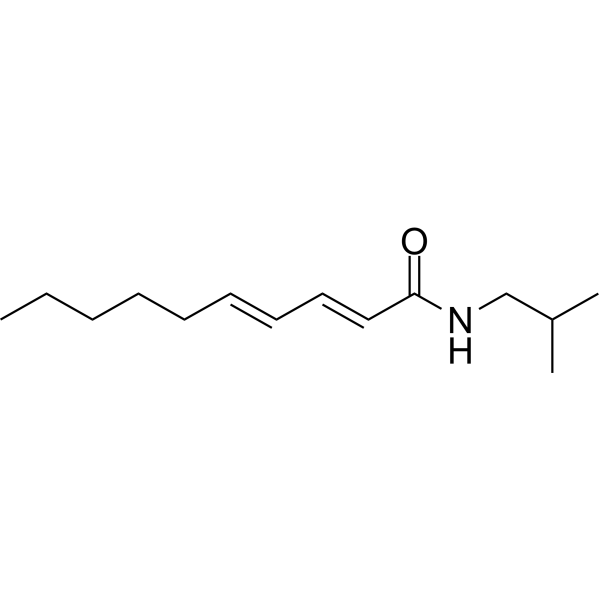
    TRP Channel Amyloid-β Toll-like Receptor (TLR) Keap1-Nrf2 Heme Oxygenase (HO) Dihydroorotate Dehydrogenase Ferroptosis PAI-1 NF-κB ERK Proton Pump Glutathione Peroxidase Thrombin Insecticide Bacterial Infection Cardiovascular Disease Neurological Disease Inflammation/Immunology Cancer
    Pellitorine is a bioactive natural amide compound. Pellitorine can competitively antagonize the activation of TRPV1 by Capsaicin (HY-10448), thereby reducing pain signal transmission. Pellitorine improves cognitive dysfunction by upregulating the BDNF-ERK1/2-CREB and Nrf2-HO-1 pathways. Pellitorine exerts anti-inflammatory and anti-sepsis effects by inhibiting the release of high mobility group protein B1 (HMGB1) and the expression of RAGE/TLR4. Pellitorine exerts its antithrombotic effect by prolonging the clotting time, inhibiting the activity of clotting factors and thrombin. Pellitorine inhibits lipid peroxidation and resists ferroptosis by upregulating GPX4 and DHODH. Pellitorine kills Aedes aegypti mosquito larvae by inhibiting V-type H⁺-ATPase and aquaporin 4 (AaAQP4). Pellitorine exhibits anti-cancer activity (e.g., leukemia and breast cancer) and has inhibitory effects on certain bacteria .
    Pellitorine
  • HY-N6953
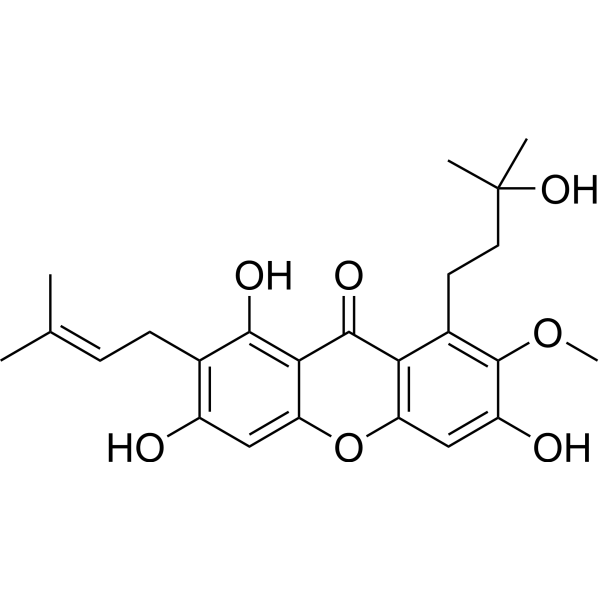
    Garcinone D
    4 Publications Verification

    STAT Keap1-Nrf2 Reactive Oxygen Species (ROS) Neurological Disease
    Garcinone D is an activator of the STAT3/Cyclin D1 and Nrf2/HO-1 pathways, and an inhibitor of CDK2/CyclinE1 (IC50 for CDK2/CyclinE1 is 28.23 μM). Garcinone D promotes neural stem cell proliferation by activating STAT3 phosphorylation and Cyclin D1 expression and enhancing the Nrf2/HO-1 signaling pathway. In addition, Garcinone D blocks the tumor cell cycle by inhibiting CDK2/CyclinE1. Garcinone D can promote the proliferation of C17.2 neural stem cells and inhibit prostate and breast cancer .
    Garcinone D
  • HY-133114

    EZM-K

    Keap1-Nrf2 Autophagy Cardiovascular Disease Metabolic Disease Inflammation/Immunology Cancer
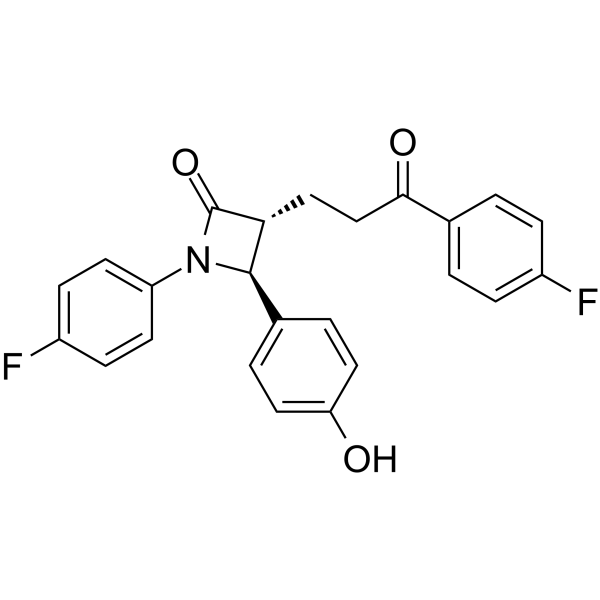
    Ezetimibe ketone is an orall active Nrf2 activator and ROS inhibitor. Ezetimibe ketone attenuates H2O2-induced reactive oxygen species production and reduces H2O2-induced apoptosis in renal tubular epithelial cells. Ezetimibe ketone suppresses renal tubular injury and inflammation .
    Ezetimibe ketone
  • HY-N0442

    4'-O-β-D-Glucosyl-5-O-methylvisamminol

    NF-κB p38 MAPK JNK Src TNF Receptor NOD-like Receptor (NLR) Amyloid-β MEK ERK Ferroptosis VEGFR Anaplastic lymphoma kinase (ALK) Reactive Oxygen Species (ROS) Neurological Disease Metabolic Disease Inflammation/Immunology Cancer
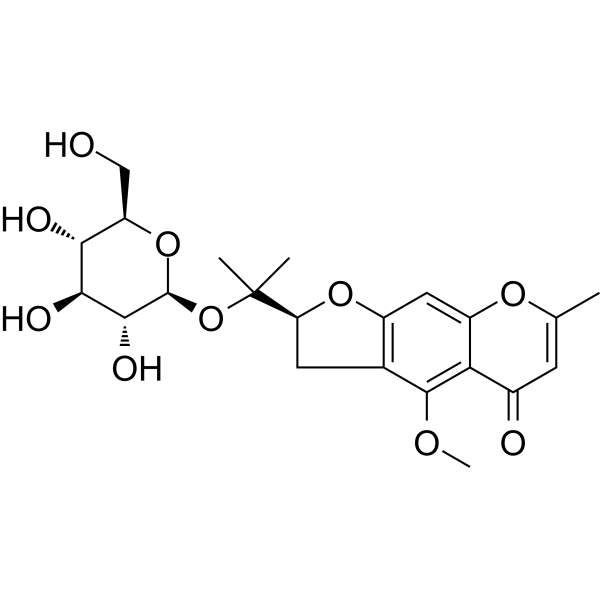
    5-O-Methylvisammioside (4'-O-β-D-Glucosyl-5-O-methylvisamminol) is an orally active natural chromone glycoside and multiple biological activities. 5-O-Methylvisammioside inhibits ferroptosis by activating the Nrf2/HO-1 signaling axis. 5-O-Methylvisammioside alleviates intestinal barrier damage by inhibiting the ROS/NF-κB/NLRP3 pathway. 5-O-Methylvisammioside exerts a protective effect against acute liver injury by reducing ALT/AST, decreasing inflammatory infiltration, and inhibiting IκB-α phosphorylation and NF-κB nuclear translocation. 5-O-Methylvisammioside blocks the HMGB1/RAGE/MEK/ERK signaling axis to exert anti-tumor and anti-angiogenic effects. 5-O-Methylvisammioside improves depression-like behaviors by inhibiting Src kinase and the NF-κB pathway .
    5-O-Methylvisammioside
  • HY-171705

    Keap1-Nrf2 AMPK JNK IKK p38 MAPK NO Synthase α-synuclein Interleukin Related Neurological Disease
    KMS99220 is an orally active, blood-brain barrier-permeable activator of the Nrf2 inhibitory protein Keap-1. KMS99220 enhances the activity of AMPK, activates the Nrf2 signaling pathway, and reduces the phosphorylation of IκB, nuclear translocation of NFκB, as well as the phosphorylation levels of JNK, IKK and p38 MAPK via HO-1. KMS99220 binds to Keap1 to trigger the nuclear translocation of Nrf2, induces the expression of HO-1, NQO1, GCLC, GCLM and proteasome subunits; enhances proteasomal enzymatic activity; inhibits iNOS expression, nitric oxide production and IL-1β generation; attenuates microglial activation; reduces α-synuclein aggregation; and prevents dopaminergic neuron degeneration and motor dysfunction. KMS99220 prevents the degeneration of dopaminergic neurons in the substantia nigra, induces the expression of Nrf2 downstream target genes, and effectively ameliorates associated motor dysfunction in a mouse model of Parkinson's disease. KMS99220 is applicable to research related to Parkinson's disease .
    KMS99220
  • HY-W072025

    Cytochrome P450 Keap1-Nrf2 Heme Oxygenase (HO) Reactive Oxygen Species (ROS) Inflammation/Immunology
    CYP2E1-IN-1 (Compound 10) is an orally active cytochrome P450 2E1 (CYP2E1) inhibitor with a Kd of 7.02 μM, an IC50 of 1.64 μM, and a Ki of 0.897 μM. CYP2E1-IN-1 activates the Nrf2/HO-1 signaling pathway and inhibits ROS production, thereby alleviating pancreatic injury. CYP2E1-IN-1 has significant anti-inflammatory and antioxidant activities and can effectively reduce inflammation and oxidative stress in severe acute pancreatitis (SAP). CYP2E1-IN-1 can be used in the study of SAP and other inflammatory-related diseases .
    CYP2E1-IN-1
  • HY-N8263

    Bacterial Fungal NF-κB Infection Inflammation/Immunology
    Nepetoidin B, an anti-inflammatory agent, inhibits inflammation by modulating the NF-κB and Nrf2/HO-1 signaling pathways. Nepetoidin B also has antifungal and antibacterial activity. Nepetoidin B is a natural product that can be obtained from Salvia plebeia R. Br. Nepetoidin B can be used in anti-inflammatory and anti-infectious research .
    Nepetoidin B
  • HY-N0103A
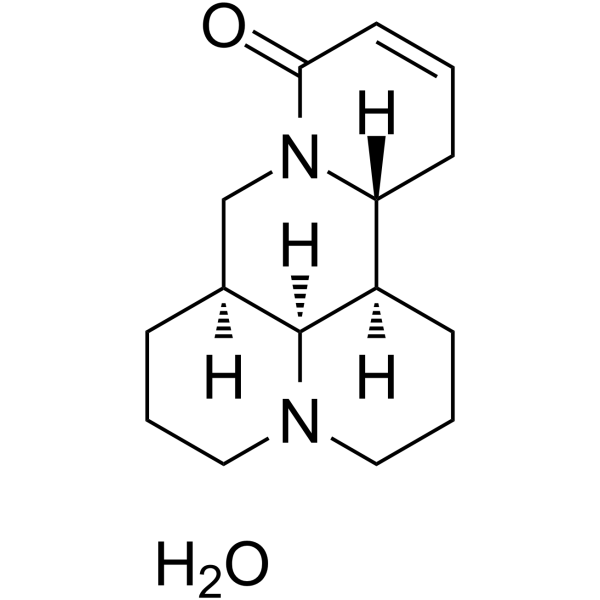
    Sophocarpine monohydrate
    10+ Cited Publications

    Autophagy Apoptosis NF-κB PI3K Akt MEK ERK Cardiovascular Disease Inflammation/Immunology Cancer
    Sophocarpine monohydrate is a PTEN activator and an inhibitor of PI3K/Akt, MEK/ERK, and NF-κB signaling pathways. Sophocarpine monohydrate upregulates PTEN expression and inhibits PI3K/Akt phosphorylation, arrests tumor cell cycle and induces apoptosis. Sophocarpine monohydrate inhibits MEK/ERK phosphorylation and VEGF secretion, reducing tumor cell migration. Sophocarpine monohydrate can also inhibit NF-κB activation and p38 and JNK phosphorylation, reduce the expression of inflammatory factors such as iNOS and COX-2, and activate the Nrf2/HO-1 pathway to reduce oxidative stress. Sophocarpine monohydrate has anti-tumor, anti-inflammatory, antioxidant and anti-apoptotic effects, and can be used in the research of cancers such as glioblastoma and colorectal cancer, inflammation-related diseases, and Doxorubicin (HY-15142A)-induced cardiac damage .
    Sophocarpine monohydrate
  • HY-110067

    PTEN Apoptosis Autophagy Ferroptosis Reactive Oxygen Species (ROS) Interleukin Related Akt Keap1-Nrf2 Cardiovascular Disease Inflammation/Immunology Cancer
    VO-OHPic is a reversible, noncompetitive PTEN inhibitor with an human IC50 value of 46 nM. VO-OHPic inhibits PTEN signaling, activates Akt-GSK3β and Nrf-2/HO-1 pathways, induces apoptosis resistance and elevates IL-10 levels. VO-OHPic inhibits autophagy, ferroptosis and oxidative stress. VO-OHPic can be used for the research of acute myocardial infarction, intervertebral disc degeneration, cardiomyopathy and cancer .
    VO-OHPic
  • HY-170867

    Keap1-Nrf2 Heme Oxygenase (HO) Reactive Oxygen Species (ROS) Cardiovascular Disease
    Nrf2/HO-1 activator 3 (Compound C3a) is the activator for Nrf2 signaling pathway that promotes the Nrf2 translocation into nuclei and upregulates the expression of heme oxygenase-1 HO-1. Nrf2/HO-1 activator 3 inhibits the overespression of ROS and MDA in H2O2- or glucose-stimulated H9c2 cardiomyocytes, inhibits the cell viability and colony formation, thereby exhibiting antioxidant efficacy .
    Nrf2/HO-1 activator 3
  • HY-W701218

    Reactive Oxygen Species (ROS) Cancer
    Sulforaphane-d8 is the deuterium labeled Sulforaphane (HY-13755). Sulforaphane is an orally active inducer of the Keap1/Nrf2/ARE pathway. Sulforaphane promotes the transcription of tumor-suppressing proteins and effectively inhibits the activity of HDACs. Through the activation of the Keap1/Nrf2/ARE pathway and further induction of HO-1 expression, Sulforaphane protects the heart. Sulforaphane suppresses high glucose-induced pancreatic cancer through AMPK-dependent signal transmission. Sulforaphane exhibits both anticancer and anti-inflammatory properties .
    Sulforaphane-d8
  • HY-N11657

    Sanggenone A

    NF-κB Keap1-Nrf2 Inflammation/Immunology
    Sanggenon A (Sanggenone A) exerts anti-inflammatory effects by regulating NF-κB and HO-1/Nrf2 signaling pathways in BV2 and RAW264.7 cells. Sanggenon A markedly inhibits the Lipopolysaccharide (LPS; HY-D1056)-induced production of nitric oxide .
    Sanggenon A
  • HY-175005

    Keap1-Nrf2 PPAR Interleukin Related Metabolic Disease Inflammation/Immunology
    CF-Carvacrol is an orally active lipid-lowering agent synthesized by merging the pharmacophores of Carvacrol (HY-N0711) and Clofibric acid (HY-B1415). CF-Carvacrol has a good affinity for PPAR-α. CF-Carvacrol has significant hypolipidemic activity and may exert antioxidant and anti-inflammatory activity by activating the Nrf2/HO-1 signaling pathway to reduce liver injury. CF-Carvacrol can be used for the study of CF-induced liver damage .
    CF-Carvacrol
  • HY-158205

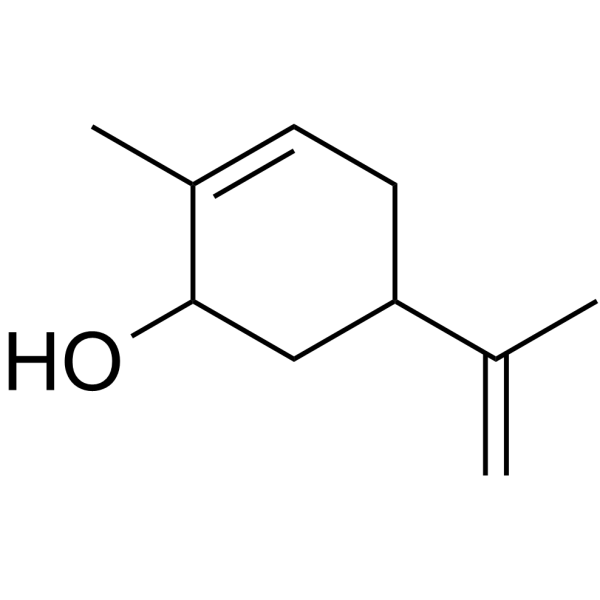
    4-Hydroperoxy-2-decenoic acid ethyl ester

    Reactive Oxygen Species (ROS) HDAC SOD Inflammation/Immunology Cancer
    HPO-DAEE (4-Hydroperoxy-2-decenoic acid ethyl ester) elicits nuclear accumulation of Nrf2 and activated antioxidant response element (ARE). HPO-DAEE induces antioxidant genes upregulation (eg: HO-1) through Nrf2-ARE signaling. HPO-DAEE induces reactive oxygen species generation. HPO-DAEE also inhibits histone deacetylase and upregulate expression of extracellular superoxide dismutase via histone acetylation. HPO-DAEE protects against 6-hydroxydopamine-induced cell death via activation of Nrf2-ARE and eIF2α-ATF4 pathways .
    HPO-DAEE
  • HY-168709

    Keap1-Nrf2 Inflammation/Immunology
    Nrf2 activator 18 (Compound 11a) is an orally active activator for Keap1/Nrf2/HO-1 signaling pathway, that promotes the Nrf2 nuclear translocation, and enhances the antioxidant efficacy. Nrf2 activator 18 inhibits the release of IL-6 with an IC50 of 4.816 μM. Nrf2 activator 18 exhibits anti-inflammatory efficacy in mouse PM2.5-induced lung injury model .
    Nrf2 activator 18
  • HY-N9602

    Others Inflammation/Immunology
    6,7,4'-Trihydroxyflavanone is a compound with multiple pharmacological activities, including anti-rheumatic, anti-ischemic, anti-inflammatory, anti-osteoclastogenic and protective T-cells from METH-induced deactivation. 6,7,4'-Trihydroxyflavanone has shown potential protective effects in neurotoxicity studies and can be used to inhibit patients with neurodegenerative diseases caused by METH. 6,7,4'-Trihydroxyflavanone inhibits METH-induced neurotoxicity by upregulating the Nrf2/HO-1 and PI3K/Akt/mTOR signaling pathways. 6,7,4'-Trihydroxyflavanone can also induce Nrf2 nuclear translocation and HO-1 expression, further enhancing its protective effect on neuronal cells .
    6,7,4'-Trihydroxyflavanone
  • HY-169014

    HDAC Keap1-Nrf2 Ferroptosis Cancer
    HDAC-IN-77 (HL-5s) is an HDAC inhibitor. HDAC-IN-77 can induce ferroptosis and inhibit the Nrf2/HO-1 signaling pathway. HDAC-IN-77 can be used in cancer research .
    HDAC-IN-77
  • HY-N0147R

    Rutecarpine (Standard)

    Reference Standards COX Keap1-Nrf2 Inflammation/Immunology Cancer
    Rutaecarpine (Standard) is the analytical standard of Rutaecarpine. This product is intended for research and analytical applications. Rutaecarpine, an alkaloid of Evodia rutaecarpa, is an inhibitor of COX-2 with an IC50 value of 0.28 μM. Rutaecarpine can target and activate the NRF2/HO-1 pathway to reduce craniofacial injury. Rutaecarpine sttenuates oxidative stress-induced traumatic brain injury (TBI) and reduces secondary injury via the PGK1/KEAP1/NRF2 signaling pathway. Rutaecarpine can cross the blood-brain barrier (BBB).
    Rutaecarpine (Standard)
  • HY-N6953R

    Reference Standards STAT Keap1-Nrf2 Reactive Oxygen Species (ROS) Neurological Disease
    Garcinone D (Standard) is the analytical standard of Garcinone D (HY-N6953). This product is intended for research and analytical applications. Garcinone D is an activator of the STAT3/Cyclin D1 and Nrf2/HO-1 pathways, and an inhibitor of CDK2/CyclinE1 (IC50 for CDK2/CyclinE1 is 28.23 μM). Garcinone D promotes neural stem cell proliferation by activating STAT3 phosphorylation and Cyclin D1 expression and enhancing the Nrf2/HO-1 signaling pathway. In addition, Garcinone D blocks the tumor cell cycle by inhibiting CDK2/CyclinE1. Garcinone D can promote the proliferation of C17.2 neural stem cells and inhibit prostate and breast cancer .
    Garcinone D (Standard)
  • HY-173129

    NF-κB Toll-like Receptor (TLR) Inflammation/Immunology
    Anti-inflammatory agent 97 (Compound 1l), an anti-inflammation agent, can also inhibit oxidative stress. Anti-inflammatory agent 97 can inhibit the colonic shortening and suppress inflammatory symptoms of the colonic tissue in the DSS (HY-116282C)-induced ulcerative colitis mice model. Anti-inflammatory agent 97 can regulate the inflammation-related TLR4/NF-κB signaling pathway and the oxidative stress-related Nrf2/HO-1 signaling pathway .
    Anti-inflammatory agent 97
  • HY-170579

    Reactive Oxygen Species (ROS) Apoptosis NF-κB Keap1-Nrf2 Inflammation/Immunology
    Antioxidant agent-20 (Compound 3d) has potent anti-inflammatory and antioxidant activity. Antioxidant agent-20 reduces reactive oxygen species (ROS) and apoptosis in a dose-dependent manner. Antioxidant agent-20 exhibits photoprotective effect against UVB-irradiated human skin keratinocytes (HaCaT) (IC50=5.13 µM) via activation of Nrf2/HO-1 signaling and inhibition of NF-κB pathway .
    Antioxidant agent-20
  • HY-N0512R

    Loganoside (Standard)

    Reference Standards Apoptosis Keap1-Nrf2 TNF Receptor Interleukin Related Neurological Disease Inflammation/Immunology Cancer
    Loganin (Standard) is the analytical standard of Loganin. This product is intended for research and analytical applications. Loganin is a type of iridoid glycoside compound that possesses anti-inflammatory, antioxidant, and antitumor properties, and offers protective effects against acute lung injury and pulmonary fibrosis. Loganin exerts its protective effects against LPS (HY-D1056)-mediated inflammation and oxidative stress by upregulating the Nrf2/HO-1 signaling pathway, and it reduces neuroinflammation caused by spinal cord injury (SCI) .
    Loganin (Standard)
  • HY-N0028R

    Reference Standards Others Inflammation/Immunology
    Forsythiaside A (Standard) is the analytical standard of Forsythiaside A. This product is intended for research and analytical applications. Forsythiaside A is an orally active phenylethanoid glycoside isolated from the dried fruits of Forsythia suspensa. Forsythiaside A is also an inhibitor of COX-2 and has anti-inflammatory, antioxidant and neuroprotective effects. Forsythiaside A prevents neuroinflammation and apoptosis caused by Aβ25-35 damage and may be used in Alzheimer's disease (AD) research. Forsythiaside A also activates the Nrf2/HO-1 signaling pathway and inhibits OVA-induced asthma in mice .
    Forsythiaside A (Standard)
  • HY-N17603

    Acertannin

    Keap1-Nrf2 p62 Heme Oxygenase (HO) Cancer
    Ginnalin A (Acertannin) is a Nrf2 activator. Ginnalin A shows antiproliferative activity against HCT116, SW480 and SW620 cells with IC50 values of 24.8, 22.0, and 39.7 μM, respectively. Ginnalin A can induce cancer cells S phase arrest. Ginnalin A can activate the p62-Keap1-Nrf2 signaling pathway, significantly upregulate the mRNA and protein expression of Nrf2, HO-1, and NQO1, and promote the transport of Nrf2 from the cytoplasm to the nucleus. Ginnalin A can be used for the research of colon cancer .
    Ginnalin A
  • HY-N0648R

    Reference Standards Interleukin Related Heme Oxygenase (HO) Keap1-Nrf2 NF-κB Apoptosis Inflammation/Immunology
    Monotropein (Standard) is the analytical standard of Monotropein. This product is intended for research and analytical applications. Monotropein is an iridoid glycoside that can be isolated from the roots of Morinda officinalis. Monotropein inhibits the expression of inflammatory mediators in dextran sulfate sodium (DSS)-induced colitis mouse model. Monotropein exerts protective effects against IL-1β-induced apoptosis and catabolic responses on osteoarthritis chondrocytes. Monotropein has cartilage protective activity. Monotropein can alleviate Cisplatin (HY-17394)-induced acute kidney injury by inhibiting oxidative damage, inflammation and apoptosis through activation of Nrf2/HO-1 pathway and inhibition of NF-κB signaling. Monotropein can be studied in research for osteoarthritis, acute kidney injury and acute lung injury .
    Monotropein (Standard)
  • HY-N0442R

    4'-O-β-D-Glucosyl-5-O-methylvisamminol (Standard)

    Reference Standards p38 MAPK Reactive Oxygen Species (ROS) TNF Receptor MEK ERK VEGFR Src Amyloid-β Anaplastic lymphoma kinase (ALK) NF-κB NOD-like Receptor (NLR) JNK Ferroptosis Neurological Disease Metabolic Disease Inflammation/Immunology Cancer
    5-O-Methylvisammioside (4'-O-β-D-Glucosyl-5-O-methylvisamminol) (Standard) is the analytical standard of 5-O-Methylvisammioside. This product is intended for research and analytical applications. 5-O-Methylvisammioside is an orally active natural chromone glycoside and multiple biological activities. 5-O-Methylvisammioside inhibits ferroptosis by activating the Nrf2/HO-1 signaling axis. 5-O-Methylvisammioside alleviates intestinal barrier damage by inhibiting the ROS/NF-κB/NLRP3 pathway. 5-O-Methylvisammioside exerts a protective effect against acute liver injury by reducing ALT/AST, decreasing inflammatory infiltration, and inhibiting IκB-α phosphorylation and NF-κB nuclear translocation. 5-O-Methylvisammioside blocks the HMGB1/RAGE/MEK/ERK signaling axis to exert anti-tumor and anti-angiogenic effects. 5-O-Methylvisammioside improves depression-like behaviors by inhibiting Src kinase and the NF-κB pathway.
    5-O-Methylvisammioside (Standard)
  • HY-N0103R

    Reference Standards Autophagy Apoptosis NF-κB PI3K Akt MEK ERK Cardiovascular Disease Inflammation/Immunology Cancer
    Sophocarpine (Standard) is the analytical standard of Sophocarpine (HY-N0103). This product is intended for research and analytical applications. Sophocarpine is a PTEN activator and an inhibitor of PI3K/Akt, MEK/ERK, and NF-κB signaling pathways. Sophocarpine upregulates PTEN expression and inhibits PI3K/Akt phosphorylation, arrests tumor cell cycle and induces apoptosis. Sophocarpine inhibits MEK/ERK phosphorylation and VEGF secretion, reducing tumor cell migration. Sophocarpine can also inhibit NF-κB activation and p38 and JNK phosphorylation, reduce the expression of inflammatory factors such as iNOS and COX-2, and activate the Nrf2/HO-1 pathway to reduce oxidative stress. Sophocarpine has anti-tumor, anti-inflammatory, antioxidant and anti-apoptotic effects, and can be used in the research of cancers such as glioblastoma and colorectal cancer, inflammation-related diseases, and Doxorubicin (HY-15142A)-induced cardiac damage .
    Sophocarpine (Standard)
  • HY-N3097R

    Reference Standards TRP Channel Amyloid-β Toll-like Receptor (TLR) Keap1-Nrf2 Heme Oxygenase (HO) Dihydroorotate Dehydrogenase Ferroptosis PAI-1 NF-κB Proton Pump Glutathione Peroxidase Thrombin Insecticide Bacterial Infection Cardiovascular Disease Neurological Disease Inflammation/Immunology Cancer
    Pellitorine (Standard) is the analytical standard of Pellitorine (HY-N3097). Pellitorine is a bioactive natural amide compound. Pellitorine can competitively antagonize the activation of TRPV1 by Capsaicin (HY-10448), thereby reducing pain signal transmission. Pellitorine improves cognitive dysfunction by upregulating the BDNF-ERK1/2-CREB and Nrf2-HO-1 pathways. Pellitorine exerts anti-inflammatory and anti-sepsis effects by inhibiting the release of high mobility group protein B1 (HMGB1) and the expression of RAGE/TLR4. Pellitorine exerts its antithrombotic effect by prolonging the clotting time, inhibiting the activity of clotting factors and thrombin. Pellitorine inhibits lipid peroxidation and resists ferroptosis by upregulating GPX4 and DHODH. Pellitorine kills Aedes aegypti mosquito larvae by inhibiting V-type H⁺-ATPase and aquaporin 4 (AaAQP4). Pellitorine exhibits anti-cancer activity (e.g., leukemia and breast cancer) and has inhibitory effects on certain bacteria.
    Pellitorine (Standard)
  • HY-N0353R

    (+)-Curdione (Standard)

    Reference Standards Ferroptosis Apoptosis Reactive Oxygen Species (ROS) Autophagy Glutathione Peroxidase Keap1-Nrf2 Heme Oxygenase (HO) TGF-β Receptor Indoleamine 2,3-Dioxygenase (IDO) Others
    Curdione (Standard) is the analytical standard of Curdione. This product is intended for research and analytical applications. Curdione ((+)-Curdione) is an orally active sesquiterpenoid. Curdione inhibits platelet aggregation. Curdione induces ferroptosis in colorectal cancer via m6A methylation mediated by METTL14 and YTHDF2. Curdione inhibits ferroptosis in Isoproterenol (HY-B0468)-induced myocardial infarction by regulating the Keap1/Trx1/GPX4 signaling pathway, suppressing oxidative stress (ROS) and apoptosis. Curdione ameliorates Doxorubicin (HY-15142)-induced cardiotoxicity by inhibiting oxidative stress (ROS) and activating the Nrf2/HO-1 pathway. Curdione ameliorates sepsis-induced lung injury by inhibiting platelet-mediated neutrophil extracellular trap formation. Curdione ameliorates Bleomycin (HY-17565A)-induced pulmonary fibrosis by inhibiting TGF-β-induced fibroblast-to-myofibroblast differentiation. Curdione exhibits neuroprotective effects against focal cerebral ischemia-reperfusion injury in rats. Curdione exerts antiproliferative effects against human uterine leiomyosarcoma by targeting IDO1. Curdione protects vascular endothelial cells and atherosclerosis by regulating DNMT1-mediated ERBB4 promoter methylation. Curdione inhibits inducible prostaglandin E2 production (IC50 = 1.1 μM) and cyclooxygenase 2 expression .
    Curdione (Standard)
  • HY-181474

    Keap1-Nrf2 Heme Oxygenase (HO) PPAR Interleukin Related SOD Metabolic Disease Inflammation/Immunology
    CF-Vanillin is an orally active hypolipidemic/hepatic protector with strong binding affinity for PPAR-α. CF-Vanillin exerts antioxidant and anti-inflammatory effects by activating the Nrf2/HO-1 signaling pathway. CF-Vanillin reduces triglyceride and total cholesterol levels and alleviates liver injury. CF-Vanillin can be used in the research of diseases such as hyperlipidemia and liver injury .
    CF-Vanillin
  • HY-180112

    Keap1-Nrf2 Reactive Oxygen Species (ROS) PI3K Akt p38 MAPK Metabolic Disease
    SH543 is a potent anti-osteoporosis agent. SH543 inhibits nuclear factor κB ligand (RANKL)-induced osteoclastogenesis with an IC50 of 3.3 nM. SH543 directly binds to KEAP1, activates the Nrf2-HO-1 antioxidant pathway, reduces ROS levels, and inhibits PI3K-AKT and MAPK signaling pathways. SH543 attenuates pathological bone loss in ovariectomized mice. SH543 can be used for osteoporosis research .
    SH543
  • HY-105854A

    Ras MEK ERK PI3K Akt MMP Keap1-Nrf2 Heme Oxygenase (HO) Reactive Oxygen Species (ROS) Apoptosis Cardiovascular Disease Neurological Disease Inflammation/Immunology Cancer
    Pipoxolan is an orally active smooth muscle relaxant, anti-inflammatory agent and anticancer agent. Pipoxolan modulates PI3K/AKT signaling pathways, and reduces the levels of Ras/MEK/p-ERK, MMP-2 and MMP-9. Pipoxolan inhibits pro-inflammatory transcription factor pathways, activates Nrf2/HO-1, and suppresses the production of pro-inflammatory mediators. Pipoxolan induces ROS generation, endogenous mitochondrial Apoptosis, and G0/G1 cell cycle arrest. Pipoxolan reduces cerebral infarction size and inhibits intimal hyperplasia. Pipoxolan can be used in research related to cerebral ischemia, intimal hyperplasia, oral squamous cell carcinoma, leukemia and lung cancer .
    Pipoxolan
  • HY-N16929

    Keap1-Nrf2 Apoptosis Reactive Oxygen Species (ROS) Heme Oxygenase (HO) Bcl-2 Family Inflammation/Immunology
    Gymnoside II is one of the main bioactive constituents isolated from Bletilla striata. Gymnoside II inhibits nano SiO2-induced A549 cell viability reduction, apoptosis, and ROS generation by activating Nrf2. Gymnoside II upregulates HO-1 and γ-GCSc, while downregulating the Bax/Bcl-2 ratio. Gymnoside II is applicable for research on nano SiO2-induced pulmonary injury .
    Gymnoside II

Consulta en línea

Your information is safe with us. * Required Fields.

Saludo


Country or Region *

Nombre del solicitante *


Nombre de la Organizaciòn *

Department *


Direcciòn del E-mail *


Nombre del producto *

Cat. No.


Requested quantity *

Número de teléfono *


Observaciones

Consulta en línea

Inquiry Information

Nombre del producto:
Cat. No.:
Cantidad:
MCE Japan Authorized Agent:

