27 Results for "

Parkinson's disease model

" in MedChemExpress (MCE) Product Catalog:
Products (27)

27 Results for "Parkinson's disease model" in MCE Product Catalog:

96
96 Publications Verification
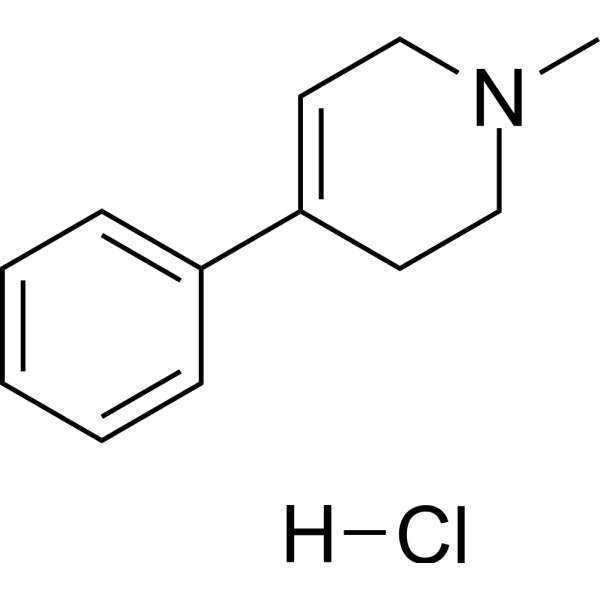
Cat. No.: HY-15608
CAS No.: 23007-85-4
Purity:  99.52%
MPTP hydrochloride is a brain penetrant dopaminergic neurotoxin. MPTP hydrochloride can be used to induce Parkinson’s Disease model. MPTP hydrochloride, a precusor of MPP +, induces apoptosis . MPTP hydrochloride has been verified by MCE with professional biological experiments.
loading...
    loading...
96
96 Publications Verification
Cat. No.: HY-W114750
CAS No.: 28289-54-5
MPTP (1-Methyl-4-phenyl-1,2,3,6-tetrahydropyridine) is a brain penetrant dopamine neurotoxin. MPTP can be used to induce Parkinson’s Disease model. MPTP, a precusor of MPP +, induces apoptosis .
loading...
    loading...
2
2 Cited Publications
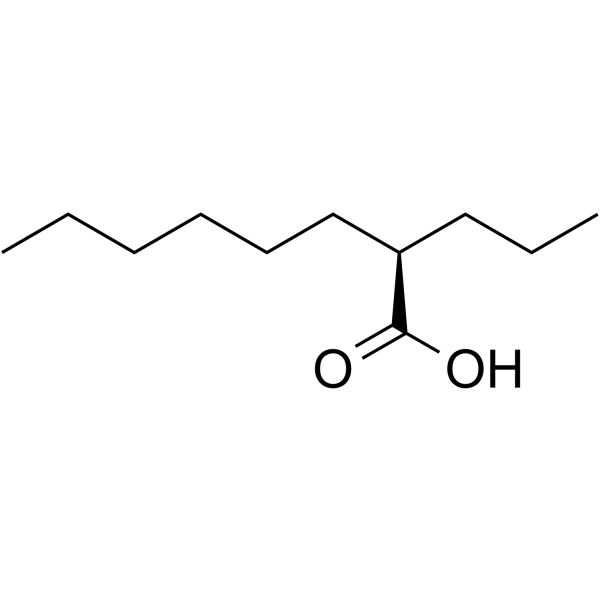
Cat. No.: HY-107661
CAS No.: 185517-21-9
Purity:  ≥98.0%
Synonyms: ONO-2506; (R)-2-Propyloctanoic acid
Target:  

ERK Akt NF-κB EAAT

Arundic Acid is an orally effective astrocyte function modulator and neuroprotective agent. Arundic Acid increases the expression and function of the astrocytic glutamate transporter EAAT1 by activating the ERK, Akt and NF-κB pathways. Arundic Acid attenuates retinal ganglion cell death in a normal-tension glaucoma model. Arundic Acid exerts neuroprotective effects in a mouse model of Parkinson's disease. Arundic Acid is a S100β protein synthesis inhibitor that prevents neurological deficits and brain tissue damage after intracerebral hemorrhage in rats. Arundic Acid downregulates neuroinflammation and astrocytic dysfunction after status epilepticus in immature rats. Arundic Acid is applicable to research related to Parkinson's disease, cerebral ischemia, glaucoma, intracerebral hemorrhage and epilepsy .
loading...
    loading...
2
2 Cited Publications
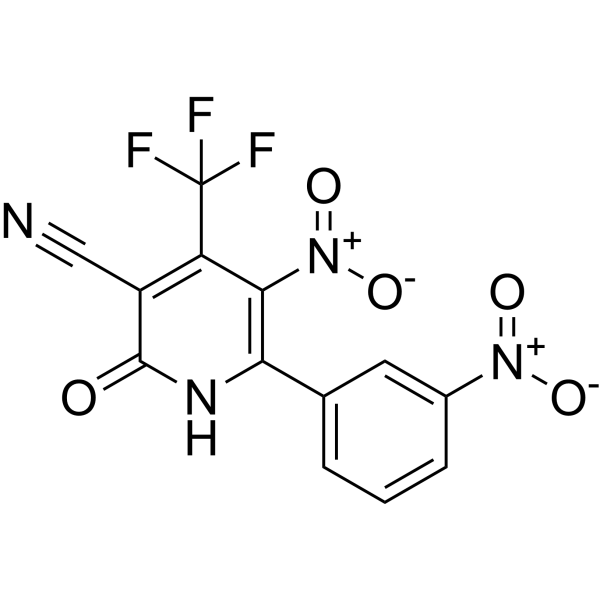
Cat. No.: HY-124876
CAS No.: 685121-45-3
Purity:  99.89%
Synonyms: SC-D
Target:  

α-synuclein

Research Areas:  

Neurological Disease

SynuClean-D (SC-D) is an inhibitor of α-synuclein aggregation, disrupts mature amyloid fibrils, prevents fibril propagation, and abolishes the degeneration of dopaminergic neurons in an animal model of Parkinson’s disease .
loading...
    loading...
1
1 Cited Publications
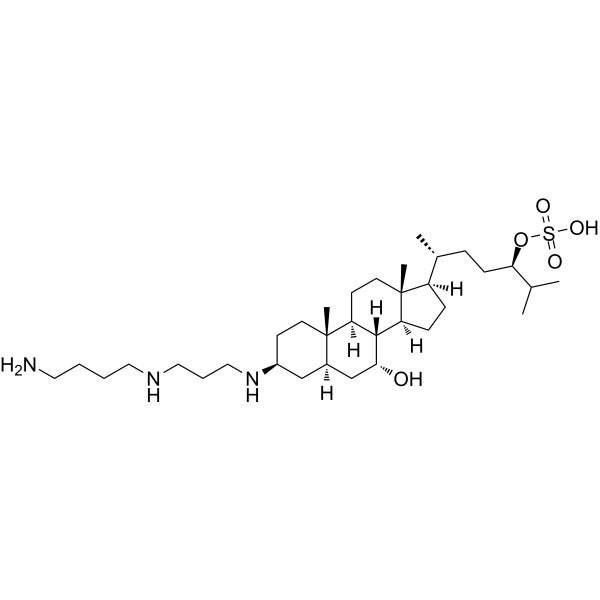
Cat. No.: HY-16468
CAS No.: 148717-90-2
Synonyms: MSI-1256; ENT-01 free acid
Squalamine (MSI-1256) is an aminosterol compound with broad-spectrum antiviral activity. Squalamine makes cells less conducive to certain viral replication by altering the electrostatic interactions in the inner membrane of host cells. Squalamine also has antibacterial and antitumor activities. Squalamine has broad-spectrum antibacterial activity against Gram-negative and Gram-positive bacteria, fungi and protozoa. Squalamine inhibits tumor-related angiogenesis and the growth of human breast cancer cells. Squalamine restores the function of enteric nervous system in Parkinson ,s disease mouse models .
loading...
    loading...
1
1 Cited Publications
Cat. No.: HY-G0017
CAS No.: 404844-02-6
Synonyms: Norimatinib; Imatinib metabolite N-Desmethyl imatinib; CGP 74588
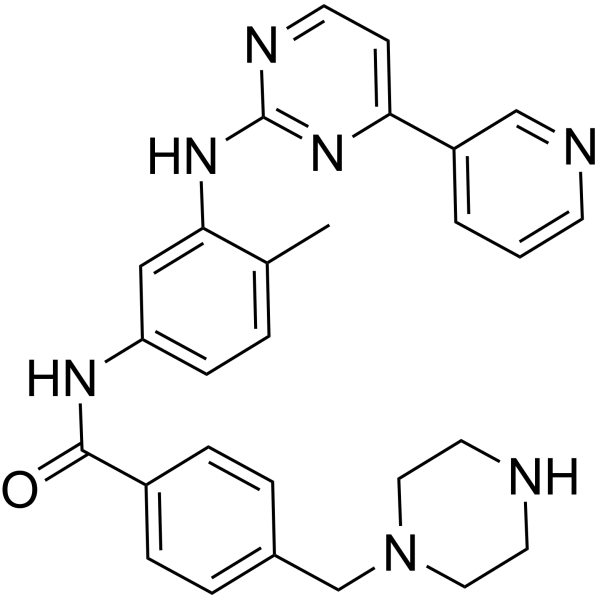
N‑Desmethyl imatinib (Norimatinib) is an active metabolite of Imatinib (HY-15463), a selective c‑Abl inhibitor, and a substrate of P‑glycoprotein. N-Desmethyl imatinib binds to the c-Abl catalytic domain to prevent substrate phosphorylation, inhibits c-Abl-mediated α-synuclein activation and downstream inflammatory signaling pathways. N-Desmethyl imatinib induces apoptosis in K562 human leukemia cells. N-Desmethyl imatinib shows significantly elevated plasma levels in gastrointestinal stromal tumor (GIST) models with mild SARS-CoV-2 infection. N-Desmethyl imatinib can be used for the research of Parkinson’s disease, gastrointestinal stromal tumor, and chronic myeloid leukemia .
loading...
    loading...
Cat. No.: HY-156438
CAS No.: 2272917-13-0
Purity:  99.65%
Synonyms: NT-0796
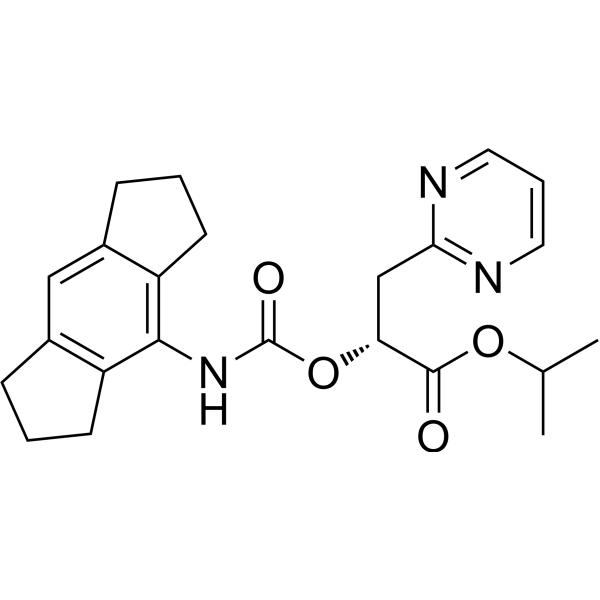
Ruvonoflast (NT-0796) is an orally active, selective and CNS-penetrant NLRP3 inflammasome inhibitor. Ruvonoflast inhibits IL-1β release in human PBMC cells with an IC50 value of 0.32 nM. Ruvonoflast is an isopropyl ester that undergoes intracellular conversion to Ruvonoflast, the carboxylic acid active species. Ruvonoflast reverses high fat diet-induced obesity, systemic inflammation and astrogliosis in the diet-induced obesity mouse model. Ruvonoflast is promising for research of neurodegenerative disorders, including Alzheimer’s disease, Parkinson’s disease, multiple sclerosis, and amyotrophic lateral sclerosis .
loading...
    loading...
Cat. No.: HY-148794
CAS No.: 2031185-00-7
Purity:  98.42%
Synonyms: IkT-148009
Target:  

c-Met/HGFR Bcr-Abl

Research Areas:  

Neurological Disease Cancer

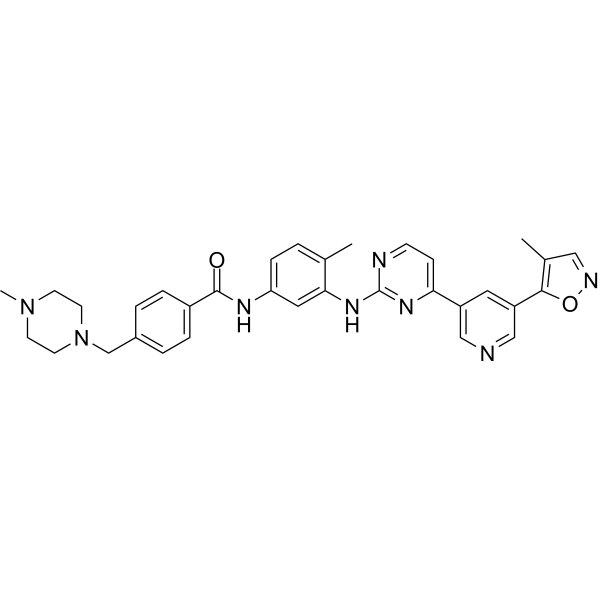
Risvodetinib (IkT-148009) is an orally active, selective and brain-penetrant protein tyrosine kinase inhibitor, displaying excellent target efficacy against c-Abl1, c-Abl2/Arg with IC50 values of 33 nM, 14 nM, respectively. Risvodetinib suppresses c-Abl activation and substantially protects dopaminergic neurons from degeneration in mouse models of both inherited and sporadic Parkinson’s disease (PD), which is promising for research in the field of PD .
loading...
    loading...
Cat. No.: HY-110157
CAS No.: 1421854-16-1
Purity:  99.61%
Target:  

Estrogen Receptor/ERR

Research Areas:  

Neurological Disease

AC-186 is a selective non-steroidal estrogen receptor β (ERβ) agonist with EC50s of 6 nM and 5000 nM for ERβ and ERα, respectively. AC-186 shows gender selective neuroprotective effects in a male rat model of Parkinson's disease .
loading...
    loading...
Cat. No.: HY-112817
CAS No.: 139307-94-1
Synonyms: 8-Oxo-Deoxyguanosine triphosphate
8-Oxo-dGTP (8-Oxo-Deoxyguanosine triphosphate) is an oxidized guanine nucleotide formed by ROS-mediated oxidative modification of dGTP, and it also serves as a key substrate for 8-oxo-dGTP pyrophosphohydrolases (such as hMTH1 and E. coli MutT). 8-Oxo-dGTP acts as a DNA mutagen, inserts into nascent DNA and pairs with adenine and cytosine, inducing A:T to C:G transversion mutations. Furthermore, 8-Oxo-dGTP causes oxidative DNA base modification, strand breakage and S-phase arrest, and ultimately triggers AIF-mediated apoptosis and promotes spontaneous carcinogenesis in mth1-deficient mice. Accumulation of 8-Oxo-dGTP in cells induces genomic instability, but it exhibits a tumor-suppressive effect that reduces tumor incidence in mouse models instead. 8-Oxo-dGTP is widely used in studies related to spontaneous carcinogenesis, Parkinson's disease, Alzheimer's disease, heart failure and tumor mechanisms .
loading...
    loading...
Cat. No.: HY-149483
CAS No.: 2919851-73-1
Target:  

nAChR

Research Areas:  

Neurological Disease

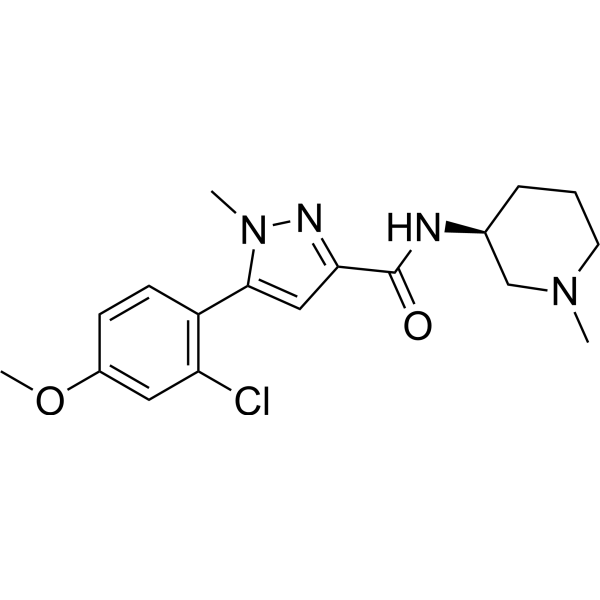
CVN417 is an orally active α6 subunit-containing nAChR antagonist, modulating phasic dopaminergic neurotransmission in an impulse-dependent manner. CVN417 inhibits Ca(2+) effluents mediated by nAChR subunits with IC50s of 0.086 μM (α6), 2.56 μM (α3) and 0.657 μM (α4), respectively. CVN417 attenuates resting tremor in Rodent models, displays the potential to improve movement dysfunction, in conditions such as Parkinson's disease .
loading...
    loading...
Cat. No.: HY-14555
CAS No.: 245514-32-3
Target:  

Dopamine Receptor

Research Areas:  

Neurological Disease

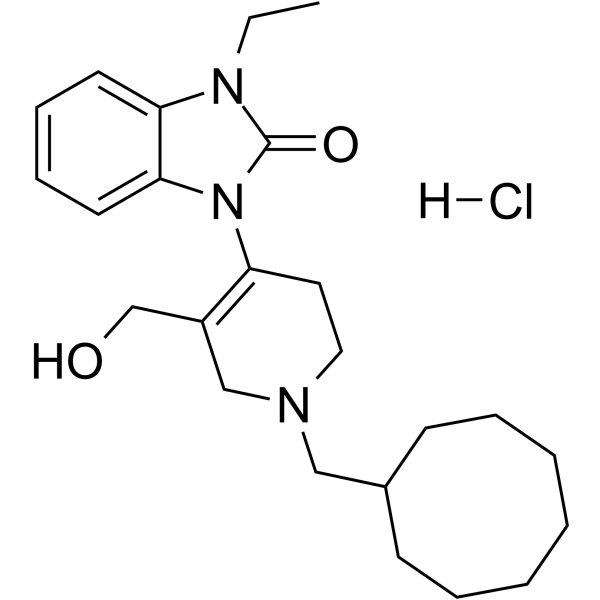
S33138 is a D3 receptor antagonist. S33138 inhibits addiction in animal models of addiction. S33138 reduces cognitive impairment in rodent and primate models of schizophrenia and Parkinson's disease. S33138 can be used in research on neurological disorders such as schizophrenia and Parkinson's disease .
loading...
    loading...
Cat. No.: HY-N10283
CAS No.: 55179-54-9
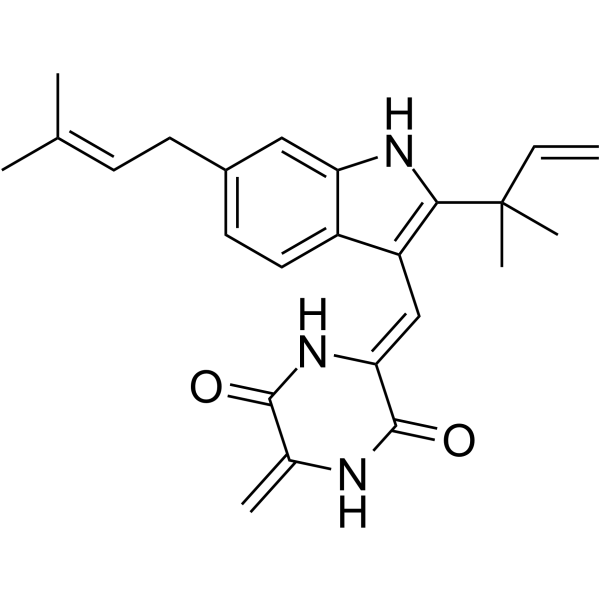
Neoechinulin C, an echinulin-related indolediketopiperazine alkaloid, protects the neuronal cells against paraquat-induced damage in a Parkinson’s disease model .
loading...
    loading...
Cat. No.: HY-161502
Target:  

Fluorescent Dye

Research Areas:  

Others

DHX-SP is a fluorescent probe, which visualizes superoxide anion (O2 ·–) and peroxynitrite (ONOO –) during ferroptosis of PC12 cells and in the Parkinson’s disease model .
loading...
    loading...
Cat. No.: HY-N12657
Target:  

Others

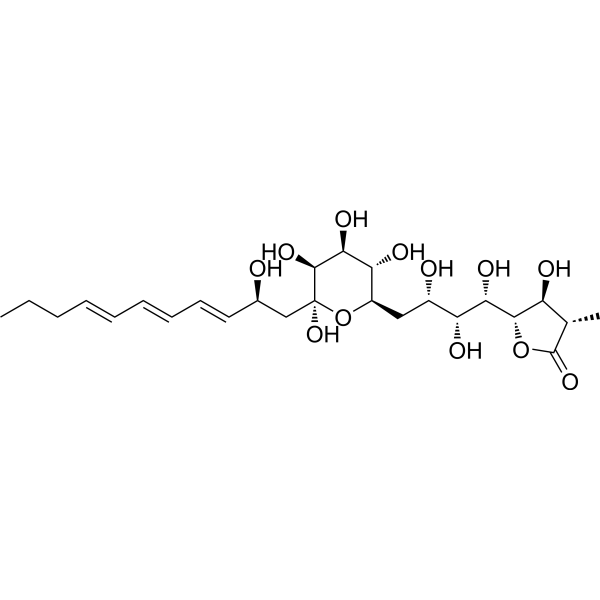
Retinestatin, a new polyol polyketide, can protect SH-SY5Y dopaminergic cells from MPP + (HY-W008719)-induced cytotoxicity. Retinestatin shows neuroprotective effects in an in vitro model of Parkinson’s disease .
loading...
    loading...
Cat. No.: HY-161665
Target:  

iGluR

Research Areas:  

Neurological Disease

BDZ-P7 inhibits AMPA receptor GluA2, GluA1/2, GluA2/3, and GluA1 subunit with IC50s of 3.03 μM, 3.14 μM, 3.19 μM, 3.2 μM. BDZ-P7 has neuroprotective effect and reinstates locomotor abilities in a mouse model of Parkinson’s disease .
loading...
    loading...
Cat. No.: HY-P10977
Research Areas:  

Neurological Disease

Tat-ASIC1a (1-20) (mouse, rat) is a competitive ASIC1a membrane-penetrating peptide. Tat-ASIC1a (1-20) (mouse, rat) has significantly neuroprotection effects, and reduces neuronal damage against acidotoxicity by targeting the ASIC1a-RIPK1 pathway and auto-inhibitory mechanism. Tat-ASIC1a (1-20) (mouse, rat) effectively protects brains from ischemic injury in ischemic stroke mice model. Tat-ASIC1a (1-20) (mouse, rat) can be used for neurodegenerative diseases research, such as Huntington disease and Parkinson’s disease .
loading...
    loading...
Cat. No.: HY-11052A
CAS No.: 1216621-00-9
Target:  

Opioid Receptor

Research Areas:  

Neurological Disease

Trap-101 hydrochloride is a potent, selective and competitive antagonist of NOP receptors over classical opioid receptors. Trap-101 stimulates GTPγ 35S binding to CHOhNOP membranes with pKi values of 8.65, 6.60, 6.14 and <5 for NOP, μ-, κ-, and δ-opioid receptors, respectively. Trap-101 attenuates motor deficits in a rat model of parkinson's disease and can be used for the research of nervous system diseases .
loading...
    loading...
Cat. No.: HY-120156
CAS No.: 1619269-47-4
D-520 is a potent and brain-penetrant dopamine D2/D3 agonist (D2 EC50 = 4.73 nM, Ki = 41.8 nM; D3 EC50 = 2.18 nM, Ki = 0.35 nM). D-520 inhibits the formation of Aβ aggregates in vitro and promotes the disaggregation of both alpha-synuclein (α-syn) and Aβ aggregates. D-520 exhibits efficacious activity in animal models of Parkinson’s disease (PD). D-520 can be used for PD and PD with dementia (PDD) research [1][2].
loading...
    loading...
Cat. No.: HY-170887
CAS No.: 3094045-97-0
Research Areas:  

Inflammation/Immunology

MAO-B-IN-39 (compound11) is a selective monoamine oxidase B (MAO-B) inhibitor. MAO-B-IN-39 inhibits MAO-Bwith an IC50 of 3.61 μM. MAO-B-IN-39 demonstrates a potent NRF2 induction capacity. MAO-B-IN-39 exhibits potent anti-inflammatory and neuroprotective activity in OS (oxidative stress)-related in vitro models. MAO-B-IN-39 demonstrates high liver microsomal stability and favorable pharmacokinetics in mice. MAO-B-IN-39 is potential for Parkinson’s disease (PD) research .
loading...
    loading...

