63 Results for "

Polygala

" in MedChemExpress (MCE) Product Catalog:
Products (63)

63 Results for "Polygala" in MCE Product Catalog:

3
3 Cited Publications
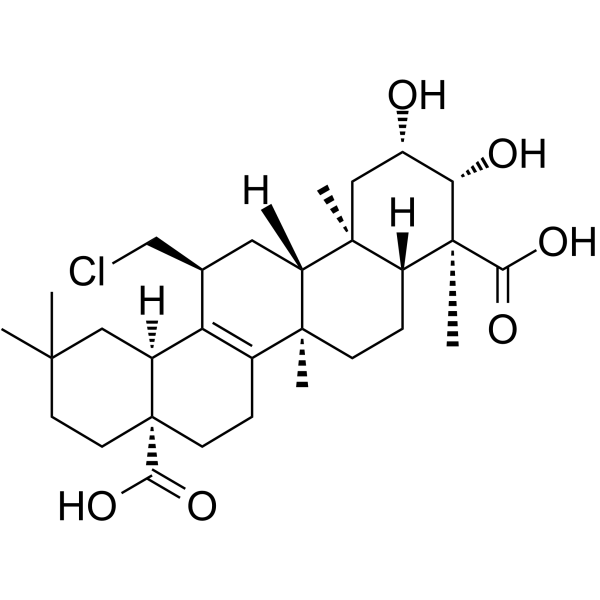
Cat. No.: HY-N0802
CAS No.: 2469-34-3
Synonyms: Senegenin
Tenuigenin is a major active component isolated from the root of the Chinese herb Polygala tenuifolia. Tenuigenin protects against S.aureus-induced pneumonia by inhibiting NF-κB activation. Tenuigenin has anti-inflammatory effect .
loading...
    loading...
2
2 Cited Publications
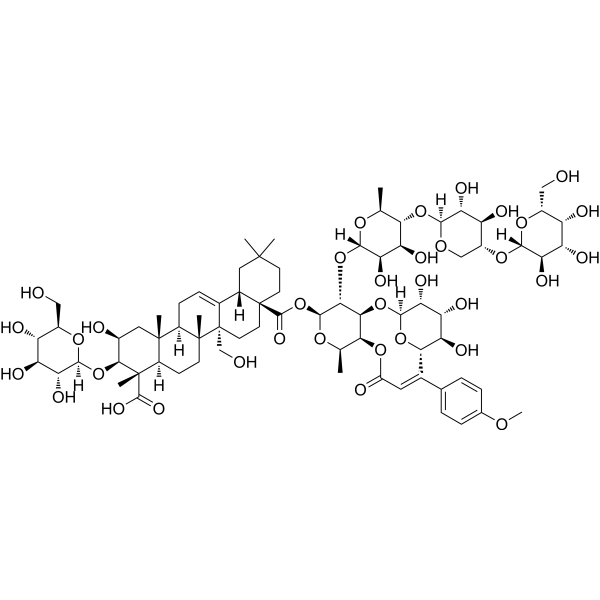
Cat. No.: HY-N2099
CAS No.: 35906-36-6
Synonyms: Senegin III
Onjisaponin B is an orally active natural product derived from Polygala tenuifolia. Onjisaponin B inhibits NF-κB p65. Onjisaponin B enhances autophagy and accelerates the degradation of mutant α-synuclein and huntingtin. Onjisaponin B reduces β-amyloid (Aβ) production. Onjisaponin B reduces radiation-induced cell apoptosis. Onjisaponin B has anti-oxidant and anti-inflammatory activities. Onjisaponin B can be used for neurological disease and radiation injury study, and its metabolite tenuifolin (TF) can enter the brain through the BBB .
loading...
    loading...
1
1 Cited Publications
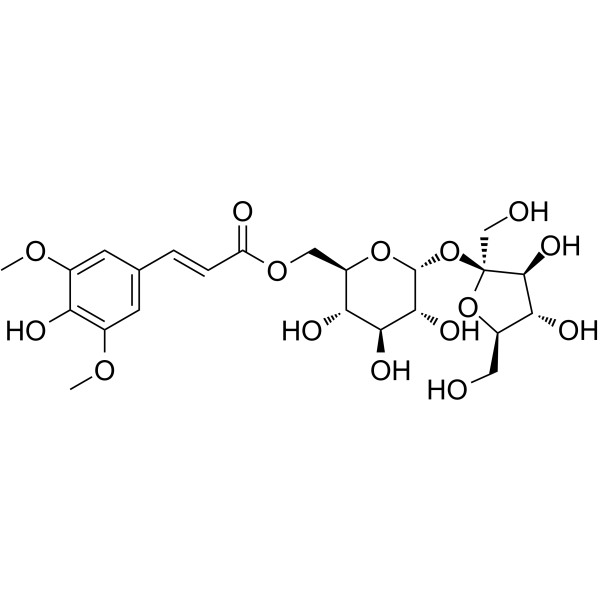
Cat. No.: HY-N8208
CAS No.: 139726-40-2
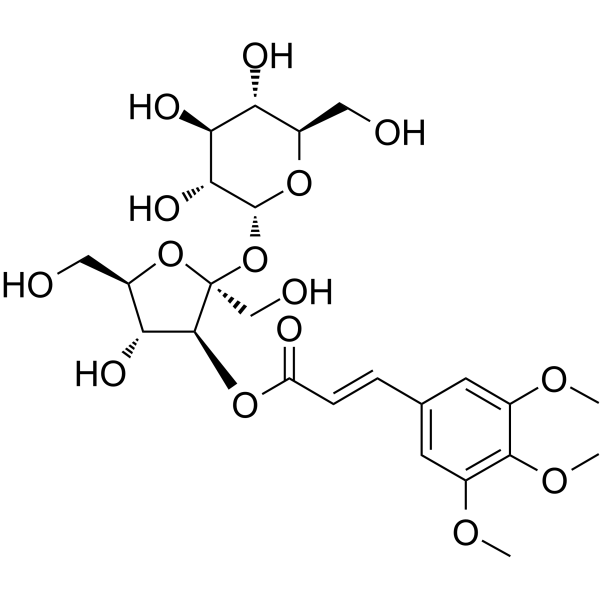
Sibiricose A1is an oligosaccharide ester that can be found in Polygala tenuifolia .
loading...
    loading...
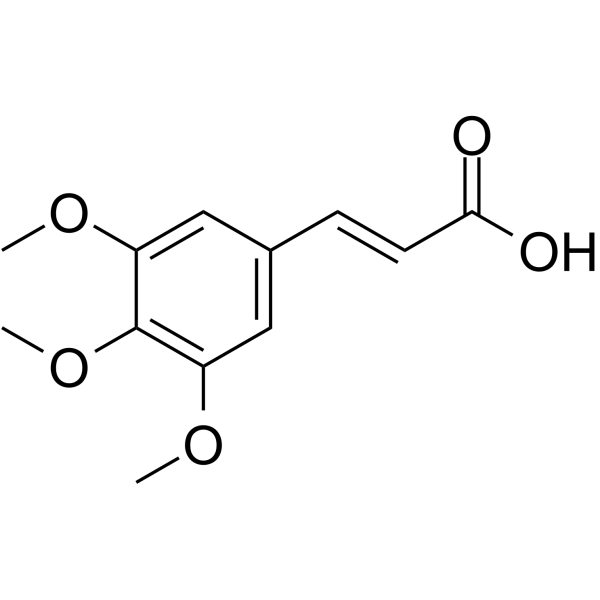
Cat. No.: HY-W012123
CAS No.: 90-50-6
3,4,5-Trimethoxycinnamic acid is a phenylpropanoid isolated from the roots of Polygala tenuifolia WILLD, with anti-stress effect, prolonging the sleeping time in animals . 3,4,5-Trimethoxycinnamic acid increases expression of GAD65 and γ-subunit of GABAA receptor, but shows no effect on the amounts of α-, β-subunits .
loading...
    loading...
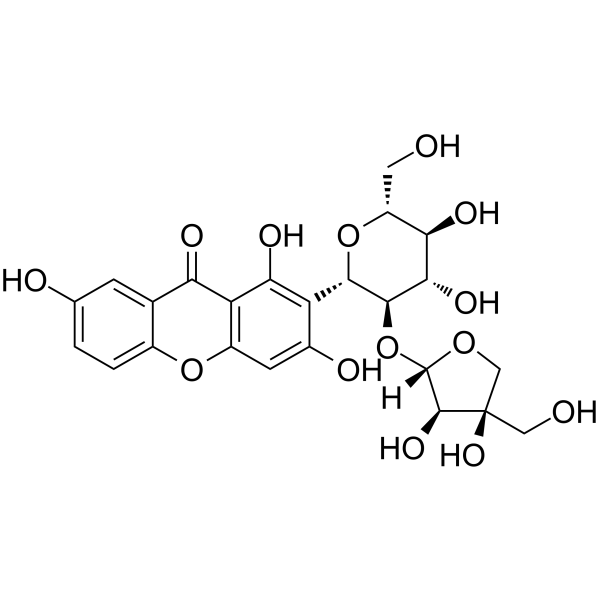
Cat. No.: HY-N1407
CAS No.: 162857-78-5
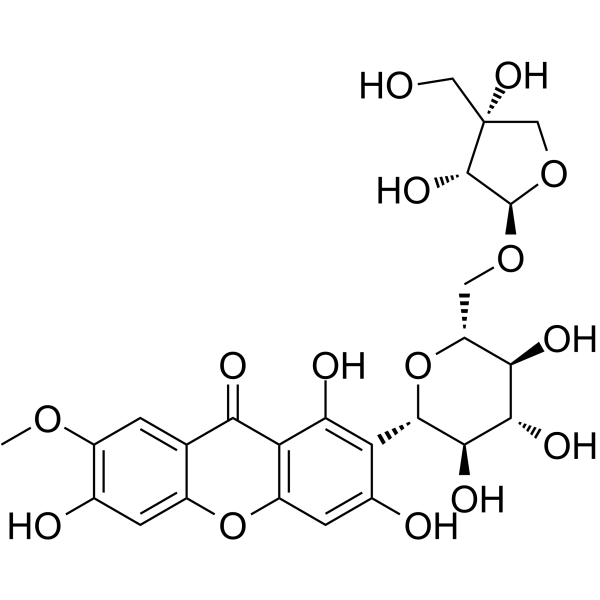
Polygalaxanthone III is a representative xanthone component of Polygala tenuifolia. Polygalaxanthone III inhibits chlorzoxazone 6-hydroxylation catalyzed by CYP2E1, with an IC50 of 50.56 μM. Polygalaxanthone III repairs skin damage induced by M. furfur via activating STAT3 phosphorylation and exerts anti-inflammatory effects. Polygalaxanthone III can be used for research on M. furfur-related skin damage .
loading...
    loading...
Cat. No.: HY-N6076
CAS No.: 139726-35-5
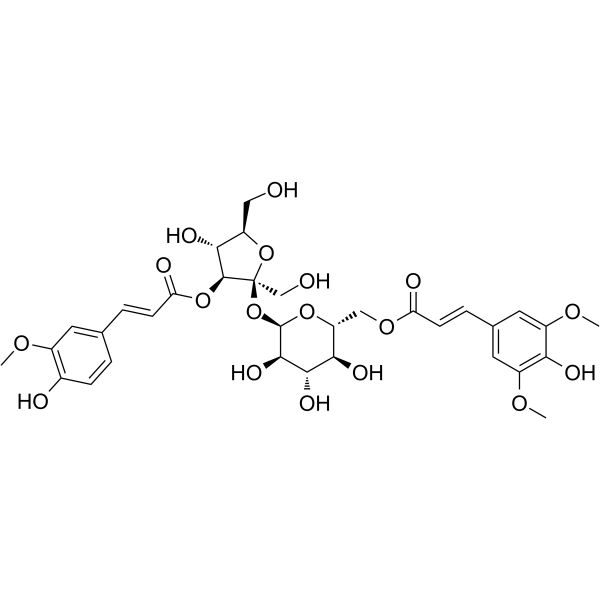
Tenuifoliside A is isolated from Polygala tenuifolia, has anti-apoptotic and antidepressant-like effects. Tenuifoliside A exhibits its neneurotrophic effects and promotes cell proliferation through the ERK/CREB/BDNF signal pathway in C6 cells .
loading...
    loading...
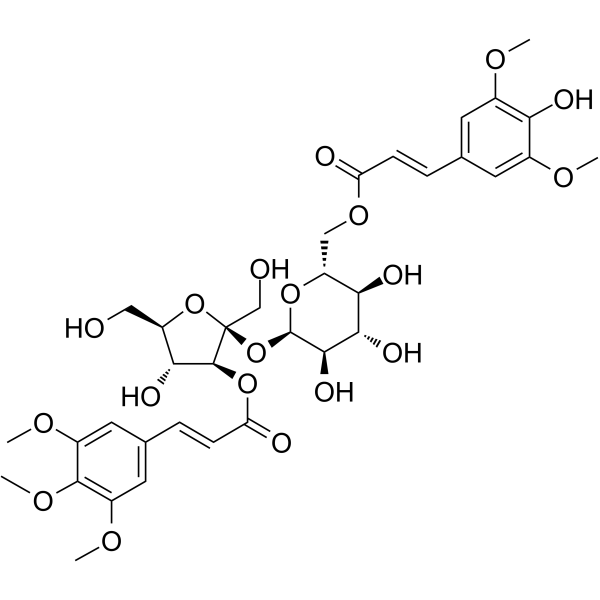
Cat. No.: HY-N1414
CAS No.: 139891-98-8
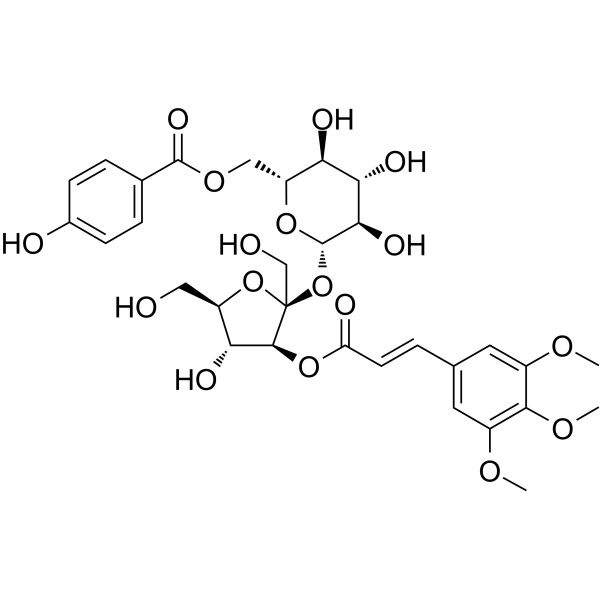
(E)-3',6-Disinapoylsucrose is an orally active, blood-brain barrier permeable neuroprotective agent that inhibits protein aggregation. (E)-3',6-Disinapoylsucrose exerts anxiolytic, anti-inflammatory and cognitive-enhancing effects. (E)-3',6-Disinapoylsucrose regulates the TrkB/BDNF signaling pathway, inhibits the expression of NF-κB p65, reduces pro-inflammatory cytokine levels, and alleviates neuronal damage. (E)-3',6-Disinapoylsucrose also enhances the functions of central 5-HT and noradrenergic systems, thereby improving spatial learning and memory abilities and reducing anxiety-like behaviors. (E)-3',6-Disinapoylsucrose can be used for the research of related diseases such as Alzheimer's disease, depression, memory impairment and anxiety disorder .
loading...
    loading...
Cat. No.: HY-N2169
CAS No.: 162857-65-0
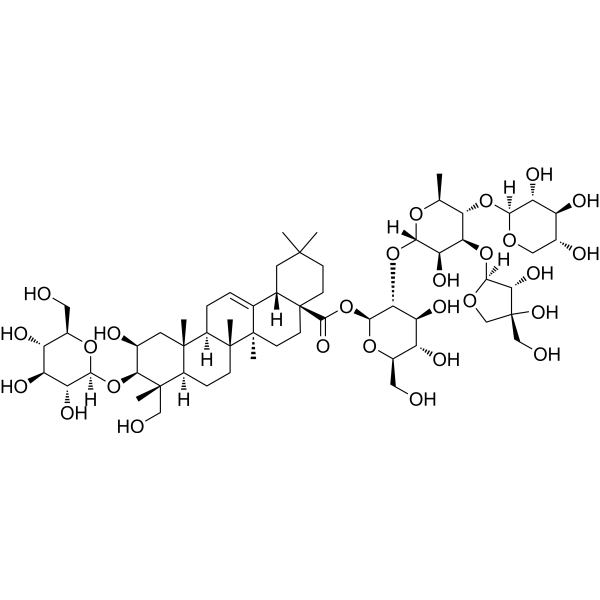
Polygalasaponin V is a triterpenoid saponin isolated from the aerial parts of Polygala japonica. Polygala japonica has been a folk medicine herb used as expectorant, anti-inflammatory, antibacterial and antidepressant agents in the south of China .
loading...
    loading...
Cat. No.: HY-N0801
CAS No.: 22338-71-2
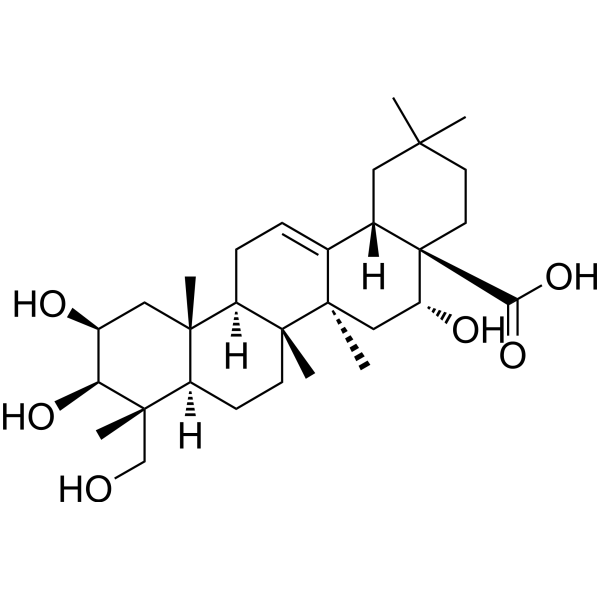
Polygalacic acid, is a triterpene, isolated from the root of Polygala tenuifolia Willd. Polygalacic acid inhibits MMP expression. Polygalacic acid may have a therapeutic effect in Osteoarthritis (OA) treatment . Polygalacic acid exerts a significant neuroprotective effect on cognitive impairment, PA improves cholinergic system reactivity by inhibiting acetylcholinesterase (AChE) activity, increasing choline acetyltransferase (ChAT) activity, and elevating levels of acetylcholine (Ach) in the hippocampus and frontal cortex .
loading...
    loading...
Cat. No.: HY-N2498
CAS No.: 202471-84-9
Glomeratose A is a lactate dehydrogenase inhibitor, isolated from Polygala tenuifolia .
loading...
    loading...
Cat. No.: HY-N11770
CAS No.: 27875-34-9
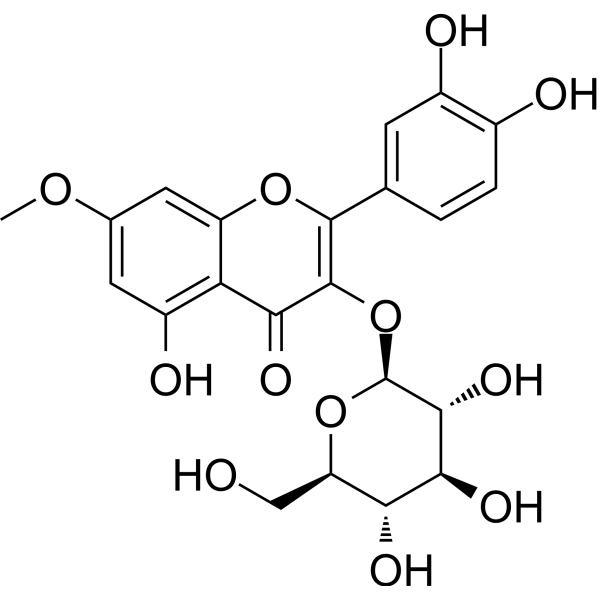
Rhamnetin 3-O-β-D-glucopyranoside is a flavonoid, that can be isolated from the roots of Polygala sibirica L. (Polygalaceae) .
loading...
    loading...
Cat. No.: HY-N2158
CAS No.: 31002-12-7
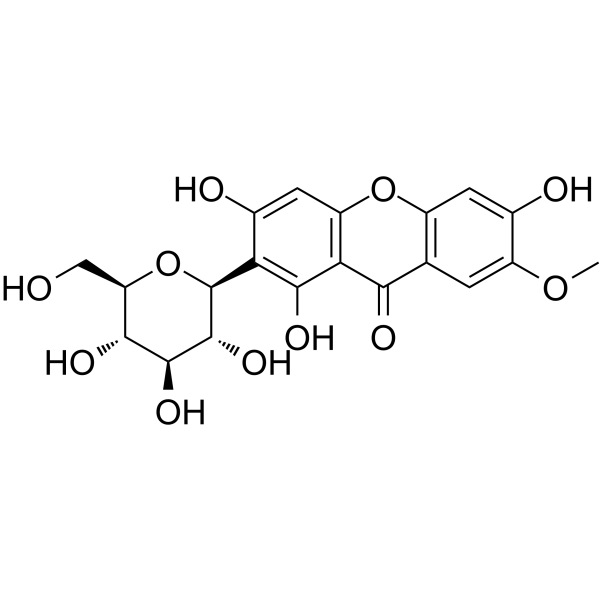
7-O-Methylmangifer is isolated from the cortexes of Polygala tenuifolia .
loading...
    loading...
Cat. No.: HY-N6803
CAS No.: 857859-82-6
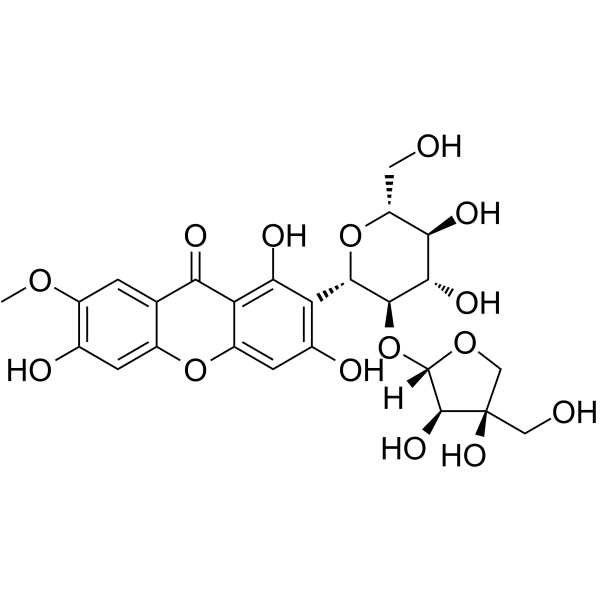
Polygalaxanthone XI, a xanthone glycoside isolated from the cortexes of Polygala tenuifolia, can be used in the study of expectorant, and tranquilizing agent .
loading...
    loading...
Cat. No.: HY-N17254
CAS No.: 1008798-85-3
Onjisaponin R is an α-amylase inhibitor. Onjisaponin R can be used in diabetes research .
loading...
    loading...
Cat. No.: HY-N12807
CAS No.: 139682-04-5
Tenuifoliose D is an oligosaccharide and can be isolated from Polygala tenuifolia .
loading...
    loading...
Cat. No.: HY-N2171
CAS No.: 241125-81-5
Sibiricaxanthone B is a xanthone isolated from Polygala tenuifolia .
loading...
    loading...
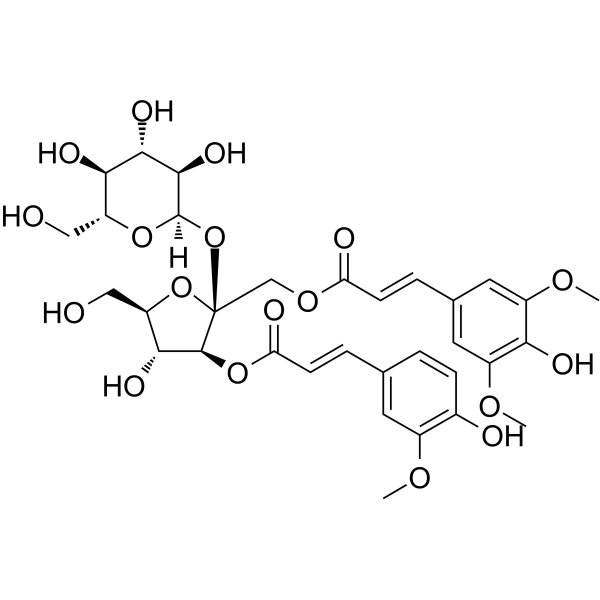
Cat. No.: HY-N4320
CAS No.: 98942-06-4
3-Feruloyl-1-Sinapoyl sucrose (compound 1) is a glycoside isolated from the aerial parts of Polygala chamaebuxus .
loading...
    loading...
Cat. No.: HY-N2586
CAS No.: 139726-37-7
Tenuifoliside C, isolated from polygala tenuifolia willd, significantly inhibits chlorzoxazone 6-hydroxylation catalyzed by CYP2E1 .
loading...
    loading...
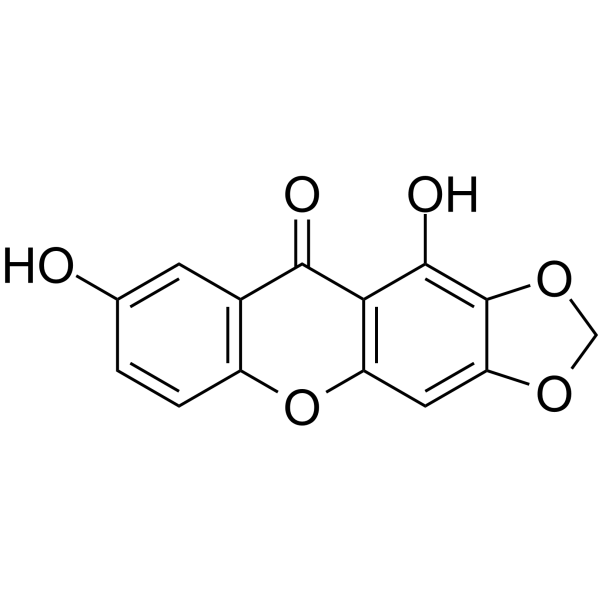
Cat. No.: HY-N4291
CAS No.: 183210-63-1
1,7-Dihydroxy-2,3-methylenedioxyxanthone is found in Polygala cyparissias which is a small herb found in Brazil, Argentina and Uruguay.
loading...
    loading...
Cat. No.: HY-W012123R
CAS No.: 90-50-6
3,4,5-Trimethoxycinnamic acid is a phenylpropanoid isolated from the roots of Polygala tenuifolia WILLD, with anti-stress effect, prolonging the sleeping time in animals . 3,4,5-Trimethoxycinnamic acid increases expression of GAD65 and γ-subunit of GABAA receptor, but shows no effect on the amounts of α-, β-subunits .
loading...
    loading...

