91 Results for "

RARE

" in MedChemExpress (MCE) Product Catalog:
Products (91)

91 Results for "RARE" in MCE Product Catalog:

25
25 Publications Verification
Cat. No.: HY-15870
CAS No.: 160162-42-5
Purity:  98.95%
Target:  

AP-1

Research Areas:  

Inflammation/Immunology Cancer

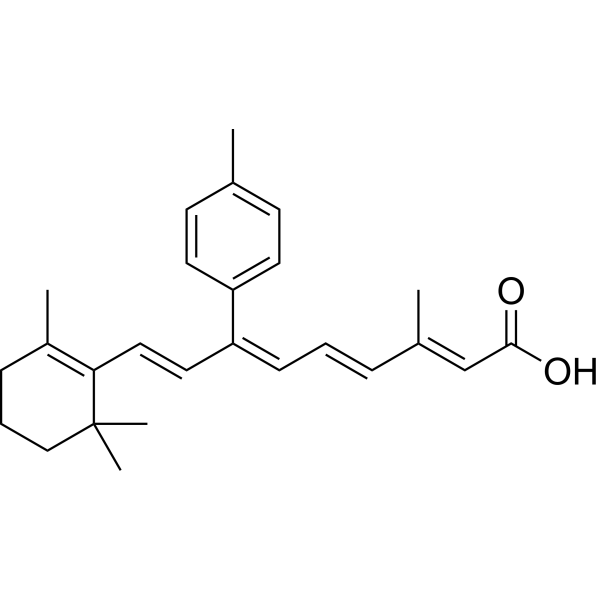
SR 11302 is an activator protein-1 (AP-1) transcription factor inhibitor. SR 11302 is a retinoid that specifically inhibits AP-1 activity without activating the transcription of retinoic acid response element (RARE) .
loading...
    loading...
5
5 Cited Publications
Cat. No.: HY-13682
CAS No.: 83461-56-7
Purity:  ≥98.0%
Synonyms: MTP-PE; L-MTP-PE; CGP 19835
Research Areas:  

Inflammation/Immunology Cancer

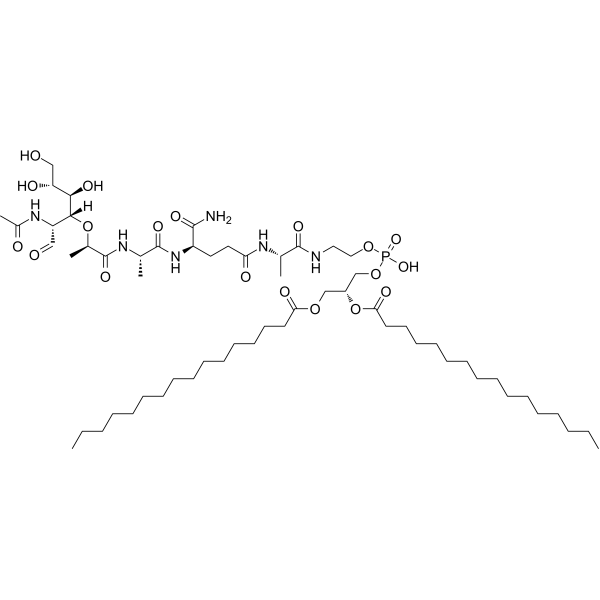
Mifamurtide (MTP-PE), an analog of the muramyl dipeptide (MDP), is a nonspecific immunomodulator by stimulating the immune response activating macrophages and monocytes. Mifamurtide is a specific ligand for NOD2 and acts as an insulin sensitizer. Mifamurtide has potential for use in rare disease and osteosarcoma research .
loading...
    loading...
5
5 Cited Publications
Cat. No.: HY-13682B
CAS No.: 90825-43-7
Purity:  98.19%
Synonyms: MTP-PE sodium; L-MTP-PE sodium; CGP 19835 sodium
Research Areas:  

Inflammation/Immunology Cancer

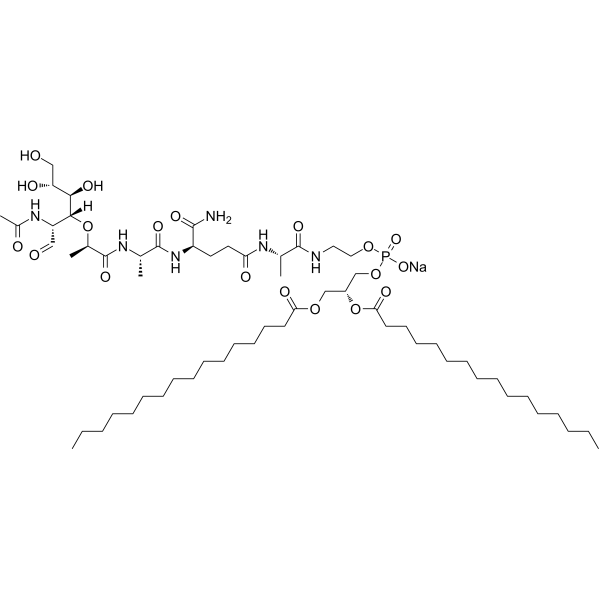
Mifamurtide sodium (MTP-PE sodium), an analog of the muramyl dipeptide (MDP), is a nonspecific immunomodulator by stimulating the immune response activating macrophages and monocytes. Mifamurtide sodium is a specific ligand for NOD2 and acts as an insulin sensitizer. Mifamurtide sodium has potential for use in rare disease and osteosarcoma research .
loading...
    loading...
5
5 Cited Publications
Cat. No.: HY-13682C
Purity:  ≥98.0%
Synonyms: MTP-PE TFA; L-MTP-PE TFA; CGP 19835 TFA
Research Areas:  

Inflammation/Immunology Cancer

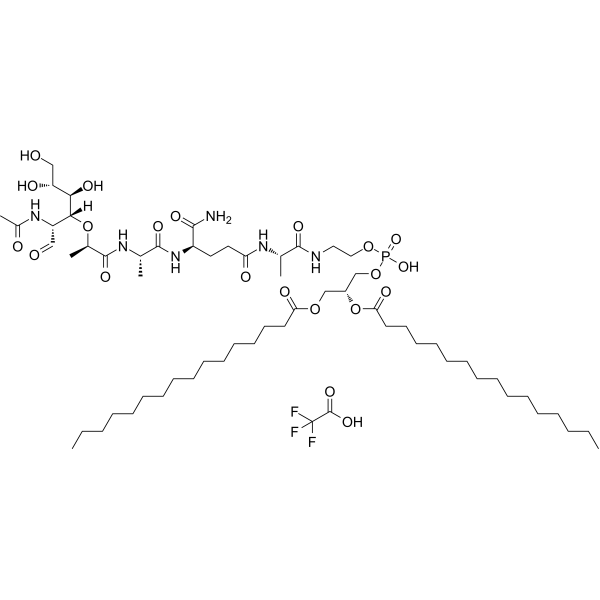
Mifamurtide TFA (MTP-PE TFA), an analog of the muramyl dipeptide (MDP), is a nonspecific immunomodulator by stimulating the immune response activating macrophages and monocytes. Mifamurtide TFA is a specific ligand for NOD2 and acts as an insulin sensitizer. Mifamurtide TFA has potential for use in rare disease and osteosarcoma research .
loading...
    loading...
2
2 Cited Publications
Cat. No.: HY-B0607
CAS No.: 104206-65-7
Synonyms: NTBC; Nitisone; SC0735
Target:  

HPPD

Research Areas:  

Metabolic Disease

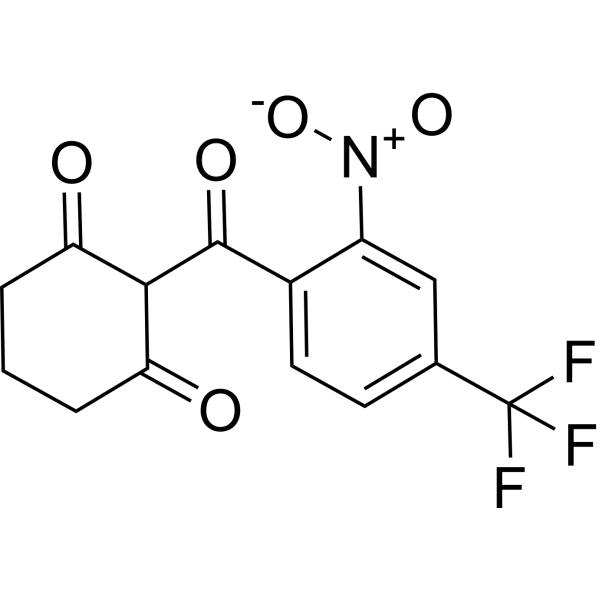
Nitisinone is an orally active, competitive and reversible 4-hydroxyphenylpyruvate dioxygenase (4-HPPD) inhibitor with an IC50 of 173 nM. Nitisinone promotes tyrosine accumulation in a dose-dependent manner. nitisinone can be used in studies of hereditary tyrosinemia type 1 (HT-1) (a rare genetic disorder) and albinism .
loading...
    loading...
2
2 Cited Publications
Cat. No.: HY-N0515
CAS No.: 945619-74-9
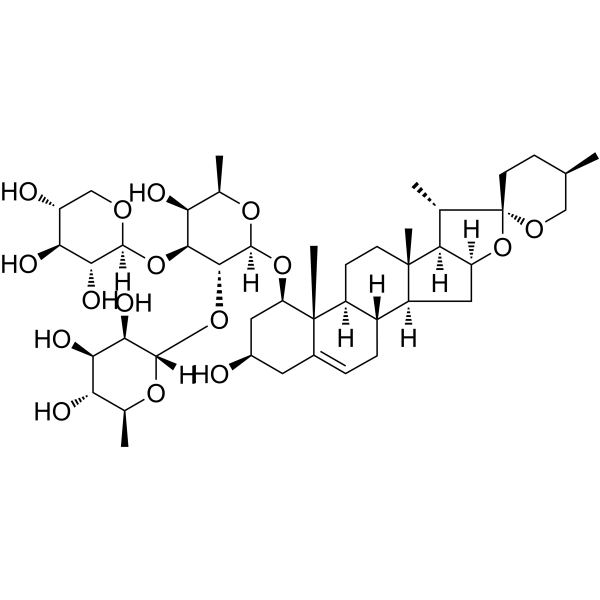
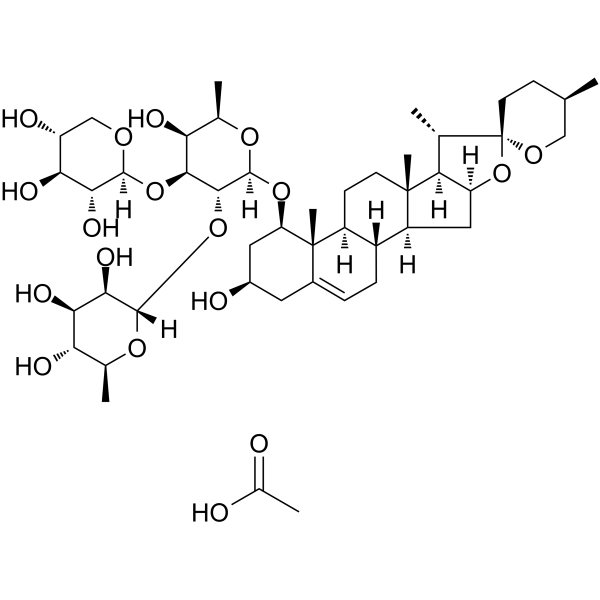
Ophiopogonin D can be isolated from the tubers of Ophiopogon japonicus, is a rare naturally occurring C29 steroidal glycoside. Ophiopogonin D is a CYP2J3 inducer that significantly inhibits Ang II induced NF-κB nuclear translocation, IκBα down-regulation, intracellular Ca 2+ overload and activation of pro-inflammatory cytokines by increasing the expression of CYP2J2/EETs and PPARα in human umbilical vein endothelial cells (HUVECs). Ophiopogonin D can inhibit isteoclastic differentiation in RAW264.7 cells. Ophiopogonin D has protective effect as an antioxidant in H2O2-induced endothelial injury. Ophiopogonin D blocks ERK signaling cascades. Ophiopogonin D alleviates high-fat diet-induced metabolic syndrome and changes the structure of gut microbiota in mice. Ophiopogonin D has been used against inflammatory, metabolic and cardiovascular diseases .
loading...
    loading...
1
1 Cited Publications
Cat. No.: HY-113130
CAS No.: 2091-39-6
Purity:  99.87%
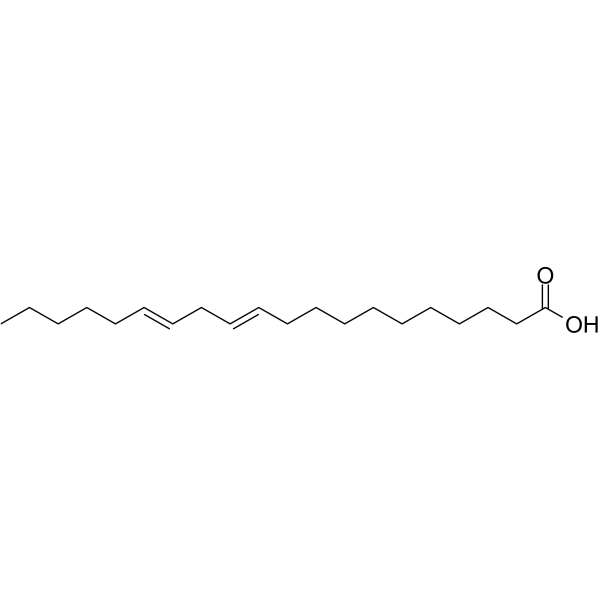
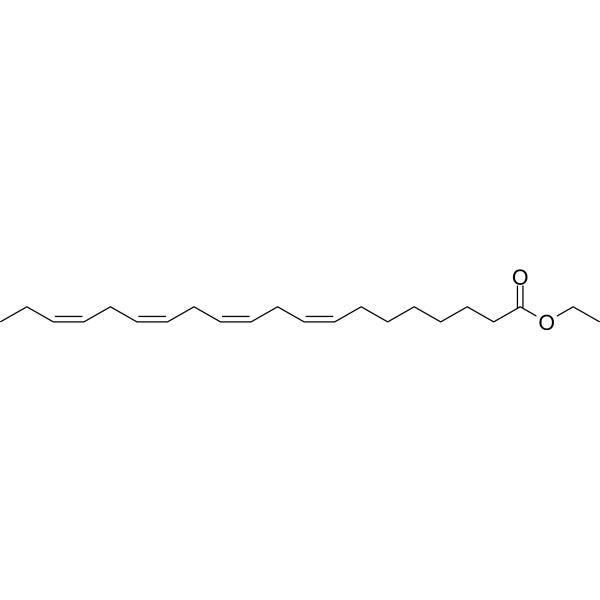
Eicosadienoic acid is a rare, naturally occurring n-6 polyunsaturated fatty acid found mainly in animal tissues .
loading...
    loading...
1
1 Cited Publications
Cat. No.: HY-B1727
CAS No.: 85-01-8
Phenanthrene is an orally active polycyclic aromatic hydrocarbon (PAH) that induces inflammation, oxidative stress, and apoptosis. Additionally, phenanthrene is commonly used to detect or assess PAH pollution in the environment .
loading...
    loading...
1
1 Cited Publications
Cat. No.: HY-N2840
CAS No.: 488-44-8
Synonyms: Allodulcitol
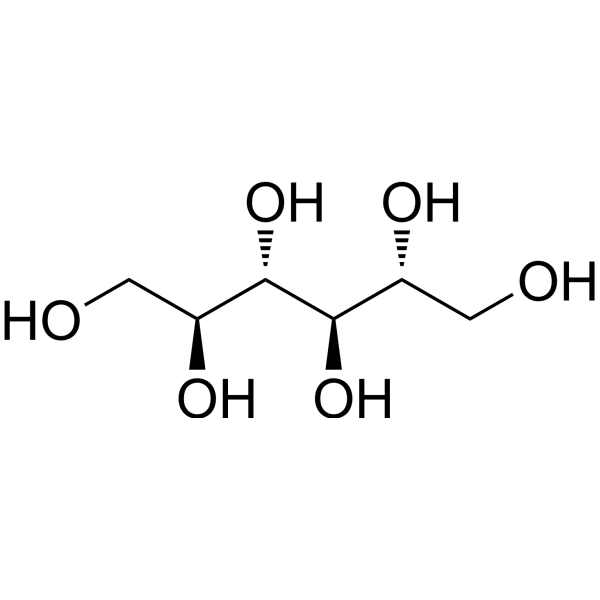
Allitol (Allodulcitol) is an orally active rare sugar alcohol found in Itea virginica L, Tylopilus plumbeoviolaceus. Allitol has anti-obesity and hypoglycaemic activities. Allitol reduces carcass and total body fat mass, increases cecal weight, surface area, and short-chain fatty acid production, and upregulates cecal microbial enzymes linked to butyrate metabolism. Allitol can be used for the researches of obesity and diabetes .
loading...
    loading...
1
1 Cited Publications
Cat. No.: HY-101408
CAS No.: 28845-86-5
Purity:  98.68%
Synonyms: cis-13,16,19-docosatrienoic acid; (13Z,16Z,19Z)-13,16,19-Docosatrienoic acid
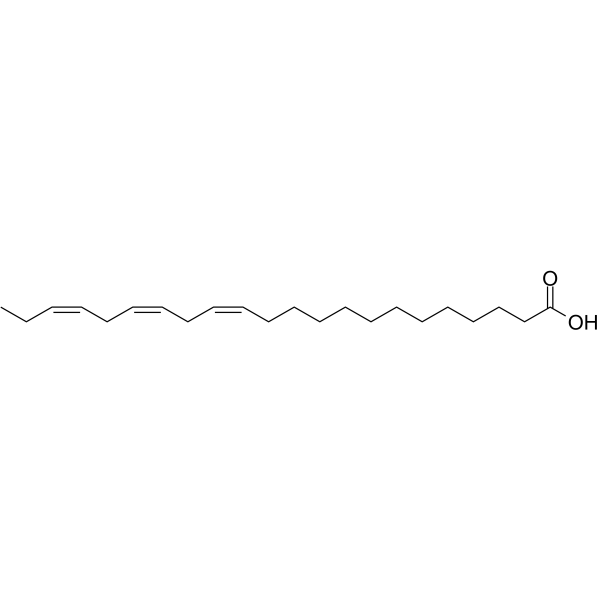
Docosatrienoic acid is a rare ω-3 fatty acid; inhibits LTB4 binding to pig neutrophil membranes with an Ki of 5 μM.
loading...
    loading...
1
1 Cited Publications
Cat. No.: HY-N6061
CAS No.: 65586-25-6
Ophiopogonin C, isolated from the tubers of Ophiopogon japonicus, is a rare naturally occurring C29 steroidal glycoside. Ophiopogonin C shows cytotoxic activity against two human tumor cell lines MG-63 and SNU387 with IC50s of 19.76 μM and 15.51 μM, respectively .
loading...
    loading...
Cat. No.: HY-N9914
CAS No.: 551-68-8
Synonyms: D-Allulose
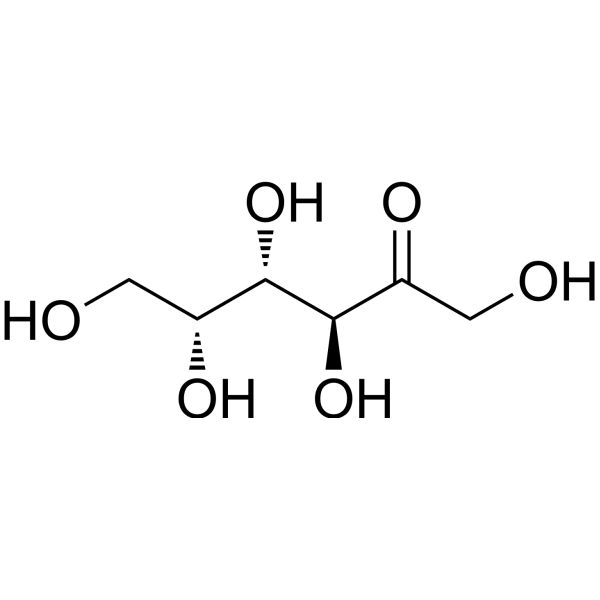
D-psicose is an orally active rare sugar. D-psicose inhibits p38-MAPK phosphorylation and MCP-1 expression. D-psicose inhibits the AGEs/RAGE/NF-κB pathway. D-psicose protects pancreatic β-islets, improves hyperglycemia and high-fat diet-induced non-alcoholic fatty liver disease .
loading...
    loading...
Cat. No.: HY-17466
CAS No.: 808-26-4
Synonyms: Bonomycin; 6-Demethyl-6-deoxytetracycline
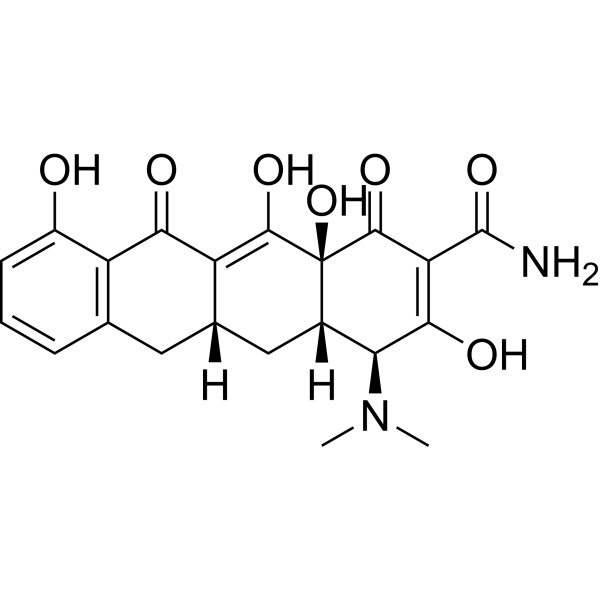
Sancycline (6-Demethyl-6-deoxytetracycline) acts by reversibly binding to the 30 S ribosomal subunit and inhibiting protein translation by blocking entry of aminoacyl-tRNA into the ribosome a site similar to tetracycline (HY-A0107). Sancycline, four linearly fused six-membered rings with four stereocenters, is a rare semi-synthetic tetracycline (HY-A0107) prepared by hydrogenolysis of the chloro and benzylic hydroxy moieties of Declomycin .
loading...
    loading...
Cat. No.: HY-42680
CAS No.: 87-81-0
Synonyms: D-(-)-Tagatose
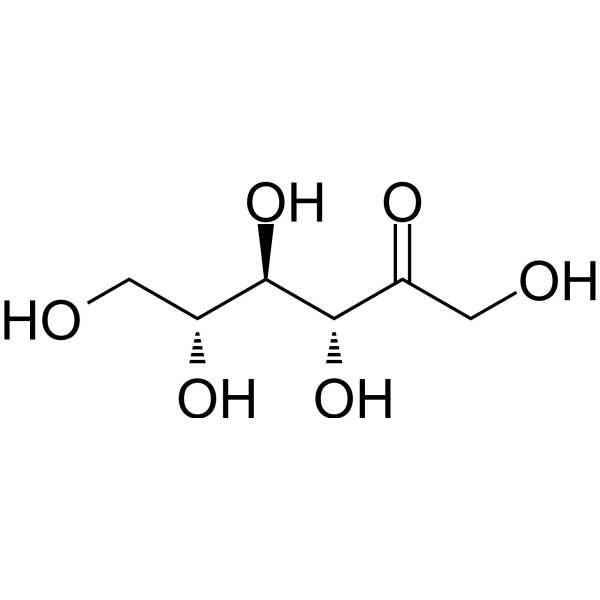
D-Tagatose (D-(-)-Tagatose) is a natural low-calorie rare sugar. D-Tagatose inhibits the activities of sucrase, maltase and intestinal disaccharidases, reduces the digestion of sucrose and starch, and blocks the absorption of sucrose, maltose and glucose. D-Tagatose promotes glucokinase activity and inhibits glycogen phosphorylase activity via tagatose-1-phosphate, regulates the synthesis and decomposition of hepatic glycogen, reduces postprandial and fasting blood glucose levels, and improves hyperinsulinemia. D-Tagatose regulates lipid profiles, stimulates GLP-1 secretion, and exhibits prebiotic effects. D-Tagatose is a bulking sweetener. D-Tagatose can be used in research related to diabetes, hyperlipidemia, dental caries, atherosclerosis and type 2 diabetes .
loading...
    loading...
Cat. No.: HY-16747
CAS No.: 228113-66-4
Synonyms: SHP625 chloride; LUM001 chloride; Lopixibat chloride
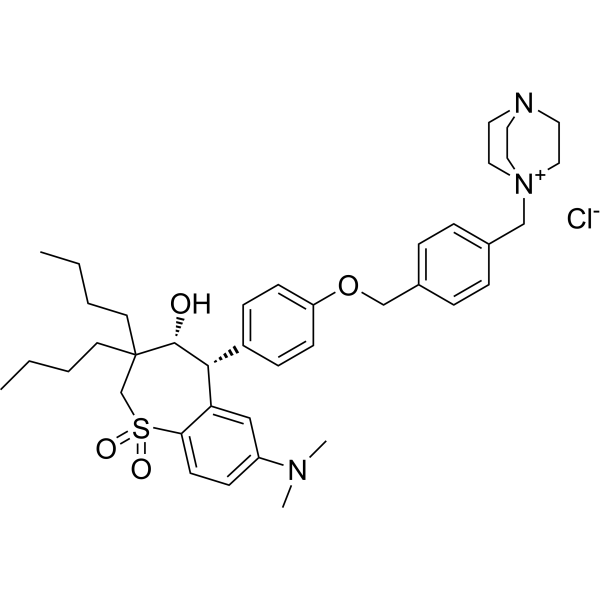
Maralixibat (SHP625) chloride is an orally active ileal bile acid transporter (IBAT) inhibitor. Maralixibat chloride can be used for the research of rare cholestatic liver diseases including Alagille syndrome (ALGS), progressive familial intrahepatic cholestasis (PFIC) and biliary atresia .
loading...
    loading...
Cat. No.: HY-N7082
CAS No.: 28697-53-2
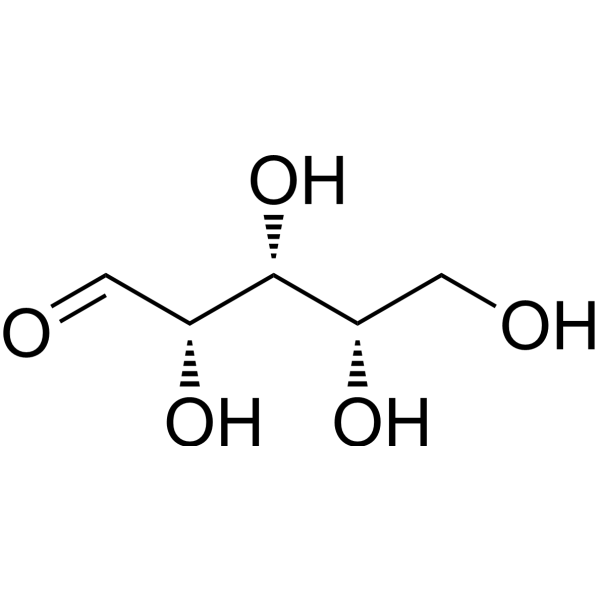
D-Arabinopyranose is a rare aldehyde pentose, and its ring-opened form is D-arabinose (HY-N0059). D-arabinose is is an orally active antidepressant and a growth inhibitor of C. elegans (IC50 is 7.5 mM). D-arabinose can penetrate the blood-brain barrier, selectively interfere with the metabolism of D-ribose and D-fructose, and inhibit the growth of nematodes. D-arabinose can also inhibit the synthesis of cell biofilm and exert antibacterial activity. D-arabinose activates the ACSS2-PPARγ/TFEB-CRTC1 axis through the lysosomal AXIN-LKB1-AMPK pathway, inducing CRTC1 transcription, exerts antidepressant-like activity. D-arabinose is the ring-opened form of the aldopentose D-?Arabinose (HY-N7082) .
loading...
    loading...
Cat. No.: HY-N0905
CAS No.: 174721-08-5
Ginsenoside Rh4 is a rare saponin obtained from Panax notoginseng. Ginsenoside Rh4 activates Bax, caspase 3, caspase 8, and caspase 9. Ginsenoside Rh4 also induces autophagy.
loading...
    loading...
Cat. No.: HY-78139
CAS No.: 609-06-3
Synonyms: L-(-)-Xylose
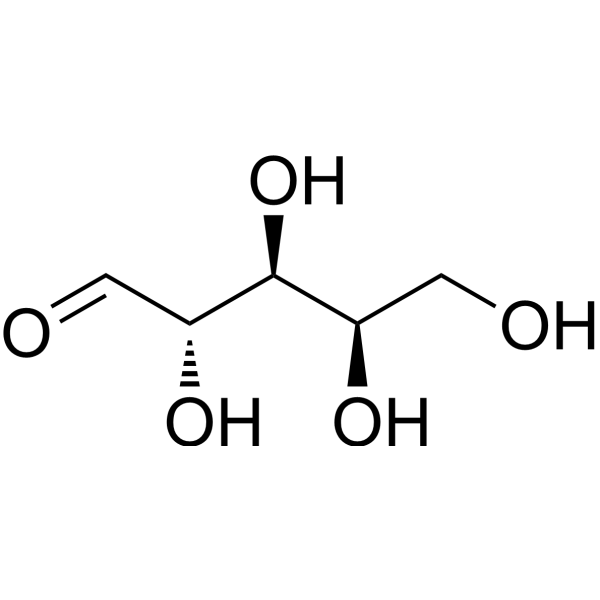
L-Xylose (L-(-)-Xylose) is a rare sugar and the levorotatory form of Xylose (HY-N0537). L-Xylose can be used as a raw material for the synthesis of various drugs and bioactive molecules .
loading...
    loading...
Cat. No.: HY-128753
CAS No.: 1114-34-7
Purity:  ≥98.0%
D-Lyxose is an endogenous metabolite. D-Lyxose is a rare pentose with significant potential for pharmaceutical synthesis. D-Lyxose serves as a starting material for antitumor agents (such as α-galactosylceramide-based immunostimulants). D-Lyxose acts as a precursor for L-nucleoside analogs used in the development of antiviral drugs. D-Lyxose can be used as a synthetic intermediate for other rare sugars (such as L-ribose) .
loading...
    loading...
Cat. No.: HY-128394
CAS No.: 6027-89-0
Purity:  ≥95.0%
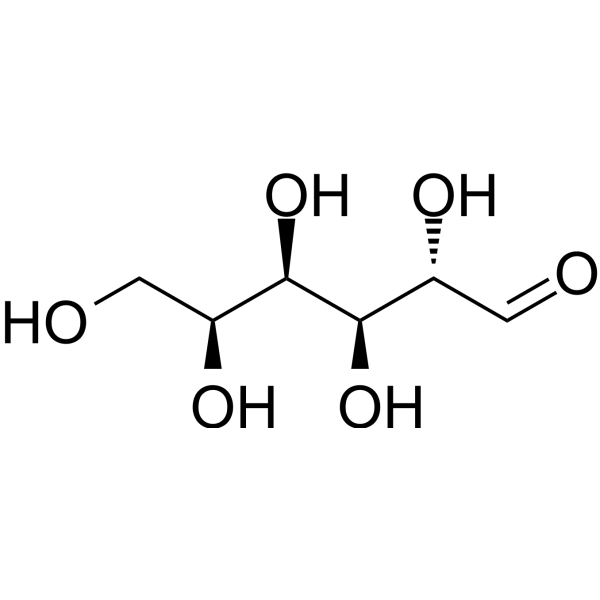
L-Gulose is a rare L-aldohexose in nature, and serves as a key structural unit for the synthesis of a variety of important active compounds (e.g., vitamin C) .
loading...
    loading...

