1. Search Result
Search Result
Results for "

RSK

" in MedChemExpress (MCE) Product Catalog:

76

Inhibitors & Agonists

1

Screening Libraries

3

Peptides

8

Natural
Products

11

Recombinant Proteins

1

Isotope-Labeled Compounds

22

Antibodies

4

Oligonucleotides

Targets Recommended:
Cat. No. Product Name Target Research Areas Chemical Structure
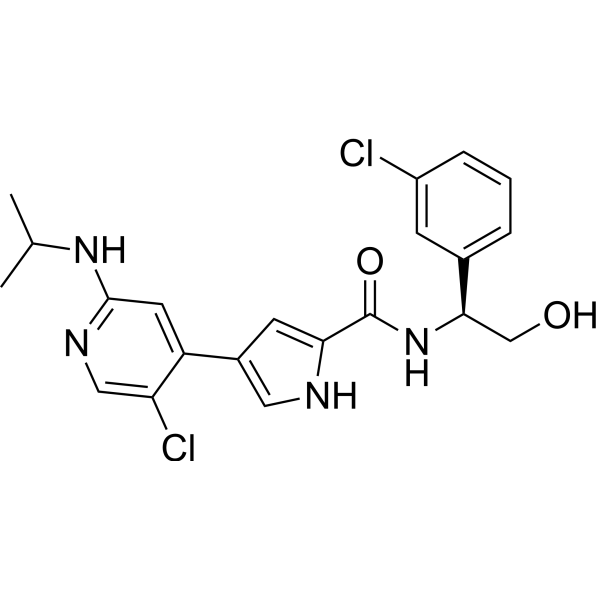
  • HY-15816
    Ulixertinib
    Maximum Cited Publications
    47 Publications Verification

    BVD-523; VRT752271

    ERK Cancer
    Ulixertinib (BVD-523; VRT752271) is a potent, orally active, highly selective, ATP-competitive and reversible covalent inhibitor of ERK1/2 kinases, with an IC50 of <0.3 nM against ERK2. Ulixertinib (BVD-523; VRT752271) inhibits the phosphorylated ERK2 (pERK) and downstream kinase RSK (pRSK) in an A375 melanoma cell line .
    Ulixertinib
  • HY-18174
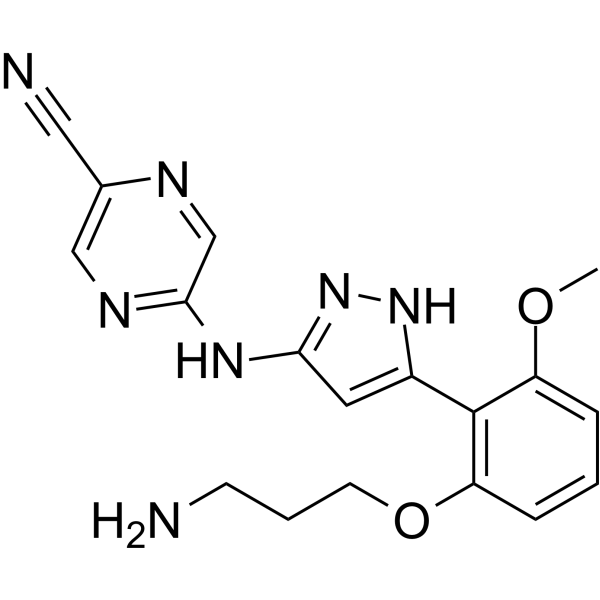
    Prexasertib
    30+ Cited Publications

    LY2606368

    Checkpoint Kinase (Chk) Apoptosis Cancer
    Prexasertib (LY2606368) is a selective, ATP-competitive second-generation checkpoint kinase 1 (CHK1) inhibitor with a Ki of 0.9 nM and an IC50 of <1 nM. Prexasertib inhibits CHK2 (IC50=8 nM) and RSK1 (IC50=9 nM). Prexasertib causes double-stranded DNA breakage and replication catastrophe resulting in apoptosis. Prexasertib shows potent anti-tumor activity .
    Prexasertib
  • HY-156498
    RMC-7977
    10+ Cited Publications

    Ras ERK Raf Ribosomal S6 Kinase (RSK) AMPK Apoptosis PARP Cancer
    RMC-7977 is an orally active triple-complex RAS inhibitor that can simultaneously bind to cyclophilin A (CYPA) (Kd = 195 nM) and KRAS (G12V) (Kd = 292 μM). It exhibits broad-spectrum inhibitory activity against KRAS, NRAS, and HRAS proteins and their various wild-type and mutant variants. RMC-7977 induces apoptosis by inhibiting the phosphorylation of ERK, CRAF, and RSK, as well as increasing PARP cleavage. This leads to tumor regression, reduces resistance in KRAS G12C cancer models, and demonstrates good tolerability across various RAS cancer models .
    RMC-7977
  • HY-10510
    BI-D1870
    15+ Cited Publications

    Ribosomal S6 Kinase (RSK) Autophagy Cancer
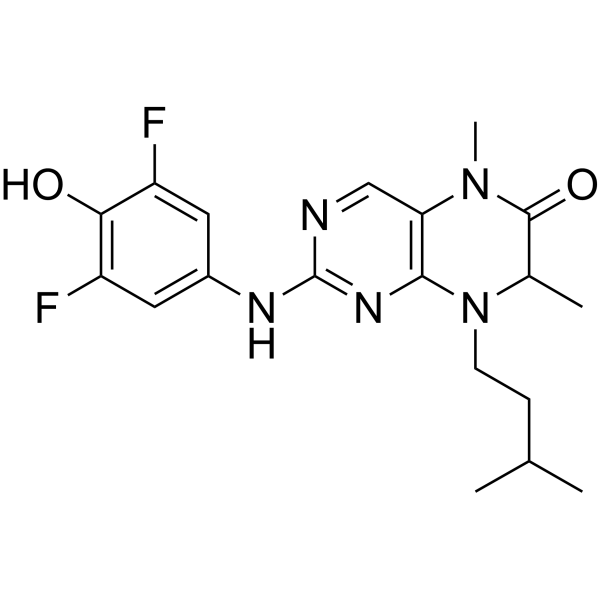
    BI-D1870 is an ATP-competitive, cell permeable and brain penetrated inhibitor of RSK isoforms, with IC50s of 31 nM/24 nM/18 nM/15 nM for RSK1/RSK2/RSK3/RSK4, respectively .
    BI-D1870
  • HY-N0643
    Carnosol
    Maximum Cited Publications
    16 Publications Verification

    Ribosomal S6 Kinase (RSK) Keap1-Nrf2 Endogenous Metabolite Cancer
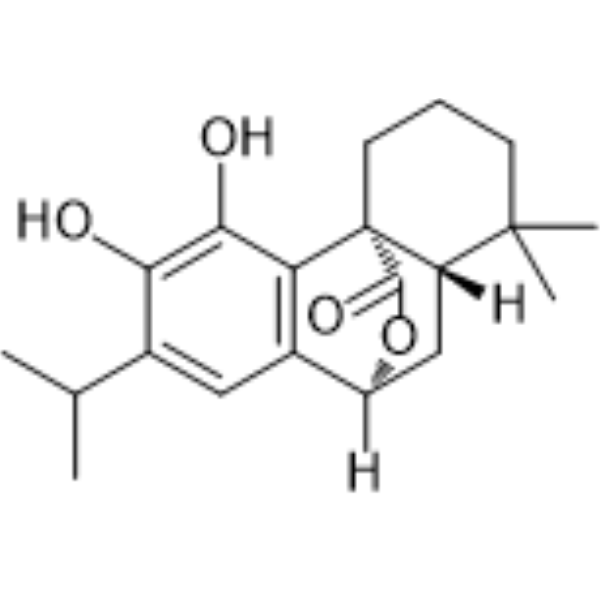
    Carnosol is a potent Ribosomal S6 Kinase (RSK2) inhibitor that could be useful for treating gastric cancer, with an IC50 of ~5.5 μM . Carnosol, a Nrf2 activator, increases the nuclear levels of Nrf2 and can promote the expression of heme oxygenase 1 (HMOX1) .
    Carnosol
  • HY-101494
    Temuterkib
    30+ Cited Publications

    LY3214996

    ERK Cancer
    Temuterkib (LY3214996) is a highly selective inhibitor of ERK1 and ERK2, with IC50 of 5 nM for both enzymes in biochemical assays. Temuterkib potently inhibits cellular p-RSK1 in BRAF and RAS mutant cancer cell lines. Temuterkib shows potent antitumor activities in cancer models with MAPK pathway alterations.
    Temuterkib
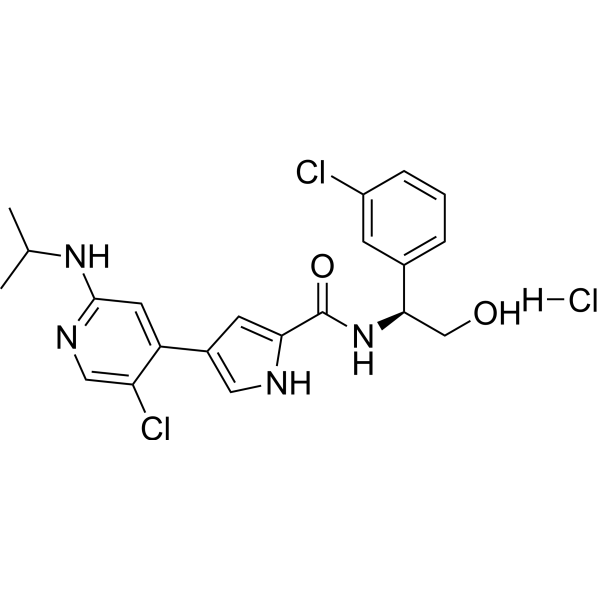
  • HY-15816A
    Ulixertinib hydrochloride
    Maximum Cited Publications
    47 Publications Verification

    BVD-523 hydrochloride; VRT752271 hydrochloride

    ERK Cancer
    Ulixertinib hydrochloride (BVD-523 hydrochloride) is a potent, orally active, highly selective, ATP-competitive and reversible covalent inhibitor of ERK1/2 kinases, with an IC50 of <0.3 nM against ERK2. Ulixertinib hydrochloride inhibits the phosphorylated ERK2 (pERK) and downstream kinase RSK (pRSK) in an A375 melanoma cell line .
    Ulixertinib hydrochloride
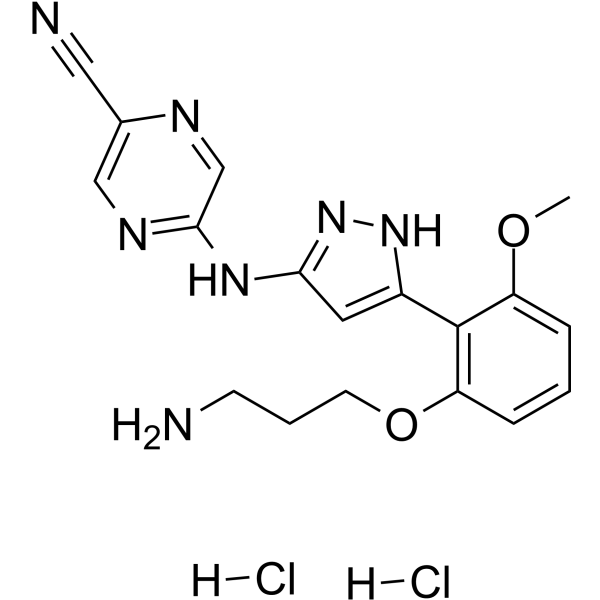
  • HY-18174A
    Prexasertib dihydrochloride
    30+ Cited Publications

    LY2606368 dihydrochloride

    Checkpoint Kinase (Chk) Apoptosis Cancer
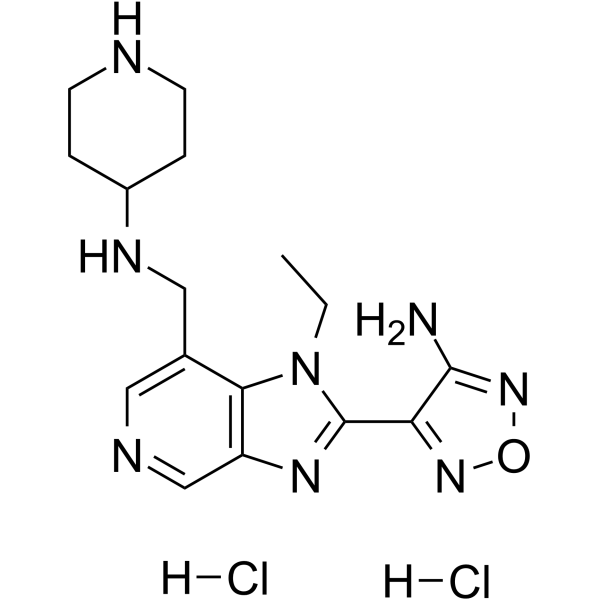
    Prexasertib dihydrochloride (LY2606368 dihydrochloride) is a selective, ATP-competitive second-generation checkpoint kinase 1 (CHK1) inhibitor with a Ki of 0.9 nM and an IC50 of <1 nM. Prexasertib dihydrochloride inhibits CHK2 (IC50=8 nM) and RSK1 (IC50=9 nM). Prexasertib dihydrochloride causes double-stranded DNA breakage and replication catastrophe resulting in apoptosis. Prexasertib dihydrochloride shows potent anti-tumor activity .
    Prexasertib dihydrochloride
  • HY-10579

    SC1

    Ribosomal S6 Kinase (RSK) ERK Cancer
    Pluripotin is a dual inhibitor of ERK1 and RasGAP with KDs of 98 nM and 212 nM, respectively. Pluripotin also inhibits RSK1, RSK2, RSK3, and RSK4 with IC50s of 0.5, 2.5, 3.3, and 10.0 μM, respectively.
    Pluripotin
  • HY-19713
    LJI308
    4 Publications Verification

    Ribosomal S6 Kinase (RSK) YB-1 Cancer
    LJI308 is a potent pan-ribosomal S6 kinase (RSK) inhibitor, with IC50s of 6 nM, 4 nM, and 13 nM for RSK1, RSK2, and RSK3, respectively. LJI308 inhibits the phosphorylation of RSK (T359/S363) and YB-1 (S102) after irradiation, treatment with EGF, and in cells expressing a KRAS mutation .
    LJI308
  • HY-19712
    LJH685
    5+ Cited Publications

    Ribosomal S6 Kinase (RSK) Apoptosis Cancer
    LJH685 is a potent, ATP-competitive and selective RSK inhibitor, inhibits RSK1, 2, and 3 biochemical activities with IC50s of 6, 5, 4 nM, respectively .
    LJH685
  • HY-15237
    SL 0101-1
    5+ Cited Publications

    SL0101

    Ribosomal S6 Kinase (RSK) Cancer
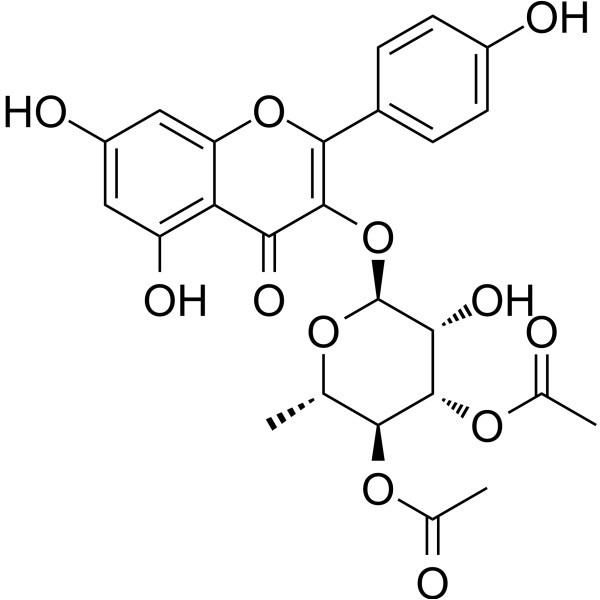
    SL 0101-1 (SL0101), a kaempferol glycoside, isolated from the tropical plant F. refracta, is a cell-permeable, selective, reversible, ATP-competitive p90 Ribosomal S6 Kinase (RSK) inhibitor, with an IC50 of 89 nM . SL 0101-1 (SL0101) is a selective RSK1/2 inhibitor, with a Ki of 1 μM .
    SL 0101-1
  • HY-110313
    SB-747651A dihydrochloride
    1 Publications Verification

    p38 MAPK Inflammation/Immunology
    SB-747651A dihydrochloride is an ATP-competitive mitogen- and stress-activated kinase 1 (MSK1) inhibitor with an IC50 of 11 nM. SB-747651A dihydrochloride also inhibits PRK2, RSK1, p70S6K and ROCK-II. SB-747651A dihydrochloride can be used for inflammation research .
    SB-747651A dihydrochloride
  • HY-12072
    Lck Inhibitor
    3 Publications Verification

    Src Inflammation/Immunology
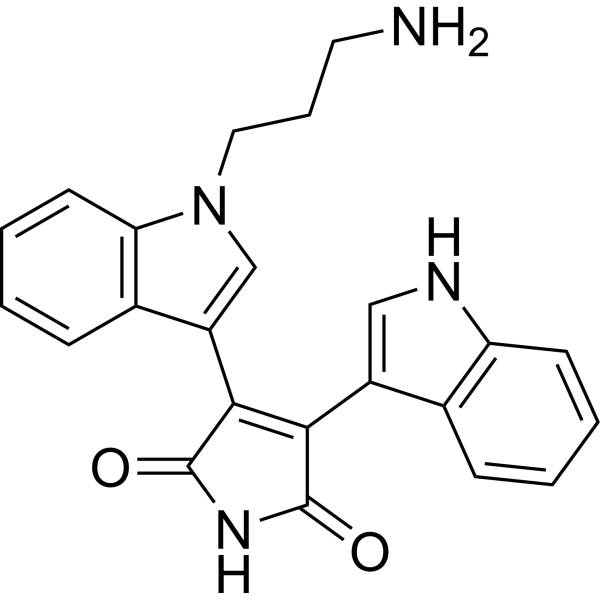
    Lck Inhibitor is a potent, orally active Lck (lymphocyte specific kinase) inhibitor with IC50s of 7, 2.1, 4.2 and 200 nM for Lck, Lyn, Src and Syk kinases, respectively. Lck Inhibitor shows >1000-fold selectivity for Lck over MAPK, CDK and RSK family representatives. Lck Inhibitor inhibits T cell proliferation and in vivo models of arthritis .
    Lck Inhibitor
  • HY-136848

    MAP3K Src FGFR Ribosomal S6 Kinase (RSK) LIM Kinase (LIMK) Cancer
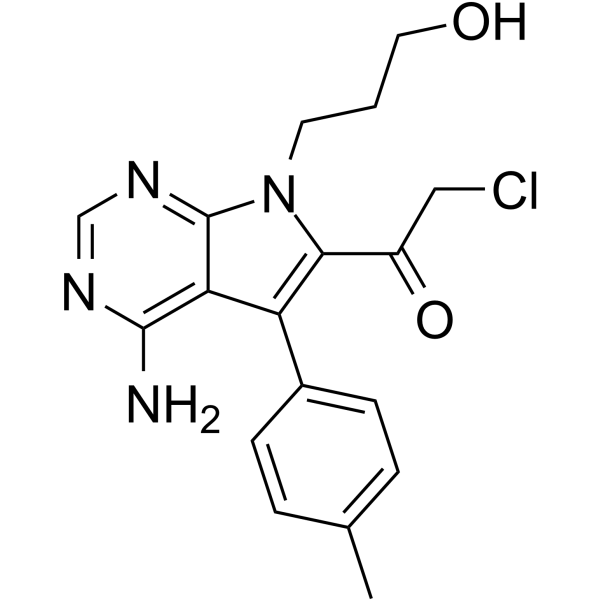
    SM1-71 (compound 5) is a potent TAK1 inhibitor, with a Ki of 160 nM, it also can covalently inhibit MKNK2, MAP2K1/2/3/4/6/7, GAK, AAK1, BMP2K, MAP3K7, MAPKAPK5, GSK3A/B, MAPK1/3, SRC, YES1, FGFR1, ZAK (MLTK), MAP3K1, LIMK1 and RSK2. SM1-71 can inhibit proliferation of multiple cancer cell lines .
    SM1-71
  • HY-52101
    CMK
    5+ Cited Publications

    Ribosomal S6 Kinase (RSK) Cancer
    CMK is a RSK2 kinase inhibitor which exhibits similar potency but less chemical stability compared with FMK.
    CMK
  • HY-16104
    BIX 02565
    5+ Cited Publications

    Ribosomal S6 Kinase (RSK) Cardiovascular Disease
    BIX 02565 is a potent ribosomal S6 kinase 2 (RSK2) inhibitor with IC50 of 1.1 nM.
    BIX 02565
  • HY-N1374
    Magnolin
    2 Publications Verification

    ERK Inflammation/Immunology
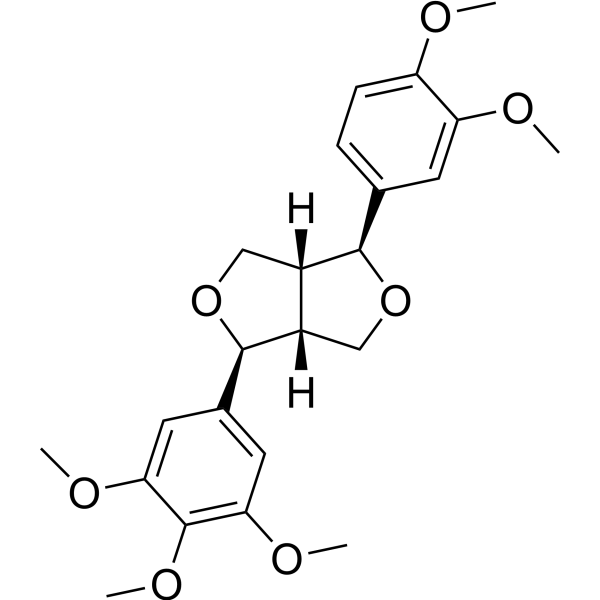
    Magnolin, a major component of Magnolia liliiflora, inhibits the Ras/ERKs/RSK2 signaling axis by targeting the active pocket of ERK1 and ERK2 with IC50s of 87 nM and 16.5 nM, respectively.
    Magnolin
  • HY-125911

    NF-κB Aurora Kinase Ribosomal S6 Kinase (RSK) Apoptosis Caspase Bcl-2 Family PARP Cryptochrome Cardiovascular Disease Inflammation/Immunology Cancer
    Gossypin is an orally active flavone isolated from Hibiscus vitifolius. Gossypin has antioxidant, antiinflammatory, anticancer, anticataract, antidiabetic, and hepatoprotective activities. Gossypin inhibits NF-κB and NF-κB-regulated gene expression. Gossypin inhibits AURKA and RSK2. Gossypin inhibits invasion and induces apoptosis. Gossypin can be used for gastric cancer study .
    Gossypin
  • HY-139188

    PI5P4K Metabolic Disease Cancer
    CC260 is a selective PI5P4Kα and PI5P4Kβ inhibitor with Kis of 40 nM and 30 nM, respectively. CC260 does not inhibit or weakly inhibits other protein kinases, such as Plk1 and RSK2. CC260 can be used for cell energy metabolism, diabetes and cancer research .
    CC260
  • HY-18174E
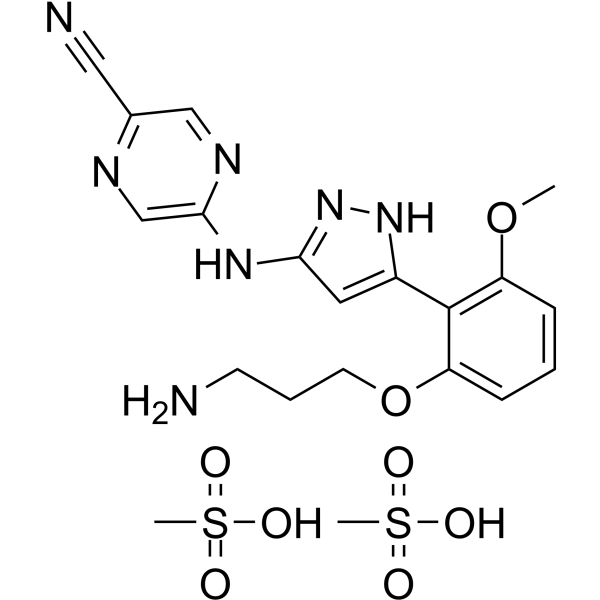
    Prexasertib dimesylate
    30+ Cited Publications

    LY2606368 dimesylate

    Checkpoint Kinase (Chk) Apoptosis Cancer
    Prexasertib dimesylate (LY2606368 dimesylate) is a selective, ATP-competitive second-generation checkpoint kinase 1 (CHK1) inhibitor with a Ki of 0.9 nM and an IC50 of <1 nM. Prexasertib dimesylate inhibits CHK2 (IC50=8 nM) and RSK1 (IC50=9 nM). Prexasertib dimesylate causes double-stranded DNA breakage and replication catastrophe resulting in apoptosis. Prexasertib dimesylate shows potent anti-tumor activity .
    Prexasertib dimesylate
  • HY-101029

    NEKs Apoptosis Cancer
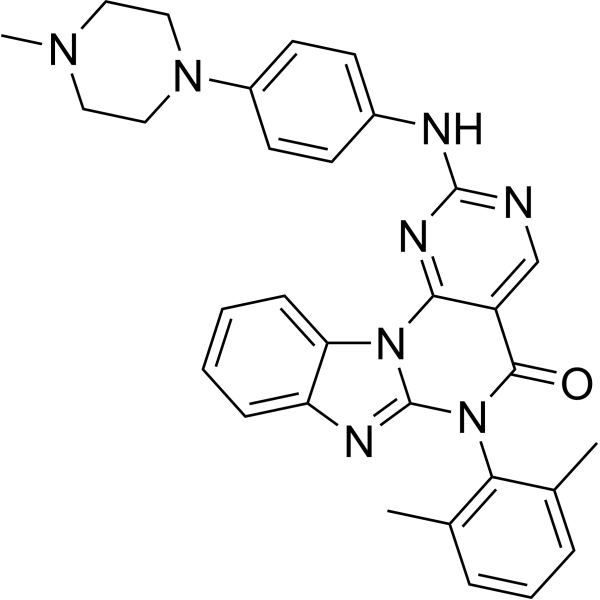
    MBM-55 is a potent NIMA-related kinase 2 (Nek2) inhibitor with an IC50 of 1 nM. MBM-55 shows a 20-fold or greater selectivity in most kinases with the exception of RSK1 (IC50=5.4 nM) and DYRK1a (IC50=6.5 nM). MBM-55 effectively inhibits the proliferation of cancer cells by inducing cell cycle arrest and apoptosis. MBM-55 shows antitumor activities, and no obvious toxicity to mice .
    MBM-55
  • HY-12185
    BRD7389
    2 Publications Verification

    Ribosomal S6 Kinase (RSK) Metabolic Disease Cancer
    BRD7389 is a specific RSK family kinase inhibitor with IC50s of 1.5 μM, 2.4 μM, and 1.2 μM for RSK1, RSK2, and RSK3, respectively. BRD7389 is a small-molecule inducer of insulin expression in pancreatic α-cells .
    BRD7389
  • HY-52101A
    FMK
    4 Publications Verification

    Ribosomal S6 Kinase (RSK) Cancer
    FMK is a an irreversible RSK2 kinase inhibitor, that covalently modifies the C-terminal kinase domain of RSK.
    FMK
  • HY-157133

    Akt Ribosomal S6 Kinase (RSK) Apoptosis Cancer
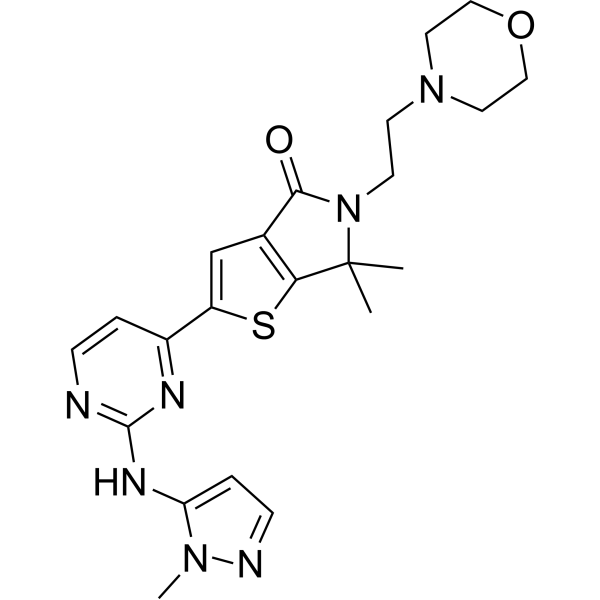
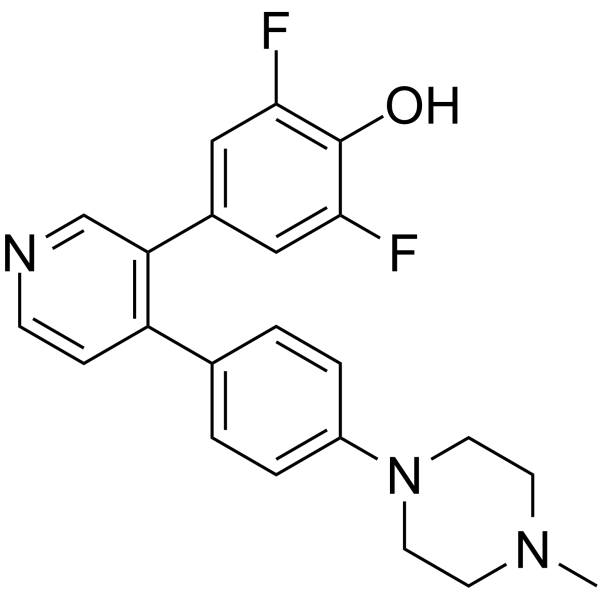
    TAS0612 is the orally active inhibitor of RSKAKT and S6K. TAS0612 has antitumor activity .
    TAS0612
  • HY-132891

    Ribosomal S6 Kinase (RSK) Cancer
    RSK4-IN-1 is a potent RSK4 inhibitor with a IC50 value of 9.5 nM. RSK4-IN-1 has antitumor activity .
    RSK4-IN-1
  • HY-N0909
    Notoginsenoside R2
    1 Publications Verification

    20(S)-Notoginsenoside R2; Ginsenoside Ng-R2

    Apoptosis MEK ERK Reactive Oxygen Species (ROS) Caspase COX β-catenin Src MDM-2/p53 JAK STAT Neurological Disease Metabolic Disease Inflammation/Immunology
    Notoginsenoside R2 (20(S)-Notoginsenoside R2; Ginsenoside Ng-R2) is an orally active notoginsenoside . Notoginsenoside R2 activates P90RSK and Nrf2 via the MEK1/2-ERK1/2 pathway to inhibit 6-OHDA-induced apoptotic damage in nerve cells. Notoginsenoside R2 upregulates SOX8/β-catenin by reducing miR-27a, thereby suppressing Aβ25-35-induced neuronal apoptosis and inflammatory responses . Notoginsenoside R2 alleviates lipid accumulation and mitochondrial dysfunction in diabetic nephropathy by inhibiting c-Src. Notoginsenoside R2 alleviates hepatic fibrosis by inducing hepatic stellate cell senescence and inhibiting the inflammatory microenvironment via JAK/STAT3 suppression . Notoginsenoside R2 can be used in research related to Parkinson's disease, Alzheimer's disease, diabetic nephropathy and hepatic fibrosis .
    Notoginsenoside R2
  • HY-175256

    Ribosomal S6 Kinase (RSK) Cancer
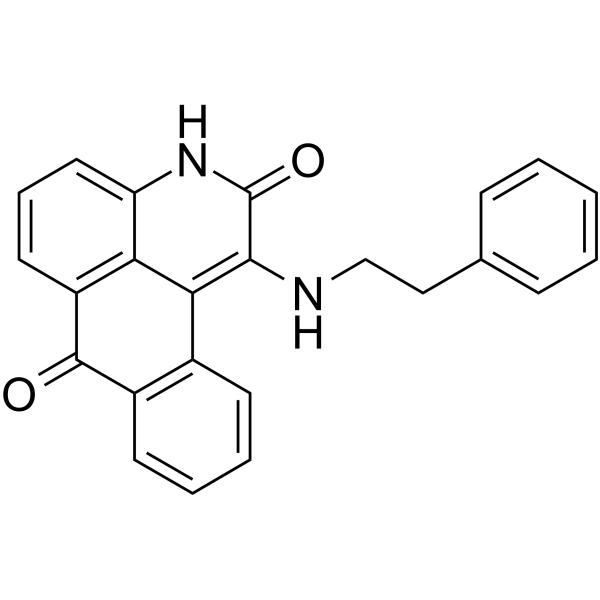
    RSK2-IN-5 (compoud C24) is a p90 ribosomal S6 kinase 2 (RSK2) inhibitor with a Kd of 317 ​nM. RSK2-IN-5 exhibits antitumor activity against breast cancer and melanoma cancer cells .
    RSK2-IN-5
  • HY-14362

    ROCK Ribosomal S6 Kinase (RSK) Cardiovascular Disease
    GSK-25 is a potent, selective and orally bioavailable ROCK1 inhibitor (IC50=7 nM). GSK-25 maintains good selectivity against a panel of 31 kinases (>100 fold), as well as RSK1 and p70S6K (RSK1: IC50=398 nM, p70S6K: IC50=1 μM). GSK-25 inhibits P450 profile (IC50s of 2.5, 5.2, 2.5 µM for CYP2C9, CYP2D6, CYP3A4, respectively) .
    GSK-25
  • HY-P10042

    Ribosomal S6 Kinase (RSK) Others
    S6K Substrate is a substrate for active protein kinases, including CLK2, MRCKalpha, MRCKbeta, p70S6K, ROCK1, ROCK2, RSK1, RSK3, PIM1 .
    S6K Substrate
  • HY-161633

    PROTACs EGFR FAK Cancer
    PROTAC EGFR degrader 11 (Compound B71) is a PROTAC degrader for epidermal growth factor receptor (EGFR), with DC50 <100 nM. PROTAC EGFR degrader 11 binds CRBN-DDB1 with a Ki of 36 nM. PROTAC EGFR degrader 11 degrades EGFR, focal adhesion kinase (FAK), and RSK1, inhibits the proliferation of BaF3 wild type and EGFR mutants, with IC50 <100 nM.
    PROTAC EGFR degrader 11
  • HY-15816R

    BVD-523 (Standard); VRT752271 (Standard)

    ERK Reference Standards Cancer
    Ulixertinib (Standard) is the analytical standard of Ulixertinib. This product is intended for research and analytical applications. Ulixertinib (BVD-523; VRT752271) is a potent, orally active, highly selective, ATP-competitive and reversible covalent inhibitor of ERK1/2 kinases, with an IC50 of <0.3 nM against ERK2. Ulixertinib (BVD-523; VRT752271) inhibits the phosphorylated ERK2 (pERK) and downstream kinase RSK (pRSK) in an A375 melanoma cell line .
    Ulixertinib (Standard)
  • HY-52101C

    Ribosomal S6 Kinase (RSK) Cancer
    FMK-MEA is a potent and selective p90 Ribosomal S6 Kinase (RSK) inhibitor.
    FMK-MEA
  • HY-113592
    ERK-IN-4
    1 Publications Verification

    ERK Cancer
    ERK-IN-4 is an ERK inhibitor binds preferentially to ERK2 with a Kd of 5 μM. ERK-IN-4 specificity inhibits ERK Rsk-1 and Elk-1 phosphorylation. ERK-IN-4 has little effect on ERK protein phosphorylation by its upstream activator MEK1/2 .
    ERK-IN-4
  • HY-114038

    p38 MAPK Inflammation/Immunology
    SB-747651A is an ATP-competitive mitogen- and stress-activated kinase 1 (MSK1) inhibitor with an IC50 of 11 nM. SB-747651A also inhibits PRK2, RSK1, p70S6K and ROCK-II. SB-747651A can be used for inflammation research .
    SB-747651A
  • HY-126257

    Akt Apoptosis Cancer
    AKT-IN-3 (compound E22) is a potent, orally active low hERG blocking Akt inhibitor, with 1.4 nM, 1.2 nM and 1.7 nM for Akt1, Akt2 and Akt3, respectively. AKT-IN-3 (compound E22) also exhibits good inhibitory activity against other AGC family kinases, such as PKA, PKC, ROCK1, RSK1, P70S6K, and SGK. AKT-IN-3 (compound E22) induces apoptosis and inhibits metastasis of cancer cells .
    AKT-IN-3
  • HY-16461

    (-)-Solenopsin A

    Akt Ribosomal S6 Kinase (RSK) PI3K PDK-1 FOXO Mitophagy Reactive Oxygen Species (ROS) Mitochondrial Metabolism Cardiovascular Disease
    Solenopsin ((-)-Solenopsin A) is an ATP-competitive and selective Akt-1 inhibitor with an IC50 of 5-10 μM, and also acts as an RSK1 inhibitor. Solenopsin inhibits the activities of PDK1 in lipid rafts, downregulates PI3K, blocks PI3K-dependent generation of 3-phosphoinositides, and suppresses the phosphorylation of FOXO1a. Solenopsin induces Mitophagy and ROS production, reduces mitochondrial oxygen consumption, and exhibits antiproliferative and antiangiogenic activities. Solenopsin can be used in research related to hyperproliferative skin diseases and malignant diseases .
    Solenopsin
  • HY-173406

    Ribosomal S6 Kinase (RSK) Apoptosis Cancer
    RSK-IN-2 (Compound 3e) is a RSK inhibitor, with IC50 s of 37.89 nM (RSK2), 30.78 nM (RSK1), 20.51 nM (RSK3), 91.28 nM (RSK4). RSK-IN-2 inhibits tumor cell proliferation, induces apoptosis and causes cell cycle arrest in the G2/M phase .
    RSK-IN-2
  • HY-144434

    Ribosomal S6 Kinase (RSK) YB-1 Cancer
    RSK-IN-1 (compound 7d) is a RSK inhibitor that inhibits the YB-1 phosphorylation. RSK-IN-1 has anti-tumor effects .
    RSK-IN-1
  • HY-132891A

    Ribosomal S6 Kinase (RSK) Cancer
    RSK4-IN-1 TFA is a potent RSK4 inhibitor with a IC50 value of 9.5 nM. RSK4-IN-1 TFA has antitumor activity .
    RSK4-IN-1 TFA
  • HY-18174H

    LY2606368 lactate

    Checkpoint Kinase (Chk) Apoptosis DNA/RNA Synthesis Cancer
    Prexasertib lactate (LY2606368 lactate) is the lactate form of Prexasertib (HY-18174). Prexasertib lactate is a selective, ATP-competitive second-generation checkpoint kinase 1 (CHK1) inhibitor with a Ki of 0.9 nM and an IC50 of <1 nM. Prexasertib lactate inhibits CHK2 (IC50=8 nM) and RSK1 (IC50=9 nM). Prexasertib lactate causes double-stranded DNA breakage and replication catastrophe resulting in apoptosis. Prexasertib lactate shows potent anti-tumor activity .
    Prexasertib lactate
  • HY-153735

    PROTACs ERK Cancer
    ERK-CLIPTAC is a ERK CLIPTAC (click chemistry-synthesized proteolysis-targeting chimera) degrader. ERK-CLIPTAC forms intracellularly via click chemistry from ERK1/2-IN-14 (HY-175578) and Tz-thalidomide (HY-101460). The formed ERK-CLIPTAC recruits the E3 ubiquitin ligase CRBN to ERK1/2, thereby inducing ubiquitination and subsequent degradation of ERK1/2. Due to its lack of cell permeability, ERK-CLIPTAC cannot induce ERK1/2 degradation in cells. ERK-CLIPTAC can be used in research related to melanoma and colorectal cancer .
    ERK-CLIPTAC
  • HY-150643

    Ribosomal S6 Kinase (RSK) Cancer
    RSK2-IN-2 (Compound 25) is a reversible covalent inhibitor of the RPS6KA3 (RSK2) kinase. RSK2-IN-2 is also described to inhibit MSK1, MSK2 and RSK3 .
    RSK2-IN-2
  • HY-150717

    Ribosomal S6 Kinase (RSK) Cancer
    RSK2-IN-3 (Compound 26) is a reversible covalent inhibitor of the RPS6KA3 (RSK2) kinase .
    RSK2-IN-3
  • HY-P10042A

    Ribosomal S6 Kinase (RSK) Others
    S6K Substrate acetate is a substrate for active protein kinases, including CLK2, MRCKalpha, MRCKbeta, p70S6K, ROCK1, ROCK2, RSK1, RSK3, PIM1 .
    S6K Substrate acetate
  • HY-N0643R

    Reference Standards Ribosomal S6 Kinase (RSK) Keap1-Nrf2 Endogenous Metabolite Cancer
    Carnosol (Standard) is the analytical standard of Carnosol. This product is intended for research and analytical applications. Carnosol is a potent Ribosomal S6 Kinase (RSK2) inhibitor that could be useful for treating gastric cancer, with an IC50 of ~5.5 μM . Carnosol, a Nrf2 activator, increases the nuclear levels of Nrf2 and can promote the expression of heme oxygenase 1 (HMOX1) .
    Carnosol (Standard)
  • HY-18174B

    LY2606368 Mesylate Hydrate; LY2940930

    Checkpoint Kinase (Chk) Apoptosis Cancer
    Prexasertib Mesylate Hydrate (LY2606368 Mesylate Hydrate) is a selective, ATP-competitive second-generation checkpoint kinase 1 (CHK1) inhibitor with a Ki of 0.9 nM and an IC50 of <1 nM. Prexasertib Mesylate Hydrate inhibits CHK2 (IC50=8 nM) and RSK1 (IC50=9 nM). Prexasertib Mesylate Hydrate causes double-stranded DNA breakage and replication catastrophe resulting in apoptosis. Prexasertib Mesylate Hydrate shows potent anti-tumor activity .
    Prexasertib Mesylate Hydrate
  • HY-18174C

    LY2606368 mesylate

    Checkpoint Kinase (Chk) DNA/RNA Synthesis Apoptosis Cancer
    Prexasertib mesylate (LY2606368 mesylate) is a selective, ATP-competitive second-generation checkpoint kinase 1 (CHK1) inhibitor with a Ki of 0.9 nM and an IC50 of <1 nM. Prexasertib mesylate inhibits CHK2 (IC50=8 nM) and RSK1 (IC50=9 nM). Prexasertib mesylate causes double-stranded DNA breakage and replication catastrophe resulting in apoptosis. Prexasertib mesylate shows potent anti-tumor activity .
    Prexasertib mesylate
  • HY-161632

    PROTACs EGFR FAK Cancer
    PROTAC EGFR degrader 10 (Compound B56) is a PROTAC degrader for epidermal growth factor receptor (EGFR), with DC50 <100 nM. PROTAC EGFR degrader 10 binds CRBN-DDB1 with a Ki of 37 nM. PROTAC EGFR degrader 10 degrades EGFR, focal adhesion kinase (FAK), and RSK1, inhibits the proliferation of BaF3 wild type and EGFR mutants, with IC50 <150 nM .
    PROTAC EGFR degrader 10
  • HY-125911R

    Reference Standards NF-κB Aurora Kinase Ribosomal S6 Kinase (RSK) Apoptosis Bcl-2 Family Caspase Cryptochrome Cardiovascular Disease Inflammation/Immunology Cancer
    Gossypin (Standard) is the analytical standard of Gossypin. This product is intended for research and analytical applications. Gossypin is an orally active flavone isolated from Hibiscus vitifolius. Gossypin has antioxidant, antiinflammatory, anticancer, anticataract, antidiabetic, and hepatoprotective activities. Gossypin inhibits NF-κB and NF-κB-regulated gene expression. Gossypin inhibits AURKA and RSK2. Gossypin inhibits invasion and induces apoptosis. Gossypin can be used for gastric cancer study.
    Gossypin (Standard)

Inquiry Online

Your information is safe with us. * Required Fields.

Salutation


Country or Region *

Applicant Name *


Organization Name *

Department *


Email Address *


Product Name *

Cat. No.


Requested quantity *

Phone Number *


Remarks

Inquiry Online

Inquiry Information

Product Name:
Cat. No.:
Quantity:
MCE Japan Authorized Agent:

