From 11:00 pm to 12:00 pm EST ( 8:00 pm to 9:00 pm PST ) on January 6th, the website will be under maintenance. We are sorry for the inconvenience. Please arrange your schedule properly.
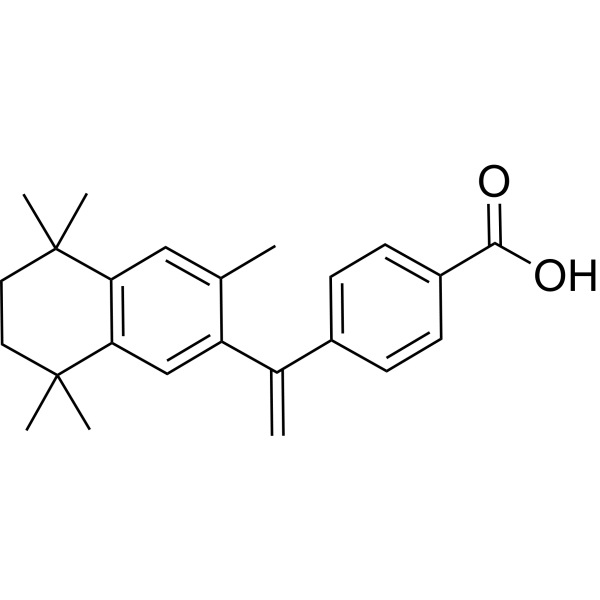
Bexarotene (LGD1069) is a high-affinity and selective retinoid X receptors (RXR) agonist with EC50s of 33, 24, 25 nM for RXRα, RXRβ, and RXRγ, respectively. Bexarotene shows limited affinity for RAR receptors (EC50 >10000 nM) . Bexarotene can be used for the research of cutaneous T-cell lymphoma.
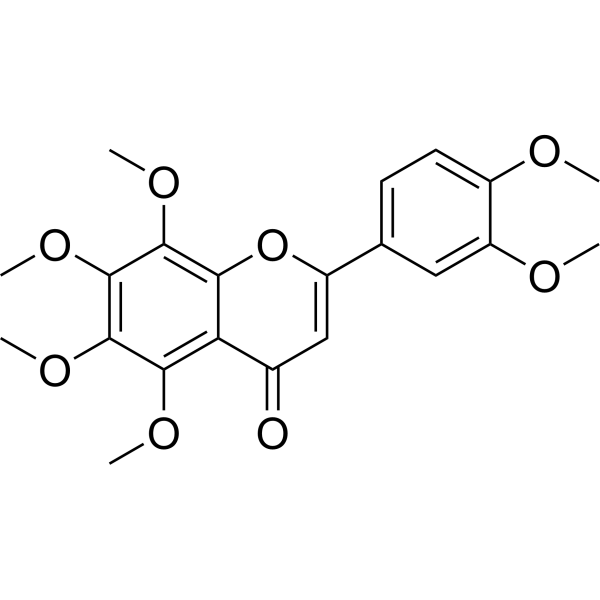
Nobiletin is a poly-methoxylated flavone from the citrus peel that improves memory loss. Nobiletin is a retinoid acid receptor-related orphan receptors (RORs) agonist. Nobiletin can reduce reactive oxygen species (ROS) levels in differentiated C2C12 myotubes and has anti-inflammation and anti-cancer properties, including anti-angiogenesis, anti-proliferation, anti-metastasis and induced apoptosis .
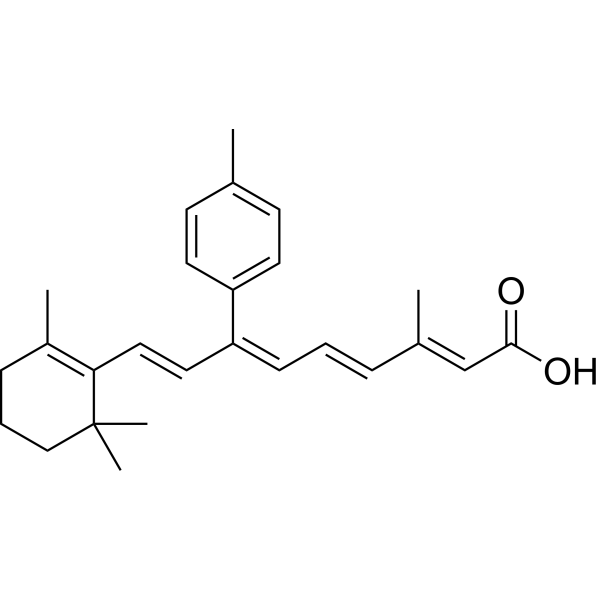
SR 11302 is an activator protein-1 (AP-1) transcription factor inhibitor. SR 11302 is a retinoid that specifically inhibits AP-1 activity without activating the transcription of retinoic acid response element (RARE) .
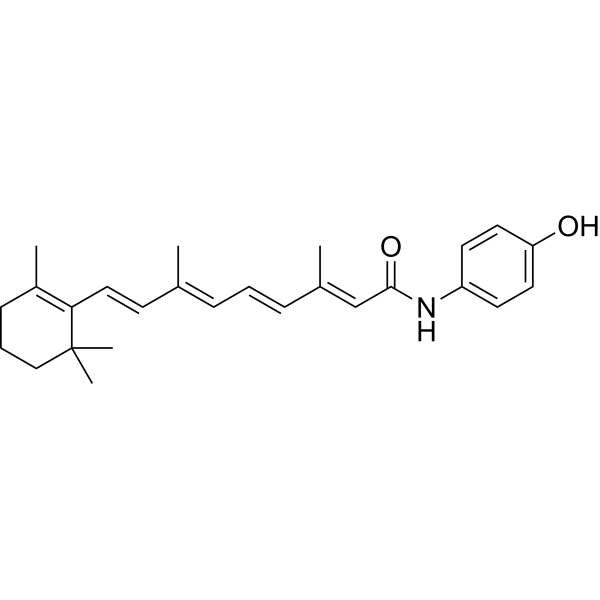
Fenretinide (4-HPR) is a synthetic retinoid deriverative, binding to the retinoic acid receptors (RAR) at concentrations necessary to induce cell death.
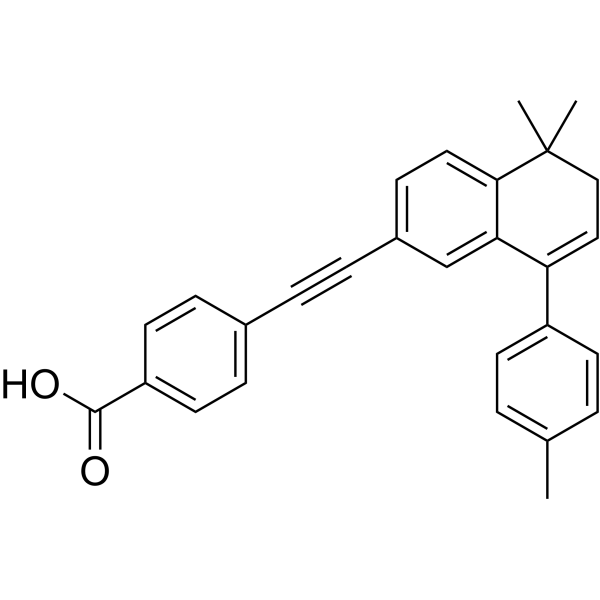
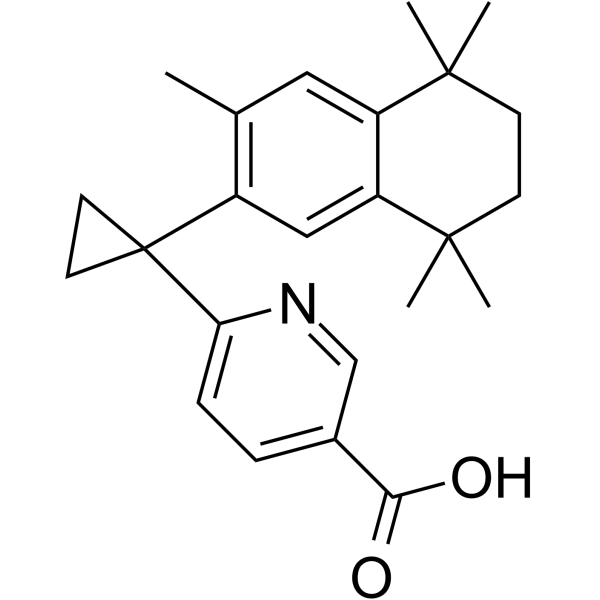
AGN 193109 is a retinoid analog, and acts as a specific and highly effective antagonist of retinoic acid receptors (RARs), with Kds of 2 nM, 2 nM, and 3 nM for RARα, RARβ, and RARγ, respectively. AGN 193109 is a click chemistry reagent, it contains an Alkyne group and can undergo copper-catalyzed azide-alkyne cycloaddition (CuAAc) with molecules containing Azide groups. AGN 193109 is the antidote for retinoic acidosis, that ameliorates the skin and mucosal toxicity.
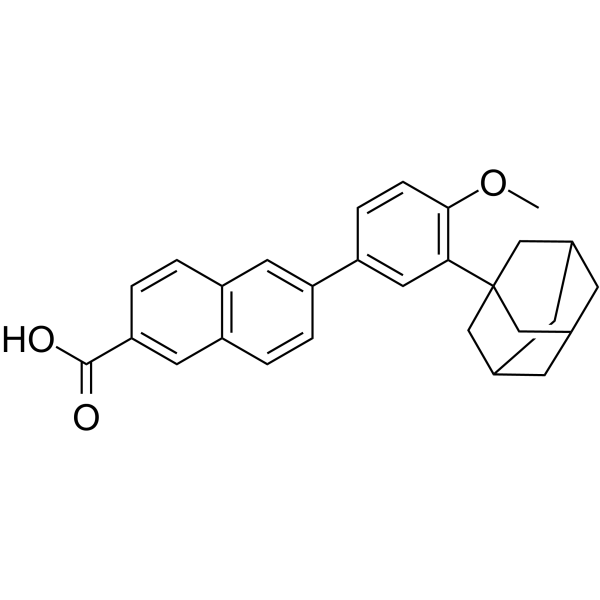
Adapalene (CD271), a third-generation synthetic retinoid, is widely used for the research of acne. Adapalene is a potent RAR agonist, with AC50s of 2.3 nM, 9.3 nM, and 22 nM for RARβ, RARγ, RARα, respectively. Adapalene also inhibits the enzymatic activity of GOT1 in a non-competitive manner. Adapalene exhibits anti-tumor activity .
9-cis-Retinal is a natural retinoid. Dietary 9-cis-β-carotene generates 9-cis-retinoids via cleavage into 9-cis-retinal. 9-cis Retinal binds to cellular retinol-binding protein-I (CRBP-I) and CRBP-II with Kds of 8 nM and 5 nM, respectively. 9-cis-Retinal expedites differentiation and maturation of rod photoreceptors in retinal organoids .
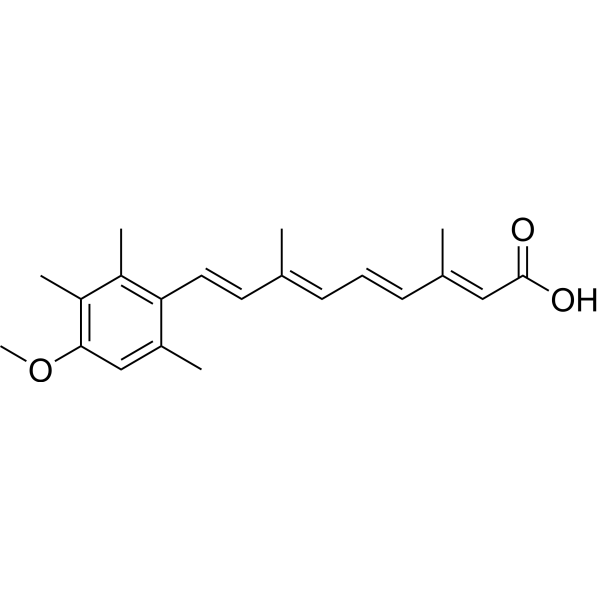
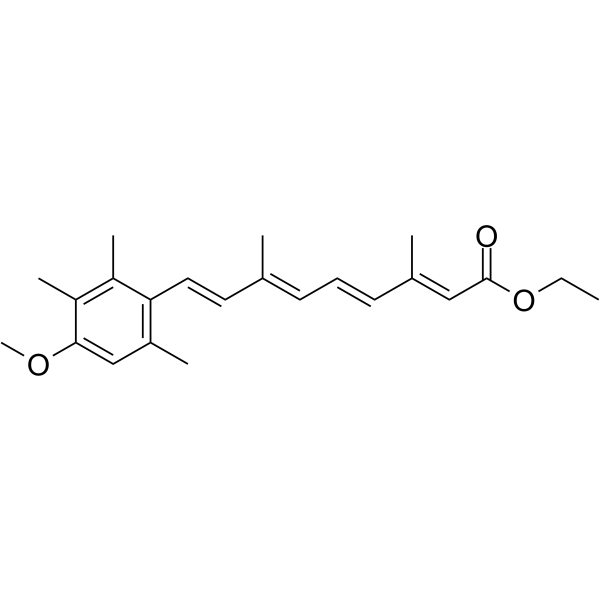
Acitretin (Ro 10-1670) is a second-generation, systemic retinoid that has been used in the treatment of psoriasis. Acitretin also can be used for the research of Alzheimer’s disease .
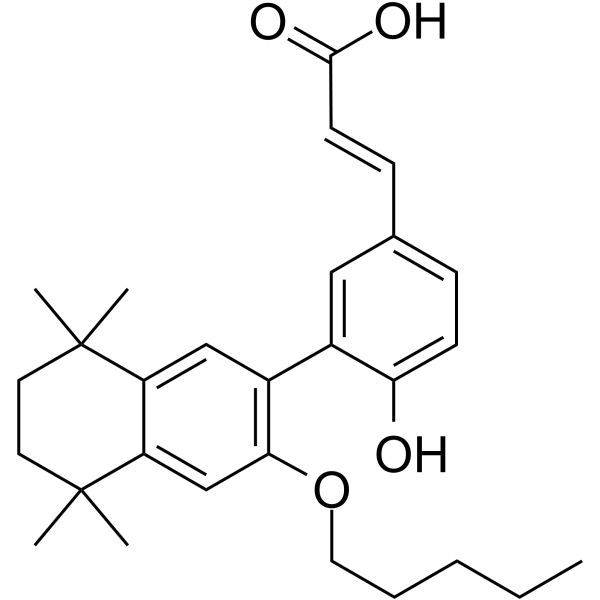
UVI 3003 is a highly selective antagonist of retinoid X receptor (RXR), and inhibits xenopus and human RXRα in Cos7 cells, with IC50s of 0.22 and 0.24 μM, respectively.
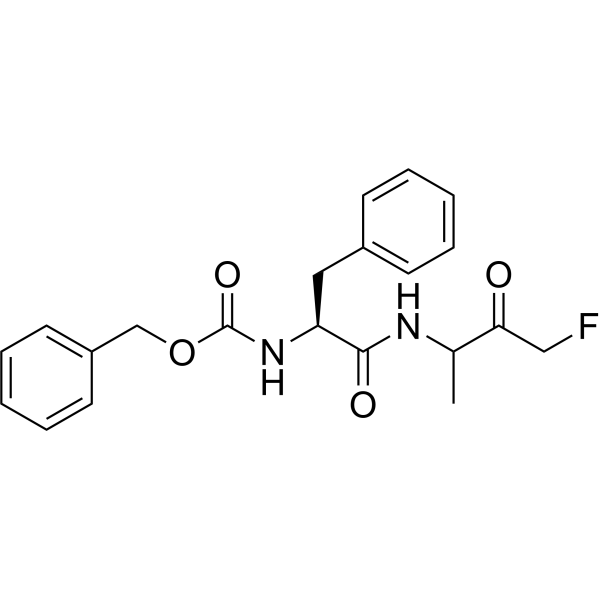
Z-FA-FMK ((1S)-Z-FA-FMK) is a potent Cathepsin B and L inhibitor. Z-FA-FMK blocks the induction of DEVDase activity, DNA fragmentation, and externalization of phosphatidylserine by selective synthetic retinoid-related molecules (RRMs). Z-FA-FMK inhibits apoptosis. Z-FA-FMK inhibits caspase activity and selectively inhibits recombinant effector caspases 2, -3, -6, and -7. Z-FA-FMK is a viral inhibitor. Z-FA-FMK inhibits reovirus replication in a susceptible host .
LG100268 (LG268) is a potent, selective and orally active retinoid X receptor (RXR) agonist with EC50 values of 4 nM, 3 nM, and 4 nM for RXR-α, RXR-β, and RXR-γ, respectively . LG100268 displays >1000-fold selectivity for RXR over RAR, the Ki values are 3.4 nM, 6.2 nM and 9.2 nM for RXR-α, RXR-β, and RXR-γ, respectively . LG100268 activates RXR homodimers to induce transcriptional activation. LG100268 can be used for the study of lung carcinogenesisy .
Ch55 is a potent synthetic retinoid. Ch55 binds to RAR-α and RAR-β receptors with high affinity. Ch55 displays low affinity for cellular retinoic acid binding protein (CRABP). Ch55 is a potent inducer of the differentiation of HL60 cells with an EC50 of 200 nM. Ch55 can be used for cancer research .
SR11237 (BMS-649) is a potent retinoid X receptor (RXR)-selective agonist that is devoid of any RAR activity. SR11237 can cause RXR/RXR homodimers to form and transactivate a reporter gene containing a RXR-response element .
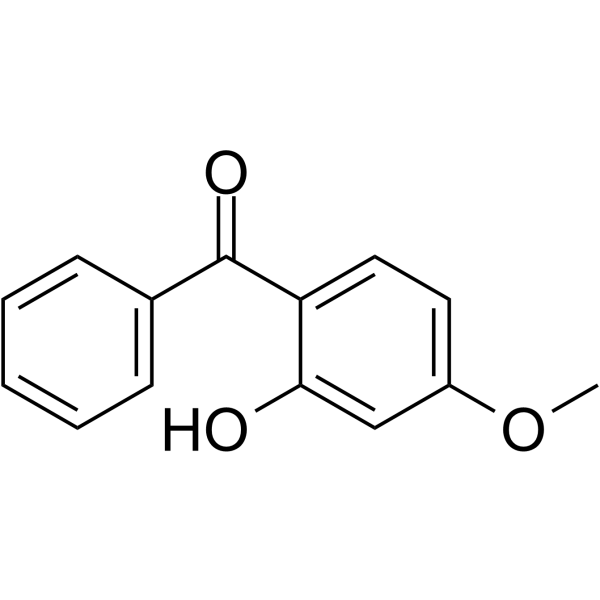
Oxybenzone (Benzophenone 3) is a commonly used UV filter in sun tans and skin protectants. Oxybenzone act as endocrine disrupting chemicals (EDCs) and can pass through the placental and blood-brain barriers. Benzophenone-3 impairs autophagy, alters epigenetic status, and disrupts retinoid X receptor signaling in apoptotic neuronal cells .
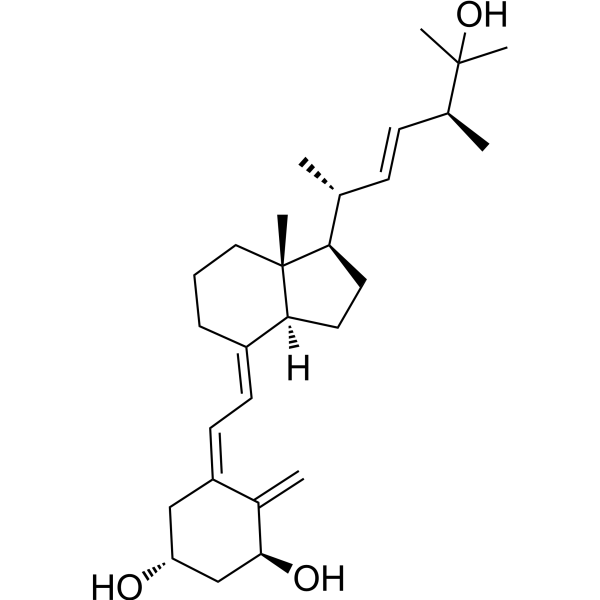
Ercalcitriol (1α,25-Dihydroxy Vitamin D2) is a vitamin D receptor (VDR) agonist with high binding affinity. After binding to VDR, Ercalcitriol forms a complex with retinoid X receptor (RXR) to regulate target gene transcription. For example, Ercalcitriol induces human gingival/oral epithelial cells to produce human cat antimicrobial peptide (hCAP-18/LL-37), which has antimicrobial activity against periodontal pathogens such as Porphyromonas gingivalis. Ercalcitriol enhances the innate immune defense of the oral mucosa by promoting the expression of antimicrobial peptides, and is mainly used in the study of periodontal diseases and immune-related oral diseases .
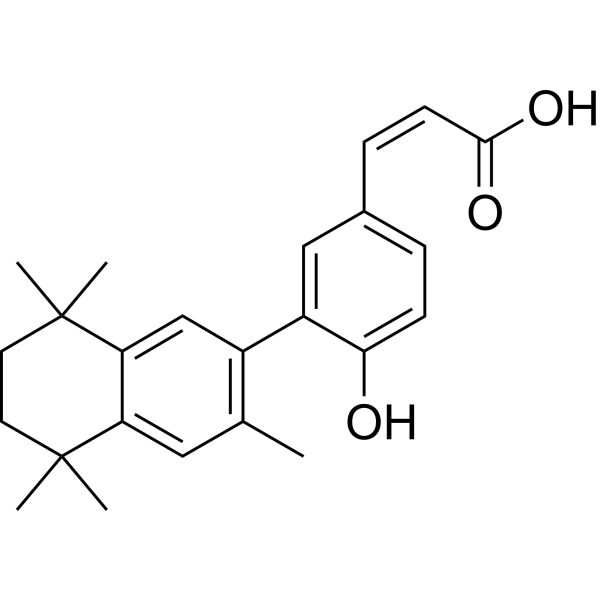
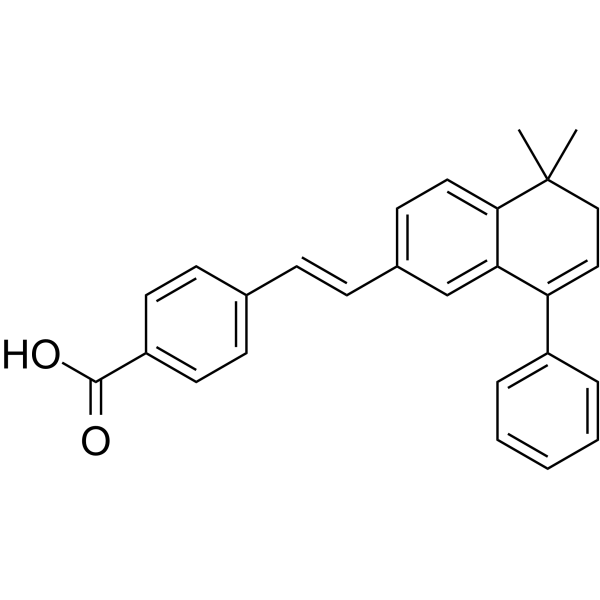
BMS453 (BMS-189453), a synthetic retinoid, is a RARβ agonist and a RARα/RARγ antagonist. BMS453 inhibits breast cell growth predominantly through the induction of active TGFβ .
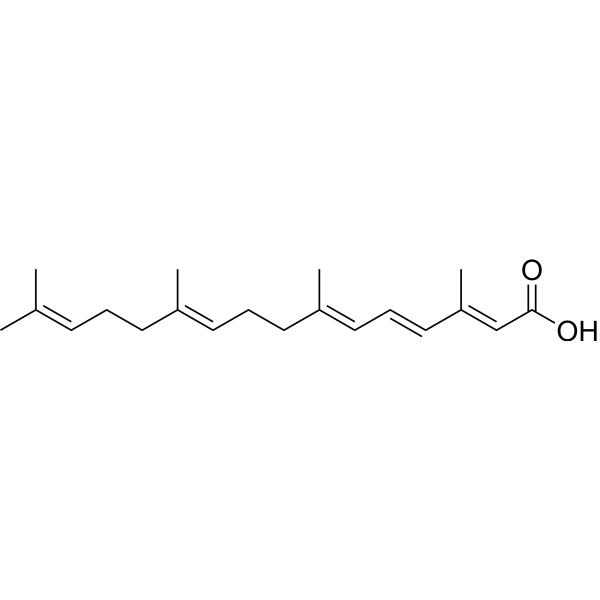
Peretinoin is an oral acyclic retinoid with a vitamin A-like structure that targets retinoid nuclear receptors such as retinoid X receptor (RXR) and retinoic acid receptor (RAR). Peretinoin reduces the mRNA level of sphingosine kinase 1 (SPHK1) in vitro by downregulating a transcription factor, Sp1 . Peretinoin prevents the progression of non-alcoholic steatohepatitis (NASH) and the development of hepatocellular carcinoma (HCC) through activating the autophagy pathway by increased Atg16L1 expression . Peretinoin inhibits HCV RNA amplification and virus release by altering lipid metabolism with a EC50 of 9 μM .
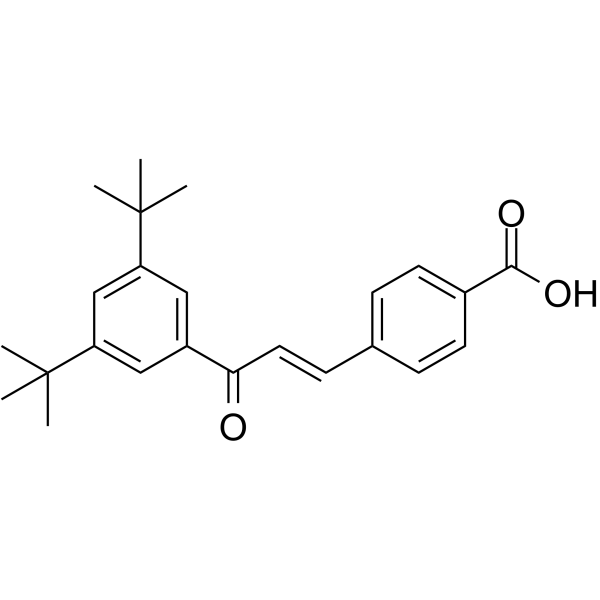
LE135 is a potent RAR antagonist that binds selectively to RARα (Ki of 1.4 μM) and RARβ (Ki of 220 nM), and has a higher affinity to RARβ. LE135 is highly selective over RARγ, RXRα, RXRβ and RXRγ. LE135 is also a potent TRPV1 and TRPA1 receptors activator with EC50s of 2.5 μM and 20 μM, respectively .
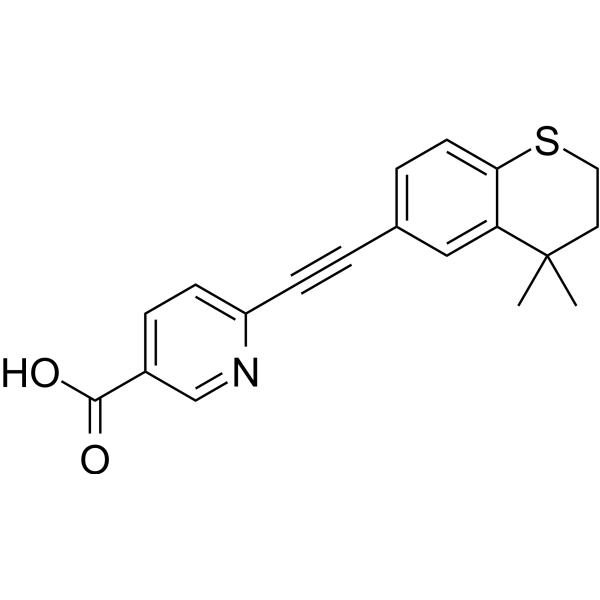
Tazarotenic acid is the metabolite of Tazarotene. Tazarotenic acid binding to retinoic acid receptors (RARs) is the probable molecular target of retinoid action. Tazarotenic acid has the potential for the research of warty dyskeratoma .
Bevurogant (BI 730357) is a retinoid-related orphan receptor-gamma t (RORγt) antagonist. Bevurogant can be used for the research of chronic inflammatory diseases .
Bigelovin, a sesquiterpene lactone isolated from Inula hupehensis, is a selective retinoid X receptor α agonist. Bigelovin suppresses tumor growth through inducing apoptosis and autophagy via the inhibition of mTOR pathway regulated by ROS generation .
MSU-42011 is an orally active retinoid X receptor (RXR) agonist. MSU-42011 inhibits the iNOS activity and reduces the expression of p-ERK protein. MSU-42011 has immunomodulatory and antitumor activity .
Amsilarotene (TAC-101; Am 555S), an orally active synthetic retinoid, has selective affinity for retinoic acid receptor α (RAR-α) binding with Ki of 2.4, 400 nM for RAR-α and RAR-β. Amsilarotene induces the apoptotic of human gastric cancer, hepatocellular carcinoma and ovarian carcinoma cells. Amsilarotene can be used for the research of cancer .
3,7,11,15-Tetramethyl-2-hexadecen-1-ol can be used to synthesize vitamin E and vitamin E's precursor vitamin K1. 3,7,11,15-Tetramethyl-2-hexadecen-1-ol regulates transcription in cells through the transcription factor PPAR-alpha and the retinoid X receptor (RXR)43 .
DC271 is a RAR agonist and synthetic retinoid that binds to the retinoid-binding site of cellular retinoic acid-binding protein II (CRBP-II). DC271 exhibits solvatochromic fluorescence properties: it produces intense blue-shifted emission in nonpolar environments and weak red-shifted emission in polar environments, and its severe fluorescence quenching in aqueous solutions can be reversed by embedding in the hydrophobic retinoid-binding protein pocket. DC271 enables direct detection of the binding between unlabeled compounds and related retinoid-binding proteins via fluorescence competition assays (Ex/Em = 355 nm/460 nm) .
HX600 is a synthetic agonist for RXR (Retinoid X Receptor) heterodimer complex. HX600 prevents ischemia-induced neuronal damage. HX600 has orally bioactivity .
Ethacrynic acid (Standard) is the analytical standard of Ethacrynic acid. This product is intended for research and analytical applications. Ethacrynic acid (Etacrynic acid) is a diuretic. Ethacrynic acid is an inhibitor of glutathione S-transferases (GSTs). Ethacrynic acid is a potent inhibitor of NF-kB-signaling pathway, and also modulates leukotriene formation. Ethacrynic acid also inhibits L-type voltage-dependent and store-operated calcium channel, leading to relaxation of airway smooth muscle (ASM) cells. Ethacrynic acid has anti-inflammatory properties that reduces the retinoid-induced ear edema in mice .
K-8012 is a Sulindac (HY-B0008) analog and RXRα antagonist with an IC50 of 9.2 µM. K-8012 inhibits the activation of AKT. K-8012 induces Apoptosis, redirecting the TNFα signaling pathway from survival to death. K-8012 exerts anticancer activity against lung cancer, prostate cancer, and breast cancer. K-8012 can be used in research related to lung cancer, prostate cancer, breast cancer, and hepatocellular carcinoma .
WYC-210, a Tazarotene derivative, is a retinoid compound with lower anticancer activity . WYC-210 is a click chemistry reagent, it contains an Alkyne group and can undergo copper-catalyzed azide-alkyne cycloaddition (CuAAc) with molecules containing Azide groups.
Arotinoid (RO 13-6298) is a retinoid, and acts as an orally active and highly potent agonist of retinoic acid receptors (RARs) with antipsoriatic effects. Arotinoid has antipapiltoma activity with an ED50 of 0.05 mg/kg. Arotinoid can be used for the research of skin carcinomas .
Bexarotene-d4 is a deuterium labeled Bexarotene (LGD1069). Bexarotene (LGD1069) is a selective retinoid X receptors (RXR) agonist for the treatment of cutaneous T-cell lymphoma .
WYC-209, a synthetic retinoid, is a retinoic acid receptor (RAR) agonist. WYC-209 induces apoptosis primarily via the caspase 3 pathway (IC50=0.19 μM for inmalignant murine melanoma TRCs), and has long-term effects with little toxicity .
(6E)-SR 11302 is a E-isomer of SR 11302. SR 11302 is an activator protein-1 (AP-1) transcription factor inhibitor. SR 11302 is a retinoid that specifically inhibits AP-1 activity without activating the transcription of retinoic acid response element (RARE) .
Oxybenzone-d5 is the deuterium labeled Oxybenzone . Oxybenzone (Benzophenone 3) is a commonly used UV filter in sun tans and skin protectants. Oxybenzone act as endocrine disrupting chemicals (EDCs) and can pass through the placental and blood-brain barriers. Benzophenone-3 impairs autophagy, alters epigenetic status, and disrupts retinoid X receptor signaling in apoptotic neuronal cells .
Tinlarebant (LBS-008) is an orally active non-retinoidRBP4 (retinol-binding protein 4) antagonist. Tinlarebant can be used for the research of the Stargardt disease .
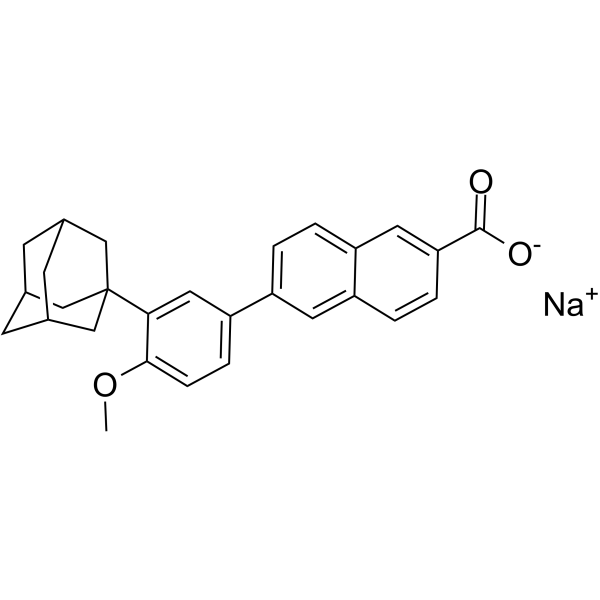
Adapalene (CD271) sodium salt, a third-generation synthetic retinoid, is widely used for the research of acne. Adapalene sodium salt is a potent RAR agonist, with AC50s of 2.3 nM, 9.3 nM, and 22 nM for RARβ, RARγ, RARα, respectively. Adapalene sodium salt also inhibits the enzymatic activity of GOT1 in a non-competitive manner. Adapalene sodium salt exhibits anti-tumor activity .
LG-100064 is a retinoid-X-receptor (RXR) agonist, with EC50s of 330 nM, 200 nM, and 260 nM for RXRα, RXRβ and RXRγ; LG-100064 can be used in the research of cancer.
Fluorobexarotene (compound 20) is a potent retinoid-X-receptor (RXR) agonist, with a Ki value of 12 nM and an EC50 value of 43 nM for RXRα receptor. Fluorobexarotene possesses an apparent RXR binding affinity that is 75% greater than Bexarotene .
RXR antagonist 1 (compound 6a) is a retinoid X receptor (RXR) modulator. RXR antagonist 1 shows potent RXR-antagonistic activity, with a pA2 of 8.06. RXR antagonist 1 can be used for type 2 diabetes research .
DC360 is a synthetic retinoid analogue of all-trans retinoic acid (ATRA) which induces RARβ expression. DC360 can be utilized in characterization of retinoid signalling pathways .
NEt-iFQ is a fluorescent retinoid X receptor (RXR) agonist with potent solvatochromic properties. NEt-iFQ selectively binds to RXR-LBP and fluoresces .
(all-E)-UAB30 (UAB30) is an retinoid X receptor (RXR) selective agonist.(all-E)-UAB30 shows anti-proliferation activity for MyLa, HuT 78, and HH cells with the IC50 of 34.7, 5.1, and 22.4 μM respectively .
Oxybenzone (Standard) is the analytical standard of Oxybenzone. This product is intended for research and analytical applications. Oxybenzone (Benzophenone 3) is a commonly used UV filter in sun tans and skin protectants. Oxybenzone act as endocrine disrupting chemicals (EDCs) and can pass through the placental and blood-brain barriers. Benzophenone-3 impairs autophagy, alters epigenetic status, and disrupts retinoid X receptor signaling in apoptotic neuronal cells .
Nobiletin (Standard) is the analytical standard of Nobiletin. This product is intended for research and analytical applications. Nobiletin is a poly-methoxylated flavone from the citrus peel that improves memory loss. Nobiletin is a retinoid acid receptor-related orphan receptors (RORs) agonist. Nobiletin can reduce reactive oxygen species (ROS) levels in differentiated C2C12 myotubes and has anti-inflammation and anti-cancer properties, including anti-angiogenesis, anti-proliferation, anti-metastasis and induced apoptosis .
6-Hydroxy bexarotene is the main circulating metabolite of bexarotene, found in rats, dogs, and humans. Compared to the parent compound, 6-hydroxy-bexarotene shows a significantly reduced ability to bind to retinoid receptors and exhibits very minimal activity in activating retinoic acid receptors .
Peretinoin (Standard) is the analytical standard of Peretinoin. This product is intended for research and analytical applications. Peretinoin is an oral acyclic retinoid with a vitamin A-like structure that targets retinoid nuclear receptors such as retinoid X receptor (RXR) and retinoic acid receptor (RAR). Peretinoin reduces the mRNA level of sphingosine kinase 1 (SPHK1) in vitro by downregulating a transcription factor, Sp1[1]. Peretinoin prevents the progression of non-alcoholic steatohepatitis (NASH) and the development of hepatocellular carcinoma (HCC) through activating the autophagy pathway by increased Atg16L1 expression[2]. Peretinoin inhibits HCV RNA amplification and virus release by altering lipid metabolism with a EC50 of 9 μM[3].
Etretinate-d3 is the deuterium labeled Etretinate. Etretinate (Ro 10-9359) is a second-generation retinoid that has the potential for severe psoriasis research.
Acitretin (Ro 10-1670) sodium is a second-generation, systemic retinoid that has been used in the treatment of psoriasis. Acitretin sodium also can be used for the research of Alzheimer’s disease .
Fenretinide (Standard) is the analytical standard of Fenretinide. This product is intended for research and analytical applications. Fenretinide (4-HPR) is a synthetic retinoid deriverative, binding to the retinoic acid receptors (RAR) at concentrations necessary to induce cell death.
RXR agonist 2 (Compound 22) is a highly selective retinoid X receptor (RXR) agonist (EC50=0.039 μM). RXR agonist 2 is promising for research of metabolic syndrome and Alzheimer's disease .
Tazarotenic acid-d6 is deuterium labeled Tazarotenic acid. Tazarotenic acid is the metabolite of Tazarotene. Tazarotenic acid binding to retinoic acid receptors (RARs) is the probable molecular target of retinoid action. Tazarotenic acid has the potential for the research of warty dyskeratoma .
AGN 193109-d7 is the deuterium labeled AGN 193109. AGN 193109 is a retinoid analog, and acts as a specific and highly effective antagonist of retinoic acid receptors (RARs), with Kds of 2 nM, 2 nM, and 3 nM for RARα, RARβ, and RARγ, respectively.
Acitretin (Standard) is the analytical standard of Acitretin. This product is intended for research and analytical applications. Acitretin (Ro 10-1670) is a second-generation, systemic retinoid that has been used in the treatment of psoriasis. Acitretin also can be used for the research of Alzheimer’s disease .
13-cis Acitretin-d3 is a deuterium labeled 13-cis Acitretin. 13-cis Acitretin is the metabolite of Acitretin after chronic administration. Acitretin(Ro 10-1670) is a second-generation, systemic retinoid that has been used in the treatment of psoriasis .
UAB116 is a Liver X Receptor (LXR)/Retinoid X Receptor (RXR) agonist. UAB116 can decreases metastatic phenotype in hepatoblastoma by inhibiting the Wnt/β-Catenin pathway via upregulation of TRIM29. UAB116 can reduce proliferation, stemness and invasiveness of metastatic hepatoblastoma cells .
RORγt modulator 3 (Compound 23) is a modulator of retinoid-related orphan receptor γt (RORγt). RORγt modulator 3 can be used for the research of RORyt mediated diseases such as, e.g., pain, inflammation, COPD, asthma, rheumatoid arthritis, colitis, multiple sclerosis, psoriasis, neurodegenerative diseases and cancer .
RORγt modulator 2 (Compound 21) is a modulator of retinoid-related orphan receptor γt (RORγt) with the IC50 of <50 nM. RORγt modulator 2 can be used for the research of RORyt mediated diseases such as, e.g., pain, inflammation, COPD, asthma, rheumatoid arthritis, colitis, multiple sclerosis, psoriasis, neurodegenerative diseases and cancer .
RBP4 ligand-1 is a non-retinoid ligands for (RBP4) retinol-binding protein 4. The hRBP4SPA IC50 and RBP4-TTR FRET IC50 values are 0.23±0.11 and 0.13±0.12 μM in the radioligand binding assay and FRET assay, respectively .
Deoxycholic acid (Standard) is the analytical standard of Deoxycholic acid. This product is intended for research and analytical applications. Deoxycholic acid (cholanoic acid), a bile acid, is a by-product of intestinal metabolism, that activates the G protein-coupled bile acid receptorTGR5 .
Ethacrynic acid (Etacrynic acid sodium) sodium is a diuretic. Ethacrynic acid sodium is an inhibitor of glutathione S-transferases (GSTs). Ethacrynic acid sodium is a potent inhibitor of NF-kB-signaling pathway, and also modulates leukotriene formation. Ethacrynic acid sodium also inhibits L-type voltage-dependent and store-operated calcium channel, leading to relaxation of airway smooth muscle (ASM) cells. Ethacrynic acid sodium has anti-inflammatory properties that reduces the retinoid-induced ear edema in mice .
LG190178 is a non-steroidal vitamin D receptor (VDR) ligand that can induce the formation of heterodimer complexes between VDR and retinoid X receptor (RXR), stabilizing the agonistic conformation of the VDR ligand-binding domain and promoting its interaction with co-activators. LG190178 has functions in regulating calcium homeostasis, bone mineralization, as well as cell proliferation, differentiation, and apoptosis, making it useful for research in psoriasis, osteoporosis, and cancer .
AGN 193109 is a retinoid analog, and acts as a specific and highly effective antagonist of retinoic acid receptors (RARs), with Kds of 2 nM, 2 nM, and 3 nM for RARα, RARβ, and RARγ, respectively. AGN 193109 is a click chemistry reagent, it contains an Alkyne group and can undergo copper-catalyzed azide-alkyne cycloaddition (CuAAc) with molecules containing Azide groups. AGN 193109 is the antidote for retinoic acidosis, that ameliorates the skin and mucosal toxicity.
Adapalene-d3 is the deuterium labeled Adapalene. Adapalene (CD271), a third-generation synthetic retinoid, is widely used for the research of acne. Adapalene is a potent RAR agonist, with AC50s of 2.3 nM, 9.3 nM, and 22 nM for RARβ, RARγ, RARα, respectively. Adapalene also inhibits the enzymatic activity of GOT1 in a non-competitive manner. Adapalene exhibits anti-tumor activity .
Tazarotenic acid-13C2,d2 (AGN 190299-13C2,d2) is the 13C and deuterium labeled isotope of Tazarotenic acid (HY-101108). Tazarotenic acid is the metabolite of Tazarotene. Tazarotenic acid binding to retinoic acid receptors (RARs) is the probable molecular target of retinoid action. Tazarotenic acid has the potential for the research of warty dyskeratoma .
Ethacrynic acid D5 is a deuterium labeled Ethacrynic acid. Ethacrynic acid is a diuretic. Ethacrynic acid is an inhibitor of glutathione S-transferases (GSTs). Ethacrynic acid is a potent inhibitor of NF-kB-signaling pathway, and also modulates leukotriene formation. Ethacrynic acid also inhibits L-type voltage-dependent and store-operated calcium channel, leading to relaxation of airway smooth muscle (ASM) cells. Ethacrynic acid has anti-inflammatory properties that reduces the retinoid-induced ear edema in mice .
Bexarotene- 13C6 (LGD1069- 13C6) is 13C labeled Bexarotene. Bexarotene (LGD1069) is a high-affinity and selective retinoid X receptors (RXR) agonist with EC50s of 33, 24, 25 nM for RXRα, RXRβ, and RXRγ, respectively. Bexarotene shows limited affinity for RAR receptors (EC50 >10000 nM) . Bexarotene can be used for the research of cutaneous T-cell lymphoma.
Bexarotene (Standard) is the analytical standard of Bexarotene. This product is intended for research and analytical applications. Bexarotene (LGD1069) is a high-affinity and selective retinoid X receptors (RXR) agonist with EC50s of 33, 24, 25 nM for RXRα, RXRβ, and RXRγ, respectively. Bexarotene shows limited affinity for RAR receptors (EC50 >10000 nM) . Bexarotene can be used for the research of cutaneous T-cell lymphoma.
Adapalene (Standard) is the analytical standard of Adapalene. This product is intended for research and analytical applications. Adapalene (CD271), a third-generation synthetic retinoid, is widely used for the research of acne. Adapalene is a potent RAR agonist, with AC50s of 2.3 nM, 9.3 nM, and 22 nM for RARβ, RARγ, RARα, respectively. Adapalene also inhibits the enzymatic activity of GOT1 in a non-competitive manner. Adapalene exhibits anti-tumor activity .
Oxybenzone- 13C6 (Benzophenone 3- 13C6) is the 13C-labeled Oxybenzone (HY-A0067). Oxybenzone (Benzophenone 3) is a commonly used UV filter in sun tans and skin protectants. Oxybenzone act as endocrine disrupting chemicals (EDCs) and can pass through the placental and blood-brain barriers. Benzophenone-3 impairs autophagy, alters epigenetic status, and disrupts retinoid X receptor signaling in apoptotic neuronal cells .
Bexarotene- 13C4 (LGD1069- 13C4) is the 13C-labeled Bexarotene (HY-14171). Bexarotene (LGD1069) is a high-affinity and selective retinoid X receptors (RXR) agonist with EC50s of 33, 24, 25 nM for RXRα, RXRβ, and RXRγ, respectively. Bexarotene shows limited affinity for RAR receptors (EC50 >10000 nM) . Bexarotene can be used for the research of cutaneous T-cell lymphoma.
Oxybenzone-d3 (Benzophenone 3-d3) is a deuterium labeled Oxybenzone (HY-A0067). Oxybenzone (Benzophenone 3) is a commonly used UV filter in sun tans and skin protectants. Oxybenzone act as endocrine disrupting chemicals (EDCs) and can pass through the placental and blood-brain barriers. Benzophenone-3 impairs autophagy, alters epigenetic status, and disrupts retinoid X receptor signaling in apoptotic neuronal cells .
LG100268 (Standard) is the analytical standard of LG100268. This product is intended for research and analytical applications. LG100268 (LG268) is a potent, selective and orally active retinoid X receptor (RXR) agonist with EC50 values of 4 nM, 3 nM, and 4 nM for RXR-α, RXR-β, and RXR-γ, respectively . LG100268 displays >1000-fold selectivity for RXR over RAR, the Ki values are 3.4 nM, 6.2 nM and 9.2 nM for RXR-α, RXR-β, and RXR-γ, respectively . LG100268 activates RXR homodimers to induce transcriptional activation. LG100268 can be used for the study of lung carcinogenesisy .
Ercalcitriol-d3 (1α,25-Dihydroxy Vitamin D2-d3) is the deuterium labeled Ercalcitriol (HY-32350). Ercalcitriol (1α,25-Dihydroxy Vitamin D2) is a vitamin D receptor (VDR) agonist with high binding affinity. After binding to VDR, Ercalcitriol forms a complex with retinoid X receptor (RXR) to regulate target gene transcription. For example, Ercalcitriol induces human gingival/oral epithelial cells to produce human cat antimicrobial peptide (hCAP-18/LL-37), which has antimicrobial activity against periodontal pathogens such as Porphyromonas gingivalis. Ercalcitriol enhances the innate immune defense of the oral mucosa by promoting the expression of antimicrobial peptides, and is mainly used in the study of periodontal diseases and immune-related oral diseases .
13-cis Acitretin (Isoacitretin; Ro 13-7652) is a retinoid and the major in vivo metabolite of etretinate. 13-cis Acitretin is formed via in vivo isomerization of etretinate. 13-cis Acitretin serves as the primary metabolite in blood .
Arotinoid (Standard) (Ro 13-6298 (Standard)) is the analytical standard of Arotinoid (HY-106735). This product is intended for research and analytical applications. Arotinoid (RO 13-6298) is a retinoid, and acts as an orally active and highly potent agonist of retinoic acid receptors (RARs) with antipsoriatic effects. Arotinoid has antipapiltoma activity with an ED50 of 0.05 mg/kg. Arotinoid can be used for the research of sKin carcinomas .
Ch55 (Standard) is the analytical standard of Ch55 (HY-107397). This product is intended for research and analytical applications. Ch55 is a potent synthetic retinoid. Ch55 binds to RAR-α and RAR-β receptors with high affinity. Ch55 displays low affinity for cellular retinoic acid binding protein (CRABP). Ch55 is a potent inducer of the differentiation of HL60 cells with an EC50 of 200 nM. Ch55 can be used for cancer research .
Cochinchinone P is a retinoid X receptor-α (RXRα) inhibitor that inhibits 9-cis-retinoic acid (HY-15128)-induced transcriptional activity of RXRα in vitro. Cochinchinone P can be used in cancer research .
BMS453 (Standard) is the analytical standard of BMS453 (HY-100608). This product is intended for research and analytical applications. BMS453 (BMS-189453), a synthetic retinoid, is a RARβ agonist and a RARα/RARγ antagonist. BMS453 inhibits breast cell growth predominantly through the induction of active TGFβ .
AGN-190121 is a selective RARβ/γretinoid agonist that inhibits IL-6 expression and cell proliferation in cancer cells by antagonizing NF-IL6. AGN-190121 can be used for the research of Kaposi's sarcoma .
All-trans-Retinyl oleate (Retinyl oleate) is a synthetic ester formed from the combination of Retinol (vitamin A) and oleic acid. All-trans-Retinyl oleate belongs to the class of retinoids, which are derivatives of vitamin A.
CD3254 (Standard) is the analytical standard of CD3254 (HY-107399). This product is intended for research and analytical applications. CD3254 a potent and selective retinoid-X-receptor (RXR) agonist .
UVI 3003 (Standard) is the analytical standard of UVI 3003 (HY-107500). This product is intended for research and analytical applications. UVI 3003 is a highly selective antagonist of retinoid X receptor (RXR), and inhibits xenopus and human RXRα in Cos7 cells, with IC50s of 0.22 and 0.24 μM, respectively.
LG-100064 (Standard) is the analytical standard of LG-100064 (HY-104070). This product is intended for research and analytical applications. LG-100064 is a retinoid-X-receptor (RXR) agonist, with EC50s of 330 nM, 200 nM, and 260 nM for RXRα, RXRβ and RXRγ; LG-100064 can be used in the research of cancer.
SR11237 (Standard) is the analytical standard of SR11237 (HY-107413). This product is intended for research and analytical applications. SR11237 (BMS-649) is a potent retinoid X receptor (RXR)-selective agonist that is devoid of any RAR activity. SR11237 can cause RXR/RXR homodimers to form and transactivate a reporter gene containing a RXR-response element .
ER-38925 is a retinoid agonist with selevtivity to retinoic acid receptor subtype α (RAR-α). ER-38925 prolongs the lifespan of the recipient mice dose-dependently. ER-38925 potently inhibits alloantigenstimulated donor T lymphocyte prolifertion in vitro. ER-38925 can prevent the development of antiallogeneic cytotoxic T lymphocyte response in mice. ER-38925 inhibits serum anti-DNA autoantibody production in mouse model of human chronic GVHD .
Adapalene- 13C6 (CD271- 13C6) is the 13C-labeled Adapalene (HY-B0091). Adapalene (CD271), a third-generation synthetic retinoid, is widely used for the research of acne. Adapalene is a potent RAR agonist, with AC50s of 2.3 nM, 9.3 nM, and 22 nM for RARβ, RARγ, RARα, respectively. Adapalene also inhibits the enzymatic activity of GOT1 in a non-competitive manner. Adapalene exhibits anti-tumor activity .
RXR antagonist 6 (Compound 34) is a selective partial retinoid X receptor (RXR) antagonist. RXR antagonist 6 shows no agonistic activity for any of the human RXRα/β/γ subtypes but it can strongly inhibit the receptor activation induced by full agonists of RXR (such as Bezafibrate (HY-B0637)) with an IC50 of 2.7 μM. RXR antagonist 6 can enhance PMA (HY-18739)-induced THP-1 cell differentiation. RXR antagonist 6 can be used for the research of cancer, metabolic and neurological disease, such as lymphoma .
3,7,11,15-Tetramethyl-2-hexadecen-1-ol (Standard) is the analytical standard of 3,7,11,15-Tetramethyl-2-hexadecen-1-ol (HY-W107616). This product is intended for research and analytical applications. 3,7,11,15-Tetramethyl-2-hexadecen-1-ol can be used to synthesize vitamin E and vitamin E's precursor vitamin K1. 3,7,11,15-Tetramethyl-2-hexadecen-1-ol regulates transcription in cells through the transcription factor PPAR-alpha and the retinoid X receptor (RXR)43 .
DC271 is a RAR agonist and synthetic retinoid that binds to the retinoid-binding site of cellular retinoic acid-binding protein II (CRBP-II). DC271 exhibits solvatochromic fluorescence properties: it produces intense blue-shifted emission in nonpolar environments and weak red-shifted emission in polar environments, and its severe fluorescence quenching in aqueous solutions can be reversed by embedding in the hydrophobic retinoid-binding protein pocket. DC271 enables direct detection of the binding between unlabeled compounds and related retinoid-binding proteins via fluorescence competition assays (Ex/Em = 355 nm/460 nm) .
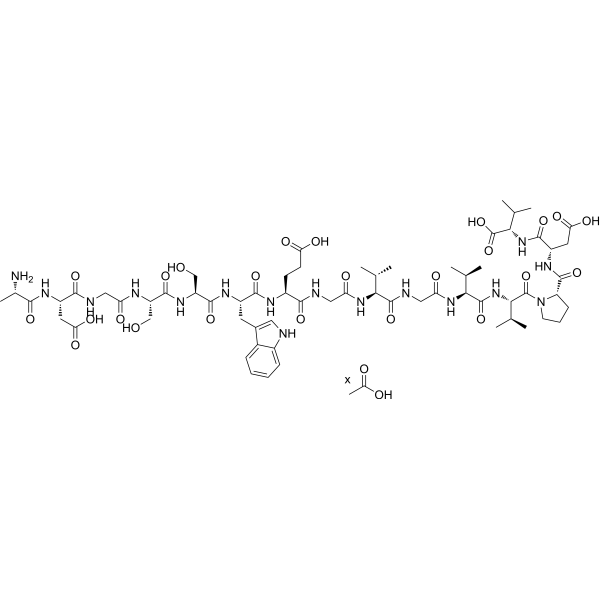
Interphotoreceptor Retinoid Binding Protein Fragment (IRBP) TFA, a 20-residue peptide and a major pathogenic epitope, is present in the first homologous repeat of the interphotoreceptor retinoid binding protein peptide (IRBP 161–180), which can induce posterior uveitis (EAU) .
IRBP derived peptide, R16 is a biological active peptide. (R16 is an IRBP (Interphotoreceptor retinoid binding protein) derived peptide. Photoreceptor cell protein is capable of inducing an experimental autoimmune uveitis (EAU) in susceptible animal strains.)
Interphotoreceptor Retinoid Binding Protein Fragment (IRBP), a 20-residue peptide and a major pathogenic epitope, is present in the first homologous repeat of the interphotoreceptor retinoid binding protein peptide (IRBP 161–180), which can induce posterior uveitis (EAU) .
IRBP derived peptide, R16 is a biological active peptide. (R16 is an IRBP (Interphotoreceptor retinoid binding protein) derived peptide. Photoreceptor cell protein is capable of inducing an experimental autoimmune uveitis (EAU) in susceptible animal strains.)
Nobiletin is a poly-methoxylated flavone from the citrus peel that improves memory loss. Nobiletin is a retinoid acid receptor-related orphan receptors (RORs) agonist. Nobiletin can reduce reactive oxygen species (ROS) levels in differentiated C2C12 myotubes and has anti-inflammation and anti-cancer properties, including anti-angiogenesis, anti-proliferation, anti-metastasis and induced apoptosis .
9-cis-Retinal is a natural retinoid. Dietary 9-cis-β-carotene generates 9-cis-retinoids via cleavage into 9-cis-retinal. 9-cis Retinal binds to cellular retinol-binding protein-I (CRBP-I) and CRBP-II with Kds of 8 nM and 5 nM, respectively. 9-cis-Retinal expedites differentiation and maturation of rod photoreceptors in retinal organoids .
Ercalcitriol (1α,25-Dihydroxy Vitamin D2) is a vitamin D receptor (VDR) agonist with high binding affinity. After binding to VDR, Ercalcitriol forms a complex with retinoid X receptor (RXR) to regulate target gene transcription. For example, Ercalcitriol induces human gingival/oral epithelial cells to produce human cat antimicrobial peptide (hCAP-18/LL-37), which has antimicrobial activity against periodontal pathogens such as Porphyromonas gingivalis. Ercalcitriol enhances the innate immune defense of the oral mucosa by promoting the expression of antimicrobial peptides, and is mainly used in the study of periodontal diseases and immune-related oral diseases .
Bigelovin, a sesquiterpene lactone isolated from Inula hupehensis, is a selective retinoid X receptor α agonist. Bigelovin suppresses tumor growth through inducing apoptosis and autophagy via the inhibition of mTOR pathway regulated by ROS generation .
3,7,11,15-Tetramethyl-2-hexadecen-1-ol can be used to synthesize vitamin E and vitamin E's precursor vitamin K1. 3,7,11,15-Tetramethyl-2-hexadecen-1-ol regulates transcription in cells through the transcription factor PPAR-alpha and the retinoid X receptor (RXR)43 .
Nobiletin (Standard) is the analytical standard of Nobiletin. This product is intended for research and analytical applications. Nobiletin is a poly-methoxylated flavone from the citrus peel that improves memory loss. Nobiletin is a retinoid acid receptor-related orphan receptors (RORs) agonist. Nobiletin can reduce reactive oxygen species (ROS) levels in differentiated C2C12 myotubes and has anti-inflammation and anti-cancer properties, including anti-angiogenesis, anti-proliferation, anti-metastasis and induced apoptosis .
13-cis Acitretin (Isoacitretin; Ro 13-7652) is a retinoid and the major in vivo metabolite of etretinate. 13-cis Acitretin is formed via in vivo isomerization of etretinate. 13-cis Acitretin serves as the primary metabolite in blood .
Cochinchinone P is a retinoid X receptor-α (RXRα) inhibitor that inhibits 9-cis-retinoic acid (HY-15128)-induced transcriptional activity of RXRα in vitro. Cochinchinone P can be used in cancer research .
3,7,11,15-Tetramethyl-2-hexadecen-1-ol (Standard) is the analytical standard of 3,7,11,15-Tetramethyl-2-hexadecen-1-ol (HY-W107616). This product is intended for research and analytical applications. 3,7,11,15-Tetramethyl-2-hexadecen-1-ol can be used to synthesize vitamin E and vitamin E's precursor vitamin K1. 3,7,11,15-Tetramethyl-2-hexadecen-1-ol regulates transcription in cells through the transcription factor PPAR-alpha and the retinoid X receptor (RXR)43 .
RISC proteins have emerged as potential regulators of blood vessel wall and renal homeostasis, suggesting a possible role for RISC proteins in regulating key processes in these physiological environments. RISC Protein, Mouse (HEK293, His) is the recombinant mouse-derived RISC protein, expressed by HEK293 , with C-His labeled tag.
RISC protein is intricately linked to maintaining homeostasis in the vascular wall and kidney, implying a regulatory role in physiological processes. Its potential involvement underscores its importance in sustaining balance and optimal functioning in these systems. Further exploration of RISC protein mechanisms holds promise for insights contributing to therapeutic potential in vascular and renal health. RISC Protein, Human (HEK293, His) is the recombinant human-derived RISC protein, expressed by HEK293 , with C-His labeled tag.
RBP3 Protein, or interphotoreceptor retinoid-binding protein (IRBP), crucially facilitates the transport of retinoids between retinol isomerase and visual pigments in the retina. Its role is essential for maintaining the visual pathway's integrity, ensuring proper synthesis and regeneration of visual pigments crucial for vision. RBP3 Protein, Human (His) is the recombinant human-derived RBP3 protein, expressed by E. coli , with N-6*His labeled tag.
RXRB protein is a receptor for retinoic acid and forms a heterodimer, especially RAR/RXR, which regulates gene expression through the retinoic acid response element (RARE). RXRB exhibits homodimerization and forms heterodimers with other retinoic acid receptor family members. RXRB Protein, Human is the recombinant human-derived RXRB protein, expressed by E. coli , with tag free.
RXRB protein is a receptor for retinoic acid and forms a heterodimer, especially RAR/RXR, which regulates gene expression through the retinoic acid response element (RARE). RXRB exhibits homodimerization and forms heterodimers with other retinoic acid receptor family members. RXRB Protein, Human (His) is the recombinant human-derived RXRB protein, expressed by E. coli , with N-6*His labeled tag.
RBP7 protein, a member of the CRBP family, is involved in the stability and metabolism of vitamin A. It binds to all-trans-retinol but with lower affinity compared to other CRBPs. RBP7 protein is expressed in fat, spleen, and other tissues, indicating possible tissue-specific functions. RBP7 Protein, Human (His) is the recombinant human-derived RBP7 protein, expressed by E. coli , with N-6*His labeled tag.
The RORa protein is a nuclear receptor that is critical for a variety of physiological processes including development, immunity, circadian rhythms, and metabolic pathways. RORa operates as a monomer, binding DNA to RORE and exhibiting intrinsic transcriptional activity. RORa Protein, Human (sf9) is the recombinant human-derived RORa protein, expressed by sf9 insect cells , with tag free.
The RORa protein is a nuclear receptor that is critical for a variety of physiological processes including development, immunity, circadian rhythms, and metabolic pathways. RORa operates as a monomer, binding DNA to RORE and exhibiting intrinsic transcriptional activity. RORa Protein, Human (sf9, His) is the recombinant human-derived RORa protein, expressed by sf9 insect cells , with N-8*His labeled tag.
Bexarotene-d4 is a deuterium labeled Bexarotene (LGD1069). Bexarotene (LGD1069) is a selective retinoid X receptors (RXR) agonist for the treatment of cutaneous T-cell lymphoma .
Oxybenzone-d5 is the deuterium labeled Oxybenzone . Oxybenzone (Benzophenone 3) is a commonly used UV filter in sun tans and skin protectants. Oxybenzone act as endocrine disrupting chemicals (EDCs) and can pass through the placental and blood-brain barriers. Benzophenone-3 impairs autophagy, alters epigenetic status, and disrupts retinoid X receptor signaling in apoptotic neuronal cells .
Etretinate-d3 is the deuterium labeled Etretinate. Etretinate (Ro 10-9359) is a second-generation retinoid that has the potential for severe psoriasis research.
Tazarotenic acid-d6 is deuterium labeled Tazarotenic acid. Tazarotenic acid is the metabolite of Tazarotene. Tazarotenic acid binding to retinoic acid receptors (RARs) is the probable molecular target of retinoid action. Tazarotenic acid has the potential for the research of warty dyskeratoma .
AGN 193109-d7 is the deuterium labeled AGN 193109. AGN 193109 is a retinoid analog, and acts as a specific and highly effective antagonist of retinoic acid receptors (RARs), with Kds of 2 nM, 2 nM, and 3 nM for RARα, RARβ, and RARγ, respectively.
13-cis Acitretin-d3 is a deuterium labeled 13-cis Acitretin. 13-cis Acitretin is the metabolite of Acitretin after chronic administration. Acitretin(Ro 10-1670) is a second-generation, systemic retinoid that has been used in the treatment of psoriasis .
Adapalene-d3 is the deuterium labeled Adapalene. Adapalene (CD271), a third-generation synthetic retinoid, is widely used for the research of acne. Adapalene is a potent RAR agonist, with AC50s of 2.3 nM, 9.3 nM, and 22 nM for RARβ, RARγ, RARα, respectively. Adapalene also inhibits the enzymatic activity of GOT1 in a non-competitive manner. Adapalene exhibits anti-tumor activity .
Tazarotenic acid-13C2,d2 (AGN 190299-13C2,d2) is the 13C and deuterium labeled isotope of Tazarotenic acid (HY-101108). Tazarotenic acid is the metabolite of Tazarotene. Tazarotenic acid binding to retinoic acid receptors (RARs) is the probable molecular target of retinoid action. Tazarotenic acid has the potential for the research of warty dyskeratoma .
Bexarotene- 13C6 (LGD1069- 13C6) is 13C labeled Bexarotene. Bexarotene (LGD1069) is a high-affinity and selective retinoid X receptors (RXR) agonist with EC50s of 33, 24, 25 nM for RXRα, RXRβ, and RXRγ, respectively. Bexarotene shows limited affinity for RAR receptors (EC50 >10000 nM) . Bexarotene can be used for the research of cutaneous T-cell lymphoma.
Oxybenzone- 13C6 (Benzophenone 3- 13C6) is the 13C-labeled Oxybenzone (HY-A0067). Oxybenzone (Benzophenone 3) is a commonly used UV filter in sun tans and skin protectants. Oxybenzone act as endocrine disrupting chemicals (EDCs) and can pass through the placental and blood-brain barriers. Benzophenone-3 impairs autophagy, alters epigenetic status, and disrupts retinoid X receptor signaling in apoptotic neuronal cells .
Bexarotene- 13C4 (LGD1069- 13C4) is the 13C-labeled Bexarotene (HY-14171). Bexarotene (LGD1069) is a high-affinity and selective retinoid X receptors (RXR) agonist with EC50s of 33, 24, 25 nM for RXRα, RXRβ, and RXRγ, respectively. Bexarotene shows limited affinity for RAR receptors (EC50 >10000 nM) . Bexarotene can be used for the research of cutaneous T-cell lymphoma.
Oxybenzone-d3 (Benzophenone 3-d3) is a deuterium labeled Oxybenzone (HY-A0067). Oxybenzone (Benzophenone 3) is a commonly used UV filter in sun tans and skin protectants. Oxybenzone act as endocrine disrupting chemicals (EDCs) and can pass through the placental and blood-brain barriers. Benzophenone-3 impairs autophagy, alters epigenetic status, and disrupts retinoid X receptor signaling in apoptotic neuronal cells .
Ercalcitriol-d3 (1α,25-Dihydroxy Vitamin D2-d3) is the deuterium labeled Ercalcitriol (HY-32350). Ercalcitriol (1α,25-Dihydroxy Vitamin D2) is a vitamin D receptor (VDR) agonist with high binding affinity. After binding to VDR, Ercalcitriol forms a complex with retinoid X receptor (RXR) to regulate target gene transcription. For example, Ercalcitriol induces human gingival/oral epithelial cells to produce human cat antimicrobial peptide (hCAP-18/LL-37), which has antimicrobial activity against periodontal pathogens such as Porphyromonas gingivalis. Ercalcitriol enhances the innate immune defense of the oral mucosa by promoting the expression of antimicrobial peptides, and is mainly used in the study of periodontal diseases and immune-related oral diseases .
Adapalene- 13C6 (CD271- 13C6) is the 13C-labeled Adapalene (HY-B0091). Adapalene (CD271), a third-generation synthetic retinoid, is widely used for the research of acne. Adapalene is a potent RAR agonist, with AC50s of 2.3 nM, 9.3 nM, and 22 nM for RARβ, RARγ, RARα, respectively. Adapalene also inhibits the enzymatic activity of GOT1 in a non-competitive manner. Adapalene exhibits anti-tumor activity .
DAUD I6 antibody; DAUDI6 antibody; H 2RIIBP antibody; H2RIIBP antibody; MGC1831 antibody; MHC class I promoter binding protein antibody; NR2B2 antibody; Nuclear receptor subfamily 2 group B member 2 antibody; RCoR 1 antibody; RCoR1 antibody; DAUD I6 antibody; DAUDI6 antibody; H 2RIIBP antibody; H2RIIBP antibody; MGC1831 antibody; MHC class I promoter binding protein antibody; NR2B2 antibody; Nuclear receptor subfamily 2 group B member 2 antibody; RCoR 1 antibody; RCoR1 antibody; Retinoic acid receptor RXR beta antibody; Retinoic acid receptor RXR-beta antibody; Retinoid X receptor beta antibody; RXR beta antibody; Rxrb antibody; RXRB_HUMAN antibody; RXRbeta antibody;
WB, ICC/IF, IHC-P
Human, Mouse, Rat
Retinoid X Receptor beta/RXRB Antibody (YA6753) is a Rabbit-derived and non-conjugated IgG monoclonal antibody, targeting to Retinoid X Receptor beta/RXRB.
(5)
Product Comparison
Compare
Clear All
Compare Products
Products
In-stock
-
+
Add to Cart
Cat. No.
Host
Reactivity
Application
Dilution Ratio
Molecular Weight
Conjugation
Clonality
Immunogen
Appearance
Isotype
Gene ID
SwissProt ID
Purity
Formulation
Free Sample
YesNo
Size
* This product has been "discontinued".
Optimized version of product available:
/
In-stock
-
+
Add to Cart
Get quote
Inquiry Online
Your information is safe with us. * Required Fields.
Western blot analysis of extracts from THP-1(lane 2(20μg), Jurkat (lane 3(20μg) and NIH3T3(lane 4(20μg) using FOXO1A (HY-P80132) Rabbit mAb. Proteins were transferred
to a PVDF membrane and blocked with 5% non-fat milk in TBST for 2 hour at room temperature. The primary antibody (1/1000) and Loading control antibody (Beta Actin, HY-P80438, 1/10000) was
used in 5% non-fat milk in TBST at 4°C overnight. Goat Anti-Mouse/Rabbit IgG-HRP Secondary Antibody (1/10000) was used for 1 hour at room temperature.
Western blot analysis of extracts from THP-1(lane 2(20μg), Jurkat (lane 3(20μg) and NIH3T3(lane 4(20μg) using FOXO1A (HY-P80132) Rabbit mAb. Proteins were transferred
to a PVDF membrane and blocked with 5% non-fat milk in TBST for 2 hour at room temperature. The primary antibody (1/1000) and Loading control antibody (Beta Actin, HY-P80438, 1/10000) was
used in 5% non-fat milk in TBST at 4°C overnight. Goat Anti-Mouse/Rabbit IgG-HRP Secondary Antibody (1/10000) was used for 1 hour at room temperature.
Western blot analysis of extracts from THP-1(lane 2(20μg), Jurkat (lane 3(20μg) and NIH3T3(lane 4(20μg) using FOXO1A (HY-P80132) Rabbit mAb. Proteins were transferred
to a PVDF membrane and blocked with 5% non-fat milk in TBST for 2 hour at room temperature. The primary antibody (1/1000) and Loading control antibody (Beta Actin, HY-P80438, 1/10000) was
used in 5% non-fat milk in TBST at 4°C overnight. Goat Anti-Mouse/Rabbit IgG-HRP Secondary Antibody (1/10000) was used for 1 hour at room temperature.
Western blot analysis of extracts from THP-1(lane 2(20μg), Jurkat (lane 3(20μg) and NIH3T3(lane 4(20μg) using FOXO1A (HY-P80132) Rabbit mAb. Proteins were transferred
to a PVDF membrane and blocked with 5% non-fat milk in TBST for 2 hour at room temperature. The primary antibody (1/1000) and Loading control antibody (Beta Actin, HY-P80438, 1/10000) was
MedchemExpress Validation 03
Western blot analysis of extracts from THP-1(lane 2(20μg), Jurkat (lane 3(20μg) and NIH3T3(lane 4(20μg) using FOXO1A (HY-P80132) Rabbit mAb. Proteins were transferred
MedchemExpress Validation 04
Western blot analysis of extracts from THP-1(lane 2(20μg), Jurkat (lane 3(20μg) and NIH3T3(lane 4(20μg) using FOXO1A (HY-P80132) Rabbit mAb. Proteins were transferred
to a PVDF membrane and blocked with 5% non-fat milk in TBST for 2 hour at room temperature. The primary antibody (1/1000) and Loading control antibody (Beta Actin, HY-P80438, 1/10000) was
used in 5% non-fat milk in TBST at 4°C overnight. Goat Anti-Mouse/Rabbit IgG-HRP Secondary Antibody (1/10000) was used for 1 hour at room temperature.
MedchemExpress Validation
Western blot analysis of extracts from THP-1(lane 2(20μg), Jurkat (lane 3(20μg) and NIH3T3(lane 4(20μg) using FOXO1A (HY-P80132) Rabbit mAb. Proteins were transferred
to a PVDF membrane and blocked with 5% non-fat milk in TBST for 2 hour at room temperature. The primary antibody (1/1000) and Loading control antibody (Beta Actin, HY-P80438, 1/10000) was
used in 5% non-fat milk in TBST at 4°C overnight. Goat Anti-Mouse/Rabbit IgG-HRP Secondary Antibody (1/10000) was used for 1 hour at room temperature.
Western blot analysis of extracts from THP-1(lane 2(20μg), Jurkat (lane 3(20μg) and NIH3T3(lane 4(20μg) using FOXO1A (HY-P80132) Rabbit mAb. Proteins were transferred
to a PVDF membrane and blocked with 5% non-fat milk in TBST for 2 hour at room temperature. The primary antibody (1/1000) and Loading control antibody (Beta Actin, HY-P80438, 1/10000) was
used in 5% non-fat milk in TBST at 4°C overnight. Goat Anti-Mouse/Rabbit IgG-HRP Secondary Antibody (1/10000) was used for 1 hour at room temperature.
MedchemExpress Validation
Western blot analysis of extracts from THP-1(lane 2(20μg), Jurkat (lane 3(20μg) and NIH3T3(lane 4(20μg) using FOXO1A (HY-P80132) Rabbit mAb. Proteins were transferred
to a PVDF membrane and blocked with 5% non-fat milk in TBST for 2 hour at room temperature. The primary antibody (1/1000) and Loading control antibody (Beta Actin, HY-P80438, 1/10000) was
used in 5% non-fat milk in TBST at 4°C overnight. Goat Anti-Mouse/Rabbit IgG-HRP Secondary Antibody (1/10000) was used for 1 hour at room temperature.
MedchemExpress Validation
Western blot analysis of extracts from THP-1(lane 2(20μg), Jurkat (lane 3(20μg) and NIH3T3(lane 4(20μg) using FOXO1A (HY-P80132) Rabbit mAb. Proteins were transferred
to a PVDF membrane and blocked with 5% non-fat milk in TBST for 2 hour at room temperature. The primary antibody (1/1000) and Loading control antibody (Beta Actin, HY-P80438, 1/10000) was
used in 5% non-fat milk in TBST at 4°C overnight. Goat Anti-Mouse/Rabbit IgG-HRP Secondary Antibody (1/10000) was used for 1 hour at room temperature.
MedchemExpress Validation
Western blot analysis of extracts from THP-1(lane 2(20μg), Jurkat (lane 3(20μg) and NIH3T3(lane 4(20μg) using FOXO1A (HY-P80132) Rabbit mAb. Proteins were transferred
to a PVDF membrane and blocked with 5% non-fat milk in TBST for 2 hour at room temperature. The primary antibody (1/1000) and Loading control antibody (Beta Actin, HY-P80438, 1/10000) was
used in 5% non-fat milk in TBST at 4°C overnight. Goat Anti-Mouse/Rabbit IgG-HRP Secondary Antibody (1/10000) was used for 1 hour at room temperature.
MedchemExpress Validation
Western blot analysis of extracts from THP-1(lane 2(20μg), Jurkat (lane 3(20μg) and NIH3T3(lane 4(20μg) using FOXO1A (HY-P80132) Rabbit mAb. Proteins were transferred
to a PVDF membrane and blocked with 5% non-fat milk in TBST for 2 hour at room temperature. The primary antibody (1/1000) and Loading control antibody (Beta Actin, HY-P80438, 1/10000) was
used in 5% non-fat milk in TBST at 4°C overnight. Goat Anti-Mouse/Rabbit IgG-HRP Secondary Antibody (1/10000) was used for 1 hour at room temperature.
MedchemExpress Validation
Western blot analysis of extracts from THP-1(lane 2(20μg), Jurkat (lane 3(20μg) and NIH3T3(lane 4(20μg) using FOXO1A (HY-P80132) Rabbit mAb. Proteins were transferred
to a PVDF membrane and blocked with 5% non-fat milk in TBST for 2 hour at room temperature. The primary antibody (1/1000) and Loading control antibody (Beta Actin, HY-P80438, 1/10000) was
used in 5% non-fat milk in TBST at 4°C overnight. Goat Anti-Mouse/Rabbit IgG-HRP Secondary Antibody (1/10000) was used for 1 hour at room temperature.
MedchemExpress Validation
Western blot analysis of extracts from THP-1(lane 2(20μg), Jurkat (lane 3(20μg) and NIH3T3(lane 4(20μg) using FOXO1A (HY-P80132) Rabbit mAb. Proteins were transferred
to a PVDF membrane and blocked with 5% non-fat milk in TBST for 2 hour at room temperature. The primary antibody (1/1000) and Loading control antibody (Beta Actin, HY-P80438, 1/10000) was
used in 5% non-fat milk in TBST at 4°C overnight. Goat Anti-Mouse/Rabbit IgG-HRP Secondary Antibody (1/10000) was used for 1 hour at room temperature.
MedChemExpress values your privacy and your trust is important to us. We use cookies to enhance your website experience. Some cookies are necessary to run the website.
Privacy and Cookie Policy

