1. Search Result
Search Result
Results for "

Reversible Inhibition

" in MedChemExpress (MCE) Product Catalog:

77

Inhibitors & Agonists

1

Screening Libraries

1

Peptides

5

Natural
Products

2

Isotope-Labeled Compounds

1

Click Chemistry

Cat. No. Product Name Target Research Areas Chemical Structure
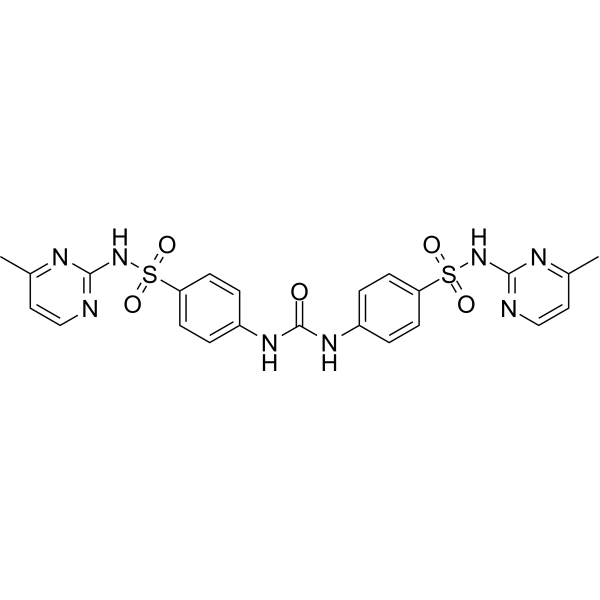
  • HY-139664
    GSK-3685032
    10+ Cited Publications

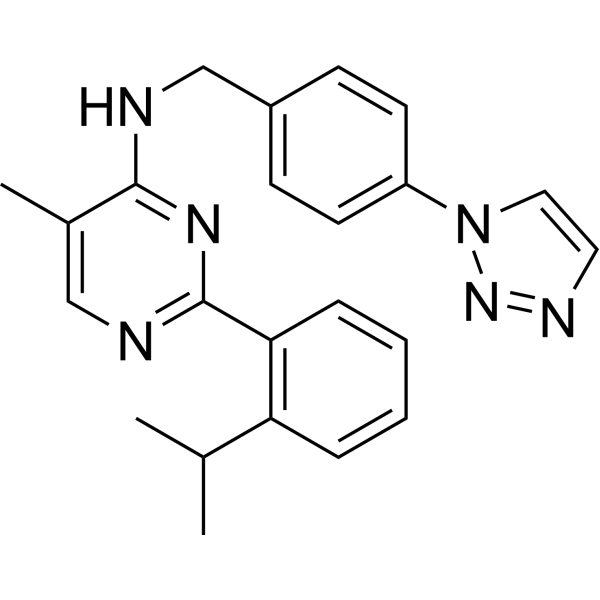
    DNA Methyltransferase Cancer
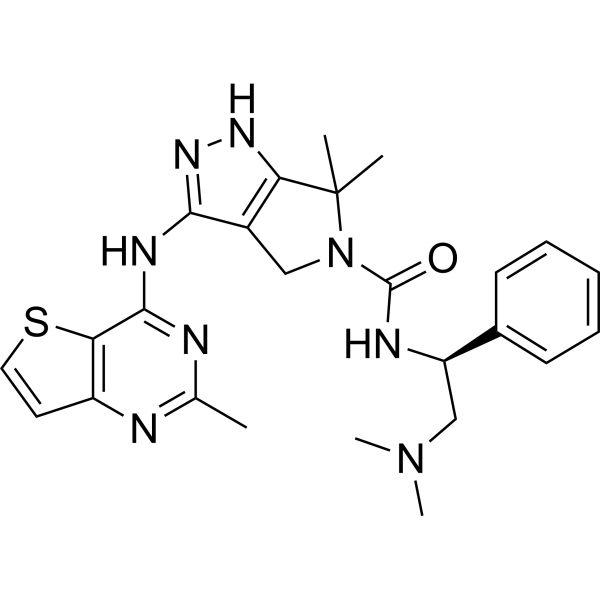
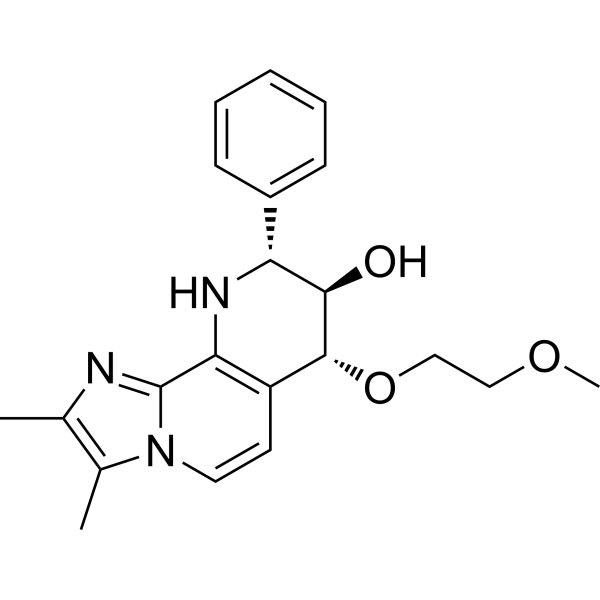
    GSK-3685032 is a non-time-dependent, noncovalently, first-in-class reversible DNMT1-selective inhibitor, with an IC50 of 0.036 μM. GSK-3685032 induces robust loss of DNA methylation, transcriptional activation, and cancer cell growth inhibition .
    GSK-3685032
  • HY-15185
    Nirogacestat
    10+ Cited Publications

    PF-3084014

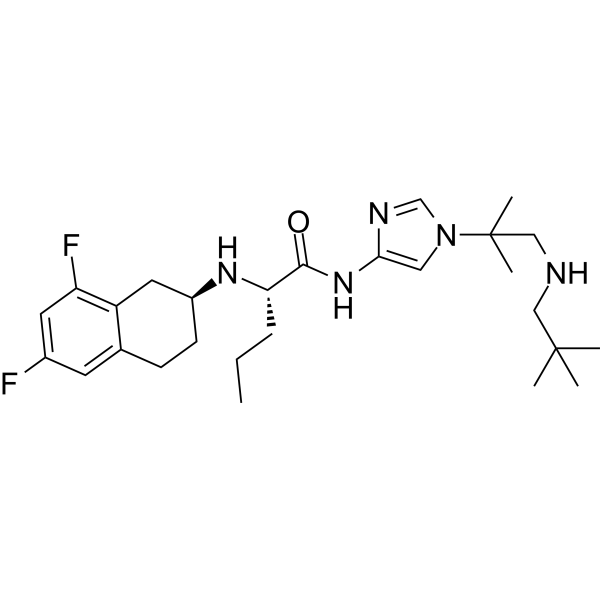
    γ-secretase Apoptosis Cancer
    Nirogacestat (PF-3084014) is a reversible, orally bioavailable, noncompetitive, and selective γ-secretase inhibitor with an IC50 of 6.2 nM. Inhibition of Notch signaling by Nirogacestat while minimizing gastrointestinal toxicity presents a promising approach for research of Notch receptor-dependent cancers .
    Nirogacestat
  • HY-13007
    PF-3758309
    5+ Cited Publications

    PF-03758309

    PAK Apoptosis Cancer
    PF-3758309 (PF-03758309) is a potent, orally available, and reversible ATP-competitive inhibitor of PAK4 (Kd= 2.7 nM; Ki=18.7 nM). PF-3758309 has the expected cellular functions of a PAK4 inhibitor: inhibition of anchorage-independent growth, induction of apoptosis, cytoskeletal remodeling, and inhibition of proliferation .
    PF-3758309
  • HY-129388B
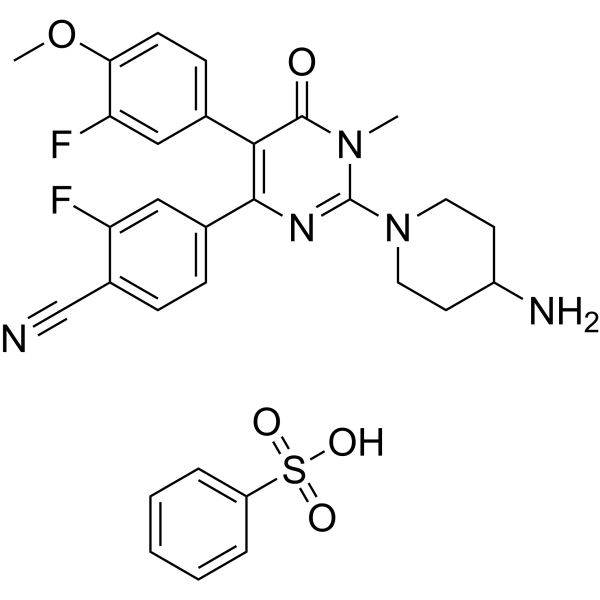
    Pulrodemstat benzenesulfonate
    4 Publications Verification

    CC-90011 benzenesulfonate; LSD1-IN-7 benzenesulfonate

    Histone Demethylase Inflammation/Immunology Cancer
    Pulrodemstat (CC-90011) benzenesulfonate is a potent, selective, reversible and orally active inhibitor of lysine specific demethylase-1 (LSD1) with an IC50 of 0.25 nM. Pulrodemstat benzenesulfonate is less enzymatic inhibition against LSD2, MAO-A, and MAO-B. Pulrodemstat benzenesulfonate induces acute myeloid leukemia (AML) and small cell lung cancer (SCLC) cells differentiation and has potent anticancer activity .
    Pulrodemstat benzenesulfonate
  • HY-17543
    ML-323
    Maximum Cited Publications
    17 Publications Verification

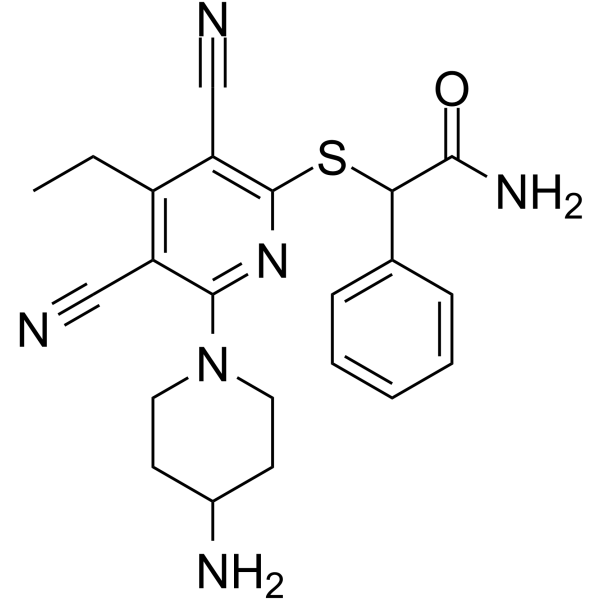
    Deubiquitinase Cancer
    ML-323 is a reversible, potent USP1-UAF1 inhibitor with IC50 of 76 nM in a Ub-Rho assay. The measured inhibition constants of ML-323 for the free enzyme (Ki) is 68 nM.
    ML-323
  • HY-B0563
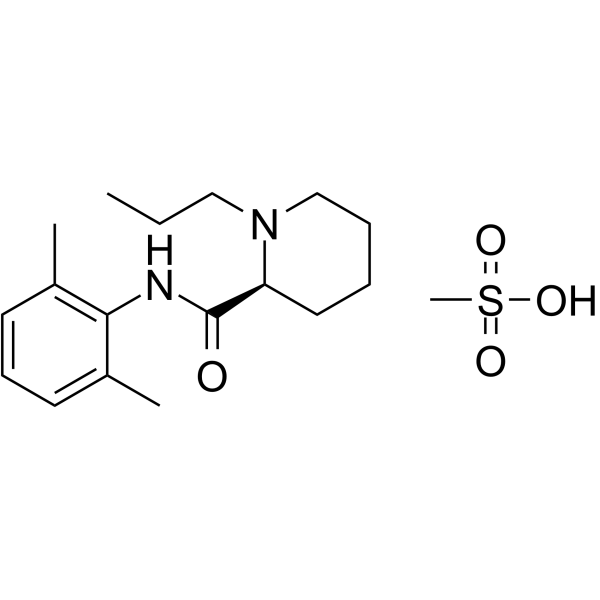
    Ropivacaine
    5+ Cited Publications

    Sodium Channel Potassium Channel Cardiovascular Disease Neurological Disease Cancer
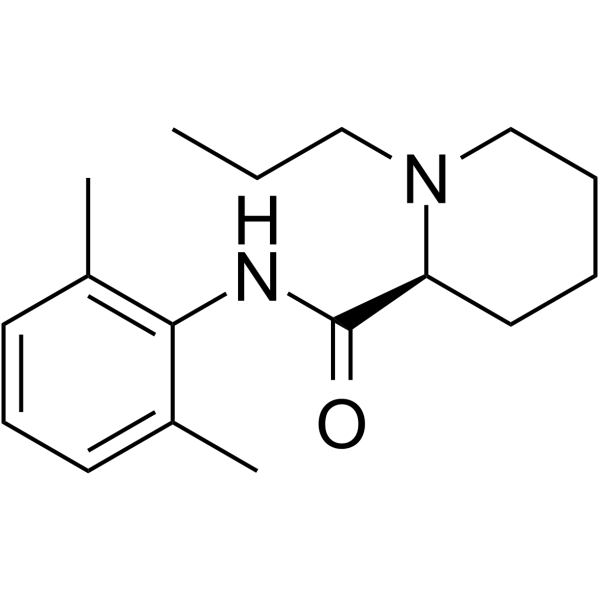
    Ropivacain is a potent sodium channel blocker. Ropivacain blocks impulse conduction via reversible inhibition of sodium ion influx in nerve fibrese . Ropivacaine is also an inhibitor of K2P (two-pore domain potassium channel) TREK-1 with an IC50 of 402.7 μM in COS-7 cell's membrane . Ropivacaine is used for the research of neuropathic pain management .
    Ropivacaine
  • HY-B0563B
    Ropivacaine hydrochloride
    5+ Cited Publications

    Sodium Channel Potassium Channel Cardiovascular Disease Neurological Disease Cancer
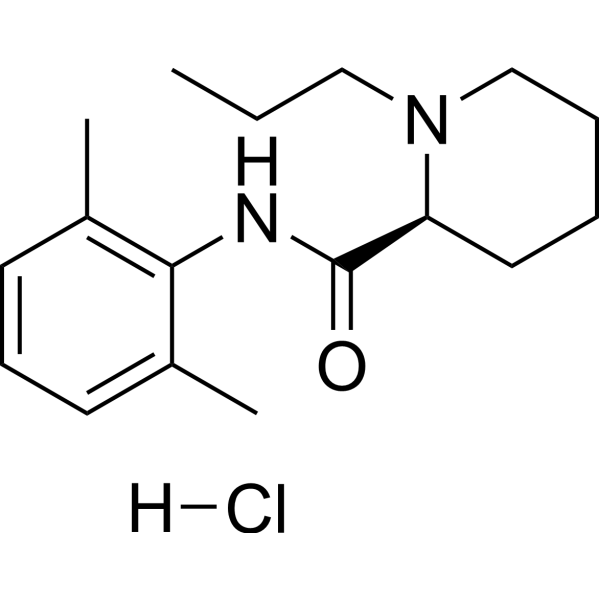
    Ropivacaine hydrochloride is a potent sodium channel blocker and blocks impulse conduction via reversible inhibition of sodium ion influx in nerve fibrese . Ropivacaine is also an inhibitor of K2P (two-pore domain potassium channel) TREK-1 with an IC50 of 402.7 μM in COS-7 cell's membrane . Ropivacaine is widely used for neuropathic pain management in vivo .
    Ropivacaine hydrochloride
  • HY-100414
    Soraprazan
    2 Publications Verification

    BYK61359

    Proton Pump Metabolic Disease
    Soraprazan (BYK61359) is a selective, reversible K-competitive inhibitor of the H,K-ATPase (Ki=6.4 nM), with an IC50 of 0.19 μM in gastric glands. Soraprazan binds to the H,K-ATPase with a Kd of 28.27 nM. Soraprazan shows immediate inhibition of acid secretion and is more than 2000-fold selective for H,K-ATPase over Na,K- and Ca-ATPases .
    Soraprazan
  • HY-110137
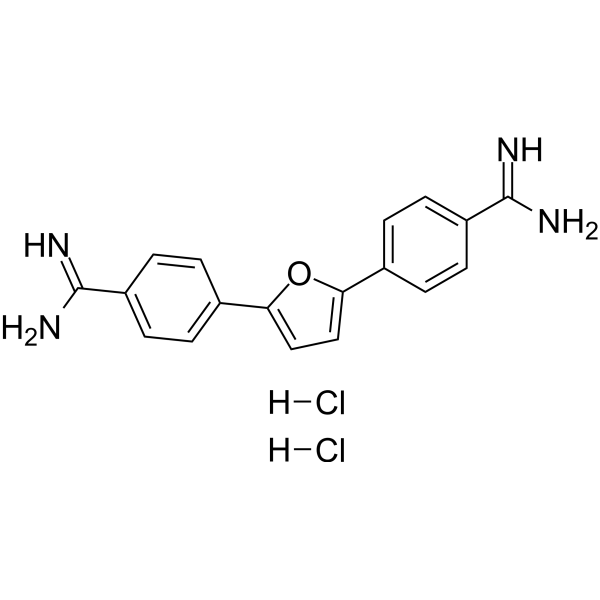
    Furamidine dihydrochloride
    3 Publications Verification

    DB75 dihydrochloride; NSC 305831 dihydrochloride

    Histone Methyltransferase Phosphodiesterase (PDE) Parasite Infection Inflammation/Immunology Cancer
    Furamidine dihydrochloride (DB75 dihydrochloride) is a selective protein arginine methyltransferase 1 (PRMT1) inhibitor with an IC50 of 9.4 μM. Furamidine dihydrochloride is selective for PRMT1 over PRMT5, PRMT6, and PRMT4 (CARM1) (IC50s of 166 µM, 283 µM, and >400 µM, respectively). Furamidine dihydrochloride is a potent, reversible and competitive tyrosyl-DNA phosphodiesterase 1 (TDP-1) inhibitor. Inhibition of TDP-1 by Furamidine dihydrochloride is effective both with single- and double-stranded DNA substrates but is slightly stronger with the duplex DNA. Furamidine dihydrochloride is also an antiparasite agent .
    Furamidine dihydrochloride
  • HY-15185B
    Nirogacestat dihydrobromide
    10+ Cited Publications

    PF-3084014 dihydrobromide; PF-03084014 dihydrobromide

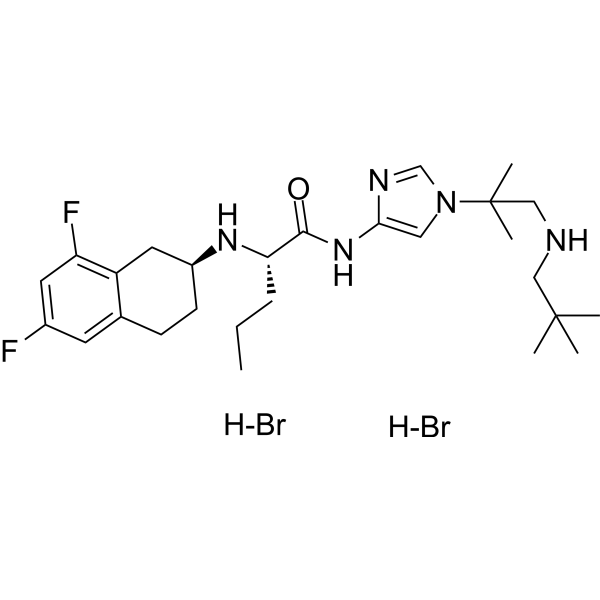
    γ-secretase Apoptosis Cancer
    Nirogacestat dihydrobromide (PF-3084014 dihydrobromide) is a reversible, orally bioavailable, noncompetitive, and selective γ-secretase inhibitor with an IC50 of 6.2 nM. Inhibition of Notch signaling by Nirogacestat dihydrobromide while minimizing gastrointestinal toxicity presents a promising approach for research of Notch receptor-dependent cancers .
    Nirogacestat dihydrobromide
  • HY-N0313

    MAGL Endogenous Metabolite Inflammation/Immunology
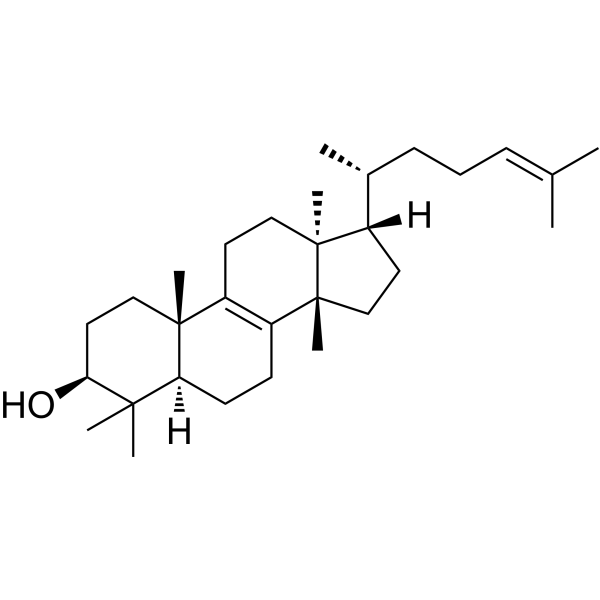
    Euphol is a tetracyclic triterpene alcohol isolated from the sap of Euphorbia tirucalli with anti-mutagenic, anti-inflammatory and immunomodulatory effects, orally active. Euphol inhibits the monoacylglycerol lipase (MGL) activity via a reversible mechanism (IC50=315 nM). MGL inhibition in the periphery modulates the endocannabinoid system to block the development of inflammatory pain .
    Euphol
  • HY-117769

    Fatty Acid Synthase (FASN) Metabolic Disease
    GSK837149A is a selective inhibitor of human Fatty Acid Synthase (FASN) targeting the KR domain. GSK837149A has reversible inhibition effect on FASN and selectivity for type I FASN (Ki=30 nM). GSK837149A is also a competitive inhibitor of NADPH and a non-competitive inhibitor of acetoacetyl-CoA. GSK837149A can be used for the research of obesity and breast cancer .
    GSK837149A
  • HY-B0563A

    Sodium Channel Potassium Channel Cardiovascular Disease Neurological Disease Cancer
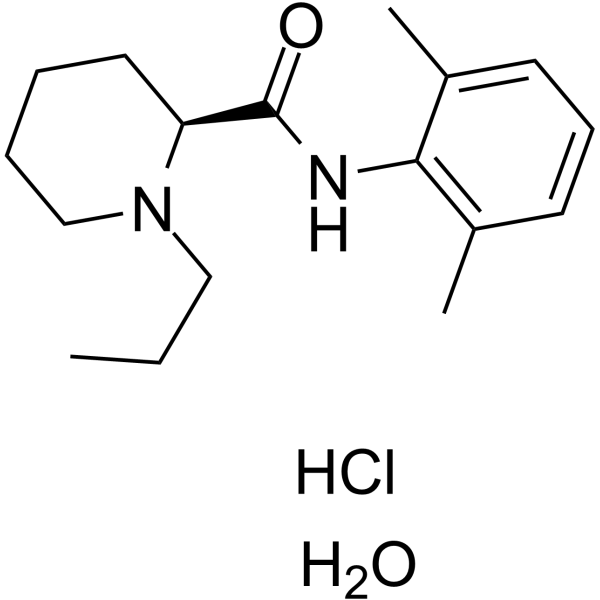
    Ropivacaine hydrochloride monohydrate is a potent sodium channel blocker and blocks impulse conduction via reversible inhibition of sodium ion influx in nerve fibrese . Ropivacaine is also an inhibitor of K2P (two-pore domain potassium channel) TREK-1 with an IC50 of 402.7 μM in COS-7 cell's membrane . Ropivacaine is widely used for regional anesthesia and neuropathic pain management in vivo .
    Ropivacaine hydrochloride monohydrate
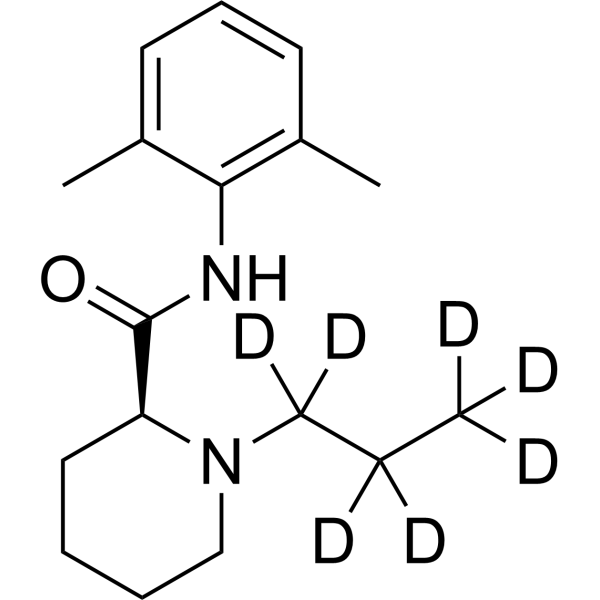
  • HY-B0563S1

    Isotope-Labeled Compounds Sodium Channel Potassium Channel Cardiovascular Disease Neurological Disease
    Ropivacaine-d7 is deuterium labeled Ropivacaine. Ropivacain is a potent?sodium channel?blocker. Ropivacain blocks impulse conduction via reversible inhibition of?sodium ion influx?in nerve fibrese . Ropivacaine is also an inhibitor of K2P (two-pore domain potassium channel) TREK-1 with an IC50 of 402.7 μM in COS-7 cell's membrane . Ropivacaine is used for the research of neuropathic pain?management .
    Ropivacaine-d7
  • HY-152846

    GDC-8264

    RIP kinase Interleukin Related Cardiovascular Disease Inflammation/Immunology Endocrinology
    Flizasertib (GDC-8264) is an orally active, reversible and selective RIP1 inhibitor with Ki app values of 0.00071 μM and 0.0013 μM for human and cynomolgus monkey RIP1 kinase, respectively. Flizasertib blocks RIP1 autophosphorylation but does not affect RIP1 protein stability. Flizasertib inhibits pro-inflammatory cytokines (CCL3, CCL4, and IL-1β) production. Flizasertib results in inhibition of colitis and ileitis. Flizasertib can be used in the research of cardiac surgery-associated acute kidney injury .
    Flizasertib
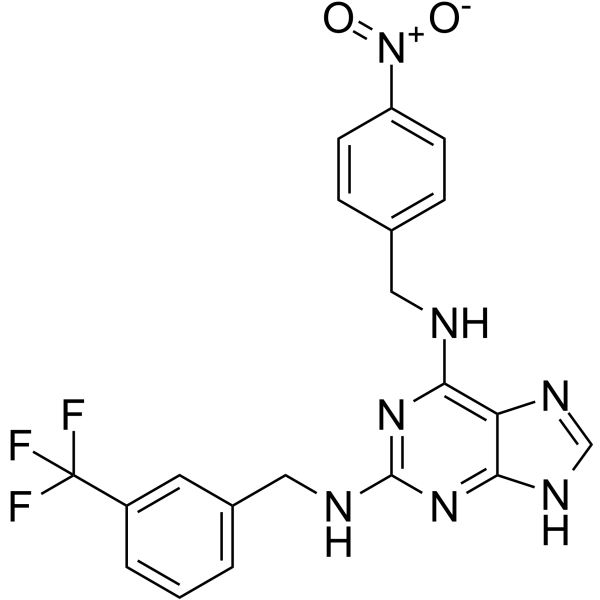
  • HY-110079

    IPK Superfamily Cancer
    TNP is a competitive, reversible inhibitor of IP6K1 and IP3K, with IC50s of 0.55 μM and 10.2 μM for IP6K1 and IP3K, respectively. TNP competitively binds to the ATP binding site of IP6K, inhibits the generation of 5-IP7, and thus relieves the inhibition of 5-IP7 on the AKT signaling pathway. TNP can enhance insulin sensitivity and promote thermogenesis in adipose tissue. TNP cannot effectively pass through the blood-brain barrier and is mainly used in the study of obesity, type 2 diabetes, and metabolic syndrome. However, TNP also inhibits CYP3A4 and may need further optimization[1][2][3].
    TNP
  • HY-139603
    MYF-01-37
    1 Publications Verification

    YAP Cancer
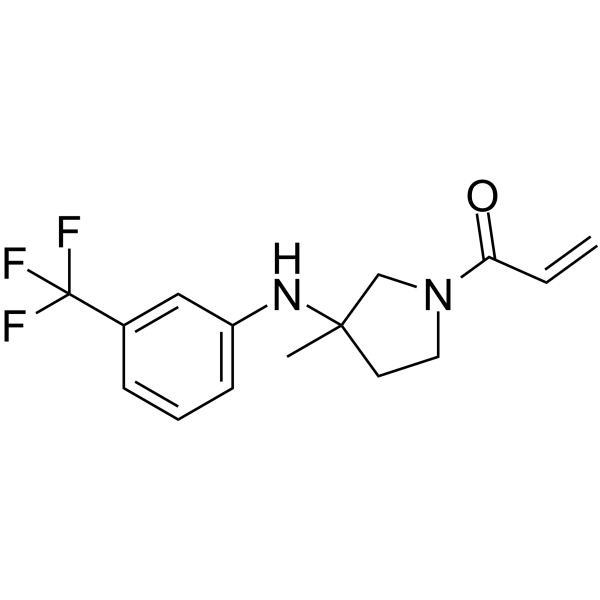
    MYF-01-37 is a covalent TEAD inhibitor targeting Cys380. MYF-01-37 has a reversible inhibition on YAP/TEAD interaction .
    MYF-01-37
  • HY-176542

    HDAC YAP Cancer
    TD034 is a selective, reversible and noncovalent HDAC11 inhibitor with an IC50 of 5.1 nM and a Ki of 1.5 nM. TD034 does not inhibit other HDACs or sirtuins. TD034 inhibits the defatty acylation of SHMT2 (HDAC11 substrate). TD034 decreases the YAP1 level via HDAC11 inhibition. TD034 can be used for the study of lung cancer .
    TD034
  • HY-N3474

    Carboxylesterase (CES) Others
    Isolicoflavonol potently inhibits hCES2A (Human carboxylesterase 2)-mediated fluorescein diacetate hydrolysis in a reversible and mixed inhibition manner, with Ki values less than 1.0 μM .
    Isolicoflavonol
  • HY-106405

    BIA 3-202

    COMT Metabolic Disease
    Nebicapone (BIA 3-202), a reversible catechol-O-methyltransferase (COMT) inhibitor, is mainly metabolized by glucuronidation. Nebicapone is mainly peripherally acting inhibitor that decreases the biotransformation of L-DOPA to 3-O-methyl-DOPA by inhibition of COMT, and it is potential for the treatment of Parkinson's disease .
    Nebicapone
  • HY-132310

    MAGL Neurological Disease
    MAGL-IN-4 is an orally active, selective and reversible monoacylglycerol lipase (MAGL) inhibitor with an IC50 of 6.2 nM. MAGL-IN-4 can penetrate the blood-brain barrier (BBB). MAGL-IN-4 enhances endocannabinoid signaling mostly by the increase in the level of 2-AG via selective MAGL inhibition in the brain .
    MAGL-IN-4
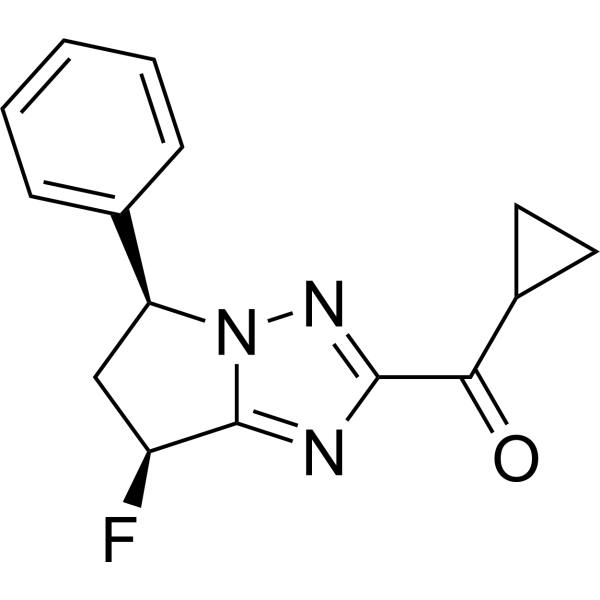
  • HY-139664A

    DNA Methyltransferase Cancer
    (R)-GSK-3685032 is the R-enantiomer of GSK-3685032. GSK-3685032 is a non-time-dependent, noncovalently, first-in-class reversible DNMT1-selective inhibitor, with an IC50 of 0.036 μM. GSK-3685032 induces robust loss of DNA methylation, transcriptional activation, and cancer cell growth inhibition .
    (R)-GSK-3685032
  • HY-117853

    ABT-761; VIA-2291

    Lipoxygenase Cardiovascular Disease
    Atreleuton (ABT-761) is a selective, reversible, and orally bioavailable 5-Lipoxygenase (5-LO) inhibitor. Atreleuton (ABT-761) exhibits potent and selective inhibition of leukotriene formation . Atreleuton is a click chemistry reagent, it contains an Alkyne group and can undergo copper-catalyzed azide-alkyne cycloaddition (CuAAc) with molecules containing Azide groups.
    Atreleuton
  • HY-132808

    SAR 444727; PRN473

    Btk Inflammation/Immunology
    Atuzabrutinib (SAR 444727) is a potent, selective reversible inhibitor of Btk (Bruton's tyrosine kinase) inhibitor. Atuzabrutinib inhibits neutrophil recruitment via inhibition of macrophage antigen-1 signalling .
    Atuzabrutinib
  • HY-129388A
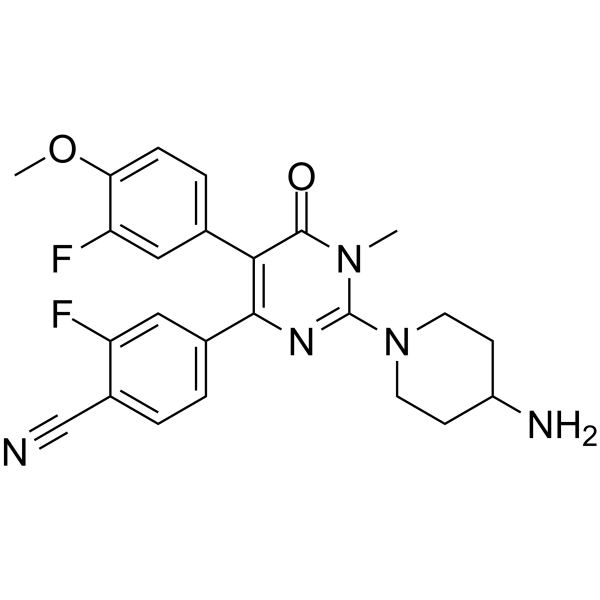
    Pulrodemstat
    4 Publications Verification

    CC-90011; LSD1-IN-7

    Histone Demethylase Inflammation/Immunology Cancer
    Pulrodemstat (CC-90011) is a potent, selective, reversible and orally active inhibitor of lysine specific demethylase-1 (LSD1) with an IC50 of 0.25 nM. Pulrodemstat is less enzymatic inhibition against LSD2, MAO-A, and MAO-B. Pulrodemstat induces acute myeloid leukemia (AML) and small cell lung cancer (SCLC) cells differentiation and has potent anticancer activity .
    Pulrodemstat
  • HY-129923

    Cytochrome P450 Neurological Disease
    (R)-Omeprazole sodium is a gastric acid resistant compound with activity to inhibit gastric acid secretion. (R)-Omeprazole sodium is metabolized in vivo, and its metabolism is primarily affected by cytochrome P450 enzymes. The interaction between (R)-Omeprazole sodium and mannitol may affect its bioavailability in formulations. (R)-Omeprazole sodium exhibits reversible direct and metabolism-dependent inhibition of CYP2C19 .
    (R)-Omeprazole sodium
  • HY-P5272

    Bacterial Inflammation/Immunology
    Histatin-3 TFA, a 32 amino acid peptide, possesses powerful antimicrobial properties. Histatin-3 TFA behaves as a substrate for proprotein convertase 1 (PC1), being cleaved by this endoprotease primarily at a site carboxy terminal to the single Arg25 residue (HRGYR decrease SN). Histatin-3 TFA is a moderately potent, reversible and competitive inhibitor of the furin-mediated cleavage of the pentapeptide pGlu-Arg-Thr-Lys-Arg-MCA fluorogenic substrate, with an estimated inhibition constant Ki of 1.98 μM .
    Histatin-3 TFA
  • HY-110137A

    DB75; NSC 305831

    Histone Methyltransferase Phosphodiesterase (PDE) Parasite Infection Inflammation/Immunology Cancer
    Furamidine (DB75) is a selective protein arginine methyltransferase 1 (PRMT1) inhibitor with an IC50 of 9.4 μM. Furamidine is selective for PRMT1 over PRMT5, PRMT6, and PRMT4 (CARM1) (IC50s of 166 µM, 283 µM, and >400 µM, respectively). Furamidine is a potent, reversible and competitive tyrosyl-DNA phosphodiesterase 1 (TDP-1) inhibitor. Inhibition of TDP-1 by Furamidine is effective both with single- and double-stranded DNA substrates but is slightly stronger with the duplex DNA. Furamidine is also an antiparasite agent .
    Furamidine
  • HY-162837

    Aurora Kinase Cancer
    AURKA against 1 is an inhibitor of AURKA (IC50 less than 0.5 nM), targeting endogenous lysine (K162) acetylation, and has anti-proliferation activity against tumor cells. AURKA against 1 induces K162 acetylation, and the kinase activity of AURKA is reversibly restored in HCT116 cells transfected with SIRT3 .
    AURKA against 1
  • HY-123129

    5-HT Receptor Monoamine Oxidase Neurological Disease
    RS 2232 is an orally active, competitive 5-HT deamination inhibitor with a Ki of 0.054 μM. RS-2232 exhibits reversible and specific inhibition of type A monoamine oxidase. RS 2232 can be used in brain research .
    RS 2232
  • HY-116866

    Lipoxygenase Fungal Infection Inflammation/Immunology
    Sclerotiorin is a reversible and uncompetitive inhibitor against soybean lipoxygenase-1 (LOX-1) (IC50: 4.2 μM). Sclerotiorin also shows antioxidant activity by scavenging free radical (ED50: 0.12 μM), and nonenzymatic lipid peroxidation inhibition activity. Sclerotiorin has antifungal activity, and also inhibits platelet aggregation. Sclerotiorin can be purified from the fermented broth of Penicillium frequentans .
    Sclerotiorin
  • HY-N0313R

    MAGL Endogenous Metabolite Reference Standards Inflammation/Immunology
    Euphol (Standard) is the analytical standard of Euphol. This product is intended for research and analytical applications. Euphol is a tetracyclic triterpene alcohol isolated from the sap of Euphorbia tirucalli with anti-mutagenic, anti-inflammatory and immunomodulatory effects, orally active. Euphol inhibits the monoacylglycerol lipase (MGL) activity via a reversible mechanism (IC50=315 nM). MGL inhibition in the periphery modulates the endocannabinoid system to block the development of inflammatory pain .
    Euphol (Standard)
  • HY-120826

    Monoamine Oxidase Adenosine Receptor Neurological Disease
    A2AAR/hMAO-B-IN-1 (compoudn 17) is a non-xanthine dual-target inhibitor targeting the A2A adenosine receptor (A2AAR) (IC50: 34.9 nM) andMAO-B (Ki: 39.5 nM, human). A2AAR/hMAO-B-IN-1 inhibits A2AAR-induced cAMP accumulation and exhibits competitive, reversible inhibition of MAO-B. A2AAR/hMAO-B-IN-1 can be used in the study of neurodegenerative diseases such as Parkinson's disease (PD) .
    A2AAR/hMAO-B-IN-1
  • HY-165498

    Na+/K+ ATPase Metabolic Disease
    AU-461 is an orally active and reversible inhibitor of the gastric H⁺/K⁺ ATPase with IC₅₀ values for rabbit-derived and pig-derived enzymes are 12.15 μM and 4.20 μM respectively. AU-461 competes with activated cationic K⁺ (Kᵢ = 1.64 μM). AU-461 reduces both histamine-stimulated gastric acid secretion and basal gastric acid secretion in rats. AU-461 inhibits ulcer formation caused by ethanol or sodium hydroxide, and restores the plasma gastrin level to normal. AU-461 can be used for the study of peptic ulcers .
    AU-461
  • HY-13007A

    PF-03758309 hydrochloride

    PAK Apoptosis Cancer
    PF-3758309 (PF-03758309) hydrochloride is a potent, orally available, and reversible ATP-competitive inhibitor of PAK4 (Kd= 2.7 nM; Ki=18.7 nM). PF-3758309 hydrochloride has the expected cellular functions of a PAK4 inhibitor: inhibition of anchorage-independent growth, induction of apoptosis, cytoskeletal remodeling, and inhibition of proliferation .
    PF-3758309 hydrochloride
  • HY-13007B

    PF-03758309 dihydrochloride

    PAK Apoptosis Cancer
    PF-3758309 (PF-03758309) dihydrochloride is a potent, orally available, and reversible ATP-competitive inhibitor of PAK4 (Kd= 2.7 nM; Ki=18.7 nM). PF-3758309 dihydrochloride has the expected cellular functions of a PAK4 inhibitor: inhibition of anchorage-independent growth, induction of apoptosis, cytoskeletal remodeling, and inhibition of proliferation .
    PF-3758309 dihydrochloride
  • HY-101578

    Monoamine Oxidase Neurological Disease
    2614W94 is a selective, reversible and orally active monoamine oxidase-A (MAO-A) inhibitor with an IC50 of 5 nM and a Ki of 1.6 nM. 2614W94 shows no significant inhibition of MAO-B. 2614W94 has antidepressant and anxiolytic effects .
    2614W94
  • HY-157472

    Complement System Inflammation/Immunology
    ACT-1014-6470 is an orally active, potent, reversible, and selective C5aR1 antagonist. ACT-1014-6470 demonstrates potent inhibition of C5aR1 activation. ACT-1014-6470 can be used in the research of inflammatory diseases .
    ACT-1014-6470
  • HY-15185R

    PF-3084014 (Standard)

    γ-secretase Apoptosis Reference Standards Cancer
    Nirogacestat (Standard) is the analytical standard of Nirogacestat. This product is intended for research and analytical applications. Nirogacestat (PF-3084014) is a reversible, orally bioavailable, noncompetitive, and selective γ-secretase inhibitor with an IC50 of 6.2 nM. Inhibition of Notch signaling by Nirogacestat while minimizing gastrointestinal toxicity presents a promising approach for research of Notch receptor-dependent cancers .
    Nirogacestat (Standard)
  • HY-129388C

    CC-90011 hydrochloride; LSD1-IN-7 hydrochloride

    Histone Demethylase Inflammation/Immunology Cancer
    Pulrodemstat (CC-90011) hydrochloride is a potent, selective, reversible and orally active inhibitor of lysine specific demethylase-1 (LSD1) with an IC50 value of 0.25 nM. Pulrodemstat hydrochloride is less enzymatic inhibition against LSD2, MAO-A, and MAO-B. Pulrodemstat hydrochloride induces acute myeloid leukemia (AML) and small cell lung cancer (SCLC) cells differentiation and has potent anticancer activity .
    Pulrodemstat hydrochloride
  • HY-139664B

    DNA Methyltransferase Cancer
    (S)-GSK-3685032 is the isomer of GSK-3685032 (HY-139664), and can be used as an experimental control. GSK-3685032 is a non-time-dependent, noncovalently, first-in-class reversible DNMT1-selective inhibitor, with an IC50 of 0.036 μM. GSK-3685032 induces robust loss of DNA methylation, transcriptional activation, and cancer cell growth inhibition .
    (S)-GSK-3685032
  • HY-164002

    Btk Others
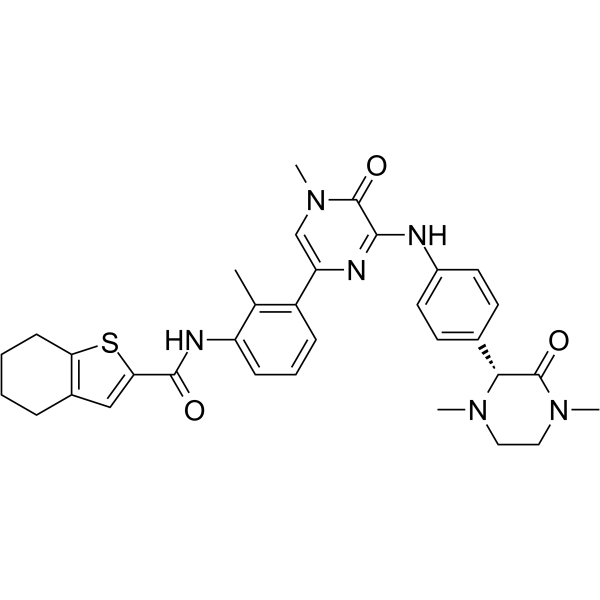
    PF-303 is a potent, oral inhibitor of Bruton's tyrosine kinase (BTK) (IC50=0.64 nM). The melamine portion of PF-303 forms a covalent bond with BTK's Cys481, which is reversible and exhibits a high selectivity compared to irreversible covalent BTK inhibitors. PF-303 can be used to model and study the effects of BTK inhibition on the mature immune system, including effects on B-cell subsets, antibody responses, and T-cell-mediated activation .
    PF-303
  • HY-162633

    Deubiquitinase Cancer
    USP1-IN-9 (Compound 1m) is reversible and noncompetitive ubiquitin-specific proteases (USP1) inhibitors with an IC50 of 8.8 nM, which is designed and synthesized to pyrido[2,3-d]pyrimidin-7(8H)-one derivative based on the disclosed structure of ML323(HY-17543) and KSQ-4279(HY-145471). USP1-IN-9 displays excellent USP1/UAF inhibition and exhibits strong antiproliferation effect in breast cancer cells. USP1-IN-9 can generate enhanced cell killing with PARP inhibitor olaparib(HY-10162) in olaparib-resistant MDA-MB-436/OP cells, which is promising for research in the field of cancer .
    USP1-IN-9
  • HY-19651A

    TAK-147

    Cholinesterase (ChE) Neurological Disease
    Zanapezil (TAK-147) is a potent, reversible and selective acetylcholine esterase (AChE) inhibitor. Zanapezil shows a potent and reversible inhibition of AChE activity in homogenates of the rat cerebral cortex (IC50=51.2 nM). Zanapezil shows a moderate inhibition of muscarinic M1 and M2 receptor binding with Ki values of 234 and 340 nM, respectively. Zanapezil can be used for the research of early stages of Alzheimer's disease (AD) .
    Zanapezil
  • HY-19651B

    TAK-147 fumarate

    Cholinesterase (ChE) Neurological Disease
    Zanapezil (TAK-147) fumarate is a potent, reversible and selective acetylcholine esterase (AChE) inhibitor. Zanapezil fumarate shows a potent and reversible inhibition of AChE activity in homogenates of the rat cerebral cortex (IC50=51.2 nM). Zanapezil fumarate shows a moderate inhibition of muscarinic M1 and M2 receptor binding with Ki values of 234 and 340 nM, respectively. Zanapezil fumarate can be used for the research of early stages of Alzheimer's disease (AD) .
    Zanapezil fumarate
  • HY-163052

    SL-573

    Prostaglandin Receptor Others
    Ciproquazone (SL-573) is a compound that inhibits prostaglandin biosynthesis. Its relative inhibitory potency is between that of indomethacin and aspirin, and its inhibition of prostaglandin biosynthesis is reversible.
    Ciproquazone
  • HY-19651

    TAK-147 free base

    Cholinesterase (ChE) Neurological Disease
    Zanapezil (TAK-147) free base is a potent, reversible and selective acetylcholine esterase (AChE) inhibitor. Zanapezil free base shows a potent and reversible inhibition of AChE activity in homogenates of the rat cerebral cortex (IC50=51.2 nM). Zanapezil free base shows a moderate inhibition of muscarinic M1 and M2 receptor binding with Ki values of 234 and 340 nM, respectively. Zanapezil free base can be used for the research of early stages of Alzheimer's disease (AD) .
    Zanapezil free base
  • HY-172764

    NO Synthase Metabolic Disease
    L-ENIPO (hydrochloride) is an inhibitor of iNOS, nNOS, and eNOS with Ki values of 17, 10.3, and 58.2 μM. L-ENIPO (hydrochloride) exerts reversible tight binding inhibition selective for iNOS with longer incubation time .
    L-ENIPO hydrochloride
  • HY-103562

    3,3'-Dimethoxybenzaldazine

    mGluR Neurological Disease
    DMeOB (3,3'-Dimethoxybenzaldazine) is a mGluR5 receptor negative allosteric modulator with an IC50 of 3 μM. DMeOB displays reversible non-competitive inhibition of mGlu5-mediated responses .
    DMeOB
  • HY-144689

    Cholinesterase (ChE) Neurological Disease
    BChE-IN-3 (compound 45a) is a potent, selective, time-dependent and pseudoirreversible BChE inhibitor, with an IC50 of 56.9 nM. BChE-IN-3 also shows marginal and reversible (not time-dependent) inhibition of AChE .
    BChE-IN-3

Inquiry Online

Your information is safe with us. * Required Fields.

Salutation


Country or Region *

Applicant Name *


Organization Name *

Department *


Email Address *


Product Name *

Cat. No.


Requested quantity *

Phone Number *


Remarks

Inquiry Online

Inquiry Information

Product Name:
Cat. No.:
Quantity:
MCE Japan Authorized Agent:

