
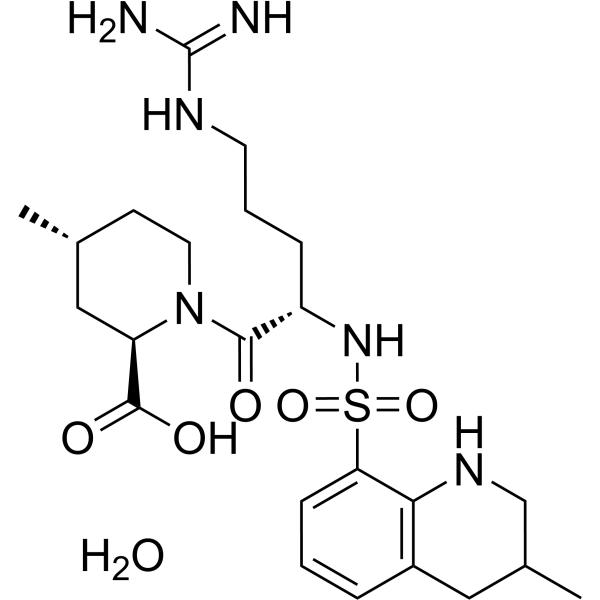
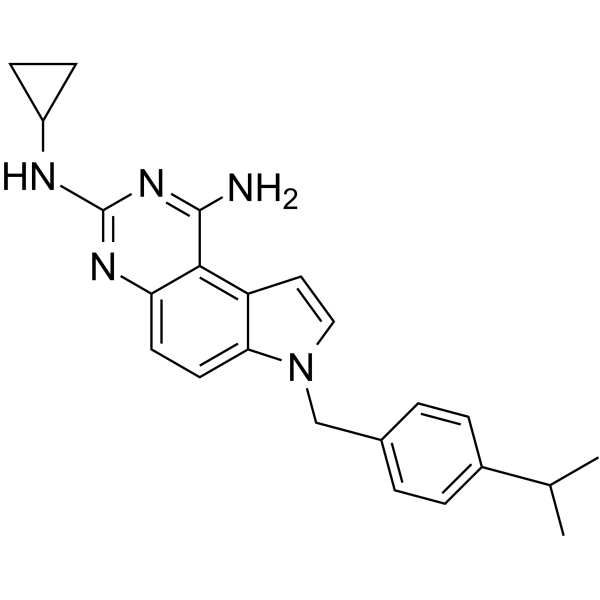
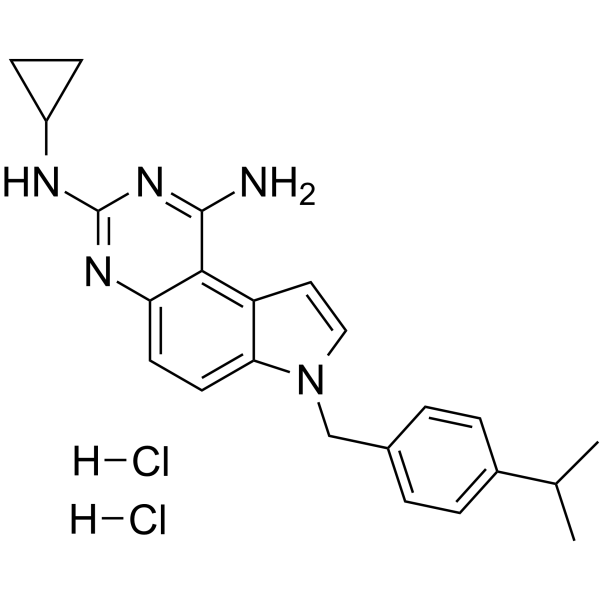
1. Search Result
Search Result
Results for "

Thrombin

" in MedChemExpress (MCE) Product Catalog:

332

Inhibitors & Agonists

1

Screening Libraries

3

Fluorescent Dye

7

Biochemical Assay Reagents

74

Peptides

9

Inhibitory Antibodies

29

Natural
Products

6

Recombinant Proteins

15

Isotope-Labeled Compounds

4

Antibodies

1

Click Chemistry

10

Oligonucleotides

Cat. No. Product Name Target Research Areas Chemical Structure
  • HY-114164
    Thrombin (MW 37kDa)
    5+ Cited Publications

    Thrombin Neurological Disease
    Thrombin (MW 37kDa) is a Na +-activated, allosteric serine protease that plays opposing functional roles in blood coagulation. Thrombin recognition sequence and can be used to digest GST-tagged proteins.
    Thrombin  (MW 37kDa)
  • HY-P0078
    TRAP-6
    5+ Cited Publications

    PAR-1 agonist peptide; Thrombin Receptor Activator Peptide 6

    Protease Activated Receptor (PAR) Inflammation/Immunology
    TRAP-6 (PAR-1 agonist peptide), a peptide fragment, is a selective protease activating receptor 1 (PAR1) agonist. TRAP-6 activates human platelets via the thrombin receptor. TRAP-6 shows no activity at PAR4 .
    TRAP-6
  • HY-17567C
    Heparin sodium salt (MW 15kDa)
    3 Publications Verification

    Sodium heparin (MW 15kDa); Sodium heparinate (MW 15kDa)

    Thrombin Factor Xa Autophagy Cardiovascular Disease
    Heparin sodium salt (MW 15kDa) (Sodium heparin (MW 15kDa)) is a polymer of Heparin with the molecular weight of 15kDa. Heparin sodium salt is an anticoagulant which binds reversibly to antithrombin III (ATIII) and greatly accelerates the rate at which ATIII inactivates coagulation enzymes thrombin factor IIa and factor Xa .
    Heparin sodium salt (MW 15kDa)
  • HY-P99415

    MAA868

    Factor Xa Cardiovascular Disease
    Abelacimab (MAA868) is a fully human IgG1 monoclonal antibody that binds with high affinity to the catalytic structural domain of FXI and locks it in the zymogen conformation, thereby preventing its activation by FXIIa or thrombin. Abelacimab can be used in thromboembolic disease studies .
    Abelacimab
  • HY-14993
    SCH79797
    5 Publications Verification

    Protease Activated Receptor (PAR) Apoptosis Cardiovascular Disease
    SCH79797 is a highly potent, selective nonpeptide protease activated receptor 1 (PAR1) antagonist. SCH79797 inhibits binding of a high-affinity thrombin receptor-activating peptide to PAR1 with an IC50 of 70 nM and a Ki of 35 nM. SCH79797 inhibits thrombin-induced platelet aggregation with an IC50 of 3 μM. SCH79797 has antiproliferative and pro-apoptotic effects, and limits myocardial ischemia/reperfusion injury in rat hearts. SCH79797 also potently prevents PAR1 activation in vascular smooth muscle cells, endothelial cells, and astrocytes .
    SCH79797
  • HY-132587

    ALN-AT3SC; SAR439774

    Factor Xa Small Interfering RNA (siRNA) Thrombin Cardiovascular Disease
    Fitusiran (ALN-AT3SC) is a siRNA strategy. Fitusiran delivers siRNA targeting the SERPINC1 gene in hepatocytes to inhibit antithrombin synthesis. Fitusiran enhances thrombin activity and increases Thrombin generation, thereby restoring hemostatic function. Fitusiran can be used in hemophilia-related research .
    Fitusiran
  • HY-123275B
    H-D-Phe-Pip-Arg-pNA acetate
    1 Publications Verification

    S-2238 acetate

    Fluorescent Dye Others
    H-D-Phe-Pip-Arg-pNA (S-2238) acetate, a chromogenic substrate, is patterned after the N-terminal portion of the A alpha chain of fibrinogen, which is the natural substrate of thrombin. H-D-Phe-Pip-Arg-pNA acetate is specific for thrombin and is used to measure antithrombin-heparin cofactor (AT-III). The AT-III assay using H-D-Phe-Pip-Arg-pNA acetate is sensitive, accurate, and easy to perform .
    H-D-Phe-Pip-Arg-pNA acetate
  • HY-123275A
    H-D-Phe-Pip-Arg-pNA hydrochloride
    1 Publications Verification

    S-2238 hydrochloride

    Fluorescent Dye Others
    H-D-Phe-Pip-Arg-pNA (S-2238) hydrochloride, a chromogenic substrate, is patterned after the N-terminal portion of the A alpha chain of fibrinogen, which is the natural substrate of thrombin. H-D-Phe-Pip-Arg-pNA hydrochloride is specific for thrombin and is used to measure antithrombin-heparin cofactor (AT-III). The AT-III assay using H-D-Phe-Pip-Arg-pNA hydrochloride is sensitive, accurate, and easy to perform .
    H-D-Phe-Pip-Arg-pNA hydrochloride
  • HY-N8278
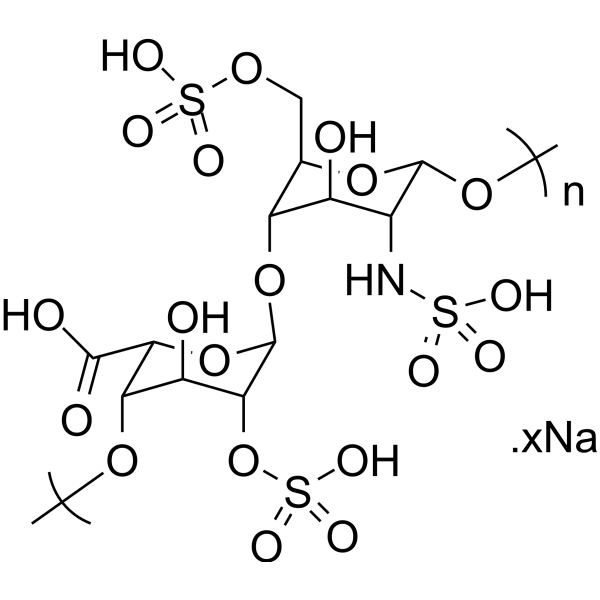
    Dermatan sulphate sodium
    1 Publications Verification

    Thrombin Cardiovascular Disease Inflammation/Immunology
    Dermatan sulphate sodium is an oral active glycosaminoglycan and thrombin inactivator with antithrombotic activity. It selectively catalyzes the heparin cofactor II-mediated inactivation of thrombin without interacting with antithrombin III. Dermatan sulphate sodium promotes stem cell differentiation, exhibits high bioavailability, and alleviates pulmonary fibrosis injury induced by Bleomycin (HY-108345). Dermatan sulphate sodium can be used in research related to cardiovascular diseases, inflammation, and stem cell differentiation .
    Dermatan sulphate sodium
  • HY-P0074
    GPRP
    3 Publications Verification

    Gly-Pro-Arg-Pro; Pefa 6003

    Thrombin Cardiovascular Disease
    GPRP (Gly-Pro-Arg-Pro; Pefa 6003) is a fibrin polymerization inhibitor that inhibits the interaction between fibrinogen and the platelet membrane glycoprotein Ⅱb/IIIa complex (glycoprotein IIb/IIIa receptor) . GPRP increases the level of free thrombin in activated platelet-rich plasma by reducing the adsorption of thrombin onto fibrin. GPRP inhibits platelet aggregation and prolongs the thrombin-initiated clotting time in plasma. GPRP is applicable for research related to thrombosis and thrombotic diseases .
    GPRP
  • HY-107613
    R 59-022
    2 Publications Verification

    DKGI-I; Diacylglycerol kinase inhibitor I

    PKC 5-HT Receptor Inflammation/Immunology
    R 59-022 (DKGI-I) is a DGK inhibitor (IC50: 2.8 µM). R 59-022 inhibits the phosphorylation of OAG to OAPA. R 59-022 is a 5-HT Receptor antagonist, and activates protein kinase C (PKC). R 59-022 potentiates thrombin-induced diacylglycerol production in platelets and inhibits phosphatidic acid production in neutrophils .
    R 59-022
  • HY-114164G
    Murine Thrombin
    5+ Cited Publications

    Thrombin Protease Activated Receptor (PAR) MMP VEGFR Epigenetic Reader Domain Cardiovascular Disease Neurological Disease Inflammation/Immunology
    Murine Thrombin is a murine serine protease that plays a central role in blood coagulation. Murine Thrombin stimulates macrophages to polarize into a unique phenotype characterized by anti-inflammatory and pro-repair properties. Murine Thrombin activates PAR1, induces the production of MCP-1, MMP3 and VEGF in mouse intervertebral discs, and causes degradation of the cartilage matrix and destruction of intervertebral disc structure. Murine Thrombin activity increases significantly in paraoxon-induced status epilepticus .
    Murine Thrombin
  • HY-14994
    SCH79797 dihydrochloride
    5 Publications Verification

    Protease Activated Receptor (PAR) Apoptosis Cardiovascular Disease
    SCH79797 dihydrochloride is a highly potent, selective nonpeptide protease activated receptor 1 (PAR1) antagonist. SCH79797 dihydrochloride inhibits binding of a high-affinity thrombin receptor-activating peptide to PAR1 with an IC50 of 70 nM and a Ki of 35 nM. SCH79797 dihydrochloride inhibits thrombin-induced platelet aggregation with an IC50 of 3 μM. SCH79797 dihydrochloride has antiproliferative and pro-apoptotic effects, and limits myocardial ischemia/reperfusion injury in rat hearts. SCH79797 dihydrochloride also potently prevents PAR1 activation in vascular smooth muscle cells, endothelial cells, and astrocytes .
    SCH79797 dihydrochloride
  • HY-17378
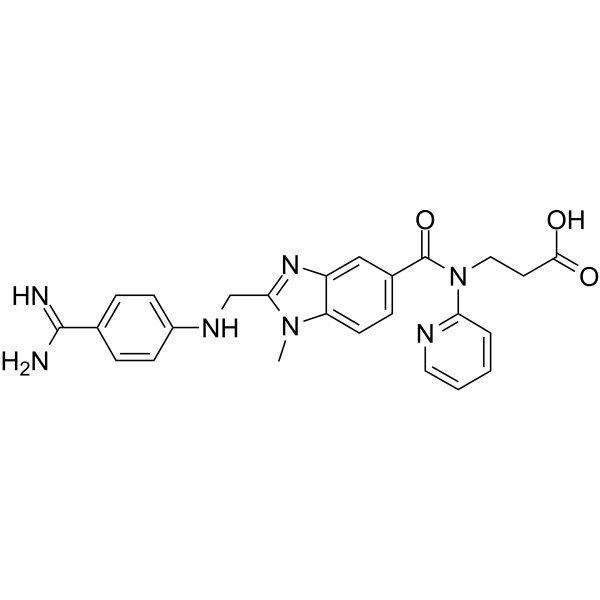
    Dabigatran ethyl ester
    1 Publications Verification

    Thrombin Cardiovascular Disease
    Dabigatran ethyl ester is an inhibitor of ribosyldihydronicotinamide dehydrogenase (NQO2) and thrombin. Dabigatran ethyl ester inhibits NADH-dependent metabolism of mitomycin C mediated by purified recombinant human NQO2 .
    Dabigatran ethyl ester
  • HY-122542

    PAI-1 Thrombin Inflammation/Immunology
    PPACK is a potent, peptidic inhibitor targeting thrombin and granzyme GZMK. PPACK specifically blocks the activities of thrombin and GZMK, thereby inhibiting thrombin-mediated PAR-1 cleavage, as well as downstream inflammatory and procoagulant signaling pathways. Through stabilizing IκB proteins, blocking NF-κB activation and reducing systemic levels of proinflammatory/procoagulant biomarkers, PPACK exerts multiple effects including anti-inflammatory, antithrombotic, barrier repair, and inhibition of atherosclerotic plaque progression. PPACK binds to platelets without interference from kininogen, effectively limiting acute thrombus growth and reducing eosinophil infiltration and goblet cell hyperplasia in asthma models. PPACK is an important tool molecule for investigating the mechanisms of atherosclerosis, asthma and related thromboinflammatory diseases .
    PPACK
  • HY-P1636

    Thrombin YAP Calcium Channel Metabolic Disease
    Hirudin (54-65) is a thrombin antagonist and YAP suppressor with anticoagulatory properties.Hirudin (54-65) blocks thrombin's anion binding site, acts on soluble and thrombus-bound thrombin.Hirudin (54-65) suppresses thrombin-induced profibrotic YAP activity, reduces YAP expression, nuclear translocation, and downstream effector signaling in vascular endothelial cells.Hirudin (54-65) ameliorates obstructive cholestasis, attenuates liver fibrosis symptoms, fibrosis-associated angiogenesis, and endothelial-to-mesenchymal transition.Hirudin (54-65) reduces liver inflammation and tissue hypoxia.Hirudin (54-65) promotes extracellular calcium influx through L-type calcium channels in canine coronary artery smooth muscle, mediates contraction.Hirudin (54-65) induces endothelium-independent contraction of canine coronary arterial segments; this response is not affected by indomethacin pretreatment.Hirudin (54-65) can be used for the research of liver obstructive cholestasis, liver fibrosis .
    Hirudin (54-65)
  • HY-114164C
    Thrombin, Pig blood
    5+ Cited Publications

    Protease Activated Receptor (PAR) Thrombin Cardiovascular Disease
    Rabbit Thrombin is a Na +-activated, allosteric serine protease that plays opposing functional roles in blood coagulation. Thrombin recognition sequence and can be used to digest GST-tagged proteins .
    Thrombin, Pig blood
  • HY-P2518

    Protease Activated Receptor (PAR) Inflammation/Immunology
    Protease-Activated Receptor-1, PAR-1 Agonist is a selective proteinase-activated receptor1 (PAR-1) agonist peptide. Protease-Activated Receptor-1, PAR-1 Agonist corresponds to PAR1 tethered ligand and which can selectively mimic theactions of thrombin via this receptor .
    Protease-Activated Receptor-1, PAR-1 Agonist
  • HY-18200

    E5555; ER-172594-00

    Protease Activated Receptor (PAR) JAK Apoptosis Cardiovascular Disease Cancer
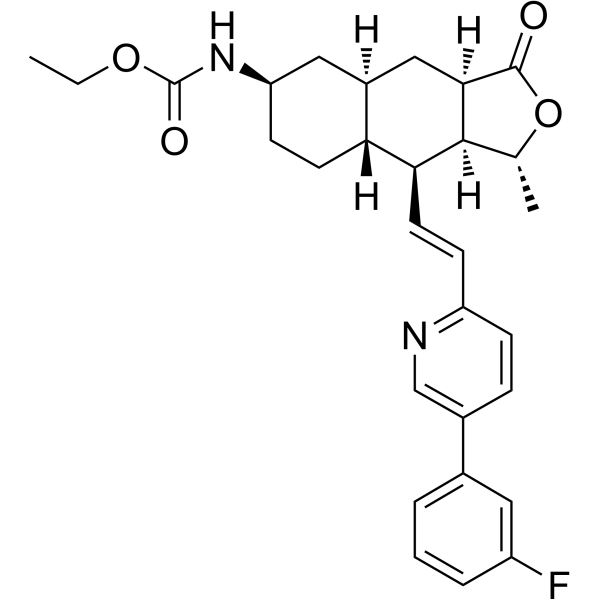
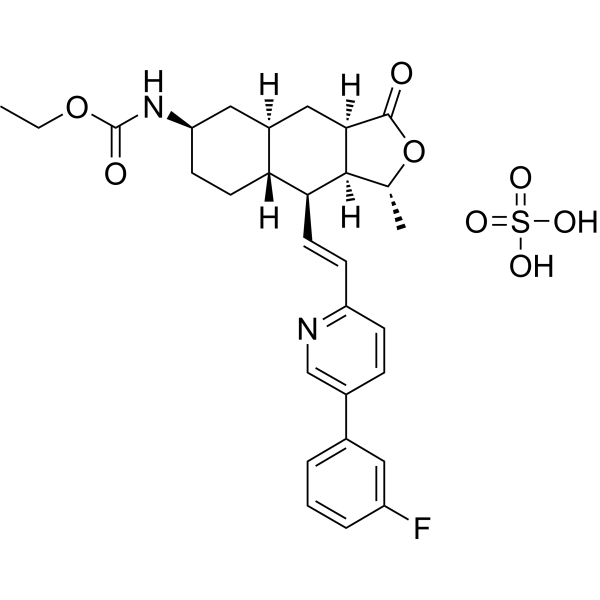
    Atopaxar (E5555) is a potent, orally active, selective and reversible thrombin receptor protease-activated receptor-1 (PAR-1) antagonist. Atopaxar, an antiplatelet agent, interferes with platelet signaling. Atopaxar can be used for the research of atherothrombotic disease .
    Atopaxar
  • HY-132587A

    ALN-AT3SC sodium; SAR439774 sodium

    Factor Xa Small Interfering RNA (siRNA) Thrombin Cardiovascular Disease
    Fitusiran (ALN-AT3SC) sodium is a siRNA strategy. Fitusiran delivers siRNA targeting the SERPINC1 gene in hepatocytes to inhibit antithrombin synthesis. Fitusiran sodium enhances thrombin activity and increases Thrombin generation, thereby restoring hemostatic function. Fitusiran sodium can be used in hemophilia-related research .
    Fitusiran sodium
  • HY-N2082
    Isorhamnetin 3-O-galactoside
    1 Publications Verification

    Cacticin

    Thrombin COX ERK JNK Factor Xa Cardiovascular Disease Inflammation/Immunology
    Isorhamnetin 3-O-galactoside (Cacticin) is a flavonoid glycoside that can be isolated from Oenanthe javanica, with antithrombotic and profibrinolytic activities. Isorhamnetin 3-O-galactoside inhibits the activities of thrombin and factor Xa (FXa) and reduces thrombin-catalyzed fibrin polymerization maximum rate. Isorhamnetin 3-O-galactoside suppresses TNF-α-induced PAI-1 secretion, decreases the PAI-1/tissue-type plasminogen activator (t-PA) ratio, and inhibits FXa production and FVa/FXa-mediated thrombin generation. Isorhamnetin 3-O-galactoside exerts protective effects against Carbon tetrachloride (CCl4) (HY-Y0298)-induced hepatic injury in mice. Isorhamnetin 3-O-galactoside can be used for the study of liver injury-related diseases and thrombotic vascular diseases .
    Isorhamnetin 3-O-galactoside
  • HY-150790

    Protease Activated Receptor (PAR) Cardiovascular Disease
    BMS-98614 is an orally active, selective thrombin receptor protease-activated receptor-4 (PAR-4) antagonist with an IC50 value of 0.4 nM. BMS-98614 has excellent antithrombotic effect .
    BMS-986141
  • HY-E70231

    Others Cardiovascular Disease
    Thrombin-like enzyme is a proteolytic enzyme extraction of Agkistrodon halys venom. Thrombin-like enzyme can be used for degradation of fibrinogen. Thrombin-like enzyme can exacerbate myosin-induced EAM (experimental autoimmune myositis). Thrombin-like enzyme can be used for degradation of fibrinogen. Thrombin-like enzyme is commonly used for research of acute ischemic cerebrovascular disease, thromboangiitis obliterans, deep phlebitis and sudden deafness .
    Thrombin-like enzyme
  • HY-114164D
    Rat Thrombin
    5+ Cited Publications

    Thrombin Cardiovascular Disease
    Rat Thrombin is a Na +-activated, allosteric serine protease that plays opposing functional roles in blood coagulation. Thrombin recognition sequence and can be used to digest GST-tagged proteins .
    Rat Thrombin
  • HY-10217

    Thrombin Cardiovascular Disease
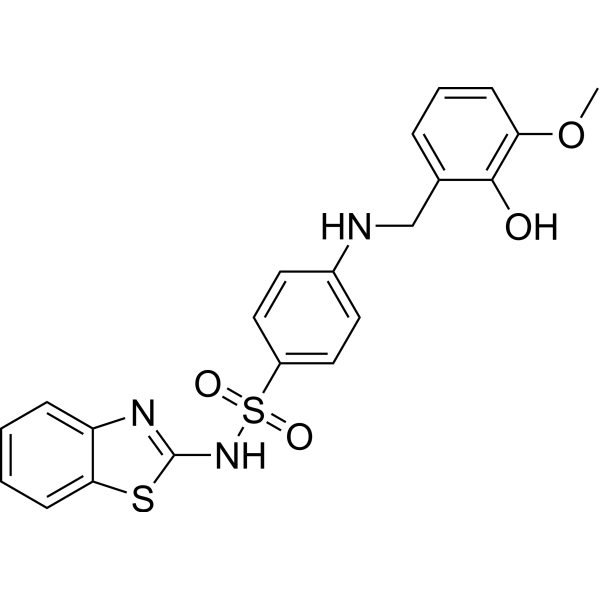
    Thrombin Inhibitor 2 is a small molecule direct thrombin inhibitor, extracted from US8541580B2. Thrombin Inhibitor 2 has antithrombotic activity .
    Thrombin Inhibitor 2
  • HY-P10094

    Fluorescent Dye Others
    β-Ala-Gly-Arg-pNA is a chromogenic substrate of thrombin with pNA a strong absorbance at 405 nm .
    β-Ala-Gly-Arg-pNA
  • HY-123275C

    S-2238 dihydrochloride

    Fluorescent Dye Others
    H-D-Phe-Pip-Arg-pNA (S-2238) dihydrochloride, a chromogenic substrate, is patterned after the N-terminal portion of the A alpha chain of fibrinogen, which is the natural substrate of thrombin. H-D-Phe-Pip-Arg-pNA dihydrochloride is specific for thrombin and is used to measure antithrombin-heparin cofactor (AT-III). The AT-III assay using H-D-Phe-Pip-Arg-pNA dihydrochloride is sensitive, accurate, and easy to perform .
    H-D-Phe-Pip-Arg-pNA dihydrochloride
  • HY-112865

    ADVATE; BAY 81-8973; Kovaltry

    Factor VIII Cardiovascular Disease
    Octocog alfa (ADVATE; BAY 81-8973; Kovaltry) is a standard half-length recombinant coagulation factor FVIII replacement therapy that also functions as a thrombin generation modulator. Octocog alfa regulates thrombin generation-related parameters in vitro and is used in studies related to severe hemophilia A .
    Octocog alfa
  • HY-18660

    PER977

    Factor Xa Thrombin Cardiovascular Disease
    Ciraparantag (PER977) is a thrombin and factor Xa inhibitor. Ciraparantag is a broad-spectrum reversal agent for anticoagulants, including low-molecular-weight heparin, unfractionated heparin, and certain direct oral anticoagulants. It is reported to antagonize the effects of all coagulants except VKAs and agratroban .
    Ciraparantag
  • HY-P11048

    Thrombin Cardiovascular Disease Neurological Disease
    Thrombin-cleavable peptide is a type of peptide that can be recognized and cleaved by thrombin. After cleavage, Thrombin-cleavable peptide releases thrombolytic peptides to initiate thrombolysis. Thrombin-cleavable peptide can be used in the research of diseases such as ischemic stroke .
    Thrombin-cleavable peptide
  • HY-N10762

    Thrombin Cardiovascular Disease
    15,16-Dihydrotanshindiol C, a diterpenoid, is a potent thrombin inhibitor .
    15,16-Dihydrotanshindiol C
  • HY-P5372A

    Protease Activated Receptor (PAR) Cancer
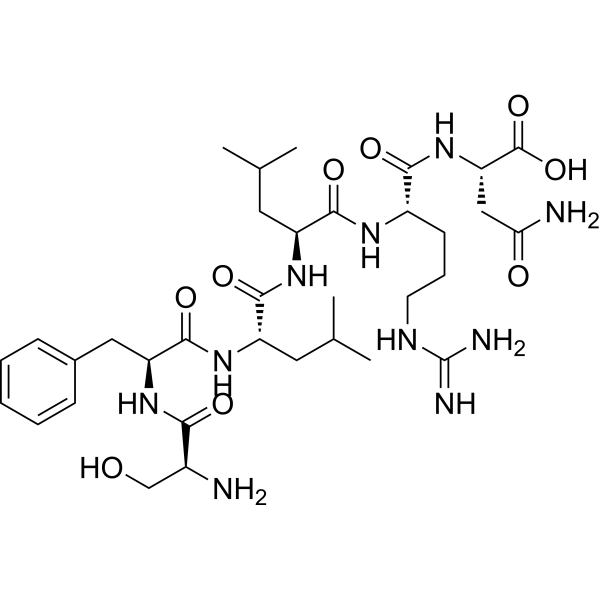
    Ala-parafluoroPhe-Arg-Cha-Cit-Tyr-NH2 TFA, a bioactive peptide, is a selective Protease activating receptor 1 (PAR-1) agonist over PAR-2. PAR-1 belongs to a subfamily of G-protein coupled receptors and is known to mediate the cellular effects of thrombin. In addition to its varied cellular effects of thrombin, PAR-1 has also been shown to coordinate with PAR-4 and regulate thrombin-induced hepatocellular carcinoma harboring thrombin formation within the tumor environment classified as 'coagulation type' .
    Ala-parafluoroPhe-Arg-Cha-Cit-Tyr-NH2 TFA
  • HY-108739

    BI 655075

    Thrombin Cardiovascular Disease
    Idarucizumab is a humanized monoclonal antibody fragment. Idarucizumab is first reversal agent for a direct oral anticoagulant (DOAC). Idarucizumab can specifically neutralize the effects of the oral direct thrombin inhibitor in order to restore hemostasis .
    Idarucizumab
  • HY-123275

    S-2238

    Fluorescent Dye Others
    H-D-Phe-Pip-Arg-pNA (S-2238), a chromogenic substrate, is patterned after the N-terminal portion of the A alpha chain of fibrinogen, which is the natural substrate of thrombin. H-D-Phe-Pip-Arg-pNA is specific for thrombin and is used to measure antithrombin-heparin cofactor (AT-III). The AT-III assay using H-D-Phe-Pip-Arg-pNA is sensitive, accurate, and easy to perform .
    H-D-Phe-Pip-Arg-pNA
  • HY-D1721

    Fluorescent Dye Thrombin Others
    Fluorescein-12-dATP is a fluorescein-labeled deoxyadenosine triphosphate and signal amplifier. Fluorescein-12-dATP can be incorporated into the 3'-end of exposed thrombin-binding aptamers via terminal deoxynucleotidyl transferase to form multi-labeled nucleic acid chains, which are used for signal amplification in thrombin detection. Fluorescein-12-dATP acts as a fluorescent detection probe in chip-based aptamer sandwich biosensors for the detection of thrombin in serum. Fluorescein-12-dATP can be used in studies related to thrombin detection .
    Fluorescein-12-dATP
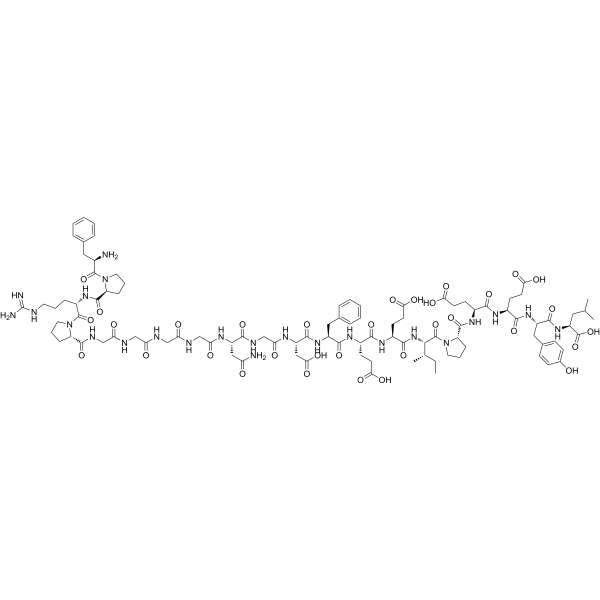
  • HY-P0316

    Thrombin NO Synthase Cardiovascular Disease
    TP508 is a 23-amino acid nonproteolytic thrombin peptide that represents a portion of the receptor-binding domain of thrombin molecule. TP508 activates endothelial NO synthase (eNOS) and stimulates production of NO in human endothelial cells. TP508 activates endothelial cells and stem cells to revascularize and regenerate tissues .
    TP508
  • HY-122052

    Thrombin Metabolic Disease
    UK‑396082 is a potent thrombin activated fibrinolytic inhibitor (TAFI) inhibitor. UK‑396082 increases plasmin activity and induces a parallel decrease in ECM levels. UK‑396082 can be used in research of chronic kidney disease (CKD) .
    UK‑396082
  • HY-107613A
    R 59-022 hydrochloride
    2 Publications Verification

    DKGI-I hydrochloride; Diacylglycerol kinase inhibitor I hydrochloride

    PKC 5-HT Receptor Infection Inflammation/Immunology Cancer
    R 59-022 (DKGI-I) hydrochloride is a DGK inhibitor (IC50: 2.8 µM). R 59-022 hydrochloride inhibits the phosphorylation of OAG to OAPA. R 59-022 hydrochloride is a 5-HT Receptor antagonist, and activates protein kinase C (PKC). R 59-022 hydrochloride potentiates thrombin-induced diacylglycerol production in platelets and inhibits phosphatidic acid production in neutrophils .
    R 59-022 hydrochloride
  • HY-114164F

    Thrombin Protease Activated Receptor (PAR) MMP VEGFR Epigenetic Reader Domain Cardiovascular Disease
    Canine Thrombin is a Canine serine protease that plays a central role in blood coagulation. Canine Thrombin stimulates macrophages to polarize into a unique phenotype characterized by anti-inflammatory and pro-repair properties. Canine Thrombin activates PAR1, induces the production of MCP-1, MMP3 and VEGF in intervertebral discs, and causes degradation of the cartilage matrix and destruction of intervertebral disc structure. Canine Thrombin activity increases significantly in paraoxon-induced status epilepticus .
    Canine Thrombin
  • HY-151983

    Thrombin Cardiovascular Disease
    Thrombin inhibitor 6 is a potent thrombin inhibitor (IC50: 1 nM). Thrombin inhibitor 6 has the function as an anticoagulant .
    Thrombin inhibitor 6
  • HY-114164E

    Thrombin Cardiovascular Disease
    Rabbit Thrombin is a Na +-activated, allosteric serine protease that plays opposing functional roles in blood coagulation. Thrombin recognition sequence and can be used to digest GST-tagged proteins .
    Rabbit Thrombin
  • HY-148037

    Proteasome Cardiovascular Disease
    Thrombin inhibitor 5 (compound 385) is a thrombin inhibitor, with IC50s ranging from 0.1 μM to 1 μM. Thrombin inhibitor 5 can be used for research of venous thromboembolism .
    Thrombin inhibitor 5
  • HY-152150

    Ser/Thr Protease Metabolic Disease
    Thrombin inhibitor 7 is a potent FXIIa inhibitor with IC50 values of 28 nM, >132 µM for FXIIa and FXIa, respectively. Thrombin inhibitor 7 shows low cytotoxicity .
    Thrombin inhibitor 7
  • HY-P991065

    JNJ-375; JNJ-64179375; JNJ-9375

    Thrombin Cardiovascular Disease
    Ichorcumab (JNJ-375) is a fully human IgG4 antibody that targets Thrombin. Ichorcumab binds to exosite 1 on thrombin and inhibits substrate binding but not catalytic activity. The isotype control for Ichorcumab can refer to Human IgG4 kappa, Isotype Control (HY-P99003) .
    Ichorcumab
  • HY-N3701

    Others Others
    Decursidate is an active compound. Decursidate can prolong thrombin time .
    Decursidate
  • HY-P0316A

    Thrombin NO Synthase Cardiovascular Disease
    TP508 TFA is a 23-amino acid nonproteolytic thrombin peptide that represents a portion of the receptor-binding domain of thrombin molecule. TP508 TFA activates endothelial NO synthase (eNOS) and stimulates production of NO in human endothelial cells. TP508 TFA activates endothelial cells and stem cells to revascularize and regenerate tissues .
    TP508 TFA
  • HY-P5027

    Ser/Thr Protease Kallikrein Factor Xa Thrombin Cardiovascular Disease
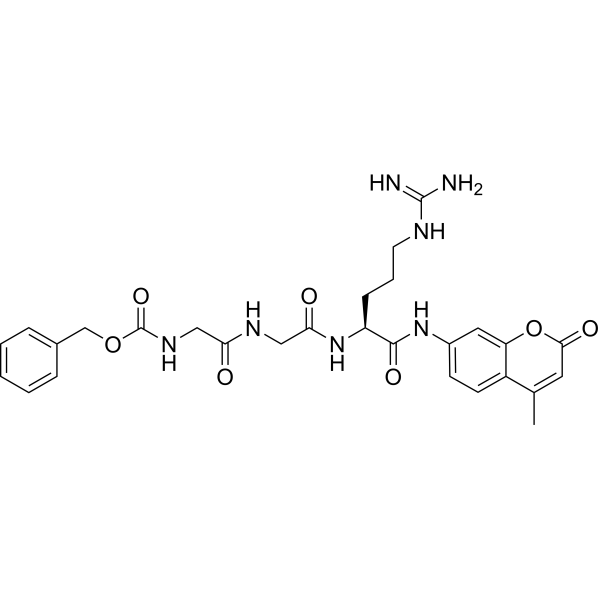
    Cbz-Lys-Arg-pNA is a peptide substrate containing pNA as the chromogenic group. Cbz-Lys-Arg-pNA is widely used in enzymatic analysis, including thrombin, plasmin, factor Xa and Kallikrein .
    Cbz-Lys-Arg-pNA
  • HY-174285

    Thrombin Cardiovascular Disease
    NAPAP is a selective direct thrombin inhibitor. NAPAP rapidly binds to thrombin and inhibits its activity, and reduces LPS (HY-D1056)-induced brain inflammation and coagulation factor expression in vivo. NAPAP can be used in studies related to coagulation and neuroinflammation .
    NAPAP
  • HY-114164H
    Human α-Thrombin (Lyophilized)
    5+ Cited Publications

    Thrombin Cardiovascular Disease
    Human α-thrombin is a multifunctional serine protease that plays a pivotal role in the coagulation pathway. Human α-thrombin cleaves fibrinogen and converts it into fibrin. Human α-thrombin can stimulate platelet activation and stabilize fibrin polymers .
    Human α-Thrombin (Lyophilized)
  • HY-12605

    Thrombin Metabolic Disease
    SAR107375 is a potent and orally active dual thrombin and factor Xa inhibitor, with Ki values of 1 nM and 8 nM for factor Xa and thrombin, respectively .
    SAR107375

Inquiry Online

Your information is safe with us. * Required Fields.

Salutation


Country or Region *

Applicant Name *


Organization Name *

Department *


Email Address *


Product Name *

Cat. No.


Requested quantity *

Phone Number *


Remarks

Inquiry Online

Inquiry Information

Product Name:
Cat. No.:
Quantity:
MCE Japan Authorized Agent:

