


1. Search Result
Search Result
Results for "

Ulcerative colitis

" in MedChemExpress (MCE) Product Catalog:

204

Inhibitors & Agonists

4

Fluorescent Dye

7

Biochemical Assay Reagents

15

Peptides

17

Inhibitory Antibodies

48

Natural
Products

14

Isotope-Labeled Compounds

2

Click Chemistry

3

Oligonucleotides

1

GMP Molecules

Cat. No. Product Name Target Research Areas Chemical Structure
  • HY-14655
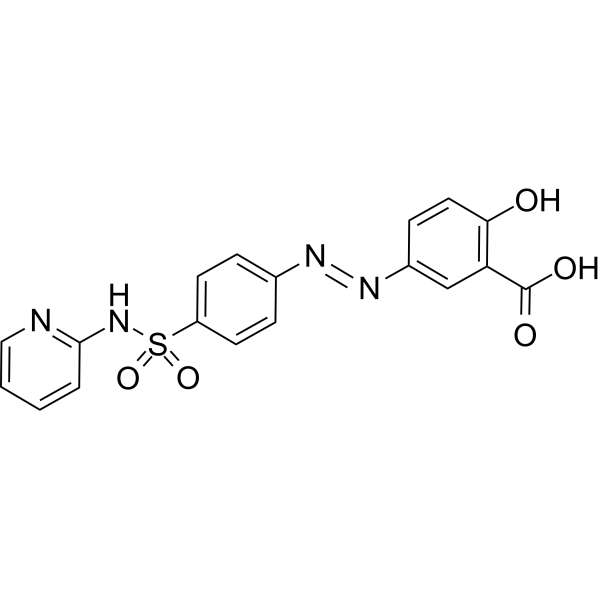
    Sulfasalazine
    75+ Cited Publications

    NSC 667219

    NF-κB Autophagy Apoptosis Ferroptosis Bacterial Antibiotic Infection Neurological Disease Metabolic Disease Inflammation/Immunology Cancer
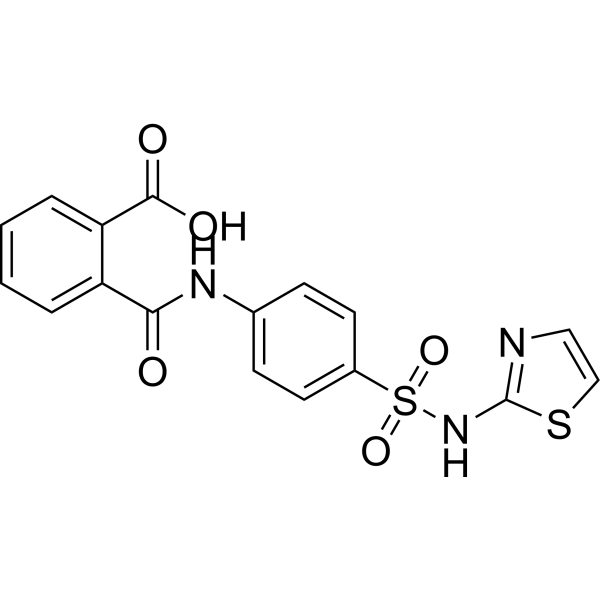
    Sulfasalazine (NSC 667219) is an anti-rheumatic agent for the research of rheumatoid arthritis and ulcerative colitis. Sulfasalazine can suppress NF-κB activity. Sulfasalazine is a type 1 ferroptosis inducer .
    Sulfasalazine
  • HY-B1402
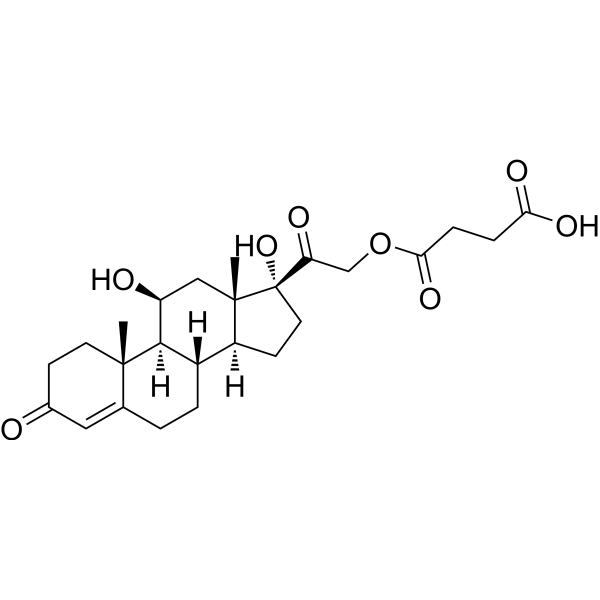
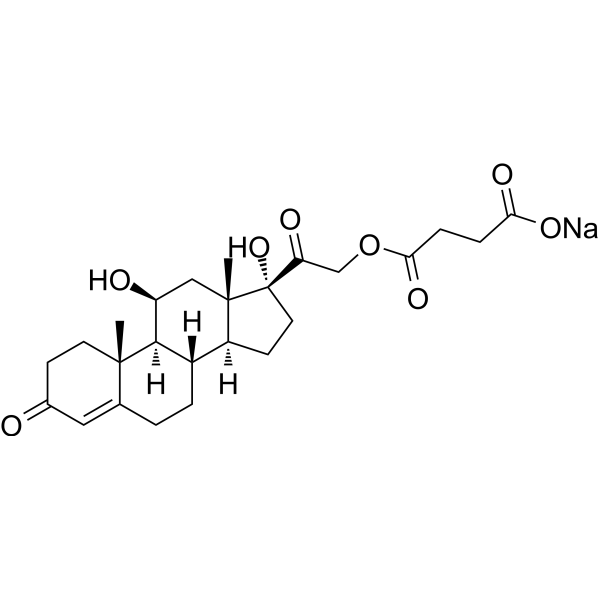
    Hydrocortisone hemisuccinate
    1 Publications Verification

    Hydrocortisone 21-hemisuccinate

    Interleukin Related Cardiovascular Disease Metabolic Disease Inflammation/Immunology Endocrinology
    Hydrocortisone hemisuccinate (Hydrocortisone 21-hemisuccinate), a glucocorticoid, is an orally active steroidal anti-inflammatory agent (SAID) with anti-inflammatory and immunomodulatory activities. Hydrocortisone hemisuccinate inhibits the bioactivity of IL-6 and IL-3 with IC50 values of 6.7 and 21.4 μM, respectively. Hydrocortisone hemisuccinate can be used in the study of ulcerative colitis (UC) and recurrent oral ulcers .
    Hydrocortisone hemisuccinate
  • HY-P9911
    Vedolizumab
    3 Publications Verification

    Anti-Human lymphocyte α4β7 integrin, Humanized Antibody; LDP-02; MLN-002

    Integrin Inflammation/Immunology Cancer
    Vedolizumab is a humanized IgG1 monoclonal antibody that targets the α4β7 integrin for the treatment of ulcerative colitis and Crohn's disease.
    Vedolizumab
  • HY-17446
    Icatibant
    Maximum Cited Publications
    12 Publications Verification

    HOE 140

    Bradykinin Receptor Endocrinology
    Icatibant (HOE-140) is a potent and specific peptide antagonist of bradykinin B2 receptor with IC50 and Ki of 1.07 nM and 0.798 nM respectively .
    Icatibant
  • HY-116374
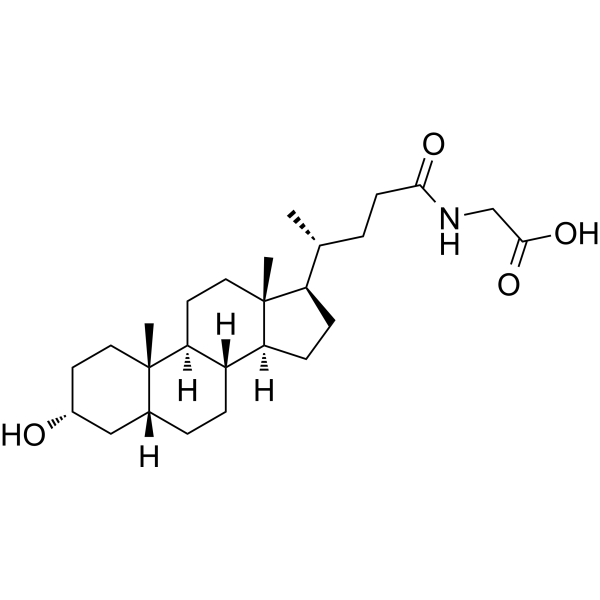
    Glycolithocholic acid
    2 Publications Verification

    Lithocholylglycine

    Endogenous Metabolite Inflammation/Immunology
    Glycolithocholic acid (Lithocholylglycine), an endogenous metabolite, is a glycine-conjugated secondary bile acid. Glycolithocholic acid can be used to diagnose ulcerative colitis (UC), non-alcoholic steatohepatitis (NASH) and primary sclerosing cholangitis (PSC) .
    Glycolithocholic acid
  • HY-132831
    Selnoflast
    1 Publications Verification

    Somalix; RO-7486967; IZD334

    NOD-like Receptor (NLR) Interleukin Related Neurological Disease Inflammation/Immunology
    Selnoflast (RO7486967), formerly somalix/RG6418/IZD334, is an orally active, potent, selective and reversible small molecule NLRP3 inflammasome inhibitor. Selnoflast is a potent inhibitor of IL-1β release stimulated by NLRP3 activation in human Alzheimer's disease (AD) monocyte-derived macrophages. Selnoflast is promising for research of AD and systemic inflammatory diseases, such as ulcerative colitis and chronic obstructive pulmonary disease .
    Selnoflast
  • HY-P3419
    PAMP-12 (unmodified)
    2 Publications Verification

    Mas-related G-protein-coupled Receptor (MRGPR) PERK Calcium Channel Cardiovascular Disease Inflammation/Immunology
    PAMP-12 (unmodified) is an endogenous peptide and is a MrgX2 agonist. PAMP-12 (unmodified) can reduce cAMP accumulation, increase Ca 2+ levels, enhance beta-arrestin recruitment, decrease IP-1, and increases phosphoERK. PAMP-12 (unmodified) can elicit hypotension through inhibiting catecholamine secretion from sympathetic nerve endings and adrenal chromaffin cells. PAMP-12 (unmodified) can be used for the research of hypotension and ulcerative colitis .
    PAMP-12 (unmodified)
  • HY-125099A

    Protein Arginine Deiminase Inflammation/Immunology Cancer
    AFM-30a hydrochloride is a potent protein arginine deiminase 2 (PAD2) inhibitor and has excellent PAD2-selectivity. AFM-30a hydrochloride binds to PAD2 with an EC50 value of 9.5 μM. AFM-30a hydrochloride also inhibits H3 citrullination with an EC50 value of 0.4 μM. AFM-30a hydrochloride can be used for the research of certain cancers and a variety of autoimmune diseases including rheumatoid arthritis (RA), multiple sclerosis, lupus, and ulcerative colitis .
    AFM-30a hydrochloride
  • HY-114360A
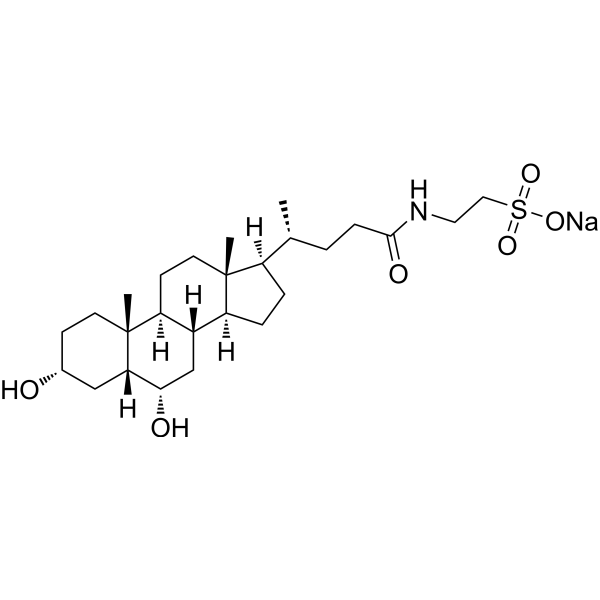
    Taurohyodeoxycholic acid sodium
    2 Publications Verification

    Interleukin Related TNF Receptor Inflammation/Immunology
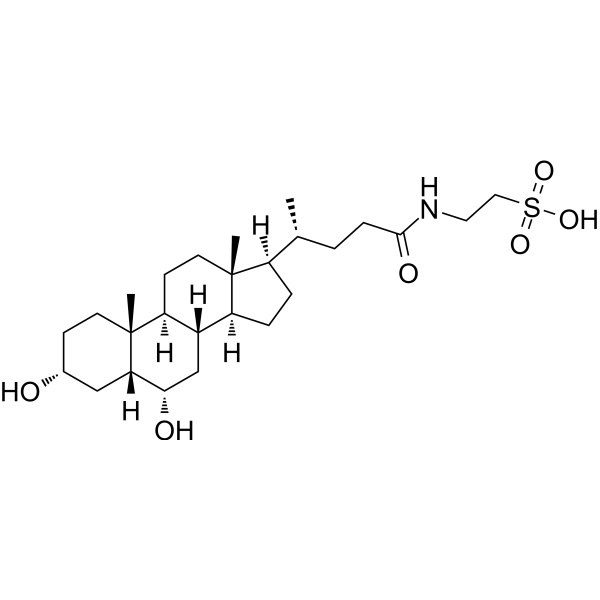
    Taurohyodeoxycholic acid (THDCA) sodium is the taurine-conjugated form of the secondary bile acid hyodeoxycholic acid. Taurohyodeoxycholic acid can also reduce the activity and expression of myeloperoxidase TNF-α and IL-6, as well as colonic damage in TNBS-induced ulcerative colitis mouse model.
    Taurohyodeoxycholic acid sodium
  • HY-N0433
    Astragaloside II
    1 Publications Verification

    Astrasieversianin VIII

    Autophagy Interleukin Related HIF/HIF Prolyl-Hydroxylase SOD NF-κB Inflammation/Immunology Endocrinology Cancer
    Astragaloside II is an orally active Cycloartane-type triterpene glycoside. Astragaloside II can be extracted from Astragalus membranaceus. Astragaloside II inhibits Autophagy, decreases pro-inflammatory cytokines (IL-6, IL-1β), HIF-α, p-p65, p-IκB and increases SOD. Astragaloside II regulates immunity and reduces inflammatory responses. Astragaloside II can be used in the research of diseases such as liver cancer, osteoporosis, immunosuppressive diseases, and ulcerative colitis .
    Astragaloside II
  • HY-108610A
    Edelfosine
    1 Publications Verification

    ET-18-OCH3

    Apoptosis Parasite Bcl-2 Family Cytochrome P450 Infection Inflammation/Immunology Cancer
    Edelfosine (ET-18-OCH3) is an orally active lipid raft modulator and apoptosis inducer that alters membrane fluidity and preferentially inserts into tumor cell membranes. Edelfosine recruits death receptor ligands (FasL/CD95L, TRAIL) and Bid to lipid rafts to form death-inducing signaling complexes, thereby initiating mitochondria-dependent apoptosis and inducing cytochrome c release. Edelfosine also exerts anti-inflammatory effects, promotes L-Selectin shedding, and causes no gastrointestinal or organ toxicity. In addition, Edelfosine inhibits nucleic acid and protein synthesis in Leishmania donovani and exhibits antiproliferative activity. Edelfosine can be used in research on multiple myeloma, inflammatory bowel diseases (such as ulcerative colitis and Crohn's disease), and visceral leishmaniasis .
    Edelfosine
  • HY-14857

    HCA2969

    Integrin Inflammation/Immunology
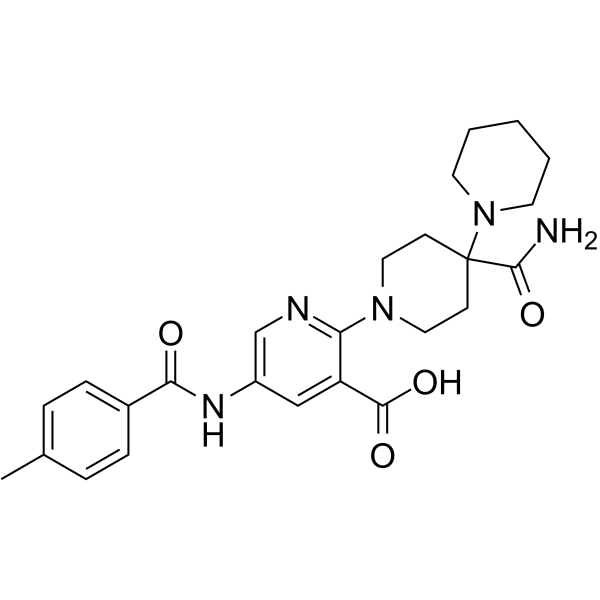
    Carotegrast (HCA2969) is an orally active α4 integrin inhibitor with anti-inflammatory activity. Carotegrast can be used in the research of inflammation-related diseases, such as ulcerative colitis .
    Carotegrast
  • HY-P9911A

    Integrin Inflammation/Immunology
    Vedolizumab (anti-α4β7-integrin) is a humanized IgG1 monoclonal antibody that targets the α4β7 integrin for the treatment of ulcerative colitis and Crohn's disease .
    Vedolizumab (anti-α4β7-integrin)
  • HY-113227
    Oxoadipic acid
    1 Publications Verification

    Endogenous Metabolite Inflammation/Immunology
    Oxoadipic acid is a key intermediate metabolite in the lysine degradation pathway. The level of Oxoadipic acid is significantly negatively correlated with the abundance of Staphylococcus. That is, the higher the abundance of Staphylococcus-a potential pathogenic bacterium that usually increases in ulcerative colitis-the lower the level of Oxoadipic acid. Oxoadipic acid can be used in the research of ulcerative colitis .
    Oxoadipic acid
  • HY-115497
    BRD5529
    4 Publications Verification

    E1/E2/E3 Enzyme Infection Inflammation/Immunology
    BRD5529 is an effective dose-dependent CARD9-TRIM62 protein–protein interaction (PPI) inhibitor with an IC50 value of 8.6 μM. BRD5529 has potency and complete inhibition of CARD9 ubiquitinylation in vitro, also has favorable solubility. BRD5529 can be used for the research of inflammatory bowel disease (IBD) such as Crohn’s disease (CD) and ulcerative colitis (UC) .
    BRD5529
  • HY-N0735
    Phellodendrine chloride
    2 Publications Verification

    Autophagy Apoptosis AMPK mTOR STAT Interleukin Related PKC p38 MAPK NF-κB COX Reactive Oxygen Species (ROS) PI3K Akt MMP Neurological Disease Inflammation/Immunology Cancer
    Phellodendrine chloride is an orally active plant alkaloid. Phellodendrine chloride inhibits the proliferation of KRAS-mutated pancreatic cancer cells by suppressing macropinocytosis and glutamine metabolism, inducing ROS accumulation and mitochondrial apoptosis. Phellodendrine chloride promotes autophagy by activating the AMPK/mTOR pathway, alleviating intestinal damage in ulcerative colitis. Phellodendrine chloride can alleviate gouty arthritis by inhibiting the IL-6/STAT3 signaling pathway. Phellodendrine chloride suppresses allergic reactions by altering the conformation of MRGPRB3/MRGPRX2 protein, thereby inhibiting the activation of PKC and subsequent downstream MAPK and NF-κB signaling. Phellodendrine chloride inhibits the AKT/NF-κB pathway and down-regulates the expression of COX-2, thereby protecting zebrafish embryos from oxidative stress. Phellodendrine chloride has an anti-major depressive disorder (MDD) effect by down-regulating CHRM1, HTR1A, and the PI3K/Akt signaling pathway .
    Phellodendrine chloride
  • HY-108896
    Icatibant acetate
    Maximum Cited Publications
    12 Publications Verification

    HOE 140 acetate

    Bradykinin Receptor Inflammation/Immunology
    Icatibant acetate (HOE-140 acetate) is a potent and specific peptide antagonist of bradykinin B2 receptor with an IC50 and Ki of 1.07 nM and 0.798 nM respectively .
    Icatibant acetate
  • HY-Y1325H

    Environmental Pollutants Fungal Endogenous Metabolite Caspase PPAR AMPK Reactive Oxygen Species (ROS) Neurological Disease Metabolic Disease Inflammation/Immunology Cancer
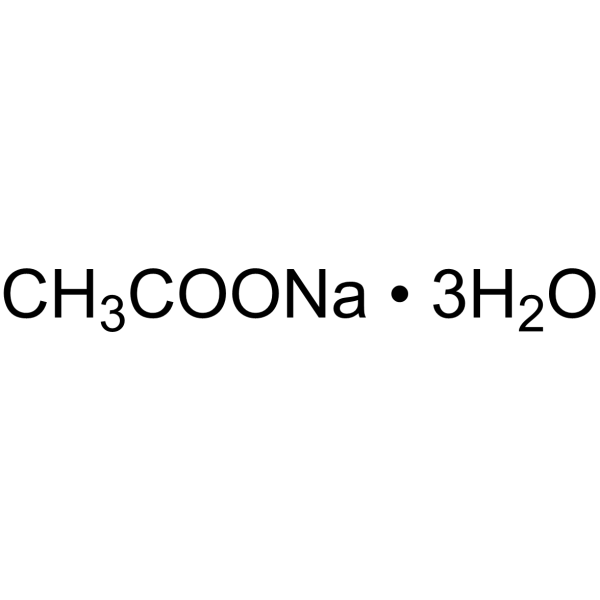
    Sodium acetate trihydrate is a carboxylic acid and short-chain fatty acid (SCFAs). Sodium acetate trihydrate activates AMPK, increases ROS, cleaved caspase 9, PPARα, downregulates SREBP-1c, ChREBP expression. Sodium acetate trihydrate exhibits antifungal activity against Saccharomyces cerevisiae W303-1A. Sodium acetate trihydrate regulates energy metabolism. Sodium acetate trihydrate has anticancer activity against gastric cancer. Sodium acetate trihydrate induces writhing reaction and ulcerative colitis. Sodium acetate trihydrate can be used in the researches for gastric cancer, ulcerative colitis, hepatic steatosis, and pain .
    Sodium acetate trihydrate, meets analytical specification of Ph. Eur. BP USP FCC E262, ≤0.00002% Al
  • HY-P99332

    Anti-Human CD3E Recombinant Antibody; HuM291

    Apoptosis Inflammation/Immunology Cancer
    Visilizumab (Anti-Human CD3E Recombinant Antibody) is a humanized low-Fc receptor binding anti-CD3 monoclonal IgG2 antibody. Visilizumab can be used for ulcerative colitis and Crohn's disease research .
    Visilizumab
  • HY-N0589
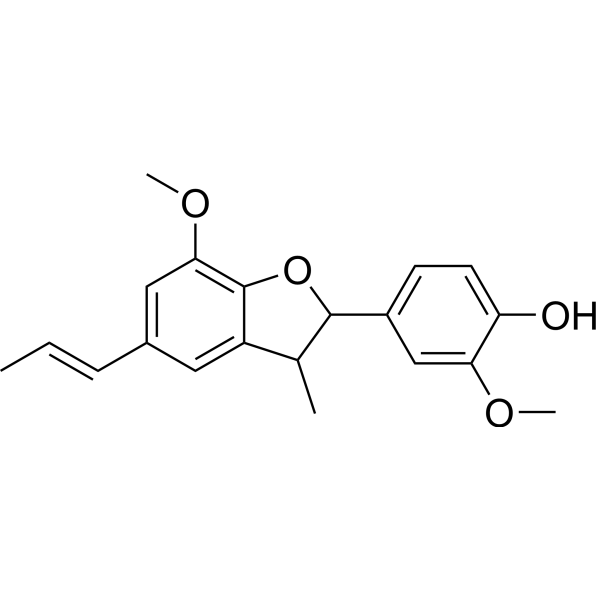
    Dehydrodiisoeugenol
    4 Publications Verification

    NF-κB COX Apoptosis Autophagy NO Synthase PERK JNK p38 MAPK CDK NOD-like Receptor (NLR) Infection Neurological Disease Metabolic Disease Inflammation/Immunology Cancer
    Dehydrodiisoeugenol is an orally active anti-inflammatory and anti-tumor agent. Dehydrodiisoeugenol inhibits the proliferation of colorectal cancer cells, and induces apoptosis, autophagy, endoplasmic reticulum stress and cell cycle arrest. Dehydrodiisoeugenol also exerts anti-inflammatory effects by inhibiting the activation of NF-κB and the expression of COX-2. Dehydrodiisoeugenol can be used in the research related to colorectal cancer, inflammatory diseases and ulcerative colitis .
    Dehydrodiisoeugenol
  • HY-P99728

    RG7835; RO7049665

    Interleukin Related Metabolic Disease Inflammation/Immunology
    Melredableukin alfa (RG7835) is a bivalent conjugate composed of a human IL-2 mutant (T3A, N88D, C125A) and human IgG1. Melredableukin alfa exhibits enhanced Treg cell selectivity in cynomolgus monkey and humanized mouse models. Melredableukin alfa can be used in research related to ulcerative colitis and autoimmune hepatitis .
    Melredableukin alfa
  • HY-P990203

    Integrin Inflammation/Immunology
    Anti-Mouse LPAM-1/Integrin α4β7 Antibody (DATK32) is a rat-derived anti-LPAM-1/Integrin α4β7 IgG2a, κ type antibody inhibitor. Anti-Mouse LPAM-1/Integrin α4β7 Antibody (DATK32) specifically reacts with both chains of the α4β7 heterodimer and blocks the adhesion to immobilized mucosal addressin cell adhesion molecule-1 (MAdCAM-1). Anti-Mouse LPAM-1/Integrin α4β7 Antibody (DATK32) suppresses the proliferation and cytokine secretion of CD8+ T cells. Anti-Mouse LPAM-1/Integrin α4β7 Antibody (DATK32) decreases Peyer’s patches and follicular B cells in mice. Anti-Mouse LPAM-1/Integrin α4β7 Antibody (DATK32) can be used for the researches of inflammation, such as ulcerative colitis .
    Anti-Mouse LPAM-1/Integrin α4β7 Antibody (DATK32)
  • HY-Y0319G
    Magnesium acetate tetrahydrate
    4 Publications Verification

    Endogenous Metabolite AMPK Reactive Oxygen Species (ROS) Caspase Fungal PPAR Infection Neurological Disease Metabolic Disease Inflammation/Immunology Cancer
    Magnesium acetate tetrahydrate is a carboxylic acid and short-chain fatty acid (SCFAs). Magnesium acetate tetrahydrate activates AMPK, increases ROS, cleaved caspase 9, PPARα, downregulates SREBP-1c, ChREBP expression. Magnesium acetate tetrahydrate exhibits antifungal activity against Saccharomyces cerevisiae W303-1A. Magnesium acetate tetrahydrate regulates energy metabolism. Magnesium acetate tetrahydrate has anticancer activity against gastric cancer. Magnesium acetate tetrahydrate induces writhing reaction and ulcerative colitis. Magnesium acetate tetrahydrate can be used in the researches for gastric cancer, ulcerative colitis, hepatic steatosis, and pain .
    Magnesium acetate tetrahydrate
  • HY-138207

    Mitochondrial Metabolism Drug Metabolite Inflammation/Immunology
    N-Oleoyl-L-phenylalanine is a long-chain N-acyl-L-phenylalanine and also a mitochondrial uncoupler. N-Oleoyl-L-phenylalanine uncouples UCP1-independent respiration in mitochondria, thereby helping to regulate glucose homeostasis. As an endogenous metabolite, the level of N-Oleoyl-L-phenylalanine increases in patients with ulcerative colitis after a high-fat diet. N-Oleoyl-L-phenylalanine can be used in studies related to ulcerative colitis .
    N-Oleoyl-L-phenylalanine
  • HY-W324435

    Sodium 2,4-dinitrobenzenesulfonate; DNBS sodium salt; DNBSO sodium salt

    NF-κB p38 MAPK COX Inflammation/Immunology
    2,4-Dinitrobenzenesulfonic acid (DNBS; DNBSO) sodium salt (Sodium 2,4-dinitrobenzenesulfonate) is a classic colitis inducer that relies on activation of the NF-κB p65/COX-2/p38 pathway. As a hapten, 2,4-Dinitrobenzenesulfonic acid sodium salt stimulates the production of immune responses in colonic tissues, triggers oxidative stress and inflammatory reactions, and thereby leads to colonic injury. 2,4-Dinitrobenzenesulfonic acid sodium salt successfully induces models of colitis and ulcerative colitis in rats, causing pathological changes such as ulcers, edema, stenosis, shortening and organ adhesion in the distal colon, along with significant increases in the levels of inflammatory indicators and endoplasmic reticulum stress marker proteins. 2,4-Dinitrobenzenesulfonic acid sodium salt is widely used in studies on the mechanisms related to colitis and ulcerative colitis .
    2,4-Dinitrobenzenesulfonic acid sodium salt
  • HY-P0060

    Tetracosactrin; ACTH(1–24)

    CRFR Melanocortin Receptor Neurological Disease Inflammation/Immunology
    Tetracosactide (Tetracosactrin) is an analogue of adrenocorticotrophic hormone (ACTH). Tetracosactide is the agonist for melanocortin-4 receptor (MC4R) that activates human MC4R with an EC50 of 0.65 nM. Tetracosactide can stimulate the release of corticosteroids such as cortisol from the adrenal gland. Tetracosactide is currently used for the research of ulcerative colitis and Crohn's disease, juvenile/adult rheumatoid arthritis and osteoarthrosis .
    Tetracosactide
  • HY-P99378

    ALTB-168; Anti-PSGL1/CD162 Reference Antibody (neihulizumab)

    Apoptosis Inflammation/Immunology
    Neihulizumab (ALTB-168) is an immune checkpoint agonistic antibody that binds to human CD162 (PSGL-1), leading to downregulation of activated T-cells. Neihulizumab can be uesd for steroid-refractory acute graft-versus-host-disease (SR-aGVHD), psoriasis, psoriatic arthritis and ulcerative colitis research .
    Neihulizumab
  • HY-P0060A

    Tetracosactrin acetate; ACTH(1–24) acetate

    CRFR Melanocortin Receptor Neurological Disease Inflammation/Immunology
    Tetracosactide acetate (Tetracosactrin acetate ) is the acetate salt form of Tetracosactide (HY-P0060). Tetracosactide acetate is an analogue of adrenocorticotrophic hormone (ACTH). Tetracosactide acetate is the agonist for melanocortin-4 receptor (MC4R) that activates human MC4R with an EC50 of 0.65 nM. Tetracosactide acetate can stimulate the release of corticosteroids such as cortisol from the adrenal gland. Tetracosactide acetate is currently used for the research of ulcerative colitis and Crohn's disease, juvenile/adult rheumatoid arthritis and osteoarthrosis .
    Tetracosactide acetate
  • HY-172208

    PROTACs Cyclic GMP-AMP Synthase Inflammation/Immunology
    PROTAC cGAS degrader-1 is a potent and selective cGAS PROTAC degrader, with DC50 values of 0.9 μM and 4.6 μM in THP-1 and RAW 264.7 cells, respectively. PROTAC cGAS degrader-1 induces proteasome-mediated degradation of cGAS, inhibits the cGAS signaling pathway, and attenuates double-stranded DNA-induced activation of cGAS in human and mouse cells. PROTAC cGAS degrader-1 is applicable to research related to ulcerative colitis .
    PROTAC cGAS degrader-1
  • HY-70005
    CPA inhibitor
    3 Publications Verification

    Carboxypeptidase inhibitor

    Carboxypeptidase Wnt β-catenin Inflammation/Immunology
    CPA inhibitor (Compound 5) (Carboxypeptidase inhibitor) is an orally active competitive carboxypeptidase A (CPA) inhibitor with a Ki value of 0.32 μM. CPA inhibitor blocks the activity of carboxypeptidase A3 (CPA3). CPA activator activates the Wnt/Lrp6/β-catenin signaling pathway. CPA inhibitor reduces epithelial damage. CPA inhibitor is applicable to research related to inflammatory bowel disease, including ulcerative colitis and Crohn's disease .
    CPA inhibitor
  • HY-N0586

    (+)-Laurelliptine

    Adenosine Receptor Inflammation/Immunology
    Norisoboldine is an orally active natural aryl hydrocarbon receptor (AhR) agonist. Norisoboldine, as a major isoquinoline alkaloid present in Radix Linderae, can be used for the research of Rheumatoid arthritis and Ulcerative colitis .
    Norisoboldine
  • HY-66008

    N-Acetyl-5-aminosalicylic acid; N-Acetyl-ASA

    Drug Metabolite Inflammation/Immunology Cancer
    N-Acetyl mesalazine (N-Acetyl-5-aminosalicylic acid) is the primary intestinal metabolite of 5-Aminosalicylic Acid (HY-15027) and serves as a biomarker for evaluating the efficacy of 5-Aminosalicylic Acid (HY-15027). N-Acetyl mesalazine can scavenge free radicals, reduce DNA base hydroxylation, and ameliorate mucosal inflammation. N-Acetyl mesalazine can be used in the study of diseases such as colitis and colon cancer .
    N-Acetyl mesalazine
  • HY-109148

    TD-1473; JNJ-8398

    JAK Inflammation/Immunology
    Izencitinib (TD-1473) is an orally active, non-selective and gut-restricted JAK inhibitor. Izencitinib (TD-1473) can be used in the study for ulcerative colitis .
    Izencitinib
  • HY-B1402B
    Hydrocortisone hemisuccinate sodium
    1 Publications Verification

    Hydrocortisone 21-hemisuccinate sodium

    Glucocorticoid Receptor Cardiovascular Disease Metabolic Disease
    Hydrocortisone hemisuccinate sodium is an orally active physiological glucocorticoid. Hydrocortisone hemisuccinate sodium inhibits proinflammatory cytokine activity, with IC50s of 6.7 and 21.4 μM for IL-6 and IL-3, respectively. Hydrocortisone hemisuccinate sodium can be used for the research of ulcerative colitis (UC) .
    Hydrocortisone hemisuccinate sodium
  • HY-P99190

    BMS-936557; MDX-1100

    CXCR Inflammation/Immunology
    Eldelumab (BMS-936557) is a human anti-CXCL10 (IP-10) monoclonal antibody (IgG1 type). Eldelumab selectively binds to CXCL10 and blocks CXCL10-induced calcium flux and cell migration. Eldelumab can be used in studies of autoimmune and auto-inflammatory diseases such as rheumatoid arthritis, ulcerative colitis and crohn's disease .
    Eldelumab
  • HY-N0427

    Akt NF-κB AMPK mTOR PKC STAT Interleukin Related p38 MAPK COX Reactive Oxygen Species (ROS) Apoptosis Autophagy PI3K MMP Neurological Disease Inflammation/Immunology Cancer
    Phellodendrine is an orally active plant alkaloid. Phellodendrine inhibits the proliferation of KRAS-mutated pancreatic cancer cells by suppressing macropinocytosis and glutamine metabolism, inducing ROS accumulation and mitochondrial apoptosis. Phellodendrine promotes autophagy by activating the AMPK/mTOR pathway, alleviating intestinal damage in ulcerative colitis. Phellodendrine can alleviate gouty arthritis by inhibiting the IL-6/STAT3 signaling pathway. Phellodendrine suppresses allergic reactions by altering the conformation of MRGPRB3/MRGPRX2 protein, thereby inhibiting the activation of PKC and subsequent downstream MAPK and NF-κB signaling. Phellodendrine inhibits the AKT/NF-κB pathway and down-regulates the expression of COX-2, thereby protecting zebrafish embryos from oxidative stress. Phellodendrine has an anti-major depressive disorder (MDD) effect by down-regulating CHRM1, HTR1A, and the PI3K/Akt signaling pathway .
    Phellodendrine
  • HY-P99439

    IMA-638

    Interleukin Related Inflammation/Immunology
    Anrukinzumab (IMA-638) is a humanized anti-IL-13 monoclonal antibody. Anrukinzumab effectively reduces lung inflammation in a cynomolgus monkey model. Anrukinzumab can be used in studies of ulcerative colitis (UC) as well as asthma .
    Anrukinzumab
  • HY-108013
    Armillarisin A
    1 Publications Verification

    Interleukin Related Inflammation/Immunology
    Armillarisin A has the potential for the ulcerative colitis (UC) study. Armillarisin A increases IL-4 and lower IL-1β .
    Armillarisin A
  • HY-131969

    ASK1 MAP3K Apoptosis Inflammation/Immunology
    ASK1-IN-2 is a potent and orally active inhibitor of apoptosis signal-regulating kinase 1 (ASK1), with an IC50 of 32.8 nM. ASK1-IN-2 can be used for the research of ulcerative colitis .
    ASK1-IN-2
  • HY-174976

    PI3K Akt Interleukin Related Bacterial Inflammation/Immunology
    FHND5032 is an orally active miR-124 inducer. FHND5032 significantly upregulates miR-124 expression in macrophages. FHND5032 disrupts inflammatory signaling, promotes macrophage reprogramming, and restores the epithelial barrier function by inhibiting the PIK3R2/PI3K/Akt axis. FHND5032 alleviates colitis and reduces inflammatory burden in ulcerative colitis mice. FHND5032 can be used for the study of ulcerative colitis .
    FHND5032
  • HY-116374A
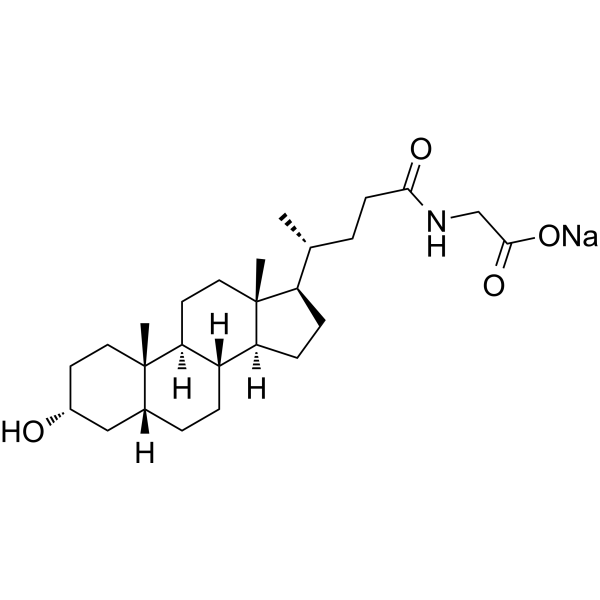
    Glycolithocholic acid sodium
    2 Publications Verification

    Lithocholylglycine sodium

    Endogenous Metabolite Metabolic Disease
    Glycolithocholic acid (Lithocholylglycine) sodium is the sodium salt of Glycolithocholic acid. Glycolithocholic acid is a glycine-conjugated secondary bile acid. Glycolithocholic acid can be used to diagnose ulcerative colitis (UC), non-alcoholic steatohepatitis (NASH) and primary sclerosing cholangitis (PSC) .
    Glycolithocholic acid sodium
  • HY-151252

    Proteasome NOD-like Receptor (NLR) Inflammation/Immunology
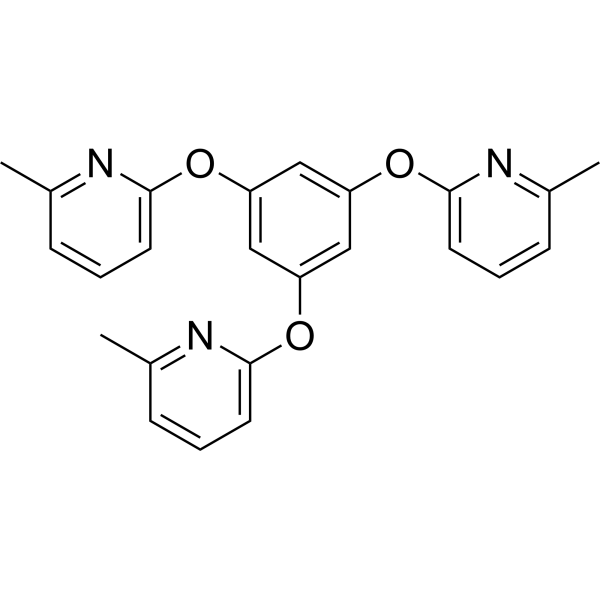
    NIC-0102 is an orally active proteasome inhibitor (pIC50=7.55) that specifically inhibits NLRP3 inflammatory vesicle activation. NIC-0102 shows potent anti-inflammatory effects in a model of dextran sulfate sodium (DSS)-induced ulcerative colitis. NIC-0102 also inhibits production of pro-IL-1β .
    NIC-0102
  • HY-107831
    5-Acetylsalicylic acid
    1 Publications Verification

    Drug Derivative Inflammation/Immunology Cancer
    5-Acetylsalicylic acid is the derivate of Aspirin (HY-14654), with anti-inflammatory property. 5-Acetylsalicylic acid is the active metabolite of Sulfasalazine (HY-14655) and its production is regulated by beneficial bacteria in the gut but is confined to the intestinal tract. 5-Acetylsalicylic acid exhibits a mild cytotoxicity effect on B16F10 cells. 5-Acetylsalicylic acid can be used for the study of inflammatory bowel disease (IBD) such as ulcerative colitis (UC) .
    5-Acetylsalicylic acid
  • HY-145697

    GPR84 Inflammation/Immunology
    GPR84 antagonist 2 (compound 33) is a potent, selective, and orally active GPR84 antagonist (IC50=8.95 nM). GPR84 antagonist 2 shows improved potency in the calcium mobilization assay and the ability to inhibit the chemotaxis of neutrophils and macrophages upon GPR84 activation. GPR84 antagonist 2 has the potential for the research of ulcerative colitis .
    GPR84 antagonist 2
  • HY-150612

    p38 MAPK Cancer
    (R)-STU104 is a potent and orally active TAK1-MKK3 interaction inhibitor with IC50s of 0.58 μM and 4.0 μM for TNF-α and MKK3 phosphorylation. (R)-STU104 suppresses the TAK1/MKK3/p38/MnK1/MK2/elF4E signal pathways through binding with MKK3 and disrupting the TAK1 phosphorylating MKK3. (R)-STU104 can be used for researching ulcerative colitis .
    (R)-STU104
  • HY-N0586A

    (+)-Laurelliptine hydrochloride

    Adenosine Receptor Inflammation/Immunology
    Norisoboldine hydrochloride is an orally active natural aryl hydrocarbon receptor (AhR) agonist. Norisoboldine hydrochloride, as a major isoquinoline alkaloid present in Radix Linderae, can be used for the research of Rheumatoid arthritis and Ulcerative colitis .
    Norisoboldine hydrochloride
  • HY-N7635

    β-D-Glucopyranosyl oleanolate

    NO Synthase COX Interleukin Related Claudin p38 MAPK Akt PI3K Inflammation/Immunology
    Oleanolic acid 28-O-β-D-glucopyranoside (β-D-Glucopyranosyl oleanolate) is an orally active pentacyclic triterpenoid compound. Oleanolic acid 28-O-β-D-glucopyranoside has anti-inflammatory effects. In ulcerative colitis models, Oleanolic acid 28-O-β-D-glucopyranoside can inhibit the inflammatory response, enhance the intestinal epithelial barrier function, and modulate the gut microbiota. Its mechanism of action is related to the PI3K-AKT and MAPK signaling pathways. Oleanolic acid 28-O-β-D-glucopyranoside can be used in the research of diseases such as colitis .
    Oleanolic acid 28-O-β-D-glucopyranoside
  • HY-106359A

    RDP-58 acetate

    TNF Receptor IFNAR Reactive Oxygen Species (ROS) Cancer
    Delmitide (RDP58) acetate is an orally active d-isomer decapeptide with potent anti-inflammatory activity. Delmitide acetate inhibits production of TNF-α, IFN-γ, and interleukin (IL)-12, and up-regulates heme oxygenase 1 activity. Delmitide acetate can be used for the research of ulcerative colitis .
    Delmitide acetate
  • HY-W006398S

    Anhydrous sodium acetate-d3

    Isotope-Labeled Compounds Neurological Disease Inflammation/Immunology Cancer
    Acetic acid-d3 sodium is the deuterium labeled Acetic acid (HY-Y0319) . Acetic acid is a carboxylic acid and short-chain fatty acid (SCFAs). Acetic acid activates AMPK, increases ROS, cleaved caspase 9, PPARα, downregulates SREBP-1c, ChREBP expression. Acetic acid exhibits antifungal activity against Saccharomyces cerevisiae W303-1A. Acetic acid regulates energy metabolism. Acetic acid has anticancer activity against gastric cancer. Acetic acid induces writhing reaction and ulcerative colitis. Acetic acid can be used in the researches for gastric cancer, ulcerative colitis, hepatic steatosis, and pain.
    Acetic acid-d3 sodium
  • HY-N0278

    Pulsatilla camphor; Anemonine; trans-Anemonin

    PKC NO Synthase Inflammation/Immunology
    Anemonin (Pulsatilla camphor), a selective iNOS inhibitor, is also a PKC-θ inhibitor. Anemonin can significantly inhibit the translation or protein stability of PKC-θ protein. Anemonin also ameliorates dextran sodium sulfate-induced acute ulcerative colitis (UC) in mice. Anemonin can be used in the research of inflammation-related diseases .
    Anemonin

Inquiry Online

Your information is safe with us. * Required Fields.

Salutation


Country or Region *

Applicant Name *


Organization Name *

Department *


Email Address *


Product Name *

Cat. No.


Requested quantity *

Phone Number *


Remarks

Inquiry Online

Inquiry Information

Product Name:
Cat. No.:
Quantity:
MCE Japan Authorized Agent:

