1. Search Result
Search Result
Results for "

acetylation

" in MedChemExpress (MCE) Product Catalog:

212

Inhibitors & Agonists

2

Screening Libraries

1

Fluorescent Dye

4

Biochemical Assay Reagents

11

Peptides

1

MCE Kits

27

Natural
Products

5

Isotope-Labeled Compounds

5

Click Chemistry

1

Oligonucleotides

Cat. No. Product Name Target Research Areas Chemical Structure
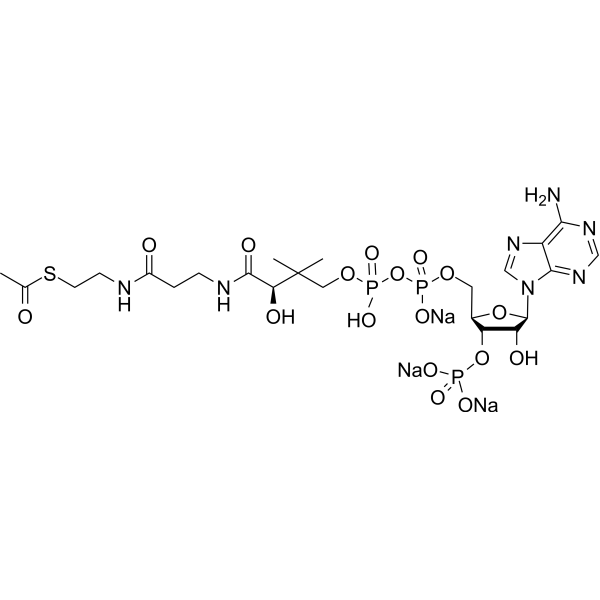
  • HY-113596
    Acetyl Coenzyme A trisodium
    4 Publications Verification

    Acetyl-CoA trisodium

    Oxidative Phosphorylation Endogenous Metabolite Autophagy Metabolic Disease
    Acetyl-coenzyme A (Acetyl-CoA) trisodium is a membrane-impermeant central metabolic intermediate, participates in the TCA cycle and oxidative phosphorylation metabolism. Acetyl-coenzyme A trisodium, regulates various cellular mechanisms by providing (sole donor) acetyl groups to target amino acid residues for post-translational acetylation reactions of proteins. Acetyl Coenzyme A trisodium is also a key precursor of lipid synthesis .
    Acetyl Coenzyme A trisodium
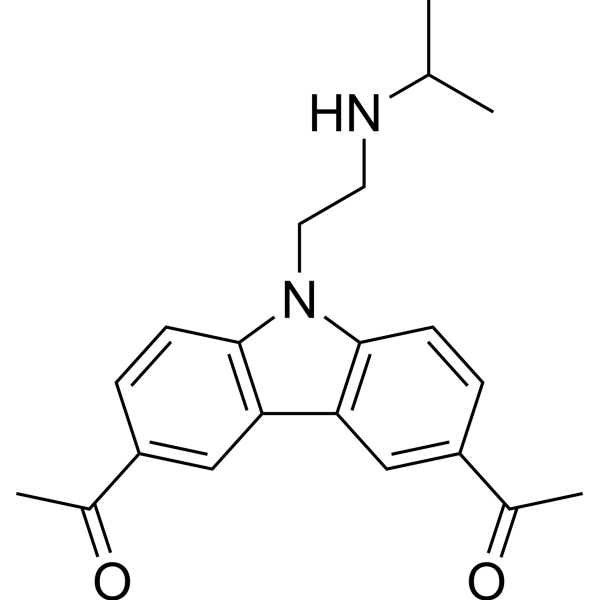
  • HY-18935
    CBL0137
    10+ Cited Publications

    Curaxin 137; CBL-C137

    Histone Acetyltransferase MDM-2/p53 NF-κB Cancer
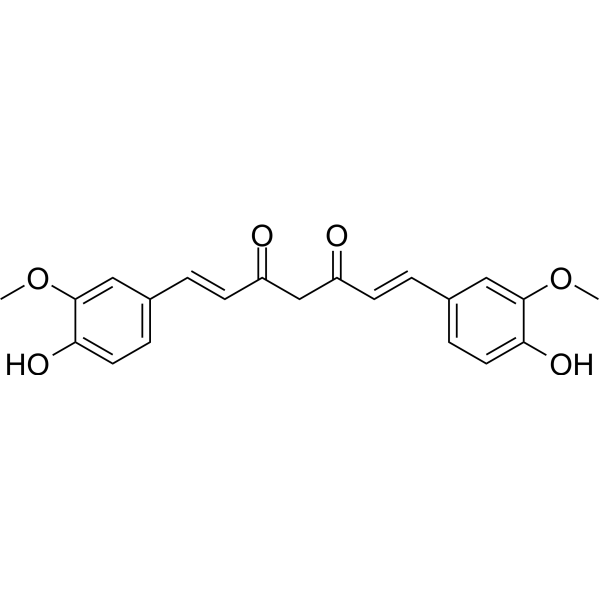
    CBL0137, a curaxin compound, is a histone chaperone facilitates chromatin transcription (FACT) inhibitor. CBL0137 downregulates NF-κB and activates p53. CBL0137 restores both histone H3 acetylation and trimethylation. CBL0137 is an anticancer agent. CBL0137 induces cancer cell apoptosis .
    CBL0137
  • HY-160818
    MC3138
    2 Publications Verification

    Sirtuin Cancer
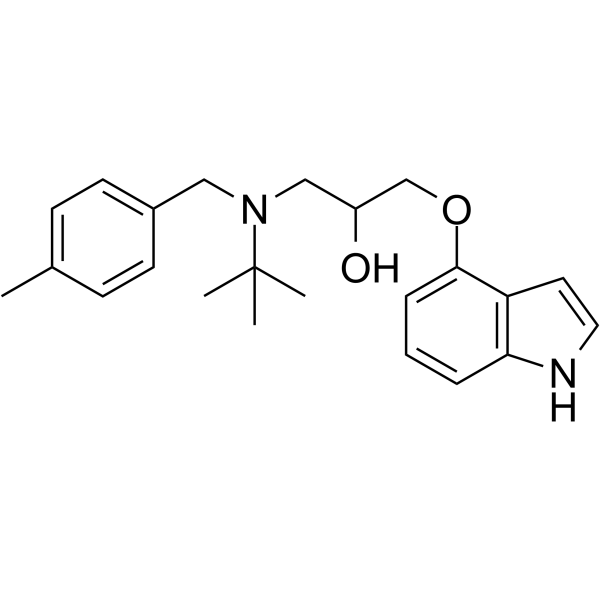
    MC3138 is a selective SIRT5 activator. MC3138 has antitumor activity on human PDAC cells, with IC50 values of 25.4-236.9 μM. MC3138 combined with Gemcitabine (HY-17026) significantly inhibits tumor growth in mice .
    MC3138
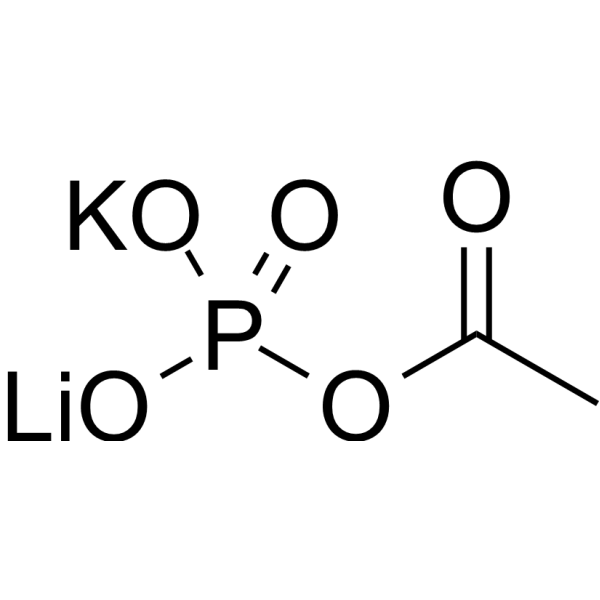
  • HY-128730

    Endogenous Metabolite Bacterial Metabolic Disease
    Acetyl phosphate lithium potassium is an endogenous metabolic product. Acetyl phosphate lithium potassium is a key substance in bacterial metabolic regulation, particularly in Lysine acetylation, and plays an important role in bacterial responses to environmental stress and adaptive reactions .
    Acetyl phosphate lithium potassium
  • HY-100508
    ITSA-1
    15+ Cited Publications

    HDAC Cancer
    ITSA-1 is an activator of histone deacetylase (HDAC), and counteract trichostatin A (TSA)-induced cell cycle arrest, histone acetylation, and transcriptional activation .
    ITSA-1
  • HY-126358

    Endogenous Metabolite Mitochondrial Metabolism Neurological Disease Metabolic Disease Cancer
    Acetylcarnitine is a CNS-penetrant endogenous metabolite. Acetylcarnitine shuttling links mitochondrial metabolism to histone acetylation and lipogenesis. Acetylcarnitine attenuates oxidative stress and neuroinflammation. Acetylcarnitine can be used for fatigue-associated diseases research. Acetylcarnitine can be used as a candidate diagnostic and prognostic biomarker of hepatocellular carcinoma .
    Acetylcarnitine
  • HY-110127
    NU9056
    5+ Cited Publications

    Histone Acetyltransferase Apoptosis Cancer
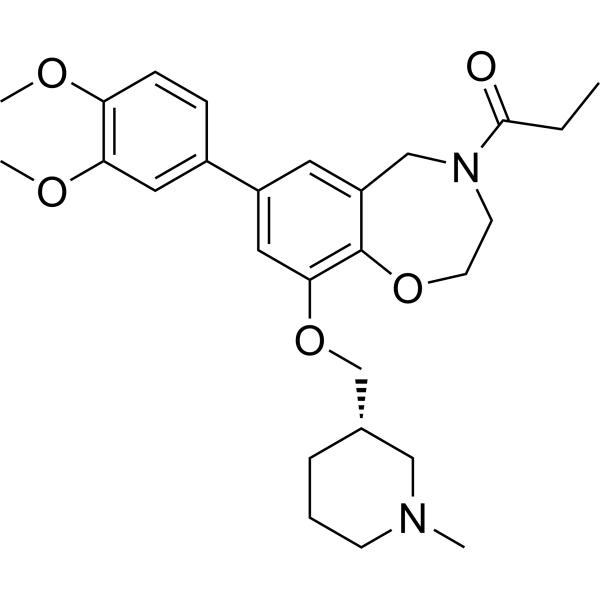
    NU9056 is a potent and selective Tip60 (KAT5) histone acetyltransferase inhibitor with an of 2 µM. NU9056 shows >16-fold selectivity for Tip60 over PCAF, p300 and GCN5. NU9056 induces apoptosis of prostate cancer cells .
    NU9056
  • HY-15510
    Tenovin-6
    5 Publications Verification

    MDM-2/p53 Dihydroorotate Dehydrogenase Sirtuin Autophagy Cancer
    Tenovin-6, an analog of Tenovin-1 (HY-13423), is an activator of p53 transcriptional activity. Tenovin-6 inhibits the protein deacetylase activities of purified human SIRT1, SIRT2, and SIRT3 with IC50s of 21 μM, 10 μM, and 67 μM, respectively. Tenovin-6 also inhibits dihydroorotate dehydrogenase (DHODH) .
    Tenovin-6
  • HY-136285

    Histone Acetyltransferase Cancer
    CPI-1612 is a highly potent, orally active EP300/CBP histone acetyltransferase (HAT) inhibitor with an IC50 of 8.1 nM for EP300 HAT. CPI-1612 has an anticancer activity .
    CPI-1612
  • HY-155956
    GM-90257
    1 Publications Verification

    Microtubule/Tubulin Apoptosis Bcl-2 Family JNK PARP Cancer
    GM-90257 is a microtubule acetylation inhibitor. GM-90257 binds directly to α-tubulin. GM-90257 prevents the recruitment of α-tubulin acetyltransferase 1 (αTAT1) to the K40 residue in α-tubulin. GM-90257 causes Apoptosis, downregulates BCl-2, and activates JNK and PARP. GM-90257 has anticancer activity against breast cancer .
    GM-90257
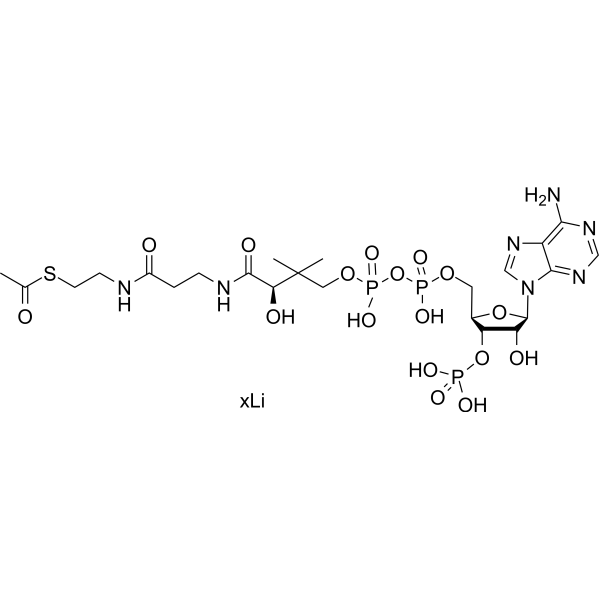
  • HY-114293A

    Acetyl-CoA trilithium

    Oxidative Phosphorylation Endogenous Metabolite Autophagy Cardiovascular Disease Metabolic Disease
    Acetyl-coenzyme A (Acetyl-CoA) trilithium is a membrane-impermeant central metabolic intermediate, participates in the TCA cycle and oxidative phosphorylation metabolism. Acetyl-coenzyme A trilithium regulates various cellular mechanisms by providing (sole donor) acetyl groups to target amino acid residues for post-translational acetylation reactions of proteins. Acetyl Coenzyme A trilithium is also a key precursor of lipid synthesis .
    Acetyl coenzyme A trilithium
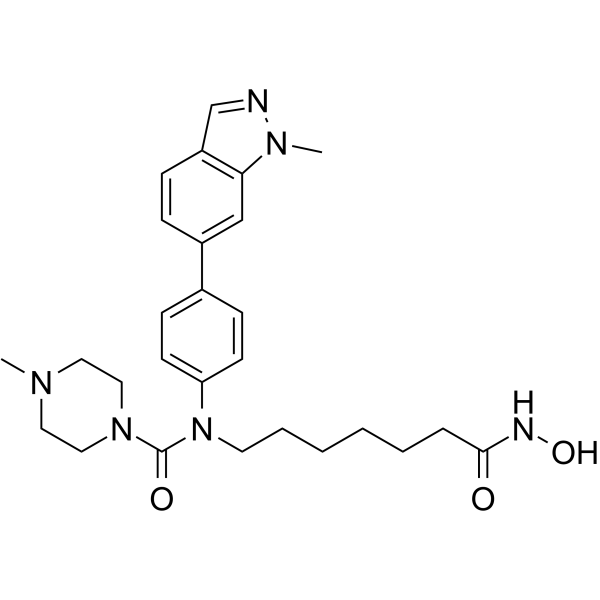
  • HY-144315

    Snail/HDAC-IN-1

    HDAC Cancer
    CYD19 is a potent Snail/HDAC dual target inhibitor. CYD19 displays potent inhibitory activity against HDAC1 with an IC50 of 0.405 μM and potent inhibition against Snail with a Kd of 0.18 μM. CYD19 increases histone H4 acetylation in HCT-116 cells and decreases the expression of Snail protein to induce cell apoptosis .
    CYD19
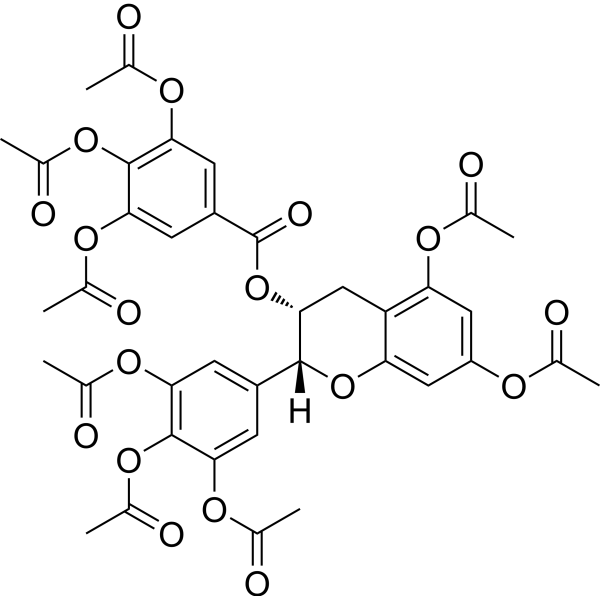
  • HY-N6263
    EGCG Octaacetate
    2 Publications Verification

    AcEGCG; Peracetylated (-)-epigallocatechin-3-gallate

    Bacterial PI3K Akt NF-κB Infection Inflammation/Immunology Cancer
    EGCG Octaacetate (AcEGCG) is a proagent of Green tea epigallocatechin-3-gallate (EGCG). EGCG Octaacetate decreases the proinflammatory mediator levels by down-regulating of PI3K/Akt/NFκB phosphorylation and p65 acetylation. EGCG octaacetate is the potential antibacterial compound for gram-positive bacteria (GPB) and gram-negative bacteria (GNB). EGCG Octaacetate exhibits antioxidant, anti-angiogenesis, anti-inflammatory and antitumor activities .
    EGCG Octaacetate
  • HY-19541
    I-CBP112
    5 Publications Verification

    Histone Acetyltransferase Epigenetic Reader Domain Cancer
    I-CBP112, a chemical probe, is a specific and potent acetyl-lysine competitive protein-protein interaction inhibitor, that inhibits the CBP/p300 bromodomains, enhances acetylation by p300.
    I-CBP112
  • HY-Y1325I

    Environmental Pollutants Biochemical Assay Reagents Apoptosis NO Synthase p38 MAPK Heme Oxygenase (HO) Keap1-Nrf2 Wnt β-catenin Metabolic Disease Inflammation/Immunology Cancer
    Sodium acetate trihydrate, 99.5% is a short-chain fatty acid salt with multiple biological activities. Sodium acetate trihydrate, 99.5% serves as a direct precursor of acetyl-CoA, and it extensively affects gene expression by promoting histone acetylation. Sodium acetate trihydrate, 99.5% can activate the p38 MAPK pathway to induce cancer cell apoptosis. Sodium acetate trihydrate, 99.5% can activate the Wnt/β-catenin signaling pathway to stimulate the proliferation and migration of cecal epithelial cells, thereby improving intestinal health. Sodium acetate trihydrate, 99.5% alleviates lead accumulation and oxidative damage by upregulating the testosterone-dependent eNOS/NO/cGMP signaling pathway, as well as activating the Nrf2/HO-1 pathway and its downstream antioxidant enzymes .
    Sodium acetate trihydrate, 99.5%
  • HY-100671

    Histone Acetyltransferase STAT Cardiovascular Disease Inflammation/Immunology Cancer
    L002 is a potent, cell permeable, reversible and specific acetyltransferase p300 (KAT3B) inhibitor with an IC50 of 1.98 μM . L002 binds the acetyl-CoA pocket and competitively inhibits the FATp300 catalytic domain, blocks histone acetylation and p53 acetylation, and inhibits STAT3 activation . L002 has the potential for hypertension-induced cardiac hypertrophy and fibrogenesis treatment .
    L002
  • HY-114293

    Acetyl-CoA

    Oxidative Phosphorylation Endogenous Metabolite Autophagy Cardiovascular Disease Metabolic Disease
    Acetyl-coenzyme A (Acetyl-CoA) is a membrane-impermeant central metabolic intermediate, participates in the TCA cycle and oxidative phosphorylation metabolism. Acetyl-coenzyme A, regulates various cellular mechanisms by providing (sole donor) acetyl groups to target amino acid residues for post-translational acetylation reactions of proteins. Acetyl Coenzyme A is also a key precursor of lipid synthesis .
    Acetyl coenzyme A
  • HY-N4118
    Cephaeline
    1 Publications Verification

    (-)-Cephaeline; NSC 32944 free base

    Filovirus Flavivirus Keap1-Nrf2 Ferroptosis Reactive Oxygen Species (ROS) Infection Cancer
    Cephaeline ((-)-Cephaeline), a desmethyl analog of Emetine, is a phenolic alkaloid in Indian Ipecac roots isolated from the Cephaelis ipecacuanha. Cephaeline exhibits potent inhibition of both Zika virus (ZIKV) and Ebola virus (EBOV) infections. Cephaeline is an inductor of histone H3 acetylation and an inhibitor of mucoepidermoid carcinoma cancer stem cells (MEC), which promotes ferroptosis by inhibiting NRF2 to exert anti-lung cancer efficacy .
    Cephaeline
  • HY-101491
    SR-18292
    60+ Cited Publications

    PGC-1α Autophagy Metabolic Disease
    SR-18292 is a PPAR gamma coactivator-1α (PGC-1α) inhibitor, which increases PGC-1α acetylation, suppresses gluconeogenic gene expression and reduces glucose production in hepatocytes.
    SR-18292
  • HY-113596A
    Acetyl coenzyme A lithium
    4 Publications Verification

    Acetyl-CoA lithium

    Oxidative Phosphorylation Endogenous Metabolite Autophagy Cardiovascular Disease Metabolic Disease
    Acetyl-coenzyme A (Acetyl-CoA) lithium is a membrane-impermeant central metabolic intermediate, participates in the TCA cycle and oxidative phosphorylation metabolism. Acetyl-coenzyme A lithium, regulates various cellular mechanisms by providing (sole donor) acetyl groups to target amino acid residues for post-translational acetylation reactions of proteins. Acetyl Coenzyme A lithium is also a key precursor of lipid synthesis .
    Acetyl coenzyme A lithium
  • HY-18700
    BRD73954
    4 Publications Verification

    HDAC Cancer
    BRD73954 is a potent HDAC inhibitor and selectively inhibiting both HDAC6 and HDAC8 with IC50 values of 0.0036, 0.12, 9, 12, 23 µM for HDAC6, HDAC8, HDAC2, HDAC1 and HDAC3, respectively. BRD73954 decreases the levels of HDAC6, associated with upregulation of Ac-Tubulin .
    BRD73954
  • HY-135714

    EKZ-001

    HDAC Microtubule/Tubulin Neurological Disease Cancer
    Bavarostat (EKZ-001) is a blood-brain barrier-permeable, potent HDAC6 inhibitor and PET radiotracer, with an IC50 as low as 17 nM against human HDAC6. Bavarostat can be labeled with 18F and used as a probe to map HDAC6 distribution and measure target occupancy in the brains of non-human primates. Bavarostat also selectively modulates tubulin acetylation, but not histone acetylation. Bavarostat is applicable for research on Alzheimer's disease, other neurodegenerative disorders, and cancers .
    Bavarostat
  • HY-13423
    Tenovin-1
    5 Publications Verification

    MDM-2/p53 Dihydroorotate Dehydrogenase Sirtuin Autophagy Cancer
    Tenovin-1, a p53 activator, protects p53 from MDM2-mediated degradation. Tenovin-1 acts through inhibition of the protein-deacetylating activities of SirT1 and SirT2. Tenovin-1 is also a dihydroorotate dehydrogenase (DHODH) inhibitor .
    Tenovin-1
  • HY-118292

    1,4-Diacetoxybenzene

    Drug Intermediate Others
    Hydroquinone diacetate (1,4-Diacetoxybenzene) is a diester product and also a commonly used synthetic intermediate for agrochemicals and fine chemicals. Hydroquinone diacetate can be produced via the acetylation of hydroquinone (HY-B0951) with acetic anhydride .
    Hydroquinone diacetate
  • HY-100734
    Histone Acetyltransferase Inhibitor II
    1 Publications Verification

    Histone Acetyltransferase Cancer
    Histone Acetyltransferase Inhibitor II (compound 2c) is a potent, selective and cell permeable p300 histone acetyltransferase inhibitor, with an IC50 of 5 µM. Histone Acetyltransferase Inhibitor II shows anti-acetylase activity in mammalian cells .
    Histone Acetyltransferase Inhibitor II
  • HY-P5285

    Parasite Infection Inflammation/Immunology Cancer
    Lunasin is a bioactive peptide with antioxidant, anti-inflammatory, anticancer and anti-aging properties. Lunasin can be isolated from soybean. Lunasin also has an epigenetic mechanism of action associated with histone acetylation. Lunasin can be internalized into cells and inhibit Oncosphere formation in cancer cells .
    Lunasin
  • HY-P2161B
    TAK-683 acetate
    4 Publications Verification

    Kisspeptin Receptor Cancer
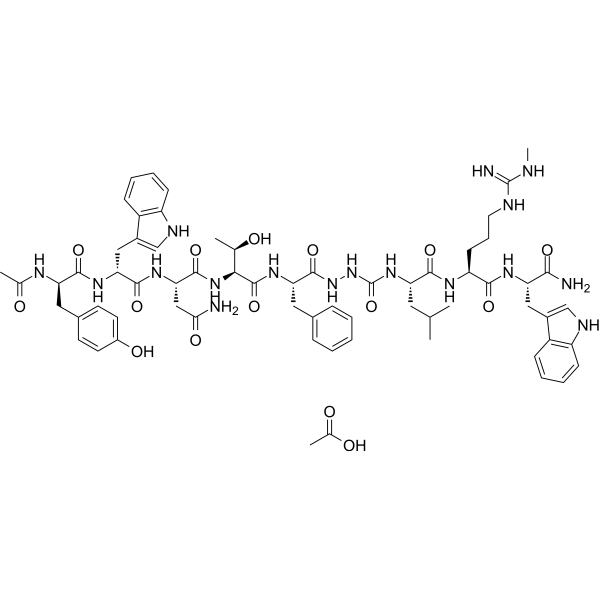
    TAK-683 acetate is a potent full KISS1 receptor (KISS1R) agonist (IC50=170 pM) with improved metabolic stability. TAK-683 acetate is a nonapeptide metastin analog, exhibits agonistic activities to KISS1R with EC50 values of 0.96 nM and 1.6 nM for human and rat, respectively . TAK-683 acetate depletes GnRH in the hypothalamus and reduces plasma FSH, LH, and testosterone levels in vivo, it has the potential for the study of hormone-dependent prostate cancer .
    TAK-683 acetate
  • HY-141546

    Histone Acetyltransferase Cancer
    Pocenbrodib is a P300/CBP inhibitor. Pocenbrodib blocks the function of P300/CBP and inhibits the acetylation of histones and non-histone proteins. Pocenbrodib may be used in research related to castration-resistant prostate cancer and other cancers .
    Pocenbrodib
  • HY-116785

    DNA/RNA Synthesis Cancer
    BRD32048 is a direct binder of ETV1 with a KD of 17.1 μM. BRD32048 modulates both ETV1-mediated transcriptional activity and invasion of ETV1-driven cancer cells. BRD32048 inhibits ETV1 acetylation and promotes its degradation. BRD32048 acts as a top candidate ETV1 perturbagen .
    BRD32048
  • HY-16361A

    CGP3466B; CGP3446 maleate; TCH346 maleate

    Apoptosis Neurological Disease Metabolic Disease Inflammation/Immunology
    Omigapil maleate (CGP3466B), an orally active GAPDH nitrosylation inhibitor, abrogates Aβ1-42-induced tau acetylation, memory impairment, and locomotor dysfunction in mice. Omigapil maleate has the potential for the research of Alzheimer's disease. Omigapil maleate is a apoptosis inhibitor. Omigapil maleate can be used for the research of congenital muscular dystrophy (CMD). Omigapil maleate is a click chemistry reagent, it contains an Alkyne group and can undergo copper-catalyzed azide-alkyne cycloaddition (CuAAc) with molecules containing Azide groups .
    Omigapil maleate
  • HY-15510B
    Tenovin-6 Hydrochloride
    5 Publications Verification

    MDM-2/p53 Dihydroorotate Dehydrogenase Sirtuin Autophagy Cancer
    Tenovin-6 Hydrochloride, an analog of Tenovin-1 (HY-13423), is an activator of p53 transcriptional activity. Tenovin-6 Hydrochloride inhibits the protein deacetylase activities of purified human SIRT1, SIRT2, and SIRT3 with IC50s of 21 μM, 10 μM, and 67 μM, respectively. Tenovin-6 Hydrochloride also inhibits dihydroorotate dehydrogenase (DHODH) .
    Tenovin-6 Hydrochloride
  • HY-130538
    1-Naphthohydroxamic acid
    2 Publications Verification

    HDAC Cancer
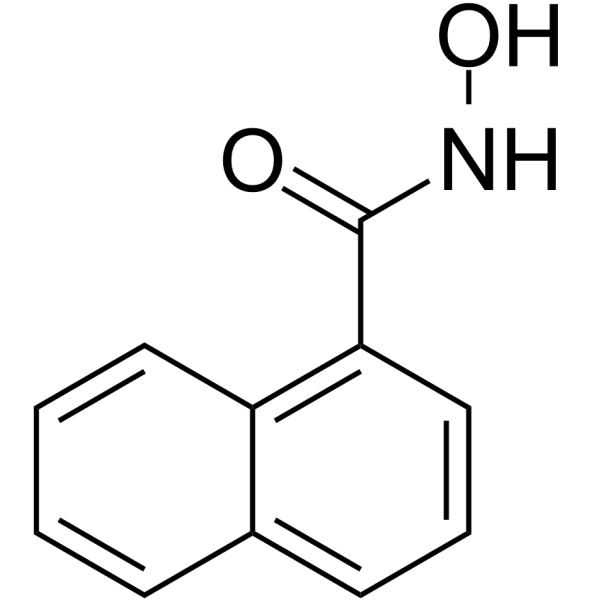
    1-Naphthohydroxamic acid (Compound 2) is a potent and selective HDAC8 inhibitor with an IC50 of 14 μM. 1-Naphthohydroxamic acid is more selectively for HDAC8 than class I HDAC1 and class II HDAC6 (IC50 >100 μM). 1-Naphthohydroxamic acid does not increase global histone H4 acetylation and also does not reduce total intracellular HDAC activity .1-Naphthohydroxamic acid can induce tubulin acetylation .
    1-Naphthohydroxamic acid
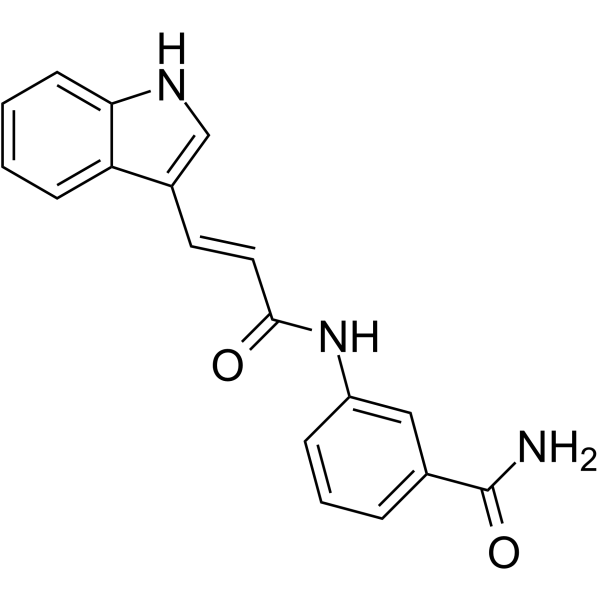
  • HY-109109

    CKD-581

    HDAC Apoptosis Cancer
    Alteminostat (CKD-581) is a potent HDAC inhibitor. Alteminostat inhibits the class I-II HDAC family via histone H3 and tubulin acetylation. Alteminostat can be used for lymphoma and multiple myeloma research .
    Alteminostat
  • HY-103721

    Sirtuin Metabolic Disease Inflammation/Immunology Cancer
    SIRT6-IN-2 (Compound 5) is a selective and competitive SIRT6 inhibitor (IC50: 34 μM). SIRT6-IN-2 increases acetylation of H3K9 and increases glucose uptake in cultured cells. SIRT6-IN-2 also reduces T cell proliferation. SIRT6-IN-2 has immunosuppressive and chemosensitizing effects .
    SIRT6-IN-2
  • HY-P5544

    N-Acetylmuramyl-L-Ala-γ-D-Glu-meso-diaminopimelic acid

    NOD-like Receptor (NLR) Others
    M-TriDAP (N-Acetylmuramyl-L-Ala-γ-D-Glu-meso-diaminopimelic acid) is a NOD1/2 agoist and biological active peptide .
    M-TriDAP
  • HY-123194

    Histone Demethylase Sirtuin Metabolic Disease
    SIRT2/6-IN-1 (Compound 5) is a SIRT6/SIRT2 inhibitor, with IC50s of 106 μM and 114 μM. SIRT2/6-IN-1 increases H3K9 acetylation, increases glucose uptake and reduces TNF-α secretion in cells .
    SIRT2/6-IN-1
  • HY-138875

    p38 MAPK Apoptosis Cardiovascular Disease Cancer
    Tetraacetylphytosphingosine is a sphingolipid metabolite produced by phytosphingosine acetylation. Tetraacetylphytosphingosine exerts its inhibitory action on angiogenesis through the inhibition of MAPK activation and intracellular calcium increase . Tetraacetylphytosphingosine induces apoptosis in HaCaT cells .
    Tetraacetylphytosphingosine
  • HY-N2154

    Others Inflammation/Immunology
    Rhodojaponin V is a diterpenoid from the leaves of Rhododendron molle with anti-inflammatory activity. Rhodojaponin V is the C-14 acetylation product of Rhodojaponen III. L-Aspartic aicd sodium is commonly used in the study of inflammatory conditions .
    Rhodojaponin V
  • HY-133998
    SIRT-IN-3
    1 Publications Verification

    Sirtuin Cancer
    SIRT-IN-3 is a potent SIRT inhibitor, with an IC50 of 17 μM for SIRT1. SIRT-IN-3 shows about 4-fold and 14-fold selectivity for SIRT1 over SIRT2 and SIRT3, respectively (IC50 of 74 μM and 235 μM for SIRT2 and SIRT3, respectively) .
    SIRT-IN-3
  • HY-145013

    LYTACs Others
    tri-GalNAc-COOH acetylation is the acetylated and modified form of tri-GalNAc-COOH. tri-GalNAc-COOH acetylation can be used for the synthesis of LYTAC.
    tri-GalNAc-COOH (acetylation)
  • HY-W114327

    DNA/RNA Synthesis Others
    N4-Acetyl-2'-O-methylcytidine (ac4Cm) is an RNA with dual acetylation and methoxidation modifications found in thermophilic archaea. N4-Acetyl-2'-O-methylcytidine has been implicated in the adaptability of archaea in extreme environments, enhancing RNA stability through dual modification .
    N4-Acetyl-2'-O-methylcytidine
  • HY-160958

    Biochemical Assay Reagents Others
    Cap B (Acetonitrile/N-methylimidazole /pyridine, 50/20/30 v/v/v) is a biochemical reagent, which contains 50% Acetonitrile, 20 N-methylimidazole and 30% pyridine. Cap B (Acetonitrile/N-methylimidazole /pyridine, 50/20/30 v/v/v) is utilized as capping agent in oligonucleotide synthesis .
    Cap B Acetonitrile/N-methylimidazole /pyridine, 50/20/30 v/v/v
  • HY-161149

    HDAC Cancer
    CM-1758 is a histone deacetylase (HDAC) inhibitor. CM-1758 inhibits tumor growth in vivo. CM-1758 induces acetylation of non-histone proteins in acute myeloid leukemia cells .
    CM-1758
  • HY-13506G

    D 237 (GMP); MS 344 (GMP)

    HDAC Cancer
    M344 (GMP) (D 237) (GMP) is the GMP level of M344 (HY-13506). GMP level of small molecules can be used as auxiliary reagents in cell therapy. M344 is a kind of histone acetylation enzyme inhibitor .
    M344 (GMP)
  • HY-162837

    Aurora Kinase Cancer
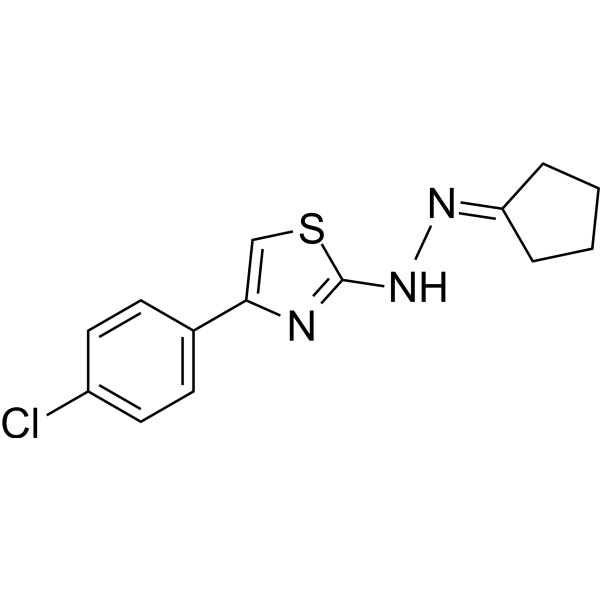
    AURKA against 1 is an inhibitor of AURKA (IC50 less than 0.5 nM), targeting endogenous lysine (K162) acetylation, and has anti-proliferation activity against tumor cells. AURKA against 1 induces K162 acetylation, and the kinase activity of AURKA is reversibly restored in HCT116 cells transfected with SIRT3 .
    AURKA against 1
  • HY-148408

    Sirtuin Cancer
    SIRT2-IN-11 (AEM1) is a selective SIRT2 inhibitor with an IC50 value of 18.5 μM. SIRT2-IN-11 p53-dependently induces apoptosis, activates expression of CDKN1A, PUMA and NOXA, and increases acetylation of p53. SIRT2-IN-11 can be used for the research of p53-related cancers .
    SIRT2-IN-11
  • HY-160461

    HDAC Metabolic Disease
    LTK-14A, a derivative of Garcinol (HY-107569), is a selective histone butyrylation inhibitor. LTK-14A does not affect acetylation. LTK-14A significantly inhibits the butyrylation of H4K5 and downregulated the expression of proadipogenic genes, thus culminating in abolished adipogenesis. LTK-14A can be used for the study of obesity .
    LTK-14A
  • HY-W014004

    CBHA

    HDAC Apoptosis Others Cancer
    m-Carboxycinnamic acid bishydroxamide (CBHA) is a histone deacetylase inhibitor. m-Carboxycinnamic acid bishydroxamide modulates histone acetylation sites, alters DNA methylation and epigenetic status, increases global histone acetylation, alleviates transcription repression, and facilitates chromatin remodelling. m-Carboxycinnamic acid bishydroxamide can be used for the research of cloned embryo development and epigenetic regulation .
    m-Carboxycinnamic acid bishydroxamide
  • HY-125969

    Histone Acetyltransferase Fungal Infection
    Rtt109 inhibitor 1 (Compound 1) is an inhibitor for histone acetyltransferase Rtt109 through a tight binding, uncompetitive system. Rtt109 inhibitor 1 exhibits antifungal activity through acetylation at H3K56 site .
    Rtt109 inhibitor 1
  • HY-P3940

    PKC Others
    Ac-MBP (4-14) Peptide is an acetylated MBP (4-14) peptide. MBP (4-14) Peptide is a very selective (protein kinase C) PKC substrate. Ac-MBP (4-14) Peptide can be used for PKC assay in extracts without prior purification to eliminate interfering protein kinases or phosphatases .
    Ac-MBP (4-14) Peptide

Inquiry Online

Your information is safe with us. * Required Fields.

Salutation


Country or Region *

Applicant Name *


Organization Name *

Department *


Email Address *


Product Name *

Cat. No.


Requested quantity *

Phone Number *


Remarks

Inquiry Online

Inquiry Information

Product Name:
Cat. No.:
Quantity:
MCE Japan Authorized Agent:

