



113 Results for "

acute cytotoxicity

" in MedChemExpress (MCE) Product Catalog:
Products (113)

113 Results for "acute cytotoxicity" in MCE Product Catalog:

16
16 Publications Verification
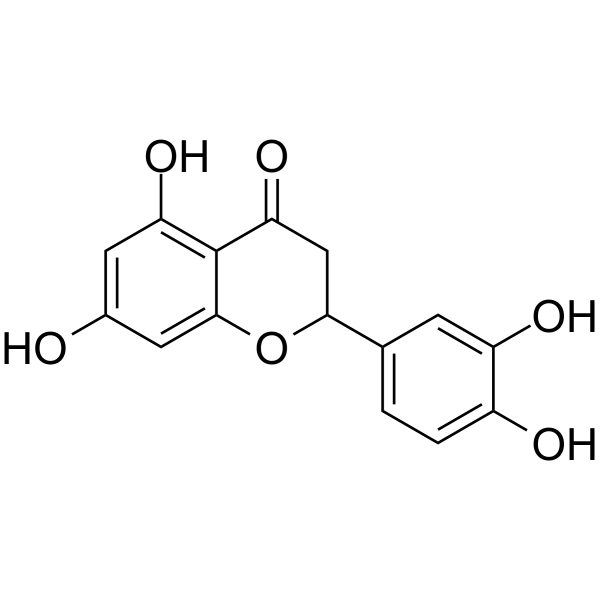
Cat. No.: HY-N0637
CAS No.: 552-58-9
Synonyms: Huazhongilexone
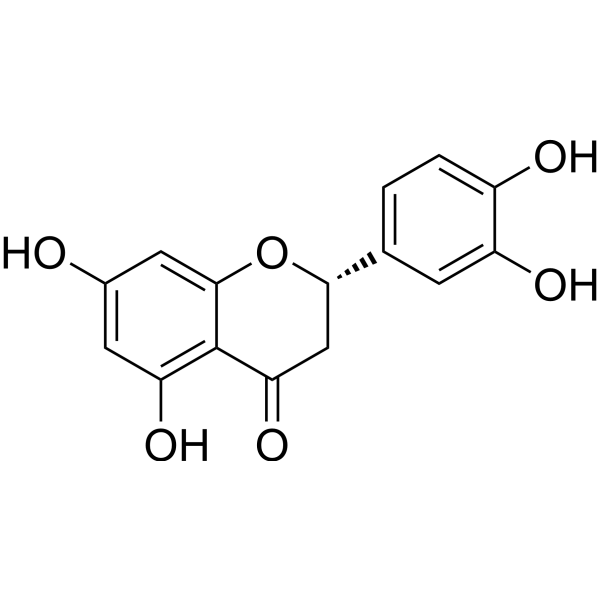
Eriodictyol ((±)-Huazhongilexone; Dihydroluteolin) is an orally active TRPV1 receptor antagonist (IC50=44-47 nM, rTRPV1) with antioxidant and anti-inflammatory activities. Eriodictyol effectively inhibits lipid peroxidation and the release of proinflammatory cytokines by specifically antagonizing the TRPV1 receptor and activating the Nrf2 signaling pathway. Eriodictyol reduces the levels of ICAM-1, VEGF, eNOS and TNF-α in the retina and maintains the integrity of the blood-retinal barrier. Eriodictyol alleviates oxidative stress-induced apoptosis and hyperalgesia, enhances the activity and cytotoxicity of immune cells (such as B lymphocytes, NK cells and macrophages), and increases the levels of antioxidant enzymes simultaneously. Eriodictyol can be used in the research of diabetic retinopathy, acute lung injury and various pain-related diseases .
loading...
    loading...
9
9 Cited Publications
Cat. No.: HY-P1388
CAS No.: 166090-74-0
Synonyms: Amyloid β-peptide (1-42) (rat/mouse)
Target:  

Amyloid-β

Research Areas:  

Neurological Disease

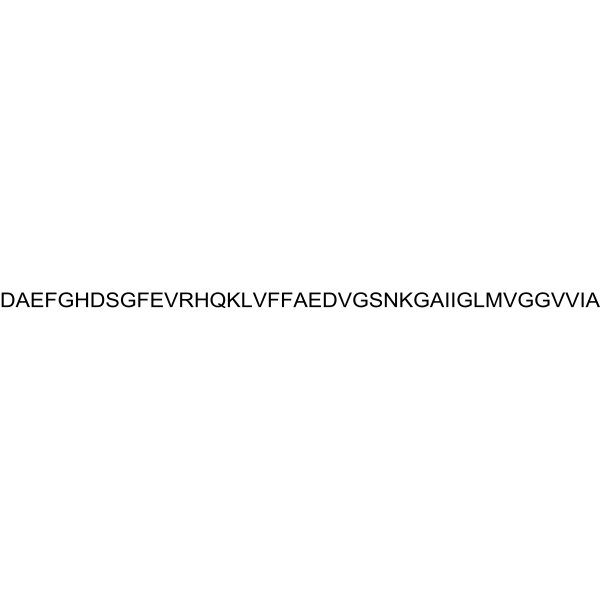
β-Amyloid (1-42), (rat/mouse) is a 42-aa peptide, shows cytotoxic effect on acute hippocampal slices, and used in the research of Alzheimer's disease.
loading...
    loading...
9
9 Cited Publications
Cat. No.: HY-P1388A
Synonyms: Amyloid β-peptide (1-42) (rat/mouse) TFA
Target:  

Amyloid-β

Research Areas:  

Neurological Disease

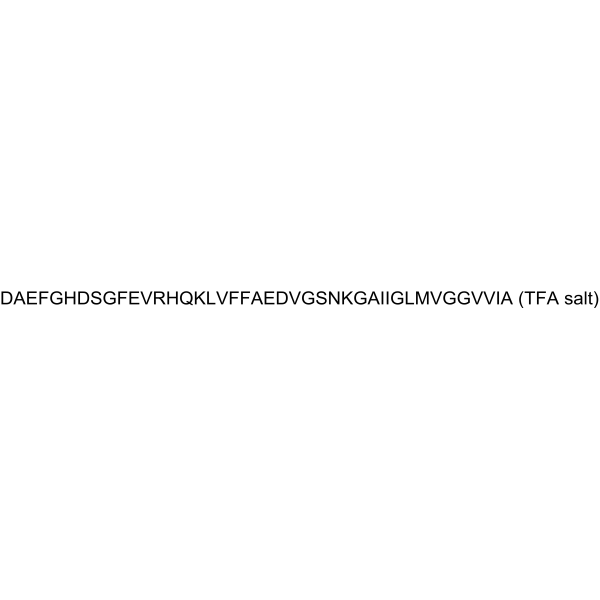
β-Amyloid (1-42), (rat/mouse) TFA is a 42-aa peptide, shows cytotoxic effect on acute hippocampal slices, and used in the research of Alzheimer's disease.
loading...
    loading...
6
6 Cited Publications
Cat. No.: HY-113308
CAS No.: 516-90-5
Purity:  98.06%
Taurolithocholic acid is an orally active bile acid and antiviral agent. Taurolithocholic acid upregulates FADS2 by activating the TGR5-PI3K/AKT-SREBP2 signaling axis, inhibits SFTSV-induced ferroptosis (Ferroptosis), viral replication and viral entry of HBV/HDV, while reducing the release of IL-1β, lipid ROS and LDH. While exerting antiviral protective effects, Taurolithocholic acid also stimulates the recycling of hepatocellular membrane transporters, impairs canalicular bile acid secretion function, and induces hepatocyte cholestasis, apoptosis and acute hepatocellular injury. Taurolithocholic acid serves as an experimental model compound for hepatocellular cholestasis. At concentrations ≤200 μM, Taurolithocholic acid shows no cytotoxicity and does not activate the interferon pathway. Taurolithocholic acid not only protects mice from lethal SFTSV infection but also is suitable for studies related to severe fever with thrombocytopenia syndrome and cholestasis .
loading...
    loading...
6
6 Cited Publications
Cat. No.: HY-113308A
CAS No.: 6042-32-6
Purity:  99.81%
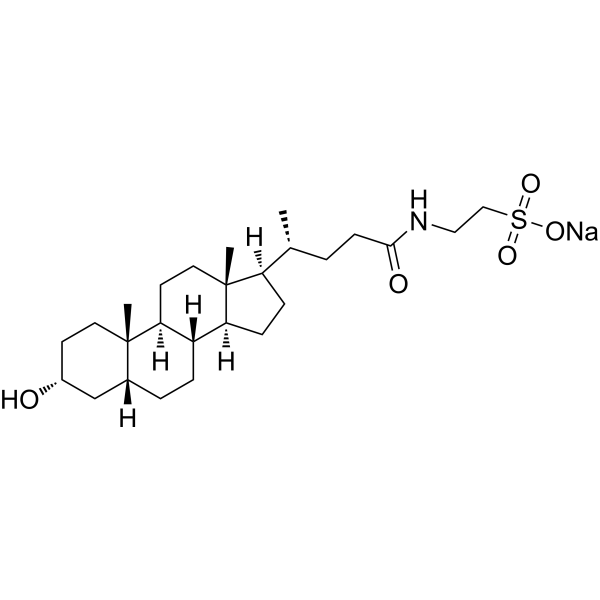
Taurolithocholic acid sodium salt is an orally active bile acid and antiviral agent. Taurolithocholic acid sodium salt upregulates FADS2 by activating the TGR5-PI3K/AKT-SREBP2 signaling axis, inhibits SFTSV-induced ferroptosis, viral replication and viral entry of HBV/HDV, while reducing the release of IL-1β, lipid ROS and LDH. While exerting antiviral protective effects, Taurolithocholic acid sodium salt also stimulates the recycling of hepatocellular membrane transporters, impairs canalicular bile acid secretion function, and induces hepatocyte cholestasis, apoptosis and acute hepatocellular injury. Taurolithocholic acid sodium salt serves as an experimental model compound for hepatocellular cholestasis. At concentrations ≤200 μM, Taurolithocholic acid sodium salt shows no cytotoxicity and does not activate the interferon pathway. Taurolithocholic acid sodium salt not only protects mice from lethal SFTSV infection but also is suitable for studies related to severe fever with thrombocytopenia syndrome and cholestasis .
loading...
    loading...
4
4 Cited Publications
Cat. No.: HY-16271
CAS No.: 66592-89-0
Synonyms: 4-Isothioureidobutyronitrile hydrochloride; thioureidobutyronitrile hydrochloride; thioureido butyronitrile hydrochloride
Target:  

MDM-2/p53 Apoptosis

Research Areas:  

Cancer

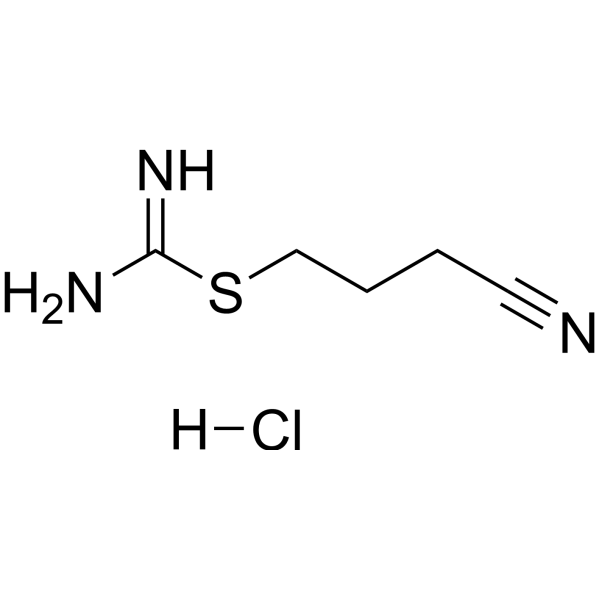
Kevetrin hydrochloride is a potent activator of p53, induces apoptosis in TP53 wild-type and mutant acute myeloid leukemia cells. Kevetrin a preferential cytotoxic activity against blast cells .
loading...
    loading...
2
2 Cited Publications
Cat. No.: HY-109539
CAS No.: 220578-59-6
Purity:  98.0%
Research Areas:  

Cancer

Gemtuzumab ozogamicin is an antibody-drug conjugate (ADC) consisting of a humanized immunoglobulin (IgG4) antibody directed against CD33 that is conjugated to the cytotoxic agent Calicheamicin (HY-19609). The antibody portion is Gemtuzumab (HY-P99971), and the drug-linker conjugate for ADC is N-Ac-γ-Calicheamicin-AcBut-NHS ester (HY-103688). Gemtuzumab ozogamicin can be used for the research of acute myeloid leukemia (AML) .
loading...
    loading...
2
2 Cited Publications
Cat. No.: HY-P99395
CAS No.: 1826831-79-1
Synonyms: JNJ 56022473; CSL 362

Target:  

Interleukin Related

Research Areas:  

Cancer

Talacotuzumab (JNJ 56022473; CSL 362) is an IgG1-type fully humanized, CD123-neutralizing monoclonal antibody containing a modified Fc structure. Talacotuzumab has KDs of 0.43 nM, 188 nM, 46 nM, 16.8 nM for CD123, CD32b/c, CD16-158F, CD16-158V, respectively. Talacotuzumab inhibits IL-3 binding to CD123, antagonizing IL-3 signaling in target cells. Talacotuzumab has mutated the Fc region to increase affinity for CD16 (FcγRIIIa), thereby enhancing antibody-dependent cell-mediated cytotoxicity (ADCC). Talacotuzumab is highly effective in vivo reducing leukemic cell growth in acute myeloid leukemia (AML) xenograft mouse models .
loading...
    loading...
1
1 Cited Publications
Cat. No.: HY-125474
CAS No.: 9000-07-1
Carrageenan is an antiviral and anticancer agent. Carrageenan inhibits herpes simplex virus (HSV), HIV, and hepatitis A virus (HAV) by directly binding to the viral capsid to block the attachment of viruses such as HPV to HSPG factors on the cell surface. Carrageenan delays and arrests cell cycle progression, exhibits cytotoxicity against HeLa cancer cells, and can be applied to studies related to cervical cancer, genital warts, hepatitis A, and other conditions. Carrageenan also induces acute non-immune inflammation, triggers a three-phase inflammatory response involving the release of multiple proinflammatory mediators, and causes persistent edema, hyperalgesia, and neutrophil recruitment in mice .
loading...
    loading...
1
1 Cited Publications
Cat. No.: HY-12892
CAS No.: 1259484-97-3
Purity:  99.29%
Target:  

SphK Apoptosis

Research Areas:  

Cancer

SKI-178 is a potent sphingosine kinase-1 (SphK1) and SphK2 inhibitor. SKI-178 is cytotoxic at IC50 concentrations ranging from 1.8 to 0.1 μM in both agent sensitive and multi-agent resistant cancer cell lines (i.e., MTR3, NCI-ADR and HL60/VCR cells). SKI-178 induces apoptosis in a CDK1-dependent manner in human acute myeloid leukemia cell lines .
loading...
    loading...
1
1 Cited Publications
Cat. No.: HY-B1953
CAS No.: 111988-49-9
Research Areas:  

Infection

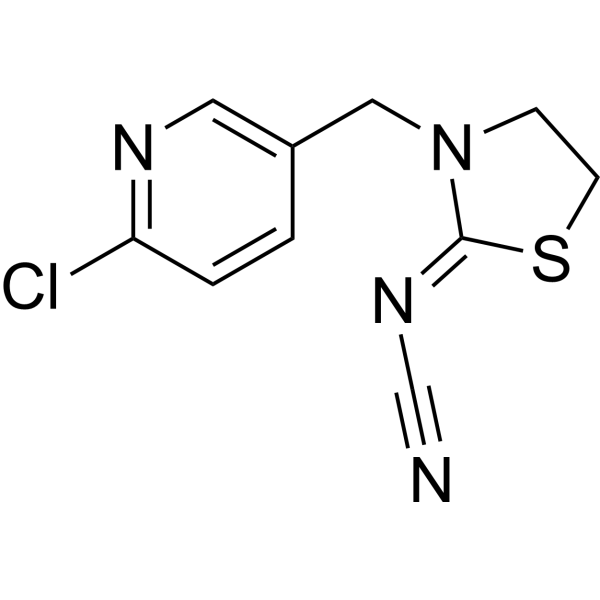
Thiacloprid is an orally active neurotoxic insecticide and also a nAChR agonist. Thiacloprid reduces the viability of healthy cells, depletes reduced glutathione, and increases MDA levels, thereby inducing cytotoxicity and oxidative stress damage. In practical applications, Thiacloprid has lower acute toxicity to honeybees than other compounds of the same class such as Imidacloprid (HY-B0838), but it still significantly impairs the learning and memory function, immune capacity and survival status of honeybees. Thiacloprid induces intestinal microbial dysbiosis and reduces survival rate in middle-aged honeybees, increases the risk of premature collapse in bumblebee colonies, and significantly decreases the final colony weight and reproductive output. Thiacloprid is used in broad-spectrum agricultural pest control, often alone or in combination with Deltamethrin (HY-B1971), and meets the pest management needs of various crops including potatoes, cabbages, various fruits and vegetables, and nuts .
loading...
    loading...
1
1 Cited Publications
Cat. No.: HY-N3377
CAS No.: 573-44-4
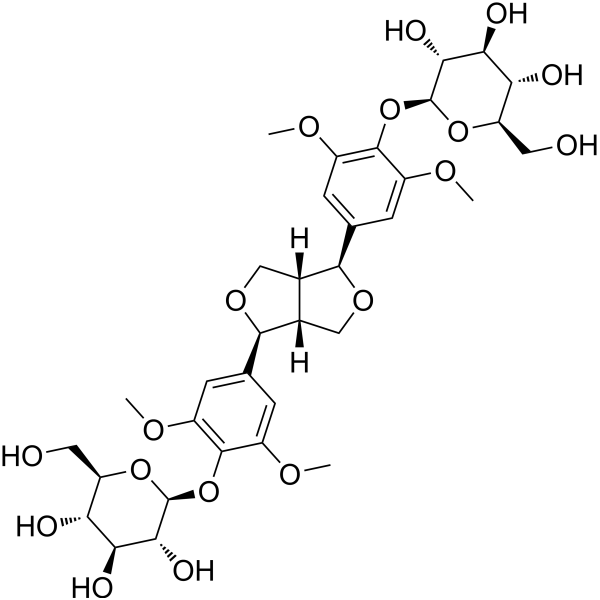
Liriodendrin is an orally effective lignan compound with anti-inflammatory, antioxidant, and anti-platelet aggregation activities. Liriodendrin is isolated and extracted from Sargentodoxae caulis and Linaria vulgaris. Liriodendrin regulates the expression of genes related to inflammation and cellular metabolism by inhibiting the NF-κB, PI3K/Akt, and TLR4 signaling pathways, or by activating the PI3K-DDX18 pathway. Liriodendrin increases the expression of HSF1 and HSP27 without cytotoxicity. Liriodendrin is used in studies on ulcerative colitis, myocardial ischemia-reperfusion injury, sepsis-induced acute lung injury, and chronic endometritis .
loading...
    loading...
1
1 Cited Publications
Cat. No.: HY-113308AS
CAS No.: 2410279-97-7
Purity:  99.4%
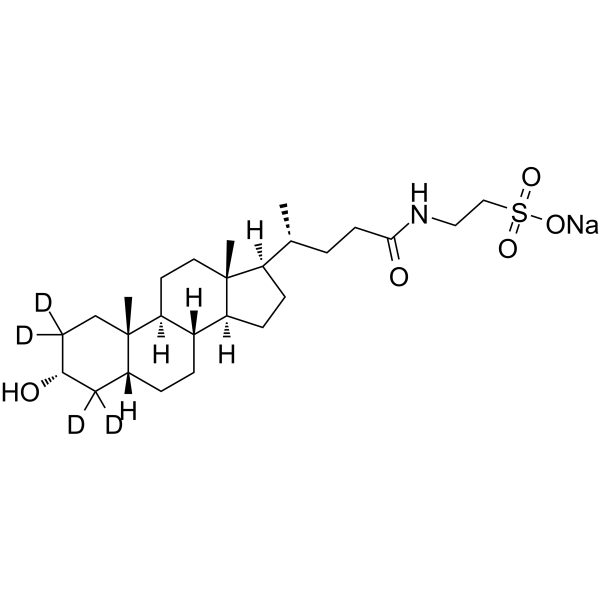
Taurolithocholic acid-d4 (sodium) is the deuterium labeled Taurolithocholic acid (sodium salt). Taurolithocholic acid sodium is an orally active bile acid and antiviral agent. Taurolithocholic acid sodium upregulates FADS2 by activating the TGR5-PI3K/AKT-SREBP2 signaling axis, inhibits SFTSV-induced ferroptosis, viral replication and viral entry of HBV/HDV, while reducing the release of IL-1β, lipid ROS and LDH. While exerting antiviral protective effects, Taurolithocholic acid sodium also stimulates the recycling of hepatocellular membrane transporters, impairs canalicular bile acid secretion function, and induces hepatocyte cholestasis, apoptosis and acute hepatocellular injury. Taurolithocholic acid sodium serves as an experimental model compound for hepatocellular cholestasis. At concentrations ≤200 μM, Taurolithocholic acid sodium shows no cytotoxicity and does not activate the interferon pathway. Taurolithocholic acid sodium not only protects mice from lethal SFTSV infection but also is suitable for studies related to severe fever with thrombocytopenia syndrome and cholestasis .
loading...
    loading...
1
1 Cited Publications
Cat. No.: HY-113308S1
CAS No.: 2410279-96-6
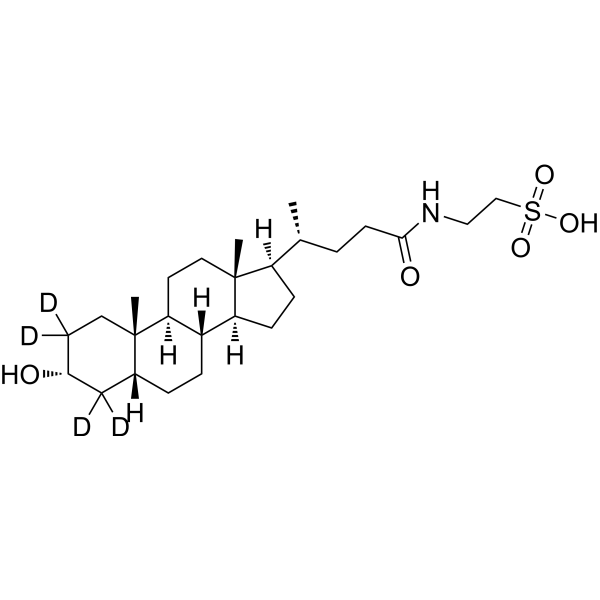
Taurolithocholic acid-d4 is deuterium labeled Taurolithocholic acid. Taurolithocholic acid is an orally active bile acid and antiviral agent. Taurolithocholic acid upregulates FADS2 by activating the TGR5-PI3K/AKT-SREBP2 signaling axis, inhibits SFTSV-induced ferroptosis, viral replication and viral entry of HBV/HDV, while reducing the release of IL-1β, lipid ROS and LDH. While exerting antiviral protective effects, Taurolithocholic acid also stimulates the recycling of hepatocellular membrane transporters, impairs canalicular bile acid secretion function, and induces hepatocyte cholestasis, apoptosis and acute hepatocellular injury. Taurolithocholic acid serves as an experimental model compound for hepatocellular cholestasis. At concentrations ≤200 μM, Taurolithocholic acid shows no cytotoxicity and does not activate the interferon pathway. Taurolithocholic acid not only protects mice from lethal SFTSV infection but also is suitable for studies related to severe fever with thrombocytopenia syndrome and cholestasis .
loading...
    loading...
1
1 Cited Publications
Cat. No.: HY-N0559
CAS No.: 52659-56-0
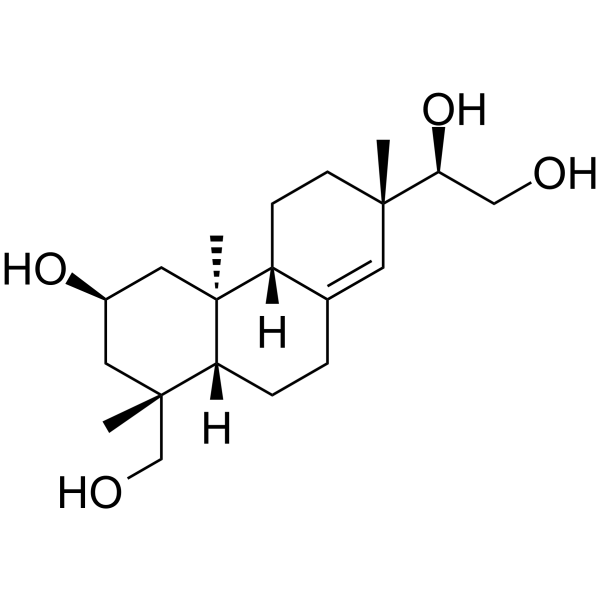
Kirenol is a diterpenoid compound, an orally active apoptosis inducer and signaling pathway regulator, with a Kd value of 5.47 μM against the target CK2. Kirenol promotes the cleavage of Bid into tBid, regulates the protein levels/phosphorylation of Bax, Bcl-2, p53 and p21, and induces caspase-independent apoptosis, S-phase cell cycle arrest, ROS accumulation and cytotoxicity in cancer cells. Kirenol activates the CK2/AKT and AMPK-mTOR-ULK1 pathways, inhibits the signaling of NF-κB, TGF-β/Smads and NLRP3 inflammasome, and regulates the GSK3β, BMP and Wnt/β-catenin pathways. Kirenol induces autophagy, mitophagy and osteoblast differentiation, promotes mitochondrial fusion, and exerts antioxidant, anti-inflammatory, antifibrotic, renoprotective, cardioprotective, neuroprotective and analgesic effects. Kirenol is applicable to research related to chronic myeloid leukemia, ischemic stroke, diabetic nephropathy, heart failure, acute lung injury and osteoporosis .
loading...
    loading...
1
1 Cited Publications
Cat. No.: HY-P99014
CAS No.: 1864871-20-4
Synonyms: ARGX-110

Research Areas:  

Inflammation/Immunology Cancer

Cusatuzumab (ARGX-110) is a selective competitive blocker targeting CD70 (with an equilibrium dissociation constant of 17 pM for binding to human CD70). Cusatuzumab also possesses enhanced antibody-dependent cell-mediated cytotoxicity (ADCC) activity. It is a humanized IgG1 monoclonal antibody, artificially synthesized through humanization and genetic engineering modifications (CH2 region mutation to enhance effector function). Cusatuzumab has a dual mechanism of action: firstly, it competitively blocks the interaction between CD70 and CD27, inhibiting the CD27-NF-κB signaling pathway, reducing regulatory T cell (Treg) activation and tumor cell proliferation; secondly, by enhancing binding to FcγRIIIa, it mediates ADCC and antibody-dependent cellular phagocytosis (ADCP), directly lysing CD70-positive tumor cells. Cusatuzumab can efficiently eliminate leukemia stem cells (LSCs), induce tumor cell differentiation and apoptosis, restore immune surveillance, and target CD70-positive tumors. Cusatuzumab is used in the study of acute myeloid leukemia (AML) .
loading...
    loading...
Cat. No.: HY-P99971
CAS No.: 2924764-21-4

Research Areas:  

Cancer

Gemtuzumab is a monoclonal IgG4-κ antibody targeting CD33 antigen. Gemtuzumab affects cell necrosis by specifically targeting CD33 expressed on the surface of leukaemic cell blasts in acute myeloid leukemia (AML). Gemtuzumab can be used for synthesis of antibody-drug conjugate (ADC), Gemtuzumab ozogamicin (HY-109539). Gemtuzumab ozogamicin consists of a cytotoxic derivative of Calicheamicin (a cytotoxic antibiotic), and a monoclonal antibody. Gemtuzumab ozogamicin can be used for the research of acute myeloid leukemia. Recommend Isotype Controls: Human IgG4 (S228P) kappa, Isotype Control (HY-P99003) .
loading...
    loading...
Cat. No.: HY-103688
CAS No.: 174885-02-0
Purity:  95.62%
Target:  

ADC Payloads

Research Areas:  

Cancer

AcBut-N-Ac-γ-Calicheamicin is an ADC cytotoxic payload that induces cell cycle arrest and apoptosis by causing DNA double-strand breaks. AcBut-N-Ac-γ-Calicheamicin is primarily used in the synthesis of antibody-drug conjugates (ADC) and holds promise for research in the field of cancer, including acute lymphoblastic leukemia (ALL) and other hematological malignancies .
loading...
    loading...
Cat. No.: HY-N0637A
CAS No.: 4049-38-1
Synonyms: (±)-Huazhongilexone; Dihydroluteolin
(±)-Eriodictyol ((±)-Huazhongilexone; Dihydroluteolin) is an orally active TRPV1 receptor antagonist (IC50=44-47 nM, rTRPV1) with antioxidant and anti-inflammatory activities. (±)-Eriodictyol effectively inhibits lipid peroxidation and the release of proinflammatory cytokines by specifically antagonizing the TRPV1 receptor and activating the Nrf2 signaling pathway. (±)-Eriodictyol reduces the levels of ICAM-1, VEGF, eNOS and TNF-α in the retina and maintains the integrity of the blood-retinal barrier. (±)-Eriodictyol alleviates oxidative stress-induced apoptosis and hyperalgesia, enhances the activity and cytotoxicity of immune cells (such as B lymphocytes, NK cells and macrophages), and increases the levels of antioxidant enzymes simultaneously. (±)-Eriodictyol can be used in the research of diabetic retinopathy, acute lung injury and various pain-related diseases .
loading...
    loading...
Cat. No.: HY-173523
CAS No.: 3054009-82-1
Target:  

PROTACs CDK c-Myc

Research Areas:  

Cancer

KI-CDK9d-32 is a selective CDK9 PROTAC degrader (IC50 = 3 nM; DC50 = 0.89 nM). KI-CDK9d-32 induces CDK9 degradation via the ubiquitin-proteasome pathway to abrogates CDK9 enzymatic and scaffolding functions, downregulates MYC expression and MYC-dependent signaling, represses TNF-alpha signaling pathways activity and pre-rRNA levels. KI-CDK9d-32 disrupts nucleolar homeostasis, blocks cell cycle progression and cellular translation by reducing 4EBP1 phosphorylation, and elicits cancer cell cytotoxicity in a CRBN-dependent manner, while high ABCB1 activity attenuates the efficacy. KI-CDK9d-32 can be used for the research of acute lymphoblastic leukemia, rhabdomyosarcoma, pancreatic adenocarcinoma .
loading...
    loading...

