Search Result
Results for "
anti-allergic effects
" in MedChemExpress (MCE) Product Catalog:
8
Isotope-Labeled Compounds
| Cat. No. |
Product Name |
Target |
Research Areas |
Chemical Structure |
-
- HY-15337
-
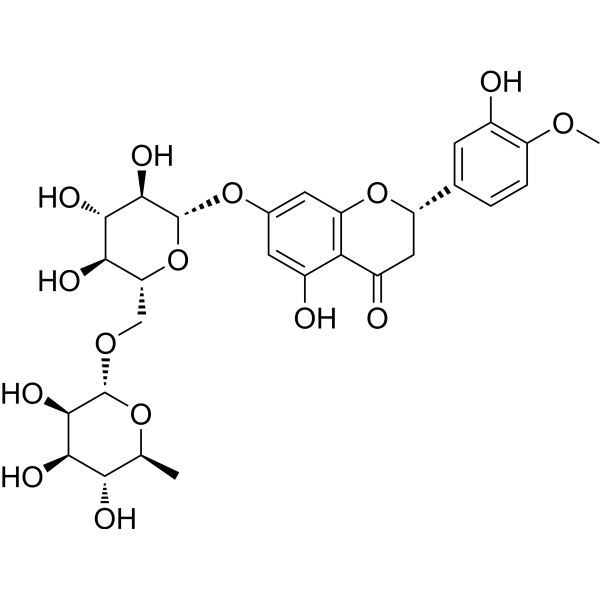
Hesperidin
Maximum Cited Publications
30 Publications Verification
Hesperetin 7-rutinoside
|
Apoptosis
Autophagy
Reactive Oxygen Species (ROS)
Endogenous Metabolite
|
Cancer
|
|
Hesperidin (Hesperetin 7-rutinoside), a flavanone glycoside, is isolated from citrus fruits. Hesperidin has numerous biological properties, such as decreasing inflammatory mediators and exerting significant antioxidant effects. Hesperidin also exhibits antitumor and antiallergic activities .
|
-
-
- HY-B0298A
-
|
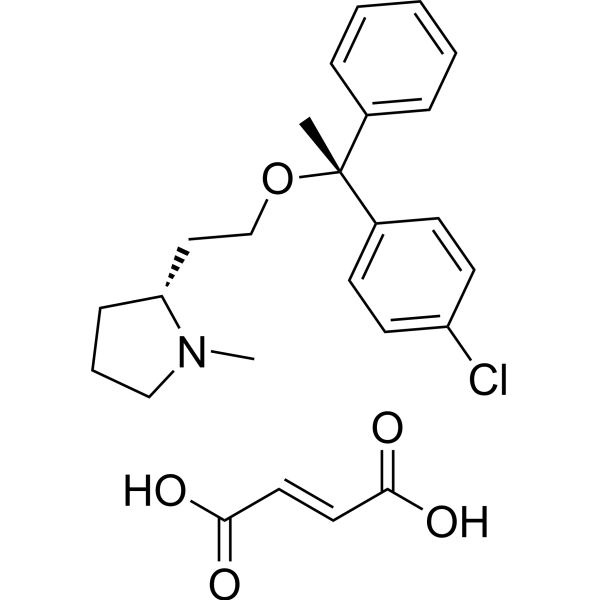
HS-592 fumarate; Meclastine fumarate
|
Histamine Receptor
Apoptosis
mAChR
Pyroptosis
Keap1-Nrf2
p62
Autophagy
mTOR
IKK
|
Neurological Disease
Metabolic Disease
|
|
Clemastine (HS-592; Meclastine) fumarate is an orally active, blood-brain barrier-permeable H1 histamine receptor (H1 histamine receptor) antagonist with potent antiallergic effects. Clemastine fumarate also antagonizes muscarinic acetylcholine receptors (mAChR), particularly the M1 and M4 subtypes. In addition to antihistamine effects, Clemastine fumarate exhibits multiple pharmacological activities, especially in promoting central nervous system remyelination, activating autophagy and pyroptosis, exerting anti-apoptotic and neuroprotective effects, and suppressing inflammation .
|
-
-
- HY-N0328
-
-
-
- HY-B0320A
-
|
Cromoglycate disodium; Cromoglicic acid disodium; FPL-670
|
GSK-3
NF-κB
Amyloid-β
|
Neurological Disease
Metabolic Disease
Inflammation/Immunology
Cancer
|
|
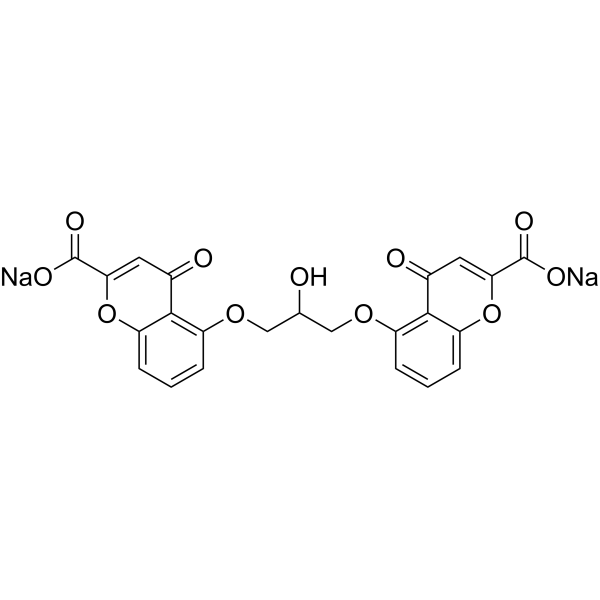
Cromolyn (Cromoglycate) disodium is an orally active GSK-3β inhibitor with an IC50 of 2.0 μM. Cromolyn disodium is also a mast cell stabilizer that can inhibit the release of mediators from mast cells, regulate reflex bronchoconstriction, and reduce non-specific bronchial hyperreactivity, and Cromolyn disodium can be used in the research of bronchial asthma. In addition, Cromolyn disodium has multiple activities such as anti-inflammatory, anti-allergic, anti-histamine, anti-cancer, and neuroprotective effects .
|
-
-
- HY-N7204
-
|
|
Monoamine Oxidase
Dopamine β-hydroxylase
Apoptosis
|
Neurological Disease
Inflammation/Immunology
|
|
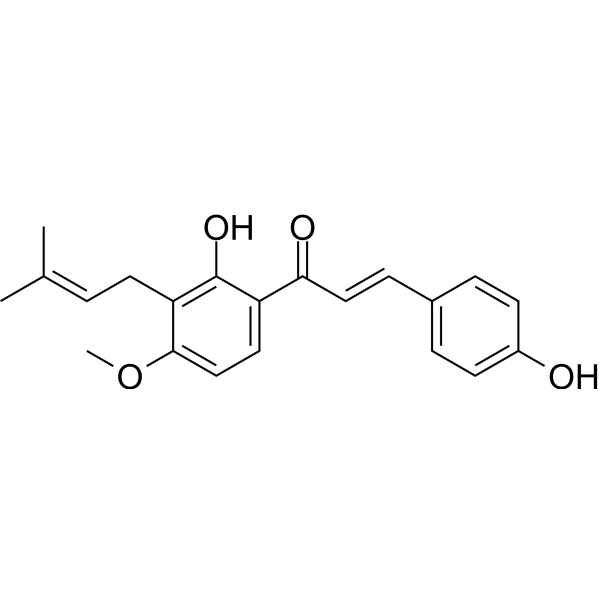
4-Hydroxyderricin, the major active ingredients of Angelica keiskei Koidzumi, is an orally active, potent selective MAO-B (Monoamine oxidase inhibitors) inhibitor with an IC50 of 3.43 μM. 4-Hydroxyderricin also mildly inhibits dopamine β (DBH)-hydroxylase activity. 4-Hydroxyderricin has antidepressant activity, anti-allergic, anti-diabetic, anti-oxidant, and antitumor effects. 4-Hydroxyderricin promotes apoptosis and cell cycle arrest through regulating PI3K/AKT/mTOR pathway in hepatocellular cells. 4-Hydroxyderricin inhibits osteoclast formation and accelerates osteoblast differentiation . 4-Hydroxyderricin is promising for research of inflammatory diseases .
|
-
-
- HY-121389
-
|
Palmitamide
|
Bacterial
NF-κB
PPAR
|
Infection
Inflammation/Immunology
|
|
Hexadecanamide (Palmitamide) is a fatty acid amide that has orally active anti-allergic, antioxidant, and neuroprotective effects. Hexadecanamide exerts protective effects in Staphylococcus aureus- and SARA-induced mastitis. Hexadecanamide suppresses S. aureus-induced activation of the NF-κB pathway and improves blood-milk barrier integrity. Hexadecanamide activates PPARα. Hexadecanamide enhances sperm motility in vitro. Hexadecanamide can be studied in research for mastitis and asthenozoospermia .
|
-
-
- HY-N0668
-
|
|
GLUT
Amylases
NF-κB
|
Metabolic Disease
Inflammation/Immunology
Cancer
|
|
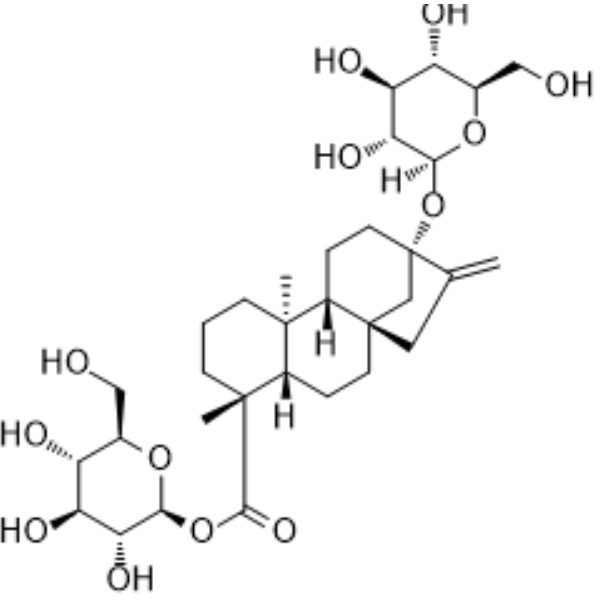
Rubusoside is a diterpene glycoside that is also a sweetener and solubilizer with anti-angiogenic, anti-cancer, anti-obesity, anti-allergic and anti-asthmatic effects. Rubusoside attenuates airway hyperresponsiveness and reduces inflammatory cells in bronchoalveolar lavage fluid (BALF), reducing OVA (HY-W250978)-induced airway inflammation. Rubusoside also prevents palmitic acid-induced lipotoxicity in pancreatic INS-1 cells, reduces the transport of human glucose transporters GLUT-1 and fructose GLUT-5, and inhibits NF-κB and α-amylase (α-amylase) .
|
-
-
- HY-B1062
-
|
S-(+)-Chlorpheniramine maleate salt
|
Histamine Receptor
|
Inflammation/Immunology
Endocrinology
|
|
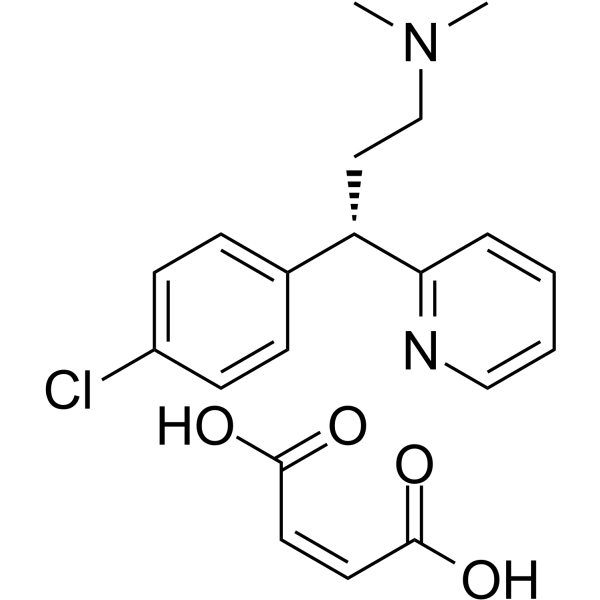
Dexchlorpheniramine maleate is an orally taken anti-histamine that has anti-inflammatory, anti-irritant, anti-allergic, and skin barrier effects. Dexchlorpheniramine maleate inhibits myocardial contraction in rats. Dexchlorpheniramine maleate can be used in studies of allergic rhinitis .
|
-
-
- HY-B1214
-
|
Prednisolone 21-acetate
|
Glucocorticoid Receptor
|
Inflammation/Immunology
Cancer
|
|
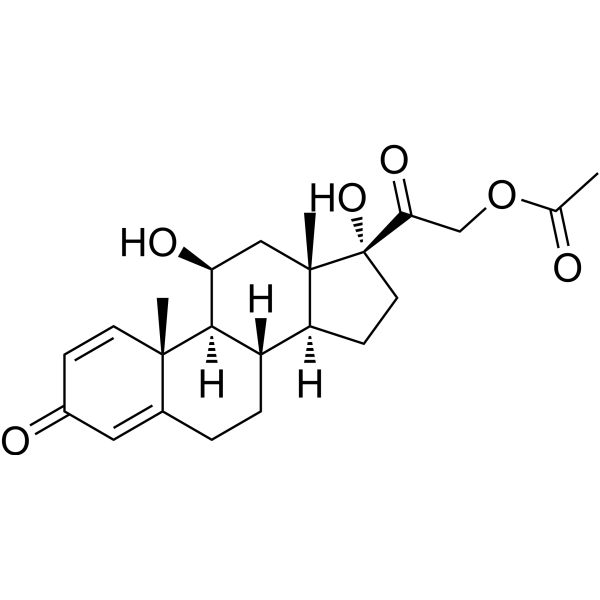
Prednisolone acetate (Prednisolone 21-acetate) is an adrenocortical hormone active molecule with various pharmacological effects such as anti-inflammatory, anti-allergic, and immune suppression.
|
-
-
- HY-120149
-
|
|
Toll-like Receptor (TLR)
MDM-2/p53
MMP
Caspase
SOD
p38 MAPK
NF-κB
Apoptosis
|
Neurological Disease
Inflammation/Immunology
Cancer
|
|
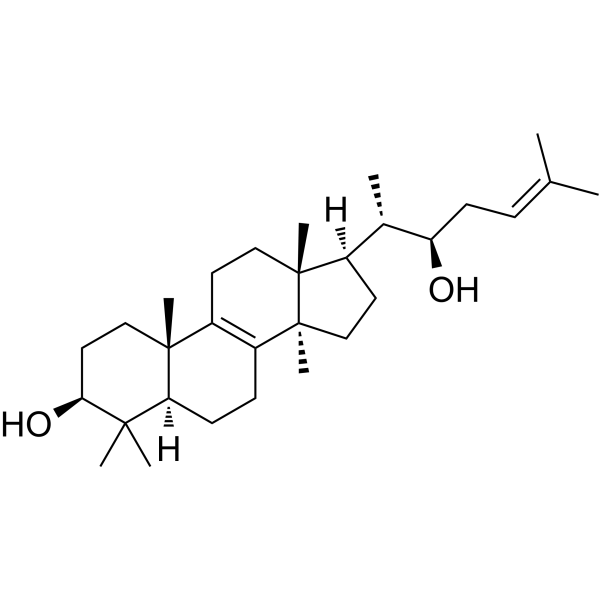
Inotodiol activates p53 signaling pathway, inhibits MMP-2/9, and exhibits antitumor activity in cancer cell HeLa. Inotodiol inhibits the generation of ROS and exhibits antioxidant and neuroprotective effects. Inotodiol inhibits the activation of MAPK and NF-κB signaling pathway, and exhibits anti-inflammatory activity. Inotodiol inhibits TLR-4 mediated TNF-α production (IC50s in BMMC and BMDM is 0.7 μM and 3.0 μM), inhibits the degranulation in mast cell, exhibits anti-allergic activity. Inotodiol is orally active .
|
-
-
- HY-12642
-
|
|
Parasite
Bacterial
TNF Receptor
Interleukin Related
|
Infection
Metabolic Disease
Inflammation/Immunology
|
|
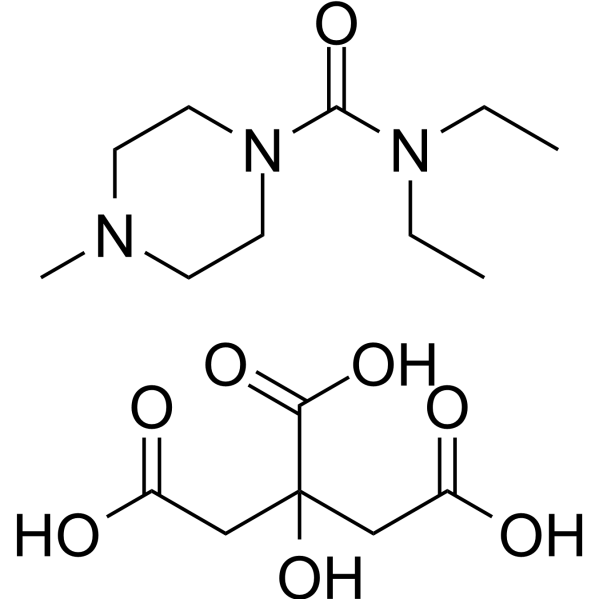
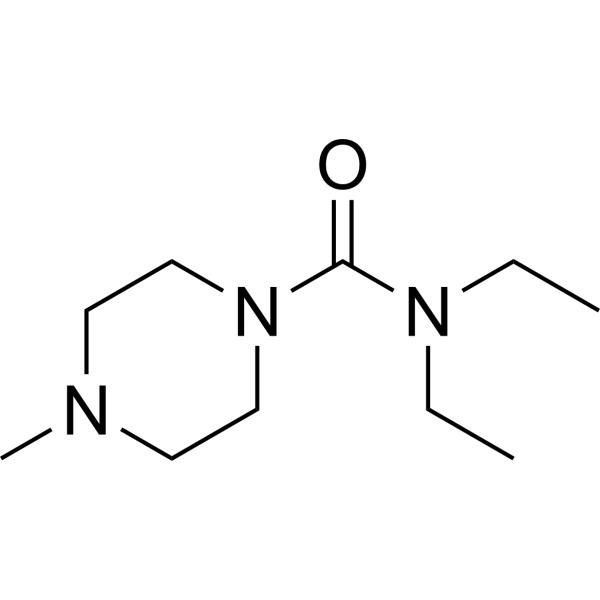
Diethylcarbamazine citrate is an orally active microfilaricidal agent used originally in onchocerciasis and lymphatic filiariasis. Diethylcarbamazine citrate reduces eosinophil trafficking to the lung tissue and exerts anti-allergic effects. Diethylcarbamazine citrate reduces serum levels of leptin, TNF-α, IL-6, MCP-1, glucose, insulin, and triglycerides, and ameliorates insulin resistance without altering body, liver, or adipose tissue weights. Diethylcarbamazine citrate enhances reactive oxygen intermediate expression by polymorphonuclear neutrophils, increases lymphocyte proliferation, and inhibits actinomycetoma lesion development. Diethylcarbamazine citrate can be used for the researches of bronchial asthma, insulin resistance and infection .
|
-
-
- HY-B0298
-
|
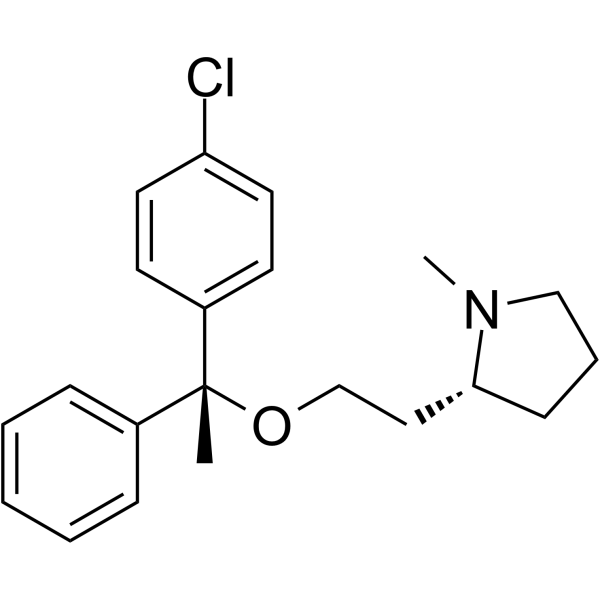
HS-592; Meclastine
|
Histamine Receptor
mAChR
Autophagy
Apoptosis
Keap1-Nrf2
p62
mTOR
Pyroptosis
IKK
|
Cardiovascular Disease
Neurological Disease
Inflammation/Immunology
|
|
Clemastine (HS-592; Meclastine) is an orally active, blood-brain barrier-permeable H1 histamine receptor (H1 histamine receptor) antagonist with potent antiallergic effects. Clemastine also antagonizes muscarinic acetylcholine receptors (mAChR), particularly the M1 and M4 subtypes. In addition to antihistamine effects, Clemastine exhibits multiple pharmacological activities, especially in promoting central nervous system remyelination, activating autophagy and pyroptosis, exerting anti-apoptotic and neuroprotective effects, and suppressing inflammation .
|
-
-
- HY-N0852
-
|
|
p38 MAPK
NF-κB
Interleukin Related
JNK
PERK
CXCR
|
Cardiovascular Disease
Inflammation/Immunology
|
|
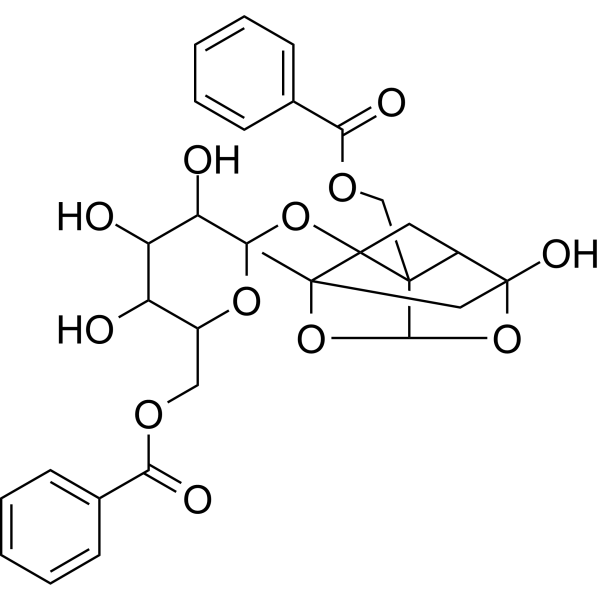
Benzoylpaeoniflorin is an orally active monoterpene glycoside compound. Benzoylpaeoniflorin exerts anti-inflammatory, anti-allergic, psoriasis-improving and sepsis-improving effects by inhibiting signaling pathways such as TNF/NF-κB and MAPK, as well as regulating immune homeostasis. Benzoylpaeoniflorin can be used in research related to immune, allergic and inflammatory diseases .
|
-
-
- HY-B1619
-
|
Cromoglycate; Cromoglicic acid; FPL-670 free acid
|
GSK-3
NF-κB
Amyloid-β
|
Neurological Disease
Metabolic Disease
Inflammation/Immunology
Cancer
|
|
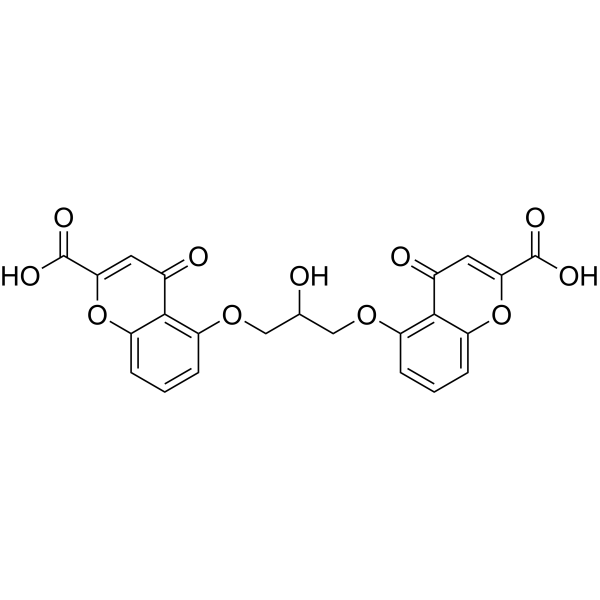
Cromolyn (Cromoglycate) is an orally active GSK-3β inhibitor with an IC50 of 2.0 μM. Cromolyn is also a mast cell stabilizer that can inhibit the release of mediators from mast cells, regulate reflex bronchoconstriction, and reduce non-specific bronchial hyperreactivity, and Cromolyn can be used in the research of bronchial asthma. In addition, Cromolyn has multiple activities such as anti-inflammatory, anti-allergic, anti-histamine, anti-cancer, and neuroprotective effects .
|
-
-
- HY-N0701
-
-
-
- HY-N2344
-
|
Proanthocyanidin A1
|
PKC
|
Inflammation/Immunology
|
|
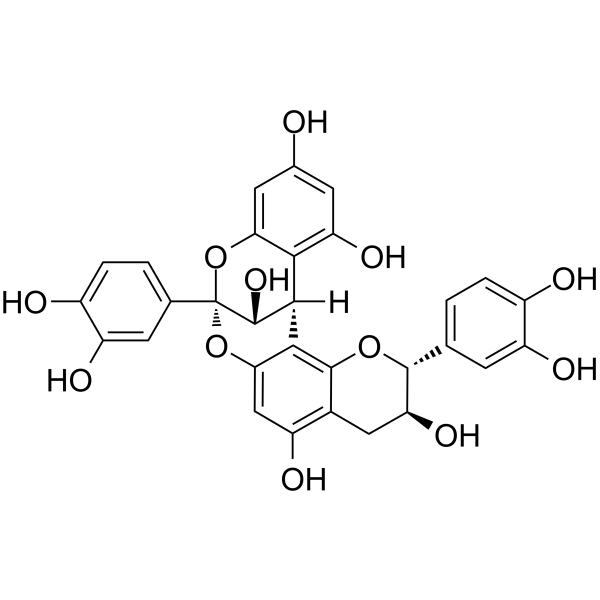
Procyanidin A1 (Proanthocyanidin A1) is a procyanidin dimer, which inhibits degranulation downstream of protein kinase C activation or Ca 2+ influx from an internal store in RBL-213 cells. Procyanidin A1 has antiallergic effects .
|
-
-
- HY-B0970
-
|
4-Diphenylmethoxy-1-methylpiperidine hydrochloride
|
Histamine Receptor
|
Neurological Disease
Endocrinology
|
|
Diphenylpyraline hydrochloride is a potent histamine H1?receptor antagonist. Diphenylpyraline hydrochloride acts as an orally active antihistamine agent?with antimuscarinic and antiallergic effects. Diphenylpyraline hydrochloride can be used for the relief of allergic conditions including rhinitis and hay fever, and in pruritic skin disorders in vivo.
|
-
-
- HY-B0426A
-
|
ALO4943A; KW4679
|
Histamine Receptor
CXCR
|
Infection
Neurological Disease
Metabolic Disease
Inflammation/Immunology
|
|
Olopatadine hydrochloride (ALO4943A; KW4679) is an orally active histamine H1 receptor antagonist and mast cell stabilizer. Olopatadine hydrochloride exerts antiallergic effects by blocking histamine H1 receptor-mediated activities. Olopatadine hydrochloride inhibits exocytosis, chemokine release, F-actin polymerization, CXCL10-induced calcium influx, and T cell chemotactic activity. Olopatadine hydrochloride also reduces the expression levels of CXCR3 on the surface of CD4 + and CD8 + T cells. Olopatadine hydrochloride inhibits scratching behavior, improves dermatitis scores, and suppresses intraepidermal neurite outgrowth. Olopatadine hydrochloride simultaneously decreases the levels of inflammatory markers, growth factors, histamine, and specific IgE, while increasing the expression of ErbB3A/HER3A. Olopatadine hydrochloride can be used in research related to seasonal pollinosis, chronic rhinitis, urticaria, allergic conjunctivitis, alopecia areata, and atopic dermatitis .
|
-
-
- HY-17570
-
-
-
- HY-N2252
-
-
-
- HY-N0328R
-
|
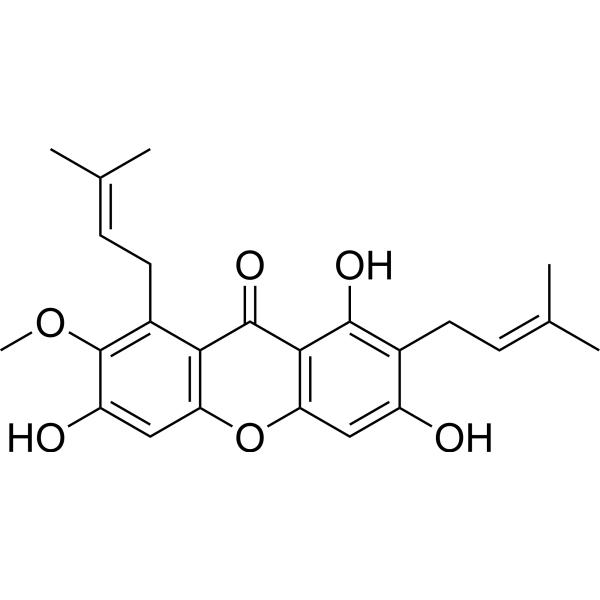
α-Mangostin (Standard)
|
Fungal
Reactive Oxygen Species (ROS)
Bacterial
Apoptosis
Virus Protease
Reference Standards
|
Cancer
|
|
alpha-Mangostin (Standard) is the analytical standard of alpha-Mangostin. This product is intended for research and analytical applications. alpha-Mangostin (α-Mangostin) is a dietary xanthone with broad biological activities, such as antioxidant, anti-allergic, antiviral, antibacterial, anti-inflammatory and anticancer effects. It is an inhibitor of mutant IDH1 (IDH1-R132H) with a Ki of 2.85 μM.
|
-
-
- HY-B1404
-
|
Buphenine hydrochloride
|
iGluR
Influenza Virus
|
Infection
Cardiovascular Disease
Inflammation/Immunology
|
|
Nylidrin hydrochloride (Buphenine hydrochloride) is an orally active β-adrenergic agonist. Nylidrin hydrochloride antagonizes NR1A/2B NMDA receptors (IC50 = 0.18 μM in Xenopus oocytes). Nylidrin hydrochloride reduces the levels of NP, HA, and M1. Nylidrin hydrochloride has antiviral activity against multiple H1N1 subtype influenza A viruses. Nylidrin hydrochloride improves hemorrhagic shock and anti-allergic effects .
|
-
-
- HY-W015515
-
-
-
- HY-N1098
-
|
|
Tyrosinase
p38 MAPK
NF-κB
Bacterial
|
Infection
Metabolic Disease
Inflammation/Immunology
|
|
Velutin is a flavonoid. Velutin can be extracted from mistletoe. Velutin inhibits mushroom Tyrosinase activity with an IC50 of 910.1 μM. Velutin inhibits p38 phosphorylation, the NF-κB pathway and the MAPK pathway. Velutin prevents articular cartilage degeneration and subchondral bone loss. Velutin slows down the progression of intervertebral disc degeneration. Velutin exhibits inhibitory effects on melanogenesis, skin whitening, anti-inflammatory, anti-allergic, anti-oxidant and antibacterial activities. Velutin can be used in studies related to pigmented diseases, osteoarthritis and intervertebral disc degeneration .
|
-
-
- HY-12642A
-
|
|
Parasite
Bacterial
TNF Receptor
Interleukin Related
|
Infection
Metabolic Disease
Inflammation/Immunology
|
|
Diethylcarbamazine is an orally active microfilaricidal agent used originally in onchocerciasis and lymphatic filiariasis. Diethylcarbamazine reduces eosinophil trafficking to the lung tissue and exerts anti-allergic effects. Diethylcarbamazine reduces serum levels of leptin, TNF-α, IL-6, MCP-1, glucose, insulin, and triglycerides, and ameliorates insulin resistance without altering body, liver, or adipose tissue weights. Diethylcarbamazine enhances reactive oxygen intermediate expression by polymorphonuclear neutrophils, increases lymphocyte proliferation, and inhibits actinomycetoma lesion development. Diethylcarbamazine can be used for the researches of bronchial asthma, insulin resistance and infection .
|
-
-
- HY-114203
-
-
-
- HY-W044525
-
|
|
Phosphodiesterase (PDE)
|
Metabolic Disease
Inflammation/Immunology
|
|
Phyllodulcin is an orally active sweetener found in Hydrangea macrophylla var. thunbergii. Phyllodulcin acts as a non-selective phosphodiesterase inhibitor and exerts anti-allergic effects by suppressing lymphocyte activation. Phyllodulcin can be used to combat obesity by regulating levels of leptin, fat browning-related genes, and hypothalamic BDNF-TrkB signaling .
|
-
-
- HY-W062109
-
|
|
Histamine Receptor
CXCR
|
Inflammation/Immunology
|
|
Olopatadine (ALO4943A; KW4679) is an orally active histamine H1 receptor antagonist and mast cell stabilizer. Olopatadine exerts antiallergic effects by blocking histamine H1 receptor-mediated activities. Olopatadine inhibits exocytosis, chemokine release, F-actin polymerization, CXCL10-induced calcium influx, and T cell chemotactic activity. Olopatadine also reduces the expression levels of CXCR3 on the surface of CD4 + and CD8 + T cells. Olopatadine inhibits scratching behavior, improves dermatitis scores, and suppresses intraepidermal neurite outgrowth. Olopatadine simultaneously decreases the levels of inflammatory markers, growth factors, histamine, and specific IgE, while increasing the expression of ErbB3A/HER3A. Olopatadine can be used in research related to seasonal pollinosis, chronic rhinitis, urticaria, allergic conjunctivitis, alopecia areata, and atopic dermatitis .
|
-
-
- HY-158990
-
|
|
Mas-related G-protein-coupled Receptor (MRGPR)
Interleukin Related
TNF Receptor
Akt
ERK
|
Inflammation/Immunology
|
|
GE1111 is a MRGPRX2 antagonist (IC50 = 9.4 μM). GE1111 inhibits MRGPRX2/MRGPRB2-mediated mast cell activation. GE1111 reduces the expressions of TSLP, IL-13, MCP-1, TNF-α, IL-1β and periostin, maintains the expression levels of claudin 1 and involucrin, restores the phagocytic activity of macrophages, and attenuates the activation of STIM1 and phosphorylated AKT. GE1111 exerts anti-inflammatory and anti-allergic effects in multiple animal models. GE1111 is applicable to the research related to rosacea, atopic dermatitis and ulcerative colitis .
|
-
-
- HY-15337R
-
|
Hesperetin 7-rutinoside (Standard)
|
Reference Standards
Apoptosis
Autophagy
Reactive Oxygen Species (ROS)
Endogenous Metabolite
|
Cancer
|
|
Hesperidin (Standard) is the analytical standard of Hesperidin. This product is intended for research and analytical applications. Hesperidin (Hesperetin 7-rutinoside), a flavanone glycoside, is isolated from citrus fruits. Hesperidin has numerous biological properties, such as decreasing inflammatory mediators and exerting significant antioxidant effects. Hesperidin also exhibits antitumor and antiallergic activities .
|
-
-
- HY-N7292
-
-
-
- HY-W015515R
-
|
(S)-3,7-Dimethyloct-6-en-1-ol (Standard)
|
Reference Standards
ERK
Beta-secretase
γ-secretase
Cholinesterase (ChE)
TNF Receptor
|
Neurological Disease
Inflammation/Immunology
|
|
L-Citronellol ((S)-3,7-Dimethyloct-6-en-1-ol) is an analytical standard for L-Citronellol (HY-W015515). This product is intended for research and analytical applications. L-Citronellol is a natural product with anti-allergic and neuroprotective effects. L-Citronellol inhibits mast cell activation and the release of inflammatory factors by inhibiting the ERK pathway. L-Citronellol inhibits BACE1/PSEN1 and AChE, reduces TNF-α expression and lipid peroxidation, demonstrating the potential of multi-target anti-Alzheimer's disease (AD).
|
-
-
- HY-B0320AR
-
|
Cromoglycate disodium (Standard); Cromoglicic acid disodium (Standard); FPL-670 (Standard)
|
Reference Standards
GSK-3
NF-κB
Amyloid-β
|
Neurological Disease
Metabolic Disease
Inflammation/Immunology
Cancer
|
|
Cromolyn disodium (Standard) (Cromoglycate disodium (Standard)) is the analytical standard of Cromolyn disodium (HY-B0320A). This product is intended for research and analytical applications. Cromolyn (Cromoglycate) disodium is an orally active GSK-3β inhibitor with an IC50 of 2.0 μM. Cromolyn disodium is also a mast cell stabilizer that can inhibit the release of mediators from mast cells, regulate reflex bronchoconstriction, and reduce non-specific bronchial hyperreactivity, and Cromolyn disodium can be used in the research of bronchial asthma. In addition, Cromolyn disodium has multiple activities such as anti-inflammatory, anti-allergic, anti-histamine, anti-cancer, and neuroprotective effects .
|
-
-
- HY-W1113770
-
|
|
STAT
|
Inflammation/Immunology
|
|
STAT6-IN-8 is a STAT6 inhibitor with an IC50 of 0.45 μmol/L. STAT6-IN-8 exhibits potential anti-inflammatory and anti-allergic effects. STAT6-IN-8 can be used for the research of atopic dermatitis .
|
-
-
- HY-N0852R
-
|
|
Reference Standards
JNK
NF-κB
CXCR
Interleukin Related
PERK
p38 MAPK
|
Cardiovascular Disease
Inflammation/Immunology
|
|
Benzoylpaeoniflorin (Standard) is an analytical standard for Benzoylpaeoniflorin (HY-N0852). This product is intended for research and analytical applications. Benzoylpaeoniflorin is an orally active monoterpene glycoside compound. Benzoylpaeoniflorin exerts anti-inflammatory, anti-allergic, psoriasis-improving and sepsis-improving effects by inhibiting signaling pathways such as TNF/NF-κB and MAPK, as well as regulating immune homeostasis. Benzoylpaeoniflorin can be used in research related to immune, allergic and inflammatory diseases .
|
-
-
- HY-B1032A
-
|
(R)-Dropropizine
|
Histamine Receptor
|
Neurological Disease
|
|
(+)-Dropropizine ((R)-Dropropizine), an isomer of Dropropizine (HY-B1032), is an orally active histamine receptor inhibitor with anti-allergic effects. (+)-Dropropizine reduces a cough by modulation of neuropeptides involved in the cough reflex and by interfering with stimulus activation of peripheral endings of sensory nerves. (+)-Dropropizine is promising for research of dry cough caused by respiratory diseases .
|
-
-
- HY-W062109S
-
|
|
Isotope-Labeled Compounds
Histamine Receptor
CXCR
|
Inflammation/Immunology
|
|
Olopatadine-d6 is the deuterium labeled Olopatadine. Olopatadine hydrochloride (ALO4943A; KW4679) is an orally active histamine H1 receptor antagonist and mast cell stabilizer. Olopatadine hydrochloride exerts antiallergic effects by blocking histamine H1 receptor-mediated activities. Olopatadine hydrochloride inhibits exocytosis, chemokine release, F-actin polymerization, CXCL10-induced calcium influx, and T cell chemotactic activity. Olopatadine hydrochloride also reduces the expression levels of CXCR3 on the surface of CD4 + and CD8 + T cells. Olopatadine hydrochloride inhibits scratching behavior, improves dermatitis scores, and suppresses intraepidermal neurite outgrowth. Olopatadine hydrochloride simultaneously decreases the levels of inflammatory markers, growth factors, histamine, and specific IgE, while increasing the expression of ErbB3A/HER3A. Olopatadine hydrochloride can be used in research related to seasonal pollinosis, chronic rhinitis, urticaria, allergic conjunctivitis, alopecia areata, and atopic dermatitis .
|
-
-
- HY-122281
-
|
|
Cannabinoid Receptor
|
Others
|
|
JTE 7-31 selectively acts on peripheral cannabinoid receptors, minimizing central nervous system side effects. They exhibit potent immunomodulatory, anti-inflammatory and anti-allergic properties, as well as inhibitory effects on nephritis .
|
-
-
- HY-N3312R
-
|
|
Reference Standards
Endogenous Metabolite
|
Infection
|
|
Matairesinol (Standard) is the analytical standard of Matairesinol. This product is intended for research and analytical applications. Matairesinol confers anti-allergic effects in an allergic dermatitis mouse model. DfE-induced changes in IL-4 and IFN-γ mRNA expression in the ears of NC/Nga mice were reversed by matairesinol application .
|
-
-
- HY-N6261
-
|
|
Others
|
Inflammation/Immunology
|
|
Epimagnolin B is a bisepoxylignan isolated from Magnolia fargesii, with anti-inflammatory activity and antiallergic effects. Epimagnolin B inhibits NO production in LPS-activated microglia. Epimagnolin B exhibited antiallergic effects .
|
-
-
- HY-B1619R
-
|
Cromoglycate (Standard); Cromoglicic acid (Standard); FPL-670 free acid (Standard)
|
GSK-3
NF-κB
Amyloid-β
Reference Standards
|
Neurological Disease
Metabolic Disease
Inflammation/Immunology
Cancer
|
|
Cromolyn (Standard) is the analytical standard of Cromolyn. This product is intended for research and analytical applications. Cromolyn (Cromoglycate) is an orally active GSK-3β inhibitor with an IC50 of 2.0 μM. Cromolyn is also a mast cell stabilizer that can inhibit the release of mediators from mast cells, regulate reflex bronchoconstriction, and reduce non-specific bronchial hyperreactivity, and Cromolyn can be used in the research of bronchial asthma. In addition, Cromolyn has multiple activities such as anti-inflammatory, anti-allergic, anti-histamine, anti-cancer, and neuroprotective effects .
|
-
-
- HY-N0668R
-
|
|
GLUT
Amylases
NF-κB
Reference Standards
|
Metabolic Disease
Inflammation/Immunology
Cancer
|
|
Rubusoside (Standard) is the analytical standard of Rubusoside. This product is intended for research and analytical applications. Rubusoside is a diterpene glycoside that is also a sweetener and solubilizer with anti-angiogenic, anti-cancer, anti-obesity, anti-allergic and anti-asthmatic effects. Rubusoside attenuates airway hyperresponsiveness and reduces inflammatory cells in bronchoalveolar lavage fluid (BALF), reducing OVA (HY-W250978)-induced airway inflammation. Rubusoside also prevents palmitic acid-induced lipotoxicity in pancreatic INS-1 cells, reduces the transport of human glucose transporters GLUT-1 and fructose GLUT-5, and inhibits NF-κB and α-amylase (α-amylase) .
|
-
-
- HY-N15708
-
|
(R)-(-)-Dichotomine C
|
Glycosidase
TNF Receptor
Interleukin Related
|
Inflammation/Immunology
|
|
Dichotomine C ((R)-(-)-Dichotomine C) is a β-carboline-type alkaloid with antiallergic effects. Dichotomine C inhibits the release of β-hexosaminidase in RBL-2H3 cells with an IC50 of 62 μM. Dichotomine C inhibits the releases of antigen-IgE-mediated TNF-α and IL-4 in RBL-2H3 cells with IC50s of 19 μM and 15 μM, respectively. Dichotomine C can be used for the study of type I allergic reactions .
|
-
-
- HY-B0426AS
-
|
|
Isotope-Labeled Compounds
Histamine Receptor
CXCR
|
Inflammation/Immunology
Endocrinology
|
|
Olopatadine-d3 hydrochloride (ALO4943A-d3) is the deuterium labeled Olopatadine hydrochloride. Olopatadine hydrochloride (ALO4943A; KW4679) is an orally active histamine H1 receptor antagonist and mast cell stabilizer. Olopatadine hydrochloride exerts antiallergic effects by blocking histamine H1 receptor-mediated activities. Olopatadine hydrochloride inhibits exocytosis, chemokine release, F-actin polymerization, CXCL10-induced calcium influx, and T cell chemotactic activity. Olopatadine hydrochloride also reduces the expression levels of CXCR3 on the surface of CD4 + and CD8 + T cells. Olopatadine hydrochloride inhibits scratching behavior, improves dermatitis scores, and suppresses intraepidermal neurite outgrowth. Olopatadine hydrochloride simultaneously decreases the levels of inflammatory markers, growth factors, histamine, and specific IgE, while increasing the expression of ErbB3A/HER3A. Olopatadine hydrochloride can be used in research related to seasonal pollinosis, chronic rhinitis, urticaria, allergic conjunctivitis, alopecia areata, and atopic dermatitis .
|
-
-
- HY-B0426AR
-
|
ALO4943A (Standard); KW4679 (Standard)
|
Reference Standards
Histamine Receptor
CXCR
|
Inflammation/Immunology
Endocrinology
|
|
Olopatadine (hydrochloride) (Standard) is the analytical standard of Olopatadine (hydrochloride). This product is intended for research and analytical applications. Olopatadine hydrochloride (ALO4943A; KW4679) is an orally active histamine H1 receptor antagonist and mast cell stabilizer. Olopatadine hydrochloride exerts antiallergic effects by blocking histamine H1 receptor-mediated activities. Olopatadine hydrochloride inhibits exocytosis, chemokine release, F-actin polymerization, CXCL10-induced calcium influx, and T cell chemotactic activity. Olopatadine hydrochloride also reduces the expression levels of CXCR3 on the surface of CD4 + and CD8 + T cells. Olopatadine hydrochloride inhibits scratching behavior, improves dermatitis scores, and suppresses intraepidermal neurite outgrowth. Olopatadine hydrochloride simultaneously decreases the levels of inflammatory markers, growth factors, histamine, and specific IgE, while increasing the expression of ErbB3A/HER3A. Olopatadine hydrochloride can be used in research related to seasonal pollinosis, chronic rhinitis, urticaria, allergic conjunctivitis, alopecia areata, and atopic dermatitis .
|
-
-
- HY-B1214S
-
-
-
- HY-137787R
-
|
|
Drug Intermediate
Reference Standards
|
Others
|
|
Nylidrin (hydrochloride) (Standard) is the analytical standard of Nylidrin (hydrochloride). This product is intended for research and analytical applications. Nylidrin hydrochloride is an inhibitor of IgE-mediated histamine release in passive sensitized rat peritoneal mast cells, and it has anti-allergic effects.
|
-
-
- HY-N6629R
-
|
|
Neuromedin U Receptor (NMUR)
Reference Standards
|
Neurological Disease
|
|
Prednisolone acetate (Standard) is the analytical standard of Prednisolone acetate. This product is intended for research and analytical applications. Prednisolone acetate (Prednisolone 21-acetate) is an adrenocortical hormone active molecule with various pharmacological effects such as anti-inflammatory, anti-allergic, and immune suppression.
|
-
-
- HY-B1214R
-
|
Prednisolone 21-acetate (Standard)
|
Reference Standards
Glucocorticoid Receptor
|
Inflammation/Immunology
Cancer
|
|
Prednisolone acetate (Standard) is the analytical standard of Prednisolone acetate. This product is intended for research and analytical applications. Prednisolone acetate (Prednisolone 21-acetate) is an adrenocortical hormone active molecule with various pharmacological effects such as anti-inflammatory, anti-allergic, and immune suppression.
|
-
-
- HY-N3312S
-
|
|
Isotope-Labeled Compounds
Endogenous Metabolite
|
Infection
|
|
Matairesinol-d6 is the deuterium labeled Matairesinol. Matairesinol confers anti-allergic effects in an allergic dermatitis mouse model. DfE-induced changes in IL-4 and IFN-γ mRNA expression in the ears of NC/Nga mice were reversed by matairesinol application .
|
-
- HY-17570R
-
|
|
Glucocorticoid Receptor
Reference Standards
Interleukin Related
Cytochrome P450
|
Inflammation/Immunology
|
|
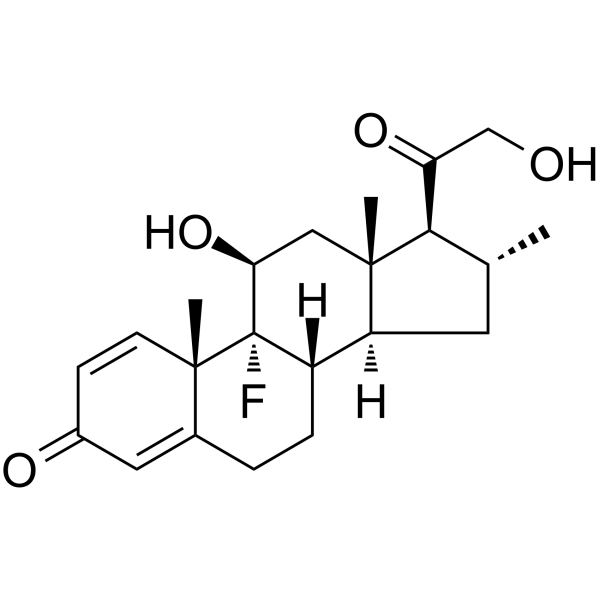
Desoximetasone (Standard) is the analytical standard of Desoximetasone (HY-17570). This product is intended for research and analytical applications. Desoximetasone is a corticosteroid and a substrate of cytochrome P450 3A4. Desoximetasone has anti-inflammatory, anti-allergic, and immunosuppressive effects. Desoximetasone can be used in the research of various skin diseases, such as skin allergies, atopic dermatitis, and psoriasis .
|
-
- HY-N12708
-
|
|
Others
|
Others
|
|
23-O-β-D-Glucopyranosyl-20-isoveratramine is a potential anti-allergic agent extracted from nettles. A variety of COX-1, COX-2, 5-lipoxygenase and trypsin-like inhibitors and H1 antagonists are found in nettle extract, which can inhibit seasonal allergies, allergic rhinitis and other inflammatory diseases. and preventive effects .
|
-
- HY-121389R
-
|
Palmitamide (Standard)
|
Bacterial
NF-κB
PPAR
Reference Standards
|
Infection
Inflammation/Immunology
|
|
Hexadecanamide (Standard) is the analytical standard of Hexadecanamide. This product is intended for research and analytical applications. Hexadecanamide (Palmitamide) is a fatty acid amide that has orally active anti-allergic, antioxidant, and neuroprotective effects. Hexadecanamide exerts protective effects in Staphylococcus aureus- and SARA-induced mastitis. Hexadecanamide suppresses S. aureus-induced activation of the NF-κB pathway and improves blood-milk barrier integrity. Hexadecanamide activates PPARα. Hexadecanamide enhances sperm motility in vitro. Hexadecanamide can be studied in research for mastitis and asthenozoospermia .
|
-
- HY-B1404R
-
|
Buphenine hydrochloride (Standard)
|
Reference Standards
iGluR
Influenza Virus
|
Infection
Cardiovascular Disease
Inflammation/Immunology
|
|
Nylidrin (hydrochloride) (Standard) is the analytical standard of Nylidrin hydrochloride (HY-B1404). This product is intended for research and analytical applications. Nylidrin hydrochloride (Buphenine hydrochloride) is an orally active β-adrenergic agonist. Nylidrin hydrochloride antagonizes NR1A/2B NMDA receptors (IC50 = 0.18 μM in Xenopus oocytes). Nylidrin hydrochloride reduces the levels of NP, HA, and M1. Nylidrin hydrochloride has antiviral activity against multiple H1N1 subtype influenza A viruses. Nylidrin hydrochloride improves hemorrhagic shock and anti-allergic effects .
|
-
- HY-B1619S
-
|
Cromoglycate-d5; Cromoglicic acid-d5; FPL-670-d5 free acid
|
Isotope-Labeled Compounds
GSK-3
NF-κB
Amyloid-β
|
Neurological Disease
Metabolic Disease
Inflammation/Immunology
Cancer
|
|
Cromolyn-d5 (Cromoglycate-d5) is the deuterium labeled Cromolyn (HY-B1619). Cromolyn (Cromoglycate) is an orally active GSK-3β inhibitor with an IC50 of 2.0 μM. Cromolyn is also a mast cell stabilizer that can inhibit the release of mediators from mast cells, regulate reflex bronchoconstriction, and reduce non-specific bronchial hyperreactivity, and Cromolyn can be used in the research of bronchial asthma. In addition, Cromolyn has multiple activities such as anti-inflammatory, anti-allergic, anti-histamine, anti-cancer, and neuroprotective effects .
|
-
- HY-N0701R
-
|
|
Reference Standards
Apoptosis
Reactive Oxygen Species (ROS)
STAT
Src
Stearoyl-CoA Desaturase (SCD)
Bacterial
|
Infection
Neurological Disease
Inflammation/Immunology
Cancer
|
|
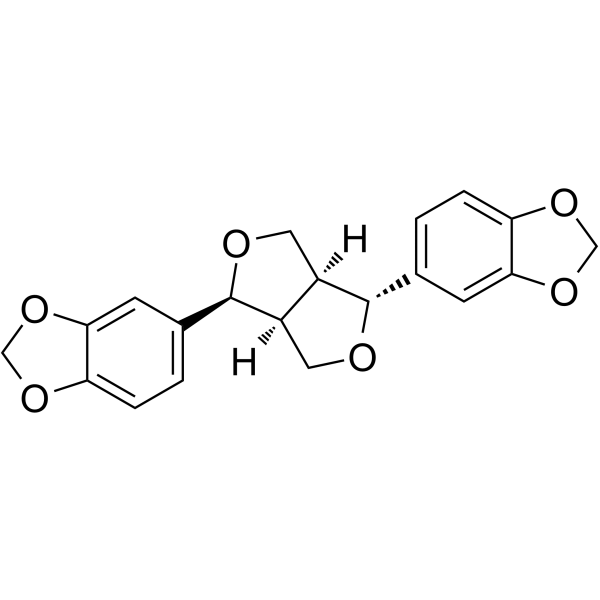
(-)-Asarinin (Standard) is the analytical standard of (-)-Asarinin (HY-N0701). This product is intended for research and analytical applications. (-)-Asarinin is a tetrahydrofurofurano lignan with various biological activities. (-)-Asarinin induces apoptosis in cancer cells. (-)-Asarinin promotes mitochondrial ROS accumulation, inhibits the STAT3 signaling pathway and induces apoptosis in precancerous cells. (-)-Asarinin is a Src family kinase inhibitor that suppresses mast cell activation. (-)-Asarinin is a non-competitive Δ5-desaturase inhibitor with a Ki of 0.28 mM. (-)-Asarinin possesses pain relief, anti-viral, anti-allergic and anti-tuberculous bacilli, and anti-tumor effects.
|
-
- HY-12642AR
-
|
|
Reference Standards
Parasite
Bacterial
TNF Receptor
Interleukin Related
|
Infection
Metabolic Disease
Inflammation/Immunology
|
|
Diethylcarbamazine (Standard) is the analytical standard of Diethylcarbamazine (HY-12642A). This product is intended for research and analytical applications. Diethylcarbamazine is an orally active microfilaricidal agent used originally in onchocerciasis and lymphatic filiariasis. Diethylcarbamazine reduces eosinophil trafficking to the lung tissue and exerts anti-allergic effects. Diethylcarbamazine reduces serum levels of leptin, TNF-α, IL-6, MCP-1, glucose, insulin, and triglycerides, and ameliorates insulin resistance without altering body, liver, or adipose tissue weights. Diethylcarbamazine enhances reactive oxygen intermediate expression by polymorphonuclear neutrophils, increases lymphocyte proliferation, and inhibits actinomycetoma lesion development. Diethylcarbamazine can be used for the researches of bronchial asthma, insulin resistance and infection .
|
-
- HY-12642R
-
|
|
Reference Standards
Parasite
Bacterial
TNF Receptor
Interleukin Related
|
Infection
Metabolic Disease
Inflammation/Immunology
|
|
Diethylcarbamazine citrate (Standard) is the analytical standard of Diethylcarbamazine citrate (HY-12642). This product is intended for research and analytical applications. Diethylcarbamazine citrate is an orally active microfilaricidal agent used originally in onchocerciasis and lymphatic filiariasis. Diethylcarbamazine citrate reduces eosinophil trafficking to the lung tissue and exerts anti-allergic effects. Diethylcarbamazine citrate reduces serum levels of leptin, TNF-α, IL-6, MCP-1, glucose, insulin, and triglycerides, and ameliorates insulin resistance without altering body, liver, or adipose tissue weights. Diethylcarbamazine citrate enhances reactive oxygen intermediate expression by polymorphonuclear neutrophils, increases lymphocyte proliferation, and inhibits actinomycetoma lesion development. Diethylcarbamazine citrate can be used for the researches of bronchial asthma, insulin resistance and infection .
|
-
- HY-107431
-
|
|
Histamine Receptor
|
Inflammation/Immunology
|
|
Diphenylpyraline is a potent histamine H1 receptor antagonist. Diphenylpyraline acts as an orally active antihistamine agent with antimuscarinic and antiallergic effects. Diphenylpyraline can be used for the research of allergic diseases, including rhinitis and hay fever, and pruritic skin disorders et.al .
|
-
- HY-107431R
-
|
|
Reference Standards
Histamine Receptor
|
Inflammation/Immunology
|
|
Diphenylpyraline (Standard) is the analytical standard of Diphenylpyraline. This product is intended for research and analytical applications. Diphenylpyraline is a potent histamine H1?receptor antagonist. Diphenylpyraline acts as an orally active antihistamine agent?with antimuscarinic and antiallergic effects. Diphenylpyraline can be used for the research of allergic diseases, including rhinitis and hay fever, and pruritic skin disorders et.al .
|
-
- HY-B0298AS
-
|
HS-592-d5 fumarate; Meclastine-d5 fumarate
|
Isotope-Labeled Compounds
Histamine Receptor
Apoptosis
mAChR
Pyroptosis
Keap1-Nrf2
p62
Autophagy
mTOR
IKK
|
Neurological Disease
Metabolic Disease
|
|
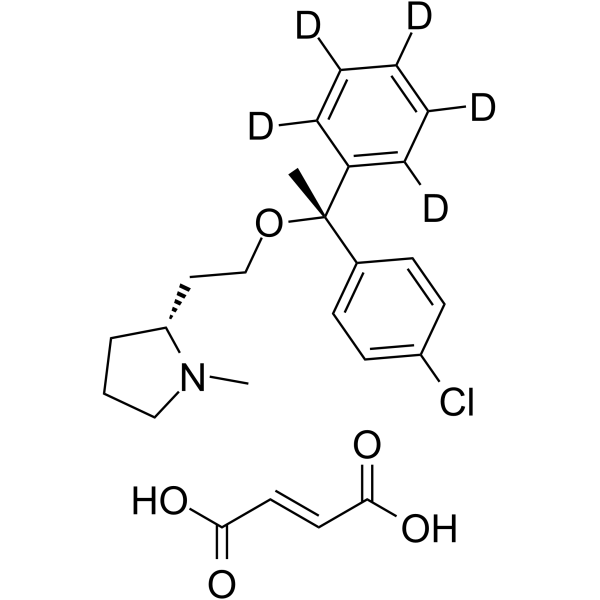
Clemastine (HS-592; Meclastine)-d5 fumarate is the deuterium labeled Clemastine fumarate. Clemastine fumarate is an orally active, blood-brain barrier-permeable H1 histamine receptor (H1 histamine receptor) antagonist with potent antiallergic effects. Clemastine fumarate also antagonizes muscarinic acetylcholine receptors (mAChR), particularly the M1 and M4 subtypes. In addition to antihistamine effects, Clemastine fumarate exhibits multiple pharmacological activities, especially in promoting central nervous system remyelination, activating autophagy and pyroptosis, exerting anti-apoptotic and neuroprotective effects, and suppressing inflammation .
|
-
- HY-N2344R
-
|
Proanthocyanidin A1 (Standard)
|
Reference Standards
PKC
|
Inflammation/Immunology
|
|
Procyanidin A1 (Standard) is the analytical standard of Procyanidin A1. This product is intended for research and analytical applications. Procyanidin A1 (Proanthocyanidin A1) is a procyanidin dimer, which inhibits degranulation downstream of protein kinase C activation or Ca2+ influx from an internal store in RBL-213 cells. Procyanidin A1 has antiallergic effects .
|
-
- HY-B0298AR
-
|
HS-592 fumarate (Standard); Meclastine fumarate (Standard)
|
Reference Standards
Histamine Receptor
Apoptosis
mAChR
Pyroptosis
Keap1-Nrf2
p62
Autophagy
mTOR
IKK
|
Neurological Disease
Metabolic Disease
|
|
Clemastine (HS-592; Meclastine) fumarate (Standard) is the analytical standard of Clemastine fumarate. This product is intended for research and analytical applications. Clemastine fumarate is an orally active, blood-brain barrier-permeable H1 histamine receptor (H1 histamine receptor) antagonist with potent antiallergic effects. Clemastine fumarate also antagonizes muscarinic acetylcholine receptors (mAChR), particularly the M1 and M4 subtypes. In addition to antihistamine effects, Clemastine fumarate exhibits multiple pharmacological activities, especially in promoting central nervous system remyelination, activating autophagy and pyroptosis, exerting anti-apoptotic and neuroprotective effects, and suppressing inflammation .
|
-
- HY-B0426AS2
-
|
ALO4943A-d6 hydrochloride; KW4679-d6 hydrochloride
|
Isotope-Labeled Compounds
Histamine Receptor
CXCR
|
Inflammation/Immunology
|
|
Olopatadine-d6 (ALO4943A-d6; KW4679-d6) hydrochloride is deuterium-labeled Olopatadine (hydrochloride) (HY-B0426A). Olopatadine hydrochloride (ALO4943A; KW4679) is an orally active histamine H1 receptor antagonist and mast cell stabilizer. Olopatadine hydrochloride exerts antiallergic effects by blocking histamine H1 receptor-mediated activities. Olopatadine hydrochloride inhibits exocytosis, chemokine release, F-actin polymerization, CXCL10-induced calcium influx, and T cell chemotactic activity. Olopatadine hydrochloride also reduces the expression levels of CXCR3 on the surface of CD4 + and CD8 + T cells. Olopatadine hydrochloride inhibits scratching behavior, improves dermatitis scores, and suppresses intraepidermal neurite outgrowth. Olopatadine hydrochloride simultaneously decreases the levels of inflammatory markers, growth factors, histamine, and specific IgE, while increasing the expression of ErbB3A/HER3A. Olopatadine hydrochloride can be used in research related to seasonal pollinosis, chronic rhinitis, urticaria, allergic conjunctivitis, alopecia areata, and atopic dermatitis .
|
-
- HY-N18682
-
|
|
Bacterial
|
Infection
Inflammation/Immunology
|
|
Lonicera caprifolium extract has anti-inflammatory, antibacterial, whitening, anti-aging, anti-allergic and moisturizing effects, and is mainly used in research on hand sanitizers, skin care products and skin contact cleaning products.
|
-
- HY-17570S
-
-
- HY-P11646
-
|
|
COX
|
Metabolic Disease
Inflammation/Immunology
|
|
Brazzein is a functional sweetener with antioxidant, anti-inflammatory, and anti-allergic activities. Brazzein inhibits COX-2 with an IC50 of 12.62 μM. Brazzein exhibits strong antioxidant effects, showing ABTS radical scavenging activity (IC50 = 12.55 μM) . Brazzein shows no antibacterial or antifungal activity. Brazzein can be used for the research of obesity, metabolic disorder, inflammation .
|
-
- HY-107062
-
|
|
Histamine Receptor
|
Inflammation/Immunology
|
|
AA 344 is an orally active antiallergic agent. AA 344 inhibits the IgE, IgGa, Concanavalin A (HY-P2149), Dextran -mediated release of histamine. AA 344 shows inhibitory effects on the homologous passive cutaneous anaphylaxis and the passive systemic anaphylaxis in guinea pigs. AA 344 selectively suppresses the type I allergic reaction .
|
-
- HY-115314
-
|
LG 30435
|
Histamine Receptor
|
Inflammation/Immunology
|
|
Mequitamium iodide (LG 30435) is an antihistamine drug with antiallergic and bronchodilatory activity. Mequitamium iodide can effectively antagonize airway contraction and inflammatory responses induced by histamine and antigens. Mequitamium iodide has nanomolar affinity for the H1 and smooth muscle receptors of histamine and mequitin. Mequitamium iodide, when administered in aerosol form, significantly inhibits histamine- and antigen-induced increases in airway pressure in allergic mice. Mequitamium iodide reduces antigen-induced eosinophil accumulation in the airways. Mequitamium iodide also exhibits inhibitory effects on PAF-induced platelet aggregation and bronchoconstriction, and can be used in the study of allergic diseases such as rhinitis and asthma .
|
-
| Cat. No. |
Product Name |
Target |
Research Area |
-
- HY-P11646
-
|
|
COX
|
Metabolic Disease
Inflammation/Immunology
|
|
Brazzein is a functional sweetener with antioxidant, anti-inflammatory, and anti-allergic activities. Brazzein inhibits COX-2 with an IC50 of 12.62 μM. Brazzein exhibits strong antioxidant effects, showing ABTS radical scavenging activity (IC50 = 12.55 μM) . Brazzein shows no antibacterial or antifungal activity. Brazzein can be used for the research of obesity, metabolic disorder, inflammation .
|
| Cat. No. |
Product Name |
Category |
Target |
Chemical Structure |
-
- HY-15337
-
-
-
- HY-N0328
-
-
-
- HY-N7204
-
|
|
Chalcones
Monophenols
Flavonoids
Phenols
Umbelliferae
Plants
Ondetia linearis Benth.
|
Monoamine Oxidase
Dopamine β-hydroxylase
Apoptosis
|
|
4-Hydroxyderricin, the major active ingredients of Angelica keiskei Koidzumi, is an orally active, potent selective MAO-B (Monoamine oxidase inhibitors) inhibitor with an IC50 of 3.43 μM. 4-Hydroxyderricin also mildly inhibits dopamine β (DBH)-hydroxylase activity. 4-Hydroxyderricin has antidepressant activity, anti-allergic, anti-diabetic, anti-oxidant, and antitumor effects. 4-Hydroxyderricin promotes apoptosis and cell cycle arrest through regulating PI3K/AKT/mTOR pathway in hepatocellular cells. 4-Hydroxyderricin inhibits osteoclast formation and accelerates osteoblast differentiation . 4-Hydroxyderricin is promising for research of inflammatory diseases .
|
-
-
- HY-121389
-
-
-
- HY-N0668
-
-
-
- HY-120149
-
-
-
- HY-N0852
-
-
-
- HY-N0701
-
-
-
- HY-N2344
-
-
-
- HY-B0426A
-
|
ALO4943A; KW4679
|
Structural Classification
Alkaloids
Classification of Application Fields
Ketones, Aldehydes, Acids
Other Alkaloids
Endogenous metabolite
Inflammation/Immunology
Disease Research Fields
Source Classification
|
Histamine Receptor
CXCR
|
|
Olopatadine hydrochloride (ALO4943A; KW4679) is an orally active histamine H1 receptor antagonist and mast cell stabilizer. Olopatadine hydrochloride exerts antiallergic effects by blocking histamine H1 receptor-mediated activities. Olopatadine hydrochloride inhibits exocytosis, chemokine release, F-actin polymerization, CXCL10-induced calcium influx, and T cell chemotactic activity. Olopatadine hydrochloride also reduces the expression levels of CXCR3 on the surface of CD4 + and CD8 + T cells. Olopatadine hydrochloride inhibits scratching behavior, improves dermatitis scores, and suppresses intraepidermal neurite outgrowth. Olopatadine hydrochloride simultaneously decreases the levels of inflammatory markers, growth factors, histamine, and specific IgE, while increasing the expression of ErbB3A/HER3A. Olopatadine hydrochloride can be used in research related to seasonal pollinosis, chronic rhinitis, urticaria, allergic conjunctivitis, alopecia areata, and atopic dermatitis .
|
-
-
- HY-N2252
-
-
-
- HY-N0328R
-
-
-
- HY-W015515
-
-
-
- HY-N1098
-
-
-
- HY-114203
-
-
-
- HY-W062109
-
|
|
Structural Classification
Alkaloids
Classification of Application Fields
Other Alkaloids
Endogenous metabolite
Inflammation/Immunology
Disease Research Fields
Source Classification
|
Histamine Receptor
CXCR
|
|
Olopatadine (ALO4943A; KW4679) is an orally active histamine H1 receptor antagonist and mast cell stabilizer. Olopatadine exerts antiallergic effects by blocking histamine H1 receptor-mediated activities. Olopatadine inhibits exocytosis, chemokine release, F-actin polymerization, CXCL10-induced calcium influx, and T cell chemotactic activity. Olopatadine also reduces the expression levels of CXCR3 on the surface of CD4 + and CD8 + T cells. Olopatadine inhibits scratching behavior, improves dermatitis scores, and suppresses intraepidermal neurite outgrowth. Olopatadine simultaneously decreases the levels of inflammatory markers, growth factors, histamine, and specific IgE, while increasing the expression of ErbB3A/HER3A. Olopatadine can be used in research related to seasonal pollinosis, chronic rhinitis, urticaria, allergic conjunctivitis, alopecia areata, and atopic dermatitis .
|
-
-
- HY-15337R
-
-
-
- HY-N7292
-
-
-
- HY-W015515R
-
-
-
- HY-N0852R
-
-
-
- HY-N3312R
-
-
-
- HY-N6261
-
-
-
- HY-N0668R
-
|
|
Structural Classification
other families
Terpenoids
Diterpenoids
Plants
Source Classification
|
GLUT
Amylases
NF-κB
Reference Standards
|
|
Rubusoside (Standard) is the analytical standard of Rubusoside. This product is intended for research and analytical applications. Rubusoside is a diterpene glycoside that is also a sweetener and solubilizer with anti-angiogenic, anti-cancer, anti-obesity, anti-allergic and anti-asthmatic effects. Rubusoside attenuates airway hyperresponsiveness and reduces inflammatory cells in bronchoalveolar lavage fluid (BALF), reducing OVA (HY-W250978)-induced airway inflammation. Rubusoside also prevents palmitic acid-induced lipotoxicity in pancreatic INS-1 cells, reduces the transport of human glucose transporters GLUT-1 and fructose GLUT-5, and inhibits NF-κB and α-amylase (α-amylase) .
|
-
-
- HY-N15708
-
-
-
- HY-B0426AR
-
|
ALO4943A (Standard); KW4679 (Standard)
|
Structural Classification
Alkaloids
Ketones, Aldehydes, Acids
Other Alkaloids
Endogenous metabolite
Source Classification
|
Reference Standards
Histamine Receptor
CXCR
|
|
Olopatadine (hydrochloride) (Standard) is the analytical standard of Olopatadine (hydrochloride). This product is intended for research and analytical applications. Olopatadine hydrochloride (ALO4943A; KW4679) is an orally active histamine H1 receptor antagonist and mast cell stabilizer. Olopatadine hydrochloride exerts antiallergic effects by blocking histamine H1 receptor-mediated activities. Olopatadine hydrochloride inhibits exocytosis, chemokine release, F-actin polymerization, CXCL10-induced calcium influx, and T cell chemotactic activity. Olopatadine hydrochloride also reduces the expression levels of CXCR3 on the surface of CD4 + and CD8 + T cells. Olopatadine hydrochloride inhibits scratching behavior, improves dermatitis scores, and suppresses intraepidermal neurite outgrowth. Olopatadine hydrochloride simultaneously decreases the levels of inflammatory markers, growth factors, histamine, and specific IgE, while increasing the expression of ErbB3A/HER3A. Olopatadine hydrochloride can be used in research related to seasonal pollinosis, chronic rhinitis, urticaria, allergic conjunctivitis, alopecia areata, and atopic dermatitis .
|
-
-
- HY-137787R
-
-
-
- HY-N6629R
-
-
-
- HY-N12708
-
-
-
- HY-121389R
-
|
Palmitamide (Standard)
|
Structural Classification
Alkaloids
Cannabis sativa L
Other Alkaloids
Plants
Moraceae
Source Classification
|
Bacterial
NF-κB
PPAR
Reference Standards
|
|
Hexadecanamide (Standard) is the analytical standard of Hexadecanamide. This product is intended for research and analytical applications. Hexadecanamide (Palmitamide) is a fatty acid amide that has orally active anti-allergic, antioxidant, and neuroprotective effects. Hexadecanamide exerts protective effects in Staphylococcus aureus- and SARA-induced mastitis. Hexadecanamide suppresses S. aureus-induced activation of the NF-κB pathway and improves blood-milk barrier integrity. Hexadecanamide activates PPARα. Hexadecanamide enhances sperm motility in vitro. Hexadecanamide can be studied in research for mastitis and asthenozoospermia .
|
-
-
- HY-N0701R
-
-
-
- HY-N2344R
-
-
-
- HY-N18682
-
|
|
Structural Classification
Extract
|
Bacterial
|
|
Lonicera caprifolium extract has anti-inflammatory, antibacterial, whitening, anti-aging, anti-allergic and moisturizing effects, and is mainly used in research on hand sanitizers, skin care products and skin contact cleaning products.
|
-
| Cat. No. |
Product Name |
Chemical Structure |
-
- HY-W062109S
-
|
|
|
Olopatadine-d6 is the deuterium labeled Olopatadine. Olopatadine hydrochloride (ALO4943A; KW4679) is an orally active histamine H1 receptor antagonist and mast cell stabilizer. Olopatadine hydrochloride exerts antiallergic effects by blocking histamine H1 receptor-mediated activities. Olopatadine hydrochloride inhibits exocytosis, chemokine release, F-actin polymerization, CXCL10-induced calcium influx, and T cell chemotactic activity. Olopatadine hydrochloride also reduces the expression levels of CXCR3 on the surface of CD4 + and CD8 + T cells. Olopatadine hydrochloride inhibits scratching behavior, improves dermatitis scores, and suppresses intraepidermal neurite outgrowth. Olopatadine hydrochloride simultaneously decreases the levels of inflammatory markers, growth factors, histamine, and specific IgE, while increasing the expression of ErbB3A/HER3A. Olopatadine hydrochloride can be used in research related to seasonal pollinosis, chronic rhinitis, urticaria, allergic conjunctivitis, alopecia areata, and atopic dermatitis .
|
-
-
- HY-B0426AS
-
|
|
|
Olopatadine-d3 hydrochloride (ALO4943A-d3) is the deuterium labeled Olopatadine hydrochloride. Olopatadine hydrochloride (ALO4943A; KW4679) is an orally active histamine H1 receptor antagonist and mast cell stabilizer. Olopatadine hydrochloride exerts antiallergic effects by blocking histamine H1 receptor-mediated activities. Olopatadine hydrochloride inhibits exocytosis, chemokine release, F-actin polymerization, CXCL10-induced calcium influx, and T cell chemotactic activity. Olopatadine hydrochloride also reduces the expression levels of CXCR3 on the surface of CD4 + and CD8 + T cells. Olopatadine hydrochloride inhibits scratching behavior, improves dermatitis scores, and suppresses intraepidermal neurite outgrowth. Olopatadine hydrochloride simultaneously decreases the levels of inflammatory markers, growth factors, histamine, and specific IgE, while increasing the expression of ErbB3A/HER3A. Olopatadine hydrochloride can be used in research related to seasonal pollinosis, chronic rhinitis, urticaria, allergic conjunctivitis, alopecia areata, and atopic dermatitis .
|
-
-
- HY-B1214S
-
|
|
|
Prednisolone acetate-d8 is the deuterium labeled Prednisolone acetate. Prednisolone acetate (Prednisolone 21-acetate) is an adrenal cortico hormones, with anti-inflammatory, anti-allergic and immune suppressive effects.
|
-
-
- HY-N3312S
-
|
|
|
Matairesinol-d6 is the deuterium labeled Matairesinol. Matairesinol confers anti-allergic effects in an allergic dermatitis mouse model. DfE-induced changes in IL-4 and IFN-γ mRNA expression in the ears of NC/Nga mice were reversed by matairesinol application .
|
-
-
- HY-B1619S
-
|
|
|
Cromolyn-d5 (Cromoglycate-d5) is the deuterium labeled Cromolyn (HY-B1619). Cromolyn (Cromoglycate) is an orally active GSK-3β inhibitor with an IC50 of 2.0 μM. Cromolyn is also a mast cell stabilizer that can inhibit the release of mediators from mast cells, regulate reflex bronchoconstriction, and reduce non-specific bronchial hyperreactivity, and Cromolyn can be used in the research of bronchial asthma. In addition, Cromolyn has multiple activities such as anti-inflammatory, anti-allergic, anti-histamine, anti-cancer, and neuroprotective effects .
|
-
-
- HY-B0298AS
-
1 Publications Verification
|
|
Clemastine (HS-592; Meclastine)-d5 fumarate is the deuterium labeled Clemastine fumarate. Clemastine fumarate is an orally active, blood-brain barrier-permeable H1 histamine receptor (H1 histamine receptor) antagonist with potent antiallergic effects. Clemastine fumarate also antagonizes muscarinic acetylcholine receptors (mAChR), particularly the M1 and M4 subtypes. In addition to antihistamine effects, Clemastine fumarate exhibits multiple pharmacological activities, especially in promoting central nervous system remyelination, activating autophagy and pyroptosis, exerting anti-apoptotic and neuroprotective effects, and suppressing inflammation .
|
-
-
- HY-B0426AS2
-
|
|
|
Olopatadine-d6 (ALO4943A-d6; KW4679-d6) hydrochloride is deuterium-labeled Olopatadine (hydrochloride) (HY-B0426A). Olopatadine hydrochloride (ALO4943A; KW4679) is an orally active histamine H1 receptor antagonist and mast cell stabilizer. Olopatadine hydrochloride exerts antiallergic effects by blocking histamine H1 receptor-mediated activities. Olopatadine hydrochloride inhibits exocytosis, chemokine release, F-actin polymerization, CXCL10-induced calcium influx, and T cell chemotactic activity. Olopatadine hydrochloride also reduces the expression levels of CXCR3 on the surface of CD4 + and CD8 + T cells. Olopatadine hydrochloride inhibits scratching behavior, improves dermatitis scores, and suppresses intraepidermal neurite outgrowth. Olopatadine hydrochloride simultaneously decreases the levels of inflammatory markers, growth factors, histamine, and specific IgE, while increasing the expression of ErbB3A/HER3A. Olopatadine hydrochloride can be used in research related to seasonal pollinosis, chronic rhinitis, urticaria, allergic conjunctivitis, alopecia areata, and atopic dermatitis .
|
-
-
- HY-17570S
-
|
|
|
Desoximetasone-d3 is the deuterium labeled Desoximetasone (HY-17570). Desoximetasone is a corticosteroid and a substrate of cytochrome P450 3A4. Desoximetasone has anti-inflammatory, anti-allergic, and immunosuppressive effects. Desoximetasone can be used in the research of various skin diseases, such as skin allergies, atopic dermatitis, and psoriasis .
|
-
Your information is safe with us. * Required Fields.
Inquiry Information
- Product Name:
- Cat. No.:
- Quantity:
- MCE Japan Authorized Agent:

