
1. Search Result
Search Result
Results for "

aorta

" in MedChemExpress (MCE) Product Catalog:

76

Inhibitors & Agonists

9

Peptides

1

MCE Kits

1

Inhibitory Antibodies

12

Natural
Products

3

Isotope-Labeled Compounds

4

Antibodies

Cat. No. Product Name Target Research Areas Chemical Structure
  • HY-N6771
    Cyclopiazonic acid
    5+ Cited Publications

    Calcium Channel 5-HT Receptor MDM-2/p53 Apoptosis RSV Infection
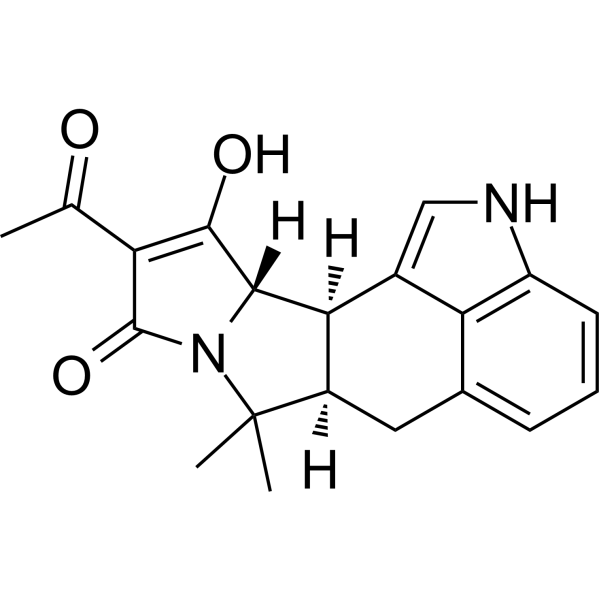
    Cyclopiazonic acid is an endoplasmic reticulum calcium ATPase (ECAs) inhibitor and human respiratory syncytial virus (RSV) inhibitor (EC50 value of 4.13 μ M), which can reduce the antagonistic effect of 5-HT receptors in rat thoracic aorta, induce p53 dependent cell apoptosis and reproductive toxicity in mouse testes, and inhibit the biological activation of aflatoxin B [1][4][5].
    Cyclopiazonic acid
  • HY-18204
    Valsartan
    Maximum Cited Publications
    23 Publications Verification

    CGP 48933

    Angiotensin Receptor Cardiovascular Disease Endocrinology
    Valsartan (CGP 48933) is an angiotensin II receptor antagonist and has the potential for high blood pressure and heart failure research .
    Valsartan
  • HY-14571
    E7820
    5 Publications Verification

    ER68203-00

    Molecular Glues Integrin Infection Metabolic Disease Cancer
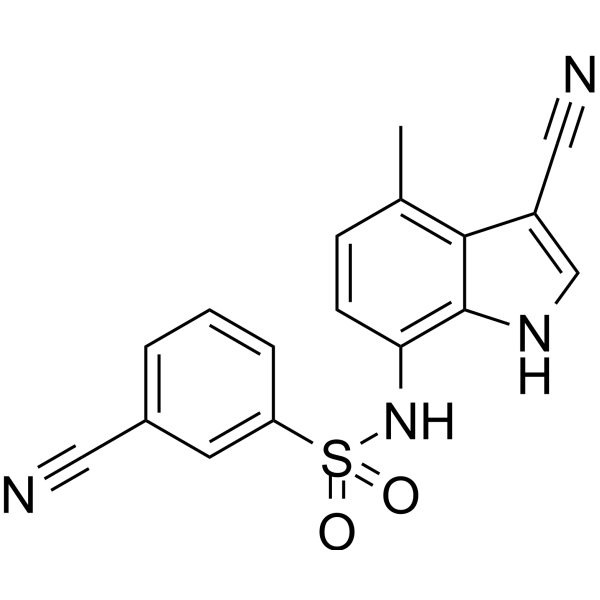
    E7820 (ER68203-00), an orally active aromatic sulfonamide derivative, is a molecular glue that induces the targeted degradation of splicing factor RBM39 by recruiting the E3 ubiquitin ligase CUL4-RBX1-DDB1-DCAF15 (CRL4 DCAF15). E7820 is an angiogenesis inhibitor suppressing an expression of integrin alpha2 subunit on endothelium. E7820 inhibits rat aorta angiogenesis with an IC50 of 0.11 μg/ml. E7820 modulates α-1, α-2, α-3, and α-5 integrin mRNA expression. E7820 can be used for the study of acute myeloid leukemia (AML) .
    E7820
  • HY-126010
    Dooku1
    15+ Cited Publications

    Piezo Channel Others
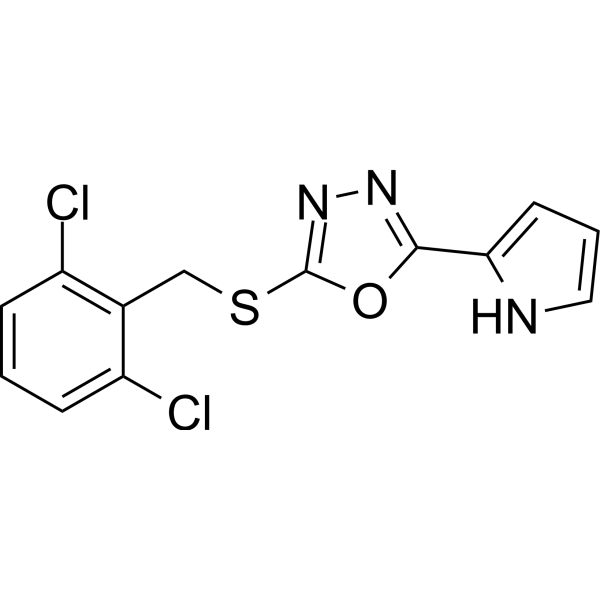
    Dooku1 is a reversibly Yoda1 antagonist with IC50 value of 1.3 μM and 1.5 μM for 2 μM Yoda1-induced Ca 2+ entry HEK 293 cells and HUVECs, respectively. Dooku1 can disrupt Yoda1-induced Piezo1 channel activity and inhibit Yoda1-induced relaxation of aorta. Dooku1 can be used for vascular physiology and disease research .
    Dooku1
  • HY-P99112

    RG-6168; SA-237

    Interleukin Related Inflammation/Immunology Cancer
    Satralizumab is a humanized monoclonal antibody that targets IL-6R. Satralizumab prevents dTAA formation and progression in rattus norvegicus. Satralizumab can be used for neuromyelitis optica spectrum disorder (NMOSD) and descending thoracic aorta aneurysm (dTAA) research .
    Satralizumab
  • HY-12887

    RP 73401; RPR 73401

    Phosphodiesterase (PDE) Inflammation/Immunology Cancer
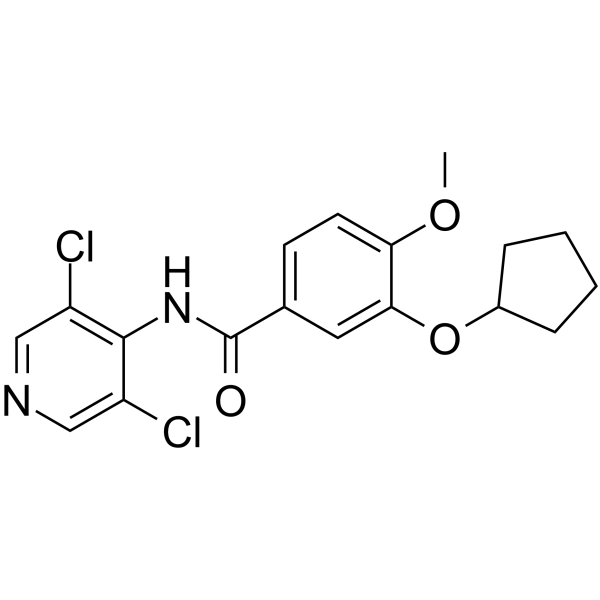
    Piclamilast (RP 73401) is a phosphodiesterase 4 (PDE4) inhibitor, with IC50 values of 16 nM and 2 nM in pig aorta and eosinophil soluble, respectively .
    Piclamilast
  • HY-P1656
    (D-Pro7)-Angiotensin I/II (1-7)
    1 Publications Verification

    Angiotensin Receptor Mas-related G-protein-coupled Receptor (MRGPR) Cardiovascular Disease
    (D-Pro7)-Angiotensin I/II (1-7) is a potent Mas receptor inhibitor with a Ki of 0.001 μM for rat receptors. (D-Pro7)-Angiotensin I/II (1-7) competitively blocks the binding of Angiotensin-(1-7) to the Mas receptor and attenuates the vasodilatory effect of rat aortas under physiological and hypertensive conditions. (D-Pro7)-Angiotensin I/II (1-7) can be used for studies on the function of the renin-angiotensin system and the pathological mechanisms of hypertension .
    (D-Pro7)-Angiotensin I/II (1-7)
  • HY-N0859

    Schizanhenol; Gomisin-K3

    UGT Cholinesterase (ChE) Tau Protein SOD Sirtuin Neurological Disease Inflammation/Immunology Cancer
    Schisanhenol (Schizanhenol), a lignan, is an orally active antioxidant. Schisanhenol reduces AChE activity, increases SIRT1 and PGC-1α expression, and decreases phosphorylated Tau (Ser 396) levels. Schisanhenol increases SOD and glutathione peroxidase activity, decreases malondialdehyde (MDA) content, and inhibits UGT2B7 activitY. Schisanhenol attenuates ox-LDL-induced apoptosis, intracellular reactive oxygen species generation, and cytotoxicity in endothelial cells. Schisanhenol inhibits LDL oxidation, brain mitochondrial and membrane peroxidative damage, and brain mitochondrial swelling and disintegration. Schisanhenol can be used for the research of Alzheimer’s disease, atherosclerosis, brain ischemia, and age-related brain deterioration .
    Schisanhenol
  • HY-Y0121

    Environmental Pollutants Apoptosis Parasite VEGFR Cardiovascular Disease Cancer
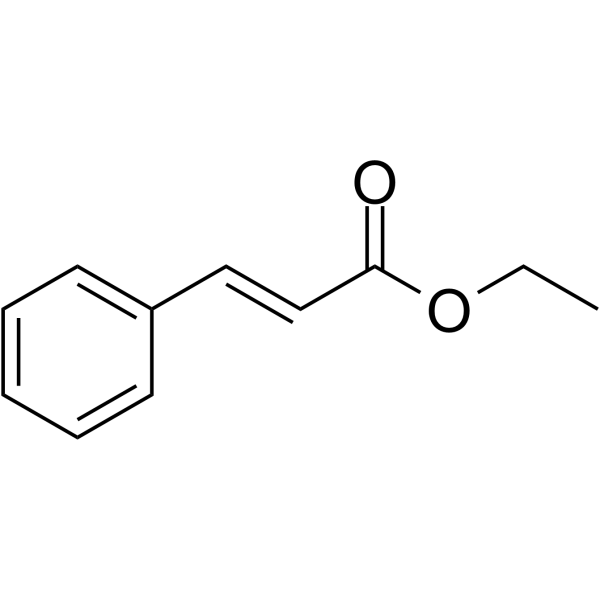
    Ethyl cinnamate, an orally active chemical constituent of the rhizome of Kaempferia galanga, exhibits anti-cancer, nematocidal, sedative and vasorelaxant activities. Ethyl cinnamate is a fragrance ingredient used as a food flavor and additive for cosmetic products. Ethyl cinnamate is also an excellent clearing reagent for mammalian tissues. Ethyl cinnamate suppresses tumor growth through anti-angiogenesis by attenuating VEGFR2 signal pathway in colorectal cancer. Ethyl cinnamate inhibits the tonic contractions induced by high K+ and phenylephrine (PE) with respective IC50 values of 0.30 mM and 0.38 mM in rat aorta .
    Ethyl cinnamate
  • HY-16677A

    MDL72974A

    Monoamine Oxidase Neurological Disease
    Mofegiline hydrochloride (MDL72974A) is an orally active and selective enzyme-activated irreversible inhibitor of MAO-B, with marked selectivity on the MAO-B over MAO-A with IC50s of 3.6 nM (MAO-B) and 680 nM (MAO-A), respectively. Mofegiline hydrochloride is also an inhibitor of semicarbazide-sensitive amine oxidase (SSAO) .
    Mofegiline hydrochloride
  • HY-112465

    PKA PKC PKG Neurological Disease Cancer
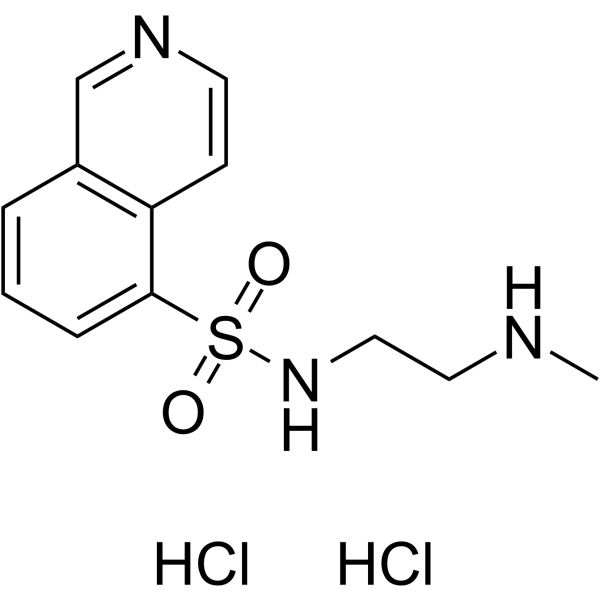
    H-8 dihydrochloride is a selective Cyclic nucleotide-dependent protein kinase inhibitor. H-8 dihydrochloride potently inhibits cGMP- and cAMP-dependent protein phosphorylation. H-8 dihydrochloride enhances the vasodilatory effect induced by 8-bromo-cAMP (HY-12306A). H-8 dihydrochloride fails to attenuate the vasodilatory effects induced by 8-bromo-cGMP (HY-101379A), atrial natriuretic peptide II, or Sodium nitroprusside (HY-B0564) in rat aorta .
    H-8 dihydrochloride
  • HY-W704574

    Carboxypeptidase Bradykinin Receptor Interleukin Related Cardiovascular Disease Metabolic Disease
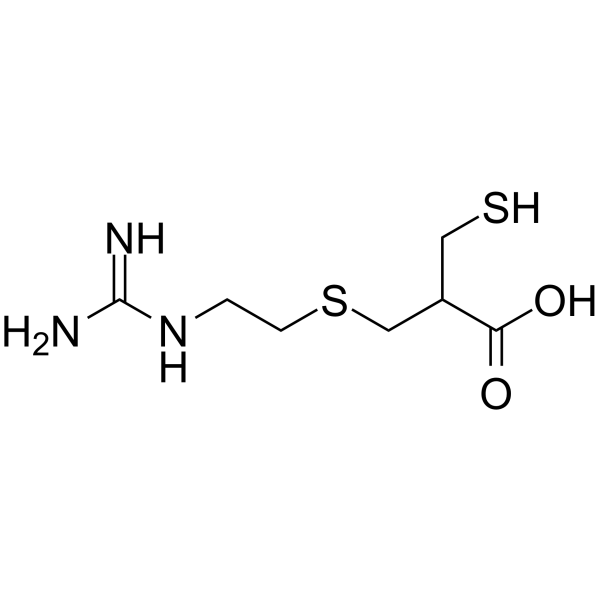
    Mergetpa is a reversible Arg-carboxypeptidase inhibitor with high affinity. Mergetpa reduces B1R. Mergetpa blocks the overexpression of IL-1β protein and mRNA in glucose-fed rats. Mergetpa significantly increases the expression of IL-1β protein in the renal cortex. Mergetpa is used to block the conversion of kinins and B2 receptor antagonists into metabolites lacking the C-terminal arginine. Mergetpa inhibits the time-dependent enhancement of the response of isolated rabbit aorta to bradykinin. Mergetpa preserves the chemotactic activity of full-length SDF-1α on cells. Mergetpa reverses hyperglycemia, excessive weight gain, elevated levels of oxidative stress markers and overexpression of inflammatory markers in glucose-fed rats .
    Mergetpa
  • HY-103316

    Calcium Channel Cardiovascular Disease Inflammation/Immunology
    trans-Ned 19 is a NAADP antagonist and TPC blocker. trans-Ned 19 suppresses the calcium signal and the rat aorta relaxation in response to low histamine concentrations. trans-Ned 19 increases the spontaneous acrosome reaction rate, alleviates anti-CD3 mAb-induced intestinal inflammation, and improves kidney damage in mice with nephrotoxic serum nephritis .
    trans-Ned 19
  • HY-N13250

    Apoptosis AMPK Elastase Bcl-2 Family Interleukin Related Caspase PI3K Akt SOD Cardiovascular Disease
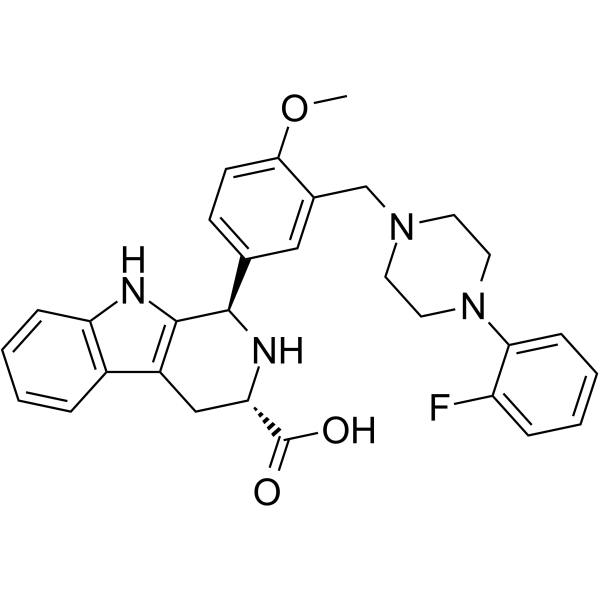
    Hawthorn Extract is an orally active hawthorn extract. Hawthorn Extract decreases Bax expression and increases Bcl-2 expression in the aorta. Hawthorn Extract regulates the AMPK signaling pathway, induces apoptosis, enhances the hepatic antioxidant system, and ameliorates symptoms of liver injury, inflammation and cancer. Hawthorn Extract reduces plasma levels of pro-inflammatory factors, increases plasma levels of anti-inflammatory adiponectin, and alleviates atherosclerotic plaque lesions in the aorta. Hawthorn Extract improves symptoms associated with chronic heart failure . Hawthorn Extract inhibits FMLP-induced superoxide anion production, Elastase release, ILB4 generation and calcium signaling in neutrophils, and also reduces LPS-induced cytokine production in neutrophils. Hawthorn Extract induces autophagy and inhibits the proliferation of intestinal stem cells. Hawthorn Extract can be used in research related to atherosclerosis, hepatitis, alcoholic liver disease, non-alcoholic fatty liver disease, hepatocellular carcinoma, chronic heart failure and hypotension .
    Hawthorn Extract
  • HY-123068

    SQ 14551

    Drug Derivative Cardiovascular Disease
    Captopril disulfide (SQ 14551) is an orally active disulfide dimer prodrug. Captopril disulfide is metabolized to Captopril and acts as a Bradykinin potentiator. Captopril disulfide enhances the vasodilatory effect of Bradykinin in anesthetized rats and the contractile response of isolated guinea pig ileum to Bradykinin. Captopril disulfide exhibits antihypertensive activity in spontaneously hypertensive rats. Captopril disulfide can be used in hypertension-related research .
    Captopril disulfide
  • HY-142117

    Calcium Channel Chloride Channel Others
    Adenophostin A is an IP3 receptor (inositol 1,4,5-trisphosphate receptors) modulator and Ca 2+ releaser, with an IC50 of 1.3 nM, an EC50 of 1.4 nM, and a Ki of 0.18 nM in rats, and an IC50 of 0.95 nM in humans. Adenophostin A activates IP3 receptors, stimulates Ca 2+ release from intracellular stores and microsomes, inhibits the binding of [ 3H]IP3 to plasma membrane receptors, and activates chloride channels. Adenophostin A resists phosphorylation and dephosphorylation by IP3 metabolic enzymes to maintain its activity, and increases cytoplasmic [Ca 2+] levels via calcium mobilization from the endoplasmic reticulum of vascular smooth muscle cells. Adenophostin A is applicable to research related to hemorrhagic shock .
    Adenophostin A
  • HY-149120

    Phospholipase Cardiovascular Disease Inflammation/Immunology
    ASM-IN-1 is a potent and orally active acid sphingomyelinase (ASM) inhibitor with an IC50 value of 1.5 µM. ASM-IN-1 reduces lipid plaques in the aortic arch and aorta and reduces plasma ceramide concentration and Ox-LDL levels. ASM-IN-1 shows antiatherosclerotic and anti-inflammatory activity .
    ASM-IN-1
  • HY-103430A
    SKF-83566
    2 Publications Verification

    Dopamine Receptor 5-HT Receptor Adenylate Cyclase Neurological Disease
    SKF-83566 is a potent, blood-brain permeable and orally active D1-like dopamine receptor (D1DR) antagonist and a weaker competitive antagonist at the vascular 5-HT2 receptor (Ki=11 nM) . SKF-83566 is a competitive DAT (dopamine transporter) inhibitor with an IC50 of 5.7 μM . SKF-83566 also shows selective inhibition for adenylyl cyclase 2 (AC2) over AC1 and AC5 in the isolated rabbit thoracic aorta . SKF-83566 can be used for research of parkinson’s disease and nicotine craving alleviation .
    SKF-83566
  • HY-N0857
    Deoxyandrographolide
    1 Publications Verification

    GLUT HDAC Virus Protease PI3K AMPK Akt Histone Demethylase MDM-2/p53 IFNAR Reactive Oxygen Species (ROS) Infection Metabolic Disease Inflammation/Immunology
    Deoxyandrographolide is an orally active lactone found in the Andrographis paniculata Nees. Deoxyandrographolide shows a KD of 38.4 μM of HDAC1. Deoxyandrographolide enhances GLUT4 plasma membrane translocation, activates PI3K and AMPK-dependent signaling pathways, suppresses fasting blood glucose, serum insulin, triglycerides, and LDL-cholesterol levels. Deoxyandrographolide enhances HDAC1 expression via inhibited ubiquitination degradation, represses H3K4me3, improves chromosome stability, and restrains aging biomarkers p16, p21, γH2A.X, p53 and ROS production. Deoxyandrographolide interacts with Foot-and-Mouth Disease Virus 3Cpro active site, inhibits protease and IFN-antagonist activity, derepresses ISG expression, and inhibits viral replication. Deoxyandrographolide can be used for the researches of type 2 diabetes mellitus, vascular senescence and virus infection .
    Deoxyandrographolide
  • HY-106954

    Rec 15/2739; Recordati 15/2739; SB 216469

    Adrenergic Receptor Inflammation/Immunology
    Upidosin (Rec 15/2739) is an α-1 adrenoceptor (α-1 AR) antagonist. Upidosin shows moderate selectivity for the α-1A AR subtype. Upidosin shows uroselectivity in urethra and prostate with a Kb value of 2-3 nM higher than in ear artery and aorta with a Kb value of 20-100 nM. Upidosin inhibits [3H]prazosin binding to cloned human α-1A adrenergic receptor. Upidosin can be used for the research of urethral obstruction .
    Upidosin
  • HY-118010A

    d-Norfenfluramine hydrochloride

    5-HT Receptor Cardiovascular Disease
    (+)-Norfenfluramine hydrochloride, a major hepatic metabolite of (+)-fenfluramine, is a selective 5-HT2B receptor agonist (Ki: 11.2 nM). (+)-Norfenfluramine hydrochloride potently stimulates the hydrolysis of inositol phosphates and increases intracellular Ca 2+. (+)-Norfenfluramine hydrochloride can be used for the research of primary pulmonary hypertension and valvular heart disease .
    (+)-Norfenfluramine hydrochloride
  • HY-W131725

    d-Norfenfluramine

    5-HT Receptor Cardiovascular Disease
    (+)-Norfenfluramine a major hepatic metabolite of (+)-fenfluramine, is a selective 5-HT2B receptor agonist (Ki: 11.2 nM). (+)-Norfenfluramine potently stimulates the hydrolysis of inositol phosphates and increases intracellular Ca 2+. (+)-Norfenfluramine can be used for the research of primary pulmonary hypertension and valvular heart disease .
    (+)-Norfenfluramine
  • HY-P1112

    Endothelin Receptor Cardiovascular Disease Neurological Disease
    Sarafotoxin S6a, a sarafotoxin analogue, is a endothelin receptor agonist and has an ETA/ETB selectivity profile similar to that of Endothelin-3 (HY-P0204). Sarafotoxin S6a elicits the pig coronary artery with an EC50 value of 7.5 nM .
    Sarafotoxin S6a
  • HY-Y0121R

    Reference Standards Parasite VEGFR Apoptosis Cardiovascular Disease Cancer
    Ethyl cinnamate (Standard) is the analytical standard of Ethyl cinnamate. This product is intended for research and analytical applications. Ethyl cinnamate, an orally active chemical constituent of the rhizome of Kaempferia galanga, exhibits anti-cancer, nematocidal, sedative and vasorelaxant activities. Ethyl cinnamate is a fragrance ingredient used as a food flavor and additive for cosmetic products. Ethyl cinnamate is also an excellent clearing reagent for mammalian tissues. Ethyl cinnamate suppresses tumor growth through anti-angiogenesis by attenuating VEGFR2 signal pathway in colorectal cancer. Ethyl cinnamate inhibits the tonic contractions induced by high K+ and phenylephrine (PE) with respective IC50 values of 0.30 mM and 0.38 mM in rat aorta .
    Ethyl cinnamate (Standard)
  • HY-P3563

    Endothelin Receptor Cardiovascular Disease
    [Lys4] Sarafotoxin S6c, a sarafotoxin analogue, is a potent and partial agonist of endothelin receptor. [Lys4] Sarafotoxin S6c elicits contraction of pig coronary artery, with an EC50 of 1.5 nM .
    [Lys4] Sarafotoxin S6c
  • HY-122215

    N-696

    Adrenergic Receptor Endocrinology
    Tilisolol hydrochloride (N-696) is a non-selective β-adrenergic antagonist with vasodilatory and hypotensive activities. Tilisolol hydrochloride exerts its effects in canine coronary arteries by opening ATP-sensitive K+ channels. Tilisolol hydrochloride exhibits concentration-dependent relaxation in KCl-precontracted rat thoracic aorta. Tilisolol hydrochloride reduces diastolic blood pressure in a dose-dependent manner and slightly increases heart rate in spinal cord stimulated rats .
    Tilisolol hydrochloride
  • HY-106337

    Endothelin Receptor Cardiovascular Disease
    SB 247083 is a selective, competitive and orally active endothelin-A receptor antagonist with a Ki of 0.41 nM. SB 247083 shows a Ki of 467 nM to endothelin-B receptor. SB 247083 shows a Kb of 3.5 nM for ET-1-induced contraction of rat aorta. SB 247083 can be used for the research of cardiovascular disease .
    SB 247083
  • HY-101717

    Adrenergic Receptor Cardiovascular Disease Endocrinology
    Indanidine is a selective alpha-adrenergic agonist. Indanidine shows a partial agonist in rat aorta .
    Indanidine
  • HY-108055

    Urotensin Receptor Others Cardiovascular Disease
    Urantide is a selective and competitive urotensin-II (UT) receptor antagonist peptide (pKB=8.3) that blocks human urotensin-II (hU-II)-induced contractions in rat thoracic aorta ex vivo. Urantide can be used to study the (patho)physiological role of hU-II in the mammalian cardiovascular system .
    Urantide
  • HY-N7647

    Brevifolincarboxylic acid methyl ester

    Influenza Virus Infection Cardiovascular Disease Inflammation/Immunology
    Methyl brevifolincarboxylate (Brevifolincarboxylic acid methyl ester) is a potent influenza virus PB2 cap-binding inhibitor. Methyl brevifolincarboxylate has anti-oxidant activity. Methyl brevifolincarboxylate also inhibits platelet aggregation, lipid metabolism and inflammation .
    Methyl brevifolincarboxylate
  • HY-120960

    ARA-S

    Akt p38 MAPK Apoptosis Potassium Channel Cardiovascular Disease Neurological Disease
    N-Arachidonoyl-L-serine (ARA-S) is an endocannabinoid. N-Arachidonoyl-L-serine induces phosphorylation of Akt and MAPK in endothelial cells. N-Arachidonoyl-L-serine also induces endothelium-dependent vasodilation in isolated rat mesenteric and abdominal aortas. N-Arachidonoyl-L-serine exhibits neuroprotective effects after traumatic brain injury by reducing apoptosis. N-Arachidonoyl-L-serine promotes the opening of KV7.1/KCNE1 channels in mammalian cells and shortens the action potential duration in cardiomyocytes. N-Arachidonoyl-L-serine may be used in research on cardiovascular and cerebrovascular diseases and neurological disorders .
    N-Arachidonoyl-L-serine
  • HY-10419

    Thrombopoietin Receptor Cardiovascular Disease
    AH23848 (compound 6) is a competitive blocker of the thromboxane A2 receptor and an orally effective agent, with an IC50 value of 50 nM against human targets and a long duration of action.
    AH23848
  • HY-114920

    Calcium Channel Cardiovascular Disease
    Piprofurol is a calcium channel inhibitor. Piprofurol inhibits the calcium-induced contractions in isolated potassium depolarized preparations of rat aorta in a concentration-dependent manner and relaxes the K +-induced contraction of the dog coronary artery and the rabbit basilar artery. Piprofurol exerts a negative inotropic effect on guinea-pig papillary muscle, with the EC50 of 5 μM .
    Piprofurol
  • HY-W424839

    DTBP

    Heme Oxygenase (HO) Cardiovascular Disease
    Probucol dithiobisphenol (DTBP) is the derivative of Probucol (HY-B0388). Probucol dithiobisphenol induces the production of heme oxygenase 1 (HO-1), and exhibits antioxidant activity. Probucol dithiobisphenol inhibits atherosclerotic lesions in Apoe −/− mice aorta, promotes re-endothelialization of aorta and inhibits restenosis in rabbit arterial injury models. Probucol dithiobisphenol is orally active .
    Probucol dithiobisphenol
  • HY-U00136

    Phosphodiesterase (PDE) Cardiovascular Disease
    Win-62005 is a cyclic AMP phosphodiesterase III (PDE III) inhibitor with Kis of 25 and 26 nM for rat heart and canine aorta, respectively.
    Win-62005
  • HY-N11925

    Others Cardiovascular Disease
    (+)-Osbeckic acid is a vasorelaxatant that can be isolated from Tartary Buckwheat. (+)-Osbeckic acid has a potent vasorelaxant effect in Sprague-Dawley rat thoracic aorta rings with an EC50 of 887 μM .
    (+)-Osbeckic acid
  • HY-U00369

    Acyltransferase Cardiovascular Disease
    FCE 28654 is an inhibitor of acylCoA: cholesterol acyltransferase (ACAT), weakly inhibiting ACAT in microsomes from rabbit aorta and intestine, and monkey liver, with IC50s of 2.55, 1.08 and 5.69 μM, respcetively.
    FCE 28654
  • HY-121762

    Acyltransferase Cardiovascular Disease
    NTE-122 (dihydrochloride) is an inhibitor of acyl-CoA:cholesterol acyltransferase (ACAT), with the IC50 in liver and aorta of cholesterol-fed rabbits of 7.6nM, 4.4nM and 9.6 nM, respectively, that plays an important role in atherosclerosis .
    NTE-122 dihydrochloride
  • HY-P4766

    CGRP Receptor Cardiovascular Disease
    Adrenomedullin (porcine) is a peptide that regulates vasodilation. Adrenomedullin (porcine) induces endothelium-dependent relaxation in rat aorta with IC50 value of 2.4 nM. Adrenomedullin (porcine) induces endothelium-independent relaxation of porcine coronary arteries with an IC50 of 27.6 nM .
    Adrenomedullin (porcine)
  • HY-12887R

    RP 73401 (Standard); RPR 73401 (Standard)

    Reference Standards Phosphodiesterase (PDE) Inflammation/Immunology Cancer
    Piclamilast (Standard) is the analytical standard of Piclamilast. This product is intended for research and analytical applications. Piclamilast (RP 73401) is a phosphodiesterase 4 (PDE4) inhibitor, with IC50 values of 16 nM and 2 nM in pig aorta and eosinophil soluble, respectively .
    Piclamilast (Standard)
  • HY-120134

    Angiotensin Receptor Cardiovascular Disease
    BMS 183920 is a diacidic and potent angiotensin II receptor antagonist, with a Ki value of 2.9 nM in the rat adrenal cortex binding assay and a KB value of 0.061 nM in the rabbit aorta functional assay. BMS 183920 can be used for research of antihypertensive .
    BMS 183920
  • HY-W184837

    KR-1008

    Calcium Channel Cardiovascular Disease
    m-Nisoldipine (KR-1008) is a dihydropyridine calcium antagonist that can significantly increase cardiac output and heart index, significantly reduce the negative inotropic effect on the myocardium, and has a relatively high selectivity for the thoracic aorta. m-Nisoldipine can be used in the research of cardiovascular diseases .
    m-Nisoldipine
  • HY-123328

    Prostaglandin Receptor Cardiovascular Disease
    AGN 191976 is a potent and selective thromboxane A2-sensitive (TP) receptor agonist with EC50 values ​​of 0.23 nM and 24 nM in rat aorta and human platelets, respectively. AGN 191976 has potent IOP-lowering effects in dogs and monkeys. AGN 191976 can be used to study vascular biology and the role of thromboxane A2 in vascular function .
    AGN 191976
  • HY-129088

    Potassium Channel Calcium Channel Cardiovascular Disease
    HUP30 is a vasodilating agent. HUP30 stimulates soluble guanylyl cyclase, activate K + channels, and blocks extracellular Ca 2+ influx .
    HUP30
  • HY-110057

    NOR 3

    NO Synthase Cardiovascular Disease
    FK409 (NOR 3) is an oral active vascular relaxant agnet and can be isolated from microbial product. FK409 can be used for study of cardiovascular diseases .
    FR 409
  • HY-P1112A

    Endothelin Receptor Cardiovascular Disease Neurological Disease
    Sarafotoxin S6a TFA , a sarafotoxin analogue, is a endothelin receptor agonist and has an ETA/ETB selectivity profile similar to that of Endothelin-3 (HY-P0204). Sarafotoxin S6a TFA elicits the pig coronary artery with an EC50 value of 7.5 nM .
    Sarafotoxin S6a TFA
  • HY-159090

    Calcium Channel Angiotensin Receptor Cardiovascular Disease
    AT1R antagonist 3 (Compound 1) is an antagonist for angiotensin II type 1 receptor (AT1R) and an inhibitor for calcium channel type-L CaV1.2 (IC50=0.57 μM). AT1R antagonist 3 exhibits vasodilation efficacy in solated rat aorta (10 μM, 88.7%) and antihypertensive efficacy in rat models .
    AT1R antagonist 3
  • HY-B0130R

    S-9490 (Standard)

    Angiotensin-converting Enzyme (ACE) NF-κB STAT Sirtuin Reference Standards Cardiovascular Disease Neurological Disease Cancer
    Perindopril (Standard) is the analytical standard of Perindopril. This product is intended for research and analytical applications. Perindopril (S-9490) is an orally available, long-acting angiotensin-converting enzyme (ACE) inhibitor. Perindopril inhibits inflammatory cell influx and intimal thickening, preserving elastin on the inside of the aorta. Perindopril effectively inhibits experimental abdominal aortic aneurysm (AAA) formation in a rat model and reduces pulmonary vasoconstriction in rats with pulmonary hypertension .
    Perindopril (Standard)
  • HY-125626

    8-iso-15-keto PGF2α

    Prostaglandin Receptor Cardiovascular Disease
    8-iso-15-keto Prostaglandin F2α (8-iso-15-keto PGF2α) is a partial agonist for Thromboxane receptor (TP), which exhibits a vasoconstrictor efficacy with a pD2 of 5.8. 8-iso-15-keto Prostaglandin F2α mediates a weak relaxation of rats aorta rings at high concentration .
    8-iso-15-keto Prostaglandin F2α
  • HY-B0130S1

    S-9490-d5

    Isotope-Labeled Compounds Sirtuin Angiotensin-converting Enzyme (ACE) NF-κB STAT Cardiovascular Disease Neurological Disease Cancer
    Perindopril-d5 (S-9490-d5) is deuterium labeled Perindopril. Perindopril (S-9490) is an orally available, long-acting angiotensin-converting enzyme (ACE) inhibitor. Perindopril inhibits inflammatory cell influx and intimal thickening, preserving elastin on the inside of the aorta. Perindopril effectively inhibits experimental abdominal aortic aneurysm (AAA) formation in a rat model and reduces pulmonary vasoconstriction in rats with pulmonary hypertension .
    Perindopril-d5

Inquiry Online

Your information is safe with us. * Required Fields.

Salutation


Country or Region *

Applicant Name *


Organization Name *

Department *


Email Address *


Product Name *

Cat. No.


Requested quantity *

Phone Number *


Remarks

Inquiry Online

Inquiry Information

Product Name:
Cat. No.:
Quantity:
MCE Japan Authorized Agent:

