







Search Result
Results for "
aptamer
" in MedChemExpress (MCE) Product Catalog:
10
Biochemical Assay Reagents
1
Isotope-Labeled Compounds
| Cat. No. |
Product Name |
Target |
Research Areas |
Chemical Structure |
-
- HY-110251
-
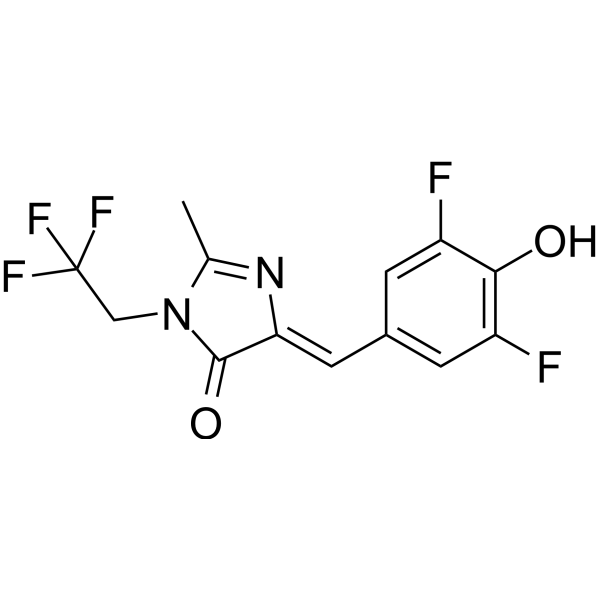
DFHBI-1T
Maximum Cited Publications
17 Publications Verification
|
DNA Stain
|
Others
|
|
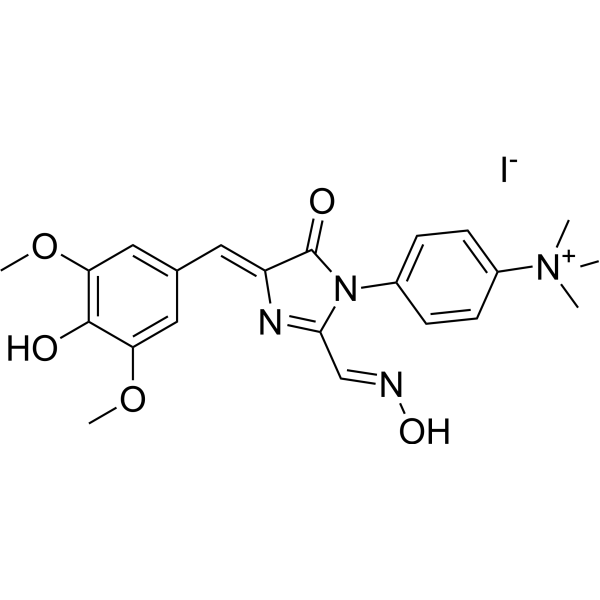
DFHBI-1T is a membrane-permeable RNA aptamers-activated fluorescence probe (ex/em=472 nm/507 nm). DFHBI-1T binds to RNA aptamers (Spinach, Spinach2, iSpinach, and Broccoli) and causes specific fluorescence and lower background fluorescence. DFHBI-1T is used to image RNA in live cells .
|
-
-
- HY-136277
-
DFHO
1 Publications Verification
|
Fluorescent Dye
|
Others
|
|
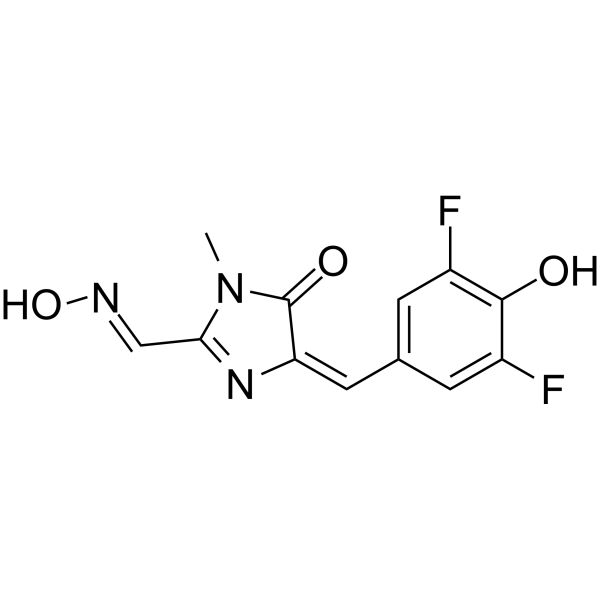
DFHO is a fluorogenic ligand of Corn fluorogenic aptamer. The RNA aptamer, Corn binds DFHO with a Kd value of 70 nM and converts it to a fluorescent form, enabling RNA imaging in cells .
|
-
-
- HY-D2348A
-
|
|
Fluorescent Dye
|
Infection
|
|
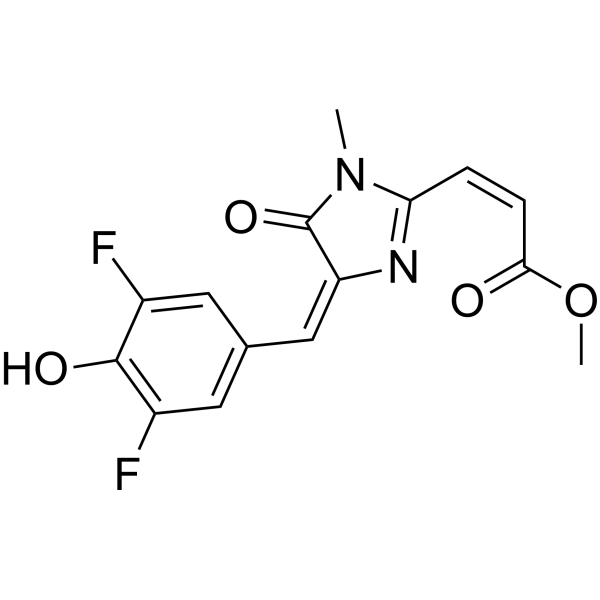
ACE TFA is a low-background, photostable fluorophore with nanomolar binding affinity for the Okra RNA aptamer. ACE TFA enables clear visualization of mRNA in live bacteria and mammalian cells, including tracking the trafficking of mRNA to stress granules and dual-color super-resolution imaging of RNA in live cells. (Ex=488 nm, Em=555 nm) .
|
-
-
- HY-148826
-
|
ARC 183; BC 007
|
G Protein-coupled Receptor Kinase (GRK)
|
Cardiovascular Disease
|
|
Rovunaptabin (ARC 183) is an aptamer, a single-stranded DNA molecule composed of 15 deoxynucleotides. It acts as a broad-spectrum neutralizer of pathogenic G-protein-coupled receptor autoantibodies. Rovunaptabin can be used in research related to cardiomyopathy and pulmonary hypertension .
|
-
-
- HY-160041A
-
|
NOX-A12 sodium
|
CXCR
|
Cancer
|
|
Olaptesed pegol (NOX-A12) sodium is a L-oligoribonucleotide aptamer targeting CXCL12 based on a pegylated structure. Olaptesed pegol sodium neutralizes CXCL12, and CXCL12 inhibition mobilizes chronic lymphocytic leukemia cells into the circulation and prevents their homing into the protective microenvironment. Olaptesed pegol sodium can enhances the infiltration of human primary T cells and NK cells and inhibit tumor growth companied with anti-PD-1 antibody. Olaptesed pegol sodium can be used for researches of colon cancer and lymphocytic leukemia .
|
-
-
- HY-160041
-
|
NOX-A12
|
CXCR
|
Cancer
|
|
Olaptesed pegol (NOX-A12) is a L-oligoribonucleotide aptamer targeting CXCL12 based on a pegylated structure. Olaptesed pegol neutralizes CXCL12, and CXCL12 inhibition mobilizes chronic lymphocytic leukemia cells into the circulation and prevents their homing into the protective microenvironment. Olaptesed pegol can enhances the infiltration of human primary T cells and NK cells and inhibit tumor growth companied with anti-PD-1 antibody. Olaptesed pegol can be used for researches of colon cancer and lymphocytic leukemia .
|
-
-
- HY-153845
-
|
|
Biochemical Assay Reagents
|
Others
|
|
RNA Aptamer Broccoli sodium is a 49-nucleotide nucleic acid aptamer that is much shorter than Spinach and Spinach2. It exhibits bright green fluorescence when binding to DFHBI or DFHBI-1T (a soluble analog of the green fluorescent protein label). RNA Aptamer Broccoli sodium can be used for RNA expression or localization in living cells .
|
-
-
- HY-148100
-
|
NOX-E36
|
CCR
|
Inflammation/Immunology
Cancer
|
|
Emapticap pegol (NOX-E36) is a inhibitor of pro-inflammatory chemokine C-C motif-ligand 2 (CCL2). Emapticap pegol is a 40-nucleotide oligonucleotide aptamer, displays different Spiegelmers (L-RNA aptamer) isform in human (NOX-E36) and mouse (mNOX-E36). mNOX-E36 is a murine-specific analogue of NOX-E36, an anti-MCP-1 L-RNA aptamer that was previously shown to attenuate liver fibrosis in mice .
|
-
-
- HY-115642
-
|
|
Nucleoside Antimetabolite/Analog
|
Metabolic Disease
|
|
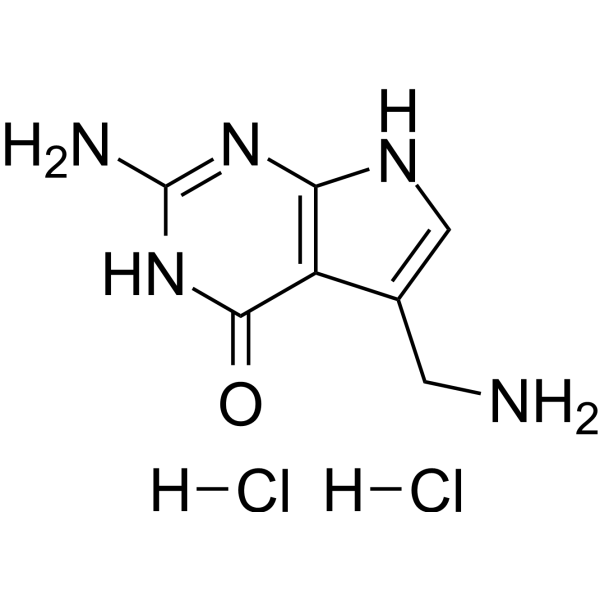
preQ1 dihydrochloride is a modified, guanine-derived nucleobase and a precursor of Queuine (HY-N10574) biosynthesis. preQ1 dihydrochloride binds to the aptamer of PreQ1 riboswitch with high affinity .
|
-
-
- HY-117468
-
|
|
Fluorescent Dye
|
Others
|
|
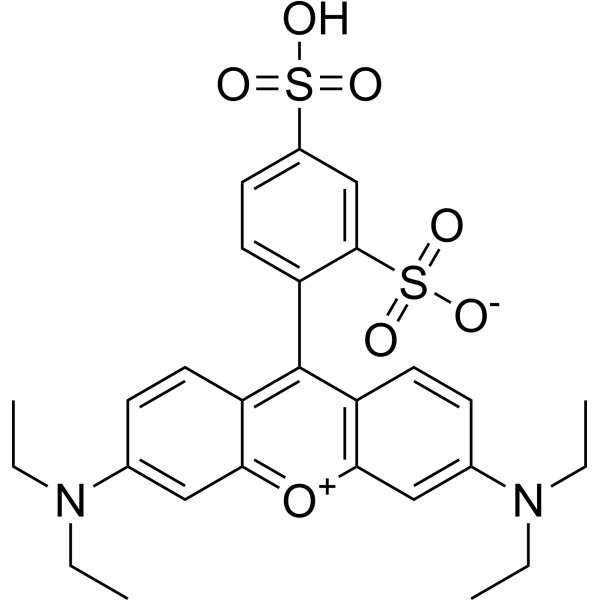
Lissamine rhodamine B is a red-fluorescent dye, it is a derivative of rhodamine. Lissamine rhodamine B can be used as a fluorescent probe to develop competitive aptamer fluorescence anisotropy/polarization (FA/FP) assays .
|
-
-
- HY-160066
-
|
|
Transmembrane Glycoprotein
|
Cancer
|
|
SYL3C aptamer sodium is a DNA aptamer that targets epithelial cell adhesion molecule (EpCAM) on the surface of cancer cells. SYL3C aptamer sodium targets a variety of human cancer cell lines including MDA-MB-231, Kato III, HT-29, T47D and SW480. The Kd values of SYL3C aptamer sodium against breast cancer cell line MDA-MB-231 and gastric cancer cell line Kato III are 38 nM and 67 nM, respectively. SYL3C aptamer sodium possesses stability, high binding affinity and selectivity, and can be used for targeted cancer cell imaging and circulating tumor cell detection .
|
-
-
- HY-W073524
-
|
|
Fluorescent Dye
|
Others
|
|
DFAME is a red fluorophore (Ex = 508 nm, Em = 641 nm). DFAME binds to Beetroot and Corn (dimeric fluorescent RNA aptamers) to form Beetroot-DFAME (Kd = 460 nM) and Corn-DFAME (Kd = 3600 nM). Beetroot-DFAME and Corn-DFAME can be used to form RNA assemblies in living cells. Creating RNA assemblies can be used for the study of RNA Nanostructures. DNA/RNA Nanostructures would be useful in cell and gene therapy (CGT) research .
|
-
-
- HY-D2348
-
|
|
Fluorescent Dye
|
Infection
Others
|
|
ACE is a low-background, photostable fluorophore with nanomolar binding affinity for the Okra RNA aptamer. ACE enables clear visualization of mRNA in live bacteria and mammalian cells, including tracking the trafficking of mRNA to stress granules and dual-color super-resolution imaging of RNA in live cells. (Ex=488 nm, Em=555 nm) .
|
-
-
- HY-109561
-
|
EYE001; NX1838
|
VEGFR
|
Metabolic Disease
Inflammation/Immunology
|
|
Pegaptanib sodium is an RNA aptamer with polyethylene glycol modifications, which is directed against vascular endothelial growth factor (VEGF)-165. Pegaptanib could be used for the study of neovascular age-related macular degeneration (AMD) .
|
-
-
- HY-160042
-
|
|
Nucleoside Antimetabolite/Analog
|
Cancer
|
|
AFP aptamer sodium is an aptamer that specifically targets the liver cancer biomarker alpha-fetoprotein (AFP). AFP aptamer sodium can be used as a recognition molecule for AFP, with a linear detection range of 12.5-800 ng/mL .
|
-
-
- HY-153843
-
|
|
Biochemical Assay Reagents
|
Others
|
|
RNA Aptamer Corn (sodium) is a 28-nt-long aptamer that is substantially shorter than Spinach and Spinach2 and exhibits bright red fluorescence upon binding DFHO (a soluble analog of the intrinsic fluorophore of red fluorescent protein), RNA Aptamer Corn (sodium) can be used to visualize RNA expression or localization in live cells which have been soaked with chromophores. The Corn-DFHO does not become appreciably cytotoxic when illuminated. And most importantly, Corn-DFHO exhibits markedly increased photostability compared to other aptamer-chromophore complexes both in vitro and in vivo. (36 nt Corn construct: 5'-GGCGCGAGGAAGGAGGUCUGAGGAGGUCACUGCGCC-3'; A 36-nt RNA construct, comprised of the 28-nt minimal Corn sequence extended proximally with a 4 base-pair stem.)
|
-
-
- HY-160062
-
|
|
Mucin
|
Cancer
|
|
S2.2 aptamer sodium is a nucleic acid-based MUC1-binding aptamer with high affinity and low toxicity. Upon binding to its target, S2.2 aptamer sodium undergoes a conformational switch and restores fluorescence signal, serving as a targeted imaging agent for MUC1-positive cancer cells. S2.2 aptamer sodium enables targeted delivery to breast cancer cells with overexpressed MUC1. When formulated as the S2.2-PEG-MZF molecular probe, S2.2 aptamer sodium possesses the functions of T2 signal inhibition, magnetic field-induced hyperthermia and targeted magnetic resonance molecular imaging. In the S2.2-PEG-MZF/DOX nanoliposome, S2.2 aptamer sodium supports targeted thermochemotherapy, effectively inhibiting cancer cell proliferation and invasion as well as inducing apoptosis, and is widely used in studies related to breast cancer .
|
-
-
- HY-DY1047
-
|
|
DNA Stain
|
Others
|
DFHBI-1T (solution) is a membrane-permeable RNA aptamers-activated fluorescence probe (ex/em=472 nm/507 nm). DFHBI-1T binds to RNA aptamers (Spinach, Spinach2, iSpinach, and Broccoli) and causes specific fluorescence and lower background fluorescence. DFHBI-1T is used to image RNA in live cells . Solvent and concentration: DMSO: 20 mM
|
-
-
- HY-177119
-
|
|
PROTACs
RIP kinase
Mixed Lineage Kinase
|
Infection
Inflammation/Immunology
|
|
ZBP1 Covalent PROTAC-1 is a covalent Z-DNA binding protein 1 ZBP1 PROTAC degrader, with its DC50 being 25.69 nM. ZBP1 Covalent PROTAC-1 integrates the ligand that recruits the VHL E3 ubiquitin ligase and the DNA aptamer (Aptamer Z3) with the specific Zα domain that can bind to ZBP1, which has a high affinity (KD = 2.71 nM) with ZBP1. After degrading ZBP1, the phosphorylation levels of downstream signaling molecules RIPK3 and MLKL significantly decrease. ZBP1 Covalent PROTAC-1, encapsulated by nano-liposomes, significantly improves the survival rate of mice infected with influenza A virus (IAV) after administration via the trachea .
|
-
-
- HY-160053
-
|
|
PDGFR
|
Cancer
|
|
Gint4.T aptamer sodium is a nuclease-resistant RNA aptamer-based antagonist targeting platelet-derived growth factor receptor beta (PDGFRβ) (Kd: 9.6 nM). Gint4.T aptamer sodium inhibits PDGFRβ heterodimerization and EGFR transactivation. It can significantly inhibit cell migration and proliferation, induce differentiation and prevent tumor growth in vivo. Gint4.T aptamer sodium specifically inhibits PDGFRβ-mediated tropism of mesenchymal stem cells (MSCs) toward the tumor microenvironment .
|
-
-
- HY-177810
-
|
|
Insulin Receptor
|
Cancer
|
|
IGFIIR aptamer sodium is an IGFIIR-specific aptamer that can be potentially used as a targeting ligand for the treatment and diagnosis of liver fibrosis.
|
-
-
- HY-110251A
-
|
|
DNA Stain
|
Others
|
|
DFHBI-2T is a membrane-permeable RNA aptamers-activated fluorescence probe (ex/em=500 nm/523 nm). DFHBI-2T is used to image RNA in live cells .
|
-
-
- HY-148100A
-
|
NOX-E36 sodium
|
CCR
|
Cancer
|
|
Emapticap pegol sodium is a inhibitor of pro-inflammatory chemokine C-C motif-ligand 2 (CCL2). Emapticap pegol sodium is a 40-nucleotide oligonucleotide aptamer, displays different Spiegelmers (L-RNA aptamer) isform in human (NOX-E36) and mouse (mNOX-E36) .
|
-
-
- HY-175397
-
|
DFHBI-thalidomide
|
PROTACs
NF-κB
Early 2 Factor (E2F)
Bcl-2 Family
VEGFR
|
Cancer
|
|
Dth (DFHBI-thalidomide) is an RNA aptamer-based PROTAC degrader. Dth can degrade a variety of endogenous proteins (such as mCherry, p50, p65 and E2F1) by replacing the 3′ module on the RNA scaffold with the RNA aptamer corresponding to the target protein. Dth upregulates IκB-α and Bax, and downregulates Bcl-2 and VEGF. Dth generates green fluorescence upon binding to the Broccoli RNA aptamer, enabling the tracing of RNA scaffolds. Dth can be used in cancer-related research .
|
-
-
- HY-D2417
-
|
|
Fluorescent Dye
|
Others
|
|
SiRA 2 is a fluorescent inducer with a Kd value of 430 nM for binding to the SiRA RNA aptamer. When used in combination with the SiRA aptamer, SiRA 2 enables live-cell RNA imaging of aptamer-labeled mRNA as well as stimulated emission depletion super-resolution microscopy imaging. SiRA 2 has high photostability and forms a bright far-red light-up aptamer system upon binding to SiRA .
|
-
-
- HY-D2170
-
|
|
Fluorescent Dye
|
Others
|
|
AF488 streptavidin is a fluorescently labeled streptavidin. AF488 streptavidin is a streptavidin conjugated to Alexa Fluor 488, with 4 fluorophores per protein molecule, enabling stoichiometric fluorescent labeling of cell surface targets. AF488 streptavidin can form a complex with biotinylated E07 aptamer to stain cells expressing EGFR, and the staining is reversible after treatment with mA9 detoxifying oligonucleotides (Ex/Em = 470/520 nm) .
|
-
-
- HY-153480A
-
|
BAX499 sodium
|
Factor Xa
Factor VIIa
Tissue Factor Pathway Inhibitor (TFPI)
|
Others
|
|
ARC19499 sodium is an aptamer that inhibits tissue factor pathway inhibitor (TFPI) , thereby enabling clot initiation and propagation via the extrinsic pathway. The core aptamer binds tightly and specifically to TFPI. ARC19499 sodium blocks TFPI inhibition of both factor Xa and the TF/factor VIIa complex. ARC19499 sodium corrects thrombin generation in hemophilia A and B plasma and restores clotting in FVIII-neutralized whole blood.
|
-
-
- HY-153999
-
|
BT200
|
Integrin
|
Cardiovascular Disease
|
|
Rondaptivon pegol (BT200), a pegylated form of the aptamer BT100, inhibits binding of von Willebrand factor (VWF) to platelet glycoprotein GPIb, preventing arterial thrombosis .
|
-
-
- HY-160052
-
|
|
Interleukin Related
|
Inflammation/Immunology
Cancer
|
|
IL-6 aptamer sodium is an aptamer that specifically binds to IL-6, and can serve as a biological recognition receptor for high-sensitivity detection. IL-6 aptamer sodium enables label-free specific detection through changes in electrical signals of carbon nanotube microarrays or alterations in capacitive impedance on the surface of gold sensors. IL-6 aptamer sodium still maintains high selectivity even below the gray zone threshold for cancer diagnosis, and shows no significant non-specific binding to bovine serum albumin. IL-6 aptamer sodium can form an ordered self-assembled monolayer with 6-mercapto-1-hexanol on gold surfaces, making it suitable for reagent-free capacitive impedance biosensing platforms. IL-6 aptamer sodium is widely used in research related to fields such as cancer, inflammatory diseases, myeloma, liver cancer and glioma .
|
-
-
- HY-153847
-
|
|
Biochemical Assay Reagents
|
Others
|
|
RNA Aptamer Mango Ⅱ (sodium) has an exceptionally high affinity to TO1-biotin (a thiazole orange derivative fluorophore), and can be used to visualize RNA expression or localization in live cells. Compared to the original Mango I aptamer, RNA Aptamer Mango Ⅱ (sodium) has markedly improved fluorescent properties, binding affinities, and salt dependencies.
|
-
-
- HY-177808
-
|
A9g aptamer sodium
|
PSMA
|
Cancer
|
|
A9g sodium is an RNA aptamer that inhibits the enzymatic activity of prostate-specific membrane antigen (PSMA).
|
-
-
- HY-161159
-
DMHBO+
1 Publications Verification
|
Fluorescent Dye
|
Others
|
|
DMHBO+ is a cationic chromophore that binds to the Chili aptamer with a Kd of 12 nM. The Chili-DMHBO+ complex is an ideal fluorescence donor for FRET to the rhodamine dye Atto 590, suitable for imaging RNA in cells. Ex/Em=456/592 nm .
|
-
-
- HY-D1721
-
|
|
Fluorescent Dye
|
Others
|
|
Fluorescein-12-dATP is a fluorescent dye acting as the detection probe. Fluorescein-12-dATP can be used to label the thrombin-binding aptamers by catalytic polymerization of TdT (terminal deoxynucleotidyl transferase) . Fluorescein-12-dATP is a click chemistry reagent, it contains an Alkyne group and can undergo copper-catalyzed azide-alkyne cycloaddition (CuAAc) with molecules containing Azide groups.
|
-
-
- HY-160047
-
|
|
PDGFR
|
Cancer
|
|
AX102 sodium is a 34 bp length nucleotide aptamer modified at the 5' end with a 40 kDa polyethylene glycol moiety. AX102 selectively binds platelet-derived growth factor B (PDGF-B) and causes tumor vessel regression .
|
-
-
- HY-177406
-
|
|
TNF Receptor
Apoptosis
NO Synthase
|
Inflammation/Immunology
|
|
VR11 aptamer is a DNA-based TNF-α inhibitor with a KD of 7.0 nM. VR11 aptamer prevents TNFα-induced apoptosis and NO production. VR11 aptamer has non-immunogenicity and does not raise immune responses when injected intraperitoneally into C57BL/6 mice model. VR11 aptamer can be used for inflammatory diseases research .
|
-
-
- HY-153835
-
|
|
Factor Xa
|
Others
|
|
Pegnivacogin is a novel RNA-aptamer based factor IXa inhibitor featuring a reversal agent, anivamersen.
|
-
-
- HY-160045
-
|
|
Cholecystokinin Receptor
|
Cancer
|
|
AP1153 aptamer sodium is a DNA aptamer that specifically binds to the cholecystokinin receptor CCKBR (Kd: ~15 pM), but does not activate CCKBR-related signaling pathways. AP1153 aptamer sodium is internalized by pancreatic ductal adenocarcinoma (PDAC) cells in a receptor-mediated manner. AP1153 aptamer sodium can bioconjugate to the surface of fluorescent nanoparticles to facilitate nanoparticle delivery to PDAC tumors in vivo .
|
-
-
- HY-153480
-
|
BAX499
|
Factor Xa
Factor VIIa
Tissue Factor Pathway Inhibitor (TFPI)
|
Others
|
|
ARC19499 is an aptamer that inhibits tissue factor pathway inhibitor (TFPI) , thereby enabling clot initiation and propagation via the extrinsic pathway. The core aptamer binds tightly and specifically to TFPI. ARC19499 blocks TFPI inhibition of both factor Xa and the TF/factor VIIa complex. ARC19499 corrects thrombin generation in hemophilia A and B plasma and restores clotting in FVIII-neutralized whole blood.
|
-
-
- HY-147079A
-
|
ARC 1779 sodium
|
Integrin
|
Cardiovascular Disease
|
|
Egaptivon pegol sodium is an aptamer, which blocks binding of the von Willebrand Factor (VWF) to platelet GPIb receptors. Egaptivon pegol sodium has anti-thrombotic efficacy.
|
-
-
- HY-147079
-
|
ARC 1779
|
Integrin
|
Cardiovascular Disease
|
|
Egaptivon pegol (ARC1779) is an aptamer, which blocks binding of the von Willebrand Factor (VWF) to platelet GPIb receptors. Egaptivon pegol has anti-thrombotic efficacy.
|
-
-
- HY-177800
-
|
|
P-selectin
|
Inflammation/Immunology
|
|
ARC5690 sodium is an anti-mouse P-selectin aptamer. ARC5690 bound to recombinant mouse P-selectin with a KD of approximately 15pM in vitro. ARC5690 showed a significant anti-inflammatory effect
|
-
-
- HY-177146
-
|
MC-Val-Cit-PAB-Paclitaxel
|
Drug-Linker Conjugates for ADC
|
Cancer
|
|
Paclitaxel-MVCP (MC-Val-Cit-PAB-Paclitaxel) is a MC-Val-Cit-PAB (HY-78738) and Paclitaxel (HY-B0015) conjugate, and can be used for synthesis of Paclitaxel-nucleolin aptamer conjugate .
|
-
-
- HY-155983
-
|
|
Nucleoside Antimetabolite/Analog
|
Cancer
|
|
E07 aptamer is an aptamer that targets human EGFR. E07 aptamer can compete with EGF for binding, binds to a novel epitope on EGFR. E07 aptamer binds to cells expressing EGFR, blocks receptor autophosphorylation, and prevents proliferation of tumor cells in three-dimensional matrices. E07 aptamer can be used for tomor disease research .
|
-
-
- HY-177807
-
-
-
- HY-160060
-
|
|
Mucin
|
Cancer
|
|
MA3 aptamer sodium is an 86-base long DNA aptamer targeting the mucin MUC1. MA3 aptamer sodium binds to the peptide epitope of mucin 1 (MUC1) with a Kd of 38.3 nM and has minimal cross-reactivity with albumin .
|
-
-
- HY-160068
-
|
|
EGFR
|
Cancer
|
|
2-2(t) aptamer sodium is a 42-nucleotide trimeric complex of aptamer (2-2) targeting ErbB-2. 2-2(t) aptamer sodium inhibits the growth of gastric cancer cells in vitro and in vivo .
|
-
-
- HY-176801
-
|
|
Ligands for Target Protein for PROTAC
|
Cancer
|
|
Oxide-DFHBI-demethyl is a target aptamer ligand (Ligand for Target Protein for PROTAC). Oxide-DFHBI-demethyl can be used for synthesis of RNA aptamer-based PROTAC Dth (HY-175397) .
|
-
-
- HY-160059
-
|
|
Fluorescent Dye
|
Cancer
|
|
JHIT2e aptamer sodium is a molecular probe based on the aptamer JHIT2 of human liver cancer cell line HepG2 cells. JHIT2e aptamer sodiu retains the ability to specifically bind HepG2 and can deliver fluorescent materials or radionuclides to tumors .
|
-
-
- HY-153098
-
-
-
- HY-177804
-
|
|
Thrombin
|
Inflammation/Immunology
|
|
Thrombin aptamer is a 11mer-DNA aptamer that targets thrombin. Thrombin aptamer inhibites thrombin-catalysed fibrin-clot formation in vitro
|
-
- HY-160043
-
|
|
Biochemical Assay Reagents
|
Cancer
|
|
AL6 aptamer sodium is a short-chain nucleic acid aptamer chemically synthesized in vitro. AL6 aptamer sodium specifically targets Angiopoietin (Ang) for the specific detection of Ang. The AL6 aptamer binds to Ang, causing the rotational motion of the fluorophore on the AL6 aptamer to become slower. The concentration of Ang in the test solution can be quantified by detecting the anisotropy of AL6 aptamer/Ang .
|
-
- HY-160064
-
|
|
DNA Alkylator/Crosslinker
|
Cancer
|
|
SW1-A aptamer sodium is an optimized aptamer based on SW1 aptamer (HY-160063) that specifically targets liver cancer SMMC-7721 cells (Kd: 133.73 nM). SW1-A aptamer maintains strong affinity to liver cancer tissues and cells .
|
-
- HY-160049
-
|
|
Nucleoside Antimetabolite/Analog
Biochemical Assay Reagents
|
Cancer
|
|
BC15 aptamer sodium is an ssDNA aptamer targeting the intracellular protein hnRNP A1, which is highly expressed in cancerous liver tissue. BC15 aptamer sodium specifically recognizes breast cancer cells and can be used to detect cancer cells in other pathological types of breast cancer tissue .
|
-
- HY-160063
-
|
|
Fluorescent Dye
DNA Alkylator/Crosslinker
|
Cancer
|
|
SW1 aptamer sodium is a high-affinity DNA aptamer (Kd: 123.62 nM) that targets liver cancer SMMC-7721 cells and targets intracellular components within the nucleus. SW1 aptamer sodium can also identify various other types of cancer cells and tissues, serving as an effective molecular probe for clinical cancer diagnosis .
|
-
- HY-160057
-
|
|
DNA Alkylator/Crosslinker
|
Cancer
|
|
GMT 8 aptamer sodium is a nucleic acid aptamer targeting different glioblastoma cell lines and exhibits high affinity. GMT 4 aptamer sodium also shows high binding affinity to the T lymphocyte cell line CCRF-CEM .
|
-
- HY-160054
-
-
- HY-177637
-
-
- HY-177821
-
|
|
c-Kit
|
Cancer
|
|
CD117/c-Kit aptamer sodium is a single-strand DNA aptamer specific for the biomarker CD117, which is highly expressed on acute myeloid leukemia (AML) cells.
|
-
- HY-160061
-
|
|
Biochemical Assay Reagents
|
Cancer
|
|
P12FR2 aptamer sodium is a 2'-fluoropyrimidine-modified RNA aptamer targeting human PAUF with an estimated apparent KD of 77 nM. P12FR2 aptamer sodium inhibits PAUF-induced migration of PANC-1 (human pancreatic cancer cells) in wound healing assays and suppresses tumor growth in a mouse CFPAC-1 pancreatic cancer model .
|
-
- HY-153851
-
|
|
DNA Alkylator/Crosslinker
|
Others
|
|
RNA Aptamer Peach Ⅱ (sodium) has an exceptionally high affinity to TO3-Biotin (TO3-B, red channel, ex: 637 nm, em: 658 nm), and can be used to visualize RNA expression or localization in live cells.
|
-
- HY-177019
-
|
|
E3 Ligase Ligand-Linker Conjugates
|
Others
|
|
(S,R,S)-AHPC-PEG3-ADIBO-adipic acid (Compound 2a) is a PROTAC ligand (Compound 1d)-linker conjugate. (S,R,S)-AHPC-PEG3-ADIBO-adipic acid can be coupled with aptamer to construct PROTAC .
|
-
- HY-119782
-
|
|
Fluorescent Dye
|
Others
|
|
L-Argininamide is a hydrophilic amino acid derivative and can be used as a compound for ligand binding DNA aptamers. L-Argininamide has the potential for fluorescent aptasensors development .
|
-
- HY-176802
-
|
|
Target Protein Ligand-Linker Conjugates
|
Cancer
|
|
Oxide-DFHBI-demethyl-C6-NH2 is a Target Protein Ligand-Linker Conjugate that incorporates a target aptamer ligand (HY-176801) and a PROTAC linker (HY-79577), which recruits E3 ligases. Oxide-DFHBI-demethyl-C6-NH2 can be used for synthesis of RNA aptamer-based PROTAC Dth (HY-175397) .
|
-
- HY-185185
-
|
|
TGF-β Receptor
Keap1-Nrf2
|
Neurological Disease
|
|
S58 aptamer is a ssDNA aptamer targeting transforming growth factor-beta receptor II (TGF-β RII). S58 aptamer inhibits the TGF-β RII interaction with TGF-β. S58 aptamer effectively improves glaucoma filtration surgery (GFS) surgical outcomes by activating the intracellular antioxidant defense PI3K/Akt/Nrf2 signaling pathway .
|
-
- HY-153836
-
|
|
Factor Xa
|
Others
|
|
Anivamersen is an RNA aptamer to reverse the anticoagulant effect of the parenteral factor IXa inhibitor pegnivacogin. REG1 is a novel anticoagulation system consisting of pegnivacogin, an RNA aptamer inhibitor of coagulation factor IXa, and anivamersen, a complementary sequence reversal oligonucleotide.
|
-
- HY-153836A
-
|
|
Factor Xa
|
Others
|
|
Anivamersen sodium is an RNA aptamer to reverse the anticoagulant effect of the parenteral factor IXa inhibitor pegnivacogin. REG1 is a novel anticoagulation system consisting of pegnivacogin, an RNA aptamer inhibitor of coagulation factor IXa, and anivamersen, a complementary sequence reversal oligonucleotide.
|
-
- HY-149517
-
|
|
EGFR
Raf
Caspase
Bcl-2 Family
Apoptosis
|
Inflammation/Immunology
Cancer
|
|
EGFR/BRAFV600E-IN-2 (compound 3g) is a potential multi-target inhibitor of EGFR, BRAF V600E, and EGFR T790M, and an inducer of apoptosis. EGFR/BRAFV600E-IN-2 can activate caspase-3, 8, and Bax, and downregulate the anti-apoptotic protein Bcl2, inducing apoptosis. EGFR/BRAF V600E-IN-2 also has antioxidant activity and DPPH free radical scavenging potency .
|
-
- HY-153835A
-
|
|
Factor Xa
|
Others
|
|
Pegnivacogin sodium is a novel RNA-aptamer based factor IXa inhibitor featuring a reversal agent, anivamersen.
|
-
- HY-153998
-
|
|
Integrin
|
Cardiovascular Disease
|
|
BT100 (sodium), a aptamer, inhibits binding of von Willebrand factor (VWF) to platelet glycoprotein GPIb, preventing arterial thrombosis .
|
-
- HY-177813
-
|
|
HIV
|
Infection
|
|
148.1-38m sodium, an RNA aptamer, inhibits HIV-1 reverse transcriptase (RT) and interfere with viral replication.
|
-
- HY-177668
-
|
RBM-007
|
FGFR
|
Others
|
|
Umedaptanib pegol is an anti-fibroblast growth factor-2 (FGF2) aptamer. It is used for the study of neovascular age-related macular degeneration (nAMD).
|
-
- HY-177668A
-
|
RBM-007 sodium
|
FGFR
|
Others
|
|
Umedaptanib pegol sodium is an anti-fibroblast growth factor-2 (FGF2) aptamer. It is used for the study of neovascular age-related macular degeneration (nAMD).
|
-
- HY-177820
-
|
|
Transferrin Receptor
|
Cancer
|
|
XQ-2d sodium is an aptamer that targets TfR/CD71. XQ-2d binds to PL45 cells through recognizing CD71 protein.
|
-
- HY-164186
-
|
|
Cyclophilin
|
Others
|
|
M9-5 sodium is an aptamer targeting cyclophilin B. M9-5 binds to the MiaPaCa-2 secretory protein with high affinity and can be used as a blood biomarker for the detection of pancreatic cancer.
|
-
- HY-153098A
-
|
|
Complement System
|
Inflammation/Immunology
|
|
ARC186 (sodium) is an unconjugated 40KDa PEG aptamer with a sequence identical to HY-147080 Avacincaptad pegol (ARC1905) sodium. ARC1905 is highly potent complement inhibitors that function by blocking the convertase-catalyzed activation of C5.
|
-
- HY-177809
-
|
|
TNF Receptor
|
Inflammation/Immunology
|
|
aptTNF-α sodium is a TNF-α-targeting aptamer that has tissue protective effect and systemic anti-inflammatory effect upon acute tissue injury using the mouse acute lung injury (ALI) and acute liver failure (ALF) models.
|
-
- HY-160042B
-
-
- HY-160042C
-
-
- HY-160060B
-
-
- HY-160042A
-
-
- HY-160052C
-
-
- HY-160060C
-
-
- HY-160060A
-
|
|
Mucin
|
Cancer
|
|
MA3 aptamer sodium scrambled negative control is the sequence scrambled negative control of MA3 aptamer sodium.
|
-
- HY-153845B
-
|
|
Biochemical Assay Reagents
|
Others
|
|
RNA Aptamer Broccoli sodium scrambled negative control is the sequence scrambled negative control of RNA Aptamer Broccoli sodium.
|
-
- HY-153843A
-
-
- HY-160066B
-
-
- HY-160052D
-
-
- HY-160062B
-
-
- HY-160052B
-
|
|
Interleukin Related
|
Cancer
|
|
IL-6 aptamer sodium scrambled negative control is the sequence scrambled negative control of IL-6 aptamer sodium.
|
-
- HY-160066C
-
-
- HY-160066A
-
-
- HY-160062C
-
-
- HY-160062A
-
|
|
Mucin
|
Cancer
|
|
S2.2 aptamer sodium scrambled negative control is the sequence scrambled negative control of S2.2 aptamer sodium.
|
-
- HY-D3387
-
|
|
Fluorescent Dye
|
Others
|
|
TBI is a fluorescence enhancer with a Kd of 71 nM for the Broccoli fluorogenic RNA aptamer. TBI binds to the Broccoli fluorogenic RNA aptamer to activate its fluorescence.TBI undergoes photobleaching of its trans form, which dissociates rapidly, while cis-TBI from the media replaces the dissociated fluorophore to enable fluorophore recycling.TBI enables enhanced fluorescence of Broccoli during continuous cellular imaging (Ex/Em = 485/527 nm) .
|
-
- HY-D3416
-
|
TAMRA-2,4-dinitroaniline
|
Fluorescent Dye
|
Others
|
|
TMR-DN (TAMRA-2,4-dinitroaniline) is a bright orange fluorescent probe that binds to the SRB-2 aptamer, with a Kd value of 35 nM for the SRB-2 aptamer. TMR-DN exhibits low background fluorescence, enabling wash-free live-cell RNA imaging .
|
-
- HY-177933
-
|
|
CCR
|
Neurological Disease
Inflammation/Immunology
|
|
mNOX-E36 is a murine-specific analogue of NOX-E36 (HY-148100), an anti-CCL-2 L-RNA aptamer that binds and neutralises the mouse chemokine CCL-2. mNOX-E36 reduces scarring in an experimental murine model of glaucoma filtration surgery (GFS). mNOX-E36 ameliorates lupus nephritis in mice. mNOX-E36 can be used for GFS and lupus nephritis research .
|
-
- HY-185100
-
-
- HY-185102
-
|
|
PROTACs
|
Cancer
|
|
ZBP1 PROTAC-1 (2a+aptamer) is a Z-DNA binding protein 1 (ZBP1) PROTAC. ZBP1 PROTAC-1 consists of a DNA aptamer (specifically binds to ZBP1) and an E3 enzyme-recruiting unit. ZBP1 PROTAC-1 combines the high specificity of DNA aptamers with the degradation-inducing capabilities of PROTACs, providing a powerful tool for targeted protein degradation .
|
-
- HY-148100C
-
|
|
CCR
|
Inflammation/Immunology
Cancer
|
|
Emapticap pegol scramble negative control, an oligonucleotide aptamer, is the negative control of Emapticap pegol (HY-148100) .
|
-
- HY-148826A
-
|
ARC 183 sodium; BC 007 sodium
|
Thrombin
|
Cardiovascular Disease
|
|
Rovunaptabin sodium (ARC 183 sodium) is a DNA aptamer, which is a single-stranded DNA molecule consisting of 15 deoxynucleotides that forms well-defined three-dimensional configuration, allowing it to bind to thrombin with high affinity and specificity.
|
-
- HY-118697
-
|
C12-HSL
|
Bacterial
|
Infection
|
|
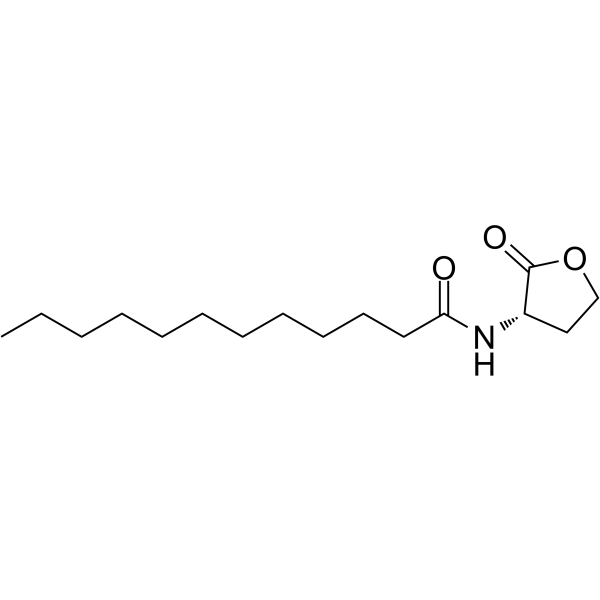
N-dodecanoyl-L-Homoserine lactone (C12-HSL) is a quorum sensing (QS) signaling molecule. N-dodecanoyl-L-Homoserine lactone (C12-HSL) aptamers blocks qurom sensing and inhibits biofilm formation in Pseudomonas aeruginosa .
|
-
- HY-177802
-
|
|
ERK
|
Cancer
|
|
C3 sodium is an aptamer that binds to Erk2. C3 binds to the MAP kinase insert domain, a unique site on Erk1/2. Due to this recognition profile C3 inhibits Erk2 activation by its upstream kinase MKK1.
|
-
- HY-177801
-
|
|
PD-1/PD-L1
|
Cancer
|
|
XQ-P3 sodium is an aptamer that binds to PD-L1. XQ-P3 can inhibit the PD-1/PD-L1 interaction and restore the function of T cells to detect and attack tumor cells.
|
-
- HY-177823
-
|
|
TNF Receptor
|
Cancer
|
|
C2NP sodium is a single-strand DNA aptamer that targets CD30. The multivalent C2NP is able to induce oligomerization of CD30 receptors and, in effect, activate downstream signaling, which led to apoptosis of anaplastic large cell lymphoma (ALCL) cells.
|
-
- HY-177817
-
|
|
RIG-I-like receptor (RLR)
|
Infection
|
|
CL9 sodium, a RIG-I-specific RNA aptamer, activates signaling pathways for IFNβ produciton and efficiently blocks viral replication. RIG-I is a cytosolic receptor for non-self RNA that mediates immune responses against viral infections through IFNα/β prod
|
-
- HY-D3388
-
|
|
Fluorescent Dye
Drug Derivative
|
Others
|
|
BI dihydrochloride is a DFHBI (HY-110250) derivative for imaging of RNA in cells. BI dihydrochloride increases brightness and photostability of Broccoli aptamers in cells. BI dihydrochloride enables imaging of single Broccoli-tagged mRNAs in living cells. BI dihydrochloride exhibits peak excitation of 470 nm and peak fluorescence emission of 505 nm when bound to Broccoli.
|
-
- HY-177815
-
|
|
Influenza Virus
|
Infection
|
|
R-1 sodium is a RNA aptamer that bind to Non-structural protein 1 (NS1) (Kd = 1.62 ± 0.30 nM). R-1 sodium inhibits the interaction of NS1 with tripartite motif-containing protein 25 (TRIM25), and suppression of NS1 enabled retinoic acid inducible gene I (
|
-
- HY-177816
-
|
|
Influenza Virus
|
Infection
|
|
R-2 sodium is a RNA aptamer that bind to Non-structural protein 1 (NS1) (Kd = 1.92 ± 0.27 nM). R-2 sodium inhibits the interaction of NS1 with tripartite motif-containing protein 25 (TRIM25), and suppression of NS1 enabled retinoic acid inducible gene I (
|
-
- HY-W1052492
-
|
|
Biochemical Assay Reagents
|
Others
|
|
DPPE-PEG2000-Mal is a conjugate composed of DPPE, PEG chains, and maleimide (Mal). The maleimide group in DPPE-PEG2000-Mal can undergo a specific Michael addition reaction with thiol-containing (-SH) biomolecules (such as peptides, antibodies, and aptamers), enabling targeted modification of liposomes/nanoparticles.
|
-
- HY-W1052227A
-
|
|
Biochemical Assay Reagents
|
Others
|
|
DMPE-PEG3400-Mal is a conjugate composed of DMPE, PEG chains, and maleimide (Mal). The maleimide group in DMPE-PEG3400-Mal can undergo a specific Michael addition reaction with thiol-containing (-SH) biomolecules (such as peptides, antibodies, and aptamers), enabling targeted modification of liposomes/nanoparticles.
|
-
- HY-W1052492B
-
|
|
Biochemical Assay Reagents
|
Others
|
|
DPPE-PEG5000-Mal is a conjugate composed of DPPE, PEG chains, and maleimide (Mal). The maleimide group in DPPE-PEG5000-Mal can undergo a specific Michael addition reaction with thiol-containing (-SH) biomolecules (such as peptides, antibodies, and aptamers), enabling targeted modification of liposomes/nanoparticles.
|
-
- HY-W1052227D
-
|
|
Biochemical Assay Reagents
|
Others
|
|
DMPE-PEG10000-Mal is a conjugate composed of DMPE, PEG chains, and maleimide (Mal). The maleimide group in DMPE-PEG10000-Mal can undergo a specific Michael addition reaction with thiol-containing (-SH) biomolecules (such as peptides, antibodies, and aptamers), enabling targeted modification of liposomes/nanoparticles.
|
-
- HY-W1052492A
-
|
|
Biochemical Assay Reagents
|
Others
|
|
DPPE-PEG3400-Mal is a conjugate composed of DPPE, PEG chains, and maleimide (Mal). The maleimide group in DPPE-PEG3400-Mal can undergo a specific Michael addition reaction with thiol-containing (-SH) biomolecules (such as peptides, antibodies, and aptamers), enabling targeted modification of liposomes/nanoparticles.
|
-
- HY-W1052227C
-
|
|
Biochemical Assay Reagents
|
Others
|
|
DMPE-PEG1000-Mal is a conjugate composed of DMPE, PEG chains, and maleimide (Mal). The maleimide group in DMPE-PEG1000-Mal can undergo a specific Michael addition reaction with thiol-containing (-SH) biomolecules (such as peptides, antibodies, and aptamers), enabling targeted modification of liposomes/nanoparticles.
|
-
- HY-W1052227B
-
|
|
Biochemical Assay Reagents
|
Others
|
|
DMPE-PEG5000-Mal is a conjugate composed of DMPE, PEG chains, and maleimide (Mal). The maleimide group in DMPE-PEG5000-Mal can undergo a specific Michael addition reaction with thiol-containing (-SH) biomolecules (such as peptides, antibodies, and aptamers), enabling targeted modification of liposomes/nanoparticles.
|
-
- HY-W1052492C
-
|
|
Biochemical Assay Reagents
|
Others
|
|
DPPE-PEG1000-Mal is a conjugate composed of DPPE, PEG chains, and maleimide (Mal). The maleimide group in DPPE-PEG1000-Mal can undergo a specific Michael addition reaction with thiol-containing (-SH) biomolecules (such as peptides, antibodies, and aptamers), enabling targeted modification of liposomes/nanoparticles.
|
-
- HY-W1052492D
-
|
|
Biochemical Assay Reagents
|
Others
|
|
DPPE-PEG10000-Mal is a conjugate composed of DPPE, PEG chains, and maleimide (Mal). The maleimide group in DPPE-PEG10000-Mal can undergo a specific Michael addition reaction with thiol-containing (-SH) biomolecules (such as peptides, antibodies, and aptamers), enabling targeted modification of liposomes/nanoparticles.
|
-
- HY-W1052227
-
|
|
Biochemical Assay Reagents
|
Others
|
|
DMPE-PEG2000-Mal is a conjugate composed of DMPE, PEG chains, and maleimide (Mal). The maleimide group in DMPE-PEG2000-Mal can undergo a specific Michael addition reaction with thiol-containing (-SH) biomolecules (such as peptides, antibodies, and aptamers), enabling targeted modification of liposomes/nanoparticles.
|
-
- HY-D2282
-
|
|
Fluorescent Dye
|
Others
|
|
DFHBI-BI is a mimic of the green fluorescence protein chromophore. DFHBI-BI can be bound and activated by Broccoli ( a fluorogenic RNA aptamer) with higher affinity. DFHBI-BI prevents thermal unfolding of Broccoli at 37°C in mammalian cells, subsequently forming more fluorescent Broccoli-BI complexes. The fluorescence wavelength is 559/635 nm .
|
-
- HY-153785
-
|
|
Complement System
|
Inflammation/Immunology
|
|
NH2-C6-ARC186 sodium is a modified ARC186 (HY-153098) with NH2-C6 that can be coupled to other peptides or molecules. ARC186 is a aptamer and a highly potent complement inhibitor that function by blocking the convertase-catalyzed activation of C5 .
|
-
- HY-160048
-
|
|
PDGFR
|
Cancer
|
|
PEG40K unconjugated/naked AX102 sodium is AX102 without PEG40K conjugation. AX102 is a DNA oligonucleotide aptamer for platelet-derived growth factor PDGF-B. AX102 is 34 bases in length, selectively binds platelet-derived growth factor B (PDGF-B), and causes tumor vessel regression .
|
-
- HY-114816
-
|
C4-HSL; N-Butyryl-L-homoserine lactone
|
ADC Linker
Bacterial
|
Infection
Inflammation/Immunology
|
|
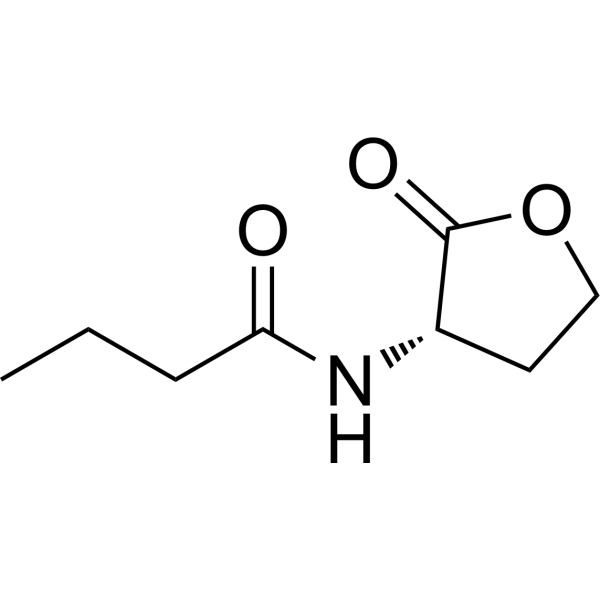
N-Butanoyl-L-homoserine lactone (C4-HSL) is a cleavable ADC linker used in the synthesis of antibody-drug conjugates (ADCs). N-Butanoyl-L-homoserine lactone has antibacterial activity and is used in antibacterial biofilm . N-Butanoyl-L-homoserine lactone aptamers blocks qurom sensing and inhibits biofilm formation in Pseudomonas aeruginosa .
|
-
- HY-D1408
-
|
DMTr-4'-Methyluridine-CED-TBDMS phosphoramidite
|
DNA Stain
Phosphoramidites
|
Cardiovascular Disease
|
|
DMTr-4'-Me-U-CED-TBDMS phosphoramidite (DMTr-4'-Methyluridine-CED-TBDMS phosphoramidite), a dye reagent for oligonucleotide labeling, can be used for the research of applications in RNA therapeutics, RNA aptamers, and ribozymes for elucidating RNA structure. DMTr-4'-Me-U-CED-TBDMS phosphoramidite represents a probe with wide utility for elucidation of RNA structure .
|
-
- HY-D1409
-
|
DMTr-4'-F-uridine-CED-TBDMS phosphoramidite
|
DNA Stain
Phosphoramidites
|
Cardiovascular Disease
|
|
DMTr-4'-F-U-CED-TBDMS phosphoramidite (DMTr-4'-F-uridine-CED-TBDMS phosphoramidite), a dye reagent for oligonucleotide labeling, can be used for the research of applications in RNA therapeutics, RNA aptamers, and ribozymes for elucidating RNA structure. DMTr-4'-F-U-CED-TBDMS phosphoramidite represents a probe with wide utility for elucidation of RNA structure .
|
-
- HY-118697R
-
|
C12-HSL (Standard)
|
Reference Standards
Bacterial
|
Infection
|
|
N-dodecanoyl-L-Homoserine lactone (Standard) (C12-HSL (Standard)) is the analytical standard of N-dodecanoyl-L-Homoserine lactone (HY-118697). This product is intended for research and analytical applications. N-dodecanoyl-L-Homoserine lactone (C12-HSL) is a quorum sensing (QS) signaling molecule. N-dodecanoyl-L-Homoserine lactone (C12-HSL) aptamers blocks qurom sensing and inhibits biofilm formation in Pseudomonas aeruginosa.
|
-
- HY-114816S
-
|
|
Isotope-Labeled Compounds
ADC Linker
Bacterial
|
Infection
Inflammation/Immunology
|
|
N-butyryl-L-Homoserine lactone-d5 is the deuterium labeled N-Butanoyl-L-homoserine lactone. N-Butanoyl-L-homoserine lactone (C4-HSL) is a cleavable ADC linker used in the synthesis of antibody-drug conjugates (ADCs). N-Butanoyl-L-homoserine lactone has antibacterial activity and is used in antibacterial biofilm . N-Butanoyl-L-homoserine lactone aptamers blocks qurom sensing and inhibits biofilm formation in Pseudomonas aeruginosa .
|
-
- HY-D1373
-
HBC
3 Publications Verification
HBC 530
|
Fluorescent Dye
|
Others
|
|
HBC (HBC 530) is a GFP fluorophore-like synthetic dye, with a structurally rigid electron acceptor and a strong electron donor. HBC has a low fluorescence background, and when combined with Pepper (RNA aptamer), HBC forms a tight complex and activates and emits bright fluorescence (Kd of ~3.5 nM). HBC emission peaks vary in different complexes and covers the spectrum from cyan to red. HBC can be used in the live cell imaging of RNA (Em/Ex = 530/485 nm) .
|
-
- HY-147080
-
|
ARC1905
|
Complement System
|
Others
|
|
Avacincaptad pegol (ARC1905) sodium is a 40KDa PEG-conjugated aptamer. Avacincaptad pegol sodium targets complement factor 5 (C5), inhibits the cleavage of C5 into C5a and C5b, limits inflammatory stimulation and complement membrane attack complex (MAC), and is used to study age-related macular degeneration (AMD). Avacincaptad pegol sodium limits irregular cell apoptosis by targeting downstream factors in the complement cascade while preserving the early steps of the complement system .
|
-
- HY-113764
-
|
(Rac)-C4-HSL
|
Bacterial
|
Infection
Inflammation/Immunology
|
|
N-Butanoyl-DL-homoserine lactone ((Rac)-C4-HSL) is a racemic mixture of N-Butanoyl-D-homoserine lactone and N-Butanoyl-L-homoserine lactone. N-Butanoyl-L-homoserine lactone is a cleavable ADC linker used in the synthesis of antibody-drug conjugates (ADCs). N-Butanoyl-L-homoserine lactone has antibacterial activity and is used in antibacterial biofilm. N-Butanoyl-L-homoserine lactone aptamers blocks qurom sensing and inhibits biofilm formation in Pseudomonas aeruginosa .
|
-
- HY-160596
-
|
5-Formyl-deoxycytidine lithium
|
DNA/RNA Synthesis
|
Others
|
|
5-Formyl-dCTP (5-Formyl-deoxycytidine) lithium is a DCTPP1 substrate. 5-Formyl-dCTP lithium acts as a mutagen/epigenetic disruptor via DNA polymerase incorporation, mutagenic mispairings, and disturbed epigenetic programming. 5-Formyl-dCTP lithium can be used for research on genotoxicity .
|
-
- HY-153999A
-
|
BT200 sodium
|
Integrin
Apoptosis
|
Cardiovascular Disease
Inflammation/Immunology
|
|
Rondaptivon pegol (BT200) sodium is an aptamer targeting von Willebrand factor (VWF), with an EC50 of 33 nM in humans. Rondaptivon pegol sodium effectively alleviates acute myocardial ischemia-reperfusion injury in mice by inhibiting VWF activity, reducing microvascular obstruction, inflammatory responses and cardiomyocyte apoptosis (apoptosis). Rondaptivon pegol sodium inhibits the binding of VWF to platelet glycoprotein GPIb, thereby preventing arterial thrombosis in cynomolgus monkeys. Rondaptivon pegol sodium can be used in research related to arterial thrombosis, stroke, myocardial infarction and myocardial ischemia-reperfusion injury .
|
-
- HY-114816R
-
|
C4-HSL (Standard); N-Butyryl-L-homoserine lactone (Standard)
|
Reference Standards
ADC Linker
Bacterial
|
Infection
Inflammation/Immunology
Cancer
|
|
N-Butanoyl-L-homoserine lactone (Standard) (C4-HSL (Standard)) is the analytical standard of N-Butanoyl-L-homoserine lactone (HY-114816). This product is intended for research and analytical applications. N-Butanoyl-L-homoserine lactone (C4-HSL) is a cleavable ADC linker used in the synthesis of antibody-drug conjugates (ADCs). N-Butanoyl-L-homoserine lactone has antibacterial activity and is used in antibacterial biofilm. N-Butanoyl-L-homoserine lactone aptamers blocks qurom sensing and inhibits biofilm formation in Pseudomonas aeruginosa.
|
-
- HY-113764R
-
|
(Rac)-C4-HSL (Standard)
|
Bacterial
Reference Standards
|
Infection
Inflammation/Immunology
|
|
N-Butanoyl-DL-homoserine lactone (Standard) is the analytical standard of N-Butanoyl-DL-homoserine lactone. This product is intended for research and analytical applications. N-Butanoyl-DL-homoserine lactone ((Rac)-C4-HSL) is a racemic mixture of N-Butanoyl-D-homoserine lactone and N-Butanoyl-L-homoserine lactone. N-Butanoyl-L-homoserine lactone is a cleavable ADC linker used in the synthesis of antibody-drug conjugates (ADCs). N-Butanoyl-L-homoserine lactone has antibacterial activity and is used in antibacterial biofilm. N-Butanoyl-L-homoserine lactone aptamers blocks qurom sensing and inhibits biofilm formation in Pseudomonas aeruginosa .
|
-
- HY-148457
-
|
Izervay
|
Complement System
|
Infection
Neurological Disease
Inflammation/Immunology
|
|
Avacincaptad pegol (Izervay) is a selective inhibitor targeting complement component C5, and is a pegylated ribonucleic acid aptamer. Avacincaptad pegol inhibits the cleavage of C5 into pro-inflammatory C5a and C5b, which forms the membrane attack complex (C5b-9), thereby reducing inflammatory cell recruitment and retinal cell damage. Avacincaptad pegol can slow the growth of geographic atrophy (GA) lesions and reduce the risk of persistent vision loss. Avacincaptad pegol can be used in research of geographic atrophy associated with age-related macular degeneration (AMD) and has been approved by the FDA .
|
-
- HY-147081
-
AS 1411
2 Publications Verification
AGRO-100
|
Histone Methyltransferase
Bcl-2 Family
|
Cancer
|
|
AS 1411 (AGRO-100) is an oligonucleotide aptamer targeting nucleoproteins. AS 1411 inhibits tumor cell proliferation by affecting the activity of nucleoprotein-containing complexes and can be used as a carrier to precisely deliver nanoparticles, oligonucleotides and small molecules to cancer cells. AS 1411 reduces PRMT5 expression to inhibit tumor growth in DU145 prostate cancer cells. AS 1411 works by blocking the binding of nucleoproteins to bcl-2 mRNA in MCF-7 breast cancer cells. AS 1411-coupled Jin nanospheres can inhibit breast cancer cell proliferation in vitro and in mouse models, has the ability to cross the blood-brain barrier with low tissue toxicity .
|
-
- HY-147081A
-
|
AGRO-100 sodium
|
Histone Methyltransferase
Bcl-2 Family
|
Cancer
|
|
AS 1411 (AGRO-100) sodium is an oligonucleotide aptamer targeting nucleoproteins. AS 1411 sodium inhibits tumor cell proliferation by affecting the activity of nucleoprotein-containing complexes and can be used as a carrier to precisely deliver nanoparticles, oligonucleotides and small molecules to cancer cells. AS 1411 sodium reduces PRMT5 expression to inhibit tumor growth in DU145 prostate cancer cells. S 1411 sodium works by blocking the binding of nucleoproteins to bcl-2 mRNA in MCF-7 breast cancer cells. S 1411 sodium-coupled Jin nanospheres can inhibit breast cancer cell proliferation in vitro and in mouse models, has the ability to cross the blood-brain barrier with low tissue toxicity
|
-
| Cat. No. |
Product Name |
Type |
-
- HY-110251
-
DFHBI-1T
Maximum Cited Publications
17 Publications Verification
|
Fluorescent Dye
|
|
DFHBI-1T is a membrane-permeable RNA aptamers-activated fluorescence probe (ex/em=472 nm/507 nm). DFHBI-1T binds to RNA aptamers (Spinach, Spinach2, iSpinach, and Broccoli) and causes specific fluorescence and lower background fluorescence. DFHBI-1T is used to image RNA in live cells .
|
-
- HY-D1373
-
HBC
3 Publications Verification
HBC 530
|
Fluorescent Dye
|
|
HBC (HBC 530) is a GFP fluorophore-like synthetic dye, with a structurally rigid electron acceptor and a strong electron donor. HBC has a low fluorescence background, and when combined with Pepper (RNA aptamer), HBC forms a tight complex and activates and emits bright fluorescence (Kd of ~3.5 nM). HBC emission peaks vary in different complexes and covers the spectrum from cyan to red. HBC can be used in the live cell imaging of RNA (Em/Ex = 530/485 nm) .
|
-
- HY-136277
-
DFHO
1 Publications Verification
|
Fluorescent Dye
|
|
DFHO is a fluorogenic ligand of Corn fluorogenic aptamer. The RNA aptamer, Corn binds DFHO with a Kd value of 70 nM and converts it to a fluorescent form, enabling RNA imaging in cells .
|
-
- HY-D2348A
-
|
|
Fluorescent Dye
|
|
ACE TFA is a low-background, photostable fluorophore with nanomolar binding affinity for the Okra RNA aptamer. ACE TFA enables clear visualization of mRNA in live bacteria and mammalian cells, including tracking the trafficking of mRNA to stress granules and dual-color super-resolution imaging of RNA in live cells. (Ex=488 nm, Em=555 nm) .
|
-
- HY-W073524
-
|
|
Fluorescent Dye
|
|
DFAME is a red fluorophore (Ex = 508 nm, Em = 641 nm). DFAME binds to Beetroot and Corn (dimeric fluorescent RNA aptamers) to form Beetroot-DFAME (Kd = 460 nM) and Corn-DFAME (Kd = 3600 nM). Beetroot-DFAME and Corn-DFAME can be used to form RNA assemblies in living cells. Creating RNA assemblies can be used for the study of RNA Nanostructures. DNA/RNA Nanostructures would be useful in cell and gene therapy (CGT) research .
|
-
- HY-D2348
-
|
|
Fluorescent Dye
|
|
ACE is a low-background, photostable fluorophore with nanomolar binding affinity for the Okra RNA aptamer. ACE enables clear visualization of mRNA in live bacteria and mammalian cells, including tracking the trafficking of mRNA to stress granules and dual-color super-resolution imaging of RNA in live cells. (Ex=488 nm, Em=555 nm) .
|
-
- HY-DY1047
-
|
|
Fluorescent Dye
|
DFHBI-1T (solution) is a membrane-permeable RNA aptamers-activated fluorescence probe (ex/em=472 nm/507 nm). DFHBI-1T binds to RNA aptamers (Spinach, Spinach2, iSpinach, and Broccoli) and causes specific fluorescence and lower background fluorescence. DFHBI-1T is used to image RNA in live cells . Solvent and concentration: DMSO: 20 mM
|
-
- HY-110251A
-
|
|
Fluorescent Dye
|
|
DFHBI-2T is a membrane-permeable RNA aptamers-activated fluorescence probe (ex/em=500 nm/523 nm). DFHBI-2T is used to image RNA in live cells .
|
-
- HY-D2417
-
|
|
Fluorescent Dye
|
|
SiRA 2 is a fluorescent inducer with a Kd value of 430 nM for binding to the SiRA RNA aptamer. When used in combination with the SiRA aptamer, SiRA 2 enables live-cell RNA imaging of aptamer-labeled mRNA as well as stimulated emission depletion super-resolution microscopy imaging. SiRA 2 has high photostability and forms a bright far-red light-up aptamer system upon binding to SiRA .
|
-
- HY-D2170
-
|
|
Fluorescent Dye
|
|
AF488 streptavidin is a fluorescently labeled streptavidin. AF488 streptavidin is a streptavidin conjugated to Alexa Fluor 488, with 4 fluorophores per protein molecule, enabling stoichiometric fluorescent labeling of cell surface targets. AF488 streptavidin can form a complex with biotinylated E07 aptamer to stain cells expressing EGFR, and the staining is reversible after treatment with mA9 detoxifying oligonucleotides (Ex/Em = 470/520 nm) .
|
-
- HY-D1409
-
|
DMTr-4'-F-uridine-CED-TBDMS phosphoramidite
|
Fluorescent Dye
|
|
DMTr-4'-F-U-CED-TBDMS phosphoramidite (DMTr-4'-F-uridine-CED-TBDMS phosphoramidite), a dye reagent for oligonucleotide labeling, can be used for the research of applications in RNA therapeutics, RNA aptamers, and ribozymes for elucidating RNA structure. DMTr-4'-F-U-CED-TBDMS phosphoramidite represents a probe with wide utility for elucidation of RNA structure .
|
-
- HY-160065F
-
|
|
Fluorescent Dye
|
|
FAM-sgc8c aptamer sodium is a 5-FAM labeled sgc8c aptamer sodium (HY-160065). sgc8c aptamer sodium is an aptamer that specifically targets the human protein tyrosine kinase PTK-7, which is mainly expressed on cervical cancer HeLa cells. Binding of FAM-sgc8c aptamer sodium to PTK-7 induces the assembly of nanotags on the cell surface, resulting in strong fluorescence and SERS signals .
|
-
- HY-D1408
-
|
DMTr-4'-Methyluridine-CED-TBDMS phosphoramidite
|
Fluorescent Dye
|
|
DMTr-4'-Me-U-CED-TBDMS phosphoramidite (DMTr-4'-Methyluridine-CED-TBDMS phosphoramidite), a dye reagent for oligonucleotide labeling, can be used for the research of applications in RNA therapeutics, RNA aptamers, and ribozymes for elucidating RNA structure. DMTr-4'-Me-U-CED-TBDMS phosphoramidite represents a probe with wide utility for elucidation of RNA structure .
|
-
- HY-D3387
-
|
|
Fluorescent Dye
|
|
TBI is a fluorescence enhancer with a Kd of 71 nM for the Broccoli fluorogenic RNA aptamer. TBI binds to the Broccoli fluorogenic RNA aptamer to activate its fluorescence.TBI undergoes photobleaching of its trans form, which dissociates rapidly, while cis-TBI from the media replaces the dissociated fluorophore to enable fluorophore recycling.TBI enables enhanced fluorescence of Broccoli during continuous cellular imaging (Ex/Em = 485/527 nm) .
|
-
- HY-D3416
-
|
TAMRA-2,4-dinitroaniline
|
Fluorescent Dye
|
|
TMR-DN (TAMRA-2,4-dinitroaniline) is a bright orange fluorescent probe that binds to the SRB-2 aptamer, with a Kd value of 35 nM for the SRB-2 aptamer. TMR-DN exhibits low background fluorescence, enabling wash-free live-cell RNA imaging .
|
-
- HY-D3388
-
|
|
Fluorescent Dye
|
|
BI dihydrochloride is a DFHBI (HY-110250) derivative for imaging of RNA in cells. BI dihydrochloride increases brightness and photostability of Broccoli aptamers in cells. BI dihydrochloride enables imaging of single Broccoli-tagged mRNAs in living cells. BI dihydrochloride exhibits peak excitation of 470 nm and peak fluorescence emission of 505 nm when bound to Broccoli.
|
-
- HY-D2282
-
|
|
Fluorescent Dye
|
|
DFHBI-BI is a mimic of the green fluorescence protein chromophore. DFHBI-BI can be bound and activated by Broccoli ( a fluorogenic RNA aptamer) with higher affinity. DFHBI-BI prevents thermal unfolding of Broccoli at 37°C in mammalian cells, subsequently forming more fluorescent Broccoli-BI complexes. The fluorescence wavelength is 559/635 nm .
|
| Cat. No. |
Product Name |
Type |
-
- HY-W1052492
-
|
|
Biochemical Assay Reagents
|
|
DPPE-PEG2000-Mal is a conjugate composed of DPPE, PEG chains, and maleimide (Mal). The maleimide group in DPPE-PEG2000-Mal can undergo a specific Michael addition reaction with thiol-containing (-SH) biomolecules (such as peptides, antibodies, and aptamers), enabling targeted modification of liposomes/nanoparticles.
|
-
- HY-W1052227A
-
|
|
Biochemical Assay Reagents
|
|
DMPE-PEG3400-Mal is a conjugate composed of DMPE, PEG chains, and maleimide (Mal). The maleimide group in DMPE-PEG3400-Mal can undergo a specific Michael addition reaction with thiol-containing (-SH) biomolecules (such as peptides, antibodies, and aptamers), enabling targeted modification of liposomes/nanoparticles.
|
-
- HY-W1052492B
-
|
|
Biochemical Assay Reagents
|
|
DPPE-PEG5000-Mal is a conjugate composed of DPPE, PEG chains, and maleimide (Mal). The maleimide group in DPPE-PEG5000-Mal can undergo a specific Michael addition reaction with thiol-containing (-SH) biomolecules (such as peptides, antibodies, and aptamers), enabling targeted modification of liposomes/nanoparticles.
|
-
- HY-W1052227D
-
|
|
Biochemical Assay Reagents
|
|
DMPE-PEG10000-Mal is a conjugate composed of DMPE, PEG chains, and maleimide (Mal). The maleimide group in DMPE-PEG10000-Mal can undergo a specific Michael addition reaction with thiol-containing (-SH) biomolecules (such as peptides, antibodies, and aptamers), enabling targeted modification of liposomes/nanoparticles.
|
-
- HY-W1052492A
-
|
|
Biochemical Assay Reagents
|
|
DPPE-PEG3400-Mal is a conjugate composed of DPPE, PEG chains, and maleimide (Mal). The maleimide group in DPPE-PEG3400-Mal can undergo a specific Michael addition reaction with thiol-containing (-SH) biomolecules (such as peptides, antibodies, and aptamers), enabling targeted modification of liposomes/nanoparticles.
|
-
- HY-W1052227C
-
|
|
Biochemical Assay Reagents
|
|
DMPE-PEG1000-Mal is a conjugate composed of DMPE, PEG chains, and maleimide (Mal). The maleimide group in DMPE-PEG1000-Mal can undergo a specific Michael addition reaction with thiol-containing (-SH) biomolecules (such as peptides, antibodies, and aptamers), enabling targeted modification of liposomes/nanoparticles.
|
-
- HY-W1052227B
-
|
|
Biochemical Assay Reagents
|
|
DMPE-PEG5000-Mal is a conjugate composed of DMPE, PEG chains, and maleimide (Mal). The maleimide group in DMPE-PEG5000-Mal can undergo a specific Michael addition reaction with thiol-containing (-SH) biomolecules (such as peptides, antibodies, and aptamers), enabling targeted modification of liposomes/nanoparticles.
|
-
- HY-W1052492C
-
|
|
Biochemical Assay Reagents
|
|
DPPE-PEG1000-Mal is a conjugate composed of DPPE, PEG chains, and maleimide (Mal). The maleimide group in DPPE-PEG1000-Mal can undergo a specific Michael addition reaction with thiol-containing (-SH) biomolecules (such as peptides, antibodies, and aptamers), enabling targeted modification of liposomes/nanoparticles.
|
-
- HY-W1052492D
-
|
|
Biochemical Assay Reagents
|
|
DPPE-PEG10000-Mal is a conjugate composed of DPPE, PEG chains, and maleimide (Mal). The maleimide group in DPPE-PEG10000-Mal can undergo a specific Michael addition reaction with thiol-containing (-SH) biomolecules (such as peptides, antibodies, and aptamers), enabling targeted modification of liposomes/nanoparticles.
|
-
- HY-W1052227
-
|
|
Biochemical Assay Reagents
|
|
DMPE-PEG2000-Mal is a conjugate composed of DMPE, PEG chains, and maleimide (Mal). The maleimide group in DMPE-PEG2000-Mal can undergo a specific Michael addition reaction with thiol-containing (-SH) biomolecules (such as peptides, antibodies, and aptamers), enabling targeted modification of liposomes/nanoparticles.
|
| Cat. No. |
Product Name |
Target |
Research Area |
-
- HY-119782
-
|
|
Fluorescent Dye
|
Others
|
|
L-Argininamide is a hydrophilic amino acid derivative and can be used as a compound for ligand binding DNA aptamers. L-Argininamide has the potential for fluorescent aptasensors development .
|
| Cat. No. |
Product Name |
Chemical Structure |
-
- HY-114816S
-
|
|
|
N-butyryl-L-Homoserine lactone-d5 is the deuterium labeled N-Butanoyl-L-homoserine lactone. N-Butanoyl-L-homoserine lactone (C4-HSL) is a cleavable ADC linker used in the synthesis of antibody-drug conjugates (ADCs). N-Butanoyl-L-homoserine lactone has antibacterial activity and is used in antibacterial biofilm . N-Butanoyl-L-homoserine lactone aptamers blocks qurom sensing and inhibits biofilm formation in Pseudomonas aeruginosa .
|
-
| Cat. No. |
Product Name |
|
Classification |
-
- HY-148826
-
|
ARC 183; BC 007
|
|
Aptamers
|
|
Rovunaptabin (ARC 183) is an aptamer, a single-stranded DNA molecule composed of 15 deoxynucleotides. It acts as a broad-spectrum neutralizer of pathogenic G-protein-coupled receptor autoantibodies. Rovunaptabin can be used in research related to cardiomyopathy and pulmonary hypertension .
|
-
- HY-160041A
-
|
NOX-A12 sodium
|
|
Antisense Oligonucleotides
|
|
Olaptesed pegol (NOX-A12) sodium is a L-oligoribonucleotide aptamer targeting CXCL12 based on a pegylated structure. Olaptesed pegol sodium neutralizes CXCL12, and CXCL12 inhibition mobilizes chronic lymphocytic leukemia cells into the circulation and prevents their homing into the protective microenvironment. Olaptesed pegol sodium can enhances the infiltration of human primary T cells and NK cells and inhibit tumor growth companied with anti-PD-1 antibody. Olaptesed pegol sodium can be used for researches of colon cancer and lymphocytic leukemia .
|
-
- HY-160041
-
|
NOX-A12
|
|
Antisense Oligonucleotides
|
|
Olaptesed pegol (NOX-A12) is a L-oligoribonucleotide aptamer targeting CXCL12 based on a pegylated structure. Olaptesed pegol neutralizes CXCL12, and CXCL12 inhibition mobilizes chronic lymphocytic leukemia cells into the circulation and prevents their homing into the protective microenvironment. Olaptesed pegol can enhances the infiltration of human primary T cells and NK cells and inhibit tumor growth companied with anti-PD-1 antibody. Olaptesed pegol can be used for researches of colon cancer and lymphocytic leukemia .
|
-
- HY-153845
-
|
|
|
Aptamers
|
|
RNA Aptamer Broccoli sodium is a 49-nucleotide nucleic acid aptamer that is much shorter than Spinach and Spinach2. It exhibits bright green fluorescence when binding to DFHBI or DFHBI-1T (a soluble analog of the green fluorescent protein label). RNA Aptamer Broccoli sodium can be used for RNA expression or localization in living cells .
|
-
- HY-148100
-
|
NOX-E36
|
|
Aptamers
|
|
Emapticap pegol (NOX-E36) is a inhibitor of pro-inflammatory chemokine C-C motif-ligand 2 (CCL2). Emapticap pegol is a 40-nucleotide oligonucleotide aptamer, displays different Spiegelmers (L-RNA aptamer) isform in human (NOX-E36) and mouse (mNOX-E36). mNOX-E36 is a murine-specific analogue of NOX-E36, an anti-MCP-1 L-RNA aptamer that was previously shown to attenuate liver fibrosis in mice .
|
-
- HY-160066
-
|
|
|
Aptamers
|
|
SYL3C aptamer sodium is a DNA aptamer that targets epithelial cell adhesion molecule (EpCAM) on the surface of cancer cells. SYL3C aptamer sodium targets a variety of human cancer cell lines including MDA-MB-231, Kato III, HT-29, T47D and SW480. The Kd values of SYL3C aptamer sodium against breast cancer cell line MDA-MB-231 and gastric cancer cell line Kato III are 38 nM and 67 nM, respectively. SYL3C aptamer sodium possesses stability, high binding affinity and selectivity, and can be used for targeted cancer cell imaging and circulating tumor cell detection .
|
-
- HY-109561
-
|
EYE001; NX1838
|
|
Aptamers
|
|
Pegaptanib sodium is an RNA aptamer with polyethylene glycol modifications, which is directed against vascular endothelial growth factor (VEGF)-165. Pegaptanib could be used for the study of neovascular age-related macular degeneration (AMD) .
|
-
- HY-160042
-
|
|
|
Aptamers
|
|
AFP aptamer sodium is an aptamer that specifically targets the liver cancer biomarker alpha-fetoprotein (AFP). AFP aptamer sodium can be used as a recognition molecule for AFP, with a linear detection range of 12.5-800 ng/mL .
|
-
- HY-153843
-
|
|
|
Aptamers
|
|
RNA Aptamer Corn (sodium) is a 28-nt-long aptamer that is substantially shorter than Spinach and Spinach2 and exhibits bright red fluorescence upon binding DFHO (a soluble analog of the intrinsic fluorophore of red fluorescent protein), RNA Aptamer Corn (sodium) can be used to visualize RNA expression or localization in live cells which have been soaked with chromophores. The Corn-DFHO does not become appreciably cytotoxic when illuminated. And most importantly, Corn-DFHO exhibits markedly increased photostability compared to other aptamer-chromophore complexes both in vitro and in vivo. (36 nt Corn construct: 5'-GGCGCGAGGAAGGAGGUCUGAGGAGGUCACUGCGCC-3'; A 36-nt RNA construct, comprised of the 28-nt minimal Corn sequence extended proximally with a 4 base-pair stem.)
|
-
- HY-160062
-
|
|
|
Aptamers
|
|
S2.2 aptamer sodium is a nucleic acid-based MUC1-binding aptamer with high affinity and low toxicity. Upon binding to its target, S2.2 aptamer sodium undergoes a conformational switch and restores fluorescence signal, serving as a targeted imaging agent for MUC1-positive cancer cells. S2.2 aptamer sodium enables targeted delivery to breast cancer cells with overexpressed MUC1. When formulated as the S2.2-PEG-MZF molecular probe, S2.2 aptamer sodium possesses the functions of T2 signal inhibition, magnetic field-induced hyperthermia and targeted magnetic resonance molecular imaging. In the S2.2-PEG-MZF/DOX nanoliposome, S2.2 aptamer sodium supports targeted thermochemotherapy, effectively inhibiting cancer cell proliferation and invasion as well as inducing apoptosis, and is widely used in studies related to breast cancer .
|
-
- HY-160053
-
|
|
|
Aptamers
|
|
Gint4.T aptamer sodium is a nuclease-resistant RNA aptamer-based antagonist targeting platelet-derived growth factor receptor beta (PDGFRβ) (Kd: 9.6 nM). Gint4.T aptamer sodium inhibits PDGFRβ heterodimerization and EGFR transactivation. It can significantly inhibit cell migration and proliferation, induce differentiation and prevent tumor growth in vivo. Gint4.T aptamer sodium specifically inhibits PDGFRβ-mediated tropism of mesenchymal stem cells (MSCs) toward the tumor microenvironment .
|
-
- HY-177810
-
|
|
|
Aptamers
|
|
IGFIIR aptamer sodium is an IGFIIR-specific aptamer that can be potentially used as a targeting ligand for the treatment and diagnosis of liver fibrosis.
|
-
- HY-148100A
-
|
NOX-E36 sodium
|
|
Aptamers
|
|
Emapticap pegol sodium is a inhibitor of pro-inflammatory chemokine C-C motif-ligand 2 (CCL2). Emapticap pegol sodium is a 40-nucleotide oligonucleotide aptamer, displays different Spiegelmers (L-RNA aptamer) isform in human (NOX-E36) and mouse (mNOX-E36) .
|
-
- HY-153480A
-
|
BAX499 sodium
|
|
Aptamers
|
|
ARC19499 sodium is an aptamer that inhibits tissue factor pathway inhibitor (TFPI) , thereby enabling clot initiation and propagation via the extrinsic pathway. The core aptamer binds tightly and specifically to TFPI. ARC19499 sodium blocks TFPI inhibition of both factor Xa and the TF/factor VIIa complex. ARC19499 sodium corrects thrombin generation in hemophilia A and B plasma and restores clotting in FVIII-neutralized whole blood.
|
-
- HY-153999
-
|
BT200
|
|
Aptamers
|
|
Rondaptivon pegol (BT200), a pegylated form of the aptamer BT100, inhibits binding of von Willebrand factor (VWF) to platelet glycoprotein GPIb, preventing arterial thrombosis .
|
-
- HY-160050
-
|
|
|
Aptamers
|
|
CD63-1 aptamer sodium is a high-affinity and specific DNA aptamer targeting the CD63 protein (Kd: 38.71 nM). CD63-1 aptamer sodium efficiently binds to CD63-positive cells, including breast cancer MDA-MB-231 cells and CD63-overexpressing HEK293T cells, with moderate binding affinity (Kd~100 nM) as assessed by flow cytometry .
|
-
- HY-160052
-
|
|
|
Aptamers
|
|
IL-6 aptamer sodium is an aptamer that specifically binds to IL-6, and can serve as a biological recognition receptor for high-sensitivity detection. IL-6 aptamer sodium enables label-free specific detection through changes in electrical signals of carbon nanotube microarrays or alterations in capacitive impedance on the surface of gold sensors. IL-6 aptamer sodium still maintains high selectivity even below the gray zone threshold for cancer diagnosis, and shows no significant non-specific binding to bovine serum albumin. IL-6 aptamer sodium can form an ordered self-assembled monolayer with 6-mercapto-1-hexanol on gold surfaces, making it suitable for reagent-free capacitive impedance biosensing platforms. IL-6 aptamer sodium is widely used in research related to fields such as cancer, inflammatory diseases, myeloma, liver cancer and glioma .
|
-
- HY-153847
-
|
|
|
Aptamers
|
|
RNA Aptamer Mango Ⅱ (sodium) has an exceptionally high affinity to TO1-biotin (a thiazole orange derivative fluorophore), and can be used to visualize RNA expression or localization in live cells. Compared to the original Mango I aptamer, RNA Aptamer Mango Ⅱ (sodium) has markedly improved fluorescent properties, binding affinities, and salt dependencies.
|
-
- HY-177808
-
|
A9g aptamer sodium
|
|
Aptamers
|
|
A9g sodium is an RNA aptamer that inhibits the enzymatic activity of prostate-specific membrane antigen (PSMA).
|
-
- HY-160047
-
|
|
|
Aptamers
|
|
AX102 sodium is a 34 bp length nucleotide aptamer modified at the 5' end with a 40 kDa polyethylene glycol moiety. AX102 selectively binds platelet-derived growth factor B (PDGF-B) and causes tumor vessel regression .
|
-
- HY-177805
-
|
|
|
Aptamers
|
|
Tetracycline aptamer sodium is a 57mer-RNA aptamer that targets tetracycline.
|
-
- HY-177406
-
|
|
|
Aptamers
|
|
VR11 aptamer is a DNA-based TNF-α inhibitor with a KD of 7.0 nM. VR11 aptamer prevents TNFα-induced apoptosis and NO production. VR11 aptamer has non-immunogenicity and does not raise immune responses when injected intraperitoneally into C57BL/6 mice model. VR11 aptamer can be used for inflammatory diseases research .
|
-
- HY-156501
-
|
|
|
Aptamers
|
|
BT101 (sodium), a complementary aptamer, has been developed to specifically inhibit BT100 function. BT100, a aptamer, inhibits binding of von Willebrand factor (VWF) to platelet glycoprotein GPIb, preventing arterial thrombosis .
|
-
- HY-153835
-
|
|
|
Aptamers
|
|
Pegnivacogin is a novel RNA-aptamer based factor IXa inhibitor featuring a reversal agent, anivamersen.
|
-
- HY-160045
-
|
|
|
Aptamers
|
|
AP1153 aptamer sodium is a DNA aptamer that specifically binds to the cholecystokinin receptor CCKBR (Kd: ~15 pM), but does not activate CCKBR-related signaling pathways. AP1153 aptamer sodium is internalized by pancreatic ductal adenocarcinoma (PDAC) cells in a receptor-mediated manner. AP1153 aptamer sodium can bioconjugate to the surface of fluorescent nanoparticles to facilitate nanoparticle delivery to PDAC tumors in vivo .
|
-
- HY-153480
-
|
BAX499
|
|
Aptamers
|
|
ARC19499 is an aptamer that inhibits tissue factor pathway inhibitor (TFPI) , thereby enabling clot initiation and propagation via the extrinsic pathway. The core aptamer binds tightly and specifically to TFPI. ARC19499 blocks TFPI inhibition of both factor Xa and the TF/factor VIIa complex. ARC19499 corrects thrombin generation in hemophilia A and B plasma and restores clotting in FVIII-neutralized whole blood.
|
-
- HY-147079A
-
|
ARC 1779 sodium
|
|
Aptamers
|
|
Egaptivon pegol sodium is an aptamer, which blocks binding of the von Willebrand Factor (VWF) to platelet GPIb receptors. Egaptivon pegol sodium has anti-thrombotic efficacy.
|
-
- HY-147079
-
|
ARC 1779
|
|
Aptamers
|
|
Egaptivon pegol (ARC1779) is an aptamer, which blocks binding of the von Willebrand Factor (VWF) to platelet GPIb receptors. Egaptivon pegol has anti-thrombotic efficacy.
|
-
- HY-177800
-
|
|
|
Aptamers
|
|
ARC5690 sodium is an anti-mouse P-selectin aptamer. ARC5690 bound to recombinant mouse P-selectin with a KD of approximately 15pM in vitro. ARC5690 showed a significant anti-inflammatory effect
|
-
- HY-177807
-
|
|
|
Aptamers
|
|
DNMT1 aptamer sodium is a DNA aptamer for binding and inhibition of DNA methyltransferase 1 (DNMT1).
|
-
- HY-160060
-
|
|
|
Aptamers
|
|
MA3 aptamer sodium is an 86-base long DNA aptamer targeting the mucin MUC1. MA3 aptamer sodium binds to the peptide epitope of mucin 1 (MUC1) with a Kd of 38.3 nM and has minimal cross-reactivity with albumin .
|
-
- HY-160068
-
|
|
|
Aptamers
|
|
2-2(t) aptamer sodium is a 42-nucleotide trimeric complex of aptamer (2-2) targeting ErbB-2. 2-2(t) aptamer sodium inhibits the growth of gastric cancer cells in vitro and in vivo .
|
-
- HY-160065
-
|
|
|
Aptamers
|
|
sgc8c aptamer sodium is an aptamer that specifically targets the human protein tyrosine kinase PTK-7, which is mainly expressed on cervical cancer HeLa cells. sgc8c aptamer sodium can precisely bring the nanotags connected to it to the surface of cells expressing PTK-7, thus achieving specific recognition and labeling of target cells .
|
-
- HY-153846
-
|
|
|
Aptamers
|
|
RNA Aptamer Mango Ⅰ (sodium) consists of 39 nucleotides and has an exceptionally high affinity to TO1-biotin (a thiazole orange derivative fluorophore). RNA Aptamer Mango Ⅰ (sodium) can be used to visualize RNA expression or localization in live cells.
|
-
- HY-160044
-
|
|
|
Aptamers
|
|
Apt-M13 aptamer sodium is a mutant 33 nt aptamer based on the original aptamer for dexamethasone (HY-14648). Apt-M13 aptamer sodium can be combined with other nanomaterials for rapid detection of dexamethasone (HY-14648) .
|
-
- HY-160059
-
|
|
|
Aptamers
|
|
JHIT2e aptamer sodium is a molecular probe based on the aptamer JHIT2 of human liver cancer cell line HepG2 cells. JHIT2e aptamer sodiu retains the ability to specifically bind HepG2 and can deliver fluorescent materials or radionuclides to tumors .
|
-
- HY-160067
-
|
|
|
Aptamers
|
|
T18.3 aptamer sodium is an anticoagulant RNA aptamer targeting FV/Va and eliminates the interaction of FV/FVa with phospholipid membranes. T18.3 aptamer sodium exhibits clinically relevant anticoagulant activity in plasma and whole blood and acts synergistically with low molecular weight heparin. The anticoagulant activity of T18.3 aptamer sodium is effectively and rapidly reversed by protamine sulfate .
|
-
- HY-160051
-
|
|
|
Aptamers
|
|
CD63-2 aptamer sodium is a high-affinity and specific DNA aptamer targeting the CD63 protein (Kd: 78.43 nM). CD63-1 aptamer sodium efficiently binds to CD63-positive cells, including breast cancer MDA-MB-231 cells and CD63-overexpressing HEK293T cells, with moderate binding affinity (Kd~100 nM) as assessed by flow cytometry .
|
-
- HY-153098
-
|
|
|
Aptamers
|
|
ARC186 (sodium) is an unconjugated 40KDa PEG aptamer with a sequence identical to HY-147080 Avacincaptad pegol (ARC1905) sodium. ARC1905 is highly potent complement inhibitors that function by blocking the convertase-catalyzed activation of C5.
|
-
- HY-177802
-
|
|
|
Aptamers
|
|
C3 sodium is an aptamer that binds to Erk2. C3 binds to the MAP kinase insert domain, a unique site on Erk1/2. Due to this recognition profile C3 inhibits Erk2 activation by its upstream kinase MKK1.
|
-
- HY-177804
-
|
|
|
Aptamers
|
|
Thrombin aptamer is a 11mer-DNA aptamer that targets thrombin. Thrombin aptamer inhibites thrombin-catalysed fibrin-clot formation in vitro
|
-
- HY-160043
-
|
|
|
Aptamers
|
|
AL6 aptamer sodium is a short-chain nucleic acid aptamer chemically synthesized in vitro. AL6 aptamer sodium specifically targets Angiopoietin (Ang) for the specific detection of Ang. The AL6 aptamer binds to Ang, causing the rotational motion of the fluorophore on the AL6 aptamer to become slower. The concentration of Ang in the test solution can be quantified by detecting the anisotropy of AL6 aptamer/Ang .
|
-
- HY-177811
-
|
|
|
Aptamers
|
|
HE4 aptamer sodium is a DNA aptamer with affinity for the ovarian cancer biomarker HE4.
|
-
- HY-160064
-
|
|
|
Aptamers
|
|
SW1-A aptamer sodium is an optimized aptamer based on SW1 aptamer (HY-160063) that specifically targets liver cancer SMMC-7721 cells (Kd: 133.73 nM). SW1-A aptamer maintains strong affinity to liver cancer tissues and cells .
|
-
- HY-160049
-
|
|
|
Aptamers
|
|
BC15 aptamer sodium is an ssDNA aptamer targeting the intracellular protein hnRNP A1, which is highly expressed in cancerous liver tissue. BC15 aptamer sodium specifically recognizes breast cancer cells and can be used to detect cancer cells in other pathological types of breast cancer tissue .
|
-
- HY-160063
-
|
|
|
Aptamers
|
|
SW1 aptamer sodium is a high-affinity DNA aptamer (Kd: 123.62 nM) that targets liver cancer SMMC-7721 cells and targets intracellular components within the nucleus. SW1 aptamer sodium can also identify various other types of cancer cells and tissues, serving as an effective molecular probe for clinical cancer diagnosis .
|
-
- HY-177822
-
|
|
|
Aptamers
|
|
CD4 aptamer sodium is a single-strand DNA aptamer that targets CD4. It significantly blocks the interaction between viral gp120 and CD4-expressing cells
|
-
- HY-160057
-
|
|
|
Aptamers
|
|
GMT 8 aptamer sodium is a nucleic acid aptamer targeting different glioblastoma cell lines and exhibits high affinity. GMT 4 aptamer sodium also shows high binding affinity to the T lymphocyte cell line CCRF-CEM .
|
-
- HY-160054
-
|
|
|
Aptamers
|
|
GMT 3 aptamer sodium is a nucleic acid aptamer targeting different glioblastoma cell lines and exhibits high affinity .
|
-
- HY-160056
-
|
|
|
Aptamers
|
|
GMT 5 aptamer sodium is a nucleic acid aptamer targeting different glioblastoma cell lines and exhibits high affinity .
|
- HY-177803
-
|
|
|
Aptamers
|
|
Protein C aptamer sodium is a 44mer-DNA aptamer that the anticoagulant functions of activated protein C. Activated protein C (APC) is a serine protease with anticoagulant, anti-inflammatory, and cytoprotective properties.
|
- HY-177637
-
|
|
|
Aptamers
|
|
H5N1 aptamer sodium is a DNA aptamer targeted to H5N1 Avian Influenza Virus.
|
- HY-153848
-
|
|
|
Aptamers
|
|
RNA Aptamer Mango Ⅳ (sodium) has an exceptionally high affinity to TO1-biotin (a thiazole orange derivative fluorophore), and can be used to visualize RNA expression or localization in live cells. Compared to the original Mango I aptamer, RNA Aptamer Mango Ⅳ has markedly improved fluorescent properties, binding affinities, and salt dependencies.
|
- HY-153849
-
|
|
|
Aptamers
|
|
RNA Aptamer Mango Ⅲ (sodium) has an exceptionally high affinity to TO1-biotin (a thiazole orange derivative fluorophore), and can be used to visualize RNA expression or localization in live cells. Compared to the original Mango I aptamer, RNA Aptamer Mango Ⅲ has markedly improved fluorescent properties, binding affinities, and salt dependencies.
|
- HY-177821
-
|
|
|
Aptamers
|
|
CD117/c-Kit aptamer sodium is a single-strand DNA aptamer specific for the biomarker CD117, which is highly expressed on acute myeloid leukemia (AML) cells.
|
- HY-160061
-
|
|
|
Aptamers
|
|
P12FR2 aptamer sodium is a 2'-fluoropyrimidine-modified RNA aptamer targeting human PAUF with an estimated apparent KD of 77 nM. P12FR2 aptamer sodium inhibits PAUF-induced migration of PANC-1 (human pancreatic cancer cells) in wound healing assays and suppresses tumor growth in a mouse CFPAC-1 pancreatic cancer model .
|
- HY-153850
-
|
|
|
Aptamers
|
|
RNA Aptamer Peach Ⅰ (sodium) has an exceptionally high affinity to TO3-Biotin (TO3-B, red channel, ex: 637 nm, em: 658 nm), and can be used to visualize RNA expression or localization in live cells.
|
- HY-153851
-
|
|
|
Aptamers
|
|
RNA Aptamer Peach Ⅱ (sodium) has an exceptionally high affinity to TO3-Biotin (TO3-B, red channel, ex: 637 nm, em: 658 nm), and can be used to visualize RNA expression or localization in live cells.
|
- HY-185185
-
|
|
|
Aptamers
|
|
S58 aptamer is a ssDNA aptamer targeting transforming growth factor-beta receptor II (TGF-β RII). S58 aptamer inhibits the TGF-β RII interaction with TGF-β. S58 aptamer effectively improves glaucoma filtration surgery (GFS) surgical outcomes by activating the intracellular antioxidant defense PI3K/Akt/Nrf2 signaling pathway .
|
- HY-153836
-
|
|
|
Aptamers
|
|
Anivamersen is an RNA aptamer to reverse the anticoagulant effect of the parenteral factor IXa inhibitor pegnivacogin. REG1 is a novel anticoagulation system consisting of pegnivacogin, an RNA aptamer inhibitor of coagulation factor IXa, and anivamersen, a complementary sequence reversal oligonucleotide.
|
- HY-153836A
-
|
|
|
Aptamers
|
|
Anivamersen sodium is an RNA aptamer to reverse the anticoagulant effect of the parenteral factor IXa inhibitor pegnivacogin. REG1 is a novel anticoagulation system consisting of pegnivacogin, an RNA aptamer inhibitor of coagulation factor IXa, and anivamersen, a complementary sequence reversal oligonucleotide.
|
- HY-153835A
-
|
|
|
Aptamers
|
|
Pegnivacogin sodium is a novel RNA-aptamer based factor IXa inhibitor featuring a reversal agent, anivamersen.
|
- HY-153998
-
|
|
|
Aptamers
|
|
BT100 (sodium), a aptamer, inhibits binding of von Willebrand factor (VWF) to platelet glycoprotein GPIb, preventing arterial thrombosis .
|
- HY-177813
-
|
|
|
Aptamers
|
|
148.1-38m sodium, an RNA aptamer, inhibits HIV-1 reverse transcriptase (RT) and interfere with viral replication.
|
- HY-147081B
-
|
AGRO-100 triethylamine
|
|
Aptamers
|
|
AS1411 (AGRO-100) triethylamine is a quadruplex-forming oligonucleotide aptamer that targets nucleolin. AS1411 triethylamine has anti-tumor activity.
|
- HY-177668
-
|
RBM-007
|
|
Aptamers
|
|
Umedaptanib pegol is an anti-fibroblast growth factor-2 (FGF2) aptamer. It is used for the study of neovascular age-related macular degeneration (nAMD).
|
- HY-177668A
-
|
RBM-007 sodium
|
|
Aptamers
|
|
Umedaptanib pegol sodium is an anti-fibroblast growth factor-2 (FGF2) aptamer. It is used for the study of neovascular age-related macular degeneration (nAMD).
|
- HY-177820
-
|
|
|
Aptamers
|
|
XQ-2d sodium is an aptamer that targets TfR/CD71. XQ-2d binds to PL45 cells through recognizing CD71 protein.
|
- HY-164186
-
|
|
|
Aptamers
|
|
M9-5 sodium is an aptamer targeting cyclophilin B. M9-5 binds to the MiaPaCa-2 secretory protein with high affinity and can be used as a blood biomarker for the detection of pancreatic cancer.
|
- HY-160046
-
|
|
|
Aptamers
|
|
AS2 sodium is an ssDNA aptamer (Kd: 0.7 nM) for prostate-specific antigen (PSA). AS2 sodium does not bind non-specifically to the anti-target and has the potential to be used in diagnostic systems for prostate cancer detection .
|
- HY-177819
-
|
|
|
Aptamers
|
|
DTA-64 sodium is a aptamer targeted DEK. It significantly reduces joint inflammation in zymosan-induced arthritis mouse model and greatly impairs the ability of neutrophils to form neutrophil extracellular traps (NETs). DEK is a secreted protein abundant
|
- HY-177809
-
|
|
|
Aptamers
|
|
aptTNF-α sodium is a TNF-α-targeting aptamer that has tissue protective effect and systemic anti-inflammatory effect upon acute tissue injury using the mouse acute lung injury (ALI) and acute liver failure (ALF) models.
|
- HY-160042B
-
|
|
|
Aptamers
|
|
FAM labled AFP aptamer sodiumis a FAM labled AFP aptamer sodium.
|
- HY-177806
-
|
|
|
Aptamers
|
|
FMN aptamer sodium is a 77mer-RNA aptamer that targets FMN (flavin mononucleotide). FMN is a riboflavin derivative acting as a cofactor for enzymes, and is a component of the mitochondrial electron transport system.
|
- HY-177870
-
|
|
|
Aptamers
|
|
Sgc8c Aptamer is a single-stranded DNA aptamer targeting protein tyrosine kinase 7 (PTK7) with Kd of 1.03-11.73 nM for human, mice, rat and monkey. Sgc8c Aptamer can be used to synthesize aptamer-drug conjugates and can be used for cancer research .
|
- HY-160042C
-
|
|
|
Aptamers
|
|
Cy3 labled AFP aptamer sodium is a Cy3 labled AFP aptamer sodium.
|
- HY-177812
-
|
|
|
Aptamers
|
|
Anti-hFc1 aptamer sodium is an RNA aptamer that targets the Fc fragment of human IgG1 (hFc1).
|
- HY-160060B
-
|
|
|
Aptamers
|
|
FAM labled MA3 aptamer sodiumis a FAM labled MA3 aptamer sodium.
|
- HY-160042A
-
|
|
|
Aptamers
|
|
AFP aptamer sodium scrambled negative control is the sequence scrambled negative control of AFP aptamer sodium.
|
- HY-160052C
-
|
|
|
Aptamers
|
|
FAM labled IL-6 aptamer sodiumis a FAM labled IL-6 aptamer sodium.
|
- HY-160055
-
|
|
|
Aptamers
|
|
GMT 4 aptamer sodium is a nucleic acid aptamer targeting different glioblastoma cell lines and exhibits high affinity. GMT 4 aptamer sodium also shows high binding affinity to the T lymphocyte cell line CCRF-CEM .
|
- HY-160058
-
|
|
|
Aptamers
|
|
GMT 9 aptamer sodium is a nucleic acid aptamer targeting different glioblastoma cell lines and exhibits high affinity .
|
- HY-160060C
-
|
|
|
Aptamers
|
|
Cy3 labled MA3 aptamer sodium is a Cy3 labled MA3 aptamer sodium.
|
- HY-160060A
-
|
|
|
Aptamers
|
|
MA3 aptamer sodium scrambled negative control is the sequence scrambled negative control of MA3 aptamer sodium.
|
- HY-153845B
-
|
|
|
Aptamers
|
|
RNA Aptamer Broccoli sodium scrambled negative control is the sequence scrambled negative control of RNA Aptamer Broccoli sodium.
|
- HY-153843A
-
|
|
|
Aptamers
|
|
RNA Aptamer Corn sodium scrambled negative control is the sequence scrambled negative control of RNA Aptamer Corn sodium.
|
- HY-160066B
-
|
|
|
Aptamers
|
|
FAM labled SYL3C aptamer sodiumis a FAM labled SYL3C aptamer sodium.
|
- HY-160052D
-
|
|
|
Aptamers
|
|
Cy3 labled IL-6 aptamer sodium is a Cy3 labled IL-6 aptamer sodium.
|
- HY-160062B
-
|
|
|
Aptamers
|
|
FAM labled S2.2 aptamer sodiumis a FAM labled S2.2 aptamer sodium.
|
- HY-160052B
-
|
|
|
Aptamers
|
|
IL-6 aptamer sodium scrambled negative control is the sequence scrambled negative control of IL-6 aptamer sodium.
|
- HY-160066C
-
|
|
|
Aptamers
|
|
Cy3 labled SYL3C aptamer sodium is a Cy3 labled SYL3C aptamer sodium.
|
- HY-160066A
-
|
|
|
Aptamers
|
|
SYL3C aptamer sodium scrambled negative control is the sequence scrambled negative control of SYL3C aptamer sodium.
|
- HY-160062C
-
|
|
|
Aptamers
|
|
Cy3 labled S2.2 aptamer sodium is a Cy3 labled S2.2 aptamer sodium.
|
- HY-160062A
-
|
|
|
Aptamers
|
|
S2.2 aptamer sodium scrambled negative control is the sequence scrambled negative control of S2.2 aptamer sodium.
|
- HY-177933
-
|
|
|
Aptamers
|
|
mNOX-E36 is a murine-specific analogue of NOX-E36 (HY-148100), an anti-CCL-2 L-RNA aptamer that binds and neutralises the mouse chemokine CCL-2. mNOX-E36 reduces scarring in an experimental murine model of glaucoma filtration surgery (GFS). mNOX-E36 ameliorates lupus nephritis in mice. mNOX-E36 can be used for GFS and lupus nephritis research .
|
- HY-185100
-
|
|
|
Aptamers
|
|
Waz sodium is an anti-transferrin receptor aptamer.
|
- HY-177818
-
|
|
|
Aptamers
|
|
B23 sodium is a DNA aptamer that bind specifically to luteinising hormone (LH).
|
- HY-148100C
-
|
|
|
Aptamers
|
|
Emapticap pegol scramble negative control, an oligonucleotide aptamer, is the negative control of Emapticap pegol (HY-148100) .
|
- HY-148826A
-
|
ARC 183 sodium; BC 007 sodium
|
|
Aptamers
|
|
Rovunaptabin sodium (ARC 183 sodium) is a DNA aptamer, which is a single-stranded DNA molecule consisting of 15 deoxynucleotides that forms well-defined three-dimensional configuration, allowing it to bind to thrombin with high affinity and specificity.
|
- HY-177814
-
|
|
|
Aptamers
|
|
LJM-3064 sodium is a guanosine-rich 40-mer DNA aptamer that targets myelin. LJM-3064 mediates remyelination in the Theiler's murine encephalomyelitis virus mouse model of multiple sclerosis.
|
- HY-177801
-
|
|
|
Aptamers
|
|
XQ-P3 sodium is an aptamer that binds to PD-L1. XQ-P3 can inhibit the PD-1/PD-L1 interaction and restore the function of T cells to detect and attack tumor cells.
|
- HY-177823
-
|
|
|
Aptamers
|
|
C2NP sodium is a single-strand DNA aptamer that targets CD30. The multivalent C2NP is able to induce oligomerization of CD30 receptors and, in effect, activate downstream signaling, which led to apoptosis of anaplastic large cell lymphoma (ALCL) cells.
|
- HY-177571
-
|
Sgc8c-VcMMAE
|
|
Aptamers
|
|
Sgc8c-M is a PTK7-targeted aptamer-drug conjugate (ApDC). Sgc8c-M is composed of the classic PTK7-specific aptamer Sgc8c, a cathepsin B (CTSB)-cleavable valine-citrulline (VC)-based linker, and the potent antimitotic agent Monomethyl auristatin E (MMAE) (HY-15162) as the payload. Sgc8c-M inhibits the growth of PTK7-overexpressing cancer cells. Sgc8c-M can be used for the study of PTK7-expressing advanced solid tumors .
|
- HY-177817
-
|
|
|
Aptamers
|
|
CL9 sodium, a RIG-I-specific RNA aptamer, activates signaling pathways for IFNβ produciton and efficiently blocks viral replication. RIG-I is a cytosolic receptor for non-self RNA that mediates immune responses against viral infections through IFNα/β prod
|
- HY-177815
-
|
|
|
Aptamers
|
|
R-1 sodium is a RNA aptamer that bind to Non-structural protein 1 (NS1) (Kd = 1.62 ± 0.30 nM). R-1 sodium inhibits the interaction of NS1 with tripartite motif-containing protein 25 (TRIM25), and suppression of NS1 enabled retinoic acid inducible gene I (
|
- HY-177816
-
|
|
|
Aptamers
|
|
R-2 sodium is a RNA aptamer that bind to Non-structural protein 1 (NS1) (Kd = 1.92 ± 0.27 nM). R-2 sodium inhibits the interaction of NS1 with tripartite motif-containing protein 25 (TRIM25), and suppression of NS1 enabled retinoic acid inducible gene I (
|
- HY-164185
-
|
|
|
Aptamers
|
|
P12FR2 sodium is an aptamer targeting human pancreatic adenocarcinoma up-regulated factor (PAUF). P12FR2 specifically binds to human PAUF with an estimated apparent KD of 77 nM. P12FR2 inhibits PAUF-induced PANC-1 cell migration and pancreatic cancer xenograft growth.
|
- HY-153785
-
|
|
|
Aptamers
|
|
NH2-C6-ARC186 sodium is a modified ARC186 (HY-153098) with NH2-C6 that can be coupled to other peptides or molecules. ARC186 is a aptamer and a highly potent complement inhibitor that function by blocking the convertase-catalyzed activation of C5 .
|
- HY-160048
-
|
|
|
Aptamers
|
|
PEG40K unconjugated/naked AX102 sodium is AX102 without PEG40K conjugation. AX102 is a DNA oligonucleotide aptamer for platelet-derived growth factor PDGF-B. AX102 is 34 bases in length, selectively binds platelet-derived growth factor B (PDGF-B), and causes tumor vessel regression .
|
- HY-D1408
-
|
DMTr-4'-Methyluridine-CED-TBDMS phosphoramidite
|
|
Phosphoramidites
Uracil
|
|
DMTr-4'-Me-U-CED-TBDMS phosphoramidite (DMTr-4'-Methyluridine-CED-TBDMS phosphoramidite), a dye reagent for oligonucleotide labeling, can be used for the research of applications in RNA therapeutics, RNA aptamers, and ribozymes for elucidating RNA structure. DMTr-4'-Me-U-CED-TBDMS phosphoramidite represents a probe with wide utility for elucidation of RNA structure .
|
- HY-D1409
-
|
DMTr-4'-F-uridine-CED-TBDMS phosphoramidite
|
|
Phosphoramidites
Uracil
|
|
DMTr-4'-F-U-CED-TBDMS phosphoramidite (DMTr-4'-F-uridine-CED-TBDMS phosphoramidite), a dye reagent for oligonucleotide labeling, can be used for the research of applications in RNA therapeutics, RNA aptamers, and ribozymes for elucidating RNA structure. DMTr-4'-F-U-CED-TBDMS phosphoramidite represents a probe with wide utility for elucidation of RNA structure .
|
- HY-147080
-
|
ARC1905
|
|
Aptamers
|
|
Avacincaptad pegol (ARC1905) sodium is a 40KDa PEG-conjugated aptamer. Avacincaptad pegol sodium targets complement factor 5 (C5), inhibits the cleavage of C5 into C5a and C5b, limits inflammatory stimulation and complement membrane attack complex (MAC), and is used to study age-related macular degeneration (AMD). Avacincaptad pegol sodium limits irregular cell apoptosis by targeting downstream factors in the complement cascade while preserving the early steps of the complement system .
|
- HY-153999A
-
|
BT200 sodium
|
|
Aptamers
|
|
Rondaptivon pegol (BT200) sodium is an aptamer targeting von Willebrand factor (VWF), with an EC50 of 33 nM in humans. Rondaptivon pegol sodium effectively alleviates acute myocardial ischemia-reperfusion injury in mice by inhibiting VWF activity, reducing microvascular obstruction, inflammatory responses and cardiomyocyte apoptosis (apoptosis). Rondaptivon pegol sodium inhibits the binding of VWF to platelet glycoprotein GPIb, thereby preventing arterial thrombosis in cynomolgus monkeys. Rondaptivon pegol sodium can be used in research related to arterial thrombosis, stroke, myocardial infarction and myocardial ischemia-reperfusion injury .
|
- HY-148457
-
|
Izervay
|
|
Aptamers
|
|
Avacincaptad pegol (Izervay) is a selective inhibitor targeting complement component C5, and is a pegylated ribonucleic acid aptamer. Avacincaptad pegol inhibits the cleavage of C5 into pro-inflammatory C5a and C5b, which forms the membrane attack complex (C5b-9), thereby reducing inflammatory cell recruitment and retinal cell damage. Avacincaptad pegol can slow the growth of geographic atrophy (GA) lesions and reduce the risk of persistent vision loss. Avacincaptad pegol can be used in research of geographic atrophy associated with age-related macular degeneration (AMD) and has been approved by the FDA .
|
- HY-147081
-
AS 1411
2 Publications Verification
AGRO-100
|
|
Aptamers
|
|
AS 1411 (AGRO-100) is an oligonucleotide aptamer targeting nucleoproteins. AS 1411 inhibits tumor cell proliferation by affecting the activity of nucleoprotein-containing complexes and can be used as a carrier to precisely deliver nanoparticles, oligonucleotides and small molecules to cancer cells. AS 1411 reduces PRMT5 expression to inhibit tumor growth in DU145 prostate cancer cells. AS 1411 works by blocking the binding of nucleoproteins to bcl-2 mRNA in MCF-7 breast cancer cells. AS 1411-coupled Jin nanospheres can inhibit breast cancer cell proliferation in vitro and in mouse models, has the ability to cross the blood-brain barrier with low tissue toxicity .
|
- HY-147081A
-
|
AGRO-100 sodium
|
|
Aptamers
|
|
AS 1411 (AGRO-100) sodium is an oligonucleotide aptamer targeting nucleoproteins. AS 1411 sodium inhibits tumor cell proliferation by affecting the activity of nucleoprotein-containing complexes and can be used as a carrier to precisely deliver nanoparticles, oligonucleotides and small molecules to cancer cells. AS 1411 sodium reduces PRMT5 expression to inhibit tumor growth in DU145 prostate cancer cells. S 1411 sodium works by blocking the binding of nucleoproteins to bcl-2 mRNA in MCF-7 breast cancer cells. S 1411 sodium-coupled Jin nanospheres can inhibit breast cancer cell proliferation in vitro and in mouse models, has the ability to cross the blood-brain barrier with low tissue toxicity
|
Your information is safe with us. * Required Fields.
Inquiry Information
- Product Name:
- Cat. No.:
- Quantity:
- MCE Japan Authorized Agent:

