
Search Result
Results for "
astragalus
" in MedChemExpress (MCE) Product Catalog:
2
Biochemical Assay Reagents
| Cat. No. |
Product Name |
Target |
Research Areas |
Chemical Structure |
-
- HY-N0431
-
|
|
MMP
ERK
JNK
|
Cancer
|
|
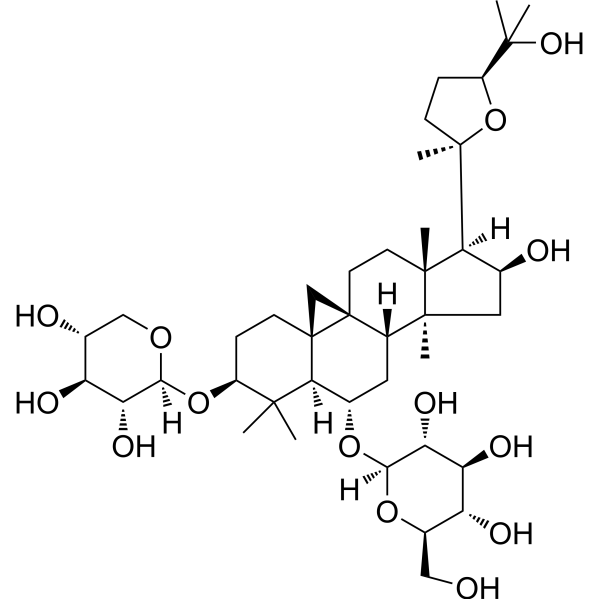
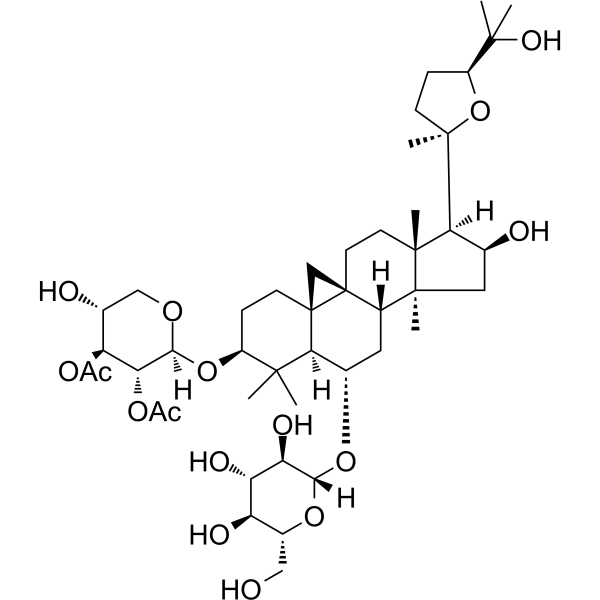
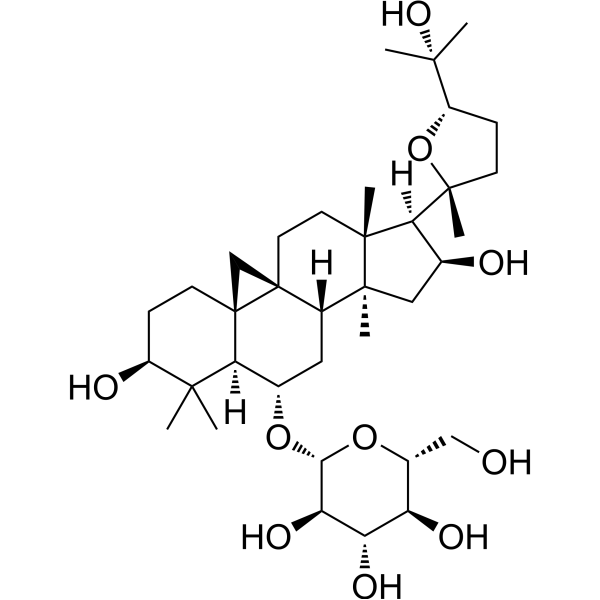
Astragaloside IV, an active component isolated from Astragalus membranaceus, suppresses the activation of ERK1/2 and JNK, and downregulates matrix metalloproteases (MMP)-2, (MMP)-9 in MDA-MB-231 breast cancer cells.
|
-
-
- HY-N0433
-
|
Astrasieversianin VIII
|
Autophagy
Interleukin Related
HIF/HIF Prolyl-Hydroxylase
SOD
NF-κB
|
Inflammation/Immunology
Endocrinology
Cancer
|
|
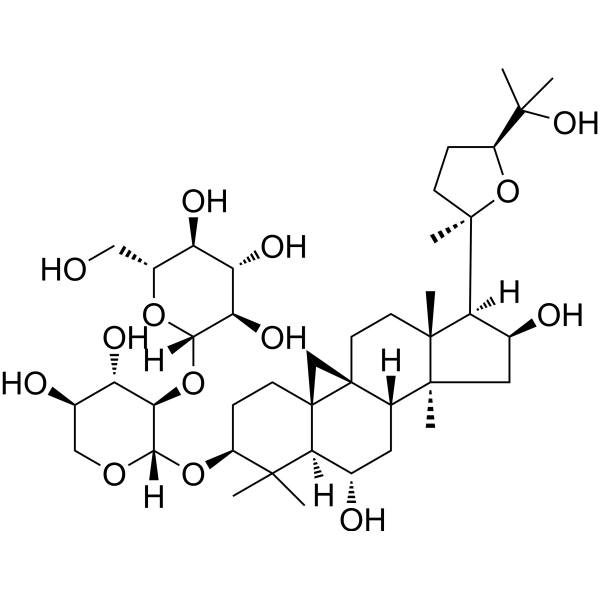
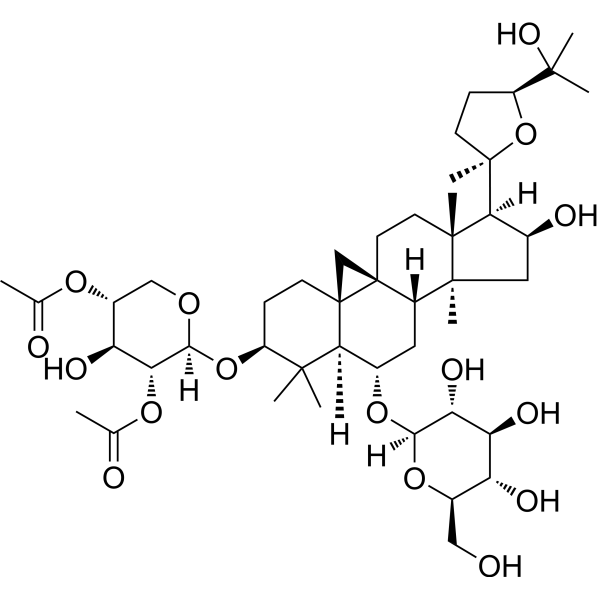
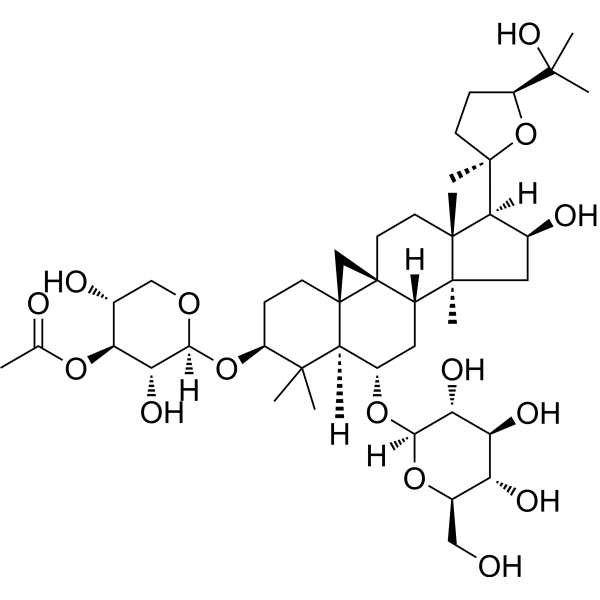
Astragaloside II is an orally active Cycloartane-type triterpene glycoside. Astragaloside II can be extracted from Astragalus membranaceus. Astragaloside II inhibits Autophagy, decreases pro-inflammatory cytokines (IL-6, IL-1β), HIF-α, p-p65, p-IκB and increases SOD. Astragaloside II regulates immunity and reduces inflammatory responses. Astragaloside II can be used in the research of diseases such as liver cancer, osteoporosis, immunosuppressive diseases, and ulcerative colitis .
|
-
-
- HY-N0432
-
|
Astrasieversianin IV; Cyclosieversioside B
|
Wnt
β-catenin
|
Metabolic Disease
|
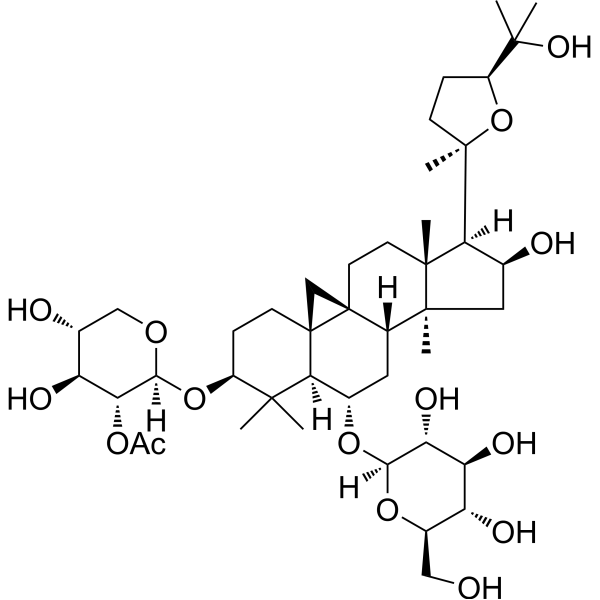
Astragaloside I, one of the main active ingredients in Astragalus membranaceus, has osteogenic properties. Astragaloside I stimulates osteoblast differentiation through activating the Wnt/β-catenin signaling pathway .
|
-
-
- HY-N1353
-
|
|
p38 MAPK
|
Cardiovascular Disease
Inflammation/Immunology
|
|
Rhamnocitrin is an anti-inflammatory and antioxidant agent that targets STIM-1, NFATc3 and MAPK pathways and can scavenge DPPH (IC50=28.38 mM). Rhamnocitrin selectively inhibits oxidative stress and inflammatory responses in vascular endothelial cells and neurons. Rhamnocitrin up-regulates miR-185 to inhibit STIM-1-mediated store-operated calcium entry (SOCE), thereby blocking NFATc3 nuclear translocation and downstream inflammatory factor expression, while inducing heme oxygenase HO-1 expression and regulating the ERK/p38 MAPK pathway, inhibiting antioxidant and pro-inflammatory cytokines (such as IL-6, IL-8) and adhesion molecules (such as ICAM-1, VCAM-1). Rhamnocitrin can be used in the study of endothelial-related inflammatory diseases (such as sepsis, acute lung injury, atherosclerosis) and neuroprotection (such as oxidative damage of PC12 cells) .
|
-
-
- HY-159066
-
-
-
- HY-N0431R
-
|
|
Reference Standards
MMP
ERK
JNK
|
Cancer
|
|
Astragaloside IV (Standard) is the analytical standard of Astragaloside IV. This product is intended for research and analytical applications. Astragaloside IV, an active component isolated from Astragalus membranaceus, suppresses the activation of ERK1/2 and JNK, and downregulates matrix metalloproteases (MMP)-2, (MMP)-9 in MDA-MB-231 breast cancer cells.
|
-
-
- HY-N0434
-
|
|
C-type Lectin-like Receptors (CTLRs)
Apoptosis
Dengue Virus
|
Infection
Cancer
|
|
Astragaloside III is a triterpenoid saponin. Astragaloside III can be extracted from Astragalus root. Astragaloside III increases NKG2D and induces TACE phosphorylation. Astragaloside III induces Apoptosis. Astragaloside III has antiviral activity against dengue serotypes 1 and 3. Astragaloside III has anticancer activity against breast and colon cancer .
|
-
-
- HY-N0424
-
|
Cyclogalegigenin
|
Others
|
Others
|
|
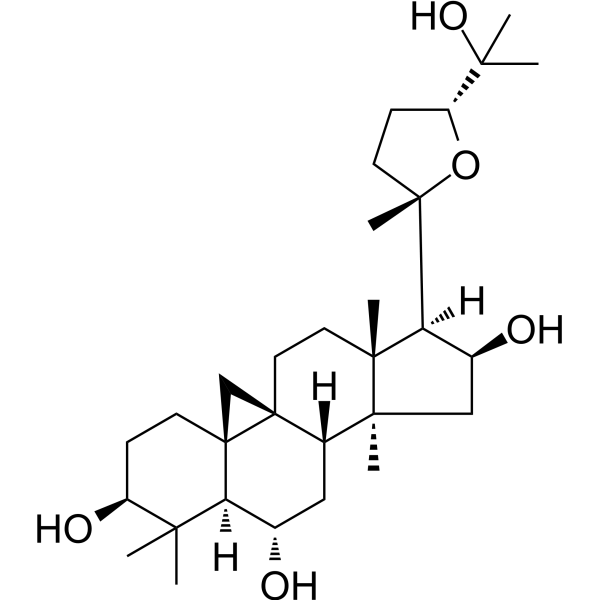
Cyclogalegenin (Cyclogalegigenin) is an isoprenoid. Cyclogalegenin can be isolated from Astragalus galegiformis. Cyclogalegenin is an isomer of cycloastragenol.
|
-
-
- HY-W250121
-
|
|
Environmental Pollutants
Biochemical Assay Reagents
|
Infection
Inflammation/Immunology
Cancer
|
|
Tragacanth gum is an orally active anionic composite polysaccharide and multifunctional biomaterial. Tragacanth gum exhibits biocompatibility, mucoadhesion and renoprotective effects, and effectively promotes wound closure and tissue healing. Tragacanth gum can be isolated from Astragalus gummifer. Tragacanth gum acts as an emulsifier and drug delivery carrier, and is also widely used in fields such as 3D scaffolds, tissue engineering and green nanoparticle preparation. High doses of Tragacanth gum may induce reversible forestomach squamous epithelial hyperplasia in mice, but show no mutagenic or carcinogenic activity. Tragacanth gum is commonly used in studies related to diseases including systemic candidiasis, rheumatoid arthritis and osteosarcoma .
|
-
-
- HY-N2473
-
|
|
Others
|
Inflammation/Immunology
|
|
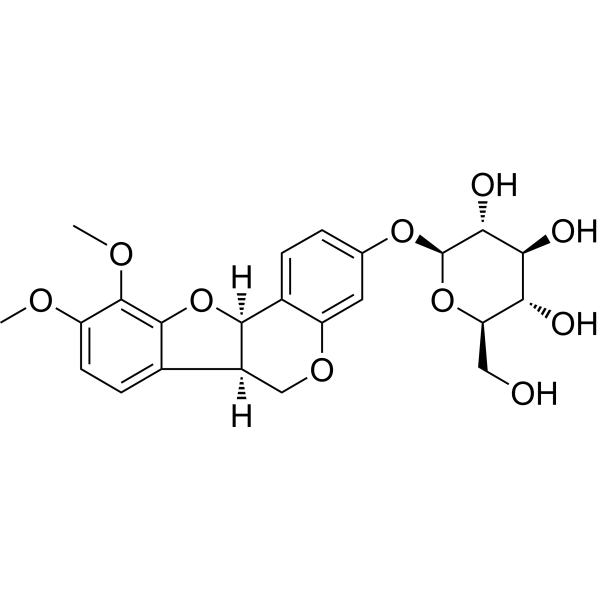
Methylnissolin-3-O-glucoside (Methylnissolin-3-O-β-D-glucoside) is a flavonoid from the roots of Astragalus membranaceus with anti-inflammatory effects .
|
-
-
- HY-N4005
-
|
|
Bacterial
Tyrosinase
|
Infection
Neurological Disease
|
|
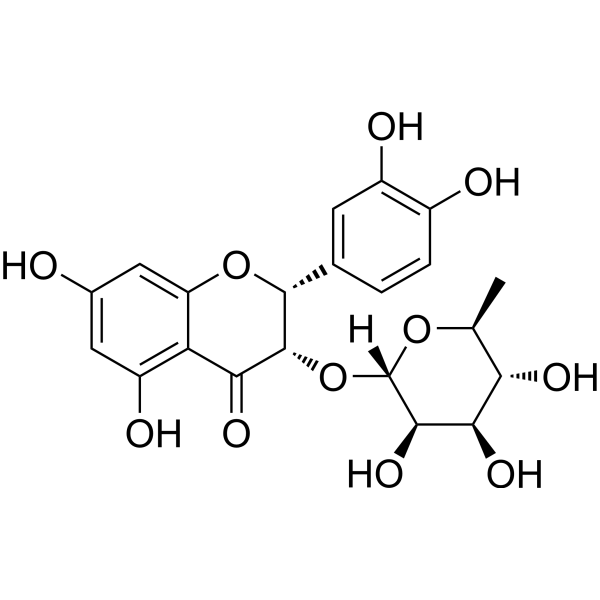
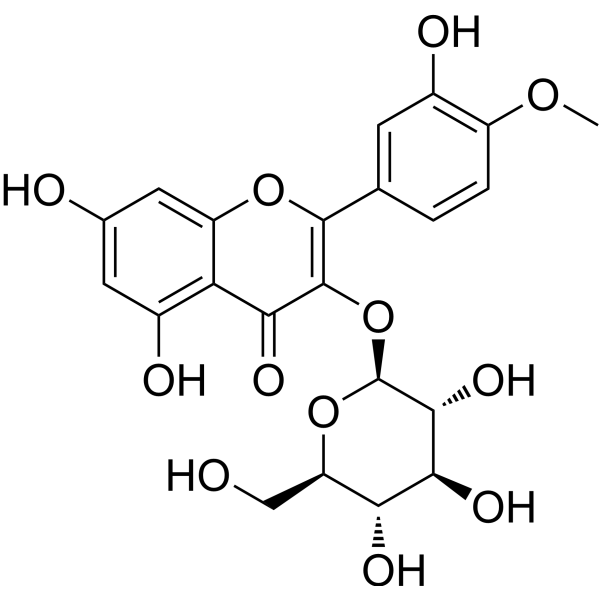
Isoastilbin is a dihydroflavonol glycoside compound in Rhizoma Smilacis glabrae and Astragalus membranaceus. Isoastilbin inhibits glucosyltransferase (GTase) with an IC50 value of 54.3 μg/mL, and also inhibits tyrosinase activity. Isoastilbin shows neuroprotective, antioxidation, antimicrobial and anti-apoptotic properties and has the potential for Alzheimer’s disease research .
|
-
-
- HY-N0888
-
|
Astrasieversianin-VII
|
Others
|
Others
|
|
Isoastragaloside II is an astragaloside, which is isolated from the hairy root culture of Astragalus membranaceus.
|
-
-
- HY-N9989
-
|
|
Others
|
Others
|
|
Brachyoside B is a triterpenoid saponin from Astragalus wiedemannianus .
|
-
-
- HY-N11472
-
|
Rhamnocitrin-3-O-β-D-glucopyranoside
|
Others
|
Others
|
|
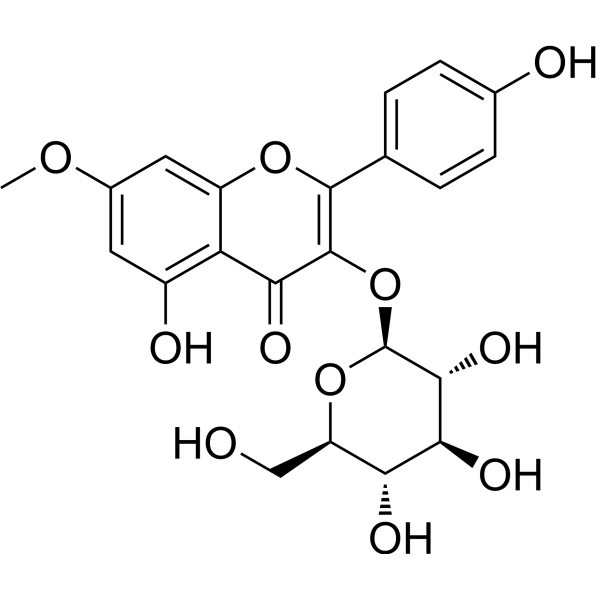
Rhamnocitrin 3-glucoside (Rhamnocitrin-3-O-β-D-glucopyranoside) is a natural product that can be isolated from Astragalus membranaceus (Fisch.) Bge. var. mongholicus (Bge.) Hsiao (AM) .
|
-
-
- HY-N12954
-
|
|
Bacterial
|
Infection
|
|
(R)-Mucronulatol is a flavonoid that can be isolated from Astragalus adsurgens. (R)-Mucronulatol shows antibacterial activity against Escherichia coli, Bacillus cereus, Staphylococcus aureus, Erwinia carotovora and Bacillus subtili, with MICs of 15.5, 15.5, 7.8, 7.8, 15.5 μg/mL respectively .
|
-
-
- HY-N0887
-
|
Isoastragaloside-I
|
Akt
NF-κB
p38 MAPK
PI3K
FXR
Keap1-Nrf2
NO Synthase
COX
Interleukin Related
Integrin
TGF-β Receptor
Reactive Oxygen Species (ROS)
|
Neurological Disease
Metabolic Disease
Inflammation/Immunology
|
|
Isoastragaloside I is a natural compound found in Astragalus membranaceus, with oral activity and multiple biological activities such as anti-inflammatory and antioxidant properties. Isoastragaloside I inhibits Akt, NF-κB, MAPKs and PI3K, enhances the activity of hepatic FXR, regulates the TGF-β/Smads signaling pathway, and upregulates antioxidant molecules downstream of Nrf2. Isoastragaloside I inhibits the expression of NO, TNF-α, iNOS, COX-2, IL-1β and VCAM-1, and reduces intracellular ROS levels. Isoastragaloside I attenuates blood-brain barrier disruption, restores intestinal barrier function, increases β-cell mass, improves glucose homeostasis, and elevates circulating adiponectin levels. Isoastragaloside I can be used for the study of neuroinflammation-related neurodegenerative diseases, cholestatic liver disease, and diabetes .
|
-
-
- HY-N10048
-
|
|
Others
|
Others
|
|
Agroastragaloside I is a astragaloside, and can be isolated from the hairy root cultures of Astragalus
membranaceus .
|
-
-
- HY-N6250
-
|
Isomucronulatol 7-O-β-glucoside
|
NO Synthase
Interleukin Related
|
Inflammation/Immunology
|
|
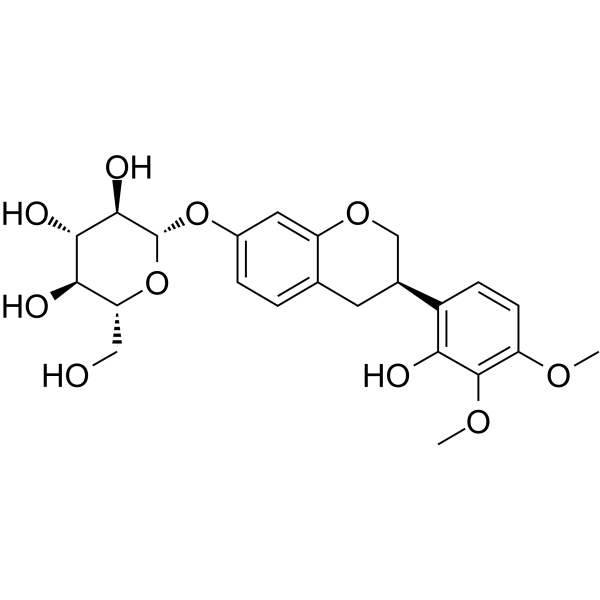
Isomucronulatol 7-O-glucoside (Isomucronulatol 7-O-β-D-glucoside) is an isoflavonoid glycoside isolated from the roots of Astragalus membranaceus. Isomucronulatol 7-O-glucoside targets inflammation-related pathways in vitro to exert anti-inflammatory activity without cytotoxicity at effective concentrations. Isomucucronulatol 7-O-glucoside inhibits NO production and weakly suppresses IL‑12 p40 production in vitro. Isomucronulatol 7-O-glucoside can be used for the research on inflammation .
|
-
-
- HY-N9880
-
-
-
- HY-N0624
-
|
|
Others
|
Cancer
|
|
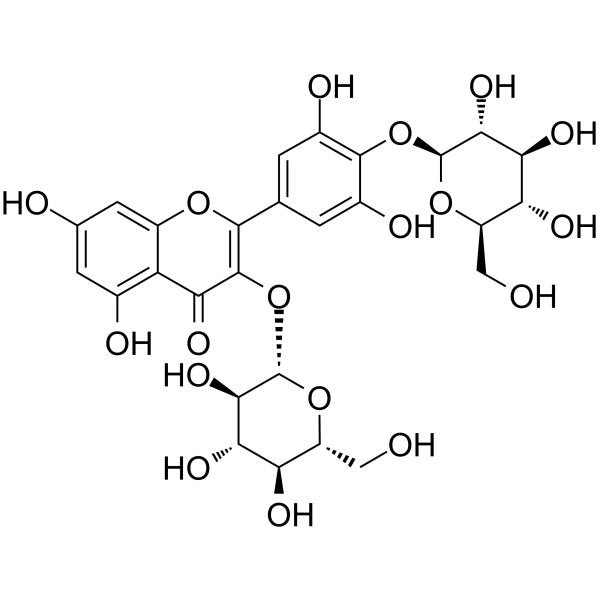
Complanatoside A is a flavonol glycoside isolated from Astragalus complanatus, and currently it is used as a quality control index for A. complanatus in the 2010 edition of the Chinese Pharmacopoeia.
|
-
-
- HY-N0424R
-
|
Cyclogalegigenin (Standard)
|
Reference Standards
Others
|
Others
|
|
Cyclogalegenin (Standard) is the analytical standard of Cyclogalegenin. This product is intended for research and analytical applications. Cyclogalegenin (Cyclogalegigenin) is an isoprenoid. Cyclogalegenin can be isolated from Astragalus galegiformis. Cyclogalegenin is an isomer of cycloastragenol .
|
-
-
- HY-N10597
-
|
|
Others
|
Cardiovascular Disease
Metabolic Disease
Cancer
|
|
5'''-O-Feruloyl complanatoside B is isolated from Astragali Semen, the seeds of Astragalus Complanatus. Semen Astragali Complanati (SAC) include fatty acids, amino acids, polysaccharides, flavonoids, triterpene glycosides and trace elements; have been reported to involve in chronic diseases such as cardiovascular diseases, diabetes mellitus and cancers .
|
-
-
- HY-N10644
-
|
|
Others
|
Others
|
|
Complanatin is an acylated flavonol glycoside, it can be isolated from Astragalus complanatus R. Br .
|
-
-
- HY-N1985
-
|
|
Parasite
|
Infection
|
|
Acetylastragaloside I is a glycoside that can be isolated from the roots of Astragalus baibutensis. Acetylastragaloside I is the first cycloartane-type triterpene with remarkable trypanocidal activity with IC50 values of 9.5 and 5.0 μg/mL for T. brucei rhodesiense and T. cruzi, respectively. Acetylastragaloside I can be used for the research of trypanosome infection .
|
-
-
- HY-108268
-
|
|
Biochemical Assay Reagents
|
Others
|
|
Cyclocephaloside II is a natural product that can be obtained from the roots of Astragalus brachypterus and Astragalus microcephalus .
|
-
-
- HY-N11450
-
|
|
Others
|
Others
|
|
Complanatin I is a natural product that can be isolated from Astragalus complanatus .
|
-
-
- HY-N4212
-
|
|
Others
|
Others
|
|
Astraganoside, an isoflavane compound, isolated from the roots of Astragalus membranaceus (known as ‘‘Huangqi’’) .
|
-
-
- HY-W009713R
-
|
|
Reference Standards
Drug Metabolite
|
Neurological Disease
|
|
Cyclogalegenin (Standard) is the analytical standard of Cyclogalegenin. This product is intended for research and analytical applications. Cyclogalegenin (Cyclogalegigenin) is a isoprenoid that can be isolated from Astragalus galegiformis. Cyclogalegenin is the enantiomer of Cycloastragenol .
|
-
-
- HY-N0432R
-
|
Astrasieversianin IV (Standard); Cyclosieversioside B (Standard)
|
Reference Standards
Wnt
β-catenin
|
Metabolic Disease
|
Astragaloside I (Standard) is the analytical standard of Astragaloside I. This product is intended for research and analytical applications. Astragaloside I, one of the main active ingredients in Astragalus membranaceus, has osteogenic properties. Astragaloside I stimulates osteoblast differentiation through the Wnt/β-catenin signaling pathway .
|
-
-
- HY-N2473R
-
|
|
Reference Standards
Others
|
Inflammation/Immunology
|
|
Methylnissolin-3-O-glucoside (Standard) is the analytical standard of Methylnissolin-3-O-glucoside. This product is intended for research and analytical applications. Methylnissolin-3-O-glucoside (Methylnissolin-3-O-β-D-glucoside) is a flavonoid from the roots of Astragalus membranaceus with anti-inflammatory effects .
|
-
-
- HY-N1353R
-
|
|
Reference Standards
Others
p38 MAPK
|
Cardiovascular Disease
Inflammation/Immunology
|
|
Rhamnocitrin (Standard) is the analytical standard of Rhamnocitrin. This product is intended for research and analytical applications. Rhamnocitrin is an anti-inflammatory and antioxidant agent that targets STIM-1, NFATc3 and MAPK pathways and can scavenge DPPH (IC50=28.38 mM). Rhamnocitrin selectively inhibits oxidative stress and inflammatory responses in vascular endothelial cells and neurons. Rhamnocitrin up-regulates miR-185 to inhibit STIM-1-mediated store-operated calcium entry (SOCE), thereby blocking NFATc3 nuclear translocation and downstream inflammatory factor expression, while inducing heme oxygenase HO-1 expression and regulating the ERK/p38 MAPK pathway, inhibiting antioxidant and pro-inflammatory cytokines (such as IL-6, IL-8) and adhesion molecules (such as ICAM-1, VCAM-1). Rhamnocitrin can be used in the study of endothelial-related inflammatory diseases (such as sepsis, acute lung injury, atherosclerosis) and neuroprotection (such as oxidative damage of PC12 cells) .
|
-
-
- HY-N12742
-
|
|
Others
|
Inflammation/Immunology
|
|
Tamarixetin 3-O-β-d-apiofuranosyl-(1 → 2)-β-d-galactopyranoside (compound 4) is an inhibitor of collagenase and elastase with potential anti-inflammatory activity. Tamarixetin 3-O-β-d-apiofuranosyl-(1 → 2)-β-d-galactopyranoside can be isolated from the methanol extract of the Balkan endemic species Astragalus thracicus Griseb .
|
-
-
- HY-N0434R
-
|
|
Reference Standards
C-type Lectin-like Receptors (CTLRs)
Apoptosis
Dengue Virus
|
Infection
Cancer
|
|
Astragaloside III (Standard) is the analytical standard of Astragaloside III (HY-N0434). This product is intended for research and analytical applications. Astragaloside III is a triterpenoid saponin. Astragaloside III can be extracted from Astragalus root. Astragaloside III increases NKG2D and induces TACE phosphorylation. Astragaloside III induces Apoptosis. Astragaloside III has antiviral activity against dengue serotypes 1 and 3. Astragaloside III has anticancer activity against breast and colon cancer .
|
-
-
- HY-N10645
-
|
|
Others
|
Others
|
|
Rhamnocitrin 3-O-β-D-apiofuranosyl(1→2)-β-D-glucopyranoside is a flavonol O-glycoside, isolated from Astragali semen of leguminous plants .
|
-
-
- HY-N0433R
-
|
Astrasieversianin VIII (Standard)
|
Reference Standards
Autophagy
Interleukin Related
HIF/HIF Prolyl-Hydroxylase
SOD
NF-κB
|
Inflammation/Immunology
Endocrinology
Cancer
|
|
Astragaloside II (Standard) is the analytical standard of Astragaloside II (HY-N0433). This product is intended for research and analytical applications. Astragaloside II is an orally active Cycloartane-type triterpene glycoside. Astragaloside II can be extracted from Astragalus membranaceus. Astragaloside II inhibits Autophagy, decreases pro-inflammatory cytokines (IL-6, IL-1β), HIF-α, p-p65, p-IκB and increases SOD. Astragaloside II regulates immunity and reduces inflammatory responses. Astragaloside II can be used in the research of diseases such as liver cancer, osteoporosis, immunosuppressive diseases, and ulcerative colitis .
|
-
-
- HY-N18320
-
|
|
Drug Derivative
|
Others
|
|
Astrachrysoside A is a cycloartane-type triterpene glycoside found in Astragalus wiedemannianus .
|
-
-
- HY-N16942
-
|
|
Drug Derivative
|
Others
|
|
Maltol 3-O-β-D-apiofuranosyl-(1→2)-β-D-glucopyranoside is a natural phenolic compound.
|
-
| Cat. No. |
Product Name |
Type |
-
- HY-159066
-
|
|
Biochemical Assay Reagents
|
|
Polysachoride of astragalus mongholicus is an astragalus polysaccharide that can be isolated from Astragalus Mongholicus, exhibits antifibrotic activity .
|
-
- HY-W250121
-
|
|
Biochemical Assay Reagents
|
|
Tragacanth gum is an orally active anionic composite polysaccharide and multifunctional biomaterial. Tragacanth gum exhibits biocompatibility, mucoadhesion and renoprotective effects, and effectively promotes wound closure and tissue healing. Tragacanth gum can be isolated from Astragalus gummifer. Tragacanth gum acts as an emulsifier and drug delivery carrier, and is also widely used in fields such as 3D scaffolds, tissue engineering and green nanoparticle preparation. High doses of Tragacanth gum may induce reversible forestomach squamous epithelial hyperplasia in mice, but show no mutagenic or carcinogenic activity. Tragacanth gum is commonly used in studies related to diseases including systemic candidiasis, rheumatoid arthritis and osteosarcoma .
|
| Cat. No. |
Product Name |
Category |
Target |
Chemical Structure |
-
- HY-N0431
-
-
-
- HY-N0433
-
-
-
- HY-N0432
-
-
-
- HY-N1353
-
|
|
Cardiovascular Disease
Flavonols
Flavonoids
other families
Classification of Application Fields
Phenols
Polyphenols
Plants
Disease Research Fields
Source Classification
|
p38 MAPK
|
|
Rhamnocitrin is an anti-inflammatory and antioxidant agent that targets STIM-1, NFATc3 and MAPK pathways and can scavenge DPPH (IC50=28.38 mM). Rhamnocitrin selectively inhibits oxidative stress and inflammatory responses in vascular endothelial cells and neurons. Rhamnocitrin up-regulates miR-185 to inhibit STIM-1-mediated store-operated calcium entry (SOCE), thereby blocking NFATc3 nuclear translocation and downstream inflammatory factor expression, while inducing heme oxygenase HO-1 expression and regulating the ERK/p38 MAPK pathway, inhibiting antioxidant and pro-inflammatory cytokines (such as IL-6, IL-8) and adhesion molecules (such as ICAM-1, VCAM-1). Rhamnocitrin can be used in the study of endothelial-related inflammatory diseases (such as sepsis, acute lung injury, atherosclerosis) and neuroprotection (such as oxidative damage of PC12 cells) .
|
-
-
- HY-N0431R
-
-
-
- HY-N0434
-
-
-
- HY-N0424
-
-
-
- HY-N2473
-
-
-
- HY-N4005
-
-
-
- HY-N0888
-
-
-
- HY-N9989
-
-
-
- HY-N11472
-
-
-
- HY-N12954
-
-
-
- HY-N0887
-
|
Isoastragaloside-I
|
Triterpenes
Structural Classification
other families
Classification of Application Fields
Leguminosae
Terpenoids
Astragalus membranaceus var. mongholicus (Bunge)P.K.Hsiao
Metabolic Disease
Plants
Disease Research Fields
Source Classification
|
Akt
NF-κB
p38 MAPK
PI3K
FXR
Keap1-Nrf2
NO Synthase
COX
Interleukin Related
Integrin
TGF-β Receptor
Reactive Oxygen Species (ROS)
|
|
Isoastragaloside I is a natural compound found in Astragalus membranaceus, with oral activity and multiple biological activities such as anti-inflammatory and antioxidant properties. Isoastragaloside I inhibits Akt, NF-κB, MAPKs and PI3K, enhances the activity of hepatic FXR, regulates the TGF-β/Smads signaling pathway, and upregulates antioxidant molecules downstream of Nrf2. Isoastragaloside I inhibits the expression of NO, TNF-α, iNOS, COX-2, IL-1β and VCAM-1, and reduces intracellular ROS levels. Isoastragaloside I attenuates blood-brain barrier disruption, restores intestinal barrier function, increases β-cell mass, improves glucose homeostasis, and elevates circulating adiponectin levels. Isoastragaloside I can be used for the study of neuroinflammation-related neurodegenerative diseases, cholestatic liver disease, and diabetes .
|
-
-
- HY-N10048
-
-
-
- HY-N6250
-
-
-
- HY-N9880
-
-
-
- HY-N0624
-
-
-
- HY-N0424R
-
-
-
- HY-N10597
-
|
|
Flavonoids
Leguminosae
Plants
Other Flavonoids
Phyllolobium chinense Fisch. ex DC.
|
Others
|
|
5'''-O-Feruloyl complanatoside B is isolated from Astragali Semen, the seeds of Astragalus Complanatus. Semen Astragali Complanati (SAC) include fatty acids, amino acids, polysaccharides, flavonoids, triterpene glycosides and trace elements; have been reported to involve in chronic diseases such as cardiovascular diseases, diabetes mellitus and cancers .
|
-
-
- HY-N10644
-
-
-
- HY-N1985
-
-
-
- HY-108268
-
-
-
- HY-N11450
-
-
-
- HY-N4212
-
-
-
- HY-W009713R
-
-
-
- HY-N0432R
-
-
-
- HY-N2473R
-
-
-
- HY-N1353R
-
|
|
Flavonols
Structural Classification
Flavonoids
other families
Phenols
Polyphenols
Plants
Source Classification
|
Reference Standards
Others
p38 MAPK
|
|
Rhamnocitrin (Standard) is the analytical standard of Rhamnocitrin. This product is intended for research and analytical applications. Rhamnocitrin is an anti-inflammatory and antioxidant agent that targets STIM-1, NFATc3 and MAPK pathways and can scavenge DPPH (IC50=28.38 mM). Rhamnocitrin selectively inhibits oxidative stress and inflammatory responses in vascular endothelial cells and neurons. Rhamnocitrin up-regulates miR-185 to inhibit STIM-1-mediated store-operated calcium entry (SOCE), thereby blocking NFATc3 nuclear translocation and downstream inflammatory factor expression, while inducing heme oxygenase HO-1 expression and regulating the ERK/p38 MAPK pathway, inhibiting antioxidant and pro-inflammatory cytokines (such as IL-6, IL-8) and adhesion molecules (such as ICAM-1, VCAM-1). Rhamnocitrin can be used in the study of endothelial-related inflammatory diseases (such as sepsis, acute lung injury, atherosclerosis) and neuroprotection (such as oxidative damage of PC12 cells) .
|
-
-
- HY-N12742
-
-
-
- HY-N0434R
-
-
-
- HY-N10645
-
-
-
- HY-N0433R
-
-
-
- HY-N18320
-
-
-
- HY-N16942
-
-
| Cat. No. |
Product Name |
|
Classification |
-
- HY-W250121
-
|
|
|
Suspending Agents
|
|
Tragacanth gum is an orally active anionic composite polysaccharide and multifunctional biomaterial. Tragacanth gum exhibits biocompatibility, mucoadhesion and renoprotective effects, and effectively promotes wound closure and tissue healing. Tragacanth gum can be isolated from Astragalus gummifer. Tragacanth gum acts as an emulsifier and drug delivery carrier, and is also widely used in fields such as 3D scaffolds, tissue engineering and green nanoparticle preparation. High doses of Tragacanth gum may induce reversible forestomach squamous epithelial hyperplasia in mice, but show no mutagenic or carcinogenic activity. Tragacanth gum is commonly used in studies related to diseases including systemic candidiasis, rheumatoid arthritis and osteosarcoma .
|
Your information is safe with us. * Required Fields.
Inquiry Information
- Product Name:
- Cat. No.:
- Quantity:
- MCE Japan Authorized Agent:

