1. Search Result
Search Result
Results for "

bacteriostatic

" in MedChemExpress (MCE) Product Catalog:

119

Inhibitors & Agonists

2

Biochemical Assay Reagents

2

Peptides

27

Natural
Products

26

Isotope-Labeled Compounds

2

Oligonucleotides

Cat. No. Product Name Target Research Areas Chemical Structure
  • HY-Y0320

    DMSO, meets analytical specification of Ch.P.

    Environmental Pollutants Bacterial Cholinesterase (ChE) Infection Inflammation/Immunology Cancer
    Dimethyl sulfoxide (DMSO), meets analytical specification of Ch.P. is an aprotic solvent that dissolves polar and non-polar compounds, including water-insoluble therapeutic and toxic agents. Dimethyl sulfoxide (DMSO) has a strong affinity for water and can rapidly penetrate or enhance the penetration of other substances into biological membranes. Dimethyl sulfoxide also has potential free radical scavenging and anticholinesterase effects and may affect coagulation activity. Dimethyl sulfoxide also induces histamine release from mast cells but is thought to have low systemic toxicity. Dimethyl sulfoxide also exhibits antifreeze and antibacterial properties .
    MCE provides Dimethyl sulfoxide that complies with the inspection standards (Ch.P) of Part 4 of the Chinese Pharmacopoeia (2020 Edition). Amicrobic, low endotoxin, can be used in various biochemical experiments such as drug dissolution.
    Dimethyl sulfoxide, meets analytical specification of Ch.P.
  • HY-17412
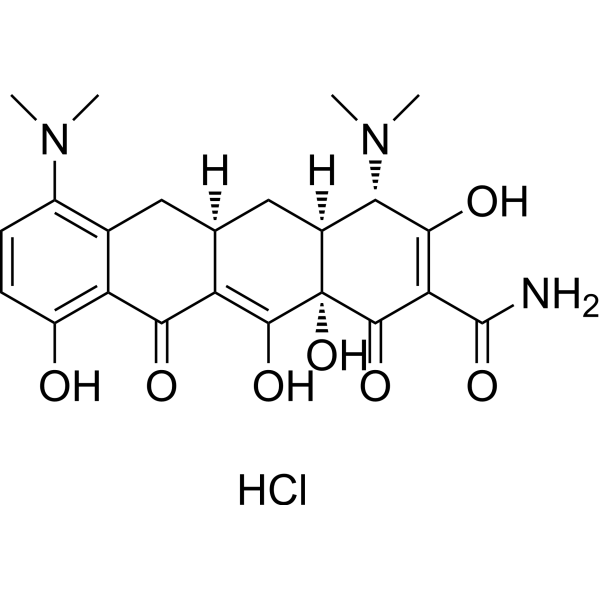
    Minocycline hydrochloride
    60+ Cited Publications

    Bacterial Antibiotic HIF/HIF Prolyl-Hydroxylase Apoptosis MDM-2/p53 Potassium Channel Calcium Channel Infection Cardiovascular Disease Neurological Disease Metabolic Disease Inflammation/Immunology Cancer
    Minocycline hydrochloride is an orally active, potent and BBB-penetrated semi-synthetic tetracycline antibiotic. Minocycline hydrochloride is a hypoxia-inducible factor (HIF)-1α inhibitor. Minocycline hydrochloride shows anti-cancer, anti-inflammatory, and glutamate antagonist effects. Minocycline hydrochloride reduces glutamate neurotransmission and shows neuroprotective properties and antidepressant effects. Minocycline hydrochloride inhibits bacterial protein synthesis through binding with the 30S subunit of the bacterial ribosome, resulting in a bacteriostatic effect .
    Minocycline hydrochloride
  • HY-B0509A
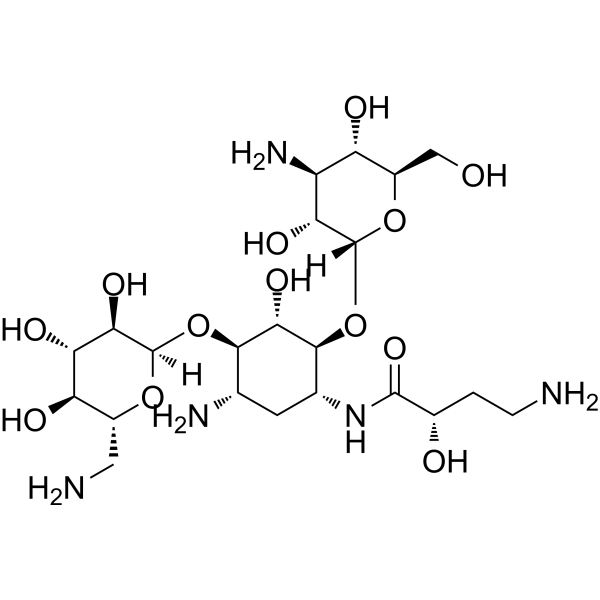
    Amikacin
    25+ Cited Publications

    BAY 41-6551

    Bacterial Antibiotic Infection Cancer
    Amikacin (BAY 41-6551) is a semisynthetic kanamycin analog that is active against most Gram-negative bacteria, including gentamicin- and tobramycin-resistant strains. Significant inhibitory effect. Amikacin is ototoxic and nephrotoxic. Amikacin can be used in bacteriostatic, anti-cancer and analgesic studies .
    Amikacin
  • HY-B1455
    Clindamycin
    10+ Cited Publications

    Bacterial Antibiotic Parasite Infection Cancer
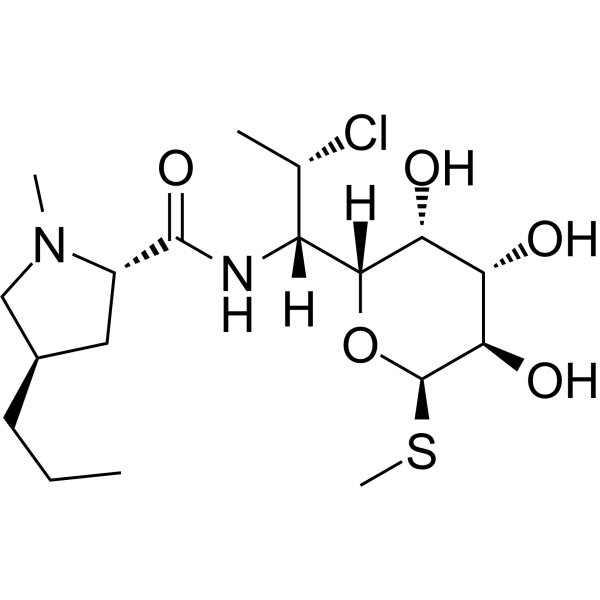
    Clindamycin is an orally active and broad-spectrum bacteriostatic lincosamide antibiotic. Clindamycin can inhibit bacterial protein synthesis, possessing the ability to suppress the expression of virulence factors in Staphylococcus aureus at sub-inhibitory concentrations (sub-MICs). Clindamycin resistance results from enzymatic methylation of the antibiotic binding site in the 50S ribosomal subunit (23S rRNA). Clindamycin decreases the production of Panton-Valentine leucocidin (PVL), toxic-shock-staphylococcal toxin (TSST-1) or alpha-haemolysin (Hla). Clindamycin also can be used for researching malaria .
    Clindamycin
  • HY-B0510
    Trimethoprim
    10+ Cited Publications

    Antifolate Bacterial Antibiotic Influenza Virus Infection Cancer
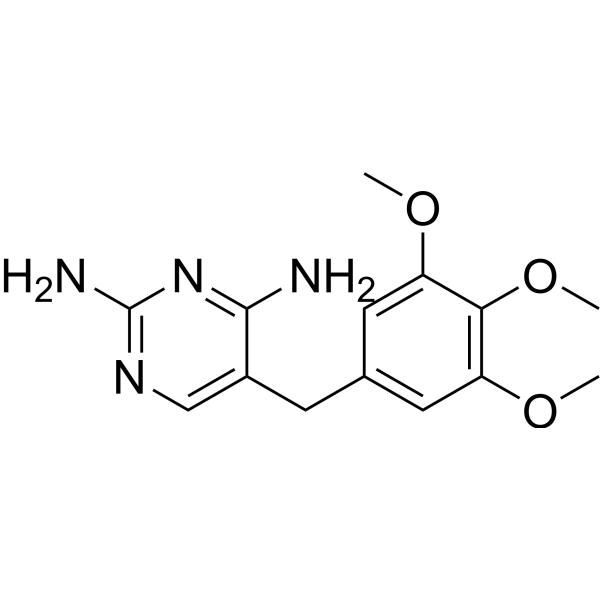
    Trimethoprim is a bacteriostatic antibiotic and an orally active dihydrofolate reductase inhibitor. Trimethoprim is active against a wide range of Gram-positive and Gram-negative aerobic bacteria. Trimethoprim has the potential for the research of urinary tract infections, Shigellosis and Pneumocystis pneumonia. Trimethoprim can inhibit infection of Influenza A virus in chick embryo when combinated with zinc .
    Trimethoprim
  • HY-N6871
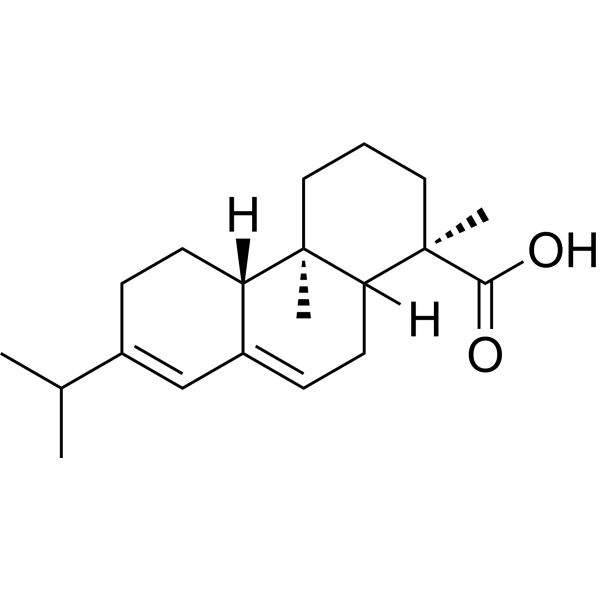
    Abietic acid
    3 Publications Verification

    Bacterial IKK Ferroptosis Infection Metabolic Disease Inflammation/Immunology Cancer
    Abietic acid, an orally active diterpene isolated from Colophony, displays significant anti-proliferative, anti-inflammatory, anti-obesity effect, bacteriostatic, cell cycle arresting and pro-apoptotic activities. Abietic acid inhibits lipoxygenase activity for allergy. Abietic acid enhances cell migration and tube formation in HUVECs. Abietic acid induces significant angiogenic potential, which is associated with upregulation of extracellular signal-regulated kinase (ERK) and p38 expression. Abietic acid attenuates sepsis-induced lung injury by inhibiting nuclear factor kappa-light-chain-enhancer of activated B cells (NF-κB) pathway to inhibit M1 macrophage polarization. Abietic acid exhibits a positive effect against liver injury by attenuating inflammation and ferroptosis. Abietic acid shows accelerated wound closure in a mouse model of cutaneous wounds. Abietic acid significantly reduces the proliferation and growth of NSCLC cells by IKKβ inhibition.Additionally, Abietic acid ameliorates psoriasis-like inflammation and modulates gut microbiota in mice. Abietic acid is promising for research in non-small-cell lung cancer (NSCLC), liver injury-related deseases and psoriasis .
    Abietic acid
  • HY-107931

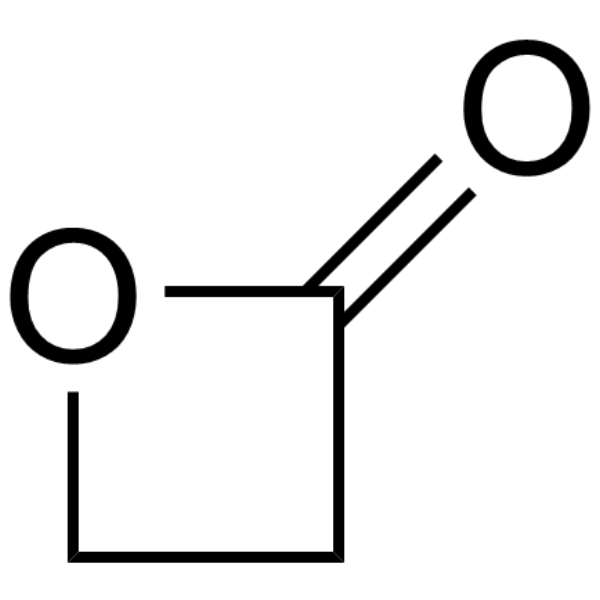
    β-propiolactone; 2-Oxetanone; Betaprone

    Environmental Pollutants SARS-CoV Infection
    Propiolactone (β-propiolactone; 2-Oxetanone) is a viral chemical inactivator that causes the infectious inactivation of viruses. Propiolactone was co-incubated with SARS-CoV at a ratio of 1:1000 (v:v) and used as a bacteriostatic agent to formulate the BPL-inactivated influenza virus vaccine (Flu-BPL) .
    Propiolactone
  • HY-B0479

    Thiophenicol; Dextrosulphenidol

    Beta-lactamase Bacterial Antibiotic Infection
    Thiamphenicol (Thiophenicol), a methyl-sulfonyl derivative of Chloramphenicol, is a broad-spectrum antimicrobial antibiotic. Thiamphenicol acts by binding to the 50S ribosomal subunit, leading to inhibition of protein synthesis and bacteriostatic effect (against Gram-negative, Gram-positive aerobic and anaerobic bacteria) .
    Thiamphenicol
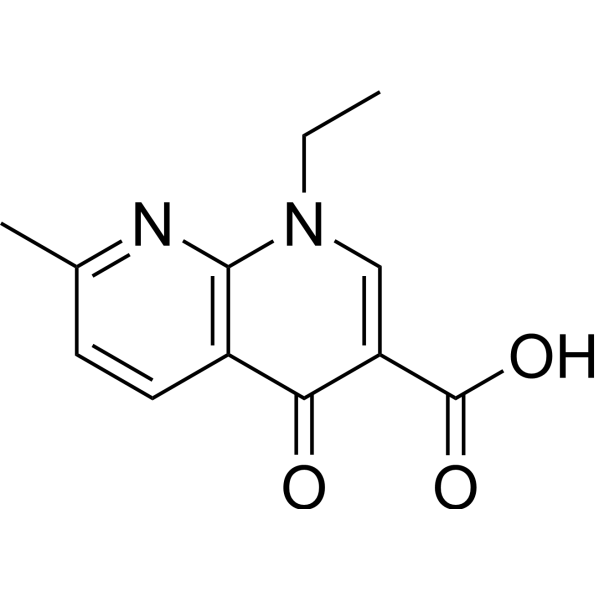
  • HY-B0398
    Nalidixic acid
    2 Publications Verification

    Bacterial Antibiotic Topoisomerase Infection
    Nalidixic acid, a quinolone antibiotic, is effective against both gram-positive and gram-negative bacteria. Nalidixic acid acts in a bacteriostatic manner in lower concentrations and is bactericidal in higher concentrations. Nalidixic acid inhibits a subunit of DNA gyrase and topoisomerase IV and reversibly blocks DNA replication in susceptible bacteria .
    Nalidixic acid
  • HY-17412A
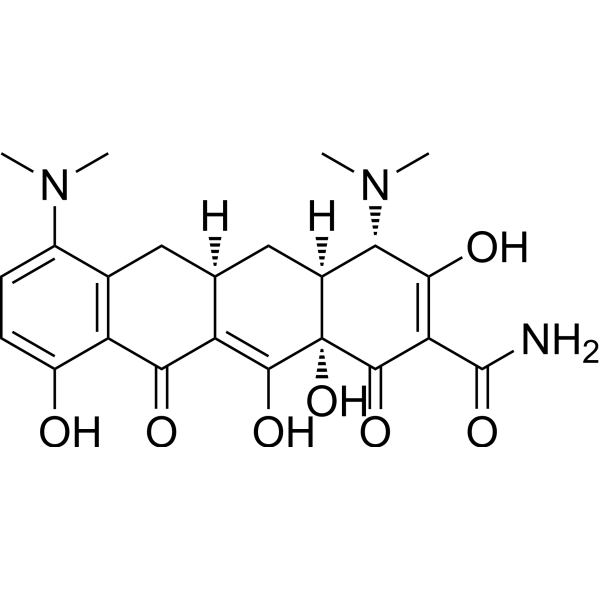
    Minocycline
    60+ Cited Publications

    Antibiotic Bacterial HIF/HIF Prolyl-Hydroxylase Apoptosis MDM-2/p53 Potassium Channel Calcium Channel Infection Cardiovascular Disease Neurological Disease Metabolic Disease Inflammation/Immunology Cancer
    Minocycline is an orally active, potent and BBB-penetrated semi-synthetic tetracycline antibiotic. Minocycline is a hypoxia-inducible factor (HIF)-1α inhibitor. Minocycline shows anti-cancer, anti-inflammatory, and glutamate antagonist effects. Minocycline reduces glutamate neurotransmission and shows neuroprotective properties and antidepressant effects. Minocycline inhibits bacterial protein synthesis through binding with the 30S subunit of the bacterial ribosome, resulting in a bacteriostatic effect .
    Minocycline
  • HY-Y0272

    Bacterial Inflammation/Immunology
    Saccharin is an orally active, non-caloric artificial sweeteners (NAS). Saccharin has bacteriostatic and microbiome-modulating properties .
    Saccharin
  • HY-N0015
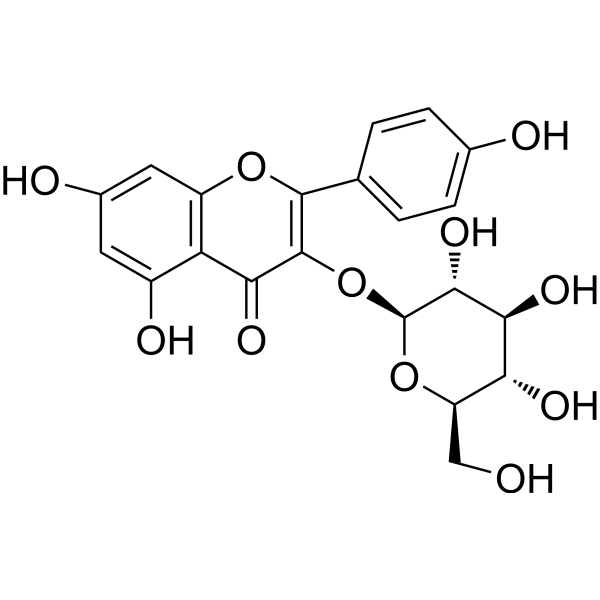
    Astragalin
    Maximum Cited Publications
    17 Publications Verification

    Astragaline; 3-Glucosylkaempferol; Kaempferol 3-β-D-glucopyranoside

    Apoptosis NF-κB Infection Inflammation/Immunology Cancer
    Astragalin (Astragaline) a flavonoid with anti-inflammatory, antioxidant, anticancer, bacteriostatic activity. Astragalin inhibits cancer cells proliferation and migration, induces apoptosis. Astragalin is orally active and provides nerve and heart protection, and resistance against and osteoporosis .
    Astragalin
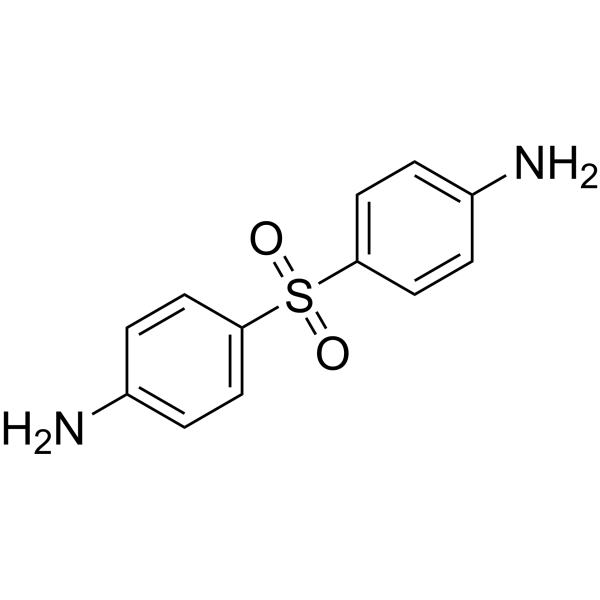
  • HY-B0688
    Dapsone
    4 Publications Verification

    4,4′-Diaminodiphenyl sulfone; DDS

    Antibiotic Parasite Bacterial Reactive Oxygen Species (ROS) Infection Inflammation/Immunology
    Dapsone (4,4′-Diaminodiphenyl sulfone) is an orally active and blood-brain penetrant sulfonamide antibiotic with bacteriostatic, antimycobacterial and antiprotozoal activities . Dapsone?exerts effective antileprosy activity?and inhibits folate synthesis in cell extracts of?M. leprae. Dapsone is used for dermatologic disorder research, including leprosy, dermatitis herpetiformis, acne vulgaris et al .
    Dapsone
  • HY-B1350
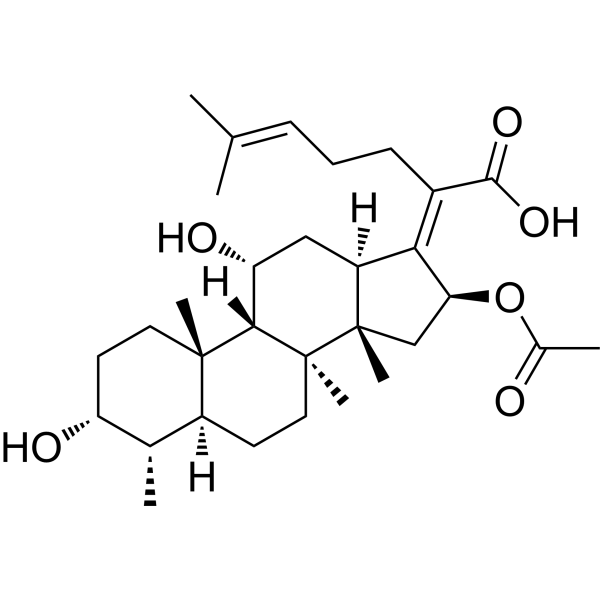
    Fusidic acid
    2 Publications Verification

    Fusidate; SQ-16603

    Bacterial Antibiotic Infection Cancer
    Fusidic acid (Fusidate) a bacteriostatic antibiotic produced from the Fusidium coccineum fungus, belongs to the class of steroids. Fusidic acid has no corticosteroid effects. Fusidic acid inhibits the growth of bacteria by preventing the release of translation elongation factor G (EF-G) from the ribosome. Fusidic acid holds promise for research in anticancer and anti-infective applications. .
    Fusidic acid
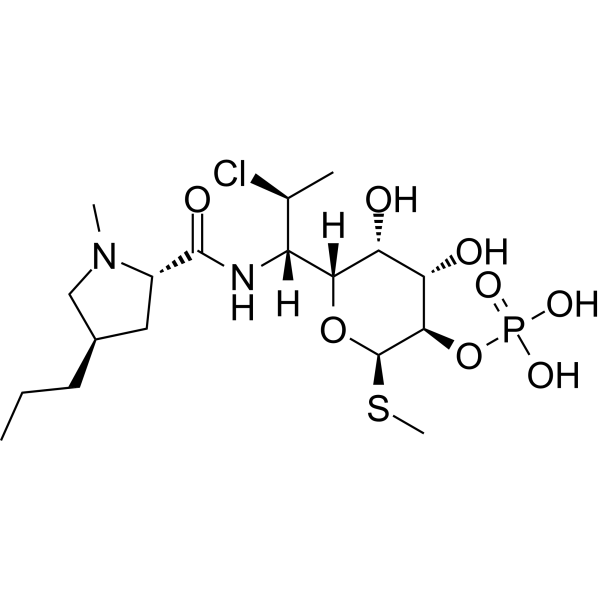
  • HY-B1064
    Clindamycin phosphate
    4 Publications Verification

    Clindamycin 2-phosphate; U-28508

    Bacterial Antibiotic Parasite Infection Cancer
    Clindamycin phosphate (Clindamycin 2-phosphate) is a broad-spectrum bacteriostatic lincosamide antibiotic. Clindamycin phosphate is the proagent of Clindamycin (HY-B1455) with no antimicrobial activity in vitro but can be rapidly converted in vivo to the active parent agent, Clindamycin, by phosphatase ester hydrolysis. Clindamycin phosphate can be used for researching acne and bacterial vaginosis . Clindamycin phosphate has no cytotoxicity. Combined with platelet rich fibrin (PRF), PRF-Clindamycin phosphate enhances antimicrobial properties .
    Clindamycin phosphate
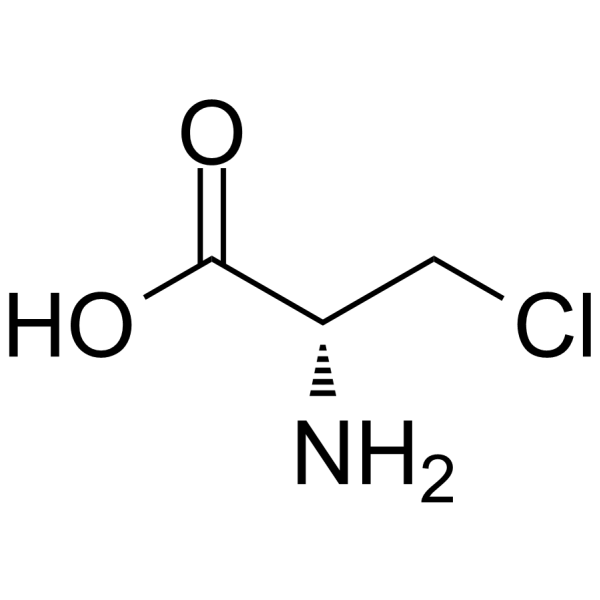
  • HY-107373
    β-Chloro-L-alanine
    1 Publications Verification

    L-β-Chloroalanine

    Bacterial Infection
    β-Chloro-L-alanine is a bacteriostatic amino acid analog which inhibits a number of enzymes, including threonine deaminase and alanine racemase.
    β-Chloro-L-alanine
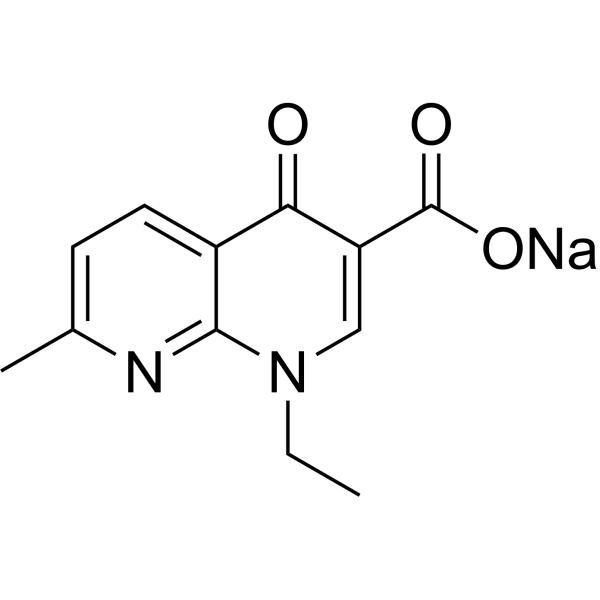
  • HY-B0398A
    Nalidixic acid sodium salt
    2 Publications Verification

    Bacterial Antibiotic Topoisomerase Infection
    Nalidixic acid sodium salt, a quinolone antibiotic, is effective against both gram-positive and gram-negative bacteria. Nalidixic acid acts in a bacteriostatic manner in lower concentrations and is bactericidal in higher concentrations. Nalidixic acid inhibits a subunit of DNA gyrase and topoisomerase IV and reversibly blocks DNA replication in susceptible bacteria .
    Nalidixic acid sodium salt
  • HY-B1350A
    Fusidic acid sodium salt
    2 Publications Verification

    Sodium fusidate; SQ-16360

    Bacterial Antibiotic Interleukin Related Infection Inflammation/Immunology
    Fusidic acid sodium salt is an orally available antibacterial agent that inhibits bacterial protein synthesis by preventing the release of translation elongation factor G (EF-G) from ribosomes. Fusidic acid sodium salt inhibits the inhibitory and activating effects of interleukins IL-1 and IL-6 on glucose-induced insulin production and exhibits antidiabetic effects in a rat model. Fusidic acid sodium salt improves the symptoms of colitis in rats and inhibits the growth of Toxoplasma gondii and Listeria monocytogenes EGD in vitro, but not in mice .
    Fusidic acid sodium salt
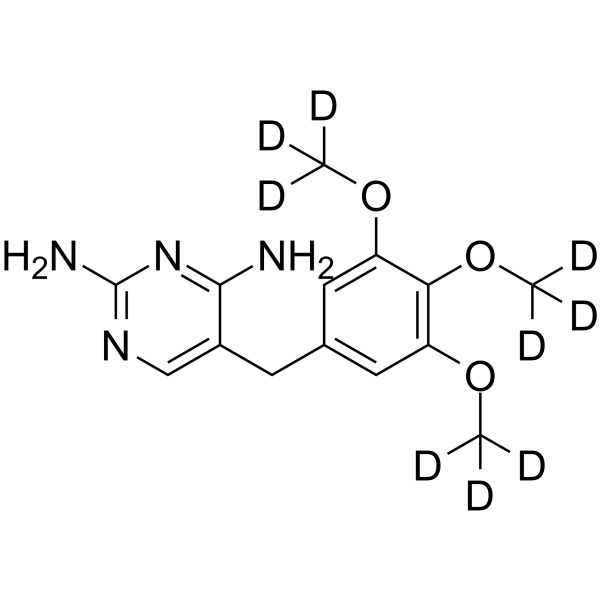
  • HY-B0510S

    Antifolate Bacterial Antibiotic Infection
    Trimethoprim-d9 is the deuterium labeled Trimethoprim. Trimethoprim is a bacteriostatic antibiotic and an orally active dihydrofolate reductase inhibitor. Trimethoprim is active against a wide range of Gram-positive and Gram-negative aerobic bacteria. Trimethoprim has the potential for urinary tract infections, Shigellosis and Pneumocystis pneumonia treatment .
    Trimethoprim-d9
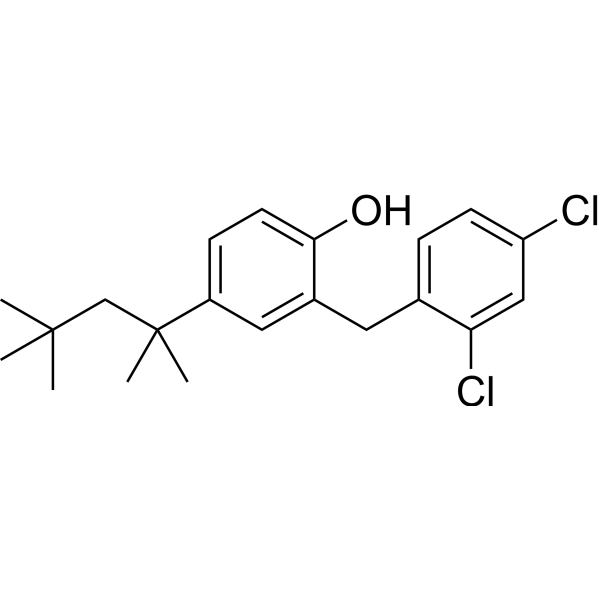
  • HY-B1150
    Clofoctol
    1 Publications Verification

    Bacterial SARS-CoV Antibiotic Infection Cancer
    Clofoctol is a bacteriostatic antibiotic. Clofoctol is used in the treatment of respiratory tract and ear, nose and throat infections caused by Gram-positive bacteria. Clofoctol is only functional against Gram-positive bacteria and can penetrate into human lung tissue. Clofoctol is also an inhibitor of prostate cancer. Clofoctol has antiviral potency .
    Clofoctol
  • HY-B0322A
    Sulfamethoxazole sodium
    20+ Cited Publications

    Ro 4-2130 sodium

    Antibiotic Bacterial Infection
    Sulfamethoxazole (Ro 4-2130) sodium is a sulfonamide antibiotic with a widespread antibacterial activity. Sulfamethoxazole sodium inhibits bacterial folate metabolism by competing with 4-Aminobenzoic acid (HY-B1008) (PABA) to act on dihydropteroate synthetase and dihydropteroate reductase. Sulfamethoxazole sodium can be used for the study of urinary tract infections (UTIs), prostatitis, and bronchitis .
    Sulfamethoxazole sodium
  • HY-Y0320R
    Dimethyl sulfoxide (Standard)
    1 Publications Verification

    DMSO, meets analytical specification of Ch.P. (Standard)

    Reference Standards Cholinesterase (ChE) Bacterial Infection Inflammation/Immunology Cancer
    Dimethyl sulfoxide (Standard) is the analytical standard of Dimethyl sulfoxide. This product is intended for research and analytical applications. Dimethyl sulfoxide (DMSO) is an aprotic solvent that dissolves both polar and nonpolar compounds. Dimethyl sulfoxide has anti-freezing and bacteriostatic properties .
    Dimethyl sulfoxide (Standard)
  • HY-18702

    Bacterial Infection
    Targocil functions as a bacteriostatic inhibitor of wall teichoic acid (WTA) biosynthesis which can inhibit the growth of methicillin-susceptible S. aureus (MSSA) and methicillin-resistant S. aureus (MRSA) with MIC90s of 2 μg/ mL for both MRSA and MSSA.
    Targocil
  • HY-B1407
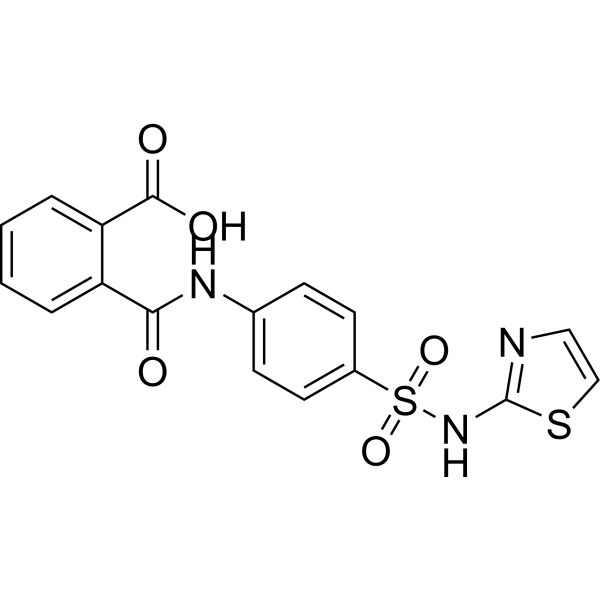
    Phthalylsulfathiazole
    2 Publications Verification

    N4-Phthalylsulfathiazole

    Antibiotic Bacterial Infection
    Phthalylsulfathiazole (N4-Phthalylsulfathiazole) is an orally active sulfonamide intestinal antibacterial agent. Phthalylsulfathiazole has low toxicity and excellent bacteriostatic efficacy. Phthalylsulfathiazole inhibits E. coli, streptococci, staphylococci, and total fecal bacteria. Phthalylsulfathiazole can be used in research related to intestinal infections such as colon infection, bacillary dysentery, and ulcerative colitis .
    Phthalylsulfathiazole
  • HY-B0510C
    Trimethoprim lactate
    10+ Cited Publications

    Antifolate Bacterial Antibiotic Infection Cancer
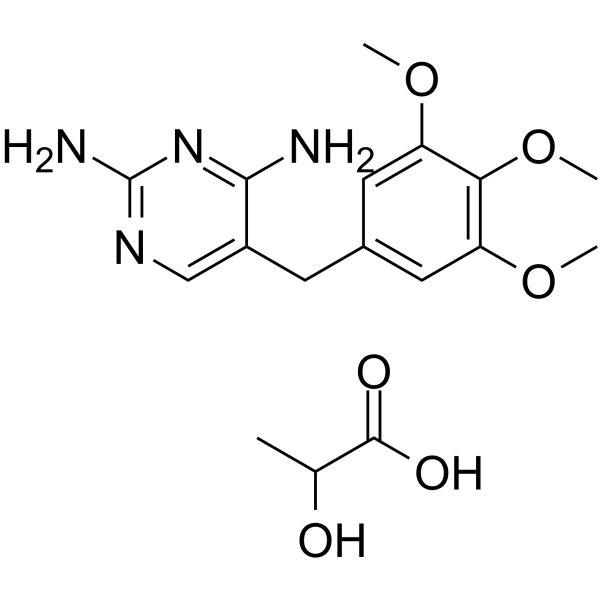
    Trimethoprim lactate is a bacteriostatic antibiotic and an orally active dihydrofolate reductase inhibitor. Trimethoprim lactate is active against a wide range of Gram-positive and Gram-negative aerobic bacteria. Trimethoprim lactate has the potential for the research of urinary tract infections, Shigellosis and Pneumocystis pneumonia. Trimethoprim lactate can inhibit infection of Influenza A virus in chick embryo when combinated with zinc .
    Trimethoprim lactate
  • HY-B1390B

    Bacterial Inflammation/Immunology
    Saccharin sodium hydrate is an orally active, non-caloric artificial sweeteners (NAS). Saccharin sodium hydrate has bacteriostatic and microbiome-modulating properties .
    Saccharin sodium hydrate
  • HY-N6656

    Fungal Bacterial Inflammation/Immunology Cancer
    6-Hydroxycoumarin is a coumarin which has anti-inflammatory, anti-pyretic, anti-oxidant, vasodilator, anti-amoebic, anti-bacterial, anti-fungal, bacteriostatic and antitumor activity .
    6-Hydroxycoumarin
  • HY-112324

    Bacterial Infection
    Terizidone is an antibacterial agent, and shows bacteriostatic activity. Terizidone can be used in tuberculosis (TB) research .
    Terizidone
  • HY-N0015R

    Astragaline (Standard); 3-Glucosylkaempferol (Standard); Kaempferol 3-β-D-glucopyranoside (Standard)

    Reference Standards Apoptosis NF-κB Infection Inflammation/Immunology Cancer
    Astragalin (Standard) is the analytical standard of Astragalin. This product is intended for research and analytical applications. Astragalin (Astragaline) a flavonoid with anti-inflammatory, antioxidant, anticancer, bacteriostatic activity. Astragalin inhibits cancer cells proliferation and migration, induces apoptosis. Astragalin is orally active and provides nerve and heart protection, and resistance against and osteoporosis .
    Astragalin (Standard)
  • HY-B0479S

    Thiophenicol-d3; Dextrosulphenidol-d3

    Isotope-Labeled Compounds Bacterial Antibiotic Infection
    Thiamphenicol-d3 is a deuterium labeled Thiamphenicol. Thiamphenicol, a methyl-sulfonyl derivative of Chloramphenicol, is a broad-spectrum antimicrobial antibiotic. Thiamphenicol acts by binding to the 50S ribosomal subunit, leading to inhibition of protein synthesis and bacteriostatic effect (against Gram-negative, Gram-positive aerobic and anaerobic bacteria) .
    Thiamphenicol-d3
  • HY-B1390A

    Environmental Pollutants Bacterial Infection
    Saccharin sodium is an orally active, non-caloric artificial sweetener (NAS). Saccharin sodium has bacteriostatic and microbiome-modulating properties. Saccharin binds to and signals via specific taste receptors, not only in the oral cavity but also alongside the gastrointestinal tract. Saccharin has been reported to bind the human and rodent heteromeric guanine nucleotide-binding protein (G protein) coupled sweet taste receptors T1R2/T2R3 as well as the human bitter taste receptor T2R43 and T2R44. Saccharin can inhibit bacterial growth in vitro .
    Saccharin sodium
  • HY-N13292

    Antibiotic Bacterial Infection
    Actinorhodin is a blue-pigmented, redox-active microbial secondary metabolite. Actinorhodin is a potent, bacteriostatic, pH-responsive antibiotic. Actinorhodin exhibits antimicrobial activity against Gram-positive bacteria .
    Actinorhodin
  • HY-N10087

    Bacterial Infection
    Angustifoline, an alkaloid, can be isolated from Lupinus angustifolius L. alkaloid extract. Angustifoline exhibits antimicrobial activity. Angustifoline could have bacteriostatic effects against S. aureus, B. subtilis, E. coli, P. aeruginosa and B. thuringiensis .
    Angustifoline
  • HY-B0510R

    Reference Standards Antifolate Bacterial Antibiotic Influenza Virus Infection
    Trimethoprim (Standard) is the analytical standard of Trimethoprim. This product is intended for research and analytical applications. Trimethoprim is a bacteriostatic antibiotic and an orally active dihydrofolate reductase inhibitor. Trimethoprim is active against a wide range of Gram-positive and Gram-negative aerobic bacteria. Trimethoprim has the potential for the research of urinary tract infections, Shigellosis and Pneumocystis pneumonia. Trimethoprim can inhibit infection of Influenza A virus in chick embryo when combinated with zinc .
    Trimethoprim (Standard)
  • HY-B1350R
    Fusidic acid (Standard)
    1 Publications Verification

    Fusidate (Standard); SQ-16603 (Standard)

    Antibiotic Bacterial Reference Standards Infection Cancer
    Fusidic acid (Standard) is the analytical standard of Fusidic acid. This product is intended for research and analytical applications. Fusidic acid (Fusidate) a bacteriostatic antibiotic produced from the Fusidium coccineum fungus, belongs to the class of steroids. Fusidic acid has no corticosteroid effects. Fusidic acid inhibits the growth of bacteria by preventing the release of translation elongation factor G (EF-G) from the ribosome .
    Fusidic acid (Standard)
  • HY-121300

    (-)-TAN2162

    Antibiotic Bacterial Endothelin Receptor CGRP Receptor Infection Cancer
    Kendomycin ((−)-TAN 2162) is a polyketide antibiotic with remarkable antibacterial and cancer cells cytotoxic activities. Kendomycin tends to be bacteriostatic rather than bactericidal and inhibits the growth of the methicillin-resistant Staphylococcus aureus (MRSA) strain COL at a low concentration (MIC of 5 μg/mL). Kendomycin is a potent antagonist of the endothelin receptor and a calcitonin receptor agonist which plays its role as an anti-osteoporotic agent .
    Kendomycin
  • HY-P4211

    Bacterial Infection
    PSM-β is a active peptide , which can be isolated from Staphylococcus epidermidis. PSM-β is an analog of staphylococcal toxins, as well as a termed phenol-soluble modulin. PSM-β has bacteriostatic and poorly hemolytic properties .
    PSM-β
  • HY-B0510S2

    Antifolate Bacterial Antibiotic Infection
    Trimethoprim-d3is the deuterium labeled Trimethoprim. Trimethoprim is a bacteriostatic antibiotic and an orally active dihydrofolate reductase inhibitor. Trimethoprim is active against a wide range of Gram-positive and Gram-negative aerobic bacteria. Trimethoprim has the potential for urinary tract infections, Shigellosis and Pneumocystis pneumonia treatment .
    Trimethoprim-d3
  • HY-B0510B
    Trimethoprim hydrochloride
    10+ Cited Publications

    Antifolate Bacterial Antibiotic Influenza Virus Infection Cancer
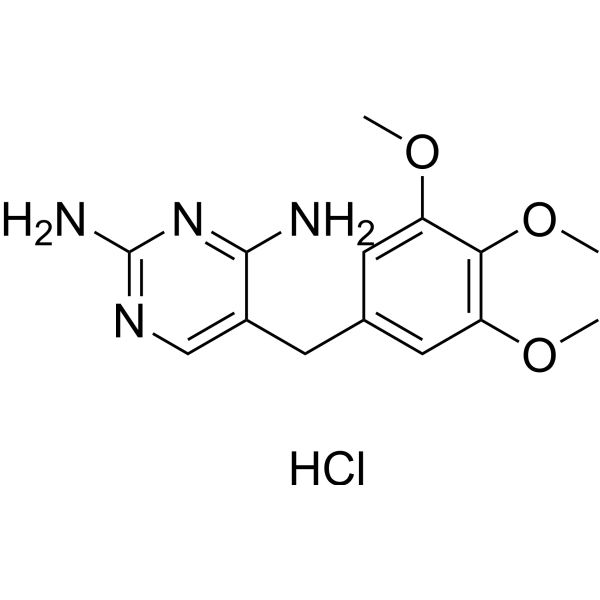
    Trimethoprim hydrochloride is a bacteriostatic antibiotic and an orally active dihydrofolate reductase inhibitor. Trimethoprim hydrochloride is active against a wide range of Gram-positive and Gram-negative aerobic bacteria. Trimethoprim hydrochloride has the potential for the research of urinary tract infections, Shigellosis and Pneumocystis pneumonia. Trimethoprim hydrochloride can inhibit infection of Influenza A virus in chick embryo when combinated with zinc .
    Trimethoprim hydrochloride
  • HY-B0322AR

    Ro 4-2130 sodium (Standard)

    Reference Standards Antibiotic Bacterial Infection Cancer
    Sulfamethoxazole (Standard) (Ro 4-2130 (Standard)) sodium is the analytical standard of Sulfamethoxazole sodium (HY-B0322A). This product is intended for research and analytical applications. Sulfamethoxazole (Ro 4-2130) sodium is a sulfonamide antibiotic with a widespread antibacterial activity. Sulfamethoxazole sodium inhibits bacterial folate metabolism by competing with 4-Aminobenzoic acid (HY-B1008) (PABA) to act on dihydropteroate synthetase and dihydropteroate reductase. Sulfamethoxazole sodium can be used for the study of urinary tract infections (UTIs), prostatitis, and bronchitis.
    Sulfamethoxazole sodium (Standard)
  • HY-B0322S1

    Ro 4-2130-13C6

    Isotope-Labeled Compounds Antibiotic Bacterial Infection
    Sulfamethoxazole- 13C6 (Ro 4-2130- 13C6) is a 13C labeled Sulfamethoxazole (HY-B0322). Sulfamethoxazole (Ro 4-2130) is a sulfonamide antibiotic with a widespread antibacterial activity. Sulfamethoxazole inhibits bacterial folate metabolism by competing with 4-Aminobenzoic acid (HY-B1008) (PABA) to act on dihydropteroate synthetase and dihydropteroate reductase. Sulfamethoxazole can be used for the study of urinary tract infections (UTIs), prostatitis, and bronchitis .
    Sulfamethoxazole-13C6
  • HY-W013482

    Benzyl Paraben

    Biochemical Assay Reagents Others
    Benzyl 4-hydroxybenzoate is a prominent material. Benzyl 4-hydroxybenzoate can be used as an excipient, such as bacteriostatic agent, preservative. Pharmaceutical excipients, or pharmaceutical auxiliaries, refer to other chemical substances used in the pharmaceutical process other than pharmaceutical ingredients. Pharmaceutical excipients generally refer to inactive ingredients in pharmaceutical preparations, which can improve the stability, solubility and processability of pharmaceutical preparations. Pharmaceutical excipients also affect the absorption, distribution, metabolism, and elimination (ADME) processes of co-administered drugs .
    Benzyl 4-hydroxybenzoate
  • HY-W002677

    Antibiotic Bacterial Infection
    Fluoroquinolonic acid is a bacteriostatic antibiotic. Fluoroquinolonic acid has broad-spectrum activity against Gram-positive and Gram-negative bacteria .
    Fluoroquinolonic acid
  • HY-108970

    Proton Pump Bacterial Fungal Infection
    Bafilomycin D is a specific inhibitor of vacuolar-type ATPase (V-ATPase). Bafilomycin D has antimicrobial, insecticidal, herbicidal and cytotoxic activity .
    Bafilomycin D
  • HY-B0535S

    Emb-d4

    Isotope-Labeled Compounds Bacterial Antibiotic Infection
    Ethambutol-d4 is the deuterium labeled Ethambutol. Ethambutol is a bacteriostatic antimycobacterial agent, which obstructs the formation of cell wall by inhibiting arabinosyl transferases.
    Ethambutol-d4
  • HY-Y0272S

    Isotope-Labeled Compounds Bacterial Inflammation/Immunology
    Saccharin-d4 is the deuterium labeled Saccharin. Saccharin is an orally active, non-caloric artificial sweeteners (NAS). Saccharin has bacteriostatic and microbiome-modulating properties .
    Saccharin-d4
  • HY-B0479R

    Thiophenicol (Standard); Dextrosulphenidol (Standard)

    Beta-lactamase Reference Standards Bacterial Antibiotic Infection
    Thiamphenicol (Standard) is the analytical standard of Thiamphenicol. This product is intended for research and analytical applications. Thiamphenicol (Thiophenicol), a methyl-sulfonyl derivative of Chloramphenicol, is a broad-spectrum antimicrobial antibiotic. Thiamphenicol acts by binding to the 50S ribosomal subunit, leading to inhibition of protein synthesis and bacteriostatic effect (against Gram-negative, Gram-positive aerobic and anaerobic bacteria) .
    Thiamphenicol (Standard)
  • HY-B1150R

    Reference Standards Bacterial SARS-CoV Antibiotic Infection Cancer
    Clofoctol (Standard) is the analytical standard of Clofoctol. This product is intended for research and analytical applications. Clofoctol is a bacteriostatic antibiotic. Clofoctol is used in the treatment of respiratory tract and ear, nose and throat infections caused by Gram-positive bacteria. Clofoctol is only functional against Gram-positive bacteria and can penetrate into human lung tissue. Clofoctol is also an inhibitor of prostate cancer. Clofoctol has antiviral potency .
    Clofoctol (Standard)
  • HY-B0688S2

    4,4′-Diaminodiphenyl sulfone-13C12; DDS-13C12

    Isotope-Labeled Compounds Antibiotic Parasite Bacterial Reactive Oxygen Species (ROS) Infection Inflammation/Immunology
    Dapsone- 13C12 is the 13C12 labeled Dapsone (HY-B0688). Dapsone (4,4′-Diaminodiphenyl sulfone) is an orally active and blood-brain penetrant sulfonamide antibiotic with bacteriostatic, antimycobacterial and antiprotozoal activities. Dapsone exerts effective antileprosy activity and inhibits folate synthesis in cell extracts of M. leprae. Dapsone is used for dermatologic disorder research, including leprosy, dermatitis herpetiformis, acne vulgaris et al .
    Dapsone-13C12
  • HY-126460A

    Bacterial Others
    Myristoyl glutamic acid sodium is a common ingredient in cosmetics/creams. Myristoyl glutamic acid sodium, a surfactant belonging to the amino acid, has mild cleaning properties and is also foamy and mildly bacteriostatic .
    Myristoyl glutamic acid sodium

Inquiry Online

Your information is safe with us. * Required Fields.

Salutation


Country or Region *

Applicant Name *


Organization Name *

Department *


Email Address *


Product Name *

Cat. No.


Requested quantity *

Phone Number *


Remarks

Inquiry Online

Inquiry Information

Product Name:
Cat. No.:
Quantity:
MCE Japan Authorized Agent:

