452 Results for "

bark

" in MedChemExpress (MCE) Product Catalog:
Products (452)

452 Results for "bark" in MCE Product Catalog:

8
8 Publications Verification
Cat. No.: HY-N0163
CAS No.: 528-43-8
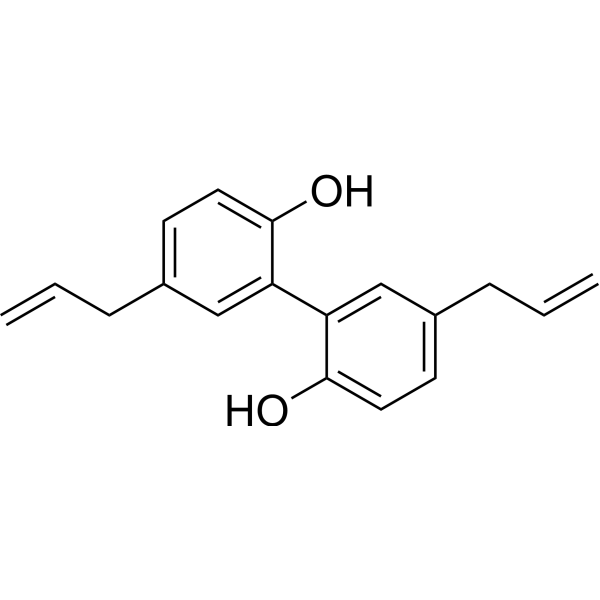
Magnolol, a natural lignan isolated from the stem bark of Magnolia officinalis, is a dual agonist of both RXRα and PPARγ, with EC50 values of 10.4 µM and 17.7 µM, respectively.
loading...
    loading...
8
8 Publications Verification
Cat. No.: HY-N0284
CAS No.: 305-01-1
Esculetin is an active ingredient extracted mainly from the bark of Fraxinus rhynchophylla. Esculetin inhibits platelet-derived growth factor (PDGF)-induced airway smooth muscle cells (ASMCs) phenotype switching through inhibition of PI3K/Akt pathway. Esculetin has antioxidant, antiinflammatory, and antitumor activities .
loading...
    loading...
7
7 Cited Publications
Cat. No.: HY-D0143
CAS No.: 130-95-0
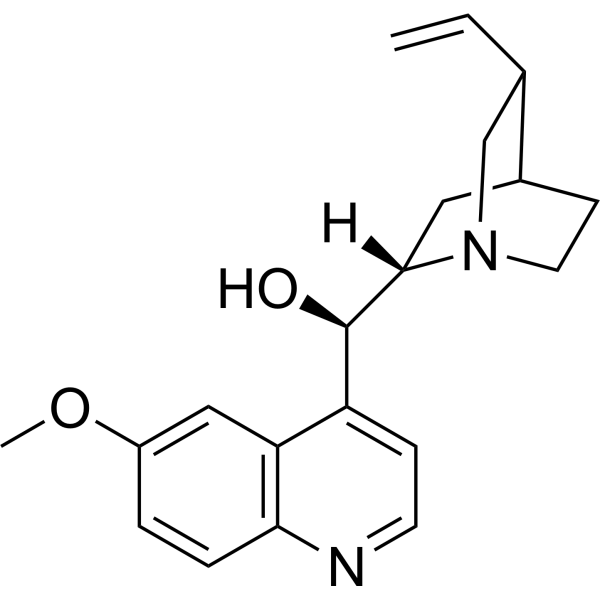
Quinine is an orally active alkaloid extracted from cinchona bark, possessing various biological activities including antimalarial, antidengue virus (DENV), and anticancer properties. Quinine is a potassium channel inhibitor that inhibits WT mouse Slo3 (KCa5.1) channel currents evoked by voltage pulses to +100 mV with an IC50 of 169 μM .
loading...
    loading...
7
7 Cited Publications
Cat. No.: HY-D0143A
CAS No.: 60-93-5
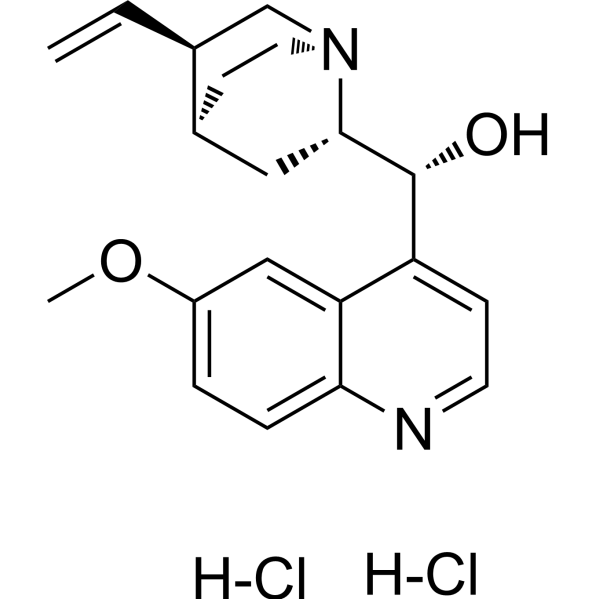
Quinine dihydrochloride is an orally active alkaloid extracted from cinchona bark, possessing various biological activities including antimalarial, antidengue virus (DENV), and anticancer properties. Quinine dihydrochloride is a potassium channel inhibitor that inhibits WT mouse Slo3 (KCa5.1) channel currents evoked by voltage pulses to +100 mV with an IC50 of 169 μM .
loading...
    loading...
7
7 Cited Publications
Cat. No.: HY-W010668
CAS No.: 6119-70-6
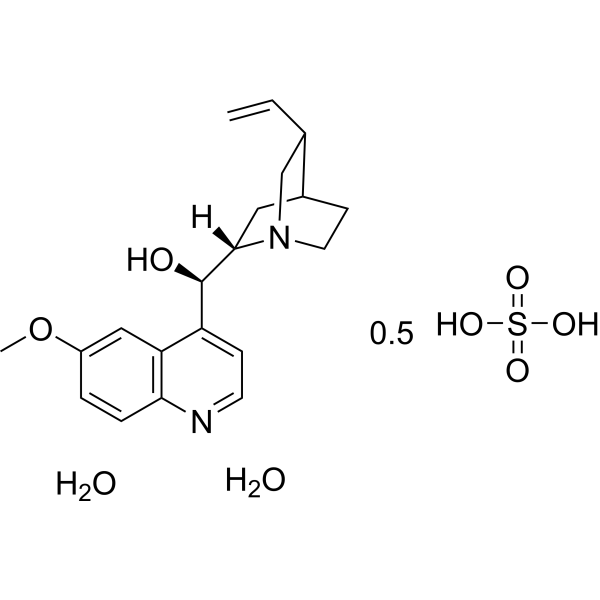
Quinine sulfate hydrate (2:1:4) is an orally active alkaloid extracted from cinchona bark and can be used in anti-malarial studies. Quinine sulfate hydrate (2:1:4) is a potassium channel inhibitor that inhibits WT mouse Slo3 (KCa5.1) channel currents evoked by voltage pulses to +100 mV with an IC50 of 169 μM .
loading...
    loading...
7
7 Cited Publications
Cat. No.: HY-D0143B
CAS No.: 207671-44-1
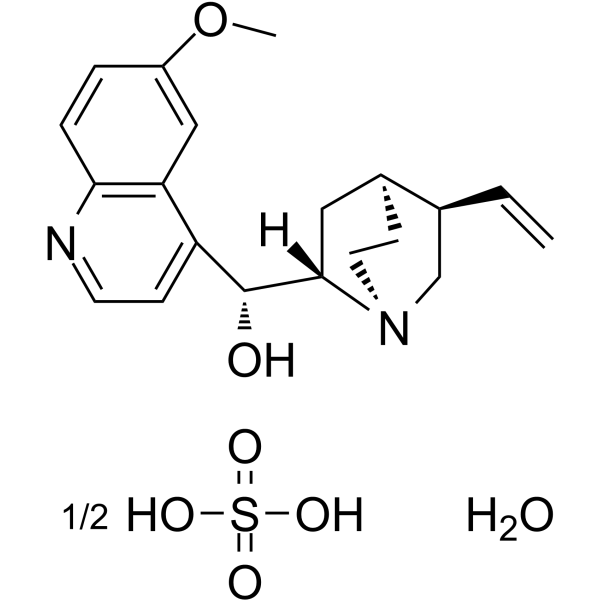
Quinine hemisulfate hydrate is an orally active alkaloid extracted from cinchona bark, possessing various biological activities including antimalarial, antidengue virus (DENV), and anticancer properties. Quinine hemisulfate hydrate acts as a potassium channel inhibitor that suppresses the +100 mV current of MT mSlo3 (KCa5.1) channels induced by voltage pulses, with an IC50 value of 169 μM. Quinine hemisulfate hydrate serves as a fluorescence standard reference substance with fluorescence spectrum calibration and validation activity .
loading...
    loading...
7
7 Cited Publications
Cat. No.: HY-110082
CAS No.: 130-89-2
Quinine hydrochloride is an alkaloid extracted from cinchona bark and exhibits oral activity, acting as a potassium channel inhibitor. Quinine hydrochloride modulates the tolerance of red blood cells and presents dose-dependent toxicity and embryonic effects. Quinine hydrochloride is a typical hemolysin that directly lyses red blood cells, with cellular components of red blood cell membranes as its action targets. Quinine hydrochloride disrupts red blood cell membranes and induces hemolysis at high concentrations, while merely weakening the anti-hemolytic capacity of red blood cells at low concentrations. Quinine hydrochloride continuously reduces red blood cell tolerance after in vivo administration, and high doses can also alter blood cell counts. Quinine hydrochloride can be applied to researches related to red blood cell hemolysis, cancer and malaria .
loading...
    loading...
6
6 Cited Publications
Cat. No.: HY-N0263
CAS No.: 58812-37-6
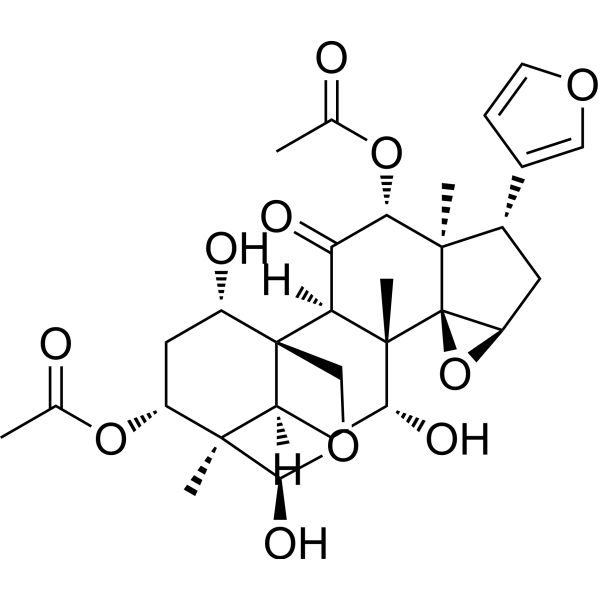
Toosendanin, a triterpenoid extracted from the bark of fruit of Melia toosendan Sieb. et Zucc., possesses analgesic, insecticidal and anti-inflammatory activities .
loading...
    loading...
6
6 Cited Publications
Cat. No.: HY-N1381
CAS No.: 13137-64-9
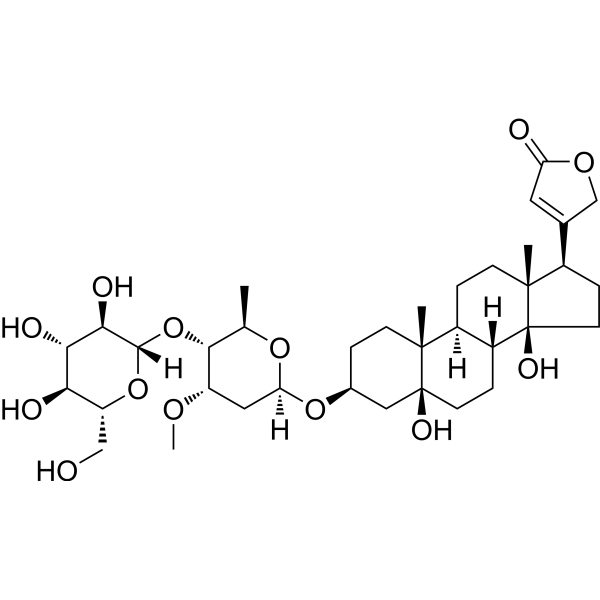
Periplocin is a cardiotonic steroid isolated from root-bark Periploca sepium Bunge. Periplocin promotes tumor cell apoptosis and inhibits tumor growth. Periplocin has the potential to facilitate wound healing through the activation of Src/ERK and PI3K/Akt pathways mediated by Na/K-ATPase .
loading...
    loading...
5
5 Cited Publications
Cat. No.: HY-W166297
CAS No.: 66778-17-4
Target:  

p38 MAPK

Research Areas:  

Cancer

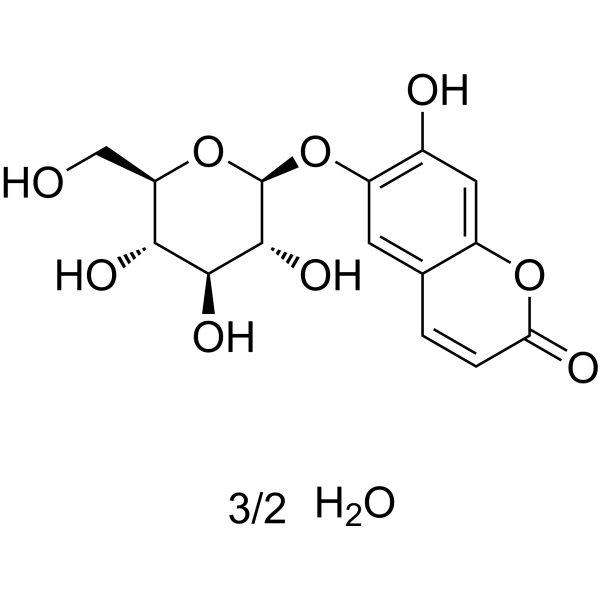
Esculin sesquihydrate, a fluorescent coumarin glucoside, is an active ingredient of ash bark. Esculin sesquihydrate ameliorates cognitive impairment in experimental diabetic nephropathy (DN), and exerts anti?oxidative stress and anti?inflammatory effects, via the MAPK signaling pathway .
loading...
    loading...
5
5 Cited Publications
Cat. No.: HY-Y0152
CAS No.: 118-10-5
Synonyms: (8R,9S)-Cinchonine; LA40221
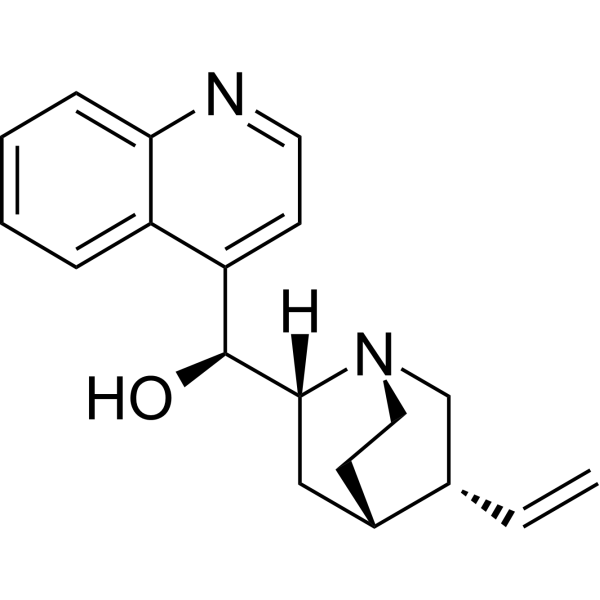
Cinchonine is a natural compound present in Cinchona bark with antimalarial, antitumor, anti-inflammatory, anti platelet-aggregation and anti-obesity properties. Cinchonine inhibits cells proliferation and autophagy and induces apoptosis through activation of Caspase-3. Cinchonine activates endoplasmic reticulum stress-induced apoptosis in human liver cancer cells .
loading...
    loading...
5
5 Cited Publications
Cat. No.: HY-N0188
CAS No.: 531-75-9
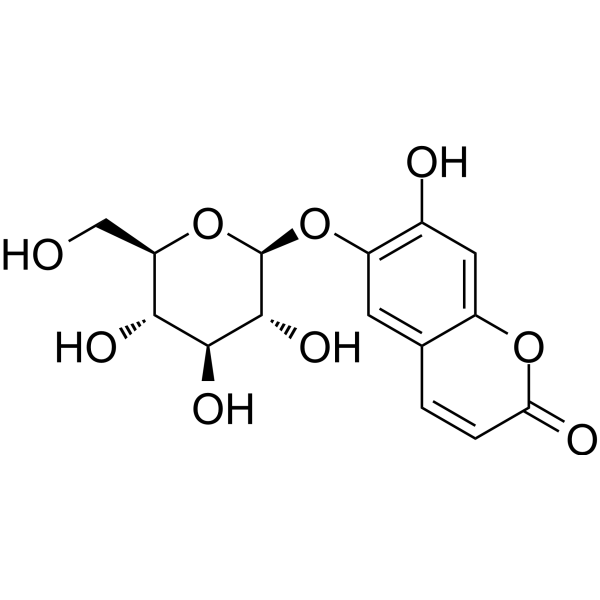
Esculin is a fluorescent coumarin glucoside, the active ingredient in ash bark. Esculin has antidiabetic effects, improves cognitive impairment in experimental diabetic nephropathy (DN) via the MAPK signaling pathway, and exerts antioxidant stress and anti-inflammatory effects. Esculin also has anticancer, antibacterial, antiviral, neuroprotective, antithrombotic, and therapeutic properties for eye diseases .
loading...
    loading...
4
4 Cited Publications
Cat. No.: HY-N0242
CAS No.: 28808-62-0
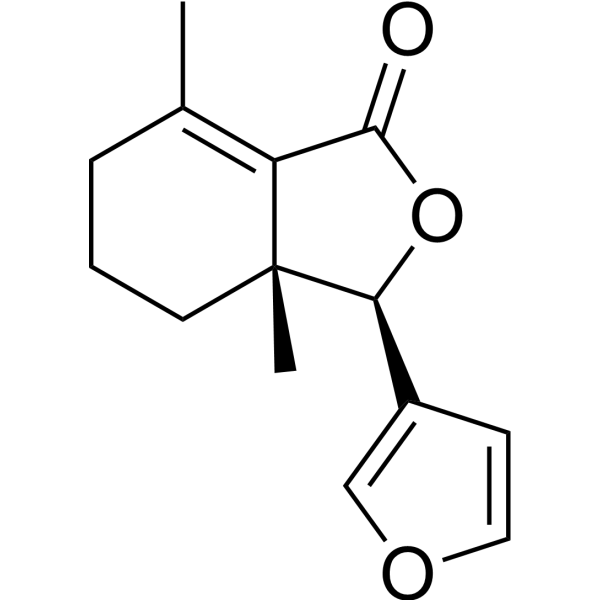
Fraxinellone is isolated from the root bark of the Rutaceae plant, Dictamnus dasycarpus. Fraxinellone is a PD-L1 inhibitor and inhibits HIF-1α protein synthesis without affecting HIF-1α protein degradation. Fraxinellone has the potential to be a valuable candidate for cancer treatment by targeting PD-L1 .
loading...
    loading...
2
2 Cited Publications
Cat. No.: HY-N6963
CAS No.: 81202-36-0
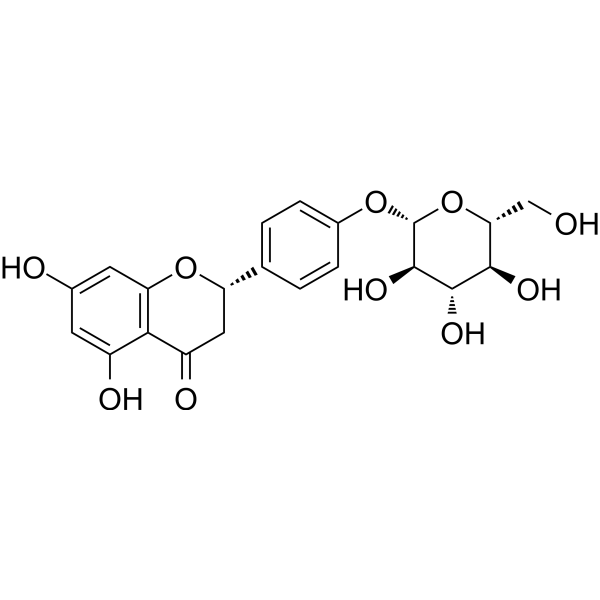
Choerospondin is a flavanone isolated from the bark of Choerospondias axillaris .
loading...
    loading...
1
1 Cited Publications
Cat. No.: HY-N2159
CAS No.: 81991-99-3
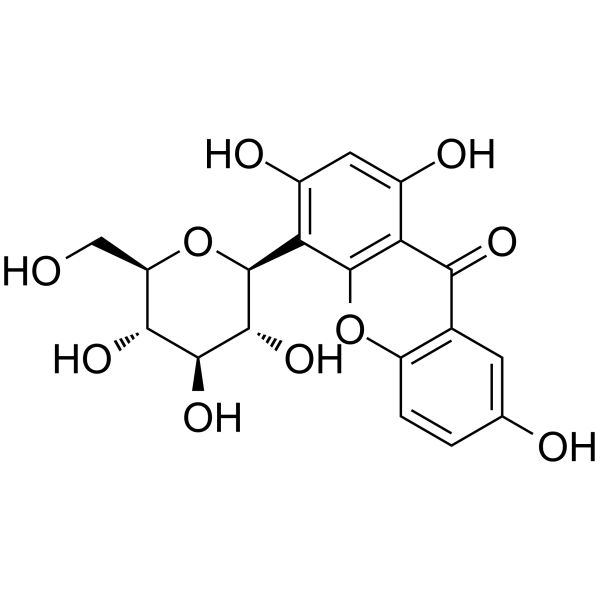
Lancerin, isolated from the root bark of Cudraniu cochinchinensis, possesses anti-lipid peroxidation .
loading...
    loading...
1
1 Cited Publications
Cat. No.: HY-N2300
CAS No.: 62949-77-3
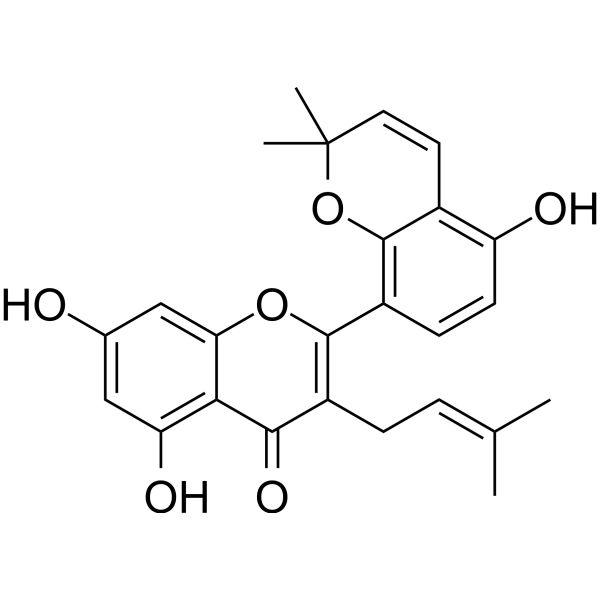
Kuwanon A is a flavone derivative isolated from the root barks of the mulberry tree (Morus alba L.); inhibits nitric oxide production with an IC50 of 10.5 μM.
loading...
    loading...
1
1 Cited Publications
Cat. No.: HY-N12422
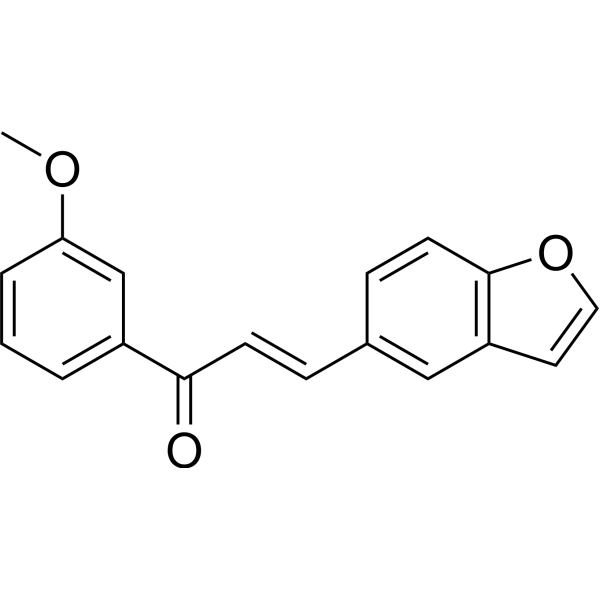
3′-Methoxyfurano[4″,5″:3,4]chalcone (compound 2) is a selective A2AAR antagonist (IC50=33.5 nM) with high affinity. 3′-Methoxyfurano[4″,5″:3,4]chalcone is also a natural product obtained from the bark of Allium cepa L. 3′-Methoxyfurano[4″,5″:3,4]chalcone can promote T cell activation and can be used in cancer immunity research .
loading...
    loading...
1
1 Cited Publications
Cat. No.: HY-N6850
CAS No.: 26020-14-4
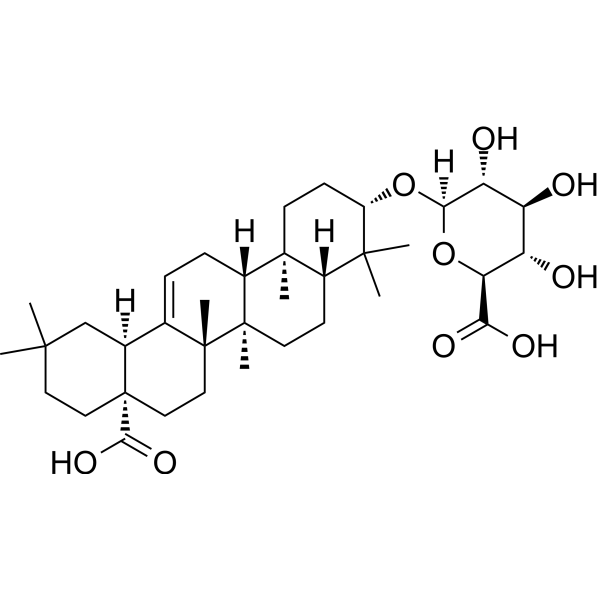
Calenduloside E is a pentacyclic triterpenoid saponin that can be extracted from the bark and roots of Aralia ovata, and has anti-inflammatory and anti-apoptotic activities. Calenduloside E alleviates atherosclerosis by regulating macrophage polarization, improves mitochondrial function by regulating the AMPK-SIRT3 pathway, and alleviates acute liver injury. In addition, Calenduloside E promotes the interaction between L-type calcium channels and Bcl-2 related apoptosis genes, inhibits calcium overload, and alleviates myocardial ischemia/reperfusion injury. Calenduloside E also improves non-alcoholic fatty liver disease by regulating heat shock-dependent pathways, and inhibits ROS mediated JAK1-STAT3 pathways to reduce cellular inflammatory responses .
loading...
    loading...
1
1 Cited Publications
Cat. No.: HY-N2392
CAS No.: 75288-96-9
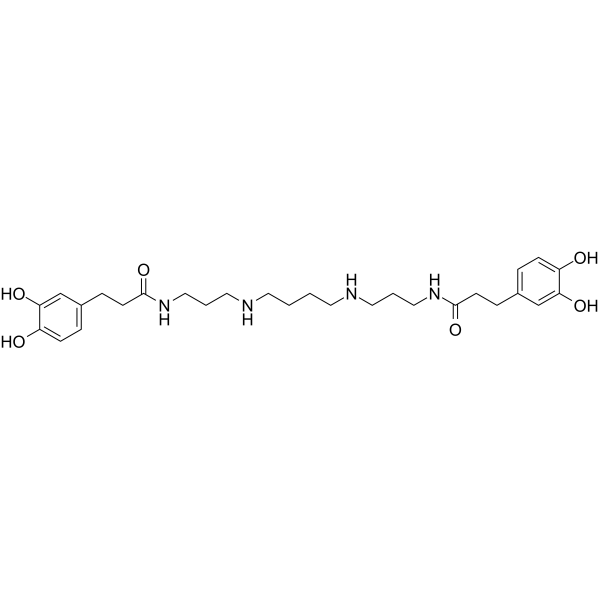
Kukoamine A, a spermine alkaloid, is an orally active and brain-penetrant component found in the root barks of Lycium chinense (L. chinense) Miller. Kukoamine A inhibits purified Crithidia fasciculata trypanothione reductase and soybean lipoxygenase, activates μ-opioid receptor. Kukoamine A can inhibt cancer cell proliferation, migration and invasion, cause G0/G1 phase cell cycle arrest and induce apoptosis. Kukoamine A exerts neuroprotective effect and can induce autophagy . Kukoamine A inhibits LPS (HY-D1056)-induced NO, ROS, PGE2, TNF-α, IL-1β, IL-6 production and COX-2 activity. Kukoamine A reverses palmitic acid-induced insulin resistance, lipid accumulation, and oxidative stress via downregulation of Srebp-1c. Kukoamine A can be used for the research of cancer, infection, inflammation, metabolic and neurological disease, such as glioblastoma and Parkinson's disease .
loading...
    loading...
Cat. No.: HY-W013571
CAS No.: 536-66-3
Synonyms: Cuminic acid; p-Isopropyl benzoic acid
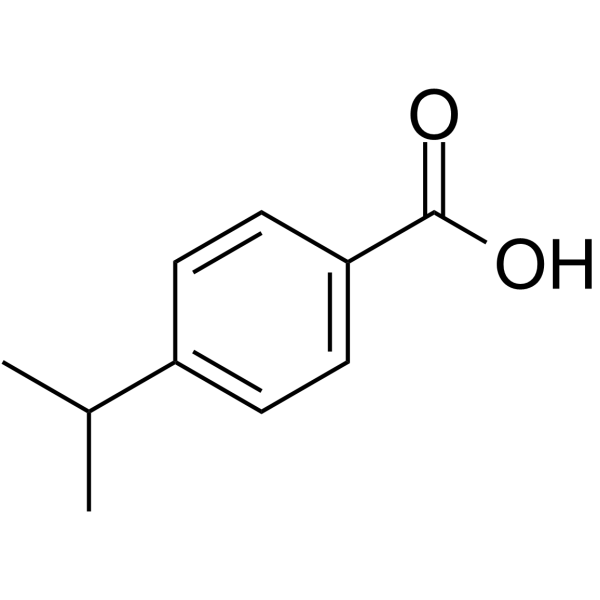
4-Isopropylbenzoic acid (Cuminic acid; p-Isopropyl benzoic acid) an aromatic monoterpenoid, is isolated from the stem bark of Bridelia retusa. 4-Isopropylbenzoic acid exhibits antifungal activities. 4-Isopropylbenzoic acid is also a reversible and uncompetitive inhibitor of mushroom tyrosinase .
loading...
    loading...

