Search Result
Results for "
bioavailability modulator
" in MedChemExpress (MCE) Product Catalog:
2
Biochemical Assay Reagents
1
Isotope-Labeled Compounds
| Cat. No. |
Product Name |
Target |
Research Areas |
Chemical Structure |
-
- HY-N1445
-
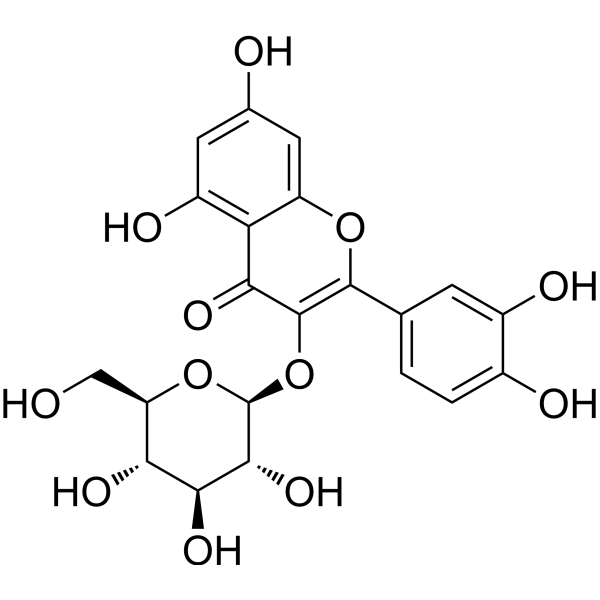
Isoquercitrin
Maximum Cited Publications
7 Publications Verification
Isoquercetin; Quercetin 3-glucoside
|
NF-κB
NO Synthase
|
Inflammation/Immunology
Cancer
|
|
Isoquercetin (Quercetin 3-glucoside) is a naturally occurring polyphenol that has antioxidant, anti-proliferative, and anti-inflammatory properties. Isoquercetin alleviates ethanol-induced hepatotoxicity, oxidative stress, and inflammatory responses via the Nrf2/ARE antioxidant signaling pathway . Isoquercetin regulates the expression of nitric oxide synthase 2 (NO2) via modulating the nuclear factor-κB (NF-κB) transcription regulation system. Isoquercetin has high bioavailability and low toxicity, is a promising candidate agent to prevent birth defects in diabetic pregnancies .
|
-
-
- HY-W004260
-
|
Eicosanoic acid
|
Endogenous Metabolite
|
Neurological Disease
|
|
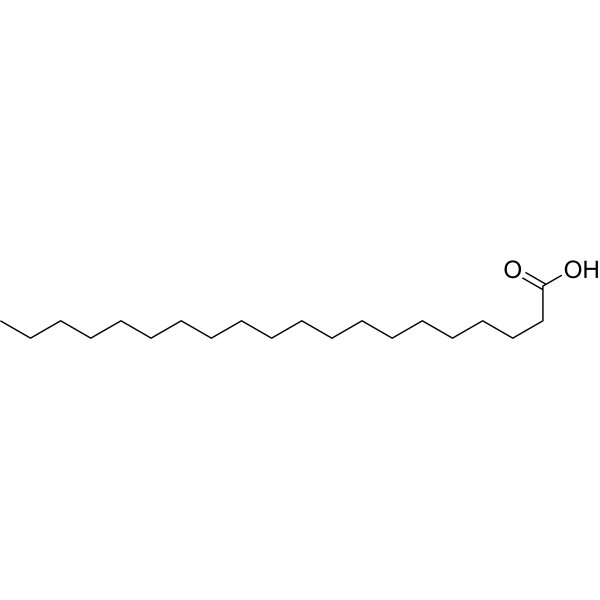
Arachidic acid is an orally bioavailable membrane fluidity modulator and receptor/ion channel effector. Arachidic acid does not activate arachidonic acid-sensitive K + channels in rat midbrain and hypothalamic neurons. Arachidic acid alleviates age-related spatial cognitive impairment. Arachidic acid is applicable for research related to age-related spatial cognitive impairment .
|
-
-
- HY-Y0669
-
-
-
- HY-111498A
-
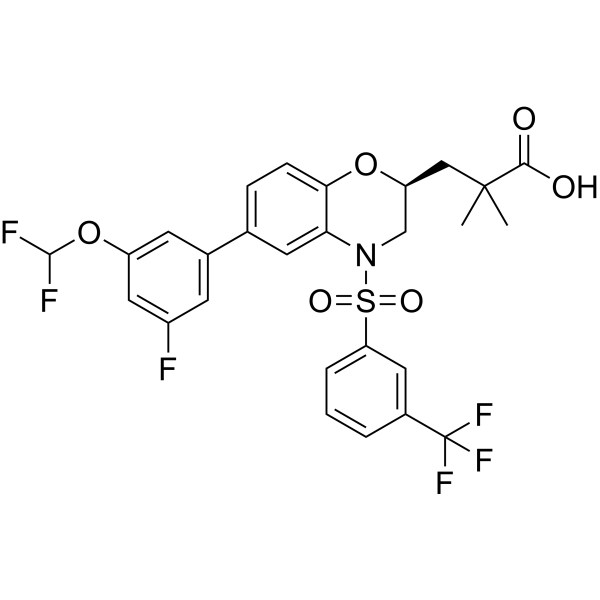
RGX-104
3 Publications Verification
Abequolixron
|
LXR
|
Inflammation/Immunology
Cancer
|
|
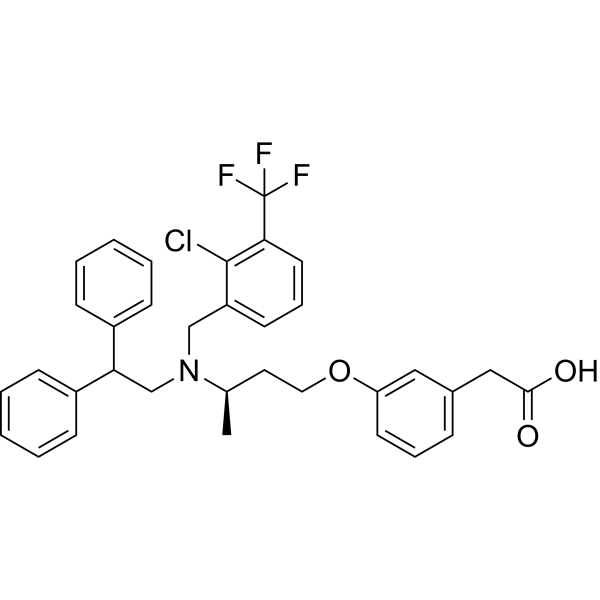
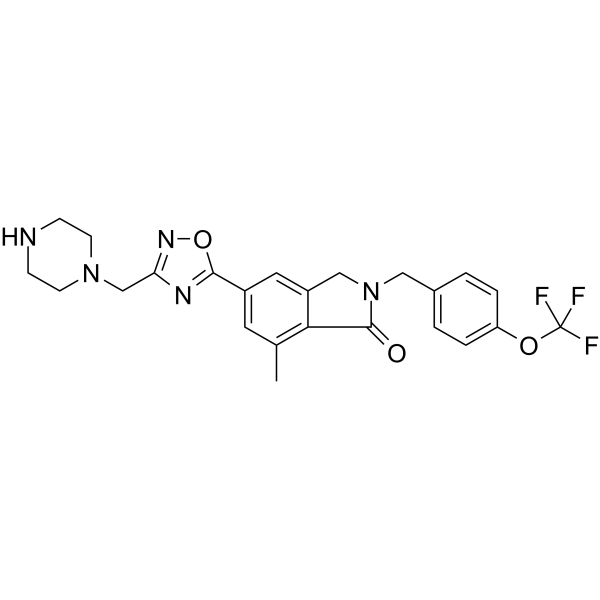
RGX-104 is an orally bioavailable and potent liver-X nuclear hormone receptor (LXR) agonist that modulates innate immunity via transcriptional activation of the ApoE gene.
|
-
-
- HY-105296
-
|
|
Sigma Receptor
mAChR
|
Cancer
|
|
Blarcamesine is an orally bioavailable Sigma-1 receptor agonist and muscarinic receptor modulator, with anticonvulsant, anti-amnesic, neuroprotective and antidepressant properties. Blarcamesine ameliorates neurologic impairments in a mouse model of Rett syndrome .
|
-
-
- HY-114530
-
-
-
- HY-124634
-
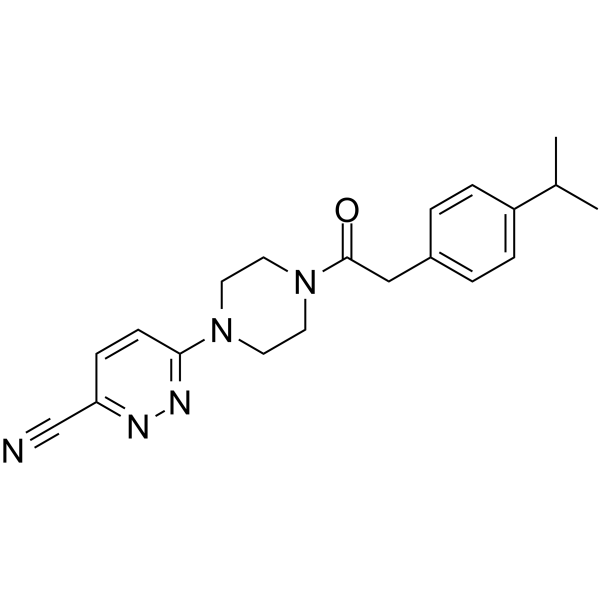
PZ-2891
4 Publications Verification
|
PANK
|
Neurological Disease
|
|
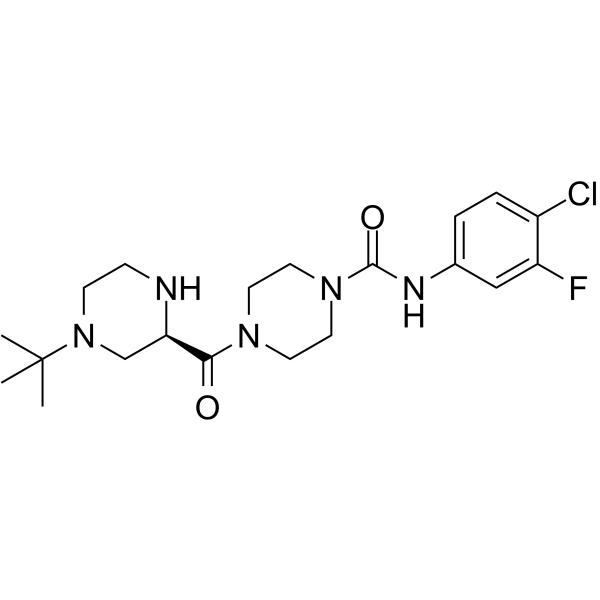
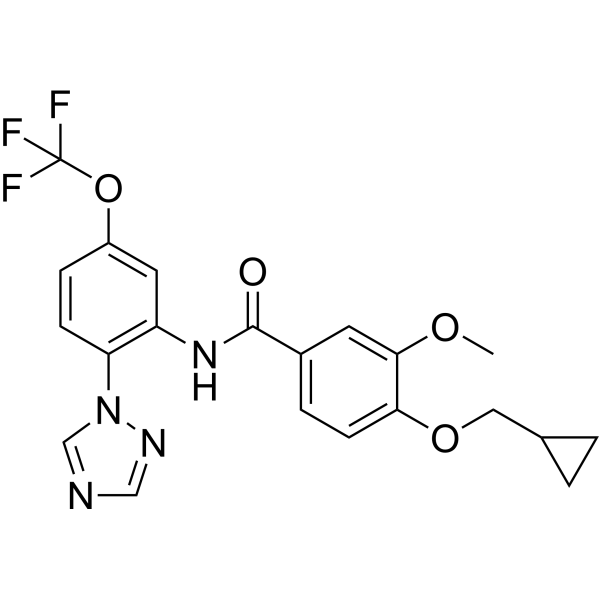
PZ-2891 is an orally bioavailable, brain penetrant pantothenate kinase (PANK) modulator. PZ-2891 act as an orthosteric inhibitor at high concentrations and an allosteric activator at lower sub-saturating concentrations. PZ-2891 inhibits human pantothenate kinases PANK1β, PANK2, and PANK3 with IC50s of 40.2 nM, 0.7 nM and 1.3 nM, respectively .
|
-
-
- HY-N0712
-
|
|
Autophagy
mTOR
Akt
FXR
|
Cardiovascular Disease
Neurological Disease
Metabolic Disease
Cancer
|
|
Typhaneoside is an orally bioavailable signal modulator and cellular regulator. Typhaneoside regulates the PI3K/Akt/mTOR autophagy transduction pathway. Typhaneoside promotes the activation of AMP-activated protein kinase and Caspase-3, induces apoptosis, ferroptosis, autophagy, ROS accumulation, and cell cycle arrest at the G2/M phase, and reduces cancer cell viability. Typhaneoside activates the farnesoid X receptor signaling pathway, improves glucose and lipid metabolism, alleviates inflammatory responses, oxidative stress and hepatic lipid accumulation, and exerts hepatoprotective effects. Typhaneoside is applicable to research related to post-myocardial infarction heart failure, acute myeloid leukemia, non-alcoholic fatty liver disease, and neurological disorders .
|
-
-
- HY-104037
-
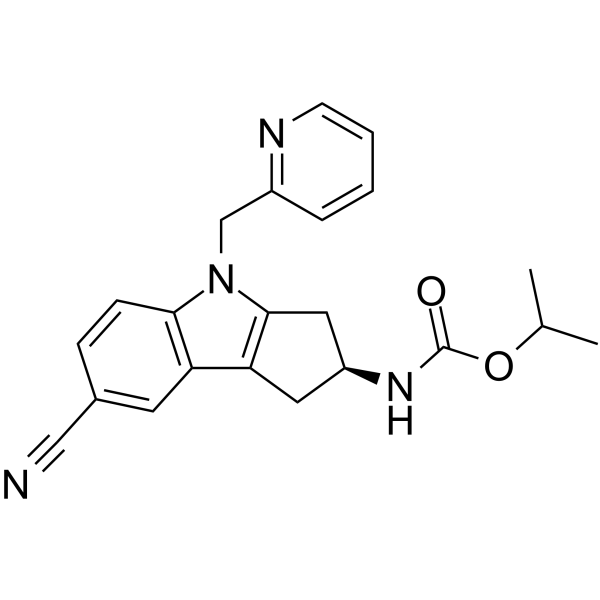
Cintirorgon
Maximum Cited Publications
8 Publications Verification
LYC-55716
|
ROR
|
Cancer
|
|
Cintirorgon (LYC-55716) is a first-in-class, selective and orally bioavailable RORγ agonist. Cintirorgon (LYC-55716) modulates gene expression of RORγ expressing T lymphocyte immune cells, resulting in enhanced effector function, as well as decreased immunosuppression, resulting in decreased tumor growth, and improved survival .
|
-
-
- HY-118424
-
|
|
iGluR
|
Neurological Disease
Metabolic Disease
|
|
JNJ-55511118 is a selective TARP γ-8 binding AMPA receptor modulator with oral bioavailability and blood-brain barrier permeability, with a Ki of 26 nM. JNJ-55511118 reduces voluntary intake of sweetened alcohol in male mice. In rodent models, JNJ-55511118 inhibits hippocampal neurotransmission, reduces specific electroencephalogram frequency bands, induces transient hyperlocomotion, impairs learning and memory abilities, and exerts anticonvulsant effects. JNJ-55511118 is applicable to research related to alcohol use disorder and seizures .
|
-
-
- HY-124600
-
|
|
HBV
|
Infection
|
|
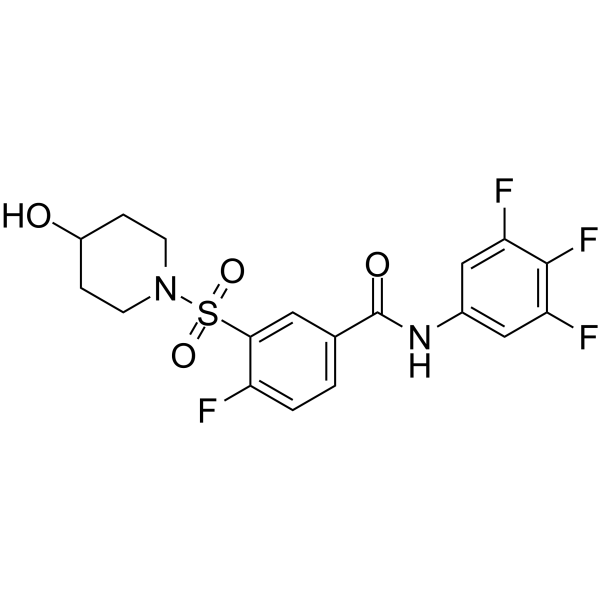
NVR 3-778 is a first-in-Class and oral bioavailable HBV CAM (capsid assembly modulator) belonging to the SBA (sulfamoylbenzamide) class, with anti-HBV activity .
|
-
-
- HY-B2235C
-
|
|
Biochemical Assay Reagents
Glutathione Peroxidase
|
Metabolic Disease
|
|
L-α-Lecithin (soybean) is an orally active phospholipid. L-α-Lecithin (soybean) increases the bioavailability of Lutein in plasma and eyes of Rattus norvegicus, enhances plasma Glutathione peroxidase activity, and regulates fatty acids in plasma and tissues .
|
-
-
- HY-107457
-
|
|
mGluR
|
Neurological Disease
|
|
AZD-8529 is a potent, highly selective and orally bioavailable positive allosteric modulator of mGluR2, with an EC50 of 285 nM, and shows no positive allosteric modulator responses at 20-25 M on the mGluR1, 3, 4, 5, 6, 7, and 8 subtypes.
|
-
-
- HY-135891
-
|
|
CCR
|
Neurological Disease
|
|
AZD2423 is a potent, selective, orally bioavailable, and non-competitive CCR2 chemokine receptor negative allosteric modulator. AZD2423 has an IC50 of 1.2 nM for CCR2 Ca 2+ flux .
|
-
-
- HY-170419
-
|
|
Apelin Receptor (APJ)
|
Cardiovascular Disease
|
|
APJ receptor agonist 10 (Compound I choline salt) modulates the activity of APJ receptor and can be used in research about pulmonary arterial hypertension. APJ receptor agonist 10 exhibits good bioavailability other than its free base form .
|
-
-
- HY-122559
-
|
|
mGluR
|
Neurological Disease
|
|
BMS-984923, a potent mGluR5 silent allosteric modulator (SAM), with exquisite binding affinity (Ki = 0.6 nM), exhibits good oral bioavailability and BBB penetration. BMS-984923 potently inhibits the PrPC-mGluR5 interaction and prevents pathological Aβo signaling without affecting physiological glutamate signaling .
|
-
-
- HY-147403S
-
|
JNJ-61393215
|
Orexin Receptor (OX Receptor)
Isotope-Labeled Compounds
|
Neurological Disease
|
|
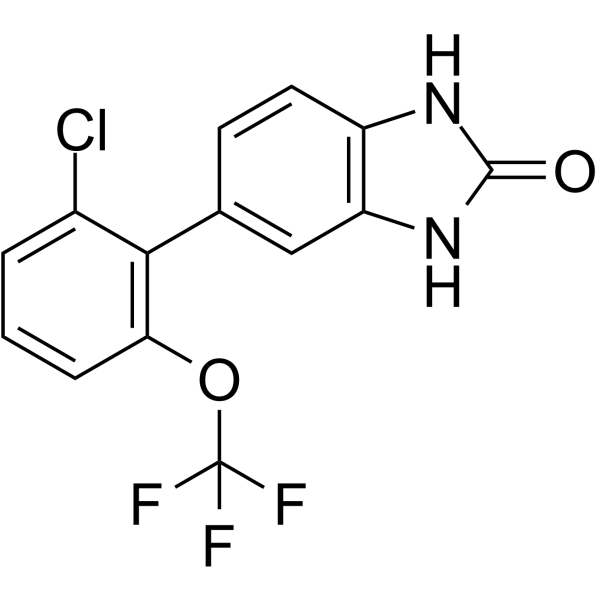
Tebideutorexant is an OX1R-selective inhibitor with oral bioavailability and blood-brain barrier permeability, with human OX1R pKi 8.17 and rat OX1R pKi 8.13.Tebideutorexant selectively modulates OX1R, with no significant functional effect on OX2R. Tebideutorexant can be used for the research of panic and anxiety disorders .
|
-
-
- HY-117482
-
|
|
γ-secretase
|
Neurological Disease
|
|
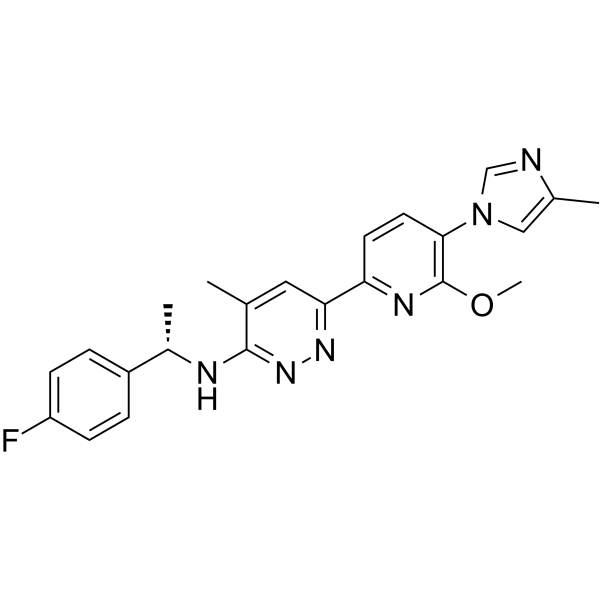
BPN-15606 is a highly potent, orally active γ-secretase modulator (GSM), attenuates the production of Aβ42 and Aβ40 by SHSY5Y neuroblastoma cells with IC50 values of 7 nM and 17nM, respectively. BPN-15606 lowers Aβ42 and Aβ40 levels in the central nervous system of rats and mice. BPN-15606 has acceptable PK/PD properties, including bioavailability, half-life, and clearance .
|
-
-
- HY-N1445R
-
|
Isoquercetin (Standard); Quercetin 3-glucoside (Standard)
|
Reference Standards
NF-κB
NO Synthase
|
Inflammation/Immunology
Cancer
|
|
Isoquercetin (Standard) is the analytical standard of Isoquercetin. This product is intended for research and analytical applications. Isoquercetin (Quercetin 3-glucoside) is a naturally occurring polyphenol that has antioxidant, anti-proliferative, and anti-inflammatory properties. Isoquercetin alleviates ethanol-induced hepatotoxicity, oxidative stress, and inflammatory responses via the Nrf2/ARE antioxidant signaling pathway . Isoquercetin regulates the expression of nitric oxide synthase 2 (NO2) via modulating the nuclear factor-κB (NF-κB) transcription regulation system. Isoquercetin has high bioavailability and low toxicity, is a promising candidate agent to prevent birth defects in diabetic pregnancies .
|
-
-
- HY-107987
-
|
|
CXCR
|
Endocrinology
|
|
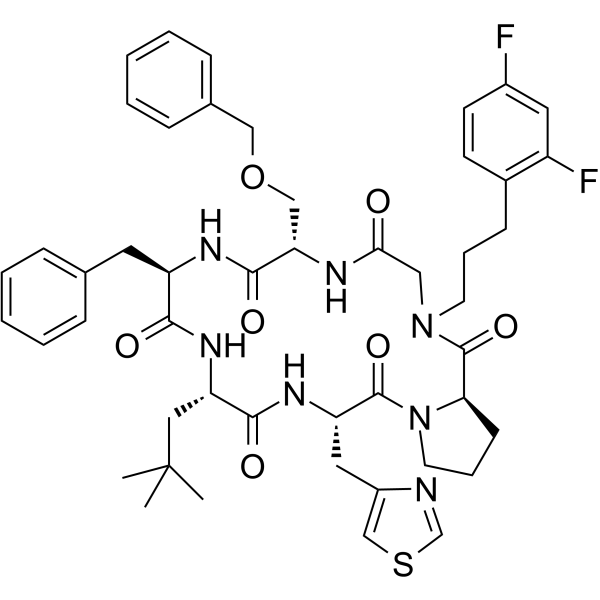
CXCR7 modulator 1 (compound 25) is a potent and orally bioavailable peptoid hybrid CXCR7 modulator, with a Ki of 9 nM .
|
-
-
- HY-114403
-
|
|
mGluR
|
Neurological Disease
|
|
VU6012962 is an orally bioavailable and CNS-penetrant metabotropic glutamate receptor 7 negative allosteric modulator (mGlu7 NAM) with an IC50 of 347 nM .
|
-
-
- HY-153715
-
|
Mitochondria modulator-1
|
Biochemical Assay Reagents
|
Metabolic Disease
|
|
NV-354 (Mitochondria modulator-1) (compound 1) is a mitochondrial regulator that stimulates mitochondrial ATP production. NV-354 has good oral bioavailability, blood-brain barrier permeability, and good plasma stability. NV-354 has the potential to study mitochondrial diseases .
|
-
-
- HY-155088
-
|
|
mGluR
|
Metabolic Disease
|
|
MK-8768 is a highly potent, orally bioavailable and selective class of mGluR2 negative allosteric modulator (IC50 of 9 .6nM) with excellent brain permeability.
|
-
-
- HY-107457A
-
|
|
mGluR
|
Neurological Disease
|
|
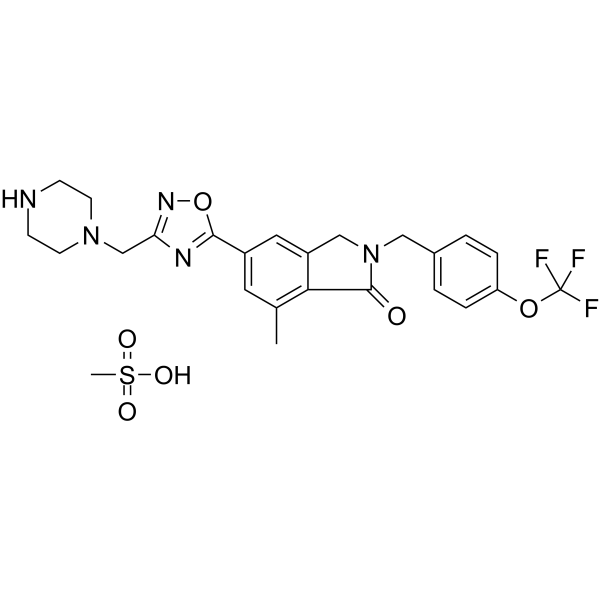
AZD-8529 mesylate is a potent, highly selective and orally bioavailable positive allosteric modulator of mGluR2, with an EC50 of 285 nM, and shows no positive allosteric modulator responses at 20-25 M on the mGluR1, 3, 4, 5, 6, 7, and 8 subtypes .
|
-
-
- HY-14419
-
|
|
mGluR
|
Neurological Disease
|
|
TCN238 is an orally bioavailable mGlu4 receptor positive allosteric modulator (PAM) with an EC50 of 1 μM .
|
-
-
- HY-133555
-
|
|
mGluR
|
Neurological Disease
|
|
mGluR2 antagonist 1 is a highly potent, orally bioavailable and selective class of mGluR2 negative allosteric modulator (IC50 of 9 nM) with excellent brain permeability .
|
-
-
- HY-120004
-
|
|
mAChR
|
Infection
|
|
PF-06827443 is a potent, low-clearance, orally bioavailable, and CNS-penetrant M1-selective positive allosteric modulator (PAM) with minimal agonist activity. PF-06827443 induce cholinergic AEs and convulsion .
|
-
-
- HY-145559
-
|
KU-596
|
HSP
|
Metabolic Disease
|
|
Cemdomespib (KU-596) is a highly bioavailable second-generation Hsp90 modulator. Cemdomespib has shown efficacy in improving sensory deficits in models of diabetic peripheral neuropathy. Cemdomespib induces Hsp70 levels and manifest neuroprotective activity through induction of the heat shock response .
|
-
-
- HY-141431
-
|
|
E1/E2/E3 Enzyme
|
Inflammation/Immunology
Cancer
|
|
Cbl-b-IN-2 (Example 8) is an orally bioavailable compound, can inhibit the E3 enzyme Casitas B-lineage lymphoma proto-oncogene-b (Cbl-b) in the ubiquitin proteasome pathway. Cbl-b-IN-2 can be used to modulate the immune system and diseases amenable to immune system modulation. Cbl-b-IN-2 (Example 8) also may be administered to an individual with cancer, either alone or as part of a combination, with one or more of an immune checkpoint inhibitor, an anti-neoplastic agent, and radiation agent .
|
-
-
- HY-124372
-
|
|
mGluR
|
Neurological Disease
|
|
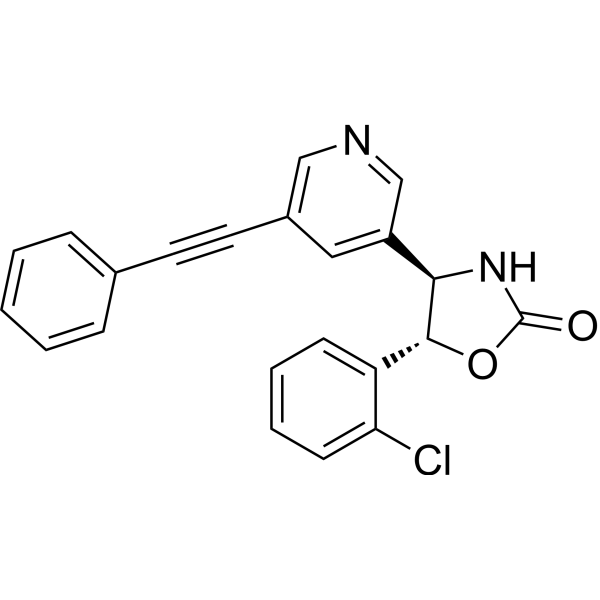
JNJ-46356479 is a selective and orally bioavailable mGlu2 receptor positive allosteric modulator (PAM), with the EC50 of 78 nM. JNJ-46356479 shows active in vivo .
|
-
-
- HY-143880
-
|
|
Mas-related G-protein-coupled Receptor (MRGPR)
|
Neurological Disease
|
|
MRGPRX1 agonist 4 (compound 1t) is a potent and orally active Mas-related G protein-coupled receptor X1 (MRGPRX1) positive allosteric modulator with an EC50 value of 0.1 μM. MRGPRX1 agonist 4 has good metabolic stability and oral bioavailability. MRGPRX1 agonist 4 can reduce behavioral heat hypersensitivity in a neuropathic pain model humanized MRGPRX1 mice. MRGPRX1 agonist 4 can be used for researching neuropathic pain .
|
-
-
- HY-16622A
-
|
|
LPL Receptor
|
Others
|
|
GSK1842799, an alkyl-substituted biaryl amino alcohol, is a selective S1P1 modulator developed for multiple sclerosis (MS). Upon phosphorylation, GSK1842799-P exhibited subnanomolar S1P1 agonist activity with over 1000-fold selectivity over S1P3. The compound showed good oral bioavailability, rapid in vivo conversion to GSK1842799-P, and significant lymphocyte count reduction at 0.1 mg/kg. It matched FTY720 efficacy at 3 mg/kg in the mouse EAE model and achieved comparable plasma levels to FTY-720 phosphate in cynomolgus monkeys. With favorable ADME, PK/PD properties, and toxicology, GSK1842799 advanced to further clinical development .
|
-
-
- HY-120184
-
|
AZ13713945
|
mAChR
|
Neurological Disease
|
|
VU0467485 (AZ13713945) is a potent, selective, and orally bioavailable muscarinic acetylcholine receptor 4 (M4) positive allosteric modulator (PAM). VU0467485 (AZ13713945) potentiates activity of ACh at M4 with EC50s of 26.6 nM and 78.8 nM at rat and human M4 receptors, respectively. VU0467485 (AZ13713945) shows selectivity for M4 over human and rat M1/2/3/5. VU0467485 (AZ13713945) displays moderate to high CNS penetration. VU0467485 (AZ13713945) has antipsychotic-like activity .
|
-
-
- HY-147528
-
|
|
mGluR
|
Neurological Disease
|
|
mGluR2 modulator 2 (compound 2) is a potent, selective and orally bioavailable mGluR2 positive allosteric modulator with an EC50 value of 0.13 μM. mGluR2 modulator 2 can be used for researching antipsychotic .
|
-
-
- HY-176420
-
|
|
mGluR
|
Neurological Disease
|
|
VU6031545 is a potent mGlu 5 negative allosteric modulator with an IC50 of 15 nM. VU6031545 has excellent brain penetrant and oral bioavailability in rats .
|
-
-
- HY-124600R
-
|
|
HBV
|
Infection
|
|
NVR 3-778 (Standard) is the analytical standard of NVR 3-778. This product is intended for research and analytical applications. NVR 3-778 is a first-in-Class and oral bioavailable HBV CAM (capsid assembly modulator) belonging to the SBA (sulfamoylbenzamide) class, with anti-HBV activity .
|
-
-
- HY-104037A
-
|
LYC-55716 sodium
|
ROR
|
Cancer
|
|
Cintirorgon sodium is a first-in-class, selective and orally bioavailable RORγ agonist. Cintirorgon sodium (LYC-55716) modulates gene expression of RORγ expressing T lymphocyte immune cells, resulting in enhanced effector function, as well as decreased immunosuppression, resulting in decreased tumor growth, and improved survival .
|
-
-
- HY-173032
-
|
|
mGluR
|
Neurological Disease
|
|
VU6033685 is the orally active positive allosteric modulator (PAM) for mGlu1 that positively modulates human mGlu1 and human mGlu5 with EC50 of 39 nM and 3960 nM. VU6033685 also inhibits CYP1A2, CYP2C9 and CYP2D6 with IC50 of 26, 22.3 and 23.8 μM, respectively. VU6033685 reverses amphetamine-induced rats hyperlocomotion, protects rats from MK-801 (HY-15084B)-induced cognitive impairment. VU6033685 exhibits good pharmacokinetics characteristics in rats with an oral bioavailability of 42.8% .
|
-
-
- HY-117482A
-
|
|
γ-secretase
|
Neurological Disease
|
|
BPN-15606 besylate is a highly potent, orally active γ-secretase modulator (GSM), attenuates the production of Aβ42 and Aβ40 by SHSY5Y neuroblastoma cells with IC50 values of 7 nM and 17nM, respectively. BPN-15606 besylate lowers Aβ42 and Aβ40 levels in the central nervous system of rats and mice. BPN-15606 besylate has acceptable PK/PD properties, including bioavailability, half-life, and clearance .
|
-
-
- HY-118285
-
|
|
mGluR
|
Neurological Disease
|
|
Ro4491533 is a selective, negative allosteric mGluR2/3 receptor modulator that is equally effective on both subtypes. Ro4491533 can completely block glutamate-induced calcium mobilization and glutamate-induced [35S]GTPγS binding accumulation. Ro4491533 has good pharmacokinetic properties in mice and rats, high oral bioavailability, and can pass through the blood-brain barrier. Ro4491533 can also reverse the motor inhibition effect of LY379268 in mice and show antidepressant activity in the forced swim test and tail suspension test.
|
-
-
- HY-107987R
-
|
|
Reference Standards
CXCR
|
Endocrinology
|
|
CXCR7 modulator 1 (Standard) is the analytical standard of CXCR7 modulator 1 (HY-107987). This product is intended for research and analytical applications. CXCR7 modulator 1 (compound 25) is a potent and orally bioavailable peptoid hybrid CXCR7 modulator, with a Ki of 9 nM .
|
-
-
- HY-107457AR
-
|
|
Reference Standards
mGluR
|
Neurological Disease
|
|
AZD-8529 mesylate (Standard) is the analytical standard of AZD-8529 (mesylate) (HY-107457A). This product is intended for research and analytical applications. AZD-8529 mesylate is a potent, highly selective and orally bioavailable positive allosteric modulator of mGluR2, with an EC50 of 285 nM, and shows no positive allosteric modulator responses at 20-25 M on the mGluR1, 3, 4, 5, 6, 7, and 8 subtypes .
|
-
-
- HY-105296R
-
|
|
Reference Standards
Sigma Receptor
mAChR
|
Cancer
|
|
Blarcamesine (Standard) is the analytical standard of Blarcamesine (HY-105296). This product is intended for research and analytical applications. Blarcamesine is an orally bioavailable Sigma-1 receptor agonist and muscarinic receptor modulator, with anticonvulsant, anti-amnesic, neuroprotective and antidepressant properties. Blarcamesine ameliorates neurologic impairments in a mouse model of Rett syndrome .
|
-
-
- HY-104037R
-
|
LYC-55716 (Standard)
|
Reference Standards
ROR
|
Cancer
|
|
Cintirorgon (Standard) is the analytical standard of Cintirorgon (HY-104037). This product is intended for research and analytical applications. Cintirorgon (LYC-55716) is a first-in-class, selective and orally bioavailable RORγ agonist. Cintirorgon (LYC-55716) modulates gene expression of RORγ expressing T lymphocyte immune cells, resulting in enhanced effector function, as well as decreased immunosuppression, resulting in decreased tumor growth, and improved survival .
|
-
-
- HY-16265A
-
|
|
Ephrin Receptor
PDGFR
VEGFR
|
Cancer
|
|
JI-101 hydrochloride is an orally active angiogenesis inhibitor and anticancer agent with 55% oral bioavailability in Sprague Dawley rats, high permeability, and no P-gp substrate activity .JI-101 hydrochloride modulates angiogenesis signaling pathways in tumor vessel beds, downregulates EphB4, targets EphB4, VEGFR-2, and PDGFR-β, and inhibits multiple stages of tumor angiogenesis .JI-101 hydrochloride exerts activity against cancer cells and xenografts, exhibits mild to moderate inhibition of CYP3A4, and shows stability in pre-clinical and human liver microsomes .JI-101 hydrochloride undergoes rapid oral absorption in Sprague Dawley rats, has extensive tissue distribution with preferred lung uptake, and is excreted via bile with mono- and di-hydroxy metabolites, with feces as the primary elimination route .JI-101 hydrochloride can be used for the research of ovarian cancer and solid tumors .
|
-
| Cat. No. |
Product Name |
Type |
-
- HY-Y0669
-
|
|
Biochemical Assay Reagents
|
|
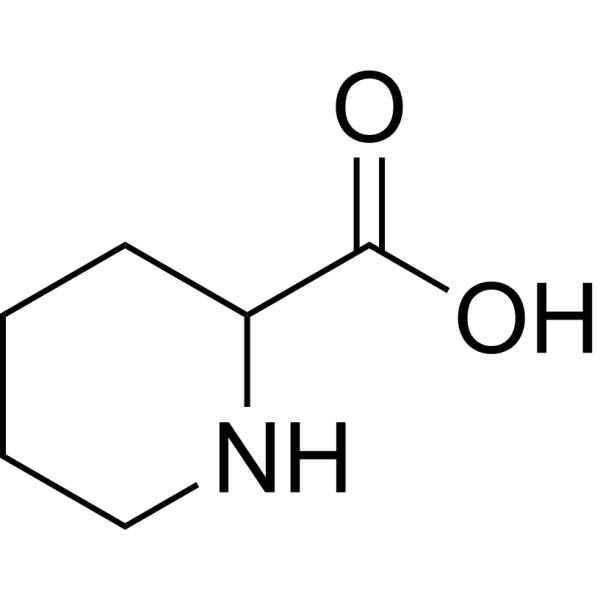
Pipecolic acid is an orally bioavailable, blood-brain barrier-permeable metabolite of lysine with antioxidant, inhibitor, and inducer activity. Pipecolic acid modulates the YAP-GPX4 signaling pathway, reduces retinal vascular tube formation, and mitigates ferroptosis. Pipecolic acid potentiates voltage-sensitive Ca 2+ channel currents and induces neuronal apoptosis. Pipecolic acid can be used for the research of diabetic retinopathy .
|
-
- HY-B2235C
-
|
|
Biochemical Assay Reagents
|
|
L-α-Lecithin (soybean) is an orally active phospholipid. L-α-Lecithin (soybean) increases the bioavailability of Lutein in plasma and eyes of Rattus norvegicus, enhances plasma Glutathione peroxidase activity, and regulates fatty acids in plasma and tissues .
|
| Cat. No. |
Product Name |
Category |
Target |
Chemical Structure |
-
- HY-N1445
-
-
-
- HY-W004260
-
-
-
- HY-N0712
-
|
|
Cardiovascular Disease
Flavonols
Structural Classification
Flavonoids
Typhaceae
Classification of Application Fields
Typha angustifolia L.
Phenols
Polyphenols
Plants
Disease Research Fields
Source Classification
|
Autophagy
mTOR
Akt
FXR
|
|
Typhaneoside is an orally bioavailable signal modulator and cellular regulator. Typhaneoside regulates the PI3K/Akt/mTOR autophagy transduction pathway. Typhaneoside promotes the activation of AMP-activated protein kinase and Caspase-3, induces apoptosis, ferroptosis, autophagy, ROS accumulation, and cell cycle arrest at the G2/M phase, and reduces cancer cell viability. Typhaneoside activates the farnesoid X receptor signaling pathway, improves glucose and lipid metabolism, alleviates inflammatory responses, oxidative stress and hepatic lipid accumulation, and exerts hepatoprotective effects. Typhaneoside is applicable to research related to post-myocardial infarction heart failure, acute myeloid leukemia, non-alcoholic fatty liver disease, and neurological disorders .
|
-
-
- HY-N1445R
-
|
Isoquercetin (Standard); Quercetin 3-glucoside (Standard)
|
Apocynaceae
Flavonols
Structural Classification
Flavonoids
Phenols
Polyphenols
Plants
Apocynum venetum Linn.
Source Classification
|
Reference Standards
NF-κB
NO Synthase
|
|
Isoquercetin (Standard) is the analytical standard of Isoquercetin. This product is intended for research and analytical applications. Isoquercetin (Quercetin 3-glucoside) is a naturally occurring polyphenol that has antioxidant, anti-proliferative, and anti-inflammatory properties. Isoquercetin alleviates ethanol-induced hepatotoxicity, oxidative stress, and inflammatory responses via the Nrf2/ARE antioxidant signaling pathway . Isoquercetin regulates the expression of nitric oxide synthase 2 (NO2) via modulating the nuclear factor-κB (NF-κB) transcription regulation system. Isoquercetin has high bioavailability and low toxicity, is a promising candidate agent to prevent birth defects in diabetic pregnancies .
|
-
| Cat. No. |
Product Name |
Chemical Structure |
-
- HY-147403S
-
|
|
|
Tebideutorexant is an OX1R-selective inhibitor with oral bioavailability and blood-brain barrier permeability, with human OX1R pKi 8.17 and rat OX1R pKi 8.13.Tebideutorexant selectively modulates OX1R, with no significant functional effect on OX2R. Tebideutorexant can be used for the research of panic and anxiety disorders .
|
-
Your information is safe with us. * Required Fields.
Inquiry Information
- Product Name:
- Cat. No.:
- Quantity:
- MCE Japan Authorized Agent:

