

1. Search Result
Search Result
Results for "

biological processes

" in MedChemExpress (MCE) Product Catalog:

302

Inhibitors & Agonists

22

Screening Libraries

177

Fluorescent Dye

25

Biochemical Assay Reagents

9

Peptides

2

MCE Kits

36

Natural
Products

8

Isotope-Labeled Compounds

11

Click Chemistry

12

Oligonucleotides

1

GMP Molecules

Cat. No. Product Name Target Research Areas Chemical Structure
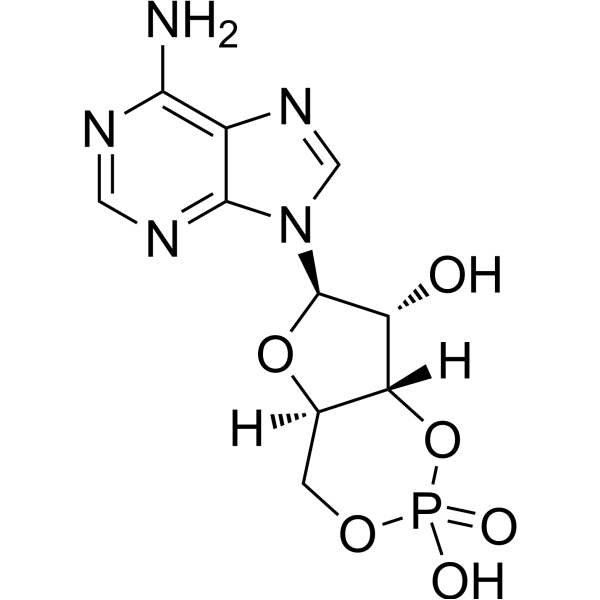
  • HY-B1511
    Cyclic AMP
    Maximum Cited Publications
    25 Publications Verification

    Cyclic adenosine monophosphate; Adenosine cyclic 3', 5'-monophosphate; cAMP

    Endogenous Metabolite Neurological Disease Metabolic Disease Cancer
    Cyclic AMP (Cyclic adenosine monophosphate), adenosine triphosphate derivative, is an intracellular signaling molecule responsible for directing cellular responses to extracellular signals. Cyclic AMP is an important second messenger in many biological processes .
    Cyclic AMP
  • HY-Y1269
    Ammonium chloride, AR, 99.5%
    Maximum Cited Publications
    47 Publications Verification

    Environmental Pollutants Autophagy Cancer
    Ammonium chloride, as a heteropolar compound with pH value regulation, can cause intracellular alkalization and metabolic acidosis thus effecting enzymatic activity and influencing the process of biological system. Ammonium chloride is an autophagy inhibitor. Ammonium chloride is also a lysosome inhibitor .
    Ammonium chloride, AR, 99.5%
  • HY-B0430
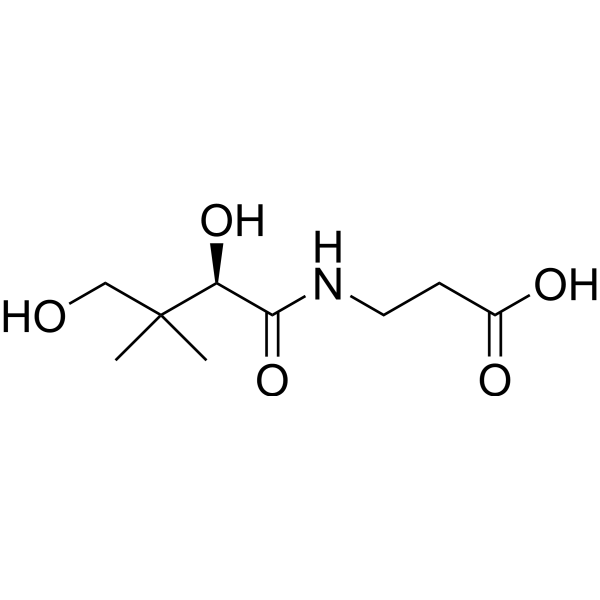
    D-Pantothenic acid
    5+ Cited Publications

    Pantothenate; Vitamin B5

    Environmental Pollutants Endogenous Metabolite Others
    D-Pantothenic acid (Pantothenate) is an essential trace nutrient that functions as the obligate precursor of coenzyme A (CoA). D-Pantothenic acid plays key roles in myriad biological processes, including many that regulate carbohydrate, lipid, protein, and nucleic acid metabolism .
    D-Pantothenic acid
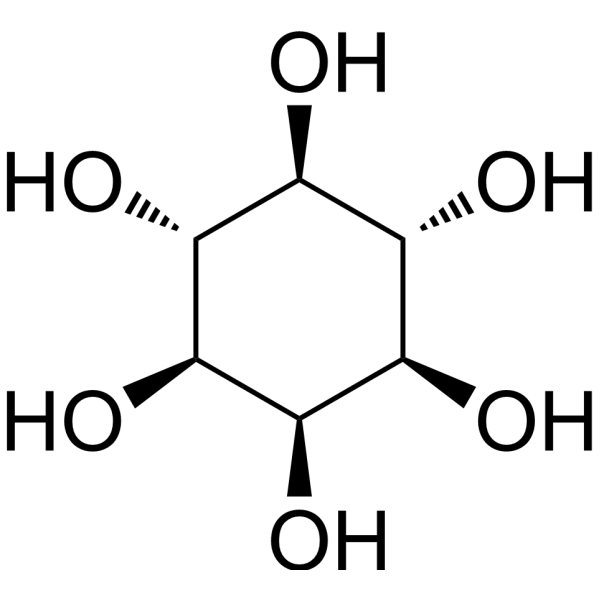
  • HY-B1411
    i-Inositol
    5+ Cited Publications

    myo-Inositol; meso-Inositol

    Endogenous Metabolite Others
    i-Inositol (myo-Inositol) is a compound of sugar alcohols. i-Inositol is involved in a series of biological processes such as insulin signal transduction and cytoskeletal transduction. i-Inositol mainly exists in glial cells and plays an osmotic role .
    i-Inositol
  • HY-Y1269C
    Ammonium chloride, for cell culture
    Maximum Cited Publications
    47 Publications Verification

    Salmiac, for cell culture

    Environmental Pollutants Biochemical Assay Reagents Autophagy Cancer
    Ammonium chloride, for cell culture (Salmiac, for cell culture) is a reagent that can be used in cell culture to provide a source of nitrogen. Ammonium chloride can be used as a heteropolar compound to regulate pH value, which can cause intracellular alkalination and metabolic acidosis, thus affecting the activity of enzymes and affecting the process of biological systems. Ammonium chloride acts as an autophagy inhibitor.Ammonium chloride is also a lysosome inhibitor.
    Ammonium chloride, for cell culture
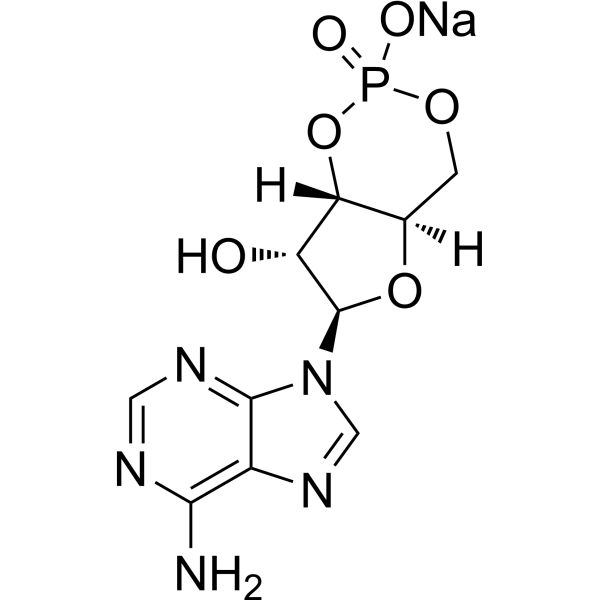
  • HY-B1511A
    Cyclic AMP sodium
    20+ Cited Publications

    Cyclic adenosine monophosphate sodium; Adenosine cyclic 3', 5'-monophosphate sodium; cAMP sodium

    Biochemical Assay Reagents Neurological Disease Metabolic Disease Cancer
    Cyclic AMP (Cyclic adenosine monophosphate) sodium, adenosine triphosphate derivative, is an intracellular signaling molecule responsible for directing cellular responses to extracellular signals. Cyclic AMP sodium is an important second messenger in many biological processes .
    Cyclic AMP sodium
  • HY-F0002
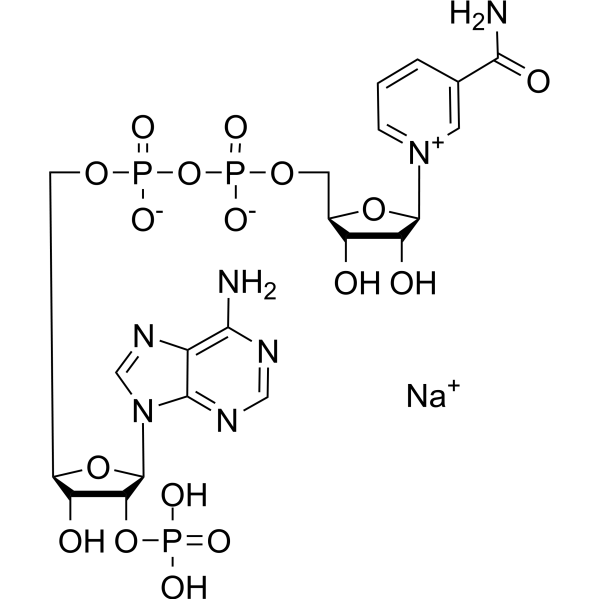
    NADP sodium salt
    Maximum Cited Publications
    6 Publications Verification

    Sodium NADP

    Endogenous Metabolite Metabolic Disease Inflammation/Immunology Cancer
    NADP sodium salt is the sodium salt form of NADP (HY-113325). NADP is a coenzyme involved in cellular electron transfer reactions in biological metabolism, which is alternately oxidized (NADP+) and reduced (NADPH), and can maintain cellular redox homeostasis and regulate many biological events, including cellular metabolism. NADPH is a universal electron donor that provides reducing ability for synthetic metabolic reactions and redox balance. NADPH plays a multifunctional role in regulating inflammation, redox homeostasis, and synthetic metabolism processes .
    NADP sodium salt
  • HY-F0002A
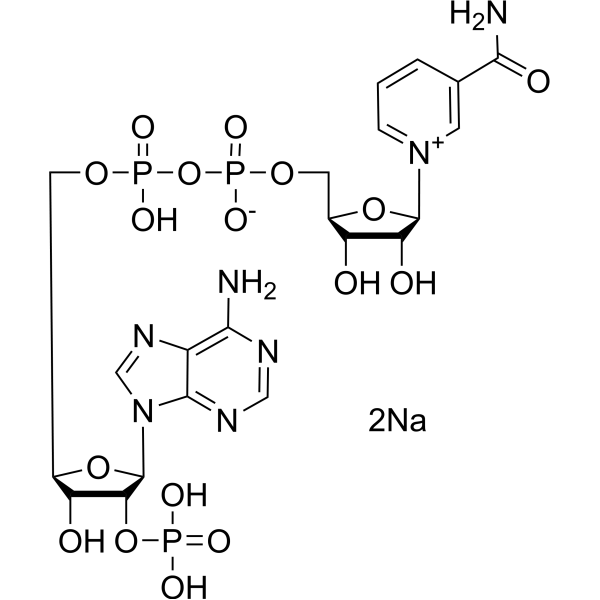
    NADP disodium salt
    Maximum Cited Publications
    6 Publications Verification

    Disodium NADP

    Endogenous Metabolite Metabolic Disease Inflammation/Immunology Cancer
    NADP disodium salt is the disodium salt form of NADP (HY-113325). NADP is a coenzyme involved in cellular electron transfer reactions in biological metabolism, which is alternately oxidized (NADP+) and reduced (NADPH), and can maintain cellular redox homeostasis and regulate many biological events, including cellular metabolism. NADPH is a universal electron donor that provides reducing ability for synthetic metabolic reactions and redox balance. NADPH plays a multifunctional role in regulating inflammation, redox homeostasis, and synthetic metabolism processes .
    NADP disodium salt
  • HY-126370A

    Endogenous Metabolite YAP Apoptosis Interleukin Related STAT ERK Ras Cancer
    Geranylgeranyl pyrophosphate triammonium is a type of isoprenoid metabolic intermediate, mainly synthesized through the mevalonate pathway. Geranylgeranyl pyrophosphate triammonium is a key precursor in various biological synthesis processes, especially as a necessary substrate for post-translational modification of proteins - geranylgeranyl phosphorylation. Geranylgeranyl pyrophosphate triammonium regulates various cellular processes and disease progression through protein geranylgeranyl phosphorylation, such as activating the YAP signaling pathway, promoting cell proliferation and inhibiting apoptosis; promoting IL-2 production and STAT5 phosphorylation; and influencing metabolic homeostasis and cancer, etc .
    Geranylgeranyl pyrophosphate triammonium
  • HY-113325
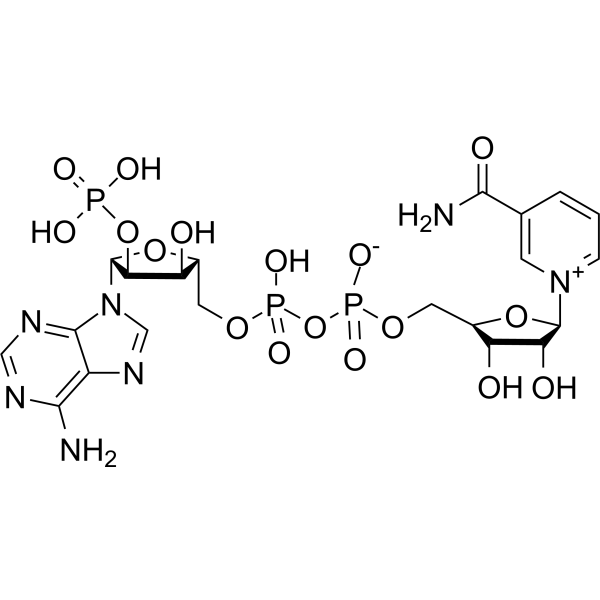
    NADP
    Maximum Cited Publications
    6 Publications Verification

    Endogenous Metabolite Metabolic Disease Inflammation/Immunology Cancer
    NADP is a coenzyme involved in cellular electron transfer reactions in biological metabolism, which is alternately oxidized (NADP+) and reduced (NADPH), and can maintain cellular redox homeostasis and regulate many biological events, including cellular metabolism. NADPH is a universal electron donor that provides reducing ability for synthetic metabolic reactions and redox balance. NADPH plays a multifunctional role in regulating inflammation, redox homeostasis, and synthetic metabolism processes .
    NADP
  • HY-Y1269S

    Autophagy Isotope-Labeled Compounds Cancer
    Ammonium chloride- 15N is the 15N labeled Ammonium chloride (HY-Y1269). Ammonium chloride, as a heteropolar compound with pH value regulation, can cause intracellular alkalization and metabolic acidosis thus effecting enzymatic activity and influencing the process of biological system. Ammonium chloride is an autophagy inhibitor. Ammonium chloride is also a lysosome inhibitor .
    Ammonium chloride-15N
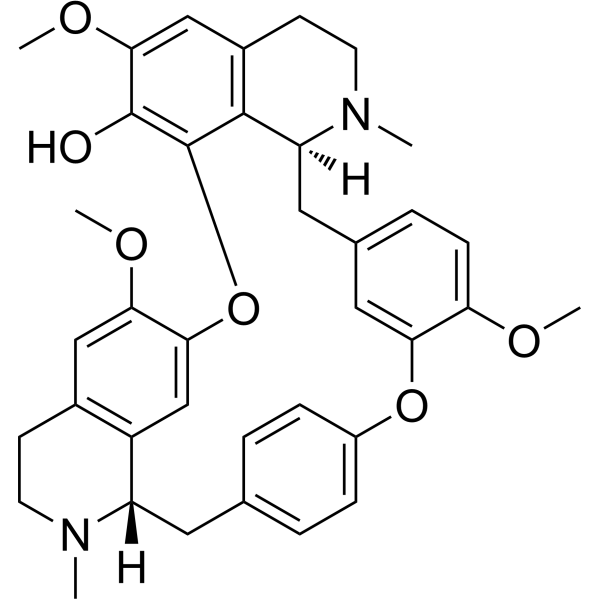
  • HY-N1372A
    Fangchinoline
    5+ Cited Publications

    HIV FAK Apoptosis Autophagy Infection Cancer
    Fangchinoline is isolated from Stephania tetrandra with extensive biological activities, such as enhancing immunity, anti-inflammatory sterilization and anti-atherosclerosis. Fangchinoline, a novel HIV-1 inhibitor, inhibits HIV-1 replication by impairing gp160 proteolytic processing . Fangchinoline targets Focal adhesion kinase (FAK) and suppresses FAK-mediated signaling pathway in tumor cells which highly expressed FAK . Fangchinoline induces apoptosis and adaptive autophagy in bladder cancer .
    Fangchinoline
  • HY-121965

    Biochemical Assay Reagents Endogenous Metabolite Others
    β-D-Glucose, also known as glucose, is a monosaccharide, the most important carbohydrate in biological systems, the main energy source of cells, and plays a key role in various metabolic processes. β-D-Glucose has unique chemical properties that make it an abundant component in plant and animal tissues and is readily metabolized by organisms to produce cellular energy. It is commonly used to improve hypoglycemia and dehydration, and as a sweetener and preservative in food and beverage production.
    β-D-Glucose
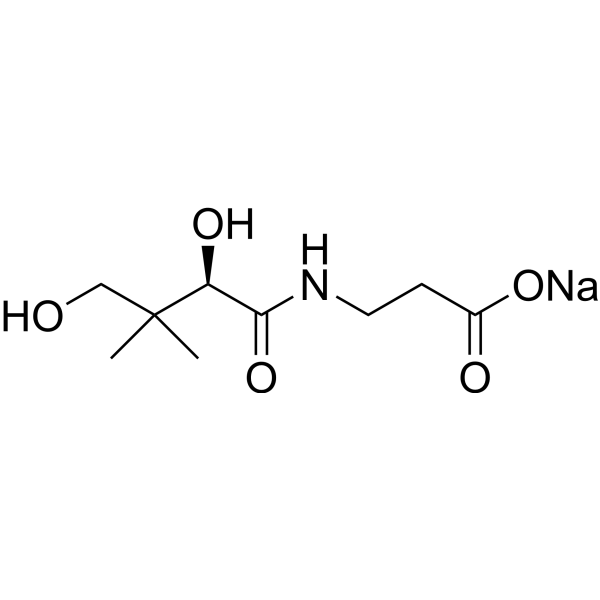
  • HY-B0430A
    D-Pantothenic acid sodium
    5+ Cited Publications

    Sodium pantothenate; Vitamin B5 sodium

    Apoptosis Endogenous Metabolite Metabolic Disease
    D-Pantothenic acid sodium (Sodium pantothenate) is an essential trace nutrient that functions as the obligate precursor of coenzyme A (CoA). D-Pantothenic acid sodium plays key roles in myriad biological processes, including many that regulate carbohydrate, lipid, protein, and nucleic acid metabolism .
    D-Pantothenic acid sodium
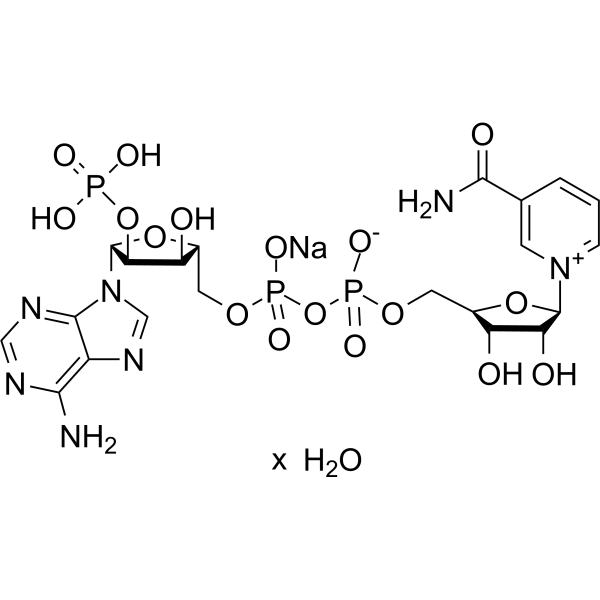
  • HY-113325A
    NADP sodium hydrate
    5+ Cited Publications

    Endogenous Metabolite Metabolic Disease Inflammation/Immunology Cancer
    NADP sodium hydrate is the sodium salt hydrate form of NADP (HY-113325). NADP is a coenzyme involved in cellular electron transfer reactions in biological metabolism, which is alternately oxidized (NADP+) and reduced (NADPH), and can maintain cellular redox homeostasis and regulate many biological events, including cellular metabolism. NADPH is a universal electron donor that provides reducing ability for synthetic metabolic reactions and redox balance. NADPH plays a multifunctional role in regulating inflammation, redox homeostasis, and synthetic metabolism processes .
    NADP sodium hydrate
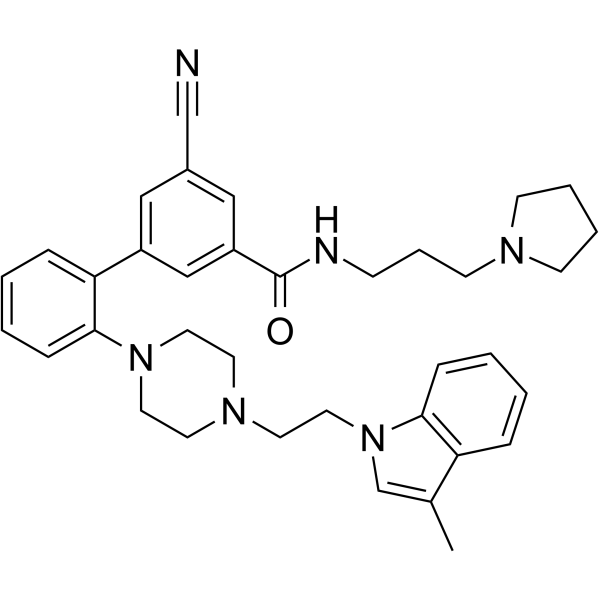
  • HY-19313
    LLY-507
    10+ Cited Publications

    Histone Methyltransferase Cancer
    LLY-507 is a potent and selective inhibitor of protein-lysine methyltransferase SMYD2. LLY-507 potently inhibits the ability of SMYD2 to methylate p53 peptide with an IC50 <15 nM. LLY-507 serves as a valuable chemical probe to aid in the dissection of SMYD2 function in cancer and other biological processes .
    LLY-507
  • HY-142006A

    (±)-JA-L-Ile

    Phytohormone Others
    (±)-Jasmonic-L-isoleucine ((±)-JA-L-Ile) is a mixture of (±)-Jasmonic acid (HY-122464) and isoleucine isomers. (±)-Jasmonic-L-isoleucine is a phytohormone that participates in the jasmonic acid signaling pathway. (±)-Jasmonic-L-isoleucine regulates biological processes in plants, including defense responses, growth and development, and stress tolerance .
    (±)-Jasmonic-L-isoleucine
  • HY-112016

    C20 Ceramide; N-Arachidoyl-D-sphingosine

    Endogenous Metabolite Neurological Disease
    C20 Ceramide (d18:1/20:0) (N-Arachidoyl-D-sphingosine) is a natural 20:0 ceramide and a N-acylsphingosine in which the ceramide N-acyl group is specified as eicosanoyl. C20 Ceramide (d18:1/20:0) acts as a key signal molecule mediating biological processes .
    C20 Ceramide (d18:1/20:0)
  • HY-W749209

    Anhydrous sodium acetate-13C2

    Endogenous Metabolite
    Acetic acid-13C2 is a stable isotope labeled compound with biomarker and metabolic tracking activity. Acetic acid-13C2 is often used in biochemical research for the analysis of metabolic pathways. Acetic acid-13C2 is also used in medical imaging and compound development to improve the understanding of biological processes.
    Acetic acid-13C2 sodium
  • HY-B1805
    Triclocarban
    3 Publications Verification

    3,4,4′-Trichlorocarbanilide

    Environmental Pollutants Bacterial Infection
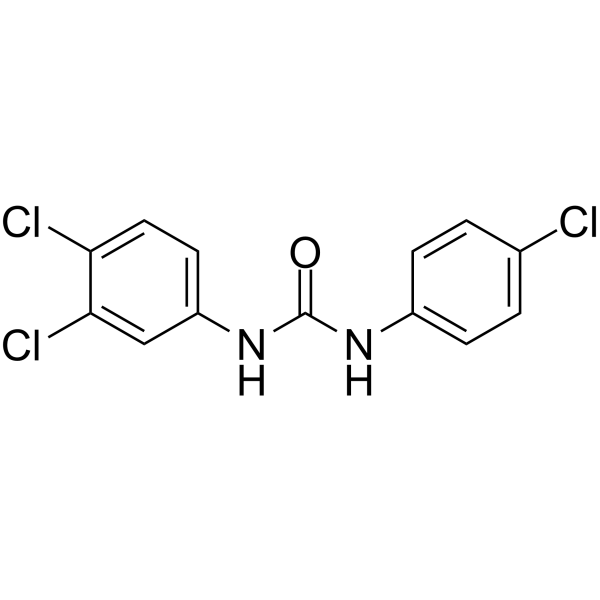
    Triclocarban (3,4,4′-Trichlorocarbanilide), a broad spectrum antibacterial compound, is widely used in a broad range of applications such as the production of soaps, skin creams, toothpastes and deodorants. Triclocarban is a potential endocrine-disrupting chemical with the capacity to modulate androgen and estrogen activities as well as other hormone-mediated biological processes .
    Triclocarban
  • HY-126370

    Endogenous Metabolite YAP Apoptosis Interleukin Related STAT ERK Ras Cancer
    Geranylgeranyl pyrophosphate is a type of isoprenoid metabolic intermediate, mainly synthesized through the mevalonate pathway. Geranylgeranyl pyrophosphate is a key precursor in various biological synthesis processes, especially as a necessary substrate for post-translational modification of proteins - geranylgeranyl phosphorylation. Geranylgeranyl pyrophosphate regulates various cellular processes and disease progression through protein geranylgeranyl phosphorylation, such as activating the YAP signaling pathway, promoting cell proliferation and inhibiting apoptosis; promoting IL-2 production and STAT5 phosphorylation; and influencing metabolic homeostasis and cancer, etc .
    Geranylgeranyl pyrophosphate
  • HY-W001963

    Endogenous Metabolite Others
    Pyrrole-2-carboxylic acid is a natural alkaloid from the marine bacterium Pelomonas puraquae sp. Nov. Pyrrole-2-carboxylic acid is a biological form of pyrrole that is often encountered in natural compounds. Pyrrole-2-carboxylic acid serves as a precursor for various pyrrole derivatives like clorobiocin, coumermycin A1, pyoluteorin, leupyrrins, and undecylprodigiosin in biosynthetic processes .
    Pyrrole-2-carboxylic acid
  • HY-121447

    Endogenous Metabolite Metabolic Disease
    Heneicosanoic acid is an odd-chain saturated fatty acid widely present in human milk, fish, seeds, and cerebrosides in the cell membranes of the nervous system. Heneicosanoic acid can form Langmuir monolayers and is often used as a model to study lipid self-assembly and disassembly processes in biological membranes and drug delivery systems. In the low-temperature L'2 and CS crystalline phases, Heneicosanoic acid undergoes local oscillations, which in turn drive the spontaneous formation and expulsion of micelles and vesicles .
    Heneicosanoic acid
  • HY-Y1840

    Drug Derivative Neurological Disease
    3-Methoxyphenol is a phenolic compound that is biologically toxic. 3-Methoxyphenol is systemically absorbed, disrupts the function of the liver, kidneys, central nervous system, and redox processes, and increases levels of Hb, red blood cells, and white blood cells in the body.
    3-Methoxyphenol
  • HY-B0430S

    Isotope-Labeled Compounds Endogenous Metabolite Others
    Pantothenic acid- 13C3, 15N (hemicalcium) is the 13C-labeled and 15N-labeled D-Pantothenic acid. D-Pantothenic acid is an essential trace nutrient that functions as the obligate precursor of coenzyme A (CoA). D-Pantothenic acid plays key roles in myriad biological processes, including many that regulate carbohydrate, lipid, protein, and nucleic acid metabolism .
    Pantothenic acid-13C3,15N hemicalcium
  • HY-B1511R

    Cyclic adenosine monophosphate (Standard); Adenosine cyclic 3', 5'-monophosphate (Standard); cAMP (Standard)

    Endogenous Metabolite Reference Standards Cancer
    Cyclic AMP (Standard) is the analytical standard of Cyclic AMP. Cyclic AMP (Cyclic adenosine monophosphate), adenosine triphosphate derivative, is an intracellular signaling molecule responsible for directing cellular responses to extracellular signals. Cyclic AMP is an important second messenger in many biological processes .
    Cyclic AMP (Standard)
  • HY-B1411R

    myo-Inositol (Standard); meso-Inositol (Standard)

    Reference Standards Endogenous Metabolite Others
    i-Inositol (Standard) is the analytical standard of i-Inositol. This product is intended for research and analytical applications. i-Inositol (myo-Inositol) is a compound of sugar alcohols. i-Inositol is involved in a series of biological processes such as insulin signal transduction and cytoskeletal transduction. i-Inositol mainly exists in glial cells and plays an osmotic role .
    i-Inositol (Standard)
  • HY-113325AR

    Endogenous Metabolite Reference Standards Metabolic Disease Inflammation/Immunology Cancer
    NADP sodium hydrate (Standard) is the analytical standard of NADP sodium hydrate (HY-113325A). This product is intended for research and analytical applications. NADP sodium hydrate is the sodium salt hydrate form of NADP (HY-113325). NADP is a coenzyme involved in cellular electron transfer reactions in biological metabolism, which is alternately oxidized (NADP+) and reduced (NADPH), and can maintain cellular redox homeostasis and regulate many biological events, including cellular metabolism. NADPH is a universal electron donor that provides reducing ability for synthetic metabolic reactions and redox balance. NADPH plays a multifunctional role in regulating inflammation, redox homeostasis, and synthetic metabolism processes.
    NADP sodium hydrate (Standard)
  • HY-W011579

    Biochemical Assay Reagents Others
    4-Benzoyl-3-methyl-1-phenyl-5-pyrazolone, is a heterocyclic compound with a five-membered ring structure, which can be used as a starting material for organic synthesis, a reagent for organic transformation, and a biological probe for studying biological processes. 4-Benzoyl-3-methyl-1-phenyl-5-pyrazolone is a biomaterial or organic compound that can be used as a research-related biomaterial or organic compound in life sciences .
    4-Benzoyl-3-methyl-1-phenyl-5-pyrazolone
  • HY-165136

    SMs (buttermilk)

    Endogenous Metabolite Others
    Sphingomyelins, milk (SMs (buttermilk)) are compounds studied in sphingolipids, which play important roles in various biological processes.
    Sphingomyelins, milk
  • HY-F0002R

    Sodium NADP (Standard)

    Endogenous Metabolite Reference Standards Metabolic Disease Inflammation/Immunology Cancer
    NADP (sodium salt) (Standard) is the analytical standard of NADP (sodium salt). This product is intended for research and analytical applications. NADP sodium salt is the sodium salt form of NADP (HY-113325). NADP is a coenzyme involved in cellular electron transfer reactions in biological metabolism, which is alternately oxidized (NADP+) and reduced (NADPH), and can maintain cellular redox homeostasis and regulate many biological events, including cellular metabolism. NADPH is a universal electron donor that provides reducing ability for synthetic metabolic reactions and redox balance. NADPH plays a multifunctional role in regulating inflammation, redox homeostasis, and synthetic metabolism processes[1][4].
    NADP sodium salt (Standard)
  • HY-Y1422B
    Lipase (MS grade)
    1 Publications Verification

    Endogenous Metabolite Metabolic Disease
    Lipase (MS grade) catalyzes the hydrolysis of triacylglycerols to release long-chain fatty acids in a site-specific manner. Lipase (MS grade) is involved in a variety of biological processes, from fat metabolism to cell signaling and inflammation, and can be used to study diseases such as pancreatic insufficiency, celiac disease and cystic fibrosis .
    Lipase (MS grade)
  • HY-Y1269AS

    Isotope-Labeled Compounds Autophagy Cancer
    Ammonium chloride-d4 is the deuterium labeled Ammonium chloride. Ammonium chloride, as a heteropolar compound with pH value regulation, can cause intracellular alkalization and metabolic acidosis thus effecting enzymatic activity and influencing the process of biological system. Ammonium chloride is an autophagy inhibitor. Ammonium chloride is also a lysosome inhibitor .
    Ammonium chloride-d4
  • HY-W100959

    Tetramethylquinone

    Drug Derivative Others
    Duroquinone (Tetramethylquinone) is a model compound of amphiphilic quinone, which can be used as an oxidative-reductive activity probe. Duroquinone can be easily reduced by biological systems to hydrogen peroxide (DQH₂) or semi-quinone free radicals (DQ•⁻). Duroquinone can freely pass through the cell membrane, facilitating the study of the electron transfer process inside and outside the cells. Duroquinone can be used to investigate the relationship between metabolism in the pulmonary circulation and endothelial cells .
    Duroquinone
  • HY-167805

    Biochemical Assay Reagents
    D-Glucose 6-phosphate potassium is a biologically active compound that has the activity of being a substrate for glucose-6-phosphate isomerase. D-Glucose 6-phosphate potassium can participate in the sugar metabolism process and promote the production and utilization of energy in cells.
    D-Glucose 6-phosphate potassium
  • HY-164770A

    ApU sodium

    DNA/RNA Synthesis Others
    Adenosyl-(3′→5′)-uridine (ApU) sodium is a nucleotide, which is composed of an adenine base and a uracil sugar molecule through a 3'-5' phosphodiester bond. Adenosyl-(3′→5′)-uridine (ApU) sodium participates in the biological processes, such as gene expression regulation, signal transduction, and protein synthesis .
    Adenosyl-(3′→5′)-uridine sodium
  • HY-162653

    Others
    SGC-CDKL2/AAK1/BMP2K-1 (Compound 9) is a potent and selective CDKL2 (Cyclin-dependent kinase-like 2) inhibitor with an IC50 value of 460 nM. CDKL2 is involved in various biological processes such as tumorigenesis, development, and viral infections. SGC-CDKL2/AAK1/BMP2K-1 serves as a powerful tool for studying the biological functions of CDKL2 and holds promise for research in fields related to cancer, infections, and other diseases .
    SGC-CDKL2/AAK1/BMP2K-1
  • HY-Y1269H

    Salmiac, meets analytical specification of Ph. Eur. BP USP FCC

    Autophagy Biochemical Assay Reagents Cancer
    Ammonium chloride, meets analytical specification of Ph. Eur. BP USP FCC (Salmiac, meets analytical specification of Ph. Eur. BP USP FCC) can be used as a heteropolar compound to regulate pH value, which can cause intracellular alkalination and metabolic acidosis, thus affecting the activity of enzymes and affecting the process of biological systems. Ammonium chloride is an autophagy inhibitor. Ammonium chloride is also a lysosome inhibitor .
    Ammonium chloride, meets analytical specification of Ph. Eur. BP USP FCC
  • HY-23206

    Biochemical Assay Reagents Others
    DAN-1 EE hydrochloride is a fluorescent indicator, which can be used for the detection of nitrite content in vitro and biological process .
    DAN-1 EE hydrochloride
  • HY-W612372

    Fluorosulfonylbenzyl bromide

    Biochemical Assay Reagents Endogenous Metabolite
    4-(Bromomethyl)benzenesulfonyl fluoride (Fluorosulfonylbenzyl bromide) is an important chemical reagent with good biological activity. 4-(Bromomethyl)benzenesulfonyl fluoride can be used to prepare various bioactive molecules, especially in the process of compound discovery and synthesis, showing excellent reactivity. 4-(Bromomethyl)benzenesulfonyl fluoride is often used in the development of new biological agents, promoting the research progress of organic chemistry and biochemistry.
    4-(Bromomethyl)benzenesulfonyl fluoride
  • HY-W585956

    3,4,4′-Trichlorocarbanilide-13C6

    Isotope-Labeled Compounds Others
    Triclocarban- 13C6 is the 13C labeled isotope of Triclocarban (HY-B1805). Triclocarban (3,4,4′-Trichlorocarbanilide), a broad spectrum antibacterial compound, is widely used in a broad range of applications such as the production of soaps, skin creams, toothpastes and deodorants. Triclocarban is a potential endocrine-disrupting chemical with the capacity to modulate androgen and estrogen activities as well as other hormone-mediated biological processes .
    Triclocarban-13C6
  • HY-B1805R

    3,4,4′-Trichlorocarbanilide (Standard)

    Reference Standards Bacterial Infection Endocrinology
    Triclocarban (Standard) (3,4,4′-Trichlorocarbanilide (Standard)) is the analytical standard of Triclocarban (HY-B1805). This product is intended for research and analytical applications. Triclocarban, a broad spectrum antibacterial compound, is widely used in a broad range of applications such as the production of soaps, skin creams, toothpastes and deodorants. Triclocarban is a potential endocrine-disrupting chemical with the capacity to modulate androgen and estrogen activities as well as other hormone-mediated biological processes .
    Triclocarban (Standard)
  • HY-P0049A

    Arg8-vasopressin diacetate; AVP diacetate; ADH

    Apoptosis Vasopressin Receptor Neurological Disease Cancer
    Argipressin (diacetate) (AVP (diacetate), also known as antidiuretic hormone (ADH)) is a 9 amino acid neuropeptide secreted by the posterior pituitary. Argipressin (diacetate) (AVP (diacetate)) can regulate the biological effects of fluid balance, osmolality and cardiovascular through three separate G-protein coupled receptors (GPCRs), namely Avpr1a (V1a), Avpr1b (V1b) and Avpr2 (V2). Argipressin (diacetate) (AVP (diacetate)) also have potentially important effects on centrally regulated metabolic processes .
    Argipressin diacetate
  • HY-W750694

    Drug Derivative Others
    β-Cryptoxanthin palmitate is a carotenoid, and is abundant in peels. Carotenoids are important biological active, and may regulate cellular differentiation, growth control, photooxidative protection, cell membrane stability, photosynthesis, vision process and nutrition .
    β-Cryptoxanthin palmitate
  • HY-P3820

    Neurokinin Receptor Neurological Disease Inflammation/Immunology
    [Dehydro-Pro4] Substance P (4-11) is a peptide fragment of Substance P. Substance P is a peptide mainly secreted by neurons. Substance P takes part in many biological processes, including nociception, inflammation and immunity .
    [Dehydro-Pro4] Substance P (4-11)
  • HY-174702

    mRNA Neurological Disease
    Human FGF2 mRNA encodes the human fibroblast growth factor 2 (FGF2) protein, a member of the fibroblast growth factor (FGF) family. FGF2 has been implicated in diverse biological processes, such as limb and nervous system development, wound healing, and tumor growth.
    Human FGF2 mRNA
  • HY-164770

    ApU

    DNA/RNA Synthesis Others
    Adenosyl-(3′→5′)-uridine (ApU) is a nucleotide, which is composed of an adenine base and a uracil sugar molecule through a 3'-5' phosphodiester bond. Adenosyl-(3′→5′)-uridine (ApU) participates in the biological processes, such as gene expression regulation, signal transduction, and protein synthesis .
    Adenosyl-(3′→5′)-uridine
  • HY-W750675

    Astaxanthin palmitate

    Drug Derivative Others
    Astaxanthin monopalmitate (Astaxanthin palmitate) is an esterified form of Astaxanthin (HY-B2163) (a carotenoid). Astaxanthin monopalmitate degradation resulted in a mixture of free and palmitate apo-astaxanthins. Carotenoids are important biological active, and may regulate cellular differentiation, growth control, photooxidative protection, cell membrane stability, photosynthesis, vision process and nutrition .
    Astaxanthin monopalmitate
  • HY-178043

    Epigenetic Reader Domain Others
    BTR2038 is a BRD9 degrader. BTR2038 consistis of a BRD9 bromodomain ligand (Bl-7273 analoag), a linker and BTR2000 (HY-172563). BTR2038 induces targeted degradation of V5-tagged human BRD9. BTR2038 can be used for the study of biological processes and diseases associated with abnormal BRD9 protein function .
    BTR2038
  • HY-W123012

    3-(4-Azidophenyl)propiolonitrile

    Fluorescent Dye
    APN-Azide (3-(4-Azidophenyl)propiolonitrile) is a codon-active compound that can achieve specific labeling of target molecules in biological systems through its unique chemical structure. APN-Azide can be used for bioimaging and the development of molecular probes to study biological processes within cells.
    APN-Azide

Inquiry Online

Your information is safe with us. * Required Fields.

Salutation


Country or Region *

Applicant Name *


Organization Name *

Department *


Email Address *


Product Name *

Cat. No.


Requested quantity *

Phone Number *


Remarks

Inquiry Online

Inquiry Information

Product Name:
Cat. No.:
Quantity:
MCE Japan Authorized Agent:

