Search Result
Results for "
chelation
" in MedChemExpress (MCE) Product Catalog:
7
Biochemical Assay Reagents
7
Isotope-Labeled Compounds
| Cat. No. |
Product Name |
Target |
Research Areas |
Chemical Structure |
-
- HY-156376
-
|
|
Cuproptosis
Apoptosis
Topoisomerase
Reactive Oxygen Species (ROS)
|
Inflammation/Immunology
Cancer
|
|
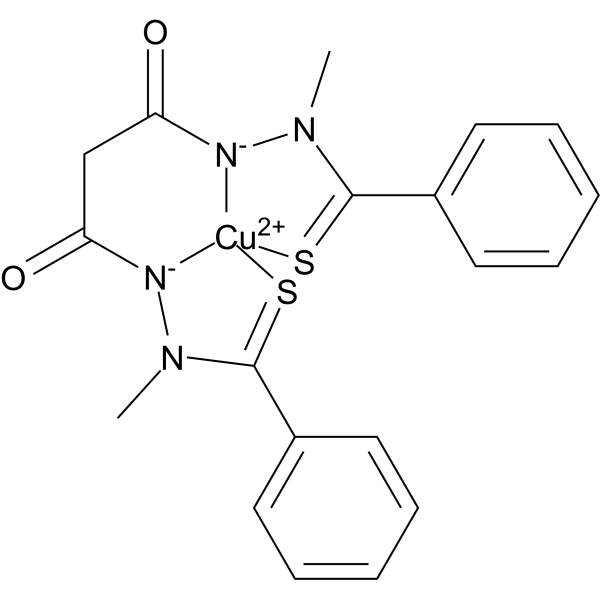
Cu(II)-Elesclomol is a complex formed by Elesclomol (HY-12040) and Cu 2+ (copper ions). Cu(II)-Elesclomol is also a weak inhibitor of DNA topoisomerase I. Cu(II)-Elesclomol exerts anticancer effects by inducing oxidative stress and DNA damage through copper chelation. Cu(II)-Elesclomol can inhibit tumor cell proliferation and induce cell cycle arrest and apoptosis. Cu(II)-Elesclomol can be used in the study of cancer .
|
-
-
- HY-B1159
-
|
8-Hydroxy-5-nitroquinoline; 5-Nitro-8-quinolinol
|
Bacterial
Antibiotic
Apoptosis
Autophagy
|
Infection
Cancer
|
|
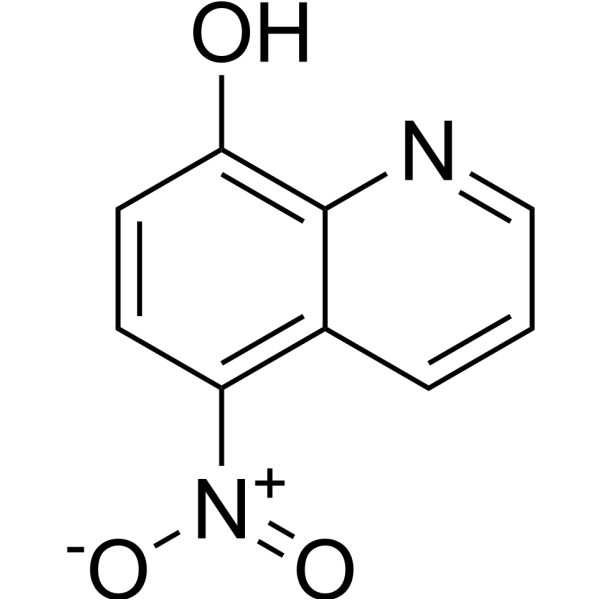
Nitroxoline (8-Hydroxy-5-nitroquinoline), an antibiotic, is an orally active antibiofilm agent. Nitroxoline reduces the formation and induces the dispersal of Pseudomonas aeruginosa biofilms by chelation of iron and zinc. Nitroxoline can be used for the urinary tract infections and cancer research .
|
-
-
- HY-Y0091
-
|
9,9-Dimethyl-4,5-bis(diphenylphosphino)xanthene
|
Biochemical Assay Reagents
|
Others
|
|
Xantphos (9,9-Dimethyl-4,5-bis(diphenylphosphino)xanthene) is a bisphosphine ligand. Xantphos coordinates to metals in either cis or trans chelation mode. Xantphos acts as a key ligand in palladium or platinum catalyzed reactions. Xantphos can be used in the construction of heterocyclic compounds in organic synthesis .
|
-
-
- HY-N0928
-
|
|
Apoptosis
|
Inflammation/Immunology
Cancer
|
|
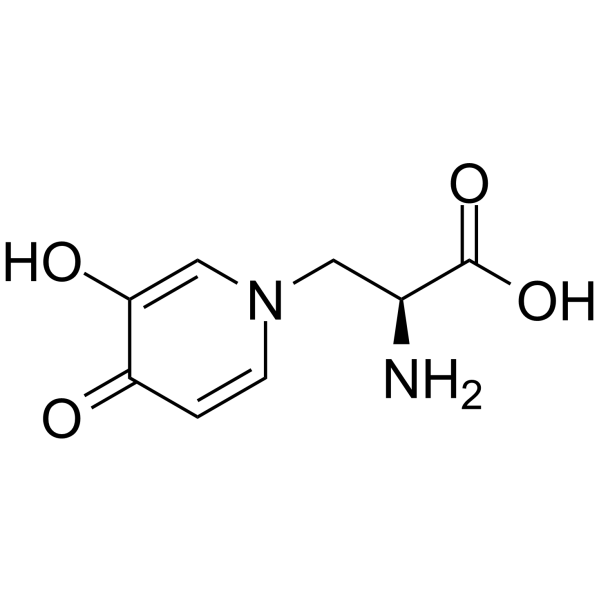
Mimosine, a tyrosine analog , can act as an antioxidant by its potent iron-binding activity . Mimosine is a known chelator of Fe(III) . Mimosine induces apoptosis through metal ion chelation, mitochondrial activation and ROS production in human leukemic cells . Anti-cancer, antiinflammation.
|
-
-
- HY-N4084
-
|
|
Apoptosis
|
Cancer
|
|
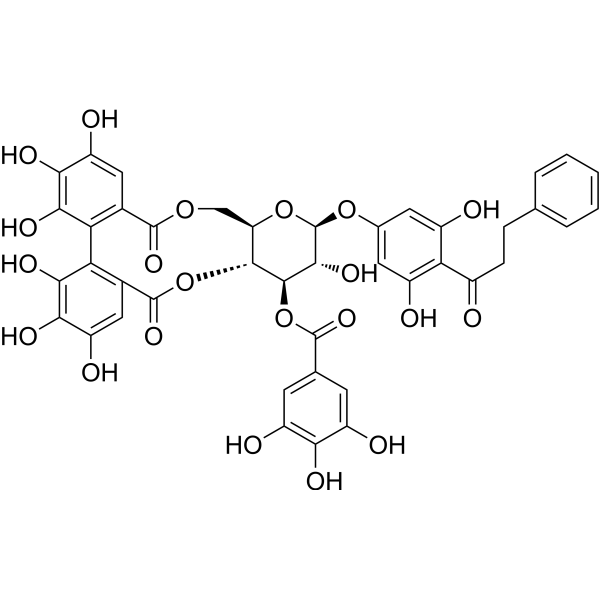
Thonningianin A, an ellagitannin, is isolated from the methanolic extract of the African medicinal herb, Thonningia sanguinea. The antioxidant properties of Th A involve radical scavenging, anti-superoxide formation and metal chelation. Anti-cancer activities .
|
-
-
- HY-B1637
-
|
Sodium diethyldithiocarbamate
|
HIV
Biochemical Assay Reagents
|
Infection
Inflammation/Immunology
Cancer
|
|
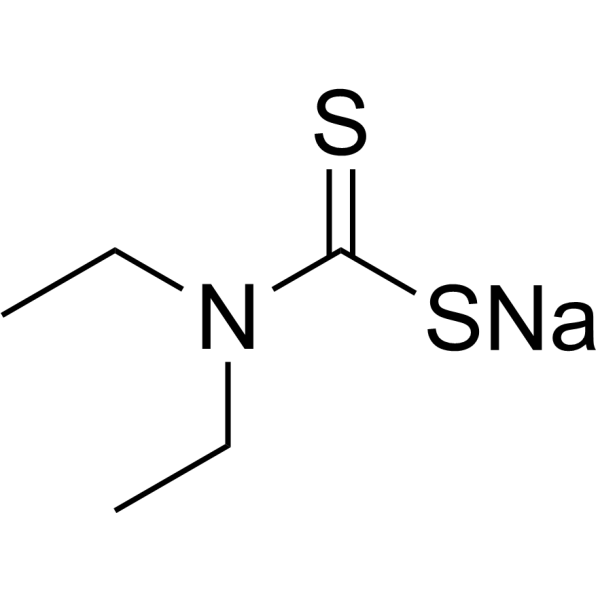
Ditiocarb sodium (Sodium diethyldithiocarbamate) is an orally active copper reagent. Ditiocarb sodium exhibits activities such as antioxidation, chelation, anti-tumor effects, immunomodulation, and anti-HIV properties. Ditiocarb sodium can be used in the research of tumors, inflammatory, and immune-related diseases .
|
-
-
- HY-126404
-
|
|
Environmental Pollutants
Interleukin Related
Angiotensin-converting Enzyme (ACE)
|
Cardiovascular Disease
|
|
Casein hydrolysate is an orally effective, multi-functional mixture of bioactive peptides, a hydrolysis product of casein (HY-125865), containing ACE inhibitors and immunomodulatory target regulators, among others. Casein hydrolysate releases short-chain bioactive peptides through enzymatic hydrolysis of casein, increasing cellular glutathione and catalase levels, enhancing ConA-induced IL-2 production, and exhibiting metal ion chelation, free radical scavenging, antibacterial, and mineral absorption-promoting effects. Casein hydrolysate lowers blood pressure by inhibiting angiotensin-converting enzyme (ACE) and reducing bradykinin degradation .
|
-
-
- HY-N2362
-
|
DL-2-Aminopropionic acid
|
Endogenous Metabolite
|
Metabolic Disease
|
|
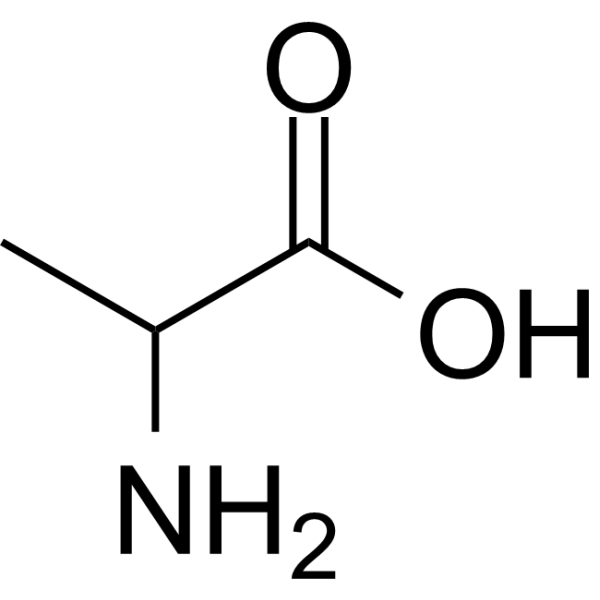
DL-alanine, an orally active amino acid, is the racemic compound of L- and D-alanine. DL-alanine is employed both as a reducing and a capping agent, used with silver nitrate aqueous solutions for the production of nanoparticles. DL-alanine can be used for the research of transition metals chelation, such as Cu(II), Zn(II), Cd(11). DL-alanine, a sweetener, is classed together with glycine and sodium saccharin. DL-alanine plays a key role in the glucose-alanine cycle between tissues and liver .
|
-
-
- HY-B1637A
-
|
Sodium diethyldithiocarbamate,98%
|
HIV
Biochemical Assay Reagents
|
Infection
Inflammation/Immunology
Cancer
|
|
Ditiocarb sodium,98% (Sodium diethyldithiocarbamate,98%) is an orally active copper reagent. Ditiocarb sodium,98% exhibits activities such as antioxidation, chelation, anti-tumor effects, immunomodulation, and anti-HIV properties. Ditiocarb sodium,98% can be used in the research of tumors, inflammatory, and immune-related diseases .
|
-
-
- HY-W110927
-
|
|
Biochemical Assay Reagents
Fluorescent Dye
|
Others
|
|
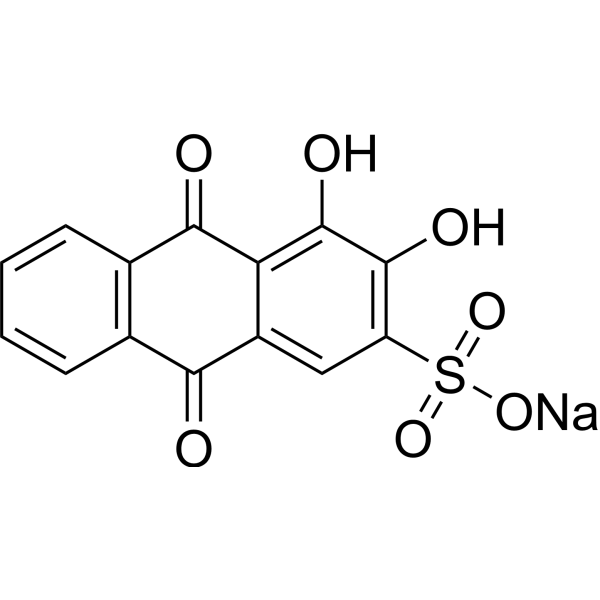
Alizarin red S indicator (C.I. 58005) is a reductively active (quinone-based) anthraquinone dye that forms complexes with metal ions (such as zirconium, calcium) or boric acid to label calcium deposition and perform electrochemical sensing functions. Alizarin Red S undergoes reversible redox reactions (for electrochemical detection) and irreversible chelation (for bone staining). Alizarin Red S is mainly used in bone metabolism research (labeling mineralized tissue), sugar detection (boric acid-sugar competition system) and metal ion sensing (such as zirconium ion detection), and can be used in osteoporosis and metabolic disease research .
|
-
-
- HY-157977
-
|
|
Biochemical Assay Reagents
Radionuclide-Drug Conjugates (RDCs)
MMP
|
Cancer
|
|
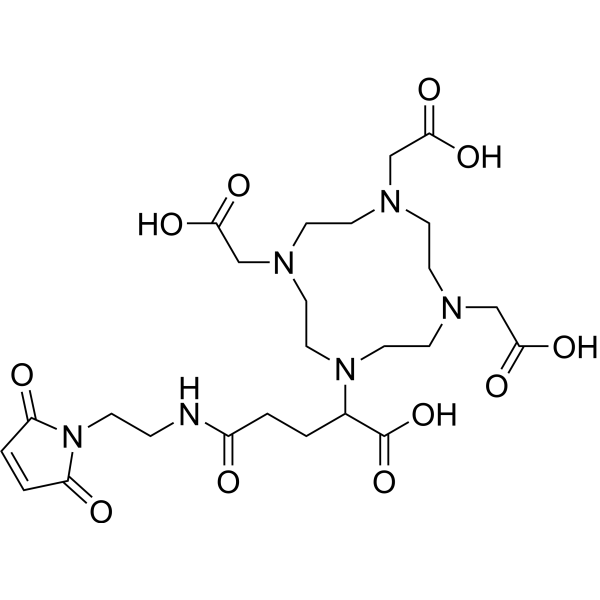
DOTA-GA-maleimide is a bifunctional chelator with protein conjugation and radiometal chelation capabilities. DOTA-GA-maleimide forms stable complexes with 111In and conjugates with proteins via maleimide chemistry. DOTA-GA-maleimide conjugates with LFn, enabling 111In radiolabeling of LFn through direct or pre-labeling strategies. Radiolabeled LFn is applicable to MMP activity imaging studies. DOTA-GA-maleimide is used in cancer research .
|
-
-
- HY-W035520
-
|
|
Biochemical Assay Reagents
|
Others
|
|
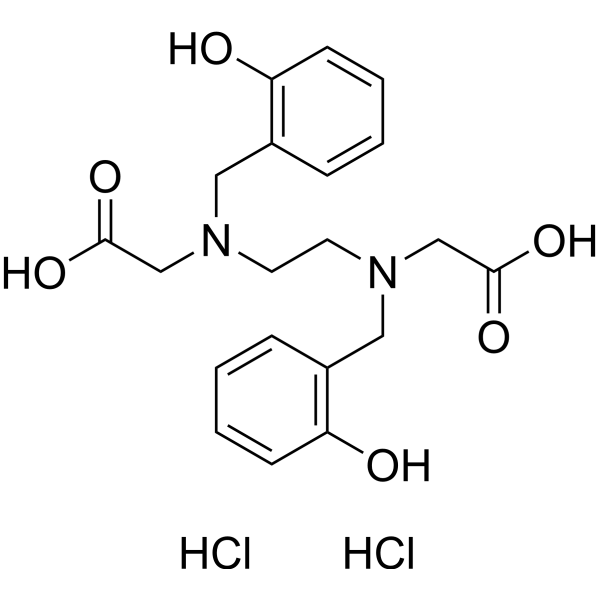
HBED dihydrochloride is an orally active and hexadentate phenolic aminocarboxylate iron chelator. HBED refers to N, N'-bis(2-hydroxybenzyl)ethylenediamine-N,N'-diacetic acid, inducing iron excretion in primates. HBED dihydrochloride has the potential to be used as an alternative to desferriamine for iron chelation therapy .
|
-
-
- HY-162386
-
|
|
Cuproptosis
Mitochondrial Metabolism
|
Cancer
|
|
UM4118 is a potent copper-selective non-genotoxic copper ionophore that induces cuproptosis in acute myeloid leukemia cells. UM4118 exhibits stronger activity against SF3B1G12C mutant acute myeloid leukemia cells. UM4118 transports extracellular copper into cells, elevates intracellular and mitochondrial copper levels, and triggers lipoylated DLAT aggregation, proteotoxic stress, iron-sulfur cluster protein depletion, reduced lipoylated protein levels, and maximal mitochondrial respiratory damage. UM4118 cytotoxicity can be enhanced by supplementation with extracellular copper, abolished by copper chelation, and shows synthetic lethal effects in the absence of iron-sulfur cluster biosynthesis/transport genes. UM4118 can be used for the study of acute myeloid leukemia .
|
-
-
- HY-W013718
-
|
|
Biochemical Assay Reagents
|
Others
|
|
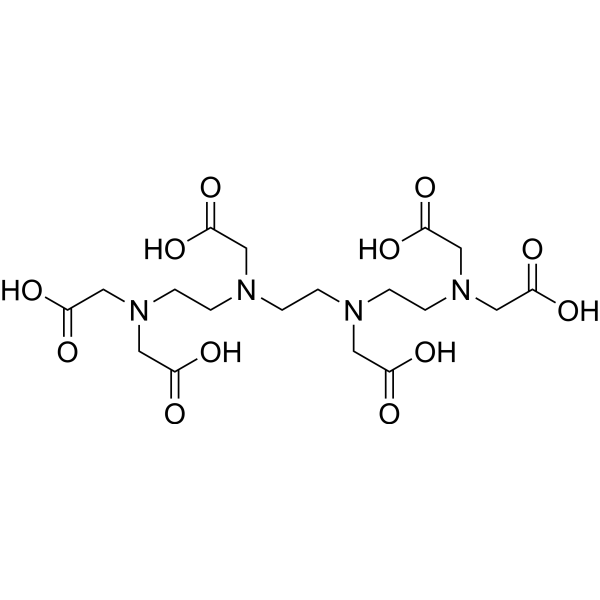
TTHA is an aminopolycarboxylic acid chelating agent with preferential affinity for lighter (lower atomic number) rare earth element (REE) ions. TTHA binds to REE ions through chelation as the primary coordination mechanism .
|
-
-
- HY-W041831
-
|
Ethanedioic acid ammonium
|
Environmental Pollutants
Biochemical Assay Reagents
|
Others
|
|
Oxalic acid (ammonium) is a oxalic acid bound to ammonium. Oxalic acid has high acidity, reducibility, and chelation ability. Oxalic acid plays important roles in the regulation of plant growth and development, the response to both biotic and abiotic stresses such as plant defense and heavy metals detoxification, and food quality .
|
-
-
- HY-P1997
-
|
Desferrichrome; DFC; N-Desferriferrichrome
|
Biochemical Assay Reagents
|
Others
|
|
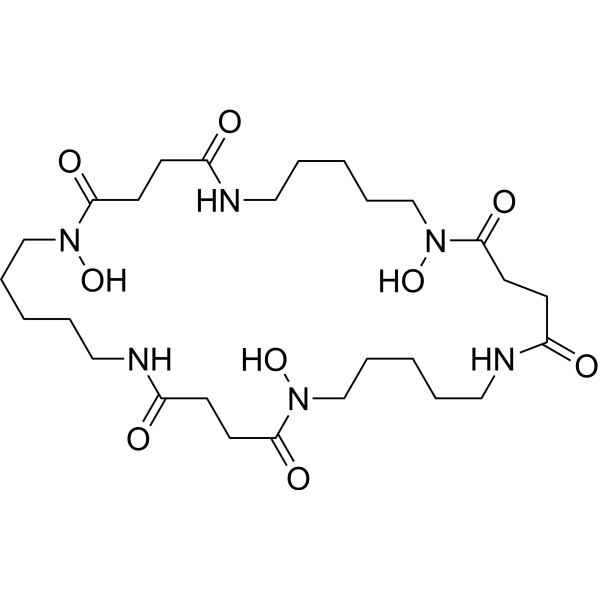
Ferrichrome is a hydroxamate siderophore produced by various fungi, including U. sphaerogena, that facilitates iron chelation and uptake by these organisms. It can be used as a heterosiderophore by bacteria, including Pseudomonas aeruginosa and Vibrio parahaemolyticus. Ferrichrome (0.8 μM) inhibits concanavalin A-induced proliferation of mouse spleen monocytes and reduces the number of concanavalin A-stimulated CD4+ T cells expressing IL-2 receptor. It also inhibits the heme-catalyzed oxidation of LDL by hydrogen peroxide in a concentration-dependent manner.
|
-
-
- HY-W717743
-
-
-
- HY-N2362S2
-
|
DL-2-Aminopropionic acid-d3
|
Endogenous Metabolite
|
Metabolic Disease
|
|
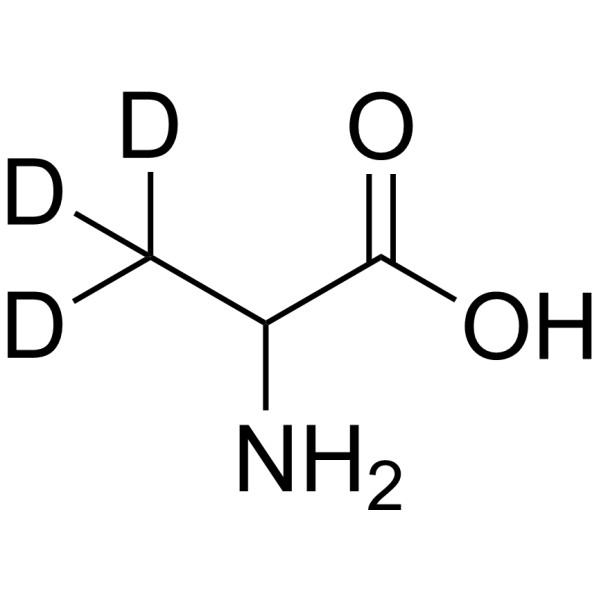
DL-Alanine-d3 is the deuterium labeled DL-Alanine. DL-alanine, an amino acid, is the racemic compound of L- and D-alanine. DL-alanine is employed both as a reducing and a capping agent, used with silver nitrate aqueous solutions for the production of nanoparticles. DL-alanine can be used for the research of transition metals chelation, such as Cu(II), Zn(II), Cd(11). DL-alanine, a sweetener, is classed together with glycine, and sodium saccharin. DL-alanine plays a key role in the glucose-alanine cycle between tissues and liver .
|
-
-
- HY-W110896
-
|
Phthalein Purple
|
Biochemical Assay Reagents
|
Others
|
|
Phthalate complexing agent [Chelation indicator] is a class of organic compounds belonging to the category of chelation indicators. It is commonly used in analytical chemistry to detect and quantify metal ions in aqueous solutions, especially in complexometric titration. Phthalate complexing agent [Chelation indicator] works by forming stable complexes with metal ions, which can then be measured using various spectroscopic or electrochemical techniques. In addition, it also has potential applications in wastewater treatment and environmental monitoring.
|
-
-
- HY-N0928R
-
|
|
Reference Standards
Apoptosis
|
Inflammation/Immunology
Cancer
|
|
Mimosine, a tyrosine analog , can act as an antioxidant by its potent iron-binding activity . Mimosine is a known chelator of Fe(III) . Mimosine induces apoptosis through metal ion chelation, mitochondrial activation and ROS production in human leukemic cells . Anti-cancer, antiinflammation.
|
-
-
- HY-B1159R
-
|
8-Hydroxy-5-nitroquinoline (Standard); 5-Nitro-8-quinolinol (Standard)
|
Reference Standards
Bacterial
Antibiotic
Apoptosis
Autophagy
|
Infection
Cancer
|
|
Nitroxoline (Standard) is the analytical standard of Nitroxoline. This product is intended for research and analytical applications. Nitroxoline (8-Hydroxy-5-nitroquinoline), an antibiotic, is an orally active antibiofilm agent. Nitroxoline reduces the formation and induces the dispersal of Pseudomonas aeruginosa biofilms by chelation of iron and zinc. Nitroxoline can be used for the urinary tract infections and cancer research .
|
-
-
- HY-116454
-
|
|
Reverse Transcriptase
HIV
|
Infection
|
|
GSK5750 is a specific and potent HIV-1 reverse transcriptase ribonuclease H inhibitor with an IC50 value of 0.33 μM. GSK5750 is bound at the RNase H active site through a metalion chelation mechanism .
|
-
-
- HY-162760
-
|
|
COMT
Monoamine Oxidase
|
Neurological Disease
|
|
COMT-IN-1 (compound C12), a nitrophenolic analogue, is an orally active dopamine metabolic enzyme catechol-O-methyltransferase (COMT) inhibitor with IC50s of 0.37 μM, 95.58 μM and 58.82 μM for COMT, MAO-A and MAO-B, respectively. COMT-IN-1 exhibits chelation with a variety of metal ions. COMT-IN-1 exhibits good BBB permeability. COMT-IN-1 improves dopamine levels and ameliorates MPTP (HY-15608)-induced Parkinson's disease (PD) symptoms in mice .
|
-
-
- HY-164055
-
|
|
Fluorescent Dye
|
Cancer
|
|
HL1 is a Schiff base ligand. HL1 exhibits chelation-enhanced fluorescence effect when forming complexes and can be used as a fluorescent probe for metal ions. HL1 can be used for the research of cancer .
|
-
-
- HY-170650
-
|
|
Phospholipase
Cholinesterase (ChE)
Bacterial
|
Infection
Inflammation/Immunology
|
|
SMase-IN-1 (Compound 4) is a bacterial sphingomyelinase enzyme (SMase) inhibitor (IC50 value for B. cereus SMase is 6.43 µM). SMase-IN-1 also inhibits eqBuChE (59.50% inhibition rate at 50 µM concentration). SMase-IN-1 forms a complex with Cu 2+ in biometal interactions. SMase-IN-1 reduces B. cereus-induced hemolysis on sheep erythrocytes .
|
-
-
- HY-118543
-
|
|
HIF/HIF Prolyl-Hydroxylase
|
Cardiovascular Disease
|
|
TM6089 is a unique Prolyl Hydroxylase (PHD) inhibitor which stimulates HIF activity without iron chelation and induces angiogenesis and exerts organ protection against ischemia. Local administration of TM6089 enhances angiogenesis, and oral administration stimulates HIF activity in transgenic rats expressing a hypoxia-responsive reporter vector .
|
-
-
- HY-B1637S
-
|
Sodium diethyldithiocarbamate-d10 sodium
|
Isotope-Labeled Compounds
HIV
Biochemical Assay Reagents
|
Infection
Inflammation/Immunology
Cancer
|
|
Ditiocarb-d10 sodium (Sodium diethyldithiocarbamate-d10) is the deuterium labeled Ditiocarb sodium (HY-B1637). Ditiocarb sodium (Sodium diethyldithiocarbamate) is an orally active copper reagent. Ditiocarb sodium exhibits activities such as antioxidation, chelation, anti-tumor effects, immunomodulation, and anti-HIV properties. Ditiocarb sodium can be used in the research of tumors, inflammatory, and immune-related diseases .
|
-
-
- HY-121315
-
|
|
HDAC
|
Metabolic Disease
|
|
BRD4097 is an inhibitor of histone deacetylase (HDAC). BRD4097 acts by inhibiting the activity of HDACs, especially HDAC 1,2 and 3, through metal chelation and spatial rejection mechanisms, and this inhibition may help regulate gene expression and alter chromatin structure, thereby affecting a variety of biological processes. BRD4097 is used to study the role of HDAC in cholesterol metabolism and NPC1 diseases .
|
-
-
- HY-174272
-
|
|
GSK-3
Amyloid-β
|
Neurological Disease
|
|
GSK-3β inhibitor 27 (Compound 1c) is a reversible and competitive GSK-3β inhibitor with an IC50 value of 2.2 μM. GSK-3β inhibitor 27 inhibits tau hyperphosphorylation, reduces Aβ protein aggregation and possesses metal chelation and neuroprotective potential. GSK-3β inhibitor 27 is promising for research of neurodegenerative diseases (such as Alzheimer’s disease) .
|
-
-
- HY-N2362S5
-
|
DL-2-Aminopropionic acid-15N
|
Endogenous Metabolite
|
Metabolic Disease
|
|
DL-Alanine- 15N is the 15N labeled DL-Alanine . DL-alanine, an amino acid, is the racemic compound of L- and D-alanine. DL-alanine is employed both as a reducing and a capping agent, used with silver nitrate aqueous solutions for the production of nanoparticles. DL-alanine can be used for the research of transition metals chelation, such as Cu(II), Zn(II), Cd(11). DL-alanine, a sweetener, is classed together with glycine, and sodium saccharin. DL-alanine plays a key role in the glucose-alanine cycle between tissues and liver .
|
-
-
- HY-N2362S
-
|
DL-2-Aminopropionic acid-13C-1
|
Endogenous Metabolite
|
Metabolic Disease
|
|
DL-Alanine- 13C-1 is the 13C-labeled DL-Alanine. DL-alanine, an amino acid, is the racemic compound of L- and D-alanine. DL-alanine is employed both as a reducing and a capping agent, used with silver nitrate aqueous solutions for the production of nanoparticles. DL-alanine can be used for the research of transition metals chelation, such as Cu(II), Zn(II), Cd(11). DL-alanine, a sweetener, is classed together with glycine, and sodium saccharin. DL-alanine plays a key role in the glucose-alanine cycle between tissues and liver .
|
-
-
- HY-N2362S1
-
|
DL-2-Aminopropionic acid-13C-3
|
Isotope-Labeled Compounds
Endogenous Metabolite
|
Metabolic Disease
|
|
DL-Alanine- 13C-3 is the 13C-labeled DL-Alanine. DL-alanine, an amino acid, is the racemic compound of L- and D-alanine. DL-alanine is employed both as a reducing and a capping agent, used with silver nitrate aqueous solutions for the production of nanoparticles. DL-alanine can be used for the research of transition metals chelation, such as Cu(II), Zn(II), Cd(11). DL-alanine, a sweetener, is classed together with glycine, and sodium saccharin. DL-alanine plays a key role in the glucose-alanine cycle between tissues and liver .
|
-
-
- HY-W011060R
-
|
4,7,13,16,21,24-Hexaoxa-1,10-diazabicyclo[8.8.8]hexacosane (Standard)
|
Biochemical Assay Reagents
Reference Standards
|
Others
|
|
Cryptand 2.2.2 (Standard) is the analytical standard of Cryptand 2.2.2 (HY-W011060). This product is intended for research and analytical applications. Cryptand 2.2.2 is a metal ion chelating agent that can selectively form complexes with metal ions. At room temperature, Cryptand 2.2.2 can serve as a host molecule, using the chelation effect to selectively bind desired ions (such as Zn 2+, Co 2+, Ni 2+, Cu 2+). Cryptand 2.2.2 can be used in the preparation of nanoparticles, transition metal compounds, and so on .
|
-
-
- HY-N2362S8
-
|
DL-2-Aminopropionic acid-d7
|
Isotope-Labeled Compounds
|
Metabolic Disease
|
|
DL-Alanine-d7 (DL-2-Aminopropionic acid-d7) is deuterium labeled DL-Alanine. DL-alanine, an orally active amino acid, is the racemic compound of L- and D-alanine. DL-alanine is employed both as a reducing and a capping agent, used with silver nitrate aqueous solutions for the production of nanoparticles. DL-alanine can be used for the research of transition metals chelation, such as Cu(II), Zn(II), Cd(11). DL-alanine, a sweetener, is classed together with glycine and sodium saccharin. DL-alanine plays a key role in the glucose-alanine cycle between tissues and liver .
|
-
-
- HY-N2362S9
-
|
DL-2-Aminopropionic acid-13C2,15N2
|
Isotope-Labeled Compounds
Endogenous Metabolite
|
Metabolic Disease
|
|
DL-Alanine- 13C2, 15N (DL-2-Aminopropionic acid- 13C2, 15N) is 13C and 15N labeled DL-Alanine. DL-alanine, an orally active amino acid, is the racemic compound of L- and D-alanine. DL-alanine is employed both as a reducing and a capping agent, used with silver nitrate aqueous solutions for the production of nanoparticles. DL-alanine can be used for the research of transition metals chelation, such as Cu(II), Zn(II), Cd(11). DL-alanine, a sweetener, is classed together with glycine and sodium saccharin. DL-alanine plays a key role in the glucose-alanine cycle between tissues and liver .
|
-
-
- HY-114796
-
|
|
Lipoxygenase
|
Inflammation/Immunology
|
|
tHGA is a compound with anti-inflammatory activity and has the activity to inhibit soybean 15-LOX. tHGA showed significant inhibitory effects in experiments on human leukocytes, with an IC50 value of 0.42 μM, which is close to the effect of commonly used standard NDGA. tHGA concentration-dependently inhibits the synthesis of 5-LOX products, especially the cysteine leukotriene LTC(4), with an IC50 value of 1.80 μM. and showed no cytotoxicity. The anti-inflammatory effects of tHGA do not appear to be through redox or metal chelation mechanisms, as the compound was negative in these bioactivity tests. tHGA works through a dual LOX/COX inhibition mechanism and has higher selectivity for 5-LOX and COX-2, with an IC50 value of 0.40 μM .
|
-
-
- HY-N2362R
-
|
DL-2-Aminopropionic acid (Standard)
|
Reference Standards
Endogenous Metabolite
|
Metabolic Disease
|
|
Cucurbitacin IIb (Standard) is the analytical standard of Cucurbitacin IIb. This product is intended for research and analytical applications. Cucurbitacin IIb is an active component isolated from Hemsleya amabilis, induces apoptosis with anti-inflammatory activity. Cucurbitacin IIb inhibits phosphorylation of STAT3, JNK and Erk1/2, enhances the phosphorylation of IκB and NF-κB (p65), blocks nuclear translocation of NF-κB (p65) and decreases mRNA levels of IκBα and TNF-α .
|
-
-
- HY-179699
-
|
|
Caspase
Apoptosis
|
Cancer
|
|
Procaspase-3 activator 1 is a potent procaspase-3 activator. Procaspase-3 activator directly activates procaspase-3 through zinc chelation, thereby inducing apoptosis and inhibiting cancer cell proliferation. Procaspase-3 activator 1 can be used for the research of non-small cell lung cancer (NSCLC) and melanoma .
|
-
-
- HY-P11637
-
|
|
Fluorescent Dye
|
Neurological Disease
|
|
Mitochondrial-targeted peptide BP19 is a fluorescent probe for the selective measurement of labile iron in the mitochondriairon. Mitochondrial-targeted peptide BP19 exhibits iron-selective sensing activity with mitochondrial accumulation, reduced fluorescence in iron-loaded cells, and fluorescence reinstatement upon iron chelation. Mitochondrial-targeted peptide BP19 evaluates mitochondrial labile iron levels in cultured fibroblasts with Friedreich's ataxia .
|
-
-
- HY-159701A
-
|
|
Drug Intermediate
|
Others
|
|
DBCO-PEG2000-alendronic acid sodium is a PEG linker conjugated with alendronic acid (HY-B0631) and DBCO groups. Alendronic acid possesses bone-targeting properties, enabling strong chelation with calcium ions in bone and hydroxyapatite, and exhibits high specific adsorption on mineralized tissues such as bones and teeth. This compound can be applied to construct bone-targeted drug delivery systems and bone tissue imaging probes.
|
-
-
- HY-180114
-
|
|
Cholinesterase (ChE)
Monoamine Oxidase
Amyloid-β
Reactive Oxygen Species (ROS)
|
Neurological Disease
|
|
NSS-18 is a potent and reversible inhibitor of AChE and MAO-B, with IC50 values of 1.53 and 1.51 μM respectively. NSS-18 can inhibit the self-aggregation of Aβ. NSS-18 inhibits the intracellular generation of ROS induced by Aβ. NSS-18 shows a moderate neuroprotective effect against 6-OHDA (HY-B1081)-induced neurotoxicity. NSS-18 can form chelates with metal ions such as Cu²⁺, Fe³⁺, and Zn²⁺, with the strongest chelation being with Cu²⁺. NSS-18 can be used for the study of Alzheimer's disease .
|
-
-
- HY-D3281
-
|
|
Fluorescent Dye
|
Others
|
|
Ctrl-CSR1 is a non-responsive CSR1 control dye and a matched control dye with a photostable, hydrophilic silicon rhodol backbone. Ctrl-CSR1 lacks a copper-responsive receptor .
|
-
-
- HY-167289
-
|
|
Endogenous Metabolite
|
Others
|
|
3-Methyldecane is a fatty hydrocarbon volatile component of Ludwigia stolonifera. 3-Methyldecane can be used to study the metabolic differences in different parts of this aquatic plant .
|
-
-
- HY-178271
-
|
|
Drug Intermediate
|
Cancer
|
|
P-SCN-Bn-NOTA is a metal chelator and molecular imaging probe precursor that allows radiolabeling with Ga-68. P-SCN-Bn-NOTA can be conjugated to CD70-specific molecules B3, B6, ABDB3 and ABDB6 to form NOTA-labeled derivatives. P-SCN-Bn-NOTA is applicable for preclinical PET/CT imaging of CD70-expressing tumors in NCG mouse PDX models. P-SCN-Bn-NOTA can be used in studies related to CD70-positive tumors .
|
-
| Cat. No. |
Product Name |
Type |
-
- HY-D3281
-
|
|
Fluorescent Dye
|
|
Ctrl-CSR1 is a non-responsive CSR1 control dye and a matched control dye with a photostable, hydrophilic silicon rhodol backbone. Ctrl-CSR1 lacks a copper-responsive receptor .
|
| Cat. No. |
Product Name |
Type |
-
- HY-Y0091
-
|
9,9-Dimethyl-4,5-bis(diphenylphosphino)xanthene
|
Biochemical Assay Reagents
|
|
Xantphos (9,9-Dimethyl-4,5-bis(diphenylphosphino)xanthene) is a bisphosphine ligand. Xantphos coordinates to metals in either cis or trans chelation mode. Xantphos acts as a key ligand in palladium or platinum catalyzed reactions. Xantphos can be used in the construction of heterocyclic compounds in organic synthesis .
|
-
- HY-W110927
-
|
|
Biochemical Assay Reagents
|
|
Alizarin red S indicator (C.I. 58005) is a reductively active (quinone-based) anthraquinone dye that forms complexes with metal ions (such as zirconium, calcium) or boric acid to label calcium deposition and perform electrochemical sensing functions. Alizarin Red S undergoes reversible redox reactions (for electrochemical detection) and irreversible chelation (for bone staining). Alizarin Red S is mainly used in bone metabolism research (labeling mineralized tissue), sugar detection (boric acid-sugar competition system) and metal ion sensing (such as zirconium ion detection), and can be used in osteoporosis and metabolic disease research .
|
-
- HY-W035520
-
|
|
Biochemical Assay Reagents
|
|
HBED dihydrochloride is an orally active and hexadentate phenolic aminocarboxylate iron chelator. HBED refers to N, N'-bis(2-hydroxybenzyl)ethylenediamine-N,N'-diacetic acid, inducing iron excretion in primates. HBED dihydrochloride has the potential to be used as an alternative to desferriamine for iron chelation therapy .
|
-
- HY-W013718
-
|
|
Biochemical Assay Reagents
|
|
TTHA is an aminopolycarboxylic acid chelating agent with preferential affinity for lighter (lower atomic number) rare earth element (REE) ions. TTHA binds to REE ions through chelation as the primary coordination mechanism .
|
-
- HY-W717743
-
|
|
Biochemical Assay Reagents
|
|
DOTAM-mono-acid is a chelator with DOTAM as its core. DOTAM-mono-acid contains a carboxylic acid group that can be activated to form an amide bond with the N-terminus of a peptide. DOTAM-mono-acid can form peptide conjugates for radiometal labeling .
|
-
- HY-W110896
-
|
Phthalein Purple
|
Biochemical Assay Reagents
|
|
Phthalate complexing agent [Chelation indicator] is a class of organic compounds belonging to the category of chelation indicators. It is commonly used in analytical chemistry to detect and quantify metal ions in aqueous solutions, especially in complexometric titration. Phthalate complexing agent [Chelation indicator] works by forming stable complexes with metal ions, which can then be measured using various spectroscopic or electrochemical techniques. In addition, it also has potential applications in wastewater treatment and environmental monitoring.
|
-
- HY-W011060R
-
|
4,7,13,16,21,24-Hexaoxa-1,10-diazabicyclo[8.8.8]hexacosane (Standard)
|
Biochemical Assay Reagents
|
|
Cryptand 2.2.2 (Standard) is the analytical standard of Cryptand 2.2.2 (HY-W011060). This product is intended for research and analytical applications. Cryptand 2.2.2 is a metal ion chelating agent that can selectively form complexes with metal ions. At room temperature, Cryptand 2.2.2 can serve as a host molecule, using the chelation effect to selectively bind desired ions (such as Zn 2+, Co 2+, Ni 2+, Cu 2+). Cryptand 2.2.2 can be used in the preparation of nanoparticles, transition metal compounds, and so on .
|
| Cat. No. |
Product Name |
Target |
Research Area |
-
- HY-P1997
-
|
Desferrichrome; DFC; N-Desferriferrichrome
|
Biochemical Assay Reagents
|
Others
|
|
Ferrichrome is a hydroxamate siderophore produced by various fungi, including U. sphaerogena, that facilitates iron chelation and uptake by these organisms. It can be used as a heterosiderophore by bacteria, including Pseudomonas aeruginosa and Vibrio parahaemolyticus. Ferrichrome (0.8 μM) inhibits concanavalin A-induced proliferation of mouse spleen monocytes and reduces the number of concanavalin A-stimulated CD4+ T cells expressing IL-2 receptor. It also inhibits the heme-catalyzed oxidation of LDL by hydrogen peroxide in a concentration-dependent manner.
|
-
- HY-P11637
-
|
|
Fluorescent Dye
|
Neurological Disease
|
|
Mitochondrial-targeted peptide BP19 is a fluorescent probe for the selective measurement of labile iron in the mitochondriairon. Mitochondrial-targeted peptide BP19 exhibits iron-selective sensing activity with mitochondrial accumulation, reduced fluorescence in iron-loaded cells, and fluorescence reinstatement upon iron chelation. Mitochondrial-targeted peptide BP19 evaluates mitochondrial labile iron levels in cultured fibroblasts with Friedreich's ataxia .
|
-
- HY-K0256
-
|
|
|
MCE Chelating Agarose (IDA) 6FF allows flexible chelation with metal ions such as Zn2+, Ni2+, or Cu2+, and is suitable for the purification of His-tagged recombinant proteins expressed in bacterial, mammalian, insect, and baculovirus systems.
|
-
- HY-K0255
-
|
|
|
MCE IMAC Agarose (NTA) 6FF is prepared by covalently coupling tetradentate nitrilotriacetic acid (NTA) to an agarose matrix. It features high binding capacity, excellent specificity, and superior ligand stability. The resin allows flexible chelation with metal ions such as Zn2+, Ni2+, or Cu2+, and is suitable for the purification of His-tagged recombinant proteins expressed in bacterial, mammalian, insect, and baculovirus systems.
|
-
- HY-K6020
-
|
|
|
MCE iPSC/ESC Dissociation Solution (Enzyme-Free) is a chelation-based, enzyme-free cell dissociation reagent specifically designed for the culture and manipulation of induced pluripotent stem cells (iPSCs) and embryonic stem cells (ESCs). This optimized solution enables gentle and efficient dissociation of iPSCs/ESCs within 5-8 min, making it suitable for routine passaging, dissociation, and cell-cluster handling. It provides superior stability and better preservation of cell state compared with traditional methods.
|
| Cat. No. |
Product Name |
Category |
Target |
Chemical Structure |
| Cat. No. |
Product Name |
Chemical Structure |
-
- HY-N2362S2
-
|
|
|
DL-Alanine-d3 is the deuterium labeled DL-Alanine. DL-alanine, an amino acid, is the racemic compound of L- and D-alanine. DL-alanine is employed both as a reducing and a capping agent, used with silver nitrate aqueous solutions for the production of nanoparticles. DL-alanine can be used for the research of transition metals chelation, such as Cu(II), Zn(II), Cd(11). DL-alanine, a sweetener, is classed together with glycine, and sodium saccharin. DL-alanine plays a key role in the glucose-alanine cycle between tissues and liver .
|
-
-
- HY-B1637S
-
|
|
|
Ditiocarb-d10 sodium (Sodium diethyldithiocarbamate-d10) is the deuterium labeled Ditiocarb sodium (HY-B1637). Ditiocarb sodium (Sodium diethyldithiocarbamate) is an orally active copper reagent. Ditiocarb sodium exhibits activities such as antioxidation, chelation, anti-tumor effects, immunomodulation, and anti-HIV properties. Ditiocarb sodium can be used in the research of tumors, inflammatory, and immune-related diseases .
|
-
-
- HY-N2362S5
-
|
|
|
DL-Alanine- 15N is the 15N labeled DL-Alanine . DL-alanine, an amino acid, is the racemic compound of L- and D-alanine. DL-alanine is employed both as a reducing and a capping agent, used with silver nitrate aqueous solutions for the production of nanoparticles. DL-alanine can be used for the research of transition metals chelation, such as Cu(II), Zn(II), Cd(11). DL-alanine, a sweetener, is classed together with glycine, and sodium saccharin. DL-alanine plays a key role in the glucose-alanine cycle between tissues and liver .
|
-
-
- HY-N2362S
-
|
|
|
DL-Alanine- 13C-1 is the 13C-labeled DL-Alanine. DL-alanine, an amino acid, is the racemic compound of L- and D-alanine. DL-alanine is employed both as a reducing and a capping agent, used with silver nitrate aqueous solutions for the production of nanoparticles. DL-alanine can be used for the research of transition metals chelation, such as Cu(II), Zn(II), Cd(11). DL-alanine, a sweetener, is classed together with glycine, and sodium saccharin. DL-alanine plays a key role in the glucose-alanine cycle between tissues and liver .
|
-
-
- HY-N2362S1
-
|
|
|
DL-Alanine- 13C-3 is the 13C-labeled DL-Alanine. DL-alanine, an amino acid, is the racemic compound of L- and D-alanine. DL-alanine is employed both as a reducing and a capping agent, used with silver nitrate aqueous solutions for the production of nanoparticles. DL-alanine can be used for the research of transition metals chelation, such as Cu(II), Zn(II), Cd(11). DL-alanine, a sweetener, is classed together with glycine, and sodium saccharin. DL-alanine plays a key role in the glucose-alanine cycle between tissues and liver .
|
-
-
- HY-N2362S8
-
|
|
|
DL-Alanine-d7 (DL-2-Aminopropionic acid-d7) is deuterium labeled DL-Alanine. DL-alanine, an orally active amino acid, is the racemic compound of L- and D-alanine. DL-alanine is employed both as a reducing and a capping agent, used with silver nitrate aqueous solutions for the production of nanoparticles. DL-alanine can be used for the research of transition metals chelation, such as Cu(II), Zn(II), Cd(11). DL-alanine, a sweetener, is classed together with glycine and sodium saccharin. DL-alanine plays a key role in the glucose-alanine cycle between tissues and liver .
|
-
-
- HY-N2362S9
-
|
|
|
DL-Alanine- 13C2, 15N (DL-2-Aminopropionic acid- 13C2, 15N) is 13C and 15N labeled DL-Alanine. DL-alanine, an orally active amino acid, is the racemic compound of L- and D-alanine. DL-alanine is employed both as a reducing and a capping agent, used with silver nitrate aqueous solutions for the production of nanoparticles. DL-alanine can be used for the research of transition metals chelation, such as Cu(II), Zn(II), Cd(11). DL-alanine, a sweetener, is classed together with glycine and sodium saccharin. DL-alanine plays a key role in the glucose-alanine cycle between tissues and liver .
|
-
| Cat. No. |
Product Name |
|
Classification |
-
- HY-180114
-
|
|
|
Alkynes
|
|
NSS-18 is a potent and reversible inhibitor of AChE and MAO-B, with IC50 values of 1.53 and 1.51 μM respectively. NSS-18 can inhibit the self-aggregation of Aβ. NSS-18 inhibits the intracellular generation of ROS induced by Aβ. NSS-18 shows a moderate neuroprotective effect against 6-OHDA (HY-B1081)-induced neurotoxicity. NSS-18 can form chelates with metal ions such as Cu²⁺, Fe³⁺, and Zn²⁺, with the strongest chelation being with Cu²⁺. NSS-18 can be used for the study of Alzheimer's disease .
|
Your information is safe with us. * Required Fields.
Inquiry Information
- Product Name:
- Cat. No.:
- Quantity:
- MCE Japan Authorized Agent: