62 Results for "

cleaved PARP

" in MedChemExpress (MCE) Product Catalog:
Products (62)

62 Results for "cleaved PARP" in MCE Product Catalog:

  • Targets Recommended:
6
6 Publications Verification
Cat. No.: HY-B1165
CAS No.: 41354-29-4
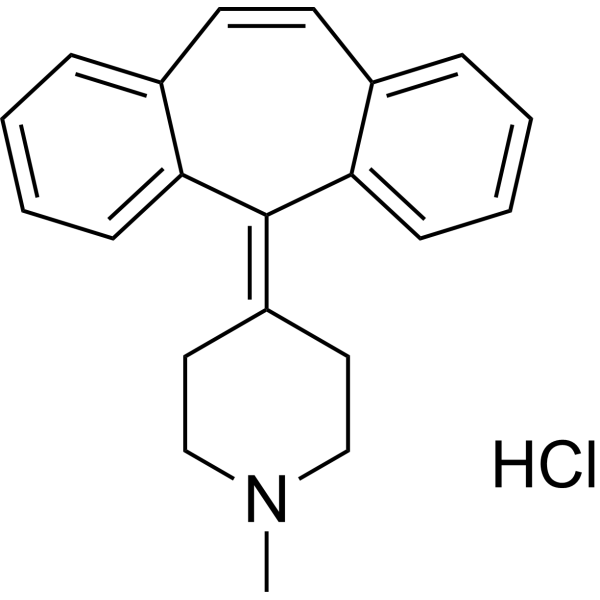
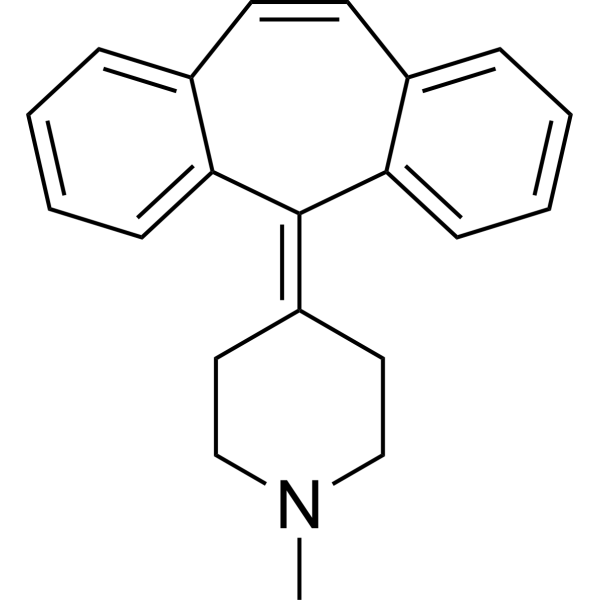
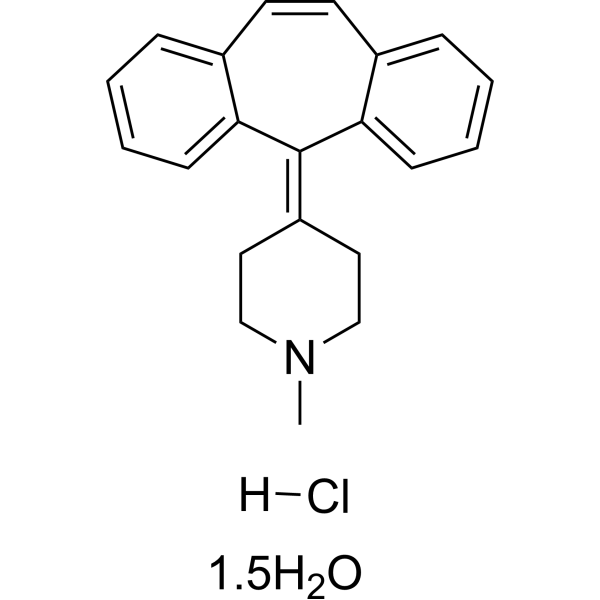
Cyproheptadine hydrochloride sesquihydrate acts as a p38 MAP kinase activator, CHK2 activator, histamine H1 receptor inhibitor and serotonin receptor inhibitor. Cyproheptadine hydrochloride sesquihydrate mediates cell cycle arrest via G1 phase arrest, G1/S transition arrest, G0/G1 phase arrest, reduced expression of cyclins D1/D2/D3, upregulated expression of HBP1, p16, p21, p27, and decreased phosphorylation of retinoblastoma protein. Cyproheptadine hydrochloride sesquihydrate induces Apoptosis by increasing PARP and cleaved PARP, as well as activating the mitochondrial caspase pathway. Cyproheptadine hydrochloride sesquihydrate inhibits tumor growth with extremely low toxicity to normal cells. Cyproheptadine hydrochloride sesquihydrate can be used in research related to hepatocellular carcinoma, multiple myeloma and acute myeloid leukemia .
loading...
    loading...
3
3 Cited Publications
Cat. No.: HY-N0805
CAS No.: 26575-95-1
Synonyms: 23-Acetylalismol B; 23-O-Acetylalisol B; Alisol B monoacetate
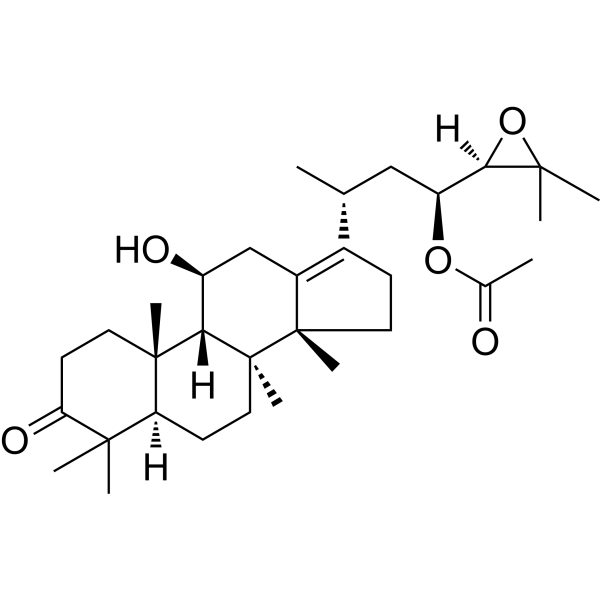
Alisol B 23-acetate is an orally active prototerpane-type triterpenoid. Alisol B 23-acetate can be isolated from Alisma orientalis. Alisol B 23-acetate induces Apoptosis, promotes ROS generation, downregulates CDK4/6, MMP-2/9, upregulates cleaved PARP, activates FXR and inhibits Syk. Alisol B 23-acetate has anti-inflammatory and hepatoprotective activities. Alisol B 23-acetate protects the kidney from ischemia-reperfusion injury. Alisol B 23-acetate has anticancer activity against ovarian cancer, colon cancer, lung cancer, and gastric cancer. Alisol B 23-acetate can be used in the study of atherosclerosis and allergic asthma .
loading...
    loading...
3
3 Cited Publications
Cat. No.: HY-P80448

Host:  

Rabbit

Application:  

WB, ICC/IF, IP, FC

Reactivity:  

Human

loading...
    loading...
2
2 Cited Publications
Cat. No.: HY-N1970
CAS No.: 31721-94-5
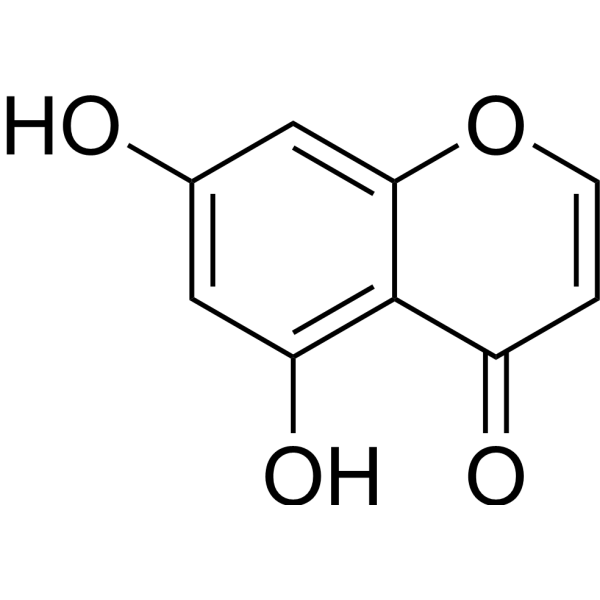
5,7-Dihydroxychromone is a flavonoid compound with antioxidant properties. 5,7-Dihydroxychromone induces Nrf2 nuclear translocation, increases Nrf2/ARE binding activity, and up-regulates Nrf2-dependent antioxidant genes HO-1, NQO1, GCLc. 5,7-Dihydroxychromone attenuates excessive ROS generation, inhibits activated caspase-3, caspase-9, cleaved PARP expression, and prevents neuronal apoptosis and cell death. 5,7-Dihydroxychromone increases LXRα and PPARγ mRNA expression, induces preadipocyte differentiation, and regulates blood glucose levels. 5,7-Dihydroxychromone inhibits radial growth of soil pathogenic fungi, radicle elongation of select seedlings, and transiently inhibits Bradyrhizobium sp. growth in high mannitol medium. 5,7-Dihydroxychromone can be used for the research of Parkinson’s disease, type 2 diabetes mellitus and pathogenic fungal infection .
loading...
    loading...
1
1 Cited Publications
Cat. No.: HY-122611A
CAS No.: 1353749-74-2
Purity:  99.97%
Research Areas:  

Cancer

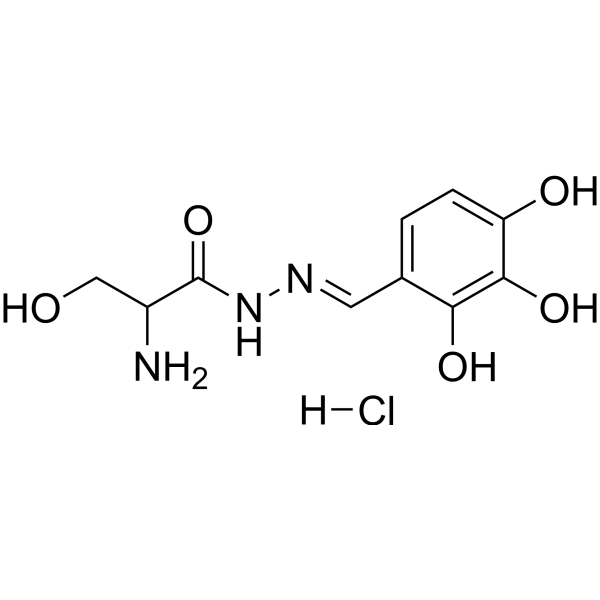
CSRM617 hydrochloride is a selective small-molecule inhibitor of the transcription factor ONECUT2 (OC2, a master regulator of androgen receptor) with a Kd of 7.43 uM in SPR assays, binding to OC2-HOX domain directly. CSRM617 hydrochloride induces apoptosis by appearance of cleaved Caspase-3 and PARP. CSRM617 hydrochloride is well tolerated in the prostate cancer mouse model
loading...
    loading...
1
1 Cited Publications
Cat. No.: HY-139534
CAS No.: 3078120-01-8
Purity:  99.16%
Target:  

ROR Apoptosis Akt mTOR PARP

Research Areas:  

Cancer

ARI-1 is a receptor tyrosine kinase-like orphan receptor 1 (ROR1) inhibitor. ARI-1 blocks the PI3K/AKT/mTOR signaling pathway in a ROR1-dependent manner. ARI-1 upregulates cleaved-PARP and p-P38. ARI-1 induces Apoptosis. ARI-1 has anticancer activity against non-small cell lung cancer .
loading...
    loading...
1
1 Cited Publications
Cat. No.: HY-N8481
CAS No.: 108238-41-1
Synonyms: 3,6-DHF
Target:  

Apoptosis

Research Areas:  

Cancer

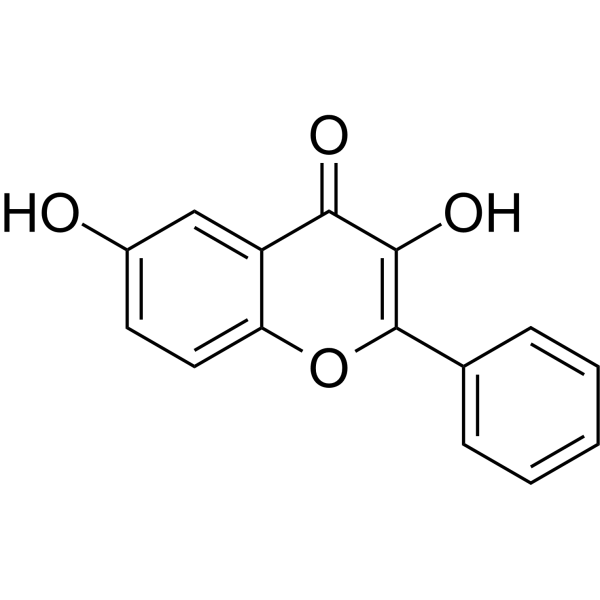
3,6-Dihydroxyflavone is an anti-cancer agent. 3,6-Dihydroxyflavone dose- and time-dependently decreases cell viability and induces apoptosis by activating caspase cascade, cleaving poly (ADP-ribose) polymerase (PARP). 3,6-Dihydroxyflavone increases intracellular oxidative stress and lipid peroxidation .
loading...
    loading...
Cat. No.: HY-158799
Research Areas:  

Others

Poly(ADP-ribose) Polymer/pADPr is a complex polymer of repeating ADP-ribose units, which is synthesized using poly(ADP-ribose) polymerase (PARP) in the presence of NAD +, cleaved from PARP, and subsequently purified .
loading...
    loading...
Cat. No.: HY-179078
CAS No.: 1996636-69-1
Target:  

OLIG2 Apoptosis Caspase PARP

Research Areas:  

Neurological Disease Cancer

CT-179 is a brain-penetrant and orally active OLIG2 inhibitor with a human IC50 of 1250 nM. CT-179 disrupts OLIG2 dimerization, phosphorylation, and DNA binding, blocking OLIG2-driven transcription. CT-179 induces G2/M phase arrest and increases G0 population. CT-179 induces apoptosis by reducing anti-apoptotic proteins and increasing cleaved caspase-3 and cleaved PARP. CT-179 can be used for the research of subgroup medulloblastoma .
loading...
    loading...
Cat. No.: HY-119979
CAS No.: 501-26-8
Purity:  98.02%
Synonyms: Cardanol C15:1
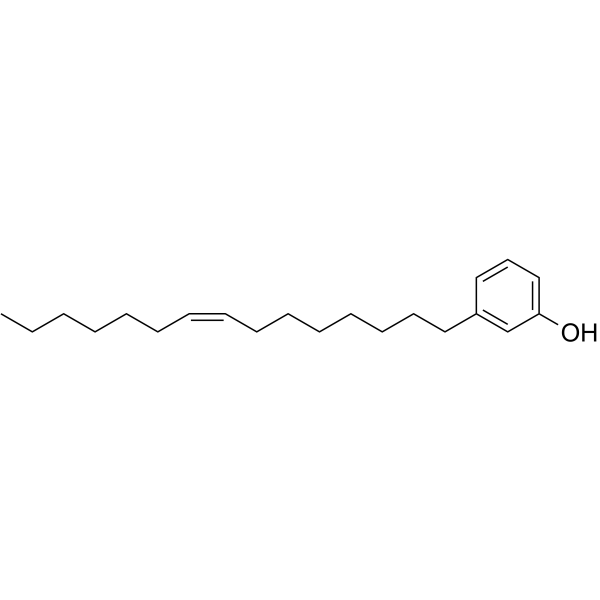
Cardanol monoene (Cardanol C15:1) is a phenolic compound which can be found in cashew nut shell liquid. Cardanol monoene can inhibit cancer cells proliferation, migration, cause S phase arrest, induce apoptosis, ROS production and mitochondrial depolarization. Cardanol monoene downregulates MMP-2, MMP-9, cyclinA1 expression, regulates CDK2, p53, Bax, cytochrome c, cleaved caspase-3, cleaved PARP, Apaf-1 expression and Bax/Bcl-2 ratio. Cardanol monoene shows weak DPPH radical scavenging activity and AChE inhibition activity. Cardanol monoene is lethal to Artemia salina nauplii. Cardanol monoene. Cardanol monoene can be used for the research of cancer, infection and inflamation .
loading...
    loading...
Cat. No.: HY-N3677
CAS No.: 14351-29-2
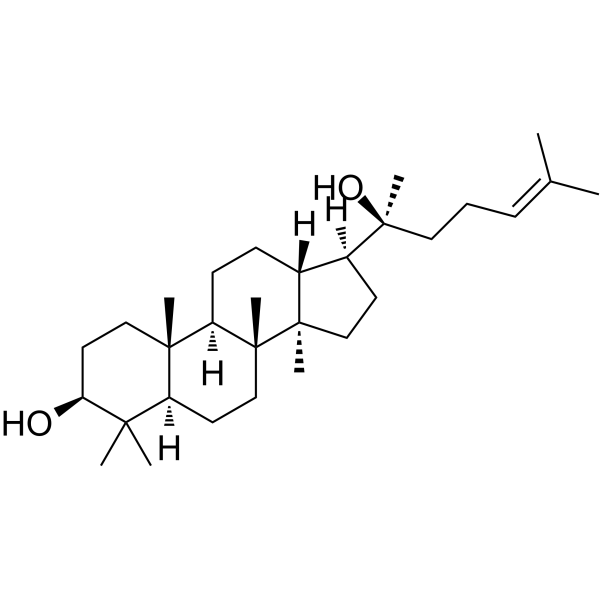
Dammarenediol II is a ginsenoside precursor . Dammarenediol II reduces the activity of O-GlcNAc transferase (OGT) and downregulates the global O-GlcNAcylation level. Dammarenediol II inhibits the phosphorylation of Akt, mTOR and GSK3β. Dammarenediol II inhibits human carboxylesterase activity, VEGF-induced ROS production, stress fiber formation and vascular endothelial cadherin disruption. Dammarenediol II promotes cell apoptosis (apoptosis), increases the levels of cleaved PARP1 and p53, and inhibits retinal microvascular leakage. Dammarenediol II can be used in studies related to liver cancer and diabetic retinopathy .
loading...
    loading...
Cat. No.: HY-46866
CAS No.: 34348-59-9
Isoegomaketone is an orally active apoptosis inducer and radiosensitizer. Isoegomaketone regulates multiple key signaling pathways such as PI3K/AKT/mTOR, NF-κB, MAPK, cleaves Caspase family proteins and PARP, and modulates Bax, AIF and endoplasmic reticulum stress proteins. Isoegomaketone also induces autophagy and keratinocyte proliferation, effectively reduces the levels of inflammatory factors and oxidative stress, inhibits adipocyte differentiation, and resensitizes TRAIL-resistant cancer cells. Isoegomaketone can be applied to research related to colorectal cancer, melanoma, lung cancer, prostate cancer, liver cancer, as well as rheumatoid arthritis and obesity .
loading...
    loading...
Cat. No.: HY-163944
CAS No.: 3081311-94-3
LL-K12-18 is a CDK12 kinase inhibitor and a dual-site molecular glue. LL-K12-18 inhibits human CDK12 with an IC50 value of 283.9 nM, and selectively degrades cyclin K via the ubiquitin-proteasome system by stabilizing the CDK12-DDB1 complex. LL-K12-18 downregulates DNA damage response genes, reduces the phosphorylation level of CTD Ser2 in RNA polymerase II, and modulates biomarkers such as ATM, RAD51, γ-H2AX and cleaved PARP, thereby effectively inducing apoptosis and inhibiting proliferation of breast cancer cells. LL-K12-18 exhibits high target selectivity and serves as a research tool for studies on triple-negative breast cancer .
loading...
    loading...
Cat. No.: HY-170935
Research Areas:  

Cancer

SRSF1-IN-1 is a SRSF1 inhibitor. SRSF1-IN-1 inhibits SRSF1 expression, thereby modulating the splicing of Bcl-x pre-mRNA. SRSF1-IN-1 inhibits the proliferation of various cancer cells. SRSF1-IN-1 induces apoptosis in gastric cancer cells, reduces Bcl-xl expression, and upregulates cleaved PARP and caspase 3. SRSF1-IN-1 induces autophagy and promotes cell death. SRSF1-IN-1 exhibits anti-tumor activity in a mouse gastric cancer xenograft model. SRSF1-IN-1 can be used for the research of various cancers including liver cancer, gastric cancer, breast cancer, colon cancer, glioma, and melanoma .
loading...
    loading...
Cat. No.: HY-148369
CAS No.: 3094177-94-0
Purity:  99.68%
U7D-1 is a USP7 PROTAC degrader that induces selective proteasomal degradation of USP7. U7D-1 destabilizes and downregulates the expression of variant PRC1 complex subunits PCGF1, RING1A and PCGF6, and also slightly reduces the protein level of KDM2B. U7D-1 decreases cell viability, arrests neuroblastoma cells at the G0/G1 cell cycle phase, and downregulates the expression of target genes of PAX3::FOXO1 in FP-RMS cells. U7D-1 increases the level of cleaved PARP in FP-RMS cells, induces cell apoptosis (apoptosis), and upregulates the expression of muscle differentiation markers MYH1 and MYF5. U7D-1 inhibits the growth and proliferation of p53 wild-type and mutant cancer cells, and regulates the apoptosis pathway and E2F pathway. U7D-1 is applicable to studies on neuroblastoma, fusion-positive rhabdomyosarcoma, p53-mutant cancers and cancer-related research .
loading...
    loading...
Cat. No.: HY-15883
CAS No.: 1200126-26-6
Purity:  99.21%
Research Areas:  

Cancer

GNE-900 is a an ATP-competitive, selective, and orally active ChK1 inhibitor with IC50s of 0.0011, 1.5 μM for ChKl, ChK2, respectively. GNE-900 abrogates the G2-M checkpoint, enhances DNA damage, and induces Apoptosis. Gemcitabine (HY-17026) and GNE-900 administration shows anti-tumor activity .
loading...
    loading...
Cat. No.: HY-178861
Research Areas:  

Cancer

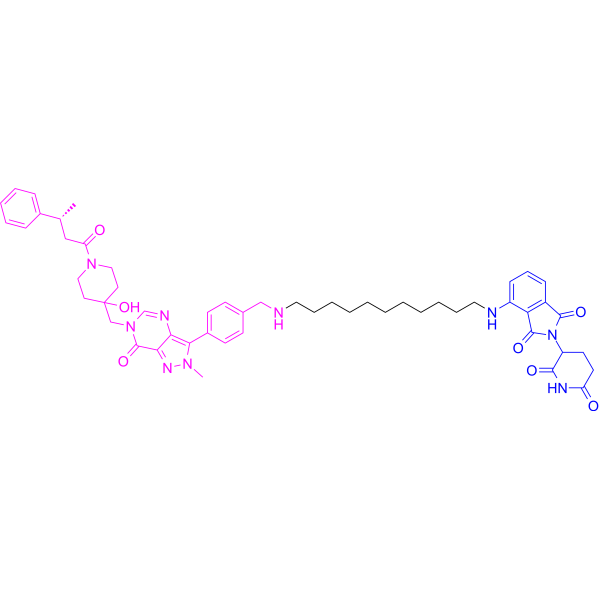
dCDK9-202 a potent CDK9 PROTAC degrader with an DC50 value of 3.5 nM. dCDK9-202 exhibits broad-spectrum anti-tumor activity and extensively disrupts the oncogenic transcriptome. dCDK9-202 can activate Caspase-3/7, increase the level of cleaved PARP, and directly induce apoptosis of tumor cells. dCDK9-202 effectively inhibits TC-71 tumor growth without any signs of toxicity in mice. dCDK9-202 can be used for the study of EGFR-driven cancers such as sarcoma (Pink: CDK9 ligand (HY-178862); Blue: CRBN ligand (HY-W248665); Black: Linker (HY-N8015)) .
loading...
    loading...
Cat. No.: HY-179055
CAS No.: 3063030-38-3
Target:  

PROTACs DAPK

Research Areas:  

Neurological Disease

PROTAC DAPK1 Degrader-1 (Compound CP1) is a DAPK1 PROTAC degrader with a DC50 of 119.6 nM. PROTAC DAPK1 Degrader-1 significantly increased the MDM2 protein level. PROTAC DAPK1 Degrader-1 significantly reduced the levels of cleaved caspase-3 and cleaved PARP in a cell apoptosis model induced by the neurotoxin ceramide, indicating that it effectively inhibits neuronal apoptosis by degrading DAPK1. PROTAC DAPK1 Degrader-1 can be used to study neurological diseases such as cerebral ischemia and traumatic brain injury (pink: DAPK1 ligand (HY-179071); blue: CRBN ligand (HY-10984); black: linker (HY-40171)) .
loading...
    loading...
Cat. No.: HY-N6926
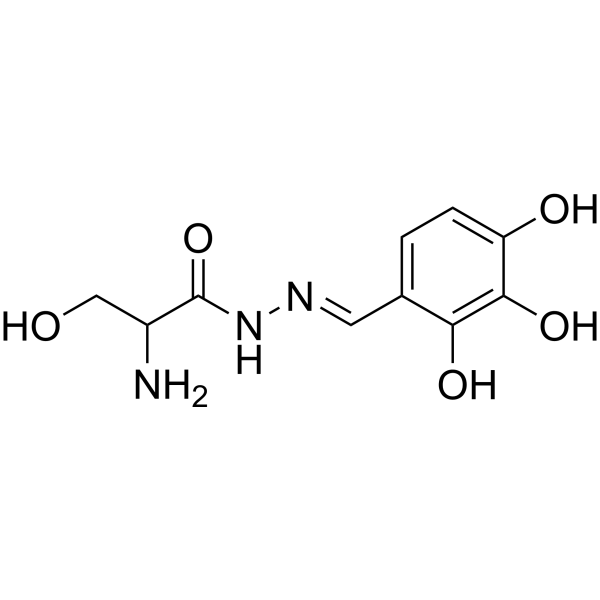
CAS No.: 1073897-80-9
1,3,5-Tricaffeoylquinic acid acts as an angiogenesis inhibitor and apoptosis inducer, and exhibits anti-HIV activity. 1,3,5-Tricaffeoylquinic acid inhibits the phosphorylation of VEGFR2, ERK, PI3K, Akt and mTOR in the angiogenesis signaling pathway. 1,3,5-Tricaffeoylquinic acid regulates apoptosis-related proteins, upregulates the levels of activated caspase-8, Bax, activated PARP and caspase-3/9, while downregulates the level of Bcl-2. 1,3,5-Tricaffeoylquinic acid inhibits tube formation and shows cytotoxicity against ovarian cancer cells. 1,3,5-Tricaffeoylquinic acid can be used in studies related to ovarian cancer .
loading...
    loading...
Cat. No.: HY-122611
CAS No.: 787504-88-5
Research Areas:  

Cancer

CSRM617 is a selective small-molecule inhibitor of the transcription factor ONECUT2 (OC2, a master regulator of androgen receptor) with a Kd of 7.43 uM in SPR assays, binding to OC2-HOX domain directly. CSRM617 induces apoptosis by appearance of cleaved Caspase-3 and PARP. CSRM617 is well tolerated in the prostate cancer mouse model
loading...
    loading...

