






1. Search Result
Search Result
Results for "

co-solvent

" in MedChemExpress (MCE) Product Catalog:

107

Inhibitors & Agonists

3

Fluorescent Dyes

100

Biochemical Assay Reagents

5

Natural
Products

1

Click Chemistry

22

Oligonucleotides

Cat. No. Product Name Target Research Areas Chemical Structure
  • HY-Y0320
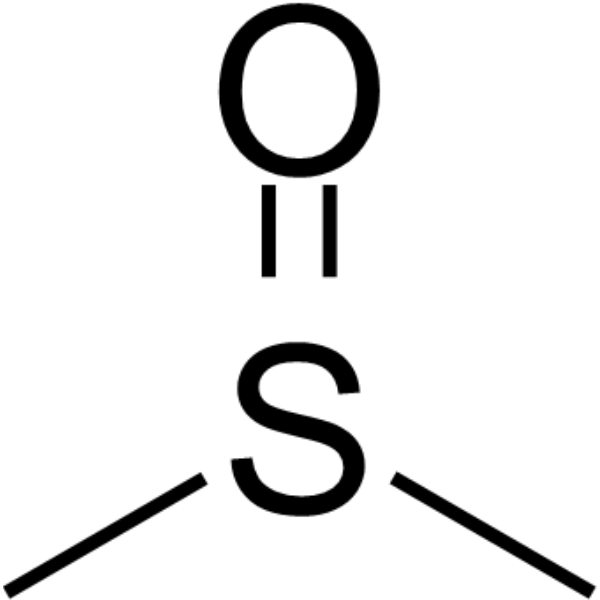
    Dimethyl sulfoxide, meets analytical specification of Ch.P.
    Maximum Cited Publications
    345 Publications Verification

    DMSO, meets analytical specification of Ch.P.

    Environmental Pollutants Bacterial Cholinesterase (ChE) Infection Inflammation/Immunology Cancer
    Dimethyl sulfoxide (DMSO), meets analytical specification of Ch.P. is an aprotic solvent that dissolves polar and non-polar compounds, including water-insoluble therapeutic and toxic agents. Dimethyl sulfoxide (DMSO) has a strong affinity for water and can rapidly penetrate or enhance the penetration of other substances into biological membranes. Dimethyl sulfoxide also has potential free radical scavenging and anticholinesterase effects and may affect coagulation activity. Dimethyl sulfoxide also induces histamine release from mast cells but is thought to have low systemic toxicity. Dimethyl sulfoxide also exhibits antifreeze and antibacterial properties .
    MCE provides Dimethyl sulfoxide that complies with the inspection standards (Ch.P) of Part 4 of the Chinese Pharmacopoeia (2020 Edition). Amicrobic, low endotoxin, can be used in various biochemical experiments such as drug dissolution.
    Dimethyl sulfoxide, meets analytical specification of Ch.P.
  • HY-Y0873
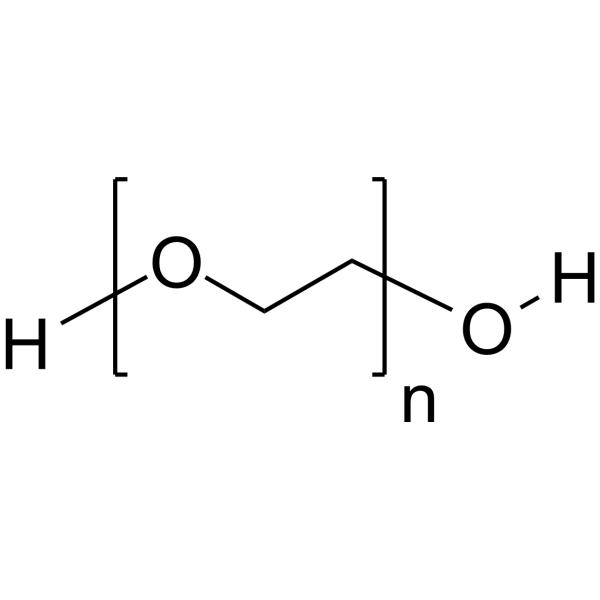
    PEG300
    175+ Cited Publications

    Polyethylene glycol 300

    Environmental Pollutants Biochemical Assay Reagents Others
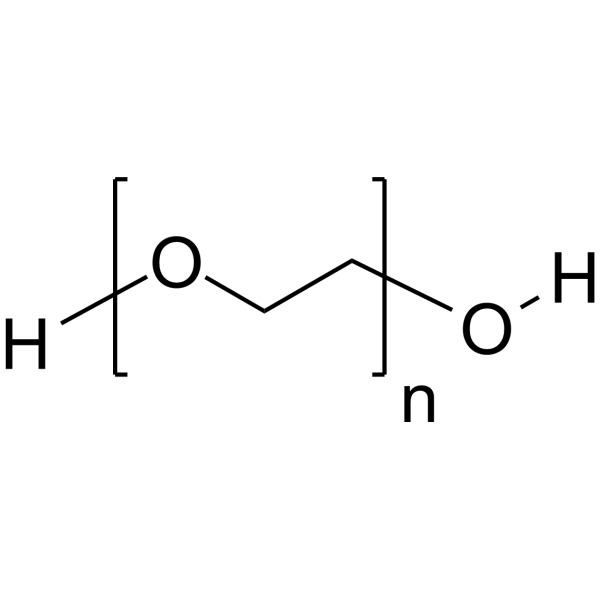
    PEG300 (Polyethylene glycol 300), a neutral polymer of molecular weight 300, is a water-soluble, low immunogenic and biocompatible polymer formed by repeating units of ethylene glycol .
    PEG300
  • HY-17031
    SBE-β-CD
    145+ Cited Publications

    Sulfobutylether-β-Cyclodextrin

    Biochemical Assay Reagents Others
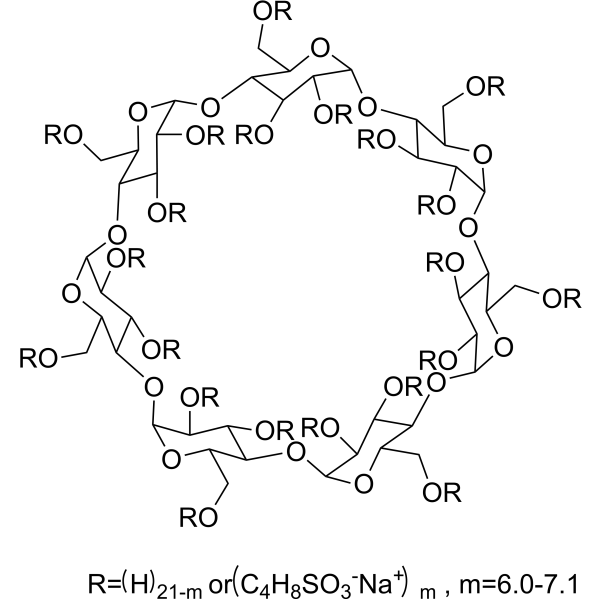
    SBE-β-CD is a sulfobutylether β-cyclodextrin derivative used as an excipient or a formulating agent to increase the solubility of poorly soluble agents .
    SBE-β-CD
  • HY-Y1888
    Corn oil
    135+ Cited Publications

    Environmental Pollutants Biochemical Assay Reagents Others
    Corn oil, extracted from the germ of corn, can be used as a carrier for agent molecules.
    Corn oil
  • HY-Y1891
    Tween 80
    105+ Cited Publications

    Polysorbate 80

    Environmental Pollutants Biochemical Assay Reagents Others
    Tween 80 (Polysorbate 80), a surfactant, has been widely used as a solvent for pharmacological experiments. Tween 80 can also reduce bacterial attachment and inhibit biofilm formation.
    Tween 80
  • HY-Y0320C
    Dimethyl sulfoxide
    30+ Cited Publications

    DMSO

    Environmental Pollutants Bacterial Cholinesterase (ChE) Inflammation/Immunology
    Dimethyl sulfoxide (DMSO) is an aprotic solvent that can dissolve water-insoluble therapeutic and toxic agents. Dimethyl sulfoxide (DMSO) has a strong affinity for water and has the ability to rapidly penetrate or enhance the penetration of other substances through biological membranes. Dimethyl sulfoxide also has potential free radical scavenging and anticholinesterase effects and may affect coagulation activity. Dimethyl sulfoxide also induces histamine release from mast cells but is thought to have low systemic toxicity .
    Low endotoxin, can be used in various biochemical experiments such as drug dissolution.
    Dimethyl sulfoxide
  • HY-101461
    Methyl-β-cyclodextrin
    105+ Cited Publications

    Methyl-beta-cyclodextrin

    Environmental Pollutants Biochemical Assay Reagents Cancer
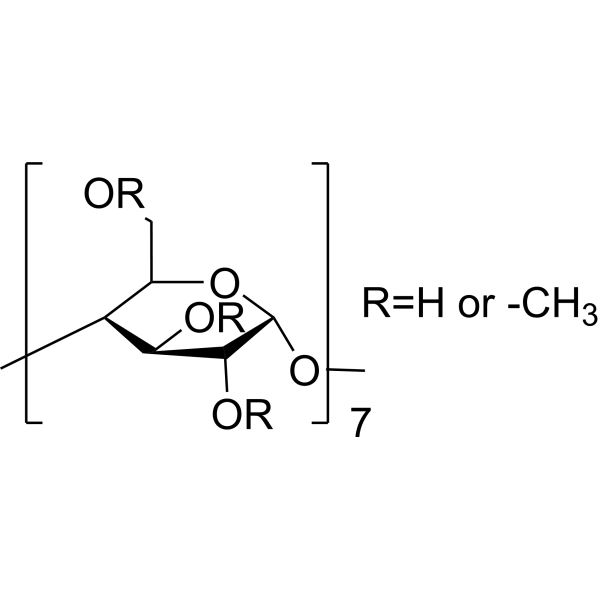
    Methyl-β-cyclodextrin (Methyl-beta-cyclodextrin) is a cyclic heptasaccharide used to deliver hydrophobic agents based on its property of solubilizing non-polar substances. Methyl-β-cyclodextrin is also extensively used as a cholesterol-depleting reagent . Methyl-β-cyclodextrin strongly reduces clathrin-dependent endocytosis . Methyl-β-cyclodextrin blocks cell migrasome formation .
    Methyl-β-cyclodextrin
  • HY-Y0873A
    PEG400
    30+ Cited Publications

    Polyethylene glycol 400

    Environmental Pollutants Biochemical Assay Reagents Others
    PEG400 is a strongly hydrophilic polyethylene glycol used as an excellent solvent for a large number of substances. PEG400 is widely used in a variety of pharmaceutical formulations.
    PEG400
  • HY-Y1893
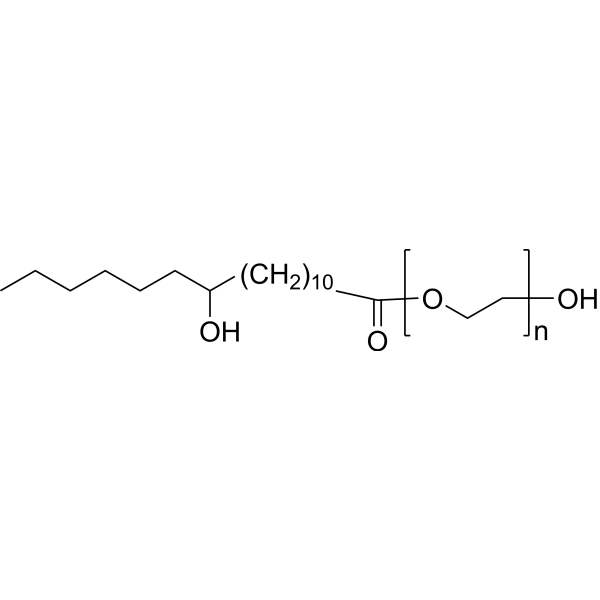
    Solutol HS-15
    20+ Cited Publications

    Polyethylene glycol 12-hydroxystearate

    Biochemical Assay Reagents Others
    Solutol HS-15, a Macrogol 15 hydroxy stearate, is a permeability enhancer .
    Solutol HS-15
  • HY-Y1890
    Cremophor EL-40
    20+ Cited Publications

    Polyoxyethylene(40) Castor Oil; PEG-40 Castor Oil

    Environmental Pollutants Biochemical Assay Reagents Others
    Cremophor EL-40, a polyoxyethylene castor oil derivative, is a nonionic surfactant. Cremophor EL-40 is widely employed to improve dissolution and delivery of agents .
    Cremophor EL-40
  • HY-D0819
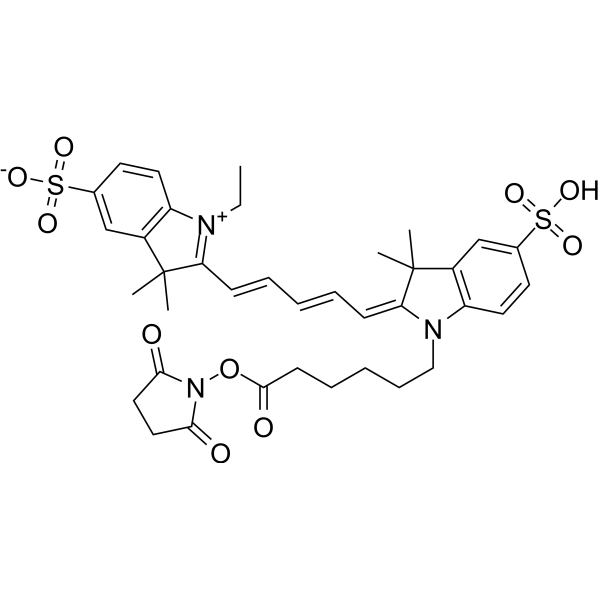
    CY5-SE
    35+ Cited Publications

    Cy5 NHS Ester; Sulfo-Cyanine5 Succinimidyl Ester

    Fluorescent Dye Others
    Cy5-SE (Cy5 NHS Ester) is a reactive dye for the labeling of amino-groups in peptides, proteins, and oligonucleotides. This dye requires small amount of organic co-solvent (such as DMF or DMSO) to be used in labeling reaction. This reagent is ideal for very cost-efficient labeling of soluble proteins, as well as all kinds of peptides and oligonucleotides. This reagent also works well in organic solvents for small molecule labeling. Excitation (nm):649, Emission (nm): 670.
    CY5-SE
  • HY-D1005
    Poloxamer 407 (F127)
    5+ Cited Publications

    PEG-PPG-PEG, 12600 (Average Mn)

    Environmental Pollutants LPL Receptor Inflammation/Immunology
    Poloxamer 407 (F127) is a nonionic surfactant that is 100% active and relatively non-toxic to cells at low concentrations, and frequently used with dye AM esters such as Indo-1 AM, Fura-2 AM, Calcein AM, Fluo-3 AM, Fluo-4 AM, Quest Fluo-8 AM and Quest Rhod-4 AM, etc. to improve their water solubility. Poloxamer 407 is also a lipoprotein lipase inhibitor .
    Poloxamer 407 (F127)
  • HY-108749
    Olive oil
    5+ Cited Publications

    Cropure OL

    Environmental Pollutants Xanthine Oxidase Cardiovascular Disease Metabolic Disease Inflammation/Immunology Cancer
    Olive oil (Cropure OL) is an oleaginous compound found in the fruit of the Olea europaea tree . Olive oil contains many phenolic components and exerts antioxidant activity. Olive oil exhibits hydroxyl radical scavenging, platelet aggregation inhibition and xanthine oxidase inhibitory activity. Olive oil can promote wound healing and relieve inflammation. Olive oil can be used for the research of inflammation, cancer, metabolic and cardiovascular disease, such as diabetic foot ulcers and inflammatory bowel disease .
    Olive oil
  • HY-141415
    Tween 20
    5 Publications Verification

    Polysorbate 20

    Environmental Pollutants Biochemical Assay Reagents Others
    Tween 20 (Polysorbate 20) is a polyoxyethylene (POE)-type nonionic surfactant .
    Tween 20
  • HY-Y0842
    Formamide
    3 Publications Verification

    Methanamide; Formimidic acid

    Biochemical Assay Reagents Cardiovascular Disease Cancer
    Formamide is an effective DNA denaturant that significantly reduces the stability of DNA in buffer solutions. Formamide can also be used as a decalcifying agent for rat cardiac cells. Additionally, formamide is widely used as a solvent or chemical raw material for ion compounds, resins, and plasticizers.
    Formamide
  • HY-B1659
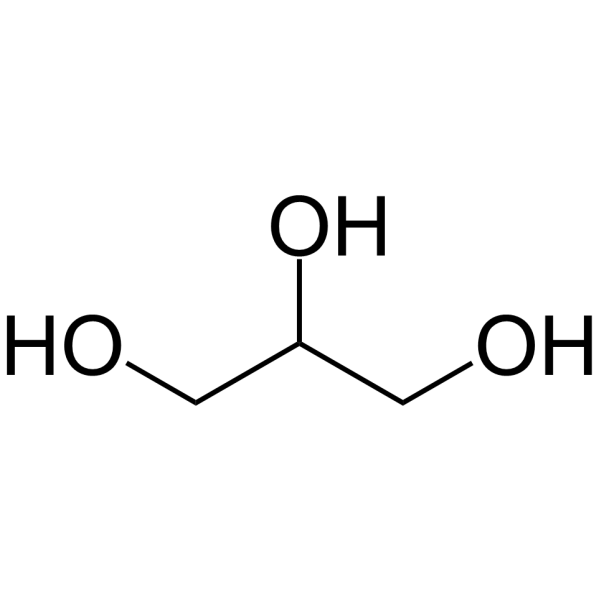
    Glycerol
    2 Publications Verification

    Trihydroxypropane

    Environmental Pollutants Endogenous Metabolite Cardiovascular Disease Inflammation/Immunology Cancer
    Glycerol is used in sample preparation and gel formation for polyacrylamide gel electrophoresis.
    Glycerol
  • HY-Y0873Q

    Polyethylene glycol 20000

    Environmental Pollutants Biochemical Assay Reagents Others
    PEG20000 (Polyethylene glycol 20000) can be used as a solubilizer. PEG20000 is a kind of biological materials or organic compounds that are widely used in life science research, can be degraded by bacteria .
    PEG20000
  • HY-Y0921
    (±)-1,2-Propanediol
    3 Publications Verification

    1,2-(RS)-Propanediol; 1,2-Propylene glycol; Propylene glycol

    Environmental Pollutants Endogenous Metabolite Neurological Disease
    (±)-1, 2-propanediol (1,2-(RS)-Propanediol) is an aliphatic alcohol that is often used as an excipient in many active molecular preparations to increase the solubility and stability of the active molecule. (±)-1, 2-propanediol can affect the neurobehavior of zebrafish .
    (±)-1,2-Propanediol
  • HY-D1005A

    PEG-PPG-PEG, 8800 (Average Mn)

    Environmental Pollutants Biochemical Assay Reagents Inflammation/Immunology
    Poloxamer 188 is a nonionic linear copolymer with surfactant properties. Poloxamer 188 exhibits anti-thrombotic, anti-inflammatory, and cytoprotective activities in various tissue injury models. Poloxamer 188 can be used for drug delivery .
    Poloxamer 188
  • HY-Y0320D

    DMSO, cryoprotectant vitrification agent; Dimethyl sulfoxide vitrification agent

    Environmental Pollutants Bacterial Cholinesterase (ChE) Others
    Dimethyl sulfoxide, cryoprotectant vitrification agent (DMSO, cryoprotectant vitrification agent) is a biochemical reagent that can be used as a biological material or organic compound for life science related research . This product has been sterilized and has no endotoxin. It can be used for long-term cell cryopreservation and will not affect the normal growth of cells.
    Dimethyl sulfoxide, cryoprotectant vitrification agent
  • HY-W042416
    N,N-Dimethylacetamide
    1 Publications Verification

    DMAc

    NF-κB Neurological Disease Metabolic Disease Inflammation/Immunology
    N,N-Dimethylacetamide (DMAc) is an organic solvent with blood-brain transmissibility and an FDA-approved drug excipient. N, N-dimethylacetamide exerts anti-inflammatory activity by inhibiting the NF-κB signaling pathway. N, N-dimethylacetamide can be used in studies of weight gain caused by a high-fat diet and neuroinflammation in Alzheimer's disease .
    N,N-Dimethylacetamide
  • HY-Y0873C

    Polyethylene glycol 3350

    Environmental Pollutants Biochemical Assay Reagents Others
    PEG3350 (Polyethylene glycol 3350) a neutral polymer of molecular weight 3350. PEG3350 used as an excellent solvent for a large number of substances.
    PEG3350
  • HY-107799
    Castor oil
    5 Publications Verification

    Environmental Pollutants Biochemical Assay Reagents Others
    Castor oil is a natural triglyceride and a solvent. Castor oil has a laxative effect and induces labor in pregnant females. Castor oil can be used as a solvent, co-solvent, stabilizing agent and polyol for the formation of polymer-nanoparticle composites .
    Castor oil
  • HY-126403
    Ethoxylated hydrogenated castor oil
    2 Publications Verification

    PEG-40 hydrogenated castor oil; Macrogolglycerol hydroxystearate; Castor oil, hydrogenated, polyethoxylated

    Environmental Pollutants Biochemical Assay Reagents Others
    Ethoxylated hydrogenated castor oil (PEG-40 hydrogenated castor oil) is a combination of synthetic polyethylene glycol (PEG) with natural castor oil. Ethoxylated hydrogenated castor oil can be used to emulsify and solubilize oil-in-water (o/w) emulsions. Ethoxylated hydrogenated castor oil can be used as a cosolvent in vivo .
    Ethoxylated hydrogenated castor oil
  • HY-A0104
    HPMC (Viscosity:11250-21000mPa.s)
    3 Publications Verification

    Hypromellose (Viscosity:11250-21000mPa.s); (Hydroxypropyl)methyl cellulose (Viscosity:11250-21000mPa.s); Celacol HPM 5000 (Viscosity:11250-21000mPa.s)

    Environmental Pollutants Drug Intermediate Biochemical Assay Reagents Cancer
    HPMC (Viscosity:11250-21000mPa.s) is a hydrophilic, non-ionic cellulose ether used to form swellable-soluble matrices.
    HPMC (Viscosity:11250-21000mPa.s)
  • HY-Y1892
    Gelucire 44/14
    1 Publications Verification

    Biochemical Assay Reagents Others
    Gelucire 44/14 is a potential and safe absorption enhancer for improving the absorption of poorly absorbable agents including insulin and calcitonin by pulmonary delivery.
    Gelucire 44/14
  • HY-Y0873K

    Polyethylene glycol 200

    Environmental Pollutants Biochemical Assay Reagents Others
    PEG200 (Polyethylene glycol 200), a neutral polymer of molecular weight 200, is a water-soluble, low immunogenic and biocompatible polymer formed by repeating units of ethylene glycol .
    PEG200
  • HY-Y0873L

    Polyethylene glycol 800

    Environmental Pollutants Biochemical Assay Reagents Others
    PEG800 (Polyethylene glycol 800) is a nonionic surfactant that is soluble in water and many polar solvents .
    PEG800
  • HY-139411

    Paraffin oil

    Environmental Pollutants Biochemical Assay Reagents Infection
    White mineral oil is the highly refined mineral oil, and is composed of saturated aliphatic and alicyclic nonpolar hydrocarbons. White mineral oil is biologically and chemically stable, and doesn’t support pathogenic bacterial growth. White mineral oil can resist moisture, extend, soften, smoothen, and lubricate .
    White mineral oil
  • HY-D1005A22

    PEG-PPG-PEG, 14600 (Average)

    Environmental Pollutants Biochemical Assay Reagents Others
    Poloxamer 338 F108 is block polymer of polyoxyethylene and polyoxypropylene with average molecular mass of 14600. Poloxamer 338 F108 reduces the aggregation of red blood cells, inhibits proliferation of human lymphocyte cell IIBR1. Poloxamer 338 F108 exhibits short-term and subchronic toxicity in rats .
    Poloxamer 338 (F108)
  • HY-Y0842B
    Formamide (deionized)
    3 Publications Verification

    Methanamide (deionized); Formimidic acid (deionized)

    Biochemical Assay Reagents Cardiovascular Disease Cancer
    Formamide deionized (Methanamide deionizde) is an effective DNA denaturant that significantly reduces the stability of DNA in buffer solutions. Formamide deionized can also be used as a decalcifying agent for rat cardiac cells. Additionally, Formamide deionized is widely used as a solvent or chemical raw material for ion compounds, resins, and plasticizers .
    Formamide (deionized)
  • HY-137234

    2,6-Di-O-methyl-β-cyclodextrin

    Biochemical Assay Reagents Others
    DM-β-CD (2,6-Di-O-methyl-β-cyclodextrin) is a cyclic molecule consisting of seven glucose units modified with two methyl groups at the 2- and 6-positions. It is usually used as a solubilizer and carrier for poorly soluble drugs in pharmaceutical preparations. Furthermore, it has applications in analytical chemistry, food science, and environmental remediation due to its ability to form clathrates with various guest molecules, such as aromatic compounds, pesticides, and heavy metals.
    DM-β-CD
  • HY-Y0873N
    PEG3000
    2 Publications Verification

    Polyethylene glycol 3000

    Environmental Pollutants Biochemical Assay Reagents Others
    PEG3000 (Polyethylene glycol 3000) is a solvent for a large number of substances. PEG3000 can be used as a carrier material and modifying agent. PEG3000 is widely used in a variety of pharmaceutical formulations .
    PEG3000
  • HY-D1005H

    PEG-PPG-PEG, 8400(Average Mn)

    Environmental Pollutants Biochemical Assay Reagents Fluorescent Dye Others
    Poloxamer 188 is a nonionic linear copolymer with surfactant properties. Poloxamer 188 exhibits anti-thrombotic, anti-inflammatory, and cytoprotective activities in various tissue injury models .
    Poloxamer 188 (F68)
  • HY-D1005A6

    PEG-PPG-PEG, 2200 (Average)

    Environmental Pollutants Biochemical Assay Reagents Others
    Poloxamer 124 L44 is a block polymer of polyoxyethylene and polyoxypropylene and a hydrophobic surfactant. Poloxamer 124 L44 causes eye irritation and exhibits oral toxicity in albino rats with an LD50 of 5 g/kg. Poloxamer 124 L44 has reversible adverse effects on triglyceride and cholesterol transport in the lymphatic system of rats. Poloxamer 124 L44 can form thermoreversible hydrogels and is used as a food additive and as a drug delivery vehicle in cosmetics, pharmaceuticals, and tissue engineering[1][2][3].
    Poloxamer 124 (L44)
  • HY-B1620B

    PVP K15; Polyvidone K15; Povidone K15

    Environmental Pollutants Biochemical Assay Reagents Others
    Polyvinylpyrrolidone K15 is a linear non-ionic polymer devises vigorous bright crystalline layers and has adhesive, cohesive and dispersive properties .
    Polyvinylpyrrolidone K15
  • HY-Y0873M

    Polyethylene glycol 500

    Environmental Pollutants Biochemical Assay Reagents Others
    PEG500 (Polyethylene glycol 500) is a versatile polymer that's used as a solvent, dispersant, lubricant, and more in industries like pharmaceuticals and biotechnology, and it can also modify liposomes. PEG500 is commonly used as a solvent or carrier for drugs, helping with capsule endoscopy to improve image quality and cecum completion rates .
    PEG500
  • HY-Y0873P

    Polyethylene glycol 10000

    Environmental Pollutants Biochemical Assay Reagents Others
    PEG10000 (Polyethylene glycol 10000) can be used as a solubilizer. PEG10000 is a kind of biological materials or organic compounds that are widely used in life science research .
    PEG10000
  • HY-108750
    Soybean oil
    1 Publications Verification

    VT 18 (oil); Vegetoil; Wesson

    Environmental Pollutants Cardiovascular Disease
    Soybean oil (VT 18 (oil); Vegetoil; Wesson) is an edible vegetable oil. Soybean oil reduces circulating blood cholesterol levels when it replaces dietary saturated fats. Soybean oil does not affect inflammatory biomarkers or increase oxidative stress. Soybean oil contains γ-tocopherol and δ-tocopherol, which possess antioxidant properties. Soybean oil can be used in research related to coronary heart disease .
    Soybean oil
  • HY-D1005A8

    PEG-PPG-PEG, 2000 (Average)

    Environmental Pollutants Biochemical Assay Reagents Bacterial P-glycoprotein Infection Cancer
    Poloxamer 181 L61 is a block polymer of polyethylene oxide and polypropylene oxide with an average molecular weight of 2000. Poloxamer has the ability to inhibit P-gp. Poloxamer 181 has antimicrobial activity and can inhibit Mycobacterium avium. Poloxamer 181 can form a thermally reversible hydrogel and is used as a food additive, and as an agent delivery carrier in cosmetics, pharmaceuticals and tissue engineering .
    Poloxamer 181 (L61)
  • HY-D1005A10

    PEG-PPG-PEG, 2900 (Average)

    Environmental Pollutants Biochemical Assay Reagents Bacterial P-glycoprotein Infection Inflammation/Immunology
    Poloxamer 184 L64 is a block copolymer of polyethylene oxide and polypropylene oxide with an average molecular weight of 2900. Poloxamer has the ability to inhibit P-gp. Poloxamer 184 exhibits short-term skin toxicity, characterized by mild erythema and intradermal inflammatory reactions. Poloxamer 184 has antimicrobial activity, inhibiting 60% of Mycobacterium avium at a concentration of 1 mg/mL. Poloxamer 184 forms a thermoreversible hydrogel and is used as a food additive and as a drug delivery carrier in cosmetics and tissue engineering .
    Poloxamer 184 (L64)
  • HY-D1005A2

    PEG-PPG-PEG, 1900 (Average)

    Environmental Pollutants Biochemical Assay Reagents Others
    Poloxamer 105 L35 is block polymer of polyoxyethylene and polyoxypropylene with average molecular mass of 1900 Da. Poloxamer 105 L35 forms thermoreversible hydrogel, that is utilized in food additives, drug delivery carriers in cosmetics, pharmaceutical ingredients and tissue engineering .
    Poloxamer 105 (L35)
  • HY-Y1887

    Environmental Pollutants Biochemical Assay Reagents Insecticide Cardiovascular Disease Infection Inflammation/Immunology
    Cottonseed oil is an edible oil extracted from the seeds of cotton (Gossypium hirsutum). Its fatty acid composition includes 26-35% saturated fatty acids, 42-52% polyunsaturated fatty acids, and 18-24% monounsaturated fatty acids. Cottonseed oil is regarded as an Insecticide, as it is used to protect the trunks of apple trees from damage by the apple clearwing moth. Cottonseed oil possesses anti-inflammatory and cardioprotective properties. It also has extensive applications in many fields such as biofuels, animal husbandry, cosmetics, agriculture, and chemical industry .
    Cottonseed oil
  • HY-W099580

    n-Hexadecane; Cetane

    Environmental Pollutants Others
    Hexadecane (n-Hexadecane; Cetane) is a long-chain n-alkane, oil component, and model hydrophobic compound. Hexadecane acts as a substrate for microbial degradation.Hexadecane induces microbial biosurfactant and bioemulsifier synthesis .
    Hexadecane
  • HY-Y1078

    N-Dimethoxymethyl-N,N-dimethylamine

    Biochemical Assay Reagents Others
    DMF-DMA (N-Dimethoxymethyl-N,N-dimethylamine) is a reagent with both condensation and alkylation functions. DMF-DMA can undergo condensation reactions with active methylene groups or amino groups to generate enamine and imino derivatives, and can also act as an alkylating agent to methylate nitrogen and oxygen atoms in heterocyclic structures. DMF-DMA is widely used in the synthesis of enaminones and dimethylamino imine intermediates, as well as in the construction of heterocyclic backbones such as pyridine, pyrimidine and pyrazole. DMF-DMA can also serve as a polar aprotic co-solvent; although DMF-DMA cannot dissolve cellulose alone, it can form an efficient cellulose dissolution system with diallylimidazolium methoxyacetate .
    DMF-DMA
  • HY-Y0320R
    Dimethyl sulfoxide (Standard)
    1 Publications Verification

    DMSO, meets analytical specification of Ch.P. (Standard)

    Reference Standards Cholinesterase (ChE) Bacterial Infection Inflammation/Immunology Cancer
    Dimethyl sulfoxide (Standard) is the analytical standard of Dimethyl sulfoxide. This product is intended for research and analytical applications. Dimethyl sulfoxide (DMSO) is an aprotic solvent that dissolves both polar and nonpolar compounds. Dimethyl sulfoxide has anti-freezing and bacteriostatic properties .
    Dimethyl sulfoxide (Standard)
  • HY-D1005A25

    PEG-PPG-PEG, 5750 (Average)

    Environmental Pollutants Biochemical Assay Reagents P-glycoprotein Creatine Kinase Neurological Disease
    Poloxamer 403 P123 is a block copolymer of polyoxyethylene and polyoxypropylene with an average molecular weight of 5750. Poloxamer has the ability to inhibit P-gp. Poloxamer 403 increases creatine kinase levels. Poloxamer 403 is myotoxic .
    Poloxamer 403 (P123)
  • HY-D1005A23

    PEG-PPG-PEG, 4400 (Average)

    Environmental Pollutants Biochemical Assay Reagents P-glycoprotein Inflammation/Immunology
    Poloxamer 401 L121 is a block copolymer of polyethylene oxide and polypropylene oxide with an average molecular weight of 4400. Poloxamer has the ability to inhibit P-gp. Poloxamer 401 inhibits multiagent resistance and adjuvant activity. Poloxamer 401 can be used as a cosmetic ingredient. Poloxamer 401 can be used in nanoparticle engineering (lymphatic targeting particles) research .
    Poloxamer 401 (L121)
  • HY-W145493

    Tetraglycol; Poly(ethylene glycol) tetrahydrofurfuryl ether

    Biochemical Assay Reagents Others
    Glycofurol (Tetraglycol) is a hydrophilic, water-miscible cosolvent and absorption enhancer with skin tolerance. Glycofurol can be used as a carrier-based gel for the topical delivery of drugs, including water-insoluble drugs. Glycofurol can form gels with bioadhesiveness, spreadability and suitable viscosity for topical administration .
    Glycofurol
  • HY-18593
    Mal-β-CD
    2 Publications Verification

    6-O-alpha-D-Maltosyl-beta-cyclodextrin

    Biochemical Assay Reagents Others
    Mal-β-CD is a cellular cholesterol modifier which can form soluble inclusion complex with cholesterol.
    Mal-β-CD

Inquiry Online

Your information is safe with us. * Required Fields.

Salutation


Country or Region *

Applicant Name *


Organization Name *

Department *


Email Address *


Product Name *

Cat. No.


Requested quantity *

Phone Number *


Remarks

Inquiry Online

Inquiry Information

Product Name:
Cat. No.:
Quantity:
MCE Japan Authorized Agent:

