70 Results for "

corpus cavernosal strips

" in MedChemExpress (MCE) Product Catalog:
Products (70)

70 Results for "corpus cavernosal strips" in MCE Product Catalog:

10
10 Publications Verification
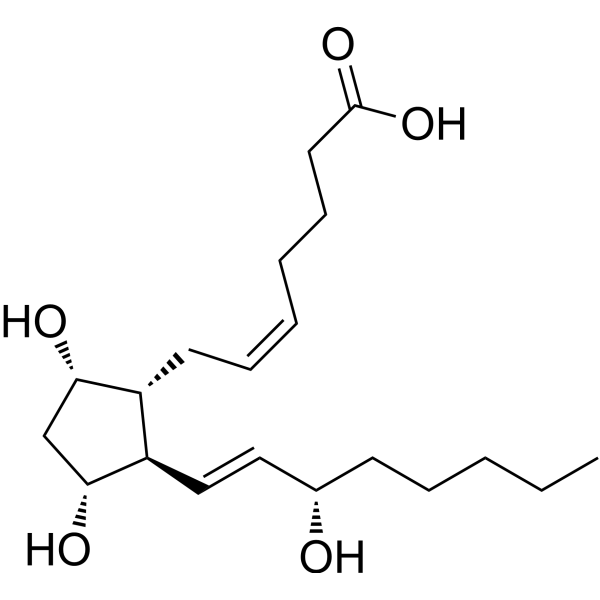
Cat. No.: HY-12956
CAS No.: 551-11-1
Purity:  99.63%
Synonyms: Prostaglandin F2α; PGF2α
Dinoprost (Prostaglandin F2α) is an orally active, potent prostaglandin F (PGF) receptor (FP receptor) agonist. Dinoprost is a luteolytic hormone produced locally in the endometrial luminal epithelium and corpus luteum (CL). Dinoprost plays a key role in the onset and progression of labour .
loading...
    loading...
10
10 Publications Verification
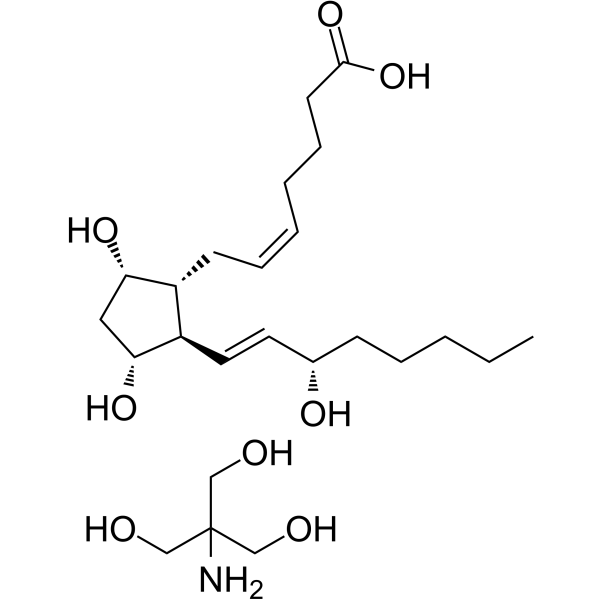
Cat. No.: HY-12956A
CAS No.: 38562-01-5
Purity:  ≥98.0%
Synonyms: Prostaglandin F2α tromethamine salt; PGF2α THAM; Prostaglandin F2α THAM
Dinoprost tromethamine salt (Prostaglandin F2α tromethamine salt) is an orally active, potent prostaglandin F (PGF) receptor (FP receptor) agonist. Dinoprost tromethamine salt is a luteolytic hormone produced locally in the endometrial luminal epithelium and corpus luteum (CL). Dinoprost tromethamine salt plays a key role in the onset and progression of labour .
loading...
    loading...
1
1 Cited Publications
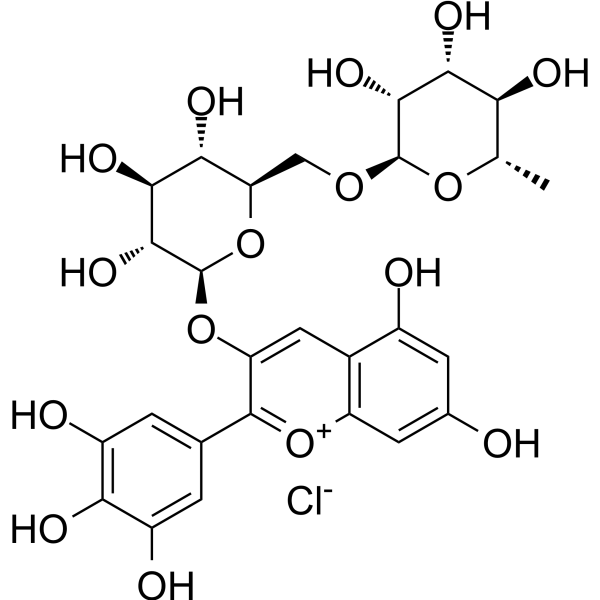
Cat. No.: HY-114367
CAS No.: 15674-58-5
Purity:  98.83%
Synonyms: Delphinidin 3-O-rutinoside chloride
Delphinidin 3-rutinoside chloride is an anthocyanin component. Delphinidin 3-rutinoside chloride is isolable from the fruits of blackcurrant Ribes nigrum L. Delphinidin 3-rutinoside chloride activates the ETB receptor and stimulates the NO/cGMP pathway. Delphinidin 3-rutinoside chloride increases cyclic guanosine monophosphate production and reduces the phosphorylation level of Myosin regulatory light chain. Delphinidin 3-rutinoside chloride stimulates GLP-1 secretion. It significantly induces relaxation of bovine ciliary muscle strips contracted by ET-1 and inhibits ET-1-induced contraction of bovine ciliary muscle strips. Delphinidin 3-rutinoside chloride is applicable to research related to type 2 diabetes .
loading...
    loading...
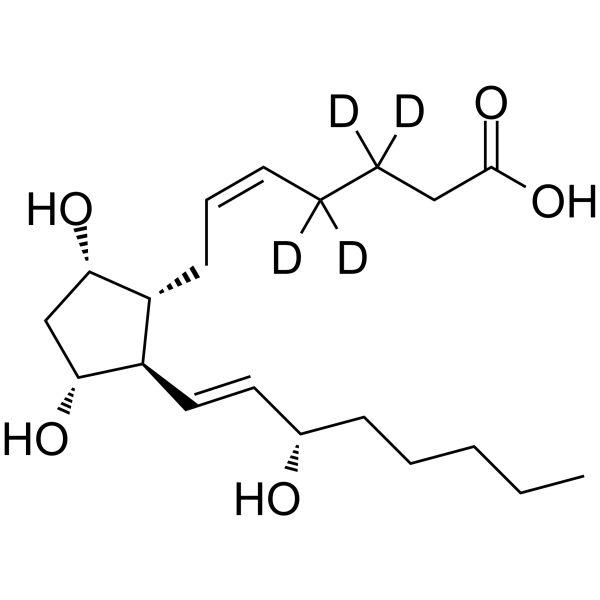
Cat. No.: HY-12956S
CAS No.: 34210-11-2
Synonyms: Prostaglandin F2a-d4; PGF2α-d4
Dinoprost-d4 is the deuterium labeled Dinoprost. Dinoprost (Prostaglandin F2α) is an orally active, potent prostaglandin F (PGF) receptor (FP receptor) agonist. Dinoprost is a luteolytic hormone produced locally in the endometrial luminal epithelium and corpus luteum (CL). Dinoprost plays a key role in the onset and progression of labour .
loading...
    loading...
Cat. No.: HY-N7690
CAS No.: 1247-97-8
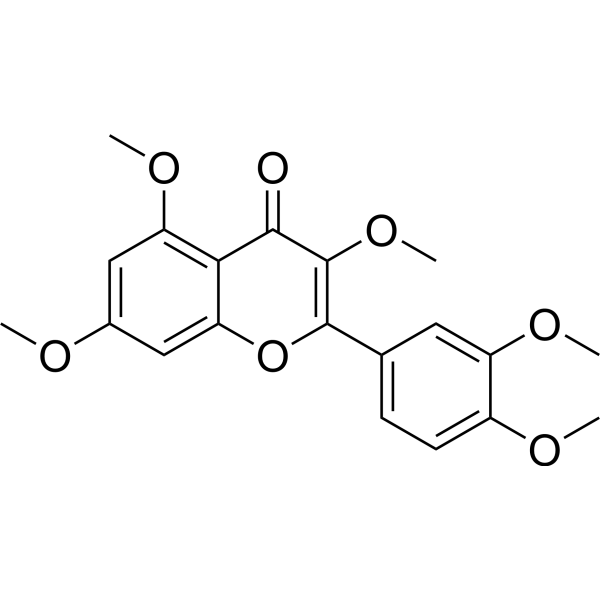
3,5,7,3’,4’-Pentamethoxyflavone is a Ca 2+ channel inhibitor. 3,5,7,3’,4’-Pentamethoxyflavone can protect DNA from oxidative damage. 3,5,7,3’,4’-Pentamethoxyflavone can induce relaxation of the human corpus cavernosum through calcium mobilization-related mechanisms. 3,5,7,3’,4’-Pentamethoxyflavone can promote the expression of eNOS and cystathionine gamma lyase CSE proteins in middle-aged male rats and regulate vascular function. 3,5,7,3’,4’-Pentamethoxyflavone can be used in research related to diabetes and cardiovascular diseases .
loading...
    loading...
Cat. No.: HY-101366
CAS No.: 107756-30-9
Purity:  ≥99.0%
Target:  

Adrenergic Receptor

Research Areas:  

Endocrinology

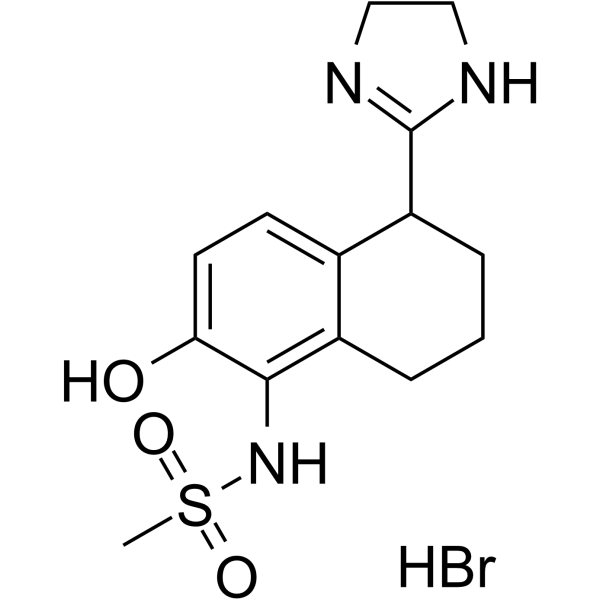
A-61603 is a selective α1A/α1a-adrenergic receptor agonist with Ki of 8.89 nM for rat submaxillary gland α1A, Ki of 30.5 nM for cloned bovine α1a. A-61603 potentiates Ca 2+ transients with EC50 of 6.9 nM. A-61603 stimulates phosphoinositide hydrolysis, induces contractile responses in vas deferens, prostate strips, and spleen strips, and exhibits low activity in aortic rings. A-61603 can be used for research on adrenergic function .
loading...
    loading...
Cat. No.: HY-D0800
CAS No.: 1667-99-8
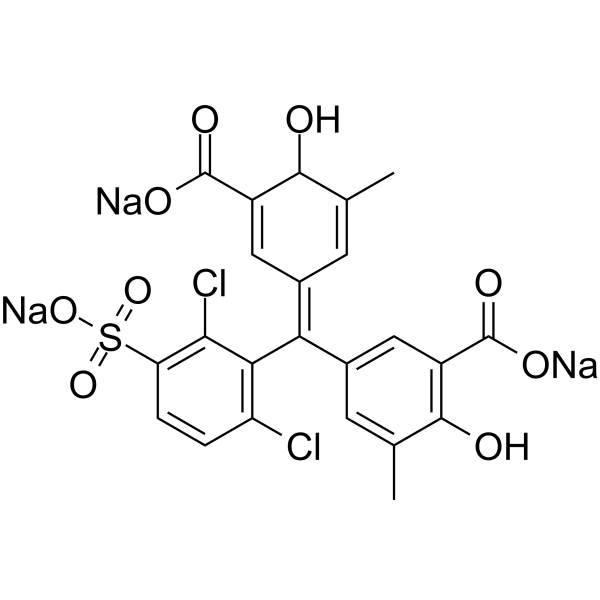
Chromeazurol S is a compound belonging to the class of azo dyes. It is often used as an indicator in analytical chemistry to detect metal ions such as copper, nickel, and cobalt. Chromeazurol S turns from yellow to blue in the presence of metal ions, allowing them to be detected and quantified. It can be applied to a test strip or added directly to a solution for analysis.
loading...
    loading...
Cat. No.: HY-N6066
CAS No.: 78478-28-1
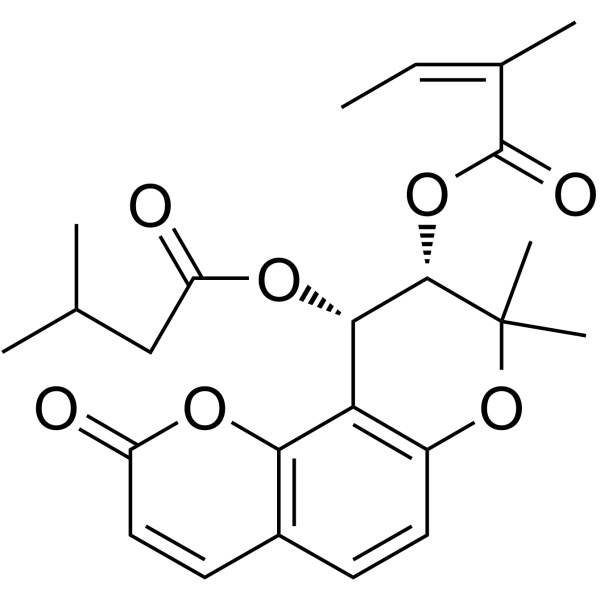
Praeruptorin E is an orally active pyranocoumarin compound. Praeruptorin E can be isolated from the dried roots of Peucedanum praeruptorum Dunn. Praeruptorin E reduces the expression of NF-κB. Praeruptorin E upregulates the expression of PXR and CYP3A4. Praeruptorin E inhibits Th2 cytokines, TNF-α, IL6, MPO, and blocks the Ca 2+ slow channel. Praeruptorin E promotes pulmonary tissue repair and relaxes porcine coronary artery strips. Praeruptorin E protects mice from lipopolysaccharide- and hydrochloric acid-induced acute lung injury. Praeruptorin E can be used in studies related to asthma and acute lung injury .
loading...
    loading...
Cat. No.: HY-170035
CAS No.: 95119-86-1
Synonyms: C18 Glucosyl(β) ceramide (d18:1/18:0); D-glucosyl-β-1,1' N-stearoyl-D-erythro-sphingosine
Target:  

Fungal Wnt β-catenin

Research Areas:  

Infection Neurological Disease Cancer

GlcCer (d18:1/18:0) (C18 Glucosyl(β) ceramide (d18:1/18:0)) is a glycosphingolipids that activates the Wnt/β-catenin pathway by targeting LRP6. GlcCer (d18:1/18:0) drives EMT, migration, invasion and GBA1-mediated liver cancer metastasis. GlcCer (d18:1/18:0) accumulates to impair lysosomal function and induce toxic α-synuclein aggregation. GlcCer (d18:1/18:0) supports growth, sporulation, germination and virulence in Penicillium digitatum. GlcCer (d18:1/18:0) is reduced in demyelinated mouse corpus callosum. GlcCer (d18:1/18:0) can be used for the research of liver cancer, synucleinopathies, fungal, Parkinson’s disease and Gaucher disease .
loading...
    loading...
Cat. No.: HY-135108
CAS No.: 126088-82-2
Purity:  98.15%
Target:  

Neurokinin Receptor

Research Areas:  

Inflammation/Immunology

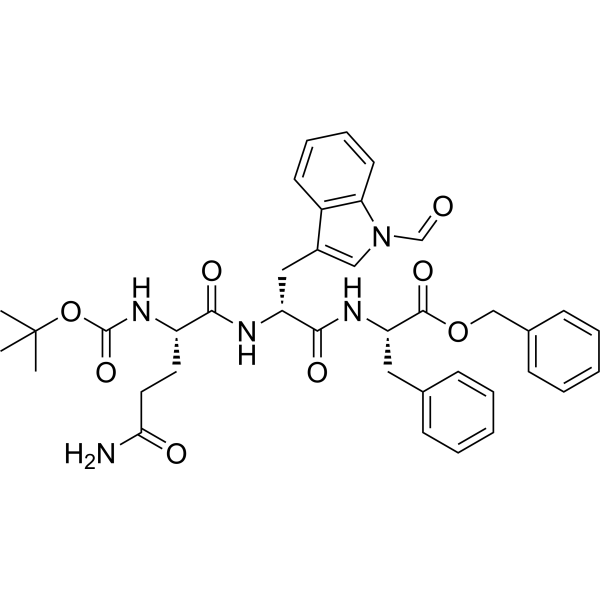
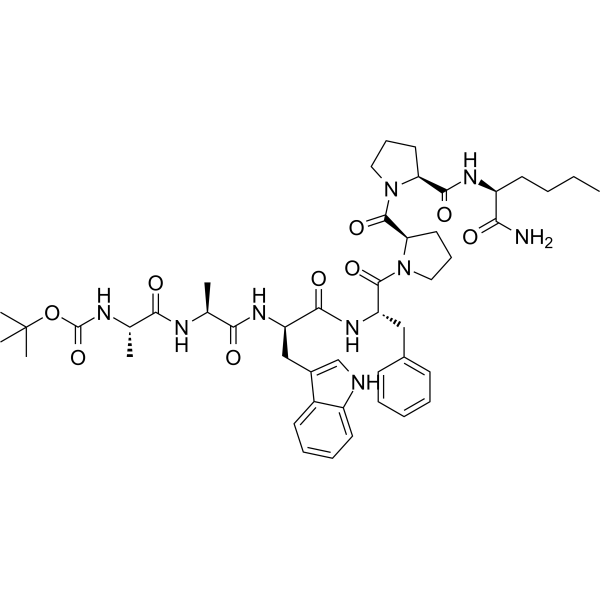
QWF Peptide is a substance P (SP) antagonist. QWF Peptide inhibits SP-induced biological responses and also suppresses SP-induced contraction of isolated guinea pig tracheal strips. QWF Peptide can be used for asthma-related research .
loading...
    loading...
Cat. No.: HY-137325A
CAS No.: 301334-89-4
Target:  

Calcium Channel

Research Areas:  

Metabolic Disease

2-Chloro-ATP sodium (2-Chloro ATP) is an adenine nucleotide and an analog of ATP. It is an antagonist of the purinergic P2Y1 receptor and inhibits intracellular calcium mobilization induced by ADP (HY-W010918) in Jurkat cells expressing the human receptor (Ki=2.3 μM). 2-Chloro-ATP sodium is an agonist of the purinergic P2X receptor and induces inward currents in HEK293 cells expressing human bladder smooth muscle or rat PC12 forms of the receptor (EC50=0.5 and 2.5 μM). 2-Chloro-ATP sodium induces relaxation of precontracted guinea pig cecal strips in a concentration-dependent manner. 2-Chloro-ATP sodium has been used to study the substrate specificity of cyclic nucleotide-dependent protein kinases such as protein kinase A (PKA) and PKG.
loading...
    loading...
Cat. No.: HY-W040216
CAS No.: 85261-19-4
Synonyms: N-Nonanoyl-N-methylglucamine
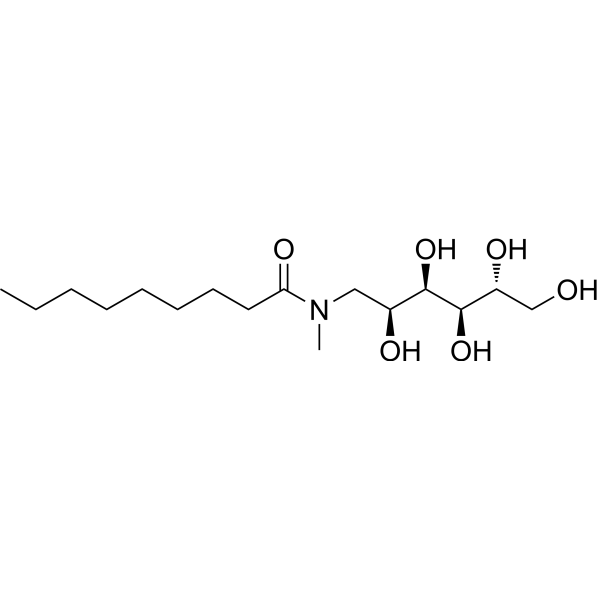
MEGA-9 (N-Nonanoyl-N-methylglucamine) is a green, biodegradable glycosyl nonionic surfactant and micelle-forming agent. MEGA-9 acts as a membrane solubilizer, forms vesicles, solubilizes milk fat, eliminates non-specific reactions of test strips, and restores antigen-antibody reactions in cheddar cheese homogenates for the detection of staphylococcal enterotoxin B (SEB) .
loading...
    loading...
Cat. No.: HY-135730
CAS No.: 124478-60-0
Target:  

Endogenous Metabolite

Research Areas:  

Endocrinology

Aglepristone is a synthetic steroidal antiprogestin with abortifacient activity. Aglepristone is used exclusively as an abortifacient in pregnant animals. Aglepristone has been shown to be a safe and effective abortifacient in the second trimester of pregnancy. Aglepristone causes termination of pregnancy and does not cause fetal resorption. During aglepristone treatment, an increase in plasma concentrations of prolactin was observed, while progesterone levels remained unchanged. The use of aglepristone also resulted in early arrest of corpus luteum function and a shortening of the estrus interval .
loading...
    loading...
Cat. No.: HY-101676
CAS No.: 120128-20-3
Purity:  98.31%
Synonyms: NID 525
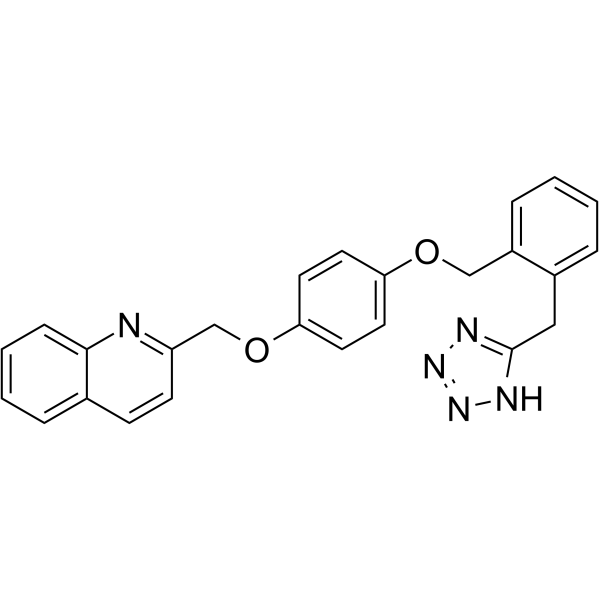
RG-12525 is a a specific, competitive and orally effective antagonist of the peptidoleukotrienes, LTC4, LTD4 and LTE4, inhibiting LTC4-, LTD4- and LTE4-inducd guinea pig parenchymal strips contractions, with IC50s of 2.6 nM, 2.5 nM and 7 nM, respectively; RG-12525 is also a peroxisome proliferator-activated receptor gamma (PPAR-gamma) agonist with IC50 of appr 60 nM and a potent inhibitor of CYP3A4, with a Ki value of 0.5 µM.
loading...
    loading...
Cat. No.: HY-123468
CAS No.: 91742-10-8
Purity:  99.03%
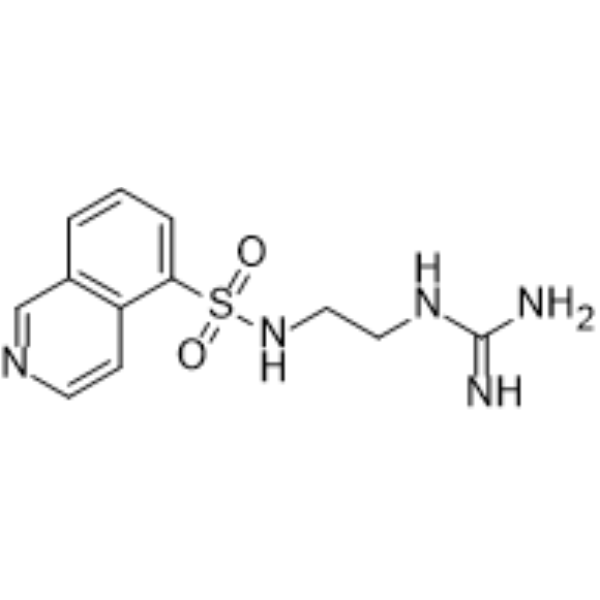
HA-1004 is a selective inhibitor of PKA, which can inhibit lipolysis and induce vascular relaxation. HA-1004 is also a dual inhibitor of cyclic GMP-dependent protein kinase and cyclic AMP-dependent protein, and is involved in smooth muscle, second messenger, cyclic AMP and cyclic GMP regulation mechanisms. HA-1004 is an antagonist for calcium, that can be used as a vasodilator to inhibit the contraction of rabbit aortic strips, or to antagonize ERK and tyrosine hydroxylase (TH) phosphorylation in morphine abstinence rat models .
loading...
    loading...
Cat. No.: HY-W705784A
CAS No.: 212500-03-3
Research Areas:  

Endocrinology

T-1032 is a selective phosphodiesterase 5 (PDE5) inhibitor with an IC50 value of 1.0 nM. T-1032 shows relaxant effect on isolated rabbit corpus cavernosum. T-1032 can be used for the research of erectile dysfunction .
loading...
    loading...
Cat. No.: HY-N10881
CAS No.: 142717-57-5
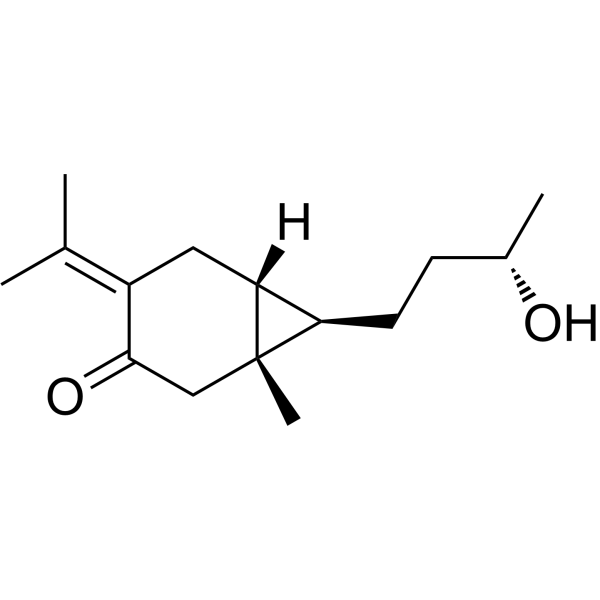
Dihydrocurcumenone is a carabrane-type sesquiterpene. Dihydrocurcumenone can be isolated from Curcuma zedoaria, and the common form is 4-dihydrocurcumenone. Curcuma zedoaria sesquiterpene has vascular relaxation activity. 4-dihydrocurcumenone can inhibit the high concentration of K + induced constriction of isolated rat aortic strips .
loading...
    loading...
Cat. No.: HY-19548
CAS No.: 63107-40-4
Target:  

Arginase

Research Areas:  

Endocrinology

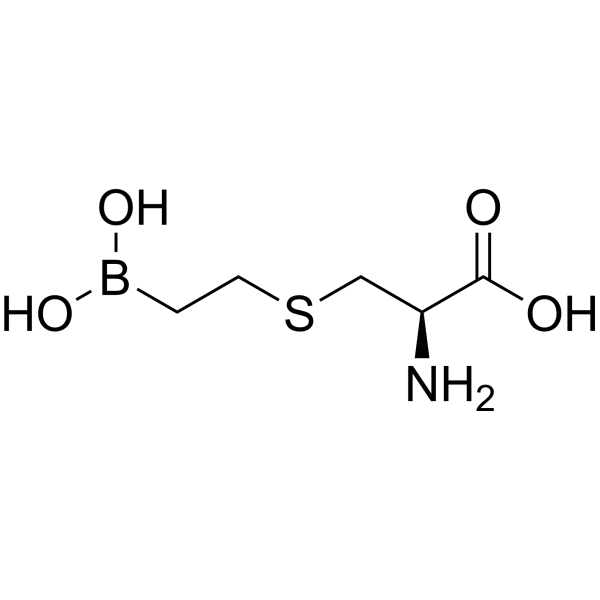
BEC, an arginine analogue, is a slow-binding competitive inhibitor of the binuclear manganese metalloenzyme arginase. BEC enhances substrate flux to NO synthase, thereby enhancing NO-dependent smooth muscle relaxation in the corpus cavernosum, and enhances penile erection .
loading...
    loading...
Cat. No.: HY-P3853
CAS No.: 141663-86-7
Target:  

Neurokinin Receptor

Research Areas:  

Neurological Disease

GR 87389 is a potent NK2 receptor antagonist. GR 87389 antagonized GA 64349-induced smooth muscle strips contractions in a competitive manner in the human detrusor, prostate and prostatic urethra .
loading...
    loading...
Cat. No.: HY-W705784
CAS No.: 212500-02-2
Research Areas:  

Others

T-1032 free base is a selective phosphodiesterase 5 (PDE5) inhibitor with an IC50 value of 1.0 nM. T-1032 free base shows relaxant effect on isolated rabbit corpus cavernosum. T-1032 free base can be used for the research of erectile dysfunction .
loading...
    loading...

