1. Search Result
Search Result
Results for "

endoplasmic

" in MedChemExpress (MCE) Product Catalog:

311

Inhibitors & Agonists

1

Screening Libraries

23

Fluorescent Dye

9

Biochemical Assay Reagents

8

Peptides

2

Inhibitory Antibodies

66

Natural
Products

25

Recombinant Proteins

16

Isotope-Labeled Compounds

25

Antibodies

3

Click Chemistry

2

Oligonucleotides

Cat. No. Product Name Target Research Areas Chemical Structure
  • HY-A0281
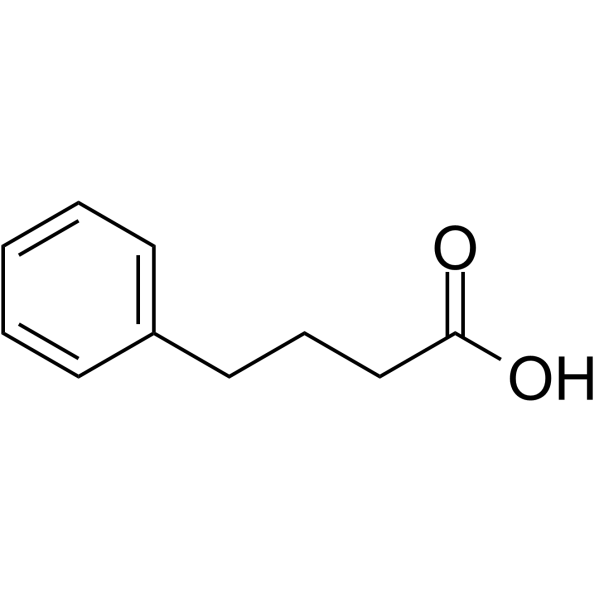
    4-Phenylbutyric acid
    Maximum Cited Publications
    239 Publications Verification

    4-PBA; Benzenebutyric acid

    HDAC Virus Protease Infection Cancer
    4-Phenylbutyric acid (4-PBA) is an inhibitor of HDAC and endoplasmic reticulum (ER) stress, used in cancer and infection research.
    4-Phenylbutyric acid
  • HY-19696
    Tauroursodeoxycholate
    100+ Cited Publications

    Tauroursodeoxycholic acid; TUDCA; UR 906

    ERK Caspase Endogenous Metabolite Apoptosis Cancer
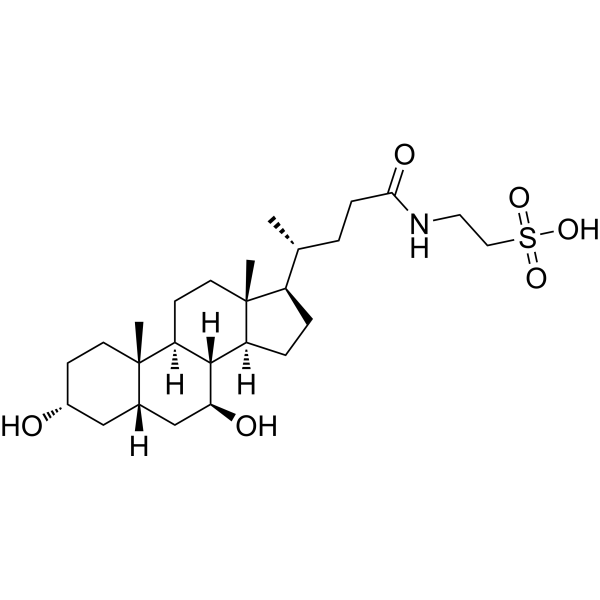
    Tauroursodeoxycholate (Tauroursodeoxycholic acid) is an orally active endoplasmic reticulum (ER) stress inhibitor. Tauroursodeoxycholate significantly reduces expression of apoptosis molecules, such as caspase-3 and caspase-12. Tauroursodeoxycholate also inhibits ERK .
    Tauroursodeoxycholate
  • HY-18072
    GSK2606414
    120+ Cited Publications

    PERK Autophagy Apoptosis Cancer
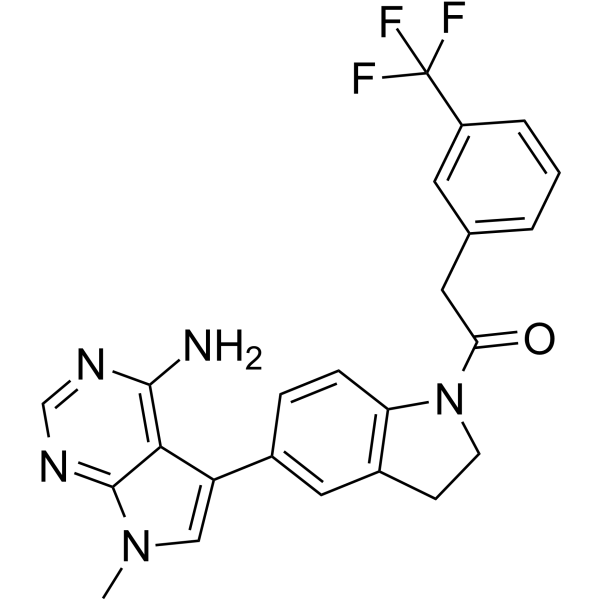
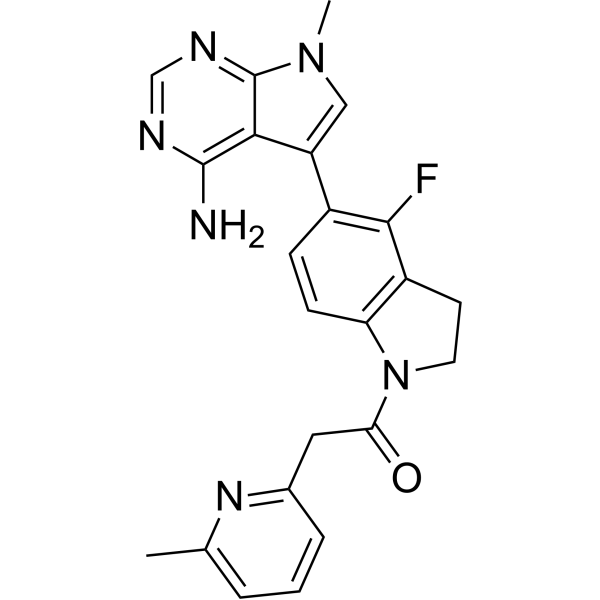
    GSK2606414 is a cell-permeable and orally available protein kinase R-like endoplasmic reticulum (ER) kinase (PERK) inhibitor with an IC50 of 0.4 nM.
    GSK2606414
  • HY-19696A
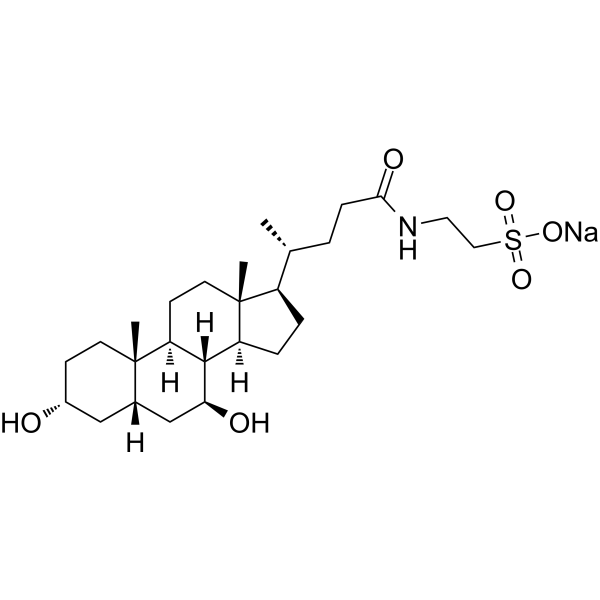
    Tauroursodeoxycholate sodium
    100+ Cited Publications

    Tauroursodeoxycholic acid sodium; TUDCA sodium; UR 906 sodium

    ERK Caspase Apoptosis Endogenous Metabolite Cancer
    Tauroursodeoxycholate (Tauroursodeoxycholic acid; TUDCA) sodium is an endoplasmic reticulum (ER) stress inhibitor. Tauroursodeoxycholate significantly reduces expression of apoptosis molecules, such as caspase-3 and caspase-12. Tauroursodeoxycholate also inhibits ERK.
    Tauroursodeoxycholate sodium
  • HY-15654
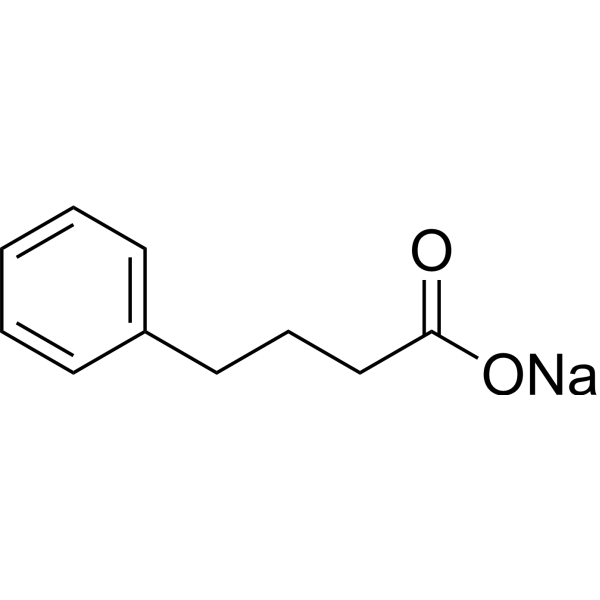
    Sodium 4-phenylbutyrate
    Maximum Cited Publications
    239 Publications Verification

    4-PBA sodium; 4-Phenylbutyric acid sodium; Benzenebutyric acid sodium

    HDAC Autophagy Apoptosis Cancer
    Sodium 4-phenylbutyrate (4-PBA sodium) is an inhibitor of HDAC and endoplasmic reticulum (ER) stress, used in cancer and infection research .
    Sodium 4-phenylbutyrate
  • HY-110078
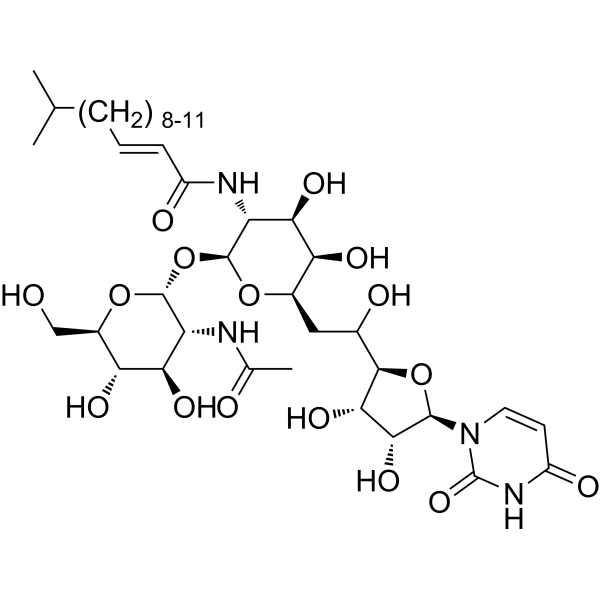
    Eeyarestatin I
    10+ Cited Publications

    p97 Apoptosis Cancer
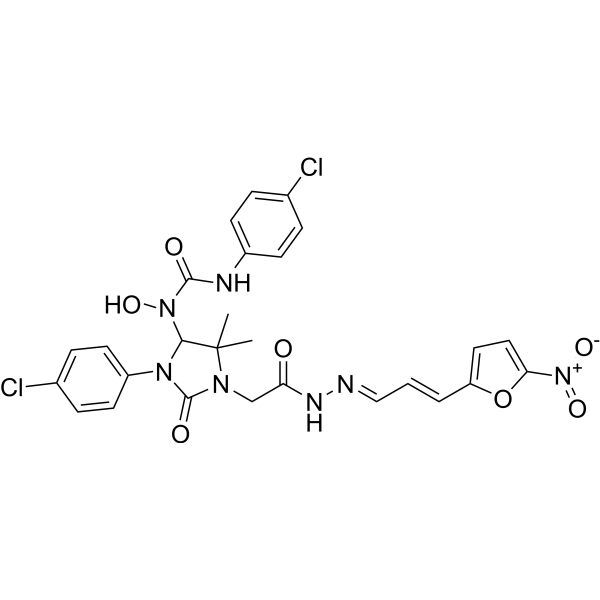
    Eeyarestatin I, a potent endoplasmic reticulum-associated protein degradation (ERAD) inhibitor, is a potent protein translocation inhibitor. Eeyarestatin I inhibits Sec61 translocon. Eeyarestatin I targets the p97-associated deubiquitinating process (PAD) and inhibits atx3-dependent deubiquitination. Eeyarestatin I interferes at a step prior to proteasomal degradation. Eeyarestatin I induces cell death via the proapoptotic protein NOXA and has anticancer effects .
    Eeyarestatin I
  • HY-N0492
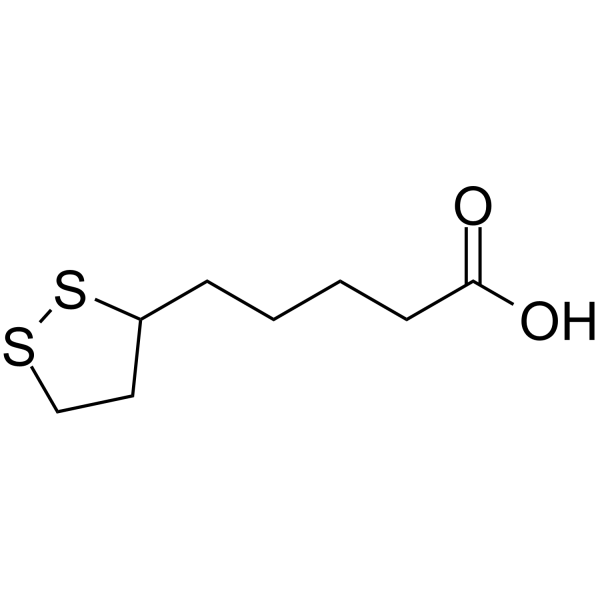
    α-Lipoic Acid
    10+ Cited Publications

    Thioctic acid; (±)-α-Lipoic acid; DL-α-Lipoic acid

    NF-κB HIV Mitochondrial Metabolism Endogenous Metabolite Apoptosis Infection Inflammation/Immunology Cancer
    α-Lipoic Acid (Thioctic acid) is an antioxidant, which is an essential cofactor of mitochondrial enzyme complexes. α-Lipoic Acid inhibits NF-κB-dependent HIV-1 LTR activation . α-Lipoic Acid induces endoplasmic reticulum (ER) stress-mediated apoptosis in hepatoma cells . α-Lipoic Acid can be used with CPUL1 (HY-151802) to construct the self-assembled nanoaggregate CPUL1-LA NA, which has improved antitumor efficacy than CPUL1 .
    α-Lipoic Acid
  • HY-101455
    CDN1163
    15+ Cited Publications

    Calcium Channel Metabolic Disease
    CDN1163 is an allosteric sarco/endoplasmic reticulum Ca 2+-ATPase (SERCA) activator that improves Ca 2+ homeostasis. CDN1163 attenuates diabetes and metabolic disorders .
    CDN1163
  • HY-13820
    GSK2656157
    60+ Cited Publications

    PERK Autophagy Apoptosis Cancer
    GSK2656157 is a selective and ATP-competitive inhibitor of protein kinase R (PKR)-like endoplasmic reticulum kinase (PERK) with an IC50 of 0.9 nM.
    GSK2656157
  • HY-N0492A
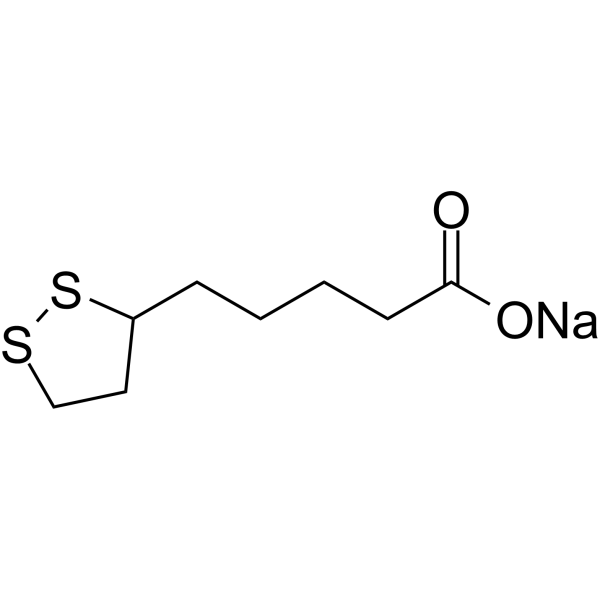
    α-Lipoic Acid sodium
    10+ Cited Publications

    Thioctic acid sodium; (±)-α-Lipoic acid sodium; DL-α-Lipoic acid sodium

    NF-κB HIV Mitochondrial Metabolism Endogenous Metabolite Apoptosis Infection Inflammation/Immunology Cancer
    α-Lipoic Acid (Thioctic acid) sodium is an antioxidant, which is an essential cofactor of mitochondrial enzyme complexes. α-Lipoic Acid sodium inhibits NF-κB-dependent HIV-1 LTR activation . α-Lipoic Acid sodium induces endoplasmic reticulum (ER) stress-mediated apoptosis in hepatoma cells . α-Lipoic Acid sodium can be used with CPUL1 (HY-151802) to construct the self-assembled nanoaggregate CPUL1-LA NA, which has improved antitumor efficacy than CPUL1 .
    α-Lipoic Acid sodium
  • HY-D1297
    ER-Tracker Green
    5+ Cited Publications

    Fluorescent Dye Others
    ER-Tracker dye is a derivative of BODIPY series dyes coupled with Glibenclamide (HY-15206), highly selective binding to the endoplasmic reticulum, non-toxic to cells at low concentrations, this type of dye is an environmentally sensitive probe, and formaldehyde treatment can still retain part of the fluorescence, with high fluorescence life, good extinction coefficient and other characteristics. Glibenclamide is an atp-dependent K + channel blocker (Kir6, KATP) and CFTR Cl-channel blocker that binds in the endoplasmic reticulum. ER-Tracker is not suitable for staining cells after fixation .
    ER-Tracker Green
  • HY-N0878
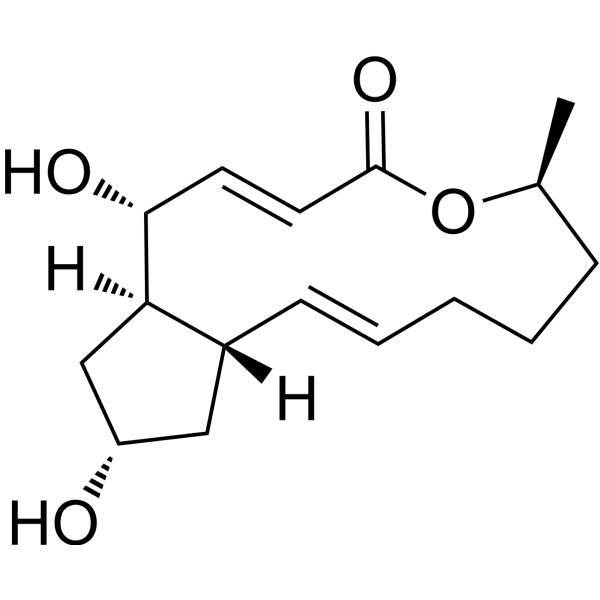
    Bufotalin
    4 Publications Verification

    Apoptosis Reactive Oxygen Species (ROS) Cancer
    Bufotalin is a steroid lactone isolated from Venenum Bufonis with potently antitumor activities. Bufotalin induces cancer cell apoptosis and also induces endoplasmic reticulum (ER) stress activation .
    Bufotalin
  • HY-14829

    D-Isofagomine; Isofagomine

    Glycosidase Neurological Disease
    Afegostat is a pharmacological chaperone, which specifically and reversibly binds acid-β-glucosidase (GCase) in the endoplasmic reticulum (ER) with high affinity .
    Afegostat
  • HY-15845
    STF-083010
    50+ Cited Publications

    IRE1 Cancer
    STF-083010 is a specific IRE1α inhibitor. STF-083010 inhibits Ire1 endonuclease activity, without affecting its kinase activity, after endoplasmic reticulum stress.
    STF-083010
  • HY-W269593
    Perfluorodecanoic acid
    1 Publications Verification

    PFDA

    Caspase Interleukin Related Metabolic Disease
    Perfluorodecanoic acid (PFDA) is an orally active perfluoroalkyl substance. Perfluorodecanoic acid causes dysfunction of rat fetal Leydig cells via endoplasmic reticulum stress-mediated changes in lipid components. Perfluorodecanoic acid reduces testosterone biosynthesis in rat R2C Leydig cells by inducing endoplasmic reticulum stress. Perfluorodecanoic acid can be used in studies related to fetal Leydig cell dysfunction .
    Perfluorodecanoic acid
  • HY-133125
    ERAP1-IN-1
    5 Publications Verification

    Aminopeptidase Inflammation/Immunology
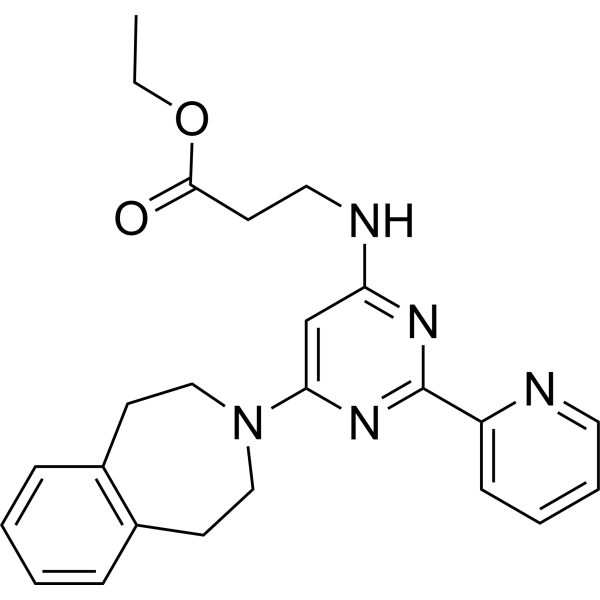
    ERAP1-IN-1 is an endoplasmic reticulum aminopeptidase 1 (ERAP1) inhibitor. ERAP1-IN-1 competitively inhibits ERAP1 activity towards a nonamer peptide representative of physiological substrates .
    ERAP1-IN-1
  • HY-138364
    YUM70
    3 Publications Verification

    HSP Apoptosis Cancer
    YUM70 is a potent and selective inhibitor of glucose-regulated protein 78 (GRP78), with an IC50 of 1.5 μM for inhibiting GRP78 ATPase activity of the full-length protein. YUM70 induces endoplasmic reticulum (ER) stress-mediated apoptosis in pancreatic cancer. YUM70 also has in vivo efficacy in a pancreatic cancer xenograft model .
    YUM70
  • HY-W451275
    HG106
    2 Publications Verification

    Apoptosis Cancer
    HG106 is an effective SLC7A11 inhibitor. HG106 mediates apoptosis by increasing oxidative stress and endoplasmic reticulum stress, and it has antitumor activity .
    HG106
  • HY-N16308

    Fluorescent Dye Others
    ER-Laurdan is a derivative of the membrane-permeable fluorescent probe Laurdan (HY-D0080) that targets the endoplasmic reticulum (ER). As a membrane fluidity reporter, ER-Laurdan specifically localizes to the ER luminal membrane, and exhibits a prominent solvatochromic response to fluidity changes caused by membrane packing and exogenous saturated fatty acid stress. ER-Laurdan shows no overlapping localization with mitochondria, enables quantitative analysis of ER membrane fluidity via generalized polarization ratio measurement, and allows automatic signal masking with the help of ER markers. With high specificity and quantitative capability, ER-Laurdan serves as an important tool for investigating metabolic disorders and associated changes in the physical properties of cell membranes .
    ER-Laurdan
  • HY-D1429

    Fluorescent Dye Others
    ER-Tracker dye is a derivative of BODIPY series dyes coupled with Glibenclamide (HY-15206), highly selective binding to the endoplasmic reticulum, non-toxic to cells at low concentrations, this type of dye is an environmentally sensitive probe, and formaldehyde treatment can still retain part of the fluorescence, with high fluorescence life, good extinction coefficient and other characteristics. Glibenclamide is an atp-dependent K + channel blocker (Kir6, KATP) and CFTR Cl-channel blocker that binds in the endoplasmic reticulum. ER-Tracker is not suitable for staining fixed cells. Staining followed by fixation is possible, but cells fixed with aldehydes will only retain partial fluorescence (Ex/Em = 374/ 430-640 nm) .
    ER-Tracker Blue-White DPX
  • HY-N7395
    Cyclic ADP-​ribose
    1 Publications Verification

    cADPR

    Calcium Channel TRP Channel Endogenous Metabolite Infection Cardiovascular Disease Neurological Disease Inflammation/Immunology Endocrinology
    Cyclic ADP-ribose (cADPR) is a potent second messenger for calcium mobilization that is synthesized from NAD + by an ADP-ribosyl cyclase. Cyclic ADP-ribose increases cytosolic calcium mainly by Ryanodine receptor-mediated release from endoplasmic reticulum and also by extracellular influx through the opening of TRPM2 channels .
    Cyclic ADP-​ribose
  • HY-N1487
    Oleanonic acid
    2 Publications Verification

    3-Oxooleanolic acid

    HIV Autophagy Ferroptosis Amyloid-β Infection Neurological Disease Inflammation/Immunology Cancer
    Oleanonic acid (3-Oxooleanolic acid) is an orally available triterpene that has anti-inflammatory and insecticidal properties. In vitro, oleanonic acid can improve oxidative stress, autophagy defects, ferroptosis, mitochondrial damage, and endoplasmic reticulum stress induced by Amyloid-β, and in vivo, it can alleviate myocardial hypertrophy in rats .
    Oleanonic acid
  • HY-145001

    LDLR CETP Metabolic Disease
    20-HC-Me-Pyrrolidine (compound AI-3d) is a potent Aster protein inhibitor with IC50s of 0.11 μM, 0.06 μM, and 0.71 μM for Aster-A, Aster-B, and Aster-C, respectively. 20-HC-Me-Pyrrolidine blocks the ability of Asters to bind and transfer cholesterol. 20-HC-Me-Pyrrolidine also inhibits the movement of low-density lipoprotein (LDL) cholesterol to the endoplasmic reticulum (ER) .
    20-HC-Me-Pyrrolidine
  • HY-111974

    ABA-GE; (S)-cis,trans-Abscisic acid glucosyl ester

    Proton Pump Endocrinology
    β-D-Glucopyranosyl abscisate (ABA-GE) is a hydrolyzable abscisic acid (ABA) conjugate that accumulates in the vacuole and presumably also in the endoplasmic reticulum. The deconjugation of β-D-Glucopyranosyl abscisate allows the rapid formation of free ABA in response to abiotic stress conditions such as dehydration and salt stress. β-D-Glucopyranosyl abscisate contributes to the maintenance of ABA homeostasis .
    β-D-Glucopyranosyl abscisate
  • HY-N10661

    Ipom-F

    SARS-CoV Infection Cancer
    Ipomoeassin F is a potent and selective endoplasmic reticulum (ER) protein-translocation inhibitor by targeting the pore-forming subunit of the Sec61 complex (Sec61α) at the ER membrane. Ipomoeassin F selectively inhibits the ER membrane translocation of SARS-CoV-2 proteins. Ipomoeassin F block the ER translocation of secretory proteins and type I transmembrane proteins (TMPs), but not type III TMPs .
    Ipomoeassin F
  • HY-132182
    HPA-12
    1 Publications Verification

    Ceramidase Autophagy Apoptosis ATF6 Neurological Disease Cancer
    HPA-12 is a blood-brain barrier-permeable small-molecule inhibitor of ceramide transfer protein (CERT) with four stereoisomers (the (1R,3R)-stereoisomer exhibits the highest activity). HPA-12 blocks the transport of ceramide from the endoplasmic reticulum to the Golgi apparatus by binding to the START domain of CERT, leading to intracellular ceramide accumulation and inhibition of sphingomyelin (SM) synthesis. HPA-12 induces endoplasmic reticulum stress via the GRP78/ATF6/CHOP axis and activates mitochondrial autophagy, thereby inhibiting cell growth and inducing apoptosis. In in vivo experiments, HPA-12 significantly reduces the leukemia burden and splenomegaly in mouse models of acute myeloid leukemia (AML) and prolongs survival. HPA-12 is applicable for the research of lipid metabolism in acute myeloid leukemia and Alzheimer's disease .
    HPA-12
  • HY-15718A
    Istaroxime hydrochloride
    5+ Cited Publications

    PST2744 hydrochloride

    Na+/K+ ATPase Calcium Channel Cardiovascular Disease
    Istaroxime hydrochloride is a Na +/K +-ATPase inhibitor (IC50=0.11 μM) and a sarcoplasmic/endoplasmic reticulum calcium ATPase 2 (SERCA 2) activator.
    Istaroxime hydrochloride
  • HY-W324435

    Sodium 2,4-dinitrobenzenesulfonate; DNBS sodium salt; DNBSO sodium salt

    NF-κB p38 MAPK COX Inflammation/Immunology
    2,4-Dinitrobenzenesulfonic acid (DNBS; DNBSO) sodium salt (Sodium 2,4-dinitrobenzenesulfonate) is a classic colitis inducer that relies on activation of the NF-κB p65/COX-2/p38 pathway. As a hapten, 2,4-Dinitrobenzenesulfonic acid sodium salt stimulates the production of immune responses in colonic tissues, triggers oxidative stress and inflammatory reactions, and thereby leads to colonic injury. 2,4-Dinitrobenzenesulfonic acid sodium salt successfully induces models of colitis and ulcerative colitis in rats, causing pathological changes such as ulcers, edema, stenosis, shortening and organ adhesion in the distal colon, along with significant increases in the levels of inflammatory indicators and endoplasmic reticulum stress marker proteins. 2,4-Dinitrobenzenesulfonic acid sodium salt is widely used in studies on the mechanisms related to colitis and ulcerative colitis .
    2,4-Dinitrobenzenesulfonic acid sodium salt
  • HY-U00141

    α-Hydroxylinoleic acid

    Autophagy Metabolic Disease Cancer
    ABTL-0812 (α-Hydroxylinoleic acid) induces endoplasmic reticulum (ER) stress-mediated autophagy. ABTL-0812 is a first-in-class small molecule with anti-cancer activity .
    ABTL-0812
  • HY-DY1074

    Fluorescent Dye Others
    ER-Tracker dye is a derivative of BODIPY series dyes coupled with Glibenclamide (HY-15206) , highly selective binding to the endoplasmic reticulum, non-toxic to cells at low concentrations, this type of dye is an environmentally sensitive probe, and formaldehyde treatment can still retain part of the fluorescence, with high fluorescence life, good extinction coefficient and other characteristics. Glibenclamide is an atp-dependent K + channel blocker (Kir6, KATP) and CFTR Cl-channel blocker that binds in the endoplasmic reticulum. ER-Tracker is not suitable for staining fixed cells. Staining followed by fixation is possible, but cells fixed with aldehydes will only retain partial fluorescence .
    Solvent and concentration: DMSO: 1 mM
    ER-Tracker Blue-White DPX (solution)
  • HY-N6606
    Delphinidin-3-O-galactoside chloride
    1 Publications Verification

    Glycosidase Tyrosinase Heme Oxygenase (HO) HSP Metabolic Disease Inflammation/Immunology
    Delphinidin-3-O-galactoside chloride is an anthocyanin found in abbiteye blueberry. Delphinidin-3-O-galactoside chloride show inhibitory activitiesagainst α-glucosidase with an IC50 of 68.33 μM, and tyrosinase with an IC50 of 34.14 μM. Delphinidin-3-O-galactoside chloride attenuates HO-1 and HSP70 messenger RNA down-regulation, suppresses cytotoxicity, reduces endoplasmic reticulum stress responses, scavenges free radicals, reduces intracellular triglyceride levels and lipid droplet accumulation. Delphinidin-3-O-galactoside chloride can be used for the researches of diabesity, melanoma and inflammation .
    Delphinidin-3-O-galactoside chloride
  • HY-14829E

    D-Isofagomine D-Tartrate; Isofagomine D-Tartrate

    Glycosidase Neurological Disease
    Afegostat D-Tartrate is a pharmacological chaperone, which specifically and reversibly binds acid-β-glucosidase (GCase) in the endoplasmic reticulum (ER) with high affinity .
    Afegostat D-Tartrate
  • HY-138233

    p97 Neurological Disease Inflammation/Immunology
    KUS121, a valosin-containing protein (VCP, p97) modulator with significant neuroprotective effects, attenuates ischemic retinal cell death via suppressing endoplasmic reticulum stress .
    KUS121
  • HY-115840

    Apoptosis Cancer
    ICL-CCIC-0019 is an inhibitor of choline kinase α (CHKα). ICL-CCIC-0019 induces G1 block, endoplasmic reticulum stress apoptosis in cancer cell lines .
    ICL-CCIC-0019
  • HY-15654S

    4-PBA-d11 sodium; 4-Phenylbutyric acid-d11 sodium; Benzenebutyric acid-d11 sodium

    Isotope-Labeled Compounds HDAC Autophagy Apoptosis Cancer
    Phenylbutyrate-d11 (sodium) is deuterium labeled Sodium 4-phenylbutyrate. Sodium 4-phenylbutyrate (4-PBA sodium) is an inhibitor of HDAC and endoplasmic reticulum (ER) stress, used in cancer and infection research .
    Phenylbutyrate-d11 sodium
  • HY-137813

    PERK Neurological Disease Metabolic Disease Cancer
    PERK-IN-4 is a potent and selective PERK (protein kinase R (PKR)-like endoplasmic reticulum kinase) inhibitor with an IC 50 of 0.3 nM. PERK is activated in response to a variety of endoplasmic reticulum stresses implicated in numerous disease states .
    PERK-IN-4
  • HY-153202

    MDM-2/p53 Apoptosis Cancer
    SLMP53-2 is a mutant p53 reactivator. SLMP53-2 restores wild-type-like conformation and DNA-binding ability of mutp53-Y220C by enhancing its interaction with the Hsp70, leading to the reestablishment of p53 transcriptional activity. SLMP53-2 can induce cell cycle arrest, apoptosis and endoplasmic reticulum (ER) stress. SLMP53-2 exhibits antitumor activity .
    SLMP53-2
  • HY-119229

    CFTR Inflammation/Immunology
    VRT-325 is a CFTR modulator. VRT-325 inhibits disulfide cross-linking between cysteines in transmembrane segments 6 and 7 of CFTR and P-gp. VRT-325 promotes maturation of CFTR and P-gp processing mutants, rescues ΔF508-CFTR folding at the endoplasmic reticulum. VRT-325 binds ΔF508-CFTR nucleotide-binding domain 1, and increases mature ΔF508-CFTR cell surface expression and chloride conductance. VRT-325 can be used for the research of cystic fibrosis [1] [3].
    VRT-325
  • HY-148520

    Endoplasmic Reticulum Oxidoreductase 1 (ERO1) Metabolic Disease
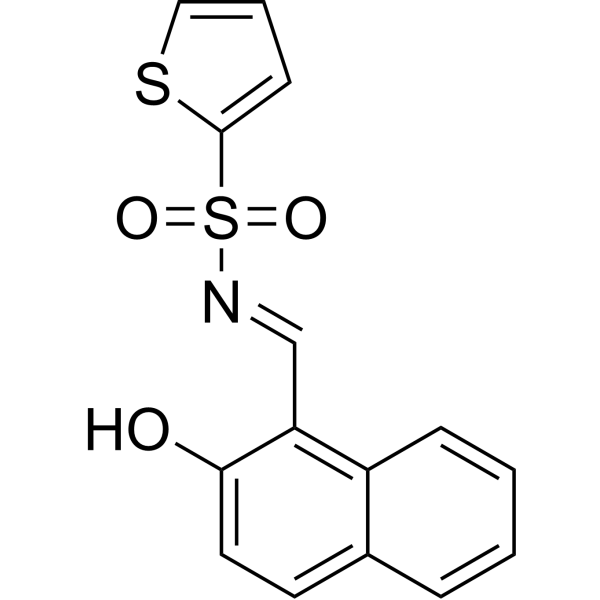
    QM295 is an endoplasmic reticulum oxidation 1 (ERO1) inhibitor with selectively reversible thiol reactivity. QM295 can be used for the research of endoplasmic reticulum stress .
    QM295
  • HY-D2299

    Fluorescent Dye Metabolic Disease Cancer
    AIE-ER is a specific endoplasmic reticulum (ER) fluorescent probe (green channel: λex=405 nm, λem=450~650 nm) that exhibits remarkable photostability, high brightness, and low working concentration. AIE-ER may provide an avenue for studying diseases related to the endoplasmic reticulum .
    AIE-ER
  • HY-DY1043

    Fluorescent Dye Others
    ER-Tracker dye is a derivative of BODIPY series dyes coupled with Glibenclamide (HY-15206) , highly selective binding to the endoplasmic reticulum, non-toxic to cells at low concentrations, this type of dye is an environmentally sensitive probe, and formaldehyde treatment can still retain part of the fluorescence, with high fluorescence life, good extinction coefficient and other characteristics. Glibenclamide is an atp-dependent K + channel blocker (Kir6, KATP) and CFTR Cl-channel blocker that binds in the endoplasmic reticulum. ER-Tracker is not suitable for staining cells after fixation .
    Solvent and concentration: DMSO: 1 mM
    ER-Tracker Green (solution)
  • HY-P10738

    Formyl Peptide Receptor (FPR) Infection
    N-Formyl-MMYALF is a potent mitochondrial N-formyl peptide (mtFP) that has the activity of depleting calcium ions in the endoplasmic reticulum. N-Formyl-MMYALF can inhibit the FPR-1-mediated chemotactic response of polymorphonuclear leukocytes (PMNs) to bacterial peptides .
    N-Formyl-MMYALF
  • HY-19696R

    Tauroursodeoxycholic acid (Standard); TUDCA (Standard); UR 906 (Standard)

    Reference Standards ERK Caspase Endogenous Metabolite Apoptosis Cancer
    Tauroursodeoxycholate (Standard) is the analytical standard of Tauroursodeoxycholate. This product is intended for research and analytical applications. Tauroursodeoxycholate (Tauroursodeoxycholic acid) is an endoplasmic reticulum (ER) stress inhibitor. Tauroursodeoxycholate significantly reduces expression of apoptosis molecules, such as caspase-3 and caspase-12. Tauroursodeoxycholate also inhibits ERK.
    Tauroursodeoxycholate (Standard)
  • HY-19696AR

    Tauroursodeoxycholic acid sodium (Standard); TUDCA sodium (Standard); UR 906 sodium (Standard)

    ERK Caspase Apoptosis Endogenous Metabolite Reference Standards Cancer
    Tauroursodeoxycholate (sodium) (Standard) is the analytical standard of Tauroursodeoxycholate (sodium). This product is intended for research and analytical applications. Tauroursodeoxycholate (Tauroursodeoxycholic acid; TUDCA) sodium is an endoplasmic reticulum (ER) stress inhibitor. Tauroursodeoxycholate significantly reduces expression of apoptosis molecules, such as caspase-3 and caspase-12. Tauroursodeoxycholate also inhibits ERK.
    Tauroursodeoxycholate sodium (Standard)
  • HY-N7395A
    Cyclic ADP-​ribose ammonium
    1 Publications Verification

    cADPR ammonium

    Calcium Channel TRP Channel Endogenous Metabolite Infection Cardiovascular Disease Neurological Disease Inflammation/Immunology Endocrinology
    Cyclic ADP-ribose ammonium (cADPR ammonium) is a potent second messenger for calcium mobilization that is synthesized from NAD + by an ADP-ribosyl cyclase. Cyclic ADP-ribose ammonium increases cytosolic calcium mainly by Ryanodine receptor-mediated release from endoplasmic reticulum and also by extracellular influx through the opening of TRPM2 channels .
    Cyclic ADP-​ribose ammonium
  • HY-146696

    Epoxide Hydrolase Cardiovascular Disease Neurological Disease Cancer
    mEH-IN-1 (Compound 62) is a potent microsomal epoxide hydrolase (mEH) inhibitor with the IC50 of 2.2 nM. The mEH is a mammalian α/β-fold hydrolase enzyme, expressed in almost all tissues, hydrolyzes a wide range of epoxide containing molecules. The mEH is mainly localized in the endoplasmic reticulum (ER) of eukaryotic cells. mEH-IN-1 can be used for the research of preeclampsia, hypercholanemia and cancer .
    mEH-IN-1
  • HY-147526

    Apoptosis Cancer
    RM-581, aminosteroid, is an orally active anticancer agent. RM-581 shows anticancer potency against pancreatic, breast, prostate, and ovarian cancers. RM-581 induces endoplasmic reticulum stress and apoptosis via disturbance of cancer cell cholesterol homeostasis. RM-581 can be used for the research of cancer, such as prostate cancer and breast cancer .
    RM-581
  • HY-153359

    Transmembrane Glycoprotein Cancer
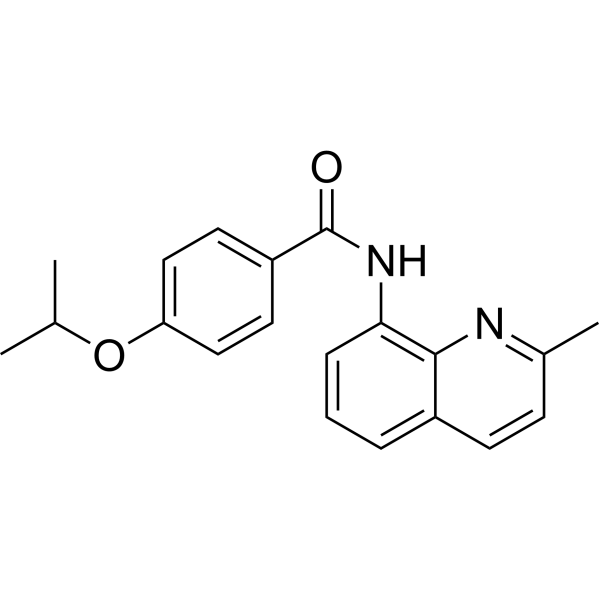
    M3913 is an endoplasmic reticulum stress modulator (ERSM). M3913 has antiproliferative activity against cancer cells .
    M3913
  • HY-178946

    IRE1 Cancer
    IA107 is a potent, selective, and allosteric IRE1α RNase (IC50 = 16 nM (non phosphorylated), IC50 = 9 nM (phosphorylated)) inhibitor. IA107 can inhibit endoplasmic reticulum stress-induced XBP1 mRNA splicing and protein expression, and has no cytotoxicity .
    IA107
  • HY-152240

    PD-1/PD-L1 Cancer
    PD-1/PD-L1-IN-29 (S4-1) is a potent PD-1/PD-L1 inhibitor with an IC50 value of 6.1 nM. PD-1/PD-L1-IN-29 binds PD-L1 and disrupts PD-1/PD-L1 interactions, induces PD-L1 dimerization and internalization, improves its localization to the endoplasmic reticulum, and promotes PD-L1 entry into the endoplasmic reticulum. PD-1/PD-L1-IN-29 has anticancer activity .
    PD-1/PD-L1-IN-29

Inquiry Online

Your information is safe with us. * Required Fields.

Salutation


Country or Region *

Applicant Name *


Organization Name *

Department *


Email Address *


Product Name *

Cat. No.


Requested quantity *

Phone Number *


Remarks

Inquiry Online

Inquiry Information

Product Name:
Cat. No.:
Quantity:
MCE Japan Authorized Agent:

