


1. Search Result
Search Result
Results for "

endosome

" in MedChemExpress (MCE) Product Catalog:

45

Inhibitors & Agonists

3

Screening Libraries

8

Fluorescent Dyes

10

Peptides

2

Inhibitory Antibodies

2

Natural
Products

4

Recombinant Proteins

1

Antibodies

5

Oligonucleotides

Cat. No. Product Name Target Research Areas Chemical Structure
  • HY-D1300
    LysoTracker Red
    10+ Cited Publications

    LysoTracker Red DND-99

    Biochemical Assay Reagents Fluorescent Dye Others
    LysoTracker Red is a Red fluorescently labeled lysosomal probe with a maximum excitation/emission wavelength of 577/590 nm. The structure is composed of a fluorescein group and linked weak bases, which can freely cross the cell membrane and gather on spherical organelles. It is suitable for observing the internal biosynthesis and related pathogenesis of lysosomes .
    LysoTracker Red
  • HY-DY1040

    Fluorescent Dye Biochemical Assay Reagents Others
    LysoTracker Red (solution) is a Red fluorescently labeled lysosomal probe with a maximum excitation/emission wavelength of 577/590 nm. The structure is composed of a fluorescein group and linked weak bases, which can freely cross the cell membrane and gather on spherical organelles. It is suitable for observing the internal biosynthesis and related pathogenesis of lysosomes .
    Solvent and concentration: DMSO: 1 mM
    LysoTracker Red (solution)
  • HY-122571
    Retro-2
    2 Publications Verification

    Filovirus Parasite Autophagy Infection Cancer
    Retro-2 is a selective inhibitor of retrograde protein trafficking at the endosome-trans-Golgi network interface. Retro-2 is an ebolavirus (EBOV) infection inhibitor with an EC50 of 12.2 μM in HeLa cells. Retro-2 induces cell autophagy .
    Retro-2
  • HY-12445
    Asnuciclib
    2 Publications Verification

    CDKI-73; LS-007

    CDK Apoptosis Inflammation/Immunology Cancer
    Asnuciclib (CDKI-73; LS-007) is an orally active and highly efficacious CDK9 inhibitor, with Ki values of 4 nM, 4 nM and 3 nM for CDK9, CDK1 and CDK2, respectively. Asnuciclib down-regulates the RNAPII phosphorylation. Asnuciclib is also a novel pharmacological inhibitor of Rab11 cargo delivery and innate immune secretion .
    Asnuciclib
  • HY-136151
    UNC10217938A
    1 Publications Verification

    Nucleoside Antimetabolite/Analog Others
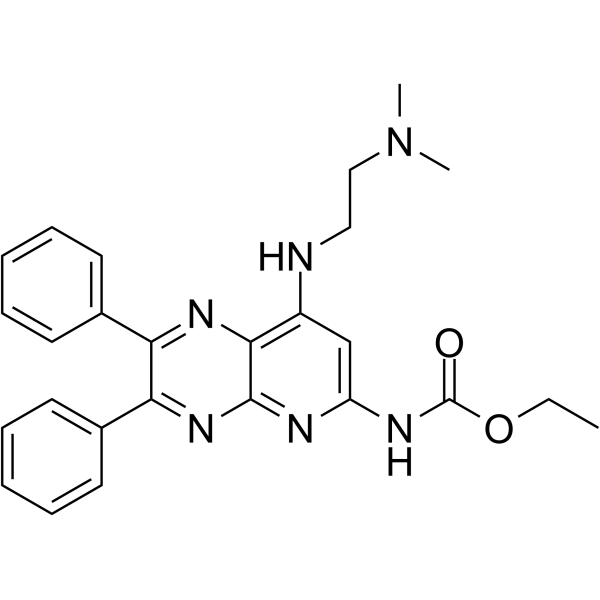
    UNC10217938A is a 3-deazapteridine analog with strong oligonucleotide enhancing effects. UNC10217938A enhances oligonucleotides effects by modulating their intracellular trafficking and release from endosomes. UNC10217938A also enhances the effects of antisense and siRNA oligonucleotides .
    UNC10217938A
  • HY-P10152

    Biochemical Assay Reagents Infection
    INF7 is a derivative of the N-terminal domain of the HA2 protein and is sensitive to pH. INF7 disrupts the stability of endosomal membranes through a mechanism independent of membrane fusion. INF7 can be used to enhance the endosome escape of complex or liposome-encapsulated proteins. Co-encapsulation of INF7 and molecular imaging probes in liposomes can enhance intracellular signaling and probe retention .
    INF7
  • HY-P99853

    CR6261

    Influenza Virus Infection
    Diridavumab is a monoclonal anti-HA stalk antibody. Diridavumab stabilizes the prefusion HA structure and prevents pH-dependent fusion of cellular and viral membranes in endosomes. Diridavumab can be used in research of H2 influenza virus .
    Diridavumab
  • HY-115675

    PI4K Others
    NC03 is a PI4K2A inhibitor and reducing agent. NC03 inhibits the activity of PI4K2A, thereby reducing the production of PI4P in the cellular compartments where PI4K2A functions. NC03 rapidly induces a decrease in PI4P pools in the Golgi and endosomal compartments. NC03 reduces PI4P production in Rab7-positive late endosomes .
    NC03
  • HY-13769A
    TPT-260 Dihydrochloride
    2 Publications Verification

    NSC55712; TPU-260 Dihydrochloride

    Drug Derivative Amyloid-β Beta-secretase Cardiovascular Disease Neurological Disease Inflammation/Immunology
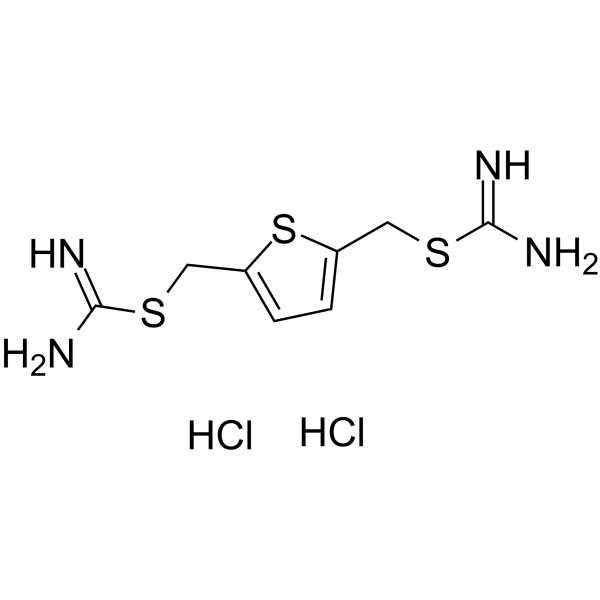
    TPT-260 Dihydrochloride (NSC55712), a thiophene thiourea derivative, is a retromer complex stabilizer against thermal denaturation (Kd = ~5 µM). TPT-260 Dihydrochloride increases the levels of retromer proteins, shifts amyloid-precursor protein (APP) away from the endosome, and decreases the pathogenic processing of APP. TPT-260 Dihydrochloride inhibits TLR4 upregulation, IKKβ phosphorylation, NF-κB p65 nuclear translocation, and NLRP3 inflammasome formation. TPT-260 Dihydrochloride improves retromer-mediated cargo trafficking, reduces brain infarct area, and decreases amyloid plaque deposition. TPT-260 Dihydrochloride exhibits minimal cytotoxicity to primary microglia at tested concentrations. TPT-260 Dihydrochloride can be used for the research of inflammatory bowel disease, ischemic stroke and Alzheimer's disease .
    TPT-260 Dihydrochloride
  • HY-124801
    ABMA
    1 Publications Verification

    Flavivirus Dengue Virus Bacterial Parasite Infection
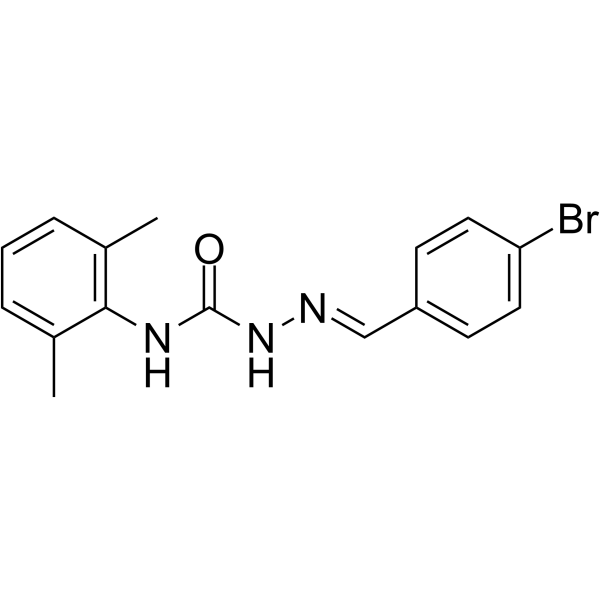
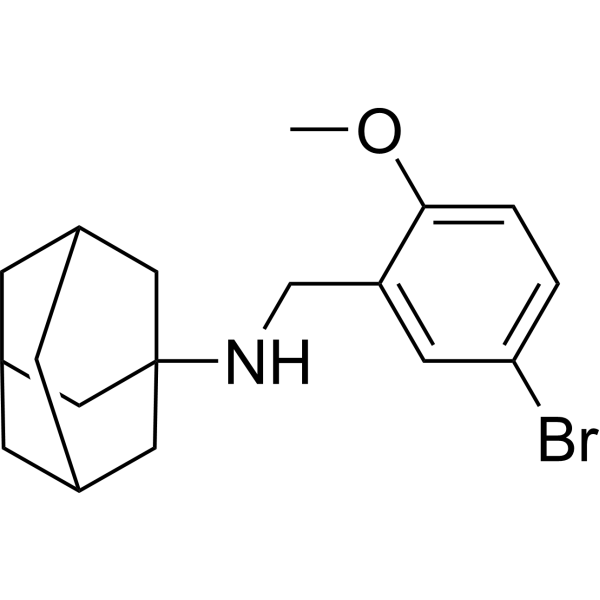
    ABMA is a broad-spectrum inhibitor of intracellular toxins and pathogens. ABMA efficiently protects cells against various toxins and pathogens including viruses, intracellular bacteria and parasite. ABMA selectively acts at host cell late endosomes rather than targeting toxin or pathogen itself. ABMA has broad-spectrum anti-infection activity .
    ABMA
  • HY-125168
    EGA
    2 Publications Verification

    EGFR Infection Inflammation/Immunology
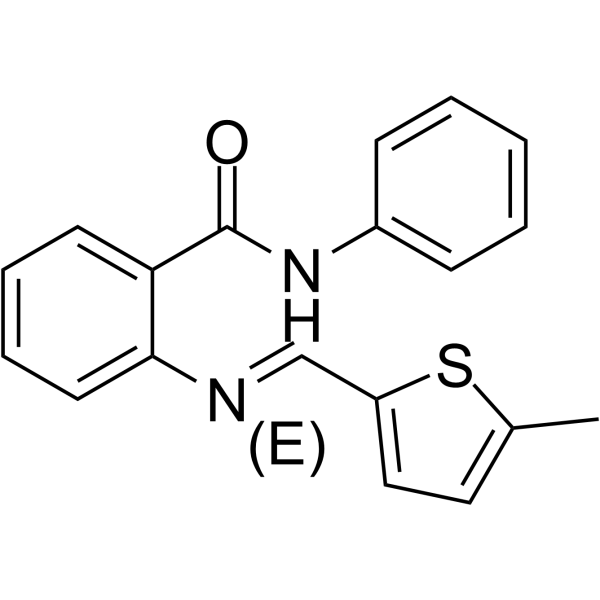
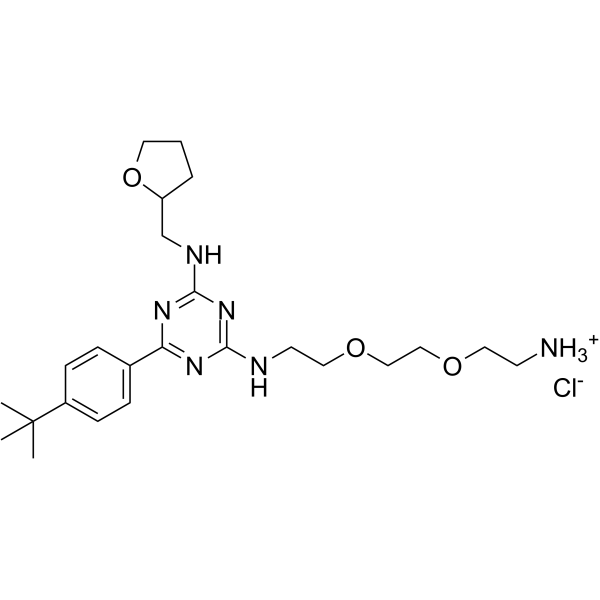
    EGA is an inhibitor that selectively targets the endosomal trafficking pathways. EGA targets the proteins involved in the endosomal trafficking pathways through which multiple toxins and viruses enter cells. EGA exerts its activity by inhibiting the trafficking from early endosomes to late endosomes, blocking the entry of multiple acid-dependent bacterial toxins and viruses into mammalian cells and delaying the lysosomal targeting and degradation of EGFR .
    EGA
  • HY-103317A

    Calcium Channel Cardiovascular Disease Cancer
    NAADP tetrasodium is a second messenger. NAADP tetrasodium releases Ca 2+ from acidic endosomes and lysosomes. NAADP tetrasodium can be used to study cancer (such as oral squamous cell carcinoma, malignant melanoma) and angiogenesis-related diseases .
    NAADP tetrasodium
  • HY-153879

    Liposome Toll-like Receptor (TLR) Infection Inflammation/Immunology
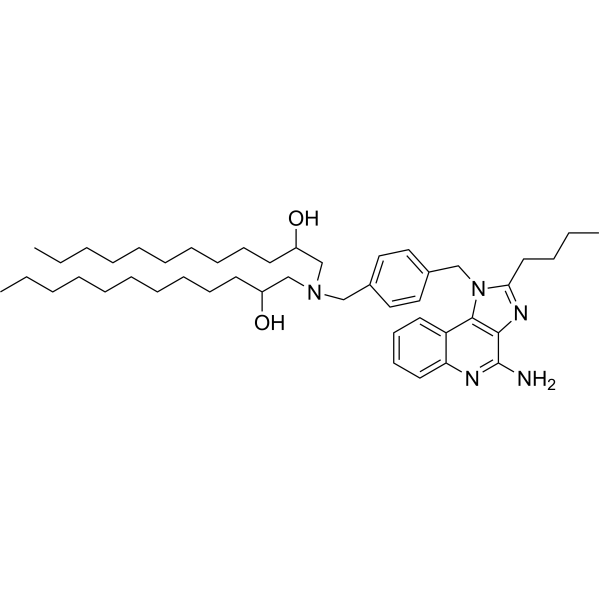
    C12-TLRa is an ionized adjuvant lipid. C12-TLRa targets TLR7/8 receptors in endosomes. C12-TLRa enhances mRNA delivery as a structural component of LNPs. C12-TLRa enhances innate immune responses. C12-TLRa can be used for the research of SARS-CoV-2 mRNA vaccine .
    C12-TLRa
  • HY-159500

    OTL-0078; OTL78

    PSMA Cancer
    Zopocianine (OTL-0078; OTL78) is a near-infrared optical probe targeting PSMA. Zopocianine binds to PSMA on the surface of PSMA-expressing cells, enters cells via receptor-mediated endocytosis, and accumulates in acidic endosomes. Zopocianine selectively accumulates in PSMA-positive cancer tissues and enables the detection of small tumors, primary prostate tumors, and locoregional metastases. Zopocianine helps achieve negative tumor surgical margins during fluorescence-guided surgery. Zopocianine is applicable to research related to prostate cancer .
    Zopocianine
  • HY-D2426

    Fluorescent Dye Transferrin Receptor Cardiovascular Disease
    Cy3-Transferrin is a fluorescent labeling reagent that combines Cy3 (HY-D0822) fluorescent dye and Transferrin (HY-P3267). The Cy3 fluorophore is commonly used in applications such as immunolabeling, nucleic acid labeling, fluorescence microscopy, and flow cytometry. Cy3 has an emission maximum around 562-570 nm. Transferrin, a blood-plasma glycoprotein, is a target ligand for transferrin receptor. Transferrin can bind to and mediate the transport of iron .
    Cy3-Transferrin
  • HY-159621

    ES5

    Annexin A Endocrinology
    Endosidine 5 (ES5) inhibits EPS (extracellular polymeric substance) secretion and cell wall expansion. Endosidine 5 alters secretion of ECM (extracellular matrix) material in Penium margaritaceum by affecting the Golgi apparatus. Endosidine 5 interferes with recycling endosomes through Annexin A6, thereby promoting the release and expression of mRNA into the cytoplasm .
    Endosidine 5
  • HY-137975

    Bacterial Endocrinology
    Exo2 is a secretion inhibitor. Exo2 perturbs trafficking of Shiga toxin between endosomes and the trans-Golgi network. Exo2 blocks secretory cargo exit from the ER (endoplasmic reticulum) and disrupts the Golgi apparatus, but does not affect the morphology of the TGN (trans-Golgi network) Exo2 can stimulate calcium-dependent exocytosis in permeabilized adrenal chromaff in cells .
    Exo2
  • HY-148114

    Autophagy Neurological Disease Cancer
    MOPIPP is a novel indolebased chalcone, and vacuolin-1, is a non-lethal vacuoleinducing 2-propyl analog of MOMIPP (HY-119624). MOPIPP induces cellular vacuolization and increases autophagosomes numbers. MOPIPP can be used for the study of glioblastoma cells .
    MOPIPP
  • HY-D1991

    Fluorescent Dye Others
    ATTO 647 is a carborhodamine fluorophore and imaging tracer with photostable properties. ATTO 647 serves as a fluorescent probe to investigate cell membrane structure and diffusion characteristics. When conjugated with wheat germ agglutinin, ATTO 647 specifically binds to N-acetyl-β-D-glucosamine and sialic acid residues on membrane glycoproteins, enabling single-molecule tracing of glycoprotein diffusion. ATTO 647 exhibits highly stable fluorescence properties with significantly reduced blinking in mounting media such as ROXS (AA/MV) and ROXS (TX/TQ), whereas its brightness properties vary in Ibidi-MM and Vectashield. ATTO 647 can also be used to label histone H2B-GFP in fixed cells for confocal microscopy photobleaching experiments .
    ATTO 647
  • HY-150058

    Others Neurological Disease
    Bocconoline is a potent early endosome antigen 1 (EEA1) inhibitor. Bocconoline can be isolated from Macleaya cordata. Bocconoline can be used for the research of Parkinson’s disease (PD) .
    Bocconoline
  • HY-145307
    DATPT
    1 Publications Verification

    Bacterial Infection Inflammation/Immunology
    DATPT is a 12WLVSKF17 peptide-mimetic molecule. DATPT blocks the SNX9-p47phox interaction in the endosome and suppresses reactive oxygen species and inflammatory cytokine production. DATPT with anti-inflammatory and antibacterial functions has the potential for the research of sepsis .
    DATPT
  • HY-P4118

    Penetrating analog

    Amino Acid Derivatives Peptide-Drug Conjugates (PDCs) Others
    EB1 peptide (Penetrating analog) is an endosomolytic agent and siRNA delivery agent. EB1 peptide forms an amphipathic alpha helix upon protonation in early-late endosomes, drives endosomal membrane permeabilization, and enables endocytosed siRNA escape into the cytosol. EB1 peptide facilitates biologically active siRNA cellular uptake and targeted gene silencing. EB1 peptide forms complexes with siRNA. EB1 peptide can be used for drug delivery research .
    EB1 peptide
  • HY-177120

    Autophagy Cancer
    DMBP is a VPS41 inhibitor. DMBP induces methuosis and inhibits autophagy in cancer cells. DMBP inhibits the fusion of late endosomes and autophagosomes with lysosomes. DMBP effectively inhibits metastasis in a mouse metastatic melanoma model. DMBP can be used for the study of melanoma .
    DMBP
  • HY-161110

    Amyloid-β Neurological Disease
    APP degrader-1 (Compound 0152) is an orally active amyloid precursor protein (APP) degrader that induces APP degradation and reduces the extracellular release of Aβ42. APP degrader-1 can bind to both CAPRIN1 and APP, and enhances their interaction as well as CAPRIN1-mediated APP degradation through the endosome-lysosome pathway .
    APP degrader-1
  • HY-P5694

    HPV Parasite Infection
    Human α-defensin 5 is an antiviral peptide. Human α-defensin 5 blocks infection of non-enveloped viruses, including AdV, HPV, and polyomaviruses (IC50: 0.6-1.25 μM for HPV16). Human α-defensin 5 can bind to the viral capsid and blocks escape of the virus from the endosome. Human α-defensin 5 increases HIV binding to the cell surface. Human α-defensin 5 also has parasiticidal activity .
    Human α-defensin 5
  • HY-111233

    WIN-51711

    Enterovirus Infection
    Disoxaril (WIN-51711) is an antivirus agent with activity against poliovirus types 1 and 2. Disoxaril inserts into the hydrophobic interior of virus capsid protein VP1 to stabilize virion conformation, inhibits poliovirus uncoating, and prevents viral RNA release and synthesis. Disoxaril can be used for the research of poliovirus infection .
    Disoxaril
  • HY-D2324

    Fluorescent Dye Others
    EE-Flipper 33 is a Flipper probe designed to evaluate the mechanism of early endocytosis. EE-Flipper has a pKa value of 10.6 and is capable of tracking approximately 70% of early endosomes (EE) in live cells. Furthermore, EE-Flipper 33 can also label the Golgi apparatus in live cells with an internal pH ranging from 6.0 to 6.7 .
    EE-Flipper 33
  • HY-159859

    Liposome Others
    IZ-Chol (IZ-Cholesterol) is an ionizable cationic lipid containing cholesterol. IZ-Chol-LNPs is highly potential to effectively complex with DNA, and endosome escape mechanisms mediated by proton sponge effect .
    IZ-Chol
  • HY-P10644

    Fluorescent Dye Cancer
    CPP9 is a small, amphipathic, cyclic cell penetrating peptide (CPP). CPPs bind directly to the plasma membrane phospholipids and enter mammalian cells via endocytosis, followed by efficient release from the endosome. CPP9 can be used for intracellular delivery of therapeutic agents and chemical probes .
    CPP9
  • HY-D1463

    Fluorescent Dye Others
    Nile Blue Methacrylamide is a pH-responsive probe. Nile Blue Methacrylamide exhibits pH-sensitive absorption and fluorescence emission in the physiological pH range, with spectral shifts occurring between acidic and near-physiological pH conditions . (Ex/Em = 590/670-700 nm)
    Nile Blue Methacrylamide
  • HY-D2321

    Fluorescent Dye Others
    Lyso Flipper-TR 29 is a Flipper probe that can label lysosomes. Lyso Flipper-TR 29 enters lysosomes and late endosomes by transient deprotonation to cross their membranes in neutral form .
    Lyso Flipper-TR 29
  • HY-158705

    Liposome Others
    SAINT-2 is a cationic lipid with gene transfection activity and is a pyridyl lipid analog. Molecular membranes prepared by SAINT-2 can interact with plasmids to form lipid complexes. After the complex is taken up by cells, the plasmid dissociates from the lipid complex under the action of DOPE and the plasmid translocates across the endosome and/or nuclear membrane. Thus, SAINT-2 effectively transfers small oligonucleotides into cells .
    SAINT-2
  • HY-13769

    TPU260

    Drug Derivative Beta-secretase Amyloid-β Cardiovascular Disease Neurological Disease Inflammation/Immunology
    TPT-260 (TPU260), a thiophene thiourea derivative, is a retromer complex stabilizer against thermal denaturation (Kd = ~5 µM). TPT-260 increases the levels of retromer proteins, shifts amyloid-precursor protein (APP) away from the endosome, and decreases the pathogenic processing of APP. TPT-260 inhibits TLR4 upregulation, IKKβ phosphorylation, NF-κB p65 nuclear translocation, and NLRP3 inflammasome formation. TPT-260 improves retromer-mediated cargo trafficking, reduces brain infarct area, and decreases amyloid plaque deposition. TPT-260 exhibits minimal cytotoxicity to primary microglia at tested concentrations. TPT-260 can be used for the research of inflammatory bowel disease, ischemic stroke and Alzheimer's disease .
    TPT-260
  • HY-N10365

    Autophagy Neurological Disease
    6-(1-Hydroxyethyl)-5,6-dihydrochelerythrine, a alkaloid, significantly perturbates the features of cellular organelles including early endosomes, mitochondria and autophagosomes (Parkinson’s Disease patient-derived olfactory cells) .
    6-(1-Hydroxyethyl)-5,6-dihydrochelerythrine
  • HY-174521

    mRNA Inflammation/Immunology
    Human TLR7 mRNA encodes the human toll like receptor 7 (TLR7) protein, a member of the Toll-like receptor (TLR) family which plays a fundamental role in pathogen recognition and activation of innate immunity. TLR7 senses single-stranded RNA oligonucleotides containing guanosine- and uridine-rich sequences from RNA viruses, a recognition occuring in the endosomes of plasmacytoid dendritic cells and B cells.
    Human TLR7 mRNA
  • HY-159500A

    OTL-0078 sodium; OTL78 sodium

    Biochemical Assay Reagents Cancer
    Zopocianine sodium (OTL-0078 sodium; OTL78 sodium) is a near-infrared optical probe targeting PSMA. Zopocianine sodium binds to PSMA on the surface of PSMA-expressing cells, enters cells via receptor-mediated endocytosis, and accumulates in acidic endosomes. Zopocianine sodium selectively accumulates in PSMA-positive cancer tissues and enables the detection of small tumors, primary prostate tumors, and locoregional metastases. Zopocianine sodium helps achieve negative tumor surgical margins during fluorescence-guided surgery. Zopocianine sodium is applicable to research related to prostate cancer .
    Zopocianine sodium
  • HY-P10404

    α-synuclein Others Neurological Disease
    PDpep1.3 is a peptide inhibitor of α-synuclein that disrupts the direct interaction between α-synuclein and CHarged Multivesicular body Protein 2B (CHMP2B). As a result, PDpep1.3 restores the degradation function of endosomes and lysosomes, reduces the protein level and aggregation of α-synuclei, and protects dopaminergic neurons from α-synuclei-mediated degeneration. PDpep1.3 can be used to study neurodegenerative diseases and protein-protein interactions .
    PDpep1.3
  • HY-179860

    Others Metabolic Disease
    (S,S) Bisoleoyl-lysobisphosphatidic acid is a lysobisphosphatidic acid (LBPA). LBPA plays a role in modulating the cholesterol flux through endosomes.
    (S,S) Bisoleoyl-lysobisphosphatidic acid
  • HY-D3347

    Fluorescent Dye Cancer
    DUPA-FITC is a fluorescent reagent targeting PSMA, which specifically binds to prostate cancer cells expressing PSMA without non-specific binding to normal blood cells. DUPA-FITC can label PSMA-expressing prostate cancer cells in whole blood, followed by internalization and trafficking to acidic intracellular endosomes, during which the fluorescence is quenched. When combined with flow cytometry and density gradient centrifugation enrichment, DUPA-FITC enables quantitative analysis of circulating tumor cells in peripheral blood samples from prostate cancer patients .
    DUPA-FITC
  • HY-E70932

    Phosphatase Metabolic Disease
    Non-Prostatic Acid Phosphatase, Sweet Potato (EC 3.1.3.2), a type of enzyme, used to free attached phosphoryl groups from other molecules during digestion. Acid phosphatase is stored in lysosomes and functions when these fuse with endosomes, which are acidified while they function; therefore, it has an acid pH optimum. This enzyme is present in many animal and plant species.
    Non-Prostatic Acid Phosphatase, Sweet Potato
  • HY-P991804

    Transmembrane Glycoprotein Inflammation/Immunology
    Anti-Mouse CD79b Antibody (HM79b) reacts with the mouse CD79b. CD79b participates in the signal transduction cascade activated by the B cell antigen receptor complex (BCR), ultimately leading to complex internalization, transport to late endosomes, and antigen presentation. Recommend Isotype Controls: Mouse IgG2a kappa, Isotype Control (HY-P99978) .
    Anti-Mouse CD79b Antibody (HM79b)
  • HY-W339816

    Lipocalin Family Endogenous Metabolite Others
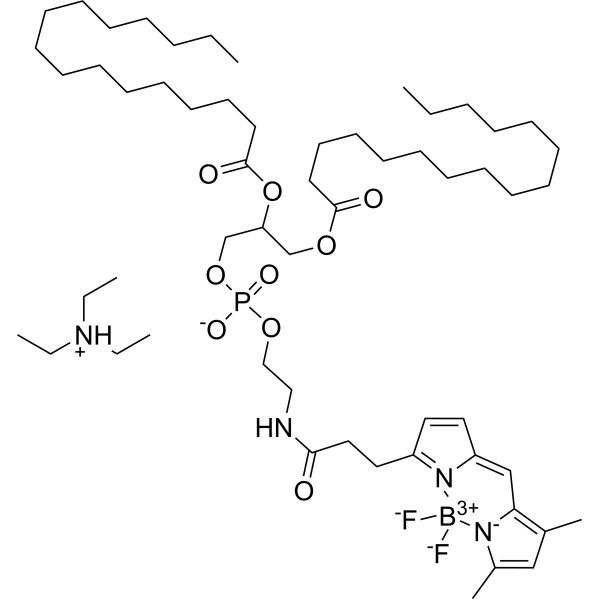
    (S,R)-Bis(monomyristoylglycero)phosphate ammonium actively contributes to cargo sorting by promoting the degradation and sorting of lipids, and it plays a critical role in the sorting of polyunsaturated fatty acids (PUFAs) within acidic organelles. This phospholipid features two phosphate-linked glycerol molecules arranged in a unique sn-1 glycerophospho-sn-1′ glycerol stereoconformation, with each glycerol molecule esterified to a myristic acid. Typically, it is found in the intraluminal vesicles (ILVs) of late endosomes and lysosomes.
    (S,R)-Bis(monomyristoylglycero)phosphate ammonium
  • HY-182464

    Potassium Channel Infection Others
    DABMA is a TMEM175 channel activator with a human EC50 of 17.9 μM. DABMA directly increases TMEM175 channel current via interaction with intracellular, transmembrane, or endosomal lumen-associated domains, and does not alter TMEM175 mRNA or protein levels. DABMA delays endolysosomal substrate degradation, modulates endolysosomal trafficking, increases acidic organelle accumulation, induces cholesterol accumulation and altered late endosome morphology. DABMA can be used for the research of coronavirus disease, Clostridium difficile infection, Pseudomonas aeruginosa infection, rabies, and influenza virus infection .
    DABMA
  • HY-185284

    Liposome Others
    MeDZ lipid is a zwitterion-type ionizable endosomal membrane destabilizer and anti-inflammatory agent that promotes endosomal escape. When incorporated into LNP formulations, MeDZ lipid enhances mRNA expression in lymph node antigen-presenting cells and promotes cytotoxic T cell activation. MeDZ lipid is compatible with existing targeted nanoparticle formulations to improve mRNA delivery efficiency .
    MeDZ lipid
  • HY-E71366

    Glycosidase Endogenous Metabolite Metabolic Disease
    Endo-1,4-β-D-glucanase is a glycoside hydrolase that cleaves internal β-1,4-glycosidic bonds in cellulose and related β-D-glucans (β-D-Glucan) (HY-139413). Endo-1,4-β-D-glucanase randomly cuts long, insoluble cellulose polymer chains into shorter, soluble fragments such as oligosaccharides, thereby paving the way for further digestion into glucose .
    Endo-1,4-β-D-glucanase

Inquiry Online

Your information is safe with us. * Required Fields.

Salutation


Country or Region *

Applicant Name *


Organization Name *

Department *


Email Address *


Product Name *

Cat. No.


Requested quantity *

Phone Number *


Remarks

Inquiry Online

Inquiry Information

Product Name:
Cat. No.:
Quantity:
MCE Japan Authorized Agent:

