212 Results for "

exposed dental pulp

" in MedChemExpress (MCE) Product Catalog:
Products (212)

212 Results for "exposed dental pulp" in MCE Product Catalog:

60
60 Publications Verification
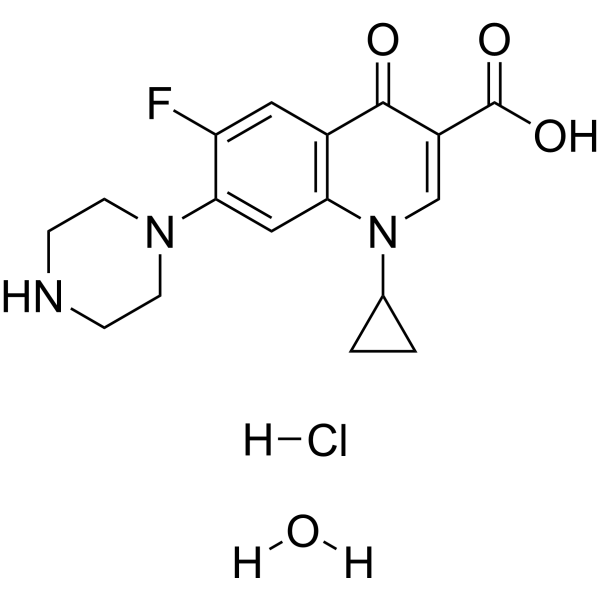
Cat. No.: HY-B0356B
CAS No.: 86393-32-0
Synonyms: Bay-09867 hydrochloride monohydrate
Ciprofloxacin (Bay-09867) hydrochloride monohydrate is an orally active, blood-brain barrier permeable fluoroquinolone antibacterial agent. Ciprofloxacin hydrochloride monohydrate exerts bactericidal effects primarily by inhibiting topoisomerase II and IV. Ciprofloxacin hydrochloride monohydrate inhibits the proliferation of human dental pulp stem cells and chondrocytes from young rats, and also activates the Akt signaling pathway and upregulates markers such as β-catenin and Nanog to maintain the morphological characteristics of stem cells. Ciprofloxacin hydrochloride monohydrate induces significant neurotoxicity and tissue damage, including reducing serotonin and glutathione levels in the brain, inducing oxidative stress and depression-like behaviors, and causing articular cartilage damage. Ciprofloxacin hydrochloride monohydrate can be applied to research related to infections of necrotic young permanent teeth and neurotoxicity .
loading...
    loading...
60
60 Publications Verification
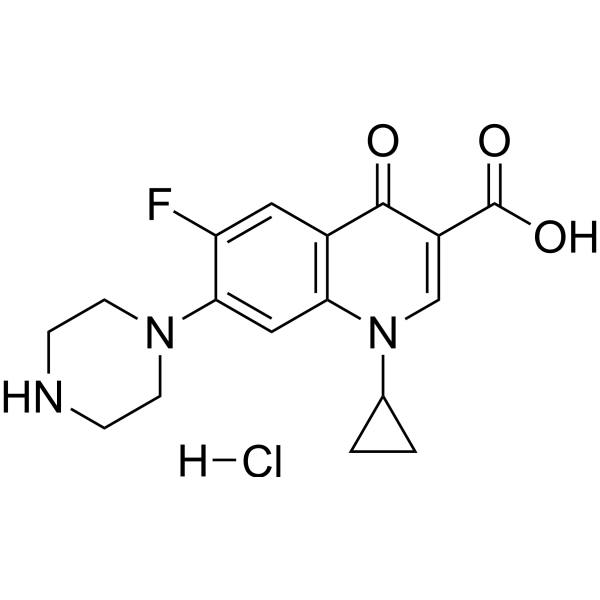
Cat. No.: HY-B0356A
CAS No.: 93107-08-5
Synonyms: Bay-09867 monohydrochloride
Ciprofloxacin (Bay-09867) monohydrochloride is an orally active, blood-brain barrier permeable fluoroquinolone antibacterial agent. Ciprofloxacin monohydrochloride exerts bactericidal effects primarily by inhibiting topoisomerase II and IV. Ciprofloxacin monohydrochloride inhibits the proliferation of human dental pulp stem cells and chondrocytes from young rats, and also activates the Akt signaling pathway and upregulates markers such as β-catenin and Nanog to maintain the morphological characteristics of stem cells. Ciprofloxacin monohydrochloride induces significant neurotoxicity and tissue damage, including reducing serotonin and glutathione levels in the brain, inducing oxidative stress and depression-like behaviors, and causing articular cartilage damage. Ciprofloxacin monohydrochloride can be applied to research related to infections of necrotic young permanent teeth and neurotoxicity .
loading...
    loading...
17
17 Cited Publications
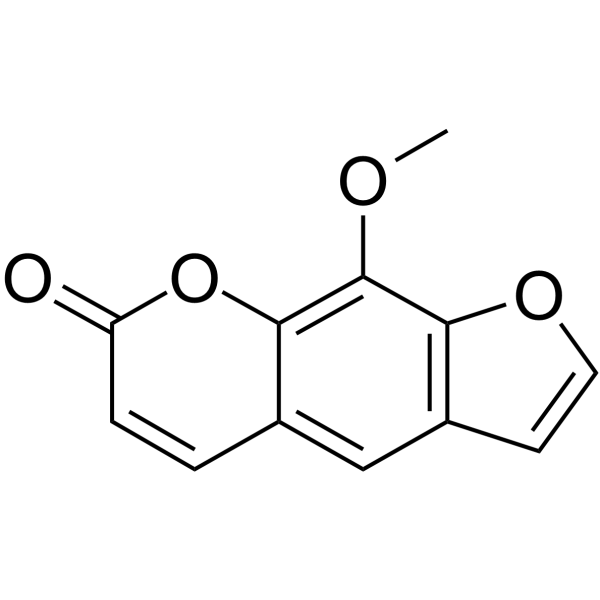
Cat. No.: HY-30151
CAS No.: 298-81-7
Synonyms: 8-Methoxypsoralen; Xanthotoxin; 8-MOP
Methoxsalen (8-Methoxypsoralen) is a furanocoumarin compound used in psoralen, used in studies of psoriasis, eczema, vitiligo and some sun-exposed cutaneous lymphomas, and is a P450 inhibitor.
loading...
    loading...
15
15 Cited Publications
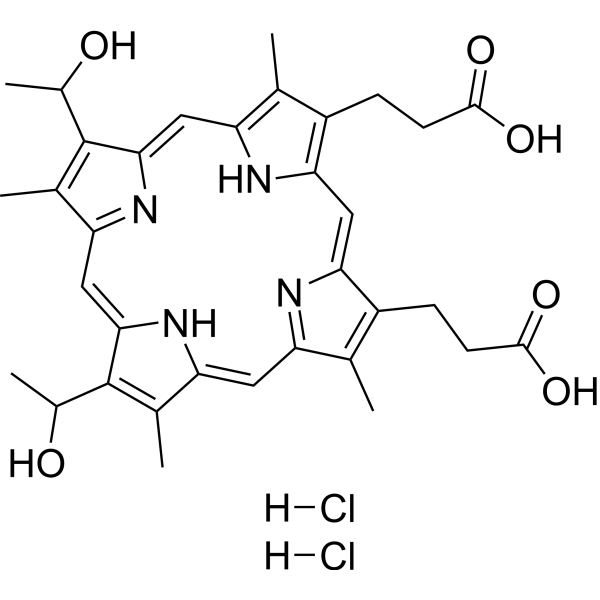
Cat. No.: HY-B0754A
CAS No.: 17696-69-4
Synonyms: Hematoporphyrin IX dihydrochloride
Hematoporphyrin dihydrochloride (Hematoporphyrin IX dihydrochloride), a photosensitizer, is a substrate for affinity chromatography of heme-binding proteins. Hematoporphyrin dihydrochloride can induce apoptosis in U87 glioma cells and decrease tumor growth in vivo when exposed to red light .
loading...
    loading...
14
14 Cited Publications
Cat. No.: HY-D0714
CAS No.: 298-96-4
Synonyms: 2,3,5-Triphenyltetrazolium chloride; TPTZ; TTC
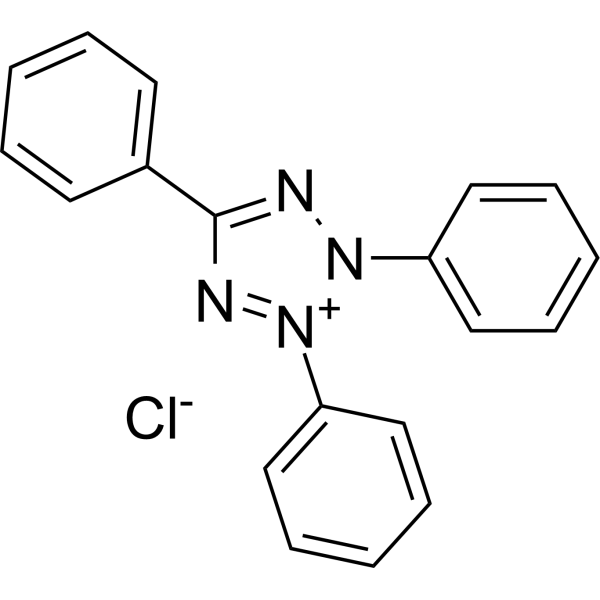
Tetrazolium Red (2,3,5-Triphenyltetrazolium chloride; TTC) is a not brain-penetrant, colorless, water-soluble dye that is reduced by mitochondrial enzymes to a deep red, water-insoluble compound (formazan) mainly in the mitochondria of living cells. Tetrazolium Red is used to observe the activity of dehydrogenase, and it turns colorless to red when exposed to hydrogen. Tetrazolium Red distinguishes between surviving and infarcted brain tissue after stroke. Tetrazolium Red has been used to stain heart tissue to measure the extent of acute lesions and also used to stain brain tissue to detect the size of the infarcted area. The absorption wavelength of Tetrazolium Red is 570 nm .
loading...
    loading...
9
9 Cited Publications
Cat. No.: HY-114164H
CAS No.: 9002-04-4
Synonyms: EC 3.4.21.5 (Lyophilized); Human Alpha Thrombin (Lyophilized)
Human α-Thrombin (EC 3.4.21.5; Human Alpha Thrombin) (Lyophilized) is a terminal serine protease in the coagulation cascade, as well as a potent physiological platelet agonist and fibrin-generating enzyme in vivo. Human α-Thrombin catalyzes the conversion of fibrinogen to fibrin for blood clot formation, and activates platelet aggregation by cleaving the protease-activated receptors PAR1 (major) (Kd = 1 nM) and PAR4 (minor) on the platelet surface to expose tethered ligands. Human α-Thrombin also amplifies coagulation via positive feedback by activating coagulation factors V, VIII, XI (FV/FVIII/FXI), and switches to activate protein C to exert anticoagulant effects after binding to thrombomodulin .
This product is in a freeze-dried form.
loading...
    loading...
6
6 Cited Publications
Cat. No.: HY-B0717
CAS No.: 9002-96-4
Synonyms: TPGS; D-α-Tocopherol polyethylene glycol 1000 succinate; Vitamin E-TPGS
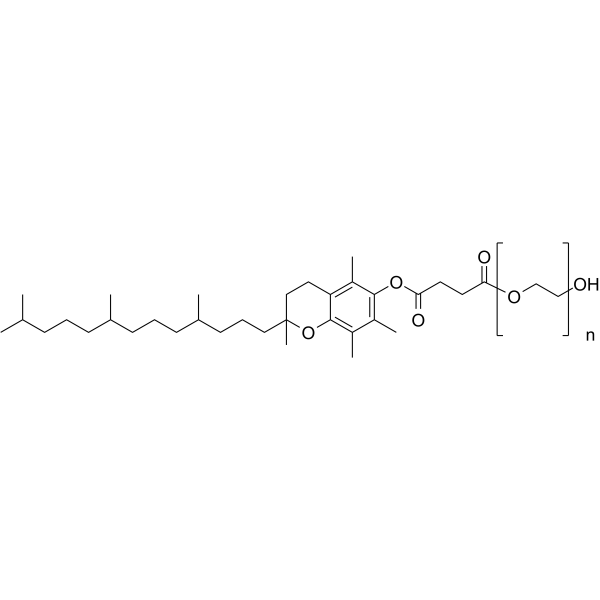
Tocofersolan is synthetic polyethylene glycol derivative of α-tocopherol. Tocofersolan is an orally active and water-soluble analog of vitamin E. Tocofersolan can reduce neurobehavioral deficits in zebrafish embryos exposed to moderate and high concentrations of BaP during early development. Tocofersolan shows antioxidant activity. Tocofersolan can be used to provide an orally bioavailable source of vitamin E .
loading...
    loading...
4
4 Cited Publications
Cat. No.: HY-123076
CAS No.: 60477-38-5
Purity:  99.37%
Synonyms: PFN-α
Target:  

MDM-2/p53

Research Areas:  

Neurological Disease

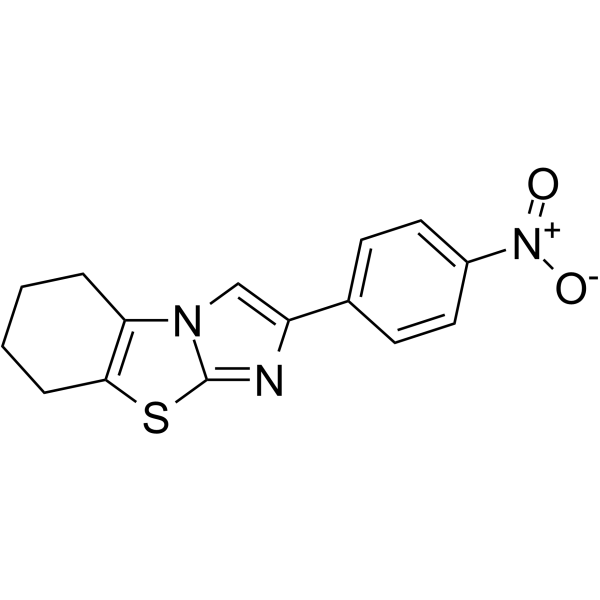
Pifithrin-α, p-Nitro, Cyclic (PFN-α) is cell-permeable and active-form p53 inhibitor. Pifithrin-α, p-Nitro, Cyclic is one order magnitude more active than Pifithrin-α in protecting cortical neurons exposed to Etoposide (ED50=30 nM). Pifithrin-α, p-Nitro, Cyclic behaves as a p53 posttranscriptional activity inhibitor. Pifithrin-α, p-Nitro, Cyclic do not prevent p53 phosphorylation on the S15 residue .
loading...
    loading...
3
3 Cited Publications
Cat. No.: HY-A0182
CAS No.: 56-59-7
Synonyms: PLV-2
Target:  

Vasopressin Receptor

Research Areas:  

Cardiovascular Disease

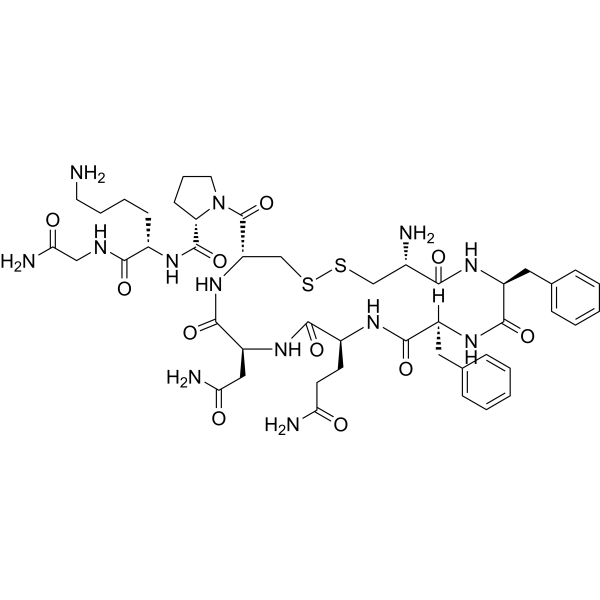
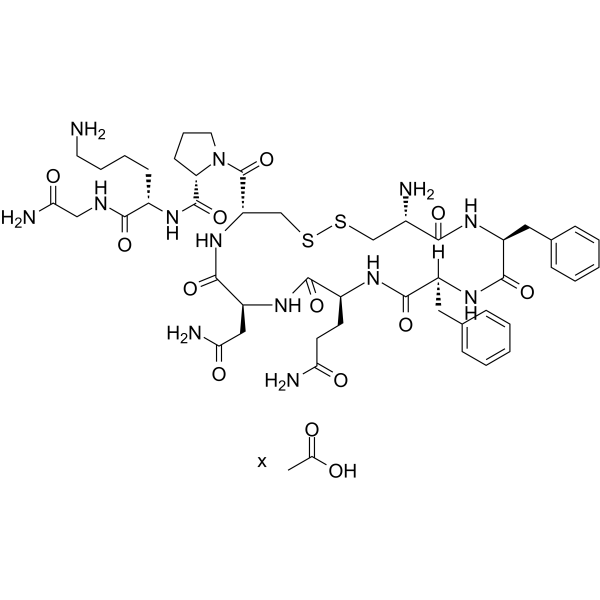
Felypressin (PLV-2) is a non-catecholamine vasoconstrictor and a vasopressin 1 agonist. Felypressin is widely used in dental procedures .
loading...
    loading...
3
3 Cited Publications
Cat. No.: HY-A0182A
CAS No.: 914453-97-7
Synonyms: PLV-2 acetate
Target:  

Vasopressin Receptor

Research Areas:  

Cardiovascular Disease

Felypressin acetate (PLV-2 acetate) is a non-catecholamine vasoconstrictor and a vasopressin 1 agonist. Felypressin acetate is widely used in dental procedures .
loading...
    loading...
3
3 Cited Publications
Cat. No.: HY-124410
CAS No.: 845959-55-9
Purity:  98.00%
Mitoquinol is an orally active mitochondria-targeted antioxidant. Mitoquinol can regulate mitochondrial respiration and oxidation. Mitoquinol inhibits ROS production, and improves phagocytosis and glycolysis in ethanol-exposed macrophages via the HIF-1α-PFKP axis. Additionally, Mitoquinol can partially alleviate heat stress-induced decreases in growth performance, inflammatory responses, and metabolic disorders in pigs .
loading...
    loading...
1
1 Cited Publications
Cat. No.: HY-B0415
CAS No.: 67-73-2
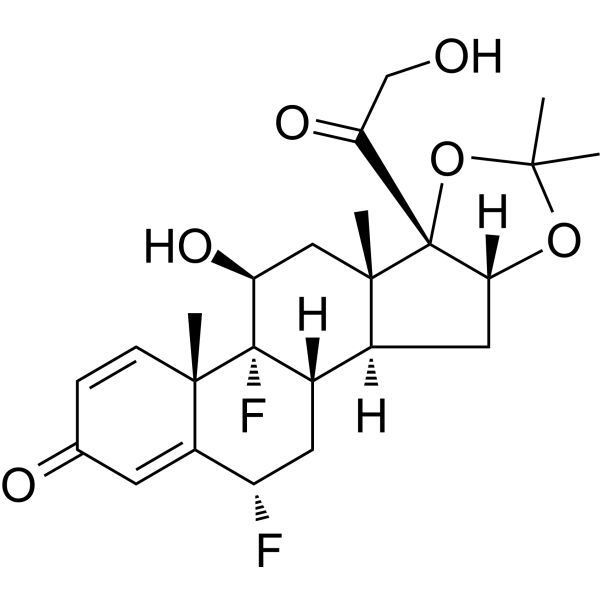
Fluocinolone is a glucocorticoid glucocorticoid receptor agonist. Fluocinolone is effective in preventing both lipid accumulation and inflammation. Fluocinolone can promote the proliferation of DPCs and has the potential role in repairing injured pulp tissues. Fluocinolone can be used to study the prevention of chemotherapy-induced peripheral neuropathy caused by Paclitaxel (HY-B0015) .
loading...
    loading...
1
1 Cited Publications
Cat. No.: HY-113440
CAS No.: 712-09-4
Purity:  99.95%
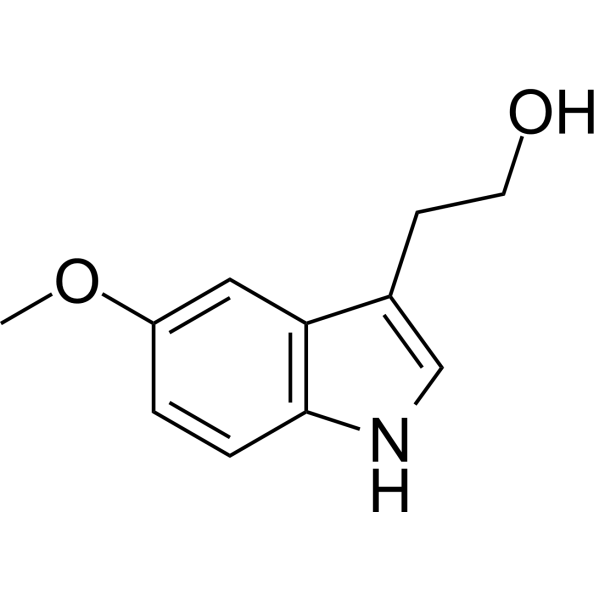
5-Methoxytryptophol is a 5-methoxyindole alcohol structurally homologous to Melatonin (HY-B0075). It is secreted by the mammalian pineal gland and exhibits an inverse circadian rhythm. 5-Methoxytryptophol regulates bone metabolism by activating the ERK1/2 pathway. It reduces the levels of pro-inflammatory cytokines TNF-α and IL-1β, as well as proteolytic enzymes MMP-1 and MMP-2, in serum and dental pulp tissues, thereby ameliorating acute pulpitis. 5-Methoxytryptophol induces rapid sleep in mice, while high doses cause respiratory depression and death. 5-Methoxytryptophol. 5-Methoxytryptophol can be used in studies related to acute pulpitis, hypnosis, and bone metabolism .
loading...
    loading...
1
1 Cited Publications
Cat. No.: HY-134039
CAS No.: 7471-73-0
Purity:  99.82%
Synonyms: 5-Hydroxyxanthotoxin
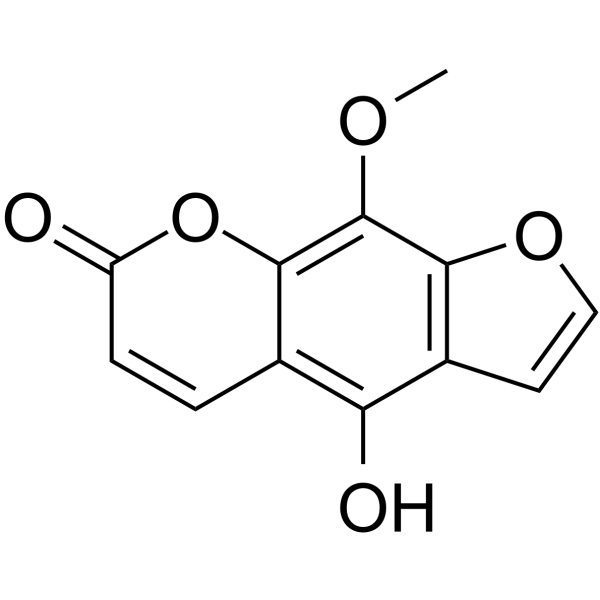
5-Hydroxy-8-methoxypsoralen (5-Hydroxyxanthotoxin) is a metabolite of Xanthotoxin. Xanthotoxin is a potent tricyclic furocoumarin suicide inhibitor of CYP (cytochrome P-450), is an agent used to treat psoriasis, eczema, vitiligo and some cutaneous Lymphomas in conjunction with exposing the skin to sunlight .
loading...
    loading...
1
1 Cited Publications
Cat. No.: HY-118643
CAS No.: 1620330-72-4
Purity:  99.82%
Synonyms: BMS-986231; CXL-1427
Target:  

Drug Intermediate

Research Areas:  

Cardiovascular Disease

Cimlanod (BMS-986231) is a second-generation Nitroxyl (HNO) donor for heart failure. Cimlanod (BMS-986231) delivers HNO via pH-dependent chemical breakdown when exposed to the neutral pH environment of the bloodstream. Cimlanod (BMS-986231) possesses positive lusitropic and inotropic as well as vasodilatory effects. Cimlanod is the prodrug of CXL-1020 (HY-147384) .
loading...
    loading...
1
1 Cited Publications
Cat. No.: HY-P3443
Synonyms: PNA
Peanut agglutinin (PNA) is a carbohydrate-recognition protein that binds competitively and irreversibly to cell-surface β-D-Gal (1-3)-GalNAc, and this binding can be inhibited by D-galactose and asialofetuin. Peanut agglutinin recognizes exposed glycoepitopes and reflects the glycosylation status of cells. Peanut agglutinin can label glycoconjugates at neuromuscular junctions to safely visualize synaptic structures. Peanut agglutinin can be used to synthesize dyes to distinguish between normal and tumor tissues. Peanut agglutinin provides support for research on leukemia, Burkitt's tumors, and cutaneous squamous lesions .
loading...
    loading...
1
1 Cited Publications
Cat. No.: HY-Y0756
CAS No.: 144-55-8
Synonyms: Sodium hydrogen carbonate
Target:  

Bacterial

Research Areas:  

Infection Cancer

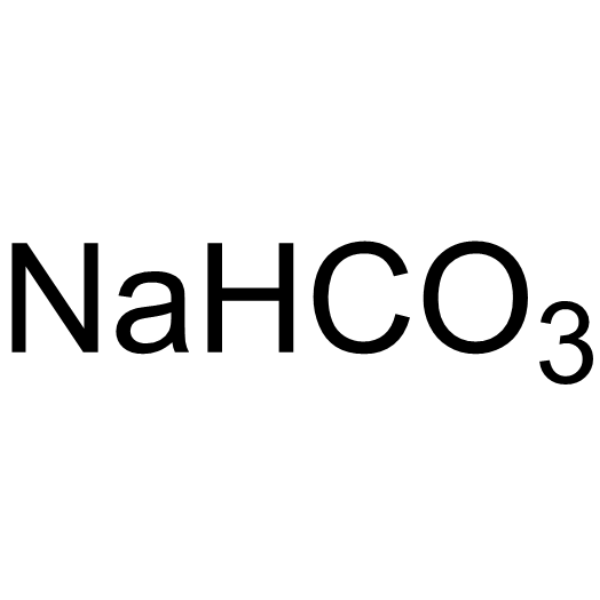
Sodium bicarbonate (Sodium hydrogen carbonate; Soda bicarbonate) is an inorganic salt that is neutral to slightly alkaline and easily decomposes when exposed to moisture in the air. Sodium bicarbonate can maintain the pH of the culture medium, thereby affecting the expression of inducible nitric oxide synthase (iNOS) and nitric oxide (NO) production in macrophages and reversing the acidosis of the tumor microenvironment. Sodium bicarbonate is widely used in the fields of food, medicine, cosmetics, etc. Its main uses include buffers, flavoring agents, disinfectants, pharmaceuticals, and proton gradient regulators. Sodium bicarbonate is also commonly used as an antacid to inhibit gastrointestinal diseases, neutralize gastric acid, and reduce gastric discomfort .
loading...
    loading...
1
1 Cited Publications
Cat. No.: HY-119976
CAS No.: 188425-85-6
Purity:  99.29%
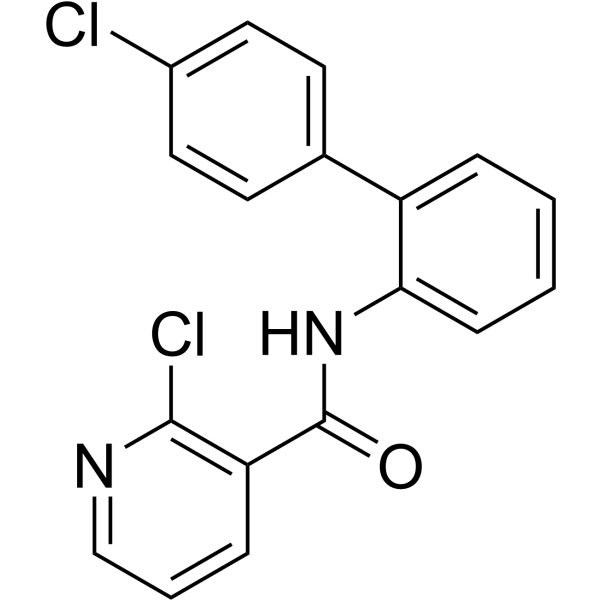
Boscalid is a succinate dehydrogenase (SDHI) inhibitor with antifungal activity. Boscalid binds to the ubiquinone-binding site of fungal mitochondrial complex II, blocks ATP production and aerobic respiration, exhibits good control efficacy against a variety of plant fungal diseases including gray mold, sclerotinia rot and powdery mildew, and is widely used for disease control in agriculture. Boscalid induces apoptosis, altered lipid metabolism, mitochondrial dysfunction, respiratory impairment, oxidative stress, ROS accumulation and neurodevelopmental disorders in zebrafish. Boscalid reduces foraging ability, shortens median death time and causes chronic toxicity in exposed honeybees. Boscalid also possesses genotoxicity, cytotoxicity, elevated mitochondrial superoxide levels and early-stage apoptosis .
loading...
    loading...
1
1 Cited Publications
Cat. No.: HY-N7435
CAS No.: 54814-64-1
Synonyms: (±)-Massoia lactone
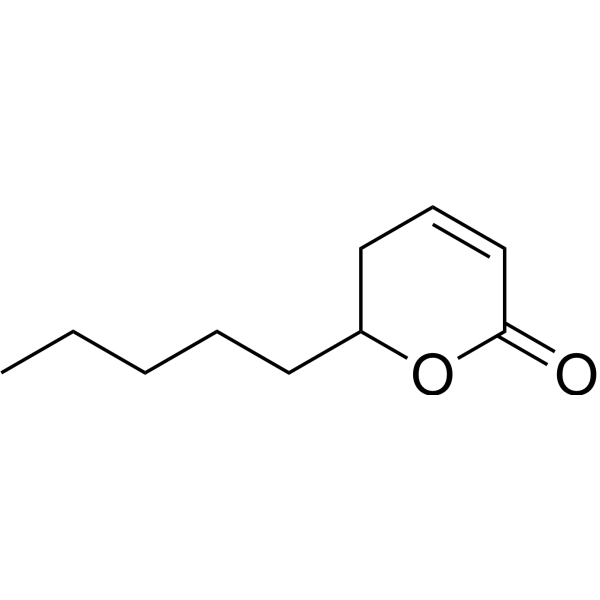
Massoia lactone ((±)-Massoia lactone) is a natural lactone-based biosurfactant with antifungal (fungal), antibiofilm, and cytotoxic activities. Massoia lactone inhibits fungal hyphal growth and spore germination, and induces fungal cell necrosis by forming membrane pores, reducing ergosterol, elevating ROS, and causing leakage of intracellular components. Massoia lactone inhibits the viability and proliferation of tumor cells. Massoia lactone degrades the extracellular polymeric substances of polymicrobial biofilms, penetrates the biofilm matrix, inhibits the growth of planktonic oral bacteria (bacterial), and reduces surface tension through its amphiphilic properties. Massoia lactone is a low-toxicity, biodegradable food additive with a coconut cream aroma, which can be used for flavor improvement and also serves as a quality control marker for Cs-4 mycelium. Massoia lactone can be used for research on Fusarium head blight, malignant tumors, and oral polymicrobial biofilm-associated dental diseases .
loading...
    loading...
1
1 Cited Publications
Cat. No.: HY-117146
CAS No.: 173584-44-6
Synonyms: (S)-DPX-JW062
Target:  

Parasite

Research Areas:  

Infection

Indoxacarb ((S)-DPX-JW062) is an oxathiazole insecticide with activity against a wide range of insect pests. Indoxacarb is used in forest pest management to control insect pests, and its toxicity has significant effects on adult individuals of the predatory stink bug Podisus distinctus. Indoxacarb showed high toxicity to P. distinctus at a lethal concentration (LC50 = 2.62 g L-1). Indoxacarb treatment significantly reduced the survival rate of P. distinctus, with the survival rate of individuals exposed to 2.62 g L-1 decreasing to 40.7%. Indoxacarb also reduced the respiration rate of P. distinctus from 18.45 to 14.41 μL CO2 h-1, and inhibited its food intake. P. distinctus showed hyperexcitatory responses after Indoxacarb treatment .
loading...
    loading...

