
132 Results for "

fibrillation

" in MedChemExpress (MCE) Product Catalog:
Products (132)

132 Results for "fibrillation" in MCE Product Catalog:

13
13 Publications Verification
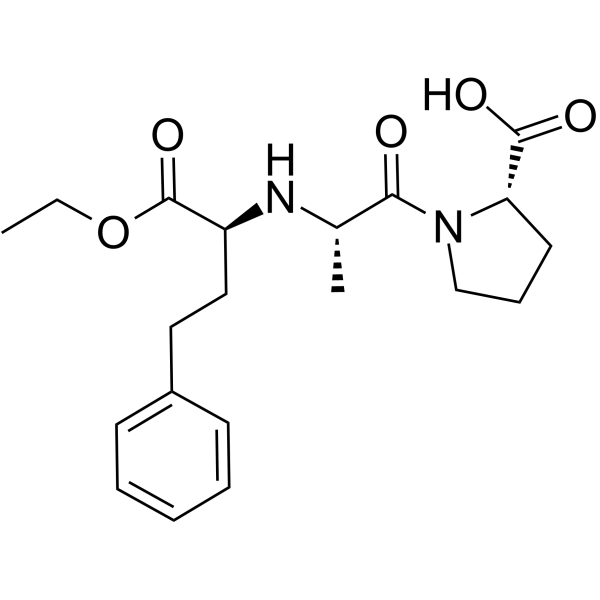
Cat. No.: HY-B0331
CAS No.: 75847-73-3
Synonyms: MK-421
Enalapril (MK-421) is an orally active angiotensin-converting enzyme inhibitor. Enalapril blocks the conversion of angiotensin I to angiotensin II, regulates the renin-angiotensin system, reduces preload and afterload, and decreases plasma angiotensin II levels. Enalapril inhibits apoptosis, reduces nitric oxide metabolite levels, stabilizes endothelial cells, enhances endothelial antioxidant defense, scavenges reactive oxygen species (ROS), and alleviates neuronal damage. Enalapril attenuates glutathione depletion, protein/lipid oxidation, tissue damage, and type III collagen immunolabeling in organs of diabetic rats. Enalapril reduces systolic blood pressure and urinary albumin excretion, and delays the progression of diabetic cardiac/renal injury. Enalapril is used in research related to asymptomatic left ventricular dysfunction, congestive heart failure, Alzheimer's disease, diabetes mellitus, acute myocardial infarction, atrial fibrillation, hypertension, cerebral ischemia, chronic heart failure, and single-ventricle physiology .
loading...
    loading...
13
13 Publications Verification
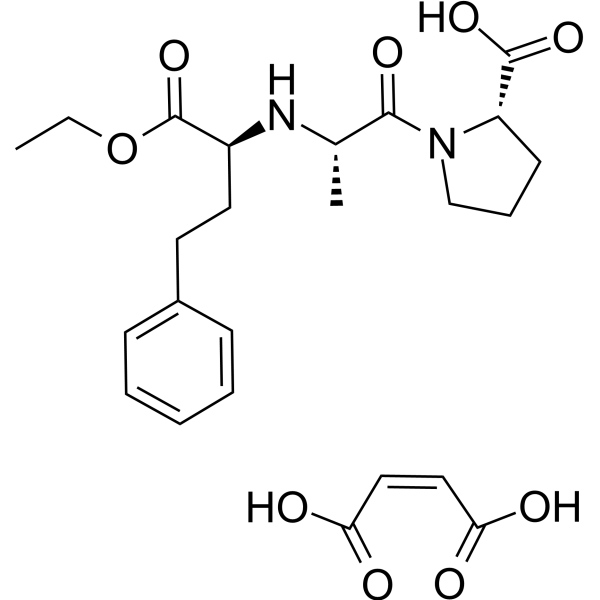
Cat. No.: HY-B0331A
CAS No.: 76095-16-4
Synonyms: MK-421 maleate
Enalapril maleate (MK-421 maleate) is an orally active angiotensin-converting enzyme inhibitor. Enalapril maleate blocks the conversion of angiotensin I to angiotensin II, regulates the renin-angiotensin system, reduces preload and afterload, and decreases plasma angiotensin II levels. Enalapril maleate inhibits apoptosis, reduces nitric oxide metabolite levels, stabilizes endothelial cells, enhances endothelial antioxidant defense, scavenges reactive oxygen species (ROS), and alleviates neuronal damage. Enalapril maleate attenuates glutathione depletion, protein/lipid oxidation, tissue damage, and type III collagen immunolabeling in organs of diabetic rats. Enalapril maleate reduces systolic blood pressure and urinary albumin excretion, and delays the progression of diabetic cardiac/renal injury. Enalapril maleate is used in research related to asymptomatic left ventricular dysfunction, congestive heart failure, Alzheimer's disease, diabetes mellitus, acute myocardial infarction, atrial fibrillation, hypertension, cerebral ischemia, chronic heart failure, and single-ventricle physiology .
loading...
    loading...
6
6 Cited Publications
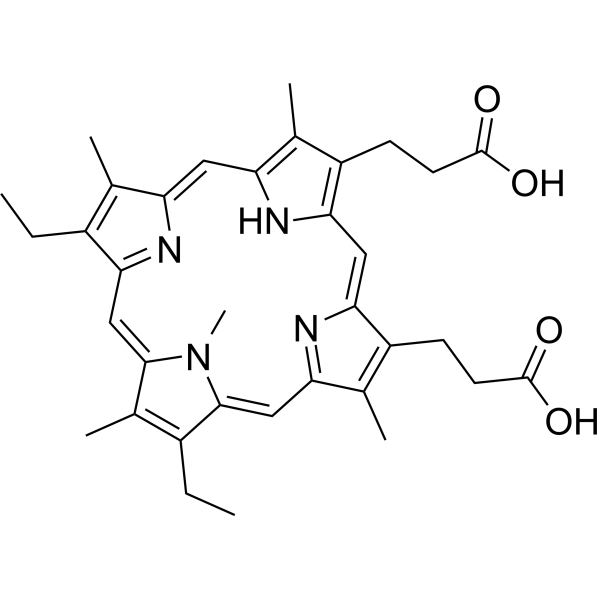
Cat. No.: HY-133821
CAS No.: 142234-85-3
Purity:  97.83%
N-Methylmesoporphyrin IX (NMM), a widely used G-quadruplex DNA specific fluorescent binder, is an efficient probe for monitoring Aβ fibrillation. N-Methylmesoporphyrin IX is an in situ inhibitor and an ex situ monitor for Aβ amyloidogenesis both in vitro and in cells. N-Methylmesoporphyrin IX is sensitive to G-quadruplexes DNA but has no response to duplexes, triplexes and single-stranded forms DNA. N-Methylmesoporphyrin IX is nonfluorescent alone or in monomeric Aβ environments, but emits strong fluorescence through stacking with the Aβ assemblies .
loading...
    loading...
5
5 Cited Publications
Cat. No.: HY-17566
CAS No.: 1405-37-4
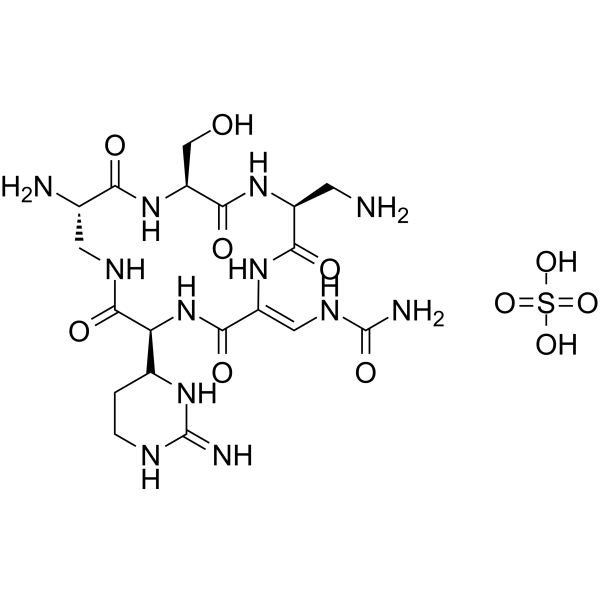
Capreomycin sulfate is a macrocyclic peptide antibiotic that inhibits phenylalanine synthesis in mycobacterial ribosomal translation. Capreomycin sulfate has anti-amyloidogenic and pro-fibrinolytic activities, reducing amyloid-induced cytotoxicity by inhibiting the occurrence of amyloid fibrillation. Capreomycin sulfate can be used in the study of multidrug-resistant tuberculosis, type 2 diabetes, Alzheimer's disease and Parkinson's disease .
loading...
    loading...
4
4 Cited Publications
Cat. No.: HY-10274
CAS No.: 211915-06-9
Purity:  99.84%
Synonyms: BIBR 1048
Target:  

Thrombin

Research Areas:  

Cardiovascular Disease

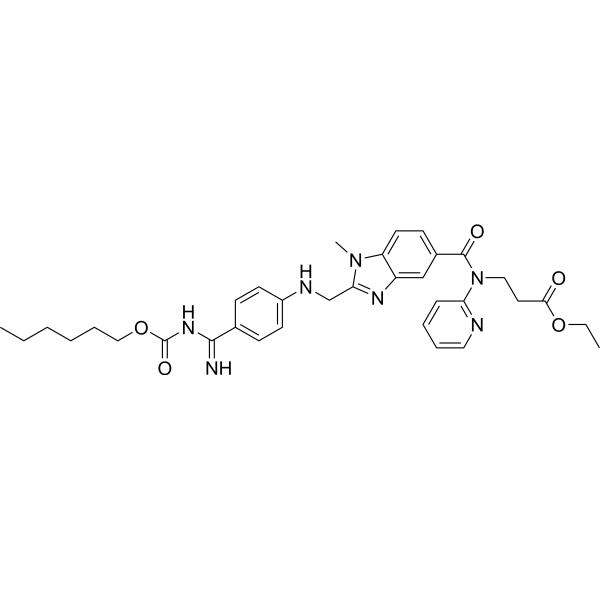
Dabigatran etexilate (BIBR 1048) is an orally active proagent of Dabigatran (a direct inhibitor of thrombin). Dabigatran etexilate has anticoagulant effects and is used for the prophylaxis of venousthromboembolism and stroke due to atrial fibrillation .
loading...
    loading...
4
4 Cited Publications
Cat. No.: HY-A0016
CAS No.: 141626-36-0
Synonyms: SR 33589
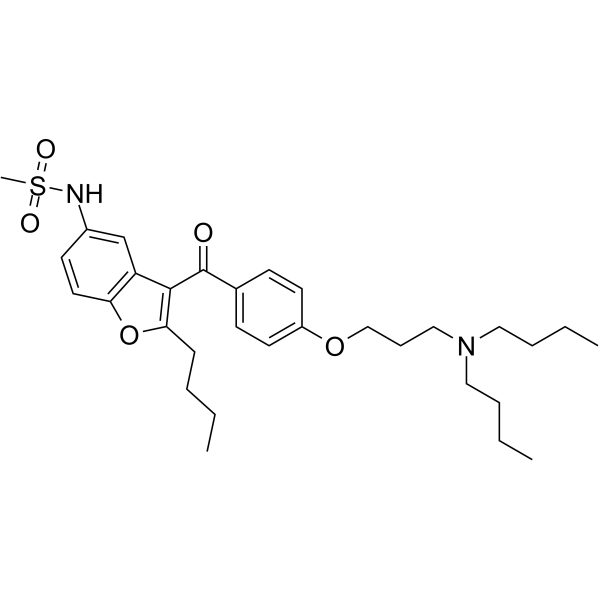
Dronedarone (SR 33589), a derivative of amiodarone (HY-14187), is a class III antiarrhythmic agent for the study of atrial fibrillation (AF) and atrial flutter. Dronedarone is a potent blocker of multiple ion currents, including potassium current, sodium current, and L-type calcium current, and exhibits antiadrenergic effects by noncompetitive binding to β-adrenergic receptors. Dronedarone is a substrate for and a moderate inhibitor of CYP3A4 .
loading...
    loading...
4
4 Cited Publications
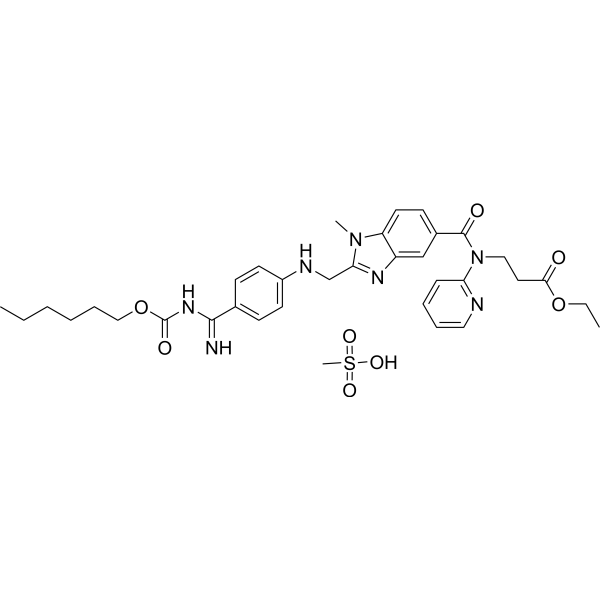
Cat. No.: HY-10274A
CAS No.: 872728-81-9
Purity:  99.77%
Synonyms: BIBR 1048MS; Dabigatran etexilate methanesulfonate
Target:  

Thrombin

Research Areas:  

Cardiovascular Disease

Dabigatran etexilate mesylate (BIBR 1048MS) is an orally active proagent of Dabigatran (a direct inhibitor of thrombin). Dabigatran etexilate mesylate has anticoagulant effects and is used for the prophylaxis of venousthromboembolism and stroke due to atrial fibrillation .
loading...
    loading...
4
4 Cited Publications
Cat. No.: HY-B0512
CAS No.: 127-79-7
Synonyms: RP2632
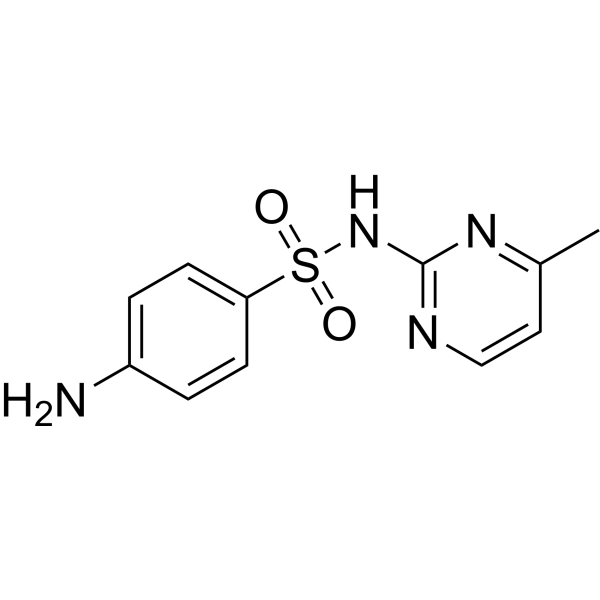
Sulfamerazine (RP2632) is a brain-penetrant and orally active sulfonamide antibiotic and α-synuclein inhibitor with human α-synuclein KD of 352 μM. Sulfamerazine inhibits the synthesis of dihydrofolate by bacteria, thereby inhibiting bacterial growth. Sulfamerazine inhibits α-synuclein fibrillation, reduces α-synuclein aggregation-associated toxicity and α-synuclein aggregate accumulation. Sulfamerazine can be used for the research of Parkinson’s disease and bacterial infection .
loading...
    loading...
2
2 Cited Publications
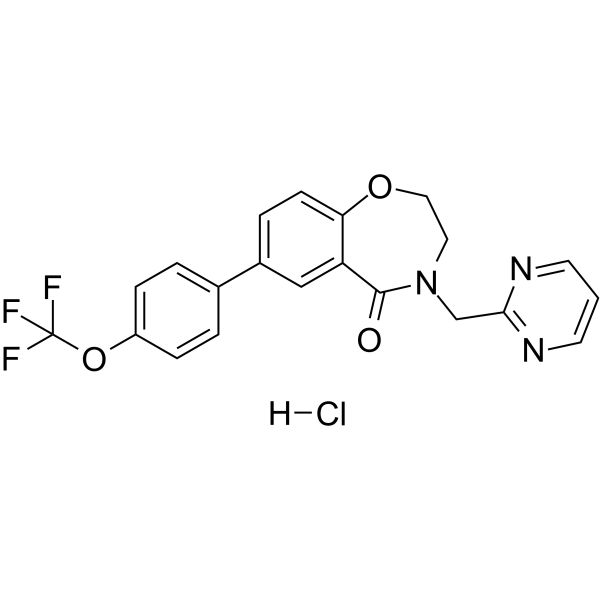
Cat. No.: HY-16738A
CAS No.: 1448754-43-5
Synonyms: GS 6615 hydrochloride
Research Areas:  

Cardiovascular Disease

Eleclazine (GS 6615) hydrochloride is a selective cardiac late sodium current inhibitor and a weak inhibitor of potassium current with IC50 value of <1 μM and approximately 14.2 μM, respectively. Eleclazine hydrochloride shows concurrent protection against autonomically induced atrial premature beats, repolarization alternans and heterogeneity, and atrial fibrillation in porcine model. Eleclazine hydrochloride can be used to research cardiac arrhythmias .
loading...
    loading...
2
2 Cited Publications
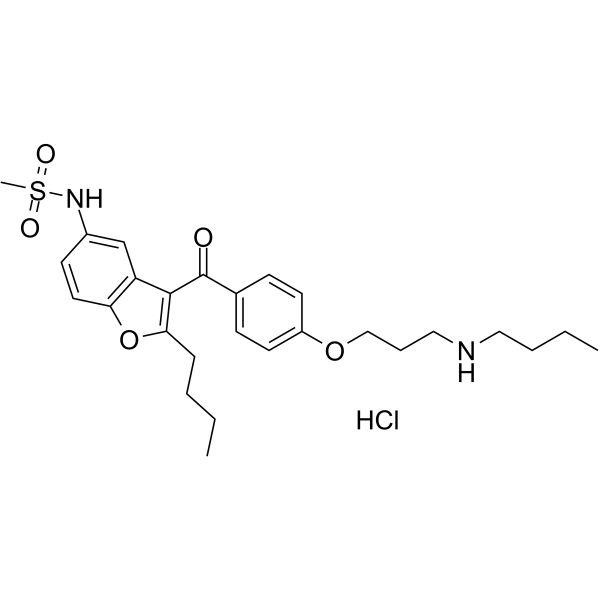
Cat. No.: HY-12753A
CAS No.: 197431-02-0
Purity:  98.73%
Synonyms: SR35021 hydrochloride
Debutyldronedarone hydrochloride (SR35021 hydrochloride) is a Cytochrome P450 enzyme inhibitor and a Thyroid Hormone Receptor inhibitor, and it is a metabolite of Dronedarone (HY-A0016). Debutyldronedarone hydrochloride inhibits the binding of T3 to TRα1 and TRβ1. Debutyldronedarone hydrochloride reduces the incidence of reperfusion-induced ventricular fibrillation in anesthetized rats, while decreasing their heart rate and blood pressure. Debutyldronedarone hydrochloride can be used in studies related to ventricular fibrillation and atrial fibrillation .
loading...
    loading...
2
2 Cited Publications
Cat. No.: HY-18600A
CAS No.: 149888-94-8
Synonyms: NE-10064 dihydrochloride
Azimilide (NE-10064) dihydrochloride is a class III antiarrhythmic agent, which works by blocking potassium channels in the heart. Azimilide dihydrochloride is a dual blocker of IKs (IC50 = 2.6 μM (2mM [K⁺]ₑ)) and IKr (IC50 = 1 μM (4 mM [K⁺])). Azimilide dihydrochloride blocked HERG channel at 0.1 and 1 Hz with IC50s of 1.4 μM and 5.2 μM respectively. Azimilide dihydrochloride also inhibits L-type calcium current (ICa) (IC50 = 17.8 μM) and sodium current (INa) (IC50 = 19 μM). Azimilide dihydrochloride can be used for the study of atrial fibrillation and ventricular fibrillation .
loading...
    loading...
2
2 Cited Publications
Cat. No.: HY-18600
CAS No.: 149908-53-2
Synonyms: NE-10064
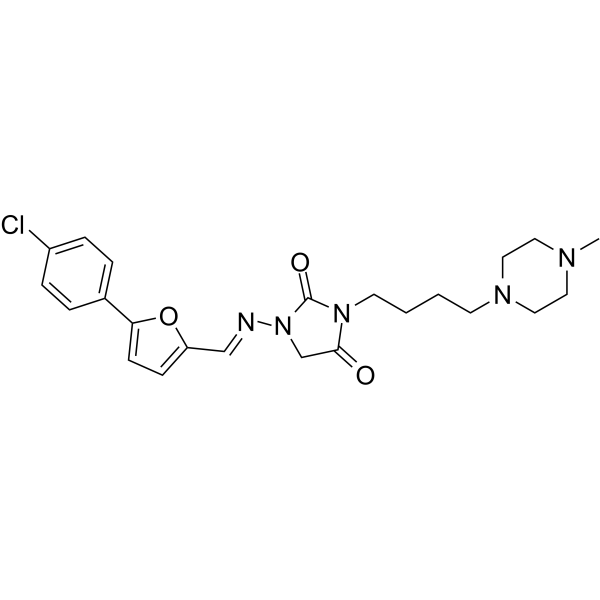
Azimilide (NE-10064) is a class III antiarrhythmic agent, which works by blocking potassium channels in the heart. Azimilide is a dual blocker of IKs (IC50 = 2.6 μM (2mM [K⁺]ₑ)) and IKr (IC50 = 1 μM (4 mM [K⁺])). Azimilide blocked HERG channel at 0.1 and 1 Hz with IC50s of 1.4 μM and 5.2 μM respectively. Azimilide also inhibits L-type calcium current (ICa) (IC50 = 17.8 μM) and sodium current (INa) (IC50 = 19 μM). Azimilide can be used for the study of atrial fibrillation and ventricular fibrillation .
loading...
    loading...
2
2 Cited Publications
Cat. No.: HY-16738
CAS No.: 1443211-72-0
Synonyms: GS-6615
Research Areas:  

Cardiovascular Disease

Eleclazine (GS 6615) is a selective cardiac late sodium current inhibitor and a weak inhibitor of potassium current with IC50 of <1 μM and approximately 14.2 μM, respectively. Eleclazine shows concurrent protection against autonomically induced atrial premature beats, repolarization alternans and heterogeneity, and atrial fibrillation in porcine model. Eleclazine can be used to research cardiac arrhythmias .
loading...
    loading...
1
1 Cited Publications
Cat. No.: HY-103175
CAS No.: 524944-72-7
Purity:  ≥99.0%
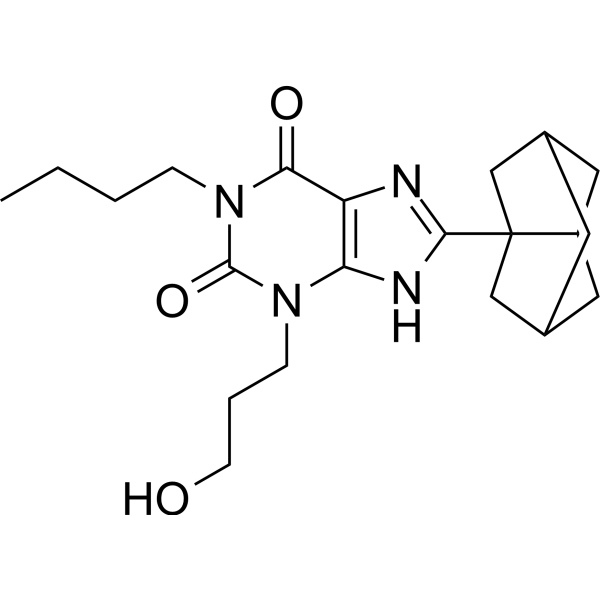
PSB36 is a highly selective A1 adenosine receptor antagonist, with a Ki of 0.12 nM and a Kd of 0.7 nM. Systemic administration of PSB36 reduces formalin- and Carrageenan (HY-125474)-induced edema in mice and decreases pain-related behaviors, with no local paw activity. PSB36 prolongs the APD90 of rat and human atria, produces a frequency-dependent prolongation of rat atrial ERP, increases the diastolic threshold of rat atria, and shortens the duration of atrial fibrillation episodes. PSB36 can be used in research related to inflammatory pain, inflammatory hyperalgesia, edema and atrial fibrillation .
loading...
    loading...
1
1 Cited Publications
Cat. No.: HY-106225
CAS No.: 355151-12-1
Purity:  99.50%
Synonyms: ZP123
Target:  

Gap Junction Protein

Research Areas:  

Cardiovascular Disease

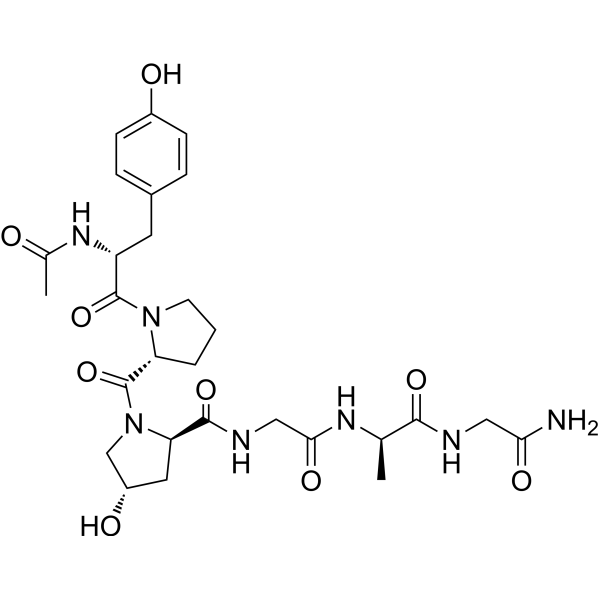
Rotigaptide (ZP123) is a novel and specific modulator of connexin 43 (Cx43). Rotigaptide prevents the uncoupling of Cx43-mediated gap junction communication and normalizes cell-to-cell communication during acute metabolic stress. Rotigaptide is a potent antiarrhythmic peptide (AAP) with improved stability and has the potential for the investigation of cardiac arrhythmias-specifically atrial fibrillation .
loading...
    loading...
1
1 Cited Publications
Cat. No.: HY-100712
CAS No.: 43077-30-1
Purity:  98.39%
DPO-1 is a potent Kv1.5 and Kv1.3 (EC50 = 3.1 μM) channels inhibitor with potential immunomodulatory and anti-inflammatory effects. DPO-1 reduces Kv1.3 current density, blunts Ca 2+ influx in Ca 2+-depleted Jurkat cells, and inhibits IL-2 secretion in activated Jurkat cells. DPO-1 inhibits Uric acid sodium (HY-B2130A) (MSU)-induced NLRP3 inflammasome activation by blocking Kv1.5-mediated K + efflux. DPO-1 can be used for the study of immunologic disorders and atrial fibrillation .
loading...
    loading...
1
1 Cited Publications
Cat. No.: HY-P1604
CAS No.: 60748-45-0
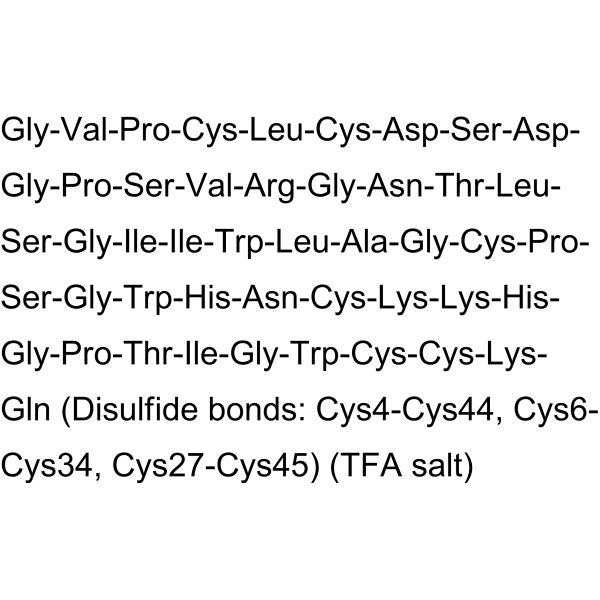
ATX-II is a selective sodium channel modulator toxin. ATX-II enhances late sodium current, prevents full sodium channel inactivation, and generates persistent current fractions. ATX-II has pro-arrhythmic effect. ATX-II slows intrinsic heart rate, prolongs QT interval and sinus node recovery time, and causes sinus pauses and arrests. ATX-II can be used for the research of atrial fibrillation, long QT syndrome, and long QT3 syndrome .
loading...
    loading...
1
1 Cited Publications
Cat. No.: HY-P1604A
ATX-II TFA is a selective sodium channel modulator toxin. ATX-II TFA enhances late sodium current, prevents full sodium channel inactivation, and generates persistent current fractions. ATX-II TFA has pro-arrhythmic effect. ATX-II TFA slows intrinsic heart rate, prolongs QT interval and sinus node recovery time, and causes sinus pauses and arrests. ATX-II TFA can be used for the research of atrial fibrillation, long QT syndrome, and long QT3 syndrome .
loading...
    loading...
1
1 Cited Publications
Cat. No.: HY-160831
CAS No.: 74447-88-4
Synonyms: PQQ-TME
Target:  

α-synuclein

Research Areas:  

Neurological Disease

PQQ-trimethylester (PQQ-TME) is a synthetic compound that is a trimethylester derivative of pyrroloquinoline quinone (PQQ). PQQ-trimethylester has twice the blood-brain barrier permeability of PQQ (HY-100196) in vitro. In addition, PQQ-trimethylester shows strong inhibitory activity against α-synuclein, amyloid β1-42 (Aβ1-42) and prion protein fibrillation. PQQ-trimethylester can be used in the study of neurodegenerative diseases .
loading...
    loading...
1
1 Cited Publications
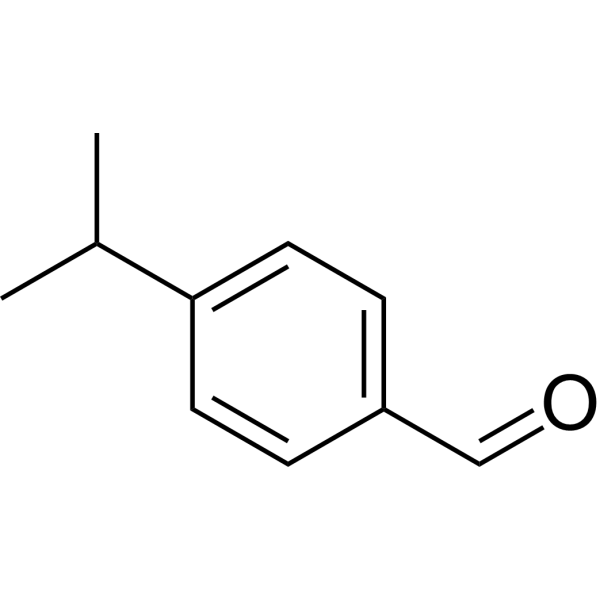
Cat. No.: HY-Y0790
CAS No.: 122-03-2
Synonyms: p-Isopropylbenzaldehyde
Cuminaldehyde is the main component of Cuminum cyminum and has multiple biological activities, including anti-inflammatory, anti-cancer, anti-diabetic, anti-injury, anti-neuropathy and antibacterial effects. Cuminaldehyde is an inhibitor of aldose reductase (IC50= 0.00085 mg/mL), α-glucosidase (IC50=0.5 mg/mL) and lipoxygenase (IC50=1370 μM). Cuminaldehyde also inhibits the fibrillation of α-synuclein and prevents its aggregation. Cuminaldehyde has potential application value in the research of neurodegenerative diseases, cancer, diabetes and neuropathic pain diseases .
loading...
    loading...

