
1. Search Result
Search Result
Results for "

hyaluronic acid

" in MedChemExpress (MCE) Product Catalog:

139

Inhibitors & Agonists

91

Fluorescent Dyes

11

Biochemical Assay Reagents

6

Peptides

3

Inhibitory Antibodies

6

Natural
Products

3

Recombinant Proteins

1

Isotope-Labeled Compounds

5

Antibodies

1

Oligonucleotides

Cat. No. Product Name Target Research Areas Chemical Structure
  • HY-107910
    Hyaluronidase, Bovine testes
    15+ Cited Publications

    Hyaluronate 4-glycanohydrolase, Bovine testes; Hyaluronoglucosaminidase, Bovine testes

    NF-κB Inflammation/Immunology Cancer
    Hyaluronidase, Bovine testes (Hyaluronate 4-glycanohydrolase; Hyaluronoglucosaminidase) is an endoglycosidase that depolymerizes Hyaluronic acid (HA) (HY-B0633A) by cleavage of glycosidic bonds. Hyaluronidase degrades HA and activates membrane receptors that trigger pathways converging in NF-κB activation. Hyaluronidase is employed in the research of granulomatous foreign body reactions, soft-tissue necrosis caused by vascular compromise and uncomplicated nodules, overcorrection, inflamed nodules or tissue ischemia associated with HA filler injection .
    Hyaluronidase, Bovine testes
  • HY-B0633
    Hyaluronic acid sodium
    Maximum Cited Publications
    18 Publications Verification

    Sodium hyaluronate

    Endogenous Metabolite Bacterial PI3K Akt Inflammation/Immunology Cancer
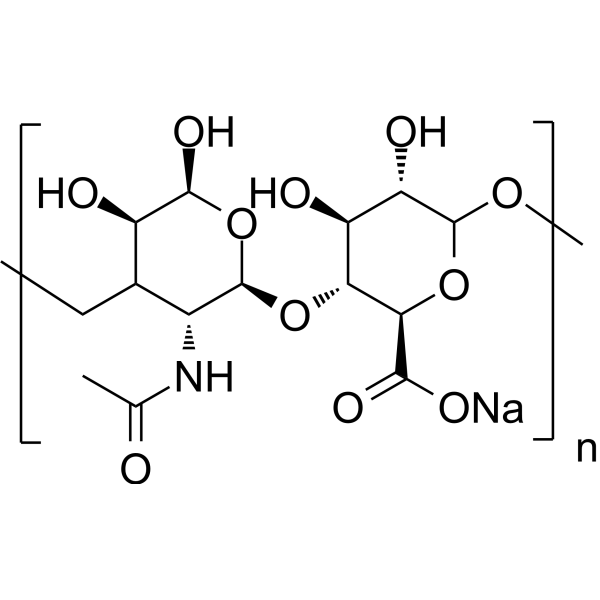
    Hyaluronic acid sodium (Sodium hyaluronate) is a biopolymer composed of repeating units of disaccharides with various applications. Hyaluronic acid sodium is a major component of the extracellular matrix (ECM). Hyaluronic acid sodium is synthesized at the plasma membrane. Increased hyaluronic acid sodium levels are associated with tumor cell growth, adhesion, migration, invasion and angiogenesis in digestive cancers. Hyaluronic acid sodium participates in tissue remodeling and rapid cell proliferation in some physiological processes including embryonic morphogenesis and wound-healing. Hyaluronic acid sodium activates the PI3K-Akt signaling. Hyaluronic acid sodium acts as a regulator of cancer-associated lymphangiogenesis. Hyaluronic acid sodium also enhances cell invasion and angiogenesis by promoting proteolytic MMP-9 binding to cell surface or stimulating MMP-9 binding to cell surface. Hyaluronic acid sodium can be used as drug delivery for sodium butyrate to improve the anti-proliferative activity on breast cancer cell line. Hyaluronic acid sodium can be studied in joint diseases, wound healing and cancer .
    Hyaluronic acid sodium
  • HY-B0633A
    Hyaluronic acid
    15+ Cited Publications

    Hyaluronan; Hyaluronate

    Endogenous Metabolite Bacterial Akt PI3K Infection Neurological Disease Inflammation/Immunology Cancer
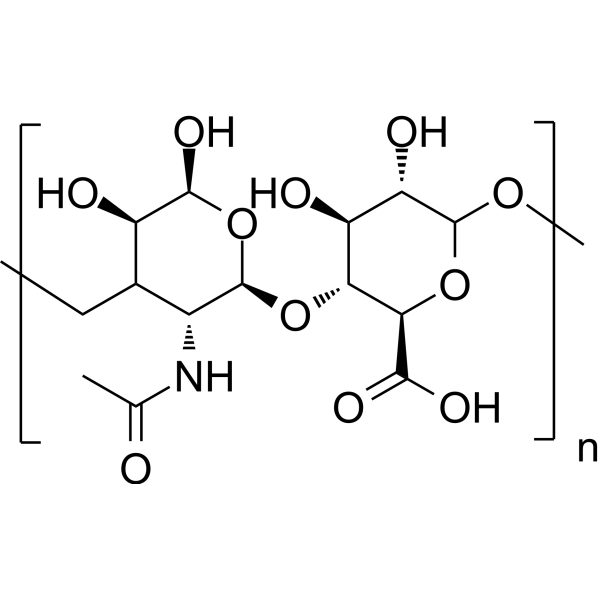
    Hyaluronic acid is a biopolymer composed of repeating units of disaccharides with various applications. Hyaluronic acid is a major component of the extracellular matrix (ECM). Hyaluronic acid is synthesized at the plasma membrane. Increased hyaluronic acid levels are associated with tumor cell growth, adhesion, migration, invasion and angiogenesis in digestive cancers. Hyaluronic acid participates in tissue remodeling and rapid cell proliferation in some physiological processes including embryonic morphogenesis and wound-healing. Hyaluronic acid activates the PI3K-Akt signaling. Hyaluronic acid acts as a regulator of cancer-associated lymphangiogenesis. Hyaluronic acid also enhances cell invasion and angiogenesis by promoting proteolytic MMP-9 binding to cell surface or stimulating MMP-9 binding to cell surface. Hyaluronic acid can be used as drug delivery for sodium butyrate to improve the anti-proliferative activity on breast cancer cell line. Hyaluronic acid can be studied in joint diseases, wound healing and cancer .
    Hyaluronic acid
  • HY-N0187
    4-Methylumbelliferone
    5+ Cited Publications

    Hymecromone; 4-MU

    Others Cardiovascular Disease Cancer
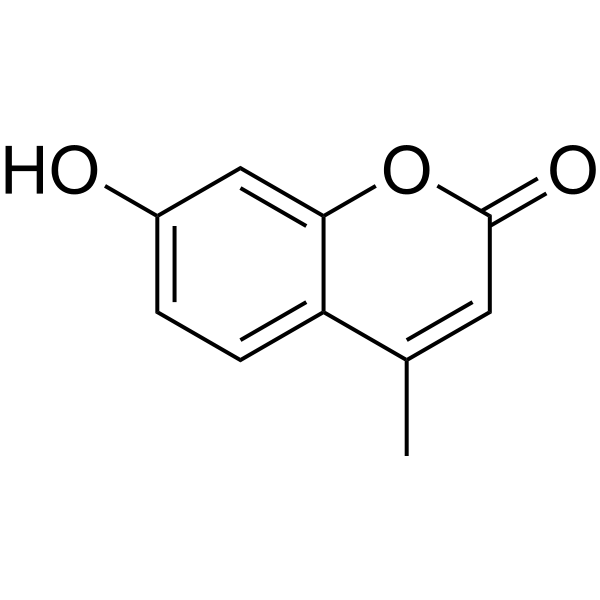
    4-Methylumbelliferone is a hyaluronic acid biosynthesis inhibitor with antitumoral and antimetastatic effects.
    4-Methylumbelliferone
  • HY-108903

    Vorhyaluronidase alfa; rHuPH 20

    Biochemical Assay Reagents Glycosidase Metabolic Disease
    Hyaluronidase (human recombinant) (Vorhyaluronidase alfa; rHuPH 20) is an enzyme that catalyzes the degradation of hyaluronic acid. Hyaluronidase (human recombinant) is used to improve the absorption and dispersal of parenteral fluids, medications, and contrast media .
    Hyaluronidase (human recombinant)
  • HY-108903A
    Hyaluronidase, Ovine testes
    10+ Cited Publications

    Glycosidase Biochemical Assay Reagents Endocrinology
    Hyaluronidase, Ovine testes is an endoglycosidase. Hyaluronidase, Ovine testes specifically degrades Hyaluronic acid (HY-B0633A) and Chondroitin sulfate (HY-B2162) by hydrolyzing β-glycosidic bonds in acidic mucopolysaccharides. Hyaluronidase, Ovine testes disperses follicular cells during fertilization by breaking down the hyaluronic acid-rich cumulus. Hyaluronidase, Ovine testes can be used in the study of fertility-related diseases .
    Hyaluronidase, Ovine testes
  • HY-B0633C

    Biochemical Assay Reagents Interleukin Related Atg8/LC3 Inflammation/Immunology
    Hyaluronic acid (Mw: 1000-2000 Da) is a long-chain unbranched polysaccharide with a molecular weight of 1000-2000 Da. Hyaluronic acid (Mw: 2000 Da) inhibits IL-1β expression and increases LC3-II. Hyaluronic acid (Mw: 1000-2000Da) can regulate tissue homeostasis and stress resistance, promote angiogenesis and tissue remodeling. Hyaluronic acid (Mw: 1000-2000 Da) has good biocompatibility and biodegradability, and can be used in drug delivery systems and tissue engineering. Hyaluronic acid (Mw: 2000 Da) can reduce facial skin blemishes and sagging .
    Hyaluronic acid (Mw:1000-2000Da)
  • HY-149898

    Transmembrane Glycoprotein CD44 Cancer
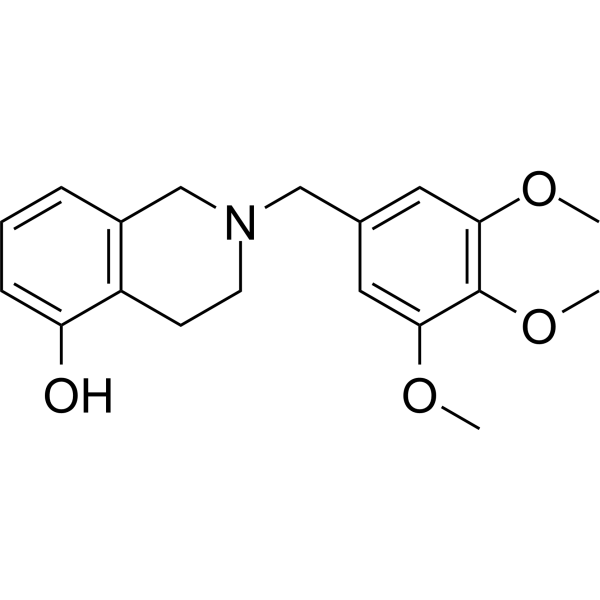
    HA-CD44 interaction inhibitor 1 is a CD44 inhibitor that can inhibit the interaction between Hyaluronic acid (HA) (HY-B0633A) and CD44. HA-CD44 interaction inhibitor 1 exerts an antiproliferative effect on CD44+ cancer cell lines. HA-CD44 interaction inhibitor 1 can be used for the research of cancer .
    HA-CD44 interaction inhibitor 1
  • HY-B0633D

    CD44 Endogenous Metabolite Bacterial Akt PI3K Neurological Disease Metabolic Disease Inflammation/Immunology Cancer
    Hyaluronic acid sodium (MW 200-1560) is a biopolymer composed of repeating disaccharide units, with a molecular weight of 200-1560. Hyaluronic acid sodium is a major component of the extracellular matrix (ECM). It is synthesized on the plasma membrane. Hyaluronic acid sodium exerts its effects by binding to receptors CD44 and RHAMM. Hyaluronic acid sodium activates PI3K-Akt signaling. Hyaluronic acid sodium also enhances cell invasion and angiogenesis by promoting or stimulating the binding of proteolytic MMP-9 to the cell surface. Elevated hyaluronic acid levels are associated with tumor cell growth, adhesion, migration, invasion, and angiogenesis in digestive system cancers. Hyaluronic acid sodium is involved in tissue remodeling and rapid cell proliferation in several physiological processes, including embryonic morphogenesis and wound healing. Hyaluronic acid sodium can be used as a regulator of cancer-associated lymphangiogenesis. Hyaluronic acid sodium can be used as a drug delivery carrier for sodium butyrate, enhancing its anti-proliferative activity against breast cancer cell lines. Hyaluronic acid sodium can lubricate the corneal endothelium. Hyaluronic acid sodium can improve tissue hydration and enhance the resistance of cells to mechanical damage. Hyaluronic acid sodium has been conjugated with antibodies to ensure that the active compound continues to exert its effects at the site of inflammation. Hyaluronic acid sodium can be used in research in the fields of osteoarthritis, ophthalmology, cosmetic dermatology, oncology, and liver diseases .
    Hyaluronic acid sodium (MW 200-1560)
  • HY-B0633E

    Hyaluronan, low endotoxin; Hyaluronate, low endotoxin

    Endogenous Metabolite CD44 Bacterial Akt PI3K Neurological Disease Metabolic Disease Inflammation/Immunology Cancer
    Hyaluronic acid, low endotoxin (Hyaluronan, low endotoxin) is a biopolymer composed of repeating disaccharide units containing low levels of endotoxin. Hyaluronic acid is a major component of the extracellular matrix (ECM). It is synthesized on the plasma membrane. Hyaluronic acid exerts its effects by binding to receptors CD44 and RHAMM. Hyaluronic acid activates PI3K-Akt signaling. Hyaluronic acid also enhances cell invasion and angiogenesis by promoting or stimulating the binding of proteolytic MMP-9 to the cell surface. Elevated hyaluronic acid levels are associated with tumor cell growth, adhesion, migration, invasion, and angiogenesis in digestive system cancers. Hyaluronic acid is involved in tissue remodeling and rapid cell proliferation in several physiological processes, including embryonic morphogenesis and wound healing. Hyaluronic acid can be used as a regulator of cancer-associated lymphangiogenesis. Hyaluronic acid can be used as a drug delivery carrier for sodium butyrate, enhancing its anti-proliferative activity against breast cancer cell lines. Hyaluronic acid can lubricate the corneal endothelium. Hyaluronic acid can improve tissue hydration and enhance the resistance of cells to mechanical damage. Hyaluronic acid has been conjugated with antibodies to ensure that the active compound continues to exert its effects at the site of inflammation. Hyaluronic acid can be used in research in the fields of osteoarthritis, ophthalmology, cosmetic dermatology, oncology, and liver diseases .
    Hyaluronic acid, low endotoxin
  • HY-B0633B

    Hyaluronan (MW 50000-100000); Hyaluronate (MW 50000-100000)

    Biochemical Assay Reagents PI3K Others
    Hyaluronic acid (MW 50000-100000) (Hyaluronan (MW 50000-100000)) is a biopolymer composed of repeating units of disaccharides with a molecular weight of 50000-100000 Da. Hyaluronic acid (MW 50000-100000) can be used as a drug carrier for drug delivery .
    Hyaluronic acid (MW 50000-100000)
  • HY-B0633I

    Endogenous Metabolite Bacterial PI3K Akt Inflammation/Immunology Cancer
    Hyaluronic acid sodium (MW 800kDa) is a biopolymer composed of repeating units of disaccharides with various applications. Hyaluronic acid sodium is a major component of the extracellular matrix (ECM). Hyaluronic acid sodium is synthesized at the plasma membrane. Increased hyaluronic acid sodium levels are associated with tumor cell growth, adhesion, migration, invasion and angiogenesis in digestive cancers. Hyaluronic acid sodium participates in tissue remodeling and rapid cell proliferation in some physiological processes including embryonic morphogenesis and wound-healing. Hyaluronic acid sodium activates the PI3K-Akt signaling. Hyaluronic acid sodium acts as a regulator of cancer-associated lymphangiogenesis. Hyaluronic acid sodium also enhances cell invasion and angiogenesis by promoting proteolytic MMP-9 binding to cell surface or stimulating MMP-9 binding to cell surface. Hyaluronic acid sodium can be used as drug delivery for sodium butyrate to improve the anti-proliferative activity on breast cancer cell line. Hyaluronic acid sodium can be studied in joint diseases, wound healing and cancer .
    Hyaluronic acid sodium (MW 800kDa)
  • HY-N6613

    Galacturonic acid polymer

    Others Infection Inflammation/Immunology
    Polygalacturonic acid (Galacturonic acid polymer) is transparent colloid, is a major component of the cell wall. Polygalacturonic acid can be used to prepare silver nanoparticles (AgNPs), as an antioxidant and anti-inflammatory that protect cells from destructive effect of elevated ROS and accelerate wound healing. Polygalacturonic acid nanoparticles also displays anti-bacterial activity .
    Polygalacturonic acid
  • HY-P0104

    Collagen Metabolic Disease
    Palmitoyl tripeptide-38 is a lipopeptide that increases the production of dermal and epidermal collagen, fibronectin, and hyaluronic acid. Palmitoyl tripeptide-38 is used in research related to skin aging (fine lines, wrinkles, reduced skin elasticity, decreased skin water content, uneven skin tone) .
    Palmitoyl tripeptide-38
  • HY-W002879

    Reactive Oxygen Species (ROS) Inflammation/Immunology
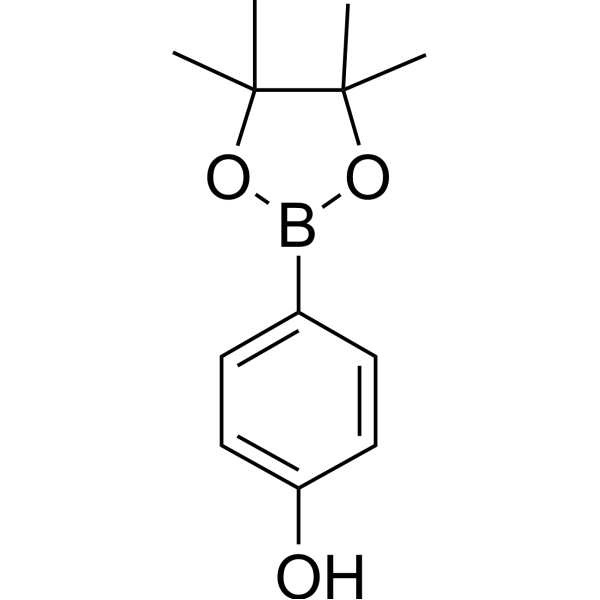
    4-Hydroxyphenylboronic acid pinacol ester is a ROS-responsive component. 4-Hydroxyphenylboronic acid pinacol ester can structurally modify hyaluronic acid to prepare ROS-responsive intelligent nanocarriers and compound delivery systems. 4-Hydroxyphenylboronic acid pinacol ester endows hyaluronic acid-based nanocarriers with ROS responsiveness, enabling them to rapidly release the encapsulated Curcumin (HY-N0005) in the presence of reactive oxygen species. 4-Hydroxyphenylboronic acid pinacol ester is applicable to research related to periodontitis. 4-Hydroxyphenylboronic acid pinacol ester can also be used for the synthesis of boronic acid-modified resins .
    4-Hydroxyphenylboronic acid pinacol ester
  • HY-N0187R

    Hymecromone (Standard); 4-MU (Standard)

    Reference Standards Others Cardiovascular Disease Cancer
    4-Methylumbelliferone (Standard) is the analytical standard of 4-Methylumbelliferone. This product is intended for research and analytical applications. 4-Methylumbelliferone is a hyaluronic acid biosynthesis inhibitor with antitumoral and antimetastatic effects.
    4-Methylumbelliferone (Standard)
  • HY-B0633O

    Endogenous Metabolite Bacterial Neurological Disease
    Hyaluronic acid (sodium) (MW 5000) is a biopolymer composed of repeating disaccharide units with a molecular weight of 5000. Hyaluronic acid (sodium) (MW 5000) can be used for dry-eye syndrome research .
    Hyaluronic acid sodium (MW 5000)
  • HY-158220

    HAMA (MW 400 kDa)

    Biochemical Assay Reagents Others
    Hyaluronic acid Methacryloyl (HAMA) is methacrylated hyaluronic acid that is biocompatible. Hyaluronic acid Methacryloyl is also used as a 3D printing hydrogel ink, which has the characteristics of fast photosensitive response, fast gelation speed and stable hydrogel performance. Hyaluronic acid Methacryloyl can quickly induce gelation with lithium phenyl-2,4,6-trimethylbenzoylphosphinate (LAP) under UV irradiation. The combination of Hyaluronic acid Methacryloyl and tissue-specific extracellular matrix (ECM) materials (such as pancreatic extracellular matrix (pECM)) will become an important source material for organoid culture .
    Hyaluronic acid Methacryloyl (MW 400 kDa)
  • HY-158220A

    HAMA (MW 150 kDa)

    Biochemical Assay Reagents Others
    Hyaluronic acid Methacryloyl (HAMA) MW 150 kDa is methacrylated hyaluronic acid that is biocompatible. Hyaluronic acid Methacryloyl is also used as a 3D printing hydrogel ink, which has the characteristics of fast photosensitive response, fast gelation speed and stable hydrogel performance. Hyaluronic acid Methacryloyl can quickly induce gelation with lithium phenyl-2,4,6-trimethylbenzoylphosphinate (LAP) under UV irradiation. The combination of Hyaluronic acid Methacryloyl and tissue-specific extracellular matrix (ECM) materials (such as pancreatic extracellular matrix (pECM)) will become an important source material for organoid culture .
    Hyaluronic acid Methacryloyl (MW 150 kDa)
  • HY-P5237

    Collagen Others
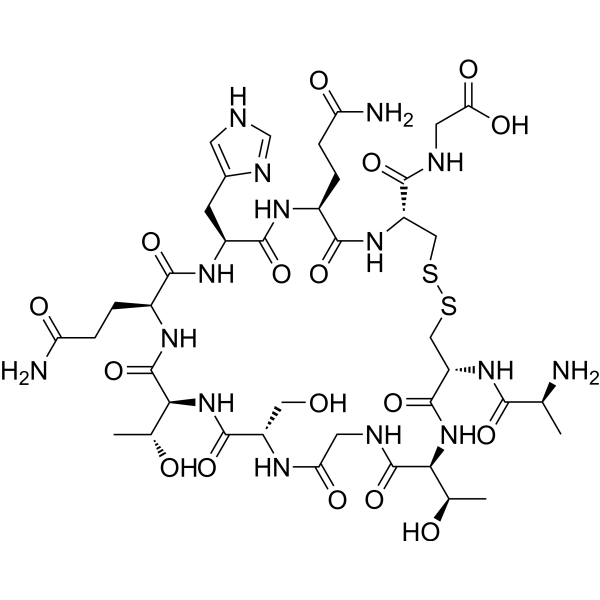
    Tetrapeptide-4 is a synthetic tetrapeptide. Tetrapeptide-4 upregulates hyaluronic acid synthetase, and collagen production in human dermal fibroblasts. Tetrapeptide-4 reduces skin aging, improves skin firmness, elasticity, and appearance, and benefits hair .
    Tetrapeptide-4
  • HY-Y0850U5

    Polyvinyl alcohol (Mw 27000, 98-99% hydrolyzed, ~600 polymerization); Poly(Ethenol) (Mw 27000, 98-99% hydrolyzed, ~600 polymerization)

    Biochemical Assay Reagents Fungal Infection
    PVA (Polyvinyl alcohol) (Mw 27000, 98-99% hydrolyzed, ~600 polymerization) is a nonionic ethanol homopolymer with hydrophilicity, water solubility and biodegradability. PVA (Mw 27000, 98-99% hydrolyzed, ~600 polymerization) exhibits biocompatibility, non-toxicity and non-carcinogenicity, as well as antibacterial activity against Gram-positive bacteria, Gram-negative bacteria and fungal strains. PVA (Mw 27000, 98-99% hydrolyzed, ~600 polymerization) can serve as a solubilizer, stabilizer, mucoadhesive agent and sustained-release agent, and has a synergistic solubilizing effect on voriconazole/sulfobutyl ether β-cyclodextrin complexes. By stabilizing such complexes, PVA (Mw 27000, 98-99% hydrolyzed, ~600 polymerization) forms freeze-thaw hydrogels with high mucoadhesion, sustained drug release and ex vivo corneal permeability. When compounded with hyaluronic acid hydrogels, PVA (Mw 27000, 98-99% hydrolyzed, ~600 polymerization) supports chondrocyte growth in vitro, and also forms complexes with Cu 2+, Co 2+, Ni 2+ and Zn 2+ ions. PVA (Mw 27000, 98-99% hydrolyzed, ~600 polymerization) can be used in studies related to fungal keratitis, bacterial infections and fungal infections .
    PVA (Mw 27000, 98-99% hydrolyzed, ~600 polymerization)
  • HY-D2640

    Fluorescent Dye Others
    Cy5 HA (MW 5000) is a hyaluronic acid labeled with CY5 (HY-D0821). Cy5 HA (MW 5000) is widely used for cell imaging and in vivo imaging of shallow tissue (Ex/Em = 633/670 nm).
    Cy5 HA (MW 5000)
  • HY-W540661

    Biochemical Assay Reagents Others
    Hyaluronic acid tetrasaccharide, 98% is a naturally occurring polysaccharide found in the extracellular matrix of connective tissues. Hyaluronic acid tetrasaccharide can be used as a substrate for enzyme assays to characterize hyaluronidases and other hyaluronic acid-degrading enzymes.
    Hyaluronic acid tetrasaccharide, 98%
  • HY-164069

    Biochemical Assay Reagents Others
    Aldehyde Sodium Hyaluronate is a hyaluronic acid derivative with good moisturizing properties and biocompatibility, and can be used in the research of pharmaceutical and cosmetic fields .
    Aldehyde Sodium Hyaluronate
  • HY-164066

    Biochemical Assay Reagents Others
    Sodium Acetylated Hyaluronate is an acetylated hyaluronic acid derivative with anti-wrinkle and deep skin penetration properties, which can be used in skin aging research and cosmetic development .
    Sodium Acetylated Hyaluronate
  • HY-D2647

    Fluorescent Dye Others
    Cy5 HA (MW 500000) is a hyaluronic acid labeled with CY5 (HY-D0821). Cy5 HA (MW 500000) is widely used for cell imaging and in vivo imaging of shallow tissue (Ex/Em = 633/670 nm).
    Cy5 HA (MW 500000)
  • HY-158220C

    HAMA (MW 50000)

    Biochemical Assay Reagents Others
    Hyaluronic acid methacryloyl (HAMA) (MW 50000) is a methacrylate-modified hyaluronic acid that serves as a hydrogel former, hydrolysis-resistant material, photocrosslinkable hydrogel scaffold, and drug delivery carrier for tissue engineering. Hyaluronic acid methacryloyl (MW 50000) forms hydrogels via photocrosslinking; when combined with AuMA NPs through a one-step photocrosslinking method, its effective swelling ratio increases, and the mechanical reinforcement effect of Au NPs compensates for the impact caused by reduced crosslinking density. Hyaluronic acid methacryloyl (MW 50000) can be combined with AuMA NPs via a one-step photocrosslinking method, enabling non-invasive monitoring of hydrogel degradation with contrast-enhanced micro-CT .
    Hyaluronic acid methacryloyl (MW 50000)
  • HY-164065

    Biochemical Assay Reagents Others
    Sodium Hyaluronate Hydroxypropyltrimonium Chloride is a modified form of hyaluronic acid that has been modified by adding positively charged hydroxypropyltrimonium chloride groups to improve its adsorption and retention on the skin. Sodium Hyaluronate Hydroxypropyltrimonium Chloride has good moisturizing and ionic properties and can be used in the research of pharmaceutical and cosmetic fields .
    Sodium Hyaluronate Hydroxypropyltrimonium Chloride
  • HY-D2645

    Fluorescent Dye Others
    Cy5 HA (MW 100000) is a hyaluronic acid labeled with CY5 (HY-D0821). Cy5 HA (MW 100000) is widely used for cell imaging and in vivo imaging of shallow tissue (Ex/Em = 633/670 nm).
    Cy5 HA (MW 100000)
  • HY-D2638

    Fluorescent Dye Others
    Cy5 HA (MW 3000) is a hyaluronic acid labeled with CY5 (HY-D0821). Cy5 HA (MW 3000) is widely used for cell imaging and in vivo imaging of shallow tissue (Ex/Em = 633/670 nm).
    Cy5 HA (MW 3000)
  • HY-164067

    Biochemical Assay Reagents Others
    Silylanization hyaluronate ester is a hyaluronate ester derivative with good moisturizing properties and biocompatibility, and can be used in cosmetic research .
    Silylanization hyaluronate ester
  • HY-D2642

    Fluorescent Dye Others
    Cy5 HA (MW 10000) is a hyaluronic acid labeled with CY5 (HY-D0821). Cy5 HA (MW 10000) is widely used for cell imaging and in vivo imaging of shallow tissue (Ex/Em = 633/670 nm).
    Cy5 HA (MW 10000)
  • HY-D2624

    Fluorescent Dye Others
    Cy3 HA (MW 10000) is a hyaluronic acid labeled with CY3 (HY-D0822). Cy3 HA (MW 10000) is widely used for cell imaging and in vivo imaging of shallow tissue (Ex/Em = 550/570 nm).
    Cy3 HA (MW 10000)
  • HY-D2625

    Fluorescent Dye Others
    Cy3 HA (MW 50000) is a hyaluronic acid labeled with CY3 (HY-D0822). Cy3 HA (MW 50000) is widely used for cell imaging and in vivo imaging of shallow tissue (Ex/Em = 550/570 nm).
    Cy3 HA (MW 50000)
  • HY-D2646

    Fluorescent Dye Others
    Cy5 HA (MW 200000) is a hyaluronic acid labeled with CY5 (HY-D0821). Cy5 HA (MW 200000) is widely used for cell imaging and in vivo imaging of shallow tissue (Ex/Em = 633/670 nm).
    Cy5 HA (MW 200000)
  • HY-D2676

    Fluorescent Dye Others
    Cy7 HA (MW 3000) is a hyaluronic acid labeled with CY7 (HY-D0825). Cy7 HA (MW 3000) is widely used for cell imaging and in vivo imaging of shallow tissue (Ex/Em = 740/770 nm).
    Cy7 HA (MW 50000)
  • HY-D2653

    Fluorescent Dye Others
    Cy5 HA biotin 3000 is a biotinylated hyaluronic acid labeled with CY5 (HY-D0821). Cy5 HA biotin 3000 is widely used for cell imaging and in vivo imaging of shallow tissues (Ex/Em = 633/670 nm).
    Cy5 HA biotin 3000
  • HY-D2663

    Fluorescent Dye Others
    Cy5.5 HA (MW 500000) is a hyaluronic acid labeled with CY5.5 (HY-D0924). Cy5.5 HA (MW 200000) is widely used for cell imaging and in vivo imaging of shallow tissue (Ex/Em = 680/710 nm).
    Cy5.5 HA (MW 500000)
  • HY-W097018

    Biochemical Assay Reagents Others
    Iomeprol intermediate-1 (compound 5) is an iodinated polysaccharide compound used in the synthesis of contrast agents. The amino group of Iomeprol intermediate-1 can be coupled to the carboxyl group of the D-glucuronide subunit of non-animal stable hyaluronic acid (NASHA), providing a water-soluble, radiopaque moiety .
    Iomeprol intermediate-1
  • HY-158220B

    HAMA (MW 10000)

    Biochemical Assay Reagents Others
    Hyaluronic acid methacryloyl (MW 10000) (HAMA (MW 10000)) is a Hyaluronic acid (HY-B0633A) derivative. Hyaluronic acid methacryloyl-based material system has been applied in many biomedical research fields .
    Hyaluronic acid methacryloyl (MW 10000)
  • HY-158220D

    HAMA (MW 300000)

    Biochemical Assay Reagents Inflammation/Immunology
    Hyaluronic acid methacryloyl (MW 300000) (HAMA (MW 300000)), a natural extracellular matrix (ECM) with anti-inflammatory effects, promoting cell adhesion and proliferation. Hyaluronic acid methacryloyl (MW 300000) can be widely used in tissue engineering and regenerative medicine. Hyaluronic acid methacryloyl (MW 300000) can rapidly form a hydrogel after exposure to UV light .
    Hyaluronic acid methacryloyl (MW 300000)
  • HY-D2621

    Fluorescent Dye Others
    Cy3 HA (MW 5000) is a hyaluronic acid labeled with CY3 (HY-D0822). Cy3 HA (MW 5000) is widely used for cell imaging and in vivo imaging of shallow tissue (Ex/Em = 550/570 nm).
    Cy3 HA (MW 5000)
  • HY-D2641

    Fluorescent Dye Others
    Cy5 HA (MW 7000) is a hyaluronic acid labeled with CY5 (HY-D0821). Cy5 HA (MW 7000) is widely used for cell imaging and in vivo imaging of shallow tissue (Ex/Em = 633/670 nm).
    Cy5 HA (MW 7000)
  • HY-D2677

    Fluorescent Dye Others
    Cy7 HA (MW 100000) is a hyaluronic acid labeled with CY7 (HY-D0825). Cy7 HA (MW 100000) is widely used for cell imaging and in vivo imaging of shallow tissue (Ex/Em = 740/770 nm).
    Cy7 HA (MW 100000)
  • HY-D2675

    Fluorescent Dye Others
    Cy7 HA (MW 10000) is a hyaluronic acid labeled with CY7 (HY-D0825). Cy7 HA (MW 10000) is widely used for cell imaging and in vivo imaging of shallow tissue (Ex/Em = 740/770 nm).
    Cy7 HA (MW 10000)
  • HY-N0187S

    Hymecromone-13C4; 4-MU-13C4

    Isotope-Labeled Compounds Cancer
    4-Methylumbelliferone- 13C4 (Hymecromone- 13C4) is the 13C-labeled 4-Methylumbelliferone (HY-N0187). 4-Methylumbelliferone is a hyaluronic acid biosynthesis inhibitor with antitumoral and antimetastatic effects.
    4-Methylumbelliferone-13C4
  • HY-D2643

    Fluorescent Dye Others
    Cy5 HA (MW 50000) is a hyaluronic acid labeled with CY5 (HY-D0821). Cy5 HA (MW 50000) is widely used for cell imaging and in vivo imaging of shallow tissue (Ex/Em = 633/670 nm).
    Cy5 HA (MW 50000)
  • HY-D2674

    Fluorescent Dye Others
    Cy7 HA (MW 7000) is a hyaluronic acid labeled with CY7 (HY-D0825). Cy7 HA (MW 7000) is widely used for cell imaging and in vivo imaging of shallow tissue (Ex/Em = 740/770 nm).
    Cy7 HA (MW 7000)
  • HY-D2622

    Fluorescent Dye Others
    Cy3 HA (MW 3000) is a hyaluronic acid labeled with CY3 (HY-D0822). Cy3 HA (MW 3000) is widely used for cell imaging and in vivo imaging of shallow tissue (Ex/Em = 550/570 nm).
    Cy3 HA (MW 3000)
  • HY-D2626

    Fluorescent Dye Others
    Cy3 HA (MW 100000) is a hyaluronic acid labeled with CY3 (HY-D0822). Cy3 HA (MW 100000) is widely used for cell imaging and in vivo imaging of shallow tissue (Ex/Em = 550/570 nm).
    Cy3 HA (MW 100000)

Inquiry Online

Your information is safe with us. * Required Fields.

Salutation


Country or Region *

Applicant Name *


Organization Name *

Department *


Email Address *


Product Name *

Cat. No.


Requested quantity *

Phone Number *


Remarks

Inquiry Online

Inquiry Information

Product Name:
Cat. No.:
Quantity:
MCE Japan Authorized Agent:

