


1. Search Result
Search Result
Results for "

inflammatory and immune disease

" in MedChemExpress (MCE) Product Catalog:

140

Inhibitors & Agonists

13

Screening Libraries

2

Biochemical Assay Reagents

12

Peptides

10

Inhibitory Antibodies

32

Natural
Products

8

Isotope-Labeled Compounds

3

Oligonucleotides

Cat. No. Product Name Target Research Areas Chemical Structure
  • HY-W011303
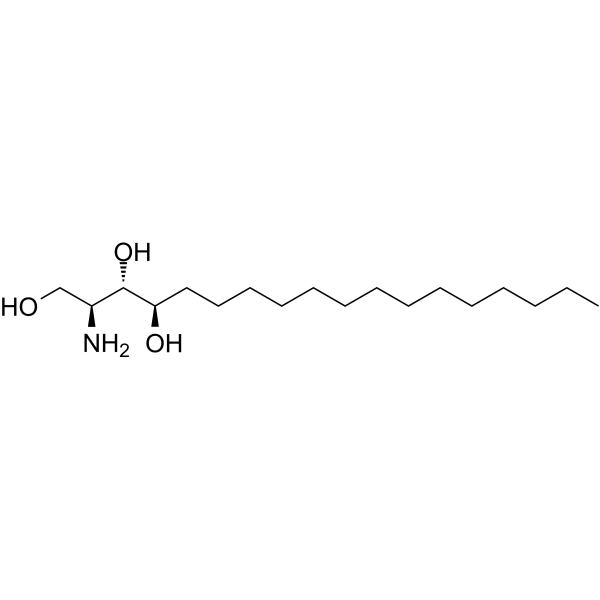
    Phytosphingosine
    4 Publications Verification

    4-Hydroxysphinganine

    Apoptosis Endogenous Metabolite Fungal Free Fatty Acid Receptor Infection Metabolic Disease Inflammation/Immunology Cancer
    Phytosphingosine is a phospholipid with anti-inflammatory, antibacterial, and anti-cancer activities, which can induce apoptosis. Phytosphingosine is an immune regulator and can be used in the study of inflammatory skin diseases. Phytosphingosine is also an activator of GPR120 with an IC50 value of 33.4 μM and can be used in the study of type II diabetes .
    Phytosphingosine
  • HY-150298
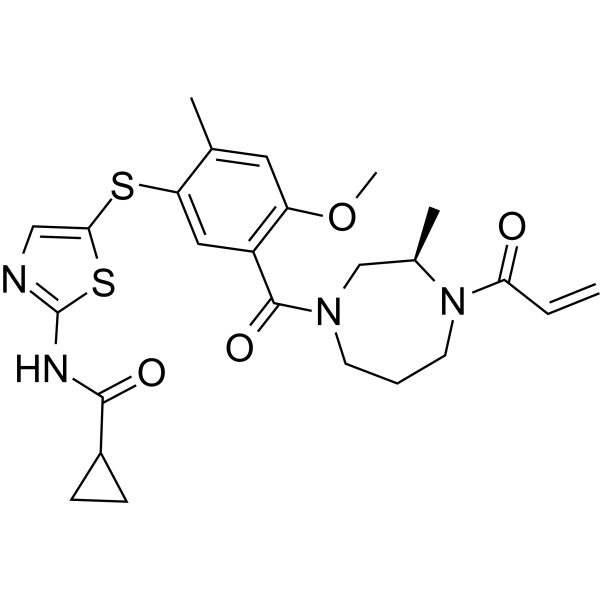
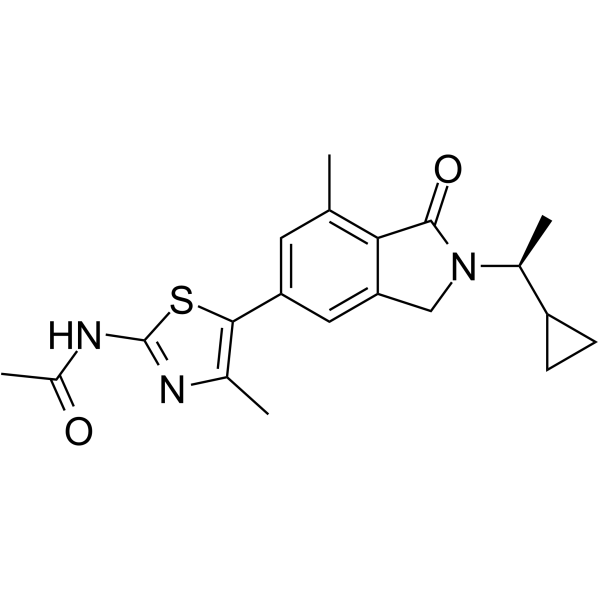
    Soquelitinib
    3 Publications Verification

    CPI-818

    Itk Inflammation/Immunology Cancer
    Soquelitinib (CPI-818) is an orally active and highly selective covalent interleukin-2-inducible kinase (ITK) inhibitor. Soquelitinib is active in six different models of T cell-mediated inflammatory and immune disease, including acute and chronic asthma, pulmonary fibrosis, systemic sclerosis (scleroderma), psoriasis, and acute graft versus host disease with Th2 cytokine product inhibition. Soquelitinib increases tumor infiltration of normal CD8 + cells that possess enhanced T effector function .
    Soquelitinib
  • HY-17629
    Dapansutrile
    5 Publications Verification

    NOD-like Receptor (NLR) Inflammation/Immunology Cancer
    Dapansutrile is a potent, orally active and selective NLRP3 inflammasome inhibitor. Dapansutrile has anti-inflammatory activity and decreases immune factor levels. Dapansutrile can be used for research of inflammatory diseases .
    Dapansutrile
  • HY-131166
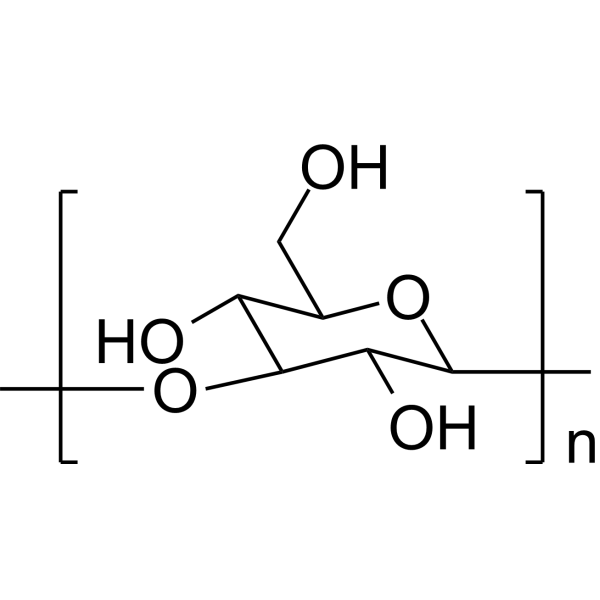
    Curdlan
    2 Publications Verification

    Bacterial Toll-like Receptor (TLR) NO Synthase C-type Lectin-like Receptors (CTLRs) Reactive Oxygen Species (ROS) Inflammation/Immunology
    Curdlan is a polysaccharide found in bacteria, consisting of a glucose homopolymer with β-1,3-glycosidic linkages . Curdlan can be recognized by Dectin-1 (a C-type lectin receptor), inducing immune responses in tissue mast cells and enhancing dendritic cell effects in tumor immunity. Curdlan holds potential for research in cancer and immune-inflammatory diseases .
    Curdlan
  • HY-N1178
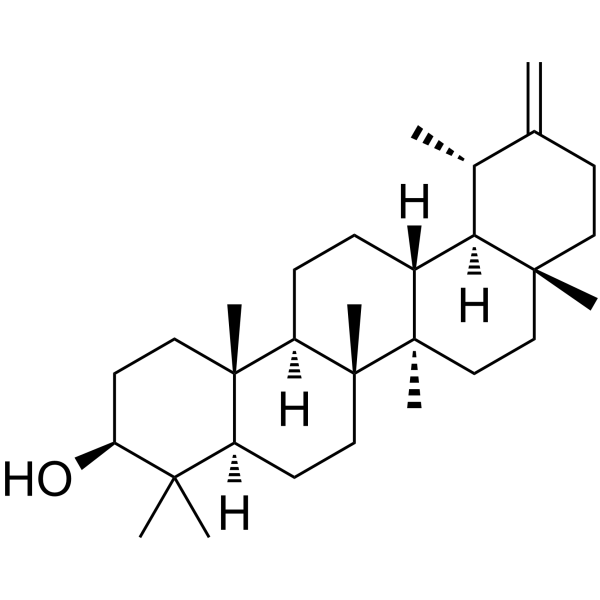
    Taraxasterol
    4 Publications Verification

    Interleukin Related LXR Inflammation/Immunology
    Taraxasterol is a pentacyclic triterpenoid compound isolated from Taraxacum mongolicum. Taraxasterol is an LXRα activator, with metabolic and anti-inflammatory effects. Taraxasterol may be used in research on immune-inflammatory diseases .
    Taraxasterol
  • HY-128754
    Monoolein
    1 Publications Verification

    Environmental Pollutants Endogenous Metabolite NO Synthase Interleukin Related TNF Receptor Inflammation/Immunology
    Monoolein is a biocompatible lipid molecule that can be used as a carrier for bone repair. Monoolein exhibits anti-inflammatory activity by inhibiting the immune response induced by LPS (HY-D1056). It exerts its anti-inflammatory effects by reducing the production of immune response factors such as IL-12 p40, IL-6, and TNF-α, and inhibiting the generation of NO. Monoolein can be used in drug delivery and research in the field of inflammatory diseases .
    Monoolein
  • HY-148068

    STING Inflammation/Immunology Cancer
    STING agonist-20 (compound 95) is a potent STING agonist used in the synthesis of XMT-2056. STING agonist-20 can be used as a vaccine adjuvant in the study of cancer and other inflammatory, immune diseases .
    STING agonist-20
  • HY-B0715
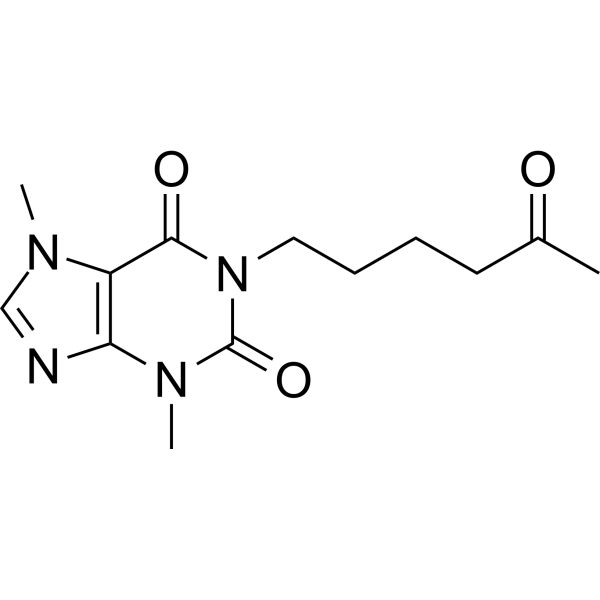
    Pentoxifylline
    10+ Cited Publications

    BL-191; PTX; Oxpentifylline

    Phosphodiesterase (PDE) Autophagy HIV Cardiovascular Disease Cancer
    Pentoxifylline (BL-191), a haemorheological agent, is an orally active non-selective phosphodiesterase (PDE) inhibitor, with immune modulation, anti-inflammatory, hemorheological, anti-fibrinolytic and anti-proliferation effects. Pentoxifylline can be used for the research of peripheral vascular disease, cerebrovascular disease and a number of other conditions involving a defective regional microcirculation .
    Pentoxifylline
  • HY-168625

    Molecular Glues Inflammation/Immunology
    VAV1 degrader-3 (Example 185) is an orally active VAV1 molecular glue degrader (DC50: 7 nM). VAV1 degrader-3 reduces immune cell activation, immune cell proliferation and the production of various cytokines. VAV1 degrader-3 can be used for research of inflammatory or autoimmune disorder. VAV1 degrader-3 inhibits disease progression in experimntal autoimmune encephalomyelitis (EAE) mouse model, Collagen-induced arthritis (CIA) mouse model, etc. .
    VAV1 degrader-3
  • HY-148074

    RPT193

    CCR Inflammation/Immunology
    Zelnecirnon (RPT193) is an orally active inhibitor of CCR4, blocks the recruitment of Th2 inflammatory immune cells into inflamed tissues. Zelnecirnon can be used for allergic inflammation in atopic dermatitis, asthma, and other diseases research .
    Zelnecirnon
  • HY-122515
    Fulvic Acid
    1 Publications Verification

    Others Metabolic Disease Inflammation/Immunology
    Fulvic Acid is a natural product, which comes from humic substances produced by microorganisms in soil. Fulvic Acid can modulate the immune system, influence the oxidative state of cells, and improve gastrointestinal function. Fulvic Acid has the potential for researching chronic inflammatory diseases, including diabetes .
    Fulvic Acid
  • HY-159657

    Salt-inducible Kinase (SIK) Interleukin Related Inflammation/Immunology
    PF-07899895 (Compound 34) is a SIK inhibitor, with IC50 values of 1.2 nM, 0.9 nM, and 1.8 nM against SIK1, SIK2, and SIK3, respectively. PF-07899895 modulates the anti-inflammatory cytokine IL-10 in immune cells. PF-07899895 is applicable to research related to inflammatory diseases .
    PF-07899895
  • HY-N0433
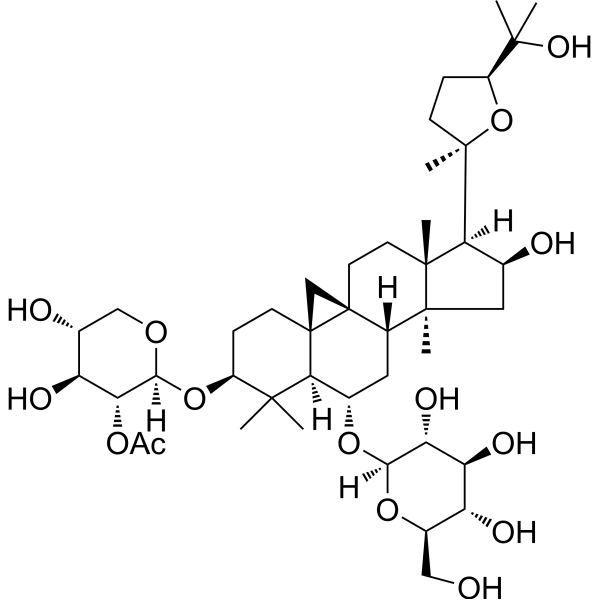
    Astragaloside II
    1 Publications Verification

    Astrasieversianin VIII

    Autophagy Interleukin Related HIF/HIF Prolyl-Hydroxylase SOD NF-κB Inflammation/Immunology Endocrinology Cancer
    Astragaloside II is an orally active Cycloartane-type triterpene glycoside. Astragaloside II can be extracted from Astragalus membranaceus. Astragaloside II inhibits Autophagy, decreases pro-inflammatory cytokines (IL-6, IL-1β), HIF-α, p-p65, p-IκB and increases SOD. Astragaloside II regulates immunity and reduces inflammatory responses. Astragaloside II can be used in the research of diseases such as liver cancer, osteoporosis, immunosuppressive diseases, and ulcerative colitis .
    Astragaloside II
  • HY-N1363
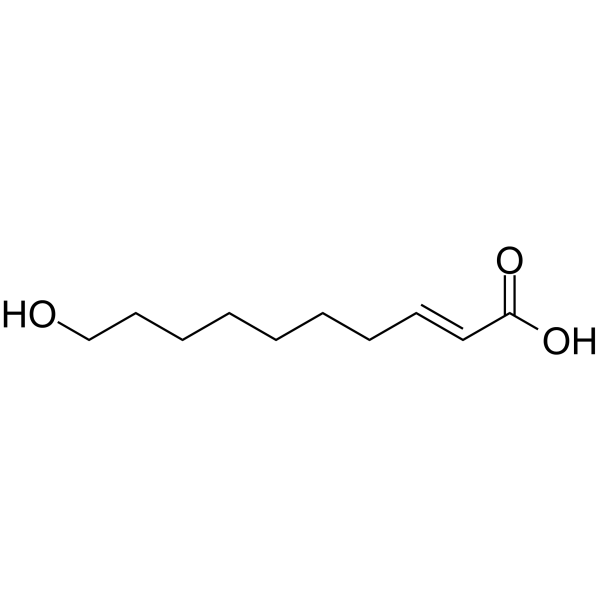
    Royal Jelly acid
    5+ Cited Publications

    (E)-Queen Bee Acid; (E)-10-Hydroxy-2-decenoic acid

    Endogenous Metabolite NO Synthase NF-κB Parasite IFNAR Infection Neurological Disease Inflammation/Immunology Cancer
    Royal Jelly Acid ((E)-Queen Bee Acid) is a major fatty acid found in royal jelly with oral bioavailability, exhibiting anti-inflammatory, anticancer, antimalarial, antiprotozoal, and neuroregulatory activities. Royal Jelly Acid can be used for research in various fields, including cancer, infections, immune inflammation, and neurological diseases .
    Royal Jelly acid
  • HY-175759

    Molecular Glues IFNAR Inflammation/Immunology
    EN1033 is a covalent immune regulatory transcription factor 5/8 (IRF5/8) molecular glue degrader. EN1033 degrades IRF5 in a proteasome-dependent manner. EN1033 engages and degrades IRF8 more robustly and rapidly. EN1033 covalently targets C28 and C223 to destabilize and degrade IRF5 and IRF8 respectively, thereby inhibiting their pro-inflammatory transcriptional activity. EN1033 serves as a promising tool for the study of autoimmune and inflammatory disorders .
    EN1033
  • HY-143712
    Allolithocholic acid
    1 Publications Verification

    Drug Metabolite G protein-coupled Bile Acid Receptor 1 ROR Metabolic Disease Inflammation/Immunology Cancer
    Allolithocholic acid is an orally active metabolite of Lithocholic acid (HY-B0172). Allolithocholic acid is a dual GPBAR1 agonist (EC50 = 2.7 μM) and RORγt inverse agonist (IC50 = 3.4 μM). Allolithocholic acid modulates immune and metabolic pathways, regulates immune cell polarization, prevents M1 macrophage and Th17 CD4 cell polarization. Allolithocholic acid improves insulin sensitivity, reduces liver lipid accumulation, reverses liver immunological, inflammatory and metabolic signaling dysregulation, restores bile acid homeostasis, adipose tissue histopathology/function, and intestinal microbiota composition, modulates intestinal immunity. Allolithocholic acid can be used for the researches of cancer, inflammayion, immunology and metabolic disease .
    Allolithocholic acid
  • HY-138501
    GPR34 receptor antagonist 2
    2 Publications Verification

    ERK Inflammation/Immunology
    GPR34 receptor antagonist 2 (Compound D2) is a GPR34 receptor antagonist. GPR34 receptor antagonist 2 can be used for immune diseases, inflammatory diseases research .
    GPR34 receptor antagonist 2
  • HY-B0328
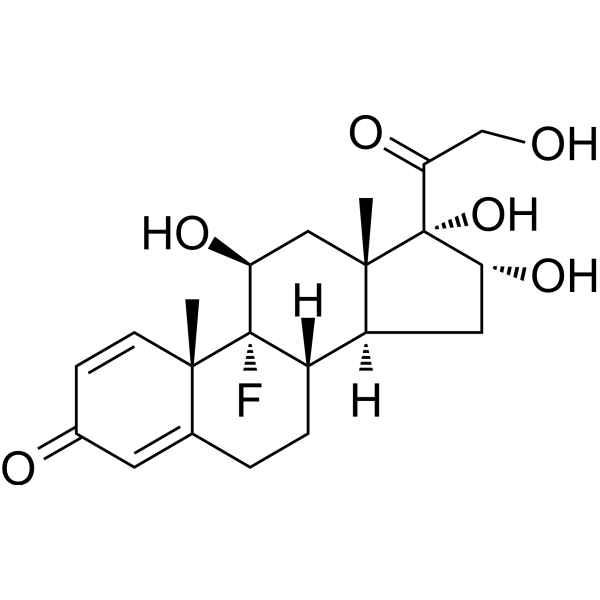
    Triamcinolone
    2 Publications Verification

    Glucocorticoid Receptor Interleukin Related Cardiovascular Disease Inflammation/Immunology Endocrinology Cancer
    Triamcinolone is a long-acting corticosteroid with anti-inflammatory, anti-oedematous, anti-proliferative, anti-angiogenetic, immunomodulatory and neuroprotective effects through binding to glucocorticoid receptors. Triamcinolone can relieve several dermatitis, immune diseases and ocular diseases .
    Triamcinolone
  • HY-B1637
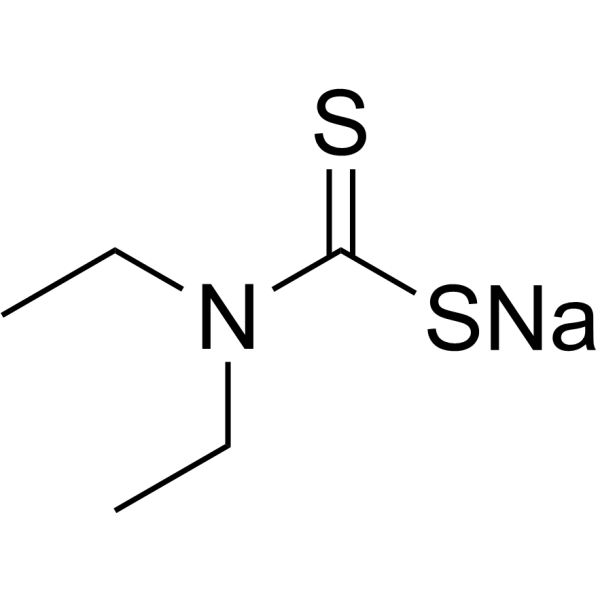
    Ditiocarb sodium
    4 Publications Verification

    Sodium diethyldithiocarbamate

    HIV Biochemical Assay Reagents Infection Inflammation/Immunology Cancer
    Ditiocarb sodium (Sodium diethyldithiocarbamate) is an orally active copper reagent. Ditiocarb sodium exhibits activities such as antioxidation, chelation, anti-tumor effects, immunomodulation, and anti-HIV properties. Ditiocarb sodium can be used in the research of tumors, inflammatory, and immune-related diseases .
    Ditiocarb sodium
  • HY-W923189

    Interleukin Related COX TNF Receptor NOD-like Receptor (NLR) NO Synthase PERK p38 MAPK Reactive Oxygen Species (ROS) Caspase Autophagy Herbicide Inflammation/Immunology Cancer
    Neral is a plant-derived anti-inflammatory, antioxidant and anticancer agent. Neral inhibits the phosphorylation of ERK1/2, p38 MAPK and IκB in macrophages induced by LPS (HY-D1056), suppresses the secretion of TNF-α and IL-6, as well as the expression of pro-IL-1β, iNOS and COX-2 in cells, and reduces the production of ROS in cells. Neral inhibits the activation of the NLRP3 inflammasome, and decreases the activation of caspase-1 and the secretion of IL-1β in mouse macrophages. Neral induces autophagy, and exhibits antiproliferative activity both in in vitro breast cancer cell models and mouse xenograft models. Neral regulates brassinosteroid, jasmonic acid and ethylene signaling pathways, and induces the expression of AP2/ERF-ERF and bHLH family genes in rice roots. Neral acts as a herbicide safener, alleviates the damage induced by Fenoxaprop-P-ethyl (HY-B2013), and promotes the elongation of rice roots. Neral can be used in research related to breast cancer, inflammatory and immune system diseases, and herbicide safeners .
    Neral
  • HY-N0852

    p38 MAPK NF-κB Interleukin Related JNK PERK CXCR Cardiovascular Disease Inflammation/Immunology
    Benzoylpaeoniflorin is an orally active monoterpene glycoside compound. Benzoylpaeoniflorin exerts anti-inflammatory, anti-allergic, psoriasis-improving and sepsis-improving effects by inhibiting signaling pathways such as TNF/NF-κB and MAPK, as well as regulating immune homeostasis. Benzoylpaeoniflorin can be used in research related to immune, allergic and inflammatory diseases .
    Benzoylpaeoniflorin
  • HY-B1637A
    Ditiocarb sodium,98%
    4 Publications Verification

    Sodium diethyldithiocarbamate,98%

    HIV Biochemical Assay Reagents Infection Inflammation/Immunology Cancer
    Ditiocarb sodium,98% (Sodium diethyldithiocarbamate,98%) is an orally active copper reagent. Ditiocarb sodium,98% exhibits activities such as antioxidation, chelation, anti-tumor effects, immunomodulation, and anti-HIV properties. Ditiocarb sodium,98% can be used in the research of tumors, inflammatory, and immune-related diseases .
    Ditiocarb sodium,98%
  • HY-N6073

    Apoptosis HSV Infection Metabolic Disease Inflammation/Immunology Cancer
    Soyasapogenol A is a triterpenoid aglycone of soyasaponins. Soyasapogenol A has activities such as anti-inflammation, anti-cancer, hepatoprotection and anti-HSV-1. Soyasapogenol A can be used in the research of tumors and immune inflammatory diseases .
    Soyasapogenol A
  • HY-156649

    CR6086

    Prostaglandin Receptor Interleukin Related MMP PD-1/PD-L1 Cardiovascular Disease Inflammation/Immunology Cancer
    Vorbipiprant (CR6086) is an orally active EP4 receptor antagonist with high selectivity for the human EP4 receptor (Ki: 16.6 nM). Vorbipiprant has immunomodulatory, anti-inflammatory, antitumor, and anti-angiogenic activities. Vorbipiprant can inhibit the expression of multiple pro-inflammatory cytokines and the activation of immune cells, and convert "cold" tumors unresponsive to immune checkpoint inhibitors into "hot" tumors. Vorbipiprant is used in the research of diseases such as rheumatoid arthritis and colon cancer .
    Vorbipiprant
  • HY-157442

    Salt-inducible Kinase (SIK) Discoidin Domain Receptor RIP kinase LIM Kinase (LIMK) MAP3K Bcr-Abl Src TGF-β Receptor Inflammation/Immunology
    GLPG3312 (Compound 28) is an orally active SIK inhibitor with IC50 values of 2.0 nM, 0.7 nM and 0.6 nM for SIK1, SIK2 and SIK3, respectively. GLPG3312 exhibits anti-inflammatory and immunomodulatory activity in vitro on human primary myeloid cells and in vivo in mouse models. GLPG3312 has good oral bioavailability and can be used for research on inflammatory and immune diseases .
    GLPG3312
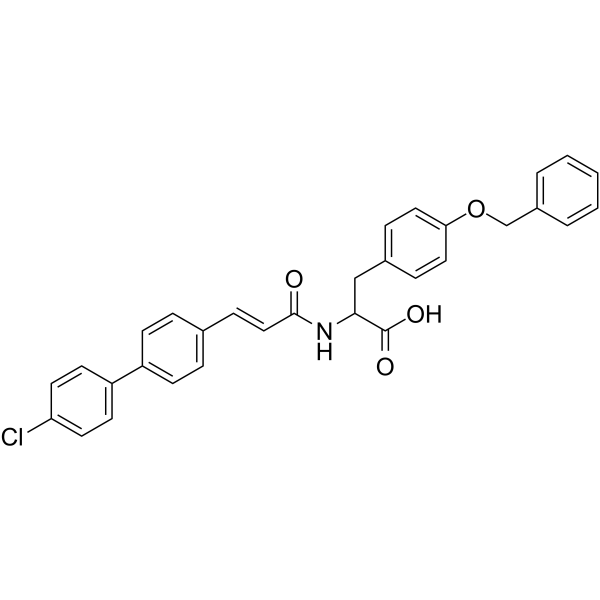
  • HY-P99414

    AMG 557

    Transmembrane Glycoprotein Interleukin Related Inflammation/Immunology
    Prezalumab (AMG 557) is a humanized IgG2 monoclonal antibody targeting ICOSL. Prezalumab inhibits T cell activation and related immune responses by binding to ICOSL and blocking the interaction between ICOS and ICOSL. Prezalumab can be used in the research of autoimmune diseases and inflammatory diseases such as systemic lupus erythematosus. Recommend Isotype Controls: Human IgG2 kappa, Isotype Control (HY-P99002) .
    Prezalumab
  • HY-48814

    Bacterial FXR Infection Inflammation/Immunology
    3-Epideoxycholic acid is a secondary bile acid and a microbial metabolite of Deoxycholic acid (HY-N0593). 3-Epideoxycholic acid targets FXR in dendritic cells, reduces their immunostimulatory properties, promotes the generation of Treg cells, and exerts anti-inflammatory activity. 3-Epideoxycholic acid can promote the growth of the bacterium Bacteroides. 3-Epideoxycholic acid can be used in research related to inflammatory and immune diseases as well as bacterial infections .
    3-Epideoxycholic acid
  • HY-W040055
    Neopterin
    1 Publications Verification

    D-(+)-Neopterin; D-erythro-Neopterin

    NF-κB PPAR ERK Raf Src Cardiovascular Disease Inflammation/Immunology
    Neopterin is an immune system activator metabolized by GTP and can be produced by activated macrophages. Neopterin has the potential to resist vascular inflammation and atherosclerosis. Neopterin inhibits the phosphorylation of NF-κB and promotes the expression of PPAR-γ, thereby suppressing the inflammatory response of vascular endothelial cells, reducing the formation of macrophage foam cells, and regulating the migration and proliferation of vascular smooth muscle cells. Neopterin can be used in research fields such as cardiovascular diseases (such as atherosclerosis), inflammation-related diseases and tumor immunomonitoring .
    Neopterin
  • HY-N10424
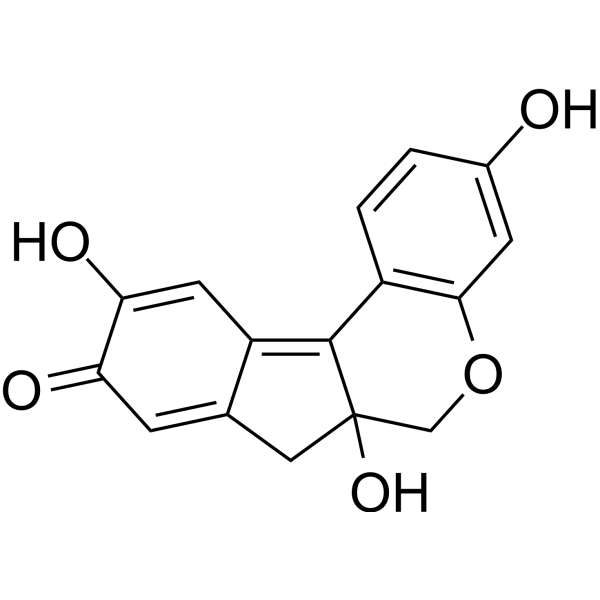
    Brazilein
    2 Publications Verification

    Na+/K+ ATPase Apoptosis Interleukin Related NO Synthase Bacterial Parasite Cardiovascular Disease Infection Neurological Disease Inflammation/Immunology
    Brazilein is a compound with anti-inflammatory and neuroprotective activities, with an IC50 of 500 μM against guinea pig Na +,K +-ATPase. Brazilein reduces iNOS mRNA expression, thereby inhibiting nitric oxide production in immune cells. Brazilein suppresses inflammatory responses by reducing the mRNA expression of TNF-α and IL-6, but has no effect on IL-1β expression. Brazilein reduces the cerebral infarction volume and improves the neurological function scores of rats with cerebral ischemia-reperfusion injury. Brazilein induces apoptosis of splenic lymphocytes in mice. Brazilein inhibits humoral immune responses in mice, and causes thymus and spleen atrophy as well as body weight loss in mice. Brazilein also possesses antimalarial and antibacterial activities. Brazilein is also a red dye. Brazilein can be used in studies related to the infection, nervous system, cardiovascular system and inflammatory diseases .
    Brazilein
  • HY-153991

    STAT Inflammation/Immunology
    STAT6-IN-2 (Compound R-84) is a STAT6 inhibitor that can inhibit the tyrosine phosphorylation of STAT6. STAT6-IN-2 can also inhibit the secretion of eotaxin-3. STAT6-IN-2 can be used in the research of immune diseases and allergic inflammatory diseases such as asthma .
    STAT6-IN-2
  • HY-111570
    PI3Kγ inhibitor AZ2
    2 Publications Verification

    PI3K Inflammation/Immunology
    PI3Kγ inhibitor AZ2 is a highly selective PI3Kγ inhibitor (The pIC50 value for PI3Kγ is 9.3). PI3Kγ inhibitor AZ2 can be used for the research of inflammatory and immune diseases .
    PI3Kγ inhibitor AZ2
  • HY-158142

    PROTACs JAK STAT Inflammation/Immunology Cancer
    PROTAC TYK2 degrader-1 is a TYK2 PROTAC degrader with a Dmax ≥ 60%. PROTAC TYK2 degrader-1 reduces the phosphorylation levels of IFNα-induced STAT1 (Tyr701) and STAT3 (Tyr705) in immune cells. PROTAC TYK2 degrader-1 can be used in research on cancer, inflammatory diseases, etc.
    PROTAC TYK2 degrader-1
  • HY-106216

    Elastase Infection Inflammation/Immunology
    Tiprelestat is a potent human neutrophil elastase inhibitor. Tiprelestat has antimicrobial and anti-inflammatory activities. Tiprelestat can be used in the research of inflammation/immune disease .
    Tiprelestat
  • HY-P990782

    Aminoacyl-tRNA Synthetase Inflammation/Immunology
    Efzofitimod is a splice variant of the aminoacyl-tRNA synthetase HARS1, which is fused with the Fc segment of a human antibody. Efzofitimod targets the neuronal phospholipid NRP2 (neuropilin-2) and has anti-inflammatory and immunomodulatory activities. Efzofitimod can downregulate the innate and adaptive immune responses in inflammatory disease states, suppressing indirect lung disease (ILD) .
    Efzofitimod
  • HY-156622

    HMC-C-01-A; MBS2320

    Mitochondrial Metabolism Cancer
    Leramistat (HMC-C-01-A; MBS2320) is a mitochondrial complex 1 inhibitor, involving in cell metabolism immune metabolism regulation. Leramistat also inhibits ATP production in Thp1 human monocytes (IC50: 0.63 μM). Leramistat inhibits atopic dermatitis and other skin diseases autoimmune diseases, inflammatory diseases, cancer; and also inhibits osteoclast mediated disease .
    Leramistat
  • HY-P3012

    Cathepsin ERK p38 MAPK PKC Protease Activated Receptor (PAR) MMP Inflammation/Immunology
    Cathepsin G is a pH-dependent serine protease. Cathepsin G hydrolyzes diverse synthetic and protein substrates and remodels extracellular matrix. Cathepsin G exerts immunomodulatory effects via recruiting phagocytes, enhancing T cell motility, activating ERK1/2 and p38 MAPK signaling, and mediating PKCζ membrane translocation. Cathepsin G regulates inflammatory responses by cleaving inflammatory mediators. Cathepsin G participates in vascular regulation by converting angiotensin I to angiotensin II. Cathepsin G induces PAR4-dependent platelet activation, facilitates platelet-neutrophil aggregation, and mediates VITT-related NETosis, thrombus formation. Cathepsin G can be used for the research of immune thrombotic thrombocytopenia, cardiovascular disease, and select autoimmune and inflammatory diseases .
    Cathepsin G
  • HY-P99928

    MK 7110; CD24 Fc

    Transmembrane Glycoprotein Cancer
    Efprezimod alfa (MK 7110; CD24 Fc) is a humanized CD24-Fc fusion protein. Efprezimod alfa enhances the interaction between CD24 and Siglec-10, thereby regulating the response of innate immune cells to damage-associated molecular patterns, inhibiting the activation of antigen-presenting cells and subsequent inflammatory responses. Efprezimod alfa is applicable to the research of acute graft-versus-host disease and acquired immunodeficiency syndrome .
    Efprezimod alfa
  • HY-13276

    IRAK Inflammation/Immunology
    IRAK inhibitor 2 is an interleukin-1 receptor-associated kinase (IRAK) inhibitor. IRAK inhibitor 2 can be used for the research of inflammatory and immune diseases .
    IRAK inhibitor 2
  • HY-W145481A

    Carob galactomannan

    Sirtuin Inflammation/Immunology
    D-Galacto-D-mannan (Carob galactomannan) is an orally active Dectin-2 agonist. D-Galacto-D-mannan exerts antioxidant activity against hydroxyl radical generation. D-Galacto-D-mannan activates Dectin-2 to trigger downstream signaling pathways, promote the expression of immunoregulatory molecules, coordinate innate and adaptive immune responses, and inhibit excessive inflammatory responses by upregulating the expression of Sirtuin 1. When used as a vaccine adjuvant, D-Galacto-D-mannan induces cellular and humoral immune responses, promotes IFNγ secretion, increases antibody levels and virus neutralization titers, and elevates the levels of immunoglobulin G and A. D-Galacto-D-mannan can serve as an adjuvant for foot-and-mouth disease vaccines, enhance the vaccine-mediated ability of hosts to defend against viral infection in mice, and reduce local side effects at the inoculation site in pigs. D-Galacto-D-mannan can be used in the research of inflammatory and immune diseases, such as foot-and-mouth disease .
    D-Galacto-D-mannan
  • HY-138623

    Epigenetic Reader Domain TNF Receptor Interleukin Related Inflammation/Immunology Cancer
    GSK789 is a selective inhibitor of BET BD1. GSK789 inhibits the growth of leukemia cell lines. GSK789 inhibits LPS-stimulated production of MCP-1, TNFα and IL-6 in human whole blood. GSK789 exhibits antiproliferative, anti-inflammatory and immunomodulatory activities. GSK789 can be used in research related to cancers such as leukemia, as well as inflammatory and immune diseases .
    GSK789
  • HY-124040

    Integrin Inflammation/Immunology
    BI-1950 is a lymphocyte function-associated antigen 1 (LFA-1) inhibitor. BI-1950 regulates immune system function through interaction with LFA-1. BI-1950 can be used in the research of inflammatory diseases .
    BI-1950
  • HY-B0715S2

    BL-191-d5; PTX-d5; Oxpentifylline-d5

    Phosphodiesterase (PDE) Autophagy HIV Cardiovascular Disease Cancer
    Pentoxifylline-d5 is the deuterium labeled Pentoxifylline. Pentoxifylline (BL-191), a haemorheological agent, is an orally active non-selective phosphodiesterase (PDE) inhibitor, with immune modulation, anti-inflammatory, hemorheological, anti-fibrinolytic and anti-proliferation effects. Pentoxifylline can be used for the research of peripheral vascular disease, cerebrovascular disease and a number of other conditions involving a defective regional microcirculation .
    Pentoxifylline-d5
  • HY-134493

    Butyrate-Cholecalciferol; Butyrate-Colecalciferol

    VD/VDR Metabolic Disease Inflammation/Immunology Cancer
    Butyrate-Vitamin D3 (Butyrate-Cholecalciferol) is a derivative of vitamin D3 in which a hydroxyl group in the vitamin D3 molecule is replaced by a butyric acid group. Butyrate-Vitamin D3 affects gene expression and cell function and has certain anti-inflammatory effects. Butyrate-Vitamin D3 can be used in the study of immune regulation, metabolic diseases and cancer .
    Butyrate-Vitamin D3
  • HY-126560

    Protein Arginine Deiminase Inflammation/Immunology
    F-Amidine is a Protein arginine deiminase 4 (PAD4) inhibitor. F-Amidine can be used in the study of inflammatory and immune system diseases (such as rheumatoid arthritis) .
    F-Amidine
  • HY-N11286

    TG-DHA; Meganol D

    Others Neurological Disease Metabolic Disease Inflammation/Immunology
    Tridocosahexaenoylglycerol (TG-DHA) is an orally active dietary supplement that improves autoimmune encephalomyelitis in mice. Tridocosahexaenoylglycerol shows beneficial effects on neurodegenerative diseases and also improves macular function in diabetic retinopathy. Tridocosahexaenoylglycerol can be used for research on neurological diseases, inflammatory immune diseases, and metabolic diseases .
    Tridocosahexaenoylglycerol
  • HY-N0852R

    Reference Standards JNK NF-κB CXCR Interleukin Related PERK p38 MAPK Cardiovascular Disease Inflammation/Immunology
    Benzoylpaeoniflorin (Standard) is an analytical standard for Benzoylpaeoniflorin (HY-N0852). This product is intended for research and analytical applications. Benzoylpaeoniflorin is an orally active monoterpene glycoside compound. Benzoylpaeoniflorin exerts anti-inflammatory, anti-allergic, psoriasis-improving and sepsis-improving effects by inhibiting signaling pathways such as TNF/NF-κB and MAPK, as well as regulating immune homeostasis. Benzoylpaeoniflorin can be used in research related to immune, allergic and inflammatory diseases .
    Benzoylpaeoniflorin (Standard)
  • HY-P991150

    Interleukin Related Inflammation/Immunology
    Ompekimig is a humanized immunoglobulin monoclonal antibody targeting human interleukin 4 (IL-4) and interleukin 13 (IL-13). Ompekimig is promising for research of immune-mediated inflammatory diseases, such as asthma and atopic dermatitis .
    Ompekimig
  • HY-176265

    CD28 Inflammation/Immunology
    DDS5 is a CD28 inhibitor with a kd of 175.57 µM. DDS5 significantly inhibits CD28-CD80 interaction (IC50: 332 µM). DDS5 can be used for research of immune-mediated diseases, including inflammatory bowel disease and rheumatoid arthritis .
    DDS5
  • HY-174132

    CRM1 Inflammation/Immunology
    CW8001 is a covalent XPO1 (Exportin-1) inhibitor with an EC50 value of 1 nM for inhibiting T cell activation. CW8001 prevents nuclear localization of NFAT transcription factors, suppressing expression of inflammatory cytokines like IL-2. CW8001 is promising for research of T cell-driven immune diseases such as graft-versus-host disease (GVHD) .
    CW8001
  • HY-163749

    STING Inflammation/Immunology
    STING-IN-8 (Compound 15b) emerges as a potent stimulator of interferon gene (STING) inhibitor with an IC50 value of 0.121 μM in human and an IC50 value of 0.033 μM in mouse. STING-IN-8 inhibits MSA-2 (HY-136927) or 2’, 3’ -cGAMP (HY-100564)-stimulated STING signaling and suppresses immune-inflammatory cytokine levels in both human and murine cells. STING-IN-8 is promising for research in the field of STING-associated inflammatory and autoimmune diseases .
    STING-IN-8

Inquiry Online

Your information is safe with us. * Required Fields.

Salutation


Country or Region *

Applicant Name *


Organization Name *

Department *


Email Address *


Product Name *

Cat. No.


Requested quantity *

Phone Number *


Remarks

Inquiry Online

Inquiry Information

Product Name:
Cat. No.:
Quantity:
MCE Japan Authorized Agent:

