

173 Results for "

islet

" in MedChemExpress (MCE) Product Catalog:
Products (173)

173 Results for "islet" in MCE Product Catalog:

72
72 Publications Verification
Cat. No.: HY-13443
CAS No.: 141758-74-9
Purity:  99.95%
Synonyms: Exenatide
Exendin‑4 (Exenatide) is an orally active, blood-brain barrier-permeable glucagon-like peptide-1 receptor (GLP‑1 receptor) agonist that resists degradation mediated by dipeptidyl peptidase IV. Exendin‑4 mediates multiple glucose-regulating effects, including stimulation of glucose-dependent insulin secretion, inhibition of glucagon production, increase in β-cell mass, delay of gastric emptying, reduction of food intake, improvement of peripheral insulin sensitivity, and restoration of normal islet structure. Exendin‑4 inhibits oxidative stress, alleviates inflammatory responses, and reduces neuronal apoptosis. Exendin‑4 reduces the aggregation level of mutant huntingtin, improves motor function, prolongs survival time, and regulates the expression levels of leptin and ghrelin. Exendin‑4 can be used in research related to type 2 diabetes, acute ischemic stroke, and Huntington's disease .
loading...
    loading...
72
72 Publications Verification
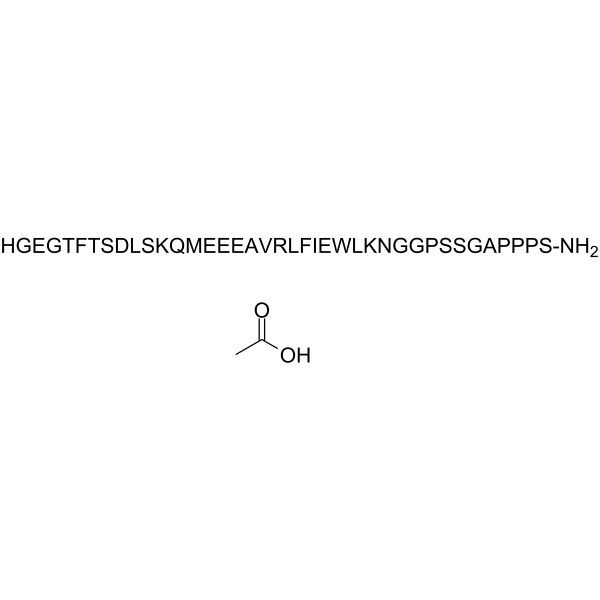
Cat. No.: HY-13443A
CAS No.: 914454-01-6
Purity:  99.91%
Synonyms: Exenatide acetate
Exendin-4 acetate (Exenatide acetate) is an orally active, blood-brain barrier-permeable glucagon-like peptide-1 receptor (GLP‑1 receptor) agonist that resists degradation mediated by dipeptidyl peptidase IV. Exendin-4 acetate mediates multiple glucose-regulating effects, including stimulation of glucose-dependent insulin secretion, inhibition of glucagon production, increase in β-cell mass, delay of gastric emptying, reduction of food intake, improvement of peripheral insulin sensitivity, and restoration of normal islet structure. Exendin-4 acetate inhibits oxidative stress, alleviates inflammatory responses, and reduces neuronal apoptosis. Exendin-4 acetate reduces the aggregation level of mutant huntingtin, improves motor function, prolongs survival time, and regulates the expression levels of leptin and ghrelin. Exendin-4 acetate can be used in research related to type 2 diabetes, acute ischemic stroke, and Huntington's disease .
loading...
    loading...
46
46 Cited Publications
Cat. No.: HY-P0264
CAS No.: 133514-43-9
Synonyms: Avexitide
Target:  

GLP Receptor

Exendin (9-39) amide (Avexitide) is a competitive GLP-1R antagonist. Exendin (9-39) amide blocks the Semaglutide (HY-114118)-induced increase in insulin secretion and also attenuates the hypoglycemic effect of Semaglutide. Exendin (9-39) amide abolishes the islet-protective effect of Liraglutide. Exendin (9-39) amide can be used in research on type 2 diabetes and type 1 diabetes .
loading...
    loading...
46
46 Cited Publications
Cat. No.: HY-P0264A
CAS No.: 2051593-46-3
Synonyms: Avexitide acetate
Target:  

GLP Receptor

Exendin (9-39) amide acetate (Avexitide acetate) is a competitive GLP-1R antagonist. Exendin (9-39) amide acetate blocks the Semaglutide (HY-114118)-induced increase in insulin secretion and also attenuates the hypoglycemic effect of Semaglutide. Exendin (9-39) amide acetate abolishes the islet-protective effect of Liraglutide. Exendin (9-39) amide acetate can be used in research on type 2 diabetes and type 1 diabetes .
loading...
    loading...
31
31 Cited Publications
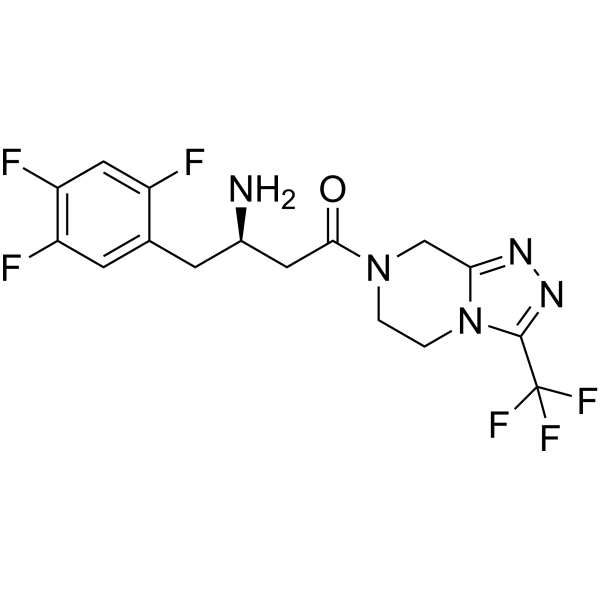
Cat. No.: HY-13749
CAS No.: 486460-32-6
Purity:  99.75%
Synonyms: MK-0431
Sitagliptin (MK-0431) is an orally active and highly selective DPP4 inhibitor with an IC50 value of 19 nM. Sitagliptin blocks the degradation of glucagon-like peptide-1 (GLP-1) and glucose-dependent insulinotropic peptide (GIP) by competing inhibition mechanism (Kᵢ = 1 nM), thereby increasing the level of active incretin. Sitagliptin can also directly stimulate the secretion of GLP-1 by intestinal L cells by activating the cAMP/PKA and ERK1/2 pathways, and this effect is independent of DPP-4. Sitagliptin shows protective effects on pancreatic islet grafts in 1-type diabetes models. Sitagliptin can be used for the study of 1-type and 2-type diabetes .
loading...
    loading...
31
31 Cited Publications
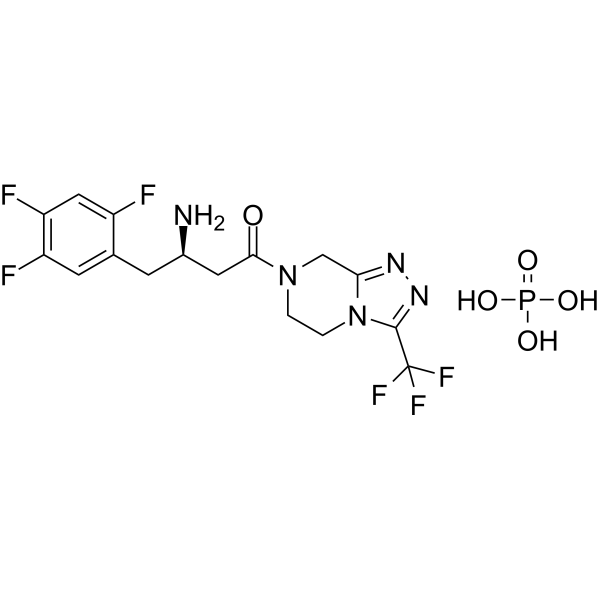
Cat. No.: HY-13749A
CAS No.: 654671-78-0
Purity:  99.79%
Synonyms: MK-0431 phosphate
Sitagliptin (MK-0431) phosphate is an orally active and highly selective DPP4 inhibitor with an IC50 value of 19 nM. Sitagliptin phosphate blocks the degradation of glucagon-like peptide-1 (GLP-1) and glucose-dependent insulinotropic peptide (GIP) by competing inhibition mechanism (Kᵢ = 1 nM), thereby increasing the level of active incretin. Sitagliptin phosphate can also directly stimulate the secretion of GLP-1 by intestinal L cells by activating the cAMP/PKA and ERK1/2 pathways, and this effect is independent of DPP-4. Sitagliptin phosphate shows protective effects on pancreatic islet grafts in 1-type diabetes models. Sitagliptin phosphate can be used for the study of 1-type and 2-type diabetes .
loading...
    loading...
31
31 Cited Publications
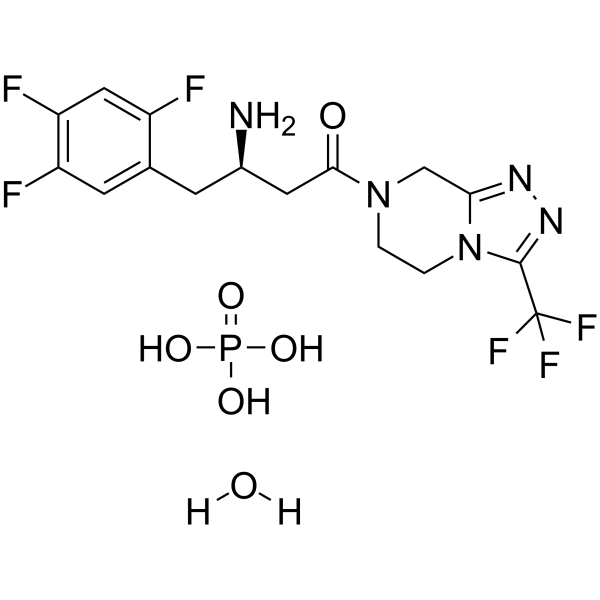
Cat. No.: HY-13749B
CAS No.: 654671-77-9
Purity:  99.83%
Synonyms: MK-0431 phosphate monohydrate
Sitagliptin (MK-0431) phosphate monohydrate is an orally active and highly selective DPP4 inhibitor with an IC50 value of 19 nM. Sitagliptin phosphate monohydrate blocks the degradation of glucagon-like peptide-1 (GLP-1) and glucose-dependent insulinotropic peptide (GIP) by competing inhibition mechanism (Kᵢ = 1 nM), thereby increasing the level of active incretin. Sitagliptin phosphate monohydrate can also directly stimulate the secretion of GLP-1 by intestinal L cells by activating the cAMP/PKA and ERK1/2 pathways, and this effect is independent of DPP-4. Sitagliptin phosphate monohydrate shows protective effects on pancreatic islet grafts in 1-type diabetes models. Sitagliptin phosphate monohydrate can be used for the study of 1-type and 2-type diabetes .
loading...
    loading...
12
12 Cited Publications
Cat. No.: HY-N0058
CAS No.: 57378-72-0
Synonyms: Isochlorogenic acid C; 4,5-diCQA
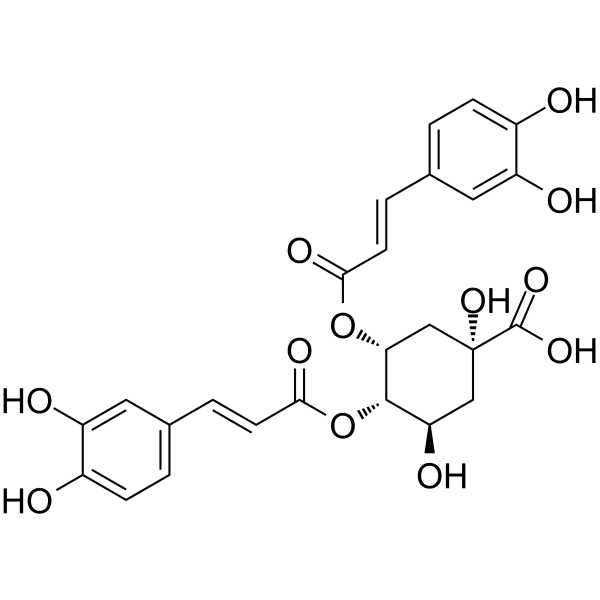
4,5-Dicaffeoylquinic acid (Isochlorogenic acid C) is an antioxidant, can be isolated from Gynura divaricata and Laggera alata. 4,5-Dicaffeoylquinic acid reduces islet cell apoptosis and improves pancreatic function in type 2 diabetic mice, and has obvious inhibitory activities against yeast α-glucosidase. 4,5-Dicaffeoylquinic acid inhibits prostate cancer cells through cell cycle arrest. 4,5-Dicaffeoylquinic acid also has anti-apoptotic, anti-injury and anti-hepatitis B virus effects .
loading...
    loading...
6
6 Cited Publications
Cat. No.: HY-108611
CAS No.: 149301-79-1
Purity:  ≥99.0%
Synonyms: Arachidonyl trifluoromethyl ketone
Target:  

Phospholipase

Research Areas:  

Cardiovascular Disease

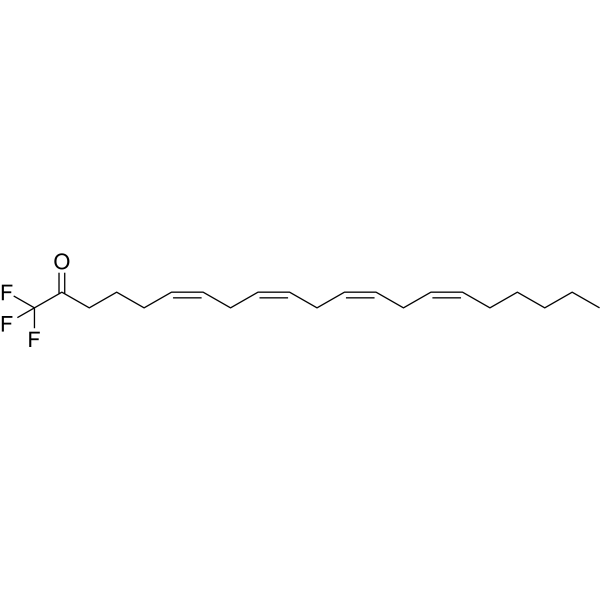
AACOCF3 (Arachidonyl trifluoromethyl ketone) is a cell-permeant trifluoromethyl ketone analog of arachidonic acid. AACOCF3 is a potent and selective slow binding inhibitor of the 85-kDa cytosolic phospholipase A2 (cPLA2). AACOCF3 blocks production of arachidonate and 12-hydroxyeicosatetraenoic acid by calcium ionophore-challenged platelets. AACOCF3 inhibits glucose-induced insulin secretion from isolated rat islets. AACOCF3 has the potential for the research of cardiovascular disease .
loading...
    loading...
3
3 Cited Publications
Cat. No.: HY-W030796A
CAS No.: 150436-68-3
Target:  

Taste Receptor

Research Areas:  

Metabolic Disease

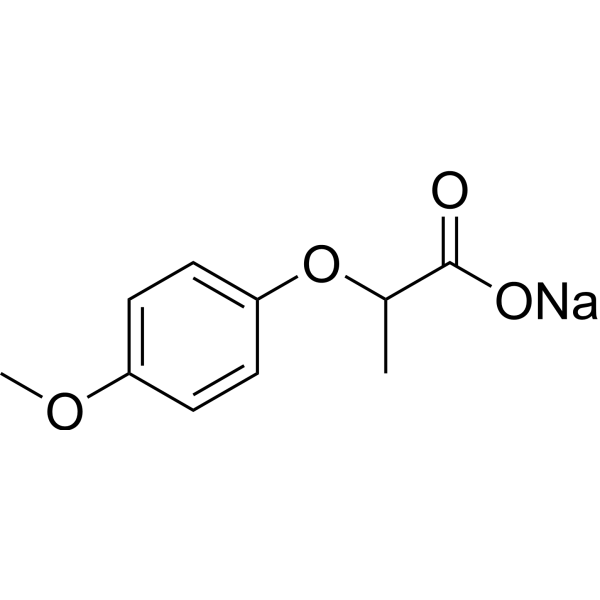
Lactisole is a canonical antagonist of sweet taste receptor, selectively targeting to T1R3 subunit, a glucose-sensing receptor. Lactisole inhibits insulin secretion induced by glucose in mouse islets .
loading...
    loading...
3
3 Cited Publications
Cat. No.: HY-B0481
CAS No.: 72432-03-2
Synonyms: BAY1099; BAY-m1099
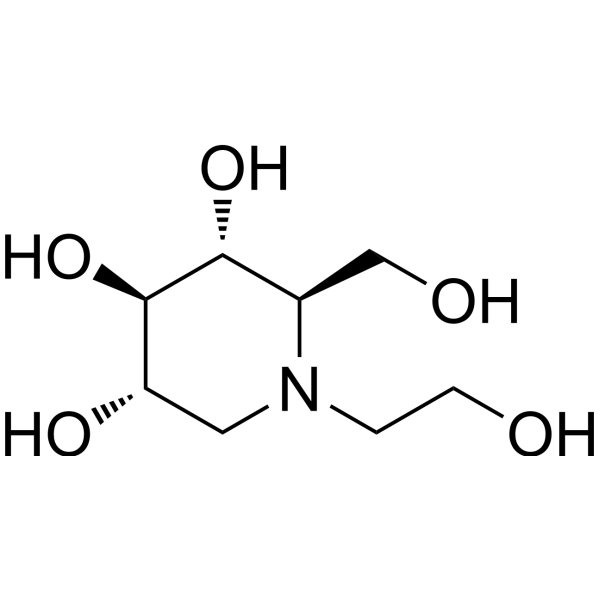
Miglitol (BAY-m1099) is an orally active antidiabetic compound that inhibits the breakdown of glycoconjugates into glucose. Miglitol inhibits glycoside hydrolase enzymes called α-glucosidases. Miglitol inhibits oxidative stress-induced apoptosis and mitochondrial ROS over-production in endothelial cells by enhancement of AMP-activated protein kinase. Dietary supplementation with Miglitol from pre-onset stage in OLETF rats delays the onset and development of diabetes and preserves the insulin secretory function of pancreatic islets .
loading...
    loading...
3
3 Cited Publications
Cat. No.: HY-15564
CAS No.: 733750-99-7
Purity:  99.58%
Target:  

GPR119

Research Areas:  

Metabolic Disease

AR 231453 is a potent, specific and orally available GPR119 agonist. AR 231453 can stimulate β-cell replication and improve islet graft function s .
loading...
    loading...
3
3 Cited Publications
Cat. No.: HY-B0254
CAS No.: 29094-61-9
Synonyms: CP 28720; K 4024
Target:  

Potassium Channel

Research Areas:  

Metabolic Disease Cancer

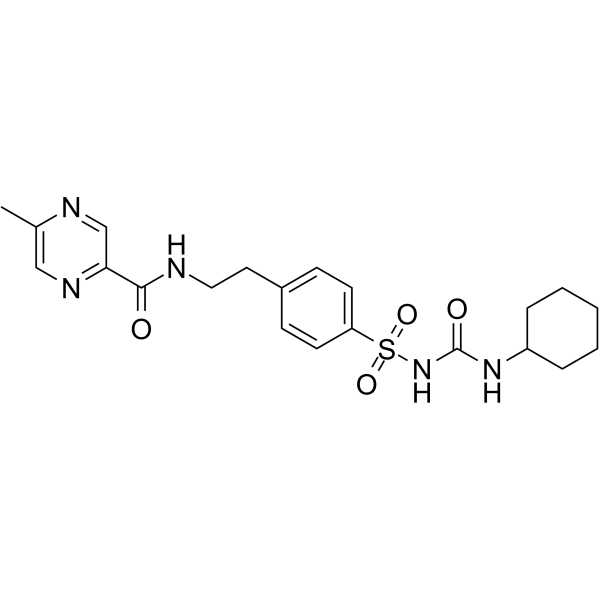
Glipizide (CP 2872; K 4024)?a potent, orally active and sulfonylurea class anti-diabetic agent and can be used for type 2?diabetes mellitus research but not type 1. Glipizide acts by partially blocking ATP-sensitive potassium?(KATP) channels among β cells of pancreatic islets of Langerhans .
loading...
    loading...
3
3 Cited Publications
Cat. No.: HY-W030796
CAS No.: 13794-15-5
Target:  

Taste Receptor

Research Areas:  

Metabolic Disease

Lactisole free acid is a canonical antagonist of sweet taste receptor, selectively targeting to T1R3 subunit, a glucose-sensing receptor. Lactisole free acid inhibits insulin secretion induced by glucose in mouse islets .
loading...
    loading...
2
2 Cited Publications
Cat. No.: HY-13981
CAS No.: 1165910-22-4
Purity:  99.93%
Synonyms: LGD-4033
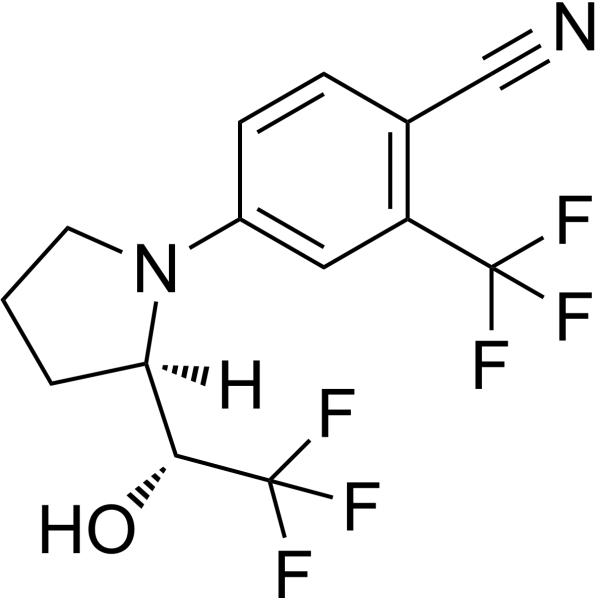
Ligandrol is an orally active, selective androgen receptor (AR) agonist. Ligandrol enhances protein synthesis, inhibits muscle breakdown and oxidative stress, improves muscle cell viability and bone tissue microstructure, and reduces Cisplatin (HY-17394)-induced muscle toxicity and apoptosis. Ligandrol promotes muscle growth, protects bone structure, and has anti-diabetic, anti-apoptotic and antioxidant effects. Ligandrol can antagonize Streptozotocin (HY-13753) damage to pancreatic islets and improve the symptoms of type 2 diabetes .
loading...
    loading...
1
1 Cited Publications
Cat. No.: HY-W011683
CAS No.: 16373-93-6
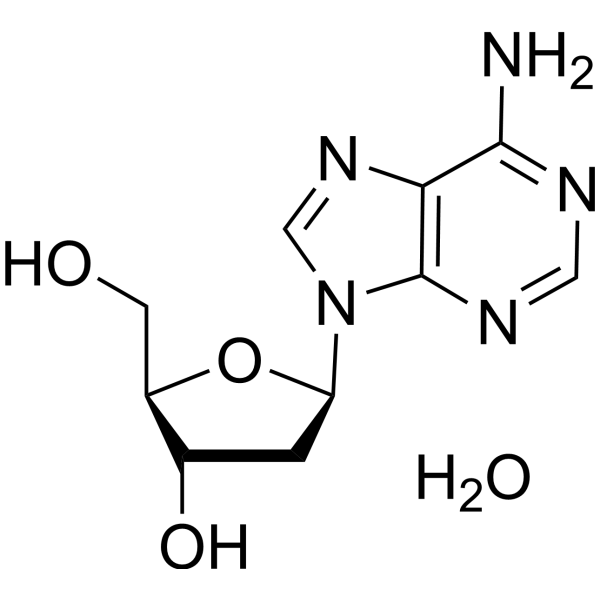
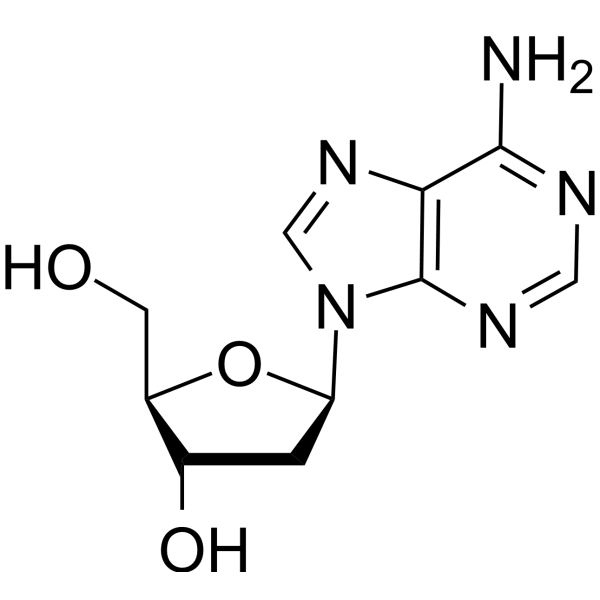
2′-Deoxyadenosine monohydrate is an adenine nucleoside that inhibits glucose-stimulated insulin release. 2′-Deoxyadenosine monohydrate inhibits glucose-stimulated increases seen in islet cyclic AMP (cAMP) accumulation. 2'-Deoxyadenosine monohydrate activates caspase-3 and promotes apoptosis. 2'-Deoxyadenosine monohydrate inhibits the activity of S-adenosyl-L-homocysteine hydrolase (SAHH). 2'-Deoxyadenosine monohydrate inhibits the growth of various cells. 2'-Deoxyadenosine monohydrate has an anticancer effect on colon cancer .
loading...
    loading...
1
1 Cited Publications
Cat. No.: HY-W040329
CAS No.: 958-09-8
2′-Deoxyadenosine is an adenine nucleoside that inhibits glucose-stimulated insulin release. 2′-Deoxyadenosine inhibits glucose-stimulated increases seen in islet cyclic AMP (cAMP) accumulation. 2'-Deoxyadenosine activates caspase-3 and promotes apoptosis. 2'-Deoxyadenosine inhibits the activity of S-adenosyl-L-homocysteine hydrolase (SAHH). 2'-Deoxyadenosine inhibits the growth of various cells. 2'-Deoxyadenosine has an anticancer effect on colon cancer .
loading...
    loading...
1
1 Cited Publications
Cat. No.: HY-W017387
CAS No.: 4502-00-5
Synonyms: Sodium 4-methyl-2-oxopentanoate; 2-Ketoisocaproic acid sodium salt
Sodium α-ketoisocaproate (Sodium 4-methyl-2-oxopentanoate) is an insulin secretagogue. Sodium α-ketoisocaproate undergoes transamination catalyzed by BCAT and BCATm to produce α-ketoglutarate and leucine; it also binds to the SUR1 site to inhibit KATP channel activity, but does not directly affect the Kir6.2 subunit. Sodium α-ketoisocaproate regulates Ca 2+ influx. Sodium α-ketoisocaproate exerts insulinotropic activity in pancreatic islets and intact mouse pancreata with sufficient BCATm expression. Sodium α-ketoisocaproate can be used in research related to type 2 diabetes .
loading...
    loading...
Cat. No.: HY-N9914
CAS No.: 551-68-8
Synonyms: D-Allulose
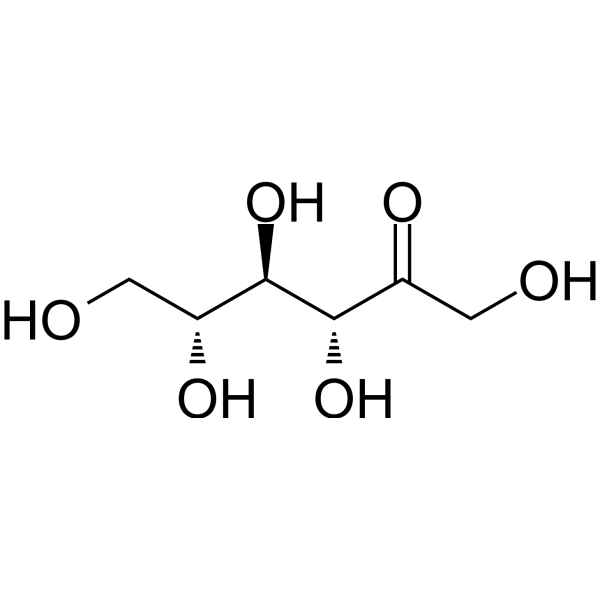
D-psicose is an orally active rare sugar. D-psicose inhibits p38-MAPK phosphorylation and MCP-1 expression. D-psicose inhibits the AGEs/RAGE/NF-κB pathway. D-psicose protects pancreatic β-islets, improves hyperglycemia and high-fat diet-induced non-alcoholic fatty liver disease .
loading...
    loading...
Cat. No.: HY-P10735
CAS No.: 181591-59-3
Synonyms: Gastric inhibitory polypeptide(mouse); GIP(1-42) (mouse)
Target:  

Lipase Apoptosis

Research Areas:  

Metabolic Disease

GIP (Gastric inhibitory polypeptide) (mouse) is a gastrointestinal hormone that is secreted by the intestinal K cells, and also expressed in and secreted from pancreatic islets. GIP (mouse) promotes insulin secretion from pancreatic β cells via the G-protein-coupled GIP receptor (GIPR). GIP (mouse) promotes pancreatic β cell proliferation and inhibits apoptosis. GIP (mouse) also exerts direct lipogenic effects on adipose tissue .
loading...
    loading...

