92 Results for "

macrophage polarization

" in MedChemExpress (MCE) Product Catalog:
Products (92)

92 Results for "macrophage polarization" in MCE Product Catalog:

68
68 Publications Verification
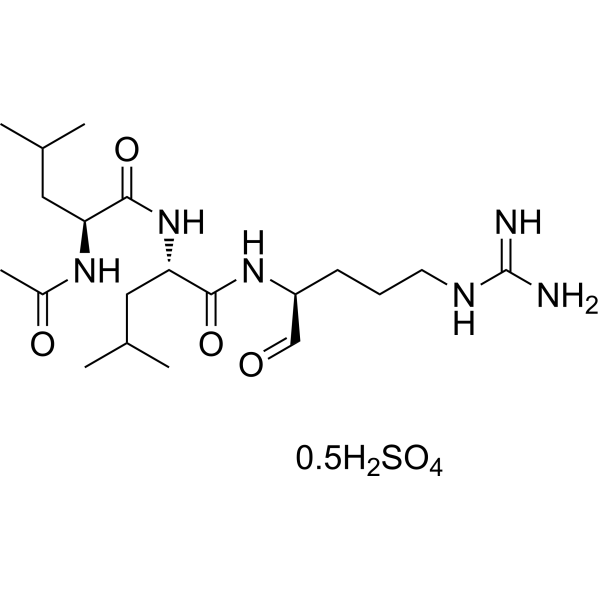
Cat. No.: HY-18234A
CAS No.: 103476-89-7
Leupeptin hemisulfate is a broad-spectrum protease inhibitor . By inhibiting the activation of the PTEN/PI3K/Akt/NF-κB/ERK1/2/p38 signaling pathway, Leupeptin hemisulfate significantly reduces LPS-induced NO and ROS production, mitochondrial membrane potential hyperpolarization, phagocytic activity, pro-inflammatory cytokine release, and M1 polarization in mouse peritoneal macrophages, and reverses autophagic flux impairment. It also decreases Concanavalin A (HY-P2149)-induced proliferation index of mouse splenic lymphocytes and the Th1/IL-10 and Th2/IL-10 cytokine ratios, thereby modulating innate and adaptive immune responses. Leupeptin hemisulfate inhibits blood coagulation and tumorigenesis in mouse skin. Leupeptin hemisulfate can be used in research on chronic inflammatory diseases and skin tumorigenesis .
loading...
    loading...
33
33 Cited Publications
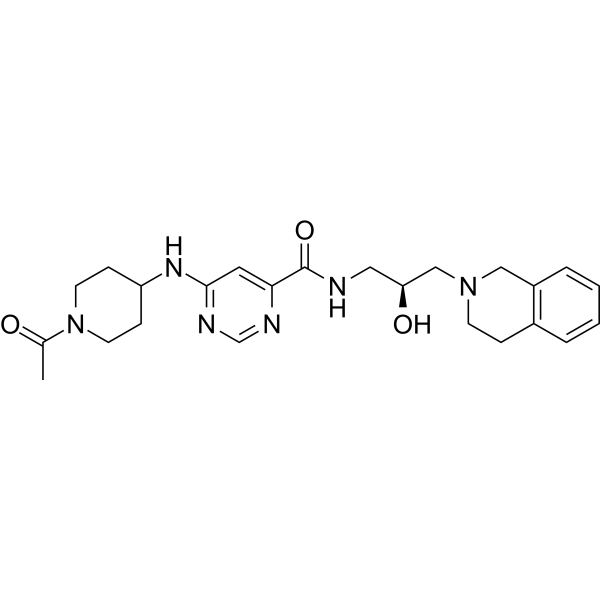
Cat. No.: HY-101563
CAS No.: 1616392-22-3
Purity:  99.51%
Synonyms: GSK3326595; EPZ015938
GSK3326595 is a protein arginine methyltransferase 5 (PRMT5) inhibitor. GSK3326595 decreases SARS-CoV-2 infection, inhibits cancer cell proliferation and induces pro-inflammatory macrophage polarization and increases hepatic triglyceride levels without affecting atherosclerosis. GSK3326595 can be used for research of relapsed/refractory mantle cell lymphoma .
loading...
    loading...
24
24 Cited Publications
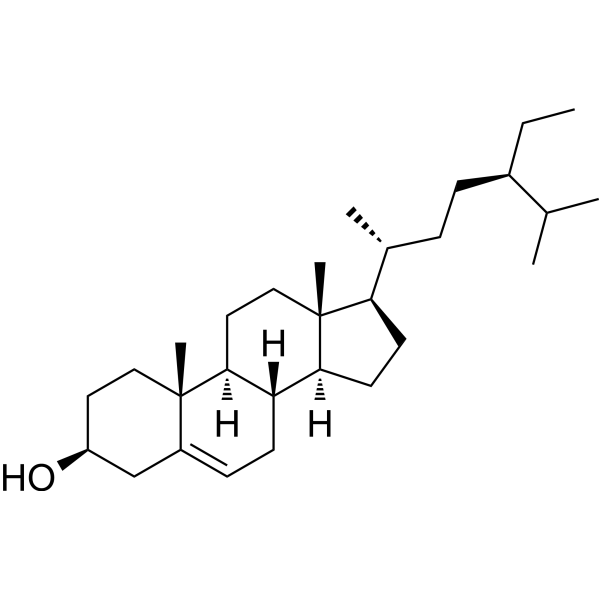
Cat. No.: HY-N0171A
CAS No.: 83-46-5
Synonyms: β-Sitosterol (purity>98%); 22,23-Dihydrostigmasterol (purity>98%)
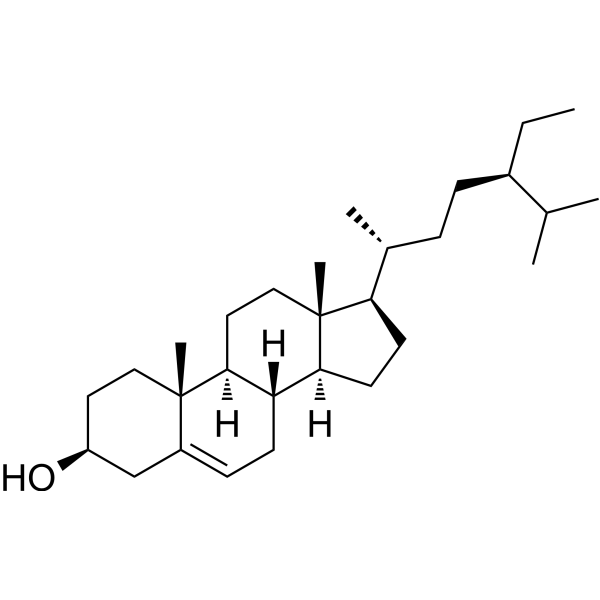
Beta-Sitosterol (purity>98%) is orally active. Beta-Sitosterol exhibits multiple activities, including anti-inflammatory, anticancer, antioxidant, antimicrobial, antidiabetic, antioxidant enzyme, and analgesic. Beta-Sitosterol inhibits inflammation and impaired adipogenesis in bovine mammary epithelial cells by reducing levels of ROS, TNF-α, IL-1β, and NF-κB p65 and restoring the activity of the HIF-1α/mTOR signaling pathway. Beta-Sitosterol induces apoptosis in cancer cells through ROS-mediated mitochondrial dysregulation and p53 activation. Beta-Sitosterol exerts its anticancer effects in cancer cells by activating caspase-3, caspase-8, and caspase-9, mediating PARP inactivation, MMP loss, altered Bcl-2-Bax ratio, and cytochrome c release. Beta-Sitosterol modulates macrophage polarization and reduces rheumatoid inflammation in mice. Beta-Sitosterol inhibits tumor growth in multiple mouse cancer models. Beta-Sitosterol can be used in the research of arthritis, lung cancer, breast cancer and other cancers, diabetes, etc .
loading...
    loading...
24
24 Cited Publications
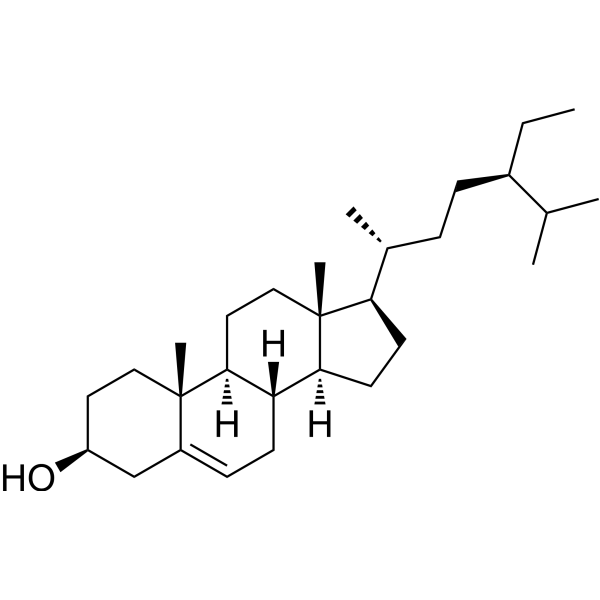
Cat. No.: HY-N0171
CAS No.: 83-46-5
Beta-Sitosterol (purity≥80%) is orally active. Beta-Sitosterol exhibits multiple activities, including anti-inflammatory, anticancer, antioxidant, antimicrobial, antidiabetic, antioxidant enzyme, and analgesic. Beta-Sitosterol inhibits inflammation and impaired adipogenesis in bovine mammary epithelial cells by reducing levels of ROS, TNF-α, IL-1β, and NF-κB p65 and restoring the activity of the HIF-1α/mTOR signaling pathway. Beta-Sitosterol induces apoptosis in cancer cells through ROS-mediated mitochondrial dysregulation and p53 activation. Beta-Sitosterol exerts its anticancer effects in cancer cells by activating caspase-3, caspase-8, and caspase-9, mediating PARP inactivation, MMP loss, altered Bcl-2-Bax ratio, and cytochrome c release. Beta-Sitosterol modulates macrophage polarization and reduces rheumatoid inflammation in mice. Beta-Sitosterol inhibits tumor growth in multiple mouse cancer models. Beta-Sitosterol can be used in the research of arthritis, lung cancer, breast cancer and other cancers, diabetes, etc .
loading...
    loading...
4
4 Cited Publications
Cat. No.: HY-113402
CAS No.: 636-58-8
Purity:  95.20%
Synonyms: γ-Glu-Cys
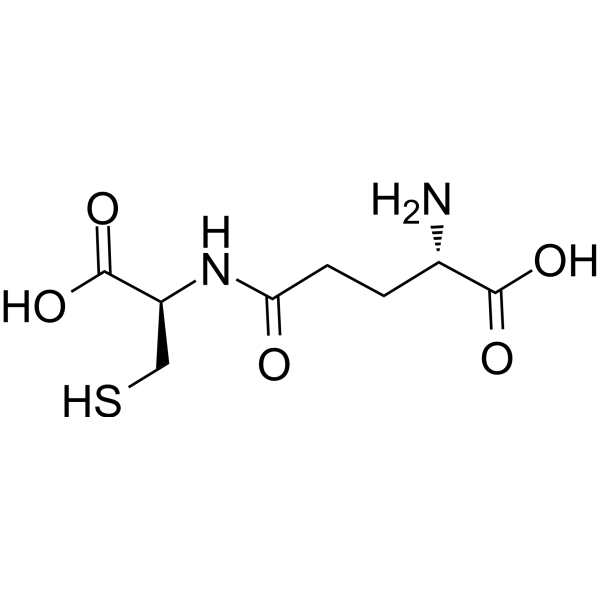
Gamma-glutamylcysteine (γ-Glu-Cys) is an orally active, blood-brain barrier permeable dipeptide . Gamma-glutamylcysteine activates AMPK, SIRT1, IL-4/STAT6, AC/cAMP/PI3K, IGF-1R/IRS1/PI3K, and Nrf2 signaling pathways; it inhibits NF-κB, JAK1/STAT1/3, MAPKs, cadmium-induced p38 MAPK, JNK, and PI3K/Akt signaling pathways. Gamma-glutamylcysteine regulates macrophage polarization, modulates the trafficking of CD36 and GLUT4, induces glutathione synthesis, improves metabolic dysfunction, reduces lipid deposition, ameliorates glucose homeostasis, inhibits apoptosis (Apoptosis), stabilizes mitochondria, suppresses lipid peroxidation, iron accumulation and ferroptosis (Ferroptosis), reduces ds-HMGB1 levels, reverses mechanical hyperalgesia, and alleviates hepatic lipid droplet formation. Gamma-glutamylcysteine is applicable to research related to inflammatory bowel disease, type 2 diabetes, cadmium-induced neurotoxicity, Alzheimer's disease, cerebral ischemia/reperfusion injury, neuropathy, and alcoholic liver disease .
loading...
    loading...
4
4 Cited Publications
Cat. No.: HY-113402A
CAS No.: 283159-88-6
Purity:  95.20%
Synonyms: γ-Glu-Cys TFA
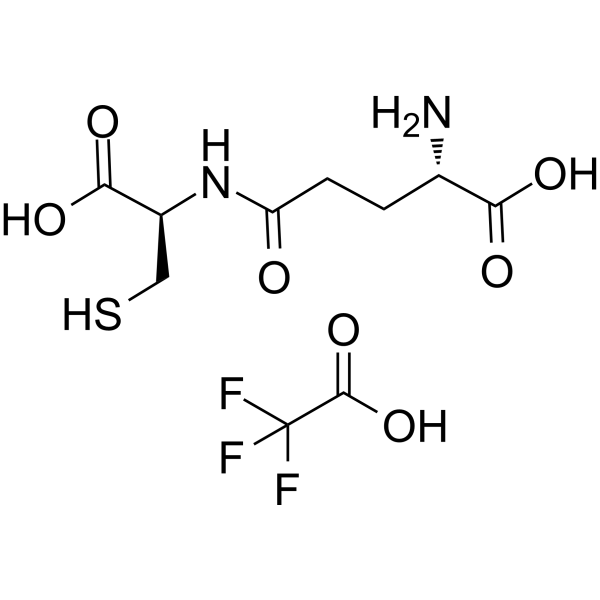
Gamma-glutamylcysteine TFA (γ-Glu-Cys TFA) is an orally active, blood-brain barrier permeable dipeptide . Gamma-glutamylcysteine TFA activates AMPK, SIRT1, IL-4/STAT6, AC/cAMP/PI3K, IGF-1R/IRS1/PI3K, and Nrf2 signaling pathways; it inhibits NF-κB, JAK1/STAT1/3, MAPKs, cadmium-induced p38 MAPK, JNK, and PI3K/Akt signaling pathways. Gamma-glutamylcysteine TFA regulates macrophage polarization, modulates the trafficking of CD36 and GLUT4, induces glutathione synthesis, improves metabolic dysfunction, reduces lipid deposition, ameliorates glucose homeostasis, inhibits apoptosis (Apoptosis), stabilizes mitochondria, suppresses lipid peroxidation, iron accumulation and ferroptosis (Ferroptosis), reduces ds-HMGB1 levels, reverses mechanical hyperalgesia, and alleviates hepatic lipid droplet formation. Gamma-glutamylcysteine TFA is applicable to research related to inflammatory bowel disease, type 2 diabetes, cadmium-induced neurotoxicity, Alzheimer's disease, cerebral ischemia/reperfusion injury, neuropathy, and alcoholic liver disease .
loading...
    loading...
3
3 Cited Publications
Cat. No.: HY-N6871
CAS No.: 514-10-3
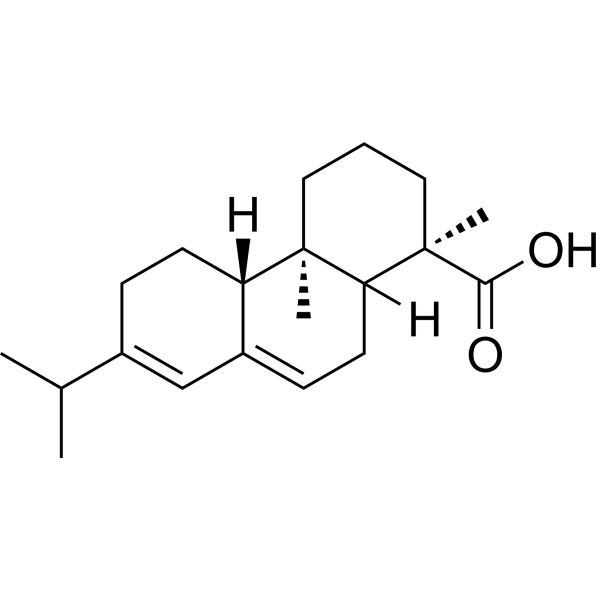
Abietic acid, an orally active diterpene isolated from Colophony, displays significant anti-proliferative, anti-inflammatory, anti-obesity effect, bacteriostatic, cell cycle arresting and pro-apoptotic activities. Abietic acid inhibits lipoxygenase activity for allergy. Abietic acid enhances cell migration and tube formation in HUVECs. Abietic acid induces significant angiogenic potential, which is associated with upregulation of extracellular signal-regulated kinase (ERK) and p38 expression. Abietic acid attenuates sepsis-induced lung injury by inhibiting nuclear factor kappa-light-chain-enhancer of activated B cells (NF-κB) pathway to inhibit M1 macrophage polarization. Abietic acid exhibits a positive effect against liver injury by attenuating inflammation and ferroptosis. Abietic acid shows accelerated wound closure in a mouse model of cutaneous wounds. Abietic acid significantly reduces the proliferation and growth of NSCLC cells by IKKβ inhibition.Additionally, Abietic acid ameliorates psoriasis-like inflammation and modulates gut microbiota in mice. Abietic acid is promising for research in non-small-cell lung cancer (NSCLC), liver injury-related deseases and psoriasis .
loading...
    loading...
2
2 Cited Publications
Cat. No.: HY-N0171R
CAS No.: 83-46-5
Synonyms: β-Sitosterol (Standard); 22,23-Dihydrostigmasterol (Standard))
Beta-Sitosterol (Standard) is the analytical standard of Beta-Sitosterol. This product is intended for research and analytical applications. Beta-Sitosterol (purity≥80%) is orally active. Beta-Sitosterol exhibits multiple activities, including anti-inflammatory, anticancer, antioxidant, antimicrobial, antidiabetic, antioxidant enzyme, and analgesic. Beta-Sitosterol inhibits inflammation and impaired adipogenesis in bovine mammary epithelial cells by reducing levels of ROS, TNF-α, IL-1β, and NF-κB p65 and restoring the activity of the HIF-1α/mTOR signaling pathway. Beta-Sitosterol induces apoptosis in cancer cells through ROS-mediated mitochondrial dysregulation and p53 activation. Beta-Sitosterol exerts its anticancer effects in cancer cells by activating caspase-3, caspase-8, and caspase-9, mediating PARP inactivation, MMP loss, altered Bcl-2-Bax ratio, and cytochrome c release. Beta-Sitosterol modulates macrophage polarization and reduces rheumatoid inflammation in mice. Beta-Sitosterol inhibits tumor growth in multiple mouse cancer models. Beta-Sitosterol can be used in the research of arthritis, lung cancer, breast cancer and other cancers, diabetes, etc.
loading...
    loading...
2
2 Cited Publications
Cat. No.: HY-128578
CAS No.: 906669-07-6
Purity:  99.86%
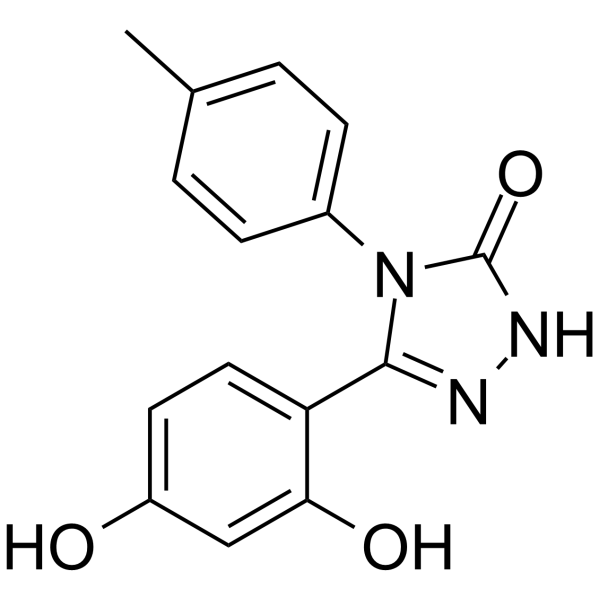
KPLH1130 is a pyruvate dehydrogenase kinase (PDK) inhibitor. KPLH1130 potently inhibits M1 macrophage polarization by reducing the expression of pro-inflammatory cytokines, decreasing the levels of M1 phenotype markers (HIF-1α, iNOS) and nitric oxide (NO) production. KPLH1130 prevents the reduction of mitochondrial oxygen consumption rate (OCR) induced by inflammatory stimuli (LPS ((HY-D1056) + IFN-γ) in various macrophage types. KPLH1130 improves glucose tolerance in HFD-fed mice. KPLH1130 can be used for the study of obesity-associated metabolic disorders and other inflammatory conditions .
loading...
    loading...
2
2 Cited Publications
Cat. No.: HY-N7043
CAS No.: 142796-21-2
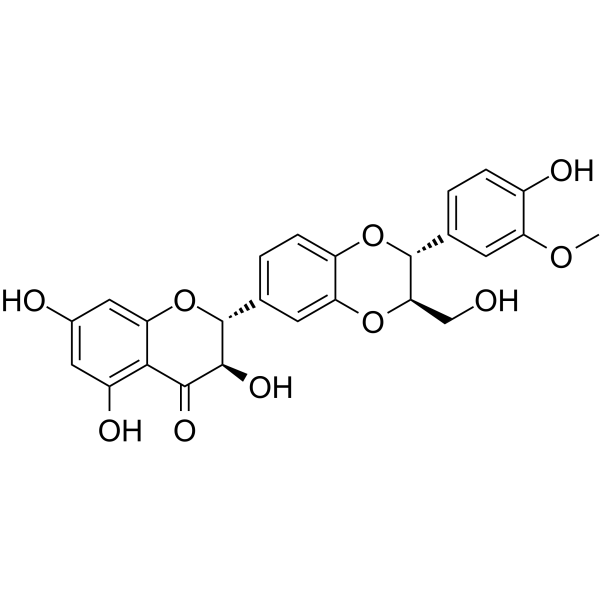
Isosilybin A is a PPARγ agonist that can be isolated from silymarin. Isosilybin A activates extrinsic and intrinsic pathways of apoptosis through targeting of the Akt-NF-kB-AR axis. Isosilybin A can relieve the inflammatory response in the rosacea model via inhibiting Erk and p38 signaling pathways and M1 macrophage polarization, with its targets related to RELA and VEGFA. Isosilybin A has anti-prostate cancer (PCA) activity [1][2][3].
loading...
    loading...
1
1 Cited Publications
Cat. No.: HY-143712
CAS No.: 2276-94-0
Purity:  98.70%
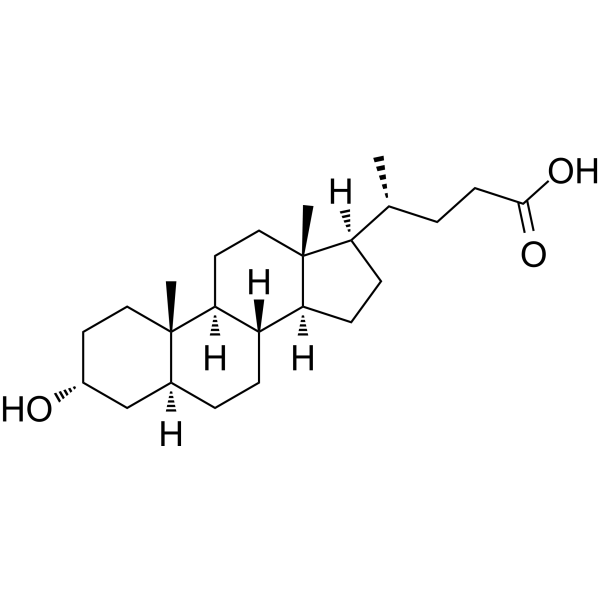
Allolithocholic acid is an orally active metabolite of Lithocholic acid (HY-B0172). Allolithocholic acid is a dual GPBAR1 agonist (EC50 = 2.7 μM) and RORγt inverse agonist (IC50 = 3.4 μM). Allolithocholic acid modulates immune and metabolic pathways, regulates immune cell polarization, prevents M1 macrophage and Th17 CD4 cell polarization. Allolithocholic acid improves insulin sensitivity, reduces liver lipid accumulation, reverses liver immunological, inflammatory and metabolic signaling dysregulation, restores bile acid homeostasis, adipose tissue histopathology/function, and intestinal microbiota composition, modulates intestinal immunity. Allolithocholic acid can be used for the researches of cancer, inflammayion, immunology and metabolic disease .
loading...
    loading...
1
1 Cited Publications
Cat. No.: HY-N6028
CAS No.: 59219-65-7
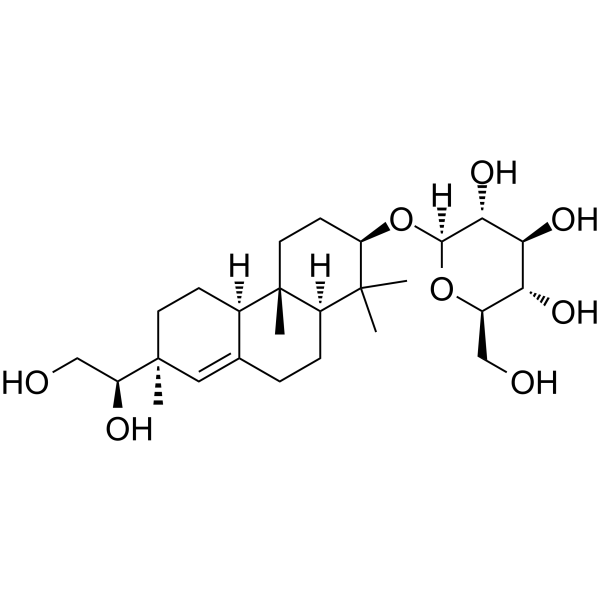
Darutoside is an orally effective diterpene compound with significant anti-inflammatory, analgesic, wound healing promotion, and immunomodulatory activities. Darutoside reduces edema and pain responses by inhibiting the expression of COX-2 and the migration of inflammatory cells. It regulates macrophage polarization towards the M2 type by inhibiting the NF-κB pathway, alleviating inflammation and promoting wound healing. Through multi-target regulation of metabolic networks, Darutoside significantly alleviates acute gouty arthritis .
loading...
    loading...
1
1 Cited Publications
Cat. No.: HY-106373
CAS No.: 9002-60-2
Purity:  99.17%
Synonyms: ACTH; Adrenocorticotrophic hormone
Adrenocorticotropic hormone (ACTH; Adrenocorticotrophic hormone) is a polypeptide tropic hormone produced by the anterior pituitary gland. Adrenocorticotropic hormone stimulates cortisol secretion from the adrenal cortex via the hypothalamic-pituitary-adrenal (HPA) axis. Adrenocorticotropic hormone regulates cortisol and androgen production. Adrenocorticotropic hormone can promote the development of spermatogenesis. Adrenocorticotropic hormone can relieve acute inflammation in gout models by inhibiting the polarization of macrophages to M1 type, inhibiting ROS and proinflammatory factor production and protecting mitochondrial function. Adrenocorticotropic hormone can be used for the researches of inflammation, endocrinology, metabolic disease, such as gout and nephrotic syndrome .
loading...
    loading...
1
1 Cited Publications
Cat. No.: HY-N3415
CAS No.: 3301-49-3
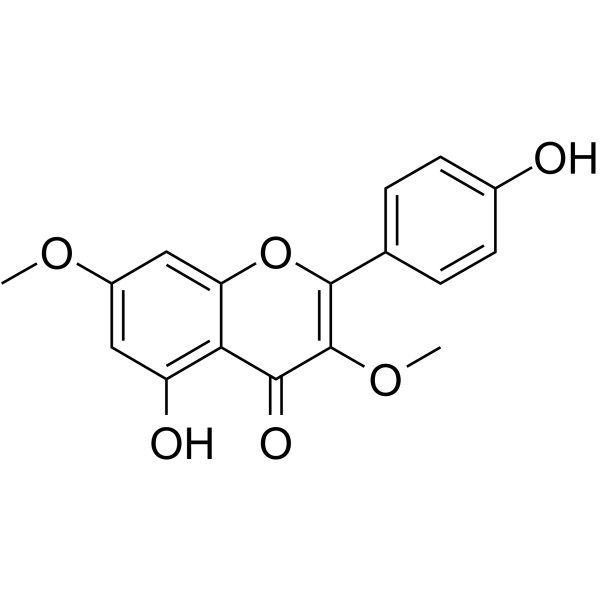
Kumatakenin is an orally active apoptosis inducer and autophagy inhibitor, with a Kd value of 2.94 μM for mouse ATG5. Kumatakenin increases the activities of caspase-3, caspase-8 and caspase-9, thereby inducing caspase-dependent apoptosis in ovarian cancer cells. Kumatakenin reduces the expression of chemokines and pro-oncogenic factors in ovarian cancer cells, and inhibits M2 macrophage polarization. Kumatakenin inactivates TRIM65 function, reduces the expression and stability of FASN, and thus inhibits the proliferation, migration, invasion and tumor progression of esophageal cancer cells. Kumatakenin interacts with ATG5 to reduce its protein level, decrease LC3 level, and reduce the number of autophagosomes in the hippocampus. Kumatakenin binds to Eno3 to upregulate its expression, reduce the stability and expression level of IRP1 mRNA, inhibit ferroptosis, alleviate intestinal inflammation, and restore epithelial barrier function. Kumatakenin enhances the efficacy of antibiotics against pathogenic bacteria, inhibits SARS-CoV-2 replication, and reduces cytokine production. Kumatakenin is applicable to research related to ovarian cancer, esophageal cancer, depression and colitis .
loading...
    loading...
1
1 Cited Publications
Cat. No.: HY-B1076
CAS No.: 2668-66-8
Synonyms: HMS; 6α-Methyl-11β-hydroxyprogesterone
Target:  

VEGFR CCR STAT

Research Areas:  

Neurological Disease

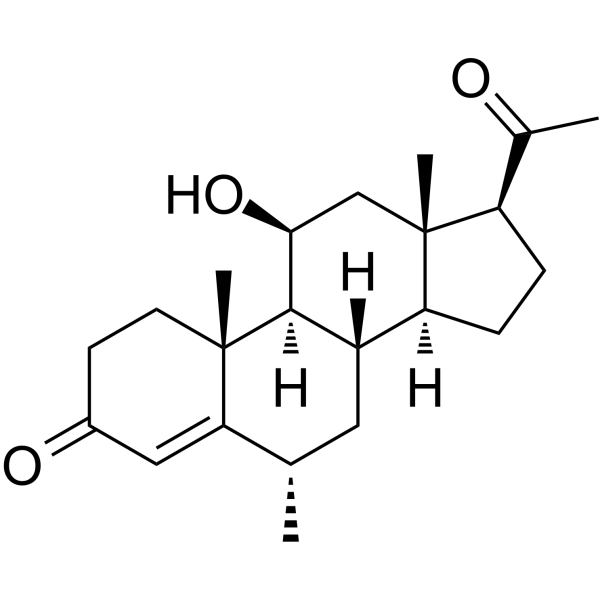
Medrysone (HMS; 6α-Methyl-11β-hydroxyprogesterone) is a STAT6 modulator and M2 macrophage polarization inducer. Medrysone enhances IL-4-triggered STAT6 activation, upregulates the expression of M2 markers, and promotes the secretion of VEGF and CCL2. Medrysone also enhances the pro-migratory activity of M2-like macrophages toward endothelial cells. By regulating macrophage polarization and related repair pathways, Medrysone significantly promotes corneal wound repair in a rat mechanical injury model. Medrysone can be used for research related to corneal injury .
loading...
    loading...
1
1 Cited Publications
Cat. No.: HY-N1956
CAS No.: 7460-43-7
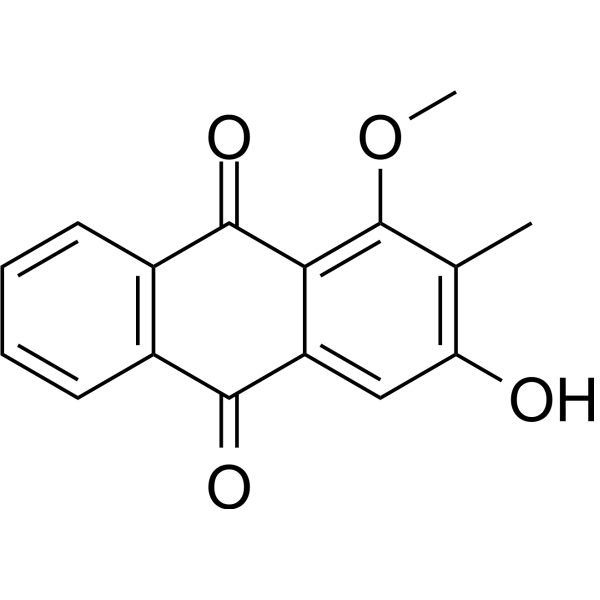
Rubiadin-1-methyl ether is an orally potent NF-κB p65 inhibitor and autophagy inhibitor. Rubiadin-1-methyl ether inhibits RANKL-induced phosphorylation and nuclear translocation of p65, suppresses BECN1 transcription, blocks LC3 conversion and autophagosome formation, thereby reducing the levels of BECN1 mRNA and Beclin1 protein. Rubiadin-1-methyl ether inhibits osteoclastogenesis, cell proliferation, macrophage M2 polarization and the TGF-β1 signaling pathway, and effectively alleviates pulmonary inflammation. Rubiadin-1-methyl ether is widely used in research on osteoporosis, pulmonary fibrosis, idiopathic pulmonary fibrosis, acute lung injury and other related diseases .
loading...
    loading...
1
1 Cited Publications
Cat. No.: HY-N6850
CAS No.: 26020-14-4
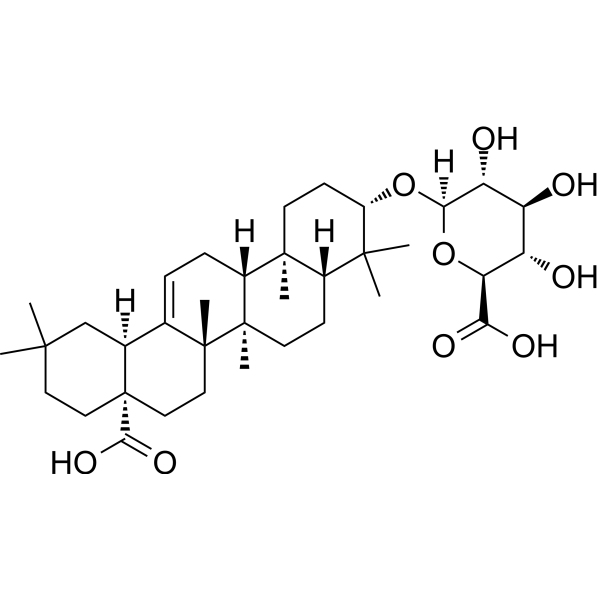
Calenduloside E is a pentacyclic triterpenoid saponin that can be extracted from the bark and roots of Aralia ovata, and has anti-inflammatory and anti-apoptotic activities. Calenduloside E alleviates atherosclerosis by regulating macrophage polarization, improves mitochondrial function by regulating the AMPK-SIRT3 pathway, and alleviates acute liver injury. In addition, Calenduloside E promotes the interaction between L-type calcium channels and Bcl-2 related apoptosis genes, inhibits calcium overload, and alleviates myocardial ischemia/reperfusion injury. Calenduloside E also improves non-alcoholic fatty liver disease by regulating heat shock-dependent pathways, and inhibits ROS mediated JAK1-STAT3 pathways to reduce cellular inflammatory responses .
loading...
    loading...
1
1 Cited Publications
Cat. No.: HY-D1056F
Synonyms: Biotin-LPS, from Escherichia coli (O111:B4)
Biotin-Lipopolysaccharide, from E.coli O111:B4 (Biotin-LPS, from Escherichia coli (O111:B4)) is a biotin-conjugated Lipopolysaccharide (LPS) (HY-D1056A1) that can be coupled with streptavidin protein. Biotin-Lipopolysaccharide, from E.coli O111:B4 can be used to identify Lipopolysaccharide ligands. Lipopolysaccharides, from E. coli O111:B4 (LPS, from Escherichia coli (O111:B4)) are endotoxins and TLR4 activators extracted from Escherichia coli (E. coli O111:B4) and are classified as S (smooth) type LPS. Lipopolysaccharides, from E. coli O111:B4 possess the typical three-part structure: O-antigen, R3-type core oligosaccharide, and lipid A. Lipopolysaccharides, from E. coli O111:B4 activate TLR-4 in immune cells and can cause significant gastric diseases. Lipopolysaccharides, from E. coli O111:B4 can also induce M1-type polarization in mouse macrophages .
It is recommended to prepare a solution with concentration ≥2 mg/mL. Vortex thoroughly for more than 10 minutes. Due to the adsorption characteristics of LPS, silanized container or low adsorption centrifuge tubes should be used for aliquoting and storage, and mix thoroughly before use.
loading...
    loading...
1
1 Cited Publications
Cat. No.: HY-W105750
CAS No.: 1191-25-9
Synonyms: 6-HHA
6-Hydroxyhexanoic acid (6-HHA) is a bacterial effector molecule with metabolic and immunomodulatory activities. 6-Hydroxyhexanoic acid activates the JAK1-STAT1 signaling pathway, promotes phenotypic conversion of M2 macrophages to M1 macrophages, and exerts anti-tumor effects by regulating macrophage polarization. 6-Hydroxyhexanoic acid inhibits lipolysis in adipocytes mediated by Gαi family GPCR, and reduces high-fat diet-induced weight gain and obesity. 6-Hydroxyhexanoic acid can be used in studies related to pancreatic ductal adenocarcinoma, obesity, and insulin resistance .
loading...
    loading...
1
1 Cited Publications
Cat. No.: HY-106373A
Purity:  99.85%
Synonyms: ACTH TFA; Adrenocorticotrophic hormone TFA
Adrenocorticotropic hormone (ACTH; Adrenocorticotrophic hormone) TFA is a polypeptide tropic hormone produced by the anterior pituitary gland. Adrenocorticotropic hormone TFA stimulates cortisol secretion from the adrenal cortex via the hypothalamic-pituitary-adrenal (HPA) axis. Adrenocorticotropic hormone TFA regulates cortisol and androgen production. Adrenocorticotropic hormone TFA can promote the development of spermatogenesis. Adrenocorticotropic hormone TFA can relieve acute inflammation in gout models by inhibiting the polarization of macrophages to M1 type, inhibiting ROS and proinflammatory factor production and protecting mitochondrial function. Adrenocorticotropic hormone TFA can be used for the researches of inflammation, endocrinology, metabolic disease, such as gout and nephrotic syndrome .
loading...
    loading...

