Search Result
Results for "
melanoma cell lines
" in MedChemExpress (MCE) Product Catalog:
3
Biochemical Assay Reagents
| Cat. No. |
Product Name |
Target |
Research Areas |
Chemical Structure |
-
- HY-13594
-
|
Ce6
|
MOFs
Bcl-2 Family
Caspase
PARP
Apoptosis
Fluorescent Dye
|
Infection
Cancer
|
|
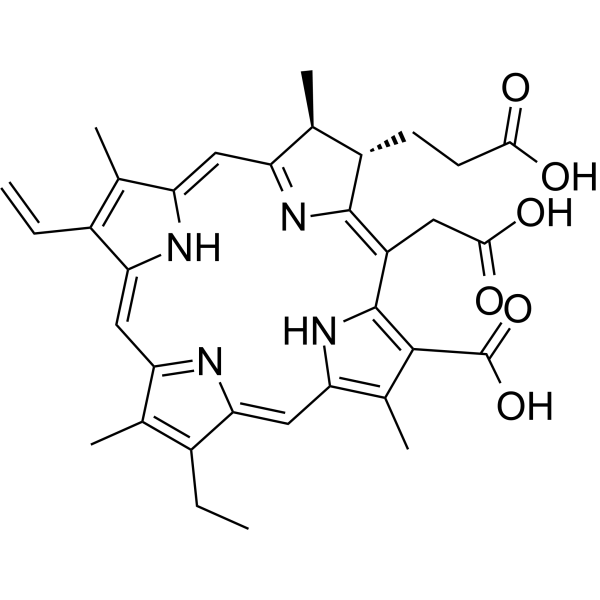
Chlorin e6 is a photosensitizer and has strong absorption peaks at wavelength of 402 and 662 nm, as well as exhibiting intense fluorescence at 668 nm. Chlorin e6 has antimicrobial efficacy and anticancer activity. Chlorin e6 induces cell apoptosis via caspase-3 activation and can be used for the research of cancer .
|
-
-
- HY-147268
-
|
RAF/KIN_2787
|
Raf
p38 MAPK
|
Cancer
|
|
Exarafenib (RAF/KIN_2787) is an orally-available, selective pan-RAF inhibitor. Exarafenib is effective in RAF-dependent cancers, including all classes of BRAF alterations. Exarafenib suppresses MAPK signaling in RAF-dependent melanoma cell lines. Exarafenib has anticancer activity .
|
-
-
- HY-100012
-
CBR-5884
Maximum Cited Publications
20 Publications Verification
|
Phosphoglycerate Dehydrogenase (PHGDH)
|
Cancer
|
|
CBR-5884 is an active, selective inhibitor of phosphoglycerate dehydrogenase (PHGDH) with an IC50 of 33 μM. CBR-5884 inhibits de novo serine synthesis in cancer cells and is selectively toxic to cancer cell lines with high serine biosynthetic activity. CBR-5884 selectively inhibits the proliferation of melanoma and breast cancer lines that have a high propensity for serine synthesis .
|
-
-
- HY-119272
-
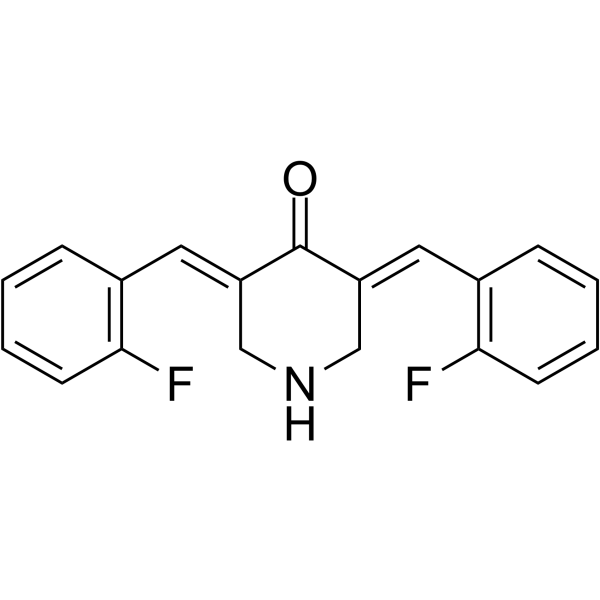
EF24
2 Publications Verification
|
ERK
Caspase
NF-κB
Apoptosis
p38 MAPK
Reactive Oxygen Species (ROS)
|
Inflammation/Immunology
Cancer
|
|
EF24, a curcumin analogue, is an NF-kB inhibitor with great anti-tumor efficacy and oral bioavailability via deactivation of the MAPK/ERK signaling pathway in oral squamous cell carcinoma (OSCC). EF24 is active against melanoma and breast cancer cell lines with GI50 values of 0.7 μM and 0.8 μM, respectively. EF24 induces cell cycle arrest and apoptosis in MDA-MB-231 human breast cancer cells and DU-145 human prostate cancer cells. EF24 increases the levels of activated caspase 3 and 9, and decreases the phosphorylated forms of MEK1 and ERK .
|
-
-
- HY-120599
-
|
VERU-111; ABI-231
|
Microtubule/Tubulin
Apoptosis
HPV
|
Cancer
|
|
VERU-111 (ABI-231) is a potent and orally active α and β tubulin inhibitor, which displays strong antiproliferative activity, with an average IC50 of 5.2 nM against panels of melanoma and prostate cancer cell lines. VERU-111 (ABI-231) suppresses tumor growth and metastatic phenotypes of cervical cancer cells via targeting HPV E6 and E7, and has potential for the treatment of prostate cancer .
|
-
-
- HY-123979
-
ζ-Stat
3 Publications Verification
NSC37044
|
PKC
Apoptosis
|
Cancer
|
|
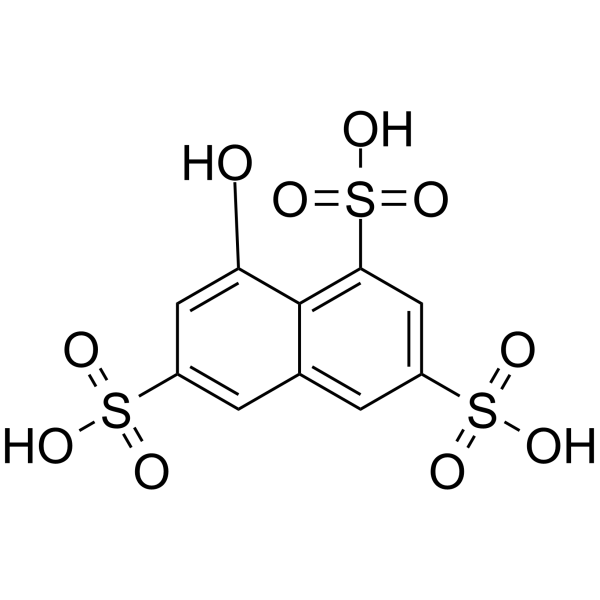
ζ-Stat (NSC37044) is a specific and atypical PKC-ζ inhibitor, with an IC50 of 5 μM. ζ-Stat can reduce melanoma cell lines proliferation and induce apoptosis, and has antitumor activity in vitro .
|
-
-
- HY-N2369
-
|
|
Apoptosis
Influenza Virus
|
Infection
Neurological Disease
Inflammation/Immunology
Cancer
|
|
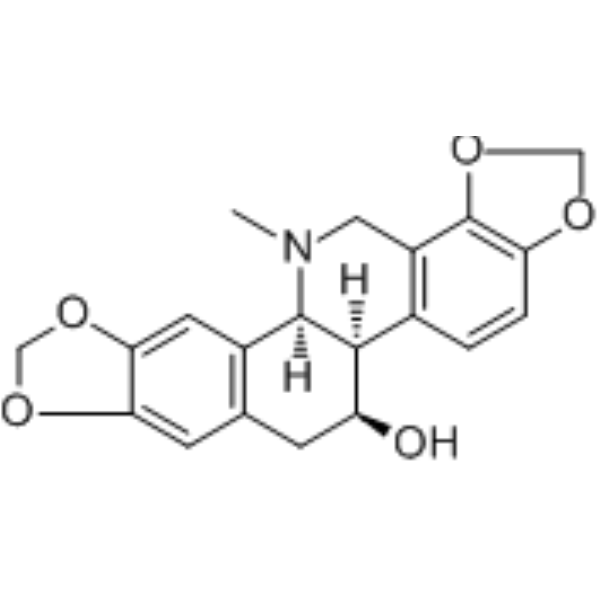
Chelidonine, an isoquinoline alkaloid, can be isolated from Chelidonium majus L.. Chelidonine causes G2/M arrest and induces caspase-dependent and caspase-independent apoptosis, and prevents cell cycle progression of stem cells in Dugesia japonica. Chelidonine has cytotoxic activity against melanoma cell lines. with anticancer and antiviral activity .
|
-
-
- HY-156418
-
|
|
DNA/RNA Synthesis
Ferroptosis
Apoptosis
Reactive Oxygen Species (ROS)
|
Cancer
|
|
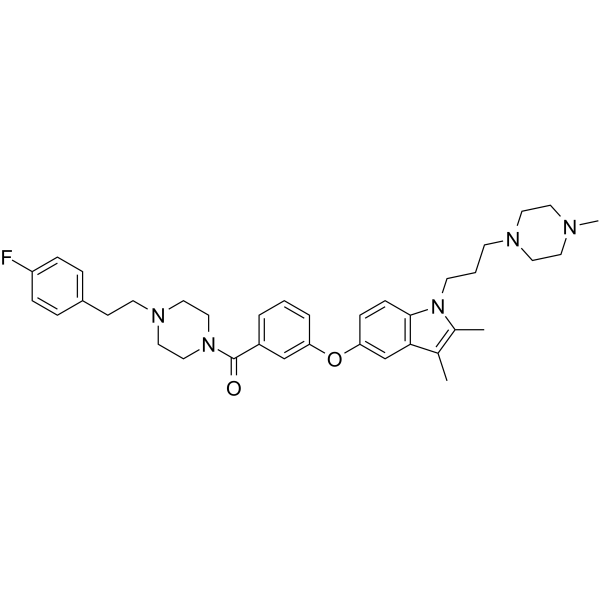
KY386 is a DHX33 helicase inhibitor with an IC50 of 0.019 μM. KY386 inhibits the cell viability of various cancer cells. KY386 induces ferroptosis in cancer cells, and induces apoptosis in some cancer cell lines. KY386 increases the intracellular levels of ROS, LPO and Fe 2+, and decreases the level of GSH in cancer cells . KY386 inhibits the growth of gastric cancer and colon cancer xenografts in nude mice. KY386 is applicable to the related research on liver cancer, lung cancer, pancreatic cancer, colorectal cancer, gastric cancer, breast cancer, leukemia, renal cancer, prostate cancer, esophageal cancer, cervical cancer, brain cancer (glioblastoma) and melanoma .
|
-
-
- HY-P1181A
-
|
|
Toll-like Receptor (TLR)
NO Synthase
IKK
Akt
PKC
NF-κB
p38 MAPK
Interleukin Related
|
Cardiovascular Disease
Infection
Inflammation/Immunology
Cancer
|
|
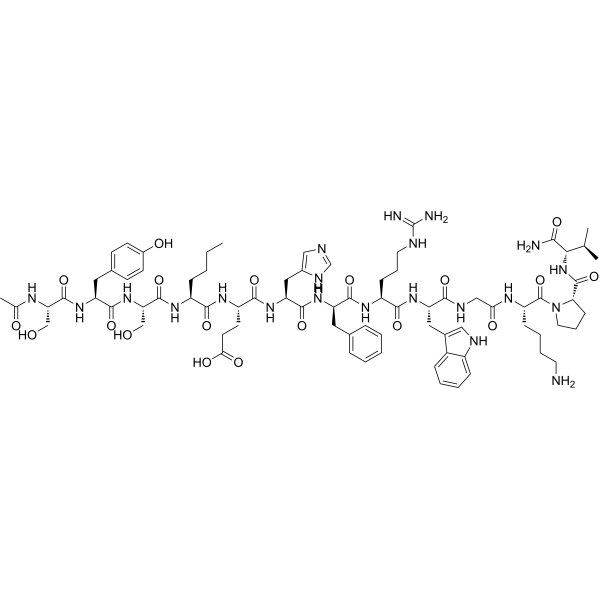
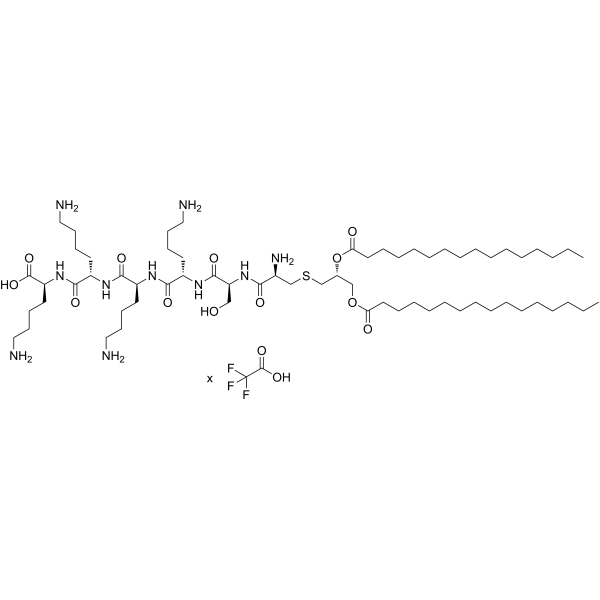
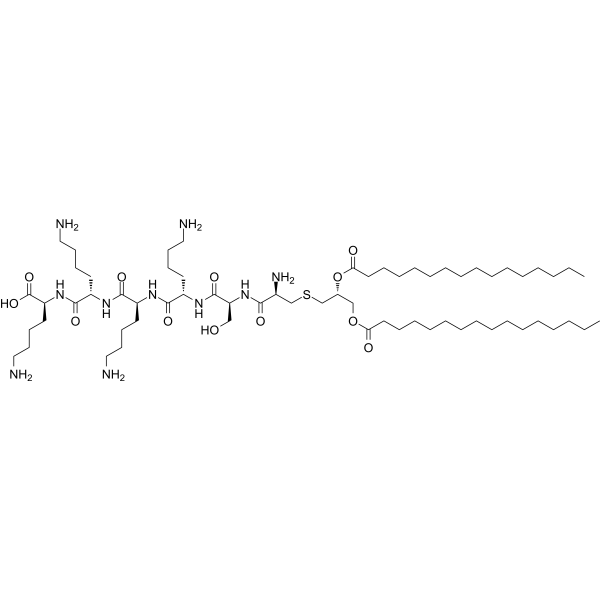
Pam2CSK4 TFA is a TLR2 agonist. Pam2CSK4 TFA induces the expression of iNOS and NO in macrophage cell lines via TBK1 and MyD88 molecules. Pam2CSK4 TFA activates the NF-κB and Bruton's tyrosine kinase signaling pathways in platelets, and promotes platelet-endothelial cell interactions. TLR2 activation triggered by Pam2CSK4 TFA expands myeloid-derived suppressor cells (MDSCs) and suppresses anti-tumor immune responses in the tumor microenvironment. Pam2CSK4 TFA acts as a Th2-polarizing adjuvant in mouse vaccine models against Leishmania major and Brugia malayi. Pam2CSK4 TFA can be used in the research of various diseases, including thromboinflammatory diseases, sepsis, atherosclerosis, heart failure, influenza, lymphoma, melanoma, cutaneous leishmaniasis and lymphatic filariasis .
|
-
-
- HY-100948
-
|
|
Myosin
|
Cancer
|
|
ATM-3507 is a potent tropomyosin inhibitor with IC50s from 3.83-6.84 μM in human melanoma cell lines.
|
-
-
- HY-N3023
-
|
NSC 263475 hydrobromide
|
DNA/RNA Synthesis
|
Cancer
|
|
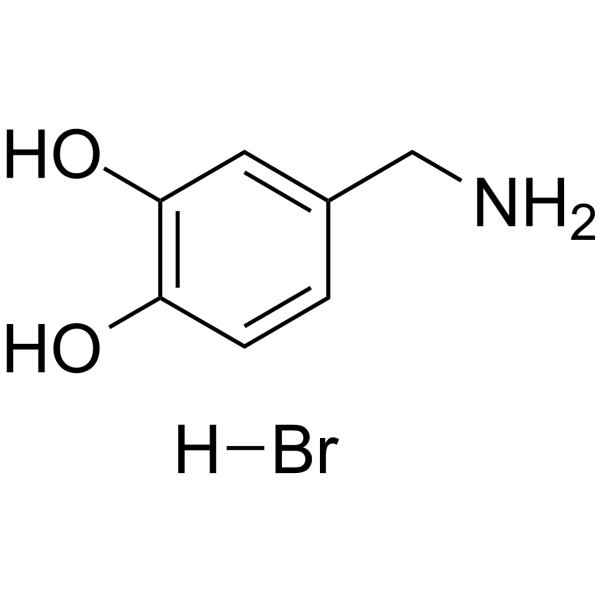
3,4-Dihydroxybenzylamine hydrobromide (NSC 263475 hydrobromide) is an improved dopamine analog cytotoxic and inhibits DNA polymerase activity in melanoma cells . 3,4-Dihydroxybenzylamine hydrobromide (NSC 263475 hydrobromide) displays growth inhibitory activity in melanoma cell lines with varying degrees of tyrosinase activity .
|
-
-
- HY-121382
-
|
|
Cholinesterase (ChE)
Apoptosis
Necroptosis
|
Neurological Disease
Cancer
|
|
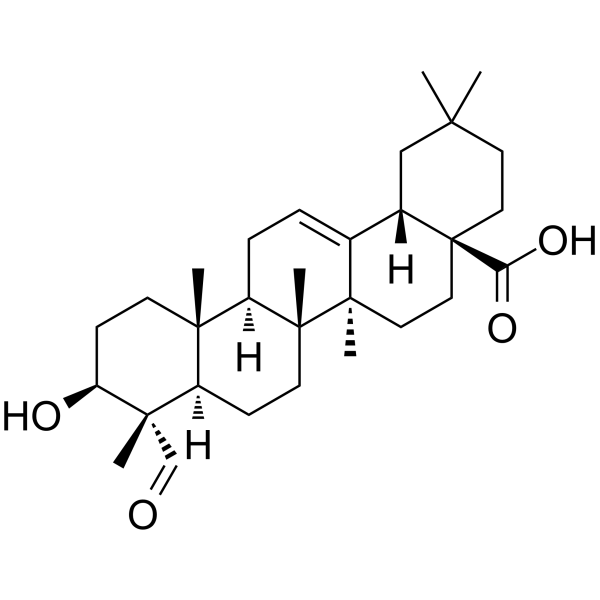
Gypsogenin is a selective mixed-type BChE inhibitor (Ki=19.99 μM) that also exhibits significant cytotoxicity against various human cancer cell lines. Gypsogenin inhibits tumor growth by inducing cell cycle arrest and triggering apoptosis. Gypsogenin displays antibacterial activity against bacteria such as Bacillus subtilis and Bacillus thuringiensis, and often serves as a key parent nucleus for the synthesis of anticancer compounds. Gypsogenin is widely used in research on Alzheimer's disease and various cancers including colon cancer, melanoma, and leukemia .
|
-
-
- HY-P1181
-
|
|
Toll-like Receptor (TLR)
NO Synthase
IKK
Akt
PKC
NF-κB
p38 MAPK
Interleukin Related
|
Cardiovascular Disease
Infection
Inflammation/Immunology
Cancer
|
|
Pam2CSK4 is a TLR2 agonist. Pam2CSK4 induces the expression of iNOS and NO in macrophage cell lines via TBK1 and MyD88 molecules. Pam2CSK4 activates the NF-κB and Bruton's tyrosine kinase signaling pathways in platelets, and promotes platelet-endothelial cell interactions. TLR2 activation triggered by Pam2CSK4 expands myeloid-derived suppressor cells (MDSCs) and suppresses anti-tumor immune responses in the tumor microenvironment. Pam2CSK4 acts as a Th2-polarizing adjuvant in mouse vaccine models against Leishmania major and Brugia malayi. Pam2CSK4 can be used in the research of various diseases, including thromboinflammatory diseases, sepsis, atherosclerosis, heart failure, influenza, lymphoma, melanoma, cutaneous leishmaniasis and lymphatic filariasis .
|
-
-
- HY-175370
-
|
|
PROTACs
RIP kinase
|
Cancer
|
|
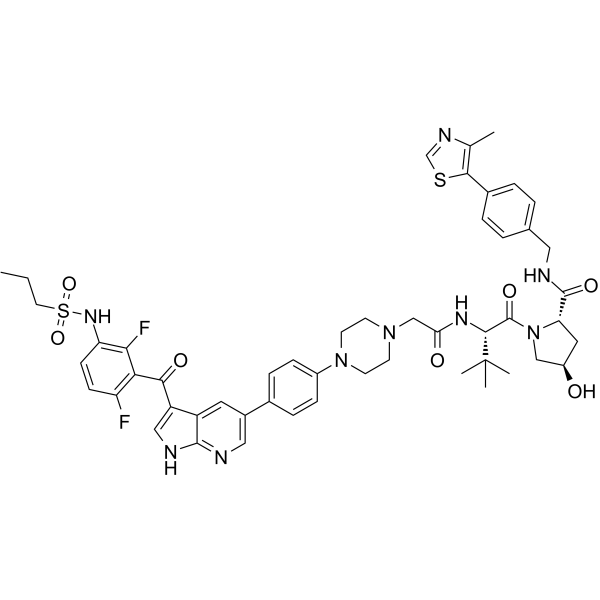
PROTAC RIPK1 Degrader-1 is a selective RIPK1 PROTAC degrader. PROTAC RIPK1 Degrader-1 degrades RIPK1 in multiple cancer cell lines (e.g., A375, B16F10 cells). PROTAC RIPK1 Degrader-1 enhances the anti-cancer effect of radiotherapy in syngeneic and humanized mouse models. PROTAC RIPK1 Degrader-1 can be used to study cancers such as melanoma. (Pink: RIPK1-ligand-2: HY-175371, Blue: (S,R,S)-AHPC-Me: HY-112078, Pink + Black: RIPK1 ligand-Linker Conjugate-1: HY-175374, Black: Bispiperidin-piperazin-acetater: HY-175373) .
|
-
-
- HY-N10423
-
|
(-)-Cubebin
|
Cholinesterase (ChE)
Bacterial
Fungal
Parasite
p38 MAPK
|
Infection
Neurological Disease
Metabolic Disease
Inflammation/Immunology
Cancer
|
|
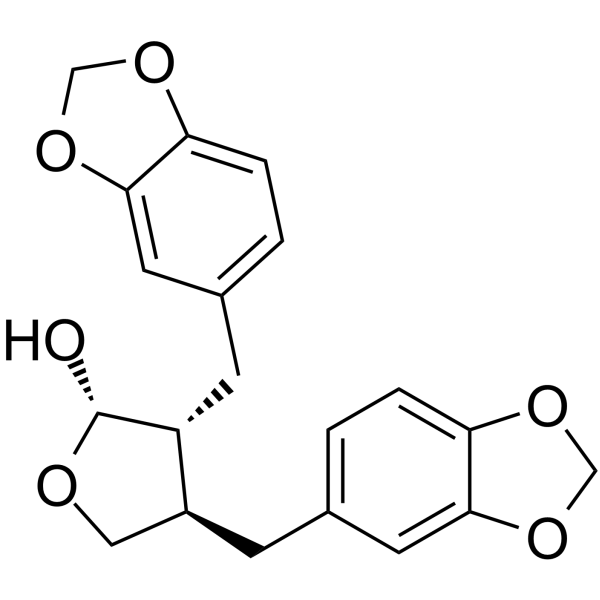
Cubebin ((-)-Cubebin), a dibenzyl butyrolactone lignan, is an orally active AChE inhibitor. Cubebin binds to active sites of NF-κB, TNF-α, and TGF-β1 via hydrogen and hydrophobic interactions, obstructing critical residues to inhibit pro-inflammatory or renal fibrosis-related activity. Cubebin enhances p38 MAPK phosphorylation to increase tyrosinase gene expression, stimulating melanogenesis via elevated tyrosinase activity, expression, and mRNA levels. Cubebin reduces oxidative stress via enhanced endogenous antioxidant enzyme activity and inhibited lipid peroxidation, regulates lipid metabolism, improves glycemic control, and exerts renoprotective effects via reduced renal dysfunction markers and improved renal architecture. Cubebin shows antimicrobial activity. Cubebin exerts larvicidal activity against Angiostrongylus cantonensis larvae, with no cytotoxicity toward monkey or human cell lines or Caenorhabditis elegans. Cubebin can be used for the research of diabetic nephropathy, melanoma, colon adenocarcinoma, neuroangiostrongyliasis, Alzheimer’s disease (AD) and depression .
|
-
-
- HY-W020958
-
|
Tris(acetylacetonato)ruthenium (III)
|
Caspase
Apoptosis
|
Cancer
|
|
Ru (acac) 3 (Tris (acetylacetonato) ruthenium (III)) is a caspase-3 activator and Apoptosis inducer. Ru (acac) 3 exerts growth inhibitory effects on various cell lines in vitro by inhibiting DNA/RNA synthesis and inducing mild reversible S-phase cell cycle arrest. Ru (acac) 3 is commonly used in research related to ovarian cancer, osteosarcoma, cervical cancer, melanoma, and other fields .
|
-
-
- HY-123979A
-
|
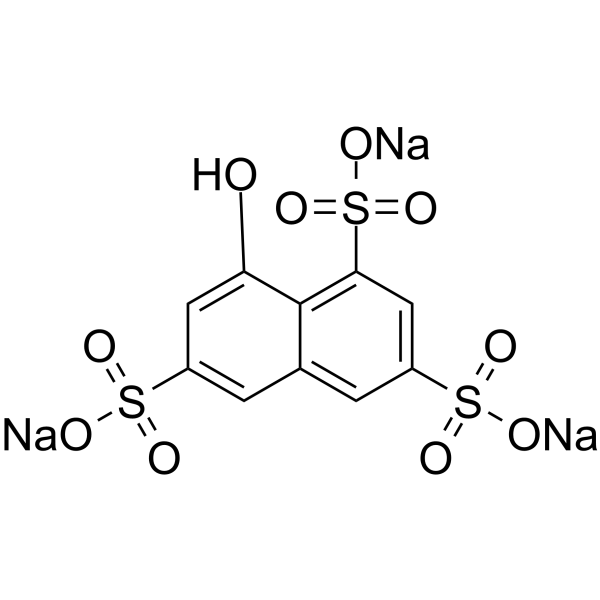
NSC37044 trisodium
|
PKC
Apoptosis
|
Cancer
|
|
ζ-Stat trisodium (NSC37044 trisodium) is a specific and atypical PKC-ζ inhibitor, with an IC50 of 5 μM. ζ-Stat trisodium can reduce melanoma cell lines proliferation and induce apoptosis, and has antitumor activity in vitro .
|
-
-
- HY-W001939
-
|
|
Biochemical Assay Reagents
|
Cancer
|
|
4-Acetylbenzoic acid is a Zn(II) complex. 4-Acetylbenzoic acid is a derivative of benzoic acid that is commonly used in chemical synthesis. 4-Acetylbenzoic acid has an IC50 of 331.3 μM in murine L929 fibroblasts and an IC50 of 176 μM in metastatic melanoma B16 F10 cell lines .
|
-
-
- HY-W231513
-
|
|
MASTL
Ser/Thr Protease
Aurora Kinase
|
Cancer
|
|
MASTL/Aurora A-IN-1 (Compound MA4) is a dual inhibitor of MASTL and Aurora A kinases with IC50 values of 0.56 μM and 0.16 μM, respectively. MASTL/Aurora A-IN-1 has broad-spectrum anticancer activity and has potent anticancer activity against SR (leukemia), K-562 (leukemia), MDA-MB-435 (melanoma), MOLT-4 (leukemia), and SK-MEL-2 (melanoma) cell lines in NCI-60 cancer cell lines with GI50 values of 0.023, 0.032, 0.037, 0.044, and 0.051 μM, respectively. MASTL/Aurora A-IN-1 inhibits Aurora A and MASTL kinases, inducing cell cycle G2/M arrest, thereby inhibiting cancer cell proliferation. MASTL/Aurora A-IN-1 can be used in cancer research, especially for tumors with dysregulated mitosis .
|
-
-
- HY-N11108
-
|
|
Others
|
Cancer
|
|
Gochnatiolide A is a dimeric sesquiterpene that can be found in Ainsliaea henryi. Gochnatiolide A exhibits antiproliferative activity against the kidney, melanoma, ovarian-resistant and glioma cell lines .
|
-
-
- HY-179717
-
|
|
PROTACs
Microphthalmia Associated Transcription Factor (MITF)
|
Cancer
|
|
WZS0347 is a MITF PROTAC degrader. WZS0347 effectively reduces the MITF protein levels in several melanoma cell lines, including B16F10, A375, and GAK. WZS0347 significantly inhibits the proliferation, migration, and invasion of melanoma cells. WZS0347 can be used for research on melanoma (Pink: MITF ligand: (HY-179718); Blue: CRBN ligand: (HY-131717); Black: linker: (HY-22391)) .
|
-
-
- HY-122534
-
|
|
Mitochondrial Metabolism
ADC Payload
Apoptosis
|
Cancer
|
|
Mensacarcin, a highly complex polyketide, strongly inhibits cell growth universally in cancer cell lines and potently induces apoptosis in melanoma cells. Mensacarcin targets to mitochondria, affects energy metabolism in mitochondria, and activates caspase-dependent apoptotic pathways. Mensacarcin, an antibiotic, can be used as a cytotoxic component of antibody-drug conjugates (ADCs) .
|
-
-
- HY-175975
-
|
|
PROTACs
Akt
|
Cancer
|
|
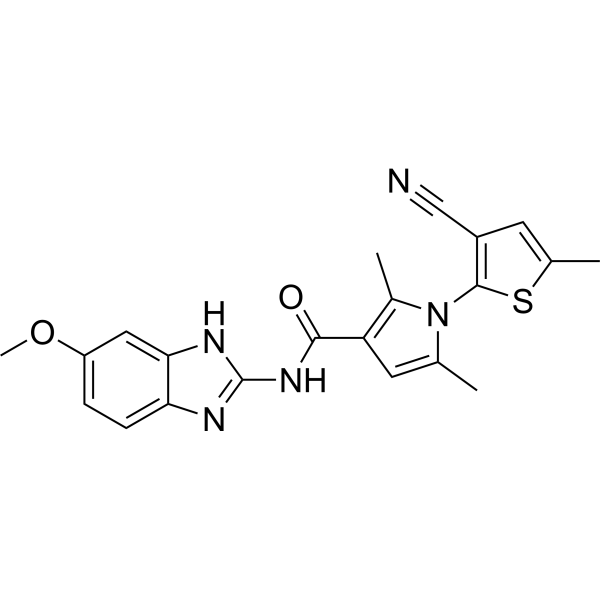
PROTAC Akt3 Degrader-1 is a highly efficient and selective PROTAC degrader targeting Akt3. PROTAC Akt3 Degrader-1 shows weak antiproliferative activity in 36 cell lines. PROTAC Akt3 Degrader-1 can be used for the study of Triple-negative breast cancer and melanoma .
|
-
-
- HY-100948B
-
|
|
Myosin
|
Cancer
|
|
ATM-3507 trihydrochloride is a potent tropomyosin inhibitor with IC50s from 3.83-6.84 μM in human melanoma cell lines.
|
-
-
- HY-150639
-
|
|
Raf
|
Cancer
|
|
Everafenib is a potent and blood-brain barrier (BBB) penetrant BRAF inhibitor, also inhibits MAPK signaling. Everafenib has inhibitory activity against a panel of V600EBRAF melanoma cell lines with IC50 values of 2-10 nM, which is better than Dabrafenib (HY-14660) and Vemurafenib (HY-12057). Everafenib has efficacy in an intracranial mouse model of metastatic melanoma .
|
-
-
- HY-N2369R
-
|
|
Reference Standards
Apoptosis
Influenza Virus
|
Infection
Cancer
|
|
Chelidonine (Standard) is the analytical standard of Chelidonine. This product is intended for research and analytical applications. Chelidonine, an isoquinoline alkaloid, can be isolated from Chelidonium majus L.. Chelidonine causes G2/M arrest and induces caspase-dependent and caspase-independent apoptosis, and prevents cell cycle progression of stem cells in Dugesia japonica. Chelidonine has cytotoxic activity against melanoma cell lines. with anticancer and antiviral activity .
|
-
-
- HY-15882
-
|
|
Endogenous Metabolite
|
Cancer
|
|
GNE-783 is a selective CHK1 inhibitor that enhances the activity of gemcitabine. GNE-783 improves the efficacy of anti-metabolite DNA damage drugs by inactivating S-phase and G2-phase cell cycle checkpoints following DNA damage. GNE-783 selectively enhances the chemical synergy of certain drugs in different tumor types, for example, enhancing the activity of temozolomide only in melanoma cell lines .
|
-
-
- HY-153858
-
|
|
Raf
Discoidin Domain Receptor
MEK
TNF Receptor
Interleukin Related
JAK
STAT
Ras
|
Cancer
|
|
PHI-501 is a dual inhibitor targeting RAF/DDR. PHI-501 exhibits significant anti-proliferative effects in melanoma cell lines and significantly inhibits the colony formation of drug-resistant cells. PHI-501 strongly inhibits ERK and AKT phosphorylation. PHI-501 downregulates the gene sets in drug-resistant cells of TNFA-NFKB, IL6-JAK-STAT3, and KRAS signaling pathways as well as the epithelial-mesenchymal transition (EMT) signaling pathways. PHI-501 demonstrates significant anti-tumor effects in the SK-MEL3DR xenograft model. PHI-501 can be used for research on the problem of drug resistance in melanoma .
|
-
-
- HY-175298
-
|
|
STAT
Src
Apoptosis
|
Cancer
|
|
STAT-3/c-Src-IN-1 (Compound 12d) is a dual STAT-3 (IC50=0.844 μM) and c-Src (IC50=0.268 μM) inhibitor. STAT-3/c-Src-IN-1 blocks tumor cell proliferation, migration, and angiogenesis signaling pathways. STAT-3/c-Src-IN-1 exhibits potent anti-proliferative activity against melanoma (SK-MEL-2) and CNS cancer (SNB-75) cell lines (GI50=-5.75 μM and -5.63 μM), inducing tumor cell apoptosis via G0/G1 and G2/M phase cell cycle arrest. STAT-3/c-Src-IN-1 is promising for research of melanoma and glioblastoma .
|
-
-
- HY-W587938
-
|
(+)-γ-Eudesmol
|
Apoptosis
|
Cancer
|
|
γ-Eudesmol ((+)-γ-Eudesmol) is a mitochondrial-mediated apoptosis inducer. γ-Eudesmol binds mitochondrial membrane proteins, triggering depolarization of mitochondrial membrane potential and activating caspase cascades. γ-Eudesmol demonstrates cytotoxicity against multiple tumor cell lines (e.g., HepG2, B16-F10) with IC50 values ranging from 8.86-15.15 μg/mL. γ-Eudesmol is promising for research of cancers, such as hepatocellular carcinoma and melanoma .
|
-
-
- HY-120599A
-
|
VERU-111 hydrochloride; ABI-231 hydrochloride
|
Microtubule/Tubulin
Apoptosis
HPV
Endogenous Metabolite
|
Cancer
|
|
Sabizabulin hydrochloride is a potent orally bioavailable microtubule inhibitor with activity that interacts with the colchicine binding site. Sabizabulin hydrochloride demonstrated significant inhibition of melanoma tumor growth with an average IC50 of 5.2 nM in melanoma and prostate cancer cell lines. Pharmacological screening of Sabizabulin hydrochloride shows it has a low risk of potential side effects .
|
-
-
- HY-174837
-
|
|
Topoisomerase
|
Cancer
|
|
Topoisomerase IIα-IN-11 (Compound 16h) is a potent Topoisomerase IIα inhibitor. Topoisomerase IIα-IN-11 shows significant inhibition on melanoma A2058 cell lines (IC50 3-6 μM). Topoisomerase IIα-IN-11 is promising for research of cancers (especially melanoma) .
|
-
-
- HY-120607
-
|
|
Parasite
|
Infection
Cancer
|
|
Chevalone C, a meroterpenoid fungal metabolite, shows antimalarial activity with IC50 value of 25.00 μg/mL. Chevalone C has anti-proliferative activity on colon HCT116, liver HepG2 and melanoma A375 cancer cell lines .
|
-
-
- HY-P991425
-
|
|
Transmembrane Glycoprotein
|
Cancer
|
|
AT-1413 is a human monoclonal antibody (mAb) targeting CD43. AT-1413 induces antibody-dependent cell-mediated cytotoxicity (ADCC) in melanoma cell lines and acute myeloid leukemia (AML) cells. AT-1413 has antitumor activity in AML mouse models. AT-1413 can be used in Acute myeloid leukaemia, Breast cancer, Malignant melanoma and Myelodysplastic syndromes research. Recommended isotype control: Human IgG1 kappa, Isotype Control (HY-P99001) .
|
-
-
- HY-147734
-
|
|
Calcium Channel
|
Cancer
|
|
Calpain Inhibitor-2 (compound 5) is a peptide inhibitor of μ-calpain (Ki=9 nM). Calpain Inhibitor-2 exhibits antiproliferative activity against melanoma cell lines (A-375 and B-16F1) and PC-3 prostate cancer cells in vitro .
|
-
-
- HY-164474
-
|
|
MEK
|
Cancer
|
|
DS03090629 is an orally active MEK inhibitor that inhibits MEK activity in an ATP-competitive manner. DS03090629 exhibits high affinity for both MEK and phosphorylated MEK, with Kd values of 0.11 and 0.15 nM, respectively. It effectively inhibits the proliferation of BRAF-mutant overexpressing melanoma cell lines, with IC50 values of 74.3 and 97.8 nM for BRAF V600E and MEK1 F53L transfected A375 cells, respectively. DS03090629 holds potential value in the field of anti-melanoma therapy .
|
-
-
- HY-115458
-
|
|
Microtubule/Tubulin
Apoptosis
|
Cancer
|
|
6-MOMIPP is a brain-penetrant microtubule disruptor that targets the colchicine site on β-tubulin. 6-MOMIPP can induce mitotic arrest and cell apoptosis. 6-MOMIPP has broad activity against the viability of multiple glioblastoma, melanoma and lung carcinoma cell lines. 6-MOMIPP can be used for the research of cancer .
|
-
-
- HY-164473
-
|
|
ERK
Akt
STAT
Apoptosis
|
Cancer
|
|
DETD-35 is an inhibitor of the MEK-ERK, Akt, and STAT3 signaling pathways, which promotes cancer cell apoptosis (Apoptosis) and reduces cancer cell resistance to Vemurafenib (HY-12057). The IC50 values of DETD-35 against wild-type and mutant melanoma cell lines B16-F10, MeWo, SK-MEL-2, A2058c, and A375c are 2.7, 6.0, 3.9, 3.1, and 2.5 μM, respectively. DETD-35 holds promise for research in the field of anti-melanoma therapy .
|
-
-
- HY-N2369A
-
|
|
Apoptosis
Influenza Virus
|
Infection
Cancer
|
|
Chelidonine (hydrochloride) is the hydrochloride form of Chelidonine (HY-N2369).Chelidonine, an isoquinoline alkaloid, can be isolated from Chelidonium majus L. Chelidonine causes G2/M arrest and induces caspase-dependent and caspase-independent apoptosis, and prevents cell cycle progression of stem cells in Dugesia japonica. Chelidonine has cytotoxic activity against melanoma cell lines. with anticancer and antiviral activity .
|
-
-
- HY-155522
-
|
|
Carbonic Anhydrase
|
Cancer
|
|
WES-1 (Compound 8g) is an inhibitor of carbonic anhydrase IX (Ki: 55.9 μM). WES-1 has broad spectrum anti-proliferative activity against the cancer cells, such as leukemia (K-562 and MOLT-4), non-small cell lung cancer (NCI–H460), colon cancer (HCT 116 and HCT-15) and melanoma (LOX IMVI) cell lines .
|
-
-
- HY-158158
-
|
|
Histone Methyltransferase
|
Cancer
|
|
CARM1-IN-5 (Compound 17e) is a potent and selective inhibitor of CARM1 (IC50= 2 nM). CARM1-IN-5 effectively prevents CARM1 from methylating substrate proteins by directly interacting with CARM1. CARM1-IN-5 exhibits significant antiproliferative effects on melanoma cell lines .
|
-
-
- HY-115885
-
|
|
HDAC
|
Inflammation/Immunology
Cancer
|
|
XP5 is a potent, orally active HDAC6 inhibitor with an IC50 of 31 nM. XP5 displays high antiproliferative activity against various cancer cell lines including the HDACi-resistant YCC3/7 gastric cancer cells (IC50=0.16-2.31 μM). XP5 enhances antitumor immunity when combined with a PD-L1 inhibitor in melanoma .
|
-
-
- HY-N12834
-
|
|
Others
|
Inflammation/Immunology
Cancer
|
|
Ecdysoside B (compound 6b) is a pregnanoside compound isolated from the plant Ecdysanthera rosea. Ecdysoside B and its derivatives and isomers shows anticancer, immunosuppressive and anti-inflammatory activities. Ecdysoside B shows cytotoxicity to a variety of human tumor cell lines, including PANC-1 (human pancreatic cancer cells), A375 (human melanoma cells) and U87 (brain glioma U87 cells). Ecdysoside B can be used for research in the areas of cancer, immunomodulation and anti-inflammato .
|
-
-
- HY-149497
-
|
|
HDAC
|
Cancer
|
|
HDAC6-IN-19 (Compound 14g) is a HDAC6 inhibitor (IC50: 2.68 nM). HDAC6-IN-19 also inhibits HDAC1, HDAC2 and HDAC3 with IC50s of 61.6 nM, 98.7 nM and 103 nM. HDAC6-IN-19 potently inhibits multiple cancer cell proliferation, including leukemia, colon cancer, melanoma, and breast cancer cell lines .
|
-
-
- HY-W854934
-
|
|
Microtubule/Tubulin
|
Cancer
|
|
IKP-104 is a microtubule/tubulin inhibitor (IC50 = 1.31 μM). IKP-104 arrests cells in mitosis and the M phase by inhibiting microtubule polymerization and inducing cytoskeletal microtubule depolymerization. IKP-104 inhibits the growth of mouse and human tumor cell lines. IKP-104 exhibits anti-tumor effects in mouse ascites tumors and lung cancer models. IKP-104 is useful in the research of cancers such as leukemia, lung cancer and melanoma .
|
-
-
- HY-W001939R
-
|
|
Biochemical Assay Reagents
Reference Standards
|
Cancer
|
|
4-Acetylbenzoic acid (Standard) is the analytical standard of 4-Acetylbenzoic acid. This product is intended for research and analytical applications. 4-Acetylbenzoic acid is a Zn(II) complex. 4-Acetylbenzoic acid is a derivative of benzoic acid that is commonly used in chemical synthesis. 4-Acetylbenzoic acid has an IC50 of 331.3 μM in murine L929 fibroblasts and an IC50 of 176 μM in metastatic melanoma B16 F10 cell lines .
|
-
-
- HY-121382R
-
|
|
Reference Standards
Apoptosis
Cholinesterase (ChE)
Necroptosis
|
Cardiovascular Disease
|
|
Cinosulfuron (Standard) is the analytical standard of Cinosulfuron. This product is intended for research and analytical applications. Gypsogenin is a selective mixed-type BChE inhibitor (Ki=19.99 μM) that also exhibits significant cytotoxicity against various human cancer cell lines. Gypsogenin inhibits tumor growth by inducing cell cycle arrest and triggering apoptosis. Gypsogenin displays antibacterial activity against bacteria such as Bacillus subtilis and Bacillus thuringiensis, and often serves as a key parent nucleus for the synthesis of anticancer compounds. Gypsogenin is widely used in research on Alzheimer's disease and various cancers including colon cancer, melanoma, and leukemia .
|
-
-
- HY-172877
-
|
|
Raf
EGFR
Apoptosis
Bcl-2 Family
|
Cancer
|
|
EGFR/BRAFV600E-IN-5 (Compound 7I) is a dual BRAFV600E/EGFR inhibitor with IC50 of 0.048 μM and 0.037 μM, respectively. EGFR/BRAFV600E-IN-5 has significant anti-melanoma activity with IC50 of 3.16 μM and 2.50 μM against MALME-3M and LOX-IMVI cell lines, respectively. EGFR/BRAFV600E-IN-5 exerts anti-tumor effects by inducing G1 arrest, inhibiting DNA synthesis, and activating the mitochondrial apoptosis pathway. EGFR/BRAFV600E-IN-5 can be used for melanoma research, especially for combined inhibition of BRAFV600E mutation and EGFR signaling pathway .
|
-
-
- HY-117991
-
|
|
VEGFR
|
Cancer
|
|
DW10075 is a highly selective and orally active VEGFR inhibitor targeting the VEGF/VEGFR pathway. DW10075 selectively inhibits VEGFR-1, VEGFR-2, and VEGFR-3, but has no effect on FGFR and PDGFR. DW10075 inhibits VEGF-induced HUVEC proliferation, migration, and tube formation. And DW10075 inhibits angiogenesis in both the rat aortic ring model and the chick chorionic membrane model. DW10075 also exhibits antiproliferative activity against human cancer cell lines, with IC50s of 2.2 μM and 22.2 μM against U87-MG human glioblastoma cells and A375 melanoma cells, respectively. In the nude mouse U87-MG xenograft tumor model, DW10075 (po) significantly inhibits tumor growth and reduces the expression of CD31 and Ki67 in tumor tissues.
|
-
-
- HY-124130
-
|
|
Survivin
|
Cancer
|
|
MX106 is a survivin inhibitor and an analog of UC-112 (HY-12842). MX106 inhibits the expression of survivin both in vitro and in vivo. MX106 suppresses the proliferation of human melanoma cells, epidermoid carcinoma cells and colon cancer cells, and also exerts inhibitory effects on multidrug-resistant cell lines overexpressing P-glycoprotein .
|
-
- HY-P991896
-
|
AT14-012
|
Transmembrane Glycoprotein
|
Inflammation/Immunology
Cancer
|
|
AT1412 is a CD9-binding antibody. AT1412 binds to the tetraspanin protein CD9 and modulates CD9 function by enhancing T cell adhesion to endothelial cells (HUVECs) and transendothelial migration. AT1412 binds to B-ALL cell lines but not to T-ALL. AT1412 induces antibody-dependent cellular cytotoxicity in B-ALL cell lines. AT1412 binds to melanoma cells, B-ALL, gastric cancer, colorectal cancer, and pancreatic cancer cells [1] .
|
-
- HY-100948R
-
|
|
Myosin
Reference Standards
|
Cancer
|
|
ATM-3507 (Standard) is the analytical standard of ATM-3507 (HY-100948). This product is intended for research and analytical applications. ATM-3507 is a potent tropomyosin inhibitor with IC50s from 3.83-6.84 μM in human melanoma cell lines.
|
-
- HY-180193
-
|
|
Microtubule/Tubulin
Apoptosis
|
Cancer
|
|
Tubulin polymerization-IN-86 (Compound B6) is an effective inhibitor of tubulin polymerization. Tubulin polymerization-IN-86 effectively inhibits microtubulin polymerization by binding to the colchicine binding sites on microtubulin, thereby disrupting the microtubule cytoskeleton within the cell. Tubulin polymerization-IN-86 exhibits potent anti-proliferative activity against a variety of cancer cell lines. Tubulin polymerization-IN-86 induces cell cycle arrest, apoptosis, inhibits cell migration, invasion, and long-term survival ability. Tubulin polymerization-IN-86 inhibits tumor growth in mice and can be used for the study of melanoma .
|
-
- HY-D3140
-
|
|
Fluorescent Dye
Tyrosinase
|
Cancer
|
|
MB-m-borate is a double-locked near-infrared fluorescence-activated probe (Ex/Em ≈ 647 nm/684 nm). MB-m-borate undergoes cascade activation by hydrogen peroxide and tyrosinase to release the fluorophore methylene blue, thereby generating a fluorescence activation response. MB-m-borate enables precise detection of melanoma in melanoma cells and mouse models. MB-m-borate can be used for melanoma research .
|
-
- HY-181129
-
|
|
DNA/RNA Synthesis
IFNAR
Apoptosis
Necroptosis
|
Cancer
|
|
ADAR1i-124 is an A-to-I RNA editing inhibitor by inhibiting the catalytic activities of both ADAR1p150 and ADAR1p110. ADAR1i-124 activates type I interferon (IFN) and ZBP1 pathways and dose-dependently inhibits viability across different types of cancer cell lines. ADAR1i-124 can induce cells apoptosis and necroptosis. ADAR1i-124 can be used for the research of cancer, such as cutaneous melanoma and ovarian cancer .
|
-
- HY-N17550
-
|
|
Bacterial
Parasite
|
Infection
Inflammation/Immunology
Cancer
|
|
25-Hydroperoxycycloart-23-en-3β-ol is an anticancer, antibacterial, and antimalarial agent. 25-Hydroperoxycycloart-23-en-3β-ol can be isolated from Blepharodon nitidum. 25-Hydroperoxycycloart-23-en-3β-ol exhibits anti-Mycobacterium tuberculosis and antileishmanial activities. 25-Hydroperoxycycloart-23-en-3β-ol shows significant cytotoxic activity against a panel of tumor cell lines (large cell lung cancer, melanoma, colon adenocarcinoma, chronic myelogenous leukemia) .
|
-
- HY-P992012
-
|
|
Opioid Receptor
|
Neurological Disease
Cancer
|
|
CA1001 is a small-molecule ZNF74 inhibitor and a peripherally restricted κ/δ dual opioid receptor agonist. CA1001 exhibits potent antitumor activity both in vitro and in vivo. CA1001, in combination with immune checkpoint inhibitors, significantly enhances tumor regression. CA1001 activates peripherally restricted κ/δ dual opioid receptors and exerts analgesic effects under conditions of inflammatory pain, neuropathic pain, and mechanical hyperalgesia. CA1001 can be used in research related to melanoma, mechanical hyperalgesia, neuropathic pain, and inflammatory arthritis pain.
|
-
- HY-181967
-
|
|
PROTACs
PARP
DNA/RNA Synthesis
PD-1/PD-L1
|
Cancer
|
|
PROTAC PARP1 degrader-5 is a PARP1 PROTAC degrader with a DC50 of 0.12 μM. PROTAC PARP1 degrader-5 hijacks the ubiquitin-proteasome system via catalytic ternary complex formation to drive sustained PARP1 degradation. PROTAC PARP1 degrader-5 induces DNA damage, drives marginal cytosolic double-stranded DNA accumulation in tumor cells, and up-regulates PD-L1 surface expression in tumor cells. PROTAC PARP1 degrader-5 shows tumor growth inhibition activity in murine melanoma models when encapsulated in lipid nanoparticles. PROTAC PARP1 degrader-5 can be used for the research of cancer, such as melanoma .
|
-
- HY-D3432
-
|
|
Fluorescent Dye
|
Neurological Disease
Inflammation/Immunology
Cancer
|
|
WazaGaY-1 is an aza-BODIPY derivative, functions as a NIR-I/NIR-II fluorescent contrast agent. WazaGaY-1 undergoes internalization into tumor cells predominantly via clathrin-coated pits. WazaGaY-1 can be used for the research of glioblastoma, ovarian carcinoma and melanoma (Ex/Em = 685/820 nm) .
|
-
- HY-DY1092
-
|
Ce6 (solution)
|
Caspase
Apoptosis
Fluorescent Dye
PARP
Bcl-2 Family
|
Cancer
|
Chlorin e6 (solution) (Ce6 (solution)) is a photosensitizer and has strong absorption peaks at wavelength of 402 and 662 nm, as well as exhibiting intense fluorescence at 668 nm. Chlorin e6 has antimicrobial efficacy and anticancer activity. Chlorin e6 induces cell apoptosis via caspase-3 activation and can be used for the research of cancer . Solvent and concentration: DMSO: 10 mM The 1 mL volume is defined as the base specification. All larger sizes correspond to incremental volumes of this base.
|
-
- HY-123859
-
|
|
Casein Kinase
FLT3
CDK
|
Neurological Disease
Inflammation/Immunology
Cancer
|
|
SR-2890 is a highly selective, ATP-competitive inhibitor of casein kinase CK1δ and CK1ε, with IC50 values of 4 nM and 44 nM, respectively, and a Ki of 14 nM for CK1δ. SR-2890 exhibits antiproliferative effects. SR-2890 blocks the serine/threonine kinase activity of CK1δ and weakly inhibits a few off-target kinases such as FLT3, CDK4. SR-2890 has an oral bioavailability of 10% and a blood-brain barrier penetration rate of <1%. SR-2890 demonstrates stable in vitro metabolism and favorable in vivo pharmacokinetic properties, effectively inhibiting the growth of human A375 melanoma cells. SR-2890 can be used in melanoma research and is also a useful compound for studying CK1δ/ε-related diseases such as Alzheimer's disease .
|
-
| Cat. No. |
Product Name |
Type |
-
- HY-D3140
-
|
|
Fluorescent Dyes
|
|
MB-m-borate is a double-locked near-infrared fluorescence-activated probe (Ex/Em ≈ 647 nm/684 nm). MB-m-borate undergoes cascade activation by hydrogen peroxide and tyrosinase to release the fluorophore methylene blue, thereby generating a fluorescence activation response. MB-m-borate enables precise detection of melanoma in melanoma cells and mouse models. MB-m-borate can be used for melanoma research .
|
-
- HY-D3432
-
|
|
Fluorescent Dyes
|
|
WazaGaY-1 is an aza-BODIPY derivative, functions as a NIR-I/NIR-II fluorescent contrast agent. WazaGaY-1 undergoes internalization into tumor cells predominantly via clathrin-coated pits. WazaGaY-1 can be used for the research of glioblastoma, ovarian carcinoma and melanoma (Ex/Em = 685/820 nm) .
|
-
- HY-DY1092
-
|
Ce6 (solution)
|
Fluorescent Dyes
|
Chlorin e6 (solution) (Ce6 (solution)) is a photosensitizer and has strong absorption peaks at wavelength of 402 and 662 nm, as well as exhibiting intense fluorescence at 668 nm. Chlorin e6 has antimicrobial efficacy and anticancer activity. Chlorin e6 induces cell apoptosis via caspase-3 activation and can be used for the research of cancer . Solvent and concentration: DMSO: 10 mM The 1 mL volume is defined as the base specification. All larger sizes correspond to incremental volumes of this base.
|
| Cat. No. |
Product Name |
Type |
-
- HY-W020958
-
|
Tris(acetylacetonato)ruthenium (III)
|
Biochemical Assay Reagents
|
|
Ru (acac) 3 (Tris (acetylacetonato) ruthenium (III)) is a caspase-3 activator and Apoptosis inducer. Ru (acac) 3 exerts growth inhibitory effects on various cell lines in vitro by inhibiting DNA/RNA synthesis and inducing mild reversible S-phase cell cycle arrest. Ru (acac) 3 is commonly used in research related to ovarian cancer, osteosarcoma, cervical cancer, melanoma, and other fields .
|
-
- HY-W001939
-
|
|
Biochemical Assay Reagents
|
|
4-Acetylbenzoic acid is a Zn(II) complex. 4-Acetylbenzoic acid is a derivative of benzoic acid that is commonly used in chemical synthesis. 4-Acetylbenzoic acid has an IC50 of 331.3 μM in murine L929 fibroblasts and an IC50 of 176 μM in metastatic melanoma B16 F10 cell lines .
|
-
- HY-W001939R
-
|
|
Biochemical Assay Reagents
|
|
4-Acetylbenzoic acid (Standard) is the analytical standard of 4-Acetylbenzoic acid. This product is intended for research and analytical applications. 4-Acetylbenzoic acid is a Zn(II) complex. 4-Acetylbenzoic acid is a derivative of benzoic acid that is commonly used in chemical synthesis. 4-Acetylbenzoic acid has an IC50 of 331.3 μM in murine L929 fibroblasts and an IC50 of 176 μM in metastatic melanoma B16 F10 cell lines .
|
| Cat. No. |
Product Name |
Target |
Research Area |
-
- HY-P1181A
-
|
|
Toll-like Receptor (TLR)
NO Synthase
IKK
Akt
PKC
NF-κB
p38 MAPK
Interleukin Related
|
Cardiovascular Disease
Infection
Inflammation/Immunology
Cancer
|
|
Pam2CSK4 TFA is a TLR2 agonist. Pam2CSK4 TFA induces the expression of iNOS and NO in macrophage cell lines via TBK1 and MyD88 molecules. Pam2CSK4 TFA activates the NF-κB and Bruton's tyrosine kinase signaling pathways in platelets, and promotes platelet-endothelial cell interactions. TLR2 activation triggered by Pam2CSK4 TFA expands myeloid-derived suppressor cells (MDSCs) and suppresses anti-tumor immune responses in the tumor microenvironment. Pam2CSK4 TFA acts as a Th2-polarizing adjuvant in mouse vaccine models against Leishmania major and Brugia malayi. Pam2CSK4 TFA can be used in the research of various diseases, including thromboinflammatory diseases, sepsis, atherosclerosis, heart failure, influenza, lymphoma, melanoma, cutaneous leishmaniasis and lymphatic filariasis .
|
-
- HY-P1181
-
|
|
Toll-like Receptor (TLR)
NO Synthase
IKK
Akt
PKC
NF-κB
p38 MAPK
Interleukin Related
|
Cardiovascular Disease
Infection
Inflammation/Immunology
Cancer
|
|
Pam2CSK4 is a TLR2 agonist. Pam2CSK4 induces the expression of iNOS and NO in macrophage cell lines via TBK1 and MyD88 molecules. Pam2CSK4 activates the NF-κB and Bruton's tyrosine kinase signaling pathways in platelets, and promotes platelet-endothelial cell interactions. TLR2 activation triggered by Pam2CSK4 expands myeloid-derived suppressor cells (MDSCs) and suppresses anti-tumor immune responses in the tumor microenvironment. Pam2CSK4 acts as a Th2-polarizing adjuvant in mouse vaccine models against Leishmania major and Brugia malayi. Pam2CSK4 can be used in the research of various diseases, including thromboinflammatory diseases, sepsis, atherosclerosis, heart failure, influenza, lymphoma, melanoma, cutaneous leishmaniasis and lymphatic filariasis .
|
| Cat. No. |
Product Name |
Target |
Research Area |
Image |
-
- HY-P991425
-
|
|
Transmembrane Glycoprotein
|
Cancer
|
|
AT-1413 is a human monoclonal antibody (mAb) targeting CD43. AT-1413 induces antibody-dependent cell-mediated cytotoxicity (ADCC) in melanoma cell lines and acute myeloid leukemia (AML) cells. AT-1413 has antitumor activity in AML mouse models. AT-1413 can be used in Acute myeloid leukaemia, Breast cancer, Malignant melanoma and Myelodysplastic syndromes research. Recommended isotype control: Human IgG1 kappa, Isotype Control (HY-P99001) .
|
-
(5)
-
- HY-P991896
-
|
AT14-012
|
Transmembrane Glycoprotein
|
Inflammation/Immunology
Cancer
|
|
AT1412 is a CD9-binding antibody. AT1412 binds to the tetraspanin protein CD9 and modulates CD9 function by enhancing T cell adhesion to endothelial cells (HUVECs) and transendothelial migration. AT1412 binds to B-ALL cell lines but not to T-ALL. AT1412 induces antibody-dependent cellular cytotoxicity in B-ALL cell lines. AT1412 binds to melanoma cells, B-ALL, gastric cancer, colorectal cancer, and pancreatic cancer cells [1] .
|
-
(5)
-
- HY-P992012
-
|
|
Opioid Receptor
|
Neurological Disease
Cancer
|
|
CA1001 is a small-molecule ZNF74 inhibitor and a peripherally restricted κ/δ dual opioid receptor agonist. CA1001 exhibits potent antitumor activity both in vitro and in vivo. CA1001, in combination with immune checkpoint inhibitors, significantly enhances tumor regression. CA1001 activates peripherally restricted κ/δ dual opioid receptors and exerts analgesic effects under conditions of inflammatory pain, neuropathic pain, and mechanical hyperalgesia. CA1001 can be used in research related to melanoma, mechanical hyperalgesia, neuropathic pain, and inflammatory arthritis pain.
|
-
(5)
| Cat. No. |
Product Name |
Category |
Target |
Chemical Structure |
-
- HY-N2369
-
-
-
- HY-121382
-
-
-
- HY-N10423
-
|
(-)-Cubebin
|
Structural Classification
Classification of Application Fields
Lignans
Piperaceae
Piper cubeba L.f.
Phenylpropanoids
Plants
Inflammation/Immunology
Disease Research Fields
Source Classification
|
Cholinesterase (ChE)
Bacterial
Fungal
Parasite
p38 MAPK
|
|
Cubebin ((-)-Cubebin), a dibenzyl butyrolactone lignan, is an orally active AChE inhibitor. Cubebin binds to active sites of NF-κB, TNF-α, and TGF-β1 via hydrogen and hydrophobic interactions, obstructing critical residues to inhibit pro-inflammatory or renal fibrosis-related activity. Cubebin enhances p38 MAPK phosphorylation to increase tyrosinase gene expression, stimulating melanogenesis via elevated tyrosinase activity, expression, and mRNA levels. Cubebin reduces oxidative stress via enhanced endogenous antioxidant enzyme activity and inhibited lipid peroxidation, regulates lipid metabolism, improves glycemic control, and exerts renoprotective effects via reduced renal dysfunction markers and improved renal architecture. Cubebin shows antimicrobial activity. Cubebin exerts larvicidal activity against Angiostrongylus cantonensis larvae, with no cytotoxicity toward monkey or human cell lines or Caenorhabditis elegans. Cubebin can be used for the research of diabetic nephropathy, melanoma, colon adenocarcinoma, neuroangiostrongyliasis, Alzheimer’s disease (AD) and depression .
|
-
-
- HY-N11108
-
-
-
- HY-N2369R
-
-
-
- HY-W587938
-
|
(+)-γ-Eudesmol
|
Terpenoids
Sesquiterpenes
Rutaceae
Plants
Amyris balsamifera L.
Source Classification
|
Apoptosis
|
|
γ-Eudesmol ((+)-γ-Eudesmol) is a mitochondrial-mediated apoptosis inducer. γ-Eudesmol binds mitochondrial membrane proteins, triggering depolarization of mitochondrial membrane potential and activating caspase cascades. γ-Eudesmol demonstrates cytotoxicity against multiple tumor cell lines (e.g., HepG2, B16-F10) with IC50 values ranging from 8.86-15.15 μg/mL. γ-Eudesmol is promising for research of cancers, such as hepatocellular carcinoma and melanoma .
|
-
-
- HY-120607
-
-
-
- HY-N12834
-
|
|
Apocynaceae
Structural Classification
Plants
Urceola rosea (Hook. & Arn.) D. J. Middleton
Steroids
Source Classification
|
Others
|
|
Ecdysoside B (compound 6b) is a pregnanoside compound isolated from the plant Ecdysanthera rosea. Ecdysoside B and its derivatives and isomers shows anticancer, immunosuppressive and anti-inflammatory activities. Ecdysoside B shows cytotoxicity to a variety of human tumor cell lines, including PANC-1 (human pancreatic cancer cells), A375 (human melanoma cells) and U87 (brain glioma U87 cells). Ecdysoside B can be used for research in the areas of cancer, immunomodulation and anti-inflammato .
|
-
-
- HY-121382R
-
|
|
Triterpenes
Structural Classification
Terpenoids
Plants
Caryophyllaceae
Source Classification
Gypsophila perfoliata Linn.
|
Reference Standards
Apoptosis
Cholinesterase (ChE)
Necroptosis
|
|
Cinosulfuron (Standard) is the analytical standard of Cinosulfuron. This product is intended for research and analytical applications. Gypsogenin is a selective mixed-type BChE inhibitor (Ki=19.99 μM) that also exhibits significant cytotoxicity against various human cancer cell lines. Gypsogenin inhibits tumor growth by inducing cell cycle arrest and triggering apoptosis. Gypsogenin displays antibacterial activity against bacteria such as Bacillus subtilis and Bacillus thuringiensis, and often serves as a key parent nucleus for the synthesis of anticancer compounds. Gypsogenin is widely used in research on Alzheimer's disease and various cancers including colon cancer, melanoma, and leukemia .
|
-
-
- HY-N17550
-
-
| Cat. No. |
Product Name |
|
Classification |
-
- HY-158830
-
|
|
|
Antisense Oligonucleotides
|
|
MDM4-targeting ASO sodium is a 25mer antisense oligonucleotide targeting MDM4. MDM4-targeting ASO sodium induced exon 6 skipping, leading to nonsense-mediated decay of the mRNA transcript that excludes exon-6. In multiple human melanoma cell lines and in melanoma patient-derived xenograft (PDX) mouse models, MDM4-targeting ASO-mediated skipping of exon 6 decreased MDM4 abundance, inhibited melanoma growth, and enhanced sensitivity to MAPK-targeting therapeutics.
|
Your information is safe with us. * Required Fields.
Inquiry Information
- Product Name:
- Cat. No.:
- Quantity:
- MCE Japan Authorized Agent:

