

1. Search Result
Search Result
Results for "

messenger

" in MedChemExpress (MCE) Product Catalog:

115

Inhibitors & Agonists

6

Screening Libraries

2

Fluorescent Dye

10

Biochemical Assay Reagents

4

Peptides

27

Natural
Products

8

Isotope-Labeled Compounds

20

Oligonucleotides

1

GMP Molecules

Targets Recommended:
Cat. No. Product Name Target Research Areas Chemical Structure
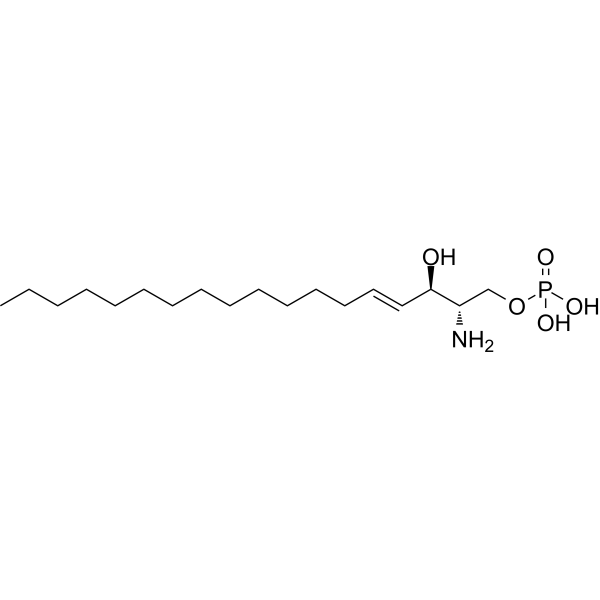
  • HY-108496
    Sphingosine-1-phosphate
    15+ Cited Publications

    S1P

    Endogenous Metabolite LPL Receptor Inflammation/Immunology Endocrinology Cancer
    Sphingosine-1-phosphate (S1P) is an agonist of S1P1-5 receptors and a ligand of GPR3, GPR6 and GPR12. Sphingosine-1-phosphate is an intracellular second messenger and mobilizes Ca 2+ as an extracellular ligand for G protein-coupled receptors . Sphingosine-1-phosphate is an important lipid mediator generated from Sphingomyelin (HY-113498) or other membrane phospholipids . Sphingosine-1-phosphate stimulates the DNA synthesis, cell proliferation and migration .
    Sphingosine-1-phosphate
  • HY-B1511
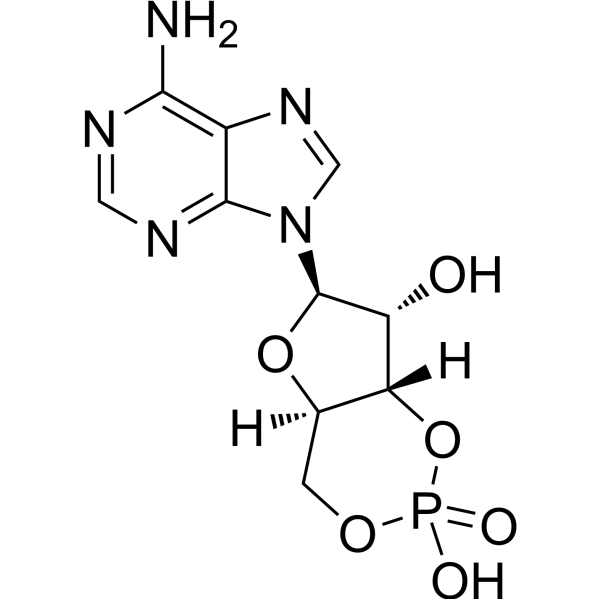
    Cyclic AMP
    20+ Cited Publications

    Cyclic adenosine monophosphate; Adenosine cyclic 3', 5'-monophosphate; cAMP

    Endogenous Metabolite Neurological Disease Metabolic Disease Cancer
    Cyclic AMP (Cyclic adenosine monophosphate), adenosine triphosphate derivative, is an intracellular signaling molecule responsible for directing cellular responses to extracellular signals. Cyclic AMP is an important second messenger in many biological processes .
    Cyclic AMP
  • HY-12512
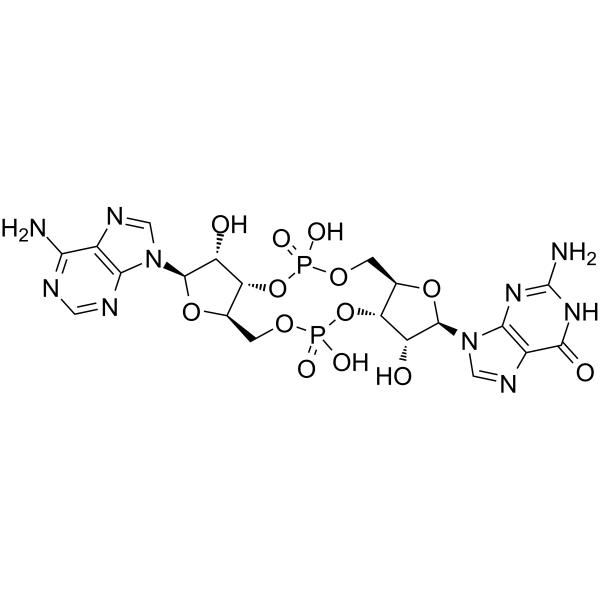
    cGAMP
    Maximum Cited Publications
    26 Publications Verification

    Cyclic GMP-AMP; 3',3'-cGAMP

    STING Inflammation/Immunology
    cGAMP (Cyclic GMP-AMP) functions as an endogenous second messenger in metazoans and triggers interferon production in response to cytosolic DNA. cGAMP activates stimulator of interferon genes (STING), which activates a signaling cascade leading to the production of type I interferons and other immune mediators .
    cGAMP
  • HY-B1511A
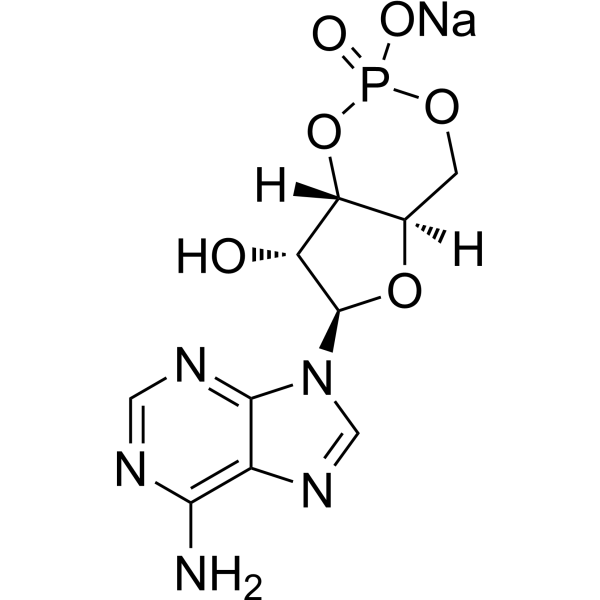
    Cyclic AMP sodium
    20+ Cited Publications

    Cyclic adenosine monophosphate sodium; Adenosine cyclic 3', 5'-monophosphate sodium; cAMP sodium

    Biochemical Assay Reagents Neurological Disease Metabolic Disease Cancer
    Cyclic AMP (Cyclic adenosine monophosphate) sodium, adenosine triphosphate derivative, is an intracellular signaling molecule responsible for directing cellular responses to extracellular signals. Cyclic AMP sodium is an important second messenger in many biological processes .
    Cyclic AMP sodium
  • HY-P0063
    Copper tripeptide
    1 Publications Verification

    GHK-Cu

    Biochemical Assay Reagents Inflammation/Immunology
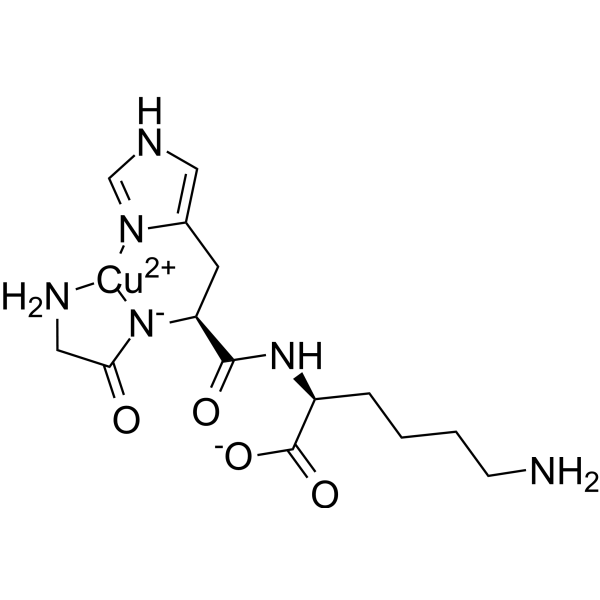
    Copper tripeptide (GHK-Cu) is a tripeptide. During wound healing, Copper tripeptide may be freed from existing extracellular proteins via proteolysis and serves as a chemoattractant for inflammatory and endothelial cells. Copper tripeptide has been shown to increase messenger RNA production for collagen, elastin, proteoglycans, and glycosaminoglycans in fibroblasts. Copper tripeptide is a natural modulator of multiple cllular pathways in skin regeneration .
    Copper tripeptide
  • HY-12326A
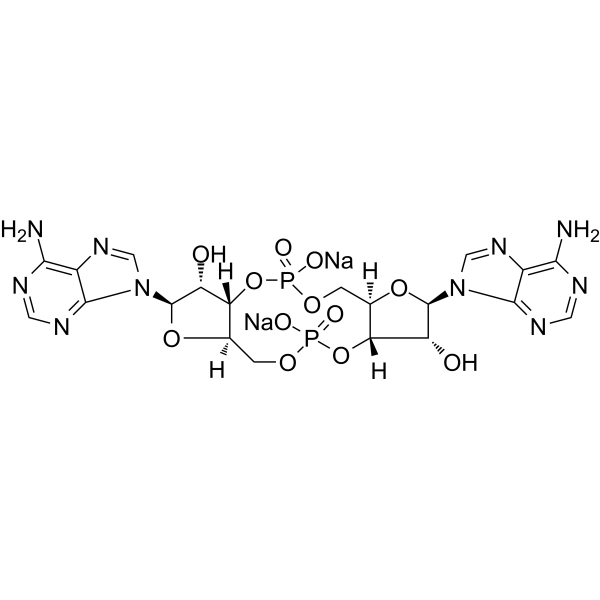
    c-di-AMP disodium
    15+ Cited Publications

    Cyclic diadenylate disodium; Cyclic-di-AMP disodium

    STING Bacterial Endogenous Metabolite Inflammation/Immunology
    c-di-AMP (Cyclic diadenylate) sodium is a STING agonist, which binds to the transmembrane protein STING thereby activating the TBK3-IRF3 signaling pathway, subsequently triggering the production of type I IFN and TNF. c-di-AMP sodium is also a bacterial second messenger, which regulates cell growth, survival, and virulence, primarily within Gram-positive bacteria, and also regulates host immune response. c-di-AMP sodium acts as a potent mucosal adjuvant stimulating both humoral and cellular responses .
    c-di-AMP disodium
  • HY-112980
    Nusinersen
    4 Publications Verification

    DNA/RNA Synthesis Neurological Disease
    Nusinersen is an antisense oligonucleotide active molecule. Nusinersen modifies the pre-messenger RNA splicing of the SMN2 gene, thereby promoting the production of full-length SMN protein. Nusinersen improves spinal muscular atrophy .
    Nusinersen
  • HY-132609
    Patisiran sodium
    1 Publications Verification

    Small Interfering RNA (siRNA) Transthyretin (TTR) Neurological Disease
    Patisiran sodium is a double-stranded small interfering RNA that targets a sequence within the transthyretin (TTR) messenger RNA. Patisiran sodium specifically inhibits hepatic synthesis of mutant and wild-type TTR. Patisiran sodium can be used for the research of hereditary TTR amyloidosis .
    Patisiran sodium
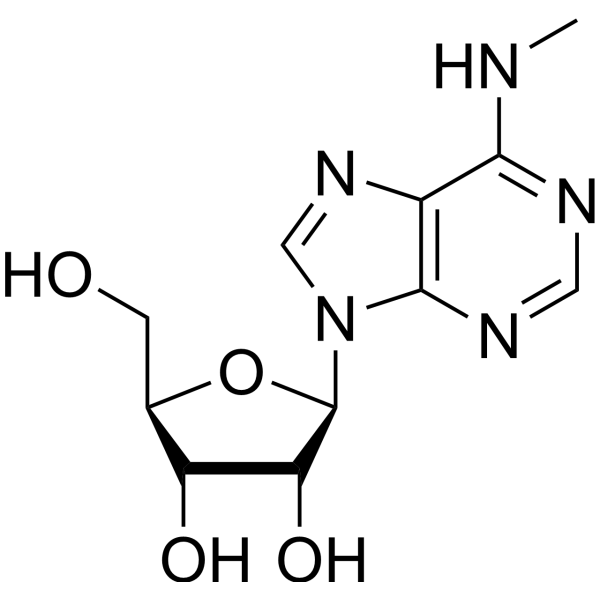
  • HY-N0086
    N6-Methyladenosine
    5+ Cited Publications

    6-Methyladenosine; N-Methyladenosine

    Influenza Virus Endogenous Metabolite Infection
    N6-Methyladenosine is the most prevalent internal (non-cap) modification present in the messenger RNA (mRNA) of all higher eukaryotes. N6-Methyladenosine can modifies viral RNAs and has antiviral activities.
    N6-Methyladenosine
  • HY-112980A
    Nusinersen sodium
    4 Publications Verification

    DNA/RNA Synthesis Neurological Disease
    Nusinersen sodium is an antisense oligonucleotide active molecule. Nusinersen sodium modifies the pre-messenger RNA splicing of the SMN2 gene, thereby promoting the production of full-length SMN protein. Nusinersen sodium improves spinal muscular atrophy .
    Nusinersen sodium
  • HY-103642A

    Inositol 1,4,5-trisphosphate trisodium; Ins(1,4,5)-P3 trisodium

    Calcium Channel Metabolic Disease
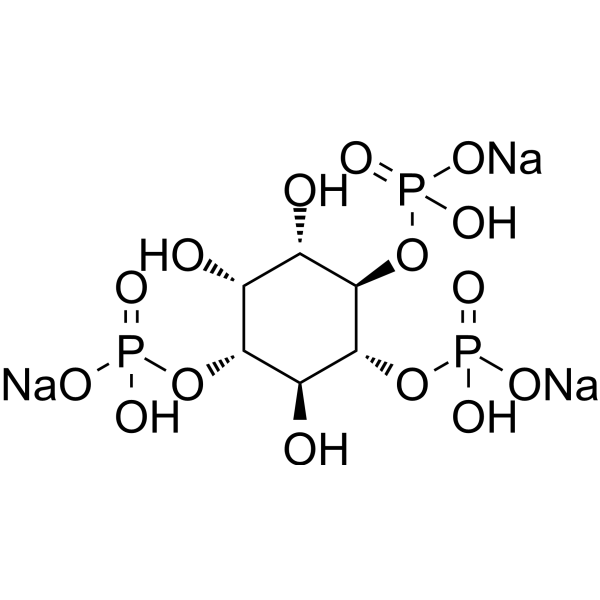
    D-myo-Inositol-1,4,5-triphosphate sodium salt is the trisodium salt of D-myo-Inositol 1,4,5-trisphosphate (1,4,5-IP3), which is a second messenger that stimulates the discharge of calcium from the endoplasmic reticulum.
    D-myo-Inositol-1,4,5-triphosphate trisodium
  • HY-110382
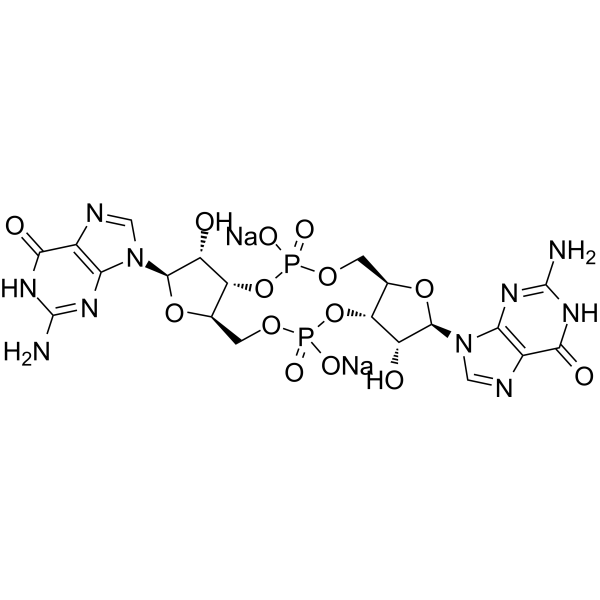
    Cyclic-di-GMP disodium
    5+ Cited Publications

    c-di-GMP disodium; cyclic diguanylate disodium; 5GP-5GP disodium

    STING Endogenous Metabolite Cancer
    Cyclic-di-GMP disodium is a STING agonist and a bacterial second messenger that coordinates different aspects of bacterial growth and behavior, including motility, virulence, biofilm formation, and cell cycle progression. Cyclic-di-GMP disodium has anti-cancer cell proliferation activity and also induces elevated CD4 receptor expression and cell cycle arrest. Cyclic-di-GMP disodium can be used in cancer research .
    Cyclic-di-GMP disodium
  • HY-151507
    306Oi10
    1 Publications Verification

    Liposome Others
    306Oi10 is a branched ionizable lipid that can be used to construct lipid nanoparticles (LNPs) for delivering messenger RNA. The surface ionization of lipid nanoparticles is related to the effectiveness of mRNA delivery. The tail of 306Oi10 has a one-carbon branch, which provides it with stronger surface ionization compared to lipids with linear tails, thereby enhancing its mRNA delivery efficacy. 306Oi10 can be used in research related to mRNA delivery .
    306Oi10
  • HY-132610A
    Givosiran sodium
    1 Publications Verification

    ALN-AS1 sodium

    Small Interfering RNA (siRNA) Metabolic Disease
    Givosiran (ALN-AS1) sodium is a small interfering RNA that targets hepatic aminolevulinate synthase 1 (ALAS1) messenger RNA. Givosiran sodium downregulates ALAS1 mRNA and prevents accumulation of neurotoxic δ-aminolevulinic acid (ALA) and porphobilinogen (PBG) levels. Givosiran sodium demonstrates potent inhibitory activity against ALAS1 in mouse, rat, and cynomolgus monkey models. Givosiran sodium can be used for the research of acute hepatic porphyria (AHP) .
    Givosiran sodium
  • HY-132610
    Givosiran
    1 Publications Verification

    ALN-AS1

    Small Interfering RNA (siRNA) Metabolic Disease
    Givosiran (ALN-AS1) is a small interfering RNA that targets hepatic aminolevulinate synthase 1 (ALAS1) messenger RNA. Givosiran downregulates ALAS1 mRNA and prevents accumulation of neurotoxic δ-aminolevulinic acid (ALA) and porphobilinogen (PBG) levels. Givosiran demonstrates potent inhibitory activity against ALAS1 in mouse, rat, and cynomolgus monkey models. Givosiran can be used for the research of acute hepatic porphyria (AHP) .
    Givosiran
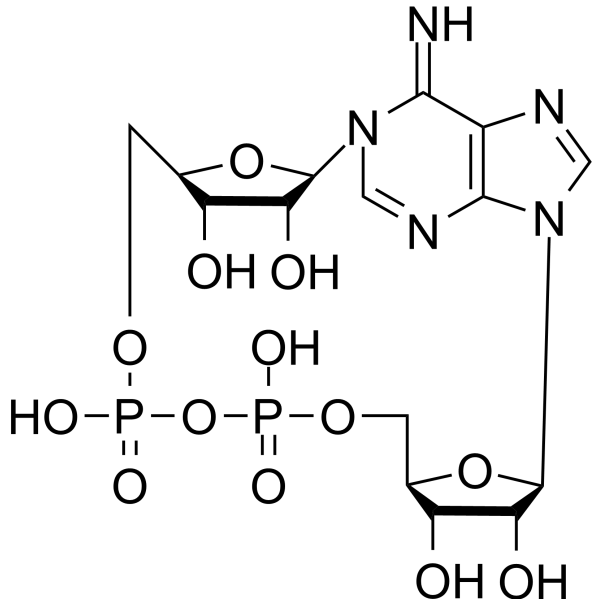
  • HY-12326

    Cyclic diadenylate; Cyclic-di-AMP

    STING Bacterial Endogenous Metabolite Inflammation/Immunology
    c-di-AMP (Cyclic diadenylate) is a STING agonist, which binds to the transmembrane protein STING thereby activating the TBK3-IRF3 signaling pathway, subsequently triggering the production of type I IFN and TNF. c-di-AMP (Cyclic diadenylate) is also a bacterial second messenger, which regulates cell growth, survival, and virulence, primarily within Gram-positive bacteria, and also regulates host immune response. c-di-AMP (Cyclic diadenylate) acts as a potent mucosal adjuvant stimulating both humoral and cellular responses .
    c-di-AMP
  • HY-147217

    ISIS 505358

    HBV Infection
    Bepirovirsen is an antisense oligonucleotide targeting all HBV messenger RNAs. Bepirovirsen leads to reductions in HBV-derived RNAs, HBV DNA and viral proteins. Bepirovirsen can be used for the research of chronic HBV infection. Bepirovirsen binding site sequence (GCACTTCGCTTCACCTCTGC) .
    Bepirovirsen
  • HY-110385
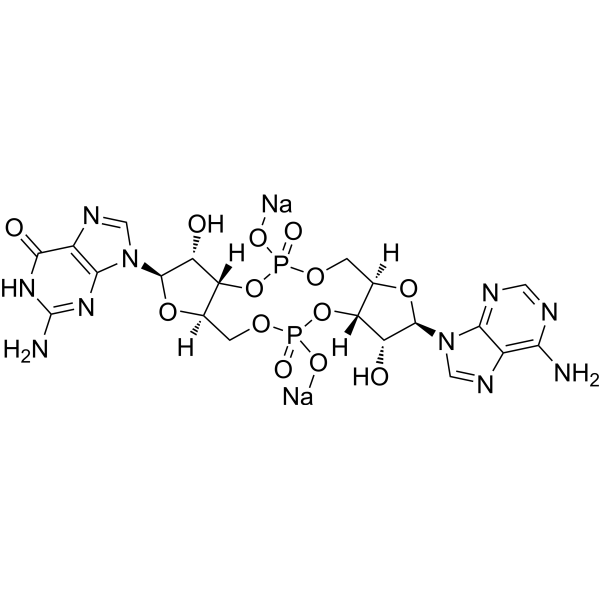
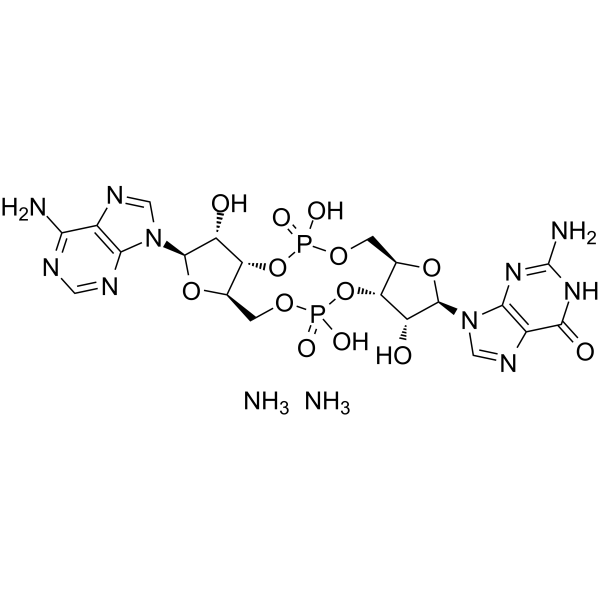
    cGAMP disodium
    Maximum Cited Publications
    26 Publications Verification

    Cyclic GMP-AMP disodium; 3',3'-cGAMP disodium

    STING Endogenous Metabolite Inflammation/Immunology
    cGAMP (Cyclic GMP-AMP) disodium functions as an endogenous second messenger in metazoans and triggers interferon production in response to cytosolic DNA. cGAMP diammonium activates stimulator of interferon genes (STING), which activates a signaling cascade leading to the production of type I interferons and other immune mediators .
    cGAMP disodium
  • HY-113337A

    P1,P4-Di-(adenosine-5')-tetraphosphate tetraammonium

    Apoptosis Cancer
    Ap4A tetraammonium (P1,P4-Di-(adenosine-5')-tetraphosphate tetraammonium) is a conserved second messenger in organisms ranging from bacteria to humans. Ap4A tetraammonium binds to the histidine triad nucleotide-binding protein 1 (HINT1) activates the transcription of genes downstream of MITF. Ap4A tetraammonium induces apoptosis .
    Ap4A tetraammonium
  • HY-147217A

    ISIS 505358 sodium

    HBV Infection
    Bepirovirsen (ISIS 505358) sodium is an antisense oligonucleotide targeting all HBV messenger RNAs. Bepirovirsen sodium leads to reductions in HBV-derived RNAs, HBV DNA and viral proteins. Bepirovirsen sodium can be used for the research of chronic HBV infection. Bepirovirsen sodium binding site sequence (GCACTTCGCTTCACCTCTGC) .
    Bepirovirsen sodium
  • HY-N7395
    Cyclic ADP-​ribose
    1 Publications Verification

    cADPR

    Calcium Channel TRP Channel Endogenous Metabolite Infection Cardiovascular Disease Neurological Disease Inflammation/Immunology Endocrinology
    Cyclic ADP-ribose (cADPR) is a potent second messenger for calcium mobilization that is synthesized from NAD + by an ADP-ribosyl cyclase. Cyclic ADP-ribose increases cytosolic calcium mainly by Ryanodine receptor-mediated release from endoplasmic reticulum and also by extracellular influx through the opening of TRPM2 channels .
    Cyclic ADP-​ribose
  • HY-173189

    2′,5′-ApApA; 2′,5′-trioligoadenylate; 5'-O-Triphosphoryladenylyl-(2'→5')-adenylyl-(2'→5')-adenosine

    DNA/RNA Synthesis RSV Infection Cancer
    2-5A is a RNase L activator, signal mediator and innate immune second messenger. 2-5A induces the expression of interferons and interferon-stimulated genes in recipient cells in a RNase L-dependent manner. 2-5A inhibits tumor growth in mouse models via paracrine RNase L activation derived from cancer cells. 2-5A can be used in studies related to viral infection and cancer .
    2-5A
  • HY-128468

    Liposome PKC Parasite Others
    1,2-Dimyristoyl-sn-glycerol is a saturated diacylglycerol and a weak second messenger for the activation of PKC .
    1,2-Dimyristoyl-sn-glycerol
  • HY-P2878
    Phosphodiesterase I
    1 Publications Verification

    PDE

    Phosphodiesterase (PDE) Neurological Disease Cancer
    Phosphodiesterase I (PDE) is an enzyme that can catalyze the hydrolysis of the 3' ring phosphate bond of cyclic nucleotides, and is often used in biochemical research. Phosphodiesterase I acts as an important regulator of signal transduction mediated by the second messenger molecules cAMP and cGMP. According to their specificity to cyclic nucleotides, they can also be divided into different types, such as PDE1-PDE11, which also have certain potential in various diseases .
    Phosphodiesterase I
  • HY-W416291

    Poly(A)

    Biochemical Assay Reagents Cancer
    Polyadenylic acid potassium, also known as Poly(A), is enzymatically added to messenger RNA (mRNA) in eukaryotic cells to stabilize mRNAs. Poly(A) is used to evaluate binding on cationic liposomes doped with non-ionic nucleolipids. Poly(A) is used in small molecule mRNA targeted drug development to evaluate the binding of potential therapeutic agents such as the Isoquinoline group of alkaloids. Small molecules that could bind to this poly(A) tail could influence and possibly inhibit mRNA function and subsequent protein production in the cell leading to the development of new type of therapeutic agents.
    Polyadenylic acid potassium
  • HY-148123

    Biochemical Assay Reagents Neurological Disease
    Glycerophospholipids and cephalins are a class of phospholipid compounds and important components of neural membranes. Glycerophospholipids and cephalins are hydrolysis substrates of phospholipase (such as PLA2, PLC, and PLD). After complete hydrolysis, they produce 1 mol of glycerol, phosphate, ethanolamine, and 2 mol of fatty acids, respectively. Glycerophospholipids and cephalins can maintain membrane structure, fluidity, and ion permeability, and serve as precursors of second messengers such as arachidonic acid and diacylglycerol. Glycerophospholipids and cephalins can regulate signal transduction, cell apoptosis, and membrane transport, and are used in the study of neurodegenerative diseases (such as Alzheimer's disease) .
    Glycerophospholipids, cephalins
  • HY-113469
    Cyclic GMP
    1 Publications Verification

    Endogenous Metabolite Infection Cardiovascular Disease Inflammation/Immunology
    Cyclic GMP (cGMP), an important second messenger, is a major intracellular mediator of extracellular signals such as nitric oxide (NO) and natriuretic peptides (NPs). Effects of Cyclic GMP occur through three main groups of cellular targets: cGMP-dependent protein kinases (PKGs), cGMP-gated cation channels, and PDEs. Cyclic GMP can inhibit both platelet adhesion and aggregation. cGAMP (Cyclic-GMP-AMP) (HY-12512), a conjugate of Cyclic GMP and AMP, can induce IRF3 phosphorylation and nuclear translocation, enhancing antiviral immune responses .
    Cyclic GMP
  • HY-12895
    SKI V
    1 Publications Verification

    SphK PI3K Apoptosis Cancer
    SKI V is a noncompetitive and potent non-lipid sphingosine kinase (SPHK; SK) inhibitor with an IC50 of 2 μM for GST-hSK. SKI V potently inhibits PI3K with an IC50 of 6 μM for hPI3k. SKI V decreases formation of the mitogenic second messenger sphingosine-1-phosphate (S1P). SKI V induces apoptosis and has antitumor activity .
    SKI V
  • HY-103317A

    Calcium Channel Cardiovascular Disease Cancer
    NAADP tetrasodium is a second messenger. NAADP tetrasodium releases Ca 2+ from acidic endosomes and lysosomes. NAADP tetrasodium can be used to study cancer (such as oral squamous cell carcinoma, malignant melanoma) and angiogenesis-related diseases .
    NAADP tetrasodium
  • HY-131920A

    DNA/RNA Synthesis Others
    Polyuridylic acid potassium is a polynucleotide. In protein synthesis systems based on active mammalian ribosomes, Polyuridylic acid potassium acts as a specific messenger to induce the biosynthesis of polyphenylalanine, with no effect on the incorporation of non-phenylalanine amino acids. Polyuridylic acid potassium serves as a template to promote the non-enzymatic synthesis of oligoadenylates .
    Polyuridylic acid potassium
  • HY-153492A

    AMG 890 sodium; ARC-LPA sodium

    Small Interfering RNA (siRNA) Inflammation/Immunology
    Olpasiran (AMG 890, ARC-LPA) sodium is an N-acetyl galactosamine (GalNAc)-conjugated, hepatocyte-targeted siRNA. Olpasiran sodium directly inhibits LPA messenger RNA translation in hepatocytes and potently reduce Lp(a) concentration. Olpasiran sodium can be used for the research of cardiovascular disease, such as atherosclerosis .
    Olpasiran sodium
  • HY-126076A

    DNA/RNA Synthesis Cancer
    VPC-80051 is an inhibitor of hnRNP A1 splicing activity. VPC-80051 directly interacts with hnRNP A1 RBD and reduces AR-V7 messenger levels in 22Rv1 CRPC cell line. VPC-80051 can be used in prostate cancer research .
    VPC-80051
  • HY-107780

    c-di-GMP; cyclic diguanylate; 5GP-5GP

    STING Endogenous Metabolite Cancer
    Cyclic-di-GMP is a STING agonist and a bacterial second messenger that coordinates different aspects of bacterial growth and behavior, including motility, virulence, biofilm formation, and cell cycle progression. Cyclic-di-GMP has anti-cancer cell proliferation activity and also induces elevated CD4 receptor expression and cell cycle arrest. Cyclic-di-GMP can be used in cancer research .
    Cyclic-di-GMP
  • HY-108496S

    S1P-d7

    Endogenous Metabolite LPL Receptor Endocrinology
    Sphingosine-1-phosphate-d7 is the deuterium labeled Sphingosine-1-phosphate. Sphingosine-1-phosphate (S1P) is an agonist of S1P1-5 receptors and a ligand of GPR3, GPR6 and GPR12.?Sphingosine-1-phosphate is an intracellular second messenger and mobilizes Ca2+ as an extracellular ligand for G protein-coupled receptors . Sphingosine-1-phosphate is an important lipid mediator generated from Sphingomyelin (HY-113498) or other membrane phospholipids .
    Sphingosine-1-phosphate-d7
  • HY-B1511R

    Cyclic adenosine monophosphate (Standard); Adenosine cyclic 3', 5'-monophosphate (Standard); cAMP (Standard)

    Endogenous Metabolite Reference Standards Cancer
    Cyclic AMP (Standard) is the analytical standard of Cyclic AMP. Cyclic AMP (Cyclic adenosine monophosphate), adenosine triphosphate derivative, is an intracellular signaling molecule responsible for directing cellular responses to extracellular signals. Cyclic AMP is an important second messenger in many biological processes .
    Cyclic AMP (Standard)
  • HY-W010410

    Environmental Pollutants Neurological Disease Metabolic Disease
    Oct-1-en-3-ol, a fatty acid fragrant, is a self-stimulating oxylipin messenger. Oct-1-en-3-ol serves as a signaling molecule in plant cellular responses, plant-herbivore interactions, and plant-plant interactions. Oct-1-en-3-ol causes dopamine neuron degeneration through disruption of dopamine handling .
    Oct-1-en-3-ol
  • HY-103317

    Nucleoside Antimetabolite/Analog Inflammation/Immunology
    NAADP, a nucleotide, is a Ca 2+-mobilizing second messenger. NAADP is essential for initiation of Ca 2+ signaling .
    NAADP
  • HY-150224

    Small Interfering RNA (siRNA) Factor Xa Others
    GalNAc unconjugated/naked Fitusiran (sodium), an small interfering RNA without GalNAc conjugation, specifically targets antithrombin (AT) messenger RNA to lower production of AT in the liver. Fitusiran increases thrombin generation and has the potential for the research of the hemophilia .
    GalNAc unconjugated/naked Fitusiran sodium
  • HY-114208A

    Histone Methyltransferase Cancer
    BI-9321 trihydrochloride is a potent, selective and cellular active nuclear receptor-binding SET domain 3 (NSD3)-PWWP1 domain antagonist with a Kd value of 166 nM. BI-9321 trihydrochloride is inactive against NSD2-PWWP1 and NSD3-PWWP2. BI-9321 trihydrochloride specifically disrupts histone interactions of the NSD3-PWWP1 domain with an IC50 of 1.2 μM in U2OS cells .
    BI-9321 trihydrochloride
  • HY-153609

    Transthyretin (TTR) Small Interfering RNA (siRNA) Neurological Disease
    AS-Patisiran sodium is an antisense strand of Patisiran. Patisiran is a double-stranded small interfering RNA that targets a sequence within the transthyretin (TTR) messenger RNA. Patisiran specifically inhibits hepatic synthesis of mutant and wild-type TTR. Patisiran can be used for the research of hereditary TTR amyloidosis .
    AS-Patisiran sodium
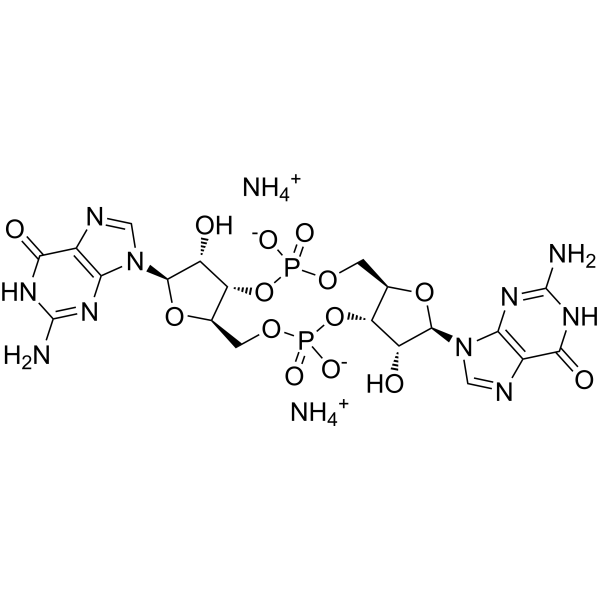
  • HY-107780B
    Cyclic-di-GMP diammonium
    5+ Cited Publications

    c-di-GMP diammonium; cyclic diguanylate diammonium; 5GP-5GP diammonium

    STING Endogenous Metabolite Cancer
    Cyclic-di-GMP diammonium is a STING agonist and a bacterial second messenger that coordinates different aspects of bacterial growth and behavior, including motility, virulence, biofilm formation, and cell cycle progression. Cyclic-di-GMP diammonium has anti-cancer cell proliferation activity and also induces elevated CD4 receptor expression and cell cycle arrest. Cyclic-di-GMP diammonium can be used in cancer research .
    Cyclic-di-GMP diammonium
  • HY-N0086S

    6-Methyladenosine-d3; N-Methyladenosine-d3

    Isotope-Labeled Compounds Influenza Virus Endogenous Metabolite Infection
    N6-Methyladenosine-d3 (6-Methyladenosine-d3; N-Methyladenosine-d3) is a deuterium labeled N6-Methyladenosine (HY-N0086). N6-Methyladenosine is the most prevalent internal (non-cap) modification present in the messenger RNA (mRNA) of all higher eukaryotes. N6-Methyladenosine can modifies viral RNAs and has antiviral activities.
    N6-Methyladenosine-d3
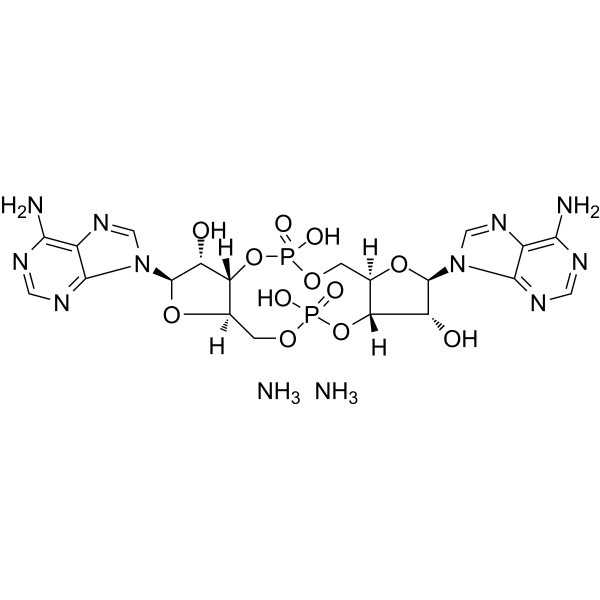
  • HY-12326B
    c-di-AMP diammonium
    15+ Cited Publications

    Cyclic diadenylate diammonium; Cyclic-di-AMP diammonium

    STING Bacterial Endogenous Metabolite Inflammation/Immunology
    c-di-AMP diammonium is a STING agonist, which binds to the transmembrane protein STING thereby activating the TBK3-IRF3 signaling pathway, subsequently triggering the production of type I IFN and TNF. c-di-AMP diammonium is also a bacterial second messenger, which regulates cell growth, survival, and virulence, primarily within Gram-positive bacteria, and also regulates host immune response. c-di-AMP diammonium acts as a potent mucosal adjuvant stimulating both humoral and cellular responses .
    c-di-AMP diammonium
  • HY-113469A
    Cyclic GMP sodium
    1 Publications Verification

    Endogenous Metabolite Infection Cardiovascular Disease Inflammation/Immunology
    Cyclic GMP (cGMP) sodium, an important second messenger, is a major intracellular mediator of extracellular signals such as nitric oxide (NO) and natriuretic peptides (NPs). Effects of Cyclic GMP sodium occur through three main groups of cellular targets: cGMP-dependent protein kinases (PKGs), cGMP-gated cation channels, and PDEs. Cyclic GMP can inhibit both platelet adhesion and aggregation. cGAMP (Cyclic-GMP-AMP) (HY-12512), a conjugate of Cyclic GMP and AMP, can induce IRF3 phosphorylation and nuclear translocation, enhancing antiviral immune responses .
    Cyclic GMP sodium
  • HY-N7395A
    Cyclic ADP-​ribose ammonium
    1 Publications Verification

    cADPR ammonium

    Calcium Channel TRP Channel Endogenous Metabolite Infection Cardiovascular Disease Neurological Disease Inflammation/Immunology Endocrinology
    Cyclic ADP-ribose ammonium (cADPR ammonium) is a potent second messenger for calcium mobilization that is synthesized from NAD + by an ADP-ribosyl cyclase. Cyclic ADP-ribose ammonium increases cytosolic calcium mainly by Ryanodine receptor-mediated release from endoplasmic reticulum and also by extracellular influx through the opening of TRPM2 channels .
    Cyclic ADP-​ribose ammonium
  • HY-128465

    Endogenous Metabolite Others
    1,2-Dilauroyl-sn-glycerol is a saturated diacylglycerol and may play a role in second messenger signal transduction .
    1,2-Dilauroyl-sn-glycerol
  • HY-174646

    mRNA Inflammation/Immunology
    Human IL10 mRNA is the messenger ribonucleic acid that encodes human IL-10. The expression of IL-10 mRNA is highly inducible and cell type-specific.
    Human IL10 mRNA
  • HY-153238

    Parasite Infection
    AN15368 is an orally active small-molecule precursor that can be activated by parasite carboxypeptidase to produce a compound that targets the messenger RNA processing pathway in T. cruzi. cruzi. AN15368 has the potential to prevent and research Chagas disease potential .
    AN15368
  • HY-103642

    Inositol 1,4,5-trisphosphate hexapotassium salt; Ins(1,4,5)-P3 hexapotassium salt

    Calcium Channel Metabolic Disease
    D-myo-Inositol 1,4,5-trisphosphate hexapotassium salt is the hexapotassium salt of D-myo-Inositol 1,4,5-trisphosphate (1,4,5-IP3), which is a second messenger that stimulates the discharge of calcium from the endoplasmic reticulum.
    D-myo-Inositol 1,4,5-trisphosphate hexapotassium salt
  • HY-101175
    3-Bromo-7-nitroindazole
    1 Publications Verification

    NO Synthase Neurological Disease Metabolic Disease
    3-Bromo-7-nitroindazole is a potent and selective inhibitor of neuronal nitric oxide synthase (nNOS). 3-Bromo-7-nitroindazole affects the intercellular messenger nitric oxide (NO) synthesis throughout the body and brain. 3-Bromo-7-nitroindazole can be used for the researches of metabolic and neurological disease, such as diabetes, stroke and depression .
    3-Bromo-7-nitroindazole

Inquiry Online

Your information is safe with us. * Required Fields.

Salutation


Country or Region *

Applicant Name *


Organization Name *

Department *


Email Address *


Product Name *

Cat. No.


Requested quantity *

Phone Number *


Remarks

Inquiry Online

Inquiry Information

Product Name:
Cat. No.:
Quantity:
MCE Japan Authorized Agent:

