

1. Search Result
Search Result
Results for "

microenvironment

" in MedChemExpress (MCE) Product Catalog:

238

Inhibitors & Agonists

6

Screening Libraries

10

Fluorescent Dye

17

Biochemical Assay Reagents

22

Peptides

33

Inhibitory Antibodies

12

Natural
Products

12

Isotope-Labeled Compounds

3

Click Chemistry

8

Oligonucleotides

1

GMP Molecules

Cat. No. Product Name Target Research Areas Chemical Structure
  • HY-107202
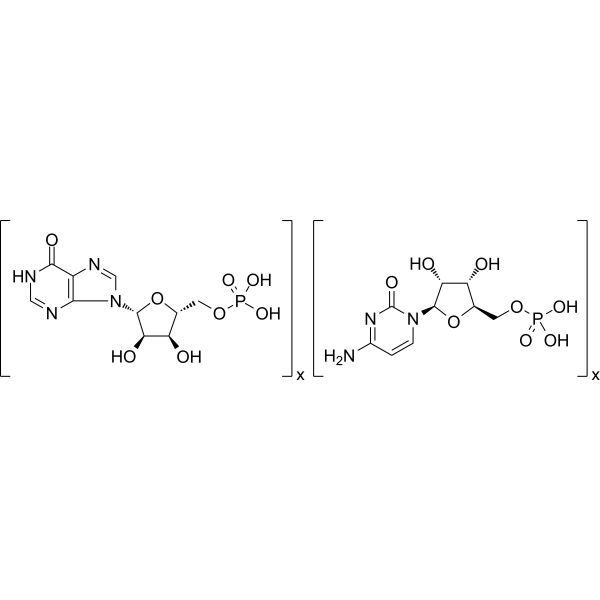
    Polyinosinic-polycytidylic acid
    60+ Cited Publications

    Poly(I:C)

    RIG-I-like receptor (RLR) Toll-like Receptor (TLR) PKD HSP Bcl-2 Family Interleukin Related Apoptosis Infection Inflammation/Immunology Cancer
    Polyinosinic-polycytidylic acid (Poly(I:C)) is a synthetic analog of double-stranded RNA and an agonist of toll-like receptor 3 (TLR3) and retinoic acid inducible gene I (RIG-I)-like receptors (RIG-I and MDA5). Polyinosinic-polycytidylic acid can be used as a vaccine adjuvant to enhance innate and adaptive immune responses, and to alter the tumor microenvironment. Polyinosinic-polycytidylic acid can directly trigger cancer cells to undergo apoptosis .
    Polyinosinic-polycytidylic acid
  • HY-135748
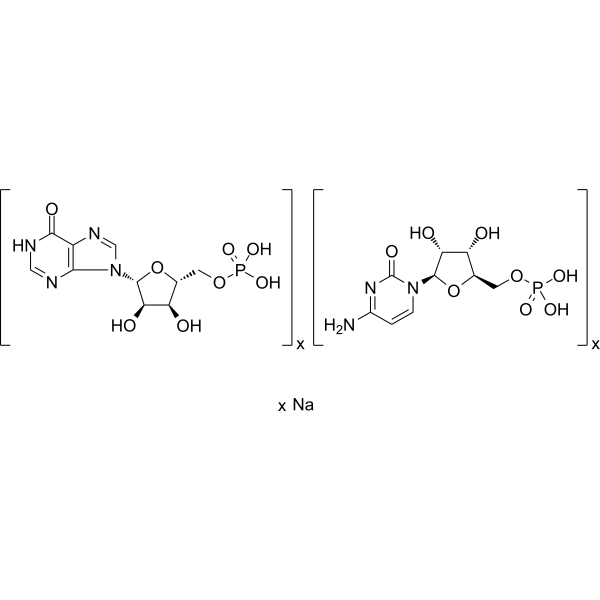
    Polyinosinic-polycytidylic acid sodium
    Maximum Cited Publications
    62 Publications Verification

    Poly(I:C) sodium

    RIG-I-like receptor (RLR) Toll-like Receptor (TLR) Apoptosis Inflammation/Immunology Cancer
    Polyinosinic-polycytidylic acid (Poly(I:C)) sodium is a synthetic analog of double-stranded RNA and an agonist of toll-like receptor 3 (TLR3) and retinoic acid inducible gene I (RIG-I)-like receptors (RIG-I and MDA5). Polyinosinic-polycytidylic acid sodium can be used as a vaccine adjuvant to enhance innate and adaptive immune responses, and to alter the tumor microenvironment. Polyinosinic-polycytidylic acid sodium can directly trigger cancer cells to undergo apoptosis .
    Polyinosinic-polycytidylic acid sodium
  • HY-16938
    5'-Methylthioadenosine
    Maximum Cited Publications
    8 Publications Verification

    5'-(Methylthio)-5'-deoxyadenosine; 5'-Deoxy-5'-(methylthio)adenosine; 5'-S-Methyl-5'-thioadenosine

    Endogenous Metabolite Apoptosis Parasite Metabolic Disease Cancer
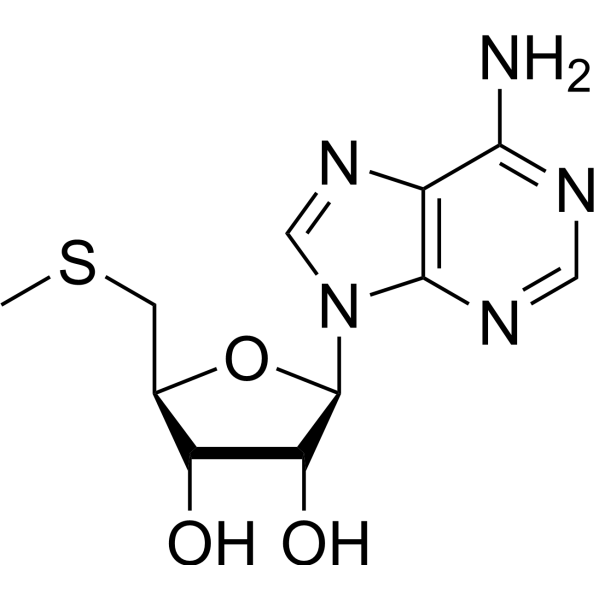
    5'-Methylthioadenosine (5'-(Methylthio)-5'-deoxyadenosine) is a nucleoside generated from S-adenosylmethionine (SAM) during polyamine synthesis . 5'-Methylthioadenosine suppresses tumors by inhibiting tumor cell proliferation, invasion, and the induction of apoptosis while controlling the inflammatory micro-environments of tumor tissue. 5'-Methylthioadenosine and its associated materials have striking regulatory effects on tumorigenesis .
    5'-Methylthioadenosine
  • HY-156677
    STC-15
    4 Publications Verification

    METTL3 Cancer
    STC-15 is an orally active RNA methyltransferase METTL3 inhibitor with the activity of activating anti-tumor immunity and reshaping the tumor microenvironment. STC-15 inhibits tumor growth by activating anti-cancer immune responses associated with increased interferon signaling and synergizes with T-cell checkpoint blockade. STC-15 can be used in the study of proliferative diseases such as cancer and autoimmune diseases .
    STC-15
  • HY-148494

    FLX475

    CCR Inflammation/Immunology Cancer
    Tivumecirnon (FLX475) is an orally active, selective CCR4 antagonist. Tivumecirnon blocks the binding of CCR4 to its ligands, CCL17 and CCL22, thereby reducing Treg infiltration into the tumor microenvironment. Tivumecirnon has antitumor activity .
    Tivumecirnon
  • HY-A0103

    Environmental Pollutants Biochemical Assay Reagents Inflammation/Immunology
    Xanthan gum interacts with gelatin (HY-Y1365) via hydrogen bonds, thereby increasing the viscosity and stability of the hydrogel while promoting cell growth and creating a microenvironment conducive to cell differentiation [1][2]. Xanthan gum induces pro-inflammatory responses by increasing the levels of TNF-α, IL-6, and IL-10. Xanthan gum can be used for inflammation and immunology research .
    Xanthan gum
  • HY-P991097

    PM-8002; BNT-327

    VEGFR PD-1/PD-L1 Cancer
    Pumitamig (PM-8002, BNT-327) is a bispecific antibody targeting PD-L1 and VEGF-A, with immune activation and anti-angiogenic activities. By binding to PD-L1, Pumitamig restores the function of effector T cells, while neutralizing VEGF-A in the tumor microenvironment to reverse its inhibition on the infiltration and activation of immune cells and normalize tumor blood vessels. Pumitamig can also be combined with various ADCs targeting TROP2, B7H3, HER2, HER3 for the research of advanced/metastatic solid tumors, including non-small cell lung cancer, ovarian cancer, triple-negative breast cancer, cervical cancer, etc. Pumitamig also exhibits potential efficacy in "cold" tumors with low PD-L1 expression that are insensitive to immunotherapy .
    Pumitamig
  • HY-P99742
    Mitazalimab
    1 Publications Verification

    ADC-1013; JNJ-64457107; Vanalimab

    TNF Receptor Cancer
    Mitazalimab (ADC-1013; JNJ-64457107) is FcγR-dependent CD40 agonist with tumor-directed activity. Mitazalimab activates antigen-presenting cells, e.g. dendritic cells (DC), to initiate tumor-reactive T cells. Therefore, Mitazalimab induces tumor-specific T cells to infiltrate and kill tumors. Mitazalimab remodels the tumor-infiltrating myeloid microenvironment .
    Mitazalimab
  • HY-P99643

    UCB6114

    Dan family Cancer
    Ginisortamab (UCB6114) is a fully human IgG4P anti Gremlin-1 monoclonal antibody, with mean IC50 values of 8.2 nM and 9 nM against human and mouse gremlin-1, respectivly. Ginisortamab inhibits gremlin-1 antagonism of BMP signaling pathways. Ginisortamab has the potential for the research of gastrointestinal (GI) tumors .
    Ginisortamab
  • HY-15888
    PTC-209
    15+ Cited Publications

    BMI1 Autophagy Cancer
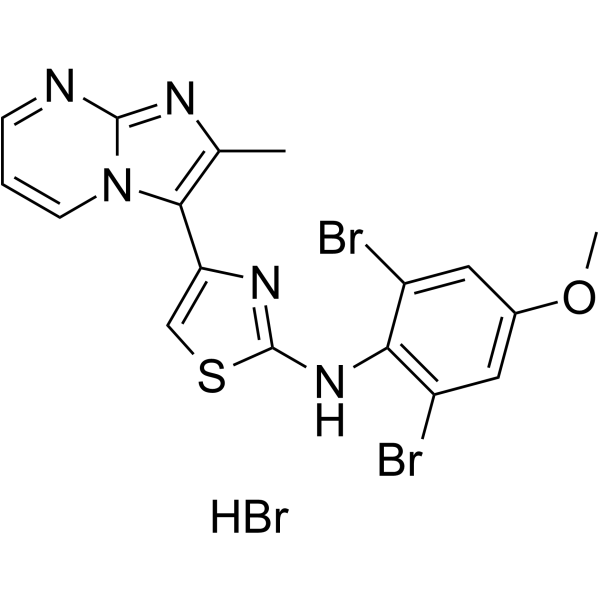
    PTC-209 is a specific BMI-1 inhibitor with an IC50 of 0.5 μM in HEK293T cell line. PTC-209 irreversibly impairs colorectal cancer-initiating cells (CICs). PTC-209 shows potent anti-myeloma activity and impairs the tumor microenvironment .
    PTC-209
  • HY-160421

    Apoptosis Inflammation/Immunology Cancer
    TREM2-IN-1 (OPA) is a TREM2 inhibitor derived from oxaliplatin and artesunate. TREM2-IN-1 can relieves immunosuppressive tumor microenvironment and enhancing chemical anticancer efficiency. TREM2-IN-1 deters the tumor growth in mice models bearing MC38 colorectal tumor by reducing the number of CD206 + and CX3CR1 + immunosuppressive macrophages. TREM2-IN-1 also promotes the expansion and infiltration of immunostimulatory dendritic, cytotoxic T and natural killer cells .
    TREM2-IN-1
  • HY-W591424

    mPEG2000-SC; mPEG2000-Succinimidyl ester

    Biochemical Assay Reagents MMP Cancer
    m-PEG2000-NHS ester (mPEG2000-SC) is a reagent with both cell adhesion inhibition and peptide conjugation functions. The NHS ester group of m-PEG2000-NHS ester forms stable amide bonds with primary amine-containing molecules (e.g., the N-terminus of MMP-2-cleavable octapeptide) to generate mPEG-peptide intermediates for liposome surface modification. When m-PEG2000-NHS ester is immobilized on a cystamine-modified gold surface, it can construct an in vitro model for cell adhesion kinetic studies, and higher PEG density and thicker layers correlate with lower cell adhesion rates. m-PEG2000-NHS ester can synthesize MMP-2-responsive PEGylated lipid conjugates to achieve MMP-triggered dePEGylation in the tumor microenvironment. m-PEG2000-NHS ester can be used in studies related to colon cancer and other conditions .
    m-PEG2000-NHS ester
  • HY-119367

    FGFR VEGFR Cancer
    ODM-203 is an orally active and selective FGFR/VEGFR inhibitor with IC50 values of 6, 11, 16, 5, 9, 26 and 35 nM for FGFR3/1/2 and VEGFR3/2/1/4, respectively. ODM-203 has strong anti-tumour activity and activates immune responses in the tumour microenvironment .
    ODM-203
  • HY-151427
    TGFβ1-IN-1
    3 Publications Verification

    TGF-β Receptor Inflammation/Immunology
    TGFβ1-IN-1 (compound 42) is a potent, orally active TGF-β1 inhibitor. TGFβ1-IN-1 inhibits the upregulation of TGF-β1-induced fibrosis markers (α-SMA and fibronectin) and can be used in liver fibrosis disease studies .
    TGFβ1-IN-1
  • HY-176786

    PROTACs Ras Apoptosis PERK p38 MAPK Caspase TNF Receptor Cancer
    MCB-36 is a VHL-recruiting pan-KRAS PROTAC degrader without affecting KRAS transcription. MCB-36 exhibits minimal effects on HRAS and NRAS protein levels. MCB-36 binds to the GDP-loaded state of G12D, G12C, G12V, and wild-type KRAS with high affinities Kd ≈ 1 pM). MCB-36 decreases p-ERK levels, leading to cell apoptosis. MCB-36 effectively suppress KRAS G12C inhibitor-resistant cancer cells and remodel the tumor immune microenvironment. MCB-36 can be used for the study of colorectal cancer and lung cancer (Pink: Target protein ligand; Blue: E3 ligand (HY-112078); Black: Linker (HY-W091879)) .
    MCB-36
  • HY-Y1309

    Furro ER; NSC 9586; Nako TRB

    Environmental Pollutants Endogenous Metabolite Others
    1-naphthol (Furro ER) is an excited state proton transfer (ESPT) fluorescent molecular probe. 1-naphthol can sense the hydrophobic domains in micellar aggregation and accurately sense the sol-gel transition. 1-naphthol can be used to study the thermally induced microenvironmental changes and hydration levels of Pluronic F127 (PF127) in different microenvironments in aqueous media .
    1-Naphthol
  • HY-P99046

    CP-870893; RG-7876

    TNF Receptor Cancer
    Selicrelumab is an agonist CD40 antibody, induces changes in the tumor microenvironment. Selicrelumab can be used for the research of pancreatic cance and neoadjuvant study .
    Selicrelumab
  • HY-P990042

    ONC-392; BNT 316

    CTLA-4 Inflammation/Immunology Cancer
    Gotistobart (ONC-392; BNT 316) is a humanized anti-CTLA-4 antibody with selective regulatory T cell depletion activity in the tumor microenvironment. Gotistobart can be used for the research of cancer, such as non-small cell lung cancer .
    Gotistobart
  • HY-137206

    Molecular Glues Ligands for E3 Ligase Cancer
    ALV2 is a potent and selective Helios molecular glue degrader. ALV2 binds CRBN, with an IC50 of 0.57 μM. Helios is the zinc-finger transcription factor that can maintain a stable Treg cell phenotype in the inflammatory tumor microenvironment .
    ALV2
  • HY-P99118

    HLX 10

    PD-1/PD-L1 Akt STAT Cancer
    Serplulimab (HLX 10) is a humanized anti-PD-1 monoclonal antibody. Serplulimab can inhibit tumor growth, regulate the tumor microenvironment, and has anti-tumor activity. Serplulimab can be used in the research of cancer such as lung cancer and colon cancer .
    Serplulimab
  • HY-145601

    TT 00420

    Aurora Kinase FGFR VEGFR Cancer
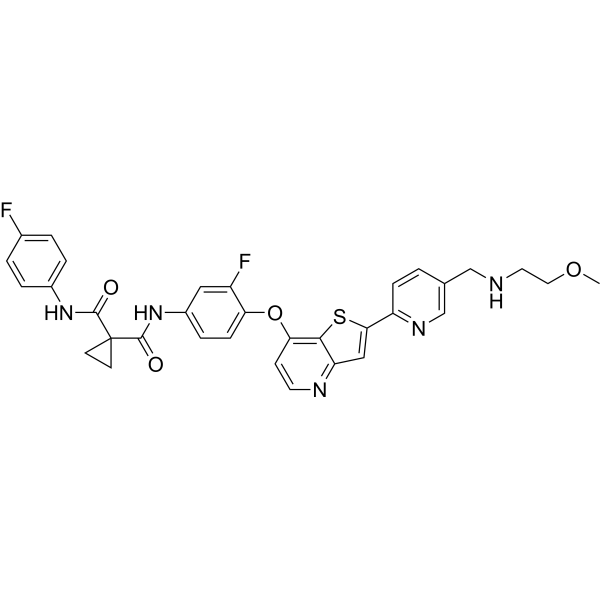
    Tinengotinib (TT00420) is an orally active, spectrally selective small molecule kinase inhibitor targeting Aurora A/B (IC50=1.2-3.3 nM), FGFR1/2/3 (IC50=1.5-3.5 nM), VEGFRs, JAK1/2 and CSF1R. Tinengotinib blocks Aurora kinase-mediated cell cycle progression (inducing G2/M arrest), inhibits FGFR/JNK-JUN signaling pathway and activates MEK/ERK-dependent apoptotic pathway. Tinengotinib has the activity of anti-tumor proliferation, inducing apoptosis, inhibiting angiogenesis and regulating tumor microenvironment. Tinengotinib can be used in the study of triple-negative breast cancer (TNBC), gallbladder cancer and tumor immune microenvironment .
    Tinengotinib
  • HY-P3448

    CEND-1; iRGD; LSTA1

    Integrin Complement System Cancer
    Certepetide (CEND-1) is a bifunctional cyclic peptide (a.k.a. iRGD). Certepetide is a tumor-penetrating enhancer via RGD motif interaction with alphav-integrins and via activating NRP-1, and transforms the solid tumor microenvironment into a temporary agent conduit. Certepetide accumulates in tumors, and is used in the research of pancreatic cancer and other solid tumors .
    Certepetide
  • HY-134958

    Poly(I:C) potassium

    Toll-like Receptor (TLR) Apoptosis Inflammation/Immunology Cancer
    Polyinosinic-polycytidylic acid potassium (Poly(I:C) potassium) is a synthetic analog of double-stranded RNA and an agonist of toll-like receptor 3 (TLR3) and retinoic acid inducible gene I (RIG-I)-like receptors (RIG-I and MDA5). Polyinosinic-polycytidylic acid sodium can be used as a vaccine adjuvant to enhance innate and adaptive immune responses, and to alter the tumor microenvironment. Polyinosinic-polycytidylic acid potassium can directly trigger cancer cells to undergoApoptosis .
    Polyinosinic-polycytidylic acid potassium
  • HY-158045

    PROTACs PARP Cancer
    PROTAC PARP1 degrader-1 is a PARP1 PROTAC degrader with a DC50 value of 252.5 nM. PROTAC PARP1 degrader-1, combined with Daunorubicin (HY-13062A), induces the accumulation of cytoplasmic DNA fragments, activates the cGAS/STING innate immune pathway, and remodels the tumor microenvironment. PROTAC PARP1 degrader-1 can be used in research related to breast cancer .
    PROTAC PARP1 degrader-1
  • HY-P991061

    CHS-114; SRF-114

    CCR Cancer
    Tagmokitug (CHS-114; SRF-114) is a fully human IgG1 antibody targeting CCR8. Tagmokitug selectively binds to human CCR8 (Kd = 502 pM) and mediates the death of CCR8-expressing cells via antibody-dependent cellular cytotoxicity and antibody-dependent cellular phagocytosis. Tagmokitug selectively eliminates intratumoral regulatory T cells, induces tumor growth inhibition, remodels the tumor immune microenvironment, and promotes the differentiation of cytotoxic CD8 + T cell subsets. Tagmokitug can be used for the research of solid tumors .
    Tagmokitug
  • HY-176785S

    Ras Apoptosis p38 MAPK Caspase TNF Receptor Cancer
    MCB-294 is a dual-state pan-KRAS inhibitor that selectively inhibits KRAS over NRAS and HRAS. MCB-294 capable of binding both the active (GTP-bound) and inactive (GDP-bound) forms of KRAS with Kds of approximately 1 pM and 10 nM, respectively. MCB-294 broadly impairs the growth of hTERT-HPNE cells expressing G12D, G12C, G12V, G12S, G13D, and wild-type KRAS, with IC50s of approximately 700 nM. MCB-294 induces irreversible apoptosis in KRAS-mutated tumors. MCB-294 effectively suppress KRAS G12C inhibitor-resistant cancer cells and remodel the tumor immune microenvironment. MCB-294 can be used for the study of pancreatic cancer, colorectal cancer and lung cancer .
    MCB-294
  • HY-160696

    CD73 Cancer
    ORIC-533 is an orally active, highly selective, AMP-competitive CD73 inhibitor that potently blocks adenosine production with sub-nanomolar affinity (Ka=0.03 nM). In multiple myeloma, ORIC-533 restores and enhances the cytotoxicity of the immune system against tumor cells through multiple immunological mechanisms, including reversing the immunosuppressive microenvironment, inducing immunogenic cell death, and activating dendritic cells, T cells and NK cells, with no direct toxicity to normal cells. The combination of ORIC-533 with Daratumumab (HY-P9915) synergistically enhances anti-tumor efficacy, significantly increases intratumoral CD8 + T cell infiltration and inhibits tumor growth in vivo .
    ORIC-533
  • HY-D0074

    Fluorescent Dye Others
    Prodan, a solvatochromic fluorophore, has been used as a microenvironment-sensitive membrane reporter. Based on the chemistry of Prodan, fluorescent nucleosides are designed and synthesized.The fluorescent nucleosides sensitively varied the Stokes shift values depending on the orientational polarizability of the solvent .
    Prodan
  • HY-P99039
    Oleclumab
    1 Publications Verification

    MEDI9447

    CD73 Cancer
    Oleclumab (MEDI9447) is a human IgG1λ monoclonal antibody targeting CD73 and inhibits the exonuclease activity of the extracellular enzyme CD73. Oleclumab can adjust the composition of bone marrow and lymphoid infiltrating leukocyte populations in the tumor microenvironment and has anti-tumor activity .
    Oleclumab
  • HY-P2955

    Glycosidase Cancer
    Heparinase II is a glycosidase targeting heparin and heparan sulfate. Heparinase II is promising for research of glycosaminoglycan structure-function analysis, anticoagulant agents and tumor microenvironment modulation .
    Heparinase II
  • HY-147204

    Drug-Linker Conjugates for ADC Cancer
    Mc-Alanyl-Alanyl-Asparagine-PAB-MMAE (compound S6) is a potent anticancer agent, which can be specific activated by tumor microenvironment. Mc-Alanyl-Alanyl-Asparagine-PAB-MMAE can suppress tumor growth in mice (extracted from patent CN104147612A) .
    Mc-Alanyl-Alanyl-Asparagine-PAB-MMAE
  • HY-131347

    PD-1/PD-L1 Inflammation/Immunology Cancer
    PD-1/PD-L1-IN-NP19 is a PD-1/PD-L1 inhibitor, with an IC50 of 12.5 nM for human PD-1/PD-L1 interaction. PD-1/PD-L1-IN-NP19 could activate the immune microenvironment in tumor, which may contribute to its antitumor effects .
    PD-1/PD-L1-IN-NP19
  • HY-160053

    PDGFR Cancer
    Gint4.T aptamer sodium is a nuclease-resistant RNA aptamer-based antagonist targeting platelet-derived growth factor receptor beta (PDGFRβ) (Kd: 9.6 nM). Gint4.T aptamer sodium inhibits PDGFRβ heterodimerization and EGFR transactivation. It can significantly inhibit cell migration and proliferation, induce differentiation and prevent tumor growth in vivo. Gint4.T aptamer sodium specifically inhibits PDGFRβ-mediated tropism of mesenchymal stem cells (MSCs) toward the tumor microenvironment .
    Gint4.T aptamer sodium
  • HY-163081

    PARP Cancer
    PARP7-IN-17 is a potent inhibitor of PARP7 with IC50 of 4.5 nM that has oral bioavailability. PARP7-IN-17 displays antitumor effect .
    PARP7-IN-17
  • HY-15888A
    PTC-209 hydrobromide
    15+ Cited Publications

    BMI1 Autophagy Cancer
    PTC-209 hydrobromide is a specific BMI-1 inhibitor with an IC50 of 0.5 μM in HEK293T cell line. PTC-209 hydrobromide irreversibly impairs colorectal cancer-initiating cells (CICs). PTC-209 hydrobromide shows potent anti-myeloma activity and impairs the tumor microenvironment .
    PTC-209 hydrobromide
  • HY-170779

    FAP Cancer
    DOTA-NI-FAPI-04 is a FAP inhibitor (IC50 = 7.44 nM). By integrating FAP targeting with hypoxia-sensitive groups (nitroimidazole), DOTA-NI-FAPI-04 significantly enhances tumor uptake and retention capabilities. DOTA-NI-FAPI-04 chelates metallic isotopes (such as 68Ga and 177Lu) through DOTA to produce radioactive probes ([68Ga]Ga/DOTA-NI-FAPI-04 and [177Lu]Lu/DOTA-NI-FAPI-04), which can be used for research in tumor diagnostics and therapeutic agents. DOTA-NI-FAPI-04 holds dual targeting potential in the fields of cancer imaging, tumor microenvironment analysis, and radionuclide therapy, particularly suitable for scenarios where the tumor stroma and hypoxic regions synergistically interact .
    DOTA-NI-FAPI-04
  • HY-164429

    Integrin Elastase Cancer
    VIP236 is a small-molecule drug conjugate targeting αvβ3 integrin. VIP236 achieves tumor homing via specific binding to αvβ3 integrin and delivers its payload to the tumor microenvironment. The linker of VIP236 is cleavable by neutrophil elastase, which is highly expressed in the tumor microenvironment, to release the payload 7-ethylcamptothecin. This payload induces DNA damage by inhibiting topoisomerase 1, thereby exerting anti-tumor effects. VIP236 exhibits excellent plasma stability and tumor targeting property, with a tumor/plasma payload ratio 10-fold higher than that of the single administration. It effectively induces tumor regression, reduces metastasis formation, and shows good tolerance in mouse models. VIP236 has been used in studies related to non-small cell lung cancer, clear cell renal cell carcinoma, colon cancer, triple-negative breast cancer, small cell lung cancer, and metastatic solid tumors .
    VIP236
  • HY-161248

    Microtubule/Tubulin Cancer
    E7130 is a microtubule inhibitor, which ameliorates the tumor microenvironment through suppression of cancer-associated fibroblasts (CAF) and promotion of tumor vasculature remodeling .
    E7130
  • HY-168887

    STING Cancer
    ZSA-51 is a potent and orally active STING agonist. ZSA-51 shows anticancer activity. ZSA-51 remodeles immune microenvironment both in tumor and lymph node .
    ZSA-51
  • HY-176772

    Drug-Linker Conjugates for ADC Topoisomerase Cancer
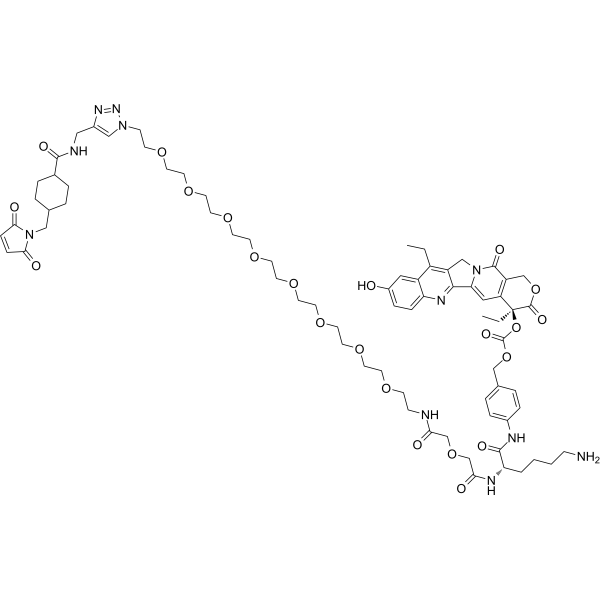
    QHL-1618 is a tumor microenvironment-activated drug conjugate. QHL-1618 inhibits the tumor growth in various tumor models, such as HT-1080 xenograft, CT-26 xenograft .
    QHL-1618
  • HY-178078

    Drug Intermediate Cancer
    PTX-SS-COOH is the proform that can be grafted to the sulfhydryl modified gelatin to form the redox sensitive amphiphilic polymer. The nanoparticle (BSA/Gel-SS-PTX/PTX-SS-COOH NPs) demonstrates an excellent anticancer efficiency. PTX-SS-COOH can be applied in the research of targeted delivery for solid tumors (such as breast cancer and melanoma) by utilizing the unique characteristics of the tumor microenvironment (high GSH level) .
    PTX-SS-COOH
  • HY-P11451

    CXCR Cancer
    Pentixather is a radiolabeled peptide that can target CXCR4. Pentixather can disrupt the interaction between leukemic cells and the bone marrow microenvironment by targeting the CXCR4/CXCL12 signaling axis, reduce the retention of leukemic cells in the protective bone marrow niche, and thereby enhance the sensitivity of leukemic cells to treatment. Pentixather can be used for the study of acute lymphoblastic leukemia (ALL) and acute myeloid leukemia (AML) .
    Pentixather
  • HY-174421

    FAP Cancer
    FAPI-JNU is a molecule targeting fibroblast activation protein (FAP). FAPI-JNU specifically binds to FAP highly expressed in the tumor microenvironment, and uses radionuclides [ 68Ga]Ga or [ 177Lu]Lu to achieve tumor imaging diagnosis. [177Lu]Lu−FAPI−JNU can effectively target and inhibit tumor growth in tumor-bearing mice. FAPI-JNU is promising for research of FAP-positive tumors (such as various solid tumors) .
    FAPI-JNU
  • HY-163642

    Others Cancer
    TNF-α agonistic 1 (compound 22a) can repolarize tumor-associated macrophages (TAMs) in the tumor microenvironment (TME) from the M2 phenotype to the M1 anti-tumor phenotype .
    TNF-α agonistic 1
  • HY-158057

    Adenosine Receptor Cancer
    A2AR/A2BR antagonist 1 (compound 7ai) has a dual antagonistic effect on A2AR/A2BR, with the IC50 values of 11.2 nM and 6.4 nM for A2AR and A2BR, respectively. A2AR/A2BR antagonist 1 promotes T cell-mediated cancer cell death .
    A2AR/A2BR antagonist 1
  • HY-173070

    Toll-like Receptor (TLR) IFNAR PD-1/PD-L1 ADC Payload Inflammation/Immunology Cancer
    TLR7 agonist 29 (Compound 1) is the agonist for TLR7 with an EC50 of 5.2 nM for human TLR7 (EC50 for mouse TLR7 is 48.2 nM). TLR7 agonist 29 activates bone marrow-derived macrophages (BMDMs), stimulates myeloid cells in the tumor microenvironment, promotes the expression of PD-L1, CD86 and IFN-α. TLR7 agonist 29 can be used as payload for synthesis of ADC .
    TLR7 agonist 29
  • HY-139245

    ADC Linker Cancer
    MC-Ala-Ala-Asn-PAB is a linker extracted from patent CN104147612A, page 14. MC-Ala-Ala-Asn-PAB can be used to synthesis the tumor microenvironment specific activated micromolecular targeted conjugate .
    MC-Ala-Ala-Asn-PAB
  • HY-154850

    STING Cancer
    F-CRI1 is a potent STING agonist with a Kd value of 40.62 nM. F-CRI1 is a radioactive probe with 18F-labeled modification. F-CRI1 can be used to study STING visualization in the tumor microenvironment .
    F-CRI1
  • HY-174460

    Drug Intermediate Cancer
    pCR8 is a prodrug of CR8 (HY-18340). pCR8 is amphiphilic and can self-assemble into nanoparticles. pCR8 can release CR8 under the action of high concentration of H2O2 in the tumor microenvironment. CR8 is a molecular glue degrader that can effectively degrade cell cycle-related proteins and has antitumor activity. pCR8 can be used in the research of tumors such as breast cancer .
    pCR8
  • HY-168088

    HDAC DNA Methyltransferase Cancer
    DNMT1/HDAC-IN-1 (compound (R)-23a) is a DNMT1/HDAC dual inhibitor (HDAC1:IC50=0.05 μM), HDAC1 is a major HDAC isoform that interacts with DNMT1 in multiple protein complexes for transcriptional silencing of TSGs. DNMT1/HDAC-IN-1 can reshape the tumor immune microenvironment and induce tumor regression, and effectively reverse cancer-specific epigenetic abnormalities .
    DNMT1/HDAC-IN-1

Inquiry Online

Your information is safe with us. * Required Fields.

Salutation


Country or Region *

Applicant Name *


Organization Name *

Department *


Email Address *


Product Name *

Cat. No.


Requested quantity *

Phone Number *


Remarks

Inquiry Online

Inquiry Information

Product Name:
Cat. No.:
Quantity:
MCE Japan Authorized Agent:

