1. Search Result
Search Result
Results for "

mitochondrial uncoupling

" in MedChemExpress (MCE) Product Catalog:

35

Inhibitors & Agonists

1

Screening Libraries

1

Fluorescent Dye

3

Peptides

6

Natural
Products

1

Recombinant Proteins

6

Isotope-Labeled Compounds

Cat. No. Product Name Target Research Areas Chemical Structure
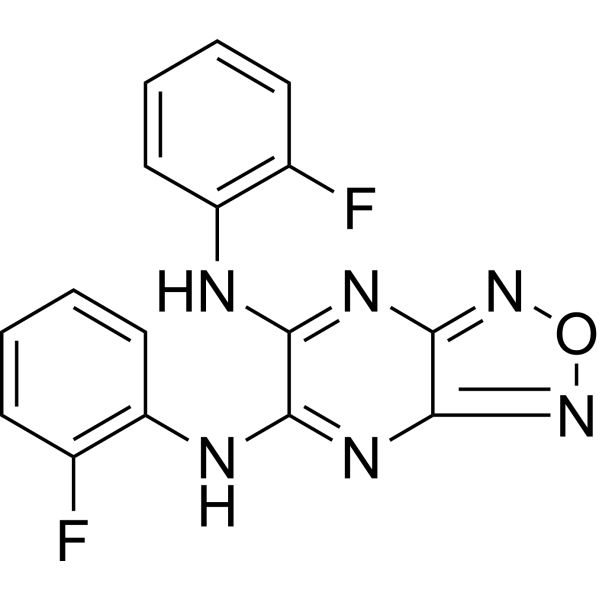
  • HY-110284
    BAM 15
    10+ Cited Publications

    Oxidative Phosphorylation Mitochondrial Metabolism Others
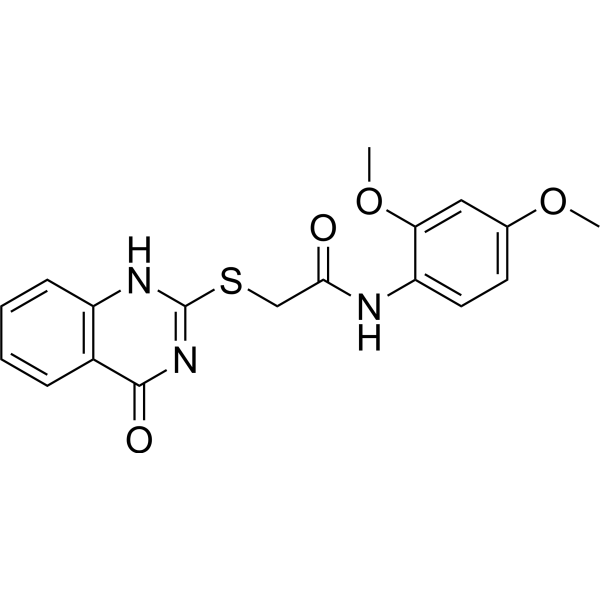
    BAM 15 is a mitochondrial protonophore uncoupler. BAM 15 is an oxidative phosphorylation (OXPHOS) uncoupler .
    BAM 15
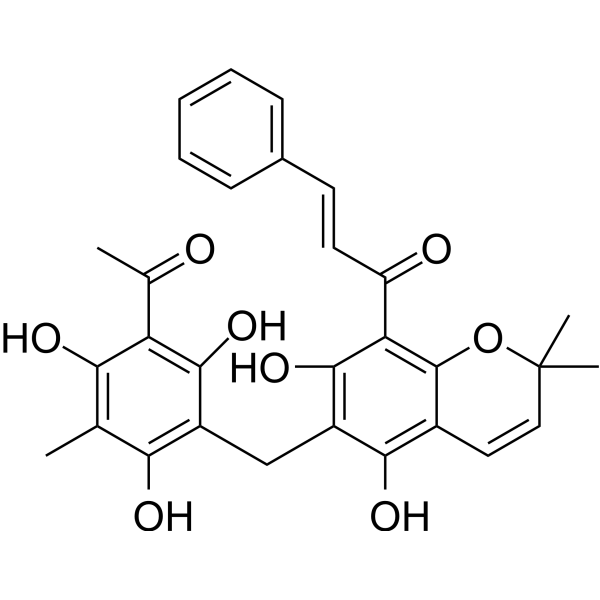
  • HY-18980
    Rottlerin
    20+ Cited Publications

    Mallotoxin; NSC 56346; NSC 94525

    PKC Autophagy Apoptosis HIV RABV Infection Cancer
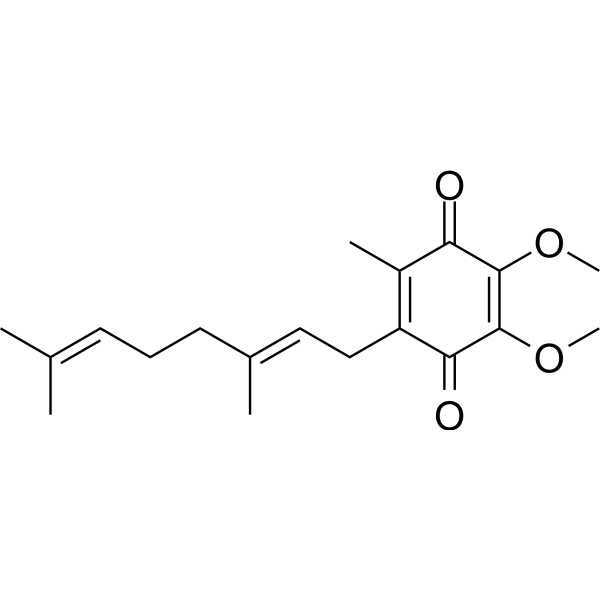
    Rottlerin, a natural product purified from Mallotus Philippinensis, is a specific PKC inhibitor, with IC50 values for PKCδ of 3-6 μM, PKCα,β,γ of 30-42 μM, PKCε,η,ζ of 80-100 μM. Rottlerin acts as a direct mitochondrial uncoupler, and stimulates autophagy by targeting a signaling cascade upstream of mTORC1. Rottlerin induces apoptosis via caspase 3 activation . Rottlerin inhibits HIV-1 integration and Rabies virus (RABV) infection .
    Rottlerin
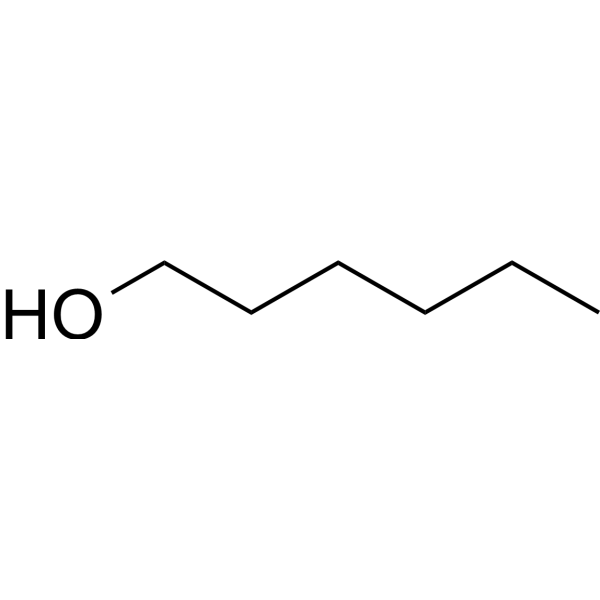
  • HY-W032022

    Environmental Pollutants Biochemical Assay Reagents Mitochondrial Metabolism Others
    1-Hexanol, a primary alcohol, is a surfactant that can be employed in industrial processes to enhance interfacial properties . 1-Hexanol uncouples mitochondrial respiration by a non-protonophoric mechanism .
    1-Hexanol
  • HY-N6790

    Ammonium ionophore I

    Oxidative Phosphorylation Potassium Channel Mitochondrial Metabolism Bacterial Influenza Virus Apoptosis Antibiotic HSP Infection Cancer
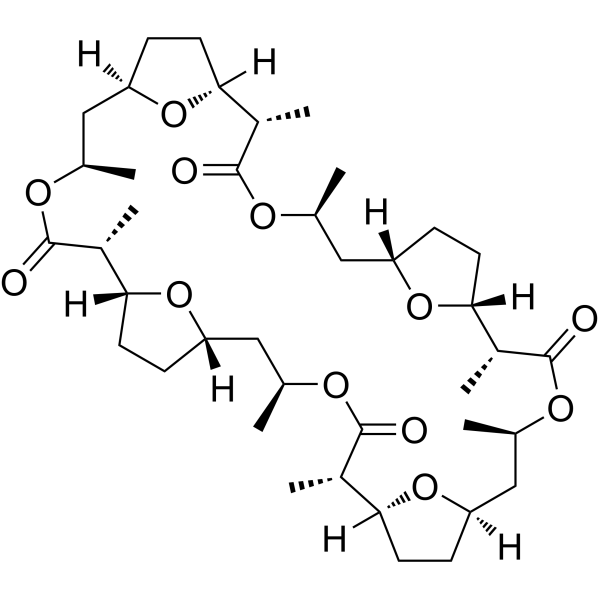
    Nonactin is a macrotetrolide antibiotic and mitochondrial uncoupler with antibacterial, insecticidal, and acaricidal activities. Nonactin acts as an ionophore for monovalent cations, including K +, and NH4 +, and it can also inhibit the surface expression of endogenous HSP60. In addition, Nonactin can induce apoptosis in β-catenin mutant tumor cells and has anti-tumor activity .
    Nonactin
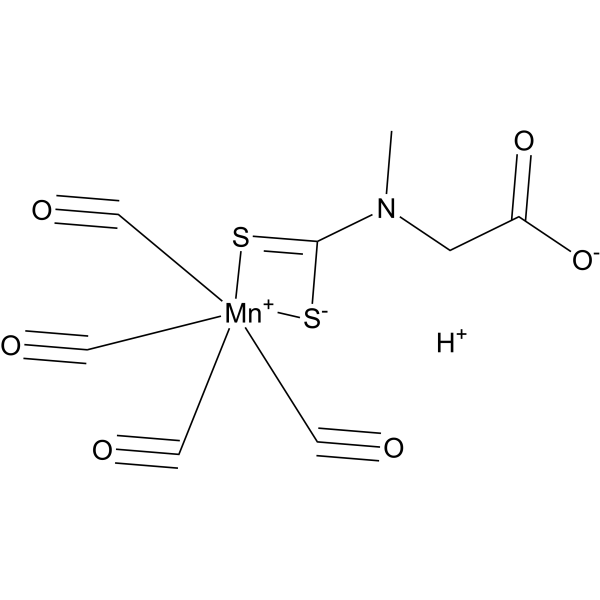
  • HY-109804
    CORM-401
    10+ Cited Publications

    Reactive Oxygen Species (ROS) Inflammation/Immunology
    CORM-401 is an oxidant-sensitive CO-releasing molecule. CORM-401 induces NO increase in the regulation of endothelial calcium signalling. CORM-401 reduces TNF-α/CHX and H2O2-induced ROS production. CORM-401 uncouples mitochondrial respiration and inhibits glycolysis .
    CORM-401
  • HY-138207

    Mitochondrial Metabolism Drug Metabolite Inflammation/Immunology
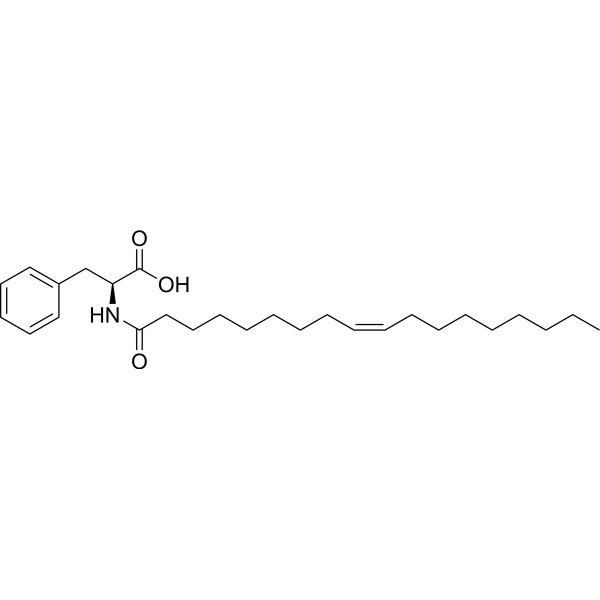
    N-Oleoyl-L-phenylalanine is a long-chain N-acyl-L-phenylalanine and also a mitochondrial uncoupler. N-Oleoyl-L-phenylalanine uncouples UCP1-independent respiration in mitochondria, thereby helping to regulate glucose homeostasis. As an endogenous metabolite, the level of N-Oleoyl-L-phenylalanine increases in patients with ulcerative colitis after a high-fat diet. N-Oleoyl-L-phenylalanine can be used in studies related to ulcerative colitis .
    N-Oleoyl-L-phenylalanine
  • HY-P3003

    Potassium Channel Apoptosis Autophagy Reactive Oxygen Species (ROS) Mitochondrial Metabolism Infection Neurological Disease Metabolic Disease Inflammation/Immunology
    Cereulide is an orally active, blood-brain barrier-permeable emetic toxin. Cereulide acts as a potassium ionophore that inserts into membranes, forms complexes with K +, and transports K + from the cytoplasm into the mitochondrial matrix. Cereulide disrupts the electrochemical gradient of the inner mitochondrial membrane, leading to mitochondrial swelling and dysfunction, uncoupling of oxidative phosphorylation, inhibition of ATP synthesis, ROS accumulation, and ultimately triggering apoptosis and autophagy. Cereulide exhibits multi-organ toxicity and can be used for research on emetic food poisoning .
    Cereulide
  • HY-134769

    Mitochondrial Metabolism Reactive Oxygen Species (ROS) Cardiovascular Disease Metabolic Disease
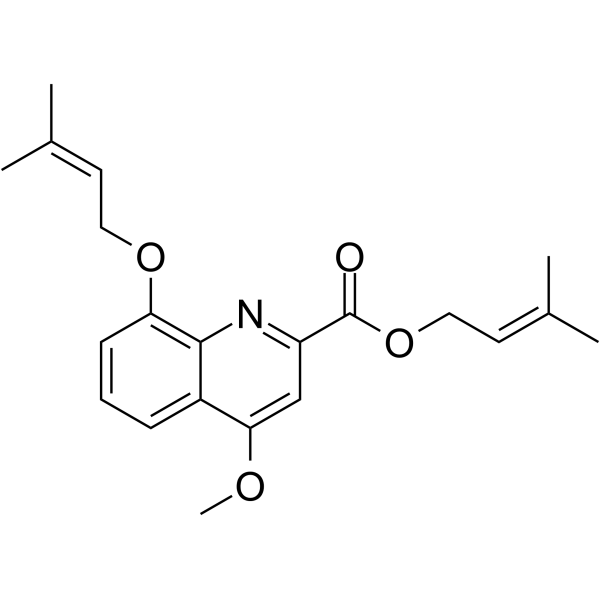
    OPC-163493 is an orally active and liver-targeted mitochondrial uncoupling agent. OPC-163493 reduces the production of mitochondrial Δψ and ROS. OPC-163493 has anti-diabetic and lipid-lowering effects. In addition, OPC-163493 has a protective effect on cardiovascular disease .
    OPC-163493
  • HY-Y0716

    Environmental Pollutants Biochemical Assay Reagents Metabolic Disease
    3-t-Butylphenol is a mitochondrial uncoupler. 3-t-Butylphenol disrupts the proton gradient, inhibits ATP synthesis and induces cytotoxicity .
    3-t-Butylphenol
  • HY-153813

    p38 MAPK Mitochondrial Metabolism Others
    Z16078526 induces endogenous Ucp1 expression, promotes p38 MAPK phosphorylation and lipolysis in primary mouse brown adipocytes. Z16078526 activates thermogenic gene expression and mitochondrial activity (uncoupled respiration) in mouse brown adipocytes. Z16078526 also stimulates thermogenesis in the mouse .
    Z16078526
  • HY-P3003S

    Isotope-Labeled Compounds Apoptosis Potassium Channel Mitochondrial Metabolism Autophagy Reactive Oxygen Species (ROS) Infection Neurological Disease Metabolic Disease Inflammation/Immunology
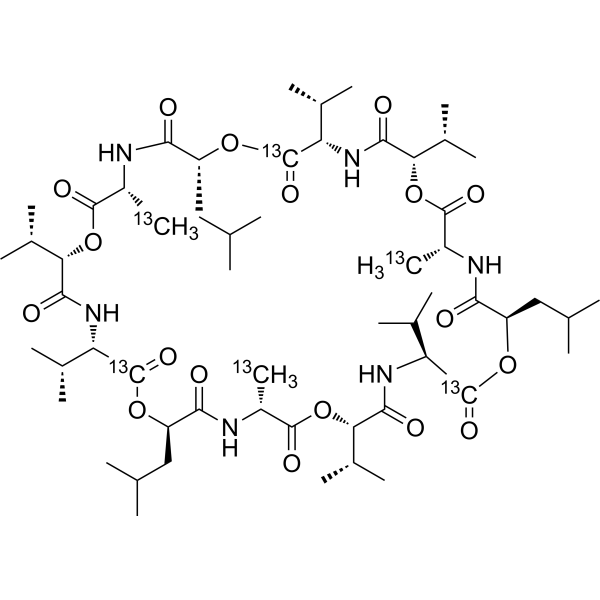
    Cereulide- 13C6 is a deuterated form of Cereulide. Cereulide is an orally active, blood-brain barrier-permeable emetic toxin. Cereulide acts as a potassium ionophore that inserts into membranes, forms complexes with K +, and transports K + from the cytoplasm into the mitochondrial matrix. Cereulide disrupts the electrochemical gradient of the inner mitochondrial membrane, leading to mitochondrial swelling and dysfunction, uncoupling of oxidative phosphorylation, inhibition of ATP synthesis, ROS accumulation, and ultimately triggering apoptosis and autophagy. Cereulide exhibits multi-organ toxicity and can be used for research on emetic food poisoning.
    Cereulide-13C6
  • HY-128536

    Fluorescent Dye Others
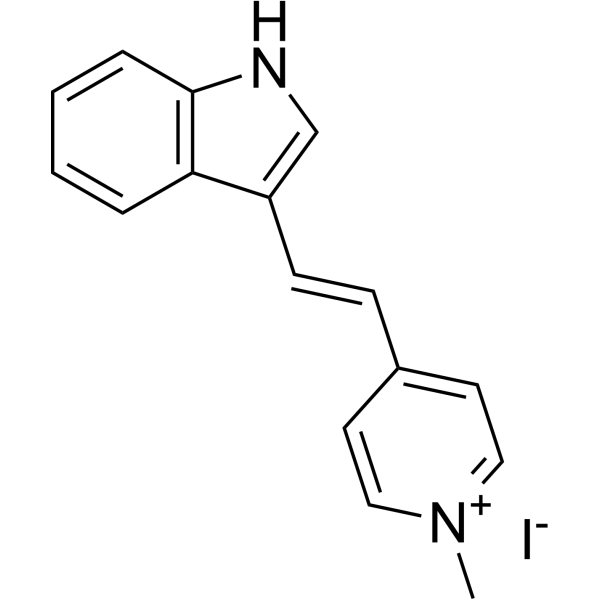
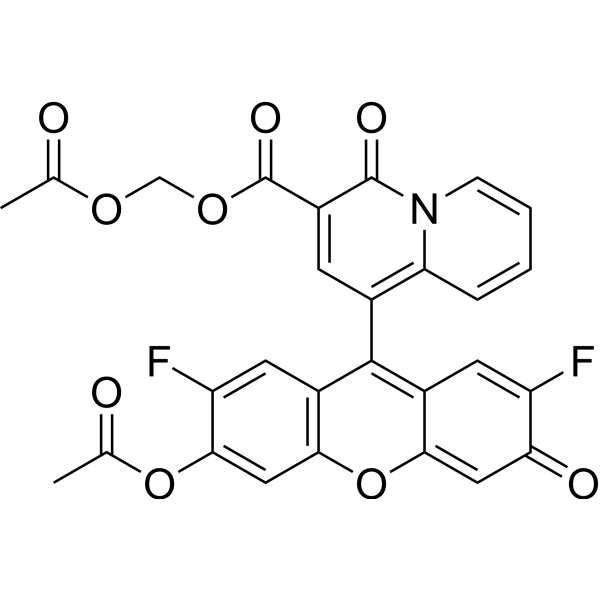
    KMG-104AM is a Mg 2+ fluorescent probe. KMG-104AM is a membrane-permeable ester-modified derivative of KMG-104, which serves as a reporter and imaging agent. KMG-104AM can track the increase in intracellular free magnesium ion concentration induced by mitochondrial uncoupling. KMG-104AM enables visualization of the three-dimensional distribution of intracellular magnesium ion concentration. KMG-104AM is applicable to research related to the functions of intracellular magnesium ions .
    KMG-104AM
  • HY-W032022S

    Isotope-Labeled Compounds Mitochondrial Metabolism Others
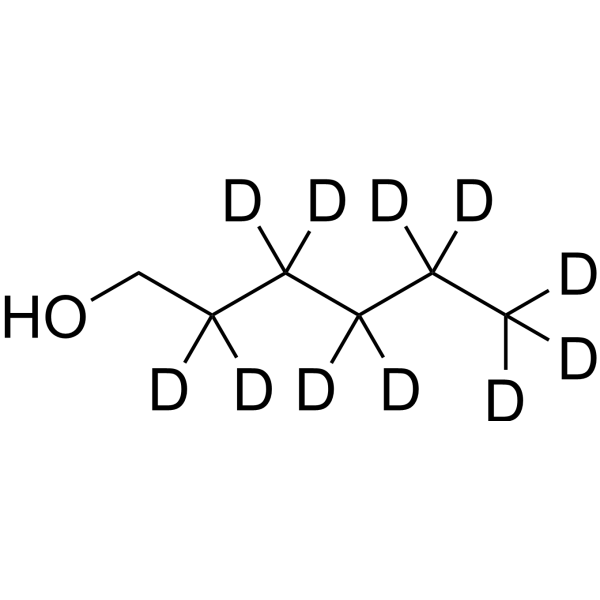
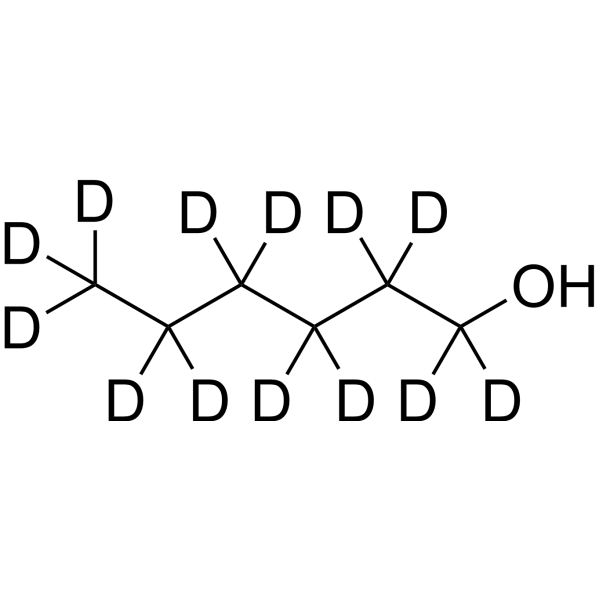
    1-Hexanol-d13 is the deuterium labeled 1-Hexanol . 1-Hexanol, a primary alcohol, is a surfactant that can be employed in industrial processes to enhance interfacial properties . 1-Hexanol uncouples mitochondrial respiration by a non-protonophoric mechanism .
    1-Hexanol-d13
  • HY-W032022S1

    Isotope-Labeled Compounds Mitochondrial Metabolism Others
    1-Hexanol-d11 is the deuterium labeled 1-Hexanol . 1-Hexanol, a primary alcohol, is a surfactant that can be employed in industrial processes to enhance interfacial properties . 1-Hexanol uncouples mitochondrial respiration by a non-protonophoric mechanism .
    1-Hexanol-d11
  • HY-117843

    Mitochondrial Metabolism Interleukin Related Bacterial Infection Metabolic Disease Inflammation/Immunology
    Ppc-1 is a mitochondrial uncoupler. Ppc-1 enhances mitochondrial oxygen consumption without adverse effects on ATP production. Ppc-1 is a cell-permeate interleukin-2 (IL-2) inhibitor. Ppc-1 inhibits the Gram-negative periodontopathogen Porphyromonas gingivalis. Ppc-1 has anti-obesity, antibacterial and anti-inflammatory activities .
    Ppc-1
  • HY-170369

    Mitochondrial Metabolism Metabolic Disease
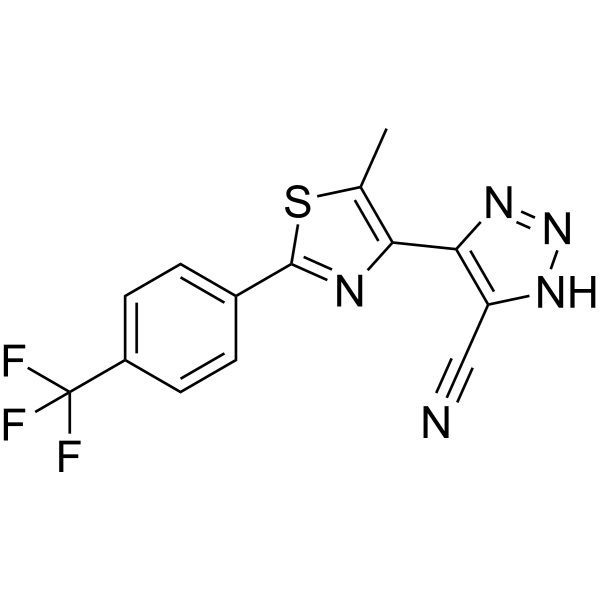
    SHO1122147 (Compound 7m) affects the mitochondrial electron transport chain, exhibits mitochondrial uncoupling activity (EC50=3.6 μM), and increases the oxygen consumption rate (OCR=69%) and promotes cellular respiration. SHO1122147 is orally active, and can be used in reaearch of obesity and metabolic dysfunction-associated steatohepatitis (MASH) .
    SHO1122147
  • HY-162302

    Others Metabolic Disease
    NMY1009 is a lipophilic C8-hydrocarbon chain conjugated analog that links mitochondrial uncouplers via ether linkages. NMY1009 can be released and enter the mitochondrial matrix and intermembrane space, thereby targeting mitochondrial uncoupler to adipose tissue and increasing energy expenditure in brown and white adipose tissue .
    NMY1009
  • HY-W032022R

    Reference Standards Mitochondrial Metabolism Others
    1-Hexanol (Standard) is the analytical standard of 1-Hexanol. This product is intended for research and analytical applications. 1-Hexanol, a primary alcohol, is a surfactant that can be employed in industrial processes to enhance interfacial properties . 1-Hexanol uncouples mitochondrial respiration by a non-protonophoric mechanism .
    1-Hexanol (Standard)
  • HY-168639

    Mitochondrial Metabolism AMPK Metabolic Disease
    AP39 prodrug 1 (Compound M1) is a mitochondria-targeted H2S prodrug. AP39 prodrug 1 induces ROS-dependent mild mitochondrial uncoupling, activating mitochondria-associated AMPK to suppress Palmitic acid (PA) (HY-N0830)-induced lipid deposition in hepatocytes .
    AMPK activator 15
  • HY-176148

    Mitochondrial Metabolism Metabolic Disease
    ZGL-18 is an uncoupling protein 1 (UCP1)-inspired mitochondrial uncoupler. ZGL-18 activates brown adipocytes and reduces mitochondrial membrane potential .
    ZGL-18
  • HY-169926

    Mitochondrial Metabolism Cancer
    AK-4 is a glucose-lowering agent, acting function as a mitochondrial uncoupler .
    AK-4
  • HY-106472

    EMD 26644

    Bacterial Infection
    Tioxaprofen is a new anti-mycotic drug against Trichophyton mentagrophytes and T. rubrum, and is a potent uncoupling agent of mitochondrial respiration .
    Tioxaprofen
  • HY-137922

    Mitochondrial Metabolism Metabolic Disease
    SHS4121705 is an orally effective mitochondrial uncoupling agent with an IC50 of 4.3 μM in L6 myoblasts. SHS4121705 can be used in the study of non-alcoholic steatohepatitis (NASH) .
    SHS4121705
  • HY-P5315

    NO Synthase Others
    eNOS pT495 decoy peptide is a specific decoy peptide to prevent T495 phosphorylation reduced eNOS uncoupling and mitochondrial redistribution. eNOS pT495 decoy peptide is used in ventilator-induced lung injury research .
    eNOS pT495 decoy peptide
  • HY-159881

    Mitophagy Metabolic Disease
    SHS206 (compound 6n) is an orally active mitochondrial uncoupler that reduces hepatic triglyceride levels. SHS206 exhibits in vivo efficacy in the GAN mouse model and shows inhibitory effects on metabolic dysfunction-associated steatohepatitis (MASH) .
    SHS206
  • HY-W032022S3

    Mitochondrial Metabolism Others
    1-Hexanol-d5 is the deuterium labeled 1-Hexanol . 1-Hexanol, a primary alcohol, is a surfactant that can be employed in industrial processes to enhance interfacial properties . 1-Hexanol uncouples mitochondrial respiration by a non-protonophoric mechanism .
    1-Hexanol-d5
  • HY-W032022S2

    Isotope-Labeled Compounds Mitochondrial Metabolism Others
    1-Hexanol-d3 is the deuterium labeled 1-Hexanol . 1-Hexanol, a primary alcohol, is a surfactant that can be employed in industrial processes to enhance interfacial properties . 1-Hexanol uncouples mitochondrial respiration by a non-protonophoric mechanism .
    1-Hexanol-d3
  • HY-W032022S4

    Isotope-Labeled Compounds Mitochondrial Metabolism Others
    1-Hexanol-d2 is deuterated labeled 1-Hexanol (HY-W032022). 1-Hexanol, a primary alcohol, is a surfactant that can be employed in industrial processes to enhance interfacial properties . 1-Hexanol uncouples mitochondrial respiration by a non-protonophoric mechanism .
    1-Hexanol-d2
  • HY-179539

    Eukaryotic Initiation Factor (eIF) Neurological Disease Inflammation/Immunology
    ISR activator 3 (Compound cc81) is the active metabolite of A8. ISR activator 3 activates the integrated stress response (ISR) by binding to RIG-I (KD ≈ 0.55 μM), without inducing lipid droplet clearance. ISR activator 3 enhances the interferon response under viral mimicry signals. ISR activator 3 can be used for research on neurodegenerative diseases and immune stress .
    ISR activator 3
  • HY-17684

    Drug Derivative Akt Others
    MARY15 is a pyridinylpiperazine-based derivative of MARY1. MARY15 activates uncoupled mitochondrial respiration and upregulates p-AKT (S473) phosphorylation in renal proximal tubule cells .
    MARY15
  • HY-183972

    Oxidative Phosphorylation Infection Others
    Desaspidin is an oxidative phosphorylation inhibitor and photophosphorylation inhibitor. Desaspidin uncouples mitochondrial oxidative phosphorylation, multiple chloroplast photophosphorylation pathways, and ATP synthesis linked to non-cyclic NADP reduction. Desaspidin can be used for the research of anthelmintic agent .
    Desaspidin
  • HY-183095

    Metabolic Disease
    AM79 is a PGC-1α1 stabilizer. AM79 promotes the accumulation of endogenous PGC-1α1 protein, thereby activating its target genes. AM79 increases uncoupled mitochondrial respiration in brown adipocytes. AM79 induces the expression of Ucp1 and Cidea in brown adipocytes. AM79 can be used for the research of obesity and related metabolic disorders .
    AM79
  • HY-183096

    PGC-1α Metabolic Disease
    AM31 is a PGC-1α1 stabilizer. AM31 enhances the protein stability of PGC-1α1, promotes protein accumulation and target gene activation. AM31 induces the expression of Ucp1 and Cidea in brown adipocytes. AM31 increases the levels of basal mitochondrial respiration and uncoupled respiration in brown adipocytes. AM31 can be used for the research of obesity and related metabolic disorders .
    AM31
  • HY-183094

    PGC-1α Metabolic Disease
    AM73 is a PGC-1α1 stabilizer. AM73 increases the expression levels of Ucp1 and Cidea in brown adipocytes, and enhances basal mitochondrial respiration and uncoupled respiration. AM73 regulates hypoxia, brown adipocyte differentiation, carbohydrate metabolism and insulin signaling pathways in brown adipocytes. AM73 alters the thermogenic process of white adipocytes. AM73 is applicable to the research of obesity and related metabolic disorders .
    AM73
  • HY-171722

    Asc-C9

    Insecticide PGC-1α Infection Cancer
    Ascr#10 (Asc-C9) is an orally active thermogenesis inducer and insecticide that can be obtained from Monochamus alternatus. Ascr#10 binds to the insect adipokinetic hormone (AKH) receptor (Ka=272 µM) and stimulates mitochondrial biogenesis via the PGC1α-UCP4 axis. Consequently, Ascr#10 induces UCP4-mediated uncoupled respiration, reduces the ATP/ADP ratio and accelerates lipid mobilization, thereby driving the thermogenesis process. Ascr#10 delays pupation and exerts specific chemotaxis toward dispersive fourth-stage pinewood nematode LIV larvae. Ascr#10 promotes cold acclimation of Monochamus alternatus larvae through metabolic inhibition and cryoprotectant accumulation, enhancing their survival rate under cold stress. Ascr#10 also induces browning of white adipose tissue and activates brown adipose tissue in mice, thereby helping the body resist cold and tumor growth. Ascr#10 can be widely applied to research related to pine wilt disease, lung tumors and cold stress .
    Ascr#10

Inquiry Online

Your information is safe with us. * Required Fields.

Salutation


Country or Region *

Applicant Name *


Organization Name *

Department *


Email Address *


Product Name *

Cat. No.


Requested quantity *

Phone Number *


Remarks

Inquiry Online

Inquiry Information

Product Name:
Cat. No.:
Quantity:
MCE Japan Authorized Agent:

