95 Results for "

mosquitos

" in MedChemExpress (MCE) Product Catalog:
Products (95)

95 Results for "mosquitos" in MCE Product Catalog:

3
3 Cited Publications
Cat. No.: HY-116144
CAS No.: 119515-38-7
Purity:  98.00%
Synonyms: Lcaridin
Research Areas:  

Infection

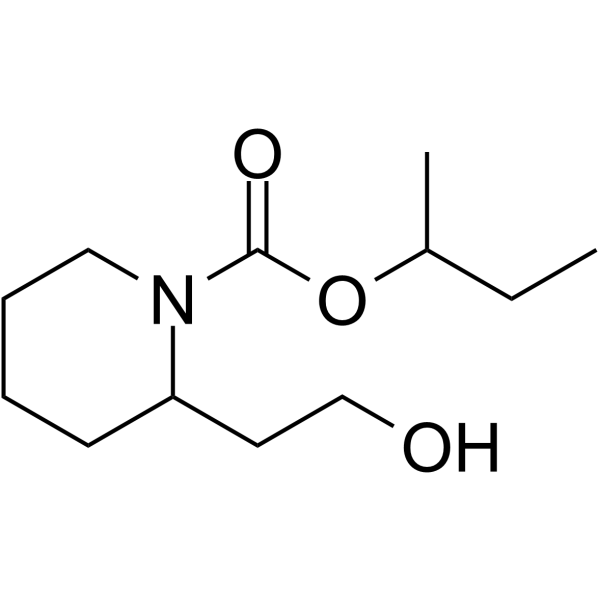
Picaridin (Lcaridin) is a broad spectrum arthropod repellent. Picaridin interacts with mosquito and tick olfactory receptor proteins. Picaridin repels Aedes aegypti. Picaridin exhibits considerable antibacterial, anticandidal and antifungal properties .
loading...
    loading...
3
3 Cited Publications
Cat. No.: HY-114633
CAS No.: 901008-62-6
Target:  

Potassium Channel

Research Areas:  

Others

VU625 is an inhibitor for potassium channel, that selectively inhibits mosquito Aedes aegypti inward rectifier potassium channel 1 (AeKir), with IC50 of 96.8 nM in HEK293 cell. VU625 can be used in development of insecticide .
loading...
    loading...
2
2 Cited Publications
Cat. No.: HY-B1885
CAS No.: 122-14-5
Fenitrothion is a broad-spectrum and orally active insecticide/acaricide. Fenitrothion inhibits cholinesterase, AMPKα and IRS1/PI3K/AKT. Fenitrothion causes Apoptosis, reduces SOD activity. Fenitrothion shows insecticidal effect against Rhyzopertha dominica and Tribolium castaneum adults. Fenitrothion is widely used in cotton crops, vegetable crops, fruit crops and field crops, especially rice. Fenitrothion can be used for brain and spleen toxicology studies .
loading...
    loading...
2
2 Cited Publications
Cat. No.: HY-B1120
CAS No.: 3383-96-8
Synonyms: Temefos
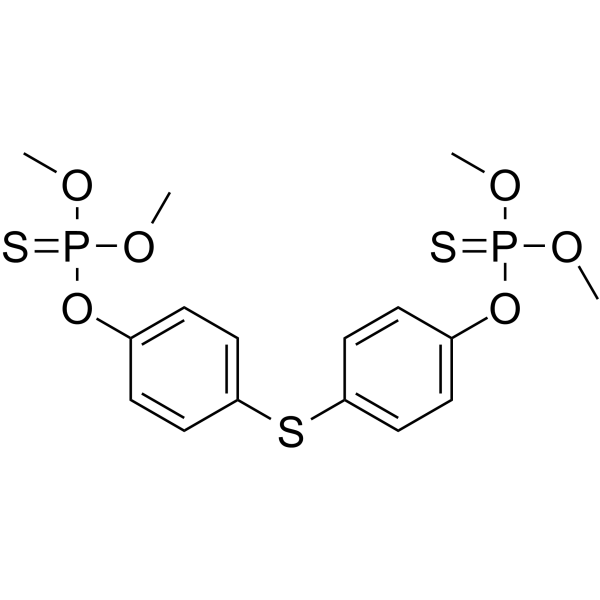
Temephos (Temefos) is an orally active, blood-brain barrier-permeable organophosphate insecticide and AChE inhibitor. By irreversibly inhibiting AChE to induce cholinergic overactivation, Temephos effectively blocks larval development of Aedes aegypti (yellow fever mosquito) and Aedes albopictus (Asian tiger mosquito), and is commonly used in studies related to Dengue Virus, Zika Virus and other relevant pathogens. Temephos exhibits genotoxicity and neurodevelopmental toxicity, and may also cause liver injury, reproductive system abnormalities and cholinergic poisoning symptoms in mammals. Temephos tends to accumulate in adipose tissues and aquatic organisms, and is excreted via feces after metabolism through oxidation and hydrolysis. Note that CYP-mediated metabolic detoxification may reduce the actual larvicidal efficacy of Temephos against some mosquito species. Temephos can be used in research related to dengue fever, Zika virus disease, chikungunya and dracunculiasis .
loading...
    loading...
1
1 Cited Publications
Cat. No.: HY-B0824
CAS No.: 82657-04-3
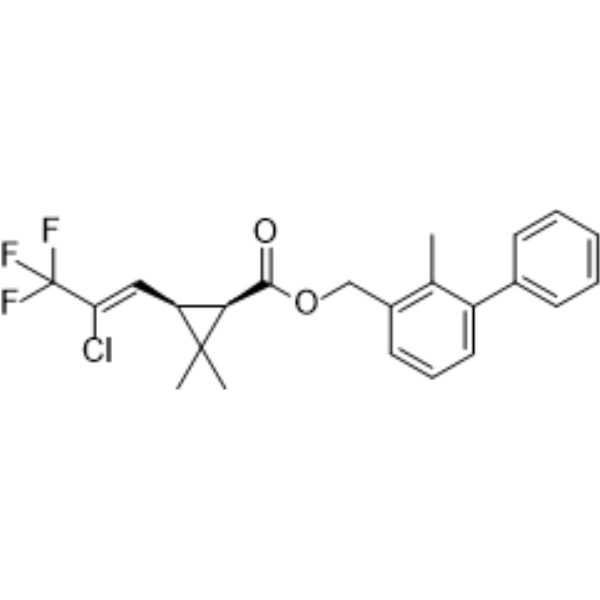
Bifenthrin is a synthetic pyrethroid insecticide. Bifenthrin prolongs the opening time of Nav1.8 sodium channels, leading to membrane depolarization and conductance block in the insect nervous system, thereby disrupting neural function. Bifenthrin was effective in inhibiting A. gambiae (LD50=0.15 ng/mg) and C. quinquefasciatus (LD50=0.16 ng/mg). Bifenthrin has good lethality against susceptible and resistant mosquitoes and is very effective in inhibiting blood sucking and can be developed as a mosquito-removal netting material .
loading...
    loading...
1
1 Cited Publications
Cat. No.: HY-N1739
CAS No.: 84-54-8
Synonyms: 2-Methylanthraquinone
Tectoquinone (2-Methylanthraquinone) is an inhibitor for SARS CoV-2 major protease (SARS CoV-2 Mpro). Tectoquinone exhibits anti-termite and antiviral activities .
loading...
    loading...
1
1 Cited Publications
Cat. No.: HY-N10013
CAS No.: 23726-91-2
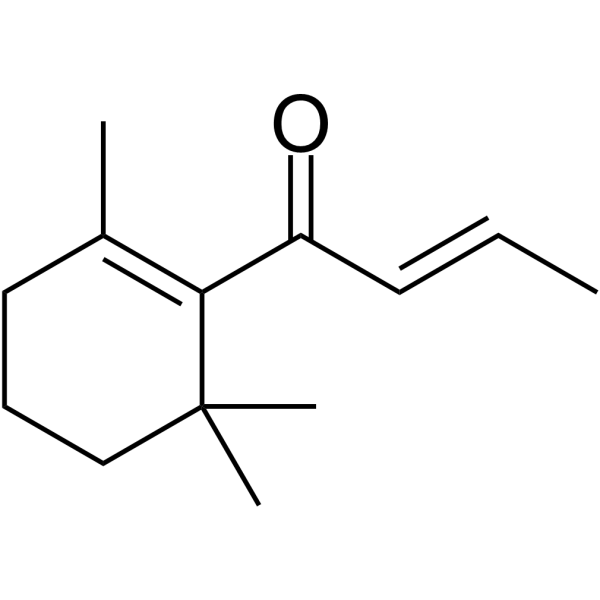
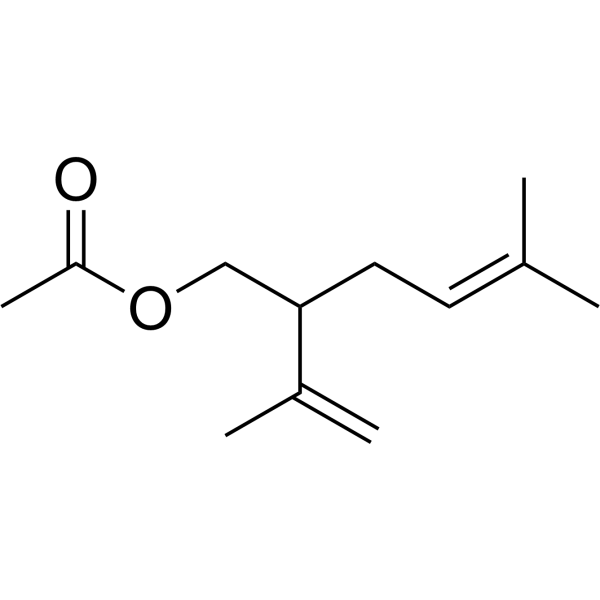
β-Damascone is an aroma active rice volatile and is widely used in perfume compositions. β-Damascone has also received certain attention as a potential cancer chemopreventive and a mosquito and muscoid insecticide .
loading...
    loading...
Cat. No.: HY-Y0261A
CAS No.: 7783-20-2
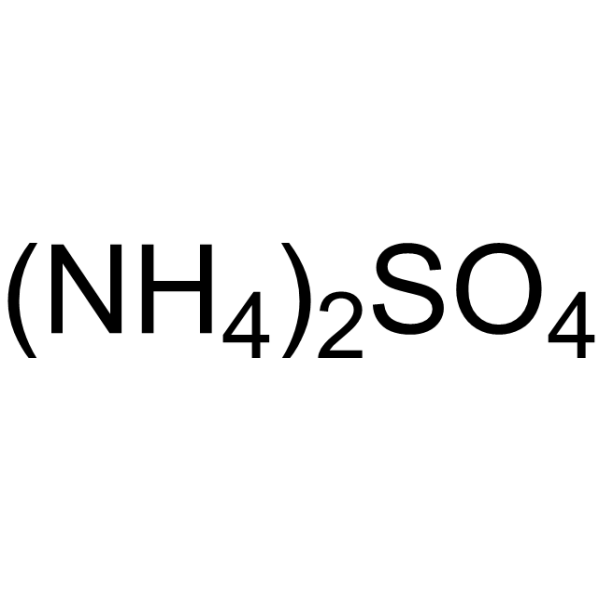
Ammonium sulphate,≥99.0%,AR is an inorganic sulfate salt used for molecular biology . Ammonium sulphate,≥99.0%,AR can be used to precipitate proteins, separate antibodies, and enhance antigen-antibody reactions. Ammonium sulphate,≥99.0%,AR can serve as a nitrogen source in plant fertilizers and has developmentally toxicity to freshwater snails, but increases the number of Anopheles africanus and Culex mosquito larvae in rice paddies. Ammonium sulphate,≥99.0%,AR also inhibits the conversion of glucose to ascorbic acid in plants .
loading...
    loading...
Cat. No.: HY-B0978
CAS No.: 134-62-3
Synonyms: DEET; N,N-Diethyl-m-toluamide
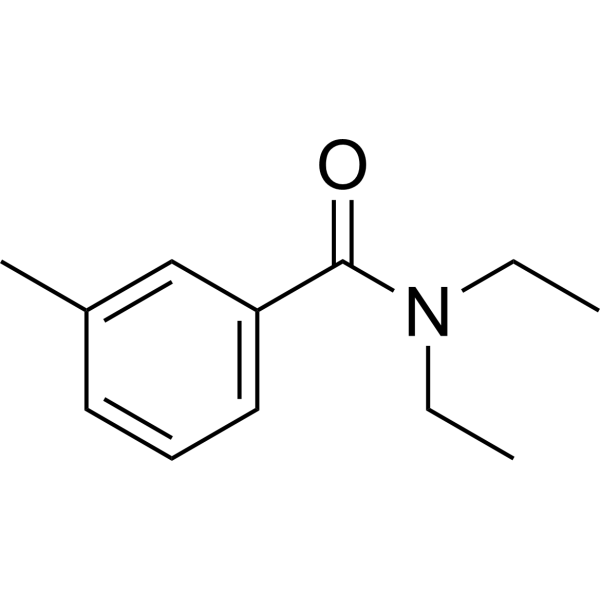
Diethyltoluamide (DEET) is the most common active ingredient in insect repellents. It is intended to provide protection against mosquitoes, ticks, fleas, chiggers, leeches, and many other biting insects. Diethyltoluamide is toxic to hepatocytes and can lead to many physiological, pharmacological, and behavioral abnormalities, particularly motor deficits and learning and memory dysfunction .
loading...
    loading...
Cat. No.: HY-N3097
CAS No.: 18836-52-7
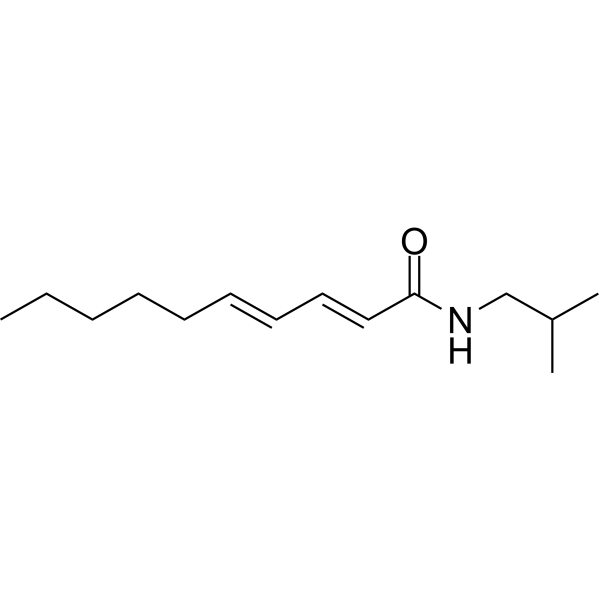
Pellitorine is a bioactive natural amide compound. Pellitorine can competitively antagonize the activation of TRPV1 by Capsaicin (HY-10448), thereby reducing pain signal transmission. Pellitorine improves cognitive dysfunction by upregulating the BDNF-ERK1/2-CREB and Nrf2-HO-1 pathways. Pellitorine exerts anti-inflammatory and anti-sepsis effects by inhibiting the release of high mobility group protein B1 (HMGB1) and the expression of RAGE/TLR4. Pellitorine exerts its antithrombotic effect by prolonging the clotting time, inhibiting the activity of clotting factors and thrombin. Pellitorine inhibits lipid peroxidation and resists ferroptosis by upregulating GPX4 and DHODH. Pellitorine kills Aedes aegypti mosquito larvae by inhibiting V-type H⁺-ATPase and aquaporin 4 (AaAQP4). Pellitorine exhibits anti-cancer activity (e.g., leukemia and breast cancer) and has inhibitory effects on certain bacteria .
loading...
    loading...
Cat. No.: HY-134891
CAS No.: 396726-03-7
Purity:  ≥95.0%
Synonyms: (E)-4-Hydroxy-3-methyl-but-2-enyl diphosphate lithium
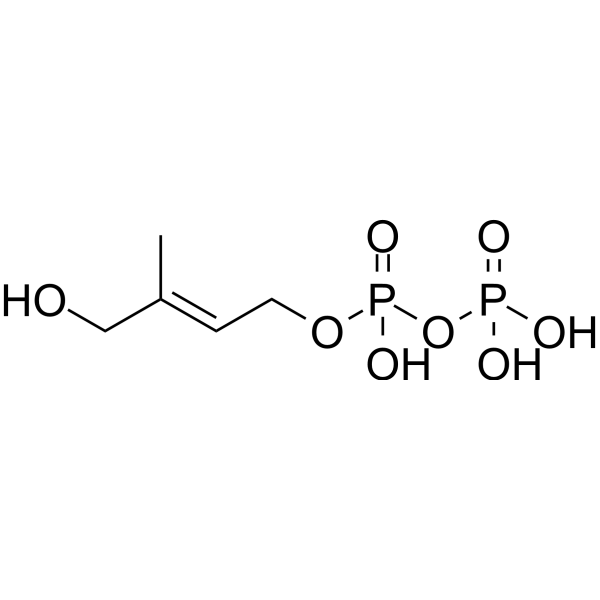
HMBPP lithium is an intermediate in isoprenoid biosynthesis that can be produced by bacteria and protozoa that use the non-mevalonate pathway for isoprenoid biosynthesis. HMBPP lithium is a ligand of the internal domain of BTN3A1 and is an activator for human Vγ9/Vδ2 T cells. HMBPP lithium exhibits phagostimulant property in mosquitos .
loading...
    loading...
Cat. No.: HY-W099479
CAS No.: 52304-36-6
Synonyms: Ethyl butylacetylaminopropionate; IR-3535
Insect repellent M 3535 (Ethyl butylacetylaminopropionate) is a broad-spectrum, mild insect repellent based on the structure of β-alanine. Insect repellent M 3535 exerts repellent effects by interfering with the olfaction of mosquitoes, but it poses risks of developmental and cardiac toxicity to aquatic organisms such as zebrafish embryos in aquatic environments, and can activate oxidative stress responses .
loading...
    loading...
Cat. No.: HY-107586
CAS No.: 78860-34-1
Purity:  98.10%
Synonyms: DAQ B1; L-783281; Dimethylasterriquinone
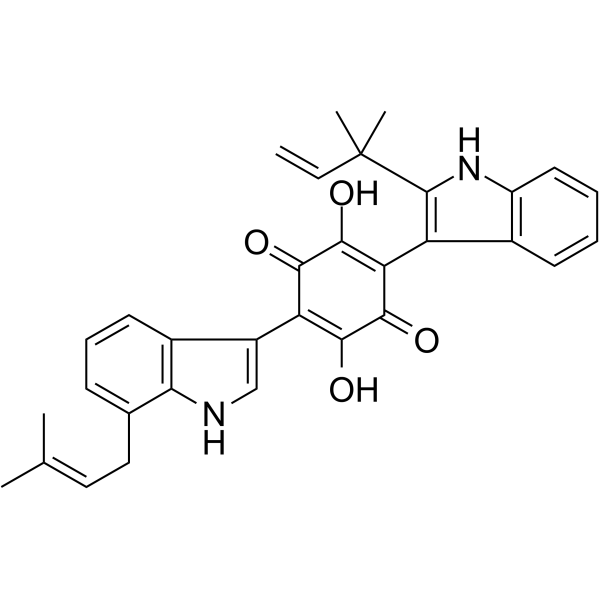
Demethylasterriquinone B1 (DAQ B1; L-783281) is an orally active insulin receptor (insulin receptor) agonist and AKT activator. By activating AKT, Demethylasterriquinone B1 upregulates the expression and activity of eNOS to increase NO production, while downregulating the expression of the NADPH oxidase subunit p22phox to reduce oxidative stress and improve vascular endothelial dysfunction in hypertensive rats. Demethylasterriquinone B1 combind with an AKT inhibitor targets the insulin signaling pathway to activate two antiviral pathways, RNA interference and JAK/STAT, in mosquitoes, thereby reducing Zika virus infection .
loading...
    loading...
Cat. No.: HY-B1072A
CAS No.: 26046-85-5
Synonyms: (-)-trans-Phenothrin
Target:  

Parasite

Research Areas:  

Infection

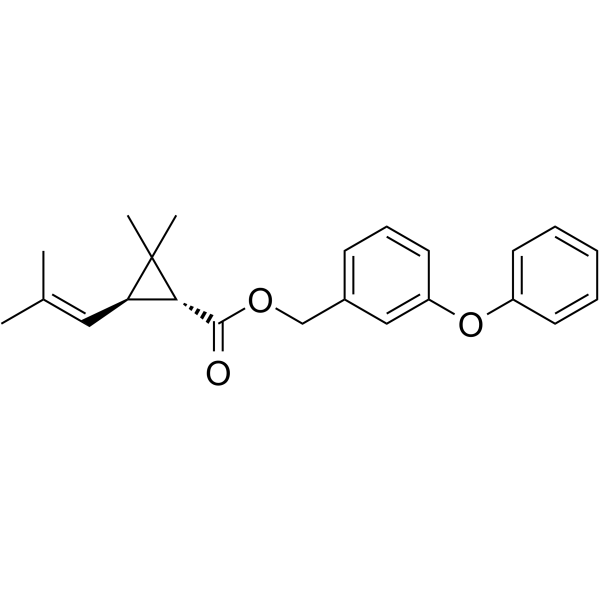
D-Phenothrin ((-)-trans-Phenothrin), an orally active Type II synthetic pyrethroid, is widely used to kill insects, mosquitoes, and human lice. D-Phenothrin is also used in veterinary medicine to control insect pests on animals and protect agricultural crops .
loading...
    loading...
Cat. No.: HY-W587415
CAS No.: 109215-55-6
Target:  

Others

Research Areas:  

Others

Nepetalactol is an iridoid. It has been found in Actinidia polygama (the silver vine) as a major cat attractant, and a mosquito repellent.
loading...
    loading...
Cat. No.: HY-N1096
CAS No.: 120-14-9
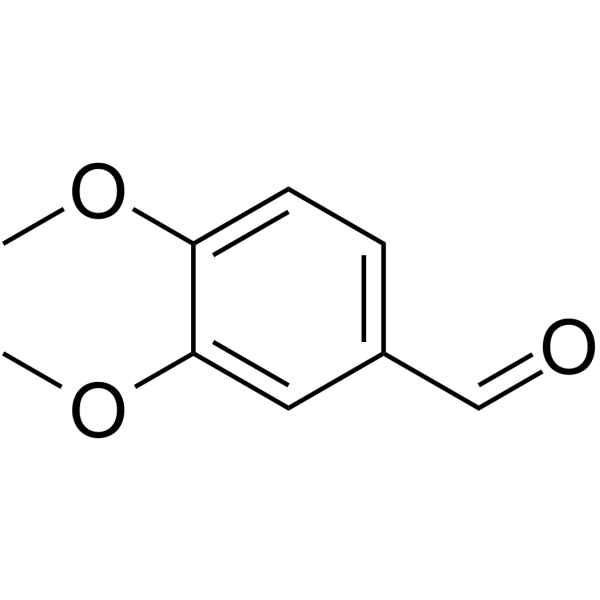
Veratraldehyde is an orally active aromatic compound and antibacterial agent. Veratraldehyde can be isolated from essential oils of plants such as peppermint and ginger. Veratraldehyde targets the PilY1 protein. Veratraldehyde has antibacterial activity against Pseudomonas aeruginosa. Veratraldehyde has a repellent effect against mosquitoes and ticks. Veratraldehyde can be used as a flavoring agent .
loading...
    loading...
Cat. No.: HY-118607
CAS No.: 332943-64-3
Purity:  99.31%
Research Areas:  

Infection

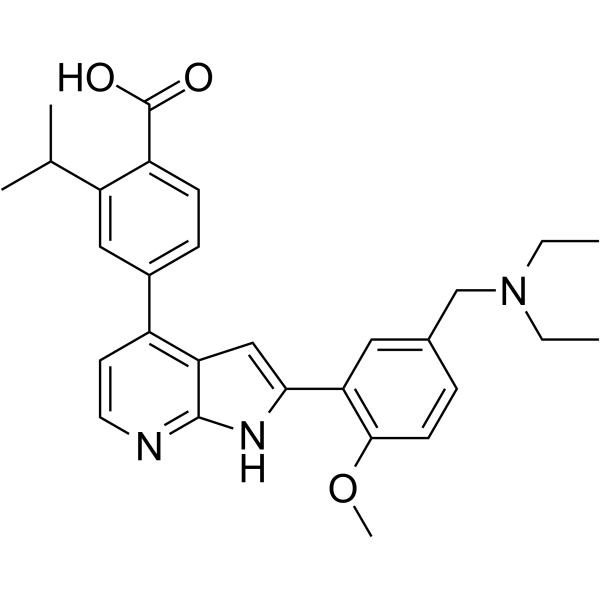
VU041 is a first submicromolar-affinity inhibitor of Anopheles (An.) gambiae and Aedes (Ae.) aegypti inward rectifier potassium 1 (Kir1) channels with IC50 values of 2.5 μM and 1.7 μM, respectively. VU041 inhibits appreciably is mammalian Kir2.1 (IC50 of 12.7 μM), and has less inhibitory effect on mammalian Kir1.1, Kir4.1, Kir6.2/SUR1, and Kir7.1. VU041 also induces impaired Malpighian tubule function .
loading...
    loading...
Cat. No.: HY-W002270
CAS No.: 3681-78-5
Synonyms: Propyl laurate
Target:  

Insecticide

Research Areas:  

Infection

Propyl dodecanoate (Propyl laurate) is a synthetic dodecanoic acid ester, exhibiting biting deterrent activity against Aedes aegypti mosquitoes. Propyl dodecanoate can be used for the research of mosquito-borne disease vectors (Aedes aegypti) .
loading...
    loading...
Cat. No.: HY-126323
CAS No.: 2413716-15-9
Purity:  99.90%
Target:  

Parasite

Research Areas:  

Infection

TCMDC-135051 is a highly selective and potent protein kinase PfCLK3 inhibitor with low off-target toxicity. TCMDC-135051 prevents trophozoite-to-schizont transition, disrupts transcription and reduces transmission to the mosquito vector. TCMDC-135051 has antiparasiticidal activity (EC50=320 nM) .
loading...
    loading...
Cat. No.: HY-124097
CAS No.: 120944-03-8
Purity:  97.22%
Target:  

Insulin Receptor

Research Areas:  

Metabolic Disease

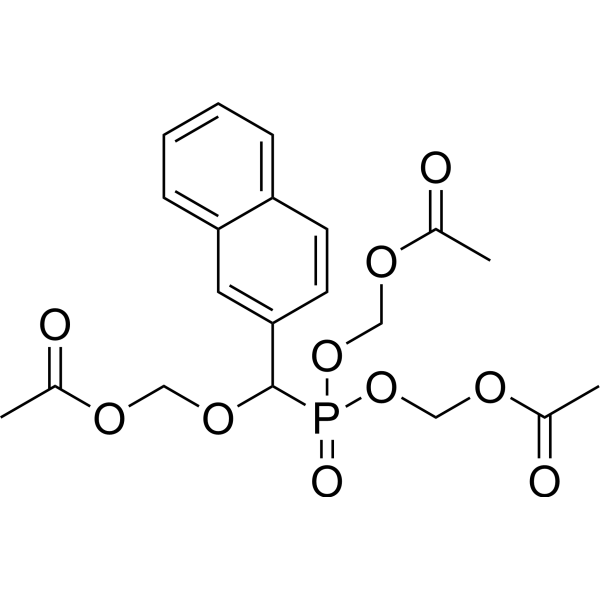
HNMPA-(AM)3 is a cell-permeable and selective insulin receptor tyrosine kinase inhibitor analog of HNMPA. HNMPA-(AM)3 greatly inhibits the ability of prothoracicotropic hormone (PTTH) to activate ERK phosphorylation and stimulate ecdysteroidogenesis. HNMPA-(AM)3 is also effective in inhibiting ecdysteroid production (IC50=14.2 μM) and insulin receptor activity (IC50 is 14.2 μM and 200 μM in mosquitoes and mammals, respectively) .
loading...
    loading...

