
73 Results for "

mouse cell lines

" in MedChemExpress (MCE) Product Catalog:
Products (73)

73 Results for "mouse cell lines" in MCE Product Catalog:

3
3 Cited Publications
Cat. No.: HY-N0128
CAS No.: 515-03-7
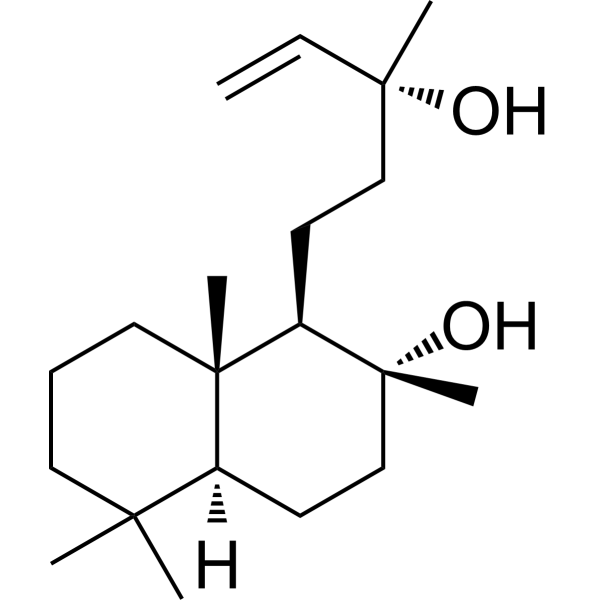
Sclareol is isolated from Salvia sclarea with anticarcinogenic activity. Sclareol shows strong cytotoxic activity against mouse leukemia (P-388), human epidermal carcinoma (KB) cells and human leukemia cell lines. Sclareol induces cell apoptosis .
loading...
    loading...
1
1 Cited Publications
Cat. No.: HY-P1181A
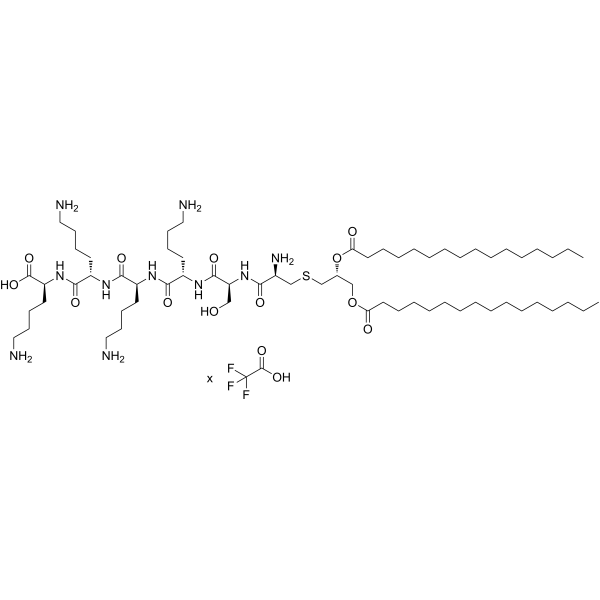
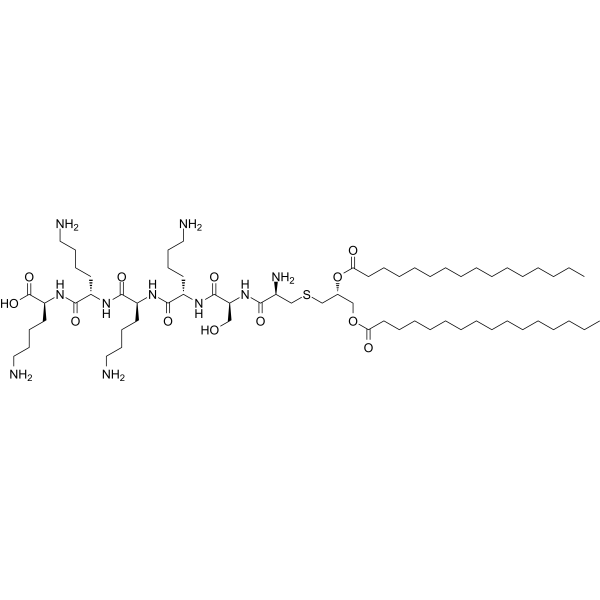
Pam2CSK4 TFA is a TLR2 agonist. Pam2CSK4 TFA induces the expression of iNOS and NO in macrophage cell lines via TBK1 and MyD88 molecules. Pam2CSK4 TFA activates the NF-κB and Bruton's tyrosine kinase signaling pathways in platelets, and promotes platelet-endothelial cell interactions. TLR2 activation triggered by Pam2CSK4 TFA expands myeloid-derived suppressor cells (MDSCs) and suppresses anti-tumor immune responses in the tumor microenvironment. Pam2CSK4 TFA acts as a Th2-polarizing adjuvant in mouse vaccine models against Leishmania major and Brugia malayi. Pam2CSK4 TFA can be used in the research of various diseases, including thromboinflammatory diseases, sepsis, atherosclerosis, heart failure, influenza, lymphoma, melanoma, cutaneous leishmaniasis and lymphatic filariasis .
loading...
    loading...
1
1 Cited Publications
Cat. No.: HY-114858
CAS No.: 16470-02-3
Purity:  99.51%
Research Areas:  

Cancer

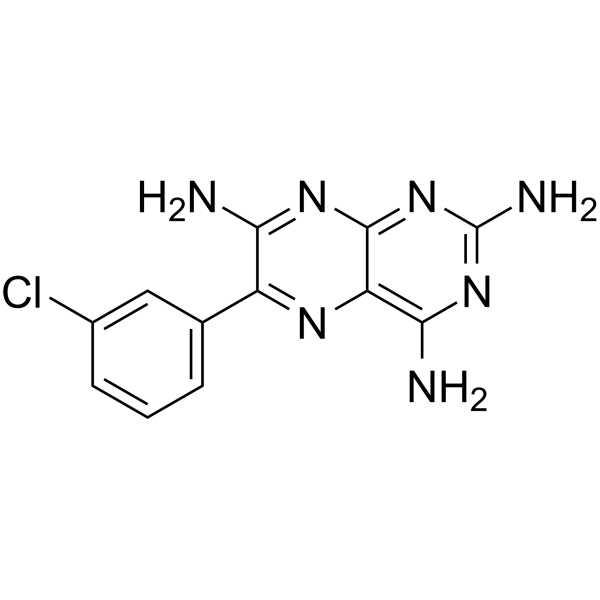
Epiblastin A is an ATP-competitive casein kinase 1 (CK1) inhibitor that inhibits CK1α, CK1δ, and CK1ε. Epiblastin A inhibits the kinase activity of STK10, BRSK1, EEF2K, EGFR, MKNK2, and RIPK2. Epiblastin A inhibits Ki-67 expression, induces Oct4-GFP expression, and enhances the conversion of mouse epiblast stem cells to embryonic stem cells. Epiblastin A selectively reduces the cell viability of colorectal cancer cell lines HCT116, HT29, and DLD1. Epiblastin A can be used in colorectal cancer-related research .
loading...
    loading...
1
1 Cited Publications
Cat. No.: HY-153896
CAS No.: 2764850-23-7
Purity:  98.74%
Target:  

c-Met/HGFR

Research Areas:  

Cancer

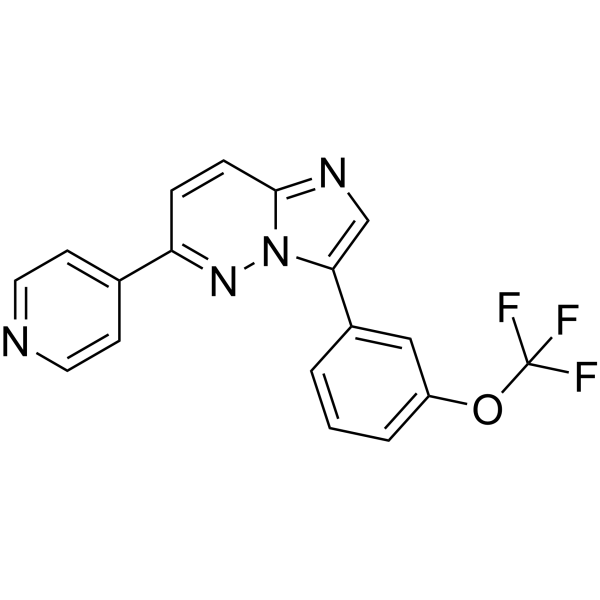
LMTK3-IN-1 (compound C28) is an ATP-competitive inhibitor of lemur tyrosine kinase 3 (LMTK3) (Kd=2.5 μM),that acts by degrading LMTK3 via the ubiquitin-proteasome pathway. LMTK3-IN-1 shows anticancer activity in a variety of cancer cell lines and in vivo BC mouse models. LMTK3-IN-1 induces apoptosis in BC cell lines at 10-20 μM .
loading...
    loading...
1
1 Cited Publications
Cat. No.: HY-N1391
CAS No.: 78432-77-6
Synonyms: 10-Deacetylpaclitaxel
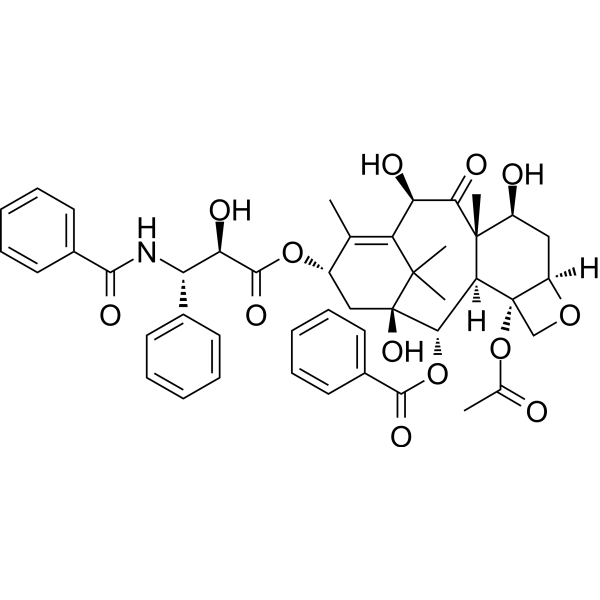
10-Deacetyltaxol (10-Deacetylpaclitaxel) is a taxane derivative found in Taxus wallichiana Zucc. and exhibits cytotoxicity against human neurotumor cell lines. It shows a concentration-dependent cytotoxic effect on cancer cells and demonstrates activity in the mouse leukemia system. 10-Deacetyltaxol can be used for research on neuroblastoma, glioblastoma multiforme, and lymphocytic leukemia .
loading...
    loading...
1
1 Cited Publications
Cat. No.: HY-K6014

MCE Organoid Cryopreservation Medium (Serum Free) is a ready-to-use cryopreservation medium, widely applicable to organoids and cell lines derived from various mammals (such as human, mouse, pig, cow, etc.). The 100 mL is defined as the base specification. All larger sizes correspond to incremental volumes of this base.

loading...
    loading...
Cat. No.: HY-156002
CAS No.: 2676177-63-0
Purity:  99.20%
Synonyms: Paluratide
Target:  

Ras ERK

Research Areas:  

Cancer

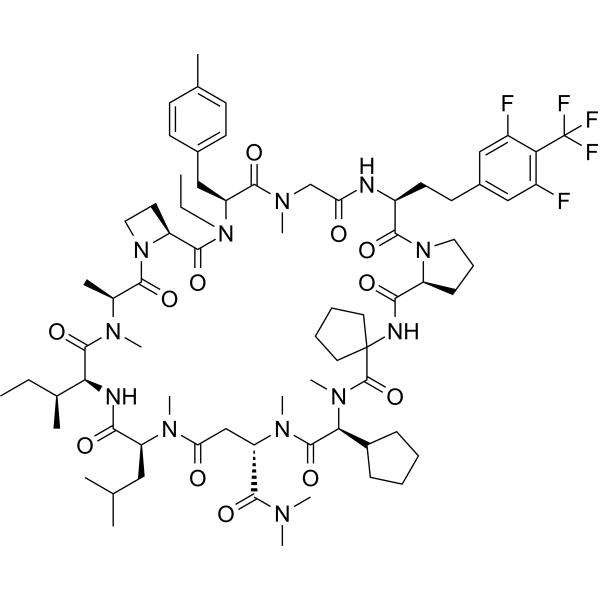
LUNA18 is an orally-available cyclic peptide KRAS and ERK inhibitor. LUNA18 phosphorylates ERK and AKT and decreases cell proliferation in RAS-mutated cancer cells. LUNA18 exhibits RAS signal inhibition and potent anti-cancer activities through inhibiting interaction between RAS and guanine nucleotide exchange factors (GEFs) in a mouse xenograft model. LUNA18 shows significant cellular efficacy against cell lines with KRAS genetic alterations, such as colon cancer, stomach cancer, non-small cell lung cancer and pancreaticcancer .
loading...
    loading...
Cat. No.: HY-145729
CAS No.: 1402357-06-5
Purity:  97.96%
Synonyms: AZD9150
Target:  

STAT Apoptosis

Research Areas:  

Cancer

Danvatirsen (AZD9150) is an antisense oligonucleotide targeting STAT3. Danvatirsen reduces the viability and promotes apoptosis of leukemia cell lines. Danvatirsen inhibits the expression of endogenous STAT3 and its downstream target genes, and reduces the proliferation and tumorigenicity of neuroblastoma and lymphoma cells. Danvatirsen inhibited tumor growth in mouse models of neuroblastoma, lymphoma, and non-small cell lung cancer. Danvatirsen achieves STAT3 mRNA and protein depletion in a mouse model of epidermoid carcinoma. Danvatirsen can be used in research related to lymphoma, myelodysplastic syndrome, acute myeloid leukemia, neuroblastoma and non-small cell lung cancer .
loading...
    loading...
Cat. No.: HY-101096
CAS No.: 953778-58-0
Purity:  99.96%
Synonyms: MK-8998; CX-8998; JZP385
Target:  

Calcium Channel

Research Areas:  

Neurological Disease Cancer

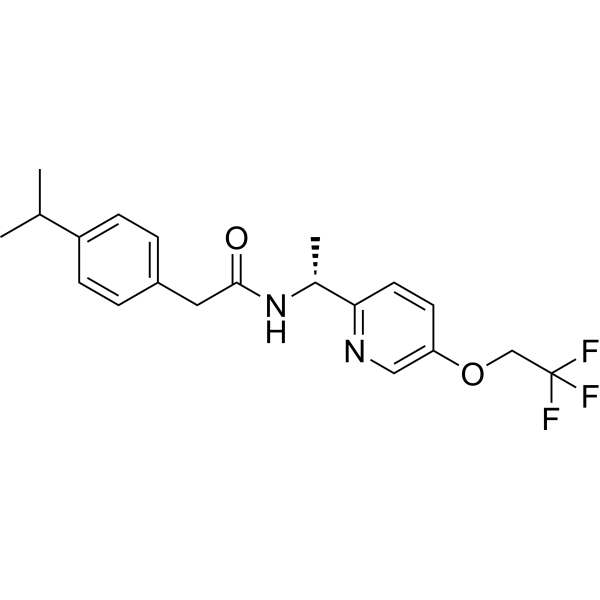
Suvecaltamide (MK-8998) is a selective T-type calcium channel inhibitor with oral efficacy. Suvecaltamide exhibits no cytotoxicity in myeloma cell lines and does not affect the antitumor efficacy of Bortezomib (BTZ). Suvecaltamide reverses BTZ-induced peripheral neuropathy (CIPN) in mouse and rat models, and helps inhibit myeloma growth .
loading...
    loading...
Cat. No.: HY-P991372
Synonyms: RN927C antibody

Target:  

TROP2

Research Areas:  

Cancer

Anti-TROP2 Antibody (RN927C antibody) is a human monoclonal antibody targeting Trop-2. Anti-TROP2 Antibody exerts in vitro inhibitory effects on a variety of tumor cell lines. Anti-TROP2 Antibody exhibits anti-tumor activity in mouse pancreatic PDX, ovarian PDX, lung PDX and triple-negative breast cancer (TNB) PDX models. Anti-TROP2 Antibody can be used for research on pancreatic cancer, ovarian cancer, lung cancer and triple-negative breast cancer .
loading...
    loading...
Cat. No.: HY-P1181
CAS No.: 868247-72-7
Pam2CSK4 is a TLR2 agonist. Pam2CSK4 induces the expression of iNOS and NO in macrophage cell lines via TBK1 and MyD88 molecules. Pam2CSK4 activates the NF-κB and Bruton's tyrosine kinase signaling pathways in platelets, and promotes platelet-endothelial cell interactions. TLR2 activation triggered by Pam2CSK4 expands myeloid-derived suppressor cells (MDSCs) and suppresses anti-tumor immune responses in the tumor microenvironment. Pam2CSK4 acts as a Th2-polarizing adjuvant in mouse vaccine models against Leishmania major and Brugia malayi. Pam2CSK4 can be used in the research of various diseases, including thromboinflammatory diseases, sepsis, atherosclerosis, heart failure, influenza, lymphoma, melanoma, cutaneous leishmaniasis and lymphatic filariasis .
loading...
    loading...
Cat. No.: HY-145729A
Purity:  97.96%
Synonyms: AZD9150 sodium
Target:  

STAT Apoptosis

Research Areas:  

Cancer

Danvatirsen sodium (AZD9150 sodium) is an antisense oligonucleotide targeting STAT3. Danvatirsen sodium reduces the viability and promotes apoptosis of leukemia cell lines. Danvatirsen sodium inhibits the expression of endogenous STAT3 and its downstream target genes, and reduces the proliferation and tumorigenicity of neuroblastoma and lymphoma cells. Danvatirsen sodium inhibited tumor growth in mouse models of neuroblastoma, lymphoma, and non-small cell lung cancer. Danvatirsen sodium achieves STAT3 mRNA and protein depletion in a mouse model of epidermoid carcinoma. Danvatirsen sodium can be used in research related to lymphoma, myelodysplastic syndrome, acute myeloid leukemia, neuroblastoma and non-small cell lung cancer .
loading...
    loading...
Cat. No.: HY-117133
CAS No.: 1621332-91-9
Synonyms: SF0166
Target:  

Integrin

Research Areas:  

Metabolic Disease

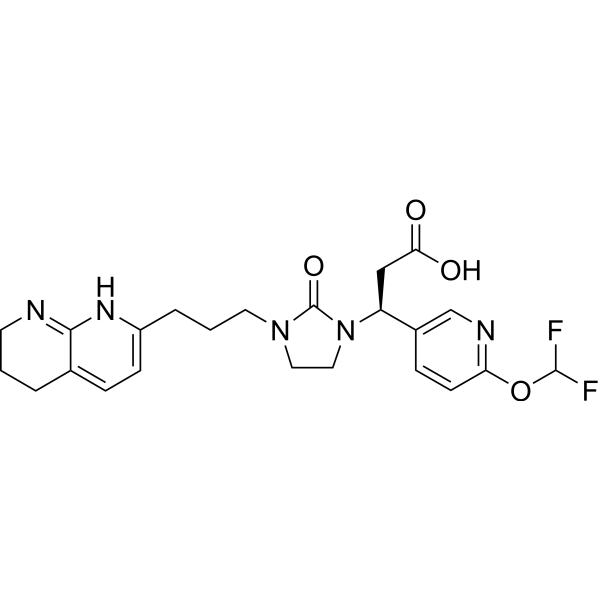
Nesvategrast (SF0166) is a potent and selective αvβ3 antagonist with IC50 values of 0.6 nM, 8 nM, and 13 nM for αvβ3, αvβ6, and αvβ8, respectively. Nesvategrast inhibits cellular adhesion to vitronectin across human, rat, rabbit, and dog cell lines with IC50 values of 7.6 pM to 76 nM. Nesvategrast decreases neovascularization in the oxygen-induced retinopathy mouse model .
loading...
    loading...
Cat. No.: HY-176798
CAS No.: 1964516-64-0
NCI-006 is an orally active lactate dehydrogenase (LDH) inhibitor (LDHA IC50 = 0.06 μM; LDHB IC50 = 0.03 μM). NCI-006 inhibits intratumoral LDH activity, lactate production, and tumor growth in a mouse pancreatic cancer model. NCI-006 inhibits glycolysis and induces apoptosis in vitro. NCI-006 enhances the radiosensitivity of glycolytic tumor cell lines while sparing non-glycolytic/normal cells (1522, skin fibroblasts) in combination with ionizing radiation (IR). NCI-006 exhibits synergistic antitumor effects in combination with IACS-010759 (HY-112037) against colorectal and gastric cancers. NCI-006 targets glycolysis by inhibiting lactate dehydrogenase impairs tumor growth in an Ewing sarcoma model .
loading...
    loading...
Cat. No.: HY-165245
CAS No.: 625403-59-0
Research Areas:  

Cancer

SBI-183 is an orally active inhibitor of QSOX1 (Kd: 20 μM). SBI-183 suppresses the proliferative and invasive phenotype of renal cancer cell lines, including triple negative breast cancer cell line, lung adenocarcinoma cell line and pancreatic ductal adenocarcinoma. SBI-183 inhibits tumor growth in two human xenograft mouse models of renal cell carcinoma in vivo .
loading...
    loading...
Cat. No.: HY-P11050A
CAS No.: 1158983-49-3
Target:  

Apoptosis

Research Areas:  

Cancer

SP94 is a peptide ligand with high specificity for hepatocellular carcinoma cells. SP94 selectively binds to multiple hepatocellular carcinoma cell lines in vitro. SP94 inhibits tumor growth in a mouse model of hepatocellular carcinoma by promoting apoptosis and reducing angiogenesis. SP94 can be used as a specific probe for hepatocellular carcinoma imaging. SP94 is useful for hepatocellular carcinoma research .
loading...
    loading...
Cat. No.: HY-N4017
CAS No.: 34427-61-7
Synonyms: 7α-Hydroxysitosterol
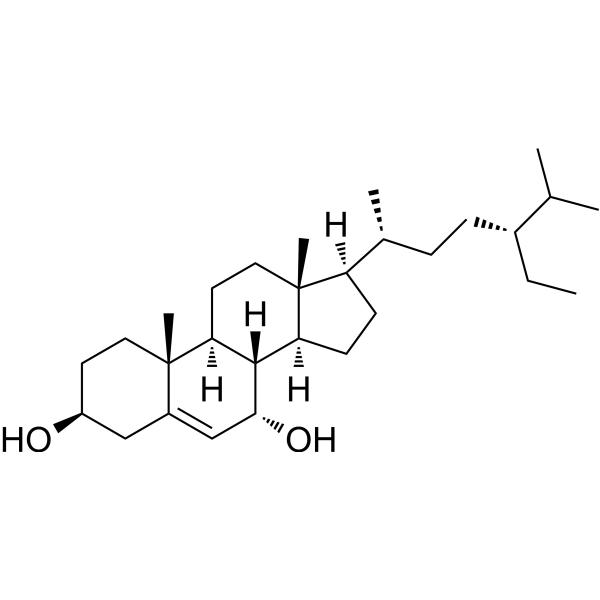
Ikshusterol (7α-Hydroxysitosterol) is an oxidation product of β-sitosterol that can be generated during thermal oxidation of oils and fats. Ikshusterol exhibits weak cytotoxicity against human tumor cell lines and shows weak anti-inflammatory activity in the TPA-induced mouse ear edema in vivo model. Ikshusterol can be used in cancer-related research .
loading...
    loading...
Cat. No.: HY-123045
CAS No.: 326823-27-2
Purity:  99.93%
Target:  

CDK

Research Areas:  

Cancer

PNU-292137 is an orally active, potent CDK2 inhibitor with IC50s of 37 nM and 92 nM for CDK2/cyclin A and CDK2/cyclin E, respectively. PNU-292137 makes interactions with the hydrophobic pocket at the back of the CDK2 ATP pocket. PNU-292137 efficiently inhibits tumor cell proliferation in human colon and prostate tumor cell lines. PNU-292137 exhibits antitumor activity (TGI>50%) in a mouse xenograft model .
loading...
    loading...
Cat. No.: HY-118899
CAS No.: 343247-32-5
Purity:  97.39%
Target:  

Endogenous Metabolite

Research Areas:  

Cancer

XR5944 is an anti-tumor compound with DNA-targeting activity. As a topoisomerase inhibitor, XR5944 can effectively inhibit the activities of topoisomerase I and II. XR5944 shows excellent anti-tumor activity against human and mouse tumor cells in vitro and in vivo. XR5944 exhibits significant potency in multiple cell lines, with IC50 values of 0.04-0.4 nM. XR5944 is not affected by atypical drug resistance in cells and remains significantly active even in cells overexpressing P-glycoprotein or multidrug resistance-related proteins. XR5944 showed anti-tumor efficacy in human tumor models of H69 small cell lung cancer and HT29 colon cancer, inducing tumor regression in most animals in the HT29 model. XR5944 can be used to study biological processes related to colon and lung cancer .
loading...
    loading...
Cat. No.: HY-160843
CAS No.: 20584-81-0
Target:  

Apoptosis

Research Areas:  

Cancer

N-ω-chloroacetyl-L-ornithine (NCAO) is a potent reversible competitive ornithine decarboxylase (ODC) inhibitor that exerts cytotoxic and antiproliferative effects on tumor cell lines with EC50 values ranging from 1 to 50.6 µM. NCAO induces tumor cell Apoptosis and inhibits tumor cell migration in vitro. NCAO also exhibits a potent antitumor activity against both solid and ascitic tumors in a mouse model using the myeloma (Ag8) cell line. NCAO is promising for research of antitumor agents .
loading...
    loading...

