1. Search Result
Search Result
Results for "

myotubes

" in MedChemExpress (MCE) Product Catalog:

43

Inhibitors & Agonists

1

Fluorescent Dye

1

Biochemical Assay Reagents

1

Peptides

21

Natural
Products

1

Isotope-Labeled Compounds

2

Oligonucleotides

1

GMP Molecules

Cat. No. Product Name Target Research Areas Chemical Structure
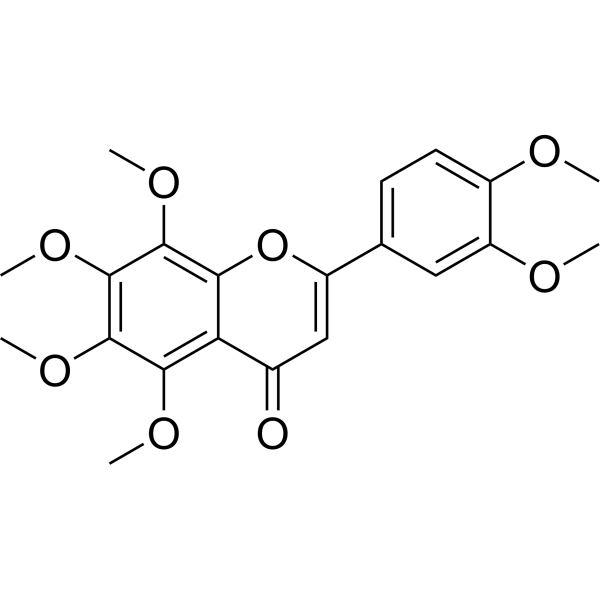
  • HY-N0155
    Nobiletin
    Maximum Cited Publications
    27 Publications Verification

    ROR Reactive Oxygen Species (ROS) Apoptosis Autophagy Neurological Disease Inflammation/Immunology Cancer
    Nobiletin is a poly-methoxylated flavone from the citrus peel that improves memory loss. Nobiletin is a retinoid acid receptor-related orphan receptors (RORs) agonist. Nobiletin can reduce reactive oxygen species (ROS) levels in differentiated C2C12 myotubes and has anti-inflammation and anti-cancer properties, including anti-angiogenesis, anti-proliferation, anti-metastasis and induced apoptosis .
    Nobiletin
  • HY-113016
    Elaidic acid
    4 Publications Verification

    Apoptosis Wnt ERK Bacterial Interleukin Related Infection Metabolic Disease Cancer
    Elaidic acid is an orally active trans fatty acid. Elaidic acid enhances the stemness of colorectal cancer cells by activating the Wnt/ERK1/2 pathway, thereby promoting cell proliferation, invasion and metastasis, and inhibiting apoptosis. Elaidic acid also inhibits the growth of Lactobacillus and alters the cell surface hydrophobicity of Lactobacillus. Elaidic acid reduces basal 2-deoxyglucose uptake in muscle cells and adipocytes. Elaidic acid can be used in research on colorectal cancer, insulin and other related areas .
    Elaidic acid
  • HY-18686
    AS1949490
    1 Publications Verification

    Phosphatase Akt Metabolic Disease
    AS1949490 is a potent, orally active, selective SHIP2 phosphatase inhibitor with IC50 values of 0.34, 0.62, 13, >50, >50, and >50 µM for Mouse SHIP2, Human SHIP2, Human SHIP1, Human PTEN, Human synaptojanin, and Human myotubularin, respectively. AS1949490 increases the phosphorylation of Akt, glucose consumption and glucose uptake. AS1949490 activates intracellular insulin signalling pathways. AS1949490 can be used for research of diabetes .
    AS1949490
  • HY-W012734
    L-Pipecolic acid
    1 Publications Verification

    H-HoPro-OH

    Endogenous Metabolite Metabolic Disease
    L-Pipecolic acid (H-HoPro-OH) is an oral active metabolite of Lysine and can accumulate in the bodily fluids of infants with autosomal inherited diseases, such as Zellweger syndrome and neonatal adrenal insufficiency. L-Pipecolic acid can promote muscle cell health and growth by enhancing protein synthesis, and plays a role in promoting gut health. L-Pipecolic acid holds promise for research in the fields of metabolic disorders, muscle growth disorders, and intestinal diseases .
    L-Pipecolic acid
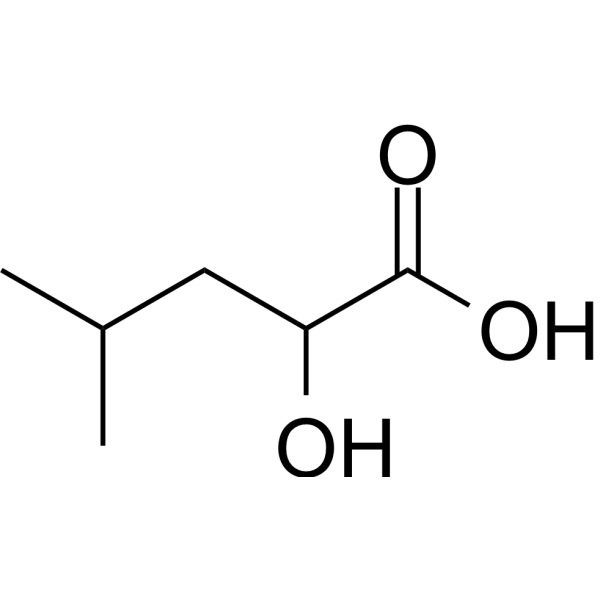
  • HY-30216A

    α-Hydroxyisocaproic acid

    Drug Metabolite Hydroxycarboxylic Acid Receptor (HCAR) AMPK ERK Metabolic Disease Inflammation/Immunology
    Leucic acid (α-Hydroxyisocaproic acid) is an orally active end-product of the microbial metabolism of leucine. Leucic acid can bind to HCAR2, alters AMPK and ERK1/2 phosphorylation status, suppresses lipid synthesis, promotes catabolism, reduces adiposity, enhances lean mass and exercise capacity. Leucic acid suppresses pro-inflammatory cytokine secretion, inflammation-related gene mRNA expression. Leucic acid decreases basal protein synthesis, attenuates myotube atrophy. Leucic acid can be used for the research of obesity .
    Leucic acid
  • HY-14648G
    Dexamethasone
    3 Publications Verification

    Hexadecadrol; Prednisolone F

    Glucocorticoid Receptor ADC Payload Infection Inflammation/Immunology Endocrinology Cancer
    Dexamethasone (Hexadecadrol) (GMP) is Dexamethasone (HY-14648) produced by using GMP guidelines. GMP small molecules works appropriately as an auxiliary reagent for cell therapy manufacture. Dexamethasone is an agonist of glucocorticoid receptor .
    Dexamethasone
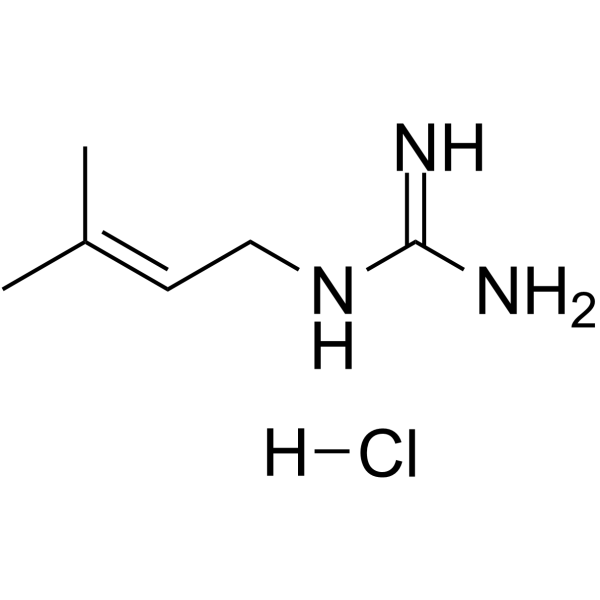
  • HY-N0930B

    AMPK Bacterial Infection Metabolic Disease
    Galegine hydrochloride, a guanidine derivative, contributes to weight loss in mice. Guanidine hydrochloride is the compound derived from G. officinalis, which gave rise to the biguanides, metformin and phenformin. Galegine hydrochloride activates AMPK in 3T3-L1 adipocytes and L6 myotubes, as well as in the H4IIE rat hepatoma and HEK293 human kidney cell lines. Galegine hydrochloride has antibacterial activity, with minimum inhibitory concentration of 4 mg/L against Staphylococcus aureus strains .
    Galegine hydrochloride
  • HY-107566

    Histamine Receptor Parasite MDM-2/p53 NF-κB FOXO Bacterial Infection Neurological Disease
    Conessine is an orally active and BBB-penetrable selective histamine H3 receptor antagonist. The pKi values of Conessine for rat and human H3 receptors are 7.61 and 8.27, respectively. Conessine is an inhibitor of the multidrug efflux pump system in Pseudomonas aeruginosa and can enhance the activity of antibiotics. Conessine has antimalarial activity. Conessine can also be used in the research of muscle atrophy .
    Conessine
  • HY-W1126235

    D223

    Molecular Glues Ras PI3K GLUT Metabolic Disease
    DS02312223 (D223) is a molecular glue that promotes the binding of RAS to PI3Kα, with a Kd of 0.76 μM for p110α. DS02312223 increases the binding affinity between GTP-bound KRAS (KRAS-GMPPNP) and p110α by nearly three orders of magnitude (KD = 0.017 μM). DS02312223 stimulates the translocation of GLUT4 to the plasma membrane. DS02312223 promotes glucose uptake in the absence of insulin. DS02312223 can be used in diabetes research .
    DS02312223
  • HY-N1677

    Akt mTOR Bacterial Fungal AMPK Infection Metabolic Disease Inflammation/Immunology Cancer
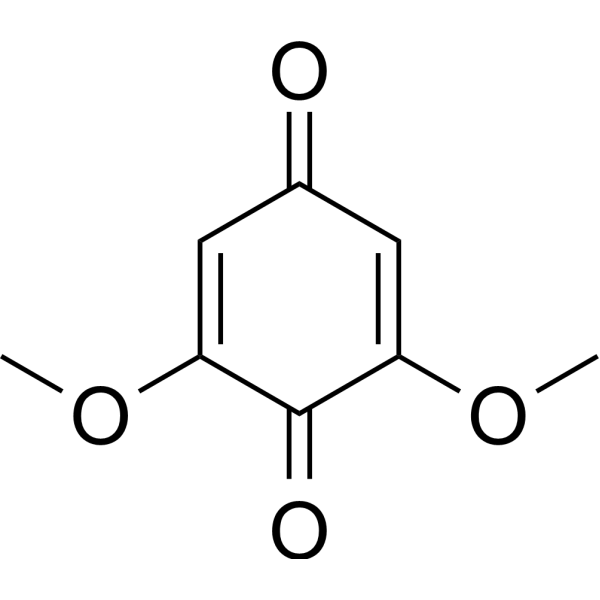
    2,6-Dimethoxy-1,4-benzoquinone is a 1,4-benzoquinone derivative. 2,6-Dimethoxy-1,4-benzoquinone promotes phosphorylation of AKT, S6K, mTOR, 4E-BP1, and AMPK, and attenuates mTORC1 activity as part of the AKT/mTOR pathway. 2,6-Dimethoxy-1,4-benzoquinone stimulates myoblast differentiation, increases myotube size, elevates MHC protein expression, enhances mitochondrial biogenesis, respiration, and DNA content, and increases skeletal muscle weights, fiber size, grip strength, and treadmill performance. 2,6-Dimethoxy-1,4-benzoquinone exerts anti-cancer, anti-inflammatory, anti-adipogenic, antibacterial, and antimutagenic effects, inhibits adipogenic transcription factors, nitric oxide production, skin tumor development, Magnaporthe oryzae growth, spore germination, appressorium formation, and growth of select bacterial species, induces H2O2 generation and rice defense gene expression, and reduces rice blast lesion formation. 2,6-Dimethoxy-1,4-benzoquinone can be used for the research of obesity, skin tumorigenesis, rice blast disease, and food-borne illness .
    2,6-Dimethoxy-1,4-benzoquinone
  • HY-N3266

    Tyrosinase Phosphatase Cholinesterase (ChE) SARS-CoV PERK JNK p38 MAPK TGF-beta/Smad Apoptosis Reactive Oxygen Species (ROS) AMPK MMP Cardiovascular Disease Infection Neurological Disease Inflammation/Immunology Cancer
    Methyl rosmarinate is an orally active hydroxycinnamic acid. Methyl rosmarinate exhibits an IC50 of 24.70 μM and a Ki of 15.29 μM against PTP1B, an IC50 of 41.46 μg/mL against BChE, a Ki of 0.61 mM against mushroom tyrosinase, and an IC50 of 2.50 μM against SARS-CoV-2 3CLpro. Methyl rosmarinate downregulates the phosphorylation levels of ERK, JNK, p38, Smad2 and Smad3. Methyl rosmarinate activates erythrocyte BPGM and promotes the production of 2,3-BPG. Methyl rosmarinate induces apoptosis of fibroblasts. Methyl rosmarinate prolongs the survival time of hypoxic mice. Methyl rosmarinate improves insulin sensitivity. Methyl rosmarinate binds to SARS-CoV-2 3CLpro and inhibits viral replication. Methyl rosmarinate induces glioblastoma cell death. Methyl rosmarinate activates the TGR5/AMPK axis and reduces the levels of ROS and MDA. Methyl rosmarinate shows inhibitory activity against MMP-1. Methyl rosmarinate can be used in research related to pulmonary fibrosis, hypoxia-induced injury, type 2 diabetes, Alzheimer's disease, hyperpigmentation disorders, COVID-19, glioblastoma and myocardial ischemia-reperfusion injury .
    Methyl rosmarinate
  • HY-N4095

    Aryl Hydrocarbon Receptor Glycosidase Reactive Oxygen Species (ROS) GLUT Metabolic Disease Inflammation/Immunology Cancer
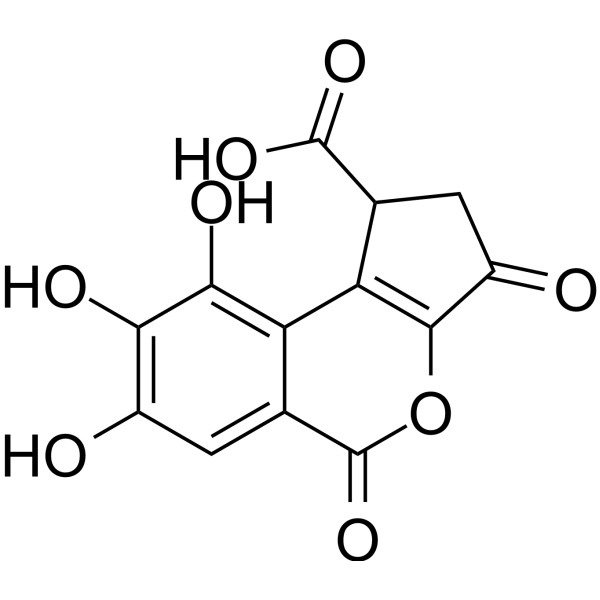
    Brevifolincarboxylic acid is a phenolic compound. Brevifolincarboxylic acid can be isolated from Duchesnea chrysantha. Brevifolincarboxylic acid inhibits α-glucosidase with an IC50 value of 323.46 μM. Brevifolincarboxylic acid has an inhibitory effect on the aryl hydrocarbon receptor (AhR). Brevifolincarbacid scavenges ROS. Brevifolincarbacid restores the glucose uptake activity of myotubes. Brevifolincarboxylic acid has antitumor activity against lung and gastric cancer. Brevifolincarbacid can be used in the study of diabetes and inflammatory diseases .
    Brevifolincarboxylic acid
  • HY-N0930A

    AMPK Bacterial Infection Metabolic Disease
    Galegine hemisulfate, a guanidine derivative, contributes to weight loss in mice. Galegine hemisulfate activates AMPK in 3T3-L1 adipocytes and L6 myotubes, as well as in the H4IIE rat hepatoma and HEK293 human kidney cell lines. Galegine hemisulfate has antibacterial activity, with minimum inhibitory concentration of 4 mg/L against Staphylococcus aureus strains .
    Galegine hemisulfate
  • HY-W008956

    Microtubule/Tubulin DNA/RNA Synthesis Cardiovascular Disease Inflammation/Immunology
    Myoseverin is a microtubule-binding molecule and angiogenesis inhibitor. Myoseverin can induce the reversible fission of multinucleated myotubes into mononucleated fragments. In addition, Myoseverin exerts anti-angiogenic effects by inhibiting endothelial cell function and endothelial progenitor cell differentiation .
    Myoseverin
  • HY-153866

    Casein Kinase Cancer
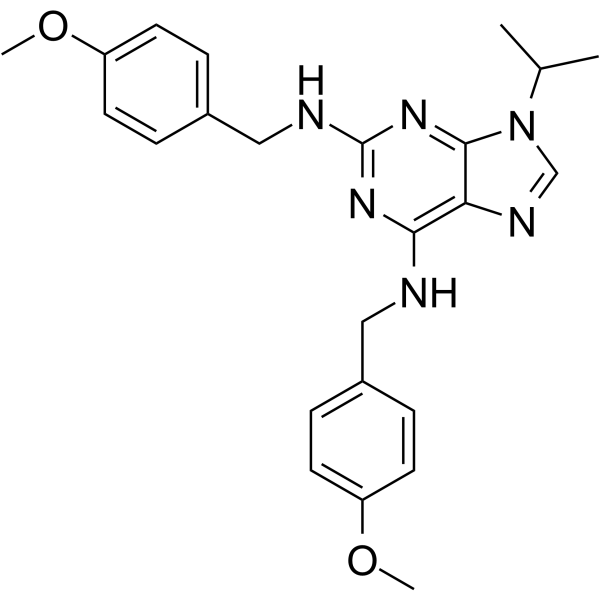
    CK1-IN-2 (compound Nr.4) is a potent CK1 inhibitor with an IC50 values of 123, 19.8, 26.8, 74.3 nM for CK1a, CK1d, CK1e, p38a, respectively .
    CK1-IN-2
  • HY-N0857
    Deoxyandrographolide
    1 Publications Verification

    GLUT HDAC Virus Protease PI3K AMPK Akt Histone Demethylase MDM-2/p53 IFNAR Reactive Oxygen Species (ROS) Infection Metabolic Disease Inflammation/Immunology
    Deoxyandrographolide is an orally active lactone found in the Andrographis paniculata Nees. Deoxyandrographolide shows a KD of 38.4 μM of HDAC1. Deoxyandrographolide enhances GLUT4 plasma membrane translocation, activates PI3K and AMPK-dependent signaling pathways, suppresses fasting blood glucose, serum insulin, triglycerides, and LDL-cholesterol levels. Deoxyandrographolide enhances HDAC1 expression via inhibited ubiquitination degradation, represses H3K4me3, improves chromosome stability, and restrains aging biomarkers p16, p21, γH2A.X, p53 and ROS production. Deoxyandrographolide interacts with Foot-and-Mouth Disease Virus 3Cpro active site, inhibits protease and IFN-antagonist activity, derepresses ISG expression, and inhibits viral replication. Deoxyandrographolide can be used for the researches of type 2 diabetes mellitus, vascular senescence and virus infection .
    Deoxyandrographolide
  • HY-121811

    Lanceolatin C

    Glycosidase Phosphatase Interleukin Related TNF Receptor COX Beclin1 GLUT FAK Akt mTOR p38 MAPK Keap1-Nrf2 Apoptosis Amyloid-β Tau Protein Autophagy Neurological Disease Inflammation/Immunology Cancer
    Pongamol is an orally active flavonoid with an IC50 of 75 μM and a Ki of 58 μM against PTPase-1B, and an IC50 of 103.5 μM against intestinal α-Glycosidase. Pongamol reduces the release of IL‑1β, TNF‑α, COX‑2 and iNOS in cells, reverses the nuclear translocation of NF‑κB, and upregulates the levels of Beclin 1 and LC3 Ⅱ/LC3 Ⅰ. Pongamol promotes glucose uptake by increasing the level of GLUT4 on the surface of skeletal muscle cells. Pongamol inhibits epithelial-mesenchymal transition by suppressing the FAK/Akt-mTOR signaling pathway. Pongamol inhibits neuronal cytotoxicity, suppresses cell apoptosis and extends the lifespan of Caenorhabditis elegans by activating the MAPKs/Nrf2 signaling pathway. Pongamol exerts hypoglycemic effects in diabetic mouse models. Pongamol alleviates oxidative stress, neuroinflammation, deposition and excessive phosphorylation of Tau Protein, and restores autophagy function in Alzheimer's disease mouse models by inhibiting the Akt/mTOR signaling pathway. Pongamol is applicable to research related to Alzheimer's disease, type 2 diabetes, non-small cell lung cancer and postprandial hyperglycemia .
    Pongamol
  • HY-115767

    1,2-Dioleoyl-rac-glycerol

    PKC Others
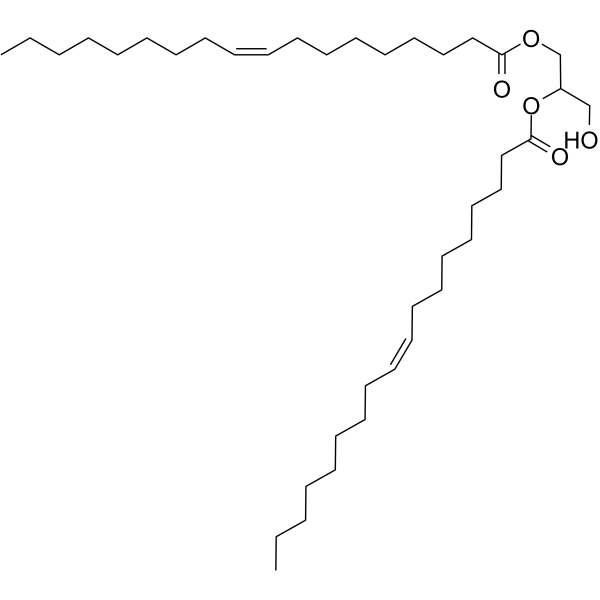
    (±)-1,2-Diolein (1,2-Dioleoyl-rac-glycerol) is a PKC activator. (±)-1,2-Diolein increases myotubes Ca 2+ influx .
    (±)-1,2-Diolein
  • HY-102052

    Potassium Channel Metabolic Disease
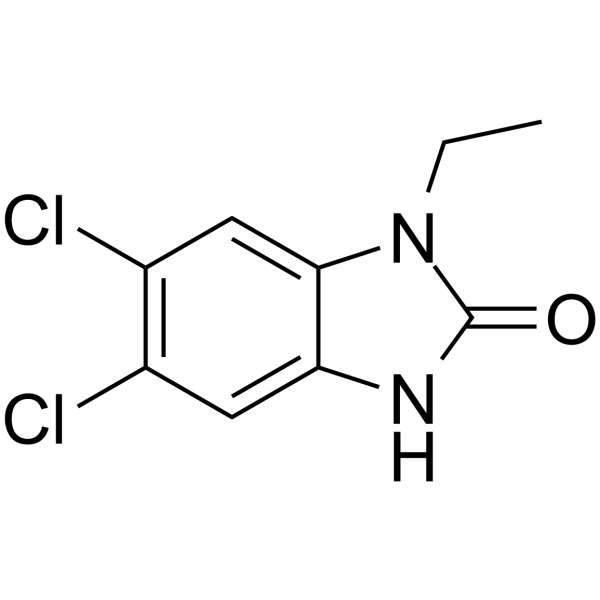
    DCEBIO is a small/medium conductance calcium-activated potassium (SKCa/IKCa) channel opener and primary neuron signal blocker. It hyperpolarizes the membrane potential of C2C12 myoblasts by activating IKCa channels, thereby promoting myogenic differentiation. The specific biological activity of DCEBIO is manifested in increased myotube formation, enhanced myosin heavy chain II protein levels and myogenin mRNA levels. DCEBIO can be applied in the field of muscle research, especially in muscle-related degenerative diseases such as sarcopenia .
    DCEBIO
  • HY-147253

    NS 089; NCNP 02

    DNA/RNA Synthesis Neurological Disease
    Brogidirsen (NS 089; NCNP 02) is a a dual-targeting antisense oligonucleotide. Brogidirsen can induce dystrophin protein experession. Brogidirsen can be used for the research of Duchenne muscular dystrophy .
    Brogidirsen
  • HY-N3741

    Didrovaltratum

    Calcium Channel Reactive Oxygen Species (ROS) Autophagy Inflammation/Immunology Cancer
    Didrovaltrate (Didrovaltratum) is an L-type calcium channel blocker, ROS scavenger, autophagy enhancer, and lipid accumulation inhibitor. Didrovaltrate blocks L-type calcium currents in a concentration-dependent manner, shifts the current-voltage curve upward, modulates steady-state inactivation kinetics, and inhibits the nuclear translocation of glucocorticoid receptors. Didrovaltrate reduces ROS levels, downregulates the expression of muscle atrophy-related genes, enhances autophagy via lipophagy, and decreases Oleic acid-induced lipid accumulation. Didrovaltrate exhibits cytotoxic activity against cancer cells. Didrovaltrate can be used in research related to skeletal muscle atrophy, non-alcoholic fatty liver disease, breast cancer, lung cancer, gastric cancer, and prostate cancer .
    Didrovaltrate
  • HY-124535

    PI3K Metabolic Disease
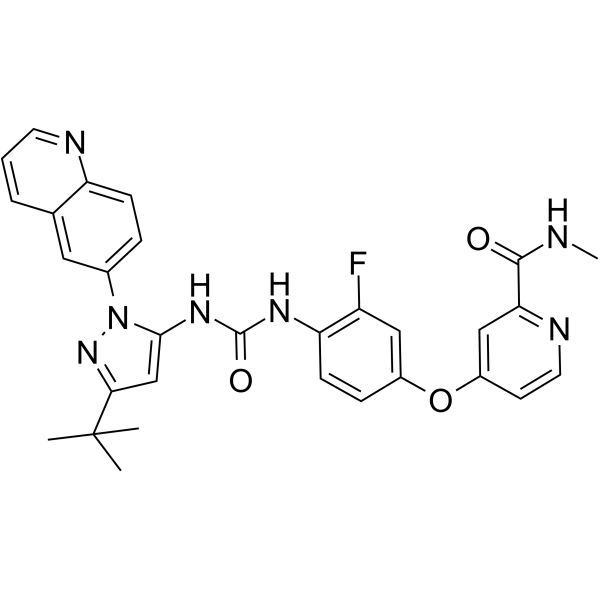
    TGX-115 is a p110β/p110δ-selective, PI3-K inhibitor. TGX-115 blocks p110β-mediated Akt phosphorylation induced by lysophosphatidic acid (LPA) in L6 myotubes, reduces insulin-stimulated PI(3,4)P2 and PIP3 levels in 3T3-L1 adipocytes. TGX-115 can be used for the study of diabetes mellitus .
    TGX-115
  • HY-W012734R

    H-HoPro-OH (Standard)

    Reference Standards Endogenous Metabolite Metabolic Disease
    L-Pipecolic acid (Standard) is an analytical standard of L-Pipecolic acid. This product is used for research and analytical applications. L-Pipecolic acid (H-HoPro-OH) is an oral active metabolite of Lysine and can accumulate in the bodily fluids of infants with autosomal inherited diseases, such as Zellweger syndrome and neonatal adrenal insufficiency. L-Pipecolic acid can promote muscle cell health and growth by enhancing protein synthesis, and plays a role in promoting gut health. L-Pipecolic acid holds promise for research in the fields of metabolic disorders, muscle growth disorders, and intestinal diseases .
    L-Pipecolic acid (Standard)
  • HY-142088

    Endogenous Metabolite Metabolic Disease
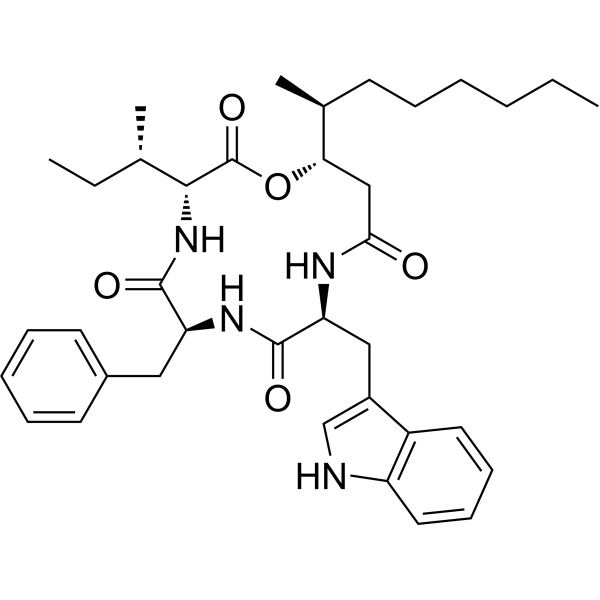
    Beauverolide Ka, a cyclotetradepsipeptide, is a metabolite of Beauveria bassiana fungus. Beauverolide Ka stimulates glucose uptake in cultured rat L6 myoblasts at 50 μM. Beauverolide Ka exhibits protecting effects on HEI-OC1 cells at 10 μM and shows dose-dependent activity in both L6 myoblasts and myotubes .
    Beauverolide Ka
  • HY-124892A

    Acetyl-AF64

    Histone Acetyltransferase Neurological Disease
    Acetylethylcholine mustard hydrochloride (Acetyl-AF64) is an inhibitor of choline acetyl-transferase that reduces the contraction frequency of the myotubes by inhibiting the synthesis of acetylethylcholine (Ach) with the half-maximal inhibitory concentration (IC50) of 1.22 mM. Acetylethylcholine mustard hydrochloride is an irreversible ligand for the high affinity choline transport system. Acetylethylcholine mustard hydrochloride is also a cholinotoxin. Acetylethylcholine mustard hydrochloride is a precursor for ethylcholine mustard aziridinium ion .
    Acetylethylcholine mustard hydrochloride
  • HY-153018

    Phosphatase Metabolic Disease
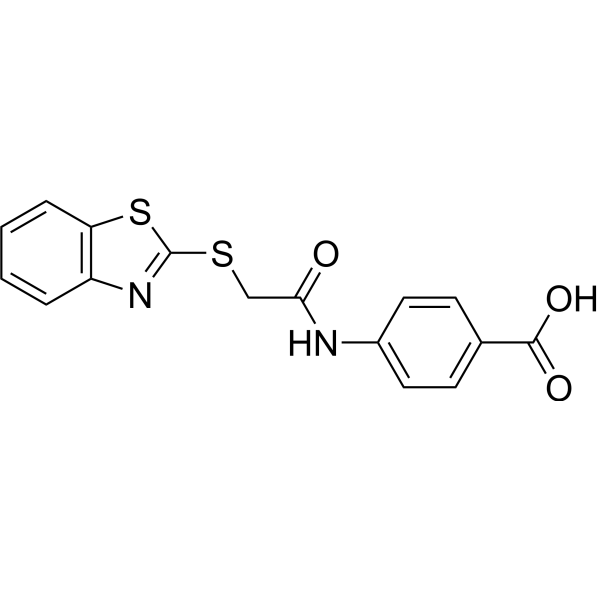
    PTP1B-IN-22, a ZINC02765569 derivative, is a potent protein tyrosine phosphatase 1B (PTP1B) inhibitor. PTP1B-IN-22 has PTP1B inhibition and glucose uptake in skeletal muscle L6 myotubes .
    PTP1B-IN-22
  • HY-N0155R

    Reference Standards ROR Reactive Oxygen Species (ROS) Apoptosis Autophagy Neurological Disease Inflammation/Immunology Cancer
    Nobiletin (Standard) is the analytical standard of Nobiletin. This product is intended for research and analytical applications. Nobiletin is a poly-methoxylated flavone from the citrus peel that improves memory loss. Nobiletin is a retinoid acid receptor-related orphan receptors (RORs) agonist. Nobiletin can reduce reactive oxygen species (ROS) levels in differentiated C2C12 myotubes and has anti-inflammation and anti-cancer properties, including anti-angiogenesis, anti-proliferation, anti-metastasis and induced apoptosis .
    Nobiletin (Standard)
  • HY-107566A

    Histamine Receptor Parasite MDM-2/p53 NF-κB FOXO Bacterial Infection Neurological Disease
    Conessine dihydrobromide is an orally active and BBB-penetrable selective histamine H3 receptor antagonist. The pKi values of Conessine dihydrobromide for rat and human H3 receptors are 7.61 and 8.27, respectively. Conessine dihydrobromide is an inhibitor of the multidrug efflux pump system in Pseudomonas aeruginosa and can enhance the activity of antibiotics. Conessine dihydrobromide has antimalarial activity. Conessine dihydrobromide can also be used in the research of muscle atrophy .
    Conessine dihydrobromide
  • HY-153866A

    Casein Kinase Cancer
    CK1-IN-2 (compound Nr.4) hydrochloride is a potent CK1 inhibitor with an IC50 values of 123, 19.8, 26.8, 74.3 nM for CK1a, CK1d, CK1e, p38a, respectively .
    CK1-IN-2 hydrochloride
  • HY-115767S

    1,2-Dioleoyl-rac-glycerol-CC3

    Isotope-Labeled Compounds PKC Others
    (±)-1,2-Diolein- 13C3 (1,2-Dioleoyl-rac-glycerol- 13C3) is 13C labeled (±)-1,2-Diolein. (±)-1,2-Diolein (1,2-Dioleoyl-rac-glycerol) is a PKC activator. (±)-1,2-Diolein increases myotubes Ca 2+ influx .
    (±)-1,2-Diolein-13C3
  • HY-169404

    PPAR Metabolic Disease
    PPARγ agonist 15 (Compound 7c) is an agonist for PPARγ. PPARγ agonist 15 inhibits the expression of alpha-amylase (HPA) and alpha-glucosidase (HLAG) with IC50 of 28.35 µM and 26.21 µM. PPARγ agonist 15 enhances glucose uptake in the L6 myotube cell. PPARγ agonist 15 improves glucose homeostasis, insulin sensitivity, and lipid metabolism in rat Streptozotocin (HY-13753)-induced diabetes model .
    PPARγ agonist 15
  • HY-N4095R

    Reference Standards Aryl Hydrocarbon Receptor Glycosidase Reactive Oxygen Species (ROS) GLUT Metabolic Disease Inflammation/Immunology Cancer
    Brevifolincarboxylic acid (Standard) is the analytical standard of Brevifolincarboxylic acid (HY-N4095). This product is intended for research and analytical applications. Brevifolincarboxylic acid is a phenolic compound. Brevifolincarboxylic acid can be isolated from Duchesnea chrysantha. Brevifolincarboxylic acid inhibits α-glucosidase with an IC50 value of 323.46 μM. Brevifolincarboxylic acid has an inhibitory effect on the aryl hydrocarbon receptor (AhR). Brevifolincarbacid scavenges ROS. Brevifolincarbacid restores the glucose uptake activity of myotubes. Brevifolincarboxylic acid has antitumor activity against lung and gastric cancer. Brevifolincarbacid can be used in the study of diabetes and inflammatory diseases .
    Brevifolincarboxylic acid (Standard)
  • HY-N16431

    AMPK Nuclear Factor of activated T Cells (NFAT) Interleukin Related Endogenous Metabolite Metabolic Disease Inflammation/Immunology
    NFAT-133 is an aromatic polyketide with immunosuppressive and antidiabetic activity. NFAT-133 activates the AMPK pathway, promoting glucose uptake in L6 muscle fibers, thereby resisting diabetes. NFAT-133 inhibits the transcriptional activity of activated T-cell nuclear factor (NFAT), thereby suppressing the expression of IL-2 and the proliferation of T cells, demonstrating an immunosuppressive effect. NFAT-133 does not exhibit antibacterial activity or cytotoxicity, but it can weaken the production of NO in RAW264.7 cells induced by Lipopolysaccharide (LPS) (HY-D1056) .
    NFAT-133
  • HY-N3055

    Apoptosis AMPK Platelet-activating Factor Receptor (PAFR) Caspase Neurological Disease Metabolic Disease Cancer
    Pinusolide is an AMPK activator and PAF receptor antagonist. Pinusolide activates AMPK, phosphorylates ACC, enhances IRS-1 tyrosine phosphorylation, boosts glucose uptake, and modulates insulin signaling. Pinusolide inhibits caspase-3/7 activation, intracellular calcium elevation, reactive oxygen species overproduction, lipid peroxidation, and tumor cell proliferation. Pinusolide stabilizes superoxide dismutase activity, reduces apoptotic hallmarks, induces mitochondrial pathway apoptosis, and triggers DNA fragmentation. Pinusolide can be used for the research of type 2 diabetes, neurodegenerative diseases, acute lymphoblastic leukemia, acute myeloid leukemia, and Burkitt lymphoma .
    Pinusolide
  • HY-N1677R

    Reference Standards Akt mTOR Bacterial Fungal AMPK Infection Metabolic Disease Inflammation/Immunology Cancer
    2,6-Dimethoxy-1,4-benzoquinone (Standard) is the analytical standard of 2,6-Dimethoxy-1,4-benzoquinone (HY-N1677). This product is intended for research and analytical applications. 2,6-Dimethoxy-1,4-benzoquinone is a 1,4-benzoquinone derivative. 2,6-Dimethoxy-1,4-benzoquinone promotes phosphorylation of AKT, S6K, mTOR, 4E-BP1, and AMPK, and attenuates mTORC1 activity as part of the AKT/mTOR pathway. 2,6-Dimethoxy-1,4-benzoquinone stimulates myoblast differentiation, increases myotube size, elevates MHC protein expression, enhances mitochondrial biogenesis, respiration, and DNA content, and increases skeletal muscle weights, fiber size, grip strength, and treadmill performance. 2,6-Dimethoxy-1,4-benzoquinone exerts anti-cancer, anti-inflammatory, anti-adipogenic, antibacterial, and antimutagenic effects, inhibits adipogenic transcription factors, nitric oxide production, skin tumor development, Magnaporthe oryzae growth, spore germination, appressorium formation, and growth of select bacterial species, induces H2O2 generation and rice defense gene expression, and reduces rice blast lesion formation. 2,6-Dimethoxy-1,4-benzoquinone can be used for the research of obesity, skin tumorigenesis, rice blast disease, and food-borne illness.
    2,6-Dimethoxy-1,4-benzoquinone (Standard)
  • HY-182062

    NAMPT E1/E2/E3 Enzyme Neurological Disease
    NAMPT activator-9 (Compound DIPM) is an allosteric, non-competitive NAMPT activator, with an EC50 of 3.366 μM against hNAMPT. NAMPT activator-9 enhances the enzymatic activity of NAMPT via an allosteric, non-competitive mechanism. NAMPT activator-9 increases intracellular NAD + levels. NAMPT activator-9 restores myotube diameter and reduces the expression of atrophy markers Atrogin-1 and MuRF1. NAMPT activator-9 is applicable to research related to muscle atrophy .
    NAMPT activator-9
  • HY-N17326

    Acyltransferase Phosphatase Interleukin Related Metabolic Disease Inflammation/Immunology
    Ilekudinol B is an inhibitor of ACAT and PTP1B, with an IC50 of 5.3 μM and a Ki of 11.6 μM against human PTP1B. Ilekudinol B inhibits the classical pathway of the complement system, with an IC50 of 51 μM. Ilekudinol B inhibits TNF-α-induced cellular IL-8 secretion, promotes glucose uptake in skeletal muscle myotubes, and acts as an insulin mimetic and insulin sensitizer. Ilekudinol B can be used in research related to type 2 diabetes, obesity, and inflammatory diseases .
    Ilekudinol B
  • HY-178999

    Drug Derivative Cancer
    Carnosol analog 1 (Compound 10) is a derivative of carnosol. Carnosol analog 1 attenuates myotube atrophy (67.08% reversal) and adipocyte lipolysis in C26 tumor-conditioned models. Carnosol analog 1 alleviates cachexia-related weight loss without altering tumor progression in C26 tumor-bearing mice. Carnosol analog 1 can be used for the study of cancer cachexia .
    Carnosol analog 1
  • HY-102052R

    Reference Standards Potassium Channel Metabolic Disease
    DCEBIO (Standard) is the analytical standard of DCEBIO (HY-102052). This product is intended for research and analytical applications. DCEBIO is a small/medium conductance calcium-activated potassium (SKCa/IKCa) channel opener and primary neuron signal blocker. It hyperpolarizes the membrane potential of C2C12 myoblasts by activating IKCa channels, thereby promoting myogenic differentiation. The specific biological activity of DCEBIO is manifested in increased myotube formation, enhanced myosin heavy chain II protein levels and myogenin mRNA levels. DCEBIO can be applied in the field of muscle research, especially in muscle-related degenerative diseases such as sarcopenia .
    DCEBIO (Standard)
  • HY-183148

    NAMPT ATP Synthase Neurological Disease
    NAMPT activator-10 (Compound B11) is an orally active NAMPT activator with a target Kd value of 0.64 μM. NAMPT activator-10 activates the rate-limiting enzyme in NAD + biosynthesis and promotes intracellular NAD + synthesis. NAMPT activator-10 reduces lactate accumulation, enhances glycogen storage in the liver and muscle, increases tissue ATP production, improves exercise endurance and muscle strength, and exerts a protective effect against fatigue-induced muscle damage in mouse fatigue models. NAMPT activator-10 can be used in studies related to muscle fatigue .
    NAMPT activator-10
  • HY-126756

    Phosphorylase Metabolic Disease Cancer
    Amorphin is a phosphorylase b with glycogen metabolism activity. Amorphin binds directly to alpha-actinin, with alpha-actinin mediating its binding to actin filaments. Amorphin can be used for the research of McArdle’s disease and breast cancer .
    Amorphin
  • HY-115549

    AMPK Acetyl-CoA Carboxylase Metabolic Disease
    AMPK activator 18 is a potent allosteric activator of AMPK complexes containing the β2 isoform. AMPK activator 18activates α2-containing AMPK α2β2γ1 and α2β2γ3 complexes, with EC50 values of 17.2 and 82.1 nM. AMPK activator 18 stimulates β2-AMPK in cells, and glucose uptake by isolated skeletal muscle. AMPK activator 18 induces acetyl-coenzyme A carboxylase (ACC) and AMPK α-T172 phosphorylation. AMPK activator 18 can be used for the research of type 2 diabetes .
    AMPK activator 18
  • HY-147262

    Antibody-Oligonucleotide Conjugates (AOCs) Small Interfering RNA (siRNA) Neurological Disease
    Etedesiran is a component of the AOC drug Delpacibart etedesiran (HY-177565), formed by the reaction of an siRNA that induces cleavage of mRNA encoding myotonic dystrophy protein kinase (MTPK or DMPK) with SMCC linker (HY-42360). Etedesiran carries a maleimide group at its terminus, which can react with cysteine or lysine and is used for the synthesis of AOC drugs. Etedesiran is applicable to research related to myotonic dystrophy type 1 .
    Etedesiran

Inquiry Online

Your information is safe with us. * Required Fields.

Salutation


Country or Region *

Applicant Name *


Organization Name *

Department *


Email Address *


Product Name *

Cat. No.


Requested quantity *

Phone Number *


Remarks

Inquiry Online

Inquiry Information

Product Name:
Cat. No.:
Quantity:
MCE Japan Authorized Agent:

