

1. Search Result
Search Result
Results for "

newborn

" in MedChemExpress (MCE) Product Catalog:

25

Inhibitors & Agonists

1

Biochemical Assay Reagents

1

Peptides

13

Natural
Products

2

Isotope-Labeled Compounds

Cat. No. Product Name Target Research Areas Chemical Structure
  • HY-P1645
    Papain
    Maximum Cited Publications
    15 Publications Verification

    Cathepsin Cardiovascular Disease Inflammation/Immunology
    Papain is a cysteine protease of the peptidase C1 family. Papain enhances red cell agglutination by anti-D and anti-A, and increases red cell sensitivity to K cell-mediated lysis in ADCC assays. Papain can induce pulmonary emphysema. Papain can be used for the researches of Rh haemolytic disease of the newborn and pulmonary emphysema .
    Papain
  • HY-N0157
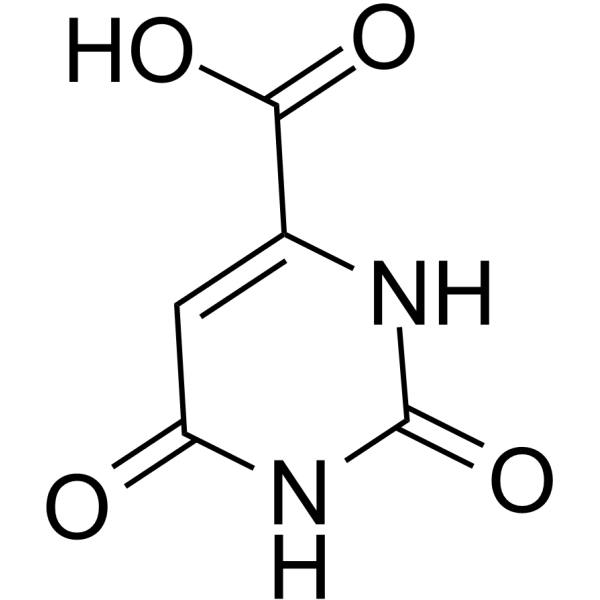
    Orotic acid
    3 Publications Verification

    6-Carboxyuracil; Vitamin B13

    Nucleoside Antimetabolite/Analog Endogenous Metabolite Metabolic Disease
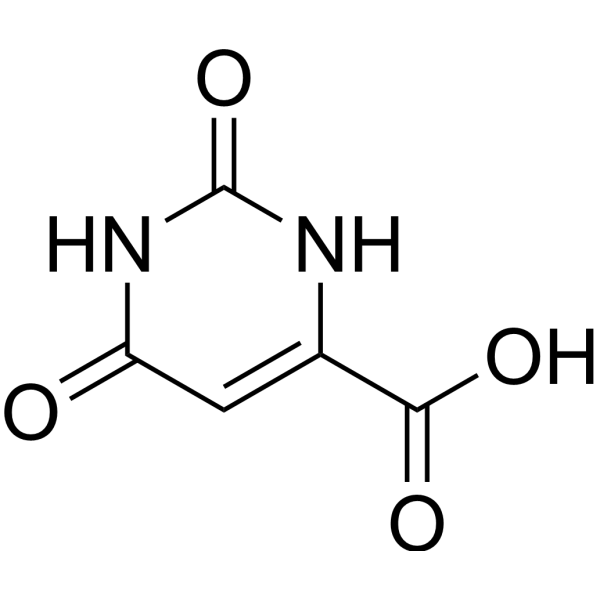
    Orotic acid (6-Carboxyuracil), a precursor in biosynthesis of pyrimidine nucleotides and RNA, is released from the mitochondrial dihydroorotate dehydrogenase (DHODH) for conversion to UMP by the cytoplasmic UMP synthase enzyme. Orotic acid is a marker for measurement in routine newborn screening for urea cycle disorders. Orotic acid can induce hepatic steatosis and hepatomegaly in rats .
    Orotic acid
  • HY-B2209
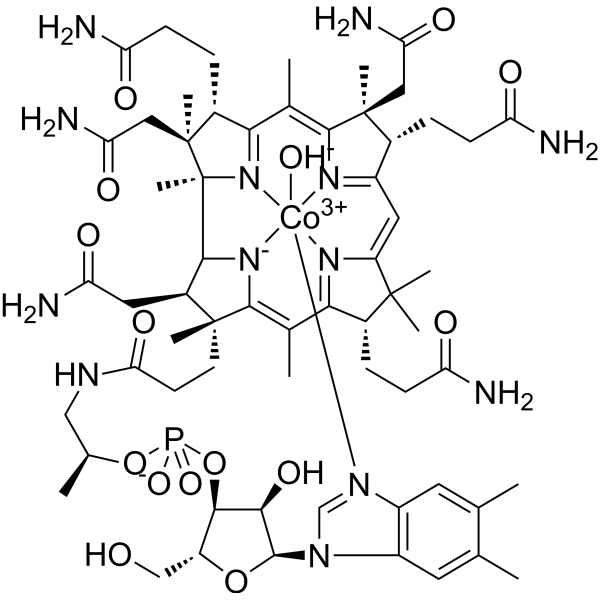
    Hydroxocobalamin
    3 Publications Verification

    Vitamin B12a

    Endogenous Metabolite Neurological Disease Metabolic Disease
    Hydroxocobalamin (Vitamin B12a) is a cyanide antidote. Hydroxocobalamin can decrease the cell and plasma cyanide concentrations and increase survival rate in acute cyanide poisoning. Hydroxocobalamin can improve newborn Cbl-C defect-induced metabolic profile and neurocognitive outcome. Hydroxocobalamin can normalize Vitamin B12 deficiency. Hydroxocobalamin can induce acute kidney injury. Hydroxocobalamin can be used for the researches of metabolic and neurological disease .
    Hydroxocobalamin
  • HY-113005

    Endogenous Metabolite Metabolic Disease
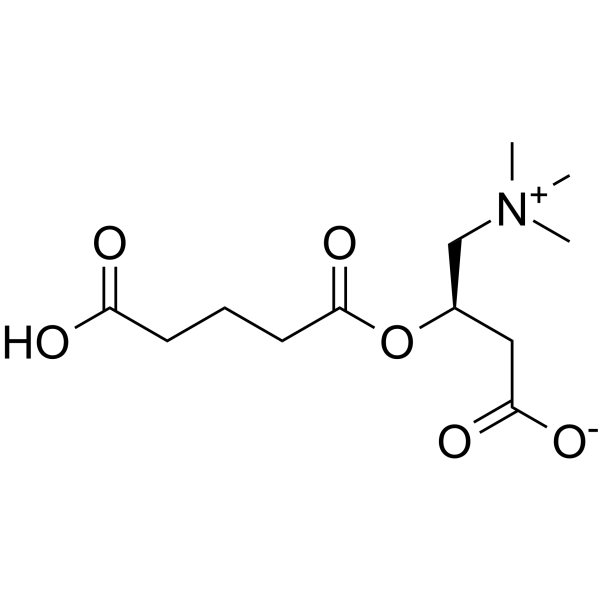
    Glutarylcarnitine is the diagnostic metabolite for malonic aciduria and glutaric aciduria type I monitored in most tandem mass spectrometry newborn screening programmes.
    Glutarylcarnitine
  • HY-P1645A

    Cathepsin Cardiovascular Disease Inflammation/Immunology
    Papain (1.5-10 units/mg) is a cysteine protease of the peptidase C1 family. Papain (1.5-10 units/mg) enhances red cell agglutination by anti-D and anti-A, and increases red cell sensitivity to K cell-mediated lysis in ADCC assays. Papain (1.5-10 units/mg) can induce pulmonary emphysema. Papain (1.5-10 units/mg) can be used for the researches of Rh haemolytic disease of the newborn and pulmonary emphysema .
    Papain (1.5-10 units/mg)
  • HY-P3281

    FGFR Neurological Disease
    FGL peptide is a fibroblast growth factor receptor (FGFR) modulator and blood-brain barrier-penetrant. FGL peptide activates NCAM-FGFR and FGFR1 signaling pathways. FGL peptide alters expression of apoptosis, signal transduction and metabolism regulator genes in traumatic brain injury contexts. FGL peptide can be used for the research of traumatic brain injury .
    FGL peptide
  • HY-W015590

    Drug Metabolite Fungal Infection Metabolic Disease
    2-Hydroxyphenylacetic acid is a metabolite of Phenylalanine and Tyrosine, as well as a product of the biotransformation of Phenylacetonitrile by marine fungi. 2-Hydroxyphenylacetic acid acts as a potential biomarker for food. 2-Hydroxyphenylacetic acid slightly induces the expression of green fluorescent protein. 2-Hydroxyphenylacetic acid is used in the research of phenylketonuria and related hyperphenylalaninemia .
    2-Hydroxyphenylacetic acid
  • HY-136490

    Galactosylsphingosine

    PKC Neurological Disease Cancer
    Psychosine (Galactosylsphingosine), a substrate of the galactocerebrosidase (GALC) enzyme, is a potential biomarker for Krabbe disease . Psychosine is a highly cytotoxic lipid, capable of inducing cell death in a wide variety of cell types including, most relevantly to globoid cell leukodystrophy (GLD), oligodendrocytes. Psychosine causes cell death at least in part via apoptosis. Psychosine also is an inhibitor of PKC .
    Psychosine
  • HY-W042301

    Anion Exchangers Carbonic Anhydrase Endothelin Receptor Cardiovascular Disease
    Xipamide is an orally active carbonic anhydrase (CA) inhibitor and Na +/Cl --potassium transporter inhibitor with diuretic and antihypertensive effects. Xipamide reduces NaCl reabsorption by inhibiting the Cl -/NaCO3 - anion exchanger, and increases calcium reabsorption while promoting potassium and magnesium excretion. Xipamide is mainly cleared via the renal pathway and causes a temporary decrease in glomerular filtration rate under specific conditions. Xipamide does not affect Ca 2+ signaling induced by endothelin-1 and other factors, nor does it inhibit various ion cotransport or pump activities in red blood cells. Xipamide can be used in researches related to cardiovascular diseases, hypertension (especially with left ventricular hypertrophy), advanced renal failure, and liver cirrhosis with ascites .
    Xipamide
  • HY-N13258

    β-Citrylglutamic acid

    Others Others
    β-Citryl-L-glutamic acid (β-Citrylglutamic acid) is a citrylglutamic acid, that can be isolated from newborn rat brain .
    β-Citryl-L-glutamic acid
  • HY-N0157R

    6-Carboxyuracil (Standard); Vitamin B13 (Standard)

    Reference Standards Nucleoside Antimetabolite/Analog Endogenous Metabolite Metabolic Disease
    Orotic acid (Standard) is the analytical standard of Orotic acid. This product is intended for research and analytical applications. Orotic acid (6-Carboxyuracil), a precursor in biosynthesis of pyrimidine nucleotides and RNA, is released from the mitochondrial dihydroorotate dehydrogenase (DHODH) for conversion to UMP by the cytoplasmic UMP synthase enzyme. Orotic acid is a marker for measurement in routine newborn screening for urea cycle disorders. Orotic acid can induce hepatic steatosis and hepatomegaly in rats .
    Orotic acid (Standard)
  • HY-P1645B

    Cathepsin Cardiovascular Disease Inflammation/Immunology
    Papain (lyophilized powder, ≥10 units/mg protein) is a cysteine protease of the peptidase C1 family. Papain (lyophilized powder, ≥10 units/mg protein) enhances red cell agglutination by anti-D and anti-A, and increases red cell sensitivity to K cell-mediated lysis in ADCC assays. Papain (lyophilized powder, ≥10 units/mg protein) can induce pulmonary emphysema. Papain (lyophilized powder, ≥10 units/mg protein) can be used for the researches of Rh haemolytic disease of the newborn and pulmonary emphysema .
    Papain (lyophilized powder, ≥10 units/mg protein)
  • HY-P3021
    Human milk lysozyme
    2 Publications Verification

    Bacterial Biochemical Assay Reagents Infection
    Human milk lysozyme is the lysozyme found in human milk. Human milk lysozyme is thought to be a key defense factor in protecting the gastrointestinal tract of newborns against bacterial infection .
    Human milk lysozyme
  • HY-113005A

    Endogenous Metabolite Metabolic Disease
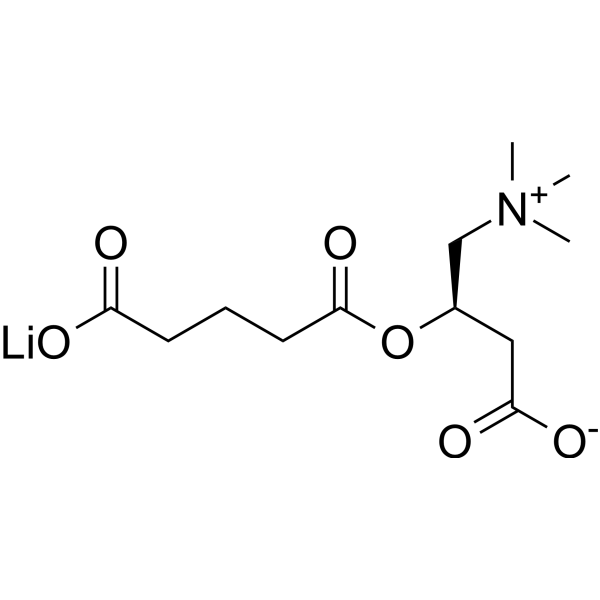
    Glutarylcarnitine lithium is the diagnostic metabolite for malonic aciduria and glutaric aciduria type I monitored in most tandem mass spectrometry newborn screening programmes .
    Glutarylcarnitine lithium
  • HY-N0157A
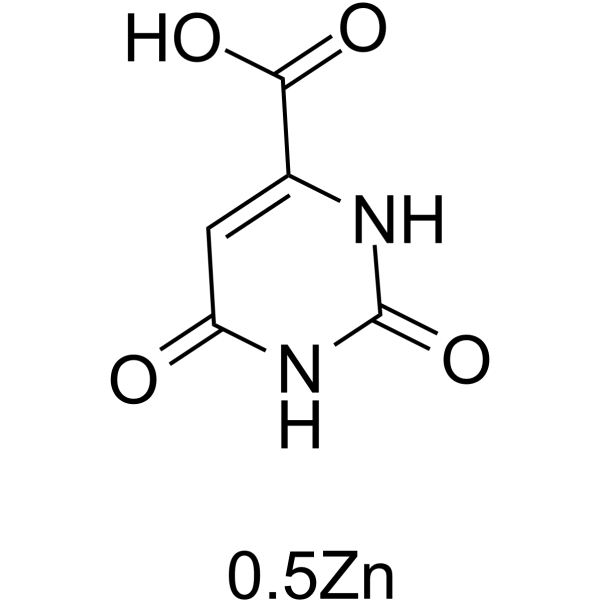
    Orotic acid zinc
    3 Publications Verification

    6-Carboxyuracil zinc; Vitamin B13 zinc

    Nucleoside Antimetabolite/Analog Endogenous Metabolite Metabolic Disease
    Orotic acid (zinc), a precursor in biosynthesis of pyrimidine nucleotides and RNA, is released from the mitochondrial dihydroorotate dehydrogenase (DHODH) for conversion to UMP by the cytoplasmic UMP synthase enzyme. Orotic acid (zinc) is a marker for measurement in routine newborn screening for urea cycle disorders. Orotic acid (zinc) can induce hepatic steatosis and hepatomegaly in rats .
    Orotic acid zinc
  • HY-113005S

    Isotope-Labeled Compounds Endogenous Metabolite Metabolic Disease
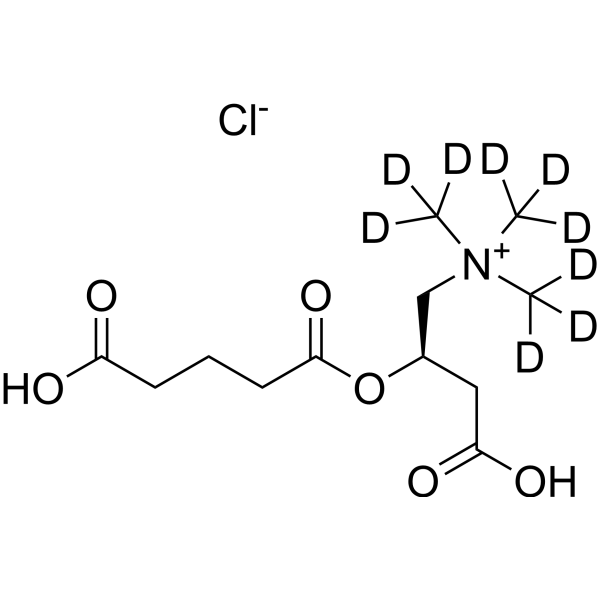
    Glutarylcarnitine-d9 (chloride) is the deuterium labeled Glutarylcarnitine chloride. Glutarylcarnitine is the diagnostic metabolite for malonic aciduria and glutaric aciduria type I monitored in most tandem mass spectrometry newborn screening programmes.
    Glutarylcarnitine-d9 chloride
  • HY-N0157S1

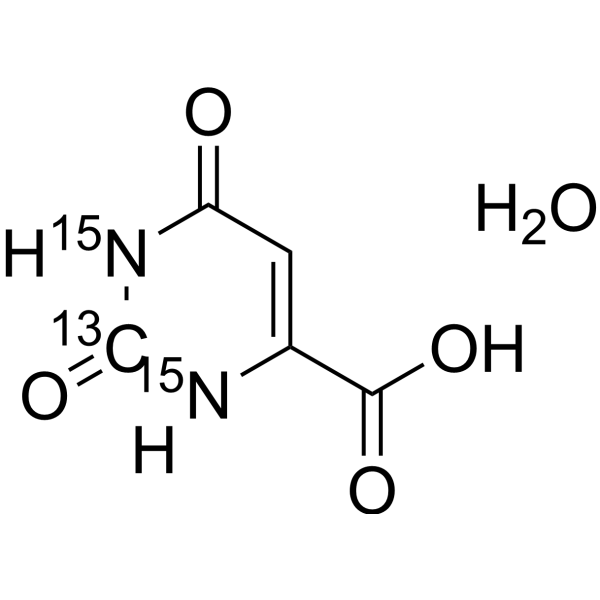
    6-Carboxyuracil-13C,15N2 monohydrate; Vitamin B13-13C,15N2 monohydrate

    Nucleoside Antimetabolite/Analog Endogenous Metabolite Metabolic Disease
    Orotic acid- 13C, 15N2 (monohydrate) is the 13C and 15N labeled Orotic acid . Orotic acid (6-Carboxyuracil), a precursor in biosynthesis of pyrimidine nucleotides and RNA, is released from the mitochondrial dihydroorotate dehydrogenase (DHODH) for conversion to UMP by the cytoplasmic UMP synthase enzyme. Orotic acid is a marker for measurement in routine newborn screening for urea cycle disorders. Orotic acid can induce hepatic steatosis and hepatomegaly in rats .
    Orotic acid-13C,15N2 monohydrate
  • HY-113005R

    Endogenous Metabolite Reference Standards Metabolic Disease
    Glutarylcarnitine (Standard) is the analytical standard of Glutarylcarnitine. This product is intended for research and analytical applications. Glutarylcarnitine is the diagnostic metabolite for malonic aciduria and glutaric aciduria type I monitored in most tandem mass spectrometry newborn screening programmes.
    Glutarylcarnitine (Standard)
  • HY-N0157C
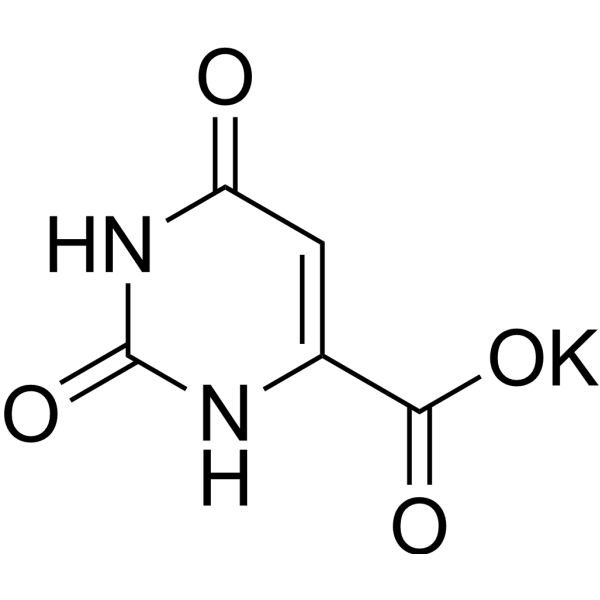
    Orotic acid potassium
    3 Publications Verification

    6-Carboxyuracil potassium; Vitamin B13 potassium

    Endogenous Metabolite DNA/RNA Synthesis Metabolic Disease
    Orotic acid potassium (Vitamin B13 potassium) is a precursor of pyrimidine bases and is involved in the synthesis of DNA and RNA. Orotic acid potassium stimulates the growth of animals, plants and microorganisms, participates in carbohydrate metabolism, and is necessary for the growth and life activities of organisms. Orotic acid potassium is a measurement indicator in routine newborn screening for urea cycle abnormalities. Orotic acid potassium can cause hepatic steatosis and hepatomegaly in rats .
    Orotic acid potassium
  • HY-14474

    Endothelin-Converting Enzyme (ECE) Cardiovascular Disease
    CGS 26303 is an endothelin-converting enzyme (ECE) inhibitor. CGS 26303 increases the expression of endothelin-converting enzyme-1 in endothelial cells. CGS 26303 attenuates cerebral vasospasm in a rabbit subarachnoid hemorrhage model. CGS 26303 improves birth survival and alleviates pulmonary hypoplasia in newborn rats in a rat model of congenital diaphragmatic hernia. CGS 26303 can be used for research on cardiovascular and cerebrovascular diseases and congenital diaphragmatic hernia .
    CGS 26303
  • HY-167655

    Androgen Receptor Others
    KF-19418 is a hair follicle stimulator with hair growth promoting activity. KF-19418 stimulates proliferation of cultured hair bulb cells from newborn mice. KF-19418 accelerates hair regrowth in hair-clipped mouse alopecia model following topical application. KF-19418 can be used for the research of alopecia .
    KF-19418
  • HY-113005AR

    Endogenous Metabolite Reference Standards Metabolic Disease
    Glutarylcarnitine (lithium) (Standard) is the analytical standard of Glutarylcarnitine (lithium). This product is intended for research and analytical applications. Glutarylcarnitine lithium is the diagnostic metabolite for malonic aciduria and glutaric aciduria type I monitored in most tandem mass spectrometry newborn screening programmes .
    Glutarylcarnitine lithium (Standard)
  • HY-N0157AR

    6-Carboxyuracil zinc (Standard); Vitamin B13 zinc (Standard)

    Nucleoside Antimetabolite/Analog Endogenous Metabolite Reference Standards Metabolic Disease
    Orotic acid (zinc) (Standard) is the analytical standard of Orotic acid (zinc). This product is intended for research and analytical applications. Orotic acid (zinc), a precursor in biosynthesis of pyrimidine nucleotides and RNA, is released from the mitochondrial dihydroorotate dehydrogenase (DHODH) for conversion to UMP by the cytoplasmic UMP synthase enzyme. Orotic acid (zinc) is a marker for measurement in routine newborn screening for urea cycle disorders. Orotic acid (zinc) can induce hepatic steatosis and hepatomegaly in rats .
    Orotic acid zinc (Standard)
  • HY-E71363

    Cathepsin Cardiovascular Disease Inflammation/Immunology
    Papain (USP) refers to Papain (HY-P1645) that meets the standards of the US Pharmacopoeia. Papain is a cysteine protease of the peptidase C1 family. Papain enhances red cell agglutination by anti-D and anti-A, and increases red cell sensitivity to K cell-mediated lysis in ADCC assays. Papain can induce pulmonary emphysema. Papain can be used for the researches of Rh haemolytic disease of the newborn and pulmonary emphysema .
    papain (USP)
  • HY-186105A

    Opioid Receptor Apoptosis Neurological Disease
    (-)-P7C3-S243 is an orally active, blood-brain barrier permeable neuroprotective agent. (-)-P7C3-S243 binds to μ-opioid Receptor and TSPO. (-)-P7C3-S243 inhibits the premature apoptosis death of newborn hippocampal neurons, protects mature nigral dopaminergic neurons, promotes neuronal survival and prevents cognitive impairment. (-)-P7C3-S243 ameliorates depression-like behaviors in rat models. (-)-P7C3-S243 is applicable to research related to Parkinson's disease and Alzheimer's disease .
    (-)-P7C3-S243

Inquiry Online

Your information is safe with us. * Required Fields.

Salutation


Country or Region *

Applicant Name *


Organization Name *

Department *


Email Address *


Product Name *

Cat. No.


Requested quantity *

Phone Number *


Remarks

Inquiry Online

Inquiry Information

Product Name:
Cat. No.:
Quantity:
MCE Japan Authorized Agent:

