
1922 Results for "

plasma desorption mass spectrometry

" in MedChemExpress (MCE) Product Catalog:
Products (1922)

1922 Results for "plasma desorption mass spectrometry" in MCE Product Catalog:

194
194 Publications Verification
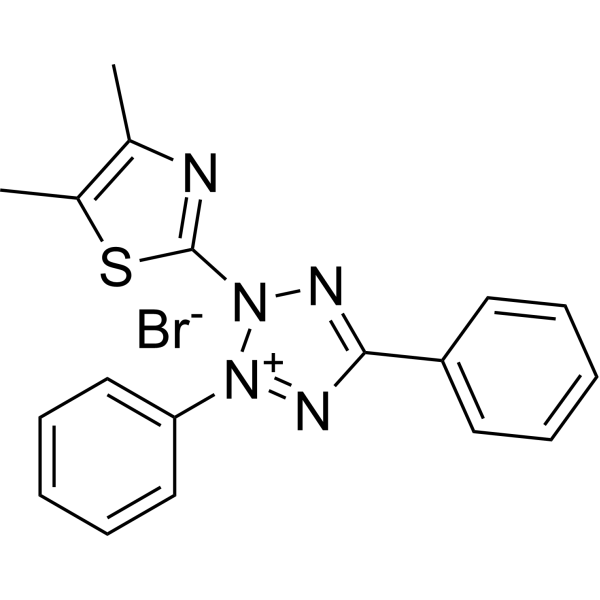
Cat. No.: HY-15924
CAS No.: 298-93-1
Synonyms: MTT; Thiazolyl Blue Tetrazolium bromide; Methylthiazolyldiphenyl-tetrazolium bromide
Thiazolyl Blue (MTT) is a cell-permeable and positively charged tetrazolium dye that is used to detect reductive metabolism in cells. Thiazolyl Blue is taken up by cells through the plasma membrane and then reduced to formazan by intracellular NAD (P) H-oxidoreductases. Thiazolyl Blue is frequently used in colorimetric assays to measure cell proliferation, cytotoxicity, and apoptosis .
loading...
    loading...
95
95 Cited Publications
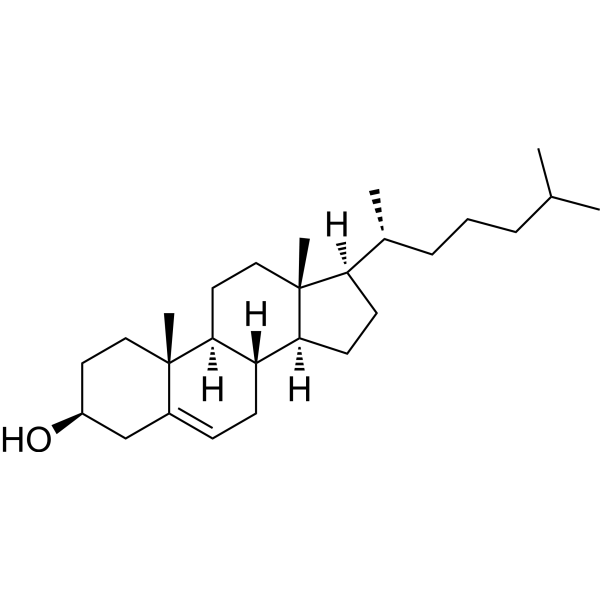
Cat. No.: HY-N0322
CAS No.: 57-88-5
Cholesterol (from animal) is the major sterol in mammals. It is making up 20-25% of structural component of the plasma membrane. Plasma membranes are highly permeable to water but relatively impermeable to ions and protons. Cholesterol (from animal) plays an important role in determining the fluidity and permeability characteristics of the membrane as well as the function of both the transporters and signaling proteins . Cholesterol (from animal) is also an endogenous estrogen-related receptor α (ERRα) agonist .
loading...
    loading...
95
95 Cited Publications
Cat. No.: HY-N0322A
Cholesterol Water Soluble is a major sterol in mammals, constituting 20-25% of the structural composition of the plasma membrane. The plasma membrane is highly permeable to water but relatively impermeable to ions and protons. Cholesterol Water Soluble plays an important role in determining the fluidity and permeability characteristics of membranes and the function of transporters and signaling proteins. Cholesterol Water Soluble is also an endogenous estrogen-related receptor alpha (ERRα) agonist. Cholesterol Water Soluble can be used to study the effects of cholesterol on potassium currents in inner hair cells .
(Note: This product is a mixture of Cholesterol and Methyl-β-cyclodextrin. The product specifications below only indicate the effective content of Cholesterol.)
loading...
    loading...
72
72 Cited Publications
Cat. No.: HY-13443
CAS No.: 141758-74-9
Purity:  99.95%
Synonyms: Exenatide
Exendin‑4 (Exenatide) is an orally active, blood-brain barrier-permeable glucagon-like peptide-1 receptor (GLP‑1 receptor) agonist that resists degradation mediated by dipeptidyl peptidase IV. Exendin‑4 mediates multiple glucose-regulating effects, including stimulation of glucose-dependent insulin secretion, inhibition of glucagon production, increase in β-cell mass, delay of gastric emptying, reduction of food intake, improvement of peripheral insulin sensitivity, and restoration of normal islet structure. Exendin‑4 inhibits oxidative stress, alleviates inflammatory responses, and reduces neuronal apoptosis. Exendin‑4 reduces the aggregation level of mutant huntingtin, improves motor function, prolongs survival time, and regulates the expression levels of leptin and ghrelin. Exendin‑4 can be used in research related to type 2 diabetes, acute ischemic stroke, and Huntington's disease .
loading...
    loading...
72
72 Cited Publications
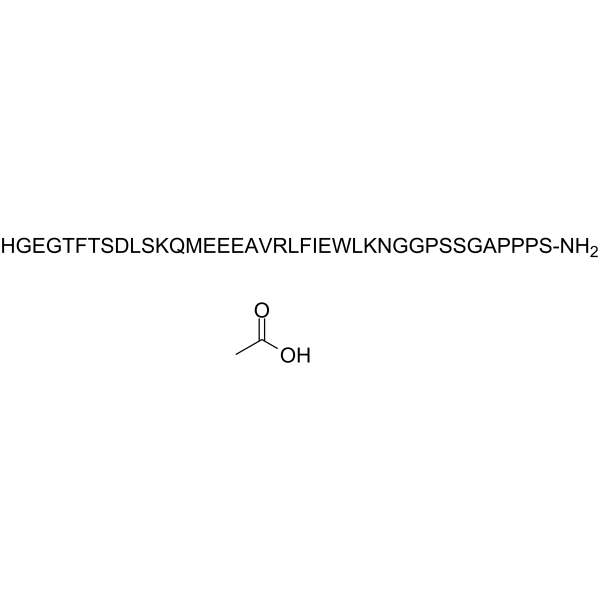
Cat. No.: HY-13443A
CAS No.: 914454-01-6
Purity:  99.91%
Synonyms: Exenatide acetate
Exendin-4 acetate (Exenatide acetate) is an orally active, blood-brain barrier-permeable glucagon-like peptide-1 receptor (GLP‑1 receptor) agonist that resists degradation mediated by dipeptidyl peptidase IV. Exendin-4 acetate mediates multiple glucose-regulating effects, including stimulation of glucose-dependent insulin secretion, inhibition of glucagon production, increase in β-cell mass, delay of gastric emptying, reduction of food intake, improvement of peripheral insulin sensitivity, and restoration of normal islet structure. Exendin-4 acetate inhibits oxidative stress, alleviates inflammatory responses, and reduces neuronal apoptosis. Exendin-4 acetate reduces the aggregation level of mutant huntingtin, improves motor function, prolongs survival time, and regulates the expression levels of leptin and ghrelin. Exendin-4 acetate can be used in research related to type 2 diabetes, acute ischemic stroke, and Huntington's disease .
loading...
    loading...
59
59 Cited Publications
Cat. No.: HY-17409
CAS No.: 1400-61-9
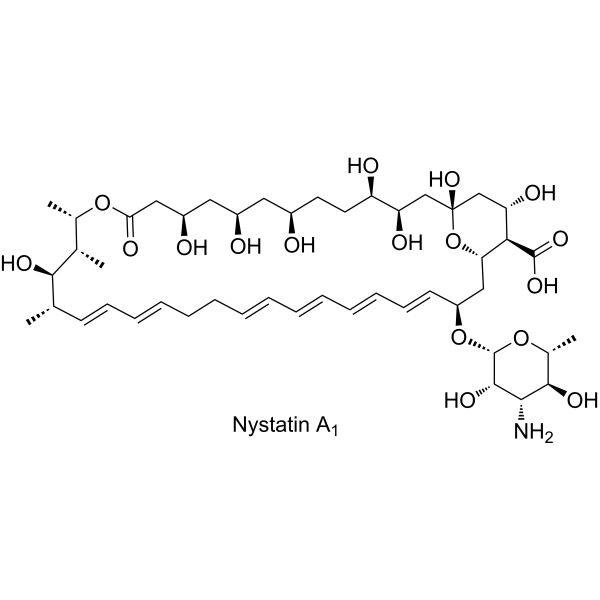
Nystatin is an orally active polyene antifungal antibiotic effective against yeast and mycoplasma. Nystatin increases the permeability of plasma membranes to small monovalent ions, including chloridion . Nystatin is a cholesterol-sequestering agent , partially prevents Oxaliplatin-induced lipid raft aggregation, DR4 and DR5 clustering, and thereby reduces apoptosis .
loading...
    loading...
37
37 Cited Publications
Cat. No.: HY-112288
CAS No.: 432001-19-9
Purity:  99.90%
Synonyms: TTI-101
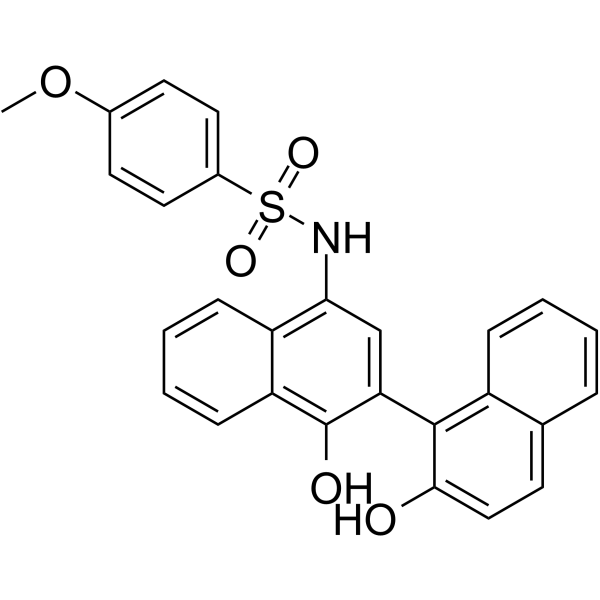
C188-9 (TTI-101) is a STAT3 inhibitor with a Kd value of 4.7 nM. C188-9 targets the SH2 domain of STAT3, blocks the processes of STAT3 ligand binding, receptor recruitment, homodimerization and phosphorylation, and regulates STAT3-mediated genes associated with tumorigenesis and radioresistance. C188-9 regulates STAT1-mediated genes related to radioresistance and reduces the activation level of STAT1. C188-9 downregulates the expression of DNMT1, enhances DAC-induced demethylation and re-expression of RASSF1A, and simultaneously potentiates the anti-tumor effect of DAC on pancreatic cancer cells. C188-9 inhibits both anchorage-dependent and anchorage-independent growth of cancer cells, induces Apoptosis, blocks the growth of tumor xenografts, and suppresses muscle atrophy. C188-9 maintains muscle mass, increases body weight and improves grip strength in tumor-bearing mice. C188-9 can be used in research related to head and neck squamous cell carcinoma, pancreatic cancer, sepsis-related skeletal muscle wasting, non-small cell lung cancer, acute myeloid leukemia and cancer cachexia .
loading...
    loading...
34
34 Cited Publications
Cat. No.: HY-N0088
CAS No.: 498-02-2
Synonyms: Acetovanillone
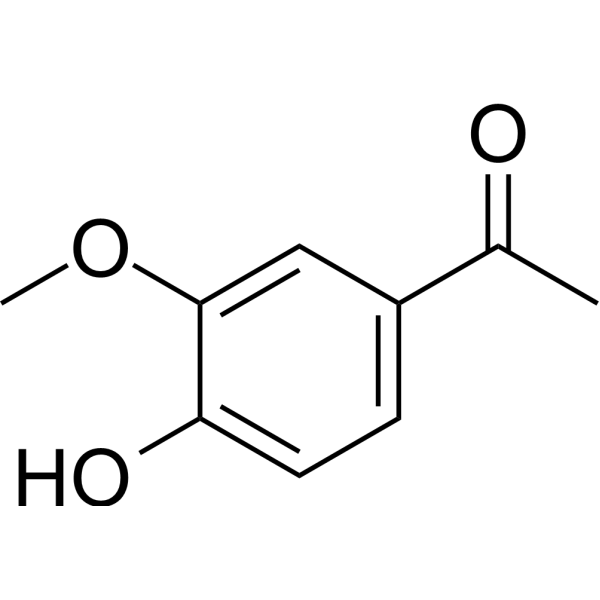
Apocynin is a selective NADPH-oxidase inhibitor with an IC50 of 10 μM . Apocynin improves acute lung inflammation in Carrageenan (HY-125474)-induced pleurisy mice model . Apocynin can also be used for cancer research . Apocynin reverses the aging process in mesenchymal stem cells to promote osteogenesis and increases bone mass .
loading...
    loading...
26
26 Cited Publications
Cat. No.: HY-13207
CAS No.: 960374-59-8
Purity:  99.72%
Synonyms: PR-957
Target:  

Proteasome Bacterial HIV

Research Areas:  

Infection Inflammation/Immunology

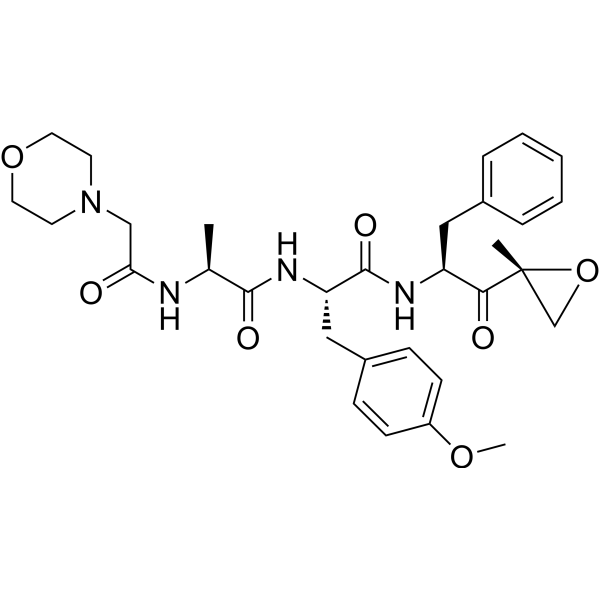
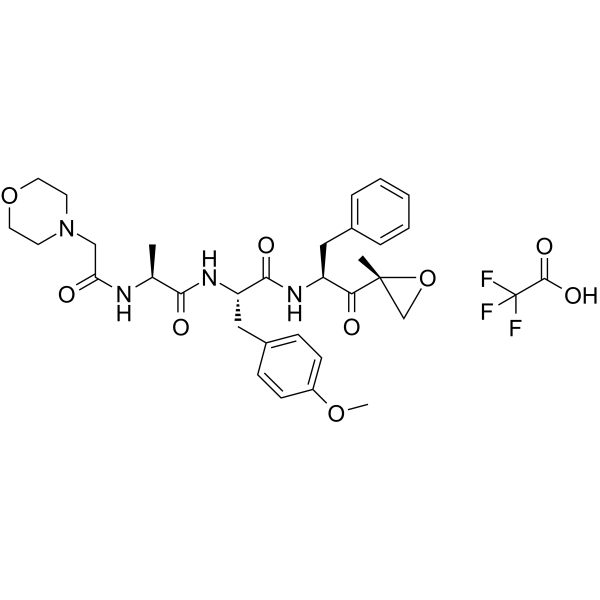
ONX-0914 (PR-957) is a selective inhibitor of low-molecular mass polypeptide-7 (LMP7), the chymotrypsin-like subunit of the immunoproteasome. ONX-0914 blocks cytokine production and attenuates progression of experimental arthritis. ONX-0914 is a noncompetitive irreversible inhibitor of the mycobacterial proteasome (Ki=5.2 μM). ONX-0914 reactivates latent HIV-1 through p-TEFb activation mediated by HSF-1 .
loading...
    loading...
26
26 Cited Publications
Cat. No.: HY-13207A
Purity:  98.01%
Synonyms: PR-957 TFA
Target:  

Proteasome Bacterial HIV

Research Areas:  

Infection Inflammation/Immunology

ONX-0914 (PR-957) TFA is a selective inhibitor of low-molecular mass polypeptide-7 (LMP7), the chymotrypsin-like subunit of the immunoproteasome. ONX-0914 TFA blocks cytokine production and attenuates progression of experimental arthritis. ONX-0914 TFA is a noncompetitive irreversible inhibitor of the mycobacterial proteasome (Ki=5.2 μM). ONX-0914 TFA reactivates latent HIV-1 through p-TEFb activation mediated by HSF-1 .
loading...
    loading...
21
21 Cited Publications
Cat. No.: HY-B0633
CAS No.: 9067-32-7
Synonyms: Sodium hyaluronate
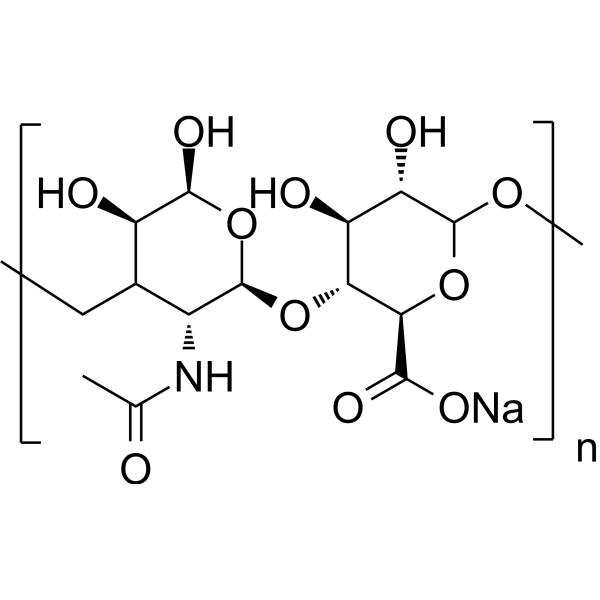
Hyaluronic acid sodium (Sodium hyaluronate) is a biopolymer composed of repeating units of disaccharides with various applications. Hyaluronic acid sodium is a major component of the extracellular matrix (ECM). Hyaluronic acid sodium is synthesized at the plasma membrane. Increased hyaluronic acid sodium levels are associated with tumor cell growth, adhesion, migration, invasion and angiogenesis in digestive cancers. Hyaluronic acid sodium participates in tissue remodeling and rapid cell proliferation in some physiological processes including embryonic morphogenesis and wound-healing. Hyaluronic acid sodium activates the PI3K-Akt signaling. Hyaluronic acid sodium acts as a regulator of cancer-associated lymphangiogenesis. Hyaluronic acid sodium also enhances cell invasion and angiogenesis by promoting proteolytic MMP-9 binding to cell surface or stimulating MMP-9 binding to cell surface. Hyaluronic acid sodium can be used as drug delivery for sodium butyrate to improve the anti-proliferative activity on breast cancer cell line. Hyaluronic acid sodium can be studied in joint diseases, wound healing and cancer .
loading...
    loading...
21
21 Cited Publications
Cat. No.: HY-B0633A
CAS No.: 9004-61-9
Synonyms: Hyaluronan; Hyaluronate
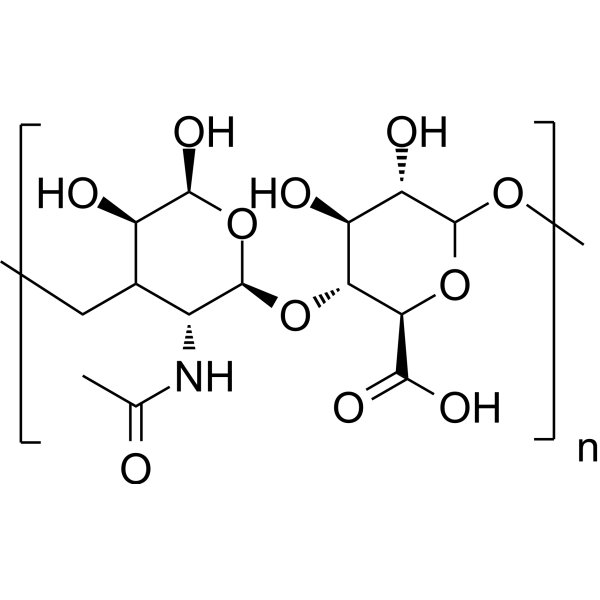
Hyaluronic acid is a biopolymer composed of repeating units of disaccharides with various applications. Hyaluronic acid is a major component of the extracellular matrix (ECM). Hyaluronic acid is synthesized at the plasma membrane. Increased hyaluronic acid levels are associated with tumor cell growth, adhesion, migration, invasion and angiogenesis in digestive cancers. Hyaluronic acid participates in tissue remodeling and rapid cell proliferation in some physiological processes including embryonic morphogenesis and wound-healing. Hyaluronic acid activates the PI3K-Akt signaling. Hyaluronic acid acts as a regulator of cancer-associated lymphangiogenesis. Hyaluronic acid also enhances cell invasion and angiogenesis by promoting proteolytic MMP-9 binding to cell surface or stimulating MMP-9 binding to cell surface. Hyaluronic acid can be used as drug delivery for sodium butyrate to improve the anti-proliferative activity on breast cancer cell line. Hyaluronic acid can be studied in joint diseases, wound healing and cancer .
loading...
    loading...
18
18 Cited Publications
Cat. No.: HY-Y0966
CAS No.: 56-40-6
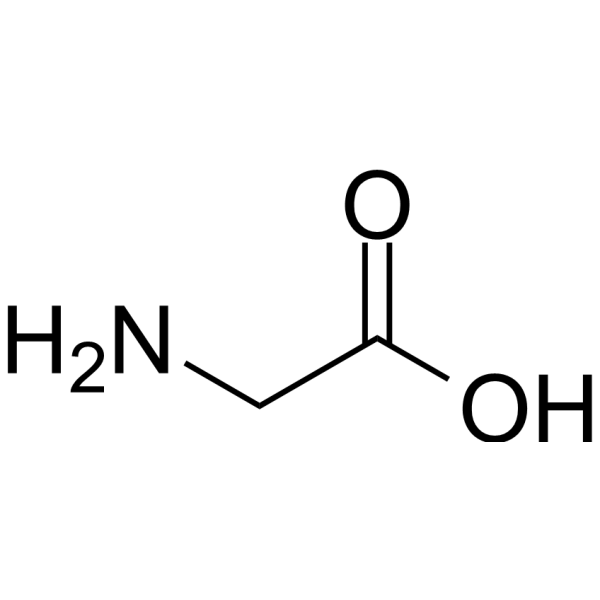
Glycine is an inhibitory neurotransmitter in the CNS and also acts as a co-agonist along with glutamate, facilitating an excitatory potential at the glutaminergic N-methyl-D-aspartic acid (NMDA) receptors. Glycine is orally active. Glycine inhibits the membrane aggregation of NINJ1 and prevents plasma membrane rupture during cell death. Glycine can be used to study cell protection, cancer, neurological diseases, and angiogenesis .
loading...
    loading...
17
17 Cited Publications
Cat. No.: HY-K0311

MCE GSH/GSSG Assay Kit is suitable for the quantitative determination of reduced and oxidized glutathione (GSH/GSSG) in whole blood, plasma, serum, urine, and tissue and cell extracts.

loading...
    loading...
17
17 Cited Publications
Cat. No.: HY-D0717
CAS No.: 254109-22-3
Synonyms: Diaminofluorescein-FM diacetate
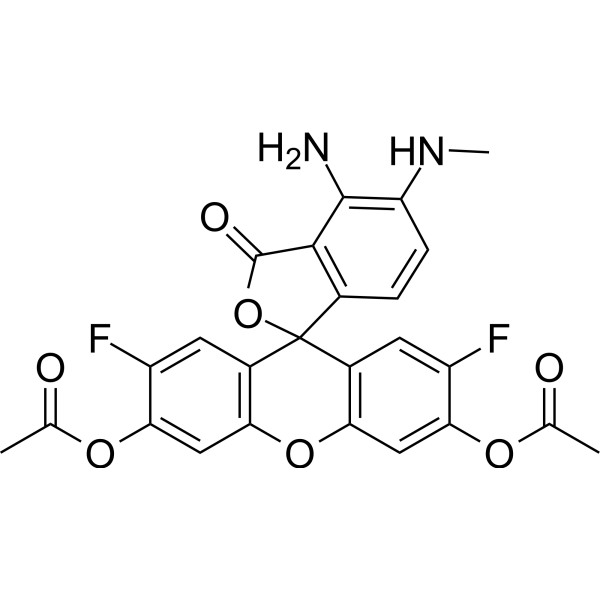
DAF-FM DA (Diaminofluorescein-FM diacetate) is a fluorescent probe for the detection and bioimaging of nitric oxide (NO). DAF-FM DA spontaneously crosses the plasma membrane and is subsequently cleaved by esterases to generate intracellular DAF-FM (Ex/Em=495/515 nm) .
loading...
    loading...
17
17 Cited Publications
Cat. No.: HY-P1923
CAS No.: 9015-68-3
Synonyms: L-​ASNase
Research Areas:  

Cancer

L-Asparaginase (L-ASNase) is a deamidating enzyme that catalyses the hydrolysis of L-asparagine and L-glutamine, and can be used for the research of acute lymphoblastic leukemia. L-Asparaginase depletes L-asparagine from plasma resulting in inhibition of RNA and DNA synthesis with the subsequent blastic cell apoptosis .
loading...
    loading...
14
14 Cited Publications
Cat. No.: HY-107641
CAS No.: 28166-41-8
Purity:  99.92%
Synonyms: α-Cyano-4-hydroxycinnamate
Research Areas:  

Metabolic Disease

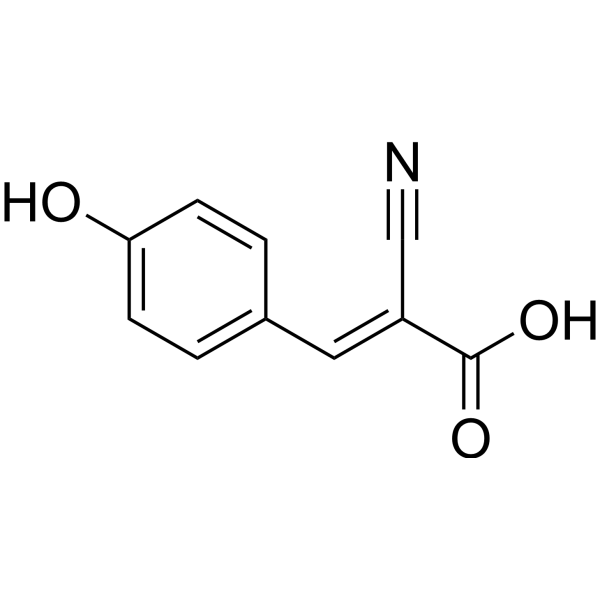
α-Cyano-4-hydroxycinnamic acid (α-Cyano-4-hydroxycinnamate) is a potent and non-competitive inhibitor of monocarboxylate transporters (MCTs). α-Cyano-4-hydroxycinnamic acid inhibits mitochondrial pyruvate transporter with a Ki of 6.3 μM. α-Cyano-4-hydroxycinnamic acid is used as a matrix to facilitate peptide ionization in matrix-assisted laser desorption/ionization time-of-flight (MALDI-TOF) mass spectrometry applications .
loading...
    loading...
14
14 Cited Publications
Cat. No.: HY-N0322E
CAS No.: 57-88-5
Cholesterol (synthetic) is the major sterol in mammals. It is making up 20-25% of structural component of the plasma membrane. Plasma membranes are highly permeable to water but relatively impermeable to ions and protons. Cholesterol (synthetic) plays an important role in determining the fluidity and permeability characteristics of the membrane as well as the function of both the transporters and signaling proteins . Cholesterol (synthetic) is also an endogenous estrogen-related receptor α (ERRα) agonist .
loading...
    loading...
14
14 Cited Publications
Cat. No.: HY-N0322D
CAS No.: 57-88-5
Cholesterol (from plant) is the major sterol in mammals. It is making up 20-25% of structural component of the plasma membrane. Plasma membranes are highly permeable to water but relatively impermeable to ions and protons. Cholesterol (from plant) plays an important role in determining the fluidity and permeability characteristics of the membrane as well as the function of both the transporters and signaling proteins . Cholesterol (from plant) is also an endogenous estrogen-related receptor α (ERRα) agonist .
loading...
    loading...
13
13 Cited Publications
Cat. No.: HY-50667
CAS No.: 503612-47-3
Synonyms: BMS-562247-01
Target:  

Factor Xa

Research Areas:  

Cardiovascular Disease Cancer

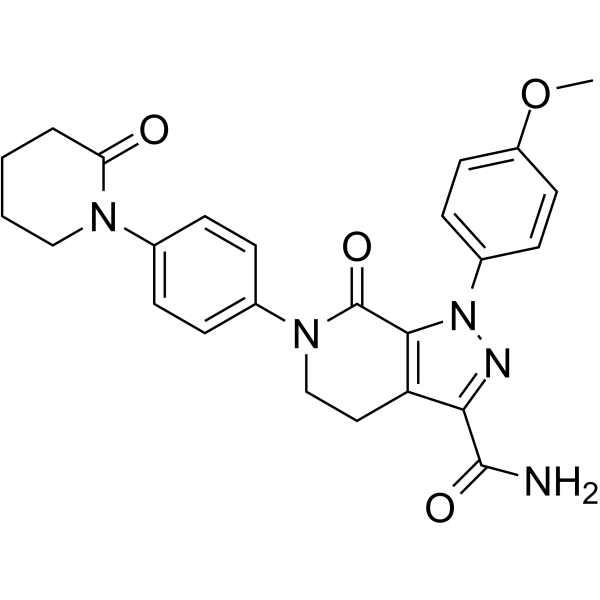
Apixaban (BMS-562247-01) is a highly selective, reversible and orally active inhibitor of Factor Xa with Ki of 0.08 nM and 0.17 nM in human and rabbit, respectively . Apixaban is in development for the prevention and treatment of various thromboembolic diseases .
loading...
    loading...

