
From 11:00 pm to 12:00 pm EST ( 8:00 pm to 9:00 pm PST ) on January 6th, the website will be under maintenance. We are sorry for the inconvenience. Please arrange your schedule properly.
Insulin cattle is a two-chain polypeptidehormone produced in vivo in the pancreatic β cells. Insulin cattle has often been used as growth supplement in culturing cells.
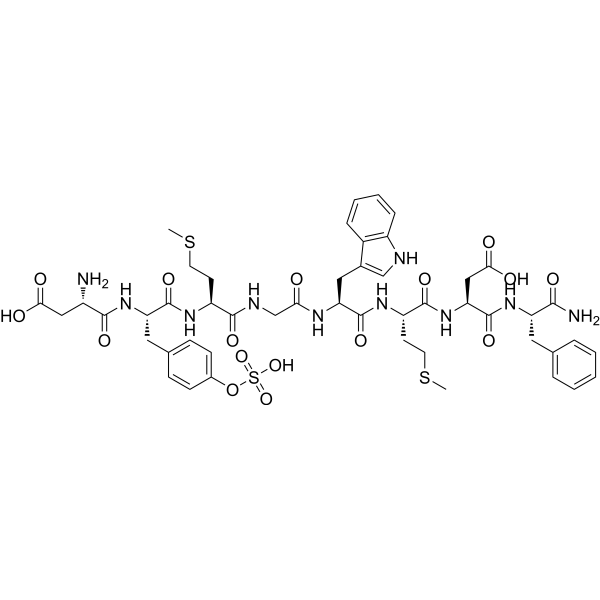
Sincalide (Cholecystokinin octapeptide, CCK-8) is a rapid-acting amino acid polypeptidehormone analogue of cholecystokinin (CCK) for intravenous use in postevacuation cholecystography. Sincalide is a major bioactive segment of CCK that retains most of the biological activities of CCK. Sincalide can promote gallbladder contraction by injection and helps diagnose gallbladder and pancreas disorders. Sincalide can increase bile secretion, cause the gallbladder to contract and relax the sphincter of Oddi, resulting in bile drainage into the duodenum. Sincalide is a major bioactive segment of CCK that retains most of the biological activities of CCK .
Human GIP(3-30), amide is a high affinity antagonist of the human GIP receptor in vitro. Human GIP(3-30), amide has potential anti-obesity and anti-diabetic effects .
Amylin, amide, human TFA, a 37-amino acid polypeptide, is a pancreatic hormone cosecreted with insulin that exerts unique roles in metabolism and glucose homeostasis. Amylin, amide, human TFA inhibits glucagon secretion, delays gastric emptying, and acts as a satiety agent .
GIP (Gastric inhibitory polypeptide) (mouse) is a gastrointestinal hormone that is secreted by the intestinal K cells, and also expressed in and secreted from pancreatic islets. GIP (mouse) promotes insulin secretion from pancreatic β cells via the G-protein-coupled GIP receptor (GIPR). GIP (mouse) promotes pancreatic β cell proliferation and inhibits apoptosis. GIP (mouse) also exerts direct lipogenic effects on adipose tissue .
Adrenocorticotropic hormone (ACTH; Adrenocorticotrophic hormone) is a polypeptidetropic hormone produced by the anterior pituitary gland. Adrenocorticotropic hormone stimulates cortisol secretion from the adrenal cortex via the hypothalamic-pituitary-adrenal (HPA) axis. Adrenocorticotropic hormone regulates cortisol and androgen production. Adrenocorticotropic hormone can promote the development of spermatogenesis. Adrenocorticotropic hormone can relieve acute inflammation in gout models by inhibiting the polarization of macrophages to M1 type, inhibiting ROS and proinflammatory factor production and protecting mitochondrial function. Adrenocorticotropic hormone can be used for the researches of inflammation, endocrinology, metabolic disease, such as gout and nephrotic syndrome .
Amylin, amide, human, a 37-amino acid polypeptide, is a pancreatic hormone cosecreted with insulin that exerts unique roles in metabolism and glucose homeostasis. Amylin, amide, human inhibits glucagon secretion, delays gastric emptying, and acts as a satiety agent .
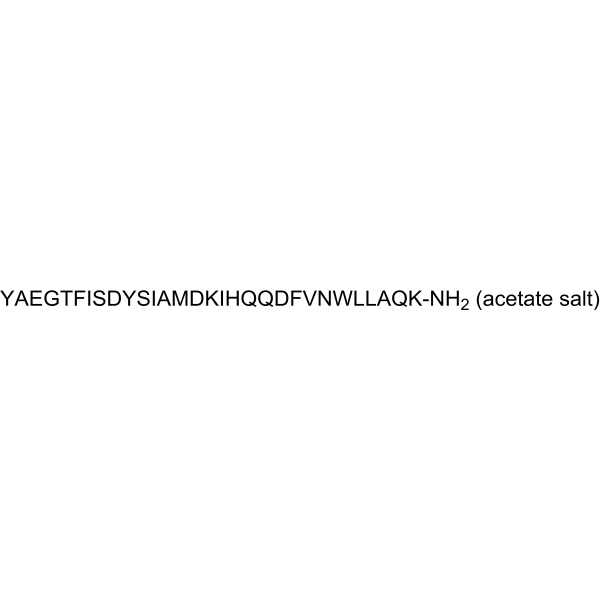
GIP (1-30) amide,human acetate is a glucose-dependent insulinotropic polypeptide (GIP) fragment. GIP is an incretin hormone that stimulates insulin secretion and reduces postprandial glycaemic excursions. GIP (1-30) amide,human acetate dose-dependently promotes insulin secretion over the range 10 -9-10 -6 M .
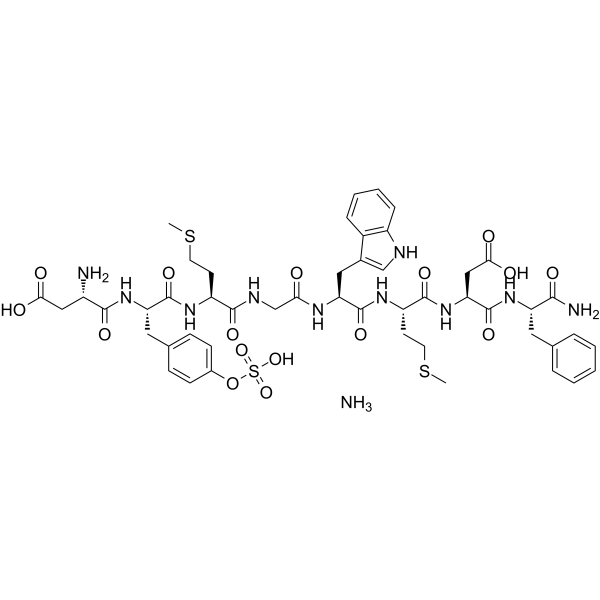
Sincalide ammonium (Cholecystokinin octapeptide ammonium, CCK-8 ammonium) is a rapid-acting amino acid polypeptidehormone analogue of cholecystokinin (CCK) for intravenous use in postevacuation cholecystography. Sincalide ammonium is a major bioactive segment of CCK that retains most of the biological activities of CCK. CCK‐8 can promote gallbladder contraction by injection and helps diagnose gallbladder and pancreas disorders. Sincalide ammonium can increase bile secretion, cause the gallbladder to contract and relax the sphincter of Oddi, resulting in bile drainage into the duodenum. Sincalide ammonium is a major bioactive segment of CCK that retains most of the biological activities of CCK .
Human GIP(3-30), amide TFA is the TFA salt form of human GIP(3-30), amide (HY-P10138). Human GIP(3-30), amide TFA is a high affinity antagonist of the human GIP receptor in vitro. Human GIP(3-30), amide TFA has potential anti-obesity and anti-diabetic effects .
IGF-I (24-41) (Insulin-like Growth Factor I (24-41)) is amino acids 24 to 41 fragment of IGF-I. IGF-I, a 70 aa polypeptidehormone, is a trophic factor for both neurons and glial cells. IGF-I is partly responsible for systemic growth hormone (GH) activities. IGF-I has anabolic, antioxidant, anti-inflammatory and cytoprotective actions. IGF-I (24-41) regulates somatic growth and behavioral development .
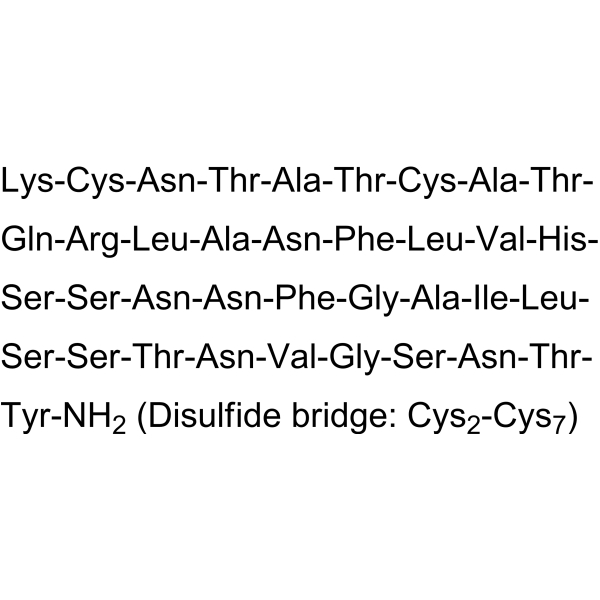
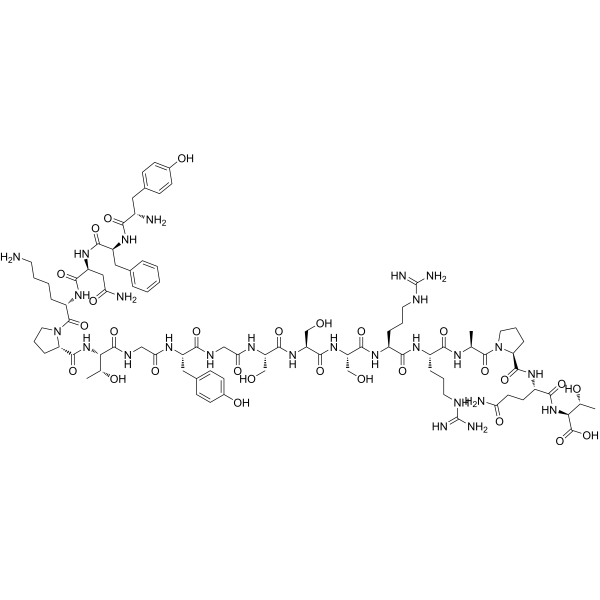
Human growth hormone-releasing factor TFA (Growth Hormone Releasing Factor human TFA) is a hypothalamic polypeptide and stimulates GH production and release by binding to the GHRH Receptor (GHRHR) on cells in the anterior pituitary .
Adrenocorticotropic hormone (ACTH; Adrenocorticotrophic hormone) TFA is a polypeptidetropic hormone produced by the anterior pituitary gland. Adrenocorticotropic hormone TFA stimulates cortisol secretion from the adrenal cortex via the hypothalamic-pituitary-adrenal (HPA) axis. Adrenocorticotropic hormone TFA regulates cortisol and androgen production. Adrenocorticotropic hormone TFA can promote the development of spermatogenesis. Adrenocorticotropic hormone TFA can relieve acute inflammation in gout models by inhibiting the polarization of macrophages to M1 type, inhibiting ROS and proinflammatory factor production and protecting mitochondrial function. Adrenocorticotropic hormone TFA can be used for the researches of inflammation, endocrinology, metabolic disease, such as gout and nephrotic syndrome .
Human growth hormone-releasing factor (Growth Hormone Releasing Factor human) is a hypothalamic polypeptide and stimulates GH production and release by binding to the GHRH Receptor (GHRHR) on cells in the anterior pituitary .
(Des-Glu5)-ACTH (1-24) (human, bovine, rat) is an analogue of Adrenocorticotropic hormone (ACTH; HY-106373). ACTH is a polypeptide tropic hormone produced by the anterior pituitary gland, regulating cortisol and androgen production .
GIP (1-30) amide,human is a glucose-dependent insulinotropic polypeptide (GIP) fragment. GIP is an incretin hormone that stimulates insulin secretion and reduces postprandial glycaemic excursions. GIP (1-30) amide,human dose-dependently promotes insulin secretion over the range 10 -9-10 -6 M .
Gastric Inhibitory Polypeptide (6-30) amide (human) is an incretin hormone. Gastric Inhibitory Polypeptide (6-30) amide (human) can be used for the research of diabete .
(Des-His6)-ACTH (1-24) (human, bovine, rat) is an analogue of Adrenocorticotropic hormone (ACTH; HY-106373). ACTH is a polypeptide tropic hormone produced by the anterior pituitary gland, regulating cortisol and androgen production .
GIP (1-30)-Myr is the Myr-modified GIP (1-30), which is a glucose-dependent insulinotropic polypeptide (GIP) fragment. GIP is an incretin hormone that stimulates insulin secretion and reduces postprandial glycaemic excursions. GIP (1-30) dose-dependently promotes insulin secretion over the range 10 -9-10 -6 M .
IGF-I (24-41) (Insulin-like Growth Factor I (24-41)) TFA is amino acids 24 to 41 fragment of IGF-I. IGF-I TFA, a 70 aa polypeptidehormone, is a trophic factor for both neurons and glial cells. IGF-I TFA is partly responsible for systemic growth hormone (GH) activities. IGF-I TFA has anabolic, antioxidant, anti-inflammatory and cytoprotective actions. IGF-I (24-41) TFA regulates somatic growth and behavioral development .
Amylin (20-29) (human) is the fragment of human islet amyloid polypeptide (hIAPP) or Amylin. Amylin is a 37-residue hormone. Amylin (20-29) (human) is responsible for the amyloidogenic propensities of the full length protein. Amylin (20-29) (human) can be transformed into its corresponding peptoid and retropeptoid sequences, to obtain beta-sheet breaker peptides as amyloid inhibitors .
hFSH-β-(33-53) is a polypeptide corresponding to residues 33-53 of hFSH-β, and also a follicle-stimulating hormone (FSH) antagonist. hFSH-β-(33-53) stimulates basal estradiol synthesis in cells. hFSH-β-(33-53) prolongs vaginal estrus in mice with normal estrous cycles .
Insulin cattle is a two-chain polypeptidehormone produced in vivo in the pancreatic β cells. Insulin cattle has often been used as growth supplement in culturing cells.
Sincalide (Cholecystokinin octapeptide, CCK-8) is a rapid-acting amino acid polypeptidehormone analogue of cholecystokinin (CCK) for intravenous use in postevacuation cholecystography. Sincalide is a major bioactive segment of CCK that retains most of the biological activities of CCK. Sincalide can promote gallbladder contraction by injection and helps diagnose gallbladder and pancreas disorders. Sincalide can increase bile secretion, cause the gallbladder to contract and relax the sphincter of Oddi, resulting in bile drainage into the duodenum. Sincalide is a major bioactive segment of CCK that retains most of the biological activities of CCK .
Human GIP(3-30), amide is a high affinity antagonist of the human GIP receptor in vitro. Human GIP(3-30), amide has potential anti-obesity and anti-diabetic effects .
Amylin, amide, human TFA, a 37-amino acid polypeptide, is a pancreatic hormone cosecreted with insulin that exerts unique roles in metabolism and glucose homeostasis. Amylin, amide, human TFA inhibits glucagon secretion, delays gastric emptying, and acts as a satiety agent .
GIP (Gastric inhibitory polypeptide) (mouse) is a gastrointestinal hormone that is secreted by the intestinal K cells, and also expressed in and secreted from pancreatic islets. GIP (mouse) promotes insulin secretion from pancreatic β cells via the G-protein-coupled GIP receptor (GIPR). GIP (mouse) promotes pancreatic β cell proliferation and inhibits apoptosis. GIP (mouse) also exerts direct lipogenic effects on adipose tissue .
Adrenocorticotropic hormone (ACTH; Adrenocorticotrophic hormone) is a polypeptidetropic hormone produced by the anterior pituitary gland. Adrenocorticotropic hormone stimulates cortisol secretion from the adrenal cortex via the hypothalamic-pituitary-adrenal (HPA) axis. Adrenocorticotropic hormone regulates cortisol and androgen production. Adrenocorticotropic hormone can promote the development of spermatogenesis. Adrenocorticotropic hormone can relieve acute inflammation in gout models by inhibiting the polarization of macrophages to M1 type, inhibiting ROS and proinflammatory factor production and protecting mitochondrial function. Adrenocorticotropic hormone can be used for the researches of inflammation, endocrinology, metabolic disease, such as gout and nephrotic syndrome .
Amylin, amide, human, a 37-amino acid polypeptide, is a pancreatic hormone cosecreted with insulin that exerts unique roles in metabolism and glucose homeostasis. Amylin, amide, human inhibits glucagon secretion, delays gastric emptying, and acts as a satiety agent .
GIP (1-30) amide,human acetate is a glucose-dependent insulinotropic polypeptide (GIP) fragment. GIP is an incretin hormone that stimulates insulin secretion and reduces postprandial glycaemic excursions. GIP (1-30) amide,human acetate dose-dependently promotes insulin secretion over the range 10 -9-10 -6 M .
Sincalide ammonium (Cholecystokinin octapeptide ammonium, CCK-8 ammonium) is a rapid-acting amino acid polypeptidehormone analogue of cholecystokinin (CCK) for intravenous use in postevacuation cholecystography. Sincalide ammonium is a major bioactive segment of CCK that retains most of the biological activities of CCK. CCK‐8 can promote gallbladder contraction by injection and helps diagnose gallbladder and pancreas disorders. Sincalide ammonium can increase bile secretion, cause the gallbladder to contract and relax the sphincter of Oddi, resulting in bile drainage into the duodenum. Sincalide ammonium is a major bioactive segment of CCK that retains most of the biological activities of CCK .
Human GIP(3-30), amide TFA is the TFA salt form of human GIP(3-30), amide (HY-P10138). Human GIP(3-30), amide TFA is a high affinity antagonist of the human GIP receptor in vitro. Human GIP(3-30), amide TFA has potential anti-obesity and anti-diabetic effects .
IGF-I (24-41) (Insulin-like Growth Factor I (24-41)) is amino acids 24 to 41 fragment of IGF-I. IGF-I, a 70 aa polypeptidehormone, is a trophic factor for both neurons and glial cells. IGF-I is partly responsible for systemic growth hormone (GH) activities. IGF-I has anabolic, antioxidant, anti-inflammatory and cytoprotective actions. IGF-I (24-41) regulates somatic growth and behavioral development .
Human growth hormone-releasing factor TFA (Growth Hormone Releasing Factor human TFA) is a hypothalamic polypeptide and stimulates GH production and release by binding to the GHRH Receptor (GHRHR) on cells in the anterior pituitary .
Adrenocorticotropic hormone (ACTH; Adrenocorticotrophic hormone) TFA is a polypeptidetropic hormone produced by the anterior pituitary gland. Adrenocorticotropic hormone TFA stimulates cortisol secretion from the adrenal cortex via the hypothalamic-pituitary-adrenal (HPA) axis. Adrenocorticotropic hormone TFA regulates cortisol and androgen production. Adrenocorticotropic hormone TFA can promote the development of spermatogenesis. Adrenocorticotropic hormone TFA can relieve acute inflammation in gout models by inhibiting the polarization of macrophages to M1 type, inhibiting ROS and proinflammatory factor production and protecting mitochondrial function. Adrenocorticotropic hormone TFA can be used for the researches of inflammation, endocrinology, metabolic disease, such as gout and nephrotic syndrome .
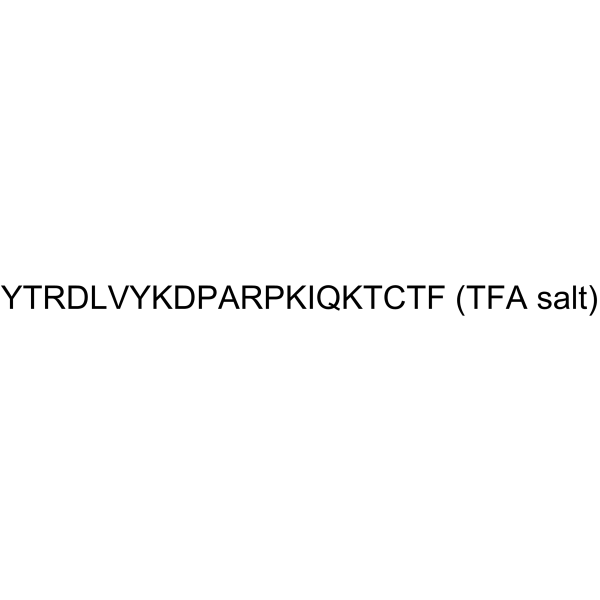
GIP, rat TFA is a bioactive peptide of rat origin. (GIP (glucose-dependent insulinotropic polypeptide or also known as gastric inhibitory polypeptide) is a 42-amino acid peptide released by K cells in the duodenum and jejunum in response to food intake. GIP and GLP (gastric-like peptide) are both intestinal A member of the insulinotropic hormonepeptide family that stimulates insulin secretion from pancreatic beta cells and appears to also promote beta cell proliferation and beta cell survival. Recent studies suggest that GIP plays a role in lipid homeostasis and may play a role in the pathogenesis of obesity function in the mechanism.
Human growth hormone-releasing factor (Growth Hormone Releasing Factor human) is a hypothalamic polypeptide and stimulates GH production and release by binding to the GHRH Receptor (GHRHR) on cells in the anterior pituitary .
(Des-Glu5)-ACTH (1-24) (human, bovine, rat) is an analogue of Adrenocorticotropic hormone (ACTH; HY-106373). ACTH is a polypeptide tropic hormone produced by the anterior pituitary gland, regulating cortisol and androgen production .
GIP (1-30) amide,human is a glucose-dependent insulinotropic polypeptide (GIP) fragment. GIP is an incretin hormone that stimulates insulin secretion and reduces postprandial glycaemic excursions. GIP (1-30) amide,human dose-dependently promotes insulin secretion over the range 10 -9-10 -6 M .
GIP, rat is a biological active peptide. (GIP (Glucose-dependent Insulinotropic Polypeptide or also known as Gastric Inhibitory Polypeptide) is a 42-amino acid peptide released by the K cells of the duodenum and jejunum in response to food intake. GIP, together with GLP (Gastric-like Peptide) are members of the hormonepeptide family of Incretins which stimulate insulin secretion from pancreatic islet β-cells, and also appears to promote beta cell proliferation and beta cell survival. Recent studies suggest that GIP plays a role in lipid homeostasis and possibly in the pathogenesis of obesity.)
Gastric Inhibitory Polypeptide (6-30) amide (human) is an incretin hormone. Gastric Inhibitory Polypeptide (6-30) amide (human) can be used for the research of diabete .
(Des-His6)-ACTH (1-24) (human, bovine, rat) is an analogue of Adrenocorticotropic hormone (ACTH; HY-106373). ACTH is a polypeptide tropic hormone produced by the anterior pituitary gland, regulating cortisol and androgen production .
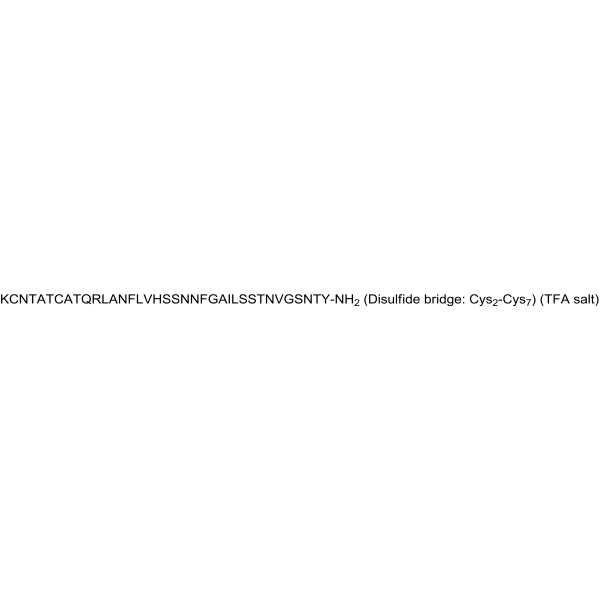
Calcitonin, porcine inhibits 1,25 (OH)2D3-stimulated porcine osteoclast differentiation. Calcitonin is a polypeptidehormone that can lower serum calcium by decreasing calcium reabsorption in the kidney and inhibiting osteoclastic bone resorption. Calcitonin, porcine can be used for research of hypercalcemia .
GIP (1-30)-Myr is the Myr-modified GIP (1-30), which is a glucose-dependent insulinotropic polypeptide (GIP) fragment. GIP is an incretin hormone that stimulates insulin secretion and reduces postprandial glycaemic excursions. GIP (1-30) dose-dependently promotes insulin secretion over the range 10 -9-10 -6 M .
IGF-I (24-41) (Insulin-like Growth Factor I (24-41)) TFA is amino acids 24 to 41 fragment of IGF-I. IGF-I TFA, a 70 aa polypeptidehormone, is a trophic factor for both neurons and glial cells. IGF-I TFA is partly responsible for systemic growth hormone (GH) activities. IGF-I TFA has anabolic, antioxidant, anti-inflammatory and cytoprotective actions. IGF-I (24-41) TFA regulates somatic growth and behavioral development .
C-Terminally encoded peptide 1 (CEP1) is a small secreted peptidehormone. C-Terminally encoded peptide 1 is involved in regulating plant growth and abiotic stresses through cellular communication. C-Terminally encoded peptide 1 can be used in the study of plant growth and development .
Amylin (20-29) (human) is the fragment of human islet amyloid polypeptide (hIAPP) or Amylin. Amylin is a 37-residue hormone. Amylin (20-29) (human) is responsible for the amyloidogenic propensities of the full length protein. Amylin (20-29) (human) can be transformed into its corresponding peptoid and retropeptoid sequences, to obtain beta-sheet breaker peptides as amyloid inhibitors .
hFSH-β-(33-53) is a polypeptide corresponding to residues 33-53 of hFSH-β, and also a follicle-stimulating hormone (FSH) antagonist. hFSH-β-(33-53) stimulates basal estradiol synthesis in cells. hFSH-β-(33-53) prolongs vaginal estrus in mice with normal estrous cycles .
The GIP protein is a member of the glucagon superfamily, an important incretin hormone that stimulates pancreatic beta cells to secrete insulin in response to food intake. Through its G protein-coupled receptor, it activates adenylyl cyclase and other signal transduction pathways. GIP Protein, Human (HEK293, hFc) is the recombinant human-derived GIP protein, expressed by HEK293 , with C-hFc labeled tag.
GLP-1 and GCG are two proteins derived from the same precursor protein, which is encoded by the GCG-glucagon gene. The GCG protein is a counterregulatory hormone to insulin, playing a crucial role in glucose metabolism by increasing gluconeogenesis and reducing glycolysis to regulate blood glucose levels. GLP-1 protein, secreted by intestinal endocrine cells, promotes insulin secretion, regulates gastrointestinal motility, and inhibits the secretion of GCG protein. GLP-1/GCG protein, Human (HEK293, His), is a recombinant GLP-1/GCG protein expressed by HEK293 cells, with a His tag at the C-terminus, and is composed of 160 amino acids (R21-K180).
The INHBA protein plays a key role in regulating pituitary function by regulating follicle-stimulating hormone secretion together with activin. Its broad effects span a variety of physiological processes, including hormone secretion, germ cell development, erythrocyte differentiation, insulin secretion, nerve cell survival, embryonic development, and bone growth, depending on unique subunit composition. Activin A Protein, Human/Mouse/Rat (CHO) is the recombinant human/rat/mouse-derived Activin A protein, expressed by CHO, with tag free.
The INHBA protein plays a key role in regulating pituitary function by regulating follicle-stimulating hormone secretion together with activin. Its broad effects span a variety of physiological processes, including hormone secretion, germ cell development, erythrocyte differentiation, insulin secretion, nerve cell survival, embryonic development, and bone growth, depending on unique subunit composition. Animal-Free Activin A Protein, Human/Mouse/Rat (His) is the recombinant human, rat, mouse-derived animal-FreeActivin A protein, expressed by E. coli , with C-His labeled tag. This product is for cell culture use only.
Western blot analysis of extracts from THP-1(lane 2(20μg), Jurkat (lane 3(20μg) and NIH3T3(lane 4(20μg) using FOXO1A (HY-P80132) Rabbit mAb. Proteins were transferred
to a PVDF membrane and blocked with 5% non-fat milk in TBST for 2 hour at room temperature. The primary antibody (1/1000) and Loading control antibody (Beta Actin, HY-P80438, 1/10000) was
used in 5% non-fat milk in TBST at 4°C overnight. Goat Anti-Mouse/Rabbit IgG-HRP Secondary Antibody (1/10000) was used for 1 hour at room temperature.
Western blot analysis of extracts from THP-1(lane 2(20μg), Jurkat (lane 3(20μg) and NIH3T3(lane 4(20μg) using FOXO1A (HY-P80132) Rabbit mAb. Proteins were transferred
to a PVDF membrane and blocked with 5% non-fat milk in TBST for 2 hour at room temperature. The primary antibody (1/1000) and Loading control antibody (Beta Actin, HY-P80438, 1/10000) was
used in 5% non-fat milk in TBST at 4°C overnight. Goat Anti-Mouse/Rabbit IgG-HRP Secondary Antibody (1/10000) was used for 1 hour at room temperature.
Western blot analysis of extracts from THP-1(lane 2(20μg), Jurkat (lane 3(20μg) and NIH3T3(lane 4(20μg) using FOXO1A (HY-P80132) Rabbit mAb. Proteins were transferred
to a PVDF membrane and blocked with 5% non-fat milk in TBST for 2 hour at room temperature. The primary antibody (1/1000) and Loading control antibody (Beta Actin, HY-P80438, 1/10000) was
used in 5% non-fat milk in TBST at 4°C overnight. Goat Anti-Mouse/Rabbit IgG-HRP Secondary Antibody (1/10000) was used for 1 hour at room temperature.
Western blot analysis of extracts from THP-1(lane 2(20μg), Jurkat (lane 3(20μg) and NIH3T3(lane 4(20μg) using FOXO1A (HY-P80132) Rabbit mAb. Proteins were transferred
to a PVDF membrane and blocked with 5% non-fat milk in TBST for 2 hour at room temperature. The primary antibody (1/1000) and Loading control antibody (Beta Actin, HY-P80438, 1/10000) was
MedchemExpress Validation 03
Western blot analysis of extracts from THP-1(lane 2(20μg), Jurkat (lane 3(20μg) and NIH3T3(lane 4(20μg) using FOXO1A (HY-P80132) Rabbit mAb. Proteins were transferred
MedchemExpress Validation 04
Western blot analysis of extracts from THP-1(lane 2(20μg), Jurkat (lane 3(20μg) and NIH3T3(lane 4(20μg) using FOXO1A (HY-P80132) Rabbit mAb. Proteins were transferred
to a PVDF membrane and blocked with 5% non-fat milk in TBST for 2 hour at room temperature. The primary antibody (1/1000) and Loading control antibody (Beta Actin, HY-P80438, 1/10000) was
used in 5% non-fat milk in TBST at 4°C overnight. Goat Anti-Mouse/Rabbit IgG-HRP Secondary Antibody (1/10000) was used for 1 hour at room temperature.
MedchemExpress Validation
Western blot analysis of extracts from THP-1(lane 2(20μg), Jurkat (lane 3(20μg) and NIH3T3(lane 4(20μg) using FOXO1A (HY-P80132) Rabbit mAb. Proteins were transferred
to a PVDF membrane and blocked with 5% non-fat milk in TBST for 2 hour at room temperature. The primary antibody (1/1000) and Loading control antibody (Beta Actin, HY-P80438, 1/10000) was
used in 5% non-fat milk in TBST at 4°C overnight. Goat Anti-Mouse/Rabbit IgG-HRP Secondary Antibody (1/10000) was used for 1 hour at room temperature.
Western blot analysis of extracts from THP-1(lane 2(20μg), Jurkat (lane 3(20μg) and NIH3T3(lane 4(20μg) using FOXO1A (HY-P80132) Rabbit mAb. Proteins were transferred
to a PVDF membrane and blocked with 5% non-fat milk in TBST for 2 hour at room temperature. The primary antibody (1/1000) and Loading control antibody (Beta Actin, HY-P80438, 1/10000) was
used in 5% non-fat milk in TBST at 4°C overnight. Goat Anti-Mouse/Rabbit IgG-HRP Secondary Antibody (1/10000) was used for 1 hour at room temperature.
MedchemExpress Validation
Western blot analysis of extracts from THP-1(lane 2(20μg), Jurkat (lane 3(20μg) and NIH3T3(lane 4(20μg) using FOXO1A (HY-P80132) Rabbit mAb. Proteins were transferred
to a PVDF membrane and blocked with 5% non-fat milk in TBST for 2 hour at room temperature. The primary antibody (1/1000) and Loading control antibody (Beta Actin, HY-P80438, 1/10000) was
used in 5% non-fat milk in TBST at 4°C overnight. Goat Anti-Mouse/Rabbit IgG-HRP Secondary Antibody (1/10000) was used for 1 hour at room temperature.
MedchemExpress Validation
Western blot analysis of extracts from THP-1(lane 2(20μg), Jurkat (lane 3(20μg) and NIH3T3(lane 4(20μg) using FOXO1A (HY-P80132) Rabbit mAb. Proteins were transferred
to a PVDF membrane and blocked with 5% non-fat milk in TBST for 2 hour at room temperature. The primary antibody (1/1000) and Loading control antibody (Beta Actin, HY-P80438, 1/10000) was
used in 5% non-fat milk in TBST at 4°C overnight. Goat Anti-Mouse/Rabbit IgG-HRP Secondary Antibody (1/10000) was used for 1 hour at room temperature.
MedchemExpress Validation
Western blot analysis of extracts from THP-1(lane 2(20μg), Jurkat (lane 3(20μg) and NIH3T3(lane 4(20μg) using FOXO1A (HY-P80132) Rabbit mAb. Proteins were transferred
to a PVDF membrane and blocked with 5% non-fat milk in TBST for 2 hour at room temperature. The primary antibody (1/1000) and Loading control antibody (Beta Actin, HY-P80438, 1/10000) was
used in 5% non-fat milk in TBST at 4°C overnight. Goat Anti-Mouse/Rabbit IgG-HRP Secondary Antibody (1/10000) was used for 1 hour at room temperature.
MedchemExpress Validation
Western blot analysis of extracts from THP-1(lane 2(20μg), Jurkat (lane 3(20μg) and NIH3T3(lane 4(20μg) using FOXO1A (HY-P80132) Rabbit mAb. Proteins were transferred
to a PVDF membrane and blocked with 5% non-fat milk in TBST for 2 hour at room temperature. The primary antibody (1/1000) and Loading control antibody (Beta Actin, HY-P80438, 1/10000) was
used in 5% non-fat milk in TBST at 4°C overnight. Goat Anti-Mouse/Rabbit IgG-HRP Secondary Antibody (1/10000) was used for 1 hour at room temperature.
MedchemExpress Validation
Western blot analysis of extracts from THP-1(lane 2(20μg), Jurkat (lane 3(20μg) and NIH3T3(lane 4(20μg) using FOXO1A (HY-P80132) Rabbit mAb. Proteins were transferred
to a PVDF membrane and blocked with 5% non-fat milk in TBST for 2 hour at room temperature. The primary antibody (1/1000) and Loading control antibody (Beta Actin, HY-P80438, 1/10000) was
used in 5% non-fat milk in TBST at 4°C overnight. Goat Anti-Mouse/Rabbit IgG-HRP Secondary Antibody (1/10000) was used for 1 hour at room temperature.
MedchemExpress Validation
Western blot analysis of extracts from THP-1(lane 2(20μg), Jurkat (lane 3(20μg) and NIH3T3(lane 4(20μg) using FOXO1A (HY-P80132) Rabbit mAb. Proteins were transferred
to a PVDF membrane and blocked with 5% non-fat milk in TBST for 2 hour at room temperature. The primary antibody (1/1000) and Loading control antibody (Beta Actin, HY-P80438, 1/10000) was
used in 5% non-fat milk in TBST at 4°C overnight. Goat Anti-Mouse/Rabbit IgG-HRP Secondary Antibody (1/10000) was used for 1 hour at room temperature.
MedChemExpress values your privacy and your trust is important to us. We use cookies to enhance your website experience. Some cookies are necessary to run the website.
Privacy and Cookie Policy

