5389 Results for "

promoting

" in MedChemExpress (MCE) Product Catalog:
Products (5389)

5389 Results for "promoting" in MCE Product Catalog:

  • Categories Recommended:
    More
642
642 Publications Verification
Cat. No.: HY-10071
CAS No.: 146986-50-7
Pureté:  99.46%
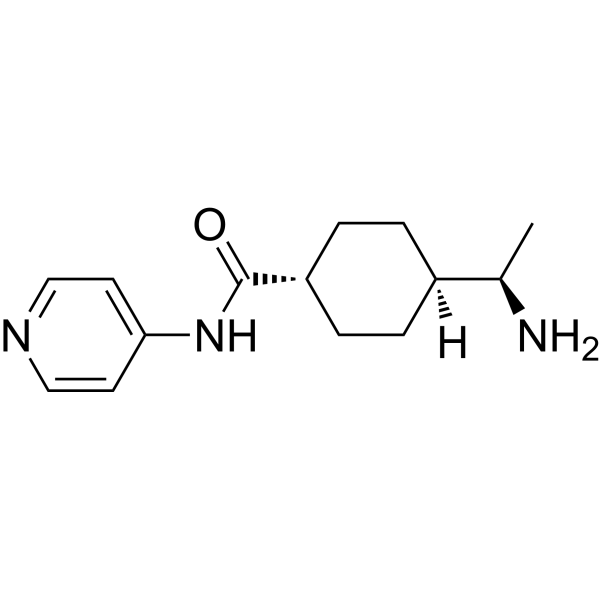
Y-27632 is a ROCK inhibitor with Ki values of 220 nM and 300 nM for ROCK1 and ROCK2, respectively. Y-27632 exerts anti-inflammatory and immunomodulatory effects in systemic lupus erythematosus models by inhibiting the ROCK/NF-κB pathway. Y-27632 enhances autophagy by inhibiting the AKT/mTOR pathway, thereby inducing apoptosis apoptosis in oral squamous cell carcinoma. Y-27632 induces the formation of tunneling nanotubes in ARPE-19 cells and significantly enhances mitochondrial transfer through these channels. Y-27632 promotes neurite outgrowth in PC12 cells by activating the Rac1/NOX1/ROS/AKT/PAK1 signaling cascade .
loading...
    loading...
642
642 Publications Verification
Cat. No.: HY-10071A
CAS No.: 331752-47-7
Y-27632 hydrochloride hydrate is a ROCK inhibitor with Ki values of 220 nM and 300 nM for ROCK1 and ROCK2, respectively. Y-27632 hydrochloride hydrate exerts anti-inflammatory and immunomodulatory effects in systemic lupus erythematosus models by inhibiting the ROCK/NF-κB pathway. Y-27632 hydrochloride hydrate enhances autophagy by inhibiting the AKT/mTOR pathway, thereby inducing apoptosis apoptosis in oral squamous cell carcinoma. Y-27632 hydrochloride hydrate induces the formation of tunneling nanotubes in ARPE-19 cells and significantly enhances mitochondrial transfer through these channels. Y-27632 hydrochloride hydrate promotes neurite outgrowth in PC12 cells by activating the Rac1/NOX1/ROS/AKT/PAK1 signaling cascade .
loading...
    loading...
266
266 Cited Publications
Cat. No.: HY-100381
CAS No.: 28643-80-3
Pureté:  99.37%
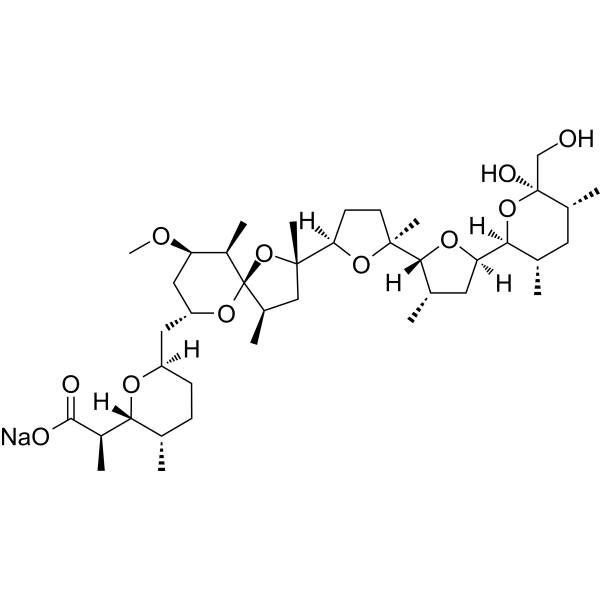
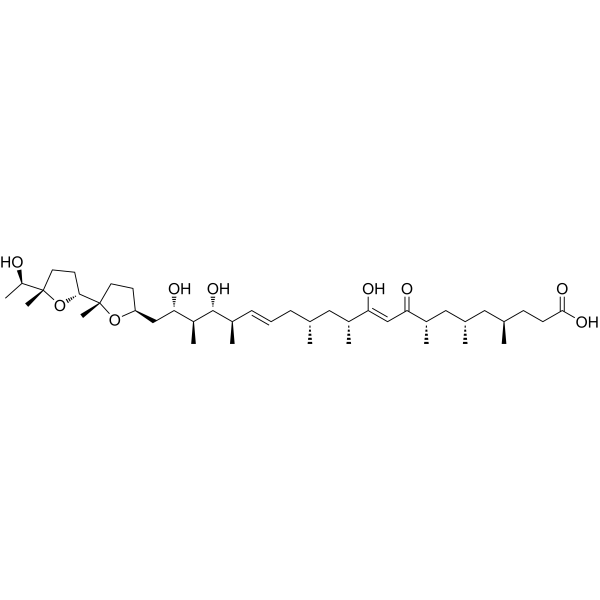
Nigericin sodium salt is an antibiotic derived from Streptomyces hygroscopicus that act as a K +/H + ionophore, promoting K +/H + exchange across mitochondrial membranes. Nigericin sodium salt is a NLRP3 activator. Nigericin sodium salt shows promising anti-cancer activities through decreasing intracellular pH (pHi), and inactivation of Wnt/β-catenin signals. Nigericin sodium salt induces pyroptosis through caspase 1/GSDMD in TNBC .
loading...
    loading...
266
266 Cited Publications
Cat. No.: HY-127019
CAS No.: 28380-24-7
Pureté:  99.43%
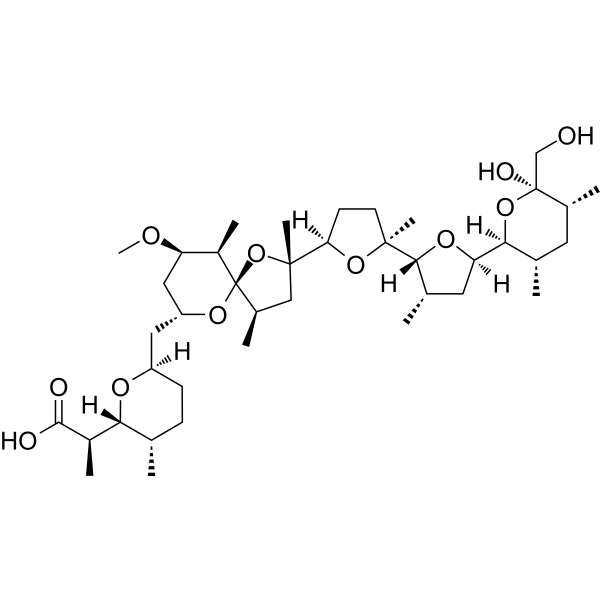
Nigericin is an antibiotic derived from Streptomyces hygroscopicus that act as a K +/H + ionophore, promoting K +/H + exchange across mitochondrial membranes. Nigericin is a NLRP3 activator. Nigericin shows promising anti-cancer activities through decreasing intracellular pH (pHi), and inactivation of Wnt/β-catenin signals. Nigericin induces pyroptosis through caspase 1/GSDMD in TNBC .
loading...
    loading...
207
207 Cited Publications
Cat. No.: HY-N0565
CAS No.: 564-25-0
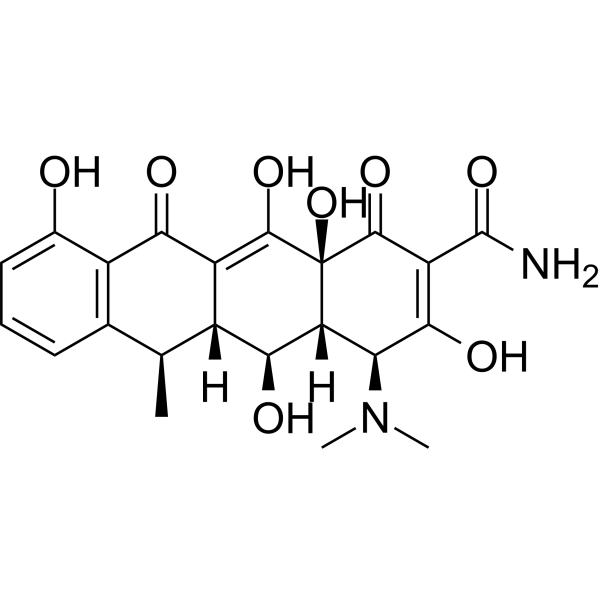
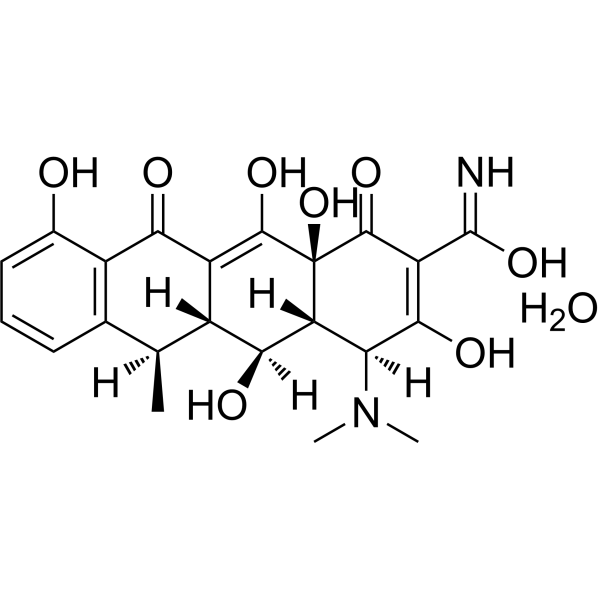
Doxycycline is an orally active, broad-spectrum tetracycline antibiotic that also functions as an MMP inhibitor, exhibiting antibacterial, antiviral, antiparasitic, and antitumor activities. Doxycycline can bind to the classical binding site (CBS) within the mRNA decoding center of the bacterial 70S ribosome's 30S small subunit.Doxycycline blocks bacterial protein synthesis and inhibits the degradation of the extracellular matrix through its interaction with zinc and calcium ions. Doxycycline also inhibits mitochondrial biogenesis, translation, and the expression of respiratory chain proteins. Doxycycline induces apoptosis, inhibits autophagy and EMT, downregulates stem cell markers, and activates the PI3K-AKT pathway, thereby effectively inhibiting the viability and proliferation of cancer cells such as breast cancer cells. Doxycycline can disrupt transthyretin (TTR) amyloid fibrils. Doxycycline also promotes the survival and self-renewal of embryonic stem cells and neural stem cells, and reduces the frequency of medium changes in culture. Doxycycline can be used in research related to cancers—such as breast, prostate, and bladder cancer—as well as neurological disorders .
loading...
    loading...
207
207 Cited Publications
Cat. No.: HY-N0565A
CAS No.: 10592-13-9
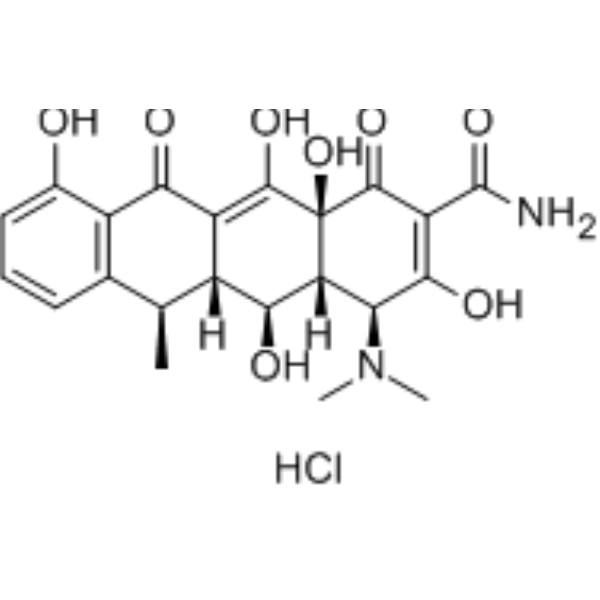
Doxycycline hydrochloride is an orally active, broad-spectrum tetracycline antibiotic that also functions as an MMP inhibitor, exhibiting antibacterial, antiviral, antiparasitic, and antitumor activities. Doxycycline hydrochloride can bind to the classical binding site (CBS) within the mRNA decoding center of the 30S small subunit of the bacterial 70S ribosome.Doxycycline hydrochloride blocks bacterial protein synthesis and inhibits the degradation of the extracellular matrix through its interaction with zinc and calcium ions. Doxycycline hydrochloride also inhibits mitochondrial biogenesis, translation, and the expression of respiratory chain proteins. Doxycycline hydrochloride induces apoptosis, inhibits autophagy and EMT, downregulates stem cell markers, and activates the PI3K-AKT pathway, thereby effectively inhibiting the viability and proliferation of cancer cells such as breast cancer cells. Doxycycline hydrochloride can disrupt transthyretin (TTR) amyloid fibrils. Doxycycline hydrochloride also promotes the survival and self-renewal of embryonic stem cells and neural stem cells, and reduces the frequency of medium changes in culture. Doxycycline hydrochloride can be used in research related to cancers—such as breast, prostate, and bladder cancer—as well as neurological disorders .
loading...
    loading...
207
207 Cited Publications
Cat. No.: HY-W008923
CAS No.: 17086-28-1
Doxycycline monohydrate (Doxycycline (hydrochloride hemiethanolate hemihydrate); WC2031) is an orally active, broad-spectrum tetracycline antibiotic that also functions as an MMP inhibitor, exhibiting antibacterial, antiviral, antiparasitic, and antitumor activities. Doxycycline monohydrate can bind to the classical binding site (CBS) within the mRNA decoding center of the 30S small subunit of the bacterial 70S ribosome.Doxycycline monohydrate blocks bacterial protein synthesis and inhibits the degradation of the extracellular matrix through its interaction with zinc and calcium ions. Doxycycline monohydrate also inhibits mitochondrial biogenesis, translation, and the expression of respiratory chain proteins. Doxycycline monohydrate induces apoptosis, inhibits autophagy and EMT, downregulates stem cell markers, and activates the PI3K-AKT pathway, thereby effectively inhibiting the viability and proliferation of cancer cells such as breast cancer cells. Doxycycline monohydrate can disrupt transthyretin (TTR) amyloid fibrils. Doxycycline monohydrate also promotes the survival and self-renewal of embryonic stem cells and neural stem cells, and reduces the frequency of medium changes in culture. Doxycycline monohydrate can be used in research related to cancers—such as breast, prostate, and bladder cancer—as well as neurological disorders .
loading...
    loading...
207
207 Cited Publications
Cat. No.: HY-N0565B
CAS No.: 24390-14-5
Synonyms: Doxycycline hydrochloride hemiethanolate hemihydrate; WC2031
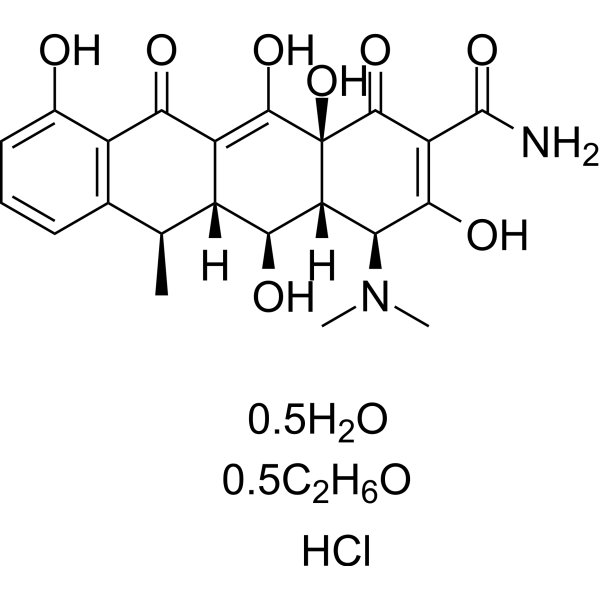
Doxycycline hyclate (Doxycycline (hydrochloride hemiethanolate hemihydrate); WC2031) is an orally active, broad-spectrum tetracycline antibiotic that also functions as an MMP inhibitor, exhibiting antibacterial, antiviral, antiparasitic, and antitumor activities. Doxycycline hyclate can bind to the classical binding site (CBS) within the mRNA decoding center of the 30S small subunit of the bacterial 70S ribosome.Doxycycline hyclate blocks bacterial protein synthesis and inhibits the degradation of the extracellular matrix through its interaction with zinc and calcium ions. Doxycycline hyclate also inhibits mitochondrial biogenesis, translation, and the expression of respiratory chain proteins. Doxycycline hyclate induces apoptosis, inhibits autophagy and EMT, downregulates stem cell markers, and activates the PI3K-AKT pathway, thereby effectively inhibiting the viability and proliferation of cancer cells such as breast cancer cells. Doxycycline hyclate can disrupt transthyretin (TTR) amyloid fibrils. Doxycycline hyclate also promotes the survival and self-renewal of embryonic stem cells and neural stem cells, and reduces the frequency of medium changes in culture. Doxycycline hyclate can be used in research related to cancers—such as breast, prostate, and bladder cancer—as well as neurological disorders .
loading...
    loading...
186
186 Cited Publications
Cat. No.: HY-B0011
CAS No.: 114977-28-5
Synonyms: RP-56976
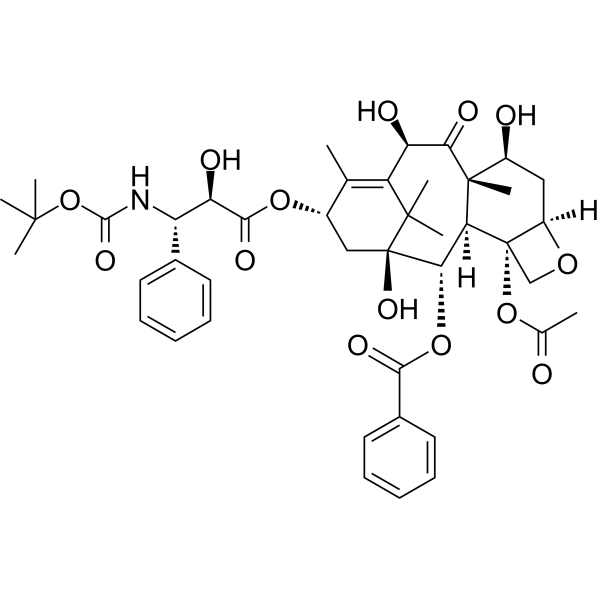
Docetaxel (RP-56976) is an orally active tubulin stabilizer with antitumor activity. Docetaxel is a P-glycoprotein substrate and is metabolized by CYP3A to inactive products. Docetaxel binds tubulin, promotes tubulin polymerization, and inhibits microtubule depolymerization. Docetaxel induces aberrant mitosis followed by necrotic-like cell death at low concentrations, and induces G2/M mitotic arrest and drives apoptosis at high concentrations. Docetaxel induces renal injury/renal alterations, sex-dependent granule toxicity/uptake, low cardiac delivery, and decreased hepatic SOD/increased catalase/hepatotoxicity. Docetaxel can be used in cancer-related research .
loading...
    loading...
186
186 Cited Publications
Cat. No.: HY-B0011A
CAS No.: 148408-66-6
Synonyms: RP-56976 Trihydrate
Domaines de recherche:  

Cancer

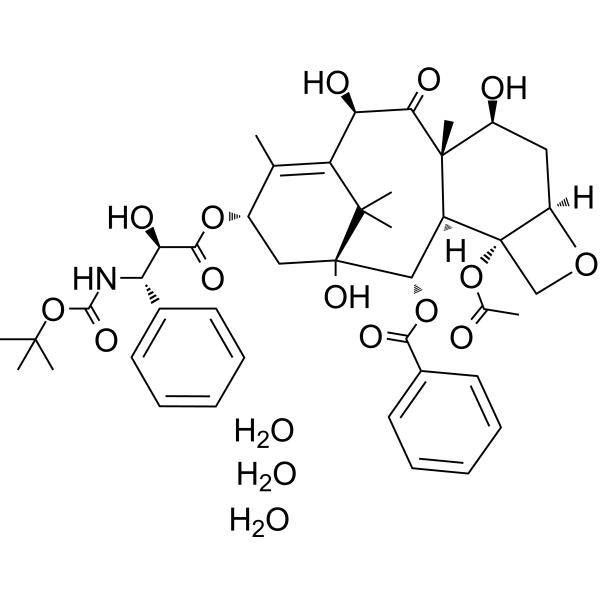
Docetaxel Trihydrate (RP-56976 Trihydrate) is an orally active tubulin stabilizer with antitumor activity. Docetaxel Trihydrate is a P-glycoprotein substrate and is metabolized by CYP3A to inactive products. Docetaxel Trihydrate binds tubulin, promotes tubulin polymerization, and inhibits microtubule depolymerization. Docetaxel Trihydrate induces aberrant mitosis followed by necrotic-like cell death at low concentrations, and induces G2/M mitotic arrest and drives apoptosis at high concentrations. Docetaxel Trihydrate induces renal injury/renal alterations, sex-dependent granule toxicity/uptake, low cardiac delivery, and decreased hepatic SOD/increased catalase/hepatotoxicity. Docetaxel Trihydrate can be used in cancer-related research .
loading...
    loading...
153
153 Cited Publications
Cat. No.: HY-B0141
CAS No.: 50-28-2
Synonyms: β-Estradiol; E2; 17β-Estradiol; 17β-Oestradiol
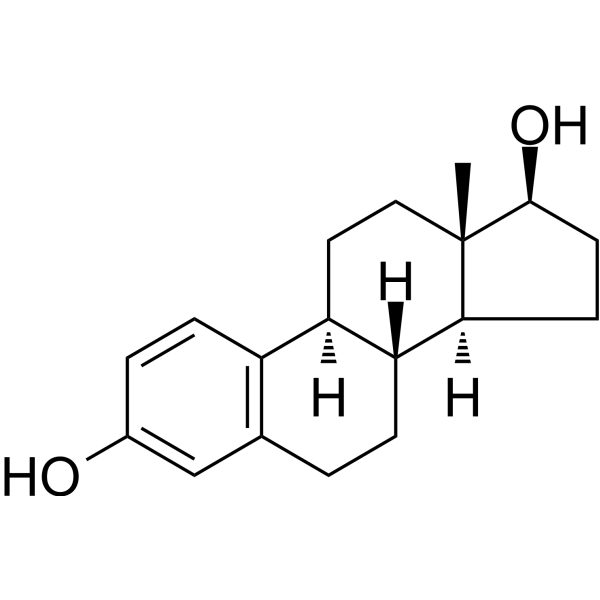
Estradiol (β-Estradiol) is a steroid hormone and the major female sex hormone. Estradiol can up-regulate the expression of neural markers of human endometrial stem cells (hEnSCs) and promote their neural differentiation. Estradiol can be used for the research of cancers, neurodegenerative diseases and neural tissue engineering .
loading...
    loading...
153
153 Cited Publications
Cat. No.: HY-B0141C
CAS No.: 35380-71-3
Synonyms: β-Estradiol hemihydrate; 17β-Estradiol hemihydrate; 17β-Oestradiol hemihydrate
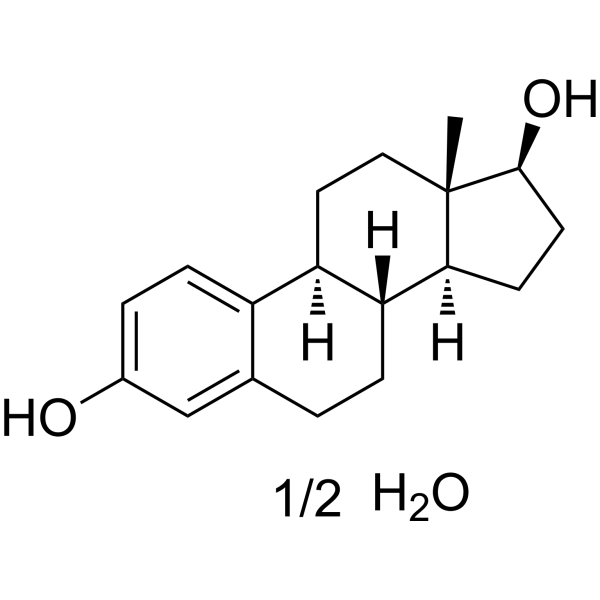
Estradiol (β-Estradiol) hemihydrate is a steroid hormone and the major female sex hormone. Estradiol (β-Estradiol) hemihydrate can up-regulate the expression of neural markers of human endometrial stem cells (hEnSCs) and promote their neural differentiation. Estradiol (β-Estradiol) hemihydrate can be used for the research of cancers, neurodegenerative diseases and neural tissue engineering .
loading...
    loading...
146
146 Cited Publications
Cat. No.: HY-13434A
CAS No.: 56092-82-1
Pureté:  98.02%
Synonyms: SQ23377 calcium
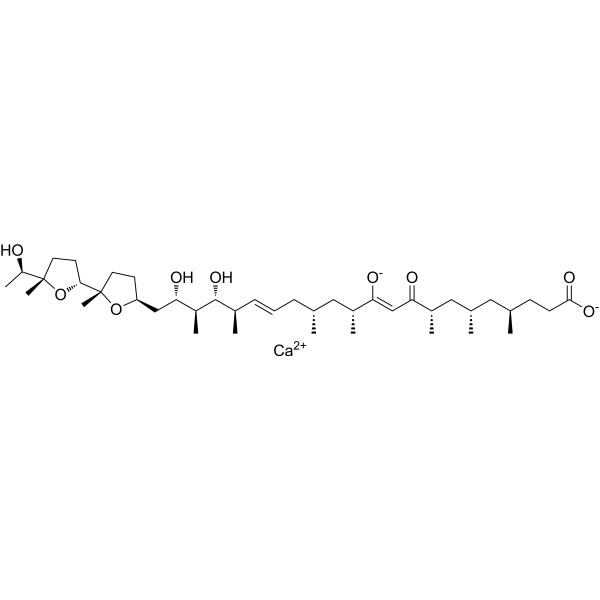
Ionomycin calcium (SQ23377 calcium) is a potent, selective calcium ionophore and an antibiotic produced by Streptomyces conglobatus. Ionomycin calcium (SQ23377 calcium) is highly specific for divalent cations (Ca>Mg>Sr=Ba). Ionomycin (SQ23377) promotes apoptosis. Ionomycin calcium (SQ23377 calcium) also induces the activation of protein kinase C (PKC) .
loading...
    loading...
146
146 Cited Publications
Cat. No.: HY-13434
CAS No.: 56092-81-0
Pureté:  99.27%
Synonyms: SQ23377
Ionomycin (SQ23377) is a potent, selective calcium ionophore and an antibiotic produced by Streptomyces conglobatus. Ionomycin (SQ23377) is highly specific for divalent cations (Ca>Mg>Sr=Ba). Ionomycin (SQ23377) promotes apoptosis. Ionomycin also induces the activation of protein kinase C (PKC) .
The product specifications provided below refer solely to the active content of Ionomycin.
loading...
    loading...
143
143 Cited Publications
Cat. No.: HY-12040
CAS No.: 488832-69-5
Pureté:  99.80%
Synonyms: STA-4783
Domaines de recherche:  

Cancer

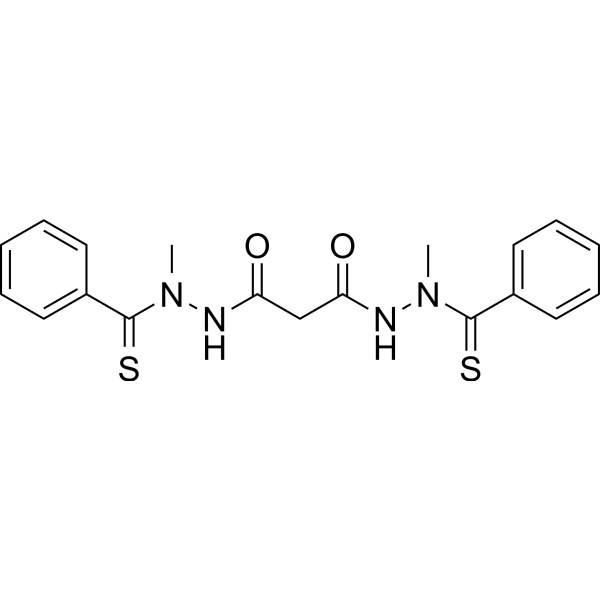
Elesclomol (STA-4783) is a potent copper ionophore and promotes copper-dependent cell death (cuproptosis). Elesclomol specifically binds ferredoxin 1 (FDX1) α2/α3 helices and β5 strand. Elesclomol inhibits FDX1-mediated Fe-S cluster biosynthesis. Elesclomol is an oxidative stress inducer that induces cancer cell apoptosis. Elesclomol is a reactive oxygen species (ROS) inducer. Elesclomol can be used for Menkes and associated disorders of hereditary copper deficiency research .
loading...
    loading...
103
103 Cited Publications
Cat. No.: HY-100487
CAS No.: 1450833-55-2
Pureté:  98.38%
Synonyms: MLN7243
Domaines de recherche:  

Cancer

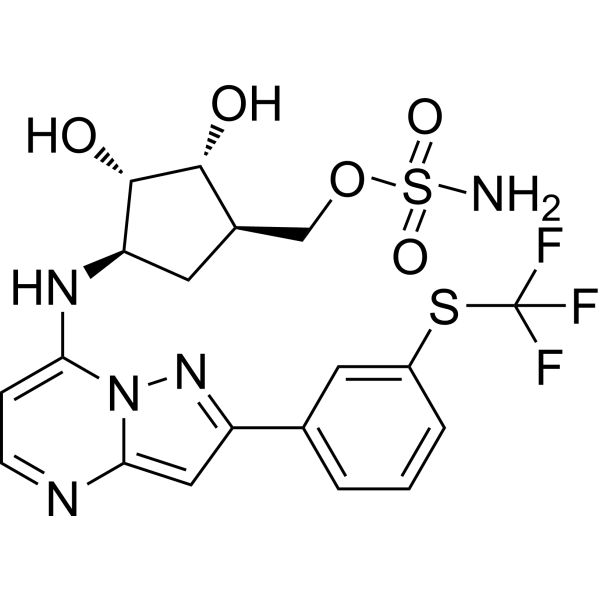
TAK-243 (MLN7243) is a first-in-class, selective ubiquitin activating enzyme, UAE (UBA1) inhibitor (IC50=1 nM), which blocks ubiquitin conjugation, disrupting monoubiquitin signaling as well as global protein ubiquitination. TAK-243 (MLN7243) induces endoplasmic reticulum (ER) stress, abrogates NF-κB pathway activation and promotes apoptosis .
loading...
    loading...
99
99 Cited Publications
Cat. No.: HY-14519
CAS No.: 59-05-2
Pureté:  99.87%
Synonyms: Amethopterin; CL14377; WR19039
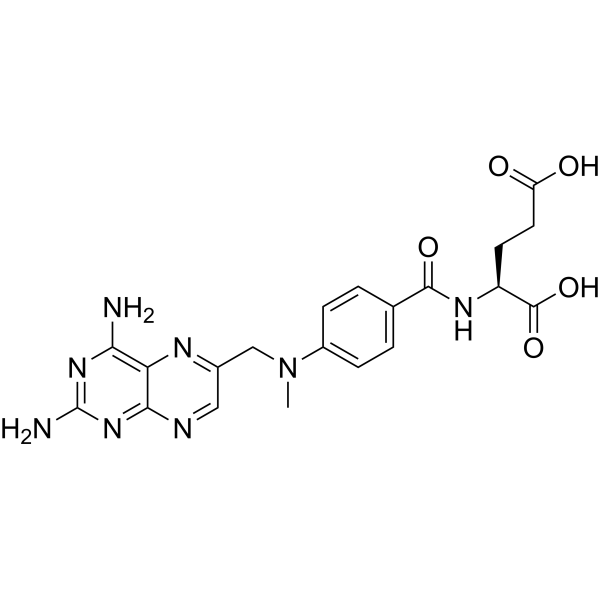
Methotrexate (Amethopterin; CL14377; WR19039) is an orally active antifolate (Antifolate). Methotrexate inhibits dihydrofolate reductase (DHFR), blocks tetrahydrofolate production, suppresses purine/pyrimidine synthesis and transmethylation, and causes intracellular accumulation of AICAR. Methotrexate promotes extracellular adenosine release, regulates the cytokine network, and inhibits the alarmin function of HMGB1. Methotrexate induces apoptosis and cytotoxicity, upregulates the expression of iNOS and COX-2, suppresses hippocampal neurogenesis, and induces pulmonary fibrosis. Methotrexate is used in the research of various immune and inflammation-related diseases such as arthritis, psoriasis, systemic lupus erythematosus, as well as pulmonary fibrosis and breast cancer .
loading...
    loading...
99
99 Cited Publications
Cat. No.: HY-14519B
CAS No.: 133073-73-1
Pureté:  98.41%
Synonyms: Amethopterin hydrate; CL14377 hydrate; WR19039 hydrate
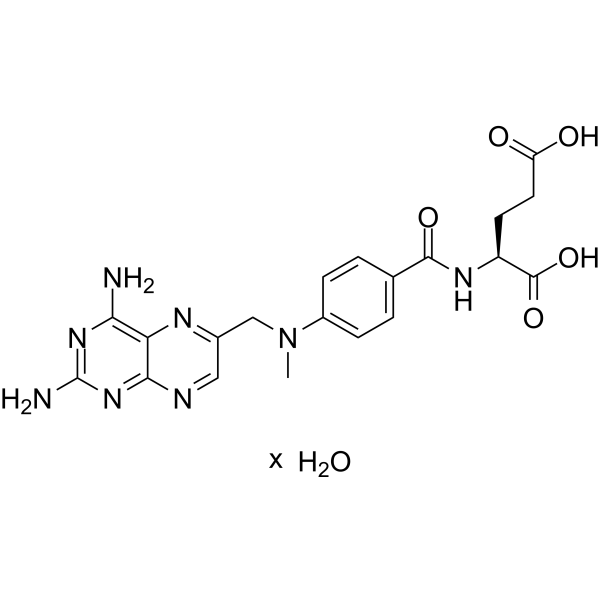
Methotrexate hydrate (Amethopterin hydrate; CL14377 hydrate; WR19039 hydrate) is an orally active antifolate (Antifolate). Methotrexate hydrate inhibits dihydrofolate reductase (DHFR), blocks tetrahydrofolate production, suppresses purine/pyrimidine synthesis and transmethylation, and causes intracellular accumulation of AICAR. Methotrexate hydrate promotes extracellular adenosine release, regulates the cytokine network, and inhibits the alarmin function of HMGB1. Methotrexate hydrate induces apoptosis and cytotoxicity, upregulates the expression of iNOS and COX-2, suppresses hippocampal neurogenesis, and induces pulmonary fibrosis. Methotrexate hydrate is used in the research of various immune and inflammation-related diseases such as arthritis, psoriasis, systemic lupus erythematosus, as well as pulmonary fibrosis and breast cancer .
loading...
    loading...
99
99 Cited Publications
Cat. No.: HY-14519A
CAS No.: 7413-34-5
Pureté:  99.71%
Synonyms: Amethopterin disodium; CL14377 disodium; WR19039 disodium
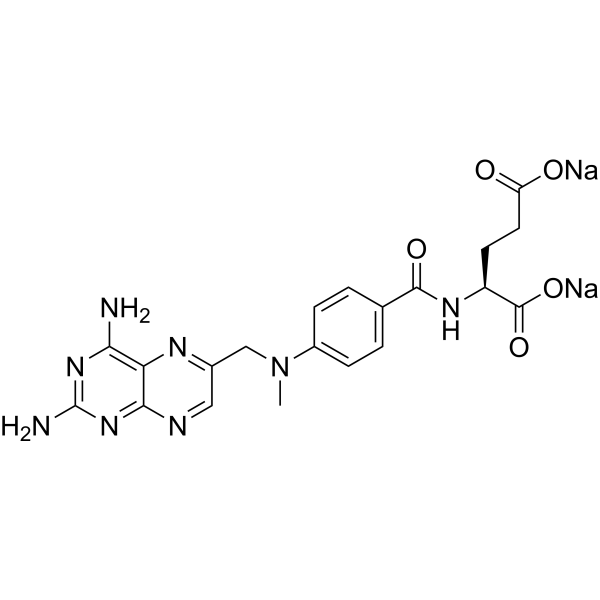
Methotrexate disodium (Amethopterin disodium; CL14377 disodium; WR19039 disodium) is an orally active antifolate (Antifolate). Methotrexate disodium inhibits dihydrofolate reductase (DHFR), blocks tetrahydrofolate production, suppresses purine/pyrimidine synthesis and transmethylation, and causes intracellular accumulation of AICAR. Methotrexate disodium promotes extracellular adenosine release, regulates the cytokine network, and inhibits the alarmin function of HMGB1. Methotrexate disodium induces apoptosis and cytotoxicity, upregulates the expression of iNOS and COX-2, suppresses hippocampal neurogenesis, and induces pulmonary fibrosis. Methotrexate disodium is used in the research of various immune and inflammation-related diseases such as arthritis, psoriasis, systemic lupus erythematosus, as well as pulmonary fibrosis and breast cancer .
loading...
    loading...
83
83 Cited Publications
Cat. No.: HY-13755
CAS No.: 4478-93-7
Pureté:  98.87%
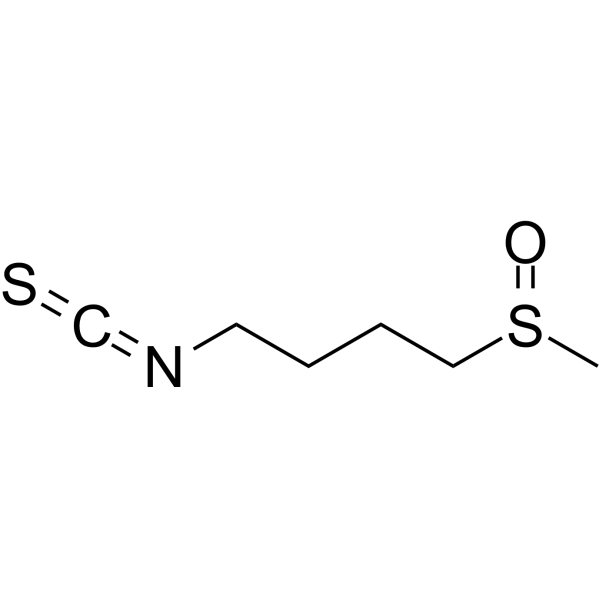
Sulforaphane is an orally active inducer of the Keap1/Nrf2/ARE pathway. Sulforaphane promotes the transcription of tumor-suppressing proteins and effectively inhibits the activity of HDACs. Through the activation of the Keap1/Nrf2/ARE pathway and further induction of HO-1 expression, Sulforaphane protects the heart. Sulforaphane suppresses high glucose-induced pancreatic cancer through AMPK-dependent signal transmission. Sulforaphane exhibits both anticancer and anti-inflammatory properties .
loading...
    loading...

