
1. Search Result
Search Result
Results for "

proteomics

" in MedChemExpress (MCE) Product Catalog:

41

Inhibitors & Agonists

1

Screening Libraries

4

Fluorescent Dye

5

Biochemical Assay Reagents

4

Peptides

1

Natural
Products

1

Isotope-Labeled Compounds

3

Click Chemistry

Cat. No. Product Name Target Research Areas Chemical Structure
  • HY-34477
    2-Iodoacetamide
    5+ Cited Publications

    Iodoacetamide

    DNA Alkylator/Crosslinker Others
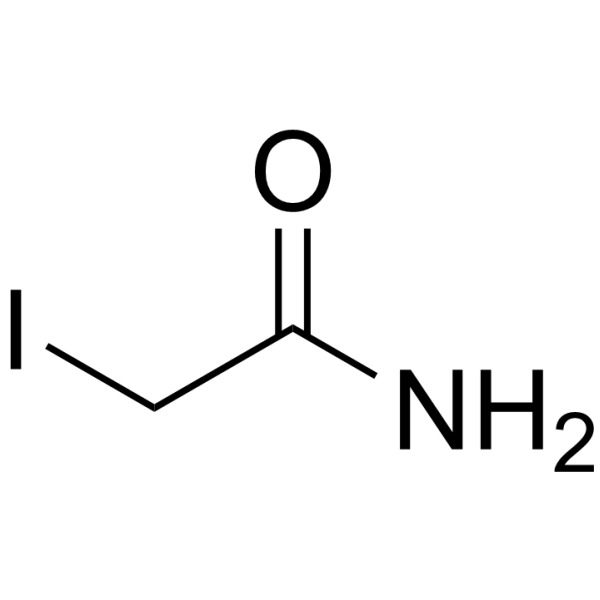
    2-Iodoacetamide (Iodoacetamide), an alkylating agent, is a commonly used agent for alkylation of cysteine during sample preparation for proteomics .
    2-Iodoacetamide
  • HY-129047C
    TPCK-treated Trypsin
    1 Publications Verification

    Biochemical Assay Reagents Influenza Virus Infection
    TPCK-treated Trypsin is a trypsin whose activity is inhibited by tosyl phenylalanyl chloromethyl ketone. TPCK-treated Trypsin reduces autolysis and nonspecific proteolysis during experiments, exhibits stability in storage and handling. TPCK-treated trypsin can be used in proteomics research . TPCK-treated Trypsin renders the virus hemagglutinin active, which allows multicycle replication of the virus. TPCK-treated Trypsin can be used for the study of influenza virus .
    TPCK-treated Trypsin
  • HY-118297
    Ac4ManNAz (80% α isomer)
    5 Publications Verification

    Biochemical Assay Reagents Metabolic Disease
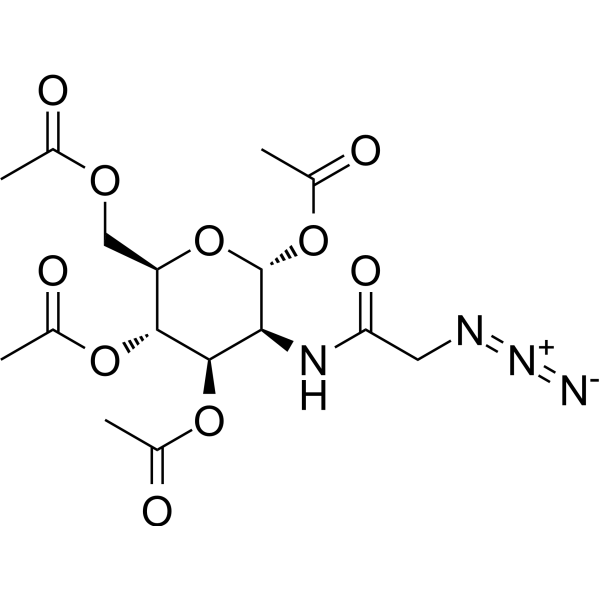
    Ac4ManNAz is an azido-containing metabolic glycoprotein labeling reagent. Ac4ManNAz can be used to selectively modify proteins. Ac4ManNAz can be used in cell labeling, tracking and proteomic analysis . Ac4ManNAz is a click chemistry reagent, it contains an Azide group and can undergo copper-catalyzed azide-alkyne cycloaddition reaction (CuAAc) with molecules containing Alkyne groups. It can also undergo strain-promoted alkyne-azide cycloaddition (SPAAC) reactions with molecules containing DBCO or BCN groups.
    Ac4ManNAz (80% α isomer)
  • HY-W728531
    Ac4ManNAz
    Maximum Cited Publications
    14 Publications Verification

    Biochemical Assay Reagents p38 MAPK Potassium Channel Mitochondrial Metabolism Cancer
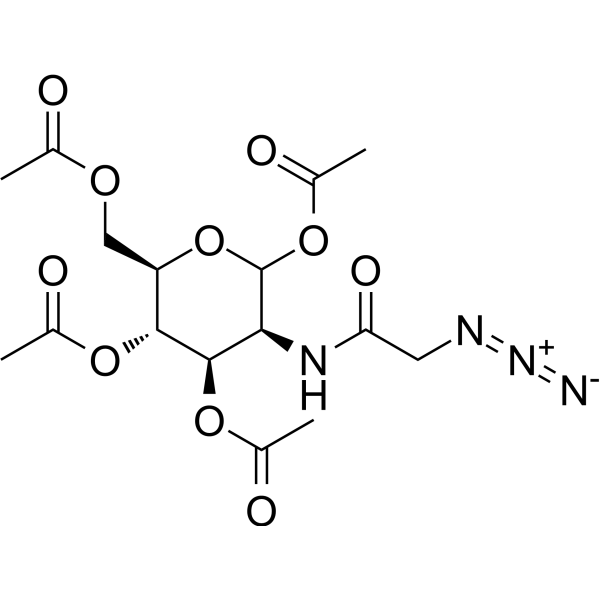
    Ac4ManNAz can be taken up by cells and is an azide-containing metabolic glycoprotein labeling reagent that selectively modifies proteins. Commonly used for cell labeling, tracking and proteomic analysis. Ac4ManNAz contains an Azide group and can undergo copper-catalyzed azide-alkyne cycloaddition reaction (CuAAc) with molecules containing Alkyne groups. Ac4ManNAz can also undergo strain-promoted alkyne-azide cycloaddition (SPAAC) with molecules containing DBCO or BCN groups.
    Ac4ManNAz
  • HY-Y0261A

    Environmental Pollutants Biochemical Assay Reagents Others
    Ammonium sulphate,≥99.0%,AR is an inorganic sulfate salt used for molecular biology . Ammonium sulphate,≥99.0%,AR can be used to precipitate proteins, separate antibodies, and enhance antigen-antibody reactions. Ammonium sulphate,≥99.0%,AR can serve as a nitrogen source in plant fertilizers and has developmentally toxicity to freshwater snails, but increases the number of Anopheles africanus and Culex mosquito larvae in rice paddies. Ammonium sulphate,≥99.0%,AR also inhibits the conversion of glucose to ascorbic acid in plants .
    Ammonium sulphate,≥99.0%,AR
  • HY-149461

    Biochemical Assay Reagents Others
    KB-05 is an electrophilic fragment molecule that can be used in DIA-based quantitative chemical proteomic screening studies.
    KB-05
  • HY-D0168

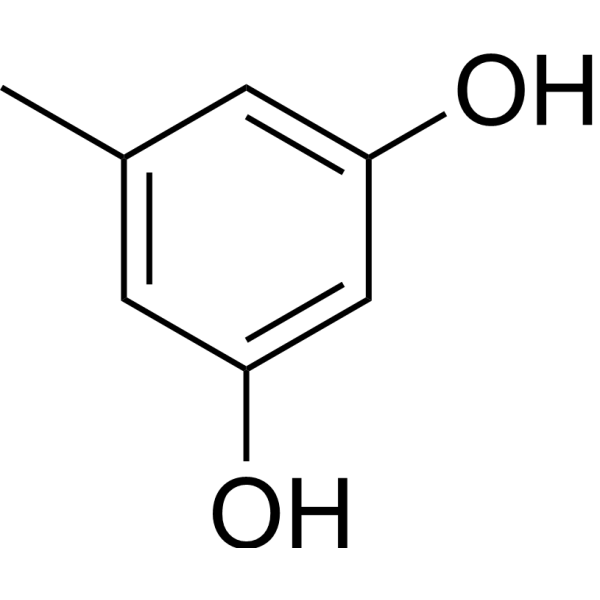
    3,5-Dihydroxytoluene

    Fluorescent Dye Tyrosinase p38 MAPK ERK Metabolic Disease Cancer
    Orcinol (3,5-Dihydroxytoluene) is an organic compound used in biological dyeing and proteomics research. Orcinol inhibits melanogenesis in B16F10 cells by upregulating the MAPK/ERK signaling pathway, and suppresses the expression of MITF, tyrosinase (TYR), TRP1, and DCT. Orcinol exhibits certain DPPH radical scavenging activity. In addition, Orcinol can alter nitrogen balance in animals. Orcinol holds promise for research in cancer and metabolic diseases .
    Orcinol
  • HY-B1018A
    Phenelzine sulfate
    5+ Cited Publications

    Monoamine Oxidase GABA Receptor Histone Demethylase Cardiovascular Disease Neurological Disease Metabolic Disease Inflammation/Immunology Cancer
    Phenelzine sulfate, an antidepressant agent, is an irreversible and orally active monoamine oxidase (MAO-A and MAO-B) inhibitor. Phenelzine sulfate inhibits GABA transaminase and primary amine oxidase (PrAO), and sequester reactive aldehydes. Phenelzine sulfate also inhibits LSD1 (Ki: 5.6 μM) and suppresses oxidative stress and lipogenesis. Phenelzine sulfate elevates neurotransmitters (serotonin, norepinephrine, dopamine). Phenelzine sulfate is studied in neurological, metabolic and cancer diseases for depression and anxiety disorders, stroke, spinal cord injury, traumatic brain injury, multiple sclerosis, Parkinson’s disease, Alzheimer’s disease, inflammatory pain, obesity and prostate cancer .
    Phenelzine sulfate
  • HY-D0006

    Fluorescent Dye Others
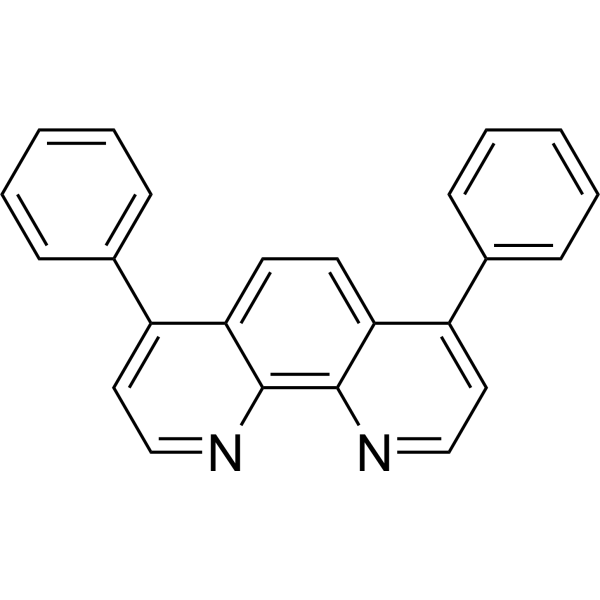
    Bathophenanthroline is a nitrogen-containing organic ligand that can form stable complexes with transition metal ions such as Ru 2+. In proteomics, Bathophenanthroline is often used for in-gel protein staining. The negatively charged sulfonic acid groups of Bathophenanthroline interact electrostatically with the positively charged amino acid residues of proteins, thereby achieving specific binding to proteins and enhancing the fluorescent signal of detection. Bathophenanthroline can be used for protein separation and detection in SDS-PAGE gels in the field of proteomics, as well as other fluorescence studies[1]. Ex/Em=532 nm/610 nm[1].
    Bathophenanthroline
  • HY-156562A
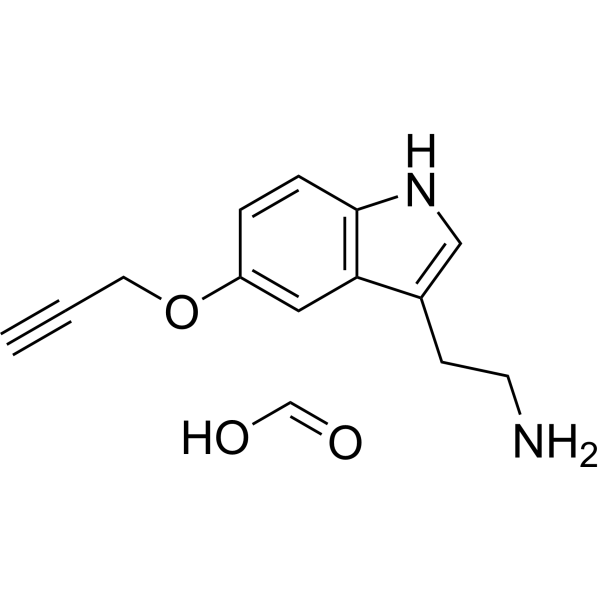
    5-PT formic
    1 Publications Verification

    5-Propargyltryptamide formic

    Drug Derivative Inflammation/Immunology
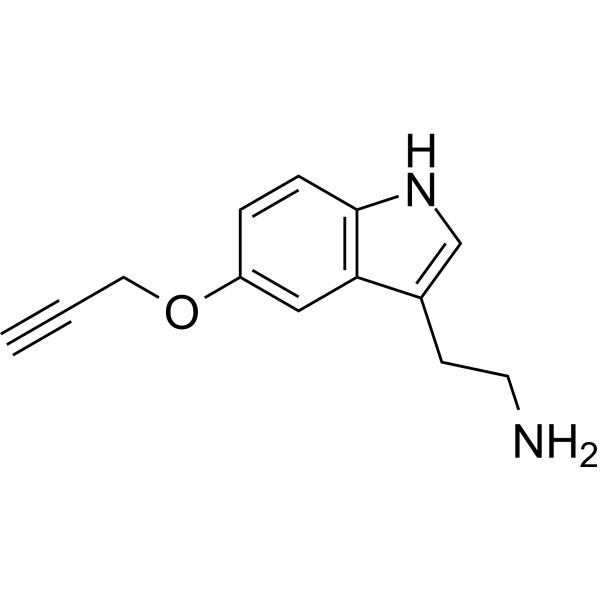
    5-PT (5-Propargyltryptamide) formic is an alkyne-functionalized 5-HT (HY-B1473A) derivative and serotonylation substrate, taken up by living cells. 5-PT formic conjugated to a biotin enables identification of serotonylated proteins via copper-click chemistry and mass spectrometry. 5-PT formic labels and isolates serotonylated cells in alveolar epithelial cells for proteomic analysis. 5-PT formic can be used for the research of bronchopulmonary dysplasia .
    5-PT formic
  • HY-P11306

    Proteasome NF-κB Inflammation/Immunology
    Biotin-(Oaa)3-epoxomicin is a biotin-labeled form of Epoxomicin (HY-13821), prepared by conjugating Epoxomicin with biotin via three hydrophilic oxaacetyl amino acid (Oaa) linkers. Biotin-(Oaa)3-epoxomicin is primarily used in proteomic studies for the capture, identification and target validation of proteasome complexes, to determine the intracellular targets of epoxomicin. Epoxomicin acts as a proteasome inhibitor and NF-κB inhibitor, which effectively blocks inflammatory responses in mouse ear edema assays. It inhibits proteasome activity via covalent binding to catalytic subunits including LMP7, X, MECL1 and Z, with the strongest inhibitory effect on chymotrypsin-like activity, and does not interfere with non-proteasomal proteases such as trypsin and papain .
    Biotin-(Oaa)3-epoxomicin
  • HY-141881

    PROTACs Apoptosis SF3B1 Cancer
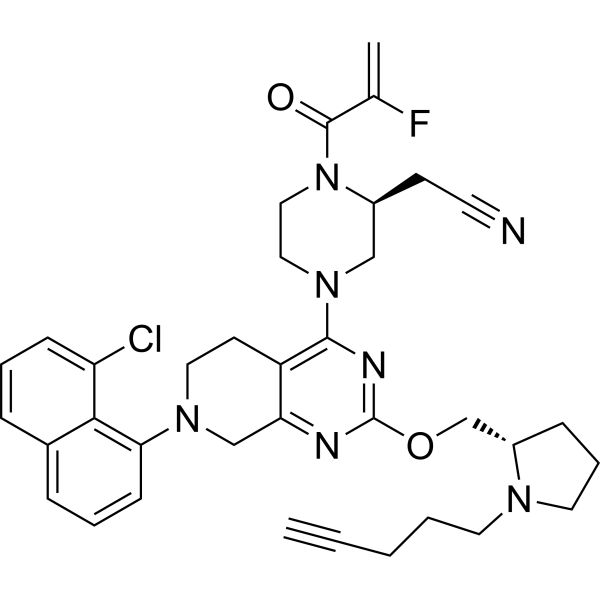
    PROTAC-O4I2 is a PROTAC targets splicing factor 3B1 (SF3B1). PROTAC-O4I2 induces FLAG-SF3B1 degradation with an IC50 value of 0.244 μM in K562 cells. PROTAC-O4I2 also induces cellular apoptosis in K562 WT cells .
    PROTAC-O4I2
  • HY-147084

    ADC Linker Metabolic Disease Cancer
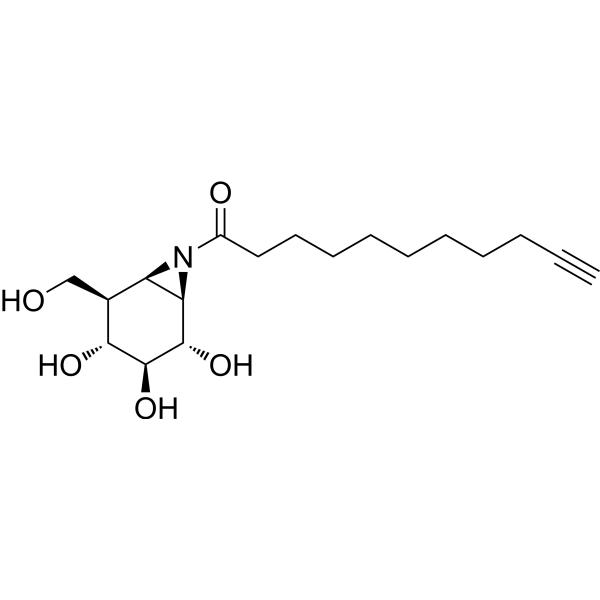
    KY371 is a click chemistry reagent containing an alkyne group. KY371 is a broad-range glycosidase inhibitor. KY371 can combine with proteomic analysis of targeted protein to study glycosidases .
    KY371
  • HY-E70574

    Biochemical Assay Reagents Others
    Trypsin/Lys-C complex protease (MS grade) combines Trypsin and Lys-C, two recombinant proteases, to achieve efficient peptide bond hydrolysis. Trypsin specifically cleaves the C-terminal peptide bonds of arginine (R) and lysine (K), while Lys-C specifically cleaves the C-terminal peptide bonds of lysine (K). This combination overcomes issues such as the slower digestion rate of lysine and arginine by rTrypsin, PTM changes on lysine, or hydrophobic C-termini (such as proline) that can lead to missed cleavage. Trypsin/Lys-C complex protease (MS grade) can be used to process complex protein samples that are difficult to enzymatically digest. Trypsin/Lys-C complex protease (MS grade) can be used for protein characterization, single-cell proteomics and large cohort proteomics studies.
    Trypsin/Lys-C complex protease (MS grade)
  • HY-P3062

    Somatostatin Receptor Neurological Disease
    [Tyr11]-Somatostatin is a neuroavtive peptide for proteomics research. Somatostatin is one of many neuroactive substances that influence retinal physiology .
    [Tyr11]-Somatostatin
  • HY-34477S1

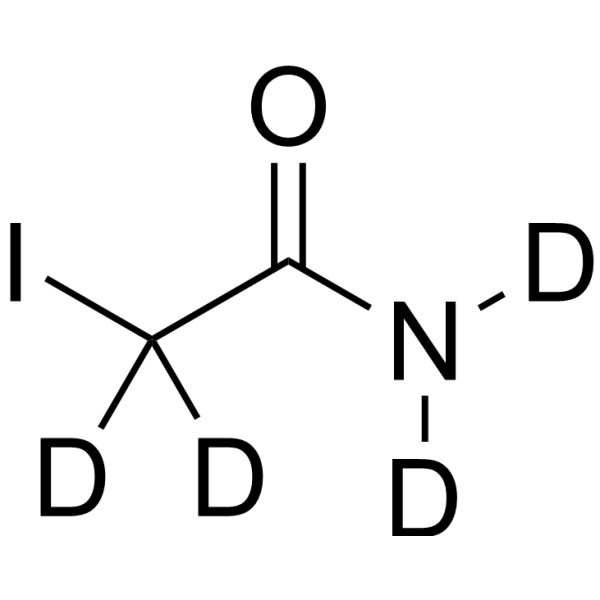
    Iodoacetamide-d4

    DNA Alkylator/Crosslinker Others
    2-Iodoacetamide-d4 is the deuterium labeled 2-Iodoacetamide . 2-Iodoacetamide (Iodoacetamide), an alkylating agent, is a commonly used agent for alkylation of cysteine during sample preparation for proteomics .
    2-Iodoacetamide-d4
  • HY-156562

    5-Propargyltryptamide

    Drug Derivative Inflammation/Immunology
    5-PT (5-Propargyltryptamide) is an alkyne-functionalized 5-HT (HY-B1473A) derivative and serotonylation substrate, taken up by living cells. 5-PT conjugated to a biotin enables identification of serotonylated proteins via copper-click chemistry and mass spectrometry. 5-PT labels and isolates serotonylated cells in alveolar epithelial cells for proteomic analysis. 5-PT can be used for the research of bronchopulmonary dysplasia .
    5-PT
  • HY-34477R

    Iodoacetamide (Standard)

    DNA Alkylator/Crosslinker Reference Standards Others
    2-Iodoacetamide (Standard) is the analytical standard of 2-Iodoacetamide. This product is intended for research and analytical applications. 2-Iodoacetamide (Iodoacetamide), an alkylating agent, is a commonly used agent for alkylation of cysteine during sample preparation for proteomics .
    2-Iodoacetamide (Standard)
  • HY-W007648

    β-Alanine methyl ester hydrochloride

    Drug Intermediate Biochemical Assay Reagents Others
    Methyl 3-aminopropanoate (β-Alanine methyl ester) hydrochloride is a compound prepared by esterification of Β-Alanine (I). Methyl 3-aminopropanoate hydrochloride can be used in the synthesis of bidentate pyridine-acid ligand. Methyl 3-aminopropionate hydrochloride can be used for proteomics research .
    Methyl 3-aminopropanoate hydrochloride
  • HY-W012887

    Biochemical Assay Reagents Others
    Oxalyldihydrazide is a crosslinking agent in proteomics research. Oxalyldihydrazide can capture carbonylated proteins on the surface of a microchip .
    Oxalyldihydrazide
  • HY-33338

    N-Acetylsalicylamide

    Drug Isomer Others
    Salacetamide (N-Acetylsalicylamide) is the stable isomer of O-Acetylsalicylamide, is a product for proteomics research .
    Salacetamide
  • HY-20912

    Biochemical Assay Reagents Others
    Ethyl 4-formyl-1H-pyrrole-2-carboxylate is a pyrrole used in proteomics research .
    Ethyl 4-formyl-1H-pyrrole-2-carboxylate
  • HY-129792

    Environmental Pollutants Herbicide Others
    Thiobencarb is an herbicide, can reduce growth, photosynthetic activity, and amount of rieske iron-sulfur protein in the diatom Thalassiosira pseudonana .
    Thiobencarb
  • HY-W127628

    Biochemical Assay Reagents Others
    Decyl β-D-glucopyranoside is a nonionic surfactant commonly used in biochemical and molecular biology research. It can be used for the extraction, purification and structural analysis of cell membranes, and is widely used in the fields of proteomics and genetic engineering. In addition, this compound is also used as an auxiliary reagent and dehydrating agent in some biochemical experiments.
    Decyl β-D-glucopyranoside
  • HY-D2902

    Biochemical Assay Reagents Infection Cardiovascular Disease Neurological Disease Inflammation/Immunology Cancer
    SNOTRAP (S-nitrosylation trapping by triaryl phosphine) is a chemical probe for S-nitrosylated (SNO) proteins. SNOTRAP based proteomic pipeline can identify 1181 SNO proteins (1714 SNO sites) in the brain of mouse models. SNOTRAP can be used for nitrosative stress related diseases such as neurodegenerative disease, endotoxic shock, cancer, multiple sclerosis, and sickle cell disease .
    SNOTRAP
  • HY-D1591

    Fluorescent Dye Others
    BODIPY R6G methyl ester (compound 5′-1) is a BODIPY-like fluorescent dye with good light stability and insensitive to pH value. BODIPY R6G methyl ester shows good photostability, high sensitivity and insensitive to pH value. BODIPY R6G methyl ester can be used in research areas such as photodynamic research, PH probes, ion recognition, photocatalysis, protein labeling, cell imaging, and proteomic analysis .
    BODIPY R6G methyl ester
  • HY-177761

    Molecular Glues Cancer
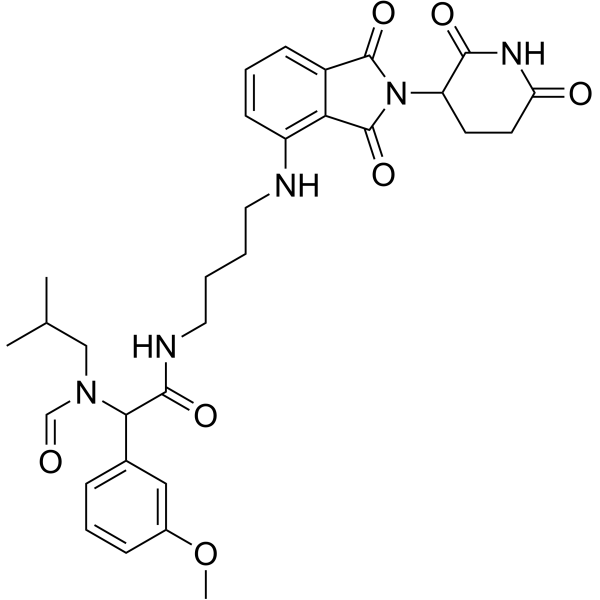
    GSPT1 degrader-15 (Compound Lib-B-15O) is a potent and highly selective GSPT1 molecular gel degrader, with a DC50 of 154 nM. GSPT1 degrader-15 has almost no effect on the expression of other proteins. GSPT1 degrader-15 exhibits significant anti-proliferative activity against leukemia cells and lymphoma cells. GSPT1 degrader-15 can be used in leukemia and lymphoma research .
    GSPT1 degrader-15
  • HY-139009

    HSP Cancer
    HA15-Biotin is a chemical probe that consists of HA15 and biotin attached on the amide part of HA15. HA15-Biotin exhibits similar levels of activity to HA15. HA15-Biotin can be used for proteomic analysis .
    HA15-Biotin
  • HY-120892

    Flu-SA

    Biochemical Assay Reagents Others
    Fluprostenol serinol amide (Flu-SA) is used for proteomics research.
    Fluprostenol serinol amide
  • HY-W540889

    Biochemical Assay Reagents Others
    Propargyl Ether is a useful ether for proteomics research. Propargyl Ether can be used for the preparation of polyferrocenes .
    Propargyl Ether
  • HY-W800840

    Biochemical Assay Reagents Others
    Alkyne Sphinganine a metabolic labeling reagent that contains a terminal alkyne moiety that allows for the subsequent tagging of protein?lipid complexes by click chemistry. The terminal alkyne group can be used in a highly specific linking reaction with azide-containing reagents, known as ‘click chemistry’, in the presence of a copper (Cu)-containing catalyst allowing for the visualization and proteomic profiling of protein?sphingolipid complexes in living cells.
    Alkyne sphinganine
  • HY-132246

    MAGL Neurological Disease
    WWL123 analogue-1 is an analogue of WWL123. WWL123 is a potent and selective ABHD6 inhibitor with an IC50 of 430 nM . WWL123 crosses the blood-brain-barrier and inhibits ABHD6 in brain parenchyma. ABHD6 blockade by WWL123 exerts an antiepileptic effect in Pentylenetetrazole (PTZ)-induced epileptiform seizures and spontaneous seizures in R6/2 mice .
    WWL123 analogue-1
  • HY-P5937

    Apoptosis Cancer
    Caerin 1.1 TFA is a host defense peptide isolated from the glandular secretions of the Australian tree frog Litoria. Caerin 1.1 TFA inhibits HeLa cell proliferation and mediates apoptosis. Caerin 1.1 TFA may enhance adaptive T cell immune responses .
    Caerin 1.1 TFA
  • HY-W127719

    Biochemical Assay Reagents Others
    Photobiotin (acetate)It is a biological probe used to study biochemical processes such as protein interactions and enzymatic reactions. It is a molecule containing a photosensitive group, which can be combined with specific target molecules (such as proteins, nucleic acids, etc.) through photochemical cross-linking technology, so as to realize the labeling and detection of these molecules. During the photosensitive crosslinking process, Photobiotin (acetate)Can participate in the formation of covalent bonds and form stable compounds. In addition, the compound also has high biocompatibility and biological activity, so it is widely used in the field of biomedical research, such as enzymatic research, proteomics, western blotting and other aspects. Photobiotin (acetate) is a click chemistry reagent, it contains an Azide group and can undergo copper-catalyzed azide-alkyne cycloaddition reaction (CuAAc) with molecules containing Alkyne groups. It can also undergo strain-promoted alkyne-azide cycloaddition (SPAAC) reactions with molecules containing DBCO or BCN groups.
    Photobiotin acetate
  • HY-49637

    Biochemical Assay Reagents Others
    Biotin-PEG6-PO (F)-C16 (the first compound in Fig. 4B) is an activity-based proteomics probe .
    Biotin-PEG6-PO(F)-C16
  • HY-E71359

    Ser/Thr Protease Biochemical Assay Reagents Others
    Trypsin-N B65 is a mass spectrometry-grade protease specifically designed for mass spectrometry-based enzymatic digestion of denatured proteins, suitable for LC-MS/MS analysis. It is a key tool enzyme for proteomics research.
    Trypsin-N
  • HY-P11575

    Biochemical Assay Reagents Others
    LSFNPTQLEEQCHI is a signature peptide that can be isolated from β-lactoglobulin in cow milk. LSFNPTQLEEQCHI can be used as a maker peptide in a proteomics-based method for quantifying the percentage of cow milk in raw materials for dairy products .
    LSFNPTQLEEQCHI
  • HY-180519

    Biochemical Assay Reagents Others
    Ac-N-m-(CF3)2-Ph-C-Py (Compound F31) is an electrophilic fragment. Ac-N-m-(CF₃)₂-(phenyl)-C-(pyridyl) can be used in proteomics research .
    Ac-N-m-(CF3)2-Ph-C-Py
  • HY-E70893

    Endogenous Metabolite Metabolic Disease
    α-Lytic Protease is an alternative specificity protease for proteomics applications, whose wild-type (WT) version cleaves after T, A, S, and V residues. α-Lytic Protease M190A Mutant has different cleavage specificities, and cleaves after M, F, and L residues. Both the WT and M190A forms of aLP geneRate peptides of similar average length as trypsin.
    α-Lytic Protease M190A Mutant
  • HY-129792R

    Herbicide Reference Standards Others
    Thiobencarb (Standard) is the analytical standard of Thiobencarb. This product is intended for research and analytical applications. Thiobencarb is an herbicide, can reduce growth, photosynthetic activity, and amount of rieske iron-sulfur protein in the diatom Thalassiosira pseudonana .
    Thiobencarb (Standard)
  • HY-179548

    Drug Derivative Others
    Photoclick palmitic acid is a derivative of the long-chain saturated fatty acid palmitic acid (HY-N0830). The photoclick-type long-chain saturated fatty acid has been used as a probe for studying protein lipidation .
    Photoclick palmitic acid

Inquiry Online

Your information is safe with us. * Required Fields.

Salutation


Country or Region *

Applicant Name *


Organization Name *

Department *


Email Address *


Product Name *

Cat. No.


Requested quantity *

Phone Number *


Remarks

Inquiry Online

Inquiry Information

Product Name:
Cat. No.:
Quantity:
MCE Japan Authorized Agent: