82 Results for "

reconstructive surgery

" in MedChemExpress (MCE) Product Catalog:
Products (82)

82 Results for "reconstructive surgery" in MCE Product Catalog:

33
33 Publications Verification
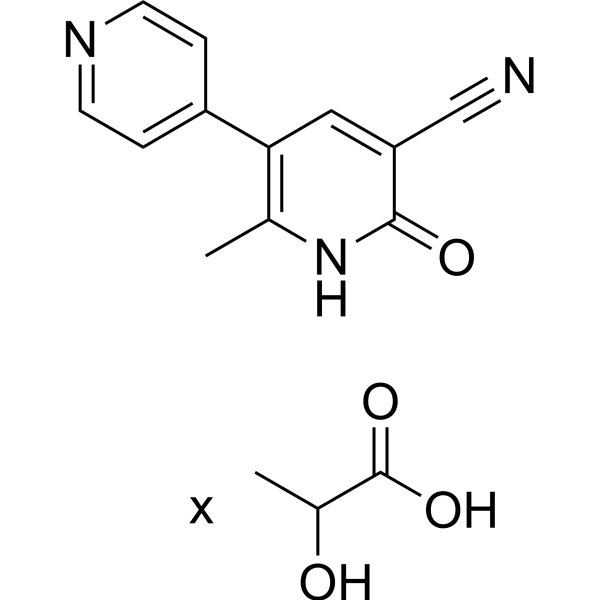
Cat. No.: HY-14252A
CAS No.: 100286-97-3
Synonyms: Win 47203 lactate
Research Areas:  

Cardiovascular Disease

Milrinone lactate is a potent inotropic dilating agent. Milrinone lactate shows simultaneous positive inotropic and vasodilating activities. Milrinone lactate promotes reduction of SVR and PVR in patients with DCM and NYHA class III and IV of heart failure. Milrinone lactate has the potential for the research of cardiovascular function after cardiac surgery and in septic shock .
loading...
    loading...
21
21 Cited Publications
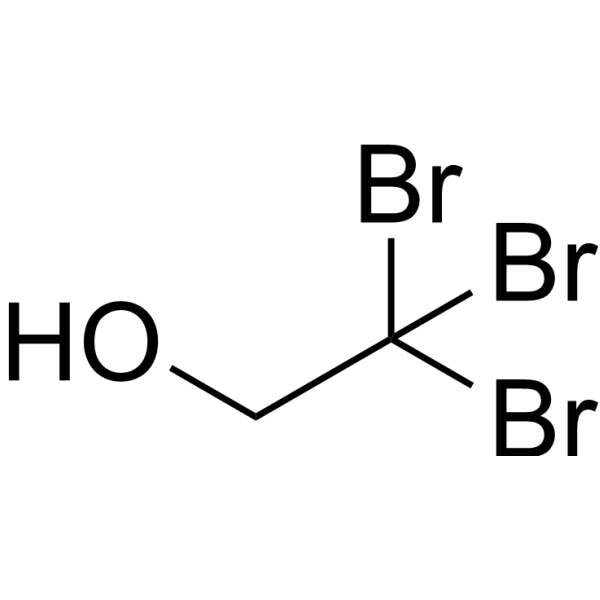
Cat. No.: HY-B1372
CAS No.: 75-80-9
Synonyms: 2,2,2-Tribromoethanol; Narcolan
Research Areas:  

Neurological Disease

Tribromoethyl alcohol (2,2,2-Tribromoethanol) is used to animals, particularly rodents, before surgery.
loading...
    loading...
8
8 Cited Publications
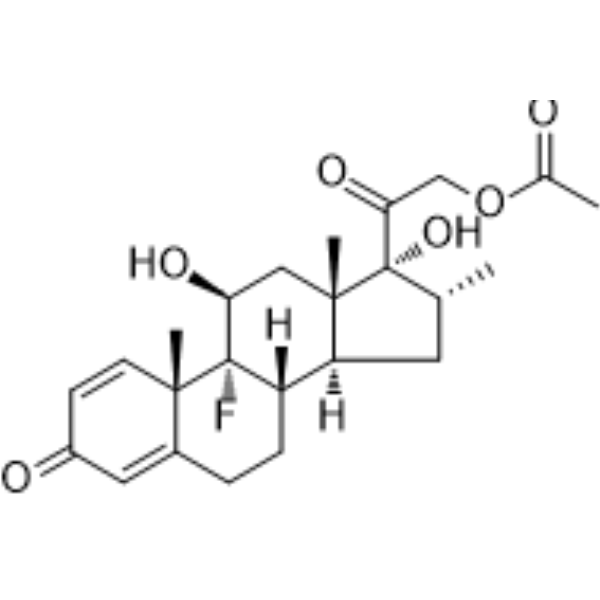
Cat. No.: HY-14648A
CAS No.: 1177-87-3
Purity:  99.84%
Synonyms: Dexamethasone 21-acetate; Hexadecadrol acetate
Research Areas:  

Inflammation/Immunology

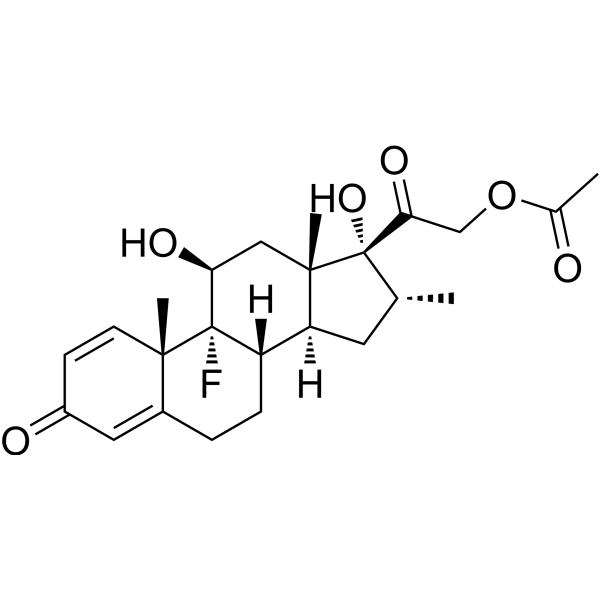
Dexamethasone acetate (Dexamethasone 21-acetate) is the acetate form of the glucocorticoid Dexamethasone (HY-14648). Dexamethasone acetate has a longer duration of action than Dexamethasone. Dexamethasone acetate can accumulate at inflammatory sites, in mouse liver and mouse lung via nanostructured lipid carriers. Dexamethasone acetate can be used to prepare topical formulations for studies related to sensorineural hearing loss, γ-carrageenan-induced paw edema, chronic active hepatitis, pulmonary diseases, and inflammation after vitreoretinal surgery .
loading...
    loading...
5
5 Cited Publications
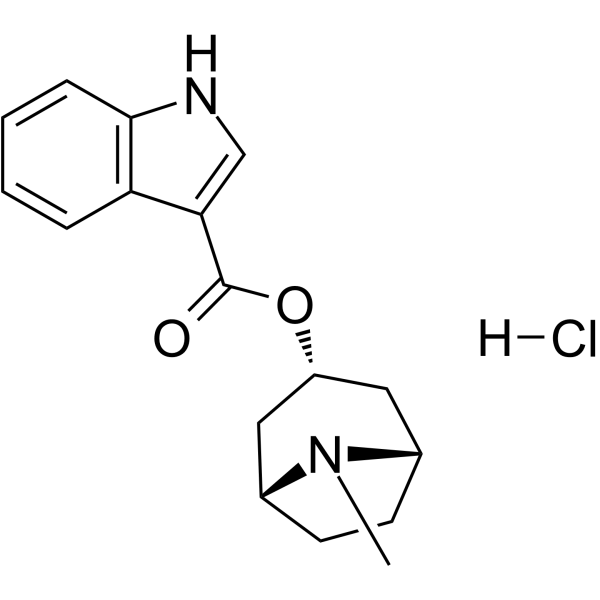
Cat. No.: HY-B0020
CAS No.: 105826-92-4
Synonyms: SDZ-ICS-930
Tropisetron Hydrochloride (SDZ-ICS-930) is an effective neuroprotective agent that acts as a 5-HT3 receptor antagonist, a calmodulin inhibitor, and an α7-nAChRreceptor agonist, with an IC50 of 70.1 nM for the 5-HT3 receptor. Tropisetron Hydrochloride has anti-inflammatory properties and immune-regulating functions, effectively alleviating symptoms associated with chemotherapy and post-surgery. Tropisetron Hydrochloride reduces Ab (HY-P4867)-induced hippocampal neuroinflammation .
loading...
    loading...
3
3 Cited Publications
Cat. No.: HY-66012
CAS No.: 5875-06-9
Synonyms: Proxymetacaine hydrochloride
Target:  

Sodium Channel

Research Areas:  

Neurological Disease

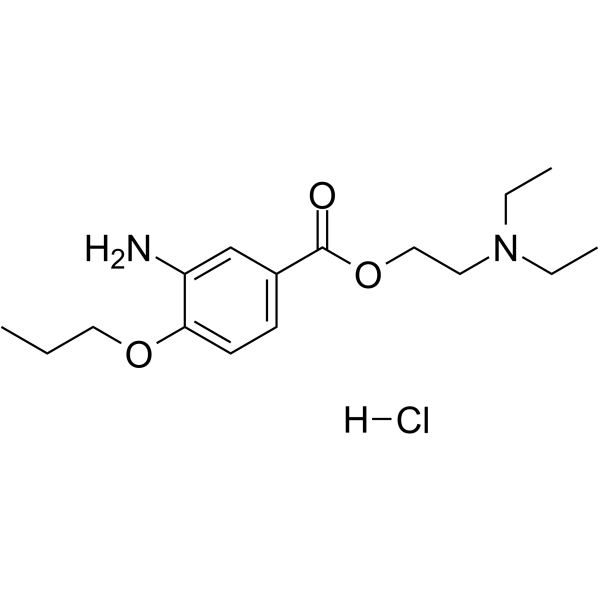
Proparacaine (Proxymetacaine) hydrochloride is a local anesthetic. Proparacaine hydrochloride blocks voltage-gated sodium channels on neuronal cell membranes, thereby inhibiting signal conduction and nociceptive signal transmission. Proparacaine hydrochloride blocks nociceptive signals in the eye and induces ocular muscle relaxation to reduce eye movement during surgery. Proparacaine hydrochloride is used in research related to cataracts .
loading...
    loading...
2
2 Cited Publications
Cat. No.: HY-17440
CAS No.: 119302-91-9
Synonyms: ORG 9426 Bromide
Target:  

nAChR

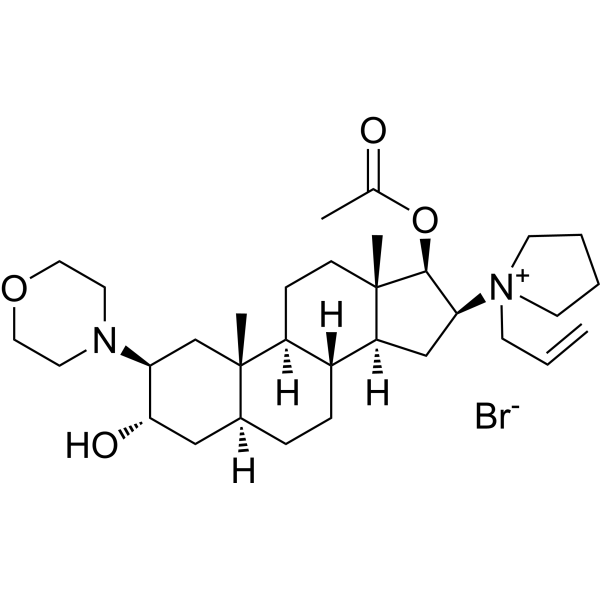
Rocuronium Bromide (ORG 9426 Bromide) is an aminosteroid non-depolarizing neuromuscular blocker or muscle relaxant used in modern anaesthesia, to facilitate endotracheal intubation and to provide skeletal musclerelaxation during surgery or mechanical ventilation.
loading...
    loading...
2
2 Cited Publications
Cat. No.: HY-N0113
CAS No.: 539-15-1
Synonyms: Ordenina; Peyocactine
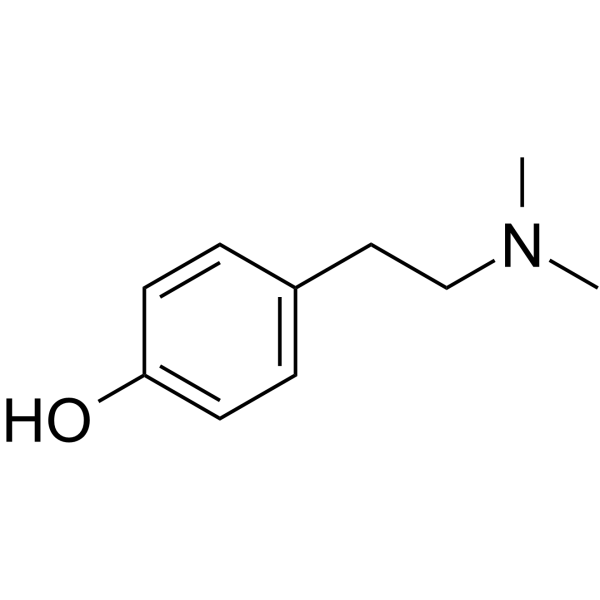
Hordenine (Ordenina; Peyocactine) is a multifunctional alkaloid with oral activity and blood-brain barrier penetration. Hordenine inhibits LPS-induced phosphorylation of p38, JNK, ERK1/2, p65, IκB, and AKT, prevents p65 nuclear translocation, and suppresses inflammatory cytokines and mediators. Hordenine promotes M2 macrophage polarization, restores blood-milk barrier integrity, alleviates oxidative stress by reducing ROS and MDA, and attenuates LPS-induced lung injury and pulmonary edema. Hordenine inhibits cAMP production, CREB phosphorylation, and MITF expression, thereby suppressing melanin synthesis in melanocytes and reconstructed epidermis. Hordenine activates the Wnt/β-catenin signaling pathway, promotes dermal papilla cell proliferation and hair shaft elongation, and accelerates hair regeneration. Hordenine activates DRD2, acts as a D3R partial agonist, α2A-AR full agonist, and 5-HT2A-R antagonist, and inhibits SERT and DAT. Hordenine inhibits α-synuclein accumulation and ameliorates motor deficits in Parkinson's disease models. Hordenine limits alcohol intake, reduces relapse drinking behavior, and modulates alcohol-induced conditioned place preference. Hordenine can be used for research on mastitis, skin pigmentation, acute lung injury, foodborne diseases, hair loss, Parkinson's disease, bacterial infections, and alcohol use disorder .
loading...
    loading...
2
2 Cited Publications
Cat. No.: HY-N0113B
CAS No.: 6027-23-2
Synonyms: Ordenina hydrochloride; Peyocactine hydrochloride
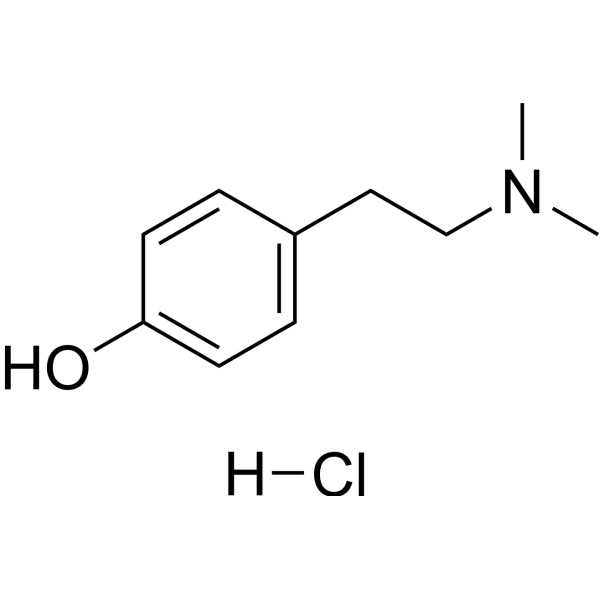
Hordenine hydrochloride (Ordenina hydrochloride; Peyocactine hydrochloride) is a multifunctional alkaloid with oral activity and blood-brain barrier penetration. Hordenine hydrochloride inhibits LPS-induced phosphorylation of p38, JNK, ERK1/2, p65, IκB, and AKT, prevents p65 nuclear translocation, and suppresses inflammatory cytokines and mediators. Hordenine hydrochloride promotes M2 macrophage polarization, restores blood-milk barrier integrity, alleviates oxidative stress by reducing ROS and MDA, and attenuates LPS-induced lung injury and pulmonary edema. Hordenine hydrochloride inhibits cAMP production, CREB phosphorylation, and MITF expression, thereby suppressing melanin synthesis in melanocytes and reconstructed epidermis. Hordenine hydrochloride activates the Wnt/β-catenin signaling pathway, promotes dermal papilla cell proliferation and hair shaft elongation, and accelerates hair regeneration. Hordenine hydrochloride activates DRD2, acts as a D3R partial agonist, α2A-AR full agonist, and 5-HT2A-R antagonist, and inhibits SERT and DAT. Hordenine hydrochloride inhibits α-synuclein accumulation and ameliorates motor deficits in Parkinson's disease models. Hordenine hydrochloride limits alcohol intake, reduces relapse drinking behavior, and modulates alcohol-induced conditioned place preference. Hordenine hydrochloride can be used for research on mastitis, skin pigmentation, acute lung injury, foodborne diseases, hair loss, Parkinson's disease, bacterial infections, and alcohol use disorder .
loading...
    loading...
1
1 Cited Publications
Cat. No.: HY-127032
CAS No.: 75345-27-6
Purity:  ≥99.0%
Synonyms: Polidronium chloride
Research Areas:  

Infection

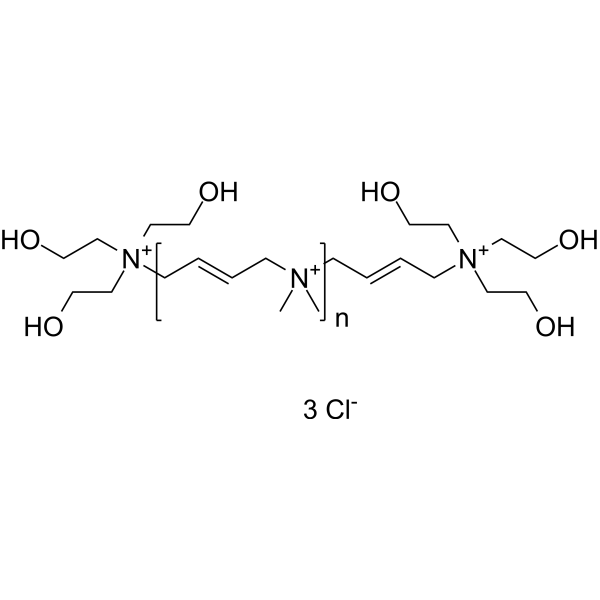
Polyquaternium-1 (Polidronium chloride; PQ-1) is an antimicrobial preservative and an activator of NF-κB. Polyquaternium-1 targets bacterial cell membranes, commonly used in ophthalmic surgery. Polyquaternium-1 adsorbs to the surface of microbial membranes through its polycationic properties, destroying membrane integrity and inducing potassium ion leakage, leading to bacterial death. Polyquaternium-1 exerts antimicrobial effects at a concentration of 0.001% and has low toxicity to mammalian cells. Polyquaternium-1 can be used to prepare products such as glaucoma eye drops (Travoprost preparations containing PQ-1), artificial tears, and contact lens solutions to reduce the ocular surface toxicity of traditional preservatives such as benzalkonium chloride (HY-B2232) .
loading...
    loading...
1
1 Cited Publications
Cat. No.: HY-17509
CAS No.: 169590-41-4
Synonyms: SC 046; SC 46; SC 59046
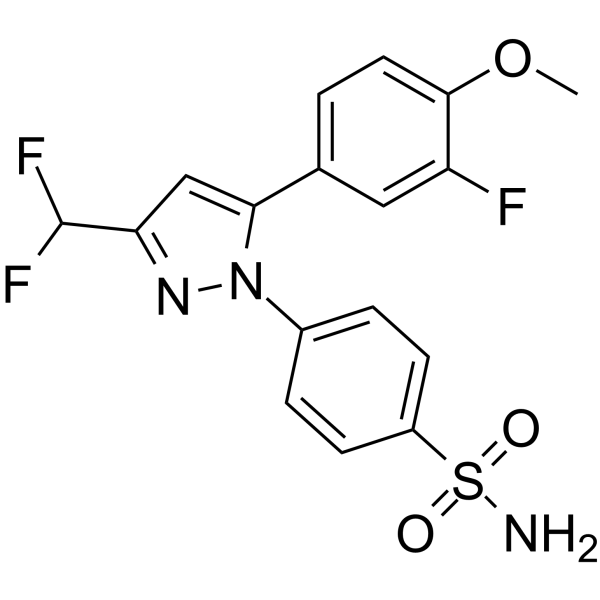
Deracoxib (SC 046; SC 59046), an orally active COX-2 inhibitor, is a veterinary nonsteroidal anti-inflammatory agent used exclusively in dogs. Deracoxib inhibits the COX-2 enzyme to reduce the production of prostaglandins, effectively controlling pain and inflammation after canine soft tissue surgery. Deracoxib reduces the inhibition of COX-1 and lowers the risk of gastrointestinal side effects. Deracoxib induces tumor cell cycle arrest and apoptosis, and shows anti-tumor activity in canine osteosarcoma, breast tumors and bladder transitional cell carcinomas .
loading...
    loading...
Cat. No.: HY-108298
CAS No.: 306-94-5
Purity:  ≥98.0%
Synonyms: PP 5; Perfluorodecahydronaphthalene
Research Areas:  

Neurological Disease

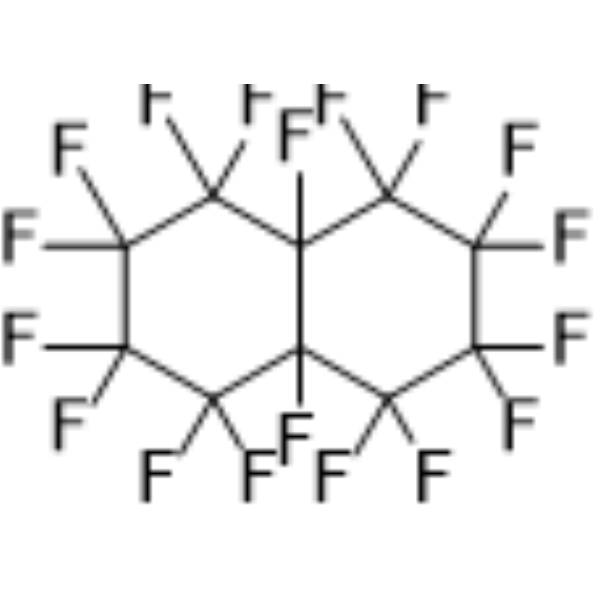
Perfluorodecalin liquids are largrly used in vitreoretinal surgery. Perfluorodecalin with tamponade lasting more than two days is detrimental to the retina in the case of rabbit. Perfluorodecalin can be used for the research of giant retinal tears . Perfluorodecalin is a non-toxic, non-flammable, thermally stable, non-bio-accumulating O2-carrier and used as artificial blood . Perfluorodecalin enhances bone regeneration and cell viability .
loading...
    loading...
Cat. No.: HY-152846
CAS No.: 2268739-68-8
Synonyms: GDC-8264
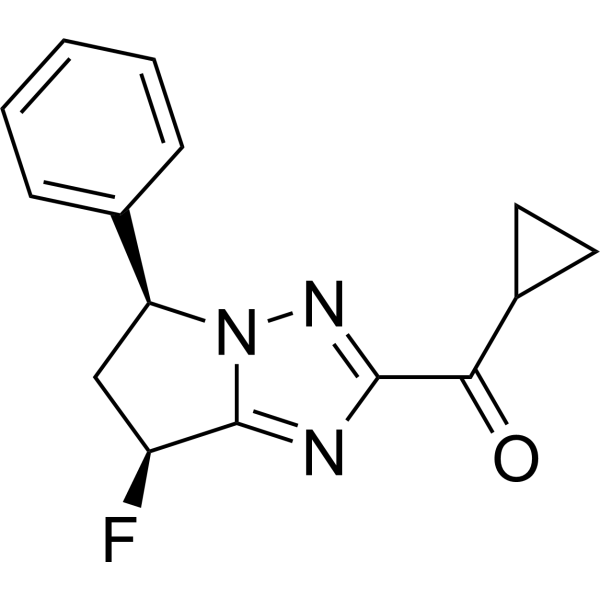
Flizasertib (GDC-8264) is an orally active, reversible and selective RIP1 inhibitor with Ki app values of 0.00071 μM and 0.0013 μM for human and cynomolgus monkey RIP1 kinase, respectively. Flizasertib blocks RIP1 autophosphorylation but does not affect RIP1 protein stability. Flizasertib inhibits pro-inflammatory cytokines (CCL3, CCL4, and IL-1β) production. Flizasertib results in inhibition of colitis and ileitis. Flizasertib can be used in the research of cardiac surgery-associated acute kidney injury .
loading...
    loading...
Cat. No.: HY-P5225
CAS No.: 1400634-44-7
Target:  

PGC-1α

Research Areas:  

Others

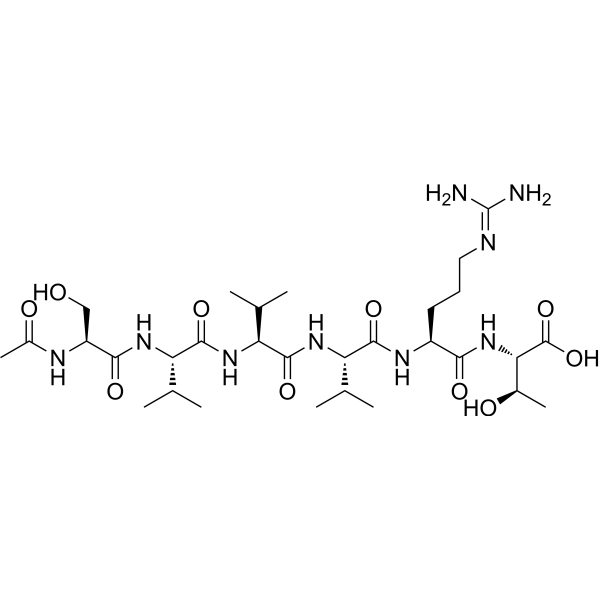
Acetyl hexapeptide-38 is a tissue repair promoter that targets fibroblasts in the dermis of the skin. It works by promoting collagen synthesis in the dermis and thickening of subcutaneous fat. Acetyl hexapeptide-38 can activate the skin repair mechanism, increase the collagen content in the dermis, improve the skin tissue structure, and has the activity of promoting local tissue repair. Acetyl hexapeptide-38 can be used in the field of cosmetic medicine to repair congenital soft tissue defects, reduce tear grooves and nasolabial folds, eliminate postoperative scars, and conduct micro-plastic surgery of skin tissue .
loading...
    loading...
Cat. No.: HY-17357
CAS No.: 78281-72-8
Synonyms: AHR 9434; AL 6515
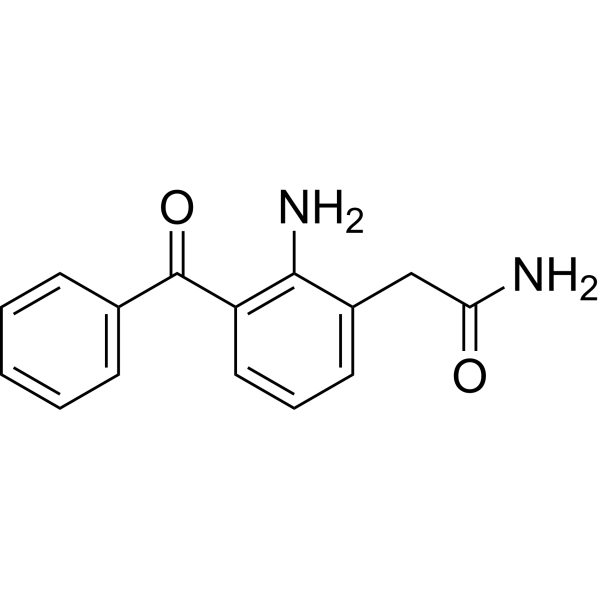
Nepafenac (AHR 9434; AL 6515), a nonsteroidal anti-inflammatory agent, is a topically administered COX-2 inhibitor with an IC50 of 0.12 μM. Nepafenac exhibits only weak COX-1 inhibitory activity (IC50 = 64.3 μM). Nepafenac possesses unique prodrug properties, which enable it to rapidly convert into the active metabolite Amfenac (HY-17479) in the ocular tissues, thereby achieving high concentrations in the retina and choroid. Nepafenac reduces inflammation and pain by inhibiting the activity of cyclooxygenase (COX) enzymes and thereby decreasing the production of prostaglandin PGE₂. Nepafenac can delay the metastasis of uveal melanoma (UM) in rabbit eyes. Nepafenac is mainly used for pain management and inflammation control after ophthalmic surgeries .
loading...
    loading...
Cat. No.: HY-126395
CAS No.: 3536-49-0
Purity:  99.99%
Target:  

Fluorescent Dye

Research Areas:  

Others

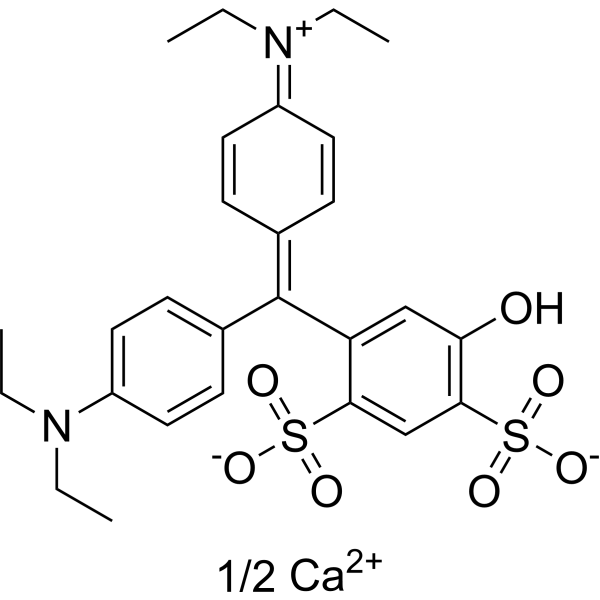
Patent Blue V calcium salt is a triarylmethane dye used for tissue staining and lymphatic tracing, mainly applied by topical injection or eye drops. Patent Blue V calcium salt has affinity for specific tissues (such as corneal endothelium, lymphatic system), and stains the target structure by adsorption or binding, assisting in precise operation during surgery. Patent Blue V calcium salt is mainly used in ophthalmic surgery (such as graft staining for Descemet's membrane endothelial keratoplasty) and lymphatic drainage localization for sentinel lymph node biopsy of tumors .
loading...
    loading...
Cat. No.: HY-159500
CAS No.: 2206660-94-6
Synonyms: OTL-0078; OTL78
Target:  

PSMA

Research Areas:  

Cancer

Zopocianine (OTL-0078; OTL78) is a near-infrared optical probe targeting PSMA. Zopocianine binds to PSMA on the surface of PSMA-expressing cells, enters cells via receptor-mediated endocytosis, and accumulates in acidic endosomes. Zopocianine selectively accumulates in PSMA-positive cancer tissues and enables the detection of small tumors, primary prostate tumors, and locoregional metastases. Zopocianine helps achieve negative tumor surgical margins during fluorescence-guided surgery. Zopocianine is applicable to research related to prostate cancer .
loading...
    loading...
Cat. No.: HY-160822
CAS No.: 920289-29-8
Synonyms: PF-5212371
Target:  

ADAMTS MMP

Research Areas:  

Inflammation/Immunology

AGG-523 (PF-5212371) is an orally active, reversible, non-hydroxamate, zinc-binding selective inhibitor of ADAMTS4 and ADAMTS5 with IC50 of <0.03 and 0.04 μM. AGG-523 also inhibits MMP-2, -8, 12 activity AGG-523 attenuates release of aggrecanase-generated ARG-aggrecan fragments into synovial fluid, reduces surgery-induced ARG-aggrecan release in rat joint models, and inhibits aggrecanase activity to slow cartilage degradation. AGG-523 can be used for the research of osteoarthritis .
loading...
    loading...
Cat. No.: HY-B2091
CAS No.: 17243-38-8
Target:  

Antibiotic Bacterial

Research Areas:  

Infection

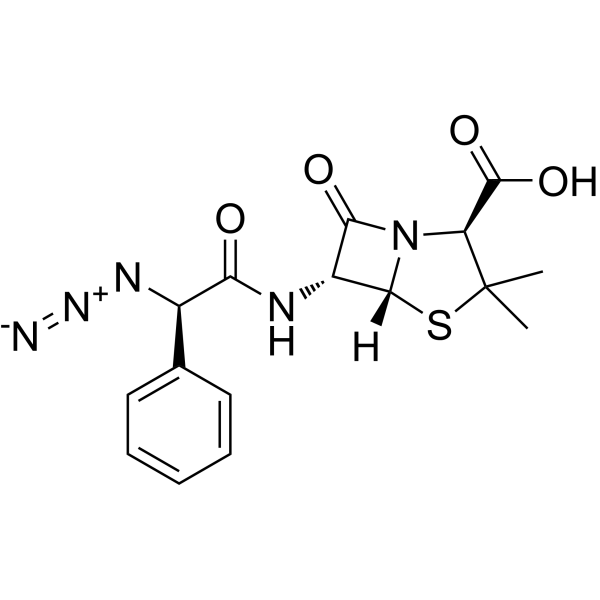
Azidocillin, a semi-synthetic Penicillin, is an orally active β-lactam antibiotic. Azidocillin bears an azide functionality and retains on-target activity within bacteria. Azidocillin can be used to research osteitis caused by dental surgery, otitis media, enterococcal septicemia and other bacterial infectious diseases . Azidocillin is a click chemistry reagent, it contains an Azide group and can undergo copper-catalyzed azide-alkyne cycloaddition reaction (CuAAc) with molecules containing Alkyne groups. It can also undergo strain-promoted alkyne-azide cycloaddition (SPAAC) reactions with molecules containing DBCO or BCN groups.
loading...
    loading...
Cat. No.: HY-14648AR
CAS No.: 1177-87-3
Purity:  98.93%
Synonyms: Dexamethasone 21-acetate (Standard); Hexadecadrol acetate (Standard)
Dexamethasone acetate (Standard) (Dexamethasone 21-acetate (Standard)) is the analytical standard of Dexamethasone acetate (HY-14648A). This product is intended for research and analytical applications. Dexamethasone acetate (Dexamethasone 21-acetate) is the acetate form of the glucocorticoid Dexamethasone (HY-14648). Dexamethasone acetate has a longer duration of action than Dexamethasone. Dexamethasone acetate can accumulate at inflammatory sites, in mouse liver and mouse lung via nanostructured lipid carriers. Dexamethasone acetate can be used to prepare topical formulations for studies related to sensorineural hearing loss, γ-carrageenan-induced paw edema, chronic active hepatitis, pulmonary diseases, and inflammation after vitreoretinal surgery.
loading...
    loading...
Cat. No.: HY-17357S
CAS No.: 1246814-53-8
Synonyms: AHR-9434-d5; AL-6515-d5
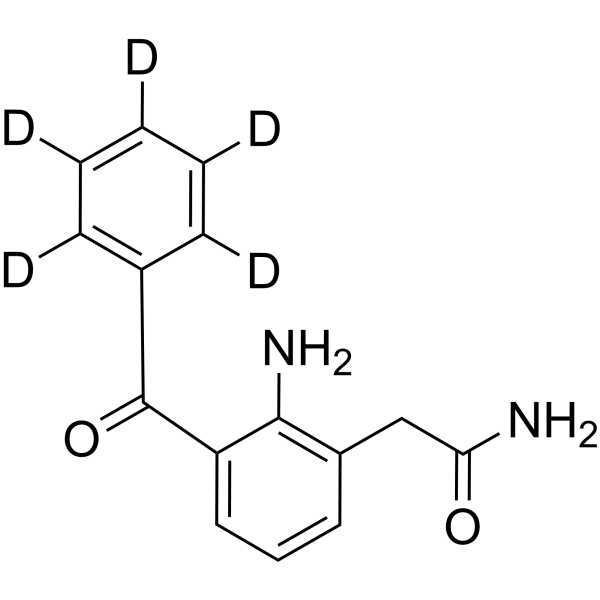
Nepafenac-d5 (AHR-9434-d5; AL-6515-d5) is the deuterium labeled Nepafenac (HY-17357). Nepafenac, a nonsteroidal anti-inflammatory agent, is a topically administered COX-2 inhibitor with an IC50 of 0.12 μM. Nepafenac exhibits only weak COX-1 inhibitory activity (IC50 = 64.3 μM). Nepafenac possesses unique prodrug properties, which enable it to rapidly convert into the active metabolite Amfenac (HY-17479) in the ocular tissues, thereby achieving high concentrations in the retina and choroid. Nepafenac reduces inflammation and pain by inhibiting the activity of cyclooxygenase (COX) enzymes and thereby decreasing the production of prostaglandin PGE₂. Nepafenac can delay the metastasis of uveal melanoma (UM) in rabbit eyes. Nepafenac is mainly used for pain management and inflammation control after ophthalmic surgeries.
loading...
    loading...

