41 Results for "

total synthesis

" in MedChemExpress (MCE) Product Catalog:
Products (41)

41 Results for "total synthesis" in MCE Product Catalog:

1
1 Cited Publications
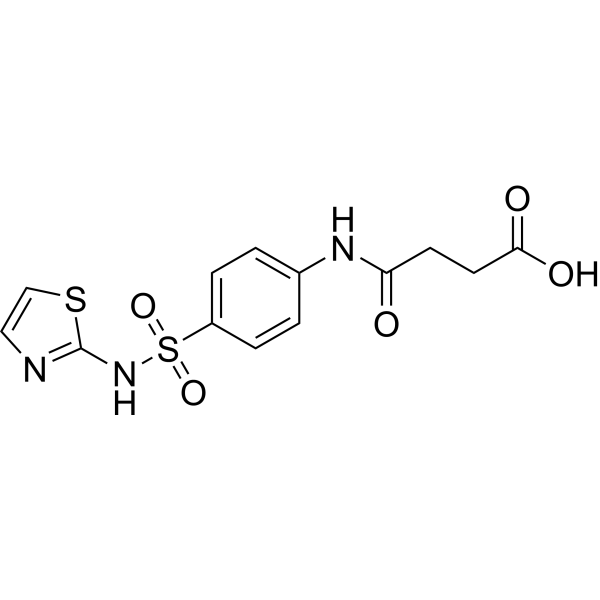
Cat. No.: HY-B0921
CAS No.: 116-43-8
Synonyms: Succinylsulphathiazole
Succinylsulfathiazole (Succinylsulphathiazole) is a long-acting sulfonamide antibiotic with localized gut-specific antibacterial activity and is orally active. Succinylsulfathiazole inhibits bacterial folate synthesis, reduces coliform counts, suppresses intestinal bacterial growth and vitamin biosynthesis, and depletes gut folate-producing bacteria. Succinylsulfathiazole modulates hepatic mTOR signaling, diminishes cecal fermentation, decreases hepatic folate levels and total folate excretion, elevates nitrogen excretion and reduces the fermentability of certain dietary fibers. Succinylsulfathiazole induces folate deficiency and triggers biotin- and folate-related nutritional deficiency symptoms in rats and C57BL/6 mice .
loading...
    loading...
1
1 Cited Publications
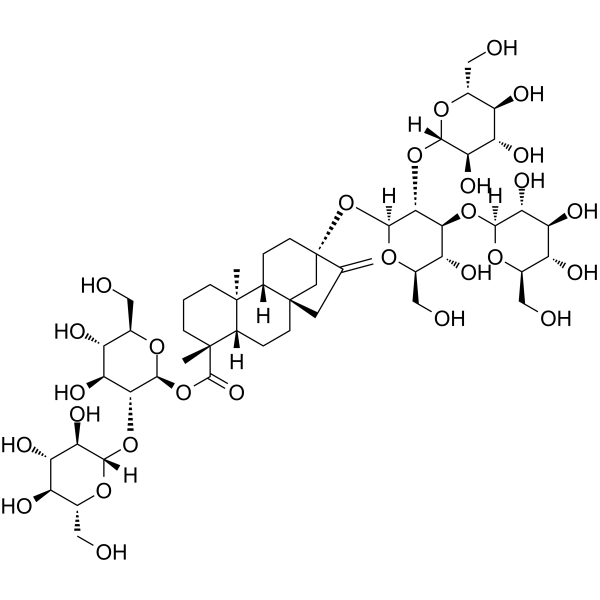
Cat. No.: HY-N0468
CAS No.: 63279-13-0
Rebaudioside D is an orally active sweetener that targets and activates FXR, modulates Acetyl-CoA Carboxylase, and inhibits 3-hydroxy-3-methylglutaryl-CoA reductase. Rebaudioside D regulates bile acid homeostasis and lipid metabolism, reduces the synthesis rates of fatty acids and cholesterol, and exerts multiple effects including anti-adipogenesis, hepatoprotection, anti-steatosis, gut microbiota modulation, enhancement of secondary bile acid metabolism, anti-endotoxin activity, regulation of bile acid transport, and inhibition of bile acid efflux. Rebaudioside D also reduces body weight gain, visceral fat accumulation, hepatic triglyceride and cholesterol accumulation, hepatic lipid peroxidation, and decreases the circulating level of lipopolysaccharide-binding protein. Rebaudioside D additionally enhances the secondary bile acid metabolic pathway of intestinal bacteria, upregulates the gene expression of ileal organic solute transporter α, and downregulates the gene expression of hepatic bile salt export pump. Rebaudioside D does not affect glucose homeostasis, alter total caloric intake or fecal energy excretion, induce weight gain, exacerbate obesity, promote hepatic steatosis, impair brown adipose tissue function, nor change skeletal muscle metabolism-related proteins. Rebaudioside D can be used in diet-induced obesity and obesity-related research .
loading...
    loading...
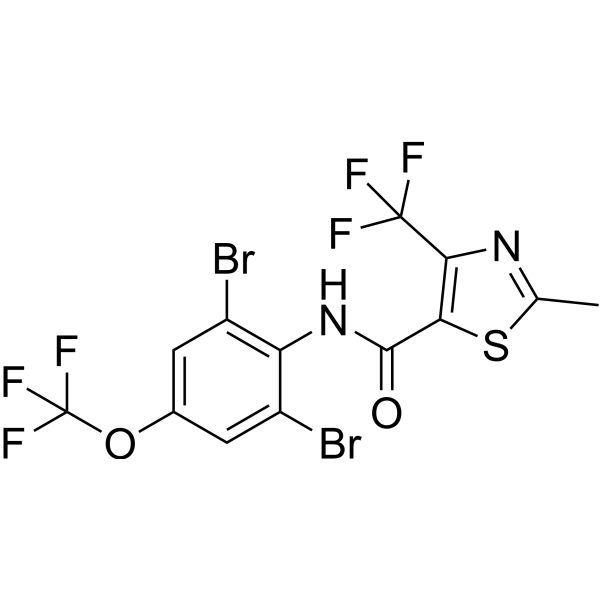
Cat. No.: HY-B2004
CAS No.: 130000-40-7
Thifluzamide is a fungicide that inhibits fungal respiration by blocking the ubiquinone-binding site in mitochondrial complex II. Thifluzamide exhibits significant activity against Basidiomycota pathogens (such as Rhizoctonia cerealis, Ustilago and Puccinia genera) and is commonly used in studies on wheat sharp eyespot. Thifluzamide displays a dual mechanism in regulating lipid metabolism: it reduces fatty acid synthase activity to inhibit endogenous fatty acid synthesis, and increases carnitine palmitoyltransferase-I activity to accelerate fatty acid β-oxidation, thereby reducing total cholesterol and triglyceride levels in the liver. Thifluzamide also induces hepatotoxicity in zebrafish models and carries a risk of developmental toxicity. Thifluzamide inhibition of Rhizoctonia cerealis may result in low to moderate levels of drug resistance, leading to the generation of stable drug-resistant mutants .
loading...
    loading...
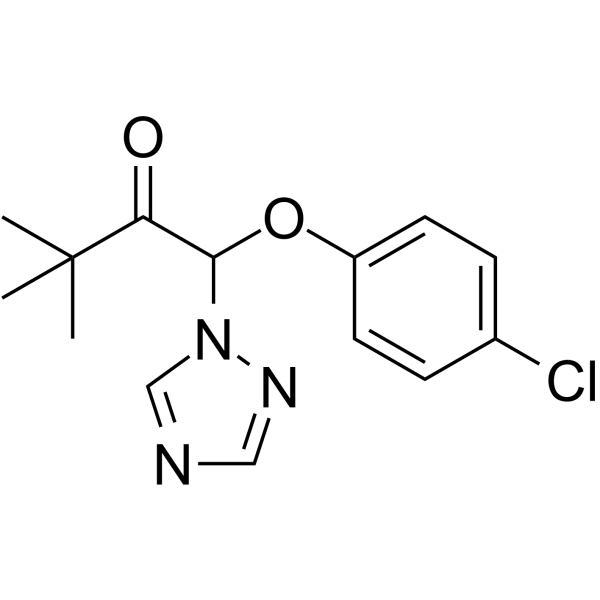
Cat. No.: HY-123037
CAS No.: 43121-43-3
Purity:  98.12%
Triadimefon is an orally active fungicide. Triadimefon significantly reduces the phosphorylation of AKT1 and ERK1/2. Triadimefon significantly increases pAMPK levels, but does not affect total AMPK levels. Triadimefon inhibits the growth of Saccharomyces cerevisiae, disrupts hormone homeostasis (affecting the synthesis of testosterone, etc.), inhibits fetal adrenal development in rats, induces metabolic shifts in hepatocytes, and impairs spatial learning and memory .
loading...
    loading...
Cat. No.: HY-W015600
CAS No.: 614-80-2
Synonyms: Orthocetamol
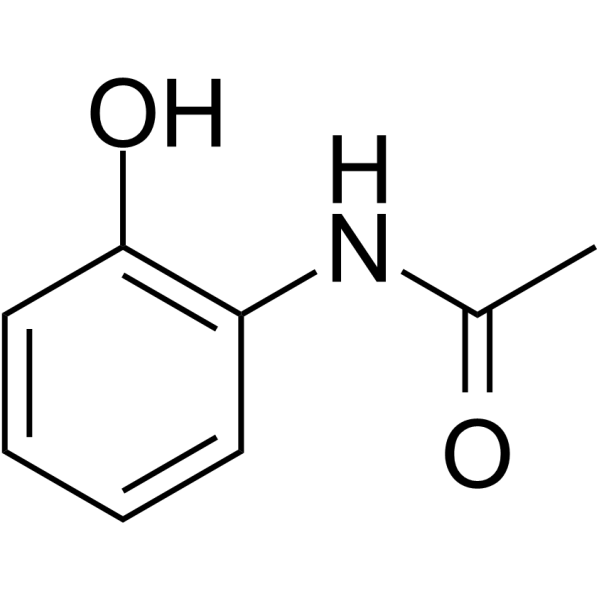
2-Acetamidophenol (Orthocetamol) is a regulator that targets ferroptosis and glutathione metabolic pathways, is the ortho-regioisomer of Paracetamol (HY-66005). 2-Acetamidophenol has anti-atherosclerotic activity, and inhibiting total cholesterol (TC) and triglyceride (TG) in a zebrafish hyperlipidemia model with IC50s for 30 μM and 40 μM, respectively. 2-Acetamidophenol upregulates the expression of glutathione synthesis-related genes (such as GCLC, GCLM, GSS) and iron ion transport genes (such as FPN1, FTH), reduces the accumulation of intracellular reactive oxygen species (ROS) and ferrous ions (Fe 2+), and enhances the activity of glutathione peroxidase GPX4, thereby inhibiting macrophage phagocytosis of oxidized low-density lipoprotein (ox-LDL) and foam cell formation .
loading...
    loading...
Cat. No.: HY-112747
CAS No.: 97281-51-1
Synonyms: LPI; PE (soy)
Target:  

Phospholipase

Research Areas:  

Infection

Soy PE (LPI) is the most abundant phospholipid in prokaryotes and the second most abundant found in the membrane of mammalian, plant, and yeast cells, comprising approximately 25% of total mammalian phospholipids. In the brain, phosphatidylethanolamine comprises almost half of the total phospholipids. It is synthesized mainly through the cytidine diphosphate-ethanolamine and phosphatidylserine decarboxylation pathways, which occur in the endoplasmic reticulum (ER) and mitochondrial membranes, respectively. It is a precursor in the synthesis of phosphatidylcholine and arachidonoyl ethanolamide and is a source of ethanolamine used in various cellular functions. In E.coli, phosphatidylethanolamine deficiency prevents proper assembly of lactose permease, suggesting a role as a lipid chaperone. It is a cofactor in the propagation of prions in vitro and can convert recombinant mammalian proteins into infectious molecules even in the absence of RNA. This product contains phosphatidylethanolamine molecular species with variable fatty acyl chain lengths at the sn-1 and sn-2 positions .
loading...
    loading...
Cat. No.: HY-B1421
CAS No.: 90274-24-1
Synonyms: LY031537
Ractopamine hydrochloride (LY031537) is a potent and orally active β-adrenergic receptor (βAR) agonist with Kd value of ~25 nM for pig β1AR and β2AR. Ractopamine hydrochloride also is a mTAAR1 agonist with an EC50 of 16 μM. Ractopamine hydrochloride promotes muscle mass development, limits fat deposition, reduces feed consumption, increases total cellular protein synthesis, and improves growth rate and feed efficiency in finishing swine. Ractopamine hydrochloride can be used for researching to increase lean tissue growth and improve production efficiency in pigs .
loading...
    loading...
Cat. No.: HY-137697D
Purity:  ≥98.0%
ddCTP trilithium solution (100 mM) is a chain-terminating dideoxynucleotide. ddCTP trilithium is a type of chain-terminating deoxynucleotide. ddCTP trilithium can be incorporated into the extension primer chain that lacks the 3'-hydroxyl group, thereby terminating primer extension, viral genome replication, and DNA synthesis. ddCTP trilithium can distinguish almost identical RNA through distinguishable extension products in primer extension inhibition experiments. ddCTP trilithium is the active metabolite of Zalcitabine (HY-17392), which can competitively inhibit HIV reverse transcriptase, terminate the synthesis of viral DNA chains, and thereby inhibit HIV replication .
loading...
    loading...
Cat. No.: HY-W034065
CAS No.: 51863-60-6
3,5-Dihydroxyacetophenone is a drug intermediate that can be used in the synthesis of the active stilbene dimer dehydro-δ-viniferin .
loading...
    loading...
Cat. No.: HY-W014983
CAS No.: 141-12-8
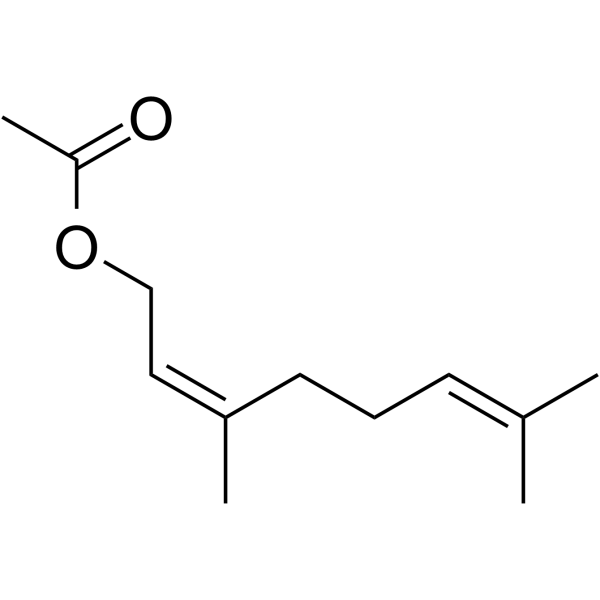
Neryl acetate is an essential oil component. Neryl acetate upregulates genes associated with epidermal differentiation, skin barrier formation and ceramide synthesis; it also increases filaggrin expression, total lipid and ceramide contents. Neryl acetate acts as the core driver mediating the skin barrier-forming and antibacterial effects of Helichrysum italicum essential oil .
loading...
    loading...
Cat. No.: HY-W115789
CAS No.: 1344-09-8
Sodium silicate is a water-soluble silicate. Sodium silicate is widely used as a binder, particularly in the production of detergents, soaps, and cleaners. Sodium silicate promotes the deposition of suberin polyphenols and lignin at wound sites of potato tubers, accelerates callus structure formation, enhances ROS production, and induces the synthesis of total phenols and flavonoids. Sodium silicate reduces the weight loss rate and disease index of wounded potato tubers during storage .
loading...
    loading...
Cat. No.: HY-116392E
CAS No.: 109836-82-0
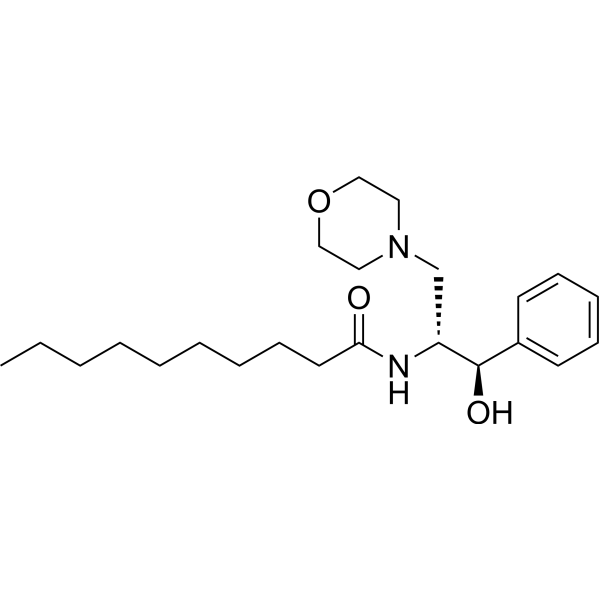
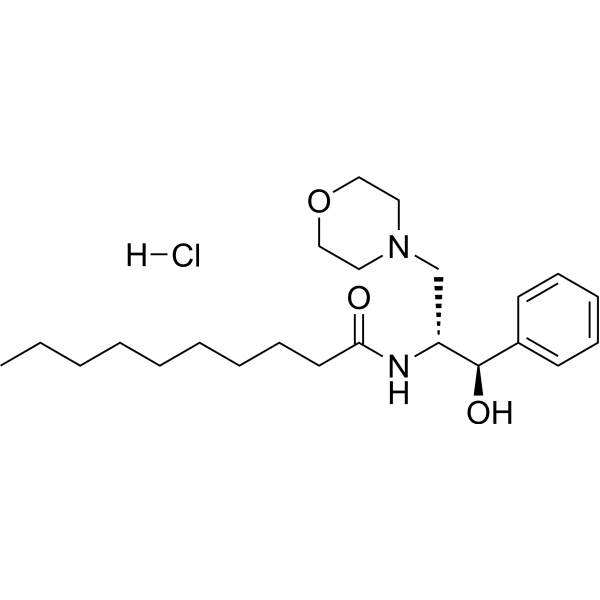
D-threo-PDMP is a potent glucoceramide synthase (GCS) inhibitor, which reduces the glycosphingolipids (such as GM3 and GD3) on the cell surface by inhibiting glycosylation, reduces the total length of the axon plexus and the number of axon branch points, and inhibits neurite growth. D-threo-PDMP inhibits the synthesis of GM3, thereby reducing the adhesion ability of B16 melanoma cells and mimicking the pathological effects of hyperglycemia/TGF-β1. D-threo-PDMP inhibits the synthesis of GD3, thereby protecting liver cells from apoptosis induced by TNF-α. D-threo-PDMP can be used to study diseases related to targeted glycosphingolipid metabolism .
loading...
    loading...
Cat. No.: HY-116392F
CAS No.: 139889-62-6
Purity:  ≥98.0%
D-threo-PDMP hydrochloride is a potent glucoceramide synthase (GCS) inhibitor, which reduces the glycosphingolipids (such as GM3 and GD3) on the cell surface by inhibiting glycosylation, reduces the total length of the axon plexus and the number of axon branch points, and inhibits neurite growth. D-threo-PDMP hydrochloride inhibits the synthesis of GM3, thereby reducing the adhesion ability of B16 melanoma cells and mimicking the pathological effects of hyperglycemia/TGF-β1. D-threo-PDMP hydrochloride inhibits the synthesis of GD3, thereby protecting liver cells from apoptosis induced by TNF-α. D-threo-PDMP hydrochloride can be used to study diseases related to targeted glycosphingolipid metabolism .
loading...
    loading...
Cat. No.: HY-137697
CAS No.: 66004-77-1
ddCTP is a type of chain-terminating deoxynucleotide. ddCTP can be incorporated into the extension primer chain that lacks the 3'-hydroxyl group, thereby terminating primer extension, viral genome replication, and DNA synthesis. ddCTP can distinguish almost identical RNA through distinguishable extension products in primer extension inhibition experiments. ddCTP is the active metabolite of Zalcitabine (HY-17392), which can competitively inhibit HIV reverse transcriptase, terminate the synthesis of viral DNA chains, and thereby inhibit HIV replication .
loading...
    loading...
Cat. No.: HY-W015600R
CAS No.: 614-80-2
Synonyms: Orthocetamol (Standard)
2-Acetamidophenol (Standard) is the analytical standard of 2-Acetamidophenol. This product is intended for research and analytical applications. 2-Acetamidophenol (Orthocetamol) is a regulator that targets ferroptosis and glutathione metabolic pathways, is the ortho-regioisomer of Paracetamol (HY-66005). 2-Acetamidophenol has anti-atherosclerotic activity, and inhibiting total cholesterol (TC) and triglyceride (TG) in a zebrafish hyperlipidemia model with IC50s for 30 μM and 40 μM, respectively. 2-Acetamidophenol upregulates the expression of glutathione synthesis-related genes (such as GCLC, GCLM, GSS) and iron ion transport genes (such as FPN1, FTH), reduces the accumulation of intracellular reactive oxygen species (ROS) and ferrous ions (Fe 2+), and enhances the activity of glutathione peroxidase GPX4, thereby inhibiting macrophage phagocytosis of oxidized low-density lipoprotein (ox-LDL) and foam cell formation .
loading...
    loading...
Cat. No.: HY-32786
CAS No.: 149806-06-4
6-Bromonicotinaldehyde is a brominated derivative of nicotinaldehyde (pyridine-3-aldehyde), and it can be used as a key intermediate in the synthesis of Fusaric acid .
loading...
    loading...
Cat. No.: HY-W007664
CAS No.: 102029-44-7
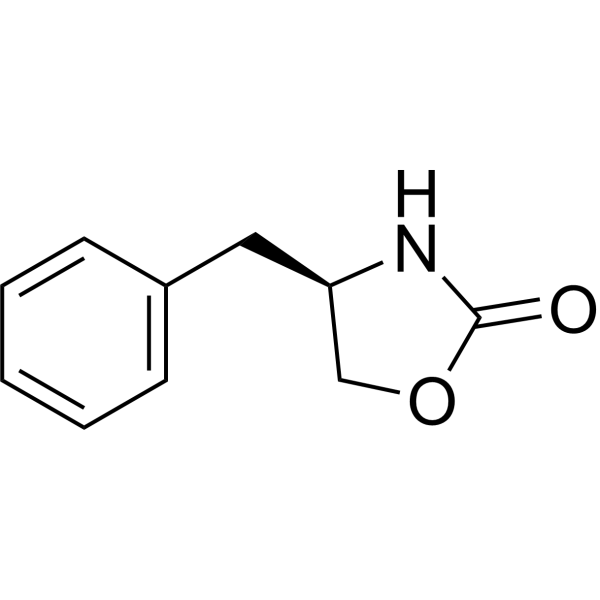
(R)-4-Benzyl-2-oxazolidinone is an oxazolidinone-type auxiliary that enables highly stereoselective asymmetric alkylation reactions. (R)-4-Benzyl-2-oxazolidinone is applied in the total synthesis of natural products and pharmaceutical preparations. Especially in pharmaceutical research and development, (R)-4-Benzyl-2-oxazolidinone not only serves as a key precursor for the synthesis of aromatase inhibitors, but also can be used in studies related to estrogen-dependent breast cancer .
loading...
    loading...
Cat. No.: HY-W015600S
CAS No.: 122258-87-1
Synonyms: Orthocetamol-d3
2-Acetamidophenol-d3 (Orthocetamol-d3) is the deuterium labeled 2-Acetamidophenol (HY-W015600). 2-Acetamidophenol (Orthocetamol) is a regulator that targets ferroptosis and glutathione metabolic pathways, is the ortho-regioisomer of Paracetamol (HY-66005). 2-Acetamidophenol has anti-atherosclerotic activity, and inhibiting total cholesterol (TC) and triglyceride (TG) in a zebrafish hyperlipidemia model with IC50s for 30 μM and 40 μM, respectively. 2-Acetamidophenol upregulates the expression of glutathione synthesis-related genes (such as GCLC, GCLM, GSS) and iron ion transport genes (such as FPN1, FTH), reduces the accumulation of intracellular reactive oxygen species (ROS) and ferrous ions (Fe2+), and enhances the activity of glutathione peroxidase GPX4, thereby inhibiting macrophage phagocytosis of oxidized low-density lipoprotein (ox-LDL) and foam cell formation .
loading...
    loading...
Cat. No.: HY-120529
CAS No.: 134044-97-6
Aciculatin is a compound with cytotoxic, anti-inflammatory and anti-arthritic activities, and its synthetic route including specific chemical reaction steps was determined through the first total synthesis.
loading...
    loading...
Cat. No.: HY-123037R
CAS No.: 43121-43-3
Triadimefon (Standard) is the analytical standard of Triadimefon (HY-123037). This product is intended for research and analytical applications. Triadimefon is an orally active fungicide. Triadimefon significantly reduces the phosphorylation of AKT1 and ERK1/2. Triadimefon significantly increases pAMPK levels, but does not affect total AMPK levels. Triadimefon inhibits the growth of Saccharomyces cerevisiae, disrupts hormone homeostasis (affecting the synthesis of testosterone, etc.), inhibits fetal adrenal development in rats, induces metabolic shifts in hepatocytes, and impairs spatial learning and memory .
loading...
    loading...

