
1. Search Result
Search Result
Results for "

translation inhibitor

" in MedChemExpress (MCE) Product Catalog:

182

Inhibitors & Agonists

4

Screening Libraries

1

Fluorescent Dyes

5

Biochemical Assay Reagents

13

Peptides

2

MCE Kits

36

Natural
Products

6

Isotope-Labeled Compounds

14

Oligonucleotides

1

GMP Molecules

Cat. No. Product Name Target Research Areas Chemical Structure
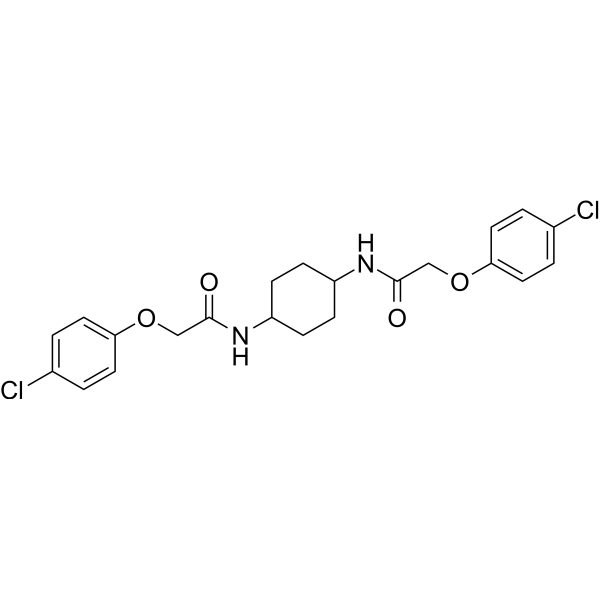
  • HY-12495A
    ISRIB
    25+ Cited Publications

    Biochemical Assay Reagents Eukaryotic Initiation Factor (eIF) Neurological Disease
    ISRIB is a brain-penetrant inhibitor of integrated stress response (ISR). Persistent activation of the ISR has been linked to the development of several neurological disorders as ISR represses translation through inhibiting eIF2B. ISRIB inhibits the ISR by promoting the nucleotide exchange activity of eIF2B and recovering the translation, and thus can be used for neurological disorders research .
    ISRIB
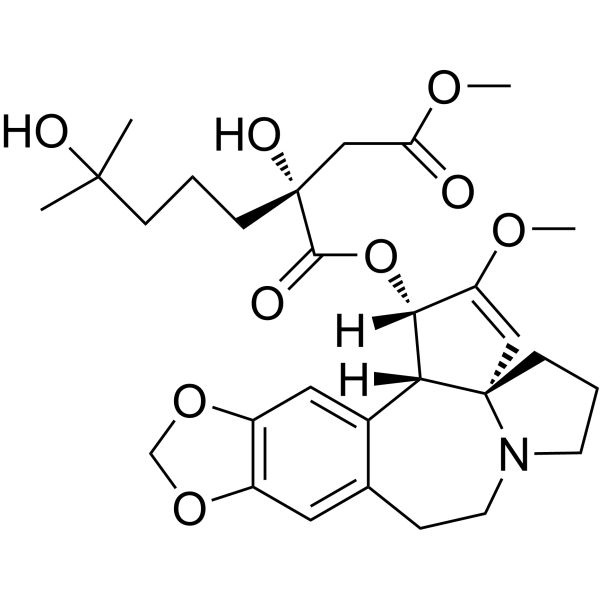
  • HY-14944
    Homoharringtonine
    30+ Cited Publications

    Omacetaxine mepesuccinate; HHT

    STAT Cancer
    Homoharringtonine (Omacetaxine mepesuccinate;HHT) is a cytotoxic alkaloid with antitumor properties which acts by inhibiting translation elongation.
    Homoharringtonine
  • HY-101488
    CC-885
    15+ Cited Publications

    Molecular Glues Ligands for E3 Ligase Cancer
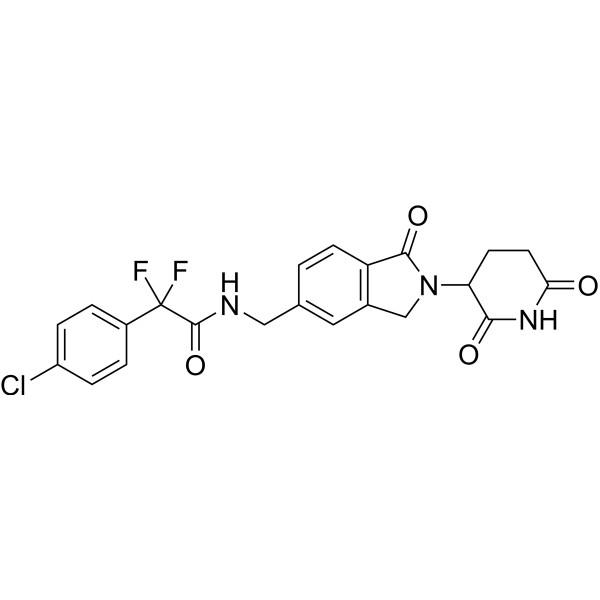
    CC-885 is a cereblon (CRBN) modulator with potent anti-tumour activity. CC-885 is also a known degrader of GSPT1, inhibiting protein translation.
    CC-885
  • HY-13251
    Silvestrol
    Maximum Cited Publications
    52 Publications Verification

    (-)-Silvestrol

    Eukaryotic Initiation Factor (eIF) Apoptosis Autophagy Cancer
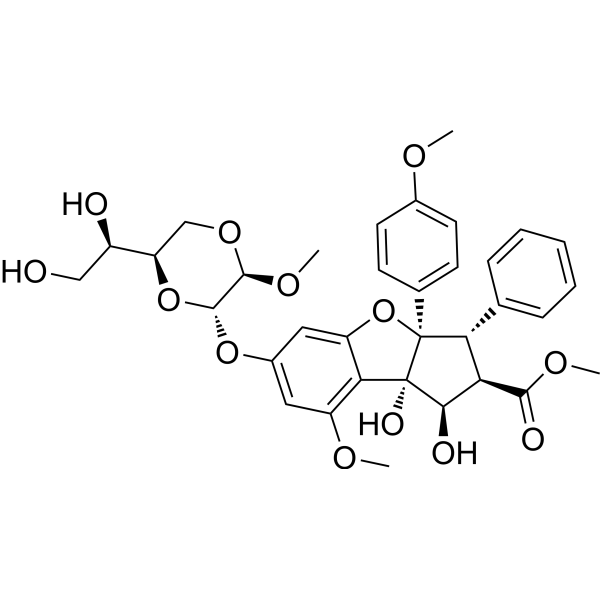
    Silvestrol is a eukaryotic translation initiation factor 4A (eIF4A) inhibitor isolated from Agave americana Linn.. Silvestrol induces autophagy and caspase-mediated apoptosis .
    Silvestrol
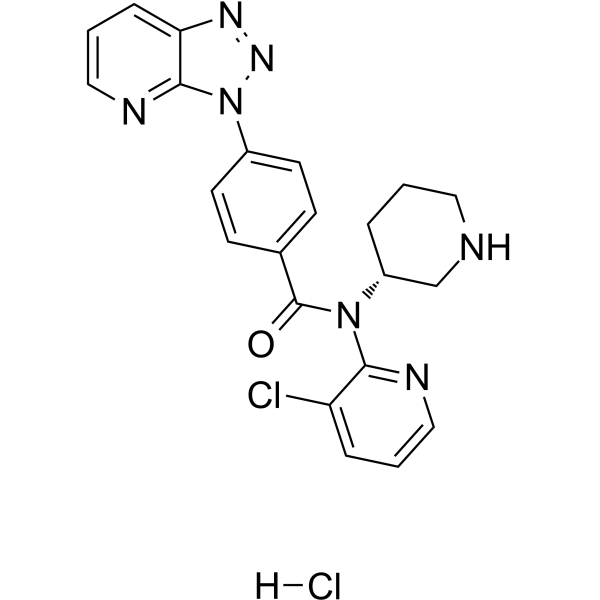
  • HY-120088A
    PF-06446846 hydrochloride
    5+ Cited Publications

    PCSK9 Cardiovascular Disease
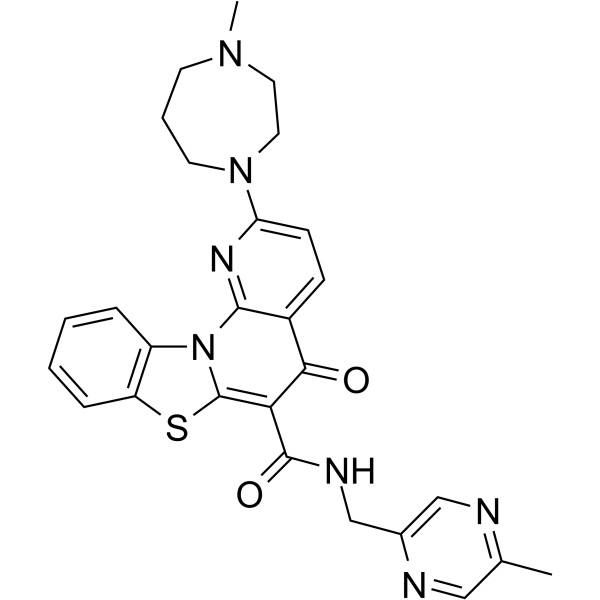
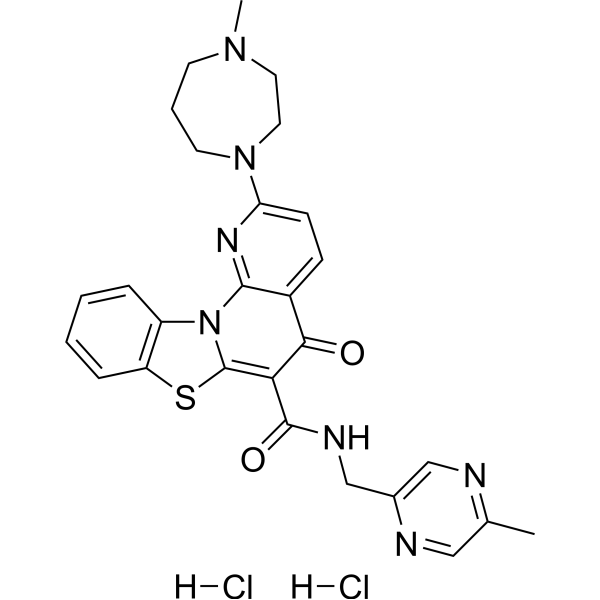
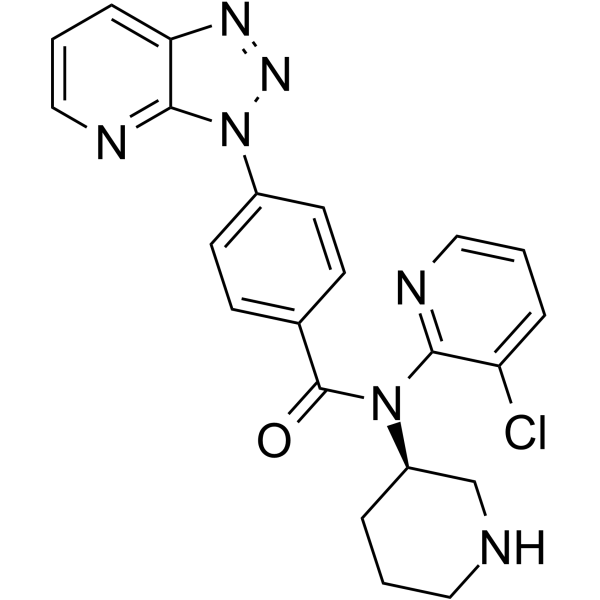
    PF-06446846 hydrochloride is an orally active and highly selective inhibitor of translation of Proprotein convertase subtilisin/kexin type 9 (PCSK9). PF-06446846 hydrochloride inhibits PCSK9 by inducing the ribosome to stall around codon 34 .
    PF-06446846 hydrochloride
  • HY-17566
    Capreomycin sulfate
    5 Publications Verification

    Antibiotic Bacterial Infection Neurological Disease Metabolic Disease
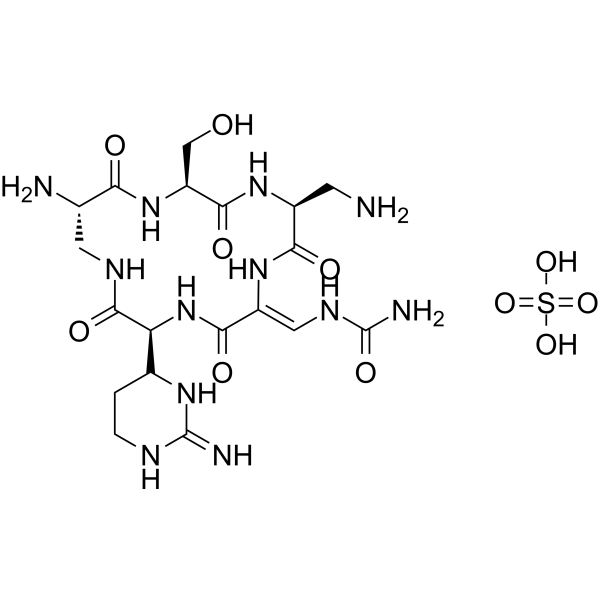
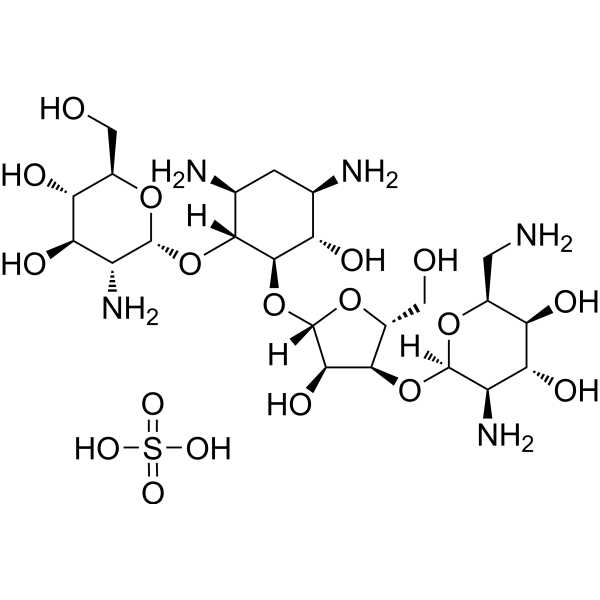
    Capreomycin sulfate is a macrocyclic peptide antibiotic that inhibits phenylalanine synthesis in mycobacterial ribosomal translation. Capreomycin sulfate has anti-amyloidogenic and pro-fibrinolytic activities, reducing amyloid-induced cytotoxicity by inhibiting the occurrence of amyloid fibrillation. Capreomycin sulfate can be used in the study of multidrug-resistant tuberculosis, type 2 diabetes, Alzheimer's disease and Parkinson's disease .
    Capreomycin sulfate
  • HY-116010
    Oleandomycin
    1 Publications Verification

    Bacterial Antibiotic Infection
    Oleandomycin is a macrolide antibiotic structurally closely related to Erythromycin. Oleandomycin is similar to Erythromycin with antimicrobial activity. Oleandomycin inhibits protein synthesis by interference with translation of activated amino acids to nascent peptide chains on the ribosomes .
    Oleandomycin
  • HY-114489A

    Apoptosis Influenza Virus Parasite Infection Neurological Disease Cancer
    Haemanthamine is a crinine-type alkaloid isolated from the Amaryllidaceae plants with potent anticancer activity. Haemanthamine targets ribosomal that inhibits protein biosynthesis during the elongation stage of translation. Haemanthamine has pro-apoptotic, antioxidant, antiviral, antimalarial and anticonvulsant activities .
    Haemanthamine
  • HY-124593
    PTC299
    5 Publications Verification

    Emvododstat

    VEGFR Dihydroorotate Dehydrogenase DNA/RNA Synthesis Cancer
    PTC299 is an orally active inhibitor of VEGFA mRNA translation that selectively inhibits VEGF protein synthesis at the post-transcriptional level. PTC299 is also a potent inhibitor of dihydroorotate dehydrogenase (DHODH). PTC299 shows good oral bioavailability and lack of off-target kinase inhibition and myelosuppression. PTC299 can be useful for the research of hematologic malignancies .
    PTC299
  • HY-W011209
    N6-Isopentenyladenosine
    1 Publications Verification

    Riboprine

    Autophagy Endogenous Metabolite Cancer
    N6-Isopentenyladenosine (Riboprine), an RNA modification found in cytokinins, which regulate plant growth/differentiation, and a subset of tRNAs, where it improves the efficiency and accuracy of translation. N6-Isopentenyladenosine, an end product of the mevalonate pathway, is an autophagy inhibitor with an interesting anti-melanoma activity .
    N6-Isopentenyladenosine
  • HY-144873

    Insulin Receptor Apoptosis Cancer
    AVJ16 is a cancer cell migration inhibitor that targets the insulin-like growth factor 2 mRNA binding protein IGF2BP1 with a good affinity of Kd of 1.4μM. AVJ16 interferes with IGF2BP1 binding target mRNA to regulate gene expression and translation .
    AVJ16
  • HY-117660
    Lincomycin
    5 Publications Verification

    U-10149

    Antibiotic Bacterial DNA/RNA Synthesis Infection Metabolic Disease
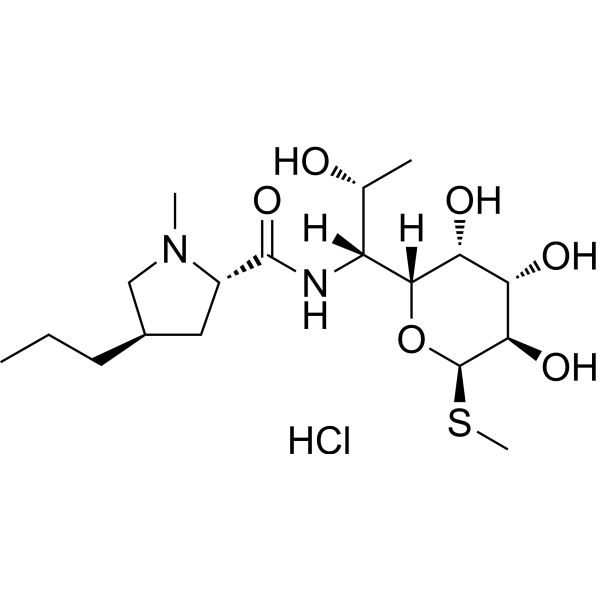
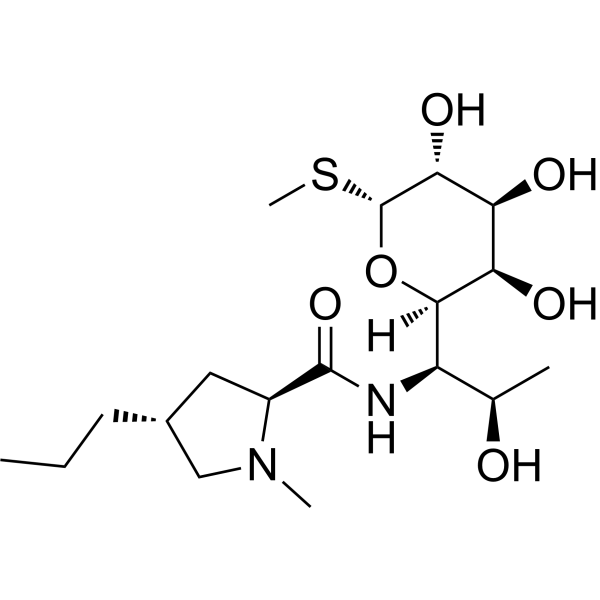
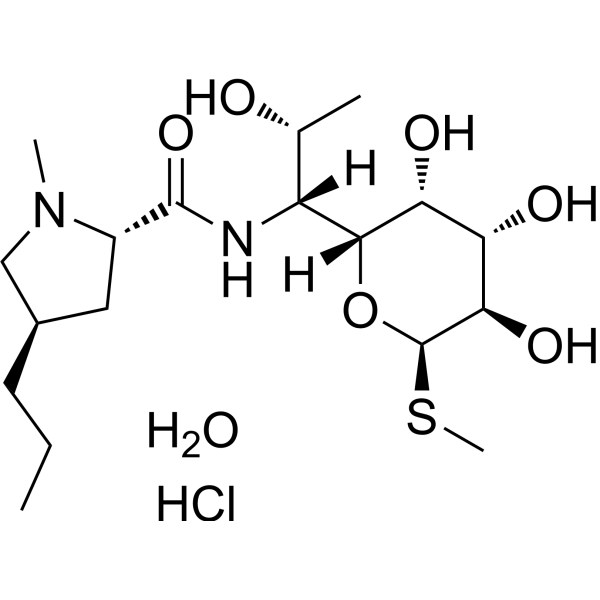
    Lincomycin (U-10149) is an orally active lincosamide antibiotic. Lincomycin binds to the ribosomes of Gram-positive bacteria to inhibit protein synthesis. Lincomycin can inhibit chloroplast translation, disrupt chloroplast integrity, and activate chloroplast-to-nucleus retrograde signaling in Arabidopsis thaliana seedlings. Lincomycin induces alterations in lipid profiles and liver injury, disrupts blood glucose and insulin levels, and increases growth rate in mice .
    Lincomycin
  • HY-13250

    Drug Derivative Cancer
    Silvestrol aglycone is a Silvestrol analogue, inhibits protein translation initiation in cancer cells, with EC50s of 10 and 200 nM for myc-LUC and tub-LUC luciferase reporter protein translation, respectively. Anti-cancer activity .
    Silvestrol aglycone
  • HY-16009

    (+)-Phenserine; ANVS401

    α-synuclein Neurological Disease Inflammation/Immunology
    Buntanetap ((+)-Phenserine) is a selective acetylcholinesterase inhibitor. Buntanetap is a multiple neurotoxic protein translation inhibitor with oral activity, including amyloid precursor protein (APP), α-synuclein (αSYN) and huntingtin protein (HTT). Buntanetap reduces the production of β-amyloid precursor protein by blocking its mRNA translation. Buntanetap has anti-inflammatory effects and can be used in the study of Alzheimer's disease and Parkinson's disease .
    Buntanetap
  • HY-14427
    4E1RCat
    3 Publications Verification

    Eukaryotic Initiation Factor (eIF) Autophagy Cancer
    4E1RCat is an inhibitor of cap-dependent translation, and inhibits eIF4E:eIF4GI interaction, with an IC50 an of ~4 μM.
    4E1RCat
  • HY-15969
    Sal003
    4 Publications Verification

    Phosphatase Apoptosis Cancer
    Sal003 is a potent, specific and cell-permeable inhibitor of the eukaryotic translation initiation factor 2α (eIF2α) phosphatase. Sal003 is a derivative of salubrinal .
    Sal003
  • HY-80003

    Flavivirus Dengue Virus Btk Infection Cancer
    QL47, a broad-spectrum antiviral agent, inhibits dengue virus and other RNA viruses. QL47 selectively inhibits eukaryotic translation. QL47 is a potent covalent inhibitor of BTK with an IC50 of 7 nM .
    QL47
  • HY-101354

    PF-00932239

    PCSK9 Cardiovascular Disease Cancer
    R-IMPP (PF-00932239) is an anti-secretagogue of PCSK9 (IC50=4.8 μM), which targets the 80S ribosome to inhibit PCSK9 protein translation .
    R-IMPP
  • HY-120118

    ML246

    DNA/RNA Synthesis Cancer
    Metarrestin (ML246) is an orally active, first-in-class and specific perinucleolar compartment inhibitor. Metarrestin disrupts the nucleolar structure and inhibits RNA polymerase (Pol) I transcription, at least in part by interacting with the translation elongation factor eEF1A2. Metarrestin blocks metastatic development and extends survival in mouse cancer models .
    Metarrestin
  • HY-18979
    Lactimidomycin
    1 Publications Verification

    Flavivirus Dengue Virus Infection Cancer
    Lactimidomycin is a glutarimide-containing compound isolated from Streptomyces. Lactimidomycin is a potent inhibitor of eukaryotic translation elongation. Lactimidomycin has a potent antiproliferative effect on tumor cell lines and selectively inhibit protein translation. Lactimidomycin inhibits protein synthesis with an IC50 value of 37.82 nM. Lactimidomycin is also a potent and non-toxic inhibitor of dengue virus 2 and other RNA viruses. Anticancer and antiviral activities .
    Lactimidomycin
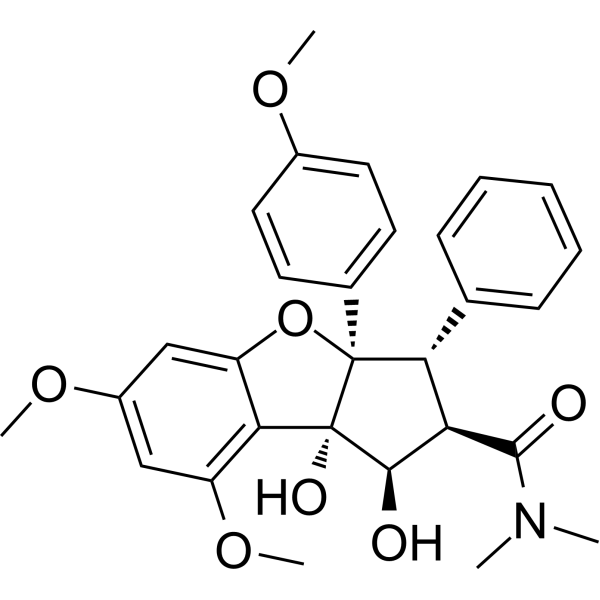
  • HY-148448

    Eukaryotic Initiation Factor (eIF) Cancer
    eIF4A3-IN-9 is a Rocaglate analog. eIF4A3-IN-9 interferes with the assembly of the eIF4F translation complex, with EC50 values of 40 nM and > 2000 nM against myc-LUC and tub-LUC, respectively. eIF4A3-IN-9 can be used for the research of tumor pathogenesis .
    eIF4A3-IN-14
  • HY-135902A
    Synucleozid hydrochloride
    2 Publications Verification

    NSC 377363 hydrochloride

    DNA/RNA Synthesis Neurological Disease
    Synucleozid hydrochloride (NSC 377363 hydrochloride) is a potent inhibitor of the?SNCA?mRNA?that encodes α-synuclein protein. Synucleozid selectively?targets the?α-synuclein?mRNA 5′ UTR at the designed IRE site, decreases the amount of?SNCA?mRNA loaded into polysomes and thereby inhibits?SNCA?translation. Synucleozid has the potential for the investigation of Parkinson’s disease .
    Synucleozid hydrochloride
  • HY-100131
    GSK481
    1 Publications Verification

    RIP kinase Inflammation/Immunology
    GSK481 is a highly potent, selective, and specific receptor interacting protein 1 (RIP1) kinase inhibitor with an IC50 of 1.3 nM, which inhibits Ser 166 phosphorylation in wild-type human RIP1 (IC50=2.8 nM). GSK481 also exhibits excellent translation in the U937 cellular assay with an IC50 of 10 nM .
    GSK481
  • HY-101866

    Bacterial Infection
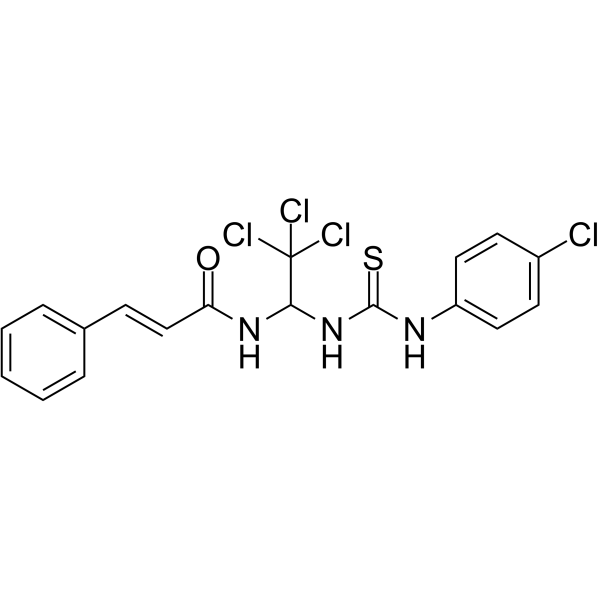
    KKL-35 is a trans-translation tagging reaction inhibitor with an IC50 of 0.9 μM.
    KKL-35
  • HY-112565
    MBX-4132
    2 Publications Verification

    Bacterial Infection
    MBX-4132, a member of a chemical class called oxadiazoles that inhibit trans translation by binding to the bacterial ribosome.
    MBX-4132
  • HY-176842

    Eukaryotic Initiation Factor (eIF) Cancer
    eIF4A-IN-1 (Compound 79) is an eIF4A inhibitor that inhibits protein translation. eIF4A-IN-1 canb be used in gastric cancer research .
    eIF4A-IN-1
  • HY-119271

    SDS-1-021

    c-Myc Apoptosis Cancer
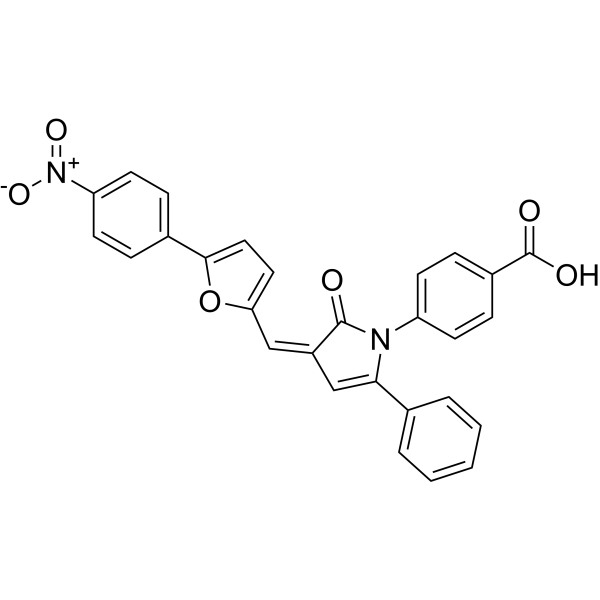
    CMLD010509 (SDS-1-021) is a highly specific inhibitor of the oncogenic translation program supporting multiple myeloma (MM)-including key oncoproteins such as MYC, MDM2, CCND1, MAF, and MCL-1. CMLD010509 (SDS-1-021) shows an IC50 below 10 nM for most MM cell lines and induces apoptosis. CMLD010509 (SDS-1-021) is a potent and selective translation inhibitor through an eIF4E phosphorylation-independent mechanism .
    CMLD010509
  • HY-148447

    Eukaryotic Initiation Factor (eIF) Cancer
    eIF4A-IN-3, Silvestrol (HY-13251) analogue, is an eIF4A inhibitor. eIF4A-IN-3 blocks protein translation initiation by interfering with eIF4F complex assembly, preferentially inhibiting translation of mRNAs with long, highly structured 5'-untranslated regions. eIF4A-IN-3 inhibits proliferation of human breast cancer cells. eIF4A-IN-3 has moderate apical to basolateral permeability in intestinal cell monolayers and a low efflux ratio .
    eIF4A-IN-3
  • HY-153492A

    AMG 890 sodium; ARC-LPA sodium

    Small Interfering RNA (siRNA) Inflammation/Immunology
    Olpasiran (AMG 890, ARC-LPA) sodium is an N-acetyl galactosamine (GalNAc)-conjugated, hepatocyte-targeted siRNA. Olpasiran sodium directly inhibits LPA messenger RNA translation in hepatocytes and potently reduce Lp(a) concentration. Olpasiran sodium can be used for the research of cardiovascular disease, such as atherosclerosis .
    Olpasiran sodium
  • HY-176844

    ADC Payload Drug Intermediate Cancer
    eIF4A-IN-1 intermediate (Compound 71E) is an intermediate of Eukaryotic translation initiation factor 4A (eIF4A) inhibitor. eIF4A-IN-1 intermediate can be used as a cytotoxic payload for synthesis of antibody-drug conjugates (ADCs) .
    eIF4A-IN-1 intermediate
  • HY-21586B

    m7GTP sodium

    Nucleoside Antimetabolite/Analog Others
    7-Methyl-guanosine-5'-triphosphate (m7GTP) sodium is a guanosine 5'-phosphate. 7-Methyl-guanosine-5'-triphosphate sodium phosphorothioate analog is a potent cap-dependent translation inhibitor .
    7-Methyl-guanosine-5'-triphosphate sodium
  • HY-145932

    Enterovirus Infection
    DMA-135 hydrochloride inhibits enterovirus 71 (EV71) IRES-dependent translation and replication. DMA-135 hydrochloride binds to enterovirus 71 (EV71) SLII domain with moderately high affinity (KD= 520 nM). DMA-135 hydrochloride has no significant toxicity in cell-based studies .
    DMA-135 hydrochloride
  • HY-164515

    Apoptosis Mitochondrial Metabolism Caspase PARP Cancer
    ONC213 is an orally active αKGDH inhibitor. ONC213 can suppress mitochondrial respiration and elevate α-ketoglutarate levels by inhibiting αKGDH activity. ONC213 can induce cells apoptosis by inducing mitochondrial stress response and inhibiting translation of MCL-1. ONC213 can be used for the research of cancer, such as acute myeloid leukemia research (AML) .
    ONC213
  • HY-139098

    m7Gp3G

    DNA/RNA Synthesis Others
    7-Methyl-diguanosine triphosphate (m7Gp3G) is an mRNA cap structure analog that inhibits in vitro protein synthesis by binding to the translation initiation complex. 7-Methyl-diguanosine triphosphate binds to eIF4E, promotes cap-dependent translation initiation, stabilizes mRNA, and acts as a translation enhancer. 7-Methyl-diguanosine triphosphate can be used to prepare synthetic capped RNA transcripts for studies related to mRNA translation, splicing, turnover, and intracellular transport .
    7-Methyl-diguanosine triphosphate
  • HY-164419A

    COR-004 sodium; ATL1103 sodium; ISIS 227452 sodium

    GHR Others
    Atesidorsen sodium is a second-generation, antisense oligomer designed to inhibit translation of human growth hormone receptor (GHR) mRNA
    Atesidorsen sodium
  • HY-15359
    Episilvestrol
    1 Publications Verification

    Eukaryotic Initiation Factor (eIF) Autophagy Cancer
    Episilvestrol is a derivative of silvestrol, isolated from the fruits and twigs of Aglaia perviridis, and is a specific eIF4A-targeting translation inhibitor, with antitumor activity.
    Episilvestrol
  • HY-120088
    PF-06446846
    5+ Cited Publications

    PCSK9 Cardiovascular Disease
    PF-06446846 is an orally active proprotein convertase subtilisin/kexin type 9 (PCSK9) inhibitor. PF-06446846 directly and selectively inhibits translation of PCSK9 by stalling the 80S ribosome in the proximity of codon region .
    PF-06446846
  • HY-B1864
    Kasugamycin
    1 Publications Verification

    Ksg

    Antibiotic Bacterial Infection
    Kasugamycin (Ksg) is an antibiotic which binds both the 30S and 70S ribosome but not isolated 50S subunits. Kasugamycin mimics mRNA nucleotides to destabilize tRNA binding and inhibit canonical translation initiation .
    Kasugamycin
  • HY-P5292A

    Radionuclide-Drug Conjugates (RDCs) PSMA Cancer
    HYNIC-iPSMA TFA is a ligand for molecular imaging of tumors. Hynic-ipsma consists of two components: HYNIC (6-hydrazinonicotinamide) and iPSMA (Inhibitor of Prostate-Specific Membrane Antigen). HYNIC is a compound used to attach radioactive isotopes to targeted molecules. iPSMA is a specific inhibitor used to inhibit prostate-specific membrane antigen (PSMA). 68GA-labeled iPSMA has been used to detect prostate cancer by PET imaging. The further 99mTc-EDDA/HYNIC-iPSMA TFA has excellent specificity and sensitivity . HYNIC-iPSMA TFA can be used for the synthesis/research of Radionuclide-Drug Conjugates (RDCs).
    HYNIC-iPSMA TFA
  • HY-P3270

    Bacterial Antibiotic Infection
    Capreomycin is a macrocyclic peptide antibiotic. Capreomycin can be used for anti-multidrug-resistant-tuberculosis research. Capreomycin can inhibit phenylalanine synthesis in in mycobacterial ribosomes translation
    Capreomycin
  • HY-P5723A

    Bacterial Infection
    Api137 TFA is an antimicrobial peptide that interferes with bacterial growth by inhibiting translation. Api137 TFA inhibits protein synthesis by trapping of release factors on the 70S ribosome following hydrolysis of the nascent polypeptide chain .
    Api137 TFA
  • HY-163299
    pan-KRAS-IN-5
    1 Publications Verification

    Ras Apoptosis PI3K Akt p38 MAPK Cancer
    pan-KRAS-IN-5 is a pan-KRAS translation inhibitor by targeting 5′-UTR RNA G-quadruplexes (rG4s). pan-KRAS-IN-5 strongly binds to and stabilizes KRAS rG4s, inhibits KRAS translation, and blocks the MAPK and PI3K-AKT pathways. pan-KRAS-IN-5 induces cell cycle arrest, prompts apoptosis in KRAS-driven cancer cells. pan-KRAS-IN-5 inhibits tumor growth and KRAS expression in KRAS-mutant xenograft. KRAS-IN-5 can be used for KRAS-driven cancer research .
    pan-KRAS-IN-5
  • HY-N0278

    Pulsatilla camphor; Anemonine; trans-Anemonin

    PKC NO Synthase Inflammation/Immunology
    Anemonin (Pulsatilla camphor), a selective iNOS inhibitor, is also a PKC-θ inhibitor. Anemonin can significantly inhibit the translation or protein stability of PKC-θ protein. Anemonin also ameliorates dextran sodium sulfate-induced acute ulcerative colitis (UC) in mice. Anemonin can be used in the research of inflammation-related diseases .
    Anemonin
  • HY-135902

    NSC 377363

    DNA/RNA Synthesis Neurological Disease
    Synucleozid (NSC 377363) is a potent inhibitor of the SNCA mRNA that encodes α-synuclein protein. Synucleozid selectively targets the α-synuclein mRNA 5′ UTR at the designed IRE site, decreases the amount of SNCA mRNA loaded into polysomes and thereby inhibits SNCA translation. Synucleozid has the potential for the investigation of Parkinson’s disease .
    Synucleozid
  • HY-N0278A

    (Rac)-Pulsatilla camphor; (Rac)-Anemonine

    PKC NO Synthase Inflammation/Immunology
    (Rac)-Anemonin ((Rac)-Pulsatilla camphor) is the diastereoisomer of Anemonin (HY-N0278). Anemonin (Pulsatilla camphor), a selective iNOS inhibitor, is also a PKC-θ inhibitor. Anemonin can significantly inhibit the translation or protein stability of PKC-θ protein. Anemonin also ameliorates dextran sodium sulfate-induced acute ulcerative colitis (UC) in mice. Anemonin can be used in the research of inflammation-related diseases .
    (Rac)-Anemonin
  • HY-175164

    Apoptosis c-Myc Cancer
    SVC112 is a translation elongation inhibitor that prevents the cyclic dissociation of EF2 from the ribosome, thereby inhibiting the elongation step of translation. SVC112 shows activity in growth inhibition among cancer cell lines of various origins (acute myeloid leukemia (AML), multiple myeloma (Myeloma), colorectal cancer (CRC), and head and neck squamous cell carcinoma (HNSCC)). SVC112 preferentially impedes ribosomal processing of mRNAs, and decreaseds CSC-related proteins including Myc and Sox2. SVC112 induces apoptosis in hematologic cancer cell lines, while phosphorylation of c-Myc correlates with sensitivity to SVC112 in colorectal cancer cell lines. SVC112 inactivates HNSCC stem cells in vitro and prevents the regrowth of HNSCC tumor xenografts in mice. SVC112 can be used for the study of HNSCC .
    SVC112
  • HY-162238

    Parasite Infection
    OSM-S-106 is a pro-inhibitor and that inhibition of PfAsnRS occurs via enzyme-mediated production of an Asn-OSM-S-106 adduct. OSM-S-106 inhibits protein translation and activates the amino acid starvation response. OSM-S-106 exhibits selective activity against Plasmodium blood and liver stages and low intrinsic clearance by human microsomes .
    OSM-S-106
  • HY-124811

    c-Myc Cancer
    IRES-C11 is a spectfic c-MYC internal ribosome entry site (IRES) translation inhibitor. IRES-C11 blocks the interaction of a requisite c-MYC IRES trans-acting factor, heterogeneous nuclear ribonucleoprotein A1, with its IRES. IRES-C11 does not inhibits BAG-1, XIAP and p53 IRESes .
    IRES-C11
  • HY-176843

    Eukaryotic Initiation Factor (eIF) ADC Payload Cancer
    eIF4A-IN-2 (Compound 93) is an Eukaryotic translation initiation factor 4A (eIF4A) inhibitor. eIF4A-IN-2 can be used as a cytotoxic payload for synthesis of antibody-drug conjugates (ADCs) .
    eIF4A-IN-2
  • HY-P5292

    Radionuclide-Drug Conjugates (RDCs) PSMA Cancer
    HYNIC-iPSMA is a ligand for molecular imaging of tumors. Hynic-ipsma consists of two components: HYNIC (6-hydrazinonicotinamide) and iPSMA (Inhibitor of Prostate-Specific Membrane Antigen). HYNIC is a compound used to attach radioactive isotopes to targeted molecules. iPSMA is a specific inhibitor used to inhibit prostate-specific membrane antigen (PSMA). 68GA-labeled iPSMA has been used to detect prostate cancer by PET imaging. The further 99mTc-EDDA/HYNIC-iPSMA has excellent specificity and sensitivity . HYNIC-iPSMA can be used for the synthesis/research of Radionuclide-Drug Conjugates (RDCs).
    HYNIC-iPSMA

Inquiry Online

Your information is safe with us. * Required Fields.

Salutation


Country or Region *

Applicant Name *


Organization Name *

Department *


Email Address *


Product Name *

Cat. No.


Requested quantity *

Phone Number *


Remarks

Inquiry Online

Inquiry Information

Product Name:
Cat. No.:
Quantity:
MCE Japan Authorized Agent:

