


From 11:00 pm to 12:00 pm EST ( 8:00 pm to 9:00 pm PST ) on January 6th, the website will be under maintenance. We are sorry for the inconvenience. Please arrange your schedule properly.
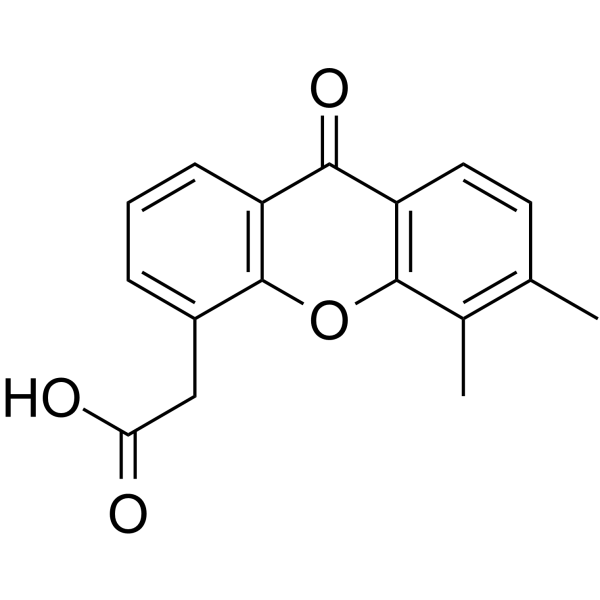
Vadimezan (DMXAA), the tumor vascular disrupting agent (tumor-VDA), is a murine agonist of the stimulator of interferon genes (STING) and also a potent inducer of typeIIFNs and other cytokines. Vadimezan is unable to activate human STING. Vadimezan has anti-influenza virus H1N1-PR8 activities.
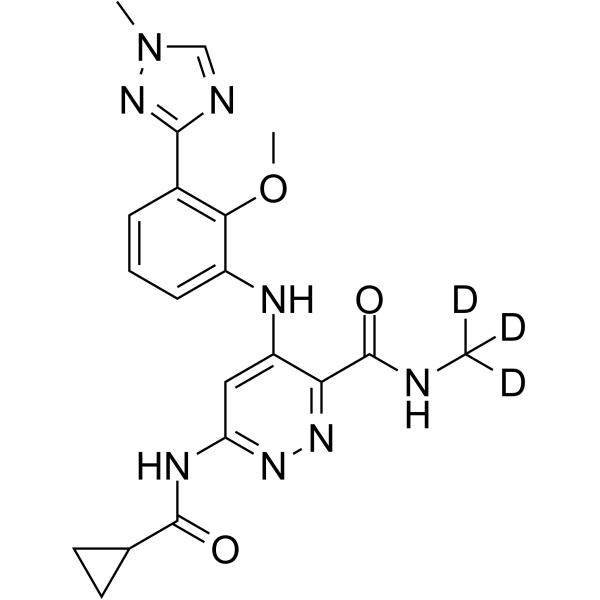
Deucravacitinib (BMS-986165) is a highly selective, orally bioavailable allosteric TYK2 inhibitor for the treatment of autoimmune diseases, which selectively binds to TYK2 pseudokinase (JH2) domain (IC50=1.0 nM) and blocks receptor-mediated Tyk2 activation by stabilizing the regulatory JH2 domain. Deucravacitinib inhibits IL-12/23 and typeIIFN pathways. Deucravacitinib, the FDA's world first de novo deuterium, is available for study in moderate to severe plaque psoriasis .
Anifrolumab is a typeI interferon(IFN) receptor antagonist, a human monoclonal antibody. Anifrolumab blocks the activity of typeI interferon. Anifrolumab can be used in systemic lupus erythematosus (SLE) research .
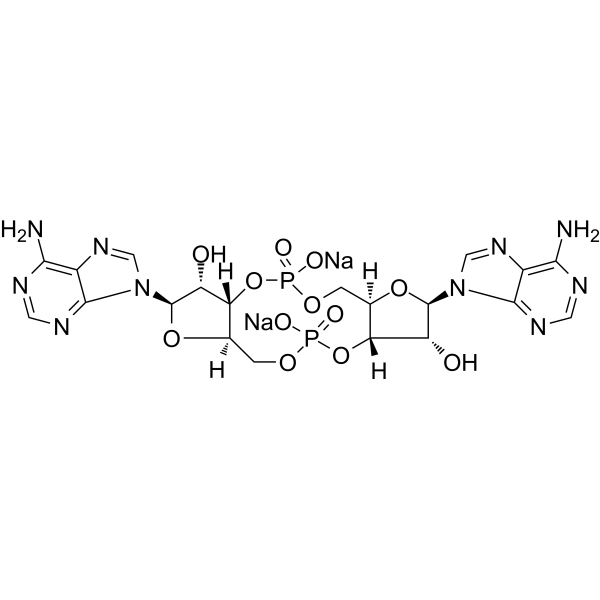
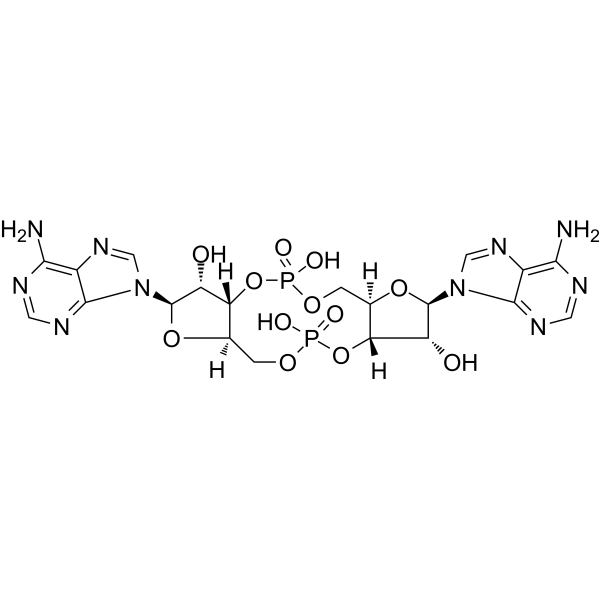
c-di-AMP (Cyclic diadenylate) sodium is a STING agonist, which binds to the transmembrane protein STING thereby activating the TBK3-IRF3 signaling pathway, subsequently triggering the production of typeIIFN and TNF. c-di-AMP sodium is also a bacterial second messenger, which regulates cell growth, survival, and virulence, primarily within Gram-positive bacteria, and also regulates host immune response. c-di-AMP sodium acts as a potent mucosal adjuvant stimulating both humoral and cellular responses .
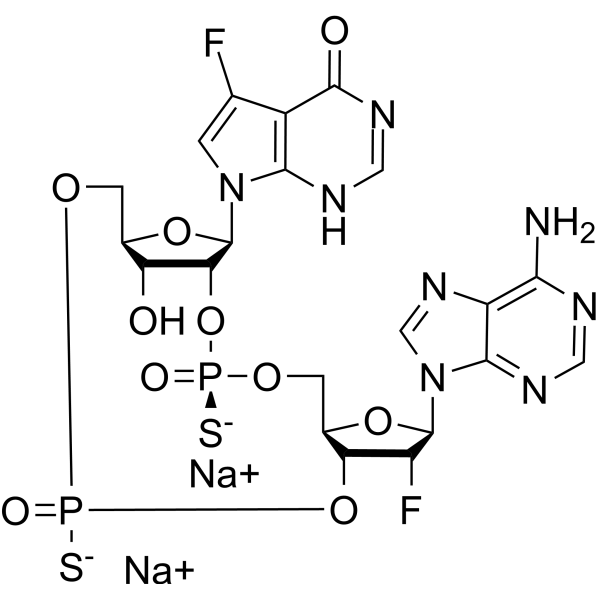
Dazostinag disodium (TAK-676) is an agonist of STING, triggering the activation of STING signaling pathway and typeI interferons. Dazostinag disodium is also a modulator of immune system, resulting complete regressions and durable memory T-cell immunity. Dazostinag disodium promotes durable IFN-dependent antitumor immunity .
Zomiradomide is an orally active PROTAC degrader for IRAK4 (DC50=6 nM), thereby inhibiting the NF-κB signaling pathway. Zomiradomide acts also as a molecular glue, recruiting Ikaros and Aiolos, and mediating their degradation (DC50 for Ikaros is 1 nM), thereby activating the typeIIFN signaling pathway . (Pink: target protein ligand PROTAC IRAK4 ligand-5 (HY-168311), Blue: E3 ligase ligand Thalidomide-4-Br (HY-W039116), Black: linker (HY-168313))
c-di-AMP (Cyclic diadenylate) is a STING agonist, which binds to the transmembrane protein STING thereby activating the TBK3-IRF3 signaling pathway, subsequently triggering the production of typeIIFN and TNF. c-di-AMP (Cyclic diadenylate) is also a bacterial second messenger, which regulates cell growth, survival, and virulence, primarily within Gram-positive bacteria, and also regulates host immune response. c-di-AMP (Cyclic diadenylate) acts as a potent mucosal adjuvant stimulating both humoral and cellular responses .
STING agonist-22 (CF501) is a potent non-nucleotide STING agonist. STING agonist-22 is a adjuvant by activating STING to induce the typeI interferon (IFN-I) response and proinflammatory cytokine production. STING agonist-22 can be used as an adjuvant to boost the original protein vaccine, producing potent, broad, and long-term immune protection. STING agonist-22 can be used for SARS-CoV-2 variants and sarbecovirus diseases research .
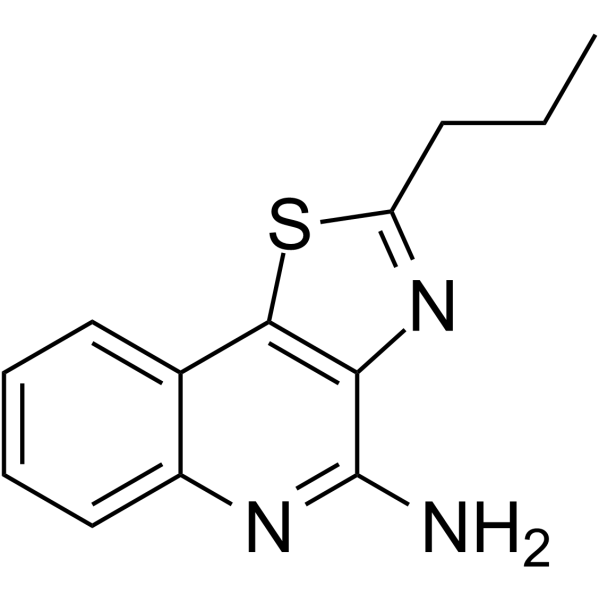
CL075 (3M002) is a selective TLR8 agonist with immunomodulating properties. CL075 triggers a MyD88-dependent signaling pathway to elicit production of inflammatory cytokines and typeI interferons (IFNs) via activation of NF-κB and IRF7, respectively .
Envudeucitinibum (Envudeucitinib) is a highly selective, allosteric and orally active TYK2 inhibitor binding to the JH2 domain of TYK2. Envudeucitinibum has no off-target effects on other kinases (JAK1-3). Envudeucitinibum reduces signaling and production of proinflammatory cytokines including IL-12, IL-23, IL-17, and typeI interferons (IFNs). Envudeucitinibum can be used for the research of plaque psoriasis, systemic lupus erythematosus (SLE), and other immune-mediated diseases.
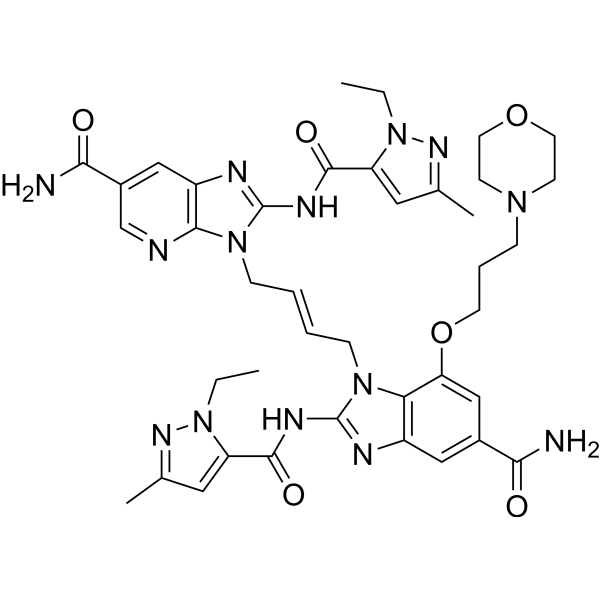
SNX281 is a selective STING agonist, with IC50 values of 4.1, 4.5, 10.7, and 3.7 μM against human, mouse, rat, and monkey STING, respectively. SNX281 undergoes homodimerization at the STING binding site, triggering a conformational shift of STING from an inactive open state to an active closed state, thereby driving downstream STING-dependent signaling pathways. SNX281 induces typeI interferons, IFN-β, TNF-α, IL-6, cytokine release, T cell responses, and long-lasting immune memory. SNX281 exhibits anti-tumor activity and is applicable to research related to colorectal cancer, melanoma, advanced solid tumors, lymphoma, and ovarian cancer .
STING agonist-45 is a selective STING agonist (EC50 = 0.28 μM). STING agonist-45 activates the innate immune response through the cGAS-STING pathway, upregulating key markers such as p-TBK1 and IRF3. STING agonist-45 exhibits robust STING activation in human peripheral blood mononuclear cells (PBMCs), inducing the production of typeI interferons (such as IFN-β) and downstream cytokines (such as TNF-α and IL-6). STING agonist-45 enhances anti-tumor immunity, inhibits tumor growth, and increases CD8 + T cell infiltration in mouse models. STING agonist-45 is promising for the study of STING-related diseases .
SM-360320 (CL-087) is a potent, orally active TLR7 agonist. SM-360320 is a immuno-modulator and exerts an antitumor effect. SM-360320 can act in synergy with DNA vaccines leading to an enhanced Th1 antibody response . SM-360320 can inhibit HCV replication in hepatocytes via a typeIIFN-independent mechanism in addition to its IFN-mediated activity .
Interferon alfa-2b is a typeI interferon that activates novel genes and exerts potent antiviral and antiproliferative activity on target cells. Signaling by Interferon alfa-2b requires receptor-dependent activation of Stat1 and Stat2 to form a heterodimeric STAT that binds to the DNA-binding protein IRF-9 (p48) and forms ISGF-3 (IFN-stimulated gene factor 3). The driver genes are then further activated by ISGF-3 to achieve antiviral function .
UCM05 (G28UCM) is a fatty acid synthase (FASN) and filamentous temperature-sensitive protein Z (Ftsz) inhibitor. UCM05 inhibits fatty acid synthesis, viral replication, and Gram-positive bacterial growth. UCM05 binds to FtsZ GTP-binding sites, inhibits GTPase activity, and disrupts Z-ring localization. UCM05 can be used for the research of HSV-1/2 infection, HIV-1 infection, and Gram-positive bacterial infections[1][2][3].
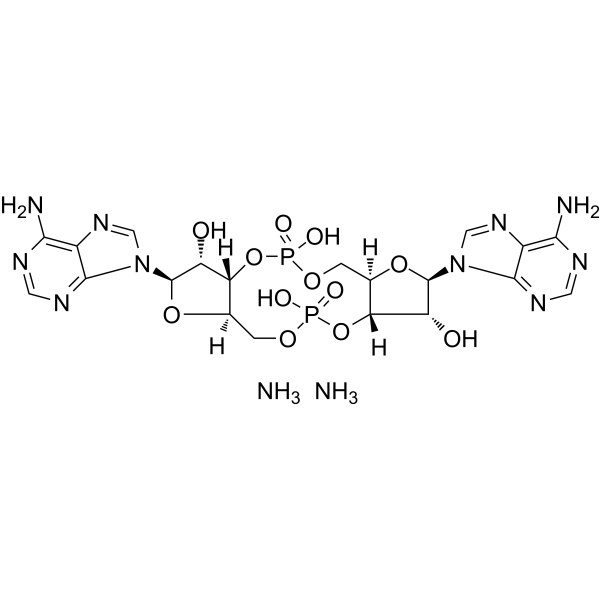
c-di-AMP diammonium is a STING agonist, which binds to the transmembrane protein STING thereby activating the TBK3-IRF3 signaling pathway, subsequently triggering the production of typeIIFN and TNF. c-di-AMP diammonium is also a bacterial second messenger, which regulates cell growth, survival, and virulence, primarily within Gram-positive bacteria, and also regulates host immune response. c-di-AMP diammonium acts as a potent mucosal adjuvant stimulating both humoral and cellular responses .
CARM1-IN-6 is a potent CARM1 inhibitor that inhibits CARM1 enzymatic activity with an IC50 of 12.3 μM and a Kd of 0.6785 μM. CARM1-IN-6 suppresses oncogenic estrogen/ERα-target gene expression, activates typeI interferon (IFN) and IFN-induced genes (ISGs), induces cell cycle arrest, and inhibits breast cancer cell proliferation both in vitro and in vivo. CARM1-IN-6 can be used for the research of breast cancer .
4A-MPLA ammonium is an orally active TLR4 agonist. 4A-MPLA ammonium induces TLR4 endocytosis dependent on Cdc42 and galectin-3, triggering TRIF-mediated signaling and sustained IFN-β production. 4A-MPLA ammonium promotes lipid droplet formation, upregulates interferon-stimulated genes and typeIIFN signaling genes, downregulates lysosome/phagosome function genes, and modulates tolerogenic dendritic cell function. 4A-MPLA ammonium can be used for the research of colitis .
Vadimezan (Standard) (DMXAA (Standard)) is the analytical standard of Vadimezan (HY-10964). This product is intended for research and analytical applications. Vadimezan (DMXAA; ASA-404), the tumor vascular disrupting agent (tumor-VDA), is a murine agonist of the stimulator of interferon genes (STING) and also a potent inducer of typeIIFNs and other cytokines. Vadimezan is unable to activate human STING. Vadimezan has anti-influenza virus H1N1-PR8 activities.
Gp(2′-5′)Ap sodium is a linear dinucleotide analog after hydrolysis of cyclic guanosine monophosphate- adenosine monophosphate (2’3’-cGAMP) by phosphodiesterases. Due to its linear conformation, 2’5’GpAp is intended to serve as a negative control for 2’3’-cGAMP in typeIIFN induction assays.
JAK1 is a non-receptor tyrosine kinase that plays a critical role in cell signaling via typeI/II cytokines and interferons (IFNs). JAK1(JH1) is a kinase domain. JAK1(JH1) Recombinant Human Active Protein Kinase is a recombinant JAK1(JH1) protein that can be used to study JAK1(JH1)-related functions .
UCM05 (Standard) is the analytical standard of Lysipressin. This product is intended for research and analytical applications. UCM05 (G28UCM) is a fatty acid synthase (FASN) and filamentous temperature-sensitive protein Z (Ftsz) inhibitor. UCM05 inhibits fatty acid synthesis, viral replication, and Gram-positive bacterial growth. UCM05 binds to FtsZ GTP-binding sites, inhibits GTPase activity, and disrupts Z-ring localization. UCM05 can be used for the research of HSV-1/2 infection, HIV-1 infection, and Gram-positive bacterial infections [1][2][3].
ADAR1i-124 is an A-to-IRNA editing inhibitor by inhibiting the catalytic activities of both ADAR1p150 and ADAR1p110. ADAR1i-124 activates typeI interferon (IFN) and ZBP1 pathways and dose-dependently inhibits viability across different types of cancer cell lines. ADAR1i-124 can induce cells apoptosis and necroptosis. ADAR1i-124 can be used for the research of cancer, such as cutaneous melanoma and ovarian cancer .
Human IFNE mRNA encodes the human interferon epsilon (IFNE) protein, a cytokine that belongs to the typeI class of interferons. IFNE is required for maintaining basal levels of IFN-regulated genes, including 2''-5''-oligoadenylate synthetase, IRF7 and ISG15.
CDN-3 (Compound 10) is a cyclic dideoxy nucleotide derivative. CDN-3 can stimulate the production of IFN-β, activate the IRF-3 and NF-κB pathways, and induce the production of typeI interferons as well as pro-inflammatory factors such as IL-6 and TNF-α. CDN-3 can inhibit cancer cells proliferation. CDN-3 can be used for research of colon cancer .
NHWL071065 is a CRBN-targeting IKZF1/IKZF3molecular glues degrader. NHWL071065 selectively degrades IKZF1 and IKZF3 in lymphoma cells via the ubiquitin-proteasome pathway. NHWL071065 inhibits the proliferation of lymphoma cells. NHWL071065 downregulates proteins involved in cytoskeleton assembly, cell adhesion and immune regulation in cells, while upregulating proteins related to the typeIIFN signaling pathway. NHWL071065 can be used in the research of lymphoma .
SB2960 is a receptor for activated protein C kinase 1 (RACK1) binder with a human KD of 5.65 μM. SB2960 can promote stress granule (SG) formation and exhibit potent antiviral activity across diverse viral species. SB2960 suppresses viral replication with minimal cytotoxicity by modulating host antiviral immune responses. SB2960 increases the thermal stability of RACK1 and reduces SARS-CoV-2 N protein levels. SB2960 enhances typeI interferon (IFN-β) expression and inhibits RIG-I, ISG56, and RANTES expression. SB2960 can be used for the research of virus infection .
Deucravacitinib- 13C,d3 is the 13C- and deuterium labeled Deucravacitinib. Deucravacitinib (BMS-986165) is a highly selective, orally bioavailable allosteric TYK2 inhibitor for the treatment of autoimmune diseases, which selectively binds to TYK2 pseudokinase (JH2) domain (IC50=1.0 nM) and blocks receptor-mediated Tyk2 activation by stabilizing the regulatory JH2 domain. Deucravacitinib inhibits IL-12/23 and typeIIFN pathways. Deucravacitinib, the FDA's world first de novo deuterium, is available for study in moderate to severe plaque psoriasis .
Anti-Mouse CD1d Antibody (1B1) is an antibody targeting mouse CD1d (Kd=12.5 nM). By inserting into the lipid-binding groove of CD1d, Anti-Mouse CD1d Antibody (1B1) overlaps with the binding sites of typeI and typeIINKT cell receptors (TCR), thereby effectively blocking TCR-mediated interactions. Anti-Mouse CD1d Antibody (1B1) activates antigen-presenting cells such as dendritic cells and macrophages, induces them to release IL-12p70, and increases the levels of key cytokines including IL-12, IFN-γ and IFN-α in mouse serum. Anti-Mouse CD1d Antibody (1B1) can be used in studies related to renal cancer, breast cancer and colon adenocarcinoma. When combined with anti-DR5 or anti-CD137 antibodies and chemotherapeutic drugs, Anti-Mouse CD1d Antibody (1B1) exhibits significant tumor inhibitory and even eradication effects in mice .
Anifrolumab is a typeI interferon(IFN) receptor antagonist, a human monoclonal antibody. Anifrolumab blocks the activity of typeI interferon. Anifrolumab can be used in systemic lupus erythematosus (SLE) research .
Interferon alfa-2b is a typeI interferon that activates novel genes and exerts potent antiviral and antiproliferative activity on target cells. Signaling by Interferon alfa-2b requires receptor-dependent activation of Stat1 and Stat2 to form a heterodimeric STAT that binds to the DNA-binding protein IRF-9 (p48) and forms ISGF-3 (IFN-stimulated gene factor 3). The driver genes are then further activated by ISGF-3 to achieve antiviral function .
Anti-Mouse CD1d Antibody (1B1) is an antibody targeting mouse CD1d (Kd=12.5 nM). By inserting into the lipid-binding groove of CD1d, Anti-Mouse CD1d Antibody (1B1) overlaps with the binding sites of typeI and typeIINKT cell receptors (TCR), thereby effectively blocking TCR-mediated interactions. Anti-Mouse CD1d Antibody (1B1) activates antigen-presenting cells such as dendritic cells and macrophages, induces them to release IL-12p70, and increases the levels of key cytokines including IL-12, IFN-γ and IFN-α in mouse serum. Anti-Mouse CD1d Antibody (1B1) can be used in studies related to renal cancer, breast cancer and colon adenocarcinoma. When combined with anti-DR5 or anti-CD137 antibodies and chemotherapeutic drugs, Anti-Mouse CD1d Antibody (1B1) exhibits significant tumor inhibitory and even eradication effects in mice .
c-di-AMP (Cyclic diadenylate) sodium is a STING agonist, which binds to the transmembrane protein STING thereby activating the TBK3-IRF3 signaling pathway, subsequently triggering the production of typeIIFN and TNF. c-di-AMP sodium is also a bacterial second messenger, which regulates cell growth, survival, and virulence, primarily within Gram-positive bacteria, and also regulates host immune response. c-di-AMP sodium acts as a potent mucosal adjuvant stimulating both humoral and cellular responses .
c-di-AMP (Cyclic diadenylate) is a STING agonist, which binds to the transmembrane protein STING thereby activating the TBK3-IRF3 signaling pathway, subsequently triggering the production of typeIIFN and TNF. c-di-AMP (Cyclic diadenylate) is also a bacterial second messenger, which regulates cell growth, survival, and virulence, primarily within Gram-positive bacteria, and also regulates host immune response. c-di-AMP (Cyclic diadenylate) acts as a potent mucosal adjuvant stimulating both humoral and cellular responses .
c-di-AMP diammonium is a STING agonist, which binds to the transmembrane protein STING thereby activating the TBK3-IRF3 signaling pathway, subsequently triggering the production of typeIIFN and TNF. c-di-AMP diammonium is also a bacterial second messenger, which regulates cell growth, survival, and virulence, primarily within Gram-positive bacteria, and also regulates host immune response. c-di-AMP diammonium acts as a potent mucosal adjuvant stimulating both humoral and cellular responses .
4A-MPLA ammonium is an orally active TLR4 agonist. 4A-MPLA ammonium induces TLR4 endocytosis dependent on Cdc42 and galectin-3, triggering TRIF-mediated signaling and sustained IFN-β production. 4A-MPLA ammonium promotes lipid droplet formation, upregulates interferon-stimulated genes and typeIIFN signaling genes, downregulates lysosome/phagosome function genes, and modulates tolerogenic dendritic cell function. 4A-MPLA ammonium can be used for the research of colitis .
PDGF R beta protein is a receptor protein that binds to platelet-derived growth factor (PDGF). It is expressed in a variety of cells, including fibroblasts and smooth muscle cells. Animal-Free IFN-beta Protein, Human (His) is the recombinant human-derived animal-FreeIFN-beta protein, expressed by E. coli , with C-His labeled tag.This product is for cell culture use only.
IFN-alpha 1a/IFNA1 Protein, produced by macrophages, demonstrates robust antiviral activities. It stimulates essential enzymes—a protein kinase and an oligoadenylate synthetase—contributing to the intricate molecular response that fortifies the host's immune defenses against viral threats. Animal-Free IFN-alpha 1/IFNA13 Protein, Human (His) is the recombinant human-derived animal-FreeIFN-alpha 1a/IFNA1 protein, expressed by E. coli , with N-His labeled tag. This product is for cell culture use only.
IFNAR1, one of the subunit of IFN-α/β receptor, is a type I IFN receptor. IFNAR1 forms the heterodimeric receptor with IFNAR2. IFNAR1 mediates IFN-induced STAT signaling by interacting with tyrosine kinase 2 (Tyk2). Upon activation by these IFNs, IFNAR1 and IFNAR2 undergo a conformational change to promote a cascade of downstream signaling events, including the phosphorylation of Tyk2 and JAK1, STAT1 and STAT2. IFNAR1 Protein, Cynomolgus (HEK293, His) is a recombinant Cynomolgus IFNAR1 (A25-K437) with C-terminal 6*His tag, which is produced in HEK293 cells.
IFNAR1, one of the subunit of IFN-α/β receptor, is a type I IFN receptor. IFNAR1 forms the heterodimeric receptor with IFNAR2. IFNAR1 mediates IFN-induced STAT signaling by interacting with tyrosine kinase 2 (Tyk2). Upon activation by these IFNs, IFNAR1 and IFNAR2 undergo a conformational change to promote a cascade of downstream signaling events, including the phosphorylation of Tyk2 and JAK1, STAT1 and STAT2. IFNAR1 Protein, Human (HEK293, His) is a recombinant human IFNAR1 (K28-K436) with C-terminal 6*His tag, which is produced in HEK293 cells.
Deucravacitinib (BMS-986165) is a highly selective, orally bioavailable allosteric TYK2 inhibitor for the treatment of autoimmune diseases, which selectively binds to TYK2 pseudokinase (JH2) domain (IC50=1.0 nM) and blocks receptor-mediated Tyk2 activation by stabilizing the regulatory JH2 domain. Deucravacitinib inhibits IL-12/23 and typeIIFN pathways. Deucravacitinib, the FDA's world first de novo deuterium, is available for study in moderate to severe plaque psoriasis .
Envudeucitinibum (Envudeucitinib) is a highly selective, allosteric and orally active TYK2 inhibitor binding to the JH2 domain of TYK2. Envudeucitinibum has no off-target effects on other kinases (JAK1-3). Envudeucitinibum reduces signaling and production of proinflammatory cytokines including IL-12, IL-23, IL-17, and typeI interferons (IFNs). Envudeucitinibum can be used for the research of plaque psoriasis, systemic lupus erythematosus (SLE), and other immune-mediated diseases.
Deucravacitinib- 13C,d3 is the 13C- and deuterium labeled Deucravacitinib. Deucravacitinib (BMS-986165) is a highly selective, orally bioavailable allosteric TYK2 inhibitor for the treatment of autoimmune diseases, which selectively binds to TYK2 pseudokinase (JH2) domain (IC50=1.0 nM) and blocks receptor-mediated Tyk2 activation by stabilizing the regulatory JH2 domain. Deucravacitinib inhibits IL-12/23 and typeIIFN pathways. Deucravacitinib, the FDA's world first de novo deuterium, is available for study in moderate to severe plaque psoriasis .
IFNAR1; IFNAR; Interferon alpha/beta receptor 1; IFN-R-1; IFN-alpha/beta receptor 1; Cytokine receptor class-II member 1; Cytokine receptor family 2 member 1; CRF2-1; type I interferon receptor 1
WB, IP
Human
Interferon alpha/beta Receptor 1 Antibody (YA3112) is a Rabbit-derived and non-conjugated IgG monoclonal antibody, targeting to Interferon alpha/beta Receptor 1.
IFNAR1; IFNAR; Interferon alpha/beta receptor 1; IFN-R-1; IFN-alpha/beta receptor 1; Cytokine receptor class-II member 1; Cytokine receptor family 2 member 1; CRF2-1; type I interferon receptor 1
WB, IP
Human
Interferon alpha/beta Receptor 1 Antibody (YA3112) is a Rabbit-derived and non-conjugated IgG monoclonal antibody, targeting to Interferon alpha/beta Receptor 1.
Gp(2′-5′)Ap sodium is a linear dinucleotide analog after hydrolysis of cyclic guanosine monophosphate- adenosine monophosphate (2’3’-cGAMP) by phosphodiesterases. Due to its linear conformation, 2’5’GpAp is intended to serve as a negative control for 2’3’-cGAMP in typeIIFN induction assays.
Human IFNE mRNA encodes the human interferon epsilon (IFNE) protein, a cytokine that belongs to the typeI class of interferons. IFNE is required for maintaining basal levels of IFN-regulated genes, including 2''-5''-oligoadenylate synthetase, IRF7 and ISG15.
Inquiry Online
Your information is safe with us. * Required Fields.
Western blot analysis of extracts from THP-1(lane 2(20μg), Jurkat (lane 3(20μg) and NIH3T3(lane 4(20μg) using FOXO1A (HY-P80132) Rabbit mAb. Proteins were transferred
to a PVDF membrane and blocked with 5% non-fat milk in TBST for 2 hour at room temperature. The primary antibody (1/1000) and Loading control antibody (Beta Actin, HY-P80438, 1/10000) was
used in 5% non-fat milk in TBST at 4°C overnight. Goat Anti-Mouse/Rabbit IgG-HRP Secondary Antibody (1/10000) was used for 1 hour at room temperature.
Western blot analysis of extracts from THP-1(lane 2(20μg), Jurkat (lane 3(20μg) and NIH3T3(lane 4(20μg) using FOXO1A (HY-P80132) Rabbit mAb. Proteins were transferred
to a PVDF membrane and blocked with 5% non-fat milk in TBST for 2 hour at room temperature. The primary antibody (1/1000) and Loading control antibody (Beta Actin, HY-P80438, 1/10000) was
used in 5% non-fat milk in TBST at 4°C overnight. Goat Anti-Mouse/Rabbit IgG-HRP Secondary Antibody (1/10000) was used for 1 hour at room temperature.
Western blot analysis of extracts from THP-1(lane 2(20μg), Jurkat (lane 3(20μg) and NIH3T3(lane 4(20μg) using FOXO1A (HY-P80132) Rabbit mAb. Proteins were transferred
to a PVDF membrane and blocked with 5% non-fat milk in TBST for 2 hour at room temperature. The primary antibody (1/1000) and Loading control antibody (Beta Actin, HY-P80438, 1/10000) was
used in 5% non-fat milk in TBST at 4°C overnight. Goat Anti-Mouse/Rabbit IgG-HRP Secondary Antibody (1/10000) was used for 1 hour at room temperature.
Western blot analysis of extracts from THP-1(lane 2(20μg), Jurkat (lane 3(20μg) and NIH3T3(lane 4(20μg) using FOXO1A (HY-P80132) Rabbit mAb. Proteins were transferred
to a PVDF membrane and blocked with 5% non-fat milk in TBST for 2 hour at room temperature. The primary antibody (1/1000) and Loading control antibody (Beta Actin, HY-P80438, 1/10000) was
MedchemExpress Validation 03
Western blot analysis of extracts from THP-1(lane 2(20μg), Jurkat (lane 3(20μg) and NIH3T3(lane 4(20μg) using FOXO1A (HY-P80132) Rabbit mAb. Proteins were transferred
MedchemExpress Validation 04
Western blot analysis of extracts from THP-1(lane 2(20μg), Jurkat (lane 3(20μg) and NIH3T3(lane 4(20μg) using FOXO1A (HY-P80132) Rabbit mAb. Proteins were transferred
to a PVDF membrane and blocked with 5% non-fat milk in TBST for 2 hour at room temperature. The primary antibody (1/1000) and Loading control antibody (Beta Actin, HY-P80438, 1/10000) was
used in 5% non-fat milk in TBST at 4°C overnight. Goat Anti-Mouse/Rabbit IgG-HRP Secondary Antibody (1/10000) was used for 1 hour at room temperature.
MedchemExpress Validation
Western blot analysis of extracts from THP-1(lane 2(20μg), Jurkat (lane 3(20μg) and NIH3T3(lane 4(20μg) using FOXO1A (HY-P80132) Rabbit mAb. Proteins were transferred
to a PVDF membrane and blocked with 5% non-fat milk in TBST for 2 hour at room temperature. The primary antibody (1/1000) and Loading control antibody (Beta Actin, HY-P80438, 1/10000) was
used in 5% non-fat milk in TBST at 4°C overnight. Goat Anti-Mouse/Rabbit IgG-HRP Secondary Antibody (1/10000) was used for 1 hour at room temperature.
Western blot analysis of extracts from THP-1(lane 2(20μg), Jurkat (lane 3(20μg) and NIH3T3(lane 4(20μg) using FOXO1A (HY-P80132) Rabbit mAb. Proteins were transferred
to a PVDF membrane and blocked with 5% non-fat milk in TBST for 2 hour at room temperature. The primary antibody (1/1000) and Loading control antibody (Beta Actin, HY-P80438, 1/10000) was
used in 5% non-fat milk in TBST at 4°C overnight. Goat Anti-Mouse/Rabbit IgG-HRP Secondary Antibody (1/10000) was used for 1 hour at room temperature.
MedchemExpress Validation
Western blot analysis of extracts from THP-1(lane 2(20μg), Jurkat (lane 3(20μg) and NIH3T3(lane 4(20μg) using FOXO1A (HY-P80132) Rabbit mAb. Proteins were transferred
to a PVDF membrane and blocked with 5% non-fat milk in TBST for 2 hour at room temperature. The primary antibody (1/1000) and Loading control antibody (Beta Actin, HY-P80438, 1/10000) was
used in 5% non-fat milk in TBST at 4°C overnight. Goat Anti-Mouse/Rabbit IgG-HRP Secondary Antibody (1/10000) was used for 1 hour at room temperature.
MedchemExpress Validation
Western blot analysis of extracts from THP-1(lane 2(20μg), Jurkat (lane 3(20μg) and NIH3T3(lane 4(20μg) using FOXO1A (HY-P80132) Rabbit mAb. Proteins were transferred
to a PVDF membrane and blocked with 5% non-fat milk in TBST for 2 hour at room temperature. The primary antibody (1/1000) and Loading control antibody (Beta Actin, HY-P80438, 1/10000) was
used in 5% non-fat milk in TBST at 4°C overnight. Goat Anti-Mouse/Rabbit IgG-HRP Secondary Antibody (1/10000) was used for 1 hour at room temperature.
MedchemExpress Validation
Western blot analysis of extracts from THP-1(lane 2(20μg), Jurkat (lane 3(20μg) and NIH3T3(lane 4(20μg) using FOXO1A (HY-P80132) Rabbit mAb. Proteins were transferred
to a PVDF membrane and blocked with 5% non-fat milk in TBST for 2 hour at room temperature. The primary antibody (1/1000) and Loading control antibody (Beta Actin, HY-P80438, 1/10000) was
used in 5% non-fat milk in TBST at 4°C overnight. Goat Anti-Mouse/Rabbit IgG-HRP Secondary Antibody (1/10000) was used for 1 hour at room temperature.
MedchemExpress Validation
Western blot analysis of extracts from THP-1(lane 2(20μg), Jurkat (lane 3(20μg) and NIH3T3(lane 4(20μg) using FOXO1A (HY-P80132) Rabbit mAb. Proteins were transferred
to a PVDF membrane and blocked with 5% non-fat milk in TBST for 2 hour at room temperature. The primary antibody (1/1000) and Loading control antibody (Beta Actin, HY-P80438, 1/10000) was
used in 5% non-fat milk in TBST at 4°C overnight. Goat Anti-Mouse/Rabbit IgG-HRP Secondary Antibody (1/10000) was used for 1 hour at room temperature.
MedchemExpress Validation
Western blot analysis of extracts from THP-1(lane 2(20μg), Jurkat (lane 3(20μg) and NIH3T3(lane 4(20μg) using FOXO1A (HY-P80132) Rabbit mAb. Proteins were transferred
to a PVDF membrane and blocked with 5% non-fat milk in TBST for 2 hour at room temperature. The primary antibody (1/1000) and Loading control antibody (Beta Actin, HY-P80438, 1/10000) was
used in 5% non-fat milk in TBST at 4°C overnight. Goat Anti-Mouse/Rabbit IgG-HRP Secondary Antibody (1/10000) was used for 1 hour at room temperature.
MedchemExpress Validation
Western blot analysis of extracts from THP-1(lane 2(20μg), Jurkat (lane 3(20μg) and NIH3T3(lane 4(20μg) using FOXO1A (HY-P80132) Rabbit mAb. Proteins were transferred
to a PVDF membrane and blocked with 5% non-fat milk in TBST for 2 hour at room temperature. The primary antibody (1/1000) and Loading control antibody (Beta Actin, HY-P80438, 1/10000) was
used in 5% non-fat milk in TBST at 4°C overnight. Goat Anti-Mouse/Rabbit IgG-HRP Secondary Antibody (1/10000) was used for 1 hour at room temperature.
MedChemExpress values your privacy and your trust is important to us. We use cookies to enhance your website experience. Some cookies are necessary to run the website.
Privacy and Cookie Policy

